
Neonatal Diseases Perinatal ----The morbidity or
T
Published · 33 slides · 0 views

1 / 1






Description
Neonatal Diseases Perinatal ----The morbidity or mortality that occurs at birth and in the first 24 hours of life. Neonatal ---The morbidity or mortality between birth and 14 days GENERAL CLASSIFICATION FETAL DISEASES Prolonged Gestation
Related Topics
Share
Embed code
Download this presentation From Below
"Neonatal Diseases Perinatal ----The morbidity or" is the property of its rightful owner. Permission is granted to download and print the materials on this website for personal, non-commercial use only, and to display it on your personal computer provided you do not modify the materials and that you retain all copyright notices contained in the materials. By downloading content from our website, you accept the terms of this agreement.
Presentation Transcript
01
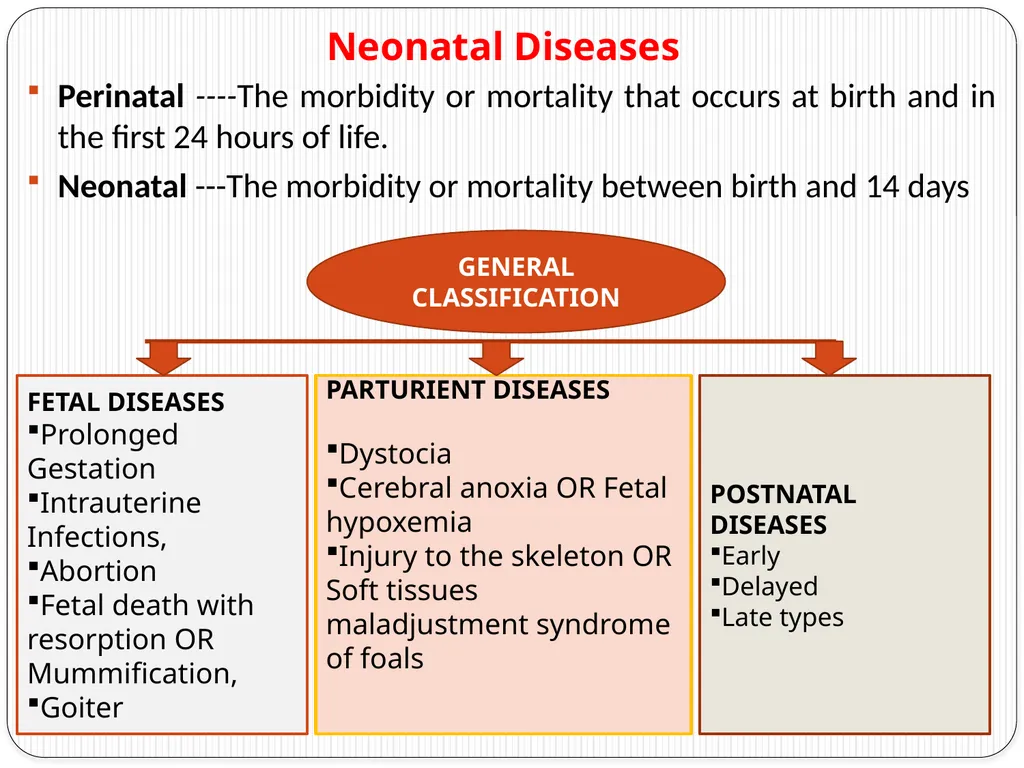
Neonatal Diseases Perinatal ----The morbidity or mortality that occurs at birth and in the first 24 hours of life.
Neonatal ---The morbidity or mortality between birth and 14 days GENERAL CLASSIFICATION FETAL DISEASES
Prolonged Gestation
Intrauterine Infections,
Abortion
Fetal death with resorption OR Mummification,
Goiter PARTURIENT DISEASES
Dystocia
Cerebral anoxia OR Fetal hypoxemia
Injury to the skeleton OR Soft tissues maladjustment syndrome of foals POSTNATAL DISEASES
Early
Delayed
Late types<br>
02
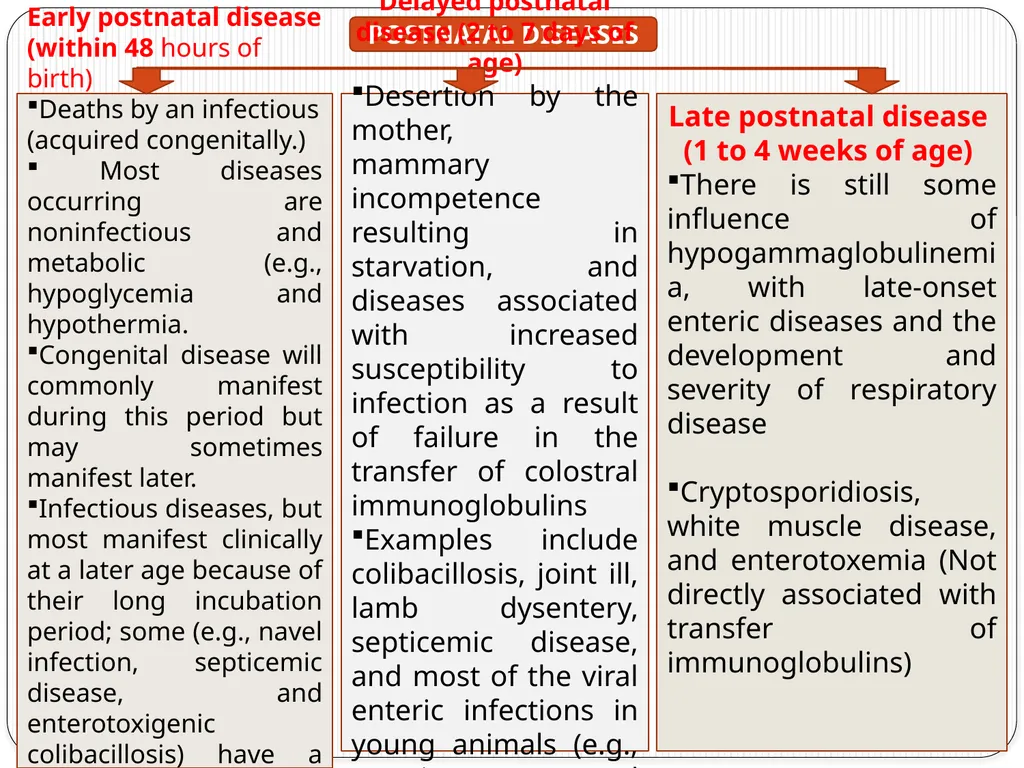
POSTNATAL DISEASES Early postnatal disease (within 48 hours of birth)
Deaths by an infectious (acquired congenitally.)
Most diseases occurring are noninfectious and metabolic (e.g., hypoglycemia and hypothermia.
Congenital disease will commonly manifest during this period but may sometimes manifest later.
Infectious diseases, but most manifest clinically at a later age because of their long incubation period; some (e.g., navel infection, septicemic disease, and enterotoxigenic colibacillosis) have a short enough incubation to occur during this period. Delayed postnatal disease (2 to 7 days of age)
Desertion by the mother,
mammary incompetence resulting in starvation, and diseases associated with increased susceptibility to infection as a result of failure in the transfer of colostral immunoglobulins
Examples include colibacillosis, joint ill, lamb dysentery, septicemic disease, and most of the viral enteric infections in young animals (e.g., rotavirus and coronavirus). Late postnatal disease
(1 to 4 weeks of age)
There is still some influence of hypogammaglobulinemia, with late-onset enteric diseases and the development and severity of respiratory disease
Cryptosporidiosis, white muscle disease, and enterotoxemia (Not directly associated with transfer of immunoglobulins)<br>
03
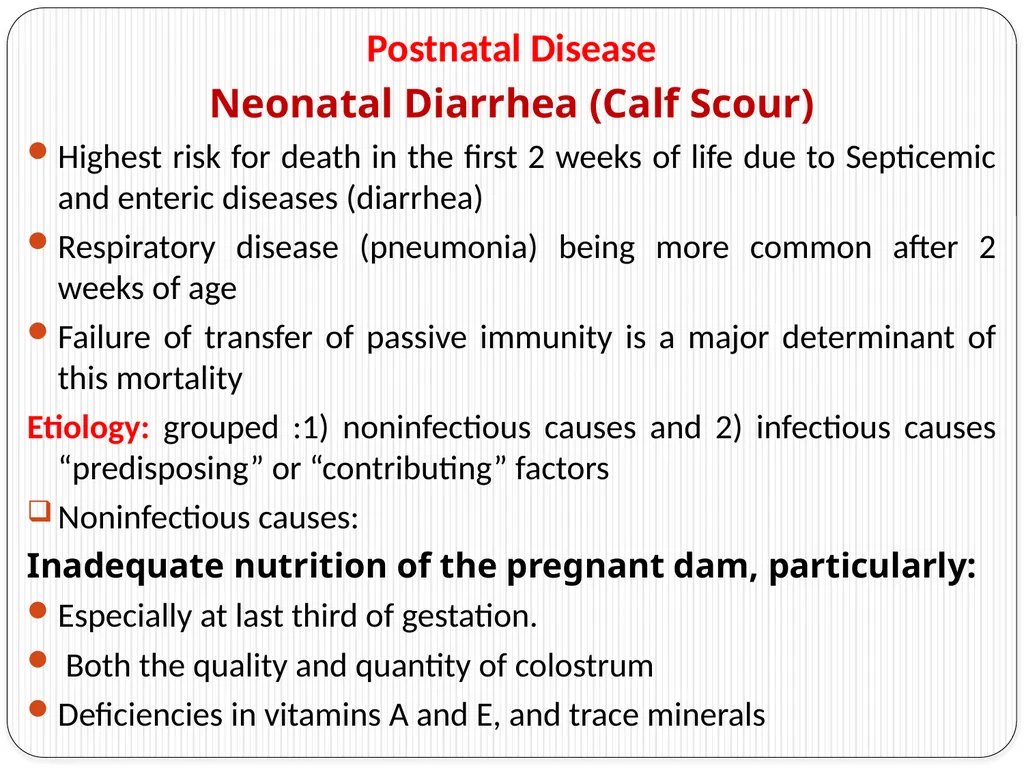
Postnatal Disease
Neonatal Diarrhea (Calf Scour)
Highest risk for death in the first 2 weeks of life due to Septicemic and enteric diseases (diarrhea)
Respiratory disease (pneumonia) being more common after 2 weeks of age
Failure of transfer of passive immunity is a major determinant of this mortality
Etiology: grouped :1) noninfectious causes and 2) infectious causes “predisposing” or “contributing” factors
Noninfectious causes:
Inadequate nutrition of the pregnant dam, particularly:
Especially at last third of gestation.
Both the quality and quantity of colostrum
Deficiencies in vitamins A and E, and trace minerals<br>
04
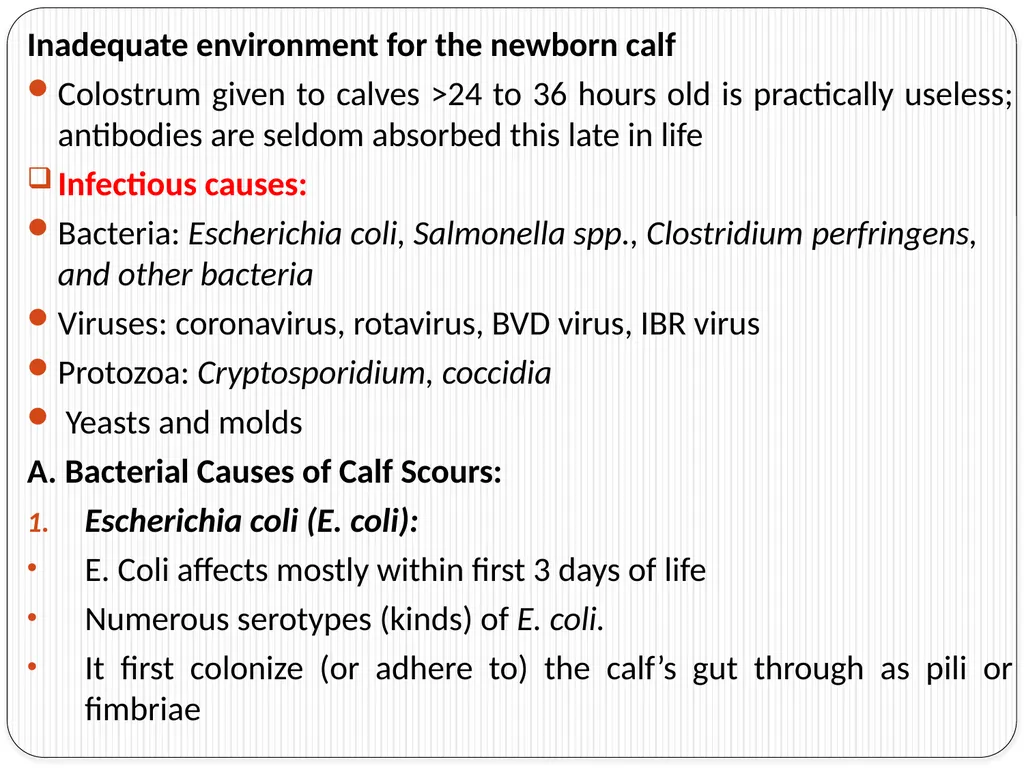
Inadequate environment for the newborn calf
Colostrum given to calves >24 to 36 hours old is practically useless; antibodies are seldom absorbed this late in life
Infectious causes:
Bacteria: Escherichia coli, Salmonella spp., Clostridium perfringens, and other bacteria
Viruses: coronavirus, rotavirus, BVD virus, IBR virus
Protozoa: Cryptosporidium, coccidia
Yeasts and molds
A. Bacterial Causes of Calf Scours:
Escherichia coli (E. coli):
E. Coli affects mostly within first 3 days of life
Numerous serotypes (kinds) of E. coli.
It first colonize (or adhere to) the calf’s gut through as pili or fimbriae<br>
05
These pili may possess the K99 antigen and called enterotoxigenic E. coli (E.T.E.C.)
ETEC produces heat stable toxin leading to secretory diarrhea and severe dehydration.
2. Salmonella:
Salmonella produces a potent toxin or an endotoxin (poison) within its own cells.
Antibiotic treatment damages the salmonella organism, causing it to release the endotoxin, resulting in endotoxic shock, and severe illness.
Therefore, treatment should be designed to combat endotoxic shock.
Calves are usually affected at six days of age or older.
The source of Salmonella infection in a herd can be from other cattle, birds, cats, rodents, the water supply, or human carrier.<br>
06
3. Clostridium perfringens:
Clostridium perfringens infections are commonly known as enterotoxemia.
Enterotoxemia is fatal and is caused by toxins released by various types of C. perfringens.
The disease has a sudden onset.
Affected calves become listless, and strain or kick at their abdomen.
Bloody diarrhea may or may not occur.
Infection is usually associated with changing weather conditions, changes in the feed or feeding of the cows, or management practices that cause the calf to not nurse for a longer period of time than usual.
The hungry calf may over consume milk, which establishes a media in the gut conducive to growth and production of toxins by clostridial organisms. In many cases, calves may die without any signs being observed.<br>
07
B. Viral Causes of Calf Scours:
1.Coronavirus and Rotavirus
Both of these viruses posses the ability to disrupt the cells which line the small intestine, resulting in diarrhea and dehydration.
Coronavirus also damages the cells in the intestinal crypts (where new intestinal cells are produced) and slows the healing process in the intestinal lining.
Furthermore, the damage caused by either corona or rotavirus is often compounded by bacterial infections and creating the risk for fatal diarrhea
Calves as young as one or two days old may scour from corona or rotavirus, but outbreak mostly occur near a week of age and older
2.Bovine Virus Diarrhea (BVD) Virus
Diarrhea begins about 24 hours to three days after exposure and may persist for days or weeks (if the animal survives that long).
Erosions and ulcers on the tongue, lips, and in the mouth are the usual lesions found in the live calf.<br>
08
3. Infectious Bovine Rhinotracheitis (IBR) Virus
Mainly causes respiratory disease, abortions, vaginitis, and conjunctivitis in adult , but causes digestive disorders in young calves
Affected calves had erosions and ulcers in the esophagus, and complicated by dullness, loss of weight, scours, and death.
C. Protozoan Causes of Calf Scours:
1. Cryptosporidium :
It is a protozoan parasite that is much smaller than coccidia
It has the ability to adhere to the cells that line the small intestine and to damage the microvilli.
Calves infected with Cryptosporidium range from one to three weeks in age.
2. Coccidiosis:
It caused by one-celled parasites that invade the intestinal tract
Two, Eimeria zurnii and Eimeria bovis, were usually associated with clinical infections in cattle.<br>
09
The disease occur in calves 3 weeks of age and older, usually following stress, poor sanitation, overcrowding or sudden changes of feed.
Fecal staining of the tail and perineum will be present. This may contain blood or not.
The intestinal hemorrhage may subsequently lead to anemia and hypoproteinemia
Clinical signs:
Diarrhea, blood and fibrin in the feces, depression, and fever AND severe in young or debilitated calves.
Extent of dehydration (percent) is judged by:
Sunken eyes, skin tenting for 3-5 secs: 6-7 % dehydration
Depression, skin tenting for 8-10 secs, dry mucus membranes: 8-10% dehydration
Recumbent, cool extremities, poor pulse: 11-12% dehydration<br>
10
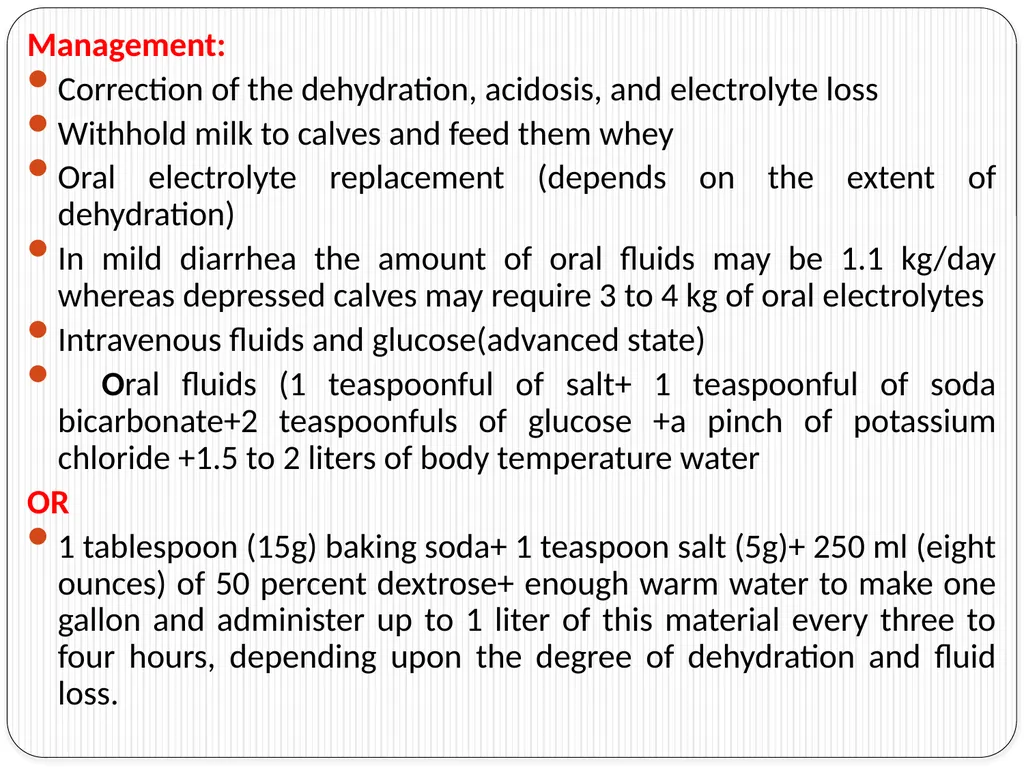
Management:
Correction of the dehydration, acidosis, and electrolyte loss
Withhold milk to calves and feed them whey
Oral electrolyte replacement (depends on the extent of dehydration)
In mild diarrhea the amount of oral fluids may be 1.1 kg/day whereas depressed calves may require 3 to 4 kg of oral electrolytes
Intravenous fluids and glucose(advanced state)
Oral fluids (1 teaspoonful of salt+ 1 teaspoonful of soda bicarbonate+2 teaspoonfuls of glucose +a pinch of potassium chloride +1.5 to 2 liters of body temperature water
OR
1 tablespoon (15g) baking soda+ 1 teaspoon salt (5g)+ 250 ml (eight ounces) of 50 percent dextrose+ enough warm water to make one gallon and administer up to 1 liter of this material every three to four hours, depending upon the degree of dehydration and fluid loss.<br>
11
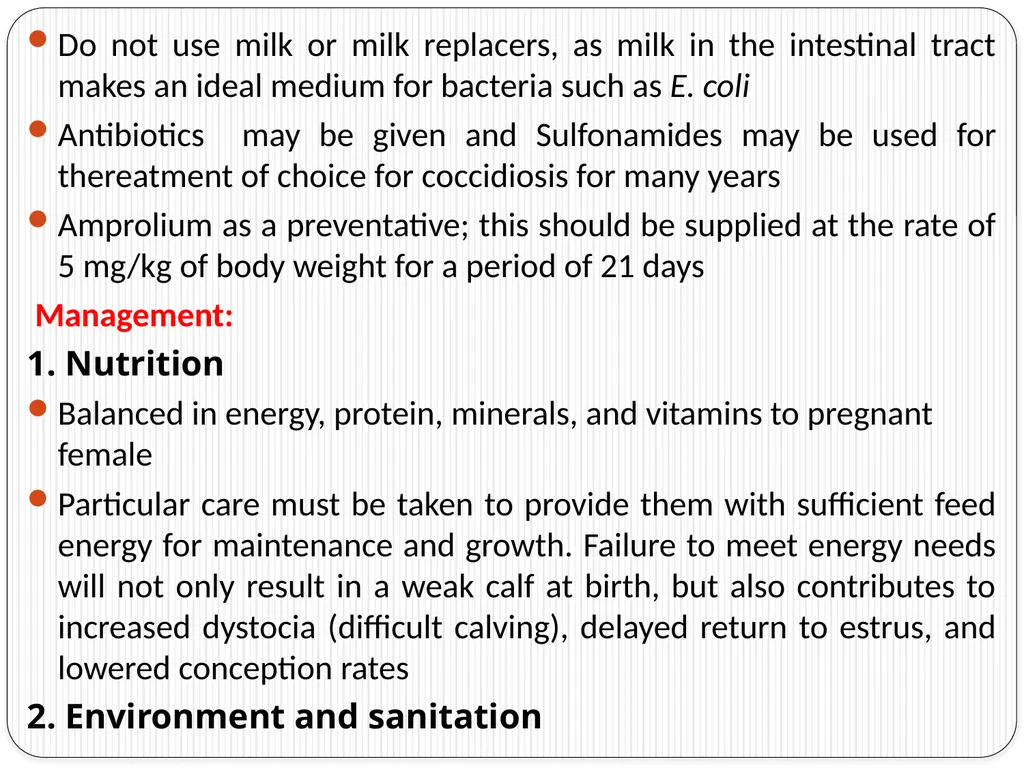
Do not use milk or milk replacers, as milk in the intestinal tract makes an ideal medium for bacteria such as E. coli
Antibiotics may be given and Sulfonamides may be used for thereatment of choice for coccidiosis for many years
Amprolium as a preventative; this should be supplied at the rate of 5 mg/kg of body weight for a period of 21 days
Management:
1. Nutrition
Balanced in energy, protein, minerals, and vitamins to pregnant female
Particular care must be taken to provide them with sufficient feed energy for maintenance and growth. Failure to meet energy needs will not only result in a weak calf at birth, but also contributes to increased dystocia (difficult calving), delayed return to estrus, and lowered conception rates
2. Environment and sanitation<br>
12
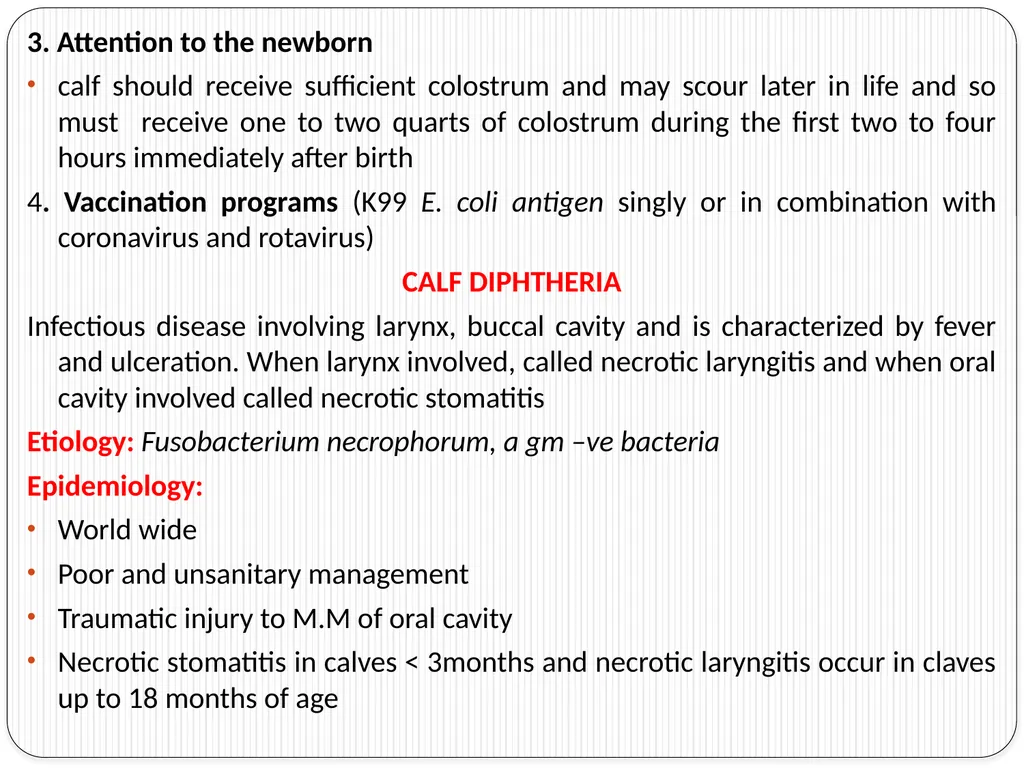
3. Attention to the newborn
calf should receive sufficient colostrum and may scour later in life and so must receive one to two quarts of colostrum during the first two to four hours immediately after birth
4. Vaccination programs (K99 E. coli antigen singly or in combination with coronavirus and rotavirus)
CALF DIPHTHERIA
Infectious disease involving larynx, buccal cavity and is characterized by fever and ulceration. When larynx involved, called necrotic laryngitis and when oral cavity involved called necrotic stomatitis
Etiology: Fusobacterium necrophorum, a gm –ve bacteria
Epidemiology:
World wide
Poor and unsanitary management
Traumatic injury to M.M of oral cavity
Necrotic stomatitis in calves < 3months and necrotic laryngitis occur in claves up to 18 months of age<br>
13
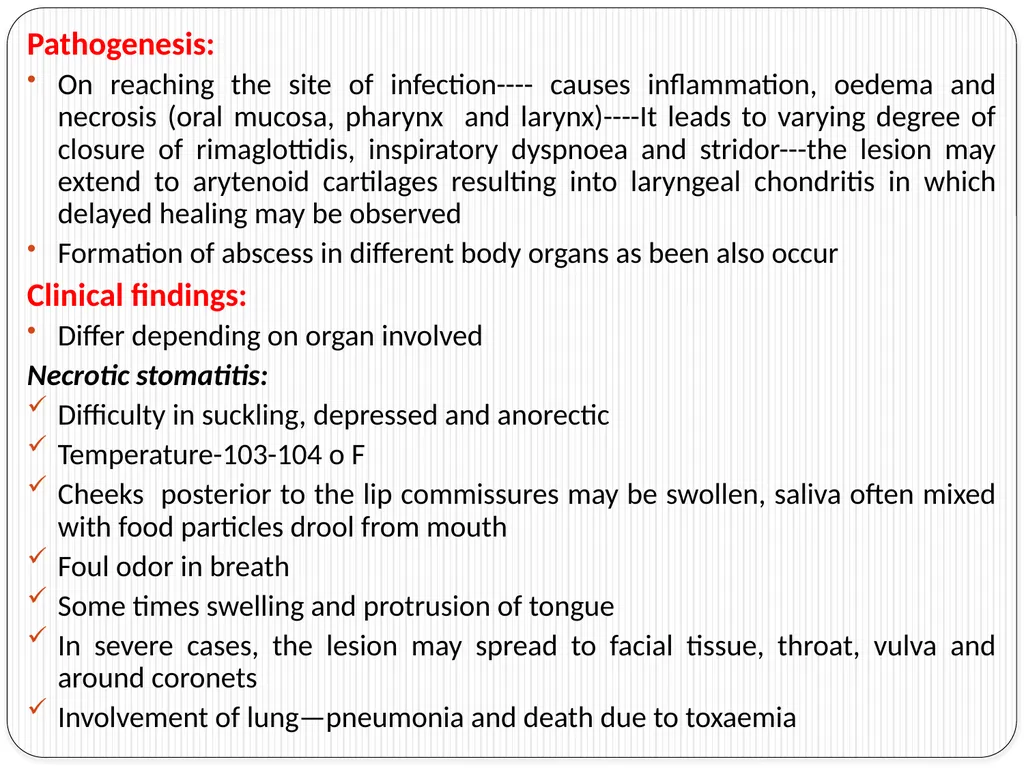
Pathogenesis:
On reaching the site of infection---- causes inflammation, oedema and necrosis (oral mucosa, pharynx and larynx)----It leads to varying degree of closure of rimaglottidis, inspiratory dyspnoea and stridor---the lesion may extend to arytenoid cartilages resulting into laryngeal chondritis in which delayed healing may be observed
Formation of abscess in different body organs as been also occur
Clinical findings:
Differ depending on organ involved
Necrotic stomatitis:
Difficulty in suckling, depressed and anorectic
Temperature-103-104 o F
Cheeks posterior to the lip commissures may be swollen, saliva often mixed with food particles drool from mouth
Foul odor in breath
Some times swelling and protrusion of tongue
In severe cases, the lesion may spread to facial tissue, throat, vulva and around coronets
Involvement of lung—pneumonia and death due to toxaemia<br>
14
Necrotic Laryngitis:
High body temperature (1060F)
Anorexia
Depression
Rapid respiration
Salivation
Nasal discharge
Protrusion of tongue
Moist painful coughing with inspiratory dypnoea
Dysphagia and halitosis
When infection goes to lung—Bronchopneumonia
Death if not treated due to toxaemia, pneumonia and obstruction of respiratory airways<br>
15
Diagnosis:
Clinical signs and along with inspection of managemenatal and feeding practices
Isolation of organism (Swab)
Treatment:
Debridement of lesions and application of Tincture iodine as local antiseptics
Sulphonamides (Sulphamethazine and Sulphamerazine) @150mg/Kg BW for 3-5 days followed by oral.
Other antibiotics (Penicillin, Chloramphenicol and combination of penicillin and streptomycin ) may be used about 3 weeks
Provision of soft, palatable and nutritious diets
In necrotic laryngitis, use antibiotics and Corticosteroids(edema) and in severe cases trachestomy may be required<br>
16
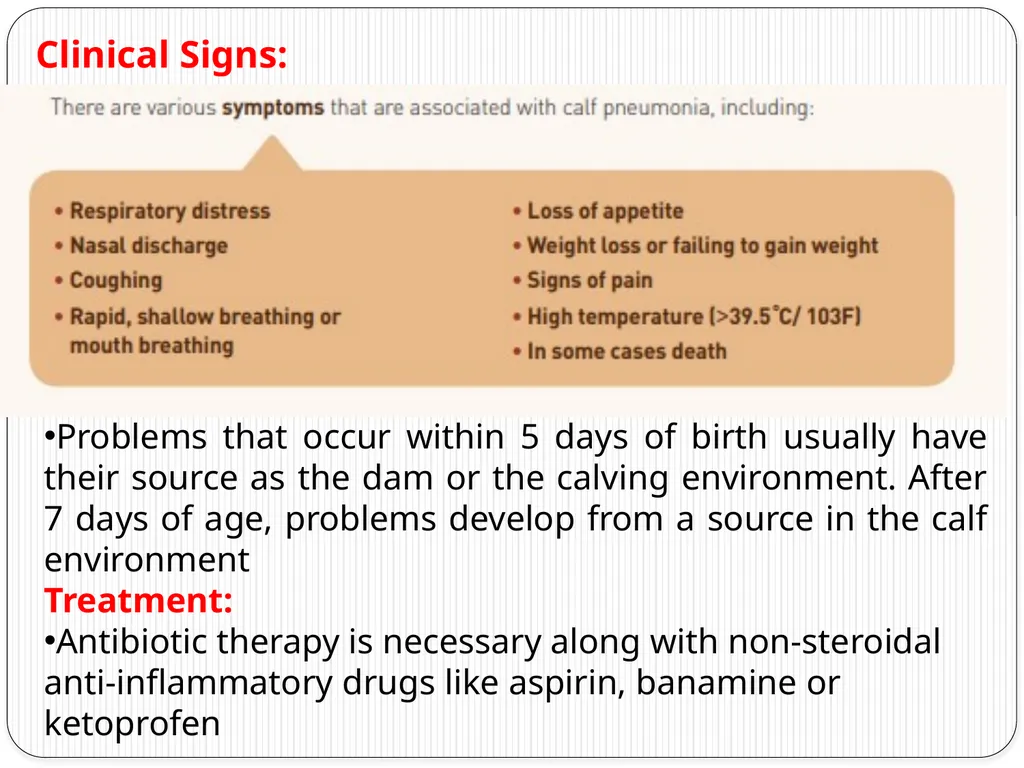
Calf Pneumonia
Pneumonia is an inflammation of the lungs
Etiology: Multifactorial disease. Factors leading to pneumonia include:<br>
Pneumonia is an inflammation of the lungs
Etiology: Multifactorial disease. Factors leading to pneumonia include:<br>
17
Clinical Signs: Problems that occur within 5 days of birth usually have their source as the dam or the calving environment. After 7 days of age, problems develop from a source in the calf environment
Treatment:
Antibiotic therapy is necessary along with non-steroidal anti-inflammatory drugs like aspirin, banamine or ketoprofen<br>
Treatment:
Antibiotic therapy is necessary along with non-steroidal anti-inflammatory drugs like aspirin, banamine or ketoprofen<br>
18
HYPOTHERMIA IN NEWBORNS
Homeothermic animals keep their body temperature almost constant to different ambient temperatures (Thermoregulation )
Hypothermia is a lower than normal body temperature, which occurs when excess heat is lost or insufficient heat is produced
Etiology:
1. Excessive Loss of Heat:
If exposure to excessively cold air temperatures >increased metabolic activity, shivering and sustained muscular contraction, and peripheral vasoconstriction---Heat loss
2. Insufficient Heat Production:
Insufficient body reserves of energy and insufficient feed intake result in insufficient heat production
3. Combination of Excessive Heat Loss and Insufficient Heat Production:
Insufficient energy intake or starvation of newborn farm animals in a cold environment can be a major cause of hypothermia.<br>
19
Thermoregulation in Neonatal Farm Animals:
Neonatal ruminants are precocial in their development and have well-developed thermoregulatory mechanisms
Prolonged exposure to heat or cold induces hormonal and metabolic changes
Glucocorticoid hormones, catecholamines , fat, glycogen, and proteins are used for heat production
Cold-Induced Thermogenesis :
Shivering thermogenesis: involuntary, periodic contractions of skeletal muscle
Nonshivering thermogenesis:
Involve brown adipose tissue (abdominal cavity , perirenal, around large blood vessels, and in the inguinal and prescapular areas), which is present in neonatal lambs, kids, and calves but not in piglets
Norepinephrine- increased blood flow to brown adipose tissue
Glucocorticoids– mobilization of lipid and glycogen to supply energy substrates
Thyroid hormones- regulating cold thermogenesis<br>
20
In neonatal lambs, approximately 40% of the thermogenic response during summit metabolism( cold-induced peak metabolic rate) is attributed to non-shivering thermogenesis, with the balance of about 60% attributed to shivering thermogenesis.
Risk Factors for Neonatal Hypothermia:
Calves:
Calves born outdoors during cold weather
Wind, rain, and snow decrease the level of insulation and increase the lower critical temperature
Dystocia-inhibit nonshivering thermogenesis and impair cold tolerance immediately after birth
Colostrum
Lamb:
“Bad” weather
Starvation, low birth weight, birth injury, and sparse hair coat
Colostrum intake---lambs require 180 to 210 mL colostrum /Kg BW in the first 18 hours after birth to provide sufficient energy substrate for heat production<br>
21
Wetness of the fleece--Wet lambs suffer a reduction in coat insulation
Piglets:
At birth, the newborn piglet experiences a sudden and dramatic 15 to 20°C decrease in its thermal environment, because poorly insulation
pig does not possess brown adipose tissue, so rely essentially on muscular thermogenesis for thermoregulatory purposes
Newborn pigs shiver vigorously from birth because it is the main heat-producing mechanismduring the first 5 days of life
Body reserves (glycogen and fat) are important for the piglet to survive in the first few hours
Foals:
premature, dysmature, or affected with neonatal maladjustment syndrome cannot maintain their rectal temperatures at normal values during the first few hours after birth<br>
22
The lower critical temperature for healthy foals is estimated to be about 10°C and for sick foals is about 24°C
When wet with amniotic fluid, the lower critical temperature probably will be much higher
Covering these foals with rugs and providing thermal radiation using radiant heaters would increase the lower critical temperature
Premature foals are the most compromised compared with dysmature and those with neonatal maladjustment syndrome
Colostrum intake<br>
23
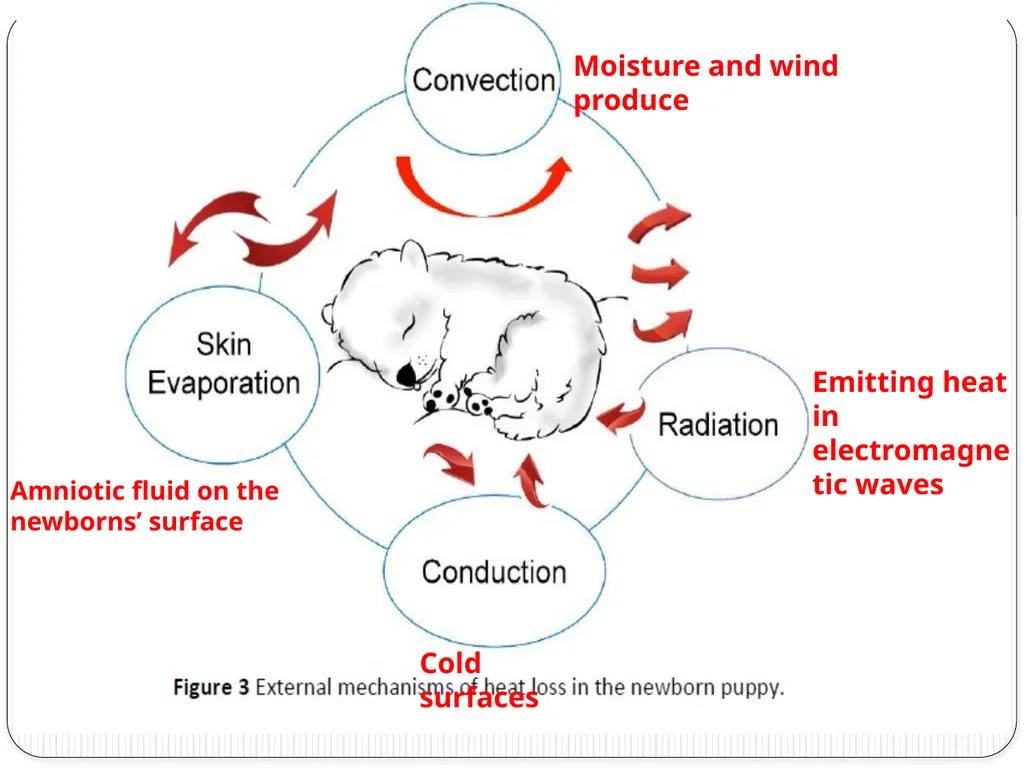
Reyes-Sotelo et al. (2021)<br>
24
Cold surfaces Emitting heat in electromagnetic waves Moisture and wind produce Amniotic fluid on the newborns’ surface<br>
25
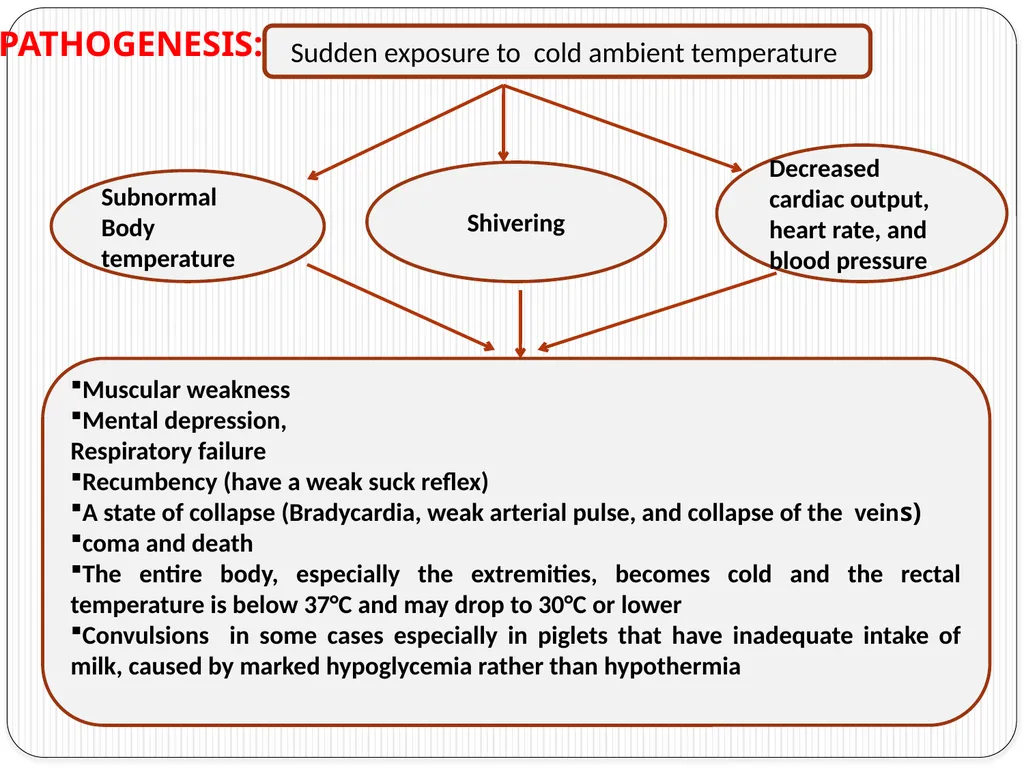
PATHOGENESIS: Sudden exposure to cold ambient temperature Subnormal
Body temperature Shivering Decreased cardiac output, heart rate, and blood pressure. Muscular weakness
Mental depression,
Respiratory failure
Recumbency (have a weak suck reflex)
A state of collapse (Bradycardia, weak arterial pulse, and collapse of the veins)
coma and death
The entire body, especially the extremities, becomes cold and the rectal temperature is below 37°C and may drop to 30°C or lower
Convulsions in some cases especially in piglets that have inadequate intake of milk, caused by marked hypoglycemia rather than hypothermia<br>
26
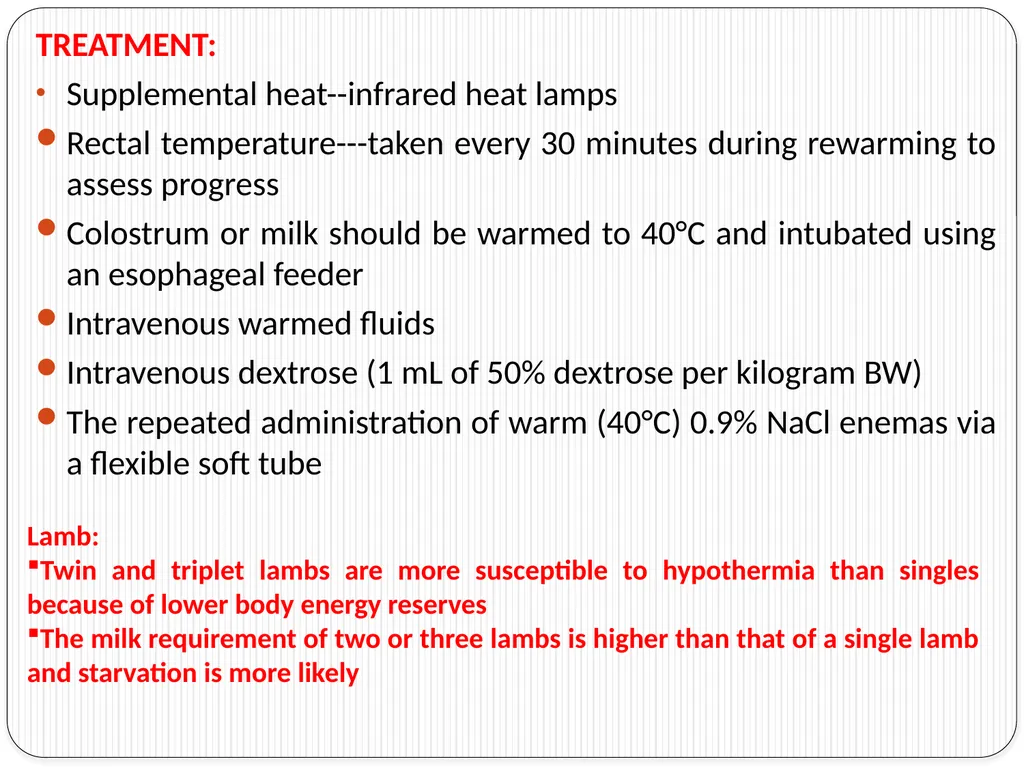
TREATMENT:
Supplemental heat--infrared heat lamps
Rectal temperature---taken every 30 minutes during rewarming to assess progress
Colostrum or milk should be warmed to 40°C and intubated using an esophageal feeder
Intravenous warmed fluids
Intravenous dextrose (1 mL of 50% dextrose per kilogram BW)
The repeated administration of warm (40°C) 0.9% NaCl enemas via a flexible soft tube Lamb:
Twin and triplet lambs are more susceptible to hypothermia than singles because of lower body energy reserves
The milk requirement of two or three lambs is higher than that of a single lamb and starvation is more likely<br>
27
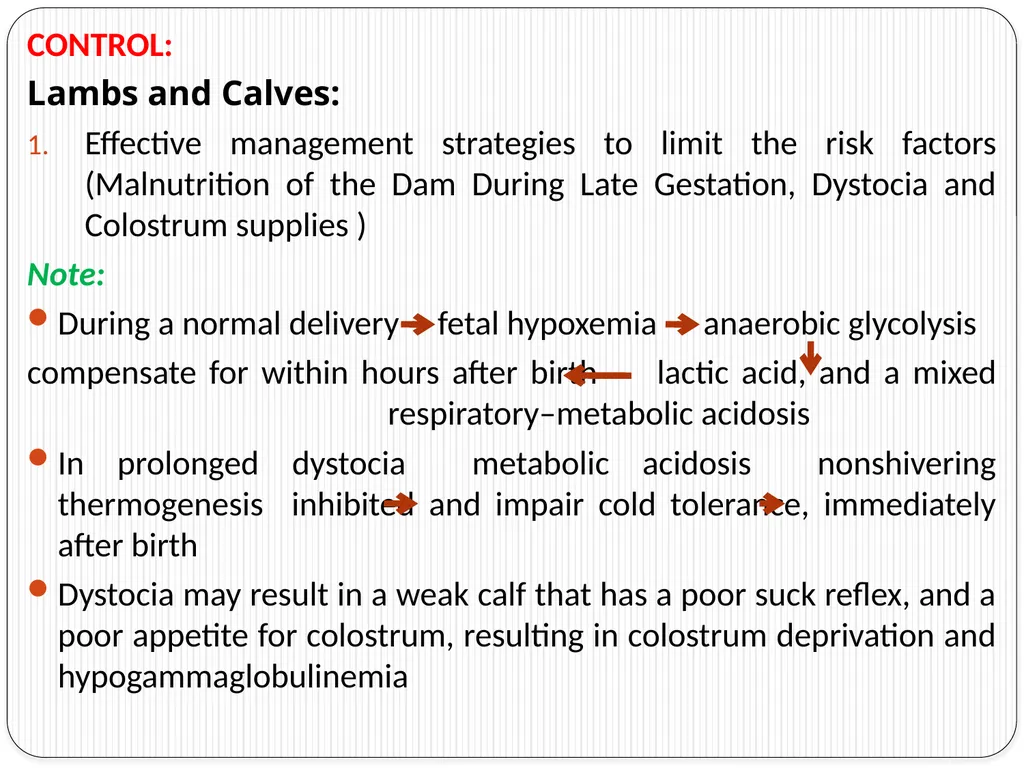
CONTROL:
Lambs and Calves:
Effective management strategies to limit the risk factors (Malnutrition of the Dam During Late Gestation, Dystocia and Colostrum supplies )
Note:
During a normal delivery fetal hypoxemia anaerobic glycolysis
compensate for within hours after birth lactic acid, and a mixed respiratory–metabolic acidosis
In prolonged dystocia metabolic acidosis nonshivering thermogenesis inhibited and impair cold tolerance, immediately after birth
Dystocia may result in a weak calf that has a poor suck reflex, and a poor appetite for colostrum, resulting in colostrum deprivation and hypogammaglobulinemia<br>
28
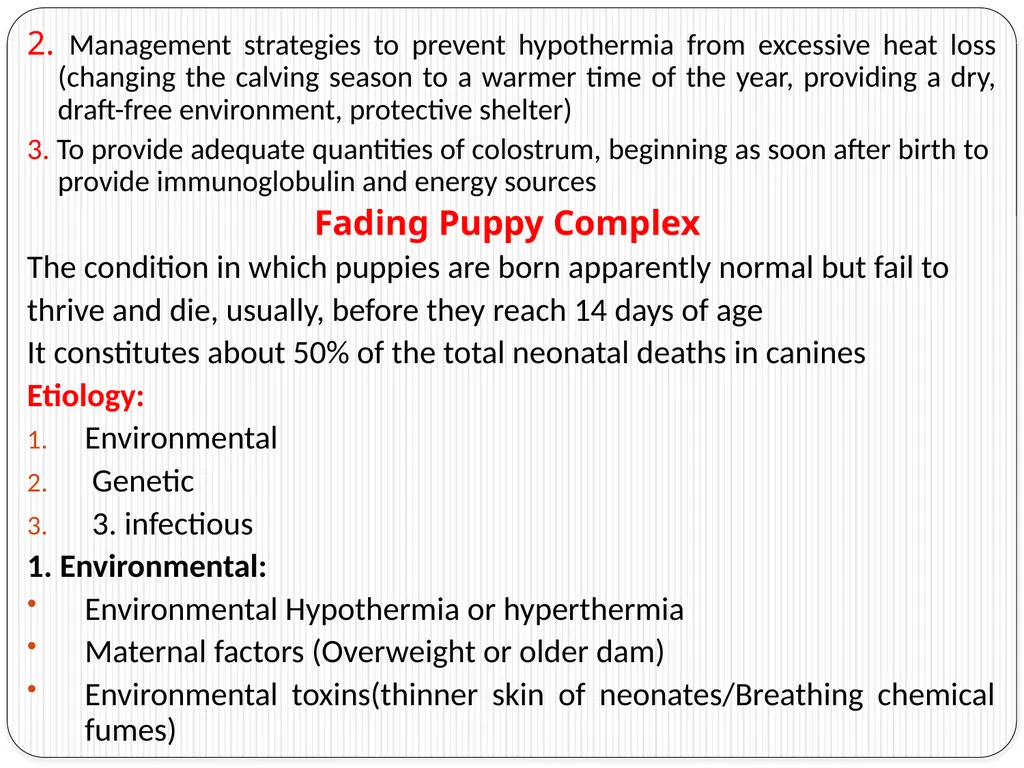
2. Management strategies to prevent hypothermia from excessive heat loss (changing the calving season to a warmer time of the year, providing a dry, draft-free environment, protective shelter)
3. To provide adequate quantities of colostrum, beginning as soon after birth to provide immunoglobulin and energy sources
Fading Puppy Complex
The condition in which puppies are born apparently normal but fail to
thrive and die, usually, before they reach 14 days of age
It constitutes about 50% of the total neonatal deaths in canines
Etiology:
Environmental
Genetic
3. infectious
1. Environmental:
Environmental Hypothermia or hyperthermia
Maternal factors (Overweight or older dam)
Environmental toxins(thinner skin of neonates/Breathing chemical fumes)<br>
29
2. Genetic or congenital factors:
Physical defects:
Abnormalities of the mouth, anus, skull, and heart
Swimmer (flat) puppies ( flattened and widened chests)
Pectus excavatum is a severe deformity resulting from intrusion of the breastbone into the chest cavity
Birth weigh:
Varies with the breed (Eg: Pomeranian about 120 g and Great Dane about 625 g )
Weight gain should be steady and should gain 5% to 10% of birth weight daily
Neonates should be weighed twice a day
In toy-breeds, a transient juvenile hypoglycaemia, associated with low body weight.<br>
30
3. Infectious agents:
Bacterial infection:
The immature immune systems, keep the risk for infection through the placenta, umbilicus, or gastrointestinal or respiratory tract from contaminated environments.
Clinical signs of bacterial infection may vary but usually include vomiting, diarrhoea, constant crying, fever, failure to nurse, and sloughing of the ear and tail tips and toes
Viral infection:
Many viruses like Canine herpes virus infection, is a very common in puppies.
The signs vary from constant crying to abdominal pain.
In Canine parvovirus (type 1) infection, there is a rapid onset of crying, failure to nurse, vomiting, diarrhoea, difficult breathing (dyspnoea), and weakness.
Canine adenovirus is also implicated rarely as a cause for this condition<br>
31
Intestinal parasites:
Transplacental transmission of roundworm and hookworm
Pups can also acquire roundworm infection through the dam’s milk.
Besides, some protozoan parasites can also cause diarrhoea in the young ones.
The condition is rarely fatal but can contribute to illness and put a neonate at higher risk of additional infection
Icterus neonatorum:
This form of haemolytic anaemia arises in pups as a result of previous blood transfusions of the bitch with a blood group similar to that of the pups.
The antibodies are transferred through the colostrum to cause a haemolytic crisis in the pups. Such pups are weak, anaemic and jaundiced<br>
32
Clinical signs:
The clinical signs are vague and insidious
It is often too difficult to save a puppy once clinical signs appear.
The common findings are a low birth weight or failure to gain weight at the same rate as their siblings
Decreased activity and inability to suckle
Have a tendency to remain separate from the mother and the rest of the litter.
They are often reported to cry weakly in a high pitched tone. Some people refer to this as “seagulling” due to its similarity to the cry of seagulls.
These puppies often quickly progress to severe lethargy, loss of muscle tone and death.<br>
33
Prevention:
Provide adequate warmth to avoid become chilled and temperature of slightly above 103°F (39°C) should be maintained. Chilled puppies should always be warmed slowly to prevent tissue hypoxia
Starvation and hypoglycaemia should avoided to limit the risk of hypothermia
Due to water turnover rates twice that of the adult as well as immature kidney function, the neonate is particularly at risk from dehydration. The use of 5% dextrose/ Ringer lactate solution by subcutaneous route @ 1ml/30g bodyweight is recommended followed by oral 5-10% glucose @ 0.25 ml/30g until urine flow is normal
Provide colostrums within first 12-24 hours
In infectious condition, antibiotics may be of help along with good hygiene and management procedures
Vaccination of the dam against important infectious diseases and deworming prior to whelping can help to reduce the early neonatal losses
Congenital defects may be corrected with surgery and physical therapy<br>