objective Introduce the HIV Define the HIV Discuss the incidence of HIV Discuss the types Discuss the etiology of HIV. Explain the pathophysiology of HIV. Discuss the clinical manifestation of HIV. Discuss the diagnosis of HIV. Explain the
"objective Introduce the HIV Define the HIV Discuss" is the property of its rightful owner. Permission is granted to
download and print the materials on this website for personal, non-commercial use only, and to display it
on your personal computer provided you do not modify the materials and that you retain all copyright
notices contained in the materials. By downloading content from our website, you accept the terms of this
agreement.
Presentation Transcript
01
objective Introduce the HIV
Define the HIV
Discuss the incidence of HIV
Discuss the types
Discuss the etiology of HIV.
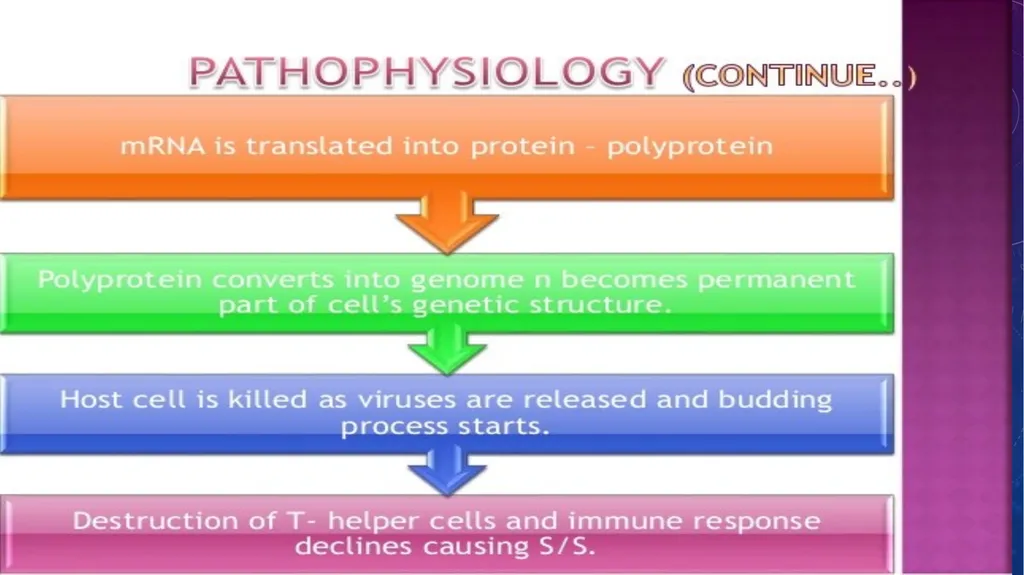
Explain the pathophysiology of HIV.
Discuss the clinical manifestation of HIV.
Discuss the diagnosis of HIV.
Explain the management of HIV<br>
02
INTRODUICTION HIV is the abbreviation used for the Human Immunodeficiency Virus. HIV attacks the body's immune system. Normally, the immune system produces white blood cells and antibodies that attack viruses and bacteria. The infection fighting cells are called T-cell lymphocytes. Months to years after a person is infected with HIV, the virus destroys all the T-cell lymphocytes. This disables the immune system to defend the body against diseases and tumors. Various infections will be able to develop; these opportunistic infections take advantage of the body's weakened immune system.<br>
03
DEFINITION:- HIV infection is caused by Human immunodeficiency Virus(HIV)
This condition gradually destroy the immune system, which makes it hard for the body to fight infections.
It causes acquired immunodeficiency virus (AIDS)<br>
04
incidence 2.3 million children below 15 years are affected i.e. 7.7% of the world population.
Globally 91% from vertical transmission.
5% from nosocomial transmission.<br>
05
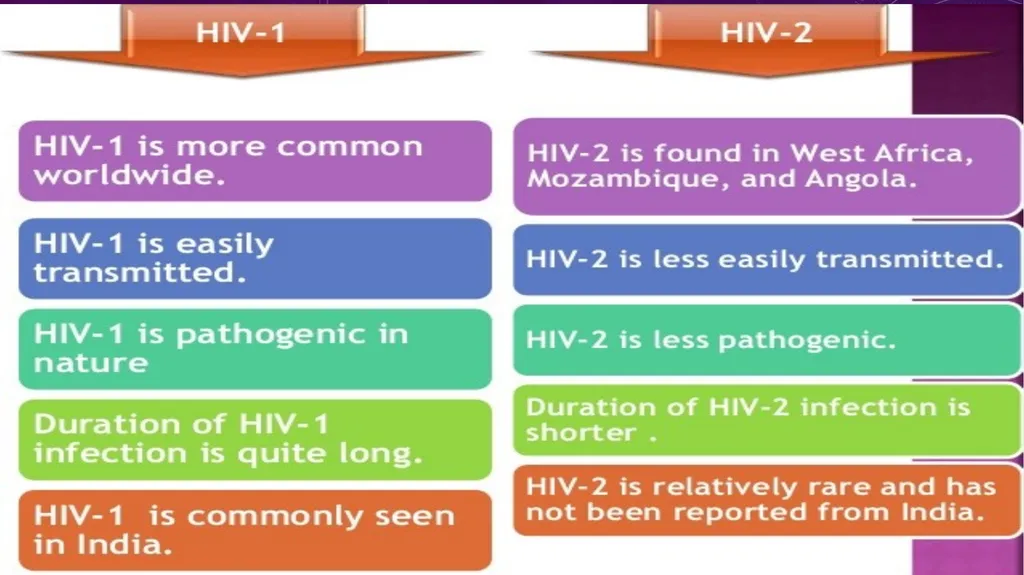
types<br>
06
types<br>
07
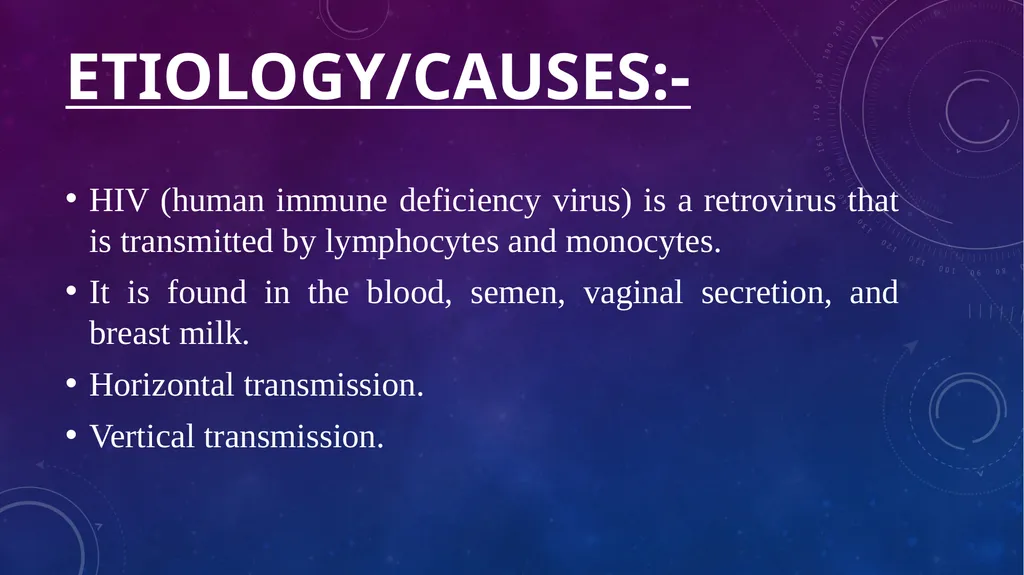
ETIOLOGY/CAUSES:- HIV (human immune deficiency virus) is a retrovirus that is transmitted by lymphocytes and monocytes.
It is found in the blood, semen, vaginal secretion, and breast milk.
Horizontal transmission.
Vertical transmission.<br>
08
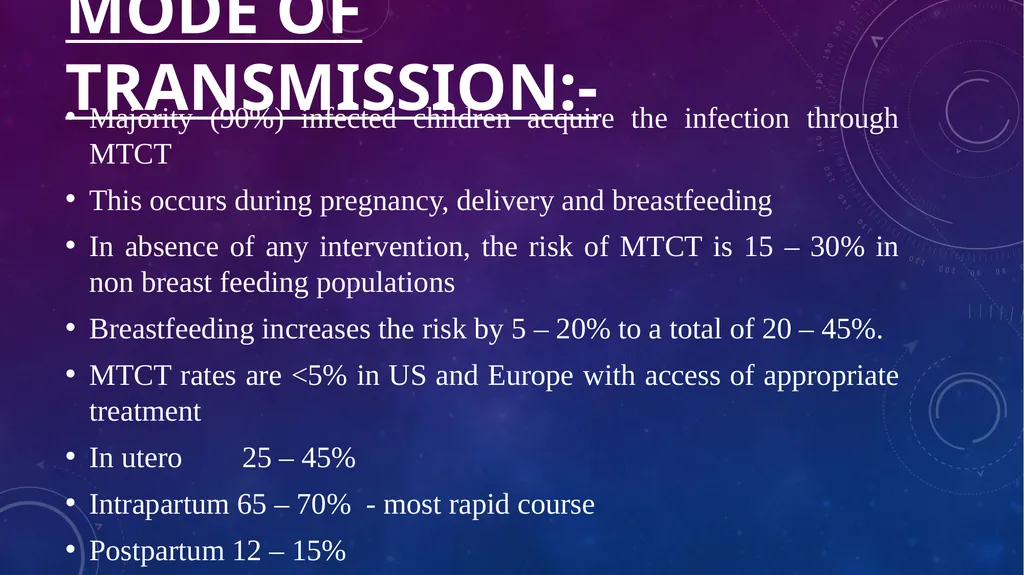
MODE OF TRANSMISSION:- Majority (90%) infected children acquire the infection through MTCT
This occurs during pregnancy, delivery and breastfeeding
In absence of any intervention, the risk of MTCT is 15 – 30% in non breast feeding populations
Breastfeeding increases the risk by 5 – 20% to a total of 20 – 45%.
MTCT rates are <5% in US and Europe with access of appropriate treatment
In utero 25 – 45%
Intrapartum 65 – 70% - most rapid course
Postpartum 12 – 15%<br>
09
OTHER MEANS OF TRANSMISSION Blood transfusions, blood products and organ/tissue transplants
Contaminated needles
Sexual intercourse<br>
10
CLINICAL MANIFESTATION Deficits in motor skills, communication, and behavioral functioning.
Developmental disabilities.
Neuropsychologic deficits.
CNS abnormalities.
Cardiomyopathy.
Lymphadenopathy.
Oral candidiasis.
Chronic or recurrent diarrhea.
Failure to thrive.
Developmental delay.
Parotitis.
Hepatosplenomegaly<br>
11
OTHER SYMPTOMS:- Fever
Loss of appetite.
Oral candidiasis.
Fatigue.
Weight loss.
Kaposi’s sarcoma (KS): - it is a form of cancer that principally affects the skin. In the early stages, it may look like a bruise or blue-violet or brownish spot, which persists anywhere on the surface of the skin or even in the mouth. The spot grows larger and may ulcerate.<br>
12
CONTI…… Pneumocystis carinii pneumonia (PCP): - it has symptoms similar to any other form of severe pneumonia, especially fever and difficulty in breathing.
Atypical mycobacterium infection.
Cryptococcal meningitis.
Cryptosporidium enteritis.
In the young child, thrombocytopenia may be the first sign of AIDS.
Bacterial infection.
Persistent cough.<br>
13
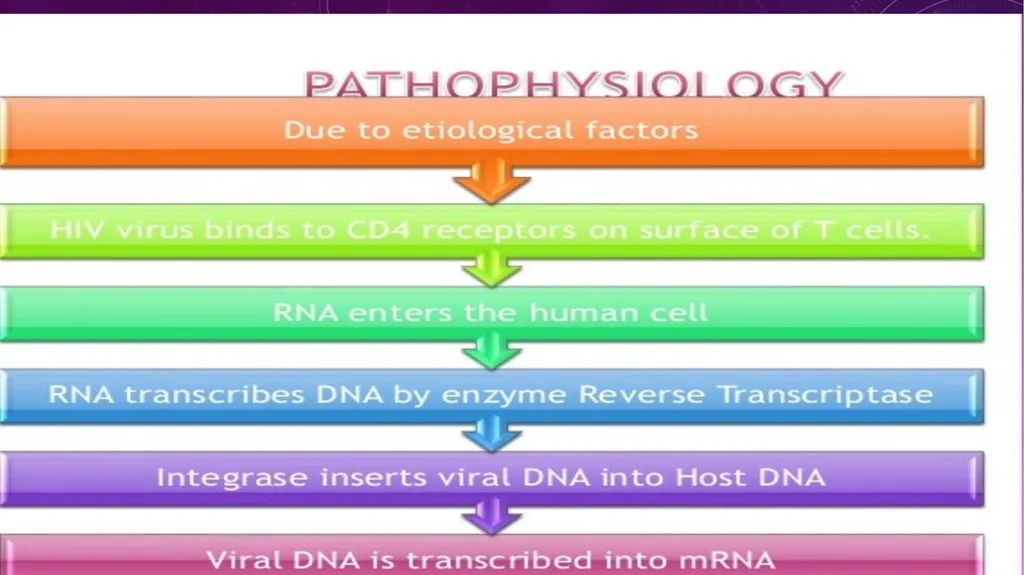
PATHOPHYSIOLOGY<br>
14
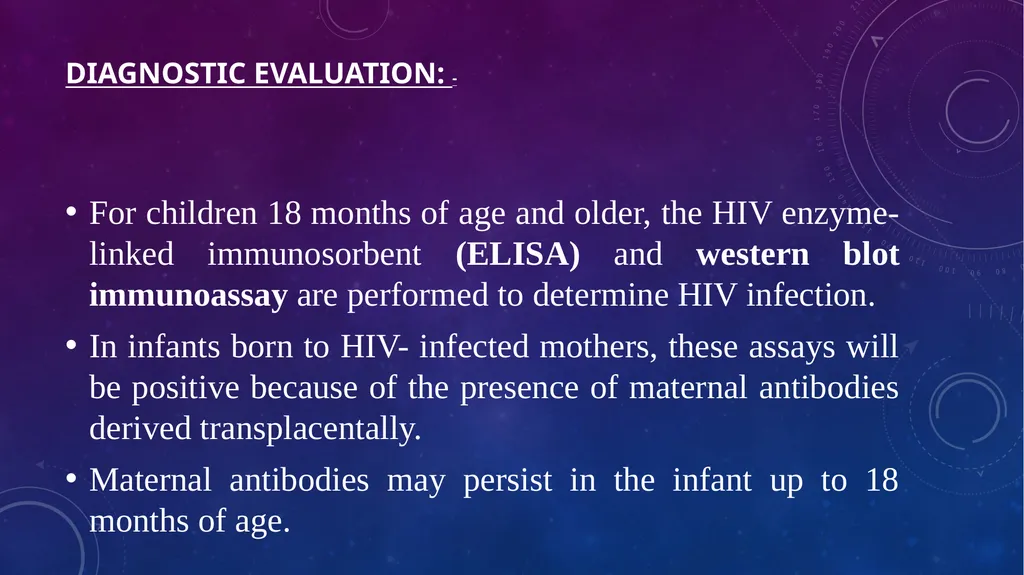
DIAGNOSTIC EVALUATION: - For children 18 months of age and older, the HIV enzyme-linked immunosorbent (ELISA) and western blot immunoassay are performed to determine HIV infection.
In infants born to HIV- infected mothers, these assays will be positive because of the presence of maternal antibodies derived transplacentally.
Maternal antibodies may persist in the infant up to 18 months of age.<br>
15
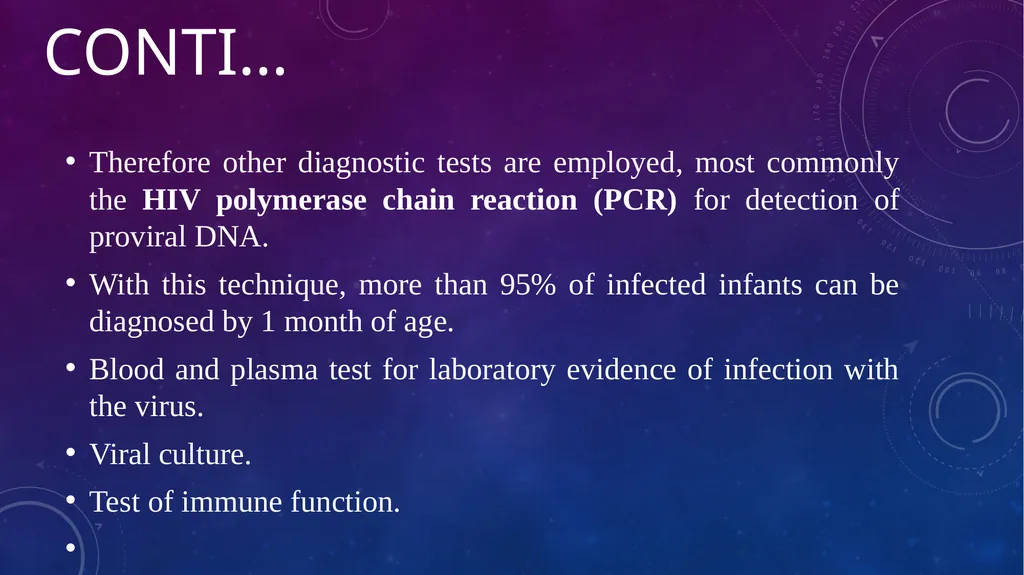
CONTI… Therefore other diagnostic tests are employed, most commonly the HIV polymerase chain reaction (PCR) for detection of proviral DNA.
With this technique, more than 95% of infected infants can be diagnosed by 1 month of age.
Blood and plasma test for laboratory evidence of infection with the virus.
Viral culture.
Test of immune function.<br>
16
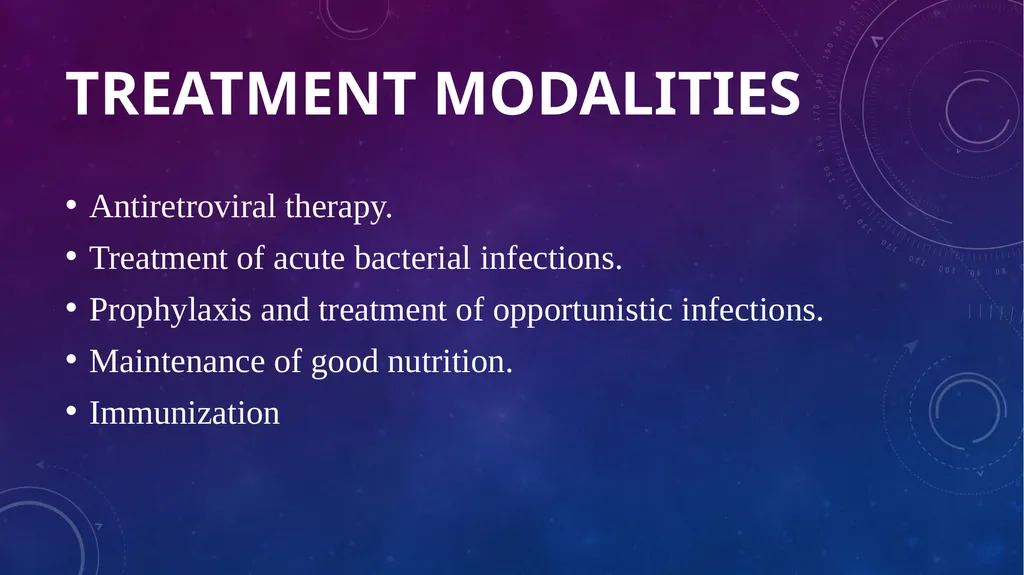
TREATMENT MODALITIES Antiretroviral therapy.
Treatment of acute bacterial infections.
Prophylaxis and treatment of opportunistic infections.
Maintenance of good nutrition.
Immunization<br>
17
MANAGEMENT OF AIDS Defining illnesses
Psychological support for the family
Palliative care for the terminally ill child<br>
18
PREVENTION Pregnant women who need ARV treatment should receive it in accordance with WHO guidelines.
HIV – infected pregnant women who do not have indication for ARV treatment or do not have access to treatment should be offered ARV prophylaxis to prevent MTCT using one of the several regimens know to be safe.
ZDV from 28wks of pregnancy + single dose NVP during labor and single dose NVP and one week ZDV for infant.
Nevirapine tab 200mg given to the mother during labour and the syrup 2mg/kg given to baby within 72 hours of life reduces transmission by half<br>
SUMMARY The disease progresses rapidly in approximately 10-20% of children who are infected, and they die of AIDS by age 4 years, whereas 80-90% survive to a mean age of 9-10 years. In affected regions of sub-Saharan Africa, the infant mortality rate has increased by 75% due, in part, to the orphaned status of most children.<br>