Occupational safety for health professionals and patients exposed to Ionizing radiation: Global Issue and Potential areas for the improvement Atta Ul Aleem BHATTI Neuro Spine and Endovascular Neurosurgeon Neuro Health Care 4 LMIC CERN GHF
"Occupational safety for health professionals and" is the property of its rightful owner. Permission is granted to
download and print the materials on this website for personal, non-commercial use only, and to display it
on your personal computer provided you do not modify the materials and that you retain all copyright
notices contained in the materials. By downloading content from our website, you accept the terms of this
agreement.
Presentation Transcript
01
Occupational safety for health professionals and patients exposed to Ionizing radiation: Global Issue and Potential areas for the improvement Atta Ul Aleem BHATTI
Neuro Spine and Endovascular Neurosurgeon
Neuro Health Care 4 LMIC
CERN GHF 27/5/2024<br>
02
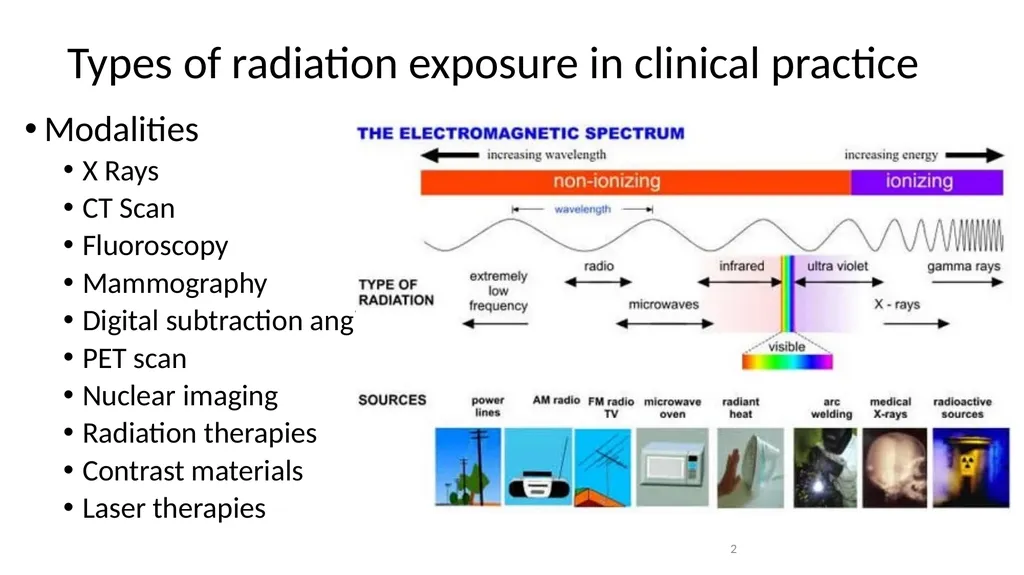
Types of radiation exposure in clinical practice Modalities
X Rays
CT Scan
Fluoroscopy
Mammography
Digital subtraction angiography
PET scan
Nuclear imaging
Radiation therapies
Contrast materials
Laser therapies 2<br>
03
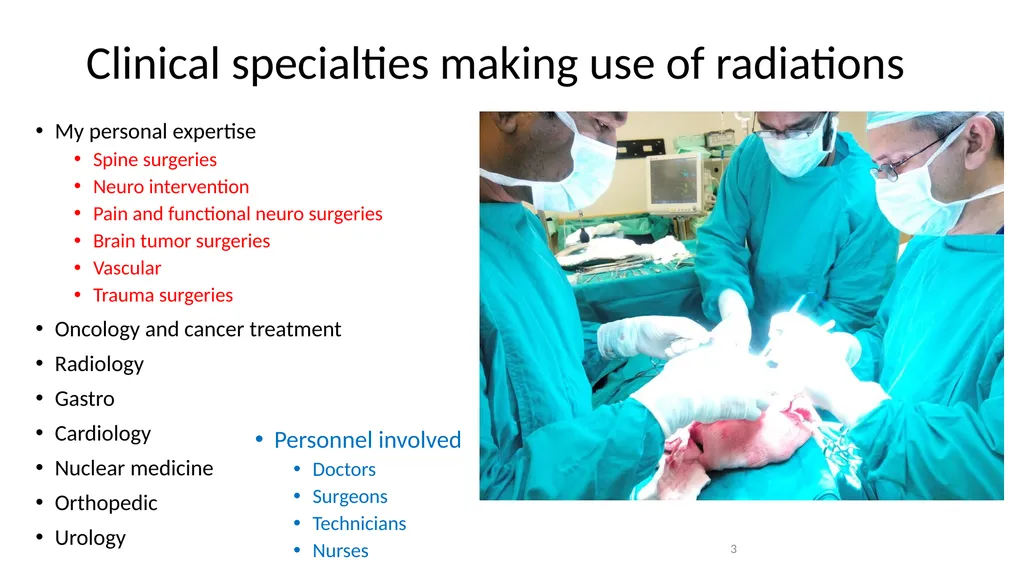
Clinical specialties making use of radiations My personal expertise
Spine surgeries
Neuro intervention
Pain and functional neuro surgeries
Brain tumor surgeries
Vascular
Trauma surgeries
Oncology and cancer treatment
Radiology
Gastro
Cardiology
Nuclear medicine
Orthopedic
Urology Personnel involved
Doctors
Surgeons
Technicians
Nurses 3<br>
04
Growing numbers and Scope of Radiation Protection
98% of global exposure to ionizing radiation
3.6 billion diagnostic X-ray
33 million diagnostic nuclear studies each year worldwide
7.4 million health care workers exposed to radiation
Between 1991-1996 and 1997-2007, the total annual number of diagnostic medical examinations went up by 50%
[UNSCEAR 2008 Report to the General Assembly, with Scientific Annexes. United Nations, New York: 2010] 4 Radiation and Health Industry<br>
05
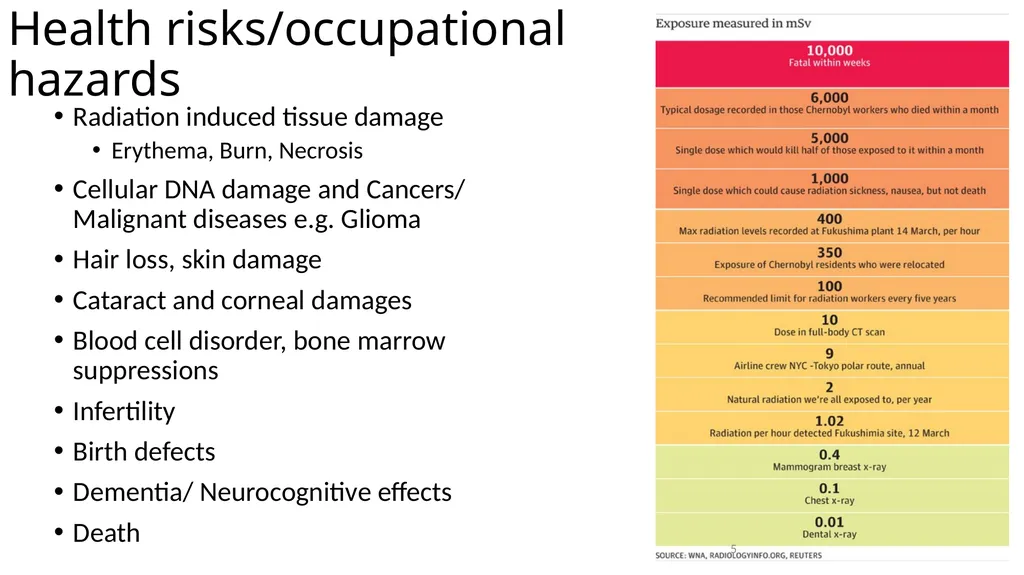
Health risks/occupational hazards Radiation induced tissue damage
Erythema, Burn, Necrosis
Cellular DNA damage and Cancers/ Malignant diseases e.g. Glioma
Hair loss, skin damage
Cataract and corneal damages
Blood cell disorder, bone marrow suppressions
Infertility
Birth defects
Dementia/ Neurocognitive effects
Death 5<br>
06
Bonn Call-for-Action 2012. Joint position of IAEA & WHO Strengthen the radiation protection of patients and health worker
Attain the highest benefit with the least possible risk to all patients by the safe and appropriate use of ionizing radiation in medicine
c) Aid the full integration of radiation protection into health care
d) Help improve the benefit/risk-dialogue with patients and the public e) Enhance the safety and quality of radiological procedures
in medicine. 6<br>
07
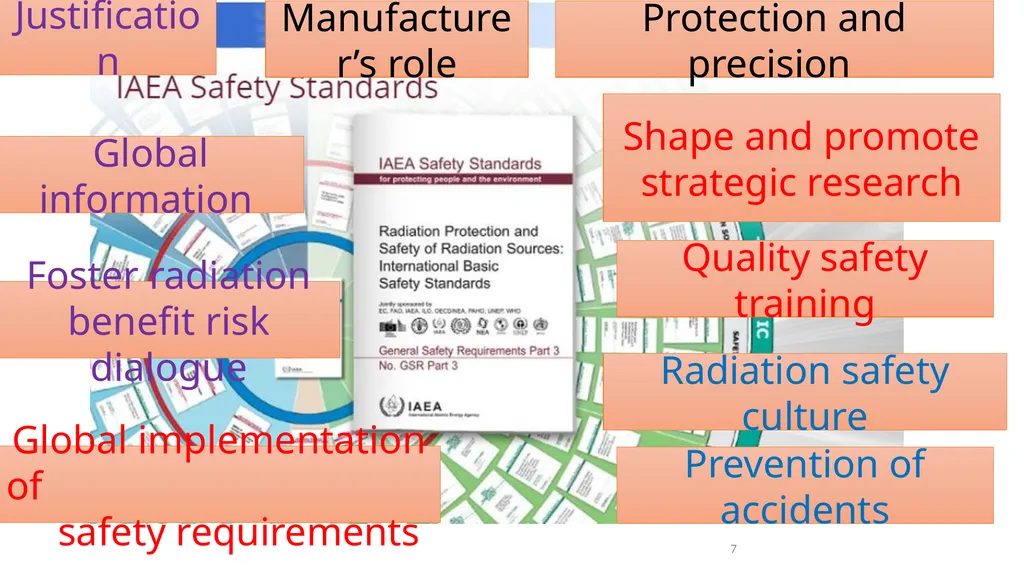
7 Justification Global information Foster radiation benefit risk dialogue Global implementation of safety requirements Manufacturer’s role Protection and precision Shape and promote strategic research Quality safety training Radiation safety culture Prevention of accidents<br>
08
Radiation hazards for health professional: not a snapshot but a dynamic threat to lives Important questions to address:
Exposure intensity and duration
International safety protocols and guidelines
Equipment and setups
maintained and periodically updated
Personnel handling the equipment being trained regularly
Availability and periodic analysis of local data regarding radiation exposure
Vital to convert games of chances into predictable safety outcome 8<br>
09
Future recommendations in Partnership with CERN Given IAEA guidelines
safety trainings and workshops
courses and diplomas
Quality based certification of health facilities
setups
Equipment
institutional protocol reviews
compliance of administration
Provision and Real time record keeping of dosimeters- More advanced research based solutions for Interactive Dosimeter
Finding alternatives to LEAD as RP material and Innovative designing
Implementation of IAEA/ WHO/ ICMP endorsed targets and recommendations 9<br>