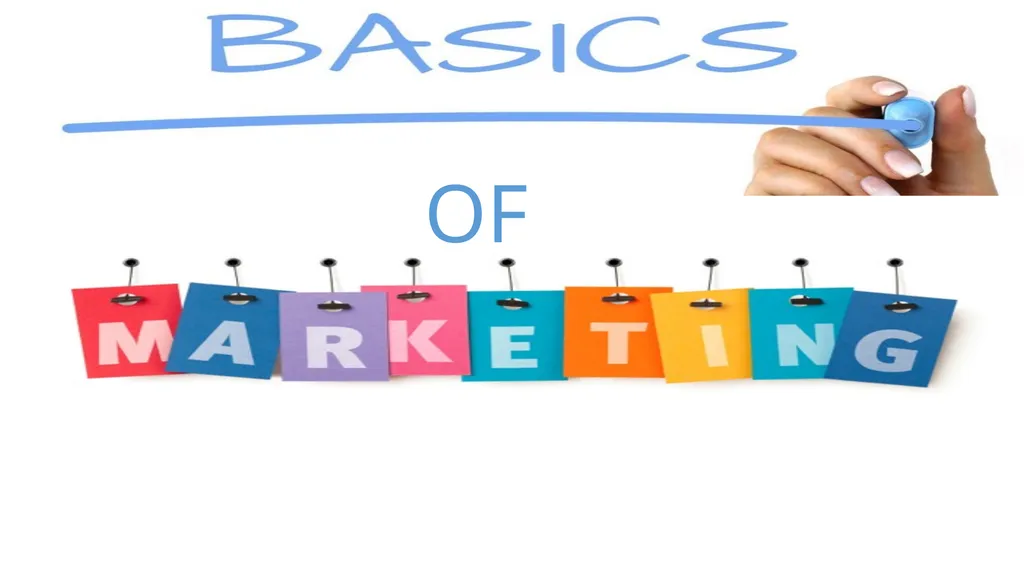
OF What is Marketing? Marketing is about
Description: OF What is Marketing? Marketing is about understanding: who your customers are what they need what they value Identifying your customers needs and working out how your business can fulfil those needs Marketing is the management process
Related Topics
Download Presentation
"OF What is Marketing? Marketing is about" is the property of its rightful owner. Permission is granted to download and print the materials on this website for personal, non-commercial use only, and to display it on your personal computer provided you do not modify the materials and that you retain all copyright notices contained in the materials. By downloading content from our website, you accept the terms of this agreement.
Presentation Transcript
slide1. OF<br>
slide2. What is Marketing? Marketing is about understanding:
who your customers are
what they need
what they value
Identifying your customers’ needs and working out how your business can fulfil those needs
“Marketing is the management process responsible for identifying, anticipating and satisfying customer requirements profitably.”<br>
slide3. DEFINITION Marketing is the process of planning and executing the conception, pricing, promotion and distribution of ideas, goods and services to create exchanges that satisfy individual and organizational objectives."
Marketing is about knowing who your customers are, understanding what they need and telling them how you can fulfil those needs in a way that encourages them to buy from your business.<br>
slide4. More definitions Satisfying needs and wants through an exchange process
A social and managerial process by which individuals and groups obtain what they want and need through creating, offering and exchanging products of value with others
Philip Kotler
“The management process responsible for identifying, anticipating and satisfying customer requirements profitably".
Chartered Institute of Marketing<br>
slide5. What can be marketed? Goods
Services
Experiences
Events
Persons Places
Organisations
Ideas<br>
slide6. Marketing concepts<br>
slide7. Market Physical place for buyers and sellers
Product/ service class
Need market
Demographic
Geographic
Job<br>
slide8. Basic markets<br>
slide9. Marketplace
Marketspace
Meta market<br>
slide10. Target markets
Segmentation
Marketer
Prospect<br>
slide11. Needs
Wants
Demands<br>
slide12. Need – basic requirements
Want- Need directed to specific objects
Demand – Want backed by the ability to pay and the willingness to buy<br>
slide14. Types of needs Stated needs – The need as stated by the customer. E.g. I want a Mercedes
Real needs – The customer wants something that is exclusive, not easily available.
Unstated needs – The customer expects the dealer to give him preferred treatment
Delight needs – The customer wants the dealer to give him a registration number of his choice
Secret needs – The customer wants others to appreciate his exclusive possession and speak about it.<br>
slide15. Value proposition
Product
Offering
Brand<br>
slide16. Value = Benefits = 2 3 2 6 5
Costs 2 2 1 4 2
Benefits = Functional benefit+ Emotional benefit
Costs = Time + Money +Energy+ Psychological cost
Value is 1 – Customer satisfaction
Value > 1 – Customer delight
Value < 1-Customer dissatisfaction
Value = QSP (customer value triad) = Quality, Service, Price
How to increase value?
Increase benefits
Decrease the cost
Increase benefits more than increase in cost
Decrease cost more than decrease in benefits
Increase the benefits and reduce the cost<br>
slide17. Exchange
2 parties minimum
Both of them should have something of value to the other party
Both the parties should be able to communicate and deliver
Both the parties have the right to refuse
Both the parties should believe that the other party is worthy of a transaction.
Transaction
Exchange of equal values is a transaction
Transfer<br>
slide18. Orientations of a firm<br>
slide19. Features of marketing 1. Systematic Process
2. Ideas, Goods and Services
3. Target Markets
4. All Pervasive
5. Customer Satisfaction
6. Competitive Advantage
7. Corporate Image
8. Expansion of Business
9. Organizational Objectives
10. Marketing Environment
11. Integrated Approach
12. Societal Interest<br>
slide20. Features of marketing Regular and continuous economic activity
Facilitates satisfaction of human wants
Relates to goods and services
Brings transfer of ownership
Creates utility
Core aspect of business
Evolutionary
Art as well as science<br>
slide21. Advantages of marketing Satisfies customer wants
Increases sales and profits
Increases goodwill
Competitive advantage
Builds corporate image
Customer satisfaction
Educates customers
Customer relationship
Expansion of business
Economies of scale
Improves standard of living<br>
slide22. Advantages of marketing Protects customers
Provides channels of communication
Helps in introducing new products
Leads to economic development
Generates employment
Optimum utilisation of resources
Helps in achieving organisational objective
Builds brand equity
Build brand loyalty
Builds brand image<br>
slide23. Social relationship/ Relationship marketing Process of creating, maintaining and enhancing strong long term trusting relationships with customers, distributors, dealers and suppliers
Relationships can be improved through (Customers)
Handling objections effectively
Reliable after sales service
Regular communication
Consumer education
Sales promotion<br>
slide24. Relationships can be improved through (Dealers/ Suppliers)
Attractive payment options
Healthy competition
Participation
Communication
Incentives<br>
slide25. Steps in Relationship marketing Identify important customers
Assign relationship managers
Prepare detailed job descriptions
Develop CRM plans and programs
Remain in touch with customers
Coordinate and review performance of RMs<br>
slide26. Holistic marketing Relationship marketing
Integrated marketing
Internal marketing
Performance marketing / Societal marketing<br>
slide27. Scope of marketing (functional areas) Marketing research
Product planning and development
Advertising
Sales promotion
Pricing
Physical distribution
Personal selling
After- sales service<br>
slide28. Scope of marketing (functional areas) Test marketing
Marketing information systems (MIS)
Customer Relationship Management (CRM)
Branding
Packaging
Marking / labelling
Positioning
Public relations
Direct marketing
Digital marketing<br>
slide29. Scope of marketing (areas of application) Goods
Services
Experiences
Events
Persons Places
Properties
Organisations
Information
Ideas<br>
slide30. Marketing Mix – 4Ps of marketing James Culliton coined the term “Marketing Mix”
He called the marketing manager as a “Mixer of Ingredients”
Marketing Mix is a set of marketing tools that the firm uses to pursue its marketing objectives in the target market.
Marketing mix is a blend of tools used by a firm to persuade its customers to buy its products
Jerome McCarthy classified these tools into 4 broad categories, known as the 4 Ps of marketing
Product
Price
Place
Promotion<br>
slide32. 4Cs of marketing from Customer’s perspective Robert Lauterborn proposed the 4 Cs
Customer Value (Needs and Wants) / benefits/ solution
Cost
Convenience
Communication<br>
slide33. (Benefit/Solution)<br>
slide36. Features Continuous Process
Planning and executing
4 Ps (Product, Price, Promotion, Place)
Ideas , goods and services
Creates exchanges
Customer satisfaction
Ownership
Achievement of organisational objectives
Increase in sales
Increase in market share<br>
slide37. Market share Shampoo industry = 100000 units
4 brands = 100% shampoo market
Sunsilk = 40000
Dove = 35000
WOW = 15000
Tressemme = 10000
Market share of WOW=<br>
slide38. Advantages of marketing (To the company) Increase their goodwill – (Brand equity)
Competitive advantage
Increase in sales
Increase in profits
Economies of scale
Brand recognition – (Brand image)
Widens market
Corporate reputation – (Corporate Image)
Sustains business
Market knowledge
Optimum utilisation of resources
Bringing new product
Brand loyalty
Promotion of Word of Mouth publicity
Helps in preventing negative publicity/ rumours
Employee loyalty<br>
slide39. Advantages of marketing (To the society) Boost Economic growth
Employment opportunities
Spreads awareness about products and services
Improves standard of living
Helps in protecting local culture
Improved products through better market research<br>
slide40. Advantages of marketing (To the intermediaries) Boosts sales and profits
Reduces cost of advertising
Market feedback and information
Reduces selling costs
Reduces sales promotion costs
Credit facilities
Support
Promotions
Storage facilities<br>
slide41. Advantages of marketing (To the customer) Wide variety
Market knowledge
Customer satisfaction
Improves standard of living
Provides Utility
Improved customer service
Customer education
Customer protection
Keep up with latest trends
Lowers costs
Better quality products<br>
slide42. Brand Brand Identity
Brand Image
Corporate reputation
Brand equity<br>
slide2. What is Marketing? Marketing is about understanding:
who your customers are
what they need
what they value
Identifying your customers’ needs and working out how your business can fulfil those needs
“Marketing is the management process responsible for identifying, anticipating and satisfying customer requirements profitably.”<br>
slide3. DEFINITION Marketing is the process of planning and executing the conception, pricing, promotion and distribution of ideas, goods and services to create exchanges that satisfy individual and organizational objectives."
Marketing is about knowing who your customers are, understanding what they need and telling them how you can fulfil those needs in a way that encourages them to buy from your business.<br>
slide4. More definitions Satisfying needs and wants through an exchange process
A social and managerial process by which individuals and groups obtain what they want and need through creating, offering and exchanging products of value with others
Philip Kotler
“The management process responsible for identifying, anticipating and satisfying customer requirements profitably".
Chartered Institute of Marketing<br>
slide5. What can be marketed? Goods
Services
Experiences
Events
Persons Places
Organisations
Ideas<br>
slide6. Marketing concepts<br>
slide7. Market Physical place for buyers and sellers
Product/ service class
Need market
Demographic
Geographic
Job<br>
slide8. Basic markets<br>
slide9. Marketplace
Marketspace
Meta market<br>
slide10. Target markets
Segmentation
Marketer
Prospect<br>
slide11. Needs
Wants
Demands<br>
slide12. Need – basic requirements
Want- Need directed to specific objects
Demand – Want backed by the ability to pay and the willingness to buy<br>
slide14. Types of needs Stated needs – The need as stated by the customer. E.g. I want a Mercedes
Real needs – The customer wants something that is exclusive, not easily available.
Unstated needs – The customer expects the dealer to give him preferred treatment
Delight needs – The customer wants the dealer to give him a registration number of his choice
Secret needs – The customer wants others to appreciate his exclusive possession and speak about it.<br>
slide15. Value proposition
Product
Offering
Brand<br>
slide16. Value = Benefits = 2 3 2 6 5
Costs 2 2 1 4 2
Benefits = Functional benefit+ Emotional benefit
Costs = Time + Money +Energy+ Psychological cost
Value is 1 – Customer satisfaction
Value > 1 – Customer delight
Value < 1-Customer dissatisfaction
Value = QSP (customer value triad) = Quality, Service, Price
How to increase value?
Increase benefits
Decrease the cost
Increase benefits more than increase in cost
Decrease cost more than decrease in benefits
Increase the benefits and reduce the cost<br>
slide17. Exchange
2 parties minimum
Both of them should have something of value to the other party
Both the parties should be able to communicate and deliver
Both the parties have the right to refuse
Both the parties should believe that the other party is worthy of a transaction.
Transaction
Exchange of equal values is a transaction
Transfer<br>
slide18. Orientations of a firm<br>
slide19. Features of marketing 1. Systematic Process
2. Ideas, Goods and Services
3. Target Markets
4. All Pervasive
5. Customer Satisfaction
6. Competitive Advantage
7. Corporate Image
8. Expansion of Business
9. Organizational Objectives
10. Marketing Environment
11. Integrated Approach
12. Societal Interest<br>
slide20. Features of marketing Regular and continuous economic activity
Facilitates satisfaction of human wants
Relates to goods and services
Brings transfer of ownership
Creates utility
Core aspect of business
Evolutionary
Art as well as science<br>
slide21. Advantages of marketing Satisfies customer wants
Increases sales and profits
Increases goodwill
Competitive advantage
Builds corporate image
Customer satisfaction
Educates customers
Customer relationship
Expansion of business
Economies of scale
Improves standard of living<br>
slide22. Advantages of marketing Protects customers
Provides channels of communication
Helps in introducing new products
Leads to economic development
Generates employment
Optimum utilisation of resources
Helps in achieving organisational objective
Builds brand equity
Build brand loyalty
Builds brand image<br>
slide23. Social relationship/ Relationship marketing Process of creating, maintaining and enhancing strong long term trusting relationships with customers, distributors, dealers and suppliers
Relationships can be improved through (Customers)
Handling objections effectively
Reliable after sales service
Regular communication
Consumer education
Sales promotion<br>
slide24. Relationships can be improved through (Dealers/ Suppliers)
Attractive payment options
Healthy competition
Participation
Communication
Incentives<br>
slide25. Steps in Relationship marketing Identify important customers
Assign relationship managers
Prepare detailed job descriptions
Develop CRM plans and programs
Remain in touch with customers
Coordinate and review performance of RMs<br>
slide26. Holistic marketing Relationship marketing
Integrated marketing
Internal marketing
Performance marketing / Societal marketing<br>
slide27. Scope of marketing (functional areas) Marketing research
Product planning and development
Advertising
Sales promotion
Pricing
Physical distribution
Personal selling
After- sales service<br>
slide28. Scope of marketing (functional areas) Test marketing
Marketing information systems (MIS)
Customer Relationship Management (CRM)
Branding
Packaging
Marking / labelling
Positioning
Public relations
Direct marketing
Digital marketing<br>
slide29. Scope of marketing (areas of application) Goods
Services
Experiences
Events
Persons Places
Properties
Organisations
Information
Ideas<br>
slide30. Marketing Mix – 4Ps of marketing James Culliton coined the term “Marketing Mix”
He called the marketing manager as a “Mixer of Ingredients”
Marketing Mix is a set of marketing tools that the firm uses to pursue its marketing objectives in the target market.
Marketing mix is a blend of tools used by a firm to persuade its customers to buy its products
Jerome McCarthy classified these tools into 4 broad categories, known as the 4 Ps of marketing
Product
Price
Place
Promotion<br>
slide32. 4Cs of marketing from Customer’s perspective Robert Lauterborn proposed the 4 Cs
Customer Value (Needs and Wants) / benefits/ solution
Cost
Convenience
Communication<br>
slide33. (Benefit/Solution)<br>
slide36. Features Continuous Process
Planning and executing
4 Ps (Product, Price, Promotion, Place)
Ideas , goods and services
Creates exchanges
Customer satisfaction
Ownership
Achievement of organisational objectives
Increase in sales
Increase in market share<br>
slide37. Market share Shampoo industry = 100000 units
4 brands = 100% shampoo market
Sunsilk = 40000
Dove = 35000
WOW = 15000
Tressemme = 10000
Market share of WOW=<br>
slide38. Advantages of marketing (To the company) Increase their goodwill – (Brand equity)
Competitive advantage
Increase in sales
Increase in profits
Economies of scale
Brand recognition – (Brand image)
Widens market
Corporate reputation – (Corporate Image)
Sustains business
Market knowledge
Optimum utilisation of resources
Bringing new product
Brand loyalty
Promotion of Word of Mouth publicity
Helps in preventing negative publicity/ rumours
Employee loyalty<br>
slide39. Advantages of marketing (To the society) Boost Economic growth
Employment opportunities
Spreads awareness about products and services
Improves standard of living
Helps in protecting local culture
Improved products through better market research<br>
slide40. Advantages of marketing (To the intermediaries) Boosts sales and profits
Reduces cost of advertising
Market feedback and information
Reduces selling costs
Reduces sales promotion costs
Credit facilities
Support
Promotions
Storage facilities<br>
slide41. Advantages of marketing (To the customer) Wide variety
Market knowledge
Customer satisfaction
Improves standard of living
Provides Utility
Improved customer service
Customer education
Customer protection
Keep up with latest trends
Lowers costs
Better quality products<br>
slide42. Brand Brand Identity
Brand Image
Corporate reputation
Brand equity<br>