OTHER IMPRESSION EVIDENCES CHAPTER 11 CASTING OF FOOTPRINTS Casting is a method used to preserve and collect footprint impressions found at crime scenes or in other contexts. The process involves creating a physical copy of the footprint
"OTHER IMPRESSION EVIDENCES CHAPTER 11 CASTING OF" is the property of its rightful owner. Permission is granted to
download and print the materials on this website for personal, non-commercial use only, and to display it
on your personal computer provided you do not modify the materials and that you retain all copyright
notices contained in the materials. By downloading content from our website, you accept the terms of this
agreement.
Presentation Transcript
01
OTHER IMPRESSION EVIDENCES CHAPTER 11<br>
02
CASTING OF FOOTPRINTS
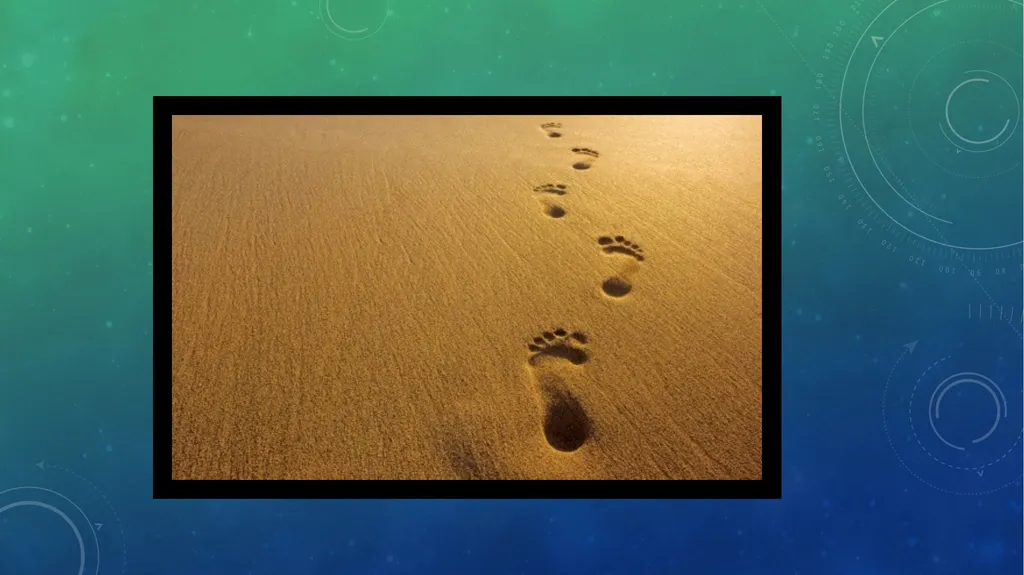
Casting is a method used to preserve and collect footprint impressions found at crime scenes or in other contexts. The process involves creating a physical copy of the footprint impression by filling it with a casting material, such as plaster or dental stone.
Here are the steps involved in casting footprints:
Clean the surface around the footprint: Before casting, the surface around the footprint should be cleaned to remove any debris or loose material that may interfere with the casting process.
Prepare the casting material: The casting material should be mixed according to the manufacturer's instructions, usually with water.
Pour the casting material: Once the casting material is mixed, it should be poured carefully into the footprint impression, ensuring that the material reaches all areas of the impression.<br>
03
Allow the material to set: The casting material should be left to set for the recommended amount of time, usually several hours or overnight, until it is fully hardened.
Remove the casting: Once the casting material is fully hardened, it can be carefully removed from the impression. The casting should be handled gently to avoid damaging any details in the impression.
Clean and preserve the casting: The casting should be cleaned and preserved using appropriate techniques and materials, such as labeling, photography, or storage in a protective container.
Casting footprints can be a useful method for preserving and collecting evidence, allowing forensic investigators to analyze the footprints in more detail and compare them to other evidence found at the crime scene or in other contexts.<br>
04
ELECTROSTATIC LIFTING OF LATENT FOOTPRINTS
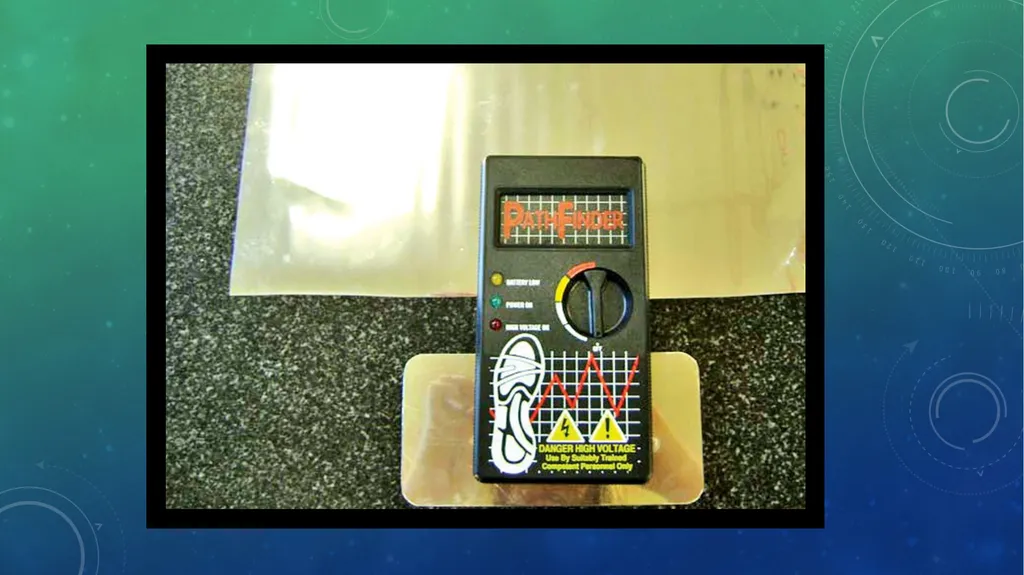
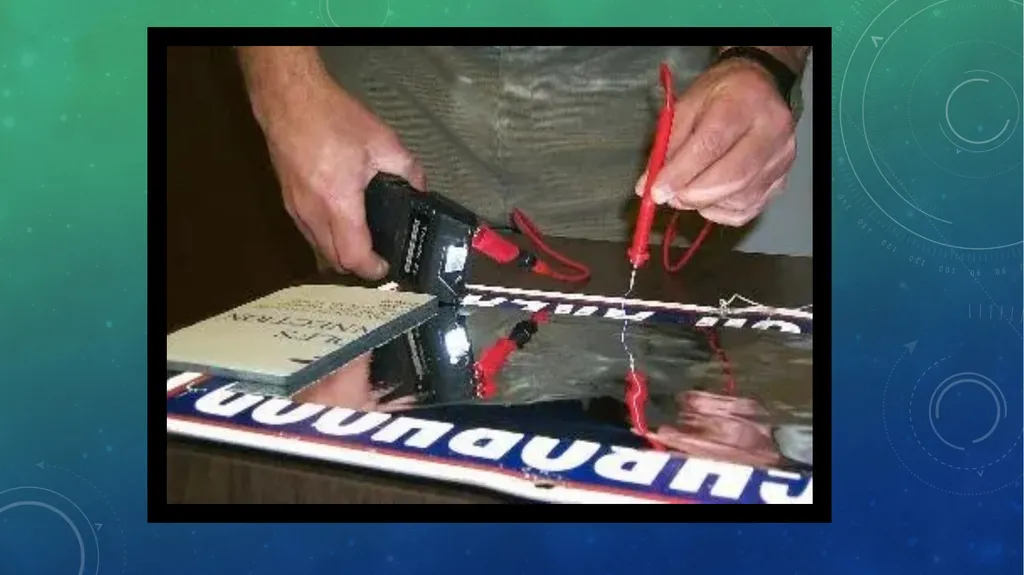
Electrostatic lifting is a technique used to lift latent footprints from various surfaces. It involves using an electrostatic charge to lift and transfer the footprint impression onto a special adhesive surface, such as lifting film or tape.
Here are the steps involved in electrostatic lifting of latent footprints:
Prepare the surface: The surface containing the latent footprint impression should be cleaned and free of any debris or loose material before electrostatic lifting.
Apply the electrostatic lifting film or tape: A sheet of electrostatic lifting film or tape is applied to the surface containing the latent footprint impression. The electrostatic charge of the film or tape attracts the latent print and lifts it from the surface.<br>
05
Apply the developer: A developer, such as black fingerprint powder, is then applied to the electrostatic lifting film or tape to enhance the visibility of the latent print.
Lift the print: The electrostatic lifting film or tape is then carefully lifted from the surface, taking the latent print with it.
Preserve the print: The lifted print can be preserved by attaching it to a backing card or other surface using an appropriate adhesive. It can then be photographed, labeled, and stored for further analysis.
Electrostatic lifting is a non-destructive method of lifting latent footprints, which is particularly useful when the footprint impression is fragile or located on a delicate surface. It is also less messy than traditional fingerprint powder methods and can be used on a variety of surfaces, including paper, plastic, and metal.<br>