
Particles and the Standard Model IB Physics |
Description: Particles and the Standard Model IB Physics Atomic Physics What is the Fundamental Particle? Fundamental Particles IB Physics Data Booklet Fundamental Particles Classifying Particles Baryons All Baryons are formed from a combination
Related Topics
Download Presentation
"Particles and the Standard Model IB Physics |" is the property of its rightful owner. Permission is granted to download and print the materials on this website for personal, non-commercial use only, and to display it on your personal computer provided you do not modify the materials and that you retain all copyright notices contained in the materials. By downloading content from our website, you accept the terms of this agreement.
Presentation Transcript
slide1. Particles and the
Standard Model IB Physics | Atomic Physics<br>
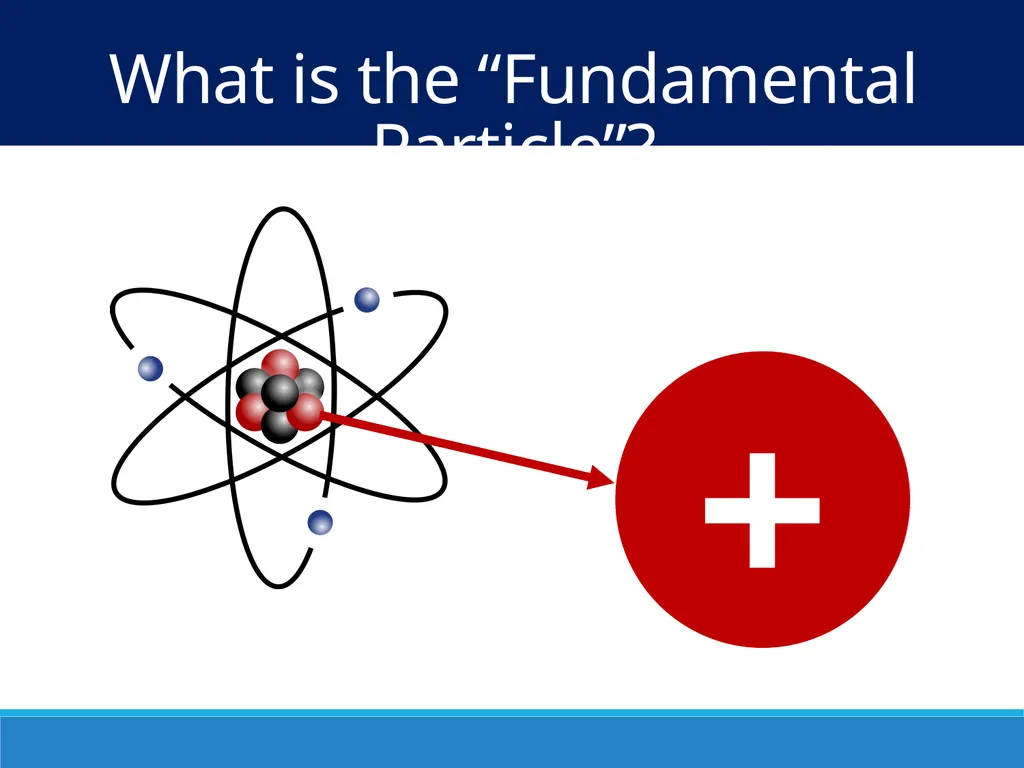
slide2. What is the “Fundamental Particle”? +<br>
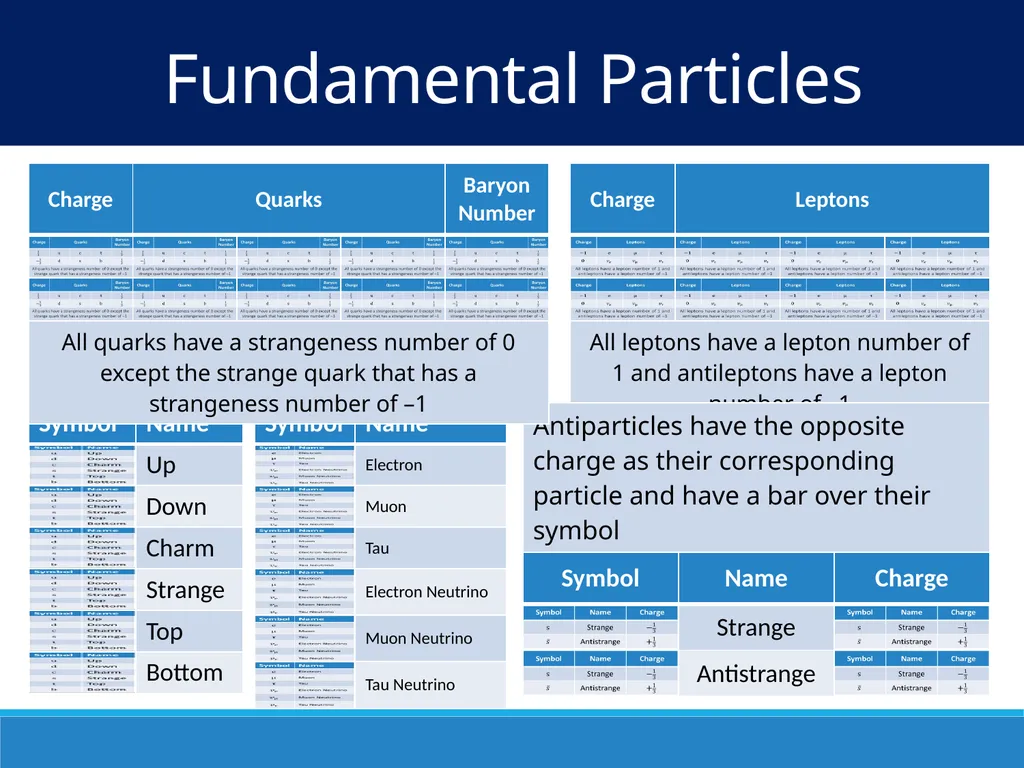
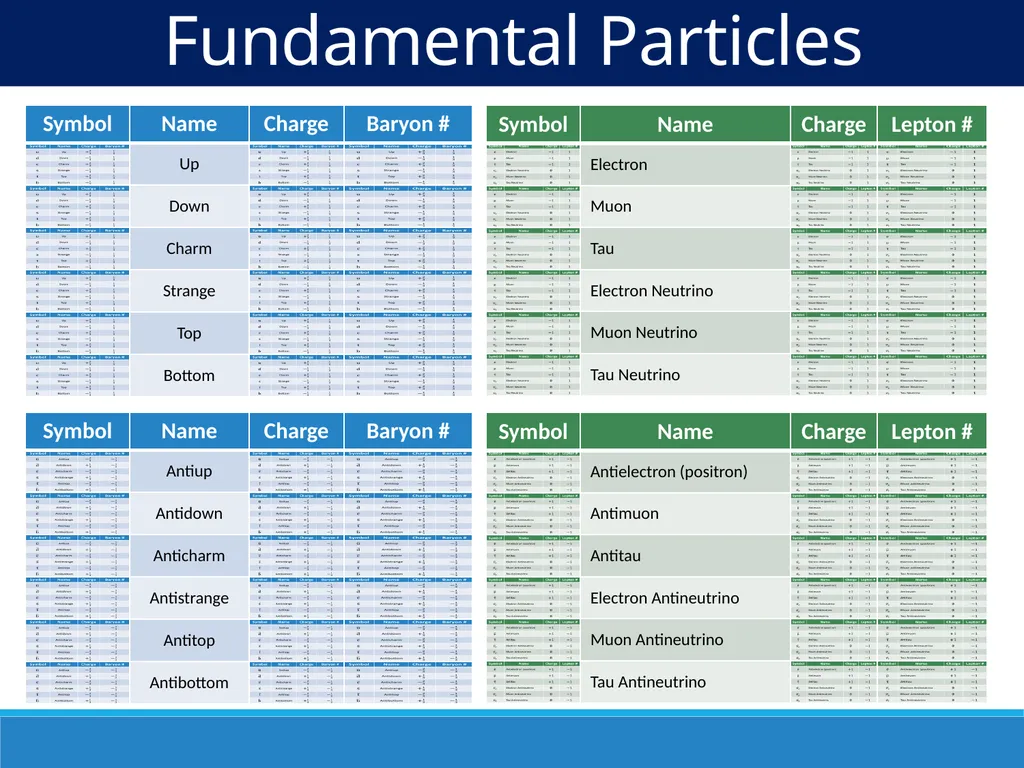
slide3. Fundamental Particles<br>
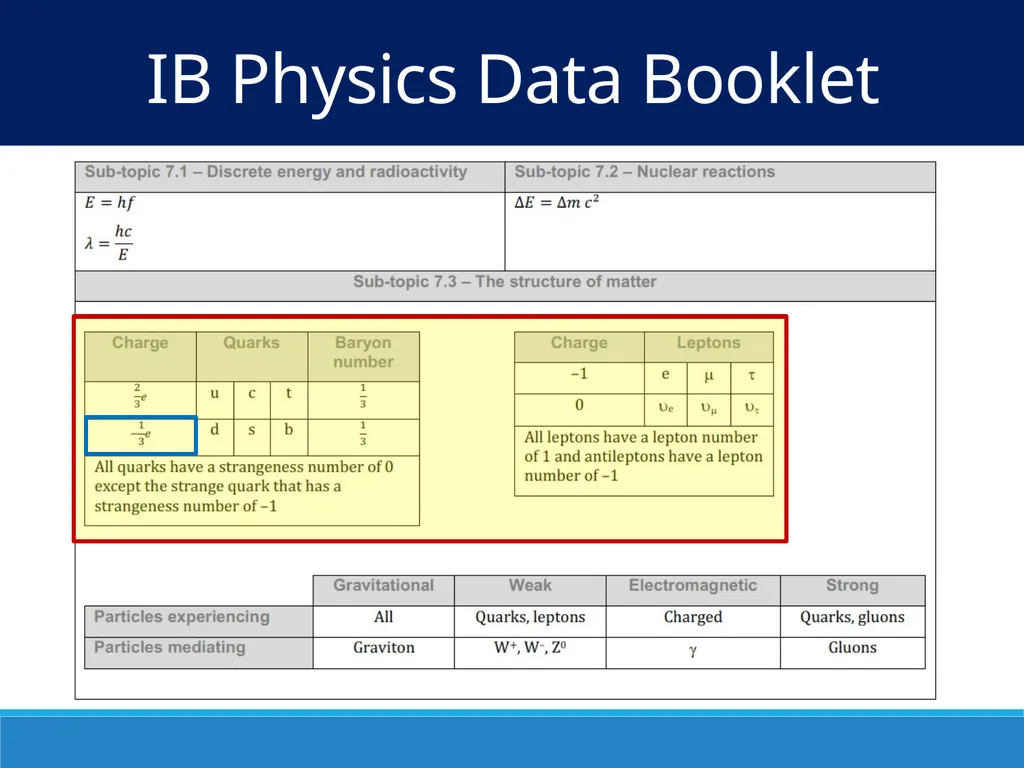
slide4. IB Physics Data Booklet<br>
slide5. Fundamental Particles<br>
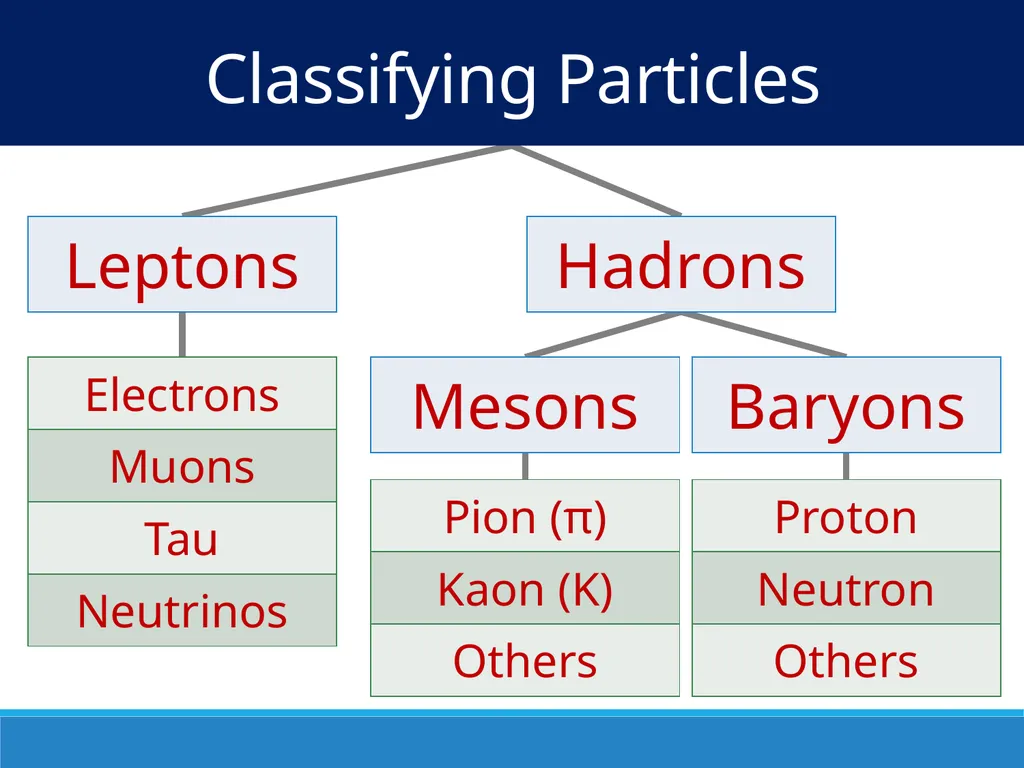
slide6. Classifying Particles<br>
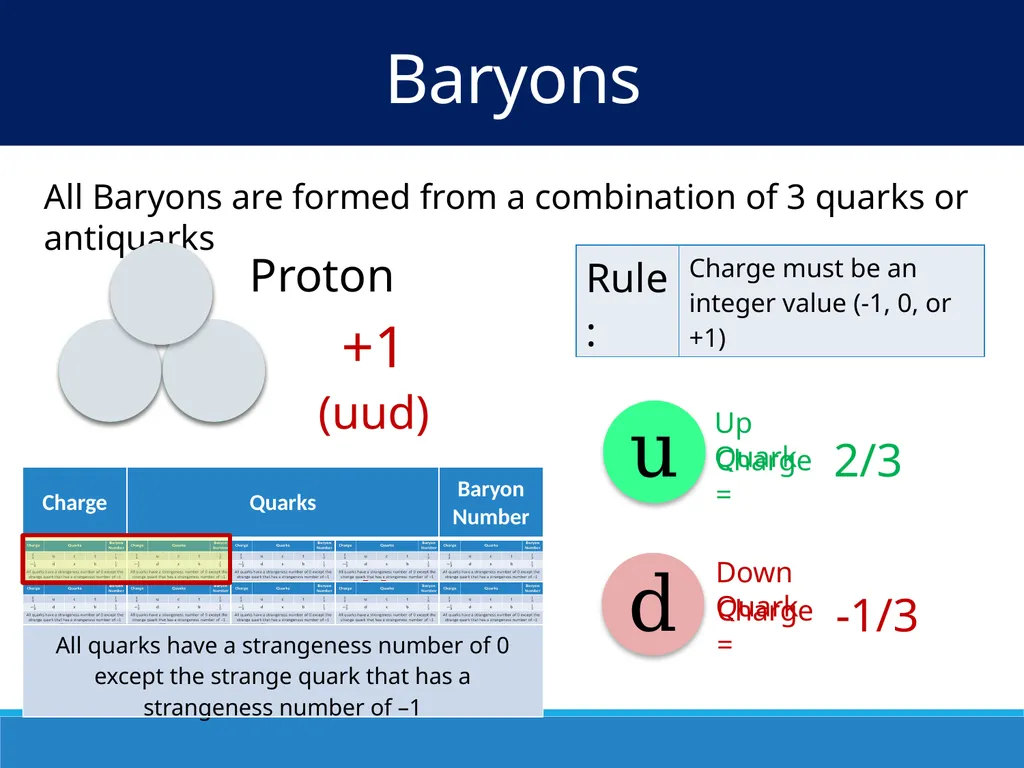
slide7. Baryons All Baryons are formed from a combination of 3 quarks or antiquarks u d Up Quark Charge = Down Quark Charge = Proton Neutron u u u d d d 2/3 -1/3 (uud) (udd) +1 0<br>
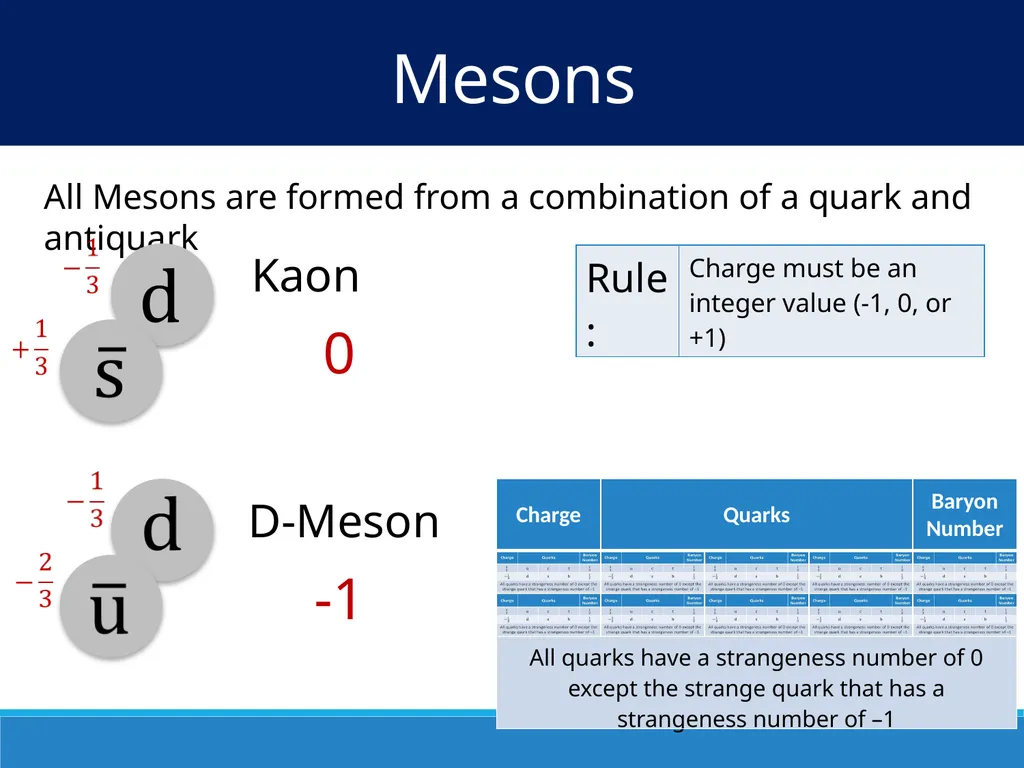
slide8. Mesons All Mesons are formed from a combination of a quark and antiquark Kaon D-Meson 0 -1<br>
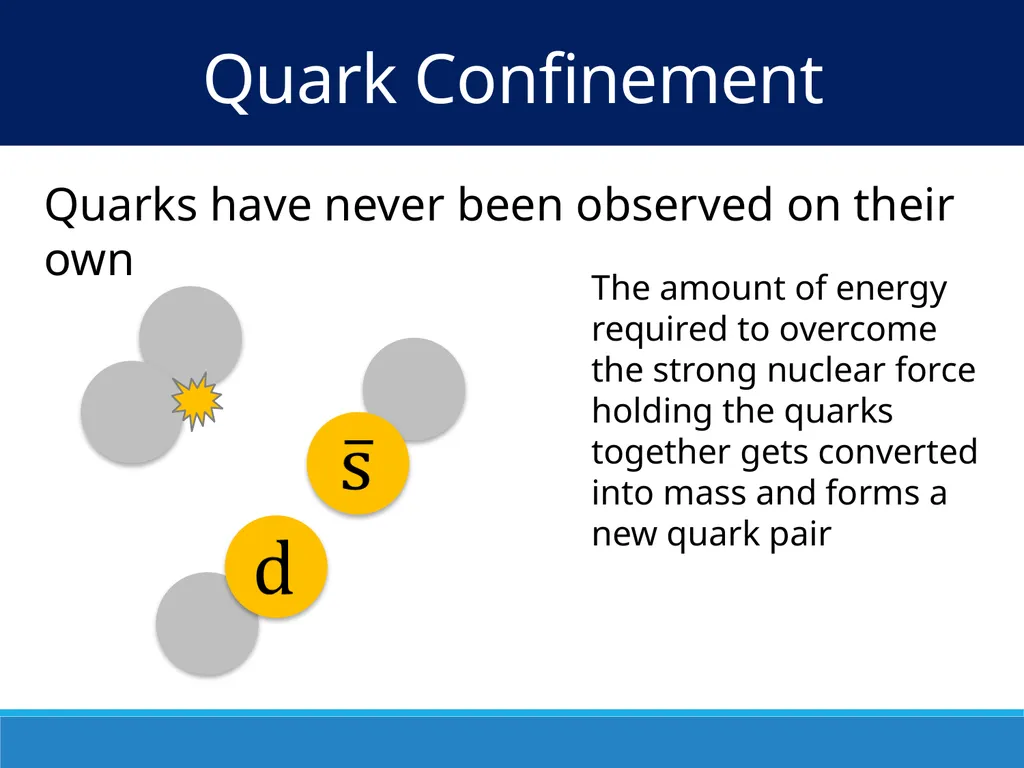
slide9. Quark Confinement Quarks have never been observed on their own The amount of energy required to overcome the strong nuclear force holding the quarks together gets converted into mass and forms a new quark pair<br>
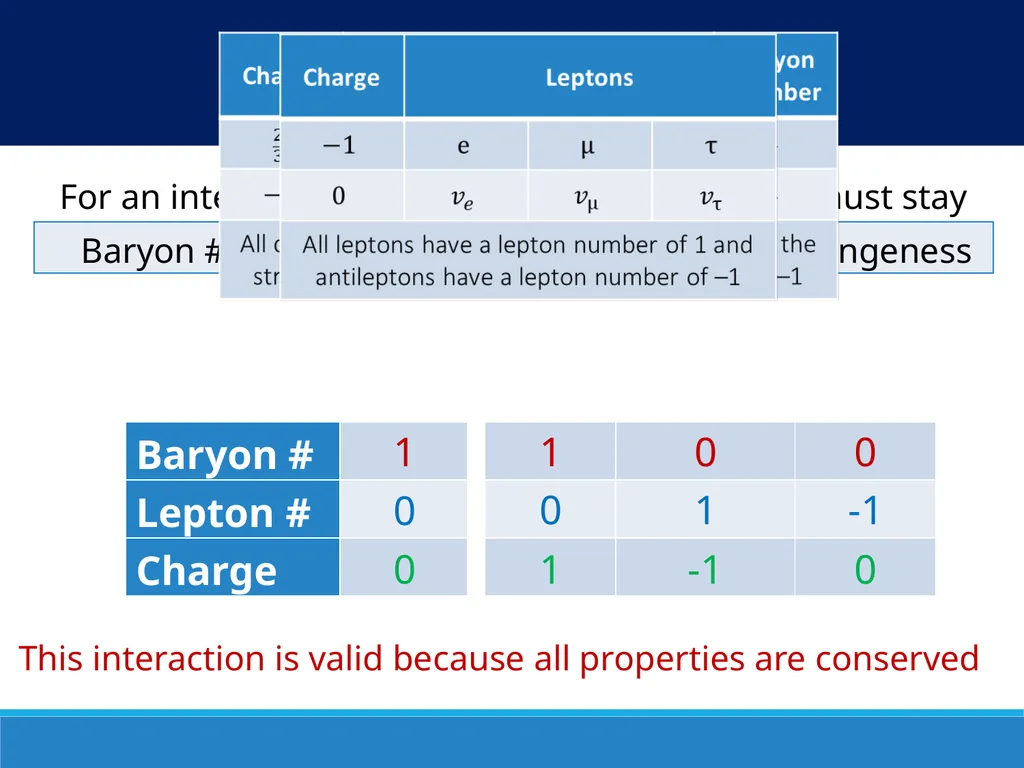
slide10. Conservation For an interaction to be possible, the following must stay conserved: This interaction is valid because all properties are conserved 1 1 0 0 0 0 1 -1 0 1 -1 0<br>
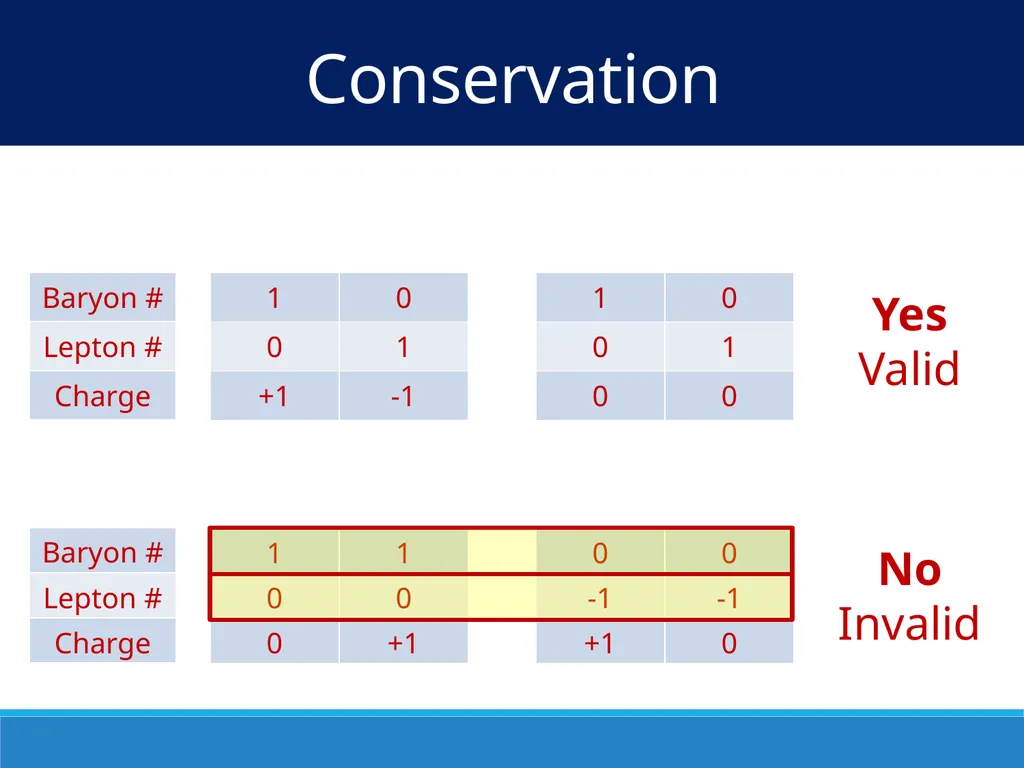
slide11. Conservation Yes
Valid No
Invalid<br>
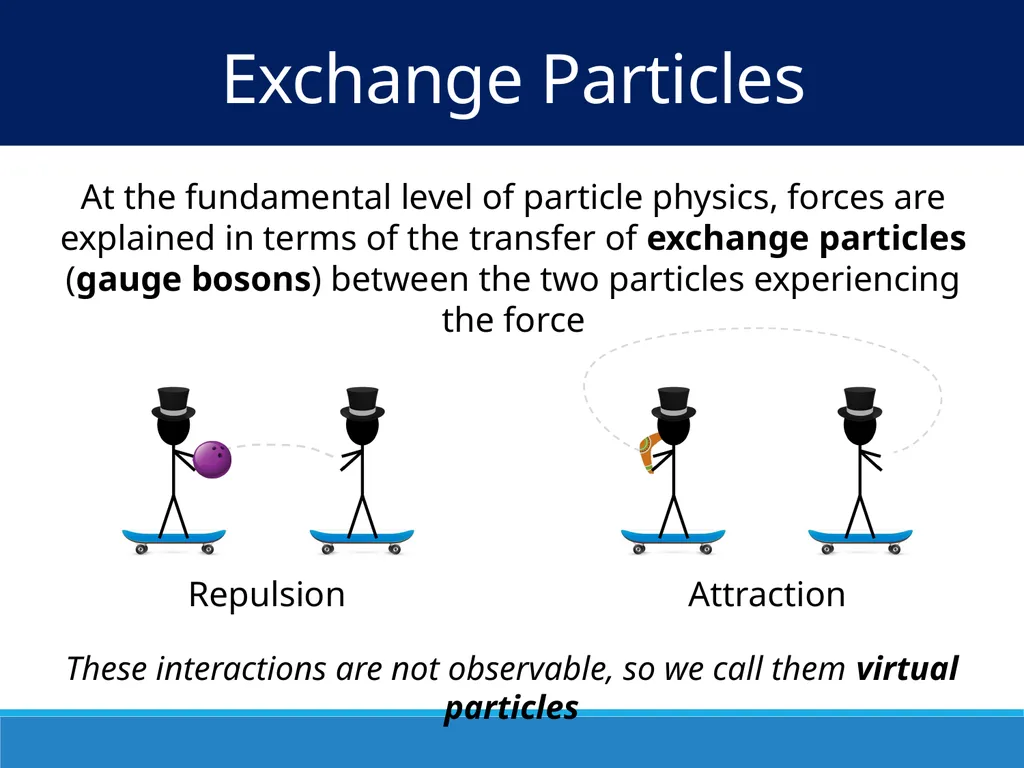
slide12. Exchange Particles At the fundamental level of particle physics, forces are explained in terms of the transfer of exchange particles (gauge bosons) between the two particles experiencing the force These interactions are not observable, so we call them virtual particles Repulsion Attraction<br>
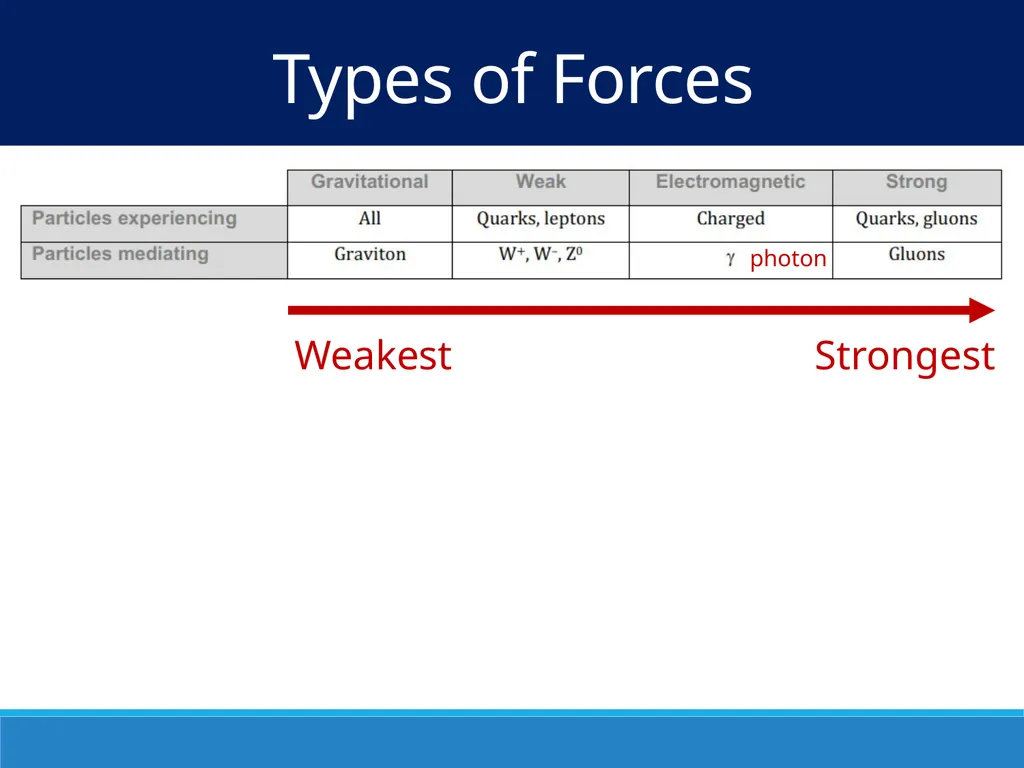
slide13. Types of Forces photon<br>
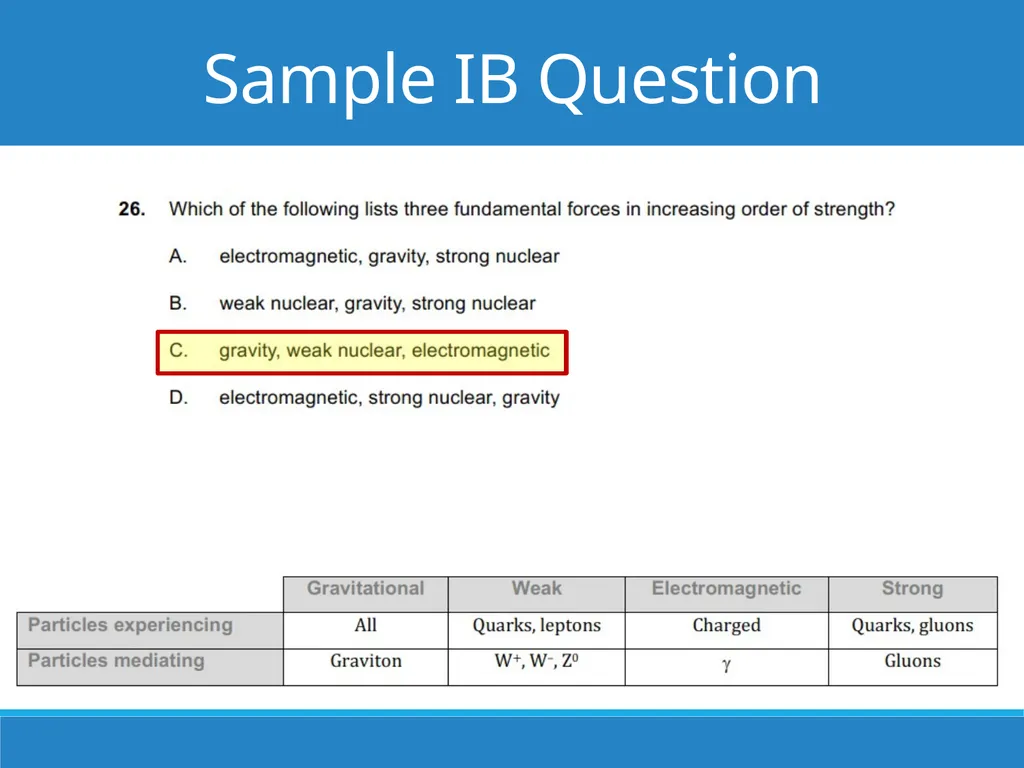
slide14. Sample IB Question<br>
slide15. The Standard Model<br>
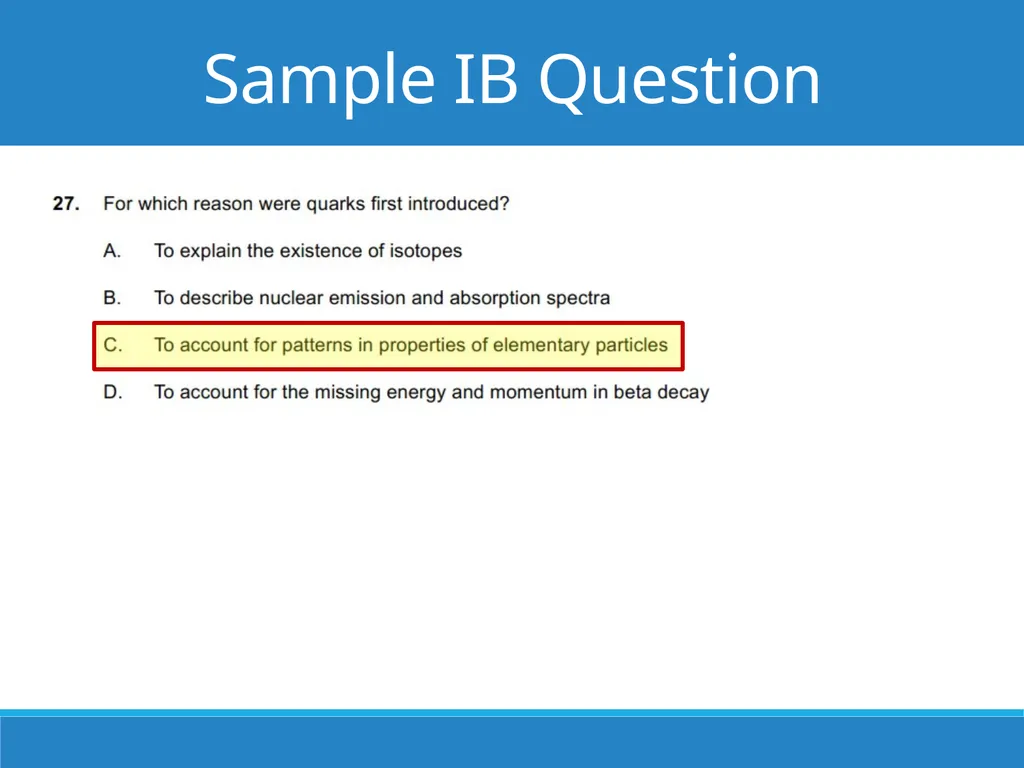
slide16. Sample IB Question<br>
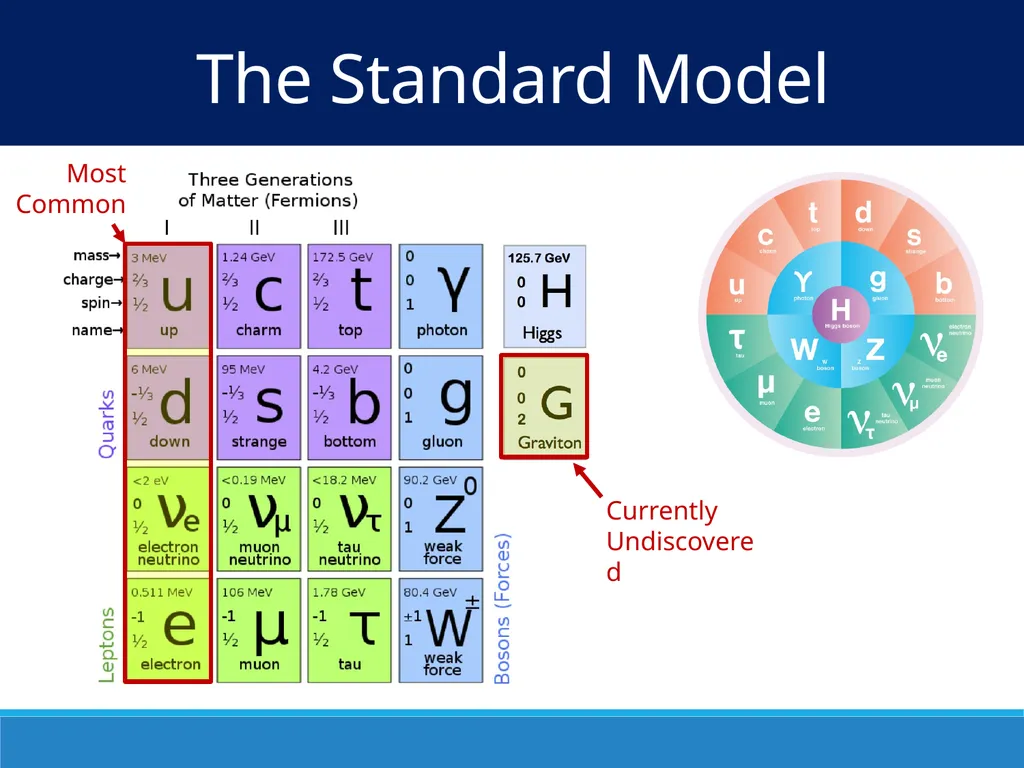
slide17. The Standard Model<br>
slide2. What is the “Fundamental Particle”? +<br>
slide3. Fundamental Particles<br>
slide4. IB Physics Data Booklet<br>
slide5. Fundamental Particles<br>
slide6. Classifying Particles<br>
slide7. Baryons All Baryons are formed from a combination of 3 quarks or antiquarks u d Up Quark Charge = Down Quark Charge = Proton Neutron u u u d d d 2/3 -1/3 (uud) (udd) +1 0<br>
slide8. Mesons All Mesons are formed from a combination of a quark and antiquark Kaon D-Meson 0 -1<br>
slide9. Quark Confinement Quarks have never been observed on their own The amount of energy required to overcome the strong nuclear force holding the quarks together gets converted into mass and forms a new quark pair<br>
slide10. Conservation For an interaction to be possible, the following must stay conserved: This interaction is valid because all properties are conserved 1 1 0 0 0 0 1 -1 0 1 -1 0<br>
slide11. Conservation Yes
Valid No
Invalid<br>
slide12. Exchange Particles At the fundamental level of particle physics, forces are explained in terms of the transfer of exchange particles (gauge bosons) between the two particles experiencing the force These interactions are not observable, so we call them virtual particles Repulsion Attraction<br>
slide13. Types of Forces photon<br>
slide14. Sample IB Question<br>
slide15. The Standard Model<br>
slide16. Sample IB Question<br>
slide17. The Standard Model<br>