"PHY3101: Chapter 10 Lecture Topics & Quiz: Oct." is the property of its rightful owner. Permission is granted to
download and print the materials on this website for personal, non-commercial use only, and to display it
on your personal computer provided you do not modify the materials and that you retain all copyright
notices contained in the materials. By downloading content from our website, you accept the terms of this
agreement.
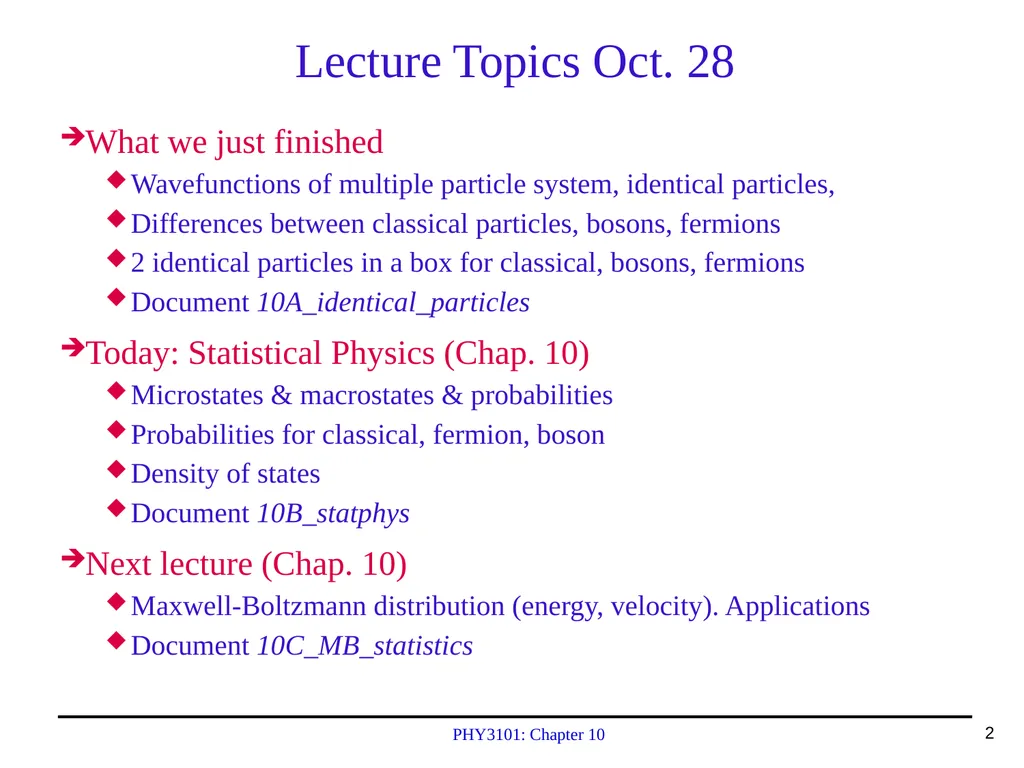
Lecture Topics Oct. 28 What we just finished
Wavefunctions of multiple particle system, identical particles,
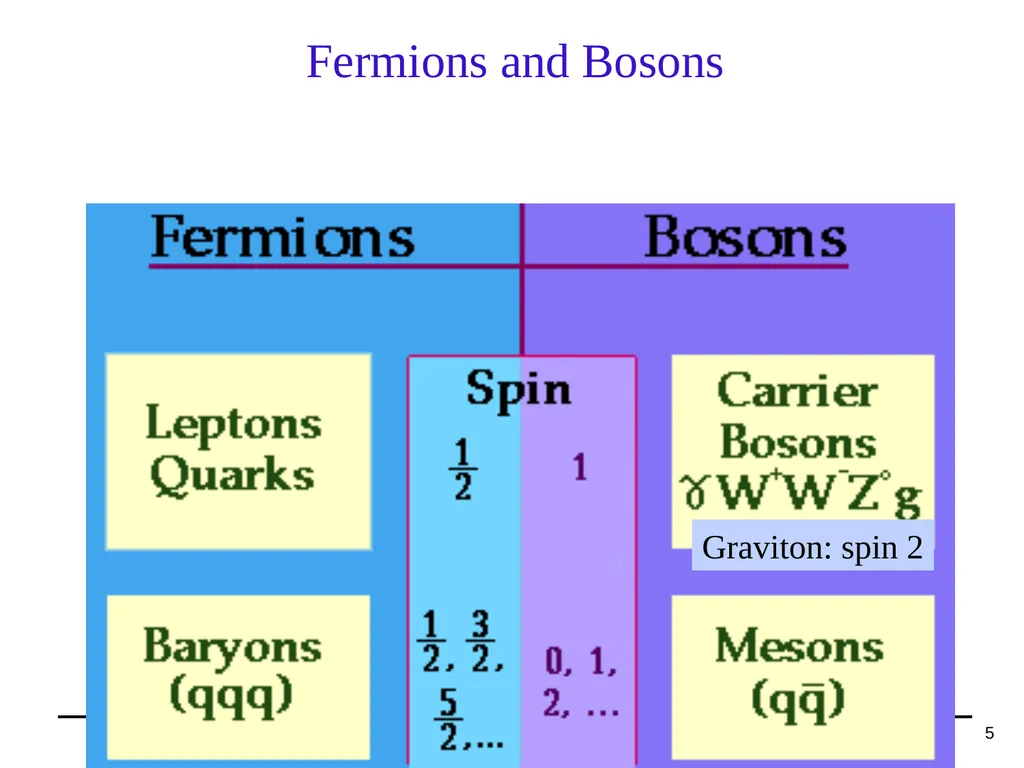
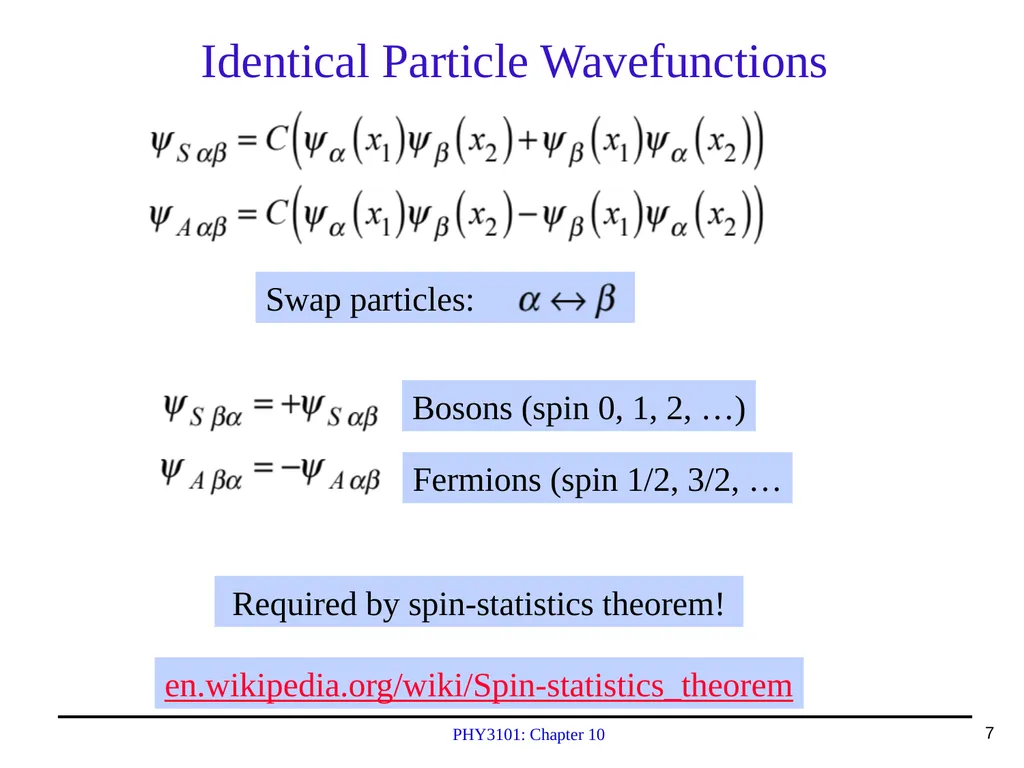
Differences between classical particles, bosons, fermions
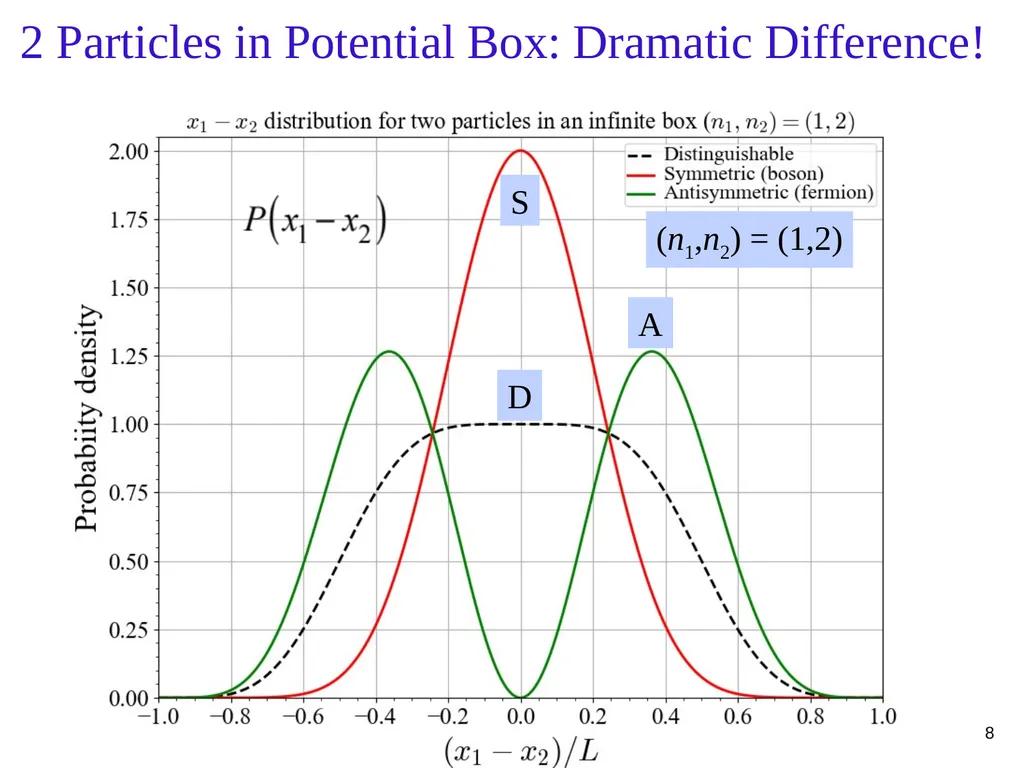
2 identical particles in a box for classical, bosons, fermions
Document 10A_identical_particles
Today: Statistical Physics (Chap. 10)
Microstates & macrostates & probabilities
Probabilities for classical, fermion, boson
Density of states
Document 10B_statphys
Next lecture (Chap. 10)
Maxwell-Boltzmann distribution (energy, velocity). Applications
Document 10C_MB_statistics PHY3101: Chapter 10<br>
03
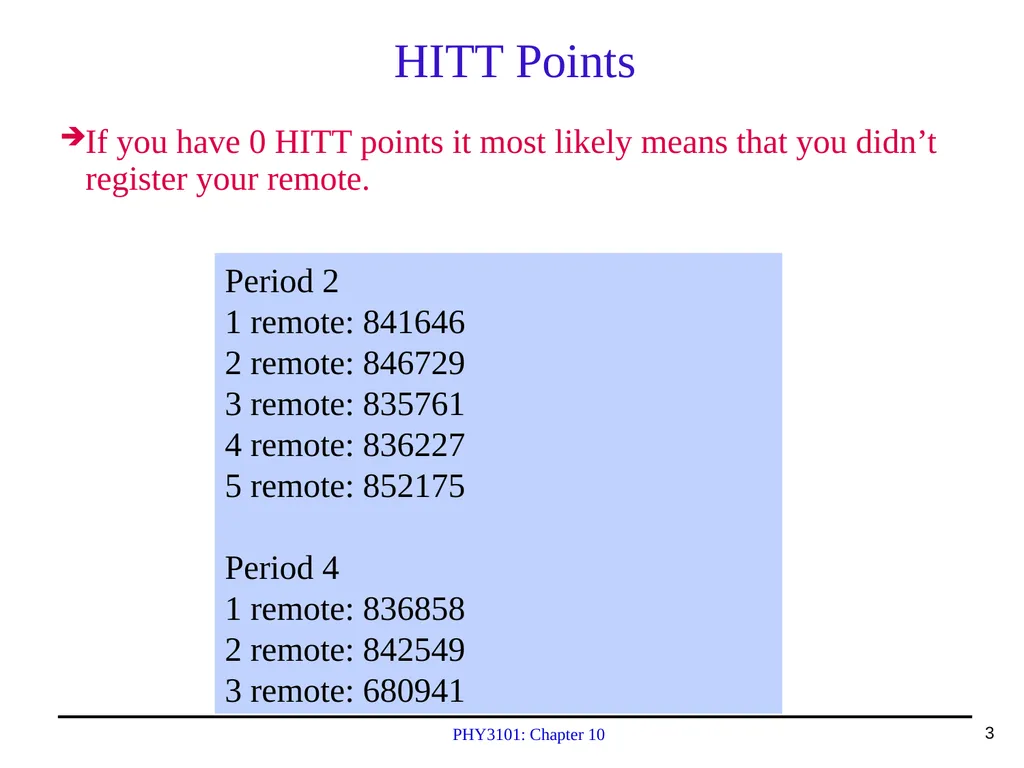
HITT Points If you have 0 HITT points it most likely means that you didn’t register your remote. PHY3101: Chapter 10 Period 2
1 remote: 841646
2 remote: 846729
3 remote: 835761
4 remote: 836227
5 remote: 852175
2 Particles in Potential Box: Dramatic Difference! PHY3101: Chapter 10 D S A (n1,n2) = (1,2)<br>
09
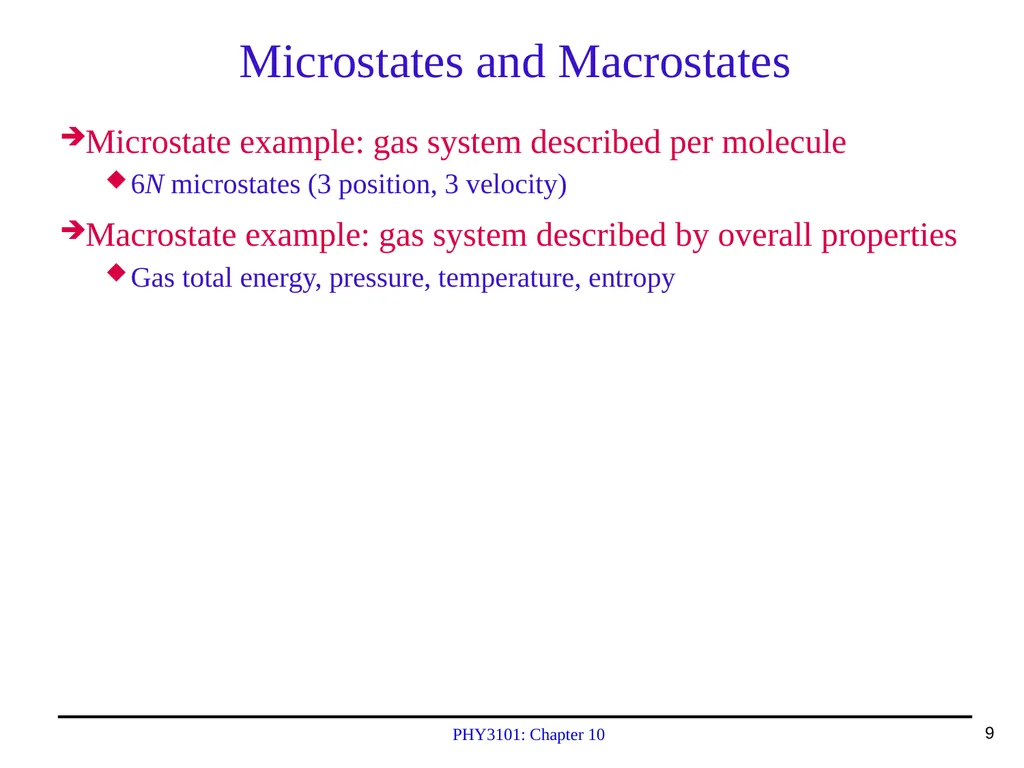
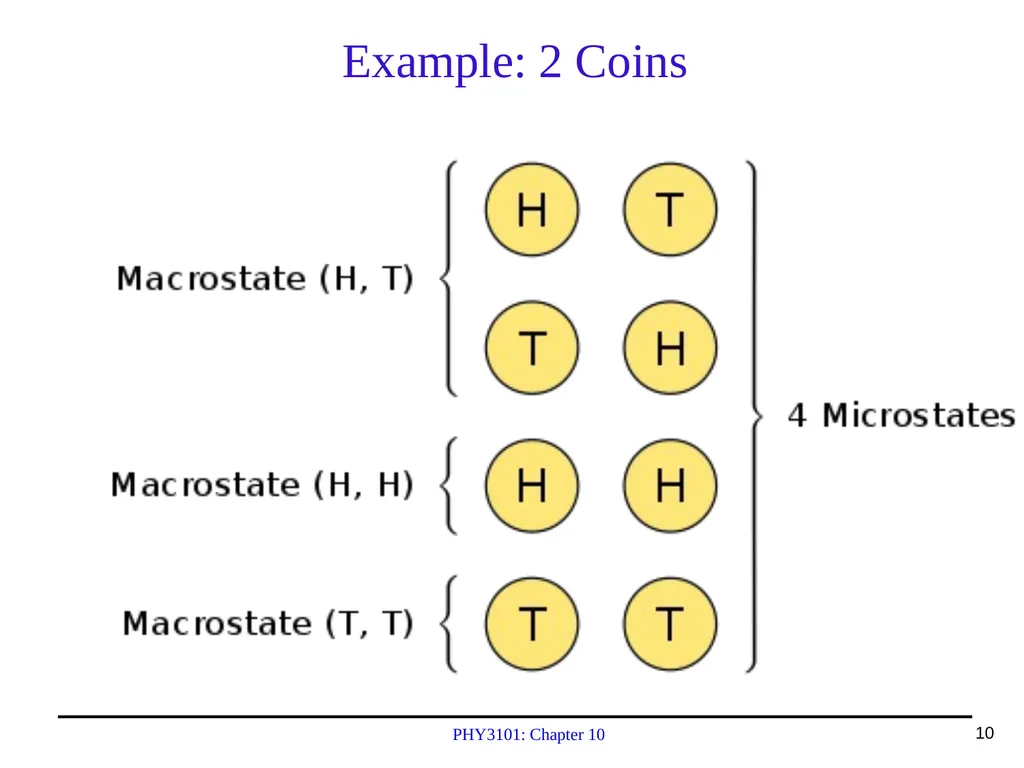
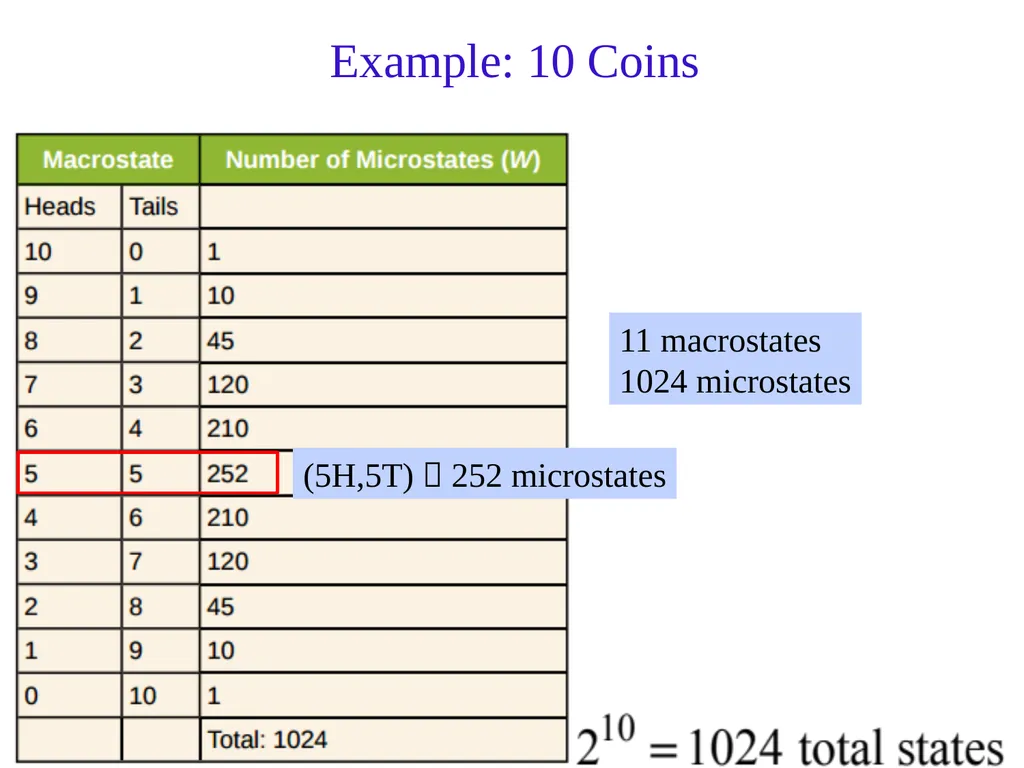
Microstates and Macrostates Microstate example: gas system described per molecule
6N microstates (3 position, 3 velocity)
Macrostate example: gas system described by overall properties
Gas total energy, pressure, temperature, entropy PHY3101: Chapter 10<br>
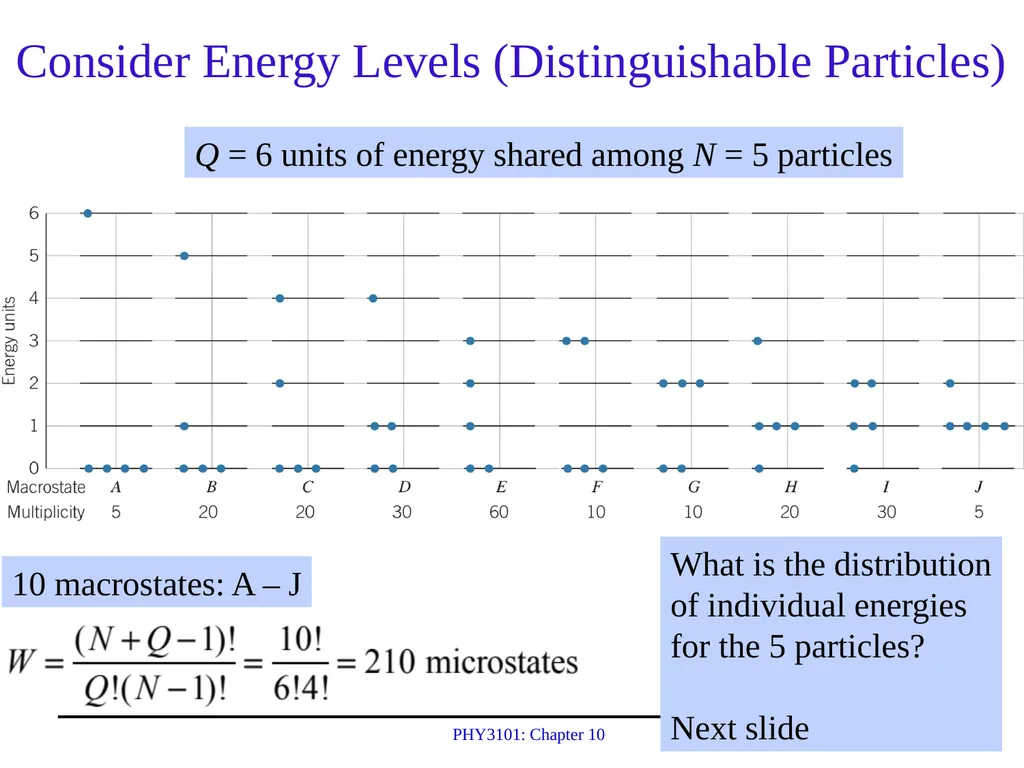
Consider Energy Levels (Distinguishable Particles) PHY3101: Chapter 10 Q = 6 units of energy shared among N = 5 particles 10 macrostates: A – J What is the distribution of individual energies for the 5 particles?
Next slide<br>
13
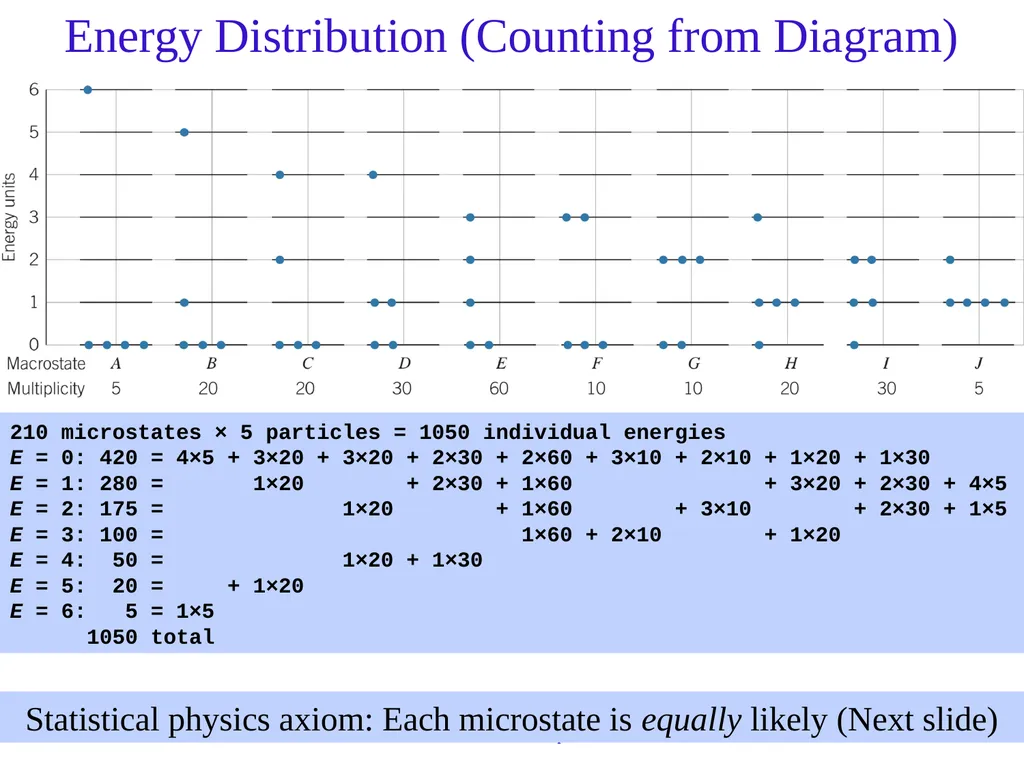
Energy Distribution (Counting from Diagram) PHY3101: Chapter 10 210 microstates × 5 particles = 1050 individual energies
E = 0: 420 = 4×5 + 3×20 + 3×20 + 2×30 + 2×60 + 3×10 + 2×10 + 1×20 + 1×30
E = 1: 280 = 1×20 + 2×30 + 1×60 + 3×20 + 2×30 + 4×5
E = 2: 175 = 1×20 + 1×60 + 3×10 + 2×30 + 1×5
E = 3: 100 = 1×60 + 2×10 + 1×20
E = 4: 50 = 1×20 + 1×30
E = 5: 20 = + 1×20
E = 6: 5 = 1×5
1050 total Statistical physics axiom: Each microstate is equally likely (Next slide)<br>
14
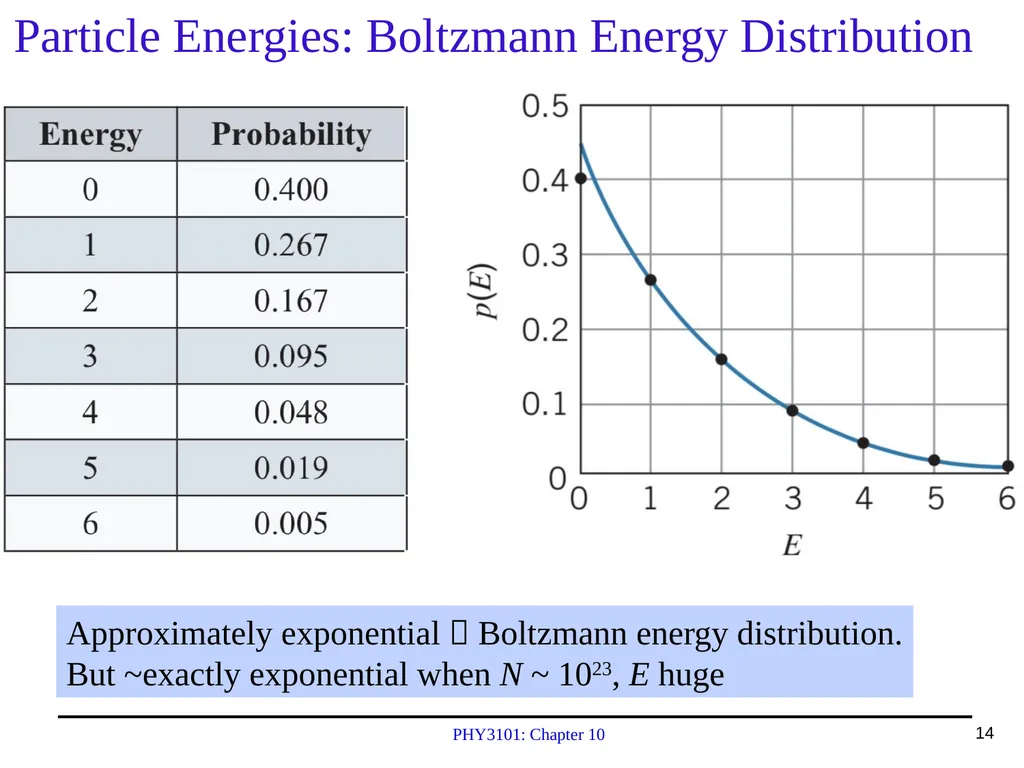
Particle Energies: Boltzmann Energy Distribution PHY3101: Chapter 10 Approximately exponential Boltzmann energy distribution.
But ~exactly exponential when N ~ 1023, E huge<br>
15
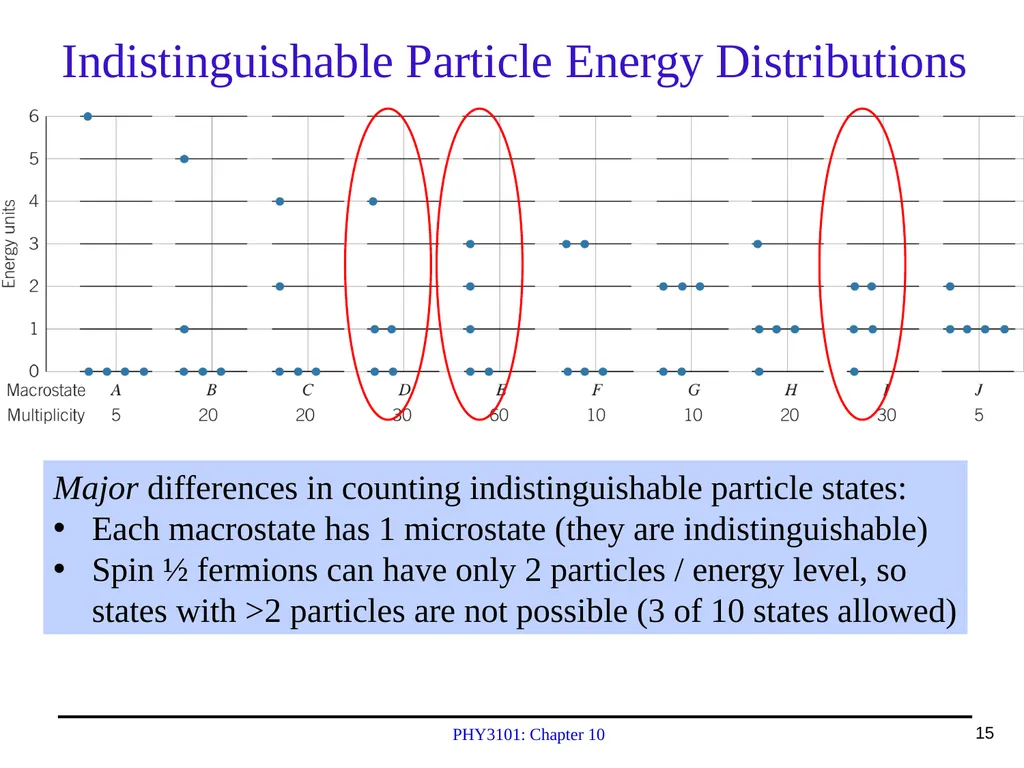
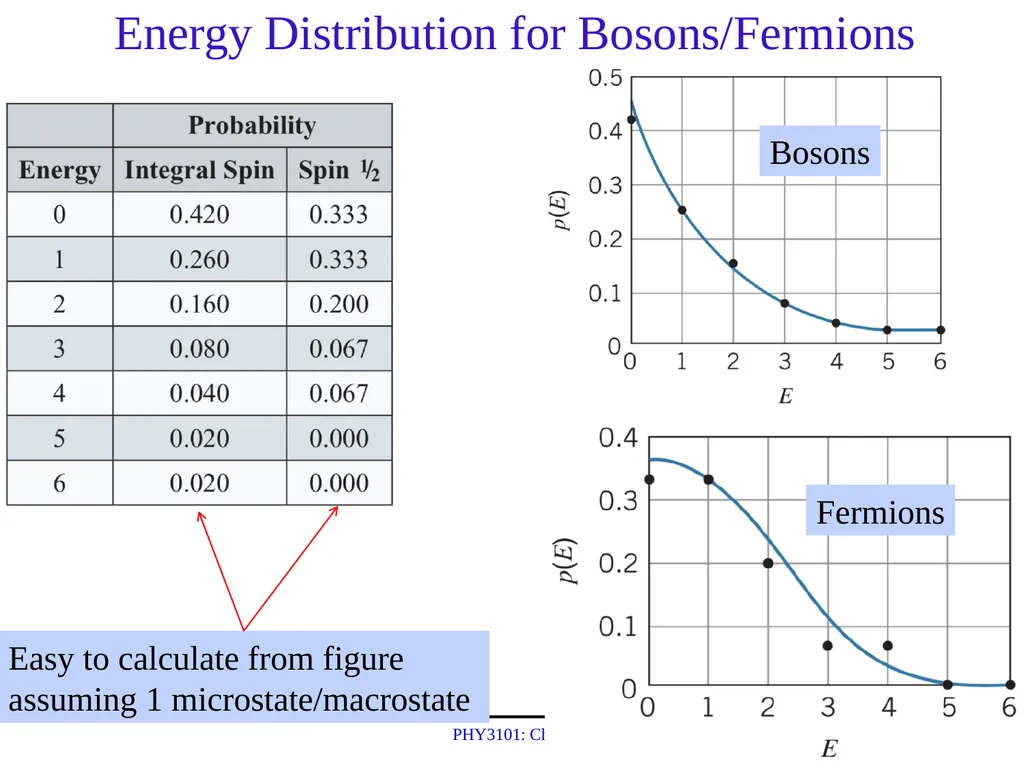
Indistinguishable Particle Energy Distributions PHY3101: Chapter 10 Major differences in counting indistinguishable particle states:
Each macrostate has 1 microstate (they are indistinguishable)
Spin ½ fermions can have only 2 particles / energy level, so states with >2 particles are not possible (3 of 10 states allowed)<br>
16
Energy Distribution for Bosons/Fermions PHY3101: Chapter 10 Bosons Fermions Easy to calculate from figure assuming 1 microstate/macrostate<br>
17
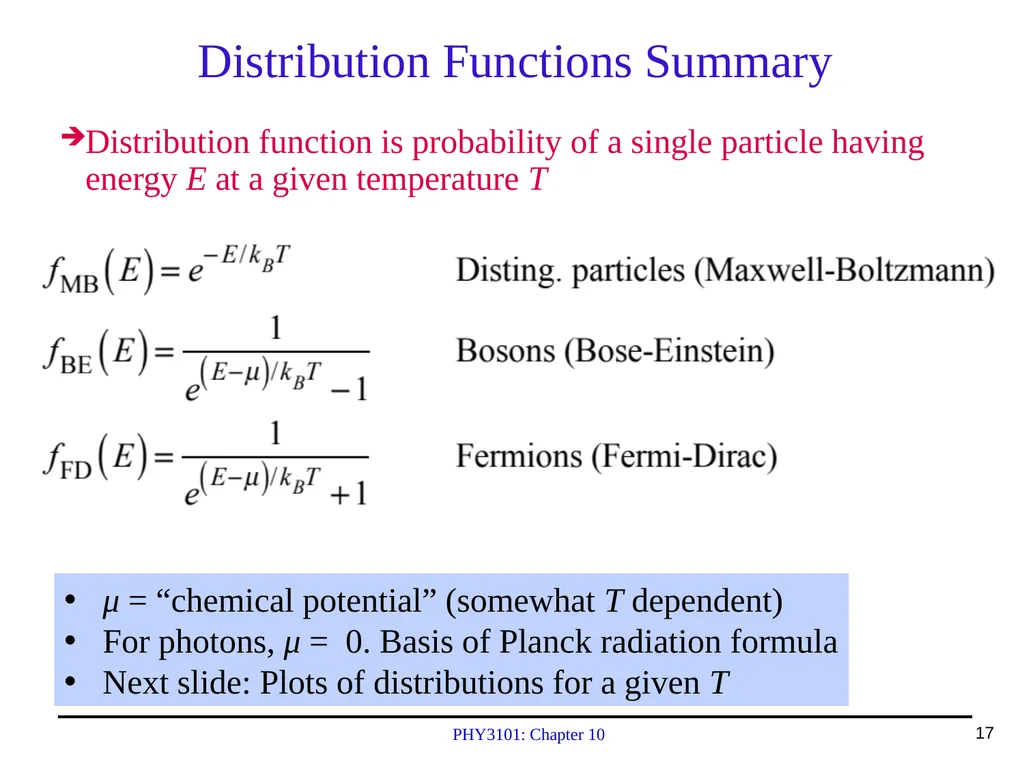
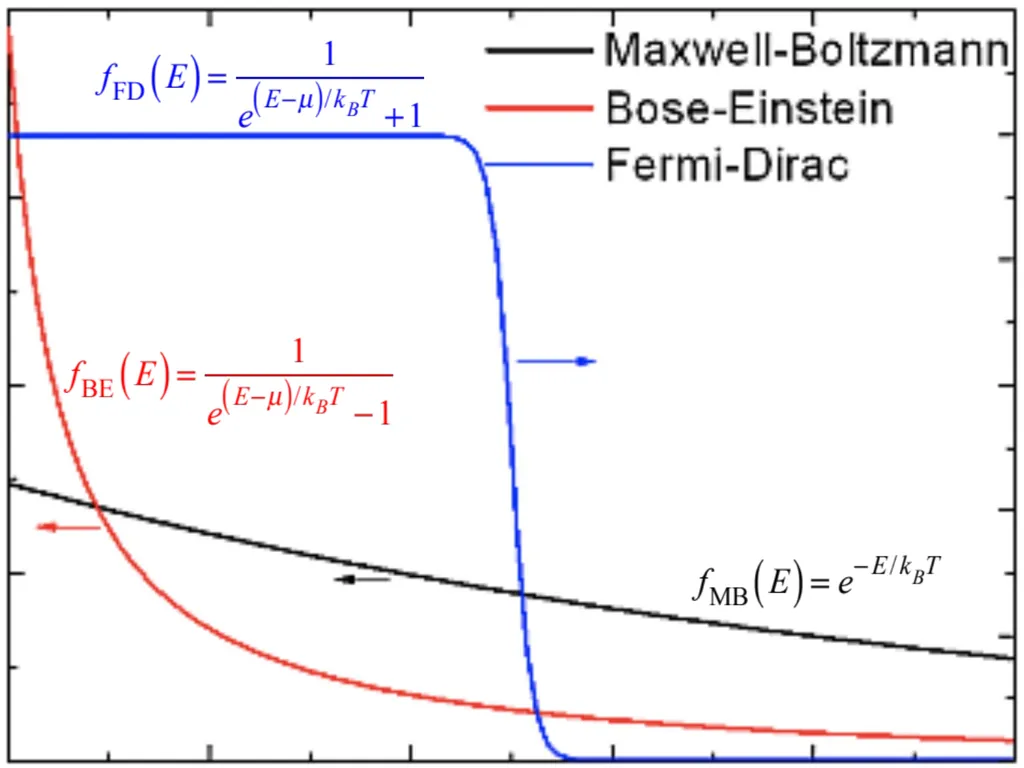
Distribution Functions Summary Distribution function is probability of a single particle having energy E at a given temperature T PHY3101: Chapter 10 μ = “chemical potential” (somewhat T dependent)
For photons, μ = 0. Basis of Planck radiation formula
Next slide: Plots of distributions for a given T<br>
18
PHY3101: Chapter 10<br>
19
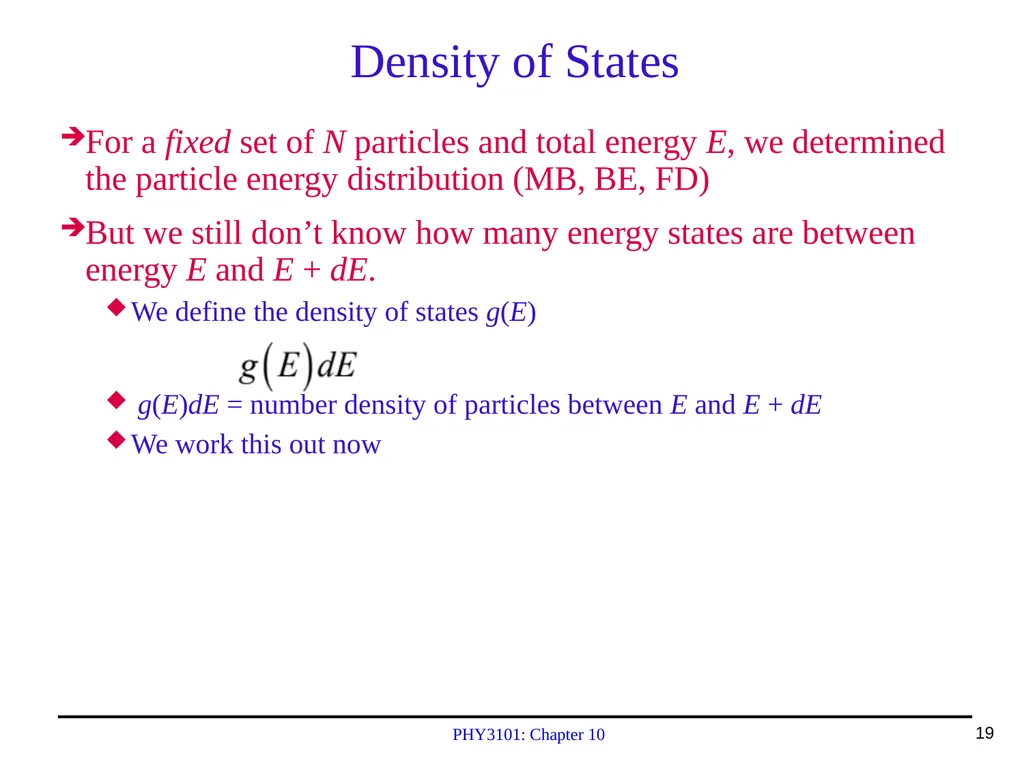
Density of States For a fixed set of N particles and total energy E, we determined the particle energy distribution (MB, BE, FD)
But we still don’t know how many energy states are between energy E and E + dE.
We define the density of states g(E)
g(E)dE = number density of particles between E and E + dE
We work this out now PHY3101: Chapter 10<br>
20
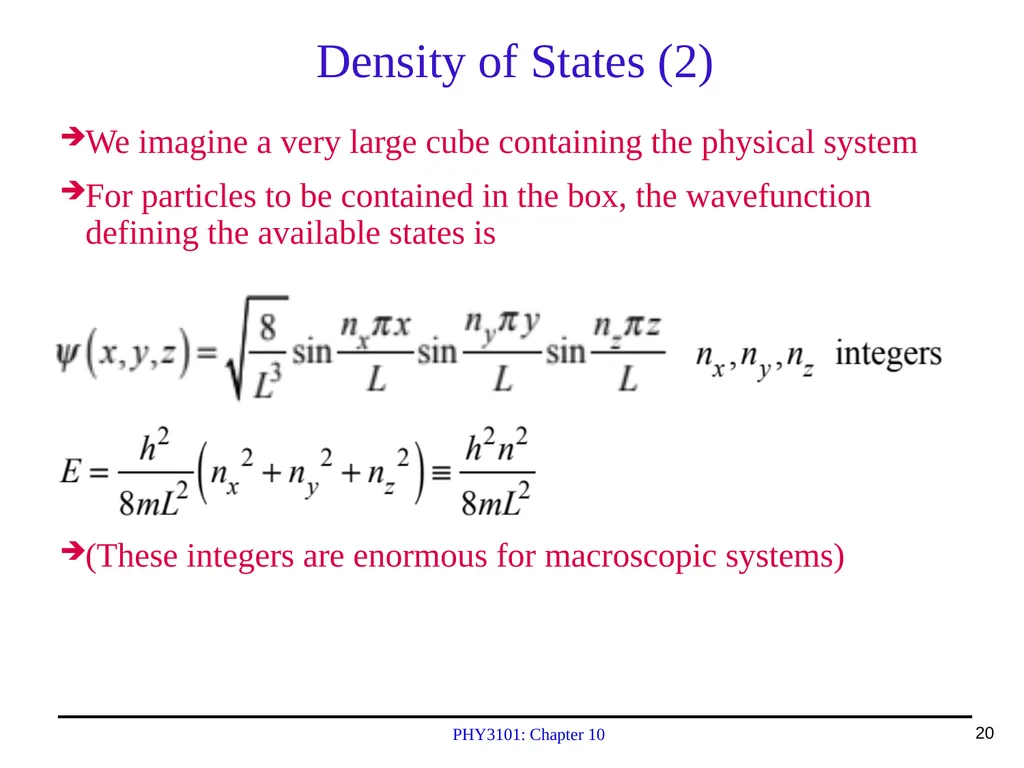
Density of States (2) We imagine a very large cube containing the physical system
For particles to be contained in the box, the wavefunction defining the available states is
(These integers are enormous for macroscopic systems) PHY3101: Chapter 10<br>
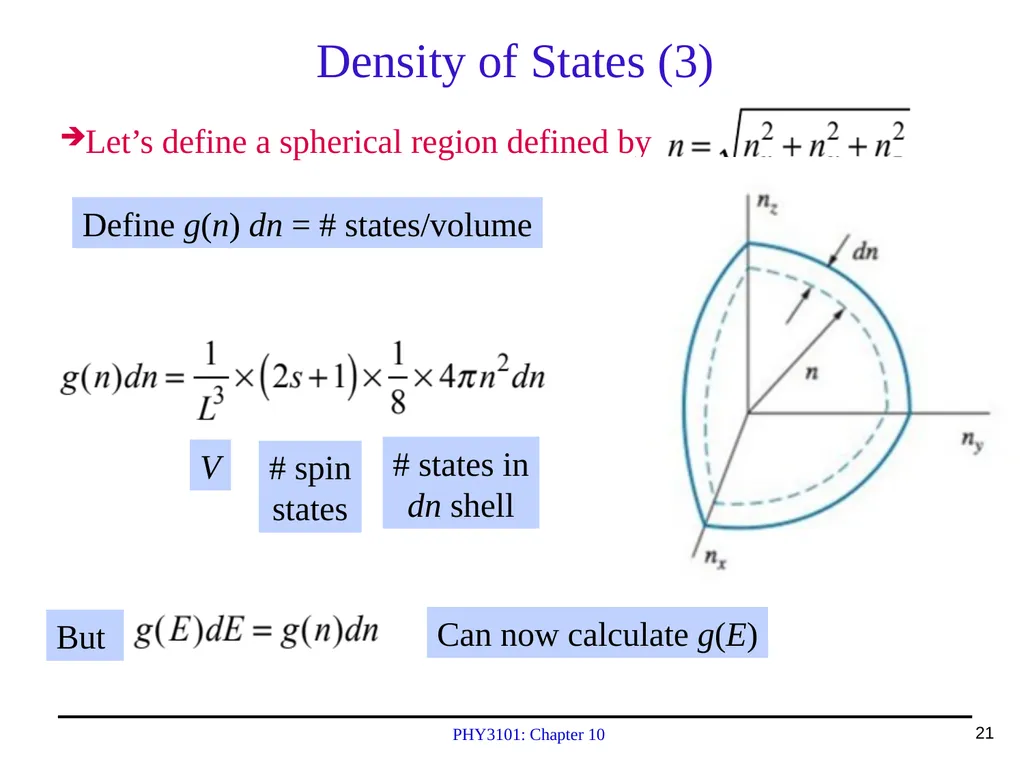
21
Density of States (3) Let’s define a spherical region defined by PHY3101: Chapter 10 Define g(n) dn = # states/volume # spin states V # states in dn shell But Can now calculate g(E)<br>
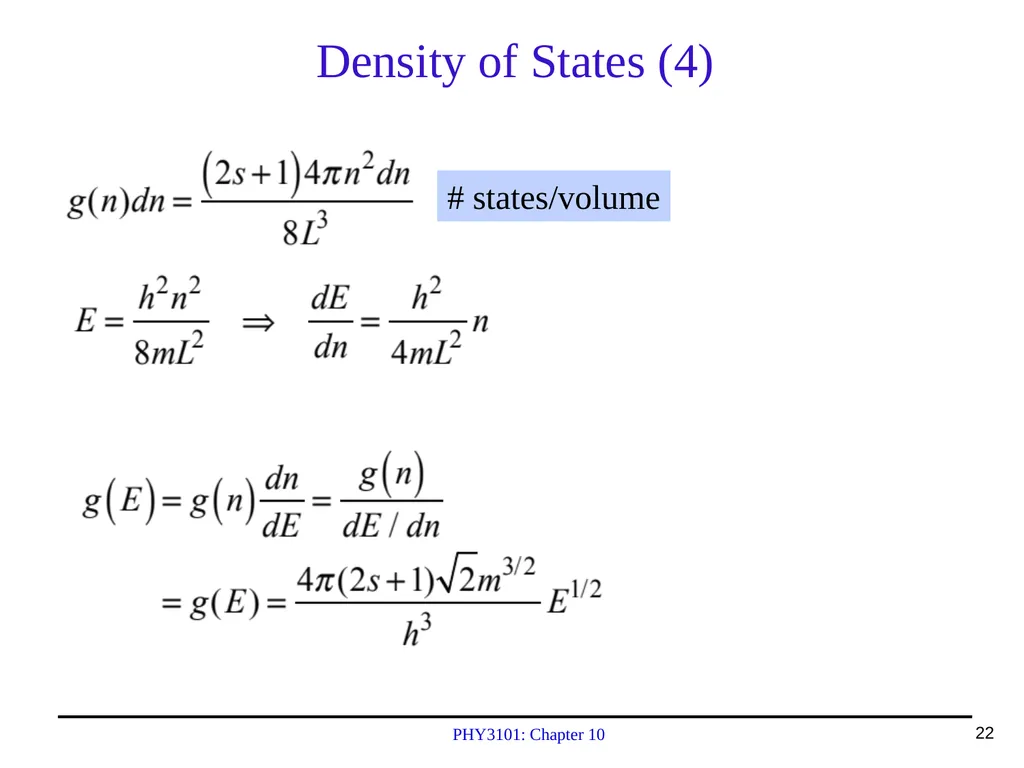
22
Density of States (4) PHY3101: Chapter 10 # states/volume<br>
23
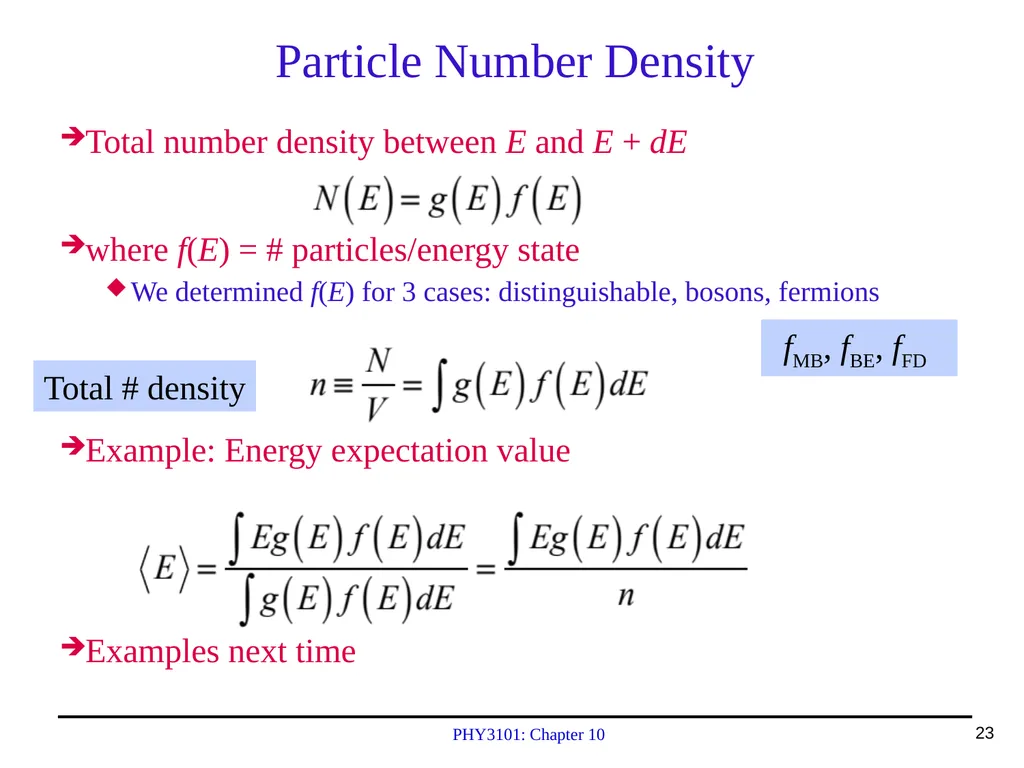
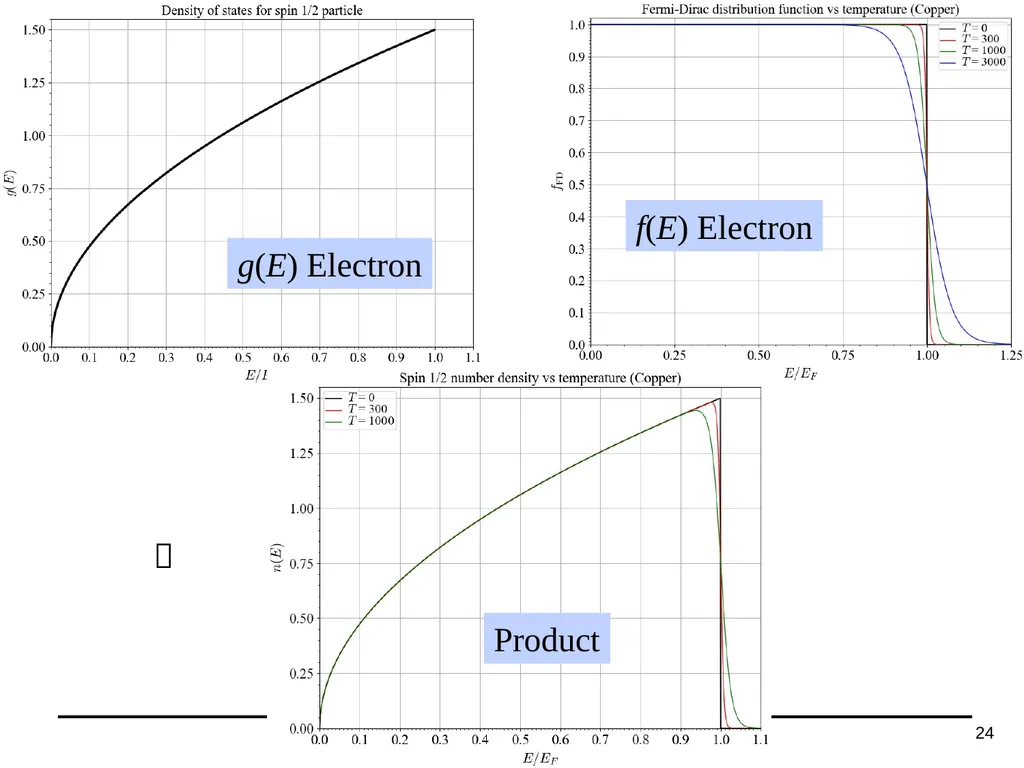
Particle Number Density Total number density between E and E + dE
where f(E) = # particles/energy state
We determined f(E) for 3 cases: distinguishable, bosons, fermions
Example: Energy expectation value
Examples next time PHY3101: Chapter 10 fMB, fBE, fFD Total # density<br>
24
PHY3101: Chapter 10 g(E) Electron f(E) Electron Product<br>