04
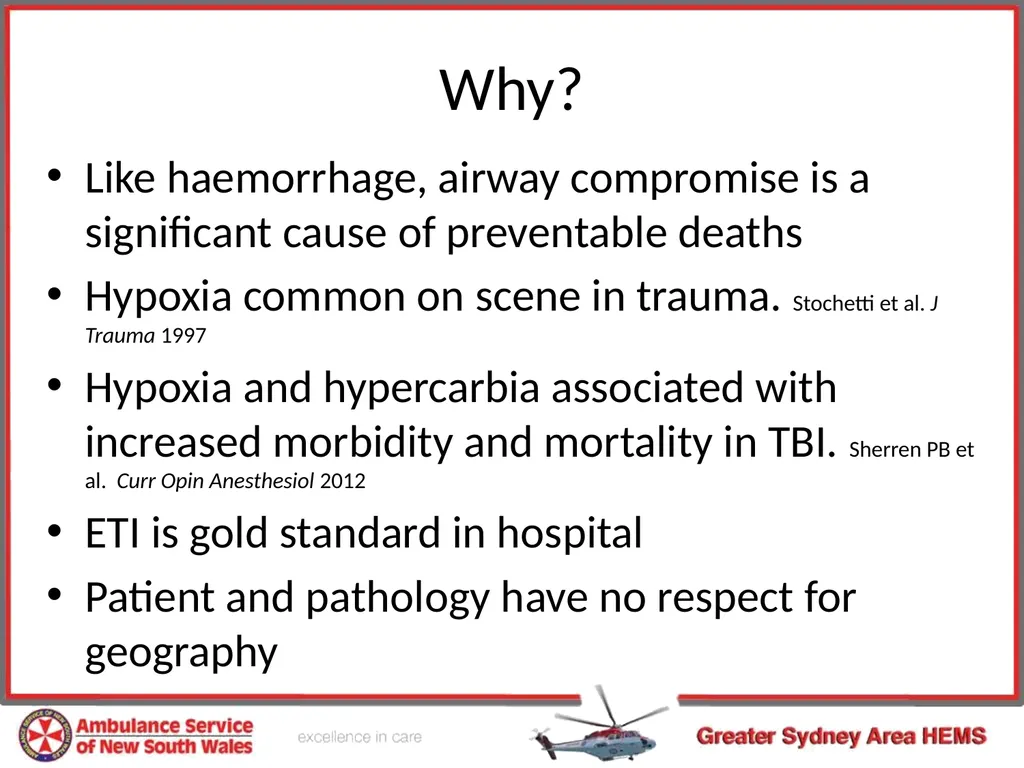
Why? Like haemorrhage, airway compromise is a significant cause of preventable deaths
Hypoxia common on scene in trauma. Stochetti et al. J Trauma 1997
Hypoxia and hypercarbia associated with increased morbidity and mortality in TBI. Sherren PB et al. Curr Opin Anesthesiol 2012
ETI is gold standard in hospital
Patient and pathology have no respect for geography<br>
05
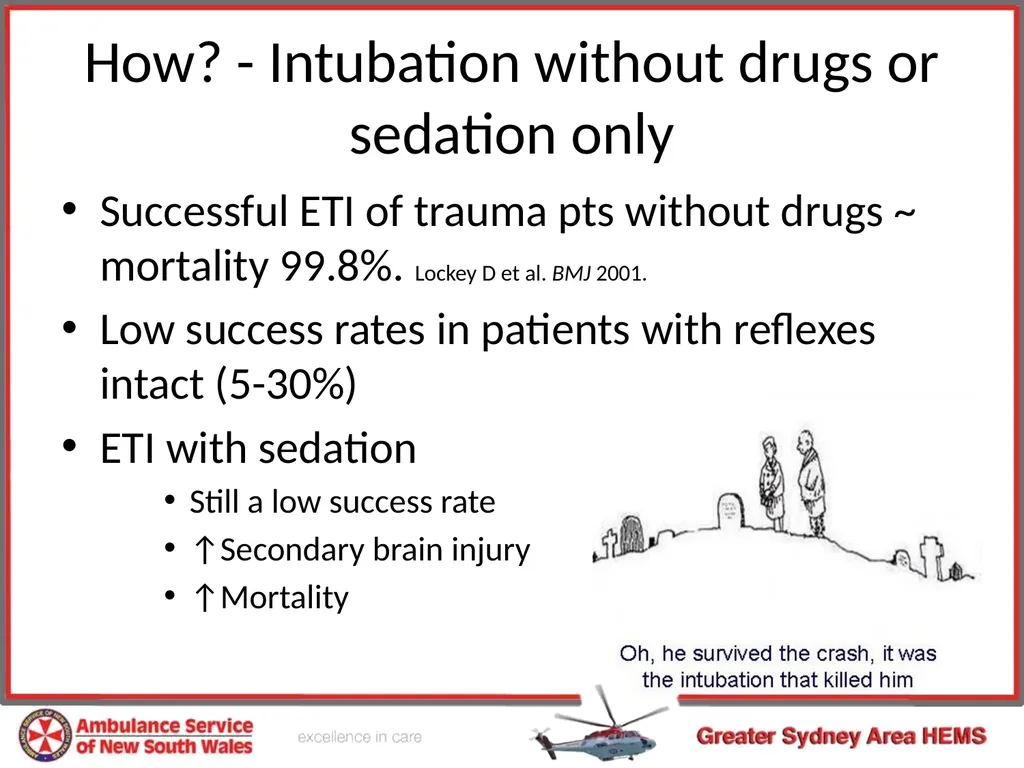
How? - Intubation without drugs or sedation only Successful ETI of trauma pts without drugs ~ mortality 99.8%. Lockey D et al. BMJ 2001.
Low success rates in patients with reflexes intact (5-30%)
ETI with sedation
Still a low success rate
↑Secondary brain injury
↑Mortality<br>
06
Solution = Rapid Sequence intubation (RSI)?<br>
07
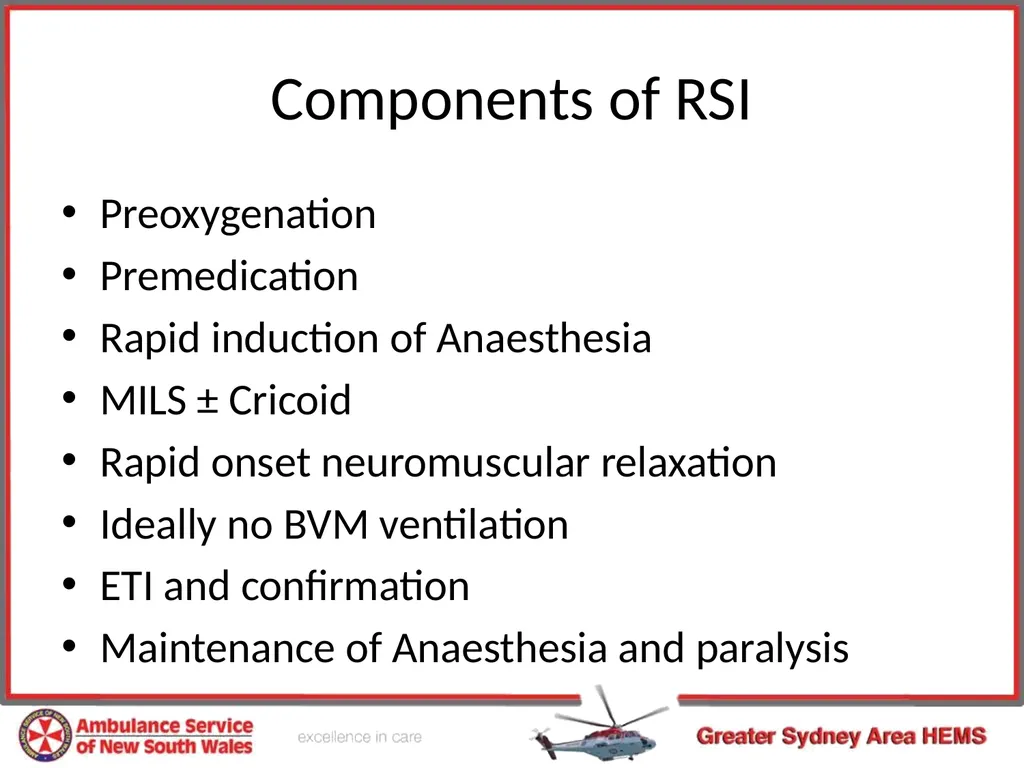
Components of RSI Preoxygenation
Premedication
Rapid induction of Anaesthesia
MILS ± Cricoid
Rapid onset neuromuscular relaxation
Ideally no BVM ventilation
ETI and confirmation
Maintenance of Anaesthesia and paralysis<br>
08
Components of RSI Preoxygenation
Premedication
Rapid induction of Anaesthesia
MILS ± Cricoid
Rapid onset neuromuscular relaxation
Ideally no BVM ventilation
ETI and confirmation
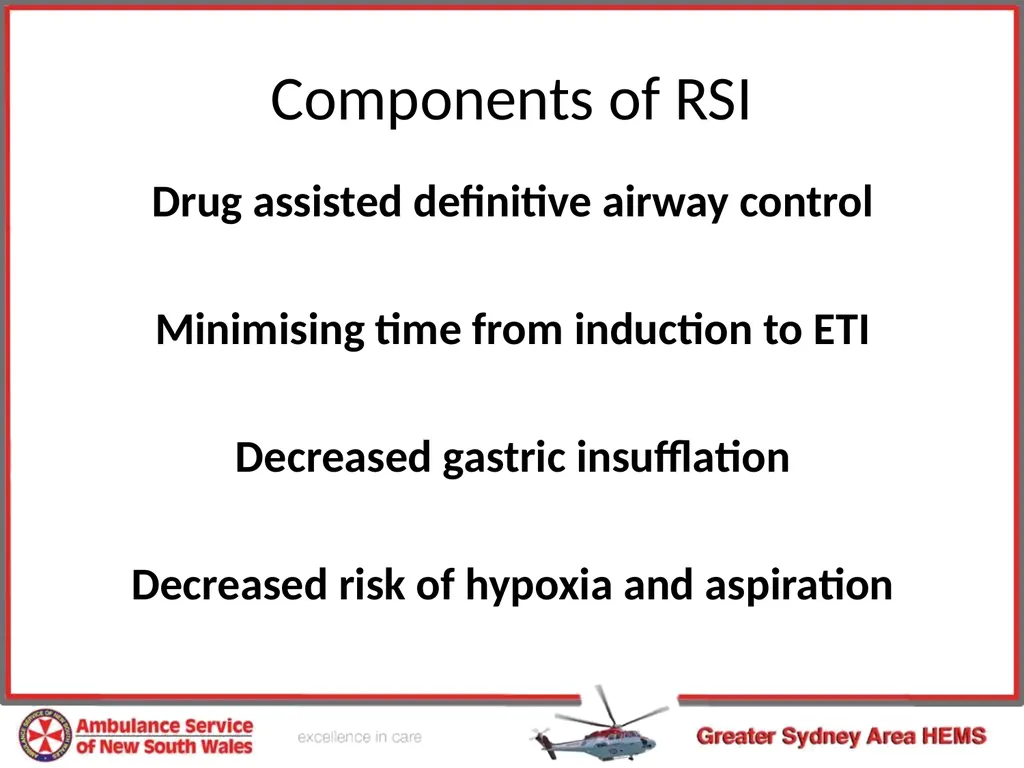
Maintenance of Anaesthesia and paralysis Drug assisted definitive airway control
Minimising time from induction to ETI
Decreased gastric insufflation
Decreased risk of hypoxia and aspiration<br>
09
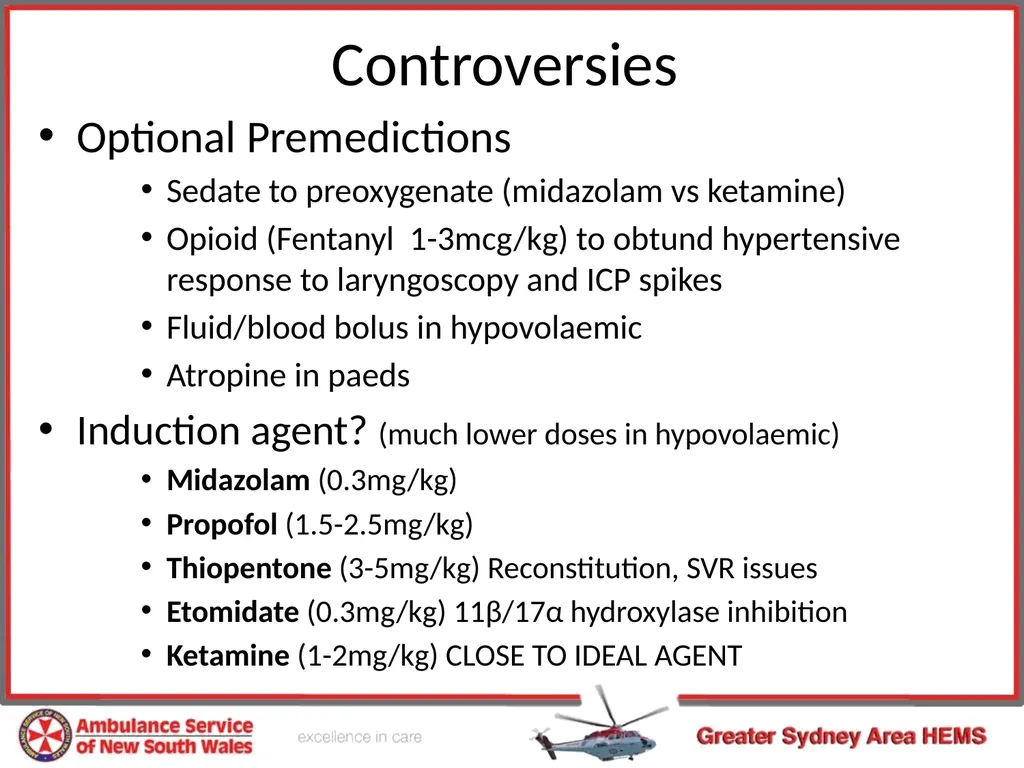
Controversies Optional Premedictions
Sedate to preoxygenate (midazolam vs ketamine)
Opioid (Fentanyl 1-3mcg/kg) to obtund hypertensive response to laryngoscopy and ICP spikes
Fluid/blood bolus in hypovolaemic
Atropine in paeds
Induction agent? (much lower doses in hypovolaemic)
Midazolam (0.3mg/kg)
Propofol (1.5-2.5mg/kg)
Thiopentone (3-5mg/kg) Reconstitution, SVR issues
Etomidate (0.3mg/kg) 11β/17α hydroxylase inhibition
Ketamine (1-2mg/kg) CLOSE TO IDEAL AGENT<br>
10
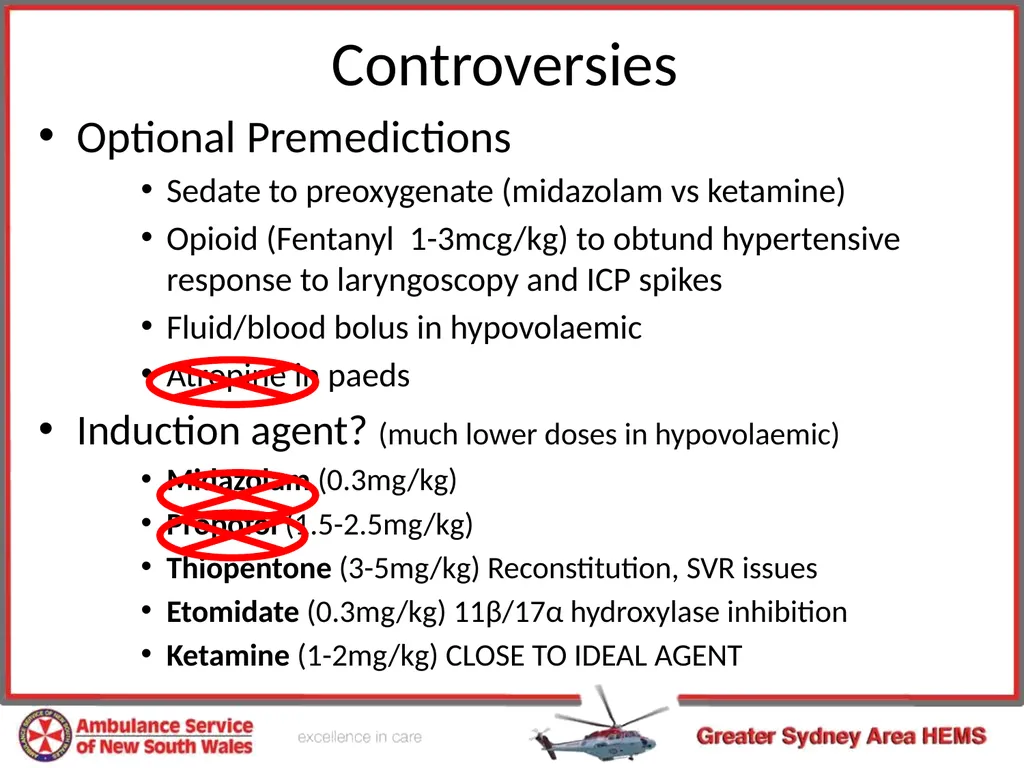
Controversies Optional Premedictions
Sedate to preoxygenate (midazolam vs ketamine)
Opioid (Fentanyl 1-3mcg/kg) to obtund hypertensive response to laryngoscopy and ICP spikes
Fluid/blood bolus in hypovolaemic
Atropine in paeds
Induction agent? (much lower doses in hypovolaemic)
Midazolam (0.3mg/kg)
Propofol (1.5-2.5mg/kg)
Thiopentone (3-5mg/kg) Reconstitution, SVR issues
Etomidate (0.3mg/kg) 11β/17α hydroxylase inhibition
Ketamine (1-2mg/kg) CLOSE TO IDEAL AGENT<br>
11
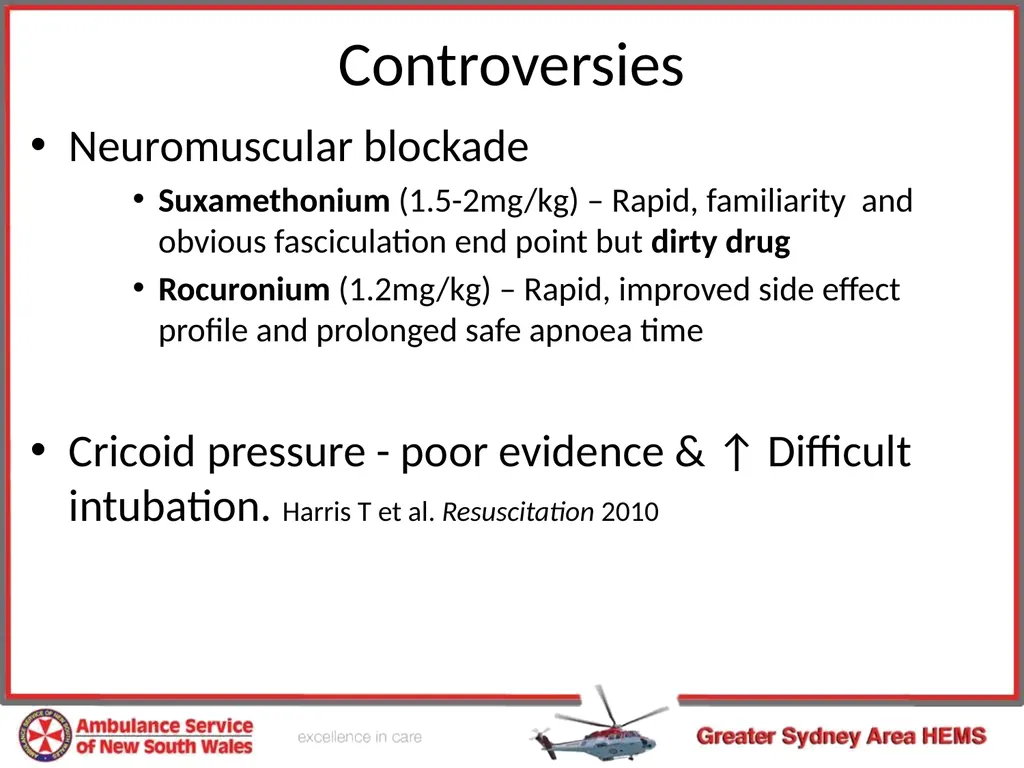
Controversies Neuromuscular blockade
Suxamethonium (1.5-2mg/kg) – Rapid, familiarity and obvious fasciculation end point but dirty drug
Rocuronium (1.2mg/kg) – Rapid, improved side effect profile and prolonged safe apnoea time
Cricoid pressure - poor evidence & ↑ Difficult intubation. Harris T et al. Resuscitation 2010<br>
12
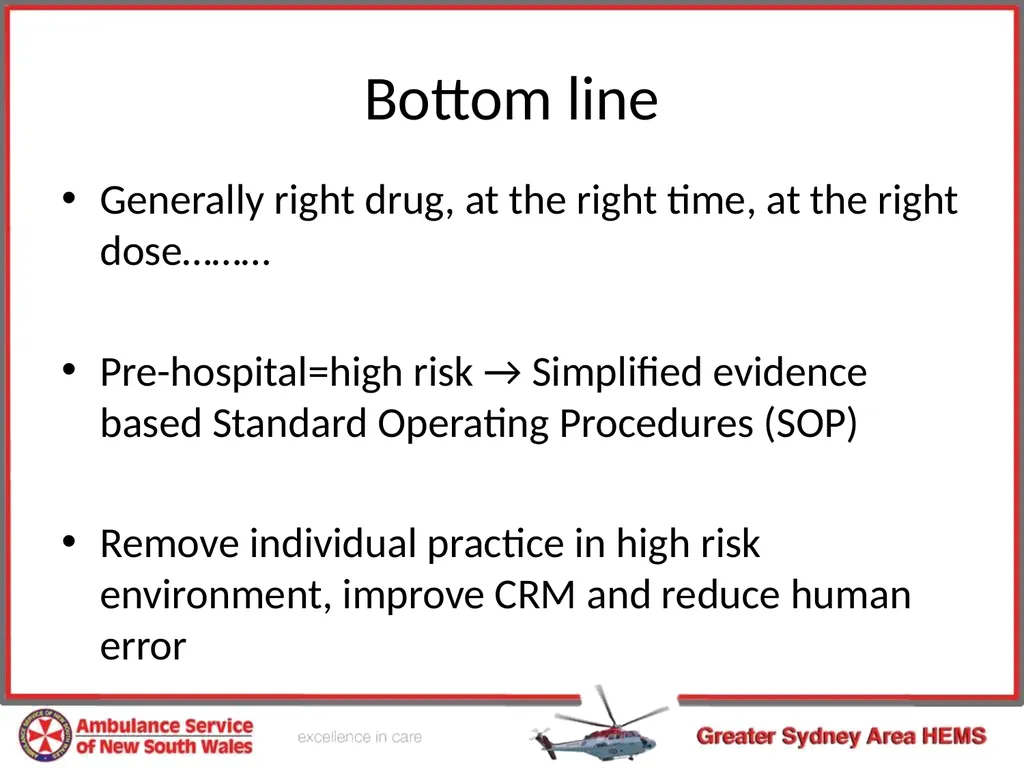
Bottom line Generally right drug, at the right time, at the right dose………
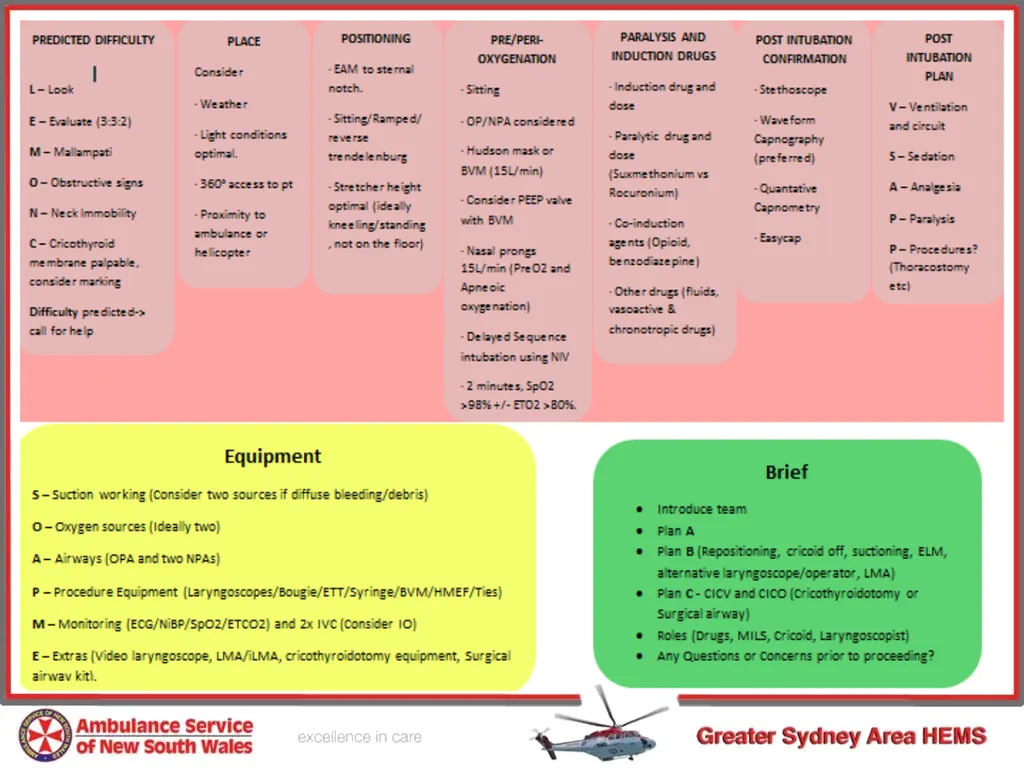
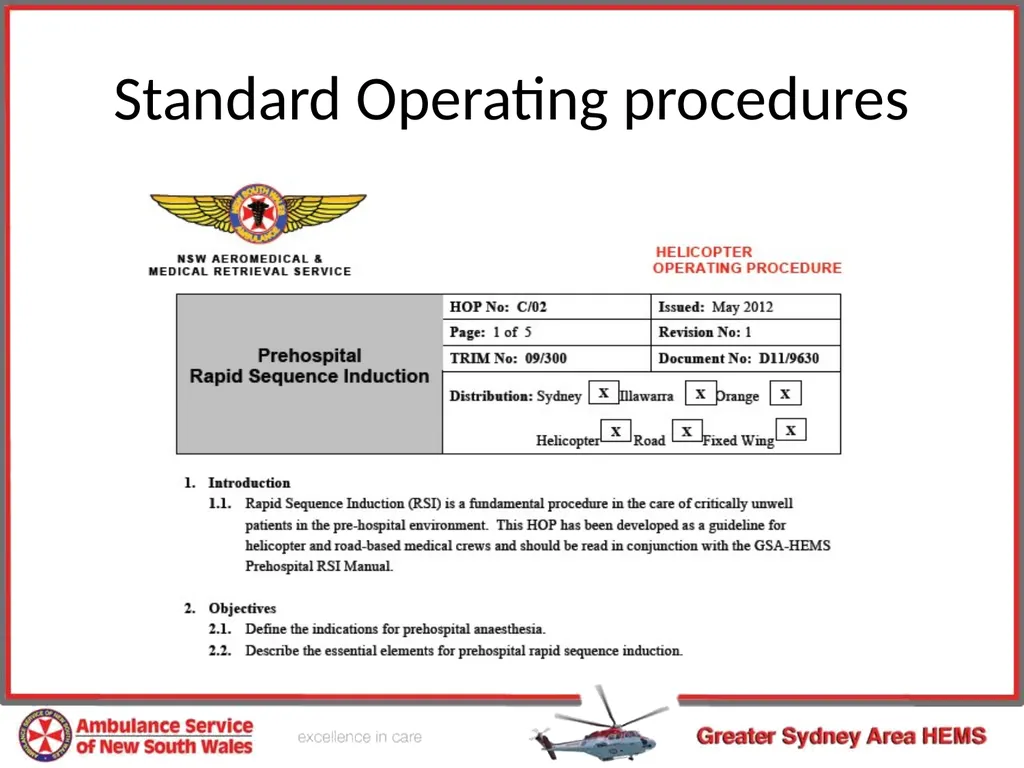
Pre-hospital=high risk → Simplified evidence based Standard Operating Procedures (SOP)
Remove individual practice in high risk environment, improve CRM and reduce human error<br>
13
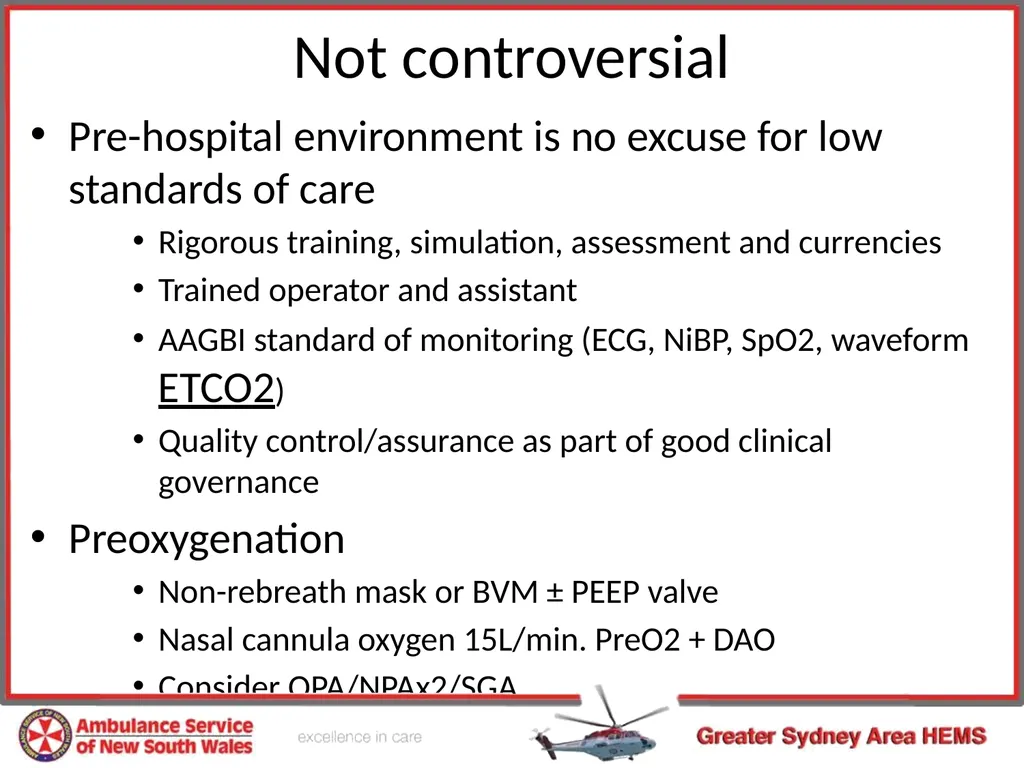
Not controversial Pre-hospital environment is no excuse for low standards of care
Rigorous training, simulation, assessment and currencies
Trained operator and assistant
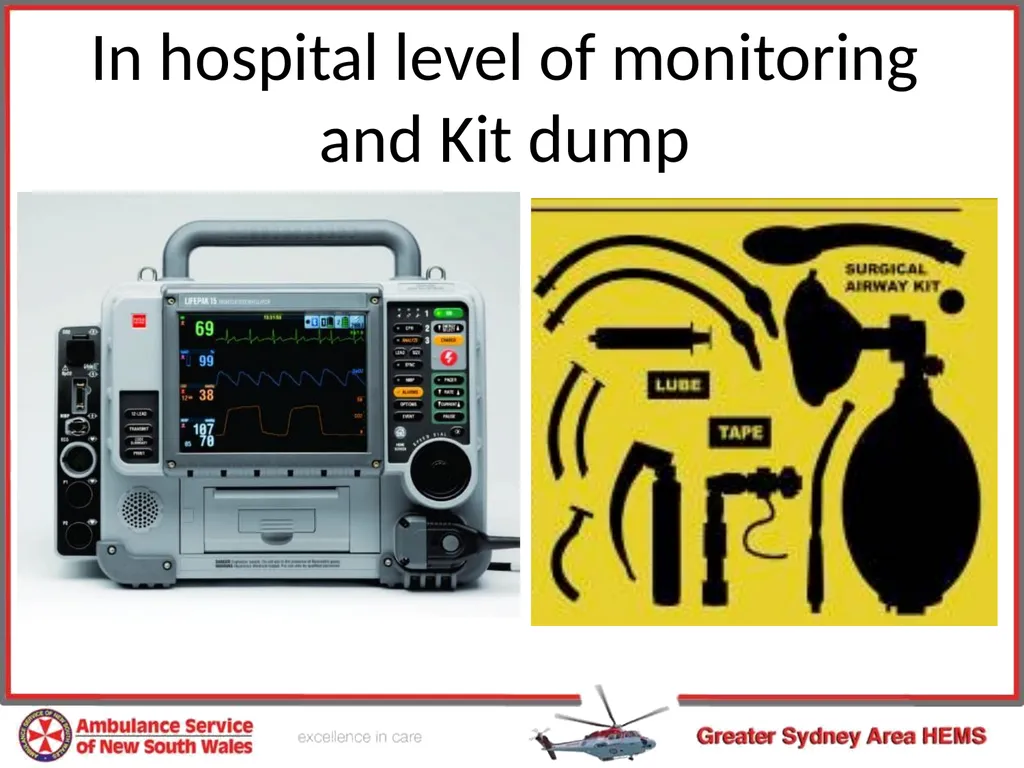
AAGBI standard of monitoring (ECG, NiBP, SpO2, waveform ETCO2)
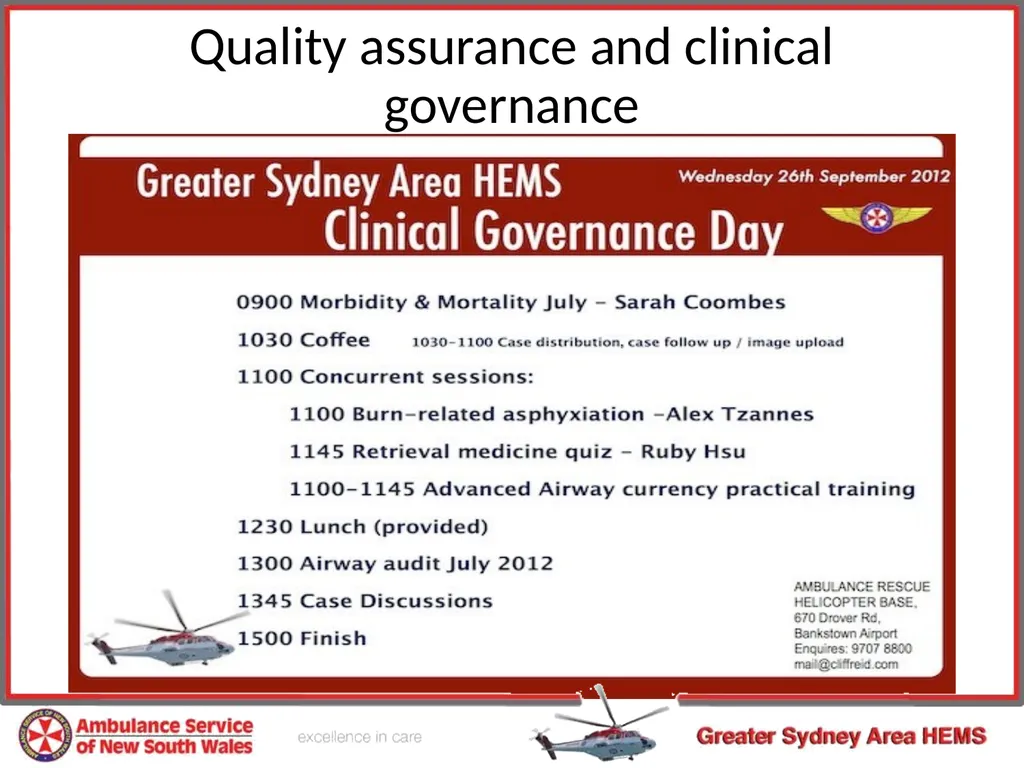
Quality control/assurance as part of good clinical governance
Preoxygenation
Non-rebreath mask or BVM ± PEEP valve
Nasal cannula oxygen 15L/min. PreO2 + DAO
Consider OPA/NPAx2/SGA<br>
14
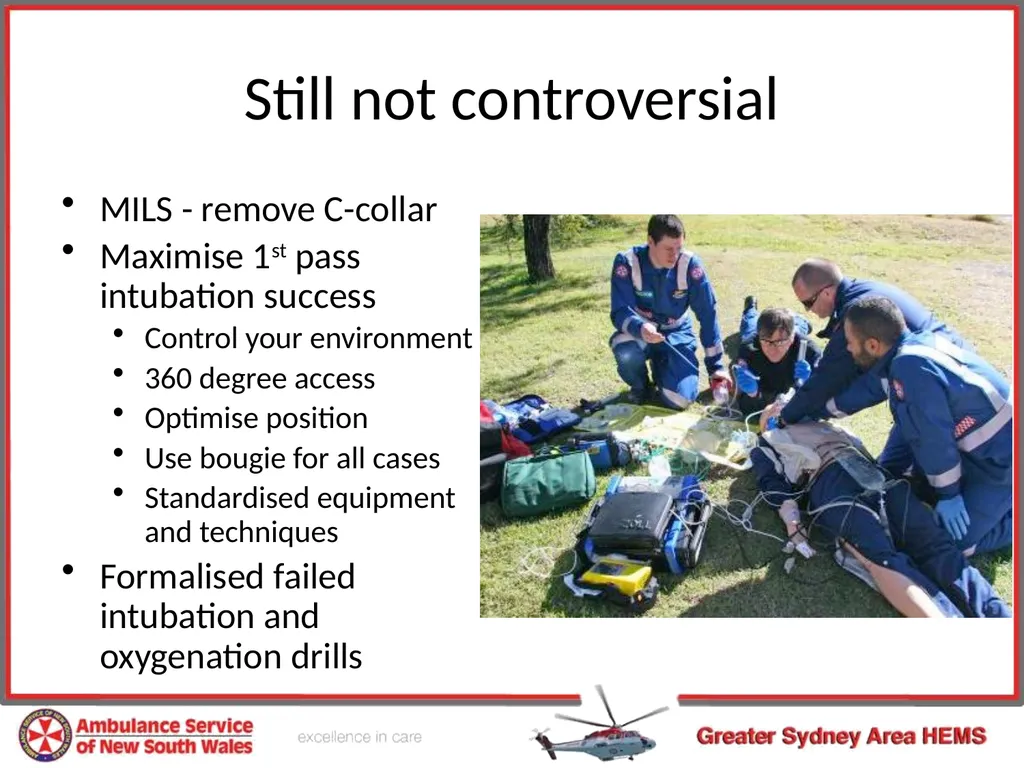
Still not controversial MILS - remove C-collar
Maximise 1st pass intubation success
Control your environment
360 degree access
Optimise position
Use bougie for all cases
Standardised equipment and techniques
Formalised failed intubation and oxygenation drills<br>
15
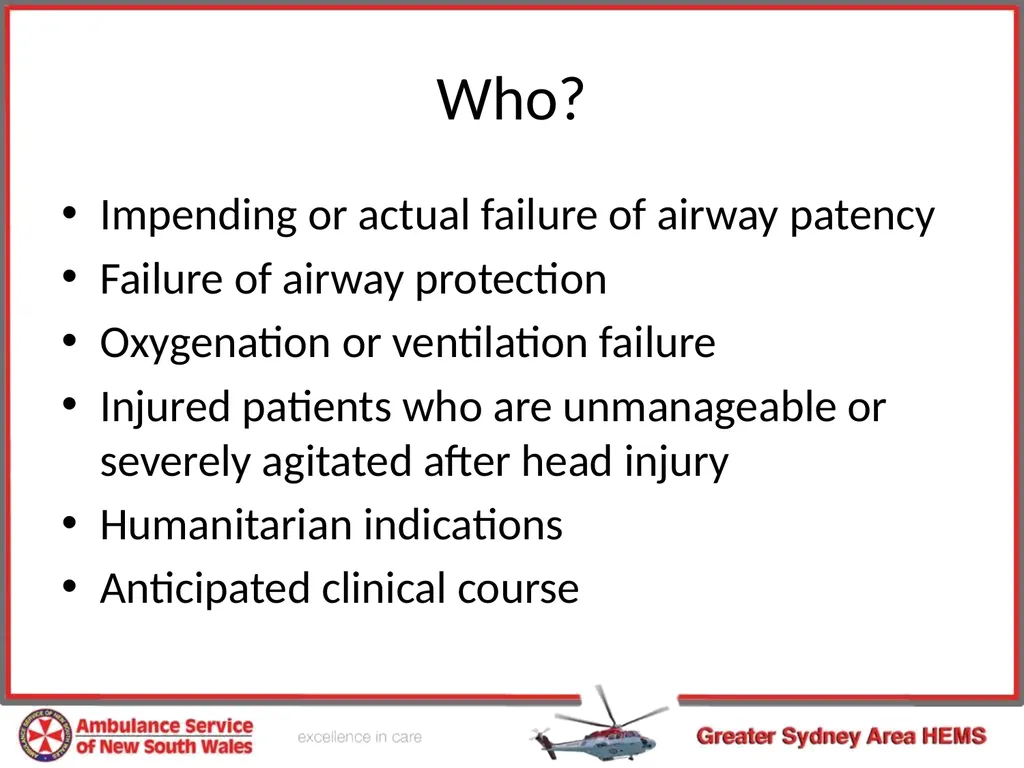
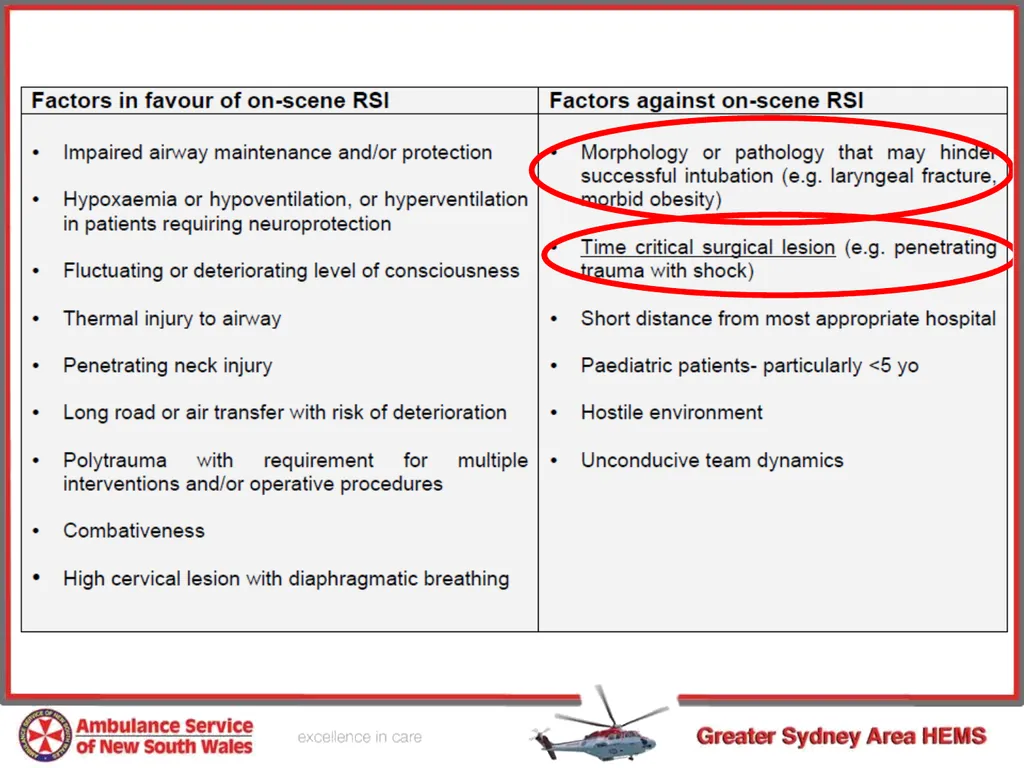
Who? Impending or actual failure of airway patency
Failure of airway protection
Oxygenation or ventilation failure
Injured patients who are unmanageable or severely agitated after head injury
Humanitarian indications
Anticipated clinical course<br>
16
So we think pre-hospital RSI has a place, but who should be doing it?�
↓
�A TRAINED AND COMPETENT TEAM<br>
17
Physician-paramedic team Good medical experience
Anaesthetic experience
Doctor ≠ pre-hospital RSI competent!
Additional pre-hospital training
Cost
Availability<br>
18
Double Paramedic or paramedic/air crewman At home in the pre-hospital environment
Experienced++
Infrastructure and governance needed
Infrequent occurrence for those purely working out of hospital; skill maintenance issue<br>
19
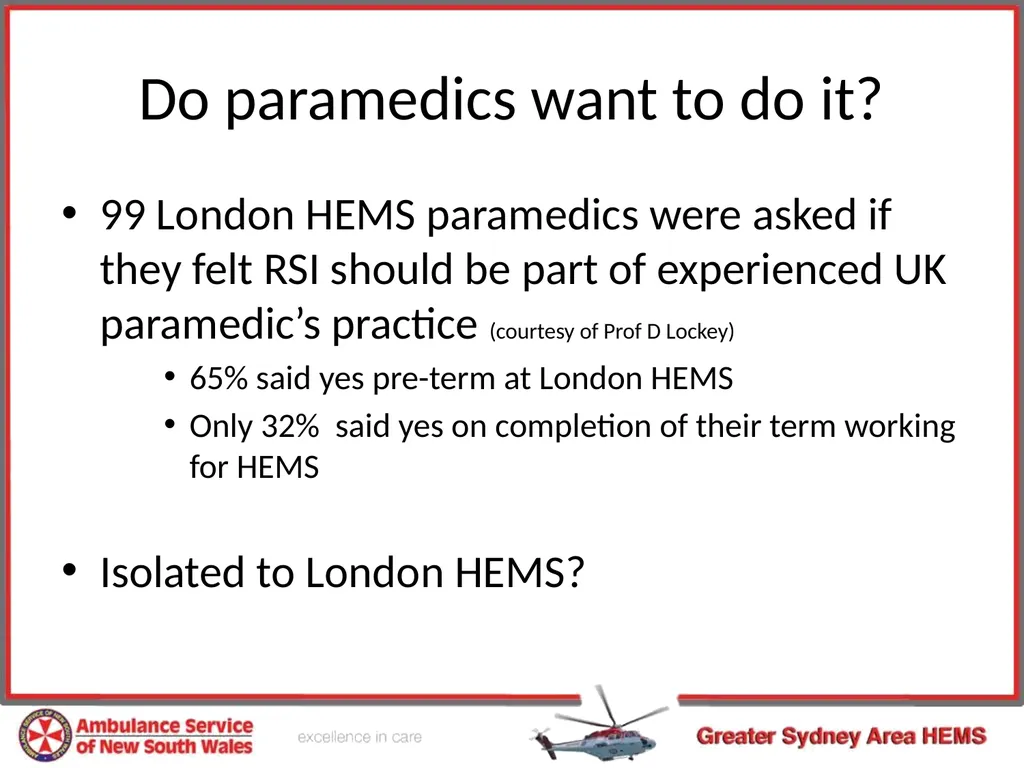
Do paramedics want to do it? 99 London HEMS paramedics were asked if they felt RSI should be part of experienced UK paramedic’s practice (courtesy of Prof D Lockey)
65% said yes pre-term at London HEMS
Only 32% said yes on completion of their term working for HEMS
Isolated to London HEMS?<br>
20
Success rates of pre-hospital RSI Physician/paramedic team
99.4% London HEMS (348/350) Mackay CA et al. Emerg Med J 2001
98.8% London HEMS (397/402) Harris T et al. Resuscitation 2010
99.5% GSA-HEMS (185/186) Bloomer R et al. Emerg Med J 2012
99.1% SAMU France (685/691) Adnet F et al. Ann Emerg Med 1998
100% Germany (342/342) Helm M et al. Br J Anaesth 2006
Paramedic
97% MICA Victoria (152/157) Bernard SA et al. Ann Surg 2010
96% Auckland rescue helicopter (~280) Tony Smith
86.7% San Diego (281/209) Davis DP et al. J Trauma 2003<br>
21
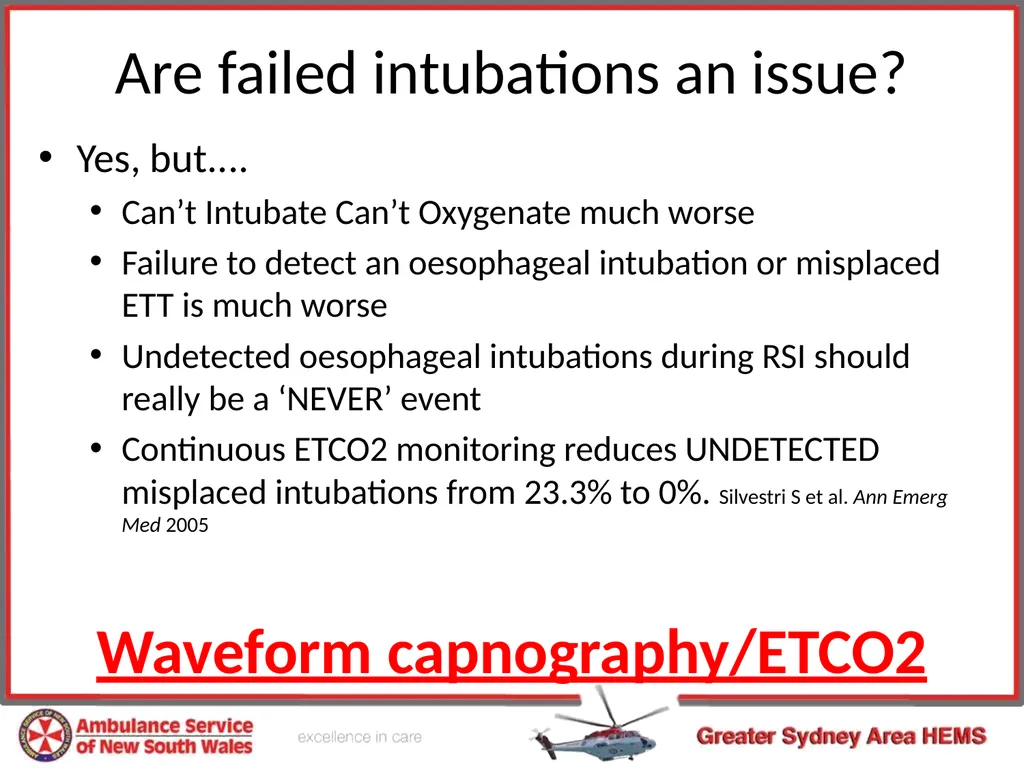
Are failed intubations an issue? Yes, but....
Can’t Intubate Can’t Oxygenate much worse
Failure to detect an oesophageal intubation or misplaced ETT is much worse
Undetected oesophageal intubations during RSI should really be a ‘NEVER’ event
Continuous ETCO2 monitoring reduces UNDETECTED misplaced intubations from 23.3% to 0%. Silvestri S et al. Ann Emerg Med 2005
Waveform capnography/ETCO2<br>
22
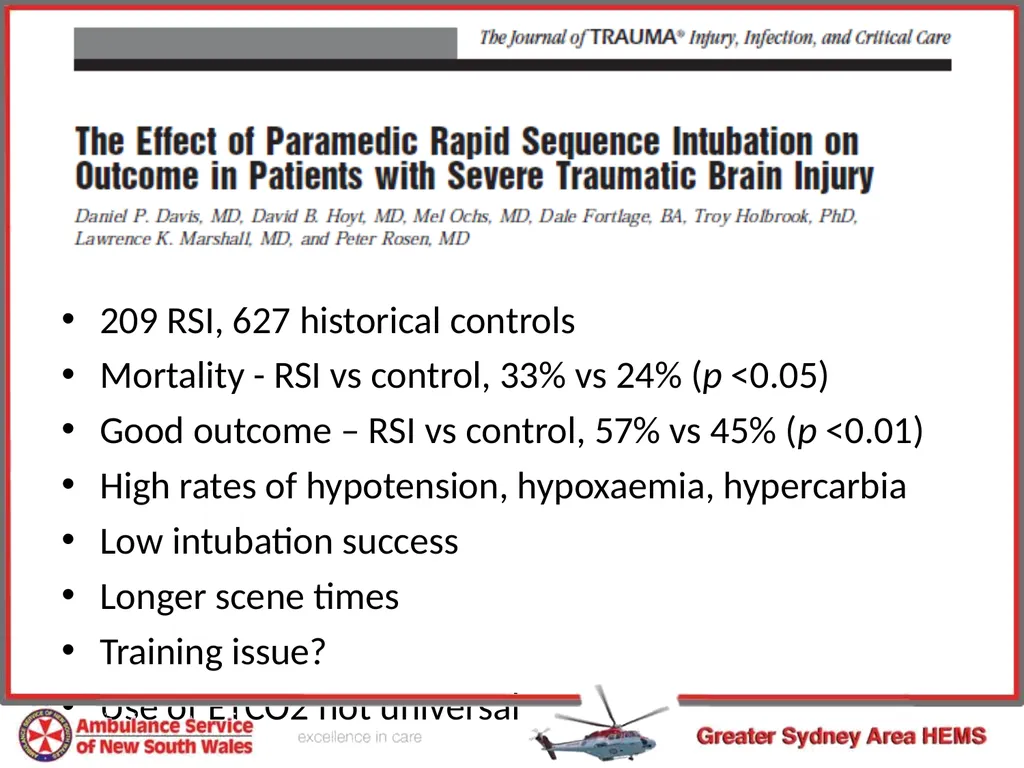
209 RSI, 627 historical controls
Mortality - RSI vs control, 33% vs 24% (p <0.05)
Good outcome – RSI vs control, 57% vs 45% (p <0.01)
High rates of hypotension, hypoxaemia, hypercarbia
Low intubation success
Longer scene times
Training issue?
Use of ETCO2 not universal<br>
23
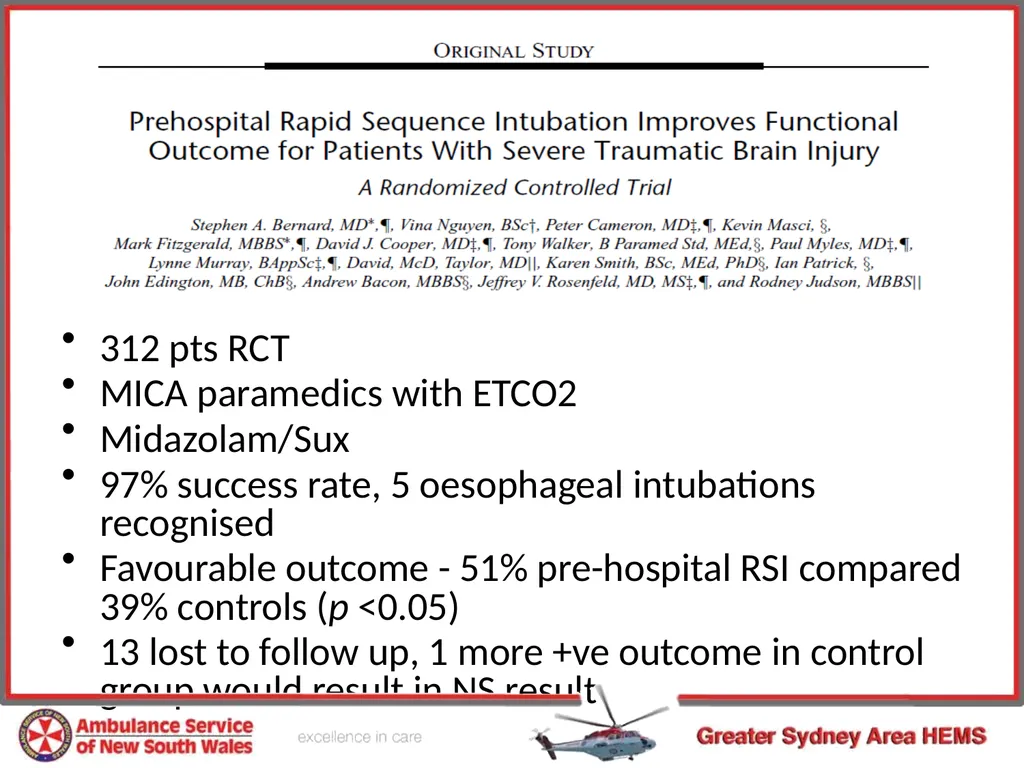
312 pts RCT
MICA paramedics with ETCO2
Midazolam/Sux
97% success rate, 5 oesophageal intubations recognised
Favourable outcome - 51% pre-hospital RSI compared 39% controls (p <0.05)
13 lost to follow up, 1 more +ve outcome in control group would result in NS result<br>
24
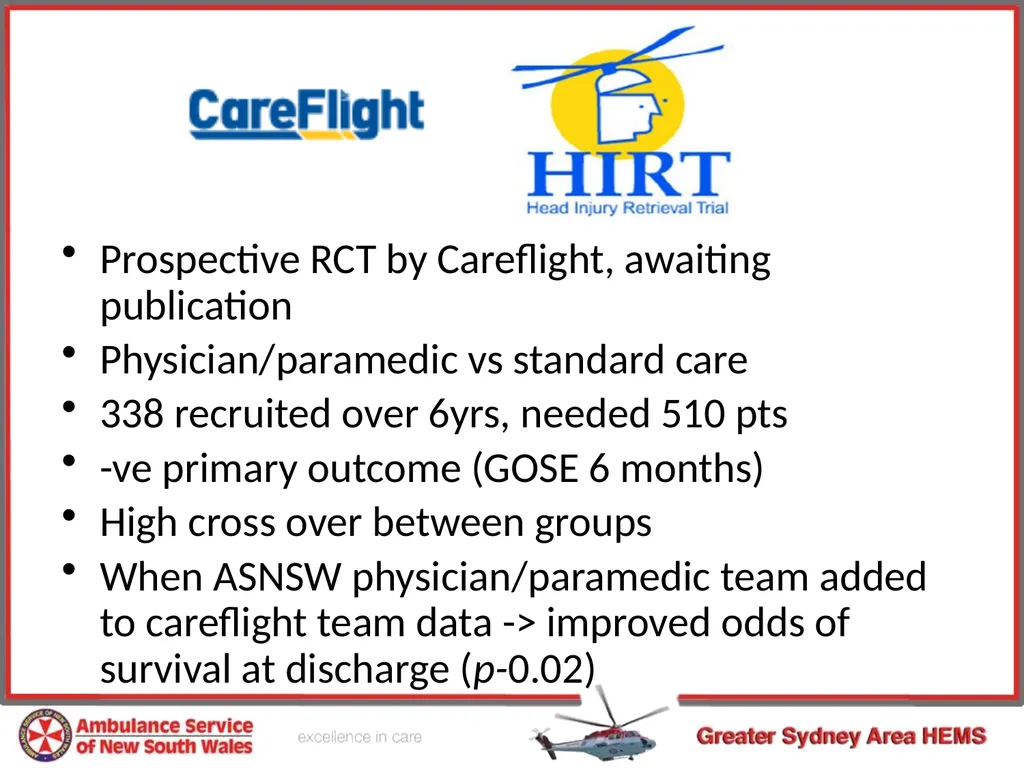
Prospective RCT by Careflight, awaiting publication
Physician/paramedic vs standard care
338 recruited over 6yrs, needed 510 pts
-ve primary outcome (GOSE 6 months)
High cross over between groups
When ASNSW physician/paramedic team added to careflight team data -> improved odds of survival at discharge (p-0.02)<br>
25
Pre-hospital RSI is here to stay, so how do we make it safer?<br>
26
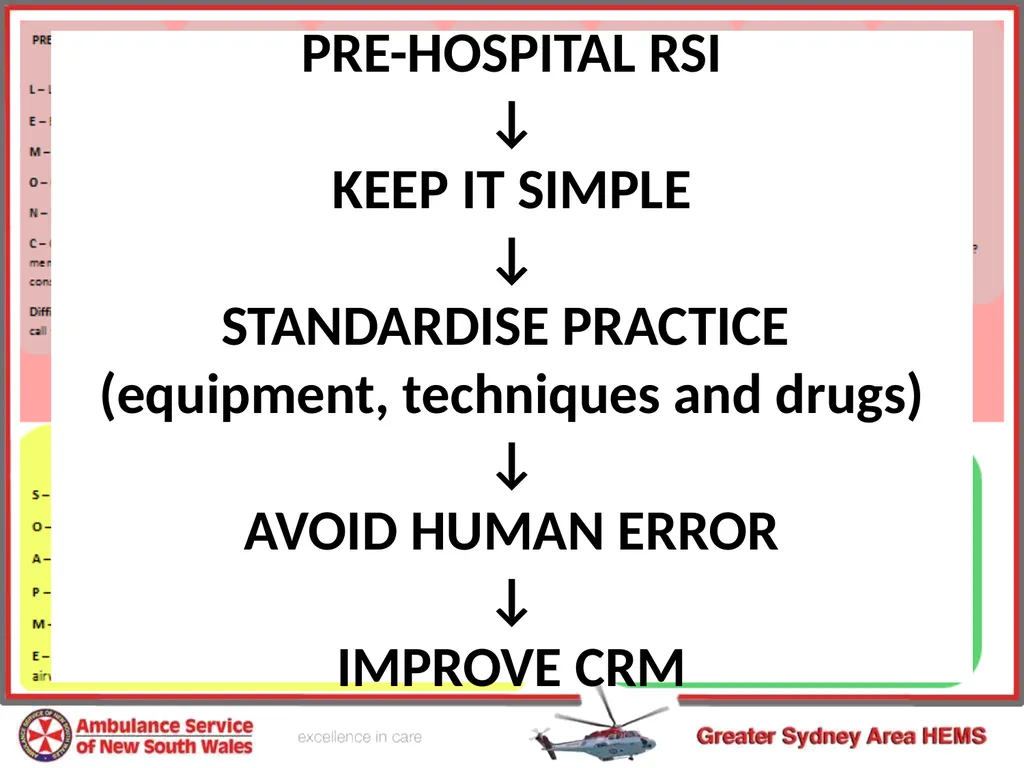
PRE-HOSPITAL RSI�↓�KEEP IT SIMPLE�↓�STANDARDISE PRACTICE
(equipment, techniques and drugs)�↓�AVOID HUMAN ERROR
↓
IMPROVE CRM<br>
27
Standard Operating procedures<br>
28
Standardised pre-hospital drugs Pre-drawn drugs
Ketamine 200mg/20ml
Suxamethonium 100mg/2ml (x2)
Midazolam 10mg/10ml
Morphine 10mg/10ml
Spare Ampoules
Rocuronium 50mg/5ml (x2)
Fentanyl 500mcg/10ml (x2)
Midazolam 15mg/3ml
Ketamine 200mg/2ml (x5)<br>
29
In hospital level of monitoring and Kit dump<br>
30
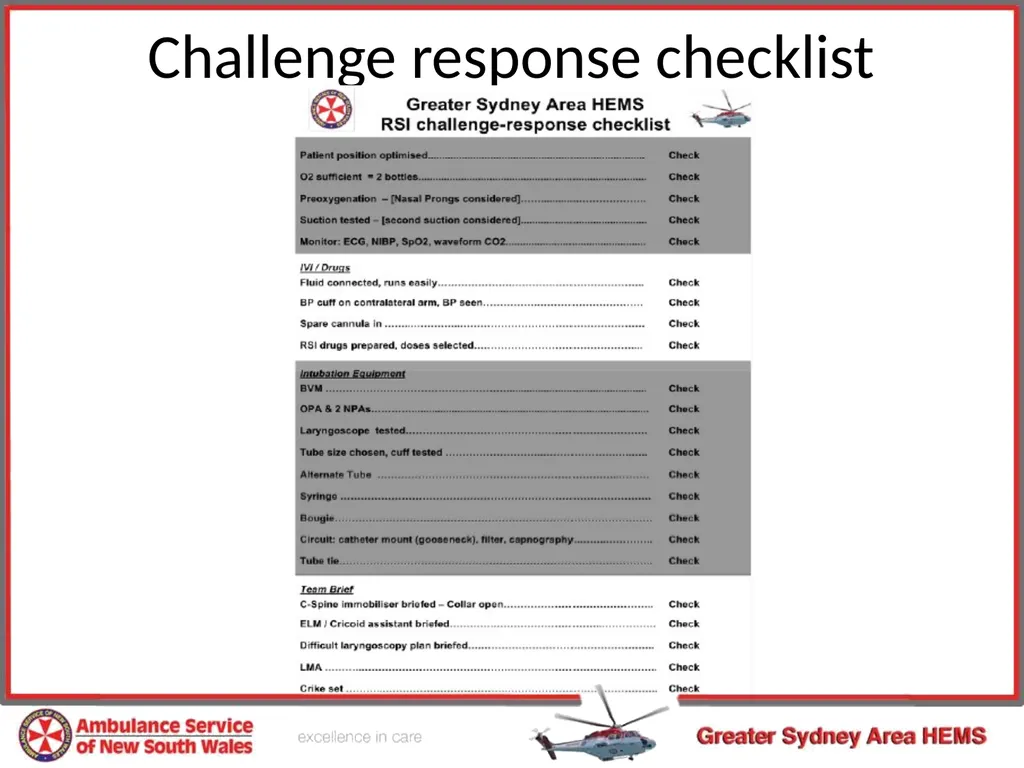
Challenge response checklist<br>
31
Quality assurance and clinical governance<br>
32
Training and simulation<br>
33
Summary Pre-hospital RSI is indicated in certain patients
High risk intervention that needs to be delivered in a quality assured manner
Pre-hospital RSI done badly is worse than standard management
Some evidence for a morbidity and mortality benefit<br>