
PRODUCTION PLANNING AND CONTROL What is ppc? “The

Description: PRODUCTION PLANNING AND CONTROL What is ppc? The highest efficiency in production is obtained by manufacturing the required quality of product , of required quantity ,at the required time by the best and cheapest method - Hence, PPC is a
Related Topics
Download Presentation
"PRODUCTION PLANNING AND CONTROL What is ppc? “The" is the property of its rightful owner. Permission is granted to download and print the materials on this website for personal, non-commercial use only, and to display it on your personal computer provided you do not modify the materials and that you retain all copyright notices contained in the materials. By downloading content from our website, you accept the terms of this agreement.
Presentation Transcript
slide1. PRODUCTION PLANNING AND CONTROL<br>
slide2. What is ppc? “The highest efficiency in production is obtained by manufacturing the required quality of product , of required quantity ,at the required time by the best and cheapest method” - Hence, PPC is a tool to coordinate all manufacturing activities in a production system.<br>
slide3. Objectives of ppc To deliver required goods in required quantities to the customer in the required delivery schedule to achieve maximum customer satisfaction and minimum cost
To ensure maximum utilization of the available resources
To ensure production of quality products
To minimize the manufacturing time<br>
slide4. Continued…………. To maintain optimum inventory levels
To maintain flexibility in manufacturing operation
To coordinate between labor and machines and various supporting documents
To plan for plant capacities for future requirements
To remove bottle neck at all stages of production and to solve problems related to production
To ensure effective cost reduction and cost control<br>
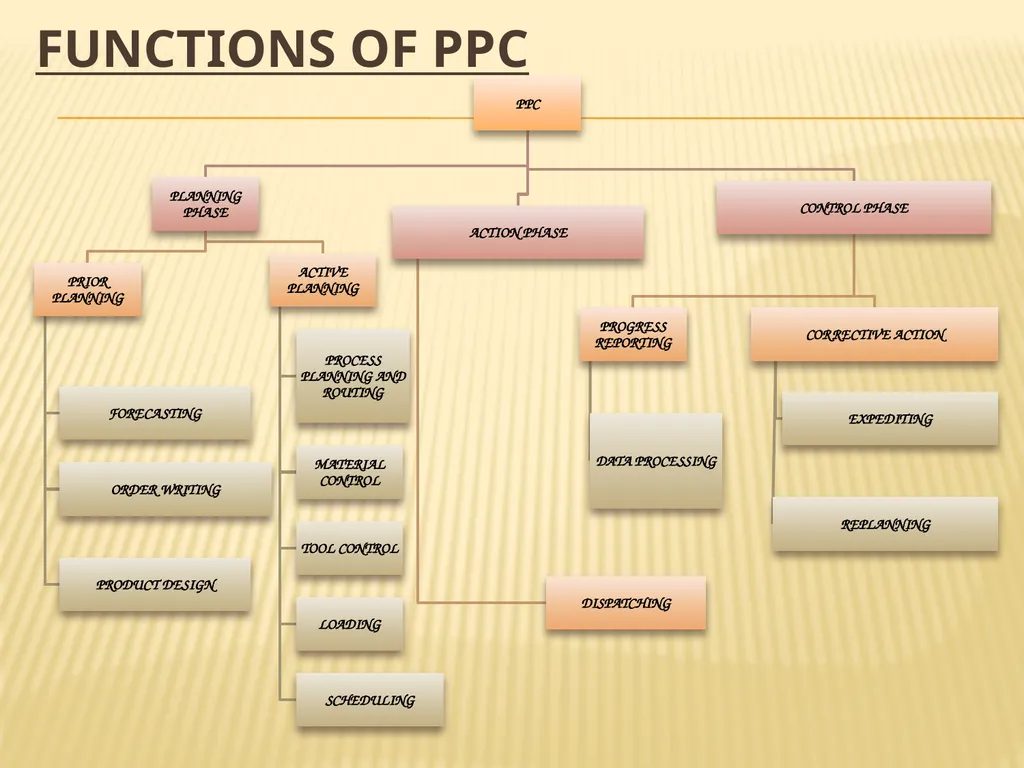
slide5. Functions of ppc<br>
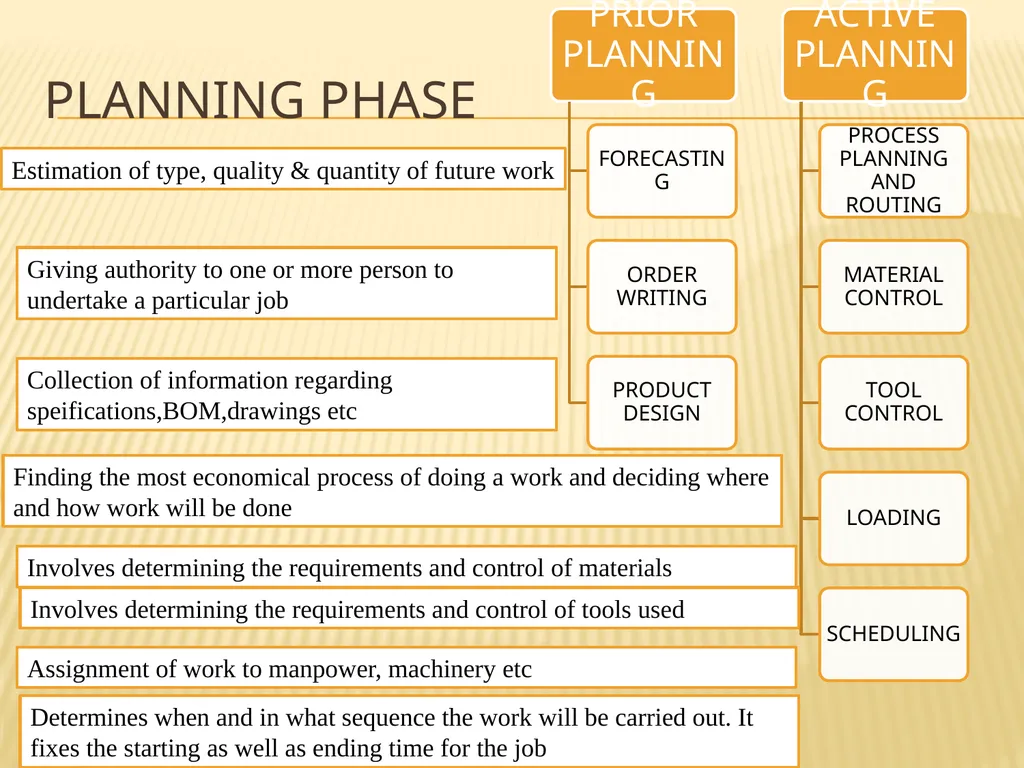
slide6. Estimation of type, quality & quantity of future work Giving authority to one or more person to undertake a particular job Collection of information regarding speifications,BOM,drawings etc Finding the most economical process of doing a work and deciding where and how work will be done Involves determining the requirements and control of materials Involves determining the requirements and control of tools used Assignment of work to manpower, machinery etc Determines when and in what sequence the work will be carried out. It fixes the starting as well as ending time for the job PLANNING PHASE<br>
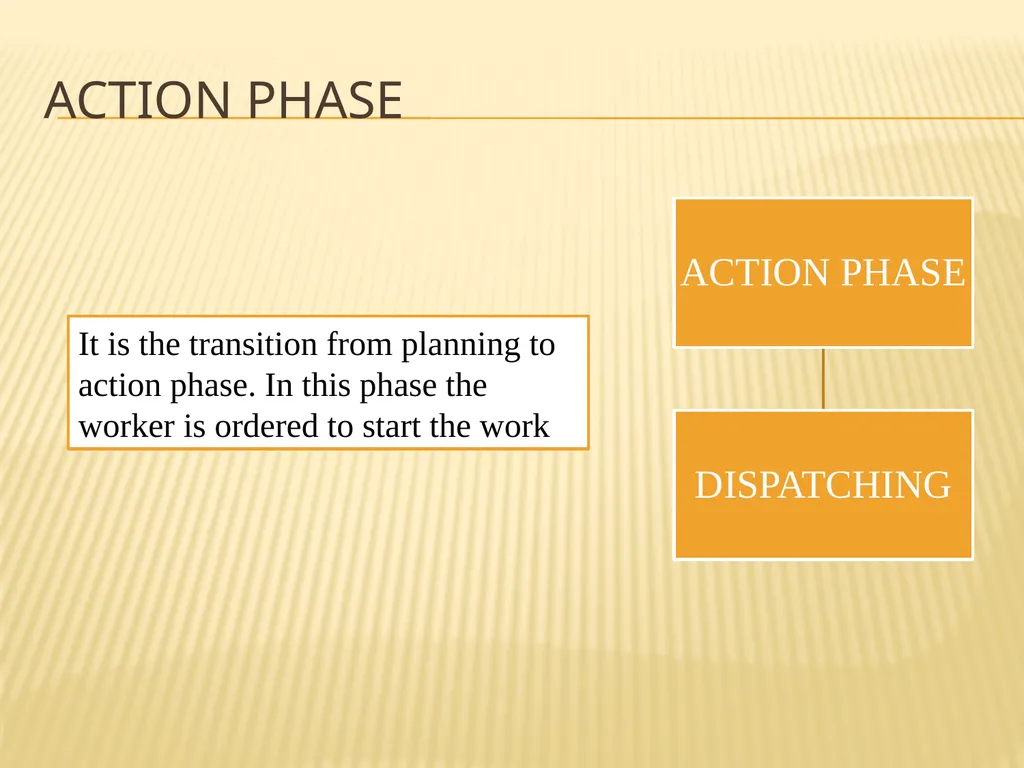
slide7. It is the transition from planning to action phase. In this phase the worker is ordered to start the work ACTION PHASE<br>
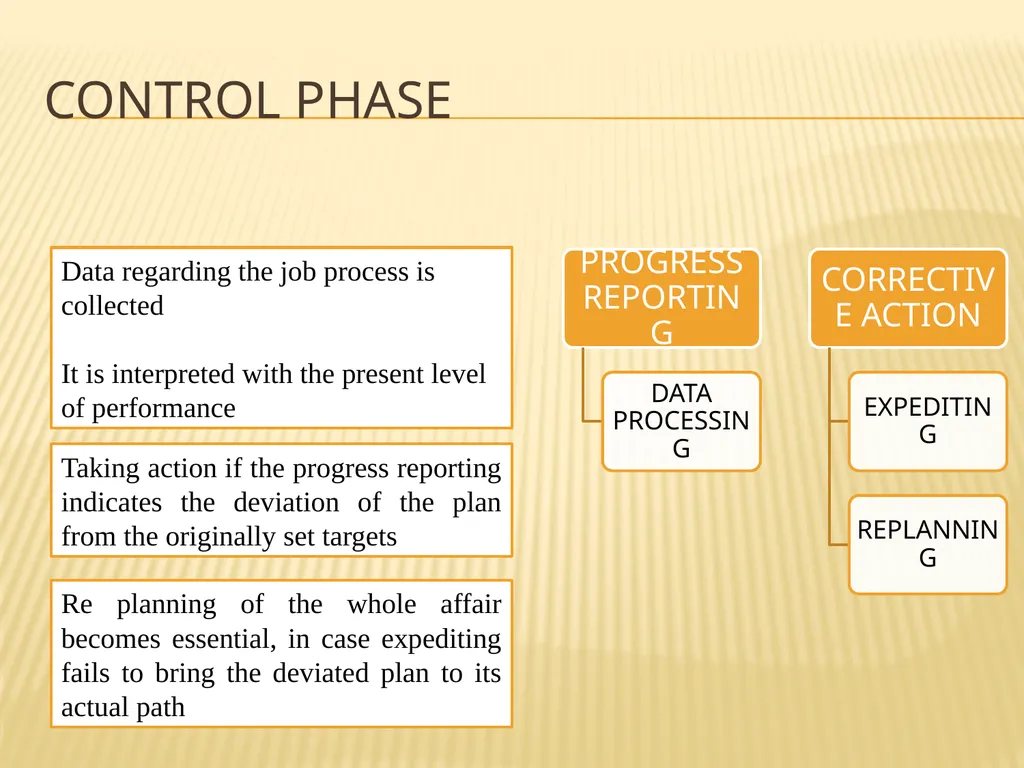
slide8. CONTROL PHASE Data regarding the job process is collected
It is interpreted with the present level of performance Taking action if the progress reporting indicates the deviation of the plan from the originally set targets Re planning of the whole affair becomes essential, in case expediting fails to bring the deviated plan to its actual path<br>
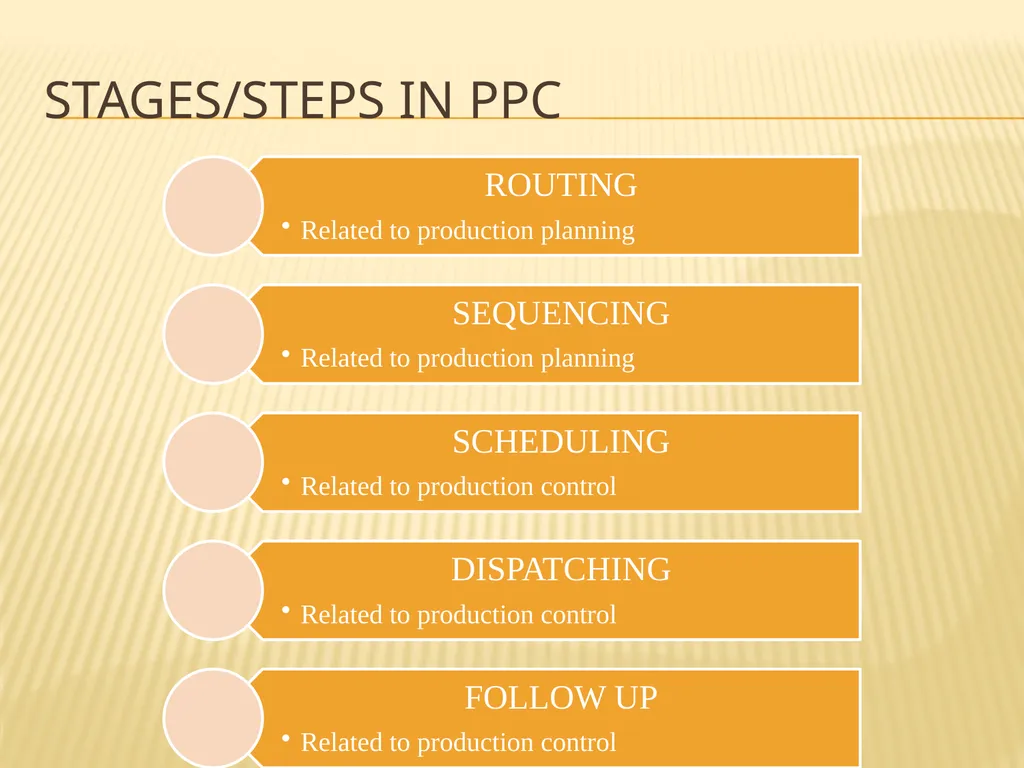
slide9. Stages/steps in ppc<br>
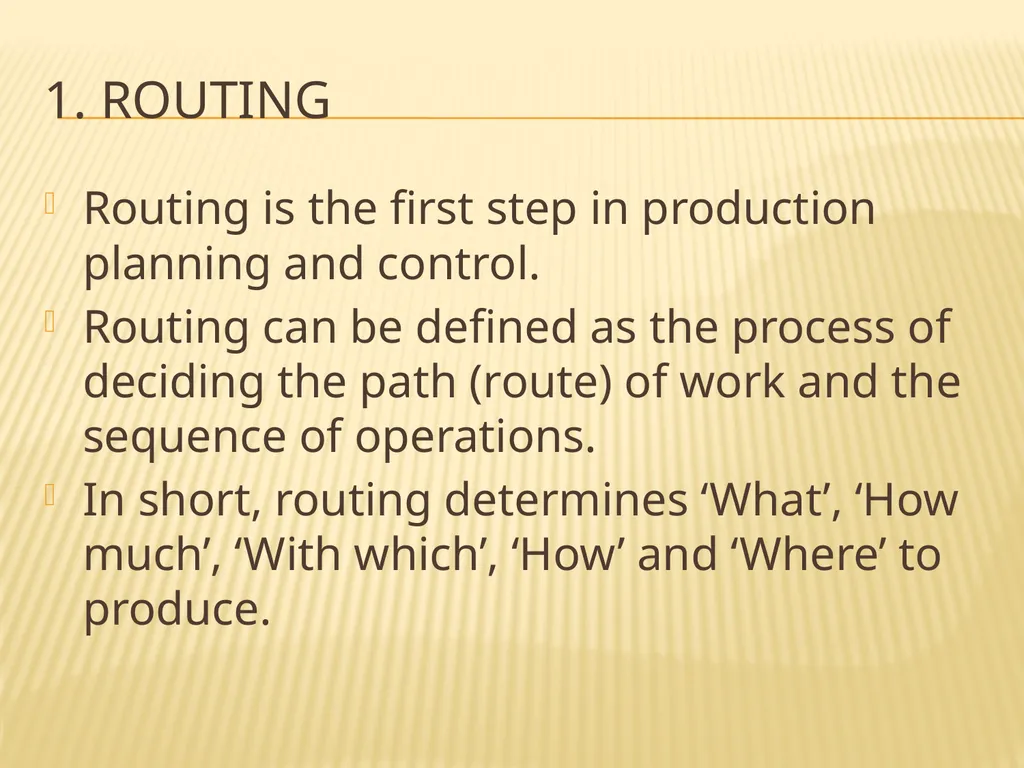
slide10. 1. routing Routing is the first step in production planning and control.
Routing can be defined as the process of deciding the path (route) of work and the sequence of operations.
In short, routing determines ‘What’, ‘How much’, ‘With which’, ‘How’ and ‘Where’ to produce.<br>
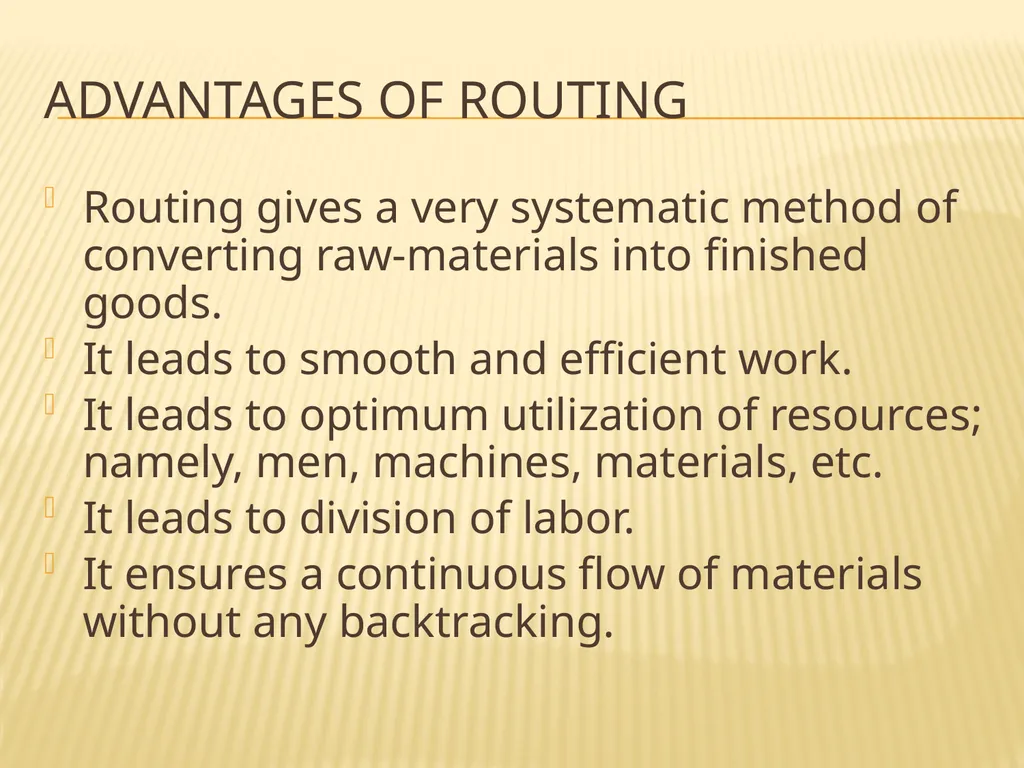
slide11. Advantages of routing Routing gives a very systematic method of converting raw-materials into finished goods.
It leads to smooth and efficient work.
It leads to optimum utilization of resources; namely, men, machines, materials, etc.
It leads to division of labor.
It ensures a continuous flow of materials without any backtracking.<br>
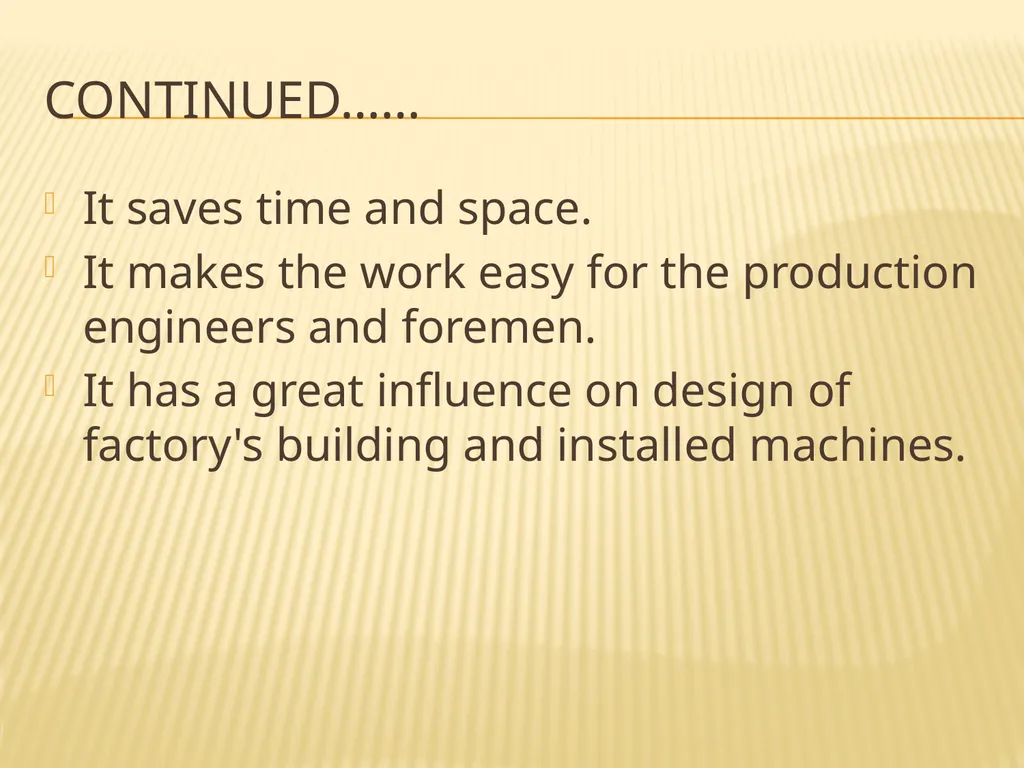
slide12. Continued…… It saves time and space.
It makes the work easy for the production engineers and foremen.
It has a great influence on design of factory's building and installed machines.<br>
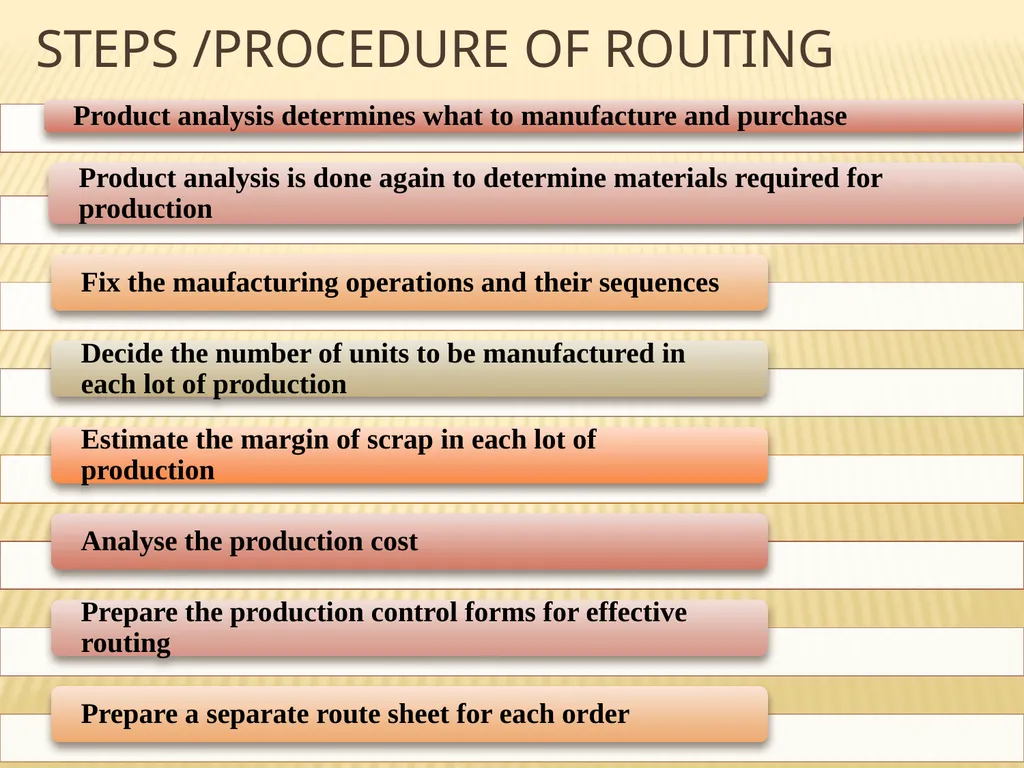
slide13. Steps /procedure of routing<br>
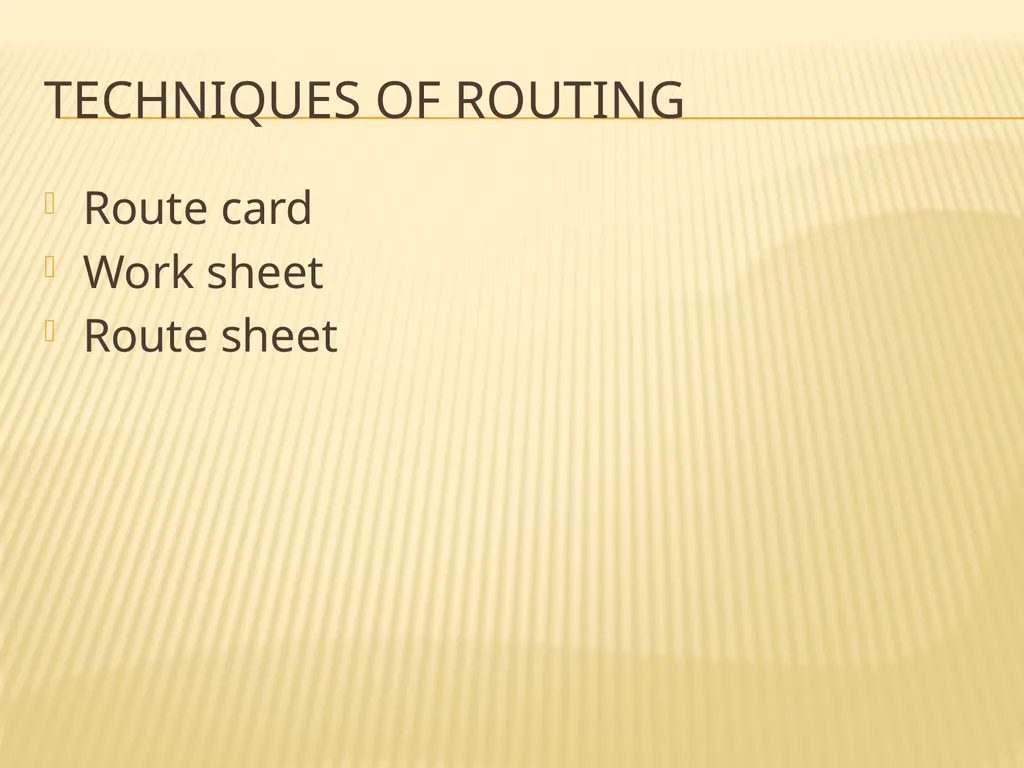
slide14. TECHNIQUES OF ROUTING Route card
Work sheet
Route sheet<br>
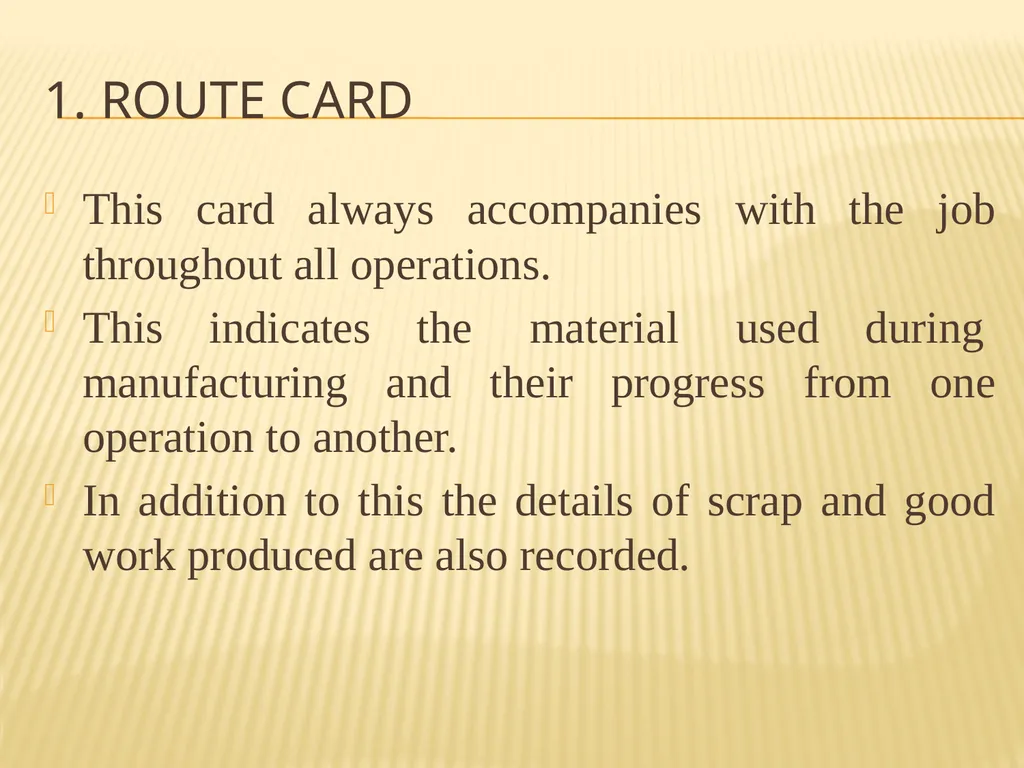
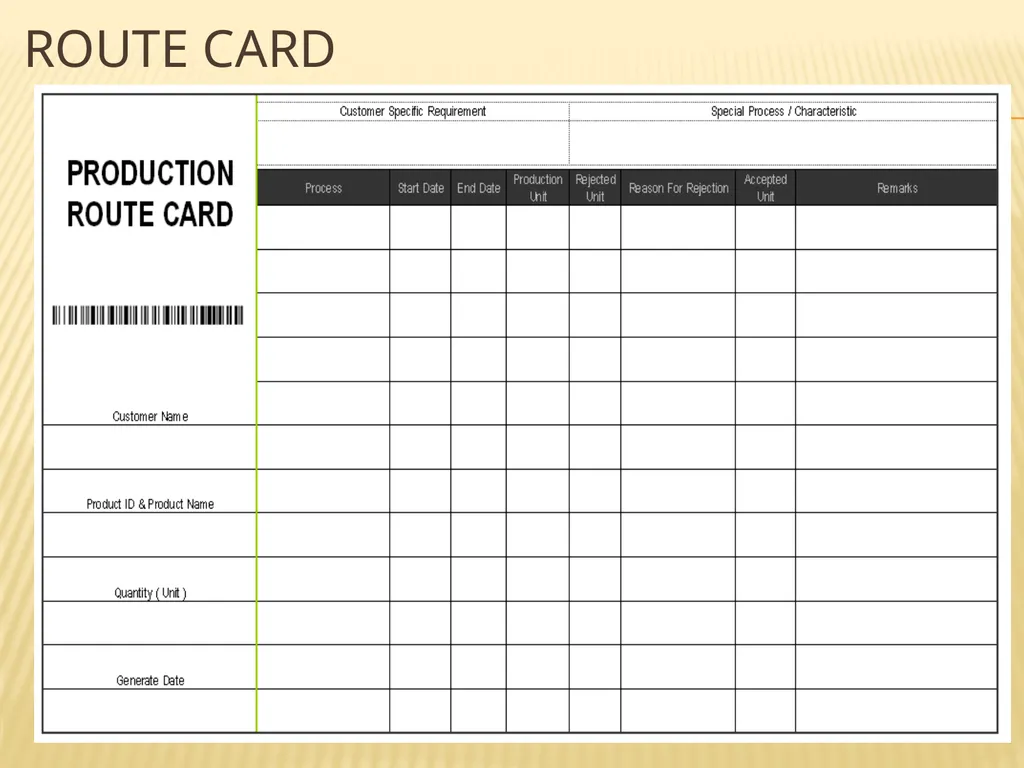
slide15. 1. Route card This card always accompanies with the job throughout all operations.
This indicates the material used during manufacturing and their progress from one operation to another.
In addition to this the details of scrap and good work produced are also recorded.<br>
slide16. Route card<br>
slide17. 2. worksheet It contains
Specifications to be followed while manufacturing.
Instructions regarding routing of every part with identification number of machines.
This sheet is made for manufacturing as well as for maintenance.<br>
slide18. 3. route sheet It is also called as route card
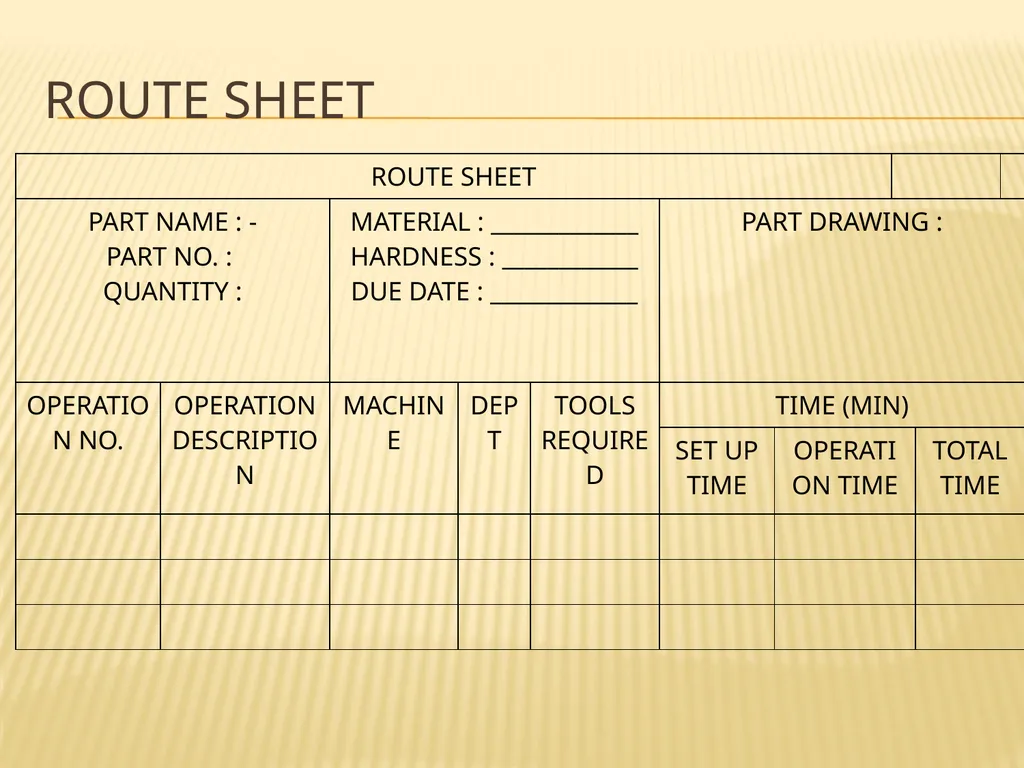
It lists the manufacturing operations in the decided sequence along with the machines associated with each operation
It also indicates the department in which the operation is to be done and the part will go for the next operation
It also consists of the information such as part name, part number and product number
It gives information about the material specification and cutting tools,jigs,fixtures and necessary devices for each operation.<br>
slide19. Route sheet<br>
slide20. 2. SEQUENCING Defined as the order in which jobs pass through machines or work stations for processing
The main aim is to find out such sequence out of the possible sequence that will complete the work in shortest time
Sequencing problems becomes tedious as the number of jobs and machines increases<br>
slide21. 3. scheduling Scheduling means setting of starting and finishing dates for each operation, assembly and the finished product. It also means to :
Fix the amount of work to do.
Arrange the different manufacturing operations in order of priority.
Fix the starting and completing, date and time, for each operation<br>
slide22. 4. dispatching It’s the next step after scheduling
Also means starting the actual production of a particular work which has been planned in routing schedule.
It provides the necessary authority to start the work.
It is based on route-sheets and schedule sheets.<br>
slide23. Dispatching includes the following:
Issue of materials, tools, fixtures, etc., which are necessary for actual production.
Issue of orders, instructions, drawings, etc. for starting the work.
Maintaining proper records of the starting and completing each job on time.
Moving the work from one process to another as per the schedule.
Starting the control procedure.
Recording the idle time of machines.<br>
slide24. 4. Follow up Follow-up or Expediting is the last step in production planning and control. It is a controlling device. It is concerned with evaluation of the results.
Follow-up finds out and removes the defects, delays, limitations, bottlenecks, loopholes, etc. in the production process. It measures the actual performance and compares it to the expected performance. It maintains proper records of work, delays and bottlenecks. Such records are used in future to control production.<br>
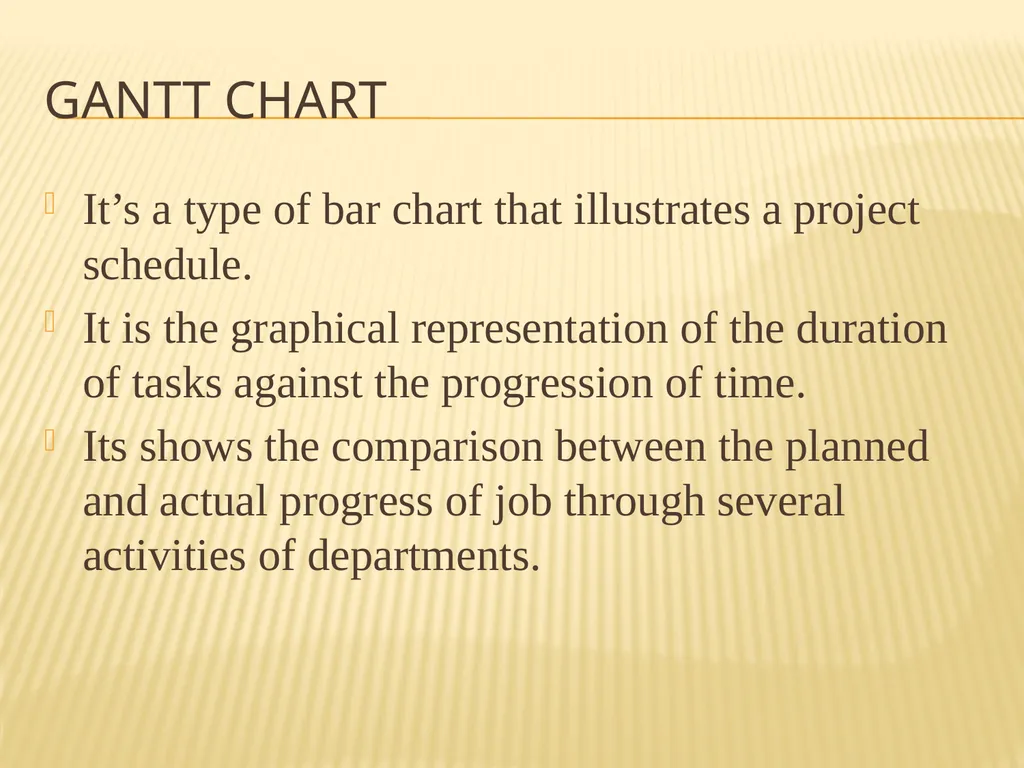
slide25. Gantt chart It’s a type of bar chart that illustrates a project schedule.
It is the graphical representation of the duration of tasks against the progression of time.
Its shows the comparison between the planned and actual progress of job through several activities of departments.<br>
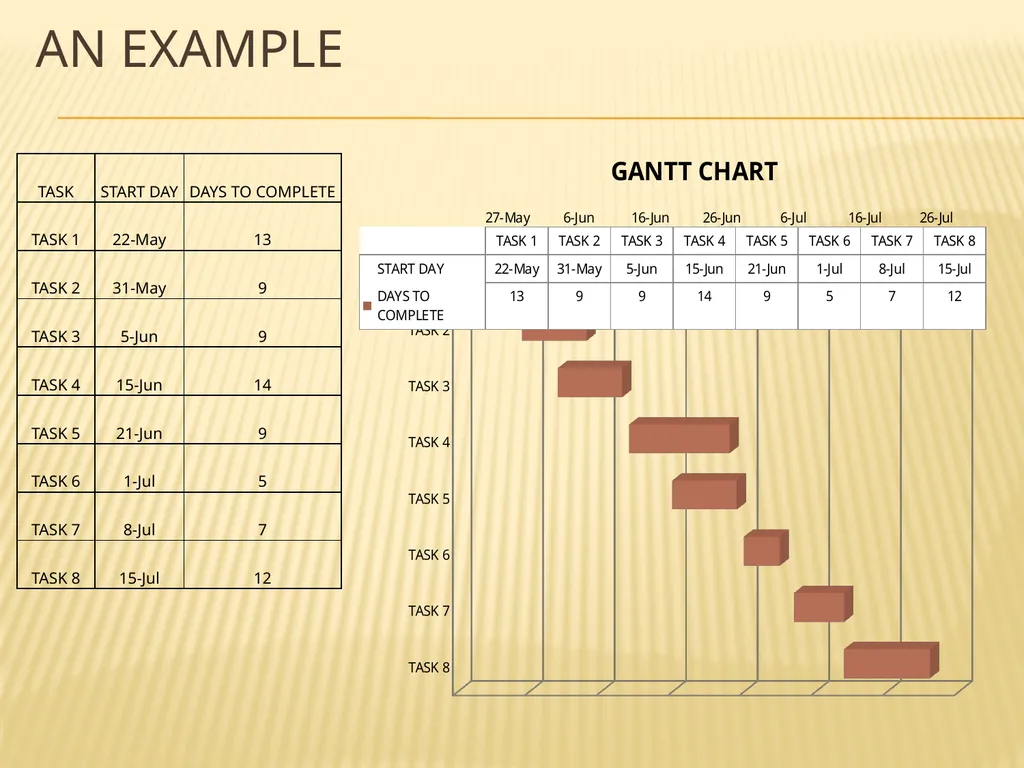
slide26. AN EXAMPLE<br>
slide2. What is ppc? “The highest efficiency in production is obtained by manufacturing the required quality of product , of required quantity ,at the required time by the best and cheapest method” - Hence, PPC is a tool to coordinate all manufacturing activities in a production system.<br>
slide3. Objectives of ppc To deliver required goods in required quantities to the customer in the required delivery schedule to achieve maximum customer satisfaction and minimum cost
To ensure maximum utilization of the available resources
To ensure production of quality products
To minimize the manufacturing time<br>
slide4. Continued…………. To maintain optimum inventory levels
To maintain flexibility in manufacturing operation
To coordinate between labor and machines and various supporting documents
To plan for plant capacities for future requirements
To remove bottle neck at all stages of production and to solve problems related to production
To ensure effective cost reduction and cost control<br>
slide5. Functions of ppc<br>
slide6. Estimation of type, quality & quantity of future work Giving authority to one or more person to undertake a particular job Collection of information regarding speifications,BOM,drawings etc Finding the most economical process of doing a work and deciding where and how work will be done Involves determining the requirements and control of materials Involves determining the requirements and control of tools used Assignment of work to manpower, machinery etc Determines when and in what sequence the work will be carried out. It fixes the starting as well as ending time for the job PLANNING PHASE<br>
slide7. It is the transition from planning to action phase. In this phase the worker is ordered to start the work ACTION PHASE<br>
slide8. CONTROL PHASE Data regarding the job process is collected
It is interpreted with the present level of performance Taking action if the progress reporting indicates the deviation of the plan from the originally set targets Re planning of the whole affair becomes essential, in case expediting fails to bring the deviated plan to its actual path<br>
slide9. Stages/steps in ppc<br>
slide10. 1. routing Routing is the first step in production planning and control.
Routing can be defined as the process of deciding the path (route) of work and the sequence of operations.
In short, routing determines ‘What’, ‘How much’, ‘With which’, ‘How’ and ‘Where’ to produce.<br>
slide11. Advantages of routing Routing gives a very systematic method of converting raw-materials into finished goods.
It leads to smooth and efficient work.
It leads to optimum utilization of resources; namely, men, machines, materials, etc.
It leads to division of labor.
It ensures a continuous flow of materials without any backtracking.<br>
slide12. Continued…… It saves time and space.
It makes the work easy for the production engineers and foremen.
It has a great influence on design of factory's building and installed machines.<br>
slide13. Steps /procedure of routing<br>
slide14. TECHNIQUES OF ROUTING Route card
Work sheet
Route sheet<br>
slide15. 1. Route card This card always accompanies with the job throughout all operations.
This indicates the material used during manufacturing and their progress from one operation to another.
In addition to this the details of scrap and good work produced are also recorded.<br>
slide16. Route card<br>
slide17. 2. worksheet It contains
Specifications to be followed while manufacturing.
Instructions regarding routing of every part with identification number of machines.
This sheet is made for manufacturing as well as for maintenance.<br>
slide18. 3. route sheet It is also called as route card
It lists the manufacturing operations in the decided sequence along with the machines associated with each operation
It also indicates the department in which the operation is to be done and the part will go for the next operation
It also consists of the information such as part name, part number and product number
It gives information about the material specification and cutting tools,jigs,fixtures and necessary devices for each operation.<br>
slide19. Route sheet<br>
slide20. 2. SEQUENCING Defined as the order in which jobs pass through machines or work stations for processing
The main aim is to find out such sequence out of the possible sequence that will complete the work in shortest time
Sequencing problems becomes tedious as the number of jobs and machines increases<br>
slide21. 3. scheduling Scheduling means setting of starting and finishing dates for each operation, assembly and the finished product. It also means to :
Fix the amount of work to do.
Arrange the different manufacturing operations in order of priority.
Fix the starting and completing, date and time, for each operation<br>
slide22. 4. dispatching It’s the next step after scheduling
Also means starting the actual production of a particular work which has been planned in routing schedule.
It provides the necessary authority to start the work.
It is based on route-sheets and schedule sheets.<br>
slide23. Dispatching includes the following:
Issue of materials, tools, fixtures, etc., which are necessary for actual production.
Issue of orders, instructions, drawings, etc. for starting the work.
Maintaining proper records of the starting and completing each job on time.
Moving the work from one process to another as per the schedule.
Starting the control procedure.
Recording the idle time of machines.<br>
slide24. 4. Follow up Follow-up or Expediting is the last step in production planning and control. It is a controlling device. It is concerned with evaluation of the results.
Follow-up finds out and removes the defects, delays, limitations, bottlenecks, loopholes, etc. in the production process. It measures the actual performance and compares it to the expected performance. It maintains proper records of work, delays and bottlenecks. Such records are used in future to control production.<br>
slide25. Gantt chart It’s a type of bar chart that illustrates a project schedule.
It is the graphical representation of the duration of tasks against the progression of time.
Its shows the comparison between the planned and actual progress of job through several activities of departments.<br>
slide26. AN EXAMPLE<br>