RICKETS VCM-609 Dr. Anil Kumar PG(Medicine) Dept. of vcc, bvc Metabolic bone diseases, a pathological conditions affecting multiple bones and commonly caused by: Genetic Nutritional andor Hormonal abnormalities All these affecting bone
"RICKETS VCM-609 Dr. Anil Kumar PG(Medicine) Dept." is the property of its rightful owner. Permission is granted to
download and print the materials on this website for personal, non-commercial use only, and to display it
on your personal computer provided you do not modify the materials and that you retain all copyright
notices contained in the materials. By downloading content from our website, you accept the terms of this
agreement.
Presentation Transcript
01
RICKETS
VCM-609 Dr. Anil Kumar
PG(Medicine) Dept. of vcc, bvc<br>
02
Metabolic bone diseases, a pathological conditions affecting multiple bones and commonly caused by:
Genetic
Nutritional and/or
Hormonal abnormalities
All these affecting bone growth and remodeling, usually through disruptions in calcium/phosphorus metabolism.
Rickets is a metabolic bone disorder caused either due to deficiency of :
Vitamin D
Calcium or phosphorus in diet or
Due to malabsorption of these elements from intestine AND ultimately leading to softening and weakening of the bones
The most common causes of rickets and osteomalacia in animals are dietary deficiencies of vitamin D or phosphorus. RICKETS<br>
03
Genetic defects (sheep, pigs and domestic cats including Human)
The overall homeostasis of calcium and phosphorus are regulated by: PTH, the vitamin D endocrine system and FGF23 (phosphatonin fibroblast growth factor 23).
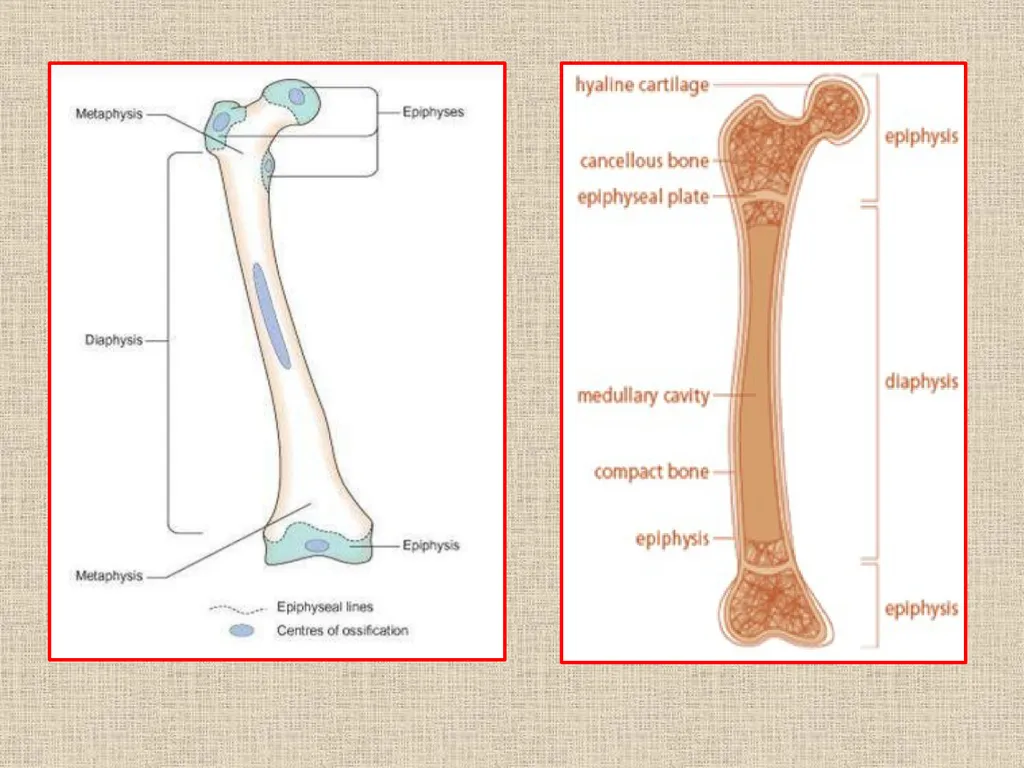
It is a disease of young growing animals, WHERE the impaired mineralization of physeal and epiphyseal cartilage during endochondral ossification and of newly formed osteoid lead to development of Rickets.
Osteomalacia, which occurs in adults after closure of growth plates and is caused by a failure of newly formed osteoid to mineralize/only bone formed during remodeling is affected.
Note:
Osteoid- is the unmineralized, organic portion of the bone matrix that forms prior to the maturation of bone tissue.<br>
04
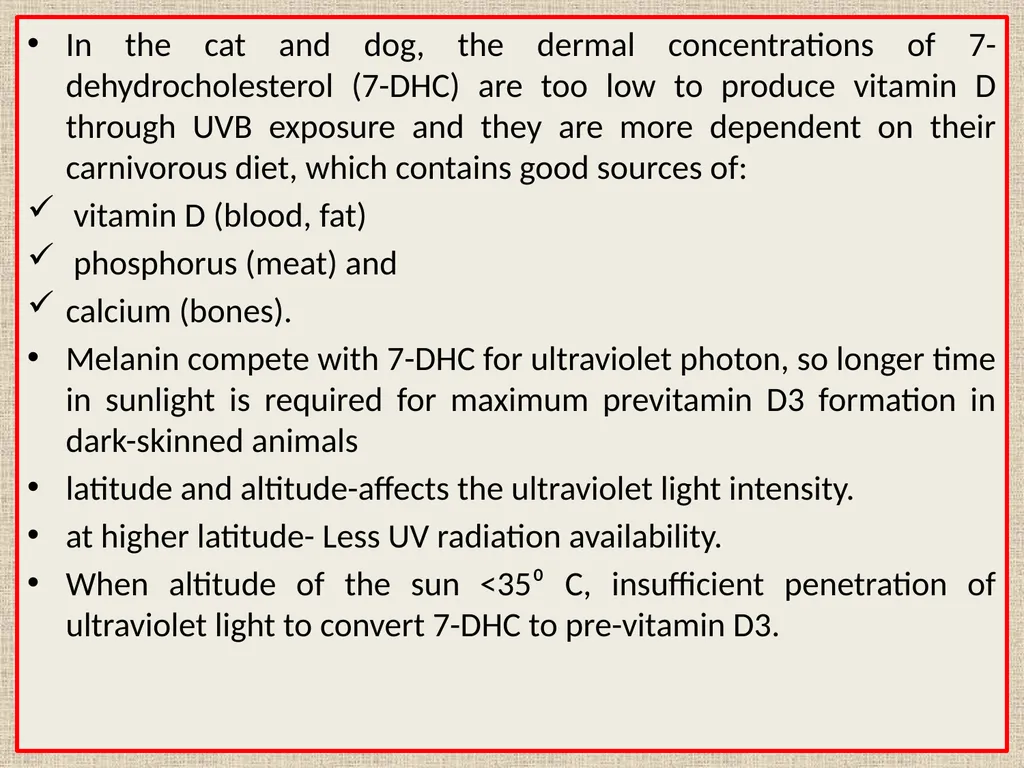
In the cat and dog, the dermal concentrations of 7-dehydrocholesterol (7-DHC) are too low to produce vitamin D through UVB exposure and they are more dependent on their carnivorous diet, which contains good sources of:
vitamin D (blood, fat)
phosphorus (meat) and
calcium (bones).
Melanin compete with 7-DHC for ultraviolet photon, so longer time in sunlight is required for maximum previtamin D3 formation in dark-skinned animals
latitude and altitude-affects the ultraviolet light intensity.
at higher latitude- Less UV radiation availability.
When altitude of the sun <35⁰ C, insufficient penetration of ultraviolet light to convert 7-DHC to pre-vitamin D3.<br>
05
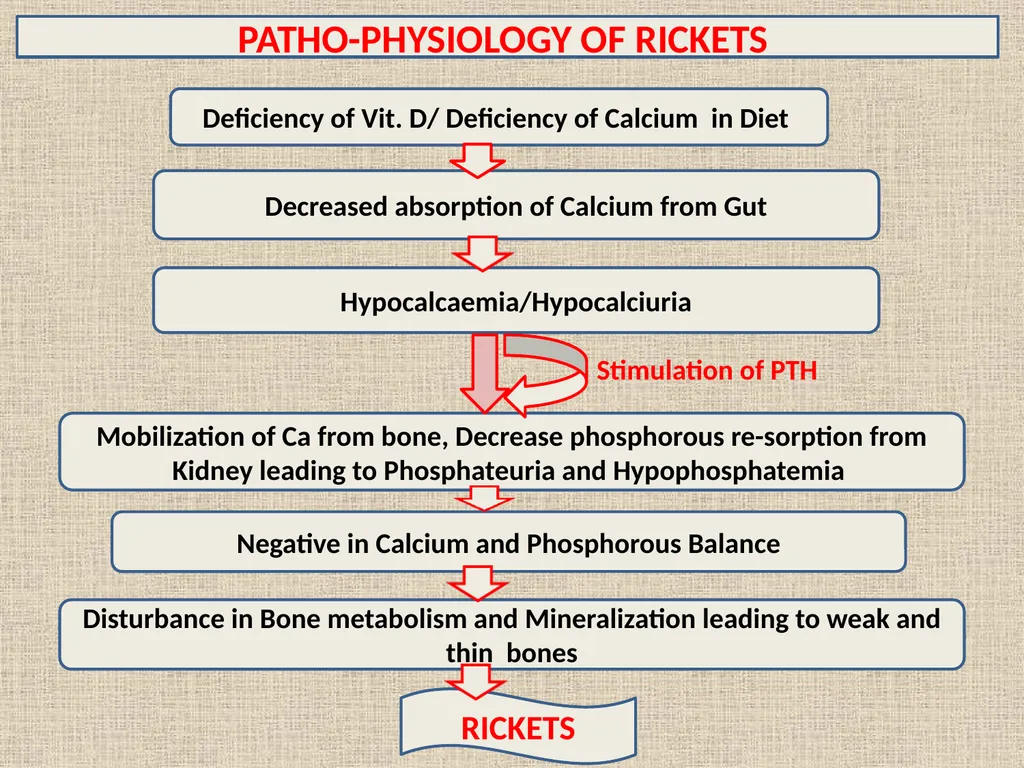
Deficiency of Vit. D/ Deficiency of Calcium in Diet Decreased absorption of Calcium from Gut Hypocalcaemia/Hypocalciuria Mobilization of Ca from bone, Decrease phosphorous re-sorption from Kidney leading to Phosphateuria and Hypophosphatemia Stimulation of PTH Negative in Calcium and Phosphorous Balance Disturbance in Bone metabolism and Mineralization leading to weak and thin bones RICKETS PATHO-PHYSIOLOGY OF RICKETS<br>
06
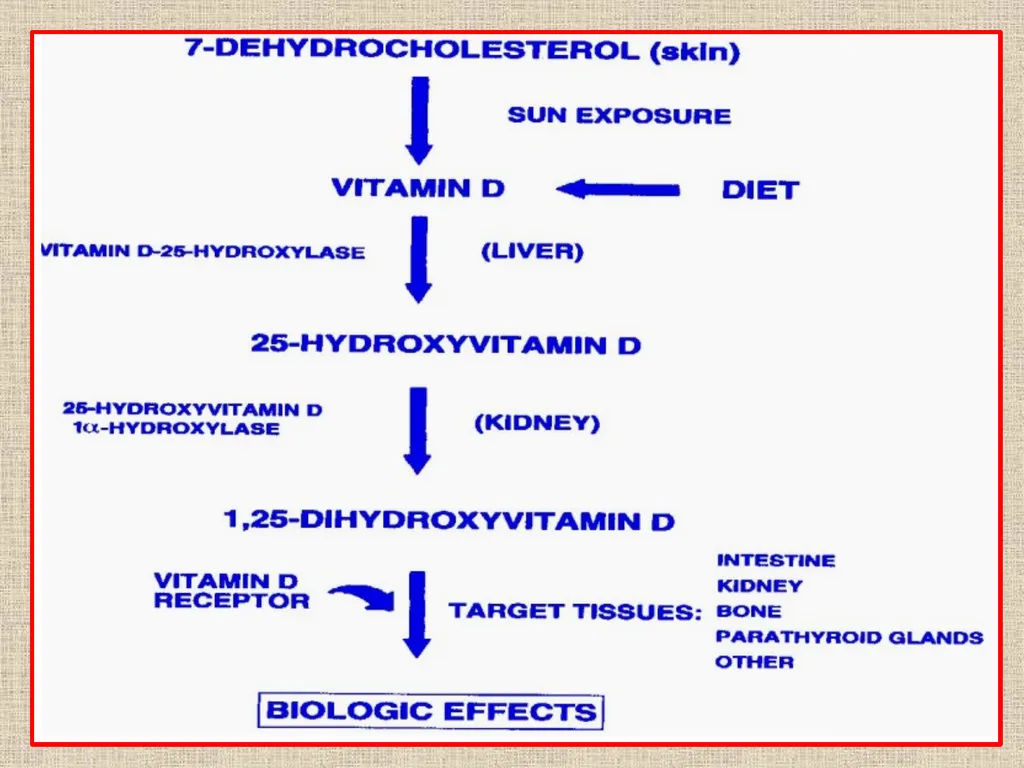
Vitamins D2 and D3 are biologically inactive and must undergo two hydroxylation reactions to be activated:
The Vit. D3 25-hydroxylation occur in –Liver by cytochrome P450, then after transportation to Kidney
second 1alpha-hydroxylation takes place in PCT in kidney 1,25-dihydroxyvitamin D3, the active form of vitamin D
PTH also has a 2 major role:
Stimulation of bone breakdown by osteoclasts
Potent inducer of renal synthesis of 1,25(OH)2D3, an active form of Vit. D and helps in stimulates active intestinal absorption of calcium
Horses are less dependent on vitamin D for intestinal absorption of calcium, which may contribute to rickets/osteomalacia being relatively rare in equids, although fibrous osteodystrophy is comparatively common<br>
07
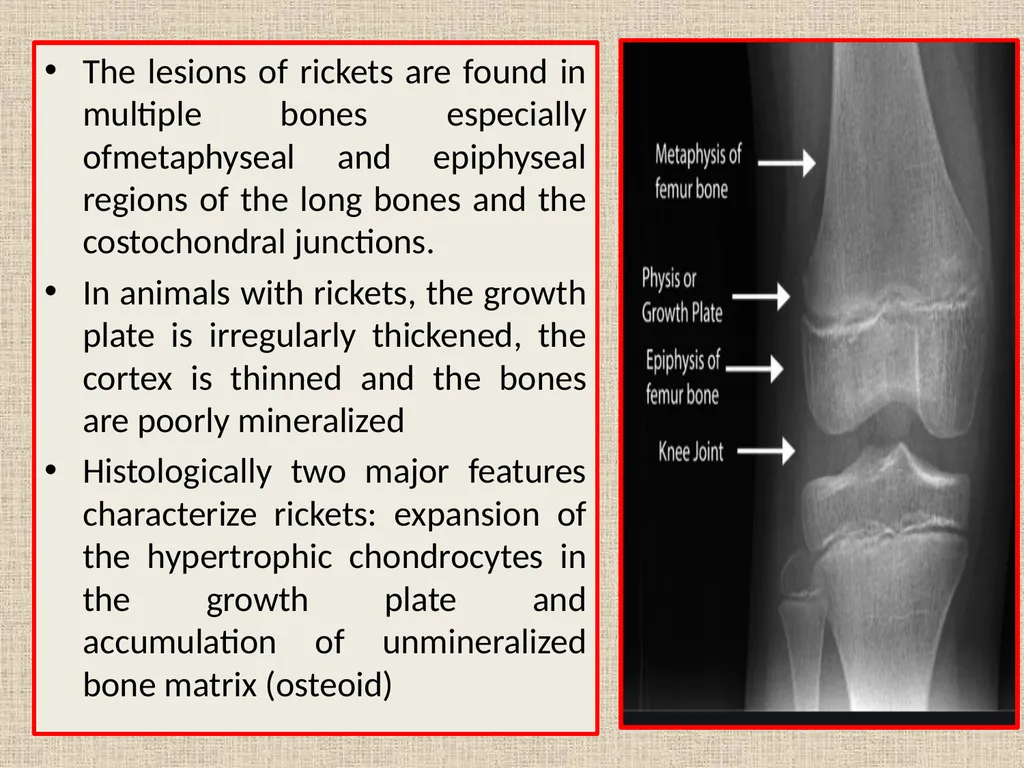
The lesions of rickets are found in multiple bones especially ofmetaphyseal and epiphyseal regions of the long bones and the costochondral junctions.
In animals with rickets, the growth plate is irregularly thickened, the cortex is thinned and the bones are poorly mineralized
Histologically two major features characterize rickets: expansion of the hypertrophic chondrocytes in the growth plate and accumulation of unmineralized bone matrix (osteoid)<br>
08
Vitamin D poisonings in animals can result from:
ingestion of plants
excess dietary supplementation
ingestion of rodenticides containing cholecalciferal(vitamin D3)
In vitamin D toxicity, intestinal calcium absorption is increased, as is mobilization of calcium from the bone, while excretion from the kidney is reduced
The result is hypercalcemia and hyperphosphatemia, which, if chronic, results in soft tissue mineralization AND Death from renal failure
Rickets in modern birds usually occurs between 2 and 4 weeks of age.
Occurs due to disturbances in calcium, vitamin D or phosphorus metabolism secondary to dietary deficiencies POULTRY:<br>
09
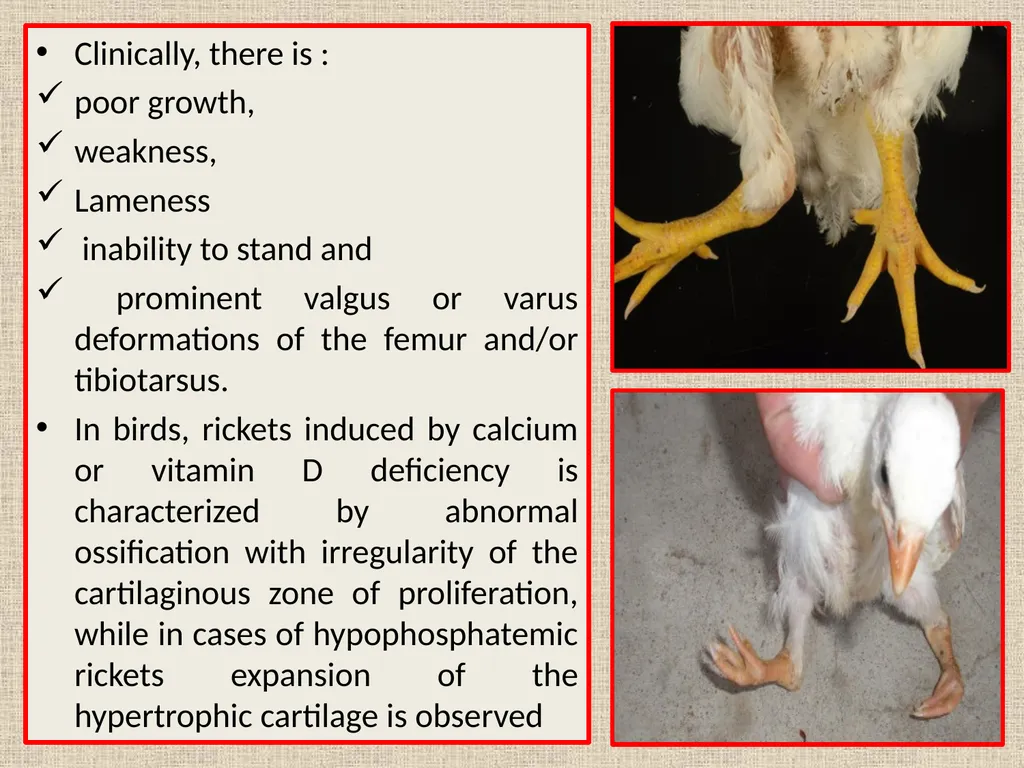
Clinically, there is :
poor growth,
weakness,
Lameness
inability to stand and
prominent valgus or varus deformations of the femur and/or tibiotarsus.
In birds, rickets induced by calcium or vitamin D deficiency is characterized by abnormal ossification with irregularity of the cartilaginous zone of proliferation, while in cases of hypophosphatemic rickets expansion of the hypertrophic cartilage is observed<br>
10
Poultry are also susceptible to tibial dyschondroplasia, and clinically characterized by lameness and leg deformities.
Mostly associated with phosphorus deficiency (‘stiff sickness’).
Cattle are considered more susceptible than sheep to phosphorus deficiency
Clinical signs included:
Osteophagia
Stiff or lame gait
Swollen joints and
Spontaneous fractures Cattle :<br>
11
Rickets is rare in horses.
Horses have higher serum calcium concentrations.
The normal levels of plasma vitamin D metabolites in the horse are lower than those inducing rickets in other species.
When dietary vitamin D is inadequate.
Barn designs that restrict exposure to sunlight have also been a factor in outbreaks.
Affected piglets may have muscle tremors, are lame and reluctant to move, preferring a dog sitting or in a hunched back posture, and can die suddenly from hypocalcemia; they have soft bones, enlarged costochondral junctions and growth plates, and both acute and chronic fractures can be present. Horse:--- Pig:---<br>
12
Failure of both vascular invasion and mineralization in the area of provisional calcification of the physis.
Bone pain, stiff gait, swelling in the area of the metaphyses, difficulty in rising, bowed limbs, and pathologic fractures.
On radiographic examination, the width of the physes is increased, the non-mineralized physeal area is distorted, and the bone may show decreased radiopacity.
Lameness is the initial functional disturbance in growing dogs and may vary from a slight limp to inability to walk.
The bones are painful on palpation, and folding fractures of long bones and vertebrae are common Dogs and Cats:--<br>
13
History
Diet deficient in Ca, P, and Vitamin D, winter season, type of grass/feed etc. may helpful for the diagnosis of rickets.
Clinical signs like stiffness of gait and enlargement of the distal physis of long bones mainly observed on metacarpus and metatarsal as a circumscribed painful swollen joints and bendings of bones are also helpful.
Biochemical estimation like Ca, P and alkaline phosphatase.
Radiographic examination:
Lack of density compared to normal
Widening of epiphyseal plate and epiphyseal line (Pathognomonic)
The epiphyseal ends of long bones have a woolly, moath eaten appearance, and have a concave or flat appearance instead of normal contour. Diagnosis:--<br>
14
Animals should provide rich calcium and Phosphorous diet like Fishmeal, meat meal and bone meal.
Adequate feeding of Ca, P and Vit. D preprations like dicalcium phosphate, shark-liver oil, calcium lactate(orally/IV), cod-liver oil or cotton seed (rich in P) is necessary.
Lamb: Vit. A and Vit. D and calcium borogluconate solution containing magnesium and phosphorous parenterally and supplementation of diet with bone meal and protein.
Vit. D therapy for rickets should be given 10-20 times of its daily requirement(700 IU for dogs; 1500IU for sheep, cattle, pig and horse dail).
In pups:
Providing organic meat such as liver, Kidney or heart.
Massage of long bones with oil containing Vit. A and D and putting them in sun light.
A good diet containing 1-1.2% calcium and 0.8-1% phosphorous, exercise and fresh air should be provided
Dogs of rachitic diathesis should not be used for breeding. Treatment:<br>