Rocks and Minerals 1 Identifying rocks and minerals Identifying rocks and minerals Naturally occurring aggregate of minerals Lithosphere (Earths crust made of rocks) Three main types igneous, metamorphic and sedimentary Petrology is the
"Rocks and Minerals 1 Identifying rocks and" is the property of its rightful owner. Permission is granted to
download and print the materials on this website for personal, non-commercial use only, and to display it
on your personal computer provided you do not modify the materials and that you retain all copyright
notices contained in the materials. By downloading content from our website, you accept the terms of this
agreement.
Presentation Transcript
01
Rocks and Minerals 1<br>
02
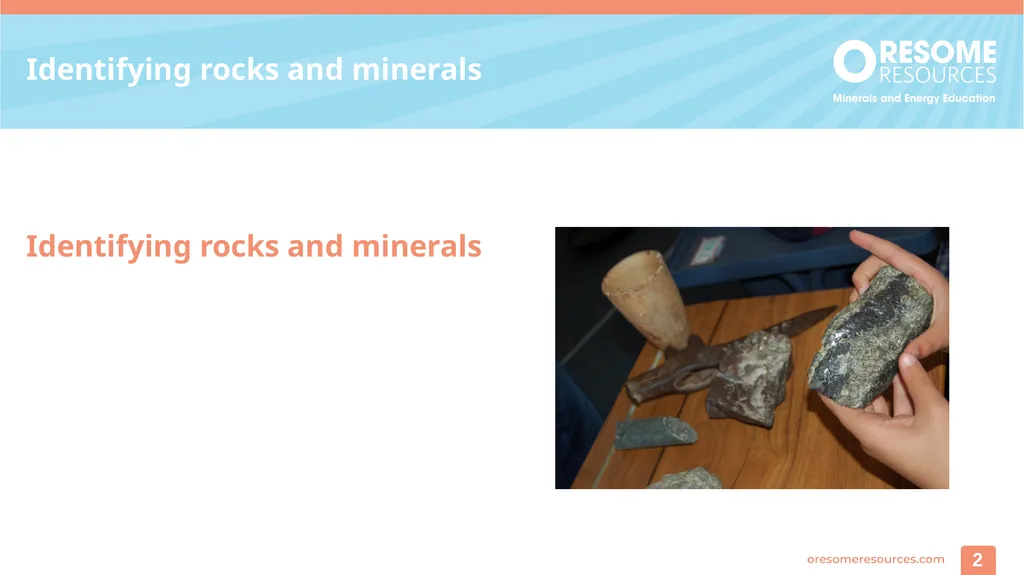
Identifying rocks and minerals Identifying rocks and minerals<br>
03
Naturally occurring aggregate of minerals
Lithosphere (Earth’s crust made of rocks)
Three main types igneous, metamorphic and sedimentary
Petrology is the scientific study of rocks.
Does not have a fixed chemical composition. Rocks<br>
04
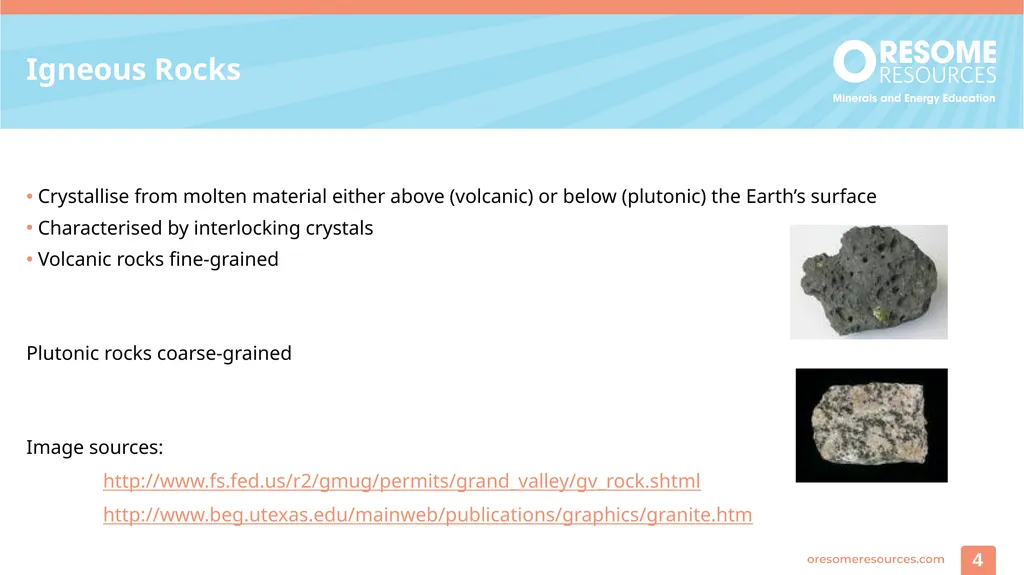
Igneous Rocks Crystallise from molten material either above (volcanic) or below (plutonic) the Earth’s surface
Characterised by interlocking crystals
Volcanic rocks fine-grained
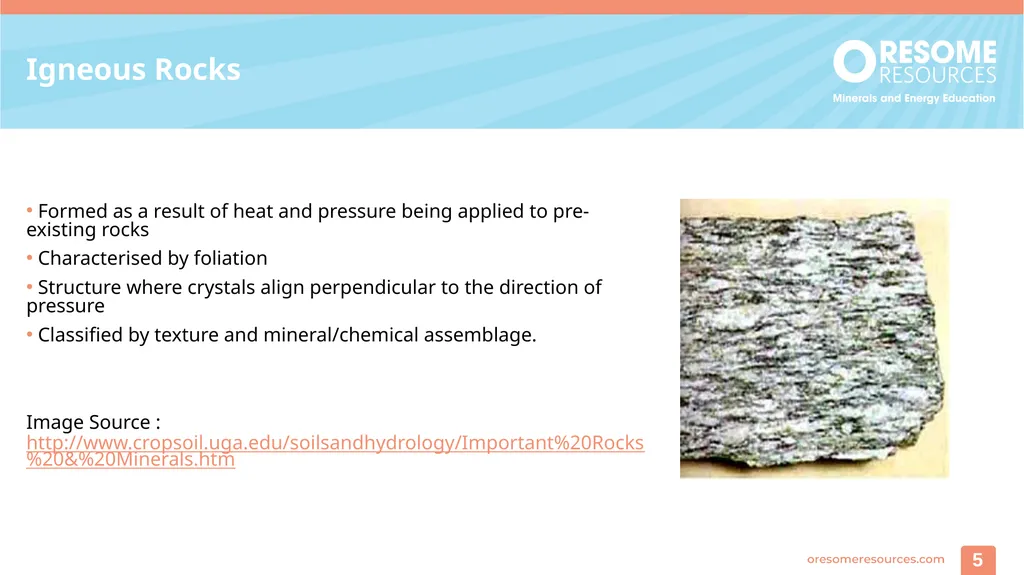
Igneous Rocks Formed as a result of heat and pressure being applied to pre-existing rocks
Characterised by foliation
Structure where crystals align perpendicular to the direction of pressure
Classified by texture and mineral/chemical assemblage.
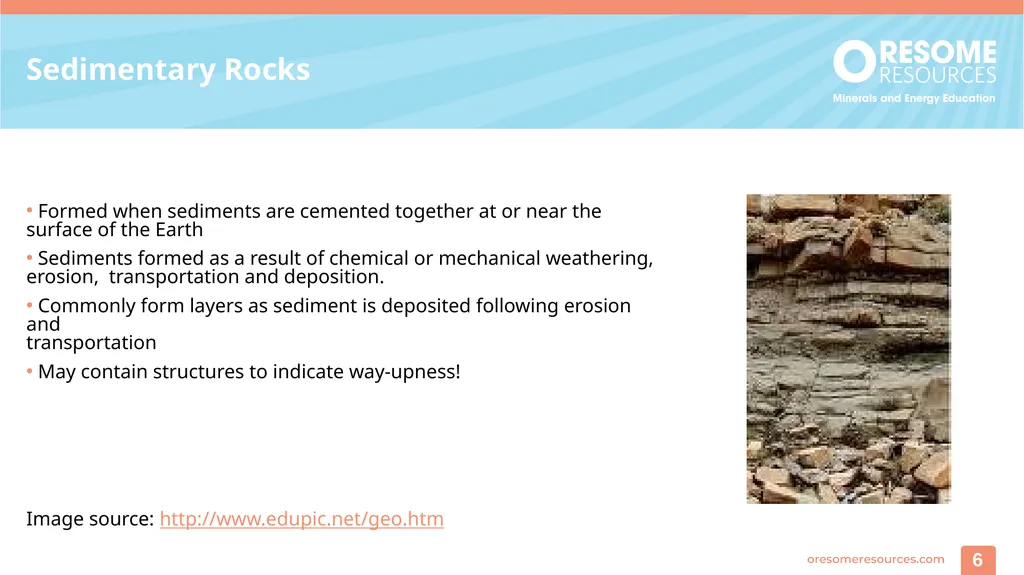
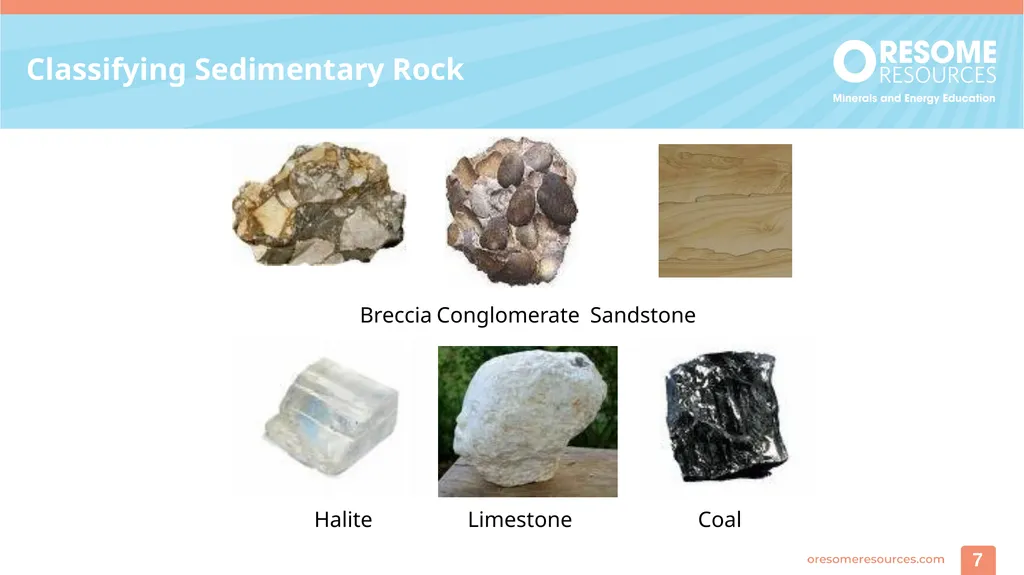
Sedimentary Rocks Formed when sediments are cemented together at or near the surface of the Earth
Sediments formed as a result of chemical or mechanical weathering, erosion, transportation and deposition.
Commonly form layers as sediment is deposited following erosion and transportation
May contain structures to indicate way-upness!
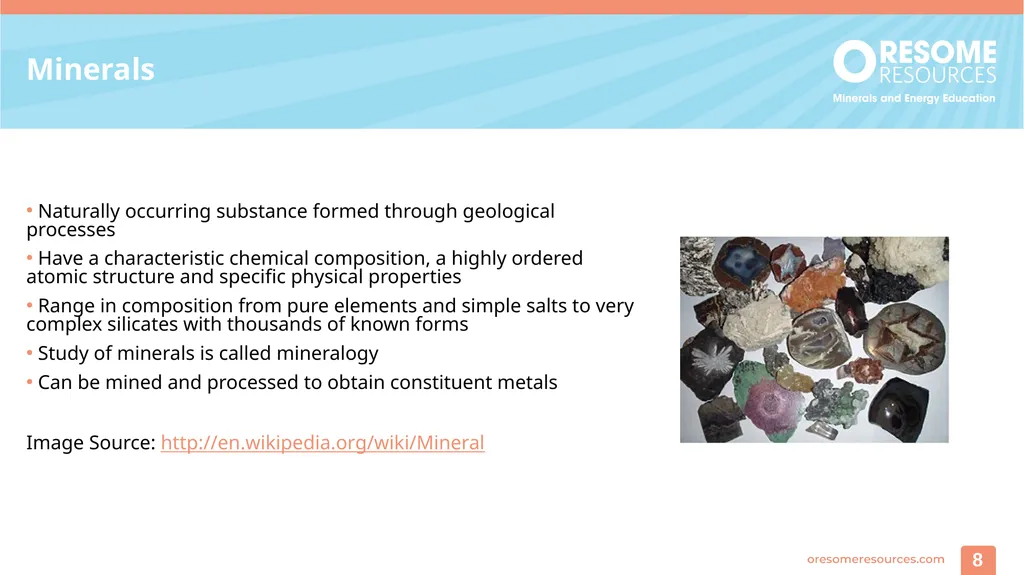
Minerals Naturally occurring substance formed through geological processes
Have a characteristic chemical composition, a highly ordered atomic structure and specific physical properties
Range in composition from pure elements and simple salts to very complex silicates with thousands of known forms
Study of minerals is called mineralogy
Can be mined and processed to obtain constituent metals
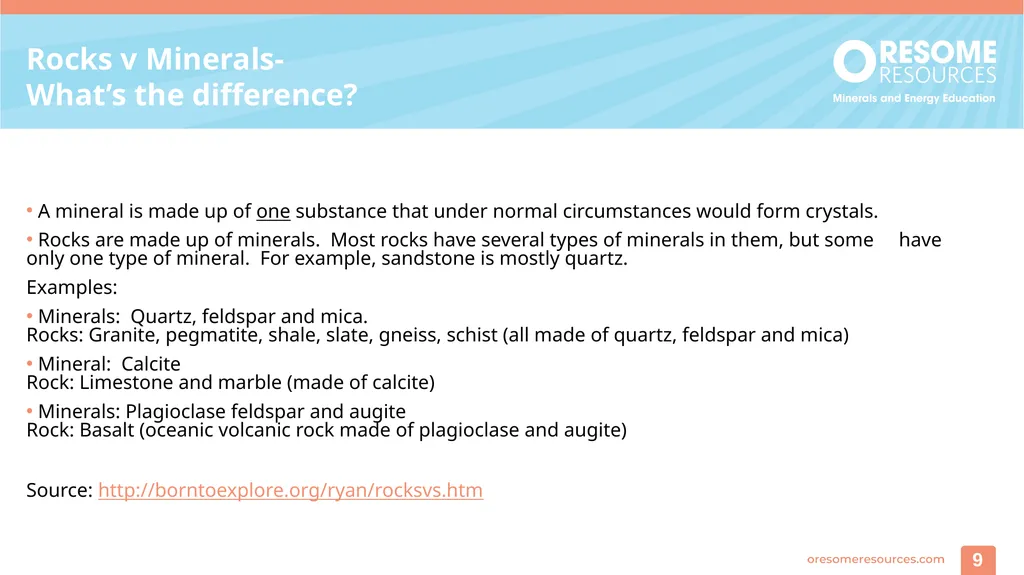
Rocks v Minerals- What’s the difference? A mineral is made up of one substance that under normal circumstances would form crystals.
Rocks are made up of minerals. Most rocks have several types of minerals in them, but some have only one type of mineral. For example, sandstone is mostly quartz.
Examples:
Minerals: Quartz, feldspar and mica. Rocks: Granite, pegmatite, shale, slate, gneiss, schist (all made of quartz, feldspar and mica)
Mineral: Calcite Rock: Limestone and marble (made of calcite)
Minerals: Plagioclase feldspar and augite Rock: Basalt (oceanic volcanic rock made of plagioclase and augite)