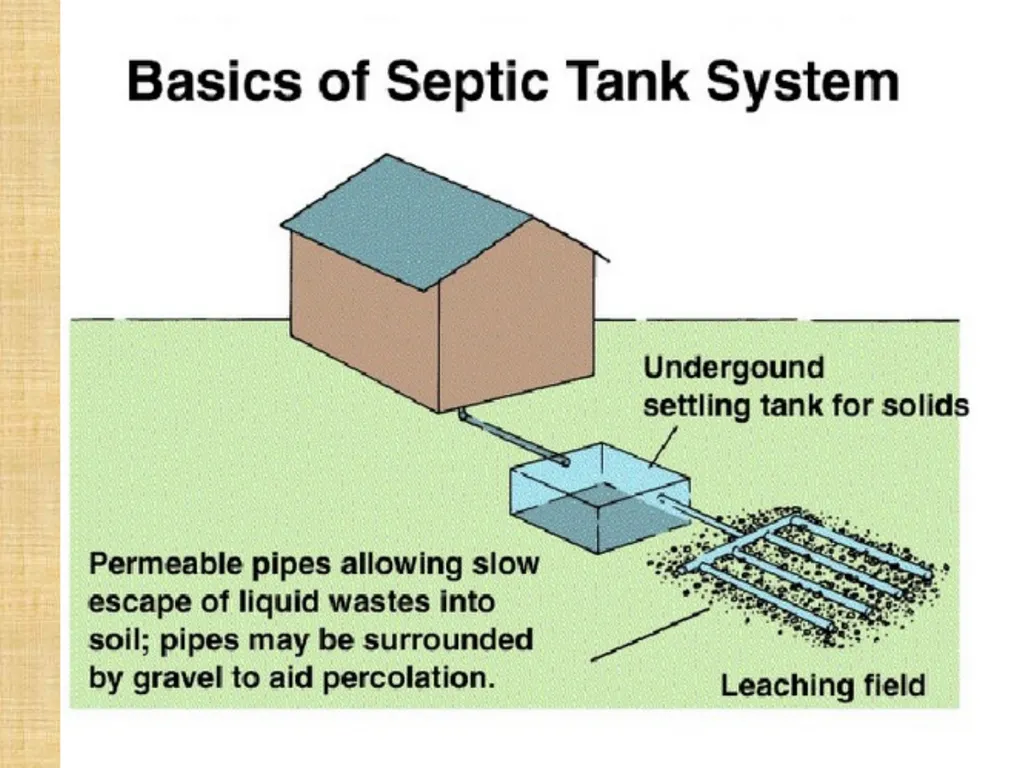
Subject: Infrastructure and Transport Planning Topic: Disposal Presented by: Aditi Arora - Land, - Volume, - Groundwater pollution, - Availability of open drains, - Permeability of the soil. India has installed treatment capacity to treat
"Subject: Infrastructure and Transport Planning" is the property of its rightful owner. Permission is granted to
download and print the materials on this website for personal, non-commercial use only, and to display it
on your personal computer provided you do not modify the materials and that you retain all copyright
notices contained in the materials. By downloading content from our website, you accept the terms of this
agreement.
Presentation Transcript
01
Subject: Infrastructure and Transport Planning
Topic: Disposal
Presented by: Aditi Arora<br>
02
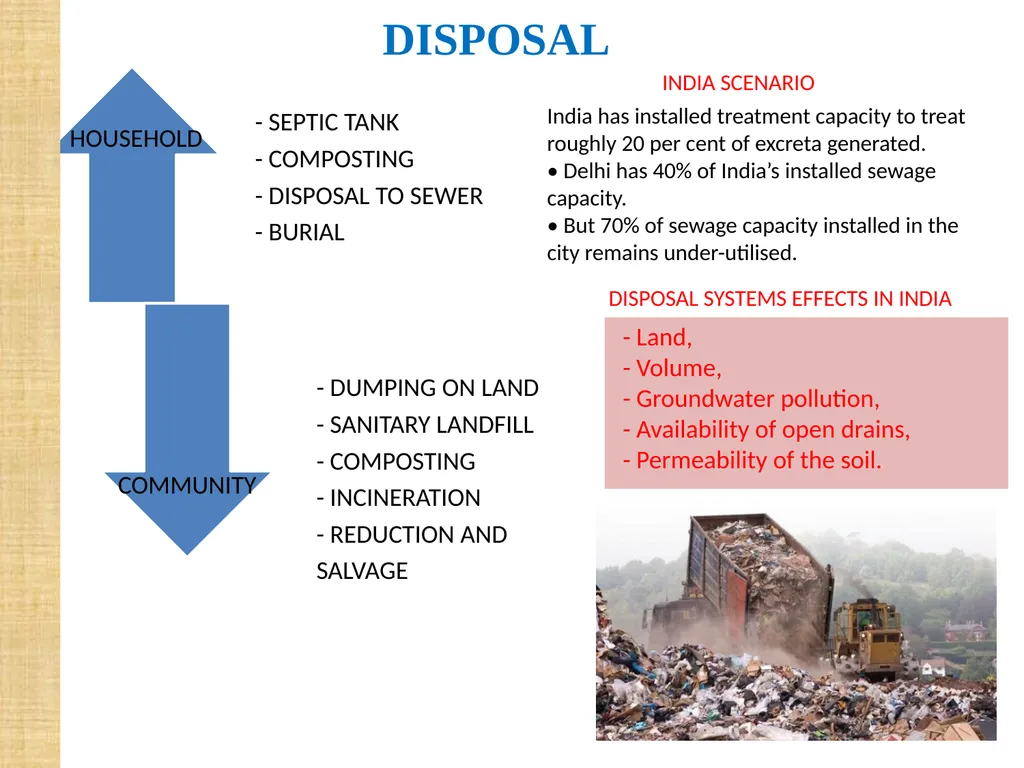
- Land,
- Volume,
- Groundwater pollution,
- Availability of open drains,
- Permeability of the soil. India has installed treatment capacity to treat roughly 20 per cent of excreta generated.
• Delhi has 40% of India’s installed sewage
capacity.
• But 70% of sewage capacity installed in the
city remains under-utilised. COMMUNITY HOUSEHOLD DISPOSAL SYSTEMS EFFECTS IN INDIA INDIA SCENARIO DISPOSAL<br>
03
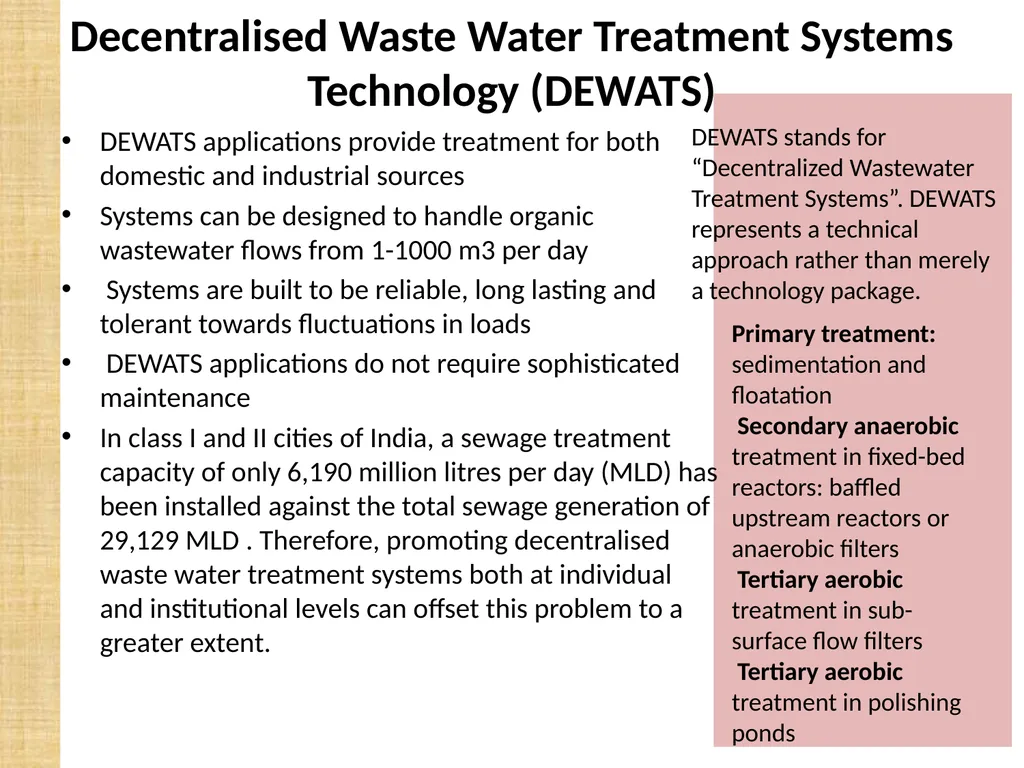
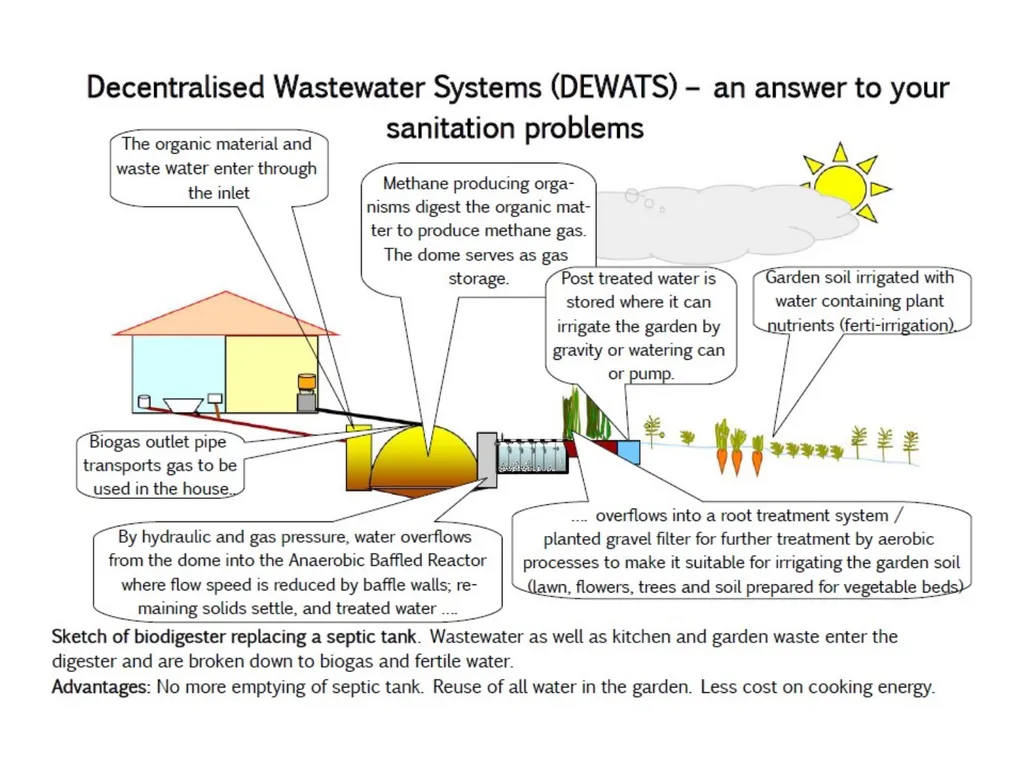
Decentralised Waste Water Treatment Systems Technology (DEWATS) DEWATS applications provide treatment for both domestic and industrial sources
Systems can be designed to handle organic wastewater flows from 1-1000 m3 per day
Systems are built to be reliable, long lasting and tolerant towards fluctuations in loads
DEWATS applications do not require sophisticated maintenance
In class I and II cities of India, a sewage treatment capacity of only 6,190 million litres per day (MLD) has been installed against the total sewage generation of 29,129 MLD . Therefore, promoting decentralised waste water treatment systems both at individual and institutional levels can offset this problem to a greater extent. DEWATS stands for “Decentralized Wastewater Treatment Systems”. DEWATS represents a technical approach rather than merely a technology package. Primary treatment: sedimentation and floatation
Secondary anaerobic treatment in fixed-bed reactors: baffled upstream reactors or anaerobic filters
Tertiary aerobic treatment in sub-surface flow filters
Tertiary aerobic treatment in polishing ponds<br>
04
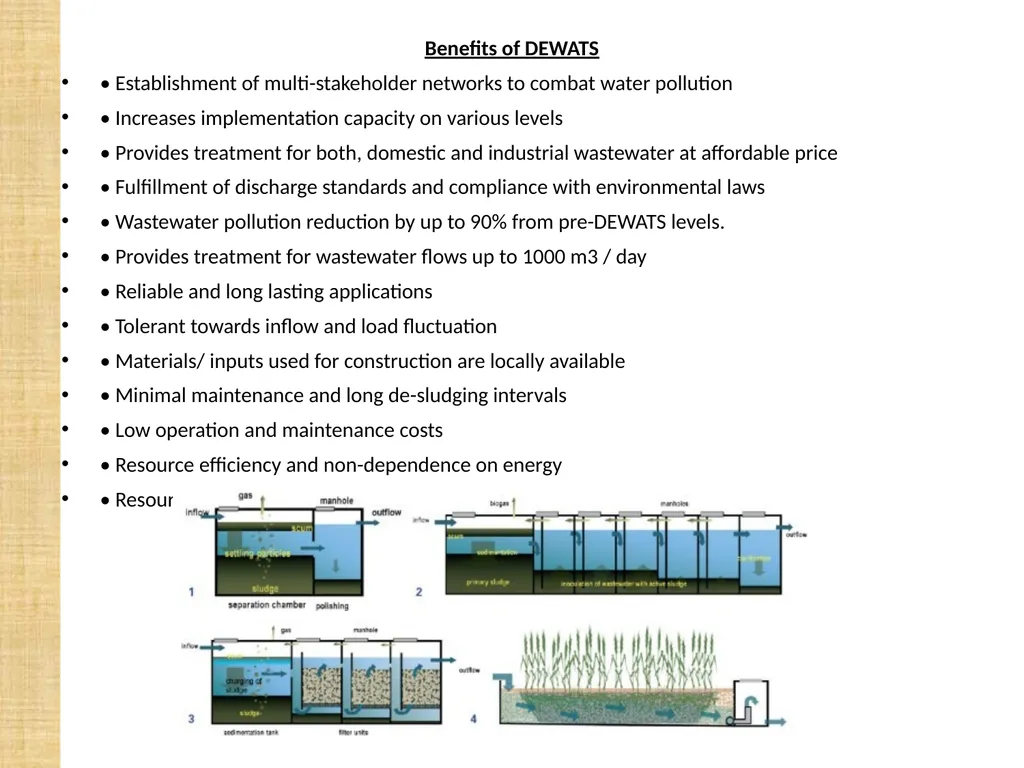
Benefits of DEWATS
• Establishment of multi-stakeholder networks to combat water pollution
• Increases implementation capacity on various levels
• Provides treatment for both, domestic and industrial wastewater at affordable price
• Fulfillment of discharge standards and compliance with environmental laws
• Wastewater pollution reduction by up to 90% from pre-DEWATS levels.
• Provides treatment for wastewater flows up to 1000 m3 / day
• Reliable and long lasting applications
• Tolerant towards inflow and load fluctuation
• Materials/ inputs used for construction are locally available
• Minimal maintenance and long de-sludging intervals
• Low operation and maintenance costs
• Resource efficiency and non-dependence on energy
• Resource recovery through wastewater re-use and biogas generation<br>
05
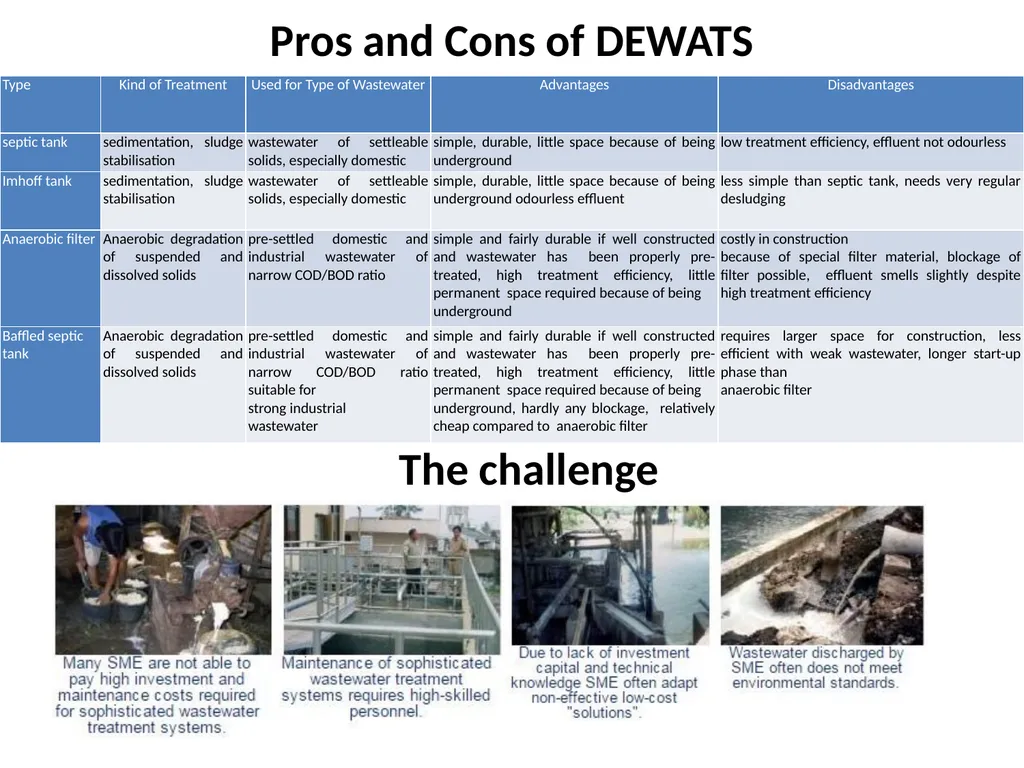
Pros and Cons of DEWATS The challenge<br>
06
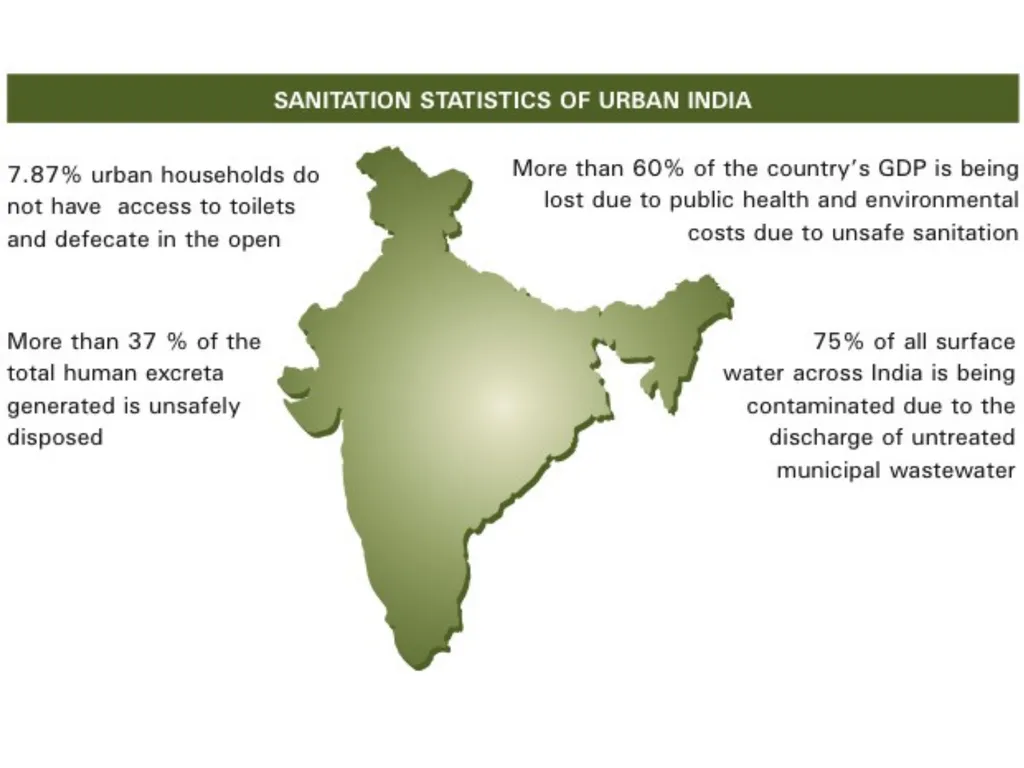
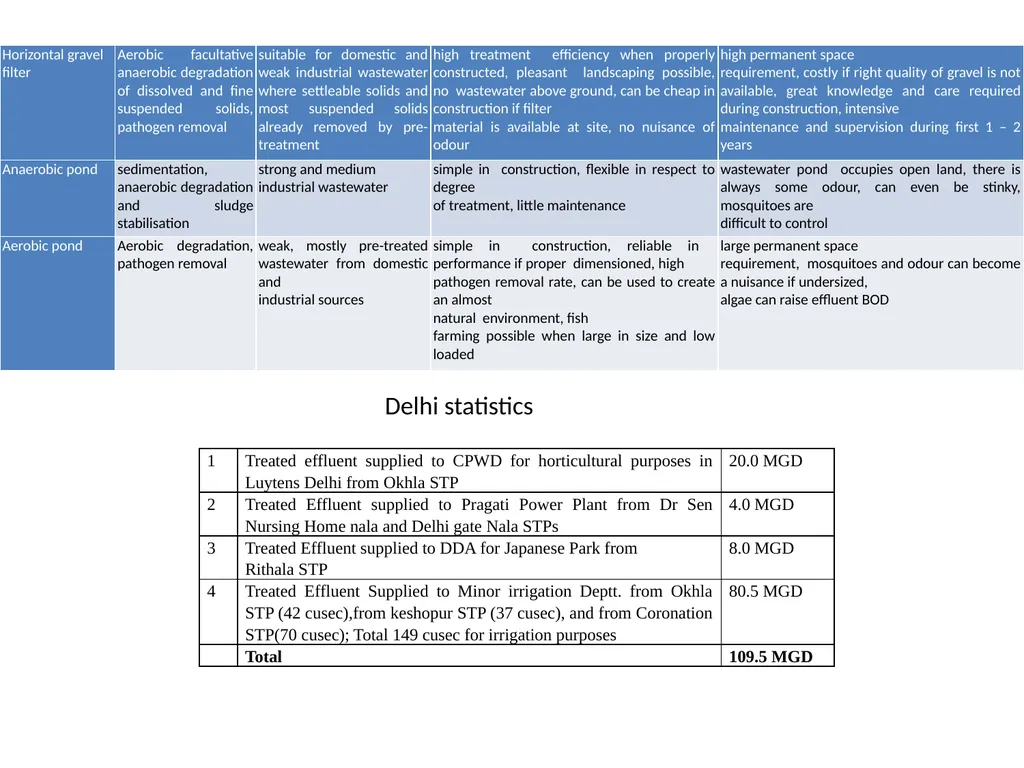
Delhi statistics<br>
07
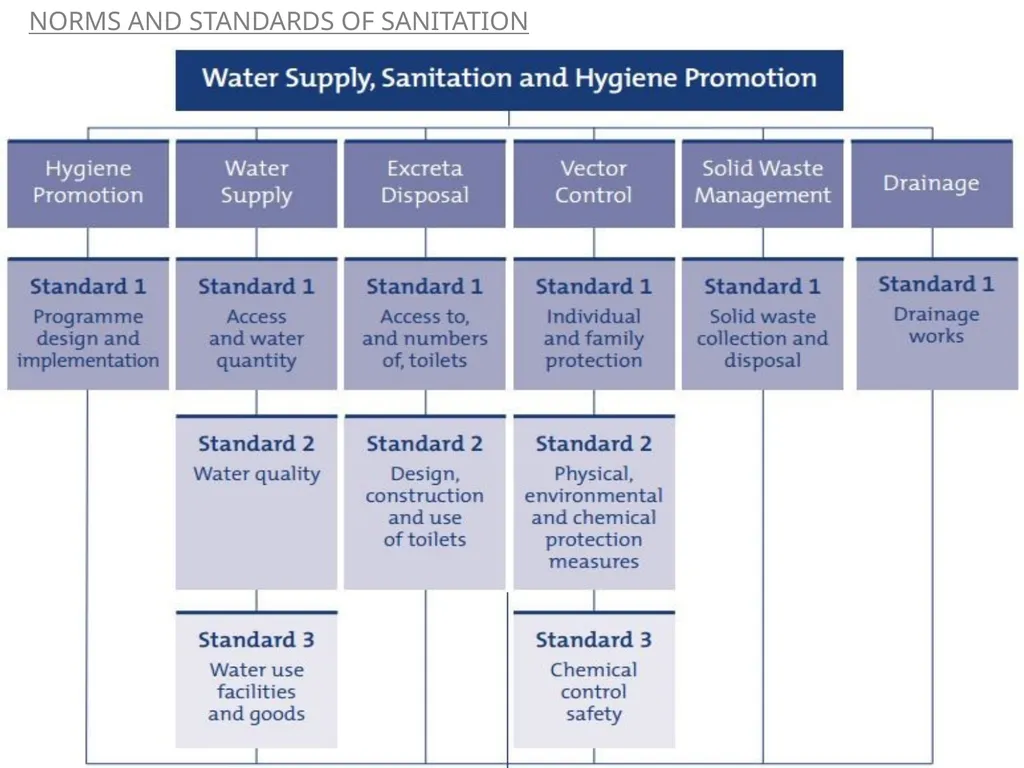
NORMS AND STANDARDS OF SANITATION<br>
08
GREY WATER DISPOSAL
What is Grey water?
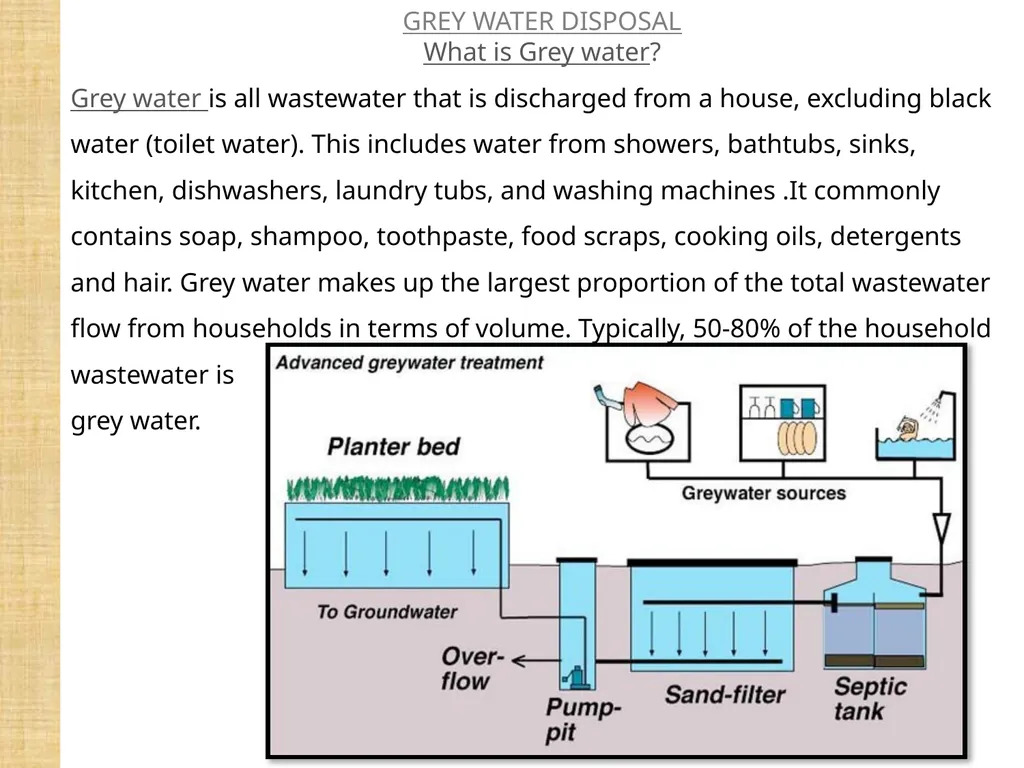
Grey water is all wastewater that is discharged from a house, excluding black water (toilet water). This includes water from showers, bathtubs, sinks, kitchen, dishwashers, laundry tubs, and washing machines .It commonly contains soap, shampoo, toothpaste, food scraps, cooking oils, detergents and hair. Grey water makes up the largest proportion of the total wastewater flow from households in terms of volume. Typically, 50-80% of the household
wastewater is
grey water.<br>
09
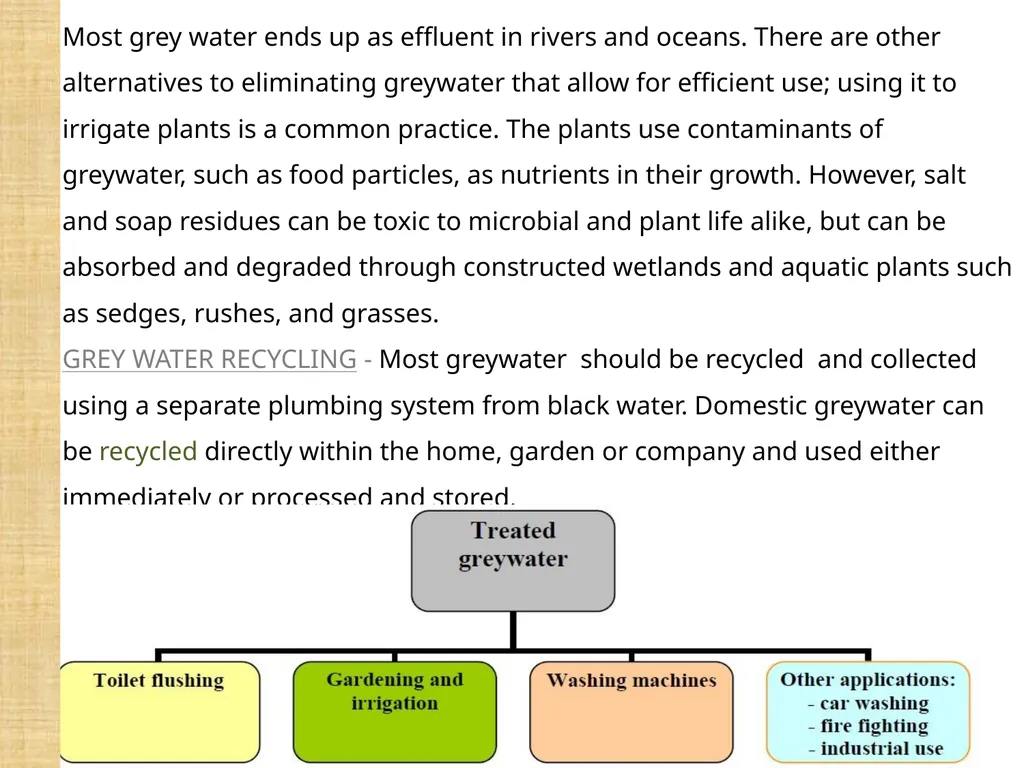
Most grey water ends up as effluent in rivers and oceans. There are other alternatives to eliminating greywater that allow for efficient use; using it to irrigate plants is a common practice. The plants use contaminants of greywater, such as food particles, as nutrients in their growth. However, salt and soap residues can be toxic to microbial and plant life alike, but can be absorbed and degraded through constructed wetlands and aquatic plants such as sedges, rushes, and grasses.
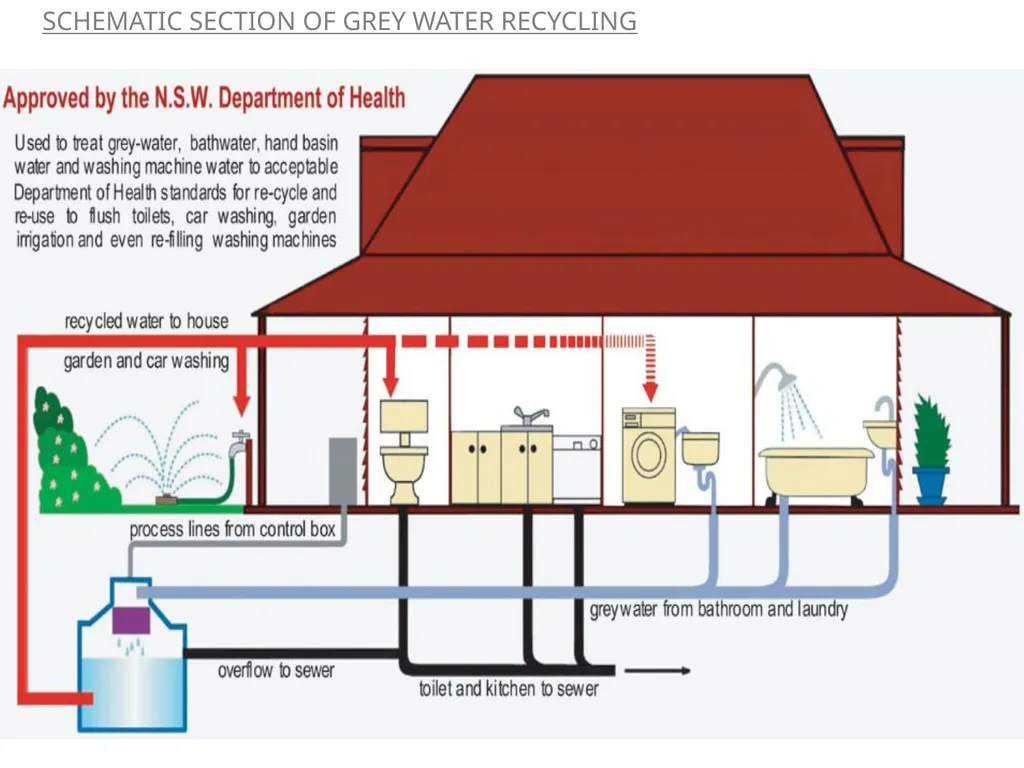
GREY WATER RECYCLING - Most greywater should be recycled and collected using a separate plumbing system from black water. Domestic greywater can be recycled directly within the home, garden or company and used either immediately or processed and stored.<br>
10
SCHEMATIC SECTION OF GREY WATER RECYCLING<br>
11
ECOLOGICAL BENEFITS OF GREYWATER RECYCLING
Because greywater use, especially domestically, reduces demand on conventional water supplies and pressure on sewage treatment systems, its use is very beneficial to local waterways. In times of drought, especially in urban areas, greywater use in gardens or toilet systems helps to achieve some of the goals of ecologically sustainable development.
The potential ecological benefits of greywater recycling include :
Lower freshwater extraction from rivers and aquifers.
Less impact from septic tank and treatment plant infrastructure.
Topsoil nitrification.
Reduced energy use and chemical pollution from treatment.
Groundwater recharge.
Increased plant growth.
Reclamation of nutrients.
Greater quality of surface and ground water when preserved by the natural purification in the top layers of soil than generated water treatment processes.<br>
12
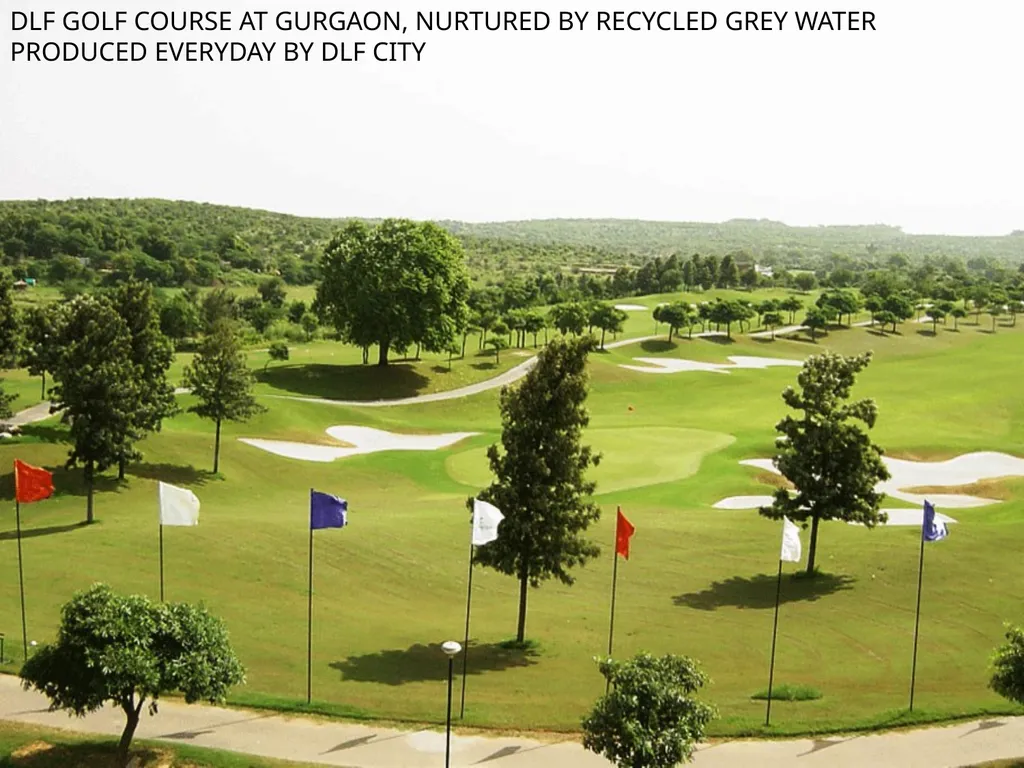
DLF GOLF COURSE AT GURGAON, NURTURED BY RECYCLED GREY WATER PRODUCED EVERYDAY BY DLF CITY<br>