Trees for the Science Classroom Common Trees of
Description: Trees for the Science Classroom Common Trees of Pennsylvania (Available from PA State Legislator) Important Leaf terms: Simple leaf (one piece)- maple, oak Compound leaf has leaflets with one petiole(stem) - buckeye, white ash Attachments
Related Topics
Download Presentation
"Trees for the Science Classroom Common Trees of" is the property of its rightful owner. Permission is granted to download and print the materials on this website for personal, non-commercial use only, and to display it on your personal computer provided you do not modify the materials and that you retain all copyright notices contained in the materials. By downloading content from our website, you accept the terms of this agreement.
Presentation Transcript
slide1. Trees for the Science Classroom<br>
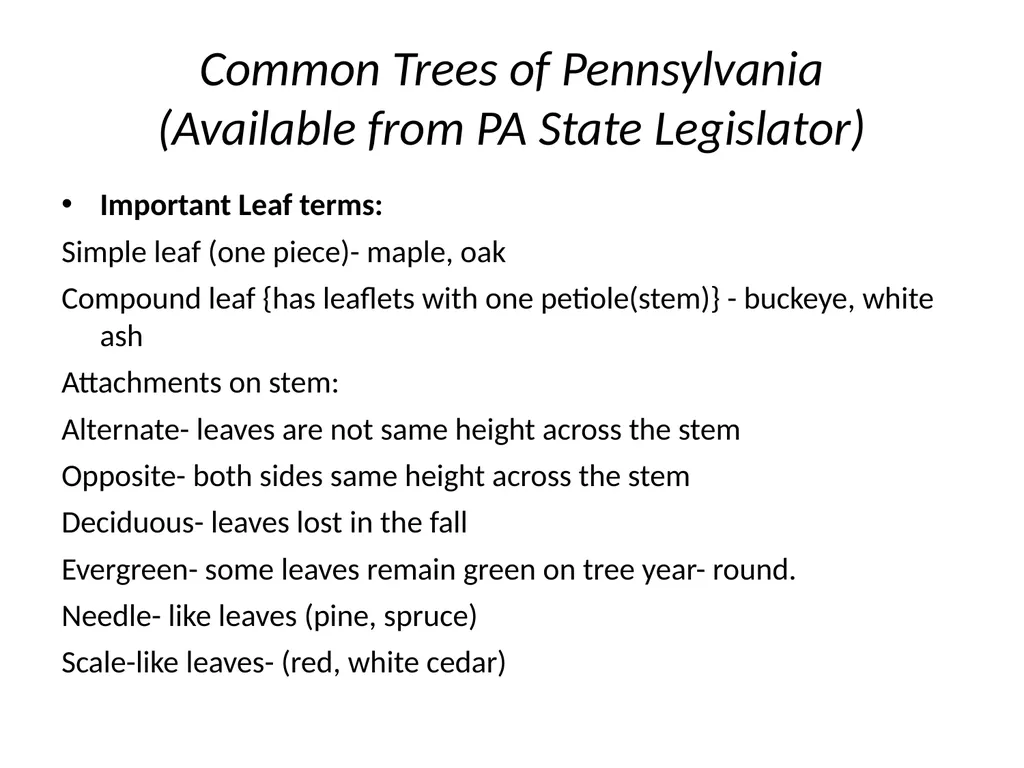
slide2. Common Trees of Pennsylvania(Available from PA State Legislator) Important Leaf terms:
Simple leaf (one piece)- maple, oak
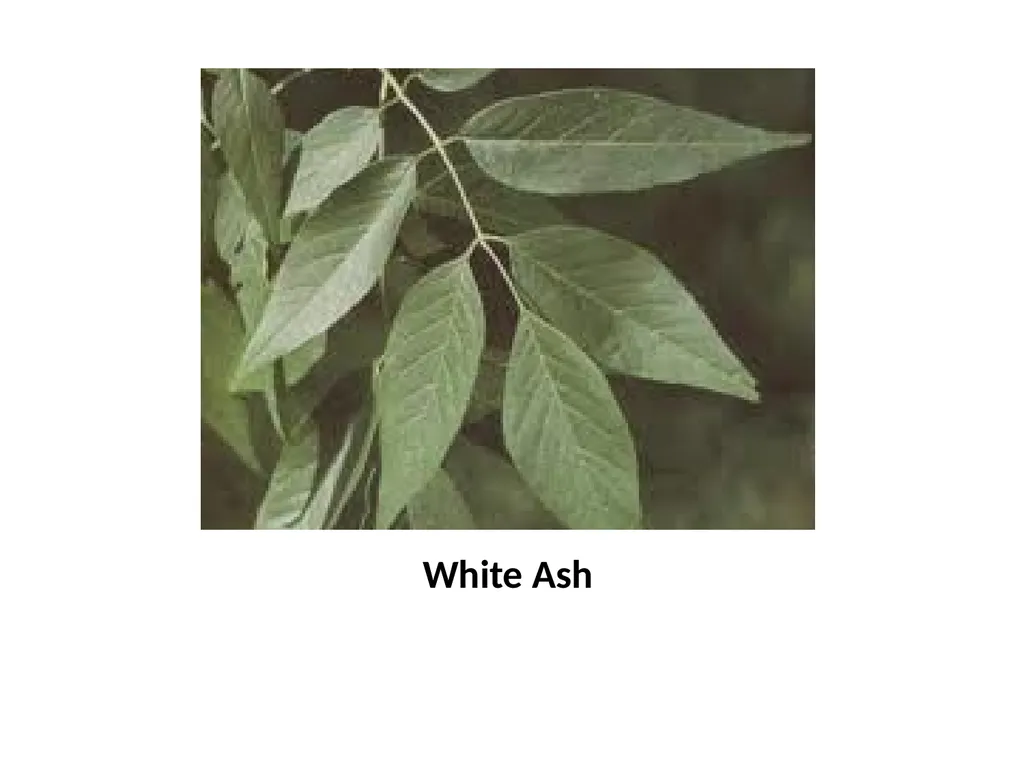
Compound leaf {has leaflets with one petiole(stem)} - buckeye, white ash
Attachments on stem:
Alternate- leaves are not same height across the stem
Opposite- both sides same height across the stem
Deciduous- leaves lost in the fall
Evergreen- some leaves remain green on tree year- round.
Needle- like leaves (pine, spruce)
Scale-like leaves- (red, white cedar)<br>
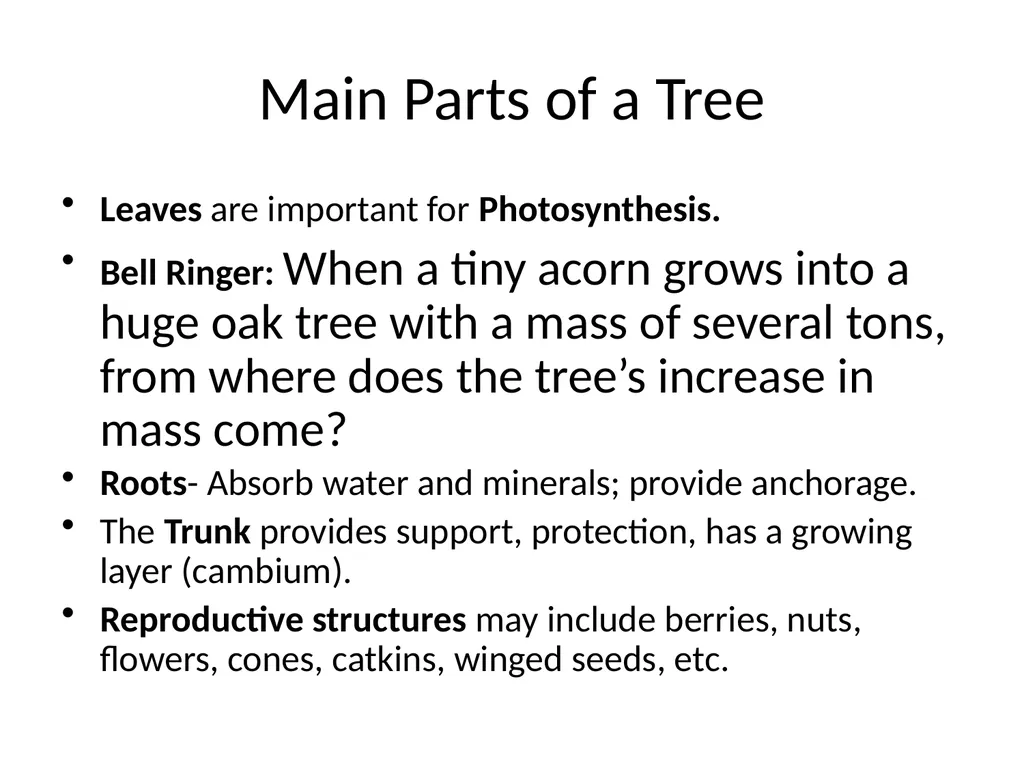
slide3. Main Parts of a Tree Leaves are important for Photosynthesis.
Bell Ringer: When a tiny acorn grows into a huge oak tree with a mass of several tons, from where does the tree’s increase in mass come?
Roots- Absorb water and minerals; provide anchorage.
The Trunk provides support, protection, has a growing layer (cambium).
Reproductive structures may include berries, nuts, flowers, cones, catkins, winged seeds, etc.<br>
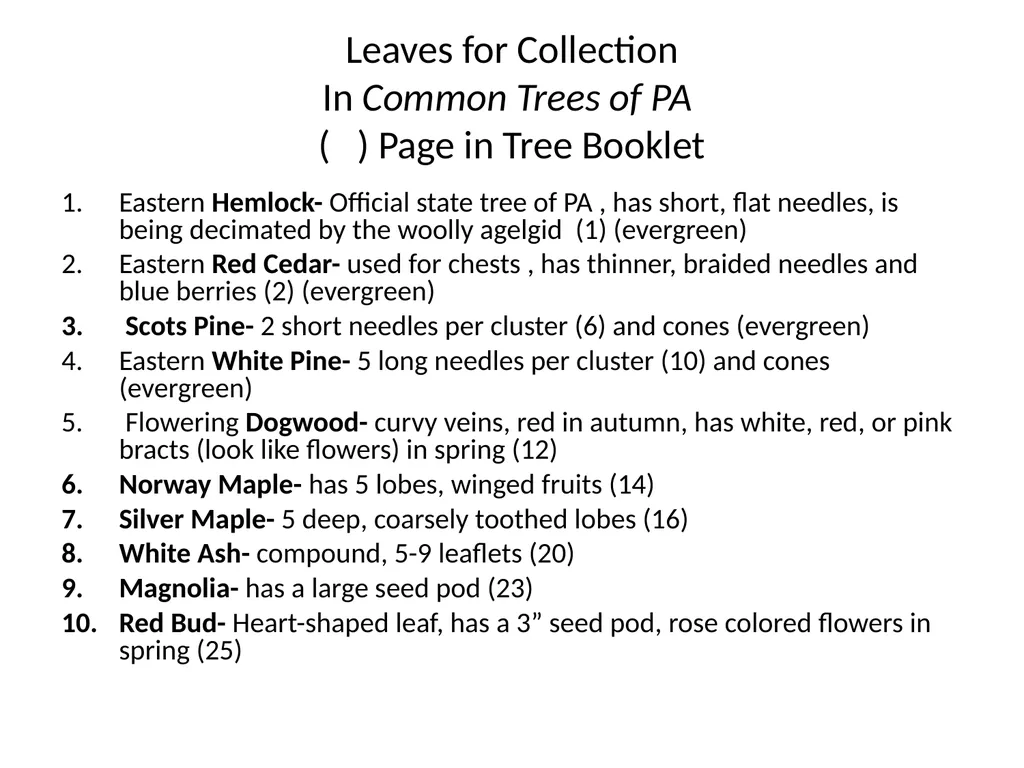
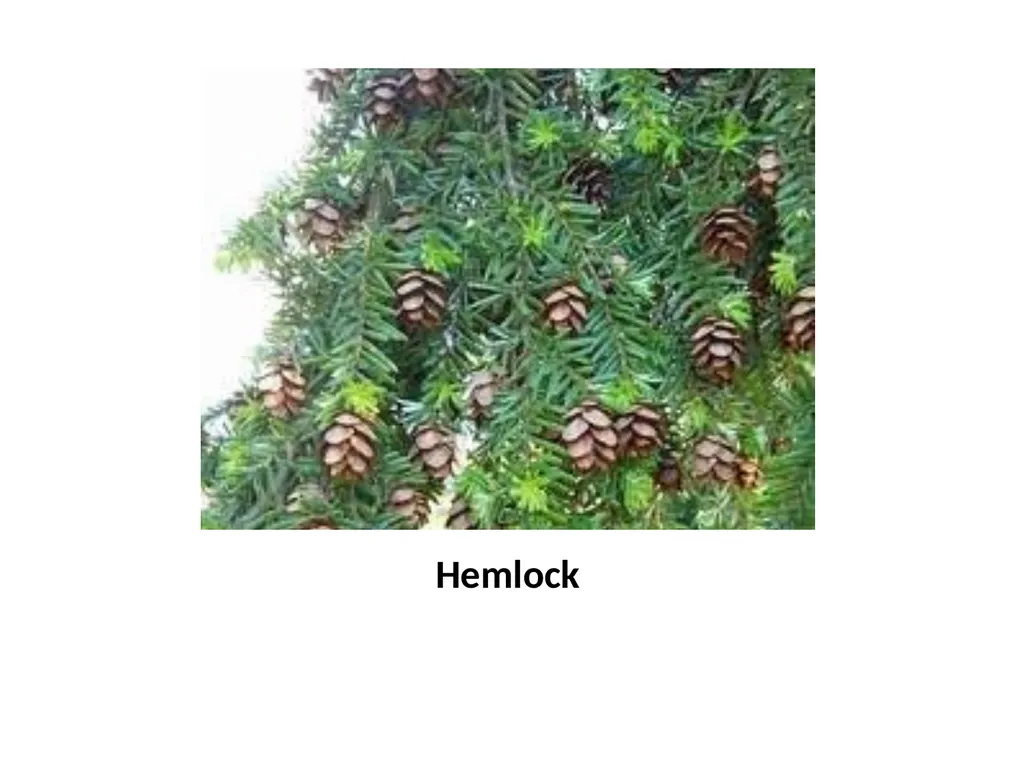
slide4. Leaves for CollectionIn Common Trees of PA ( ) Page in Tree Booklet Eastern Hemlock- Official state tree of PA , has short, flat needles, is being decimated by the woolly agelgid (1) (evergreen)
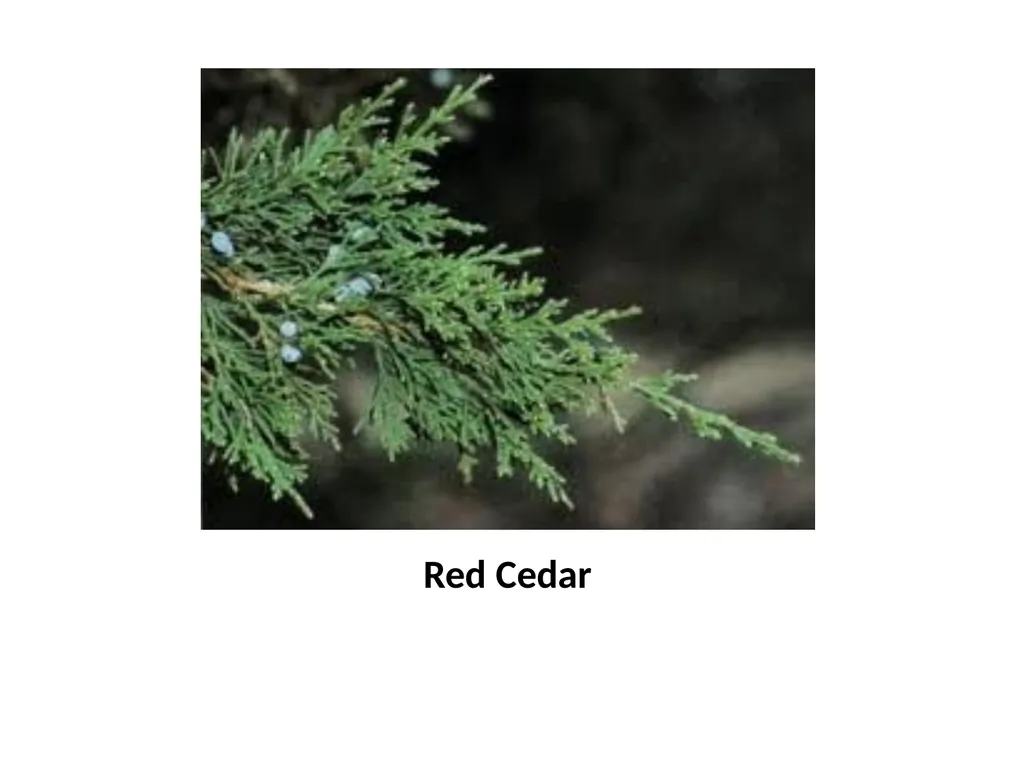
Eastern Red Cedar- used for chests , has thinner, braided needles and blue berries (2) (evergreen)
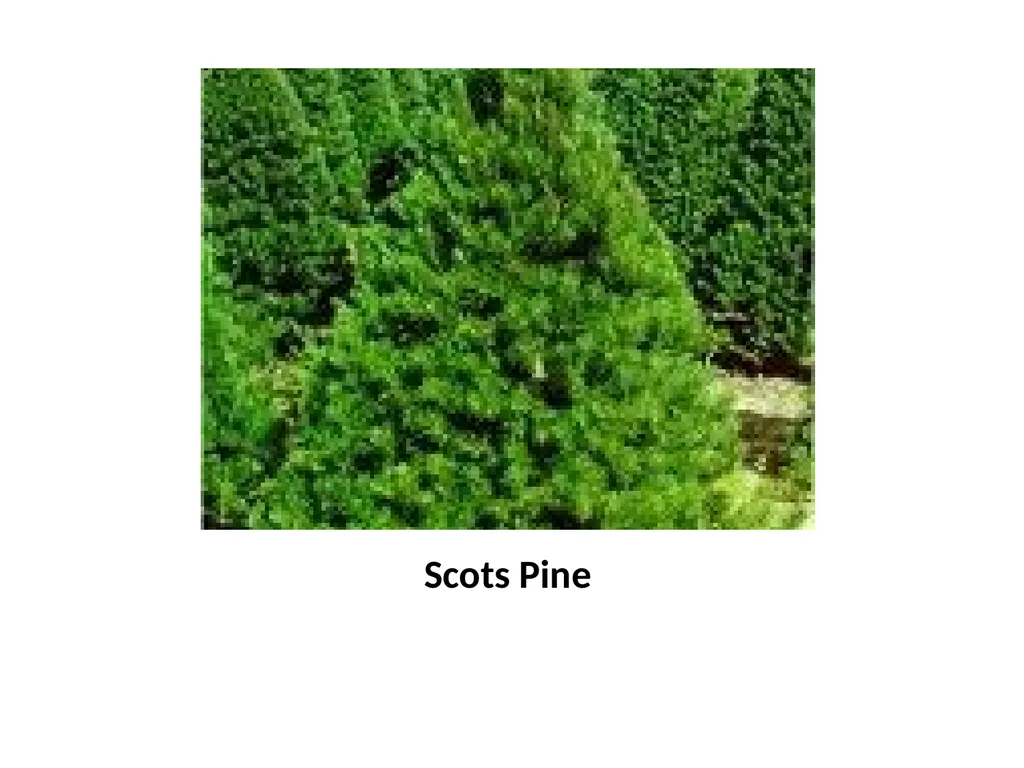
Scots Pine- 2 short needles per cluster (6) and cones (evergreen)
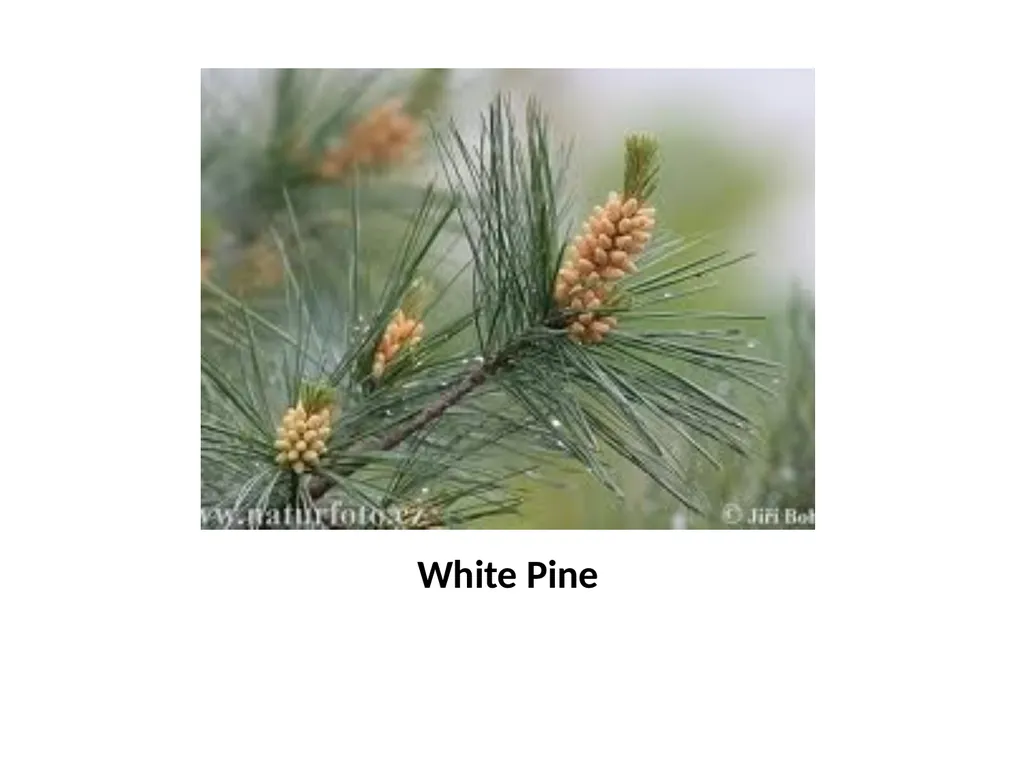
Eastern White Pine- 5 long needles per cluster (10) and cones (evergreen)
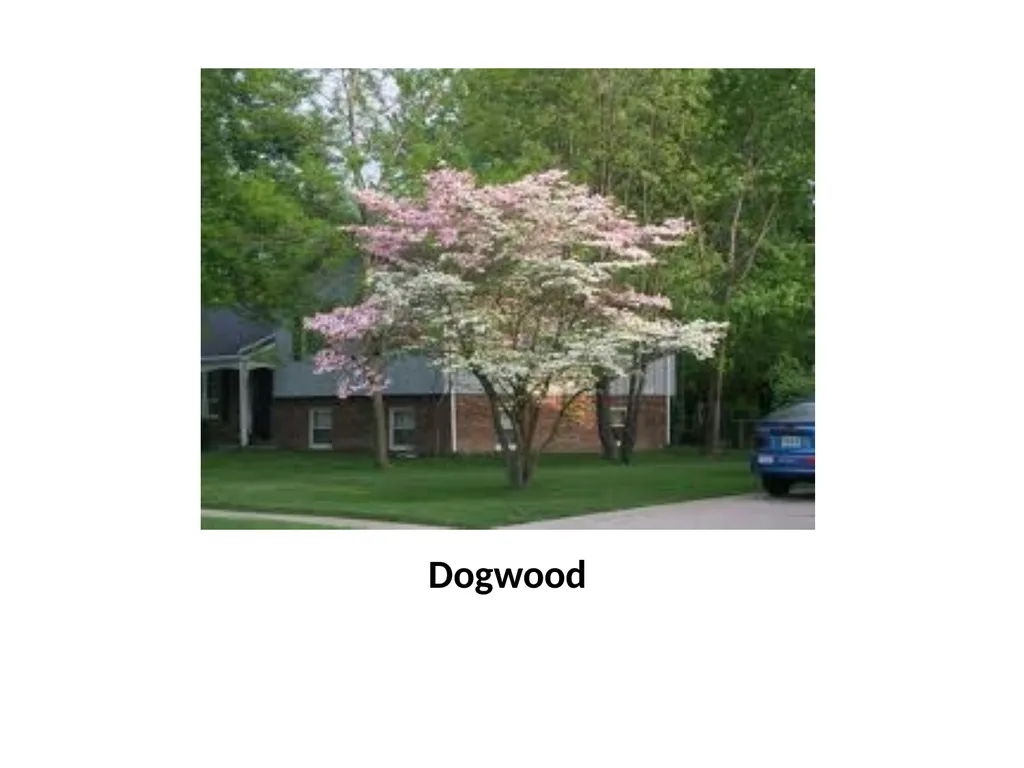
Flowering Dogwood- curvy veins, red in autumn, has white, red, or pink bracts (look like flowers) in spring (12)
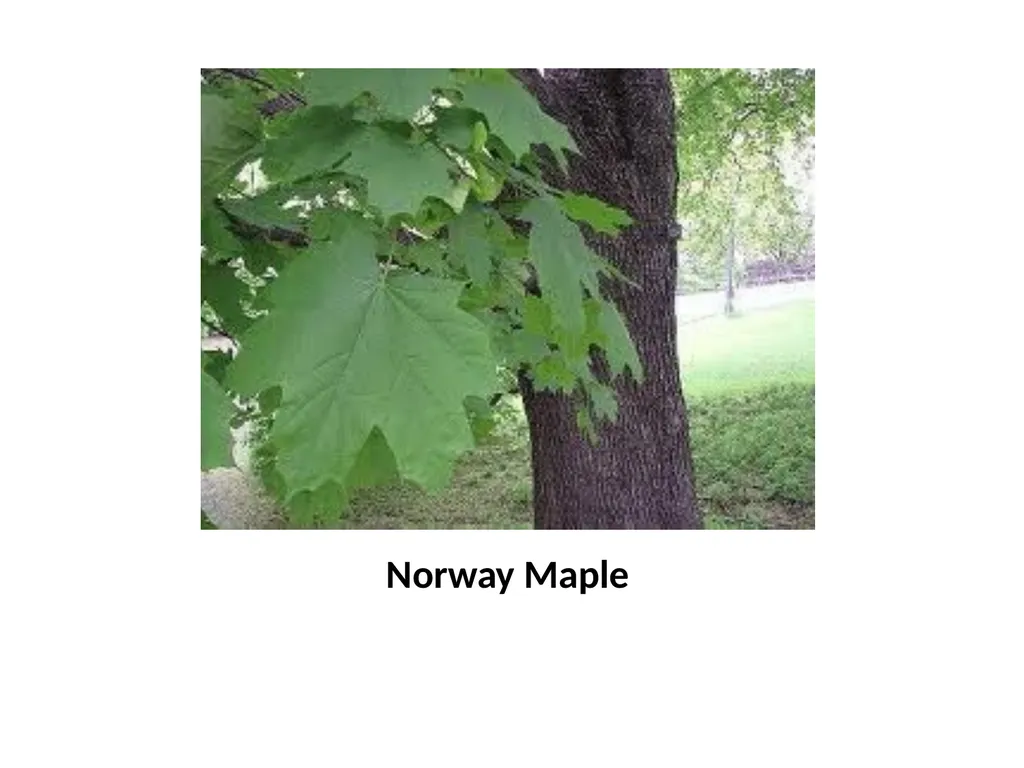
Norway Maple- has 5 lobes, winged fruits (14)
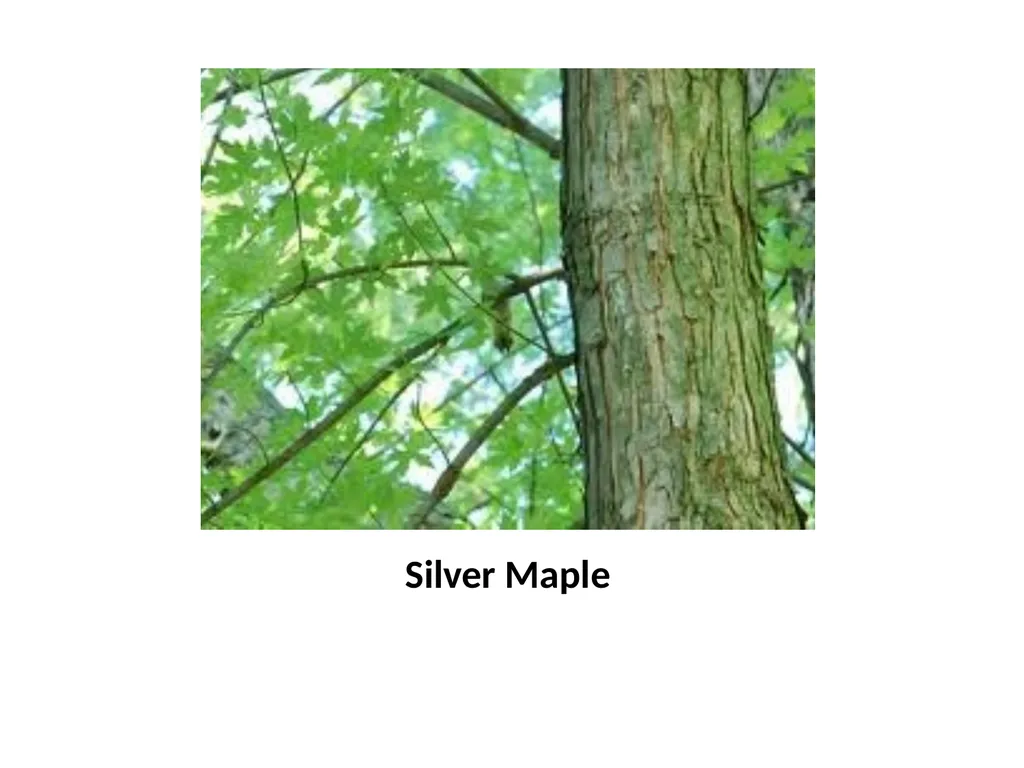
Silver Maple- 5 deep, coarsely toothed lobes (16)
White Ash- compound, 5-9 leaflets (20)
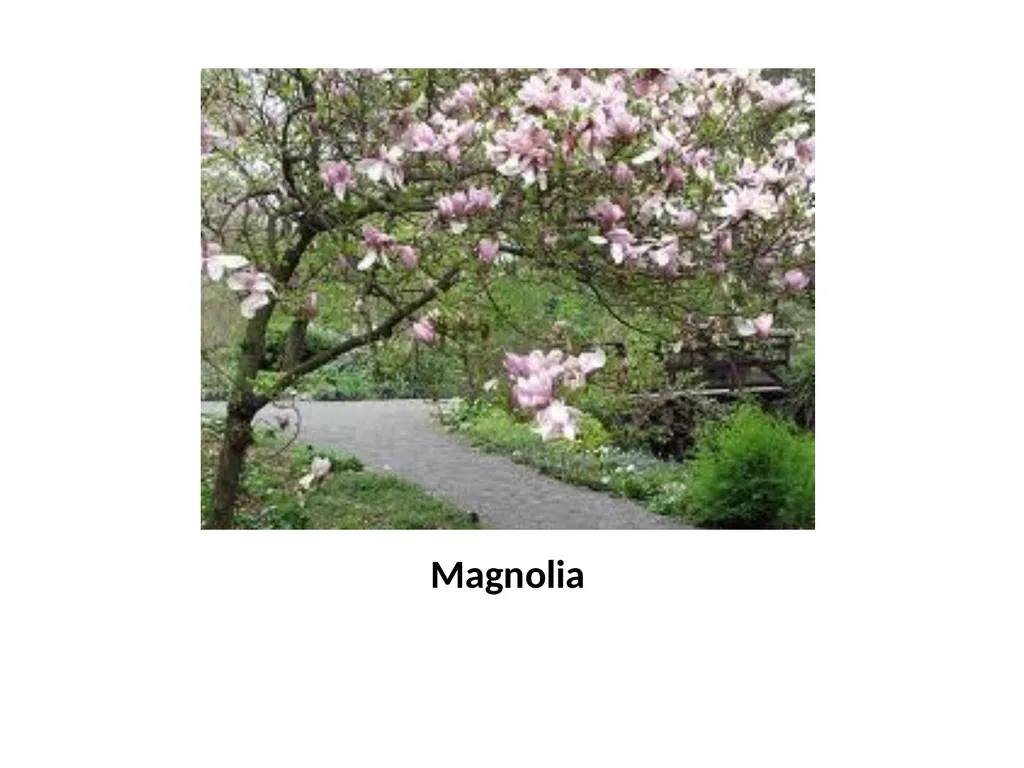
Magnolia- has a large seed pod (23)
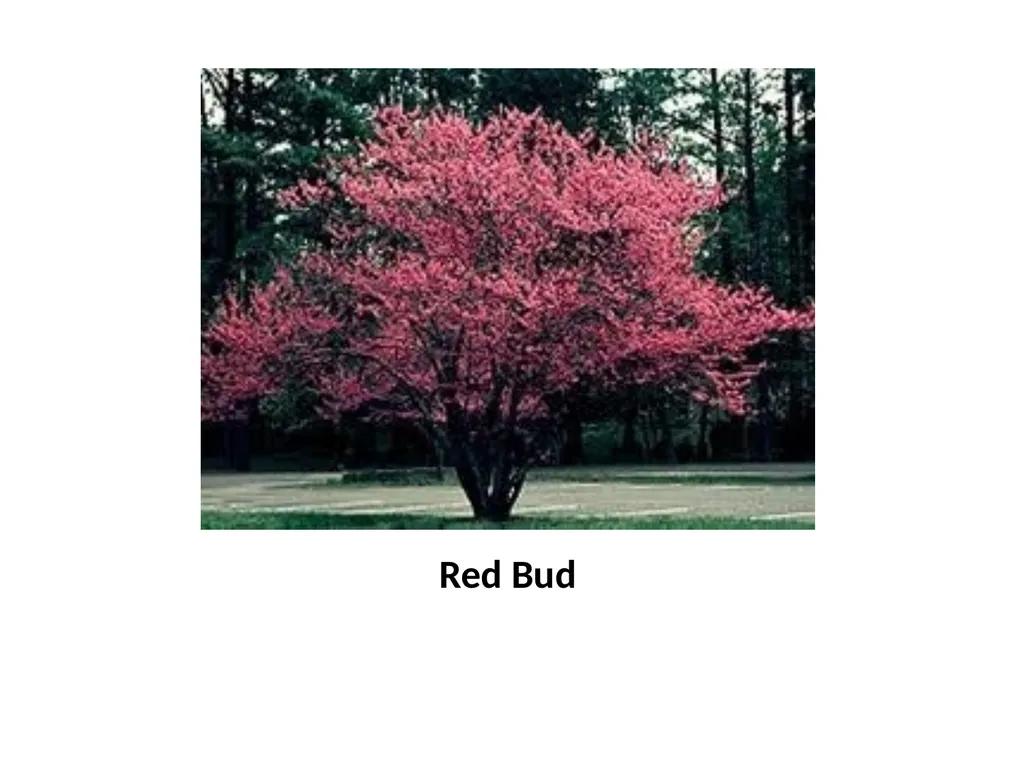
Red Bud- Heart-shaped leaf, has a 3” seed pod, rose colored flowers in spring (25)<br>
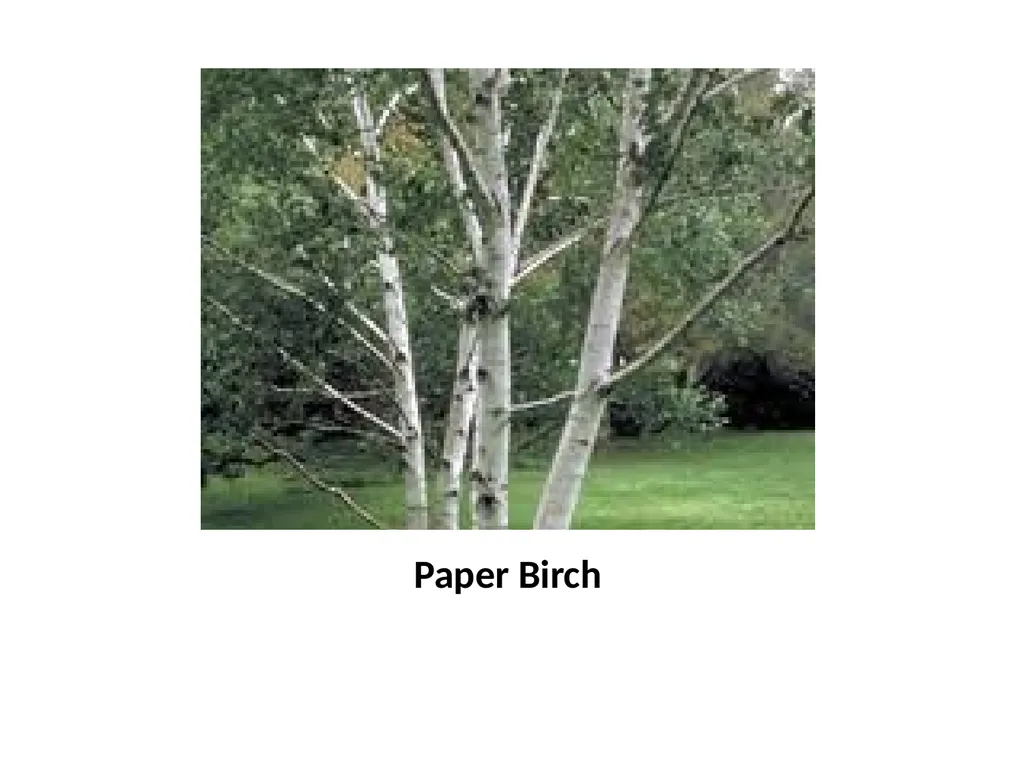
slide5. Leaves for CollectionIn Common Trees of PA( ) Pages in Tree Booklet Paper birch- leaves oval with point, has catkin, back peels (30)
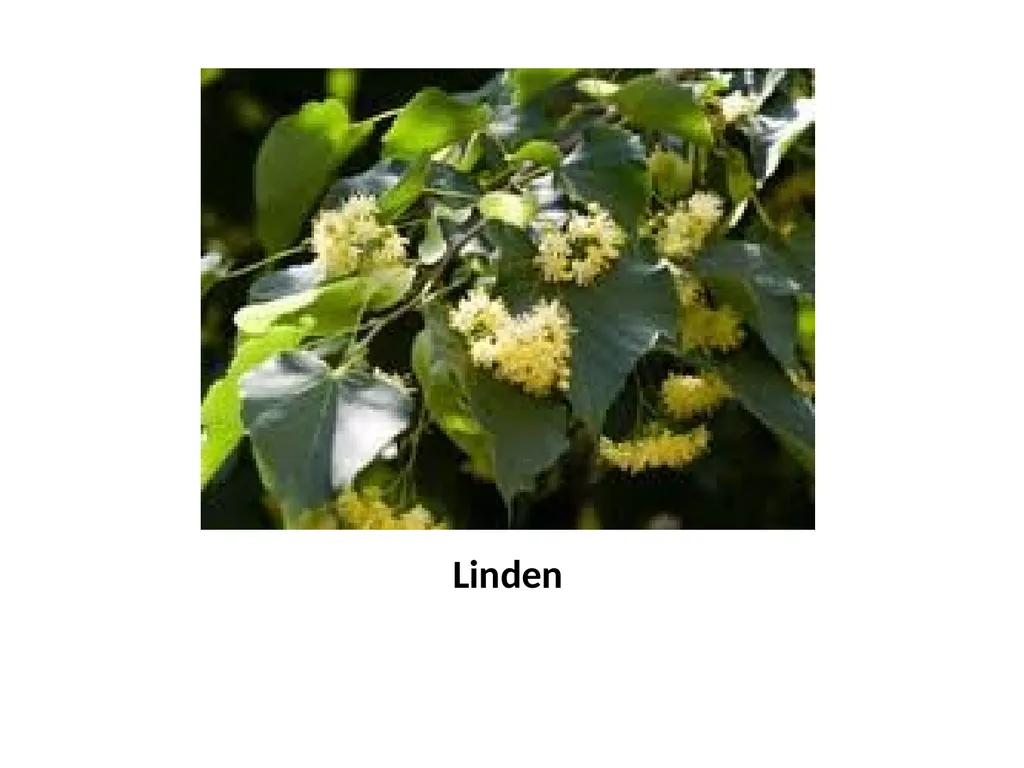
American Linden- heart shaped, uneven leaf, has “peas” (40)
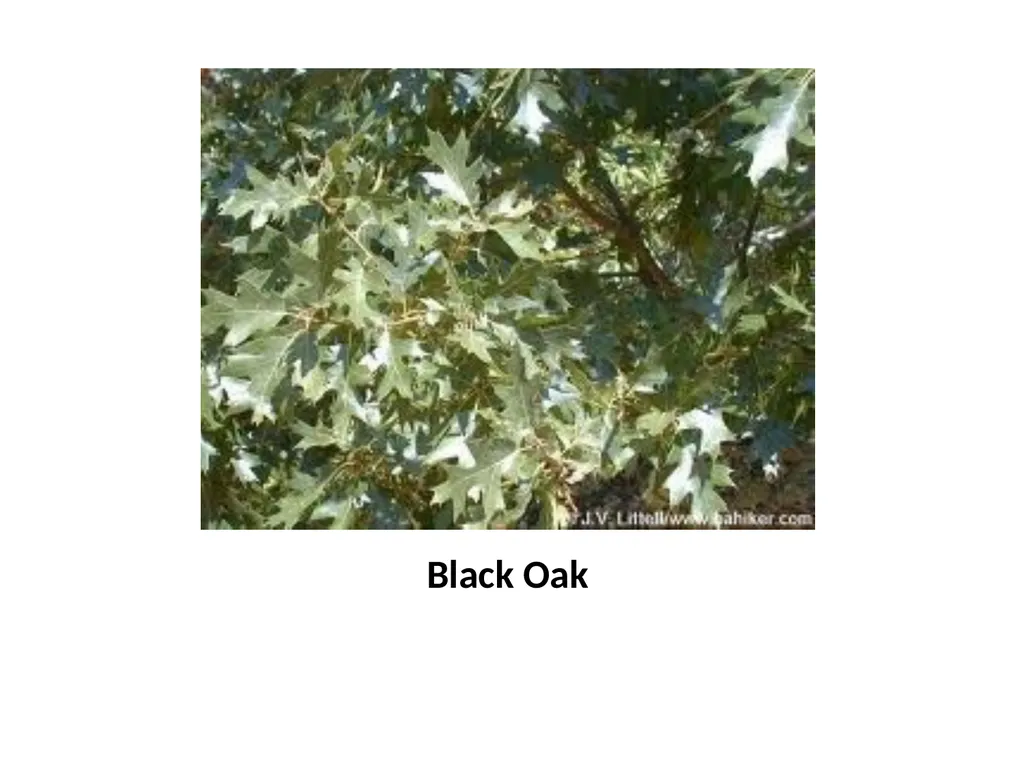
Black Oak- taller than wide, 5-7 pointed lobes, acorns (42)
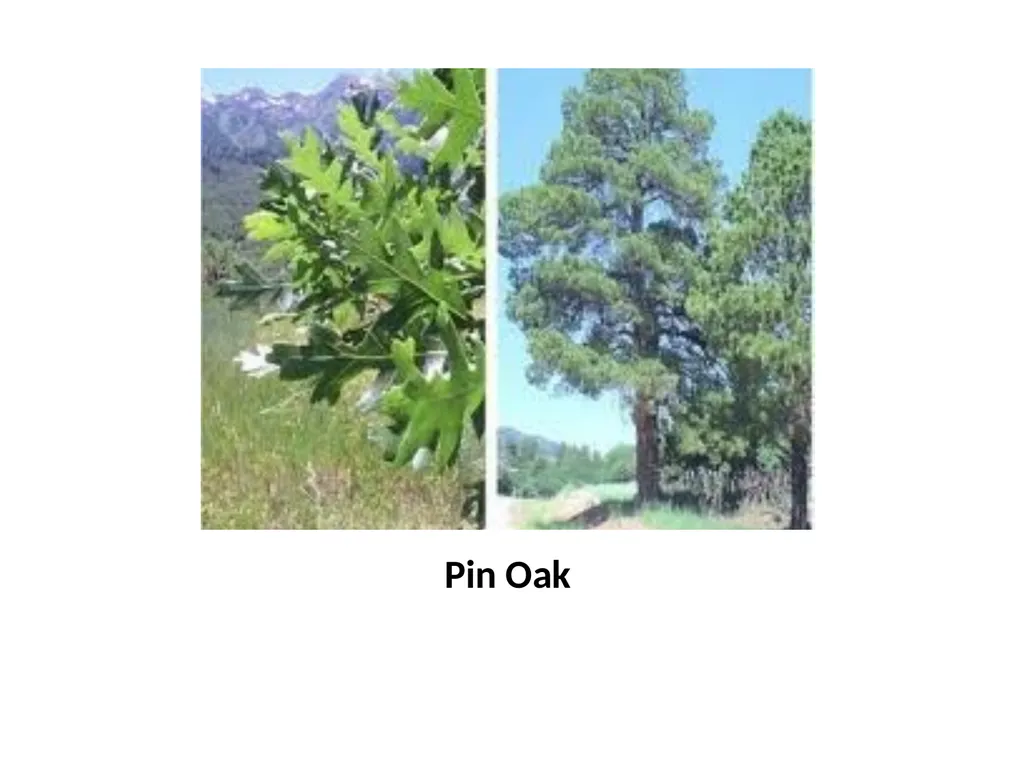
Pin Oak- 5-7 narrow lobes, acorns (44)
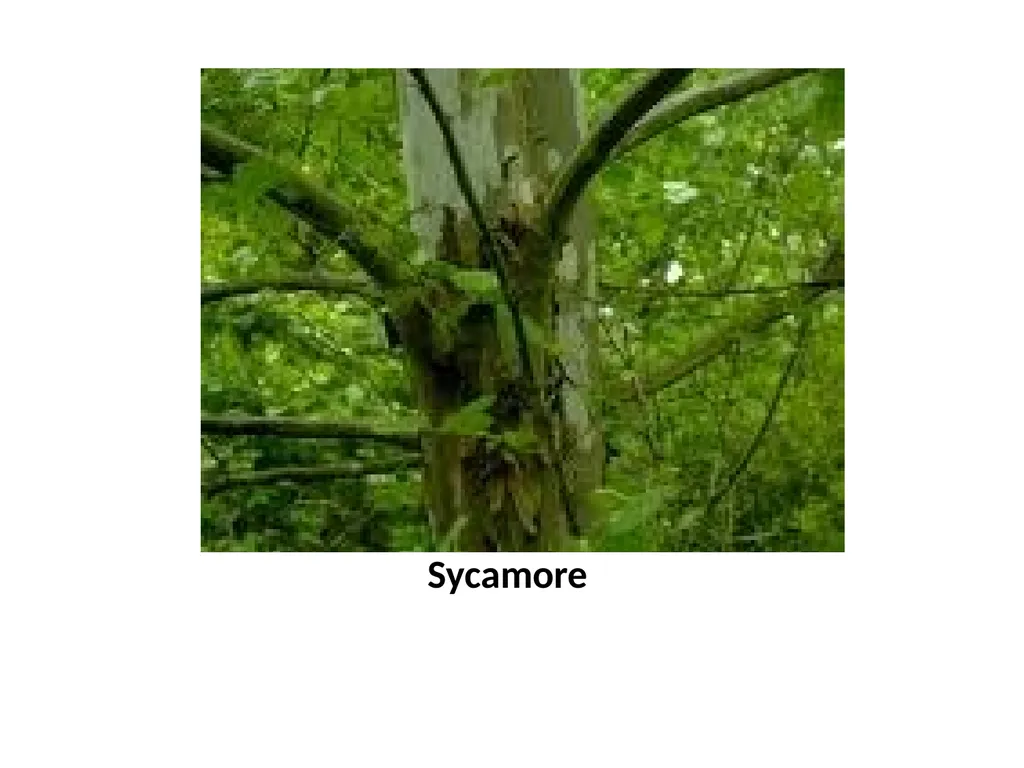
Sycamore- leaf wider than long, has buttonball fruits, multicolored, peeling bark (49)
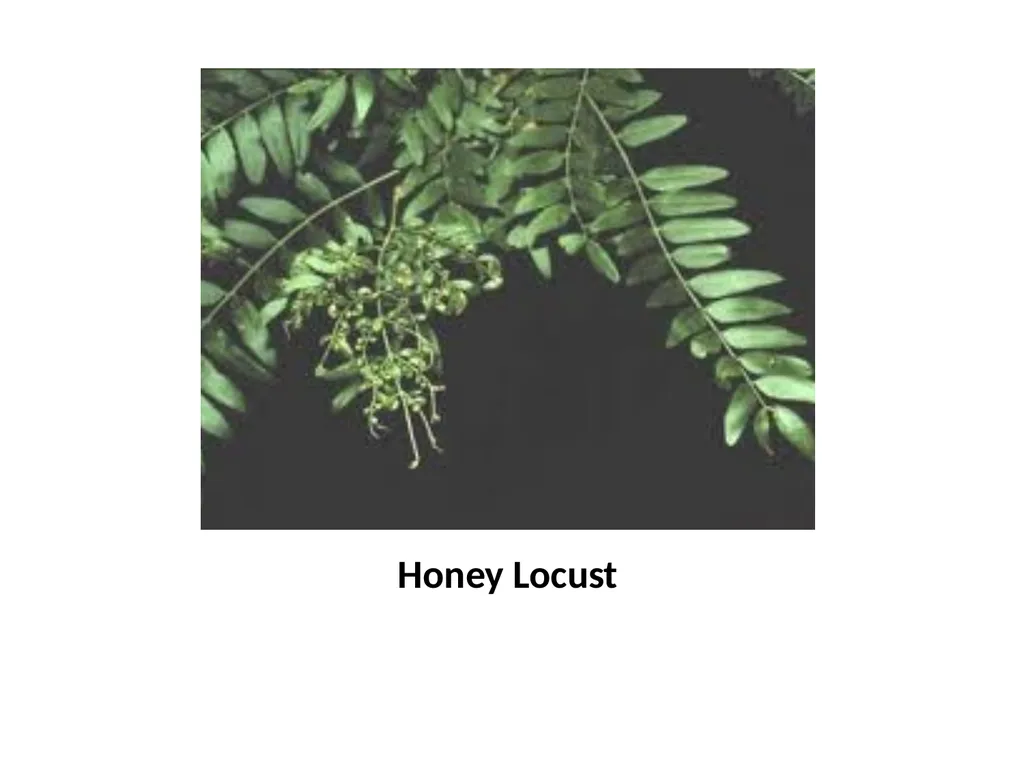
Common Honey Locust- Alternate, compound small leaflets, large leathery, brown pod (54)<br>
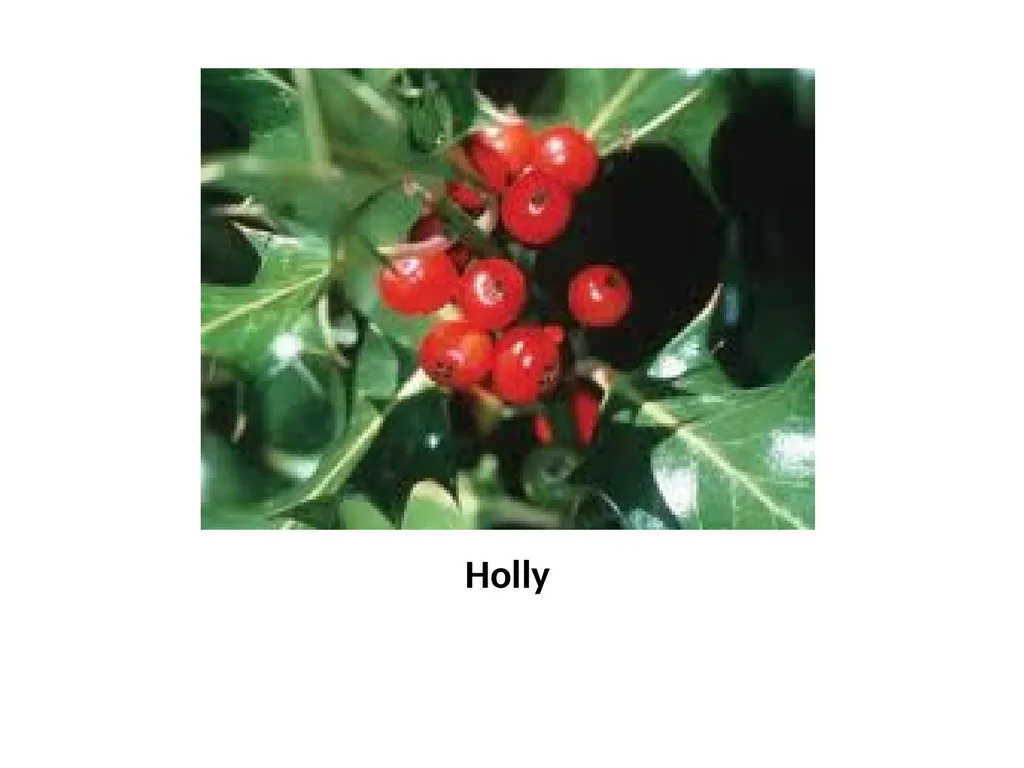
slide6. Other Trees/Shrubs for collection Holly- small, pointed, waxy leaves, red berries (evergreen)
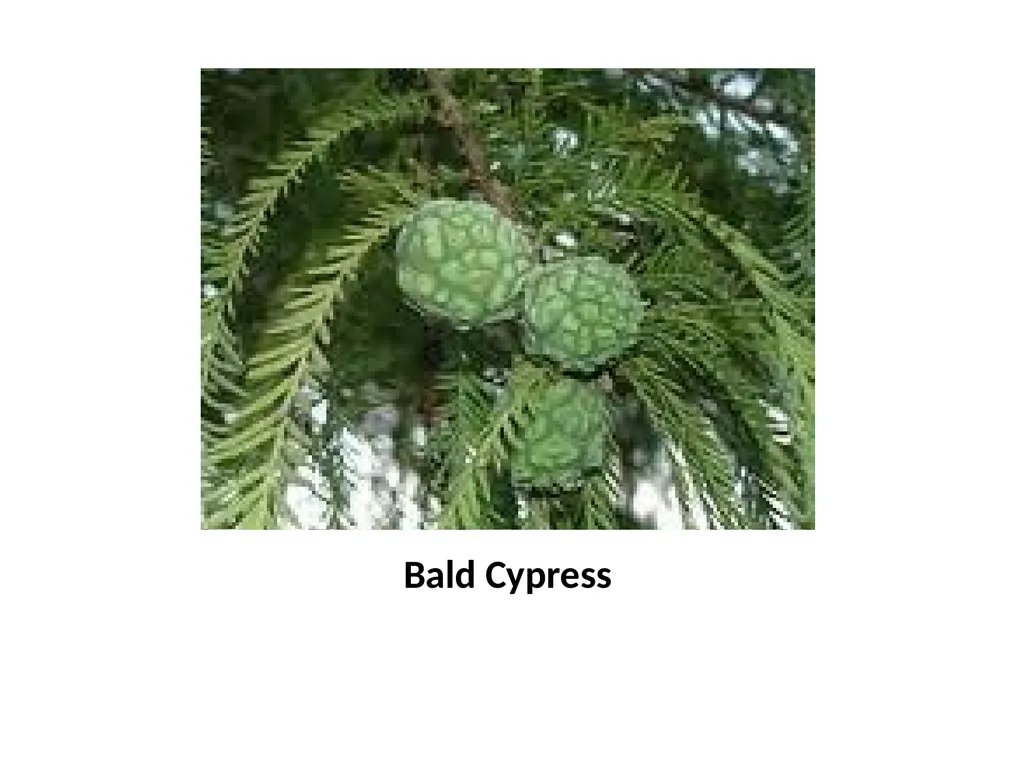
Bald Cypress- flat, soft needles, loses them in winter
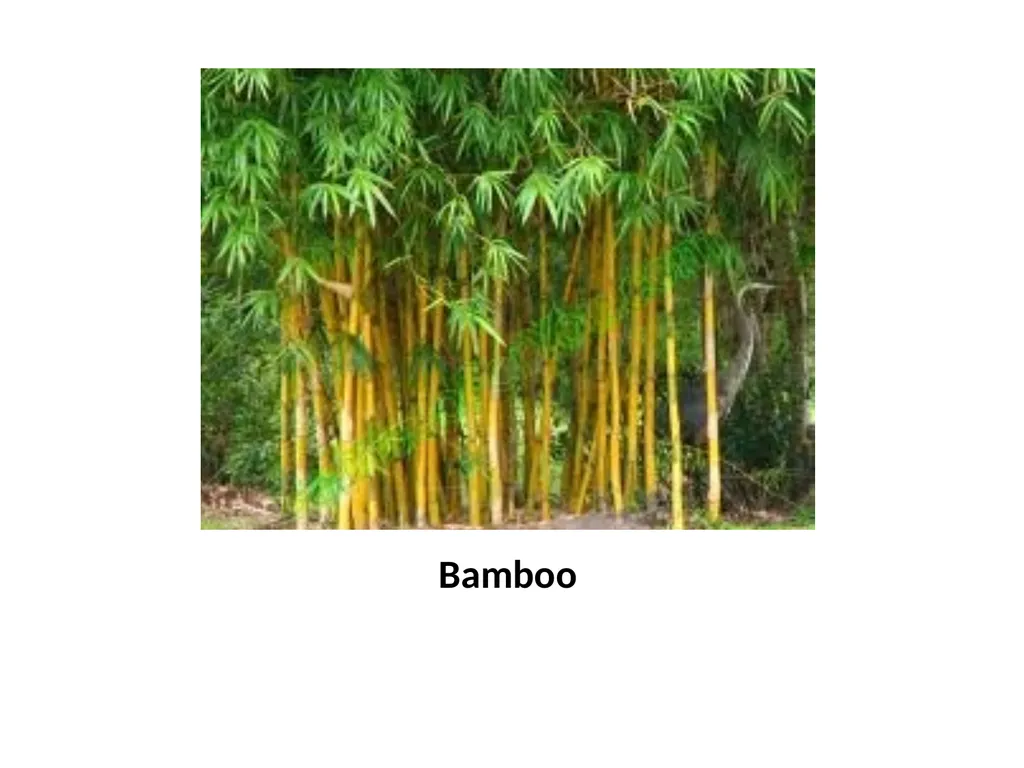
Bamboo- long, narrow leaves, is an invasive species
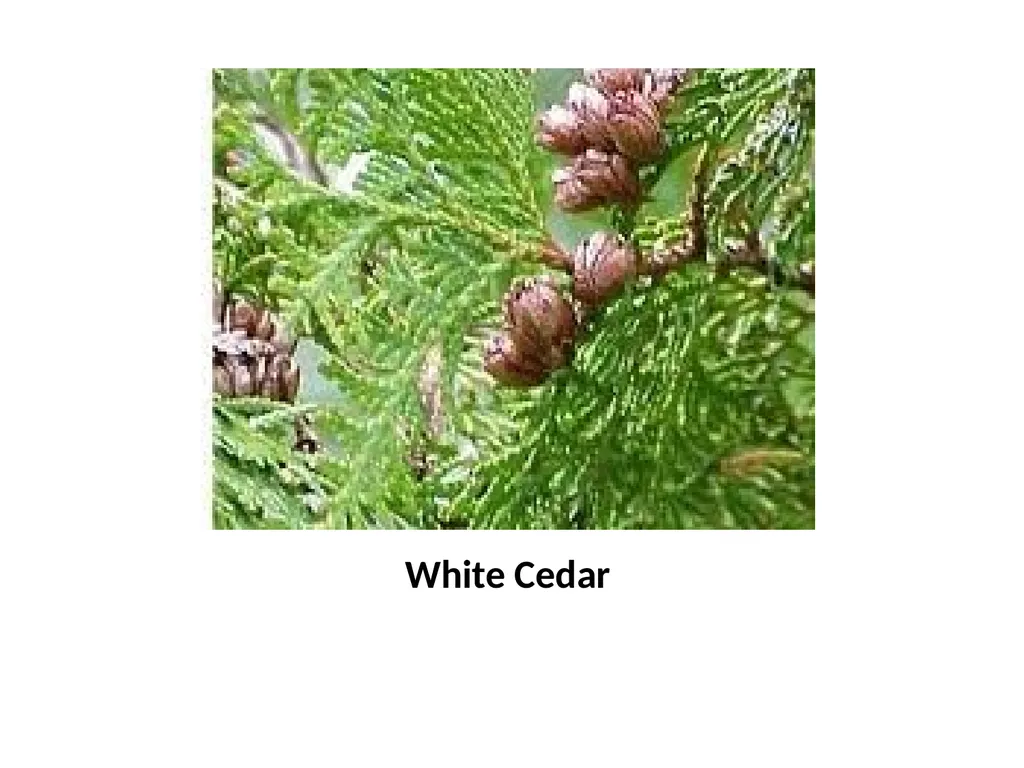
White Cedar- “tree of life,” has flat, braided needles and cones (evergreen)
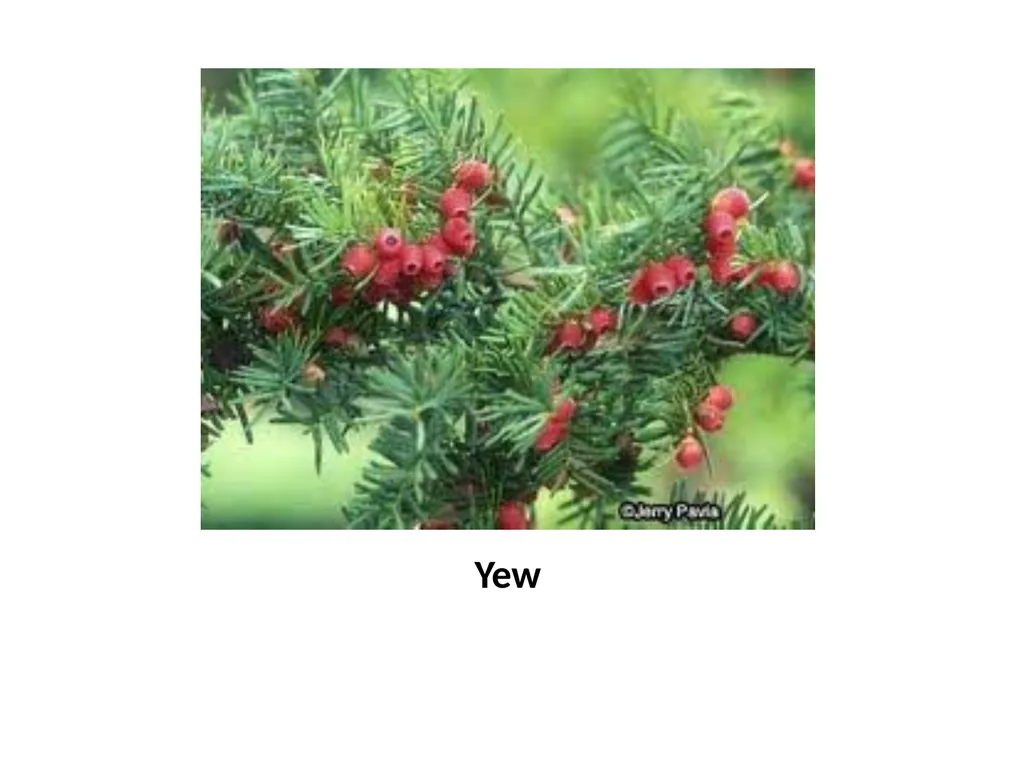
Yew- is a shrub or narrow tree, has soft green needles and gummy red (POISON) berries (evergreen)
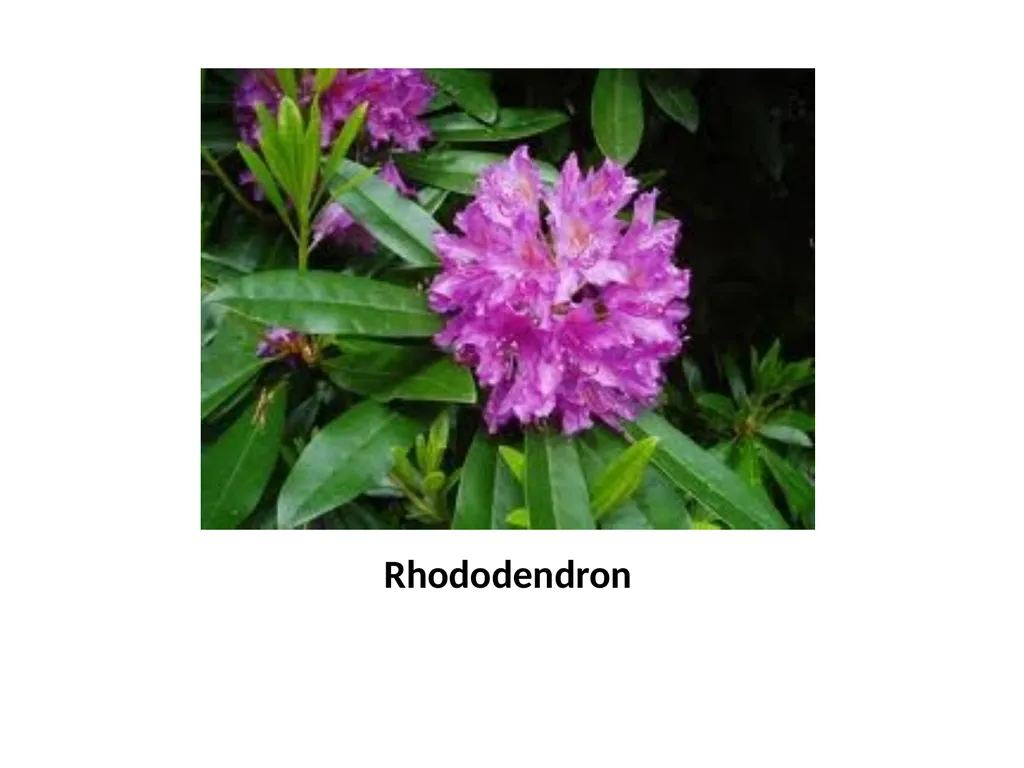
Rhododendron- a shrub or small tree with waxy oval leaves and large lavender and other color flowers in spring
Red Spruce- has 1 “, prickly needles and cones (evergreen)
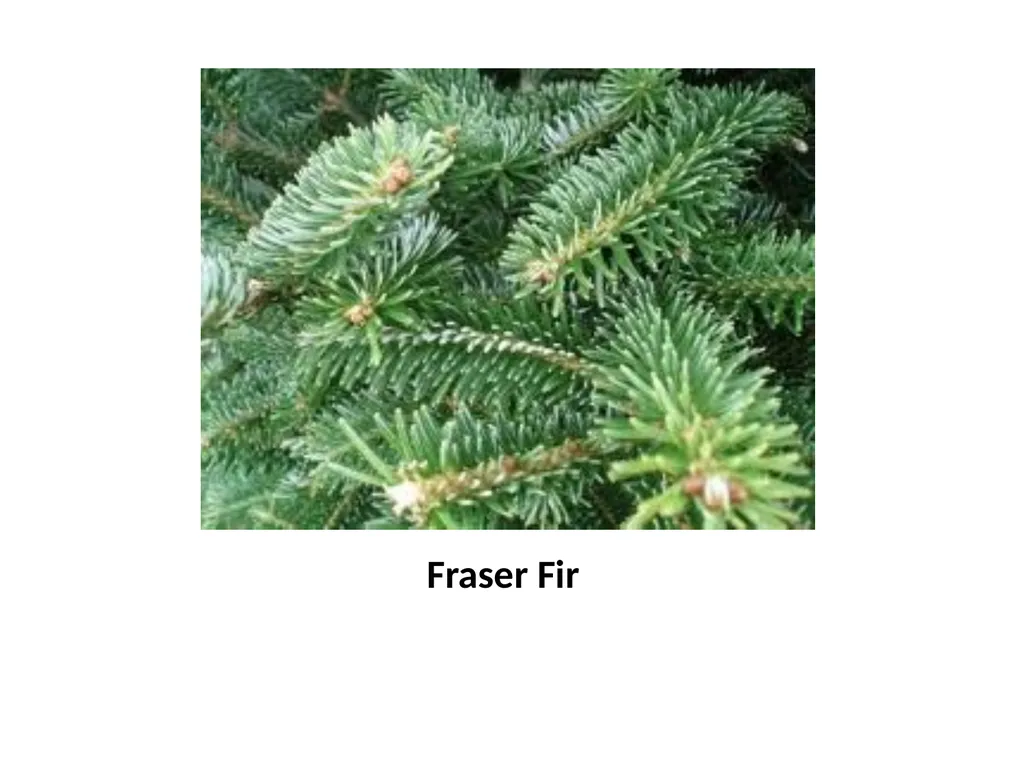
Fraser Fir- popular Christmas tree, has short needles pointing towards one side.<br>

slide7. Hemlock<br>
slide8. Red Cedar<br>
slide9. Scots Pine<br>
slide10. White Pine<br>
slide11. Dogwood<br>
slide12. Norway Maple<br>
slide13. Silver Maple<br>
slide14. White Ash<br>
slide15. Magnolia<br>
slide16. Red Bud<br>
slide17. Paper Birch<br>
slide18. Linden<br>
slide19. Black Oak<br>
slide20. Pin Oak<br>
slide21. Sycamore<br>
slide22. Honey Locust<br>
slide23. Holly<br>
slide24. Bald Cypress<br>
slide25. Bamboo<br>
slide26. White Cedar<br>
slide27. Yew<br>
slide28. Rhododendron<br>
slide29. Fraser Fir<br>
slide2. Common Trees of Pennsylvania(Available from PA State Legislator) Important Leaf terms:
Simple leaf (one piece)- maple, oak
Compound leaf {has leaflets with one petiole(stem)} - buckeye, white ash
Attachments on stem:
Alternate- leaves are not same height across the stem
Opposite- both sides same height across the stem
Deciduous- leaves lost in the fall
Evergreen- some leaves remain green on tree year- round.
Needle- like leaves (pine, spruce)
Scale-like leaves- (red, white cedar)<br>
slide3. Main Parts of a Tree Leaves are important for Photosynthesis.
Bell Ringer: When a tiny acorn grows into a huge oak tree with a mass of several tons, from where does the tree’s increase in mass come?
Roots- Absorb water and minerals; provide anchorage.
The Trunk provides support, protection, has a growing layer (cambium).
Reproductive structures may include berries, nuts, flowers, cones, catkins, winged seeds, etc.<br>
slide4. Leaves for CollectionIn Common Trees of PA ( ) Page in Tree Booklet Eastern Hemlock- Official state tree of PA , has short, flat needles, is being decimated by the woolly agelgid (1) (evergreen)
Eastern Red Cedar- used for chests , has thinner, braided needles and blue berries (2) (evergreen)
Scots Pine- 2 short needles per cluster (6) and cones (evergreen)
Eastern White Pine- 5 long needles per cluster (10) and cones (evergreen)
Flowering Dogwood- curvy veins, red in autumn, has white, red, or pink bracts (look like flowers) in spring (12)
Norway Maple- has 5 lobes, winged fruits (14)
Silver Maple- 5 deep, coarsely toothed lobes (16)
White Ash- compound, 5-9 leaflets (20)
Magnolia- has a large seed pod (23)
Red Bud- Heart-shaped leaf, has a 3” seed pod, rose colored flowers in spring (25)<br>
slide5. Leaves for CollectionIn Common Trees of PA( ) Pages in Tree Booklet Paper birch- leaves oval with point, has catkin, back peels (30)
American Linden- heart shaped, uneven leaf, has “peas” (40)
Black Oak- taller than wide, 5-7 pointed lobes, acorns (42)
Pin Oak- 5-7 narrow lobes, acorns (44)
Sycamore- leaf wider than long, has buttonball fruits, multicolored, peeling bark (49)
Common Honey Locust- Alternate, compound small leaflets, large leathery, brown pod (54)<br>
slide6. Other Trees/Shrubs for collection Holly- small, pointed, waxy leaves, red berries (evergreen)
Bald Cypress- flat, soft needles, loses them in winter
Bamboo- long, narrow leaves, is an invasive species
White Cedar- “tree of life,” has flat, braided needles and cones (evergreen)
Yew- is a shrub or narrow tree, has soft green needles and gummy red (POISON) berries (evergreen)
Rhododendron- a shrub or small tree with waxy oval leaves and large lavender and other color flowers in spring
Red Spruce- has 1 “, prickly needles and cones (evergreen)
Fraser Fir- popular Christmas tree, has short needles pointing towards one side.<br>
slide7. Hemlock<br>
slide8. Red Cedar<br>
slide9. Scots Pine<br>
slide10. White Pine<br>
slide11. Dogwood<br>
slide12. Norway Maple<br>
slide13. Silver Maple<br>
slide14. White Ash<br>
slide15. Magnolia<br>
slide16. Red Bud<br>
slide17. Paper Birch<br>
slide18. Linden<br>
slide19. Black Oak<br>
slide20. Pin Oak<br>
slide21. Sycamore<br>
slide22. Honey Locust<br>
slide23. Holly<br>
slide24. Bald Cypress<br>
slide25. Bamboo<br>
slide26. White Cedar<br>
slide27. Yew<br>
slide28. Rhododendron<br>
slide29. Fraser Fir<br>