
0 Important Information for Health Care Providers
KB
Published · 32 slides · 0 views

1 / 1
Description
0 Important Information for Health Care Providers receiving this slide deck This slide deck is being provided in response to your request for a slide presentation regarding Aldosterone as an Underlying Driver of Hypertension Adverse
Related Topics
Share
Embed code
Download this presentation From Below
"0 Important Information for Health Care Providers" is the property of its rightful owner. Permission is granted to download and print the materials on this website for personal, non-commercial use only, and to display it on your personal computer provided you do not modify the materials and that you retain all copyright notices contained in the materials. By downloading content from our website, you accept the terms of this agreement.
Presentation Transcript
01
0 Important Information for Health Care Providers receiving this slide deck
This slide deck is being provided in response to your request for a slide presentation regarding Aldosterone as an Underlying Driver of Hypertension & Adverse Cardiovascular & Kidney Outcomes
This slide deck was prepared and is intended to be presented in its entirety and should not be edited
You are not speaking on behalf of AstraZeneca and receipt of this deck does not imply that you are
This deck is for use by the recipient institution or organization, its employees or agents, for medical education purposes only, and should not be forwarded to other third parties
This deck should not be used for patient education
This slide deck may contain hyperlinks that are not functional in this format
The attached slide deck may contain copyright protected work(s):
AstraZeneca has obtained permission from the copyright owner to use such work in this presentation
You may not reproduce, prepare derivative works from, display or distribute this work unless you obtain the permission of the copyright owner, or as otherwise might be permitted by law<br>
02
1 This content was created by AstraZeneca healthcare professionals for use by healthcare professionals.
AstraZeneca is committed to conducting business with the highest standards of integrity and professionalism.
For further medical information requests and access to other AstraZeneca resources, please visit AZmedical.com.
You are encouraged to report negative side effects of AstraZeneca prescription drugs by calling 1-800-236-9933. If you prefer to report these to the FDA, call 1-800-FDA-1088.<br>
03
Aldosterone as an Underlying Driver of Hypertension & Adverse Cardiovascular & Kidney Outcomes MAAZAP ML-9897-US-0002 Approved 1/26<br>
04
Aldosterone as an Underlying Driver of Hypertension & Adverse Cardiovascular & Kidney Outcomes 3 HTN = hypertension. .<br>
05
Unmet Needs in HTN HTN = hypertension. .<br>
06
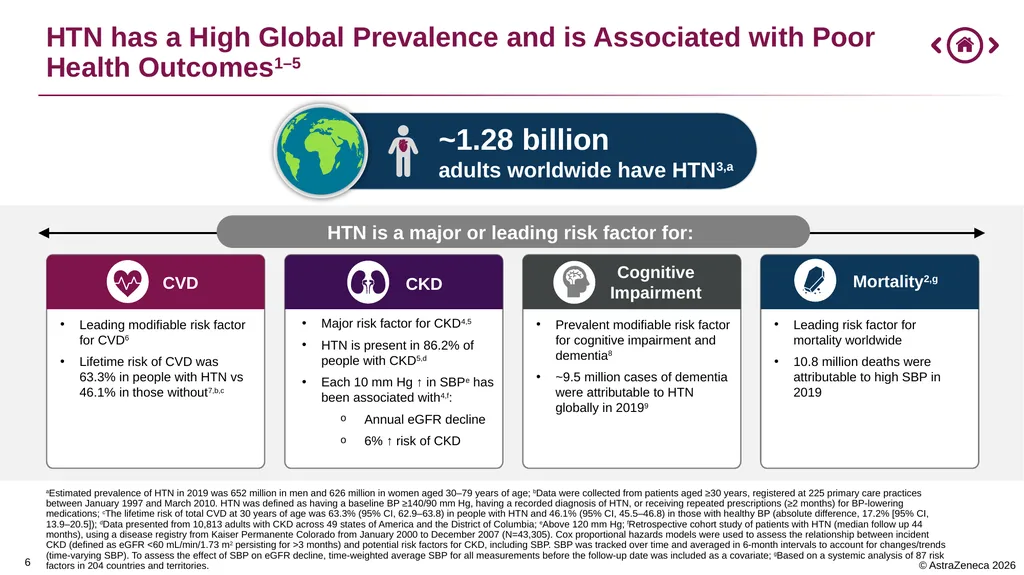
HTN has a High Global Prevalence and is Associated with Poor Health Outcomes1–5 aEstimated prevalence of HTN in 2019 was 652 million in men and 626 million in women aged 30–79 years of age; bData were collected from patients aged ≥30 years, registered at 225 primary care practices between January 1997 and March 2010. HTN was defined as having a baseline BP ≥140/90 mm Hg, having a recorded diagnosis of HTN, or receiving repeated prescriptions (≥2 months) for BP-lowering medications; cThe lifetime risk of total CVD at 30 years of age was 63.3% (95% CI, 62.9–63.8) in people with HTN and 46.1% (95% CI, 45.5–46.8) in those with healthy BP (absolute difference, 17.2% [95% CI, 13.9–20.5]); dData presented from 10,813 adults with CKD across 49 states of America and the District of Columbia; eAbove 120 mm Hg; fRetrospective cohort study of patients with HTN (median follow up 44 months), using a disease registry from Kaiser Permanente Colorado from January 2000 to December 2007 (N=43,305). Cox proportional hazards models were used to assess the relationship between incident CKD (defined as eGFR <60 mL/min/1.73 m2 persisting for >3 months) and potential risk factors for CKD, including SBP. SBP was tracked over time and averaged in 6-month intervals to account for changes/trends (time-varying SBP). To assess the effect of SBP on eGFR decline, time-weighted average SBP for all measurements before the follow-up date was included as a covariate; gBased on a systemic analysis of 87 risk factors in 204 countries and territories. 5 Leading risk factor for
mortality worldwide
10.8 million deaths were attributable to high SBP in 2019 Leading modifiable risk factor for CVD6
Lifetime risk of CVD was 63.3% in people with HTN vs 46.1% in those without7,b,c Major risk factor for CKD4,5
HTN is present in 86.2% of people with CKD5,d
Each 10 mm Hg ↑ in SBPe has been associated with4,f:
Annual eGFR decline
6% ↑ risk of CKD .<br>
07
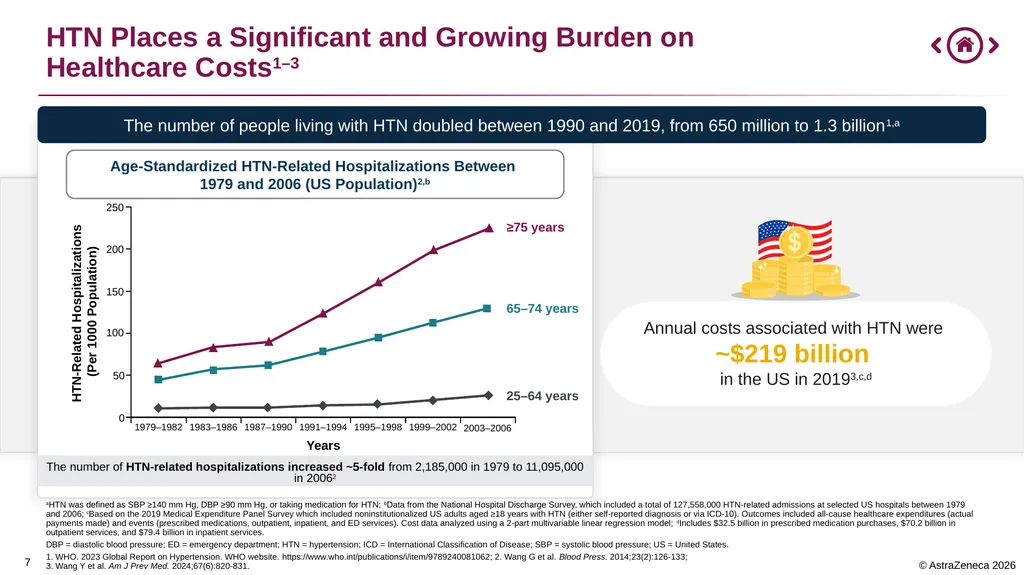
HTN Places a Significant and Growing Burden on
Healthcare Costs1–3 6 aHTN was defined as SBP ≥140 mm Hg, DBP ≥90 mm Hg, or taking medication for HTN; bData from the National Hospital Discharge Survey, which included a total of 127,558,000 HTN-related admissions at selected US hospitals between 1979 and 2006; cBased on the 2019 Medical Expenditure Panel Survey which included noninstitutionalized US adults aged ≥18 years with HTN (either self-reported diagnosis or via ICD-10). Outcomes included all-cause healthcare expenditures (actual payments made) and events (prescribed medications, outpatient, inpatient, and ED services). Cost data analyzed using a 2-part multivariable linear regression model; dIncludes $32.5 billion in prescribed medication purchases, $70.2 billion in outpatient services, and $79.4 billion in inpatient services.
DBP = diastolic blood pressure; ED = emergency department; HTN = hypertension; ICD = International Classification of Disease; SBP = systolic blood pressure; US = United States.
1. WHO. 2023 Global Report on Hypertension. WHO website. https://www.who.int/publications/i/item/9789240081062; 2. Wang G et al. Blood Press. 2014;23(2):126-133; 3. Wang Y et al. Am J Prev Med. 2024;67(6):820-831. The number of people living with HTN doubled between 1990 and 2019, from 650 million to 1.3 billion1,a The number of HTN-related hospitalizations increased ~5-fold from 2,185,000 in 1979 to 11,095,000 in 20062 Age-Standardized HTN-Related Hospitalizations Between 1979 and 2006 (US Population)2,b .<br>
08
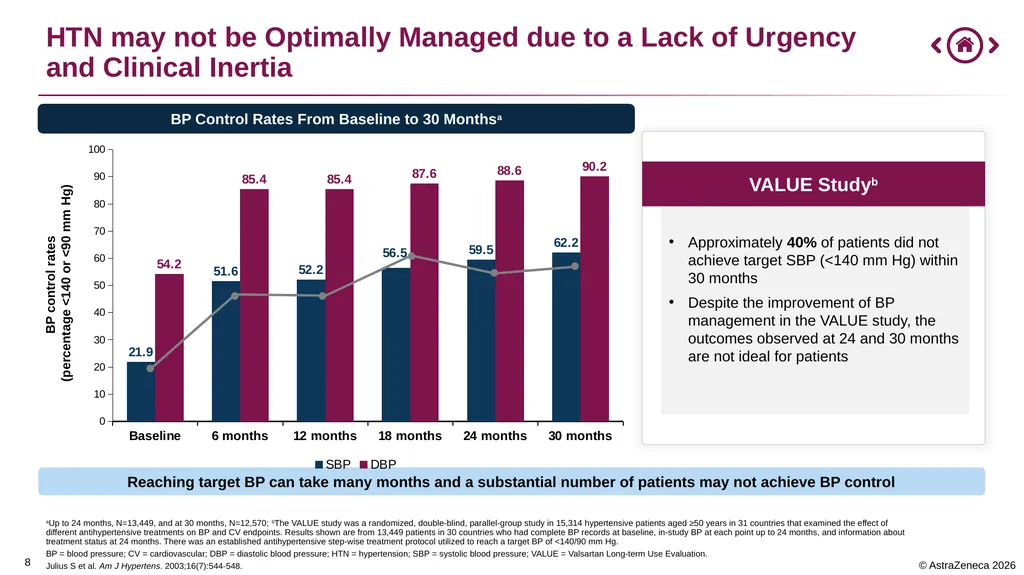
HTN may not be Optimally Managed due to a Lack of Urgency and Clinical Inertia 7 aUp to 24 months, N=13,449, and at 30 months, N=12,570; bThe VALUE study was a randomized, double-blind, parallel-group study in 15,314 hypertensive patients aged ≥50 years in 31 countries that examined the effect of different antihypertensive treatments on BP and CV endpoints. Results shown are from 13,449 patients in 30 countries who had complete BP records at baseline, in-study BP at each point up to 24 months, and information about treatment status at 24 months. There was an established antihypertensive step-wise treatment protocol utilized to reach a target BP of <140/90 mm Hg.
BP = blood pressure; CV = cardiovascular; DBP = diastolic blood pressure; HTN = hypertension; SBP = systolic blood pressure; VALUE = Valsartan Long-term Use Evaluation.
Julius S et al. Am J Hypertens. 2003;16(7):544-548. Reaching target BP can take many months and a substantial number of patients may not achieve BP control BP control rates (percentage <140 or <90 mm Hg) BP Control Rates From Baseline to 30 Monthsa .<br>
09
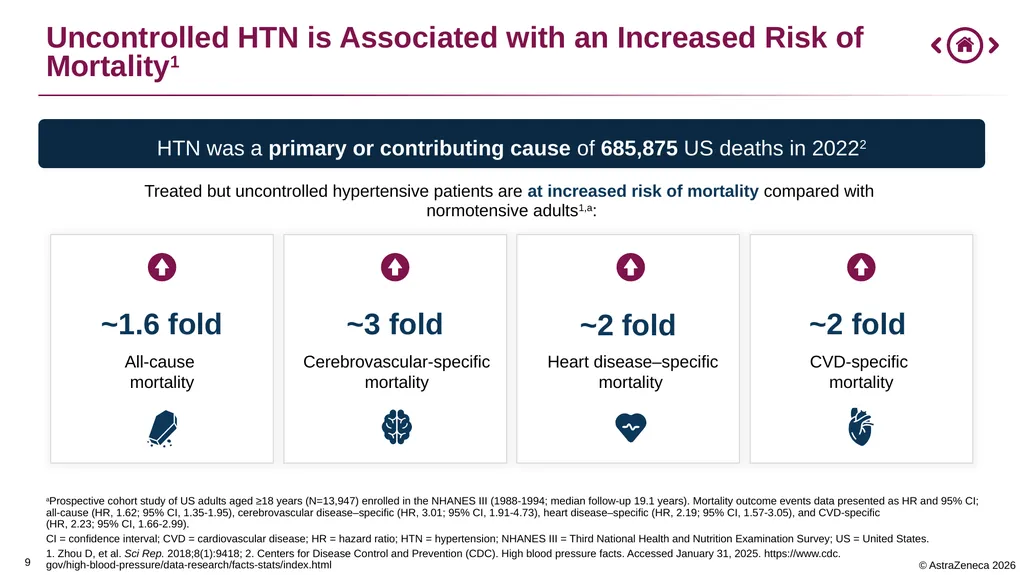
Uncontrolled HTN is Associated with an Increased Risk of Mortality1 8 aProspective cohort study of US adults aged ≥18 years (N=13,947) enrolled in the NHANES III (1988-1994; median follow-up 19.1 years). Mortality outcome events data presented as HR and 95% CI; all-cause (HR, 1.62; 95% CI, 1.35-1.95), cerebrovascular disease–specific (HR, 3.01; 95% CI, 1.91-4.73), heart disease–specific (HR, 2.19; 95% CI, 1.57-3.05), and CVD-specific
(HR, 2.23; 95% CI, 1.66-2.99).
CI = confidence interval; CVD = cardiovascular disease; HR = hazard ratio; HTN = hypertension; NHANES III = Third National Health and Nutrition Examination Survey; US = United States.
1. Zhou D, et al. Sci Rep. 2018;8(1):9418; 2. Centers for Disease Control and Prevention (CDC). High blood pressure facts. Accessed January 31, 2025. https://www.cdc. gov/high-blood-pressure/data-research/facts-stats/index.html CVD-specific mortality Heart disease–specific mortality Treated but uncontrolled hypertensive patients are at increased risk of mortality compared with normotensive adults1,a: ~2 fold ~2 fold All-cause mortality ~1.6 fold Cerebrovascular-specific mortality ~3 fold .<br>
10
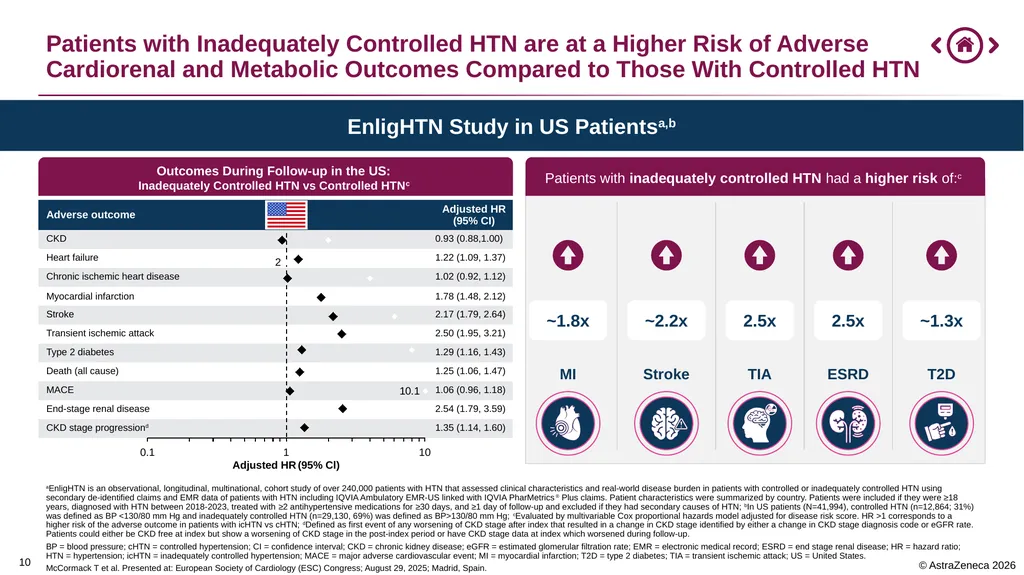
Patients with Inadequately Controlled HTN are at a Higher Risk of Adverse Cardiorenal and Metabolic Outcomes Compared to Those With Controlled HTN 9 aEnligHTN is an observational, longitudinal, multinational, cohort study of over 240,000 patients with HTN that assessed clinical characteristics and real-world disease burden in patients with controlled or inadequately controlled HTN using secondary de-identified claims and EMR data of patients with HTN including IQVIA Ambulatory EMR-US linked with IQVIA PharMetrics® Plus claims. Patient characteristics were summarized by country. Patients were included if they were ≥18 years, diagnosed with HTN between 2018-2023, treated with ≥2 antihypertensive medications for ≥30 days, and ≥1 day of follow-up and excluded if they had secondary causes of HTN; bIn US patients (N=41,994), controlled HTN (n=12,864; 31%) was defined as BP <130/80 mm Hg and inadequately controlled HTN (n=29,130, 69%) was defined as BP>130/80 mm Hg; cEvaluated by multivariable Cox proportional hazards model adjusted for disease risk score. HR >1 corresponds to a higher risk of the adverse outcome in patients with icHTN vs cHTN; dDefined as first event of any worsening of CKD stage after index that resulted in a change in CKD stage identified by either a change in CKD stage diagnosis code or eGFR rate. Patients could either be CKD free at index but show a worsening of CKD stage in the post-index period or have CKD stage data at index which worsened during follow-up.
BP = blood pressure; cHTN = controlled hypertension; CI = confidence interval; CKD = chronic kidney disease; eGFR = estimated glomerular filtration rate; EMR = electronic medical record; ESRD = end stage renal disease; HR = hazard ratio; HTN = hypertension; icHTN = inadequately controlled hypertension; MACE = major adverse cardiovascular event; MI = myocardial infarction; T2D = type 2 diabetes; TIA = transient ischemic attack; US = United States.
McCormack T et al. Presented at: European Society of Cardiology (ESC) Congress; August 29, 2025; Madrid, Spain. EnligHTN Study in US Patientsa,b Patients with inadequately controlled HTN had a higher risk of:c Outcomes During Follow-up in the US:
Inadequately Controlled HTN vs Controlled HTNc .<br>
11
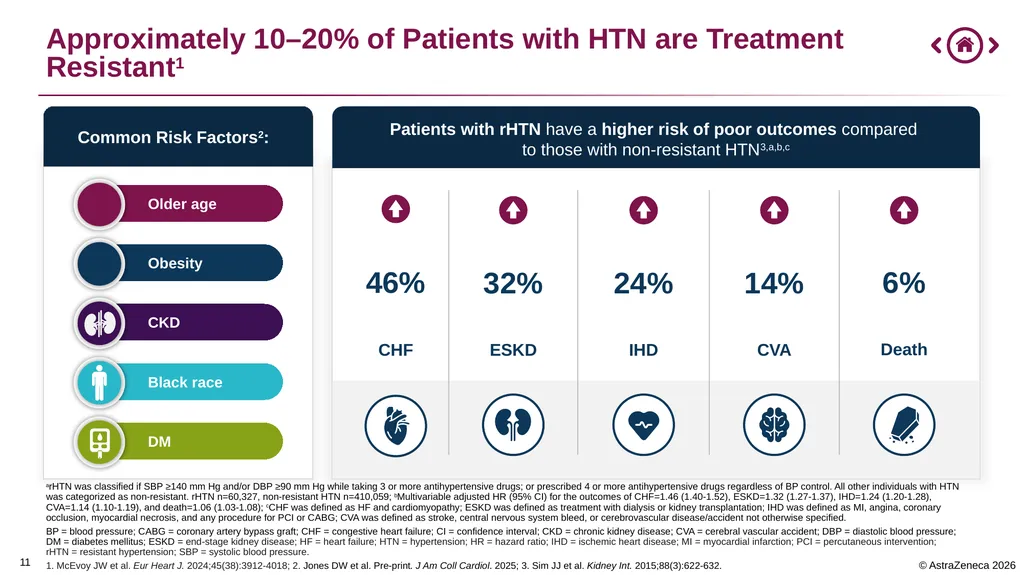
Approximately 10–20% of Patients with HTN are Treatment Resistant1 10 arHTN was classified if SBP ≥140 mm Hg and/or DBP ≥90 mm Hg while taking 3 or more antihypertensive drugs; or prescribed 4 or more antihypertensive drugs regardless of BP control. All other individuals with HTN was categorized as non-resistant. rHTN n=60,327, non-resistant HTN n=410,059; bMultivariable adjusted HR (95% CI) for the outcomes of CHF=1.46 (1.40-1.52), ESKD=1.32 (1.27-1.37), IHD=1.24 (1.20-1.28), CVA=1.14 (1.10-1.19), and death=1.06 (1.03-1.08); cCHF was defined as HF and cardiomyopathy; ESKD was defined as treatment with dialysis or kidney transplantation; IHD was defined as MI, angina, coronary occlusion, myocardial necrosis, and any procedure for PCI or CABG; CVA was defined as stroke, central nervous system bleed, or cerebrovascular disease/accident not otherwise specified.
BP = blood pressure; CABG = coronary artery bypass graft; CHF = congestive heart failure; CI = confidence interval; CKD = chronic kidney disease; CVA = cerebral vascular accident; DBP = diastolic blood pressure; DM = diabetes mellitus; ESKD = end-stage kidney disease; HF = heart failure; HTN = hypertension; HR = hazard ratio; IHD = ischemic heart disease; MI = myocardial infarction; PCI = percutaneous intervention; rHTN = resistant hypertension; SBP = systolic blood pressure.
1. McEvoy JW et al. Eur Heart J. 2024;45(38):3912-4018; 2. Jones DW et al. Pre-print. J Am Coll Cardiol. 2025; 3. Sim JJ et al. Kidney Int. 2015;88(3):622-632. Patients with rHTN have a higher risk of poor outcomes compared
to those with non-resistant HTN3,a,b,c .<br>
12
Every 10 mm Hg Reduction in SBP Significantly Reduces the
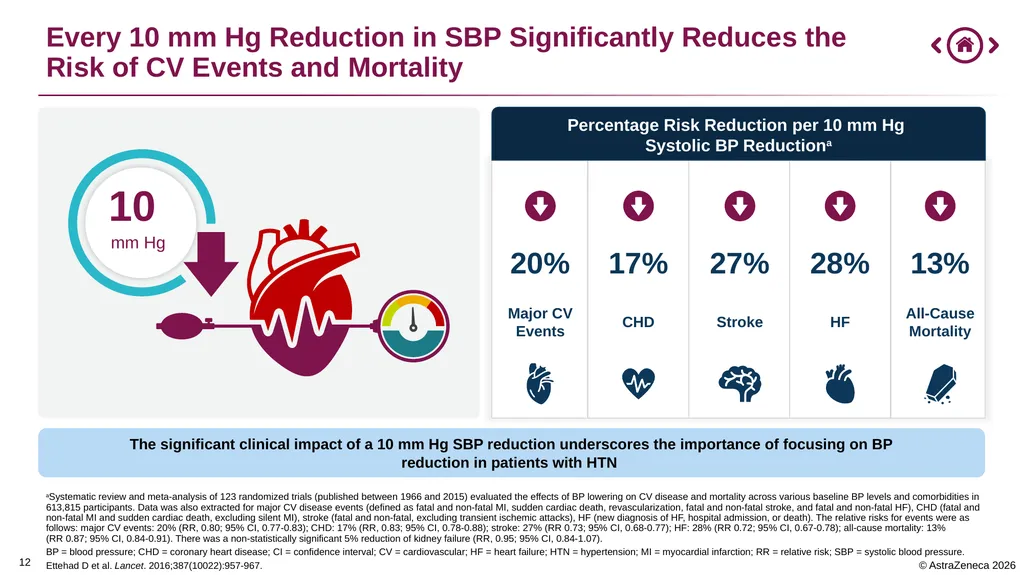
Risk of CV Events and Mortality 11 aSystematic review and meta-analysis of 123 randomized trials (published between 1966 and 2015) evaluated the effects of BP lowering on CV disease and mortality across various baseline BP levels and comorbidities in 613,815 participants. Data was also extracted for major CV disease events (defined as fatal and non-fatal MI, sudden cardiac death, revascularization, fatal and non-fatal stroke, and fatal and non-fatal HF), CHD (fatal and non-fatal MI and sudden cardiac death, excluding silent MI), stroke (fatal and non-fatal, excluding transient ischemic attacks), HF (new diagnosis of HF, hospital admission, or death). The relative risks for events were as follows: major CV events: 20% (RR, 0.80; 95% CI, 0.77-0.83); CHD: 17% (RR, 0.83; 95% CI, 0.78-0.88); stroke: 27% (RR 0.73; 95% CI, 0.68-0.77); HF: 28% (RR 0.72; 95% CI, 0.67-0.78); all-cause mortality: 13%
(RR 0.87; 95% CI, 0.84-0.91). There was a non-statistically significant 5% reduction of kidney failure (RR, 0.95; 95% CI, 0.84-1.07).
BP = blood pressure; CHD = coronary heart disease; CI = confidence interval; CV = cardiovascular; HF = heart failure; HTN = hypertension; MI = myocardial infarction; RR = relative risk; SBP = systolic blood pressure.
Ettehad D et al. Lancet. 2016;387(10022):957-967. The significant clinical impact of a 10 mm Hg SBP reduction underscores the importance of focusing on BP reduction in patients with HTN Percentage Risk Reduction per 10 mm Hg
Systolic BP Reductiona .<br>
13
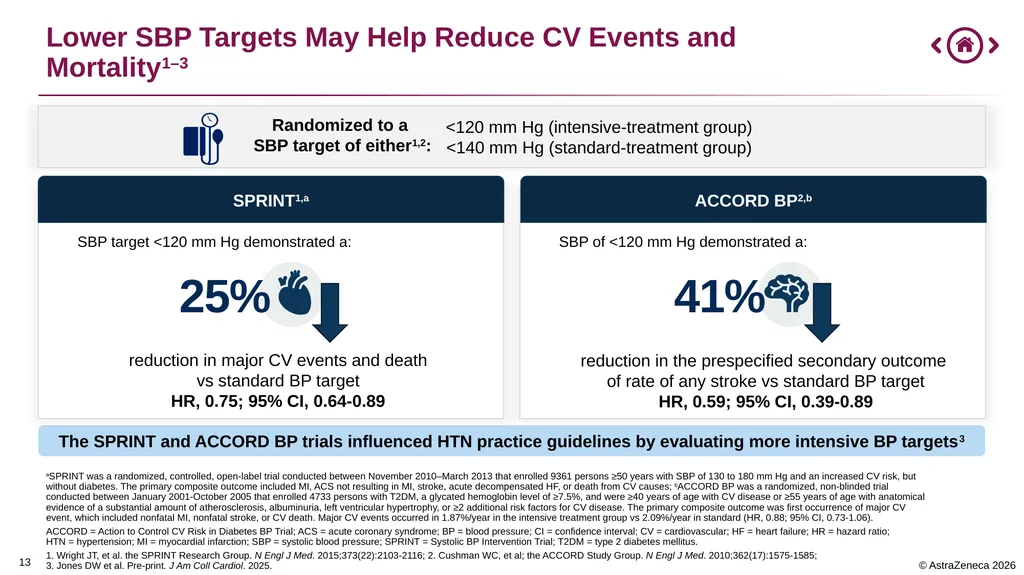
Lower SBP Targets May Help Reduce CV Events and
Mortality1–3 12 aSPRINT was a randomized, controlled, open-label trial conducted between November 2010–March 2013 that enrolled 9361 persons ≥50 years with SBP of 130 to 180 mm Hg and an increased CV risk, but without diabetes. The primary composite outcome included MI, ACS not resulting in MI, stroke, acute decompensated HF, or death from CV causes; bACCORD BP was a randomized, non-blinded trial conducted between January 2001-October 2005 that enrolled 4733 persons with T2DM, a glycated hemoglobin level of ≥7.5%, and were ≥40 years of age with CV disease or ≥55 years of age with anatomical evidence of a substantial amount of atherosclerosis, albuminuria, left ventricular hypertrophy, or ≥2 additional risk factors for CV disease. The primary composite outcome was first occurrence of major CV event, which included nonfatal MI, nonfatal stroke, or CV death. Major CV events occurred in 1.87%/year in the intensive treatment group vs 2.09%/year in standard (HR, 0.88; 95% CI, 0.73-1.06).
ACCORD = Action to Control CV Risk in Diabetes BP Trial; ACS = acute coronary syndrome; BP = blood pressure; CI = confidence interval; CV = cardiovascular; HF = heart failure; HR = hazard ratio; HTN = hypertension; MI = myocardial infarction; SBP = systolic blood pressure; SPRINT = Systolic BP Intervention Trial; T2DM = type 2 diabetes mellitus.
1. Wright JT, et al. the SPRINT Research Group. N Engl J Med. 2015;373(22):2103-2116; 2. Cushman WC, et al; the ACCORD Study Group. N Engl J Med. 2010;362(17):1575-1585; 3. Jones DW et al. Pre-print. J Am Coll Cardiol. 2025. The SPRINT and ACCORD BP trials influenced HTN practice guidelines by evaluating more intensive BP targets3 reduction in the prespecified secondary outcome
of rate of any stroke vs standard BP target
HR, 0.59; 95% CI, 0.39-0.89 41% reduction in major CV events and death vs standard BP target
HR, 0.75; 95% CI, 0.64-0.89 25% SBP target <120 mm Hg demonstrated a: SBP of <120 mm Hg demonstrated a: Randomized to a
SBP target of either1,2: <120 mm Hg (intensive-treatment group)
<140 mm Hg (standard-treatment group) SPRINT1,a ACCORD BP2,b .<br>
14
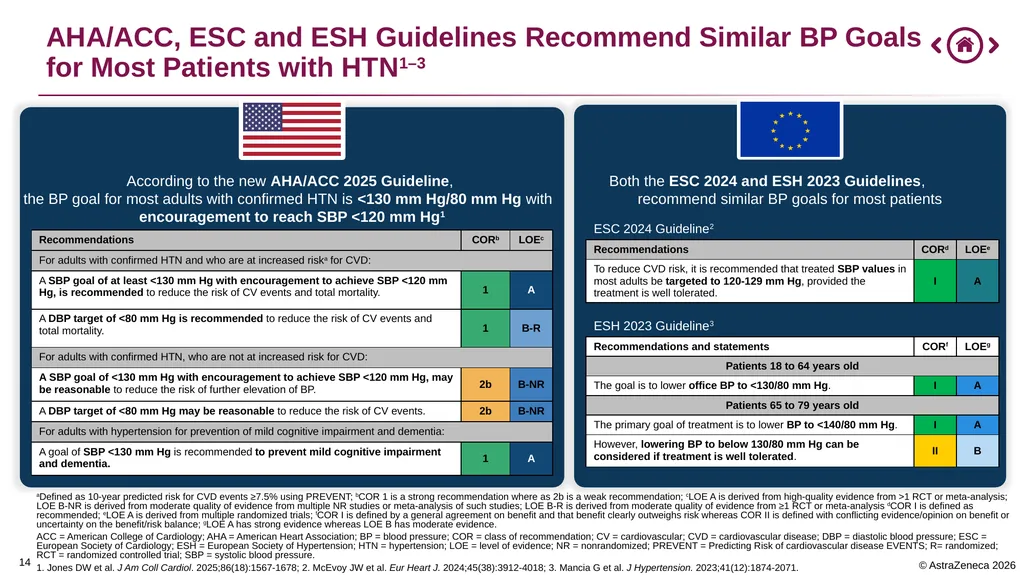
AHA/ACC, ESC and ESH Guidelines Recommend Similar BP Goals
for Most Patients with HTN1–3 13 aDefined as 10-year predicted risk for CVD events ≥7.5% using PREVENT; bCOR 1 is a strong recommendation where as 2b is a weak recommendation; cLOE A is derived from high-quality evidence from >1 RCT or meta-analysis; LOE B-NR is derived from moderate quality of evidence from multiple NR studies or meta-analysis of such studies; LOE B-R is derived from moderate quality of evidence from ≥1 RCT or meta-analysis dCOR I is defined as recommended; eLOE A is derived from multiple randomized trials; fCOR I is defined by a general agreement on benefit and that benefit clearly outweighs risk whereas COR II is defined with conflicting evidence/opinion on benefit or uncertainty on the benefit/risk balance; gLOE A has strong evidence whereas LOE B has moderate evidence.
ACC = American College of Cardiology; AHA = American Heart Association; BP = blood pressure; COR = class of recommendation; CV = cardiovascular; CVD = cardiovascular disease; DBP = diastolic blood pressure; ESC = European Society of Cardiology; ESH = European Society of Hypertension; HTN = hypertension; LOE = level of evidence; NR = nonrandomized; PREVENT = Predicting Risk of cardiovascular disease EVENTS; R= randomized; RCT = randomized controlled trial; SBP = systolic blood pressure.
1. Jones DW et al. J Am Coll Cardiol. 2025;86(18):1567-1678; 2. McEvoy JW et al. Eur Heart J. 2024;45(38):3912-4018; 3. Mancia G et al. J Hypertension. 2023;41(12):1874-2071. According to the new AHA/ACC 2025 Guideline, the BP goal for most adults with confirmed HTN is <130 mm Hg/80 mm Hg with encouragement to reach SBP <120 mm Hg1 Both the ESC 2024 and ESH 2023 Guidelines, recommend similar BP goals for most patients .<br>
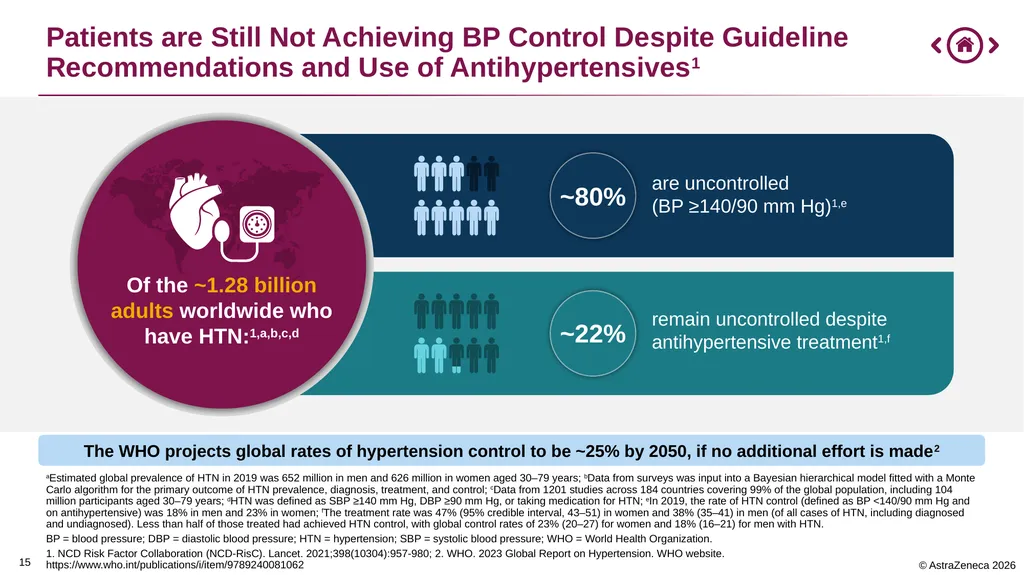
15
Patients are Still Not Achieving BP Control Despite Guideline Recommendations and Use of Antihypertensives1 14 aEstimated global prevalence of HTN in 2019 was 652 million in men and 626 million in women aged 30–79 years; bData from surveys was input into a Bayesian hierarchical model fitted with a Monte Carlo algorithm for the primary outcome of HTN prevalence, diagnosis, treatment, and control; cData from 1201 studies across 184 countries covering 99% of the global population, including 104 million participants aged 30–79 years; dHTN was defined as SBP ≥140 mm Hg, DBP ≥90 mm Hg, or taking medication for HTN; eIn 2019, the rate of HTN control (defined as BP <140/90 mm Hg and on antihypertensive) was 18% in men and 23% in women; fThe treatment rate was 47% (95% credible interval, 43–51) in women and 38% (35–41) in men (of all cases of HTN, including diagnosed and undiagnosed). Less than half of those treated had achieved HTN control, with global control rates of 23% (20–27) for women and 18% (16–21) for men with HTN.
BP = blood pressure; DBP = diastolic blood pressure; HTN = hypertension; SBP = systolic blood pressure; WHO = World Health Organization.
1. NCD Risk Factor Collaboration (NCD-RisC). Lancet. 2021;398(10304):957-980; 2. WHO. 2023 Global Report on Hypertension. WHO website. https://www.who.int/publications/i/item/9789240081062 The WHO projects global rates of hypertension control to be ~25% by 2050, if no additional effort is made2 .<br>
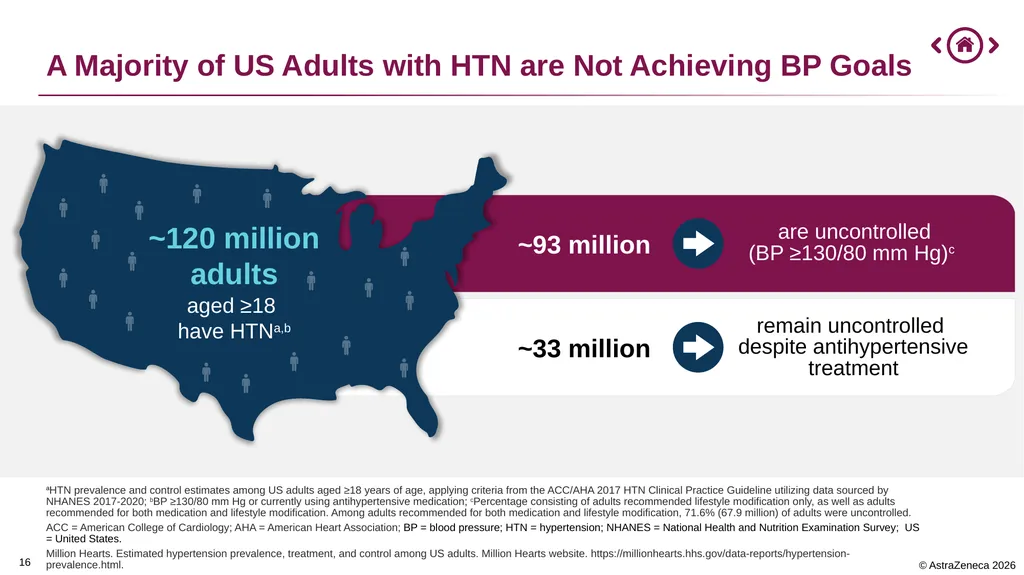
16
A Majority of US Adults with HTN are Not Achieving BP Goals aHTN prevalence and control estimates among US adults aged ≥18 years of age, applying criteria from the ACC/AHA 2017 HTN Clinical Practice Guideline utilizing data sourced by NHANES 2017-2020; bBP ≥130/80 mm Hg or currently using antihypertensive medication; cPercentage consisting of adults recommended lifestyle modification only, as well as adults recommended for both medication and lifestyle modification. Among adults recommended for both medication and lifestyle modification, 71.6% (67.9 million) of adults were uncontrolled.
ACC = American College of Cardiology; AHA = American Heart Association; BP = blood pressure; HTN = hypertension; NHANES = National Health and Nutrition Examination Survey; US = United States.
Million Hearts. Estimated hypertension prevalence, treatment, and control among US adults. Million Hearts website. https://millionhearts.hhs.gov/data-reports/hypertension-prevalence.html. 15 .<br>
17
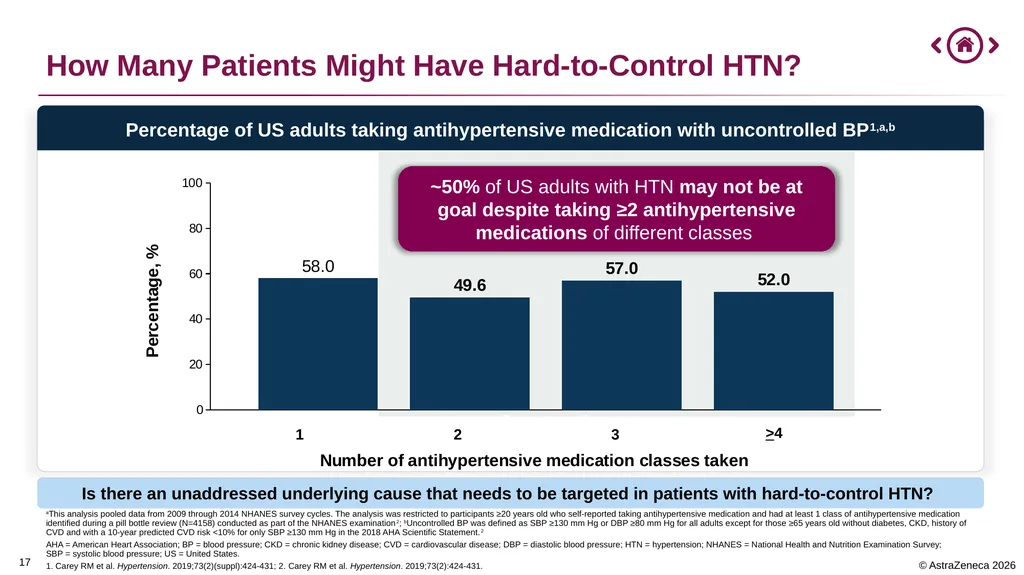
How Many Patients Might Have Hard-to-Control HTN? 16 aThis analysis pooled data from 2009 through 2014 NHANES survey cycles. The analysis was restricted to participants ≥20 years old who self-reported taking antihypertensive medication and had at least 1 class of antihypertensive medication identified during a pill bottle review (N=4158) conducted as part of the NHANES examination2; bUncontrolled BP was defined as SBP ≥130 mm Hg or DBP ≥80 mm Hg for all adults except for those ≥65 years old without diabetes, CKD, history of CVD and with a 10-year predicted CVD risk <10% for only SBP ≥130 mm Hg in the 2018 AHA Scientific Statement.2
AHA = American Heart Association; BP = blood pressure; CKD = chronic kidney disease; CVD = cardiovascular disease; DBP = diastolic blood pressure; HTN = hypertension; NHANES = National Health and Nutrition Examination Survey; SBP = systolic blood pressure; US = United States.
1. Carey RM et al. Hypertension. 2019;73(2)(suppl):424-431; 2. Carey RM et al. Hypertension. 2019;73(2):424-431. ~50% of US adults with HTN may not be at goal despite taking ≥2 antihypertensive medications of different classes Is there an unaddressed underlying cause that needs to be targeted in patients with hard-to-control HTN? .<br>
18
Aldosterone: An Under-Recognized Driver of HTN HTN = hypertension. .<br>
19
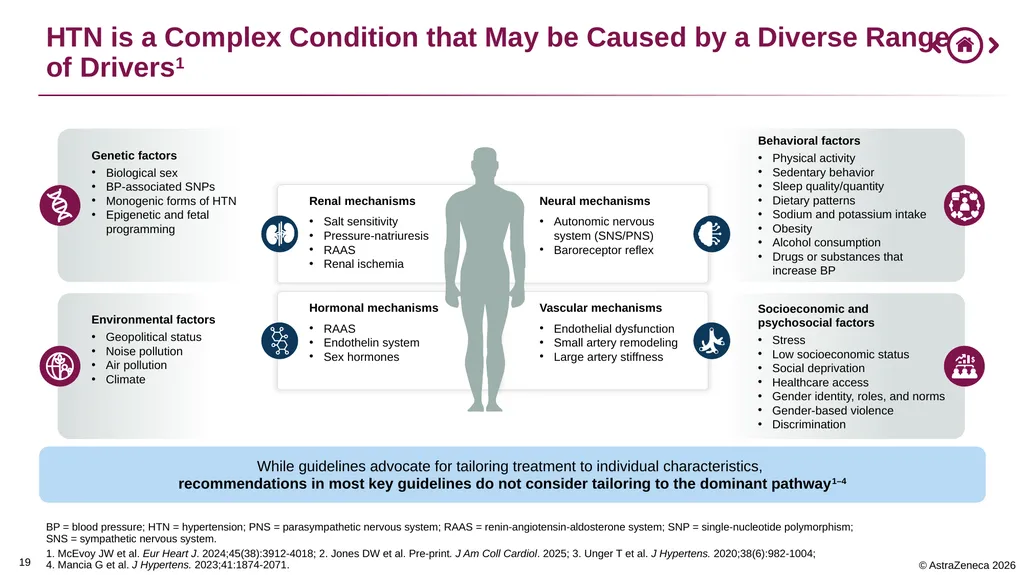
HTN is a Complex Condition that May be Caused by a Diverse Range
of Drivers1 18 BP = blood pressure; HTN = hypertension; PNS = parasympathetic nervous system; RAAS = renin-angiotensin-aldosterone system; SNP = single-nucleotide polymorphism; SNS = sympathetic nervous system.
1. McEvoy JW et al. Eur Heart J. 2024;45(38):3912-4018; 2. Jones DW et al. Pre-print. J Am Coll Cardiol. 2025; 3. Unger T et al. J Hypertens. 2020;38(6):982-1004; 4. Mancia G et al. J Hypertens. 2023;41:1874-2071. .<br>
1. McEvoy JW et al. Eur Heart J. 2024;45(38):3912-4018; 2. Jones DW et al. Pre-print. J Am Coll Cardiol. 2025; 3. Unger T et al. J Hypertens. 2020;38(6):982-1004; 4. Mancia G et al. J Hypertens. 2023;41:1874-2071. .<br>
20
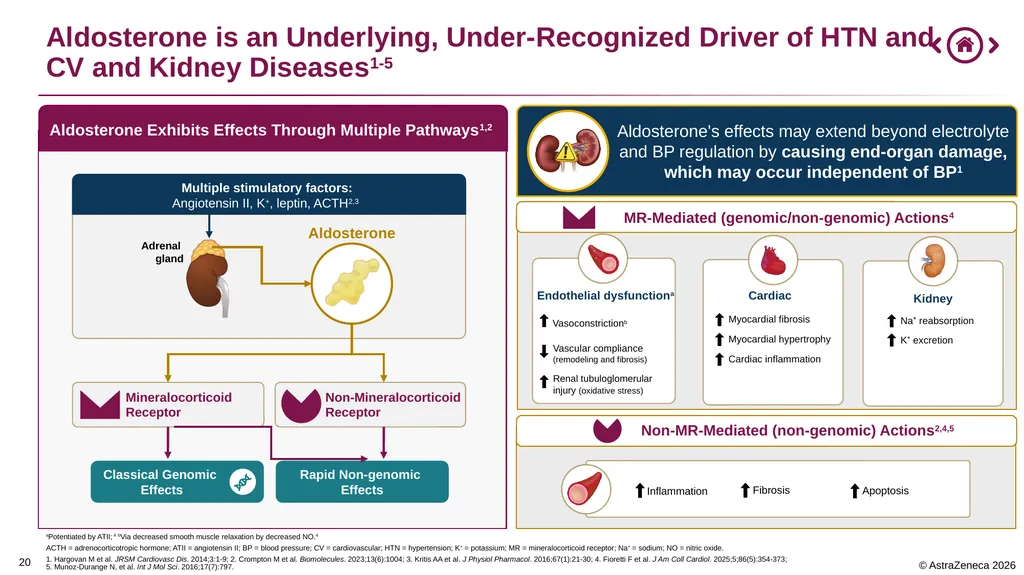
Aldosterone is an Underlying, Under-Recognized Driver of HTN and
CV and Kidney Diseases1-5 aPotentiated by ATII; 4 bVia decreased smooth muscle relaxation by decreased NO.4
ACTH = adrenocorticotropic hormone; ATII = angiotensin II; BP = blood pressure; CV = cardiovascular; HTN = hypertension; K+ = potassium; MR = mineralocorticoid receptor; Na+ = sodium; NO = nitric oxide.
1. Hargovan M et al. JRSM Cardiovasc Dis. 2014;3:1-9; 2. Crompton M et al. Biomolecules. 2023;13(6):1004; 3. Kritis AA et al. J Physiol Pharmacol. 2016;67(1):21-30; 4. Fioretti F et al. J Am Coll Cardiol. 2025;5;86(5):354-373; 5. Munoz-Durange N, et al. Int J Mol Sci. 2016;17(7):797. 19 . Aldosterone Exhibits Effects Through Multiple Pathways1,2 Endothelial dysfunctiona Inflammation Apoptosis Aldosterone's effects may extend beyond electrolyte and BP regulation by causing end-organ damage, which may occur independent of BP1 MR-Mediated (genomic/non-genomic) Actions4 Non-MR-Mediated (non-genomic) Actions2,4,5 .<br>
21
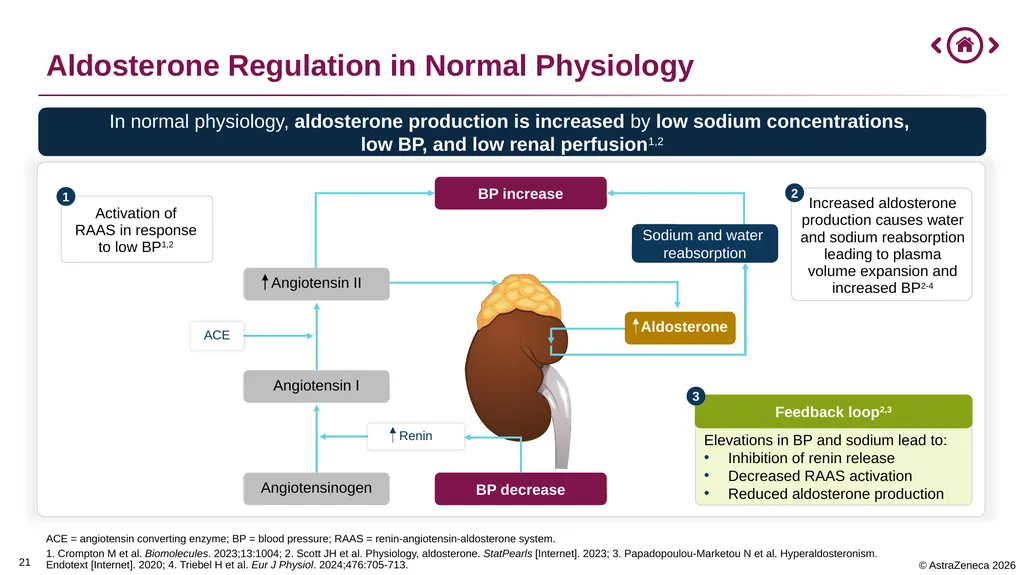
Aldosterone Regulation in Normal Physiology 20 ACE = angiotensin converting enzyme; BP = blood pressure; RAAS = renin-angiotensin-aldosterone system.
1. Crompton M et al. Biomolecules. 2023;13:1004; 2. Scott JH et al. Physiology, aldosterone. StatPearls [Internet]. 2023; 3. Papadopoulou-Marketou N et al. Hyperaldosteronism. Endotext [Internet]. 2020; 4. Triebel H et al. Eur J Physiol. 2024;476:705-713. In normal physiology, aldosterone production is increased by low sodium concentrations,
low BP, and low renal perfusion1,2 1 Activation of RAAS in response to low BP1,2 Increased aldosterone production causes water and sodium reabsorption leading to plasma volume expansion and increased BP2-4 2 Elevations in BP and sodium lead to:
Inhibition of renin release
Decreased RAAS activation
Reduced aldosterone production Feedback loop2,3 3 . .<br>
22
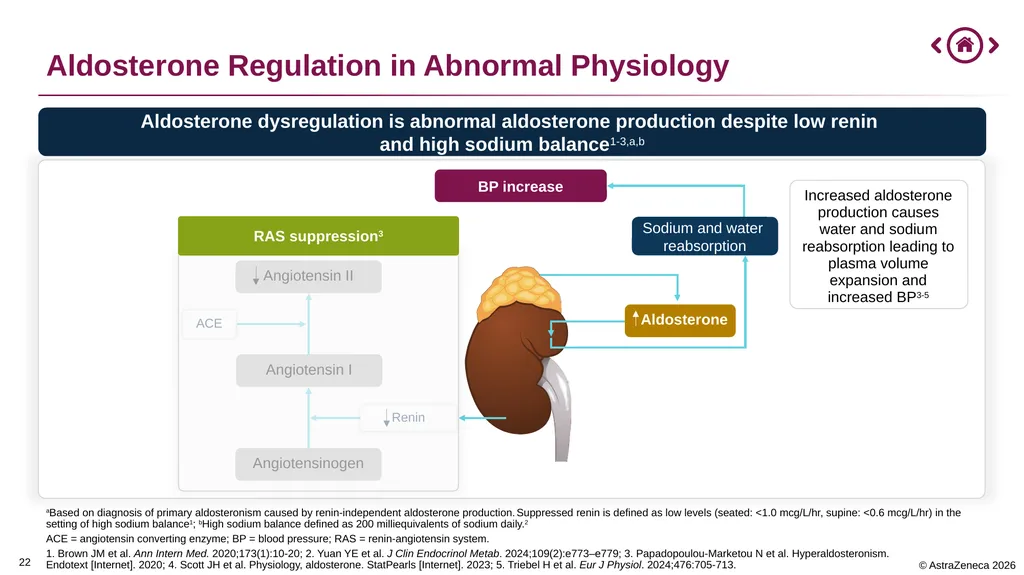
Aldosterone Regulation in Abnormal Physiology 21 aBased on diagnosis of primary aldosteronism caused by renin-independent aldosterone production. Suppressed renin is defined as low levels (seated: <1.0 mcg/L/hr, supine: <0.6 mcg/L/hr) in the setting of high sodium balance1; bHigh sodium balance defined as 200 milliequivalents of sodium daily.2
ACE = angiotensin converting enzyme; BP = blood pressure; RAS = renin-angiotensin system.
1. Brown JM et al. Ann Intern Med. 2020;173(1):10-20; 2. Yuan YE et al. J Clin Endocrinol Metab. 2024;109(2):e773–e779; 3. Papadopoulou-Marketou N et al. Hyperaldosteronism. Endotext [Internet]. 2020; 4. Scott JH et al. Physiology, aldosterone. StatPearls [Internet]. 2023; 5. Triebel H et al. Eur J Physiol. 2024;476:705-713. Increased aldosterone production causes water and sodium reabsorption leading to plasma volume expansion and increased BP3-5 Angiotensinogen ACE BP increase Renin Sodium and water reabsorption Angiotensin II Aldosterone Angiotensin I RAS suppression3 Aldosterone dysregulation is abnormal aldosterone production despite low renin
and high sodium balance1-3,a,b .<br>
23
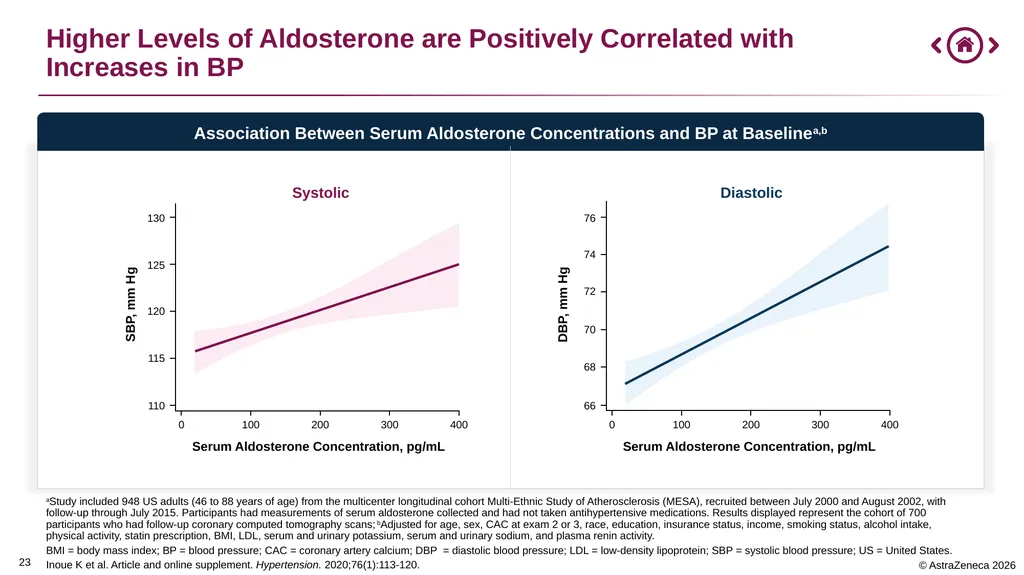
Higher Levels of Aldosterone are Positively Correlated with
Increases in BP 22 aStudy included 948 US adults (46 to 88 years of age) from the multicenter longitudinal cohort Multi-Ethnic Study of Atherosclerosis (MESA), recruited between July 2000 and August 2002, with follow-up through July 2015. Participants had measurements of serum aldosterone collected and had not taken antihypertensive medications. Results displayed represent the cohort of 700 participants who had follow-up coronary computed tomography scans; bAdjusted for age, sex, CAC at exam 2 or 3, race, education, insurance status, income, smoking status, alcohol intake,
physical activity, statin prescription, BMI, LDL, serum and urinary potassium, serum and urinary sodium, and plasma renin activity.
BMI = body mass index; BP = blood pressure; CAC = coronary artery calcium; DBP = diastolic blood pressure; LDL = low-density lipoprotein; SBP = systolic blood pressure; US = United States.
Inoue K et al. Article and online supplement. Hypertension. 2020;76(1):113-120. Association Between Serum Aldosterone Concentrations and BP at Baselinea,b .<br>
24
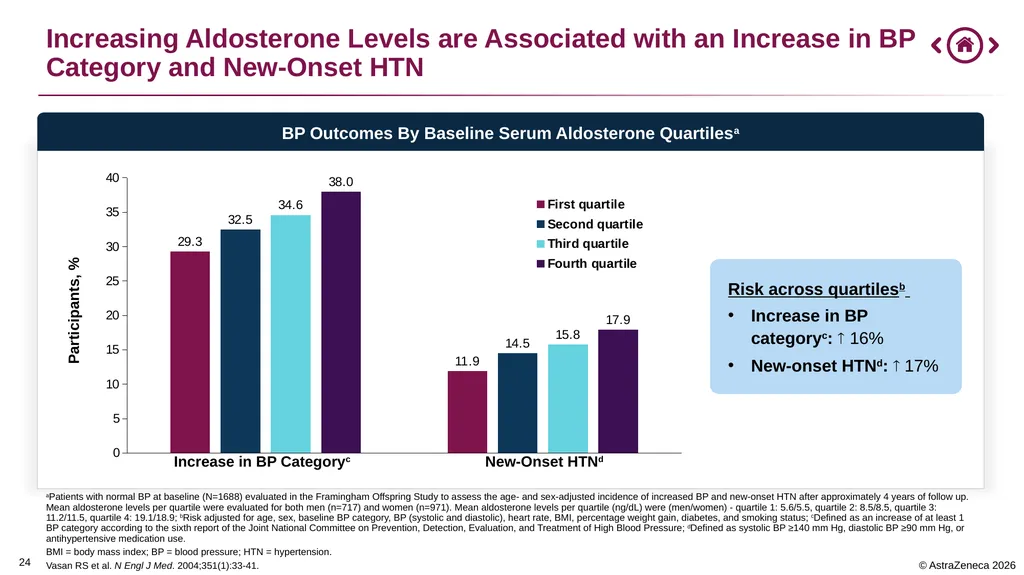
Increasing Aldosterone Levels are Associated with an Increase in BP Category and New-Onset HTN aPatients with normal BP at baseline (N=1688) evaluated in the Framingham Offspring Study to assess the age- and sex-adjusted incidence of increased BP and new-onset HTN after approximately 4 years of follow up. Mean aldosterone levels per quartile were evaluated for both men (n=717) and women (n=971). Mean aldosterone levels per quartile (ng/dL) were (men/women) - quartile 1: 5.6/5.5, quartile 2: 8.5/8.5, quartile 3: 11.2/11.5, quartile 4: 19.1/18.9; bRisk adjusted for age, sex, baseline BP category, BP (systolic and diastolic), heart rate, BMI, percentage weight gain, diabetes, and smoking status; cDefined as an increase of at least 1 BP category according to the sixth report of the Joint National Committee on Prevention, Detection, Evaluation, and Treatment of High Blood Pressure; dDefined as systolic BP ≥140 mm Hg, diastolic BP ≥90 mm Hg, or antihypertensive medication use.
BMI = body mass index; BP = blood pressure; HTN = hypertension.
Vasan RS et al. N Engl J Med. 2004;351(1):33-41. 23 Participants, % BP Outcomes By Baseline Serum Aldosterone Quartilesa Risk across quartilesb
Increase in BP categoryc: 16%
New-onset HTNd: 17% Increase in BP Categoryc New-Onset HTNd .<br>
25
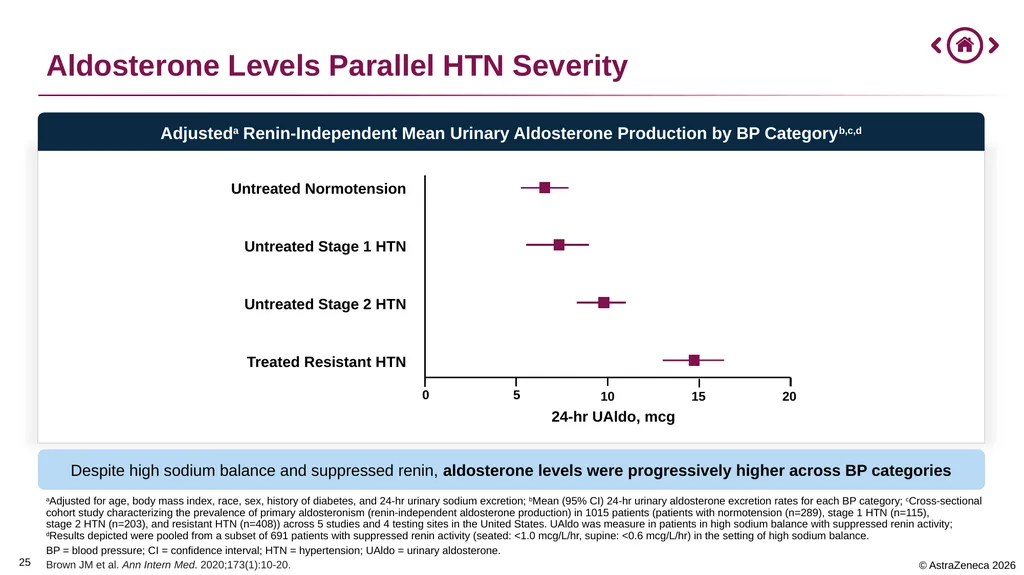
Aldosterone Levels Parallel HTN Severity aAdjusted for age, body mass index, race, sex, history of diabetes, and 24-hr urinary sodium excretion; bMean (95% CI) 24-hr urinary aldosterone excretion rates for each BP category; cCross-sectional cohort study characterizing the prevalence of primary aldosteronism (renin-independent aldosterone production) in 1015 patients (patients with normotension (n=289), stage 1 HTN (n=115),
stage 2 HTN (n=203), and resistant HTN (n=408)) across 5 studies and 4 testing sites in the United States. UAldo was measure in patients in high sodium balance with suppressed renin activity; dResults depicted were pooled from a subset of 691 patients with suppressed renin activity (seated: <1.0 mcg/L/hr, supine: <0.6 mcg/L/hr) in the setting of high sodium balance.
BP = blood pressure; CI = confidence interval; HTN = hypertension; UAldo = urinary aldosterone.
Brown JM et al. Ann Intern Med. 2020;173(1):10-20. 24 Despite high sodium balance and suppressed renin, aldosterone levels were progressively higher across BP categories Adjusteda Renin-Independent Mean Urinary Aldosterone Production by BP Categoryb,c,d .<br>
26
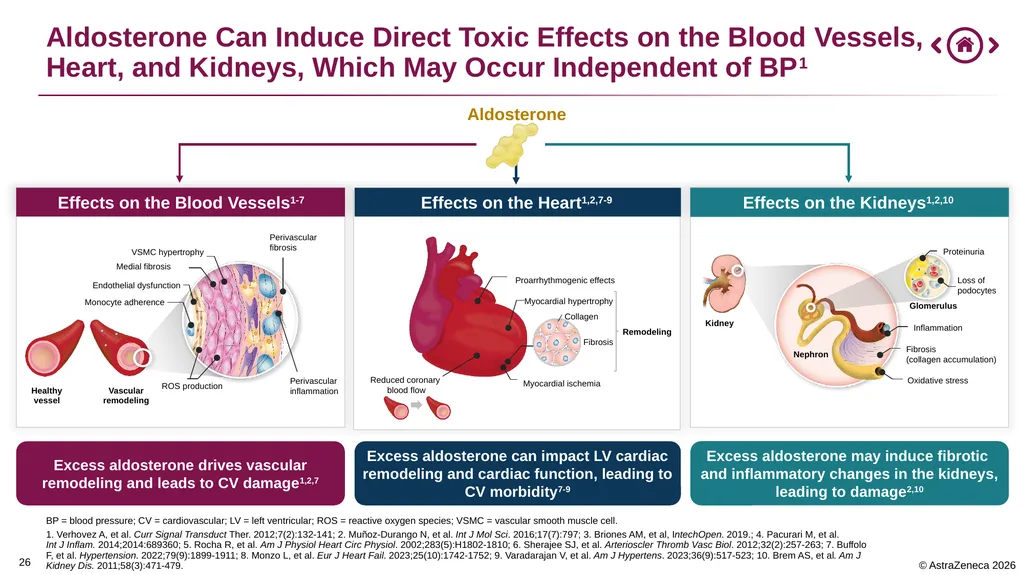
Aldosterone Can Induce Direct Toxic Effects on the Blood Vessels, Heart, and Kidneys, Which May Occur Independent of BP1 25 BP = blood pressure; CV = cardiovascular; LV = left ventricular; ROS = reactive oxygen species; VSMC = vascular smooth muscle cell.
1. Verhovez A, et al. Curr Signal Transduct Ther. 2012;7(2):132-141; 2. Muñoz-Durango N, et al. Int J Mol Sci. 2016;17(7):797; 3. Briones AM, et al, IntechOpen. 2019.; 4. Pacurari M, et al. Int J Inflam. 2014;2014:689360; 5. Rocha R, et al. Am J Physiol Heart Circ Physiol. 2002;283(5):H1802-1810; 6. Sherajee SJ, et al. Arterioscler Thromb Vasc Biol. 2012;32(2):257-263; 7. Buffolo F, et al. Hypertension. 2022;79(9):1899-1911; 8. Monzo L, et al. Eur J Heart Fail. 2023;25(10):1742-1752; 9. Varadarajan V, et al. Am J Hypertens. 2023;36(9):517-523; 10. Brem AS, et al. Am J Kidney Dis. 2011;58(3):471-479. Aldosterone Effects on the Blood Vessels1-7 Effects on the Heart1,2,7-9 Effects on the Kidneys1,2,10 Excess aldosterone drives vascular remodeling and leads to CV damage1,2,7 Excess aldosterone can impact LV cardiac remodeling and cardiac function, leading to CV morbidity7-9 Excess aldosterone may induce fibrotic and inflammatory changes in the kidneys, leading to damage2,10 .<br>
1. Verhovez A, et al. Curr Signal Transduct Ther. 2012;7(2):132-141; 2. Muñoz-Durango N, et al. Int J Mol Sci. 2016;17(7):797; 3. Briones AM, et al, IntechOpen. 2019.; 4. Pacurari M, et al. Int J Inflam. 2014;2014:689360; 5. Rocha R, et al. Am J Physiol Heart Circ Physiol. 2002;283(5):H1802-1810; 6. Sherajee SJ, et al. Arterioscler Thromb Vasc Biol. 2012;32(2):257-263; 7. Buffolo F, et al. Hypertension. 2022;79(9):1899-1911; 8. Monzo L, et al. Eur J Heart Fail. 2023;25(10):1742-1752; 9. Varadarajan V, et al. Am J Hypertens. 2023;36(9):517-523; 10. Brem AS, et al. Am J Kidney Dis. 2011;58(3):471-479. Aldosterone Effects on the Blood Vessels1-7 Effects on the Heart1,2,7-9 Effects on the Kidneys1,2,10 Excess aldosterone drives vascular remodeling and leads to CV damage1,2,7 Excess aldosterone can impact LV cardiac remodeling and cardiac function, leading to CV morbidity7-9 Excess aldosterone may induce fibrotic and inflammatory changes in the kidneys, leading to damage2,10 .<br>
27
Aldosterone Dysregulation is Associated with an Increased
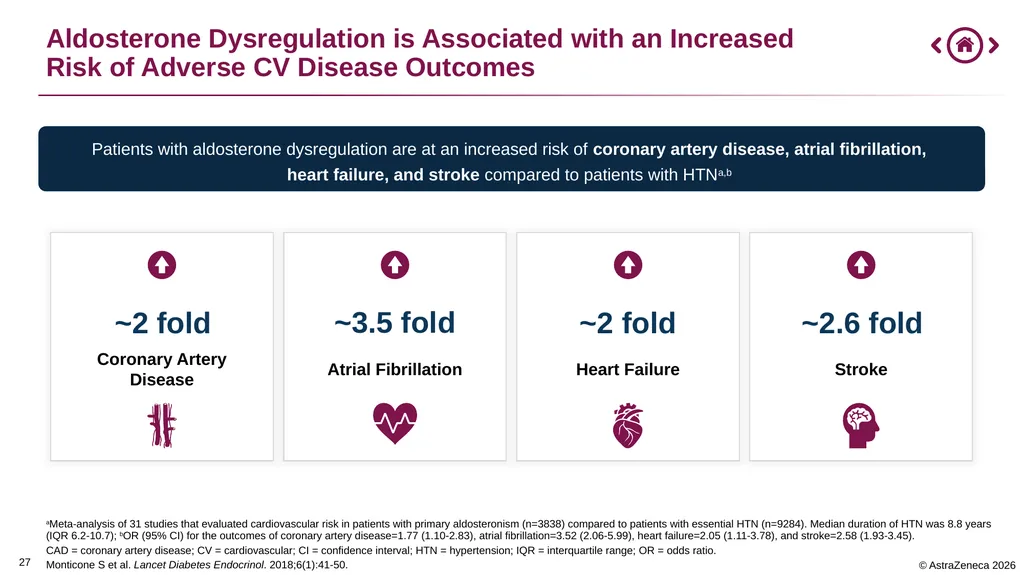
Risk of Adverse CV Disease Outcomes aMeta-analysis of 31 studies that evaluated cardiovascular risk in patients with primary aldosteronism (n=3838) compared to patients with essential HTN (n=9284). Median duration of HTN was 8.8 years (IQR 6.2-10.7); bOR (95% CI) for the outcomes of coronary artery disease=1.77 (1.10-2.83), atrial fibrillation=3.52 (2.06-5.99), heart failure=2.05 (1.11-3.78), and stroke=2.58 (1.93-3.45).
CAD = coronary artery disease; CV = cardiovascular; CI = confidence interval; HTN = hypertension; IQR = interquartile range; OR = odds ratio.
Monticone S et al. Lancet Diabetes Endocrinol. 2018;6(1):41-50. 26 Patients with aldosterone dysregulation are at an increased risk of coronary artery disease, atrial fibrillation, heart failure, and stroke compared to patients with HTNa,b .<br>
28
Aldosterone Dysregulation is Associated with an Increased
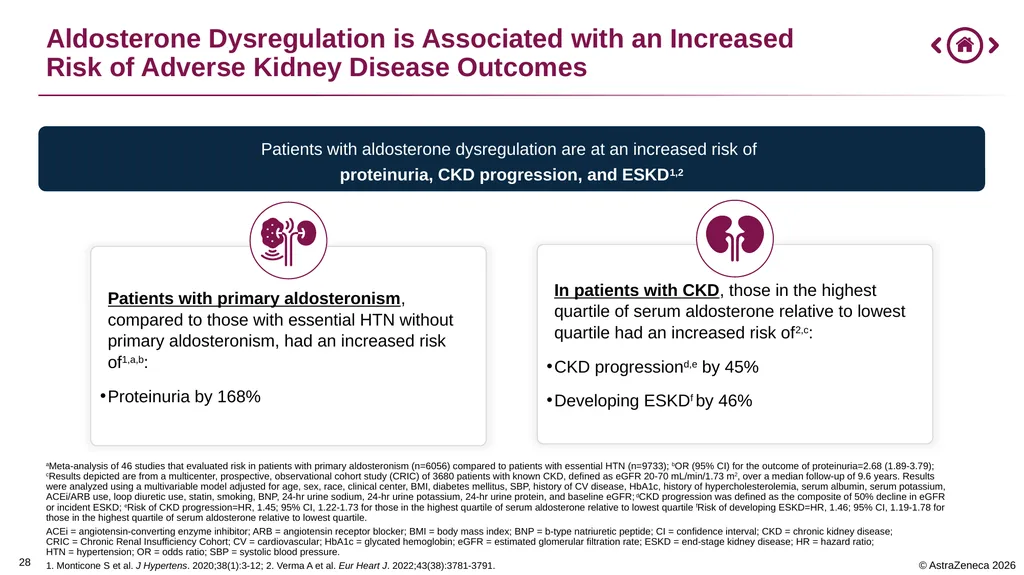
Risk of Adverse Kidney Disease Outcomes aMeta-analysis of 46 studies that evaluated risk in patients with primary aldosteronism (n=6056) compared to patients with essential HTN (n=9733); bOR (95% CI) for the outcome of proteinuria=2.68 (1.89-3.79); cResults depicted are from a multicenter, prospective, observational cohort study (CRIC) of 3680 patients with known CKD, defined as eGFR 20-70 mL/min/1.73 m2, over a median follow-up of 9.6 years. Results were analyzed using a multivariable model adjusted for age, sex, race, clinical center, BMI, diabetes mellitus, SBP, history of CV disease, HbA1c, history of hypercholesterolemia, serum albumin, serum potassium, ACEi/ARB use, loop diuretic use, statin, smoking, BNP, 24-hr urine sodium, 24-hr urine potassium, 24-hr urine protein, and baseline eGFR; dCKD progression was defined as the composite of 50% decline in eGFR or incident ESKD; eRisk of CKD progression=HR, 1.45; 95% CI, 1.22-1.73 for those in the highest quartile of serum aldosterone relative to lowest quartile fRisk of developing ESKD=HR, 1.46; 95% CI, 1.19-1.78 for those in the highest quartile of serum aldosterone relative to lowest quartile.
ACEi = angiotensin-converting enzyme inhibitor; ARB = angiotensin receptor blocker; BMI = body mass index; BNP = b-type natriuretic peptide; CI = confidence interval; CKD = chronic kidney disease; CRIC = Chronic Renal Insufficiency Cohort; CV = cardiovascular; HbA1c = glycated hemoglobin; eGFR = estimated glomerular filtration rate; ESKD = end-stage kidney disease; HR = hazard ratio; HTN = hypertension; OR = odds ratio; SBP = systolic blood pressure.
1. Monticone S et al. J Hypertens. 2020;38(1):3-12; 2. Verma A et al. Eur Heart J. 2022;43(38):3781-3791. 27 In patients with CKD, those in the highest quartile of serum aldosterone relative to lowest quartile had an increased risk of2,c:
CKD progressiond,e by 45%
Developing ESKDf by 46% Patients with primary aldosteronism, compared to those with essential HTN without primary aldosteronism, had an increased risk of1,a,b:
Proteinuria by 168% Patients with aldosterone dysregulation are at an increased risk of proteinuria, CKD progression, and ESKD1,2 .<br>
29
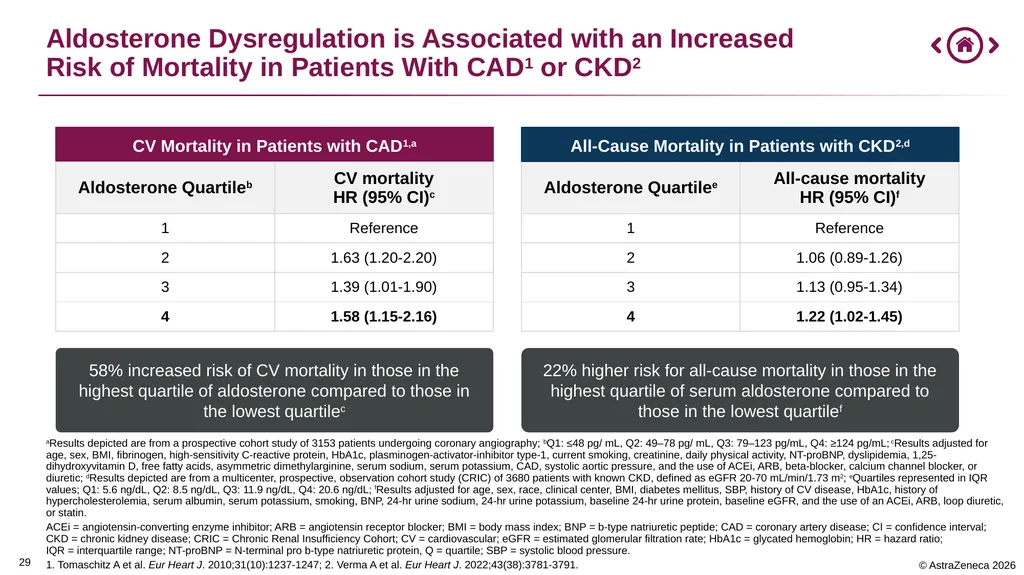
Aldosterone Dysregulation is Associated with an Increased
Risk of Mortality in Patients With CAD1 or CKD2 28 aResults depicted are from a prospective cohort study of 3153 patients undergoing coronary angiography; bQ1: ≤48 pg/ mL, Q2: 49–78 pg/ mL, Q3: 79–123 pg/mL, Q4: ≥124 pg/mL; cResults adjusted for age, sex, BMI, fibrinogen, high-sensitivity C-reactive protein, HbA1c, plasminogen-activator-inhibitor type-1, current smoking, creatinine, daily physical activity, NT-proBNP, dyslipidemia, 1,25-dihydroxyvitamin D, free fatty acids, asymmetric dimethylarginine, serum sodium, serum potassium, CAD, systolic aortic pressure, and the use of ACEi, ARB, beta-blocker, calcium channel blocker, or diuretic; dResults depicted are from a multicenter, prospective, observation cohort study (CRIC) of 3680 patients with known CKD, defined as eGFR 20-70 mL/min/1.73 m2; eQuartiles represented in IQR values; Q1: 5.6 ng/dL, Q2: 8.5 ng/dL, Q3: 11.9 ng/dL, Q4: 20.6 ng/dL; fResults adjusted for age, sex, race, clinical center, BMI, diabetes mellitus, SBP, history of CV disease, HbA1c, history of hypercholesterolemia, serum albumin, serum potassium, smoking, BNP, 24-hr urine sodium, 24-hr urine potassium, baseline 24-hr urine protein, baseline eGFR, and the use of an ACEi, ARB, loop diuretic, or statin.
ACEi = angiotensin-converting enzyme inhibitor; ARB = angiotensin receptor blocker; BMI = body mass index; BNP = b-type natriuretic peptide; CAD = coronary artery disease; CI = confidence interval; CKD = chronic kidney disease; CRIC = Chronic Renal Insufficiency Cohort; CV = cardiovascular; eGFR = estimated glomerular filtration rate; HbA1c = glycated hemoglobin; HR = hazard ratio; IQR = interquartile range; NT-proBNP = N-terminal pro b-type natriuretic protein, Q = quartile; SBP = systolic blood pressure.
1. Tomaschitz A et al. Eur Heart J. 2010;31(10):1237-1247; 2. Verma A et al. Eur Heart J. 2022;43(38):3781-3791. 22% higher risk for all-cause mortality in those in the highest quartile of serum aldosterone compared to those in the lowest quartilef 58% increased risk of CV mortality in those in the highest quartile of aldosterone compared to those in the lowest quartilec CV Mortality in Patients with CAD1,a All-Cause Mortality in Patients with CKD2,d .<br>
30
A New Era in HTN HTN = hypertension. .<br>
31
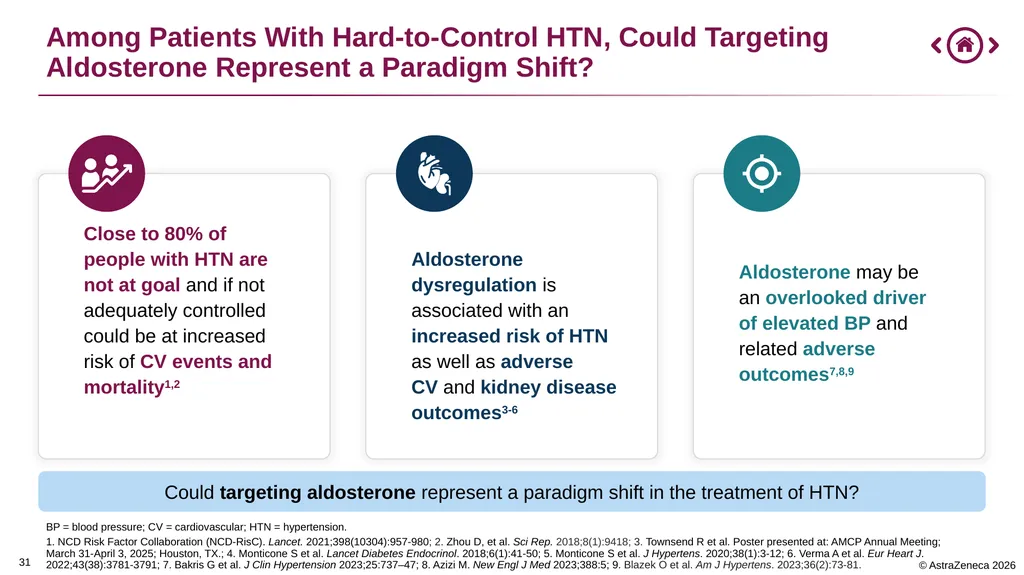
Among Patients With Hard-to-Control HTN, Could Targeting
Aldosterone Represent a Paradigm Shift? 30 BP = blood pressure; CV = cardiovascular; HTN = hypertension.
1. NCD Risk Factor Collaboration (NCD-RisC). Lancet. 2021;398(10304):957-980; 2. Zhou D, et al. Sci Rep. 2018;8(1):9418; 3. Townsend R et al. Poster presented at: AMCP Annual Meeting; March 31-April 3, 2025; Houston, TX.; 4. Monticone S et al. Lancet Diabetes Endocrinol. 2018;6(1):41-50; 5. Monticone S et al. J Hypertens. 2020;38(1):3-12; 6. Verma A et al. Eur Heart J. 2022;43(38):3781-3791; 7. Bakris G et al. J Clin Hypertension 2023;25:737–47; 8. Azizi M. New Engl J Med 2023;388:5; 9. Blazek O et al. Am J Hypertens. 2023;36(2):73-81. . Could targeting aldosterone represent a paradigm shift in the treatment of HTN?<br>
1. NCD Risk Factor Collaboration (NCD-RisC). Lancet. 2021;398(10304):957-980; 2. Zhou D, et al. Sci Rep. 2018;8(1):9418; 3. Townsend R et al. Poster presented at: AMCP Annual Meeting; March 31-April 3, 2025; Houston, TX.; 4. Monticone S et al. Lancet Diabetes Endocrinol. 2018;6(1):41-50; 5. Monticone S et al. J Hypertens. 2020;38(1):3-12; 6. Verma A et al. Eur Heart J. 2022;43(38):3781-3791; 7. Bakris G et al. J Clin Hypertension 2023;25:737–47; 8. Azizi M. New Engl J Med 2023;388:5; 9. Blazek O et al. Am J Hypertens. 2023;36(2):73-81. . Could targeting aldosterone represent a paradigm shift in the treatment of HTN?<br>
32
To find scientifically balanced, evidence-based information about AstraZeneca drugs and other medical resources... Created by AstraZeneca healthcare professionals for healthcare professionals Visit AZmedical.com Today 31<br>