1 Year Sem IV VII Subject Environmental Engineering and Disaster Management Unit - IV Presented by Prof. Omprakash Netula Prof. Omprakash Netula , Department of Civil Engineering, JECRC, JAIPUR JAIPUR ENGINEERING COLLEGE AND
"1 Year & Sem – IV & VII Subject –" is the property of its rightful owner. Permission is granted to
download and print the materials on this website for personal, non-commercial use only, and to display it
on your personal computer provided you do not modify the materials and that you retain all copyright
notices contained in the materials. By downloading content from our website, you accept the terms of this
agreement.
Presentation Transcript
01
1 Year & Sem – IV & VII
Subject – Environmental Engineering and Disaster Management
Unit - IV
Presented by – Prof. Omprakash Netula Prof. Omprakash Netula , Department of Civil Engineering, JECRC, JAIPUR JAIPUR ENGINEERING COLLEGE AND RESEARCH CENTRE 1<br>
02
1 VISSION AND MISSION OF INSTITUTE 2 Vision
To become a renowned center of outcome based learning, and work towards academic, professional, cultural and social enrichment of the lives of individuals and communities.
Mission
M-1: Focus on evaluation of learning outcomes and motivate students to inculcate research Aptitude by project based learning.
M-2: Identify, based on informed perception of Indian, Regional and global needs, areas of focus and provide platform to gain knowledge and solutions.
M-3: Offer opportunities for interaction between academia and industry.
M-4: Develop human potential to its fullest extent so that intellectually capable and imaginatively gifted leaders can emerge in a range of professions. Dr. Omprakash Netula (HOD & Professor, Department of Civil Engineering)<br>
03
1 VISSION AND MISSION OF DEPARTMENT 3 VISION
To become a role model in the field of Civil Engineering for the sustainable development of the society.
MISSION
To provide outcome base education.
To create a learning environment conducive for achieving academic excellence.
To prepare civil engineers for the society with high ethical values. Dr. Omprakash Netula (HOD & Professor, Department of Civil Engineering)<br>
04
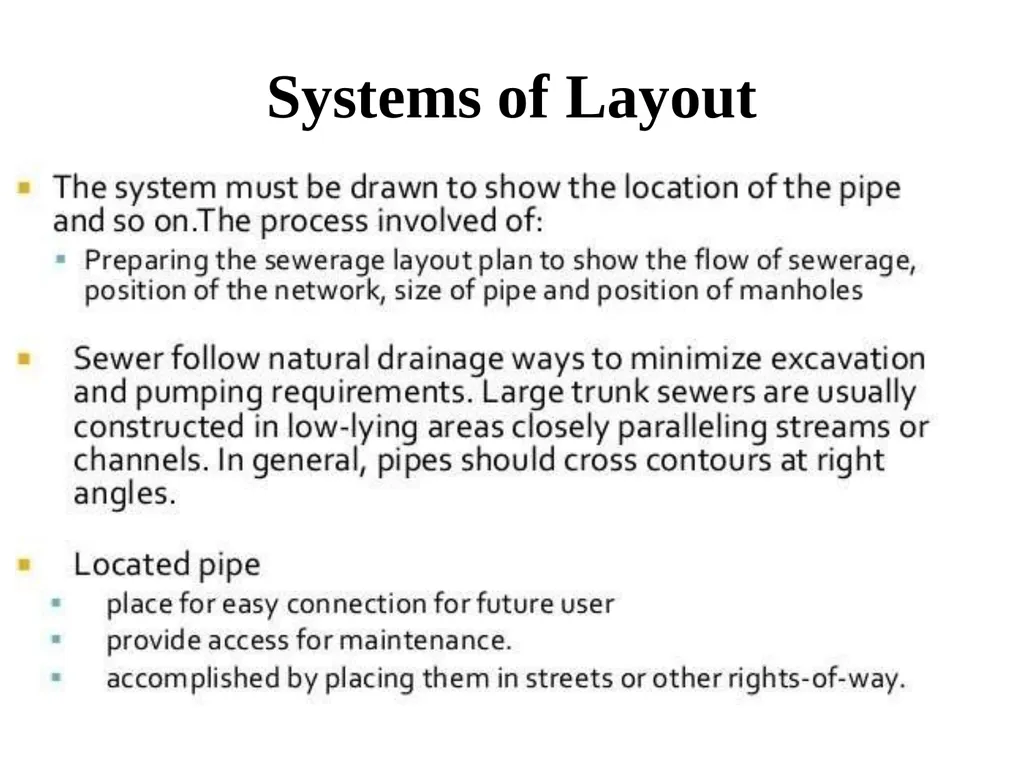
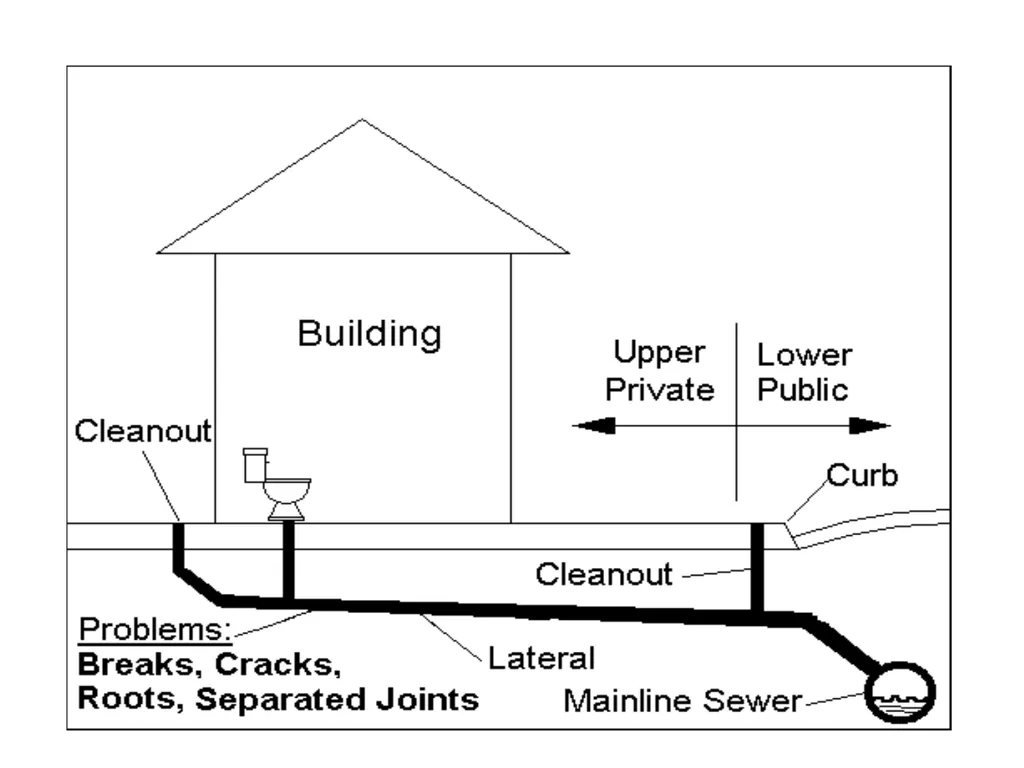
Collection of Sewage A system of sewer pipes (sewers) collects sewage and takes it for treatment or disposal. The system of sewers is called sewerage or sewerage system,
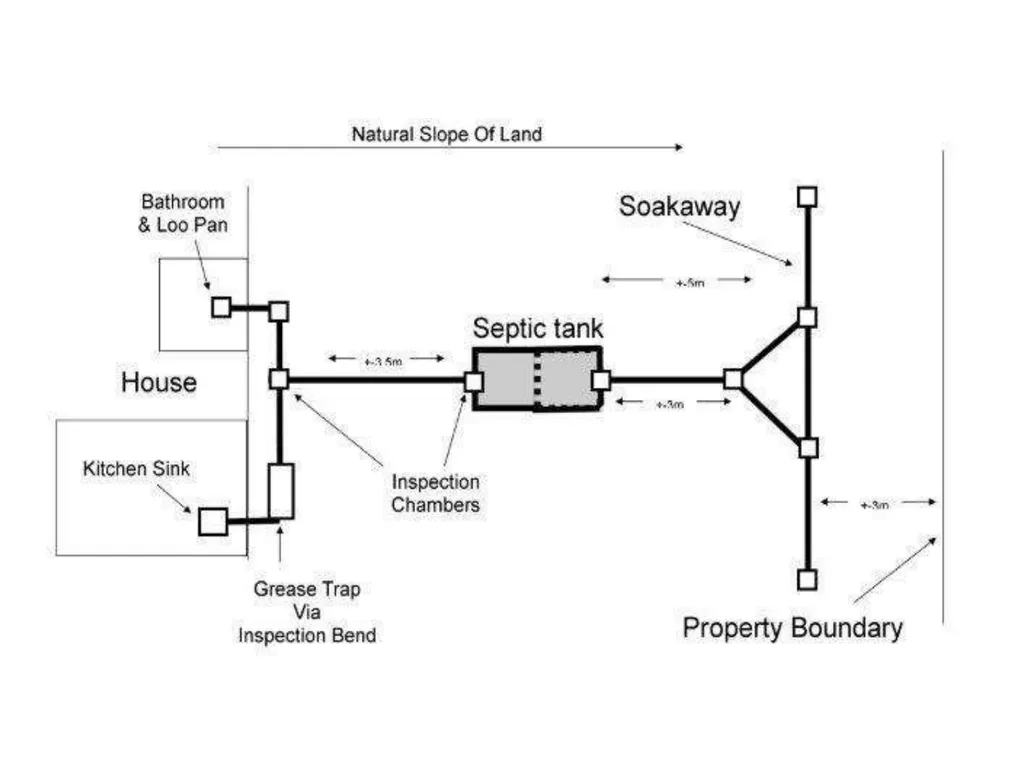
Where a main sewerage system has not been provided, sewage may be collected from homes by pipes into septic tanks or cesspits, where it may be treated or collected in vehicles and taken for treatment or disposal.<br>
05
Properly functioning septic tanks require emptying every 2–5 years depending on the load of the system.<br>
06
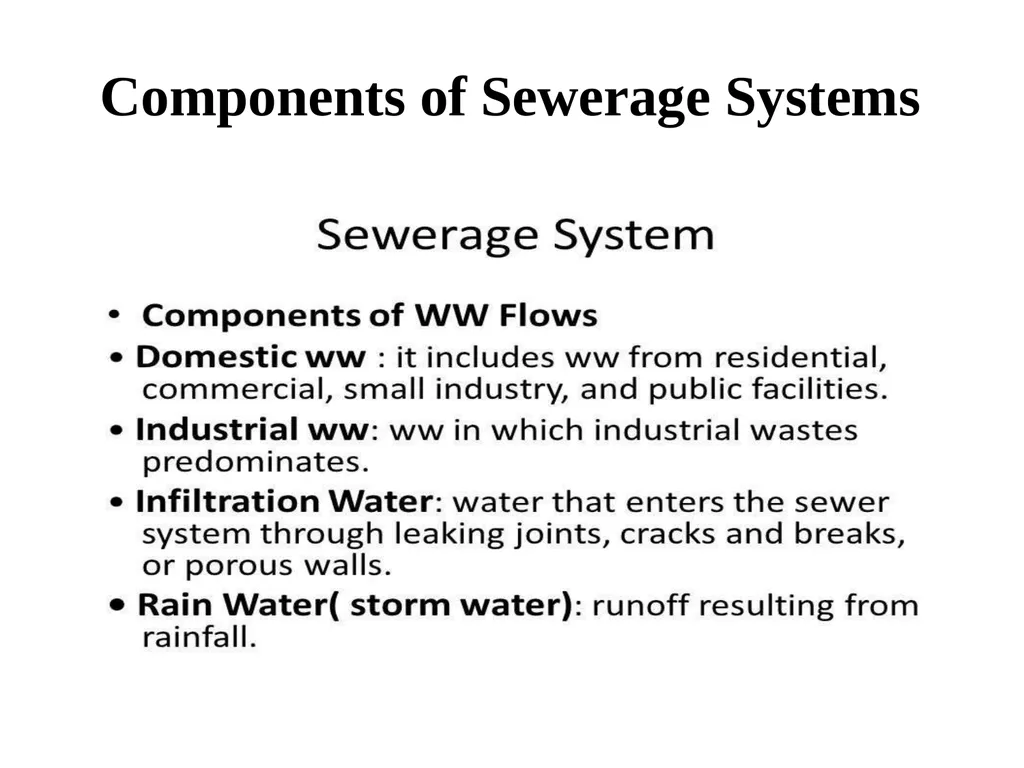
Sewerage system Sewerage system, network of pipes, pumps, and force mains for the collection of wastewater, or sewage, from a community.
Modern sewerage systems fall under two categories: domestic and industrial sewers and storm sewers.
Sometimes a combined system provides only one network of pipes, mains, and outfall sewers for all types of sewage and runoff.<br>
07
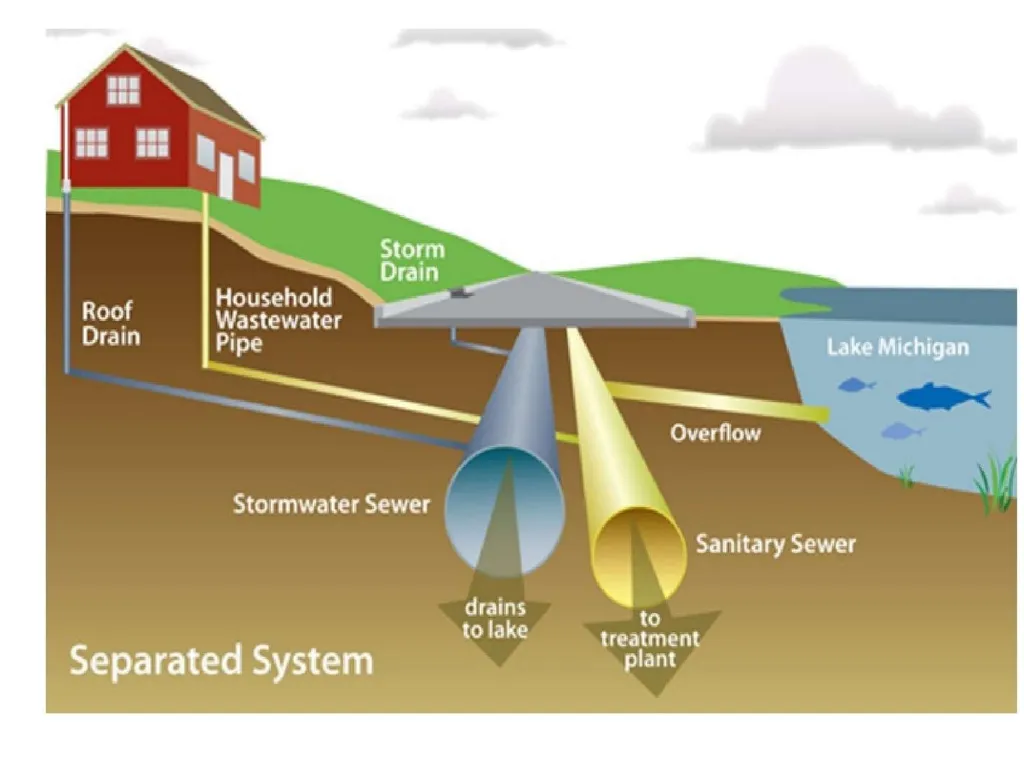
The preferred system, however, provides one network of sewers for domestic and industrial waste, which is generally treated before discharge, and a separate network for storm runoff, which may be diverted to temporary detention basins or piped directly to a point of disposal in a stream or river.<br>
08
Sewerage Systems Types It is the system and infrastructure of collecting, treating and disposal of sewage.
There are three sewerage systems types:-
1. Separate System
2. Partially Separated System
3. Combined System<br>
09
1. Separate Sewerage System In this system the sanitary sewage and storm water are carried separately in two sets of sewers.
The sewage is conveyed to waste water treatment plant (WWTP) and the storm water is discharges into rivers without treatment.<br>
10
The separated system is suitable when separate outlet for storm water is available and the topography is such that storm water can be disposed of in natural drains<br>
11
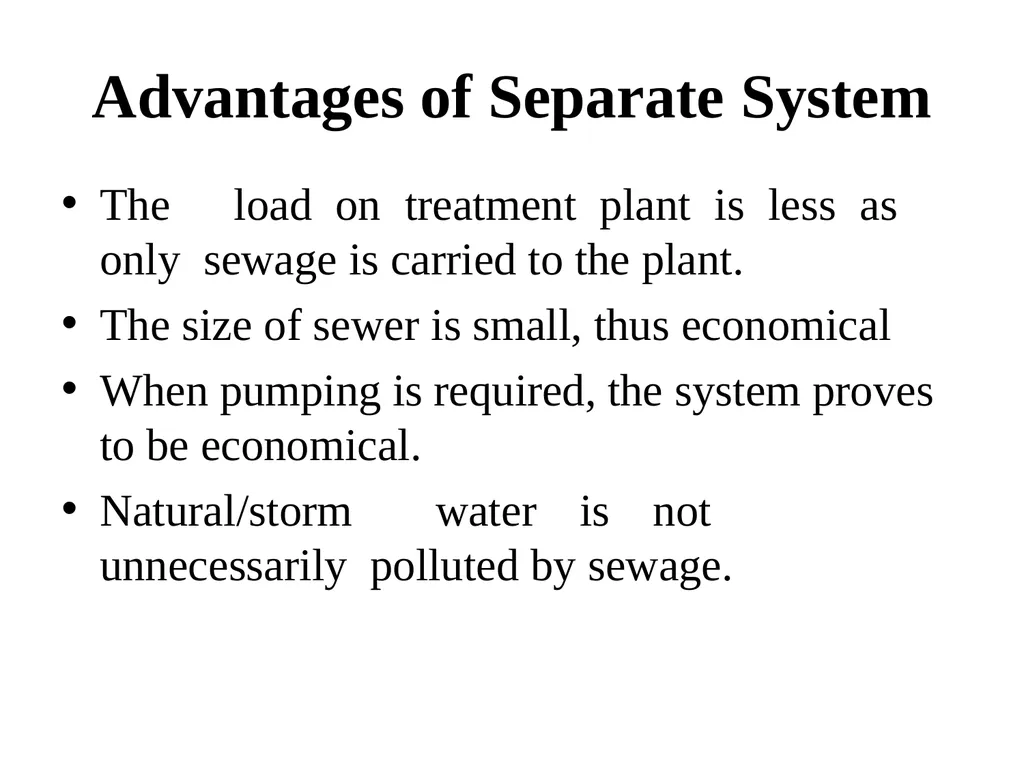
Advantages of Separate System The load on treatment plant is less as only sewage is carried to the plant.
The size of sewer is small, thus economical
When pumping is required, the system proves to be economical.
Natural/storm water is not unnecessarily polluted by sewage.<br>
12
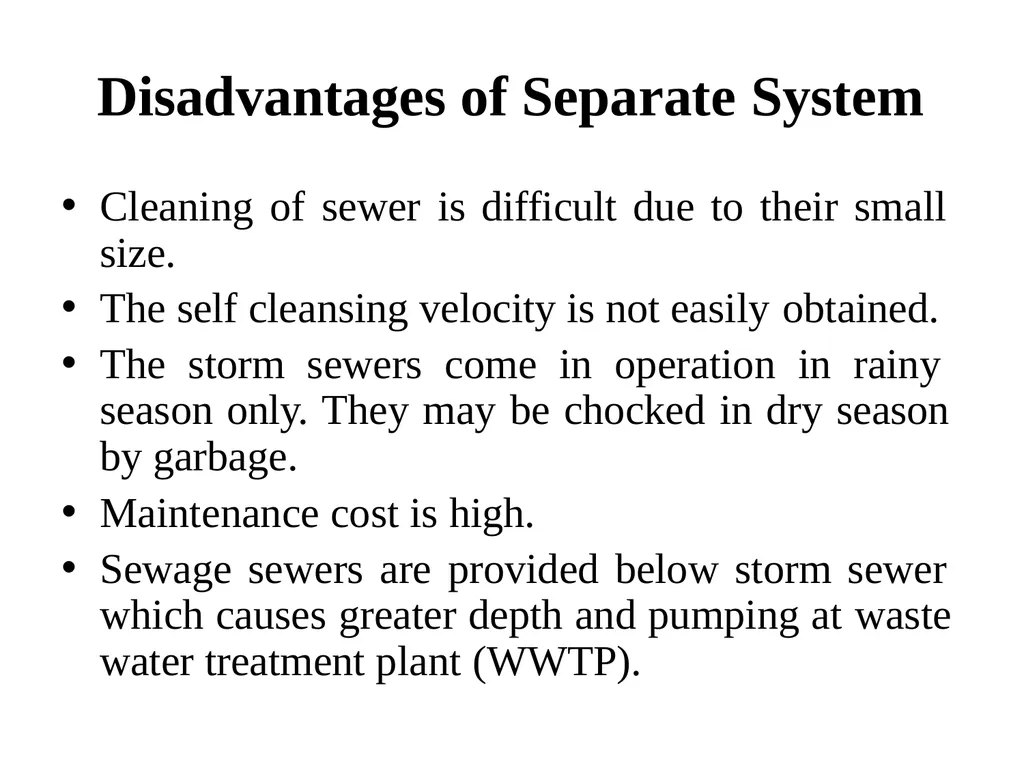
Disadvantages of Separate System Cleaning of sewer is difficult due to their small size.
The self cleansing velocity is not easily obtained.
The storm sewers come in operation in rainy season only. They may be chocked in dry season by garbage.
Maintenance cost is high.
Sewage sewers are provided below storm sewer which causes greater depth and pumping at waste water treatment plant (WWTP).<br>
13
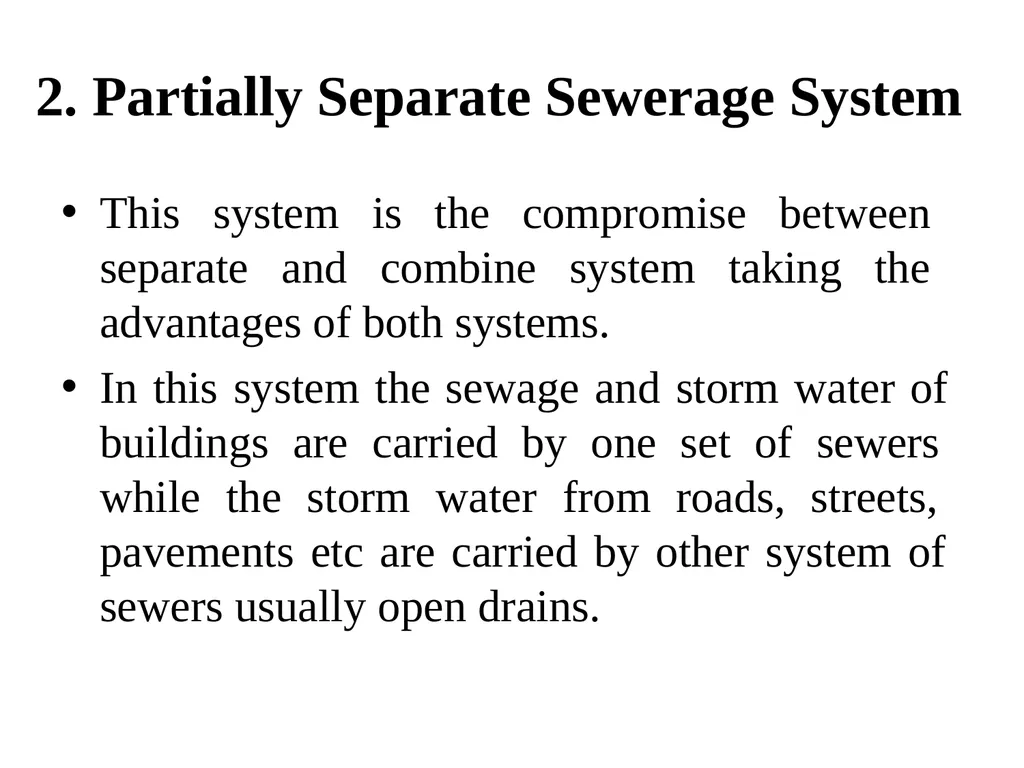
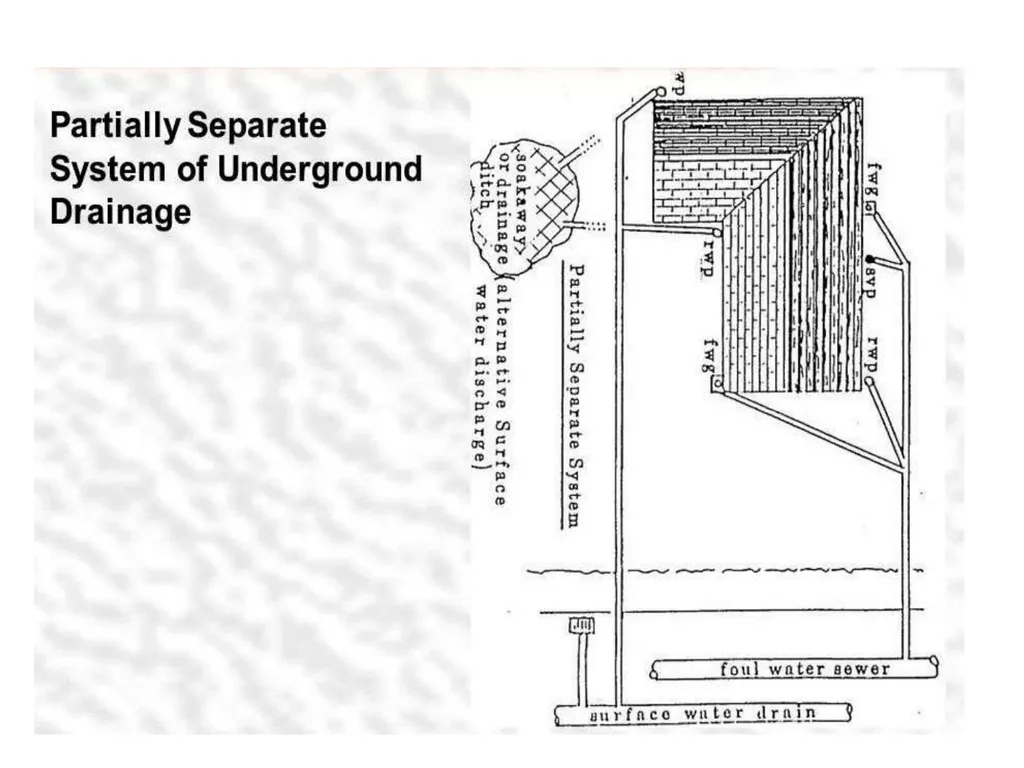
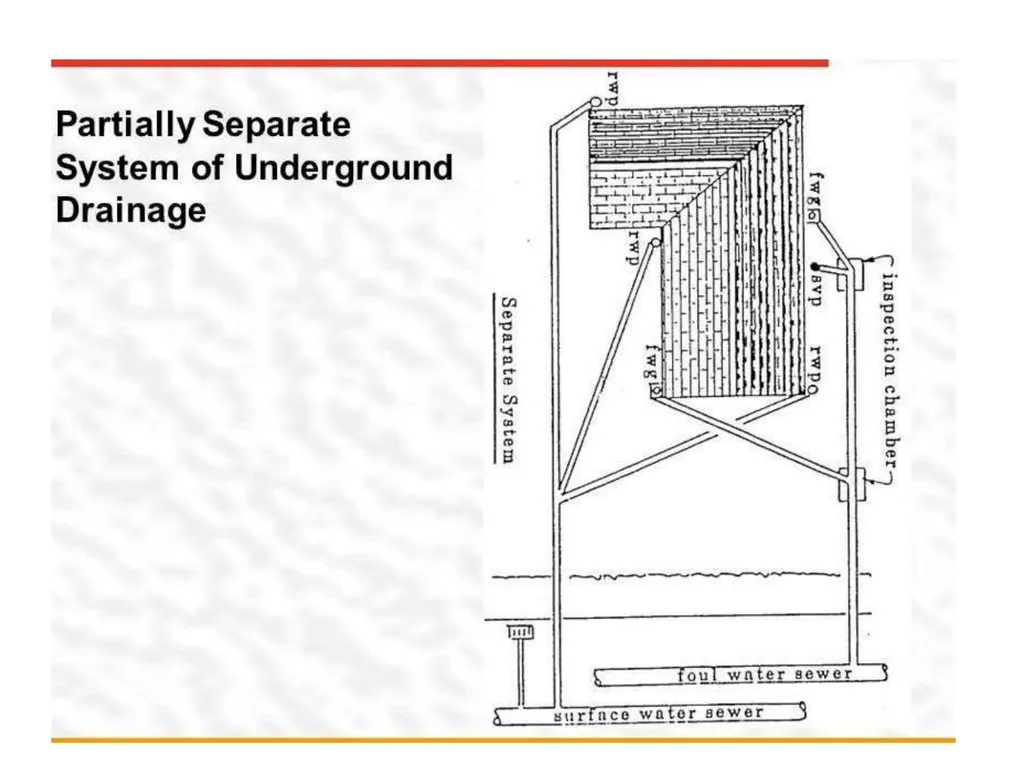
2. Partially Separate Sewerage System This system is the compromise between separate and combine system taking the advantages of both systems.
In this system the sewage and storm water of buildings are carried by one set of sewers while the storm water from roads, streets, pavements etc are carried by other system of sewers usually open drains.<br>
14
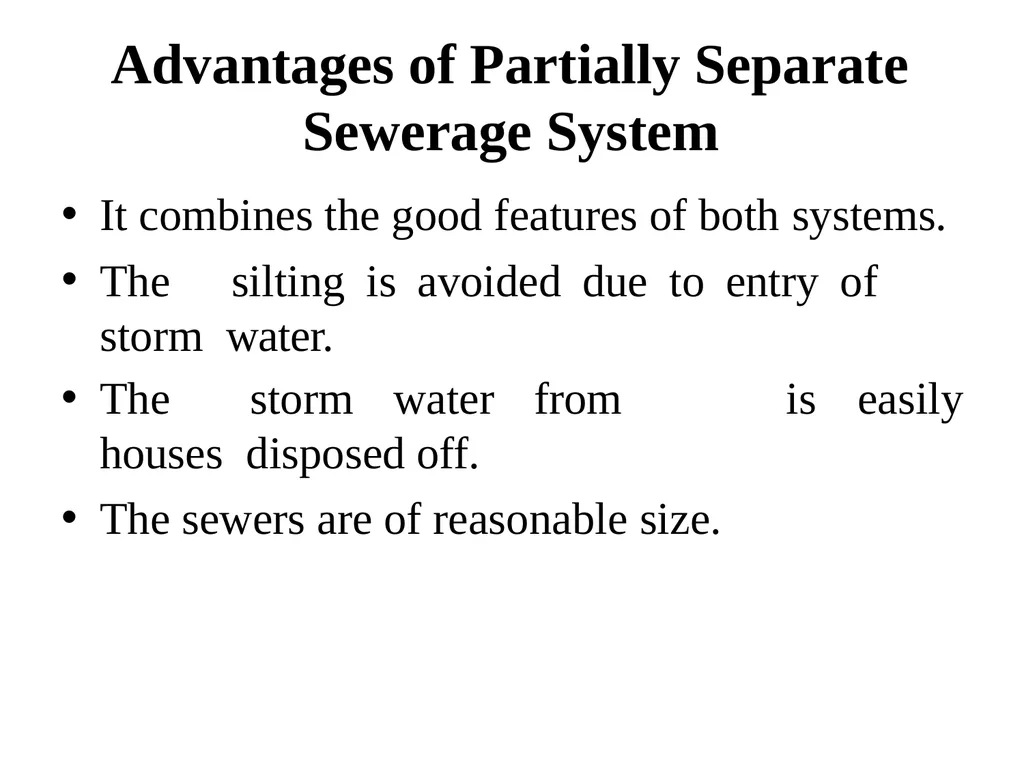
Advantages of Partially Separate Sewerage System It combines the good features of both systems.
The silting is avoided due to entry of storm water. The storm water from houses disposed off.
The sewers are of reasonable size. is easily<br>
15
Disadvantages of Partially Separate Sewerage System A very small fraction of bad features of combined system are there in partially separated system.<br>
16
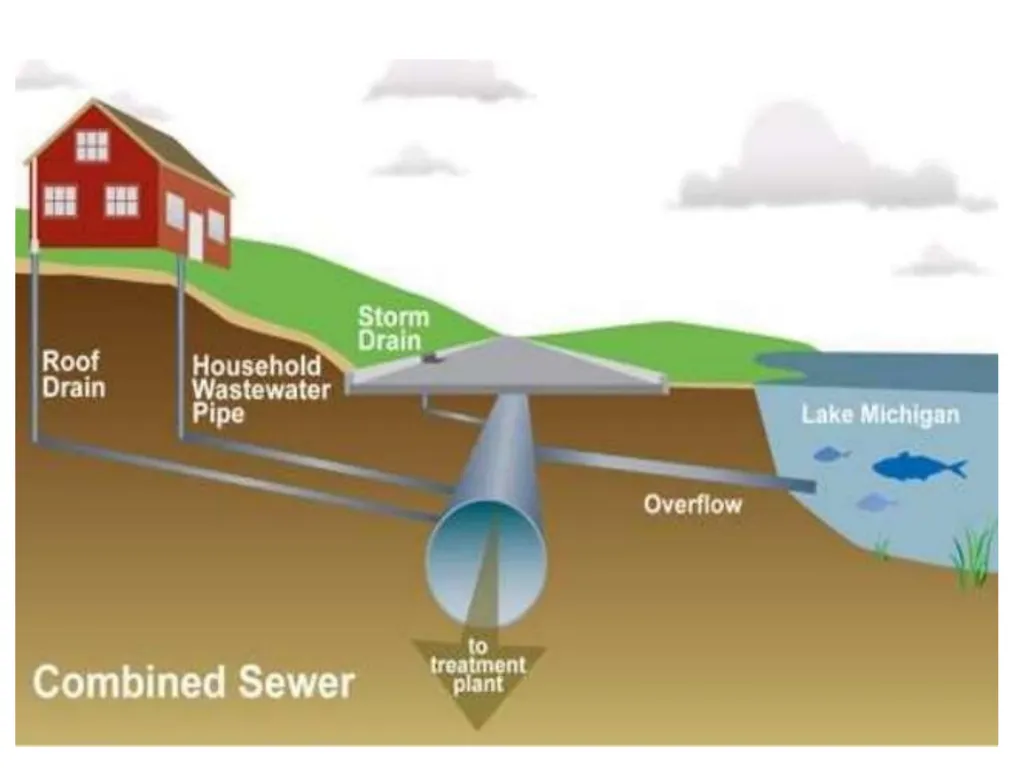
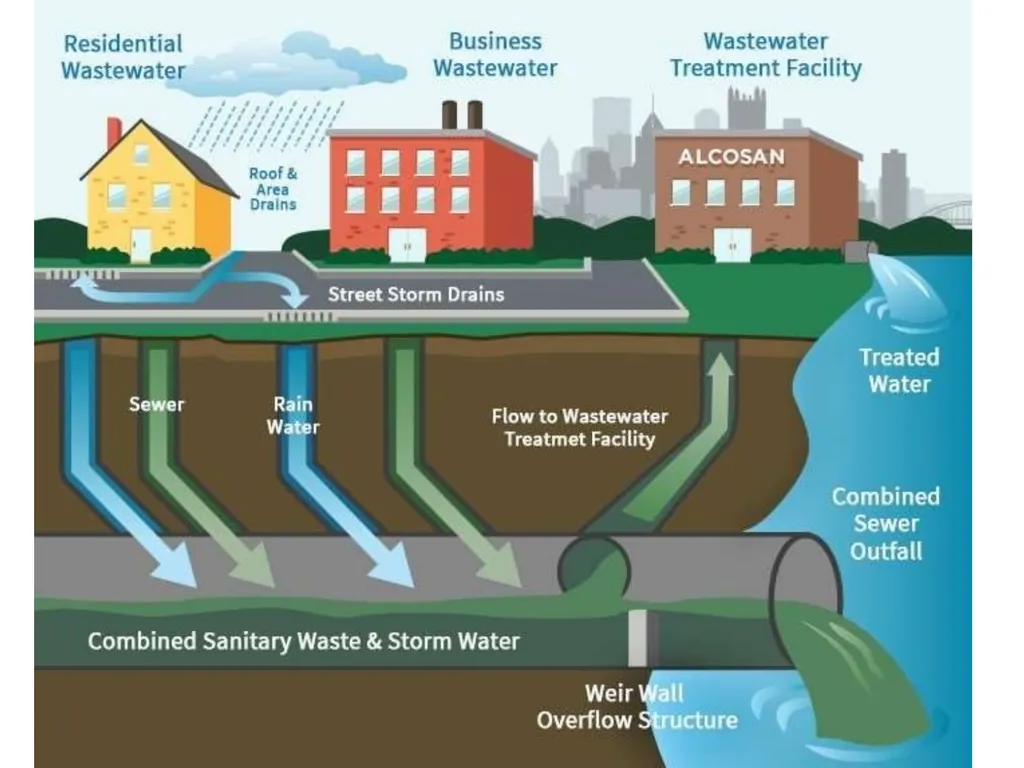
3. Combined Sewerage System In this system the sewage and storm water are carried combine in only one set of sewers to the waste water treatment Plant (WWTP) before disposal.<br>
17
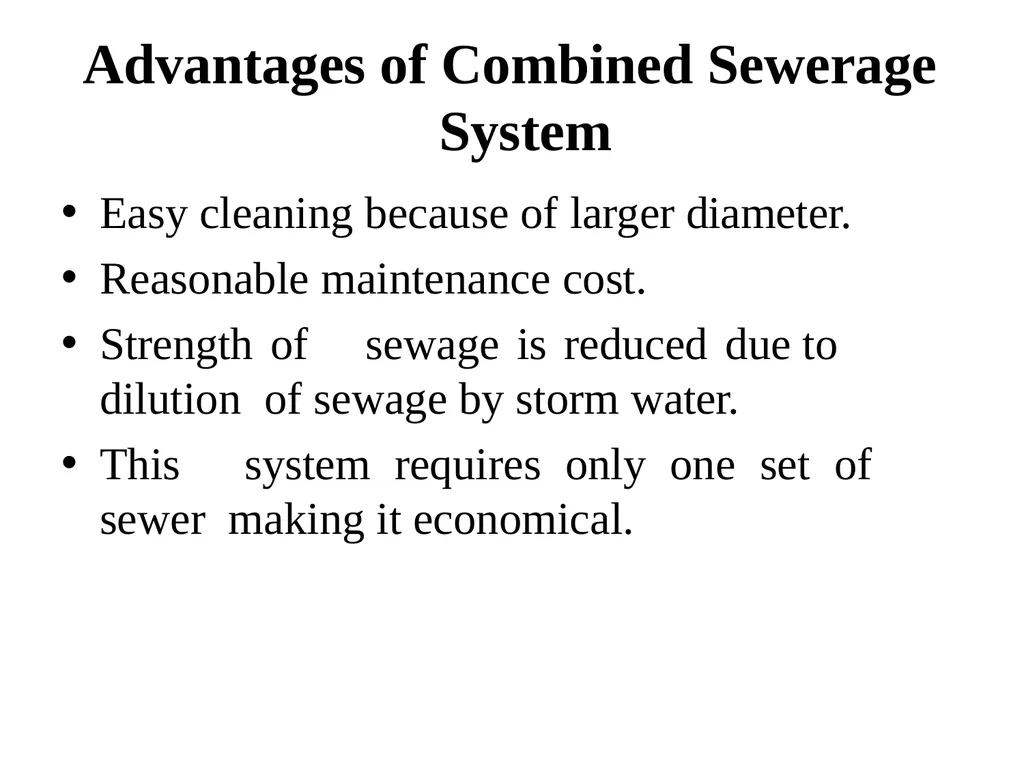
Advantages of Combined Sewerage System Easy cleaning because of larger diameter.
Reasonable maintenance cost.
Strength of sewage is reduced due to dilution of sewage by storm water.
This system requires only one set of sewer making it economical.<br>
18
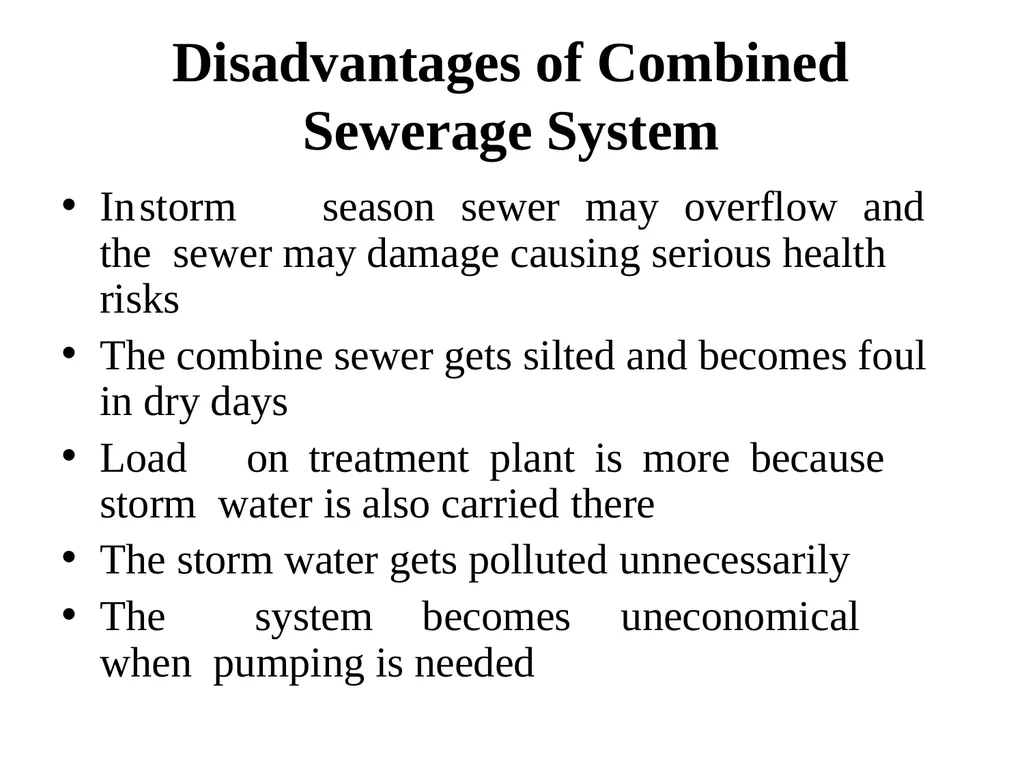
Disadvantages of Combined Sewerage System In storm season sewer may overflow and the sewer may damage causing serious health risks
The combine sewer gets silted and becomes foul in dry days
Load on treatment plant is more because storm water is also carried there
The storm water gets polluted unnecessarily
The system becomes uneconomical when pumping is needed<br>