
2009 AAVLD Internal Bacteriology Quality Assurance
CP
Published · 32 slides · 0 views

1 / 1








Description
2009 AAVLD Internal Bacteriology Quality Assurance Survey Results Case 1 According to the history provided, a 10 year old female spayed Dalmatian presented with a 5-day history of anorexia and polydipsia, several weeks of decreased
Related Topics
Share
Embed code
Download this presentation From Below
"2009 AAVLD Internal Bacteriology Quality Assurance" is the property of its rightful owner. Permission is granted to download and print the materials on this website for personal, non-commercial use only, and to display it on your personal computer provided you do not modify the materials and that you retain all copyright notices contained in the materials. By downloading content from our website, you accept the terms of this agreement.
Presentation Transcript
01
2009 AAVLD
Internal Bacteriology Quality Assurance Survey Results<br>
02
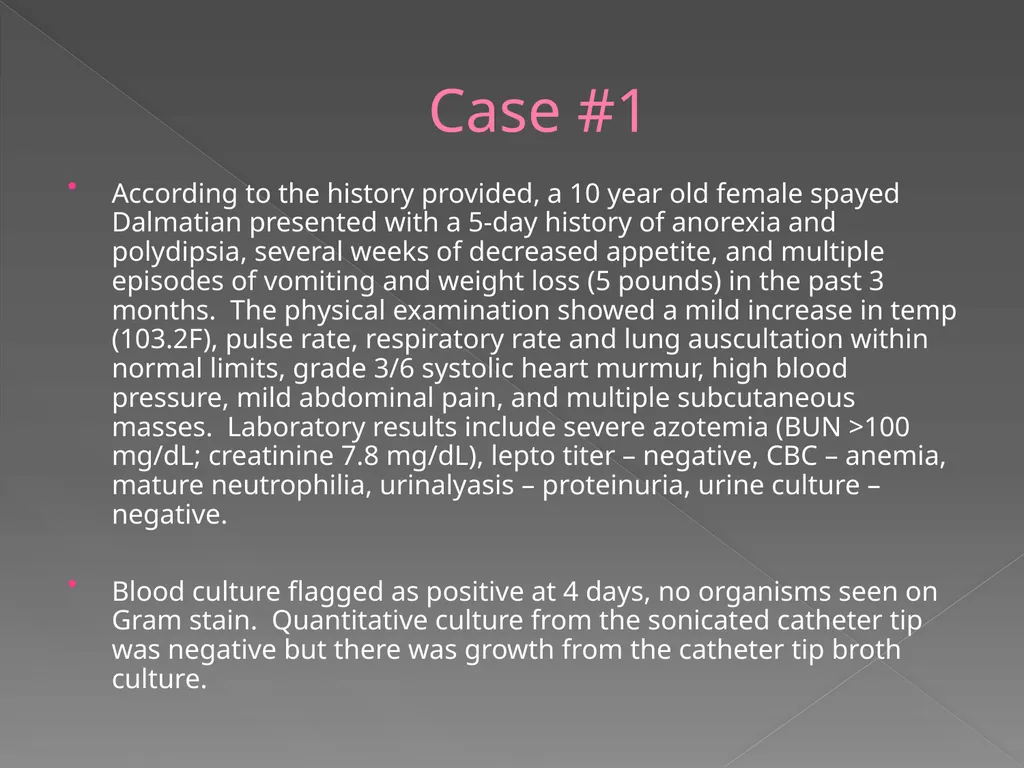
Case #1 According to the history provided, a 10 year old female spayed Dalmatian presented with a 5-day history of anorexia and polydipsia, several weeks of decreased appetite, and multiple episodes of vomiting and weight loss (5 pounds) in the past 3 months. The physical examination showed a mild increase in temp (103.2F), pulse rate, respiratory rate and lung auscultation within normal limits, grade 3/6 systolic heart murmur, high blood pressure, mild abdominal pain, and multiple subcutaneous masses. Laboratory results include severe azotemia (BUN >100 mg/dL; creatinine 7.8 mg/dL), lepto titer – negative, CBC – anemia, mature neutrophilia, urinalyasis – proteinuria, urine culture – negative.
Blood culture flagged as positive at 4 days, no organisms seen on Gram stain. Quantitative culture from the sonicated catheter tip was negative but there was growth from the catheter tip broth culture.<br>
Blood culture flagged as positive at 4 days, no organisms seen on Gram stain. Quantitative culture from the sonicated catheter tip was negative but there was growth from the catheter tip broth culture.<br>
03
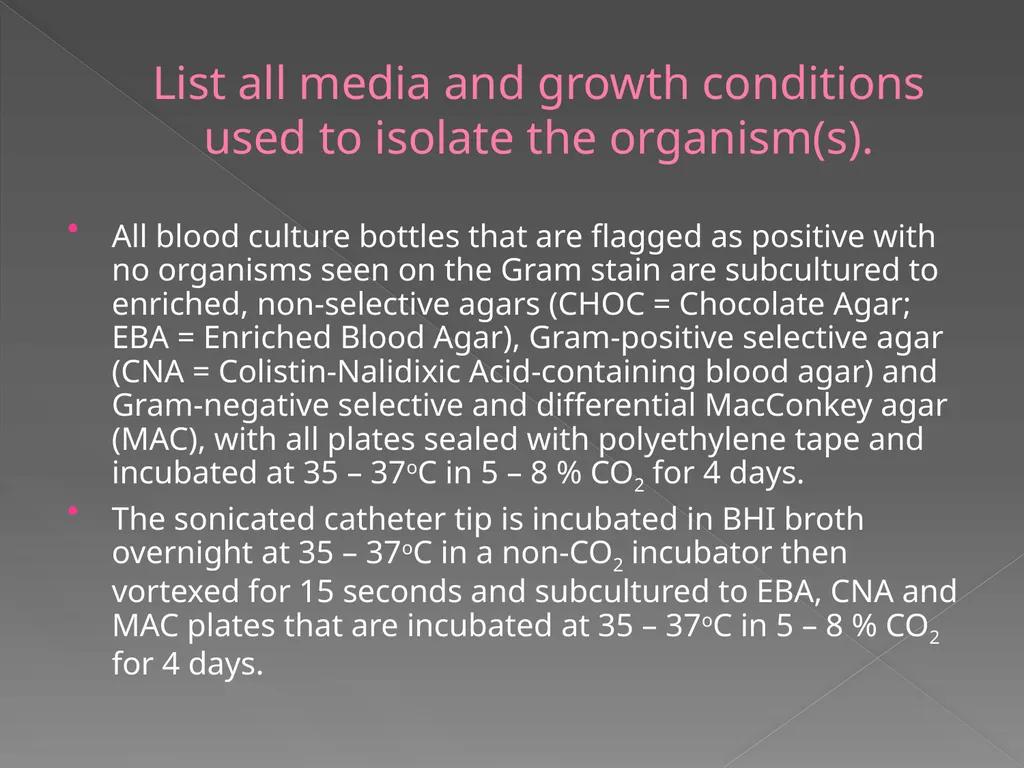
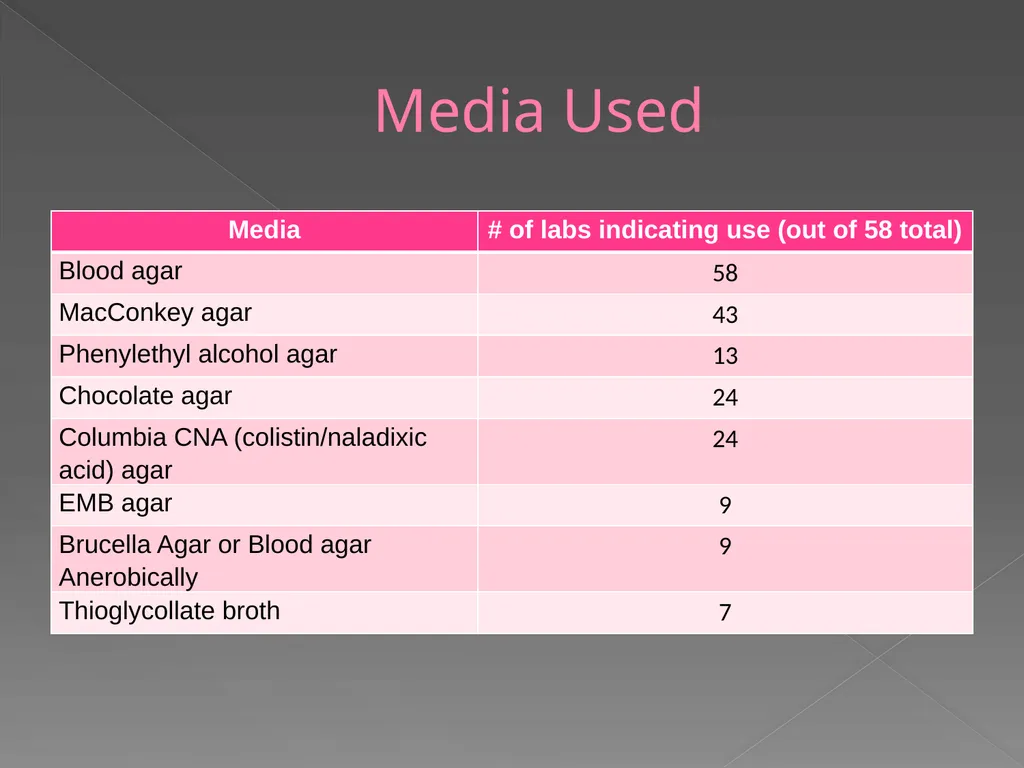
List all media and growth conditions used to isolate the organism(s). All blood culture bottles that are flagged as positive with no organisms seen on the Gram stain are subcultured to enriched, non-selective agars (CHOC = Chocolate Agar; EBA = Enriched Blood Agar), Gram-positive selective agar (CNA = Colistin-Nalidixic Acid-containing blood agar) and Gram-negative selective and differential MacConkey agar (MAC), with all plates sealed with polyethylene tape and incubated at 35 – 37oC in 5 – 8 % CO2 for 4 days.
The sonicated catheter tip is incubated in BHI broth overnight at 35 – 37oC in a non-CO2 incubator then vortexed for 15 seconds and subcultured to EBA, CNA and MAC plates that are incubated at 35 – 37oC in 5 – 8 % CO2 for 4 days.<br>
The sonicated catheter tip is incubated in BHI broth overnight at 35 – 37oC in a non-CO2 incubator then vortexed for 15 seconds and subcultured to EBA, CNA and MAC plates that are incubated at 35 – 37oC in 5 – 8 % CO2 for 4 days.<br>
04
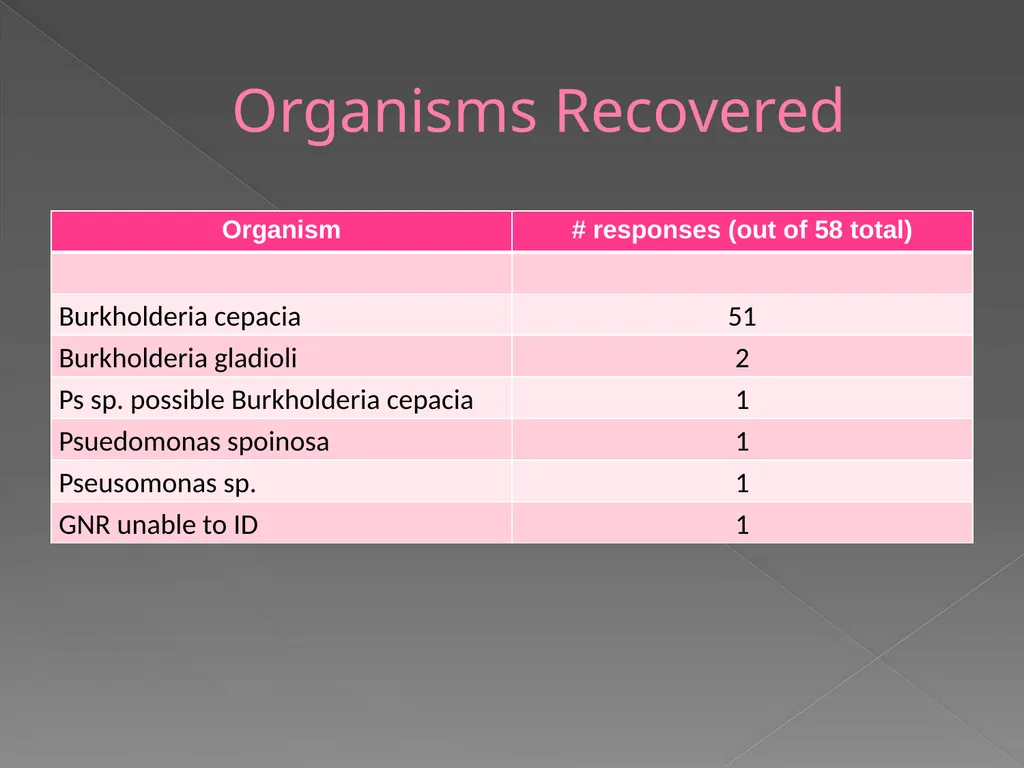
What organism(s) was/were recovered? Burkholderia cepacia complex species
Burkholderia cepacia complex includes B. cepacia, B. multivorans, B. cenocepacia, B. stabilis, B. vietnamiensis, B. dolosa, B. ambifaria, B. anthina, and B. pyrrocinia<br>
Burkholderia cepacia complex includes B. cepacia, B. multivorans, B. cenocepacia, B. stabilis, B. vietnamiensis, B. dolosa, B. ambifaria, B. anthina, and B. pyrrocinia<br>
05
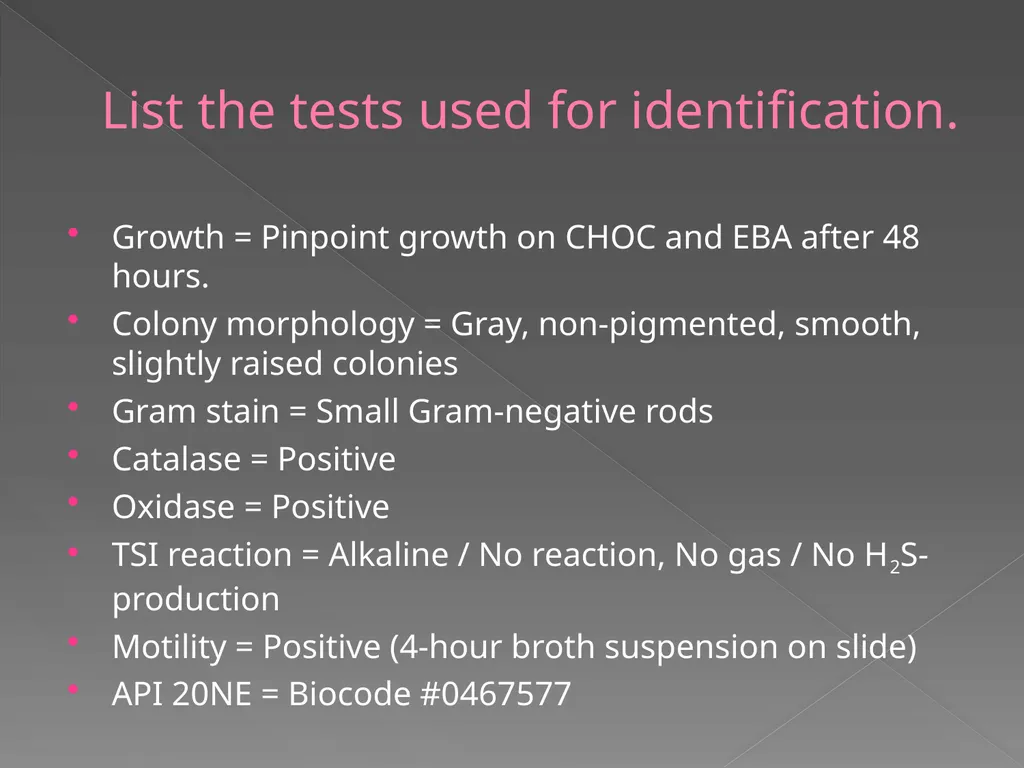
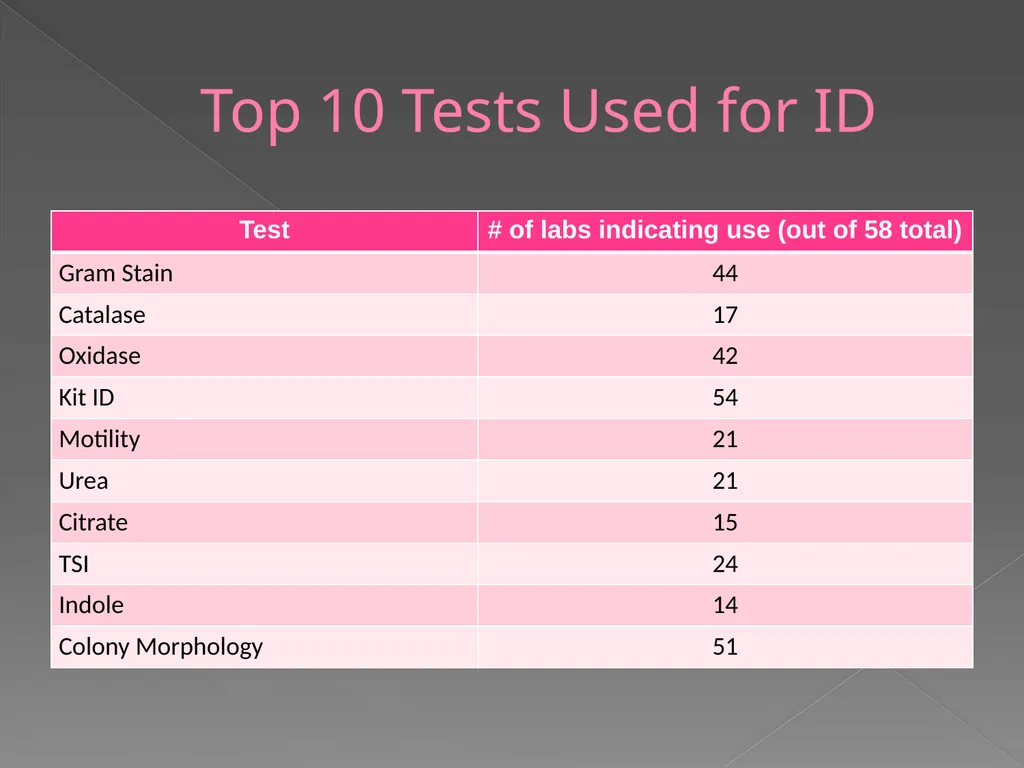
List the tests used for identification. Growth = Pinpoint growth on CHOC and EBA after 48 hours.
Colony morphology = Gray, non-pigmented, smooth, slightly raised colonies
Gram stain = Small Gram-negative rods
Catalase = Positive
Oxidase = Positive
TSI reaction = Alkaline / No reaction, No gas / No H2S-production
Motility = Positive (4-hour broth suspension on slide)
API 20NE = Biocode #0467577<br>
06
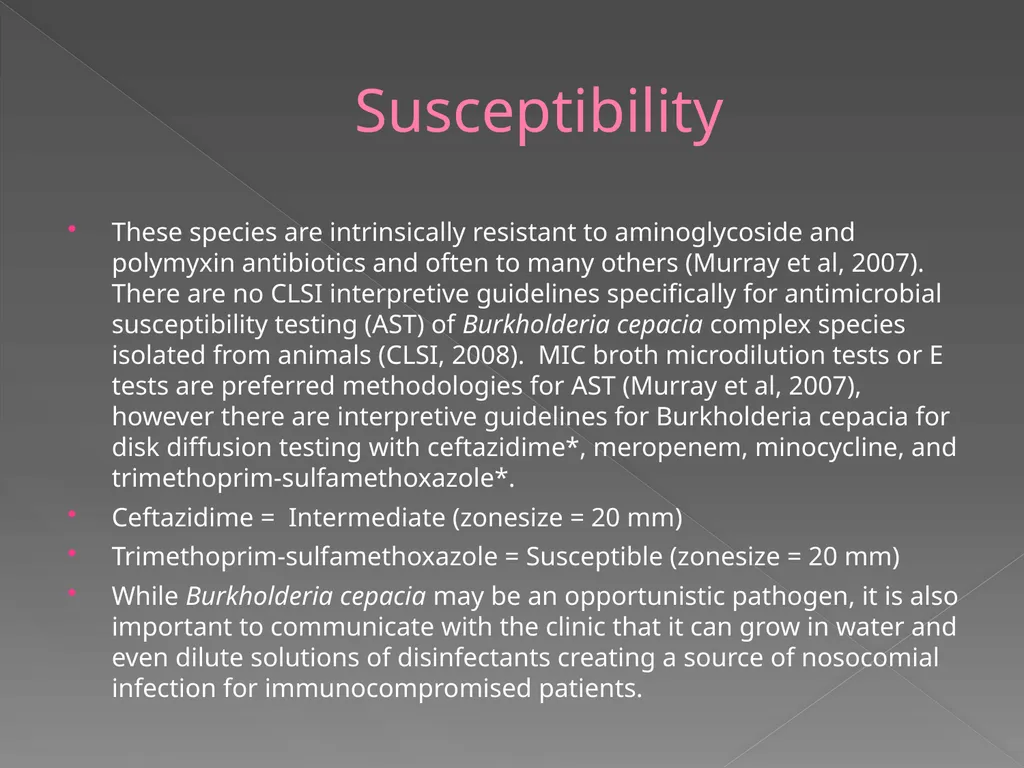
Susceptibility These species are intrinsically resistant to aminoglycoside and polymyxin antibiotics and often to many others (Murray et al, 2007). There are no CLSI interpretive guidelines specifically for antimicrobial susceptibility testing (AST) of Burkholderia cepacia complex species isolated from animals (CLSI, 2008). MIC broth microdilution tests or E tests are preferred methodologies for AST (Murray et al, 2007), however there are interpretive guidelines for Burkholderia cepacia for disk diffusion testing with ceftazidime*, meropenem, minocycline, and trimethoprim-sulfamethoxazole*.
Ceftazidime = Intermediate (zonesize = 20 mm)
Trimethoprim-sulfamethoxazole = Susceptible (zonesize = 20 mm)
While Burkholderia cepacia may be an opportunistic pathogen, it is also important to communicate with the clinic that it can grow in water and even dilute solutions of disinfectants creating a source of nosocomial infection for immunocompromised patients.<br>
07
Media Used<br>
08
Organisms Recovered<br>
09
Top 10 Tests Used for ID<br>
10
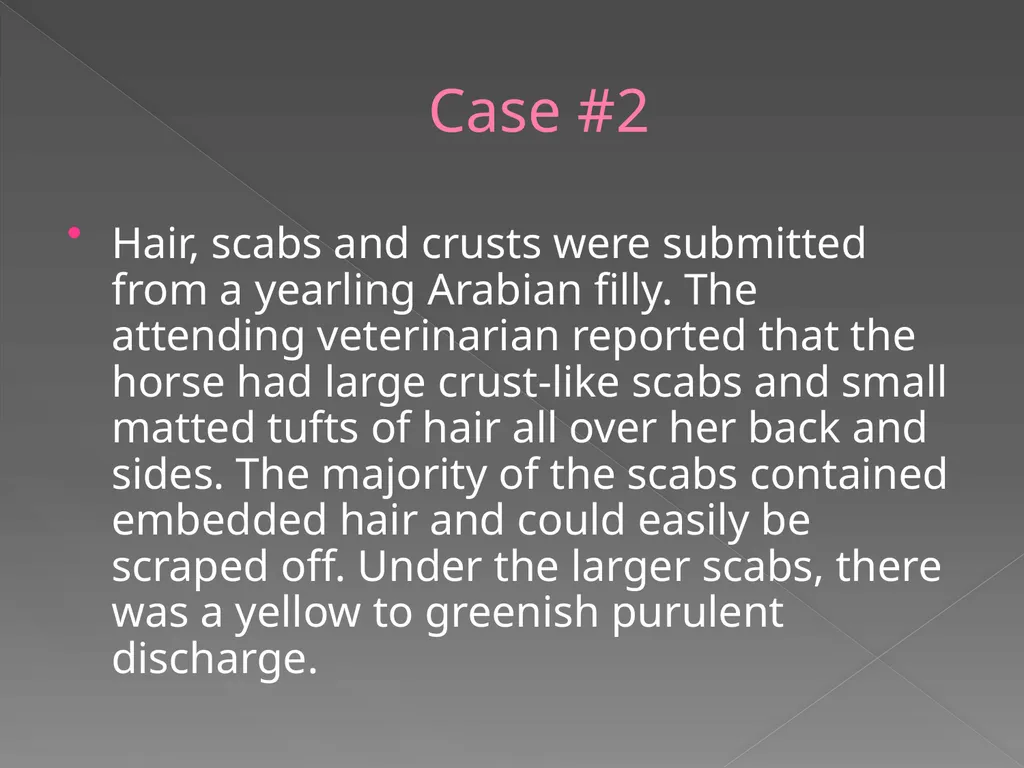
Case #2 Hair, scabs and crusts were submitted from a yearling Arabian filly. The attending veterinarian reported that the horse had large crust-like scabs and small matted tufts of hair all over her back and sides. The majority of the scabs contained embedded hair and could easily be scraped off. Under the larger scabs, there was a yellow to greenish purulent discharge.<br>
11
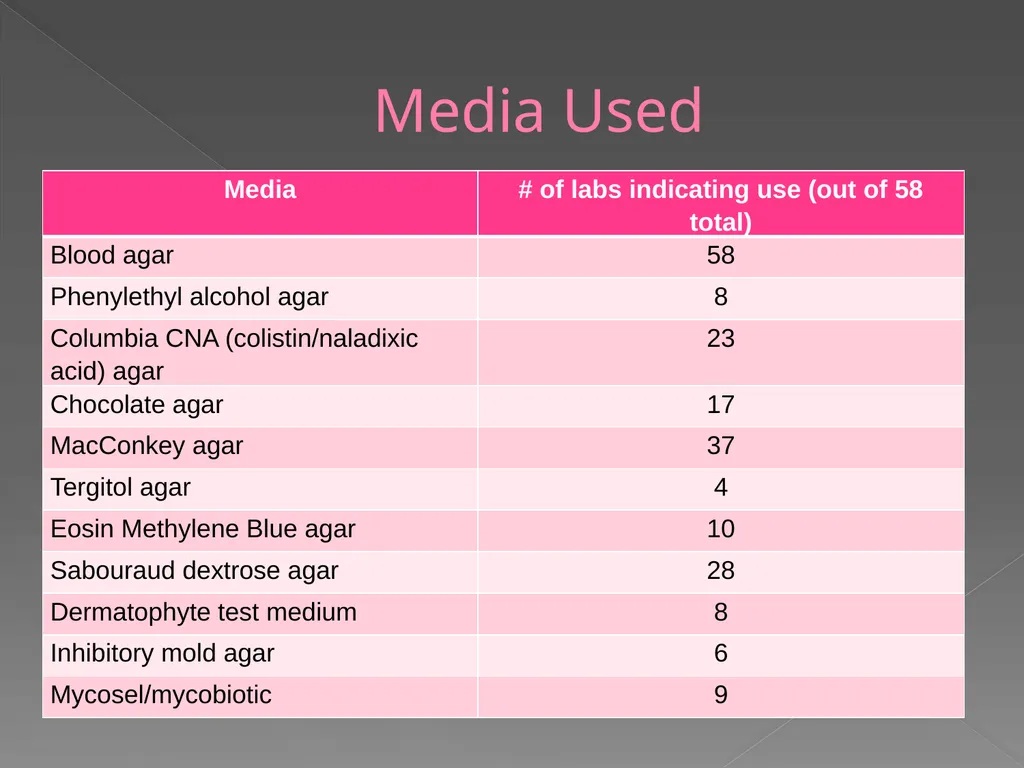
List all media and growth conditions used to isolate the organism(s). Since Dermatophilus congolensis and ringworm fungi were key in the differential diagnosis based upon the clinical history of scabs and crusts, both gram positive selective (CNA, PEA) and fungal media (e.g. Sabouraud Dextrose agar, Inhibitory Mold Agar, Mycosel, Dermatophyte Test Medium) should have been used for primary isolation in addition to the routine aerobic culture media, such as blood agar and gram negative selective/differential plates.
The bacterial culture media should be incubated both aerobically and microaerophilically (in 5-10% C02 for blood-based media) at 35-37 C for up to 5 days, although colonies of Dermatophilus congolensis usually appear in 24-48 hours. Fungal media should be incubated at 25-30C in ambient air conditions.<br>
The bacterial culture media should be incubated both aerobically and microaerophilically (in 5-10% C02 for blood-based media) at 35-37 C for up to 5 days, although colonies of Dermatophilus congolensis usually appear in 24-48 hours. Fungal media should be incubated at 25-30C in ambient air conditions.<br>
12
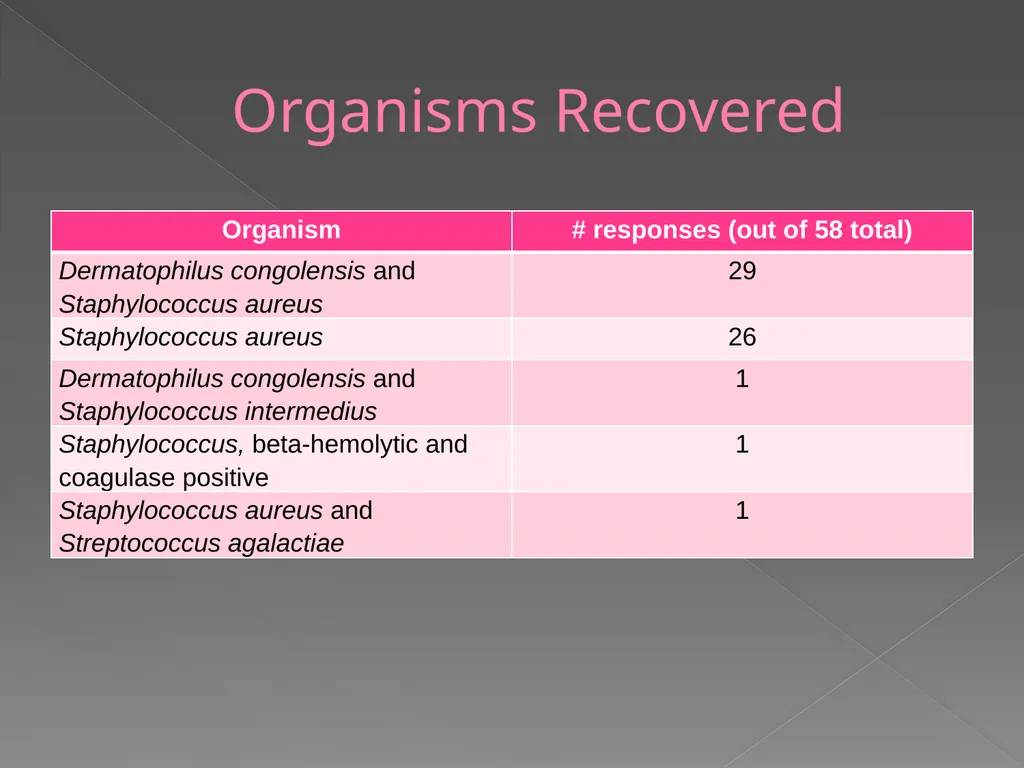
What organism(s) was/were recovered? Dermatophilus congolensis
Staphylococcus aureus<br>
Staphylococcus aureus<br>
13
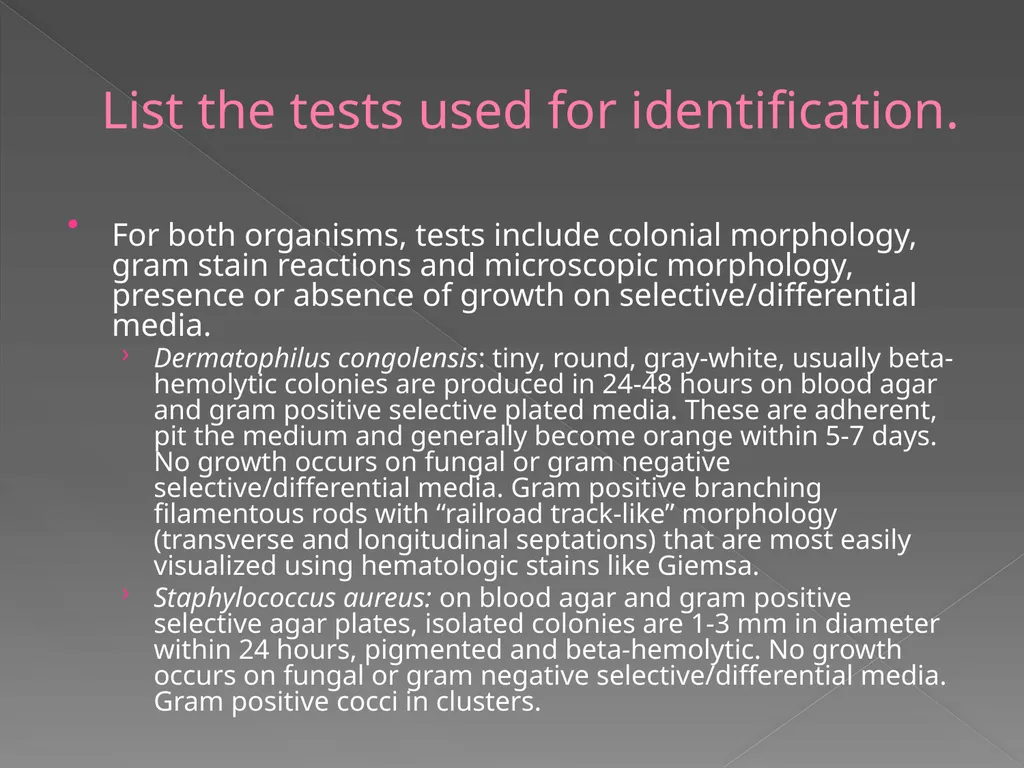
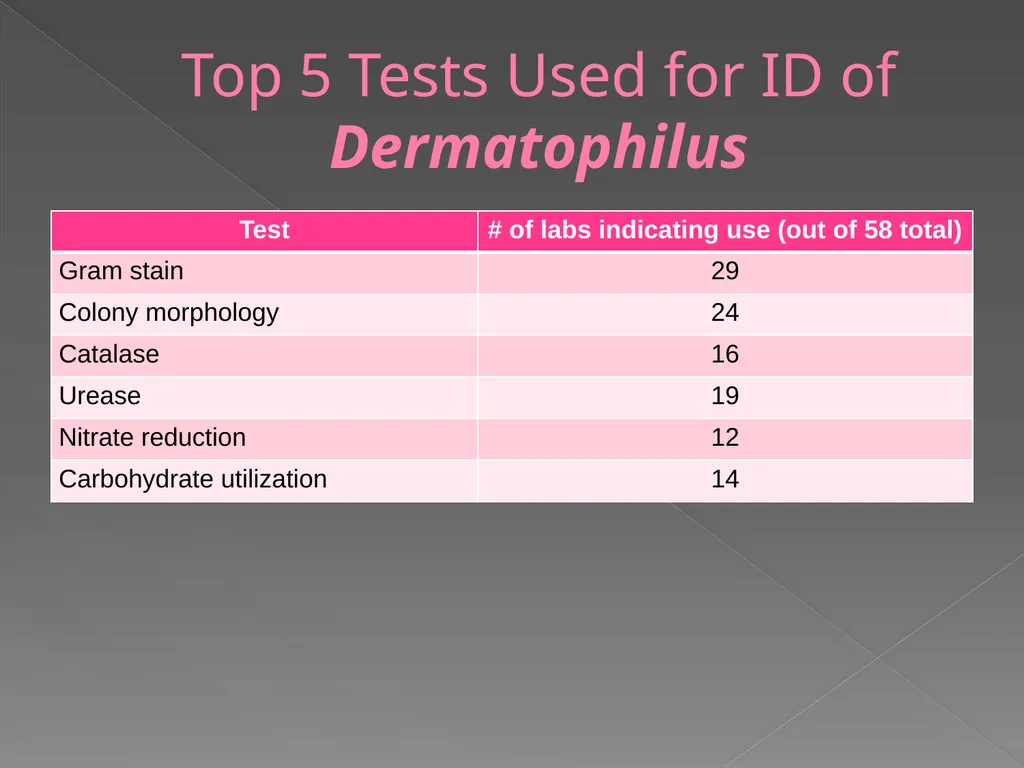
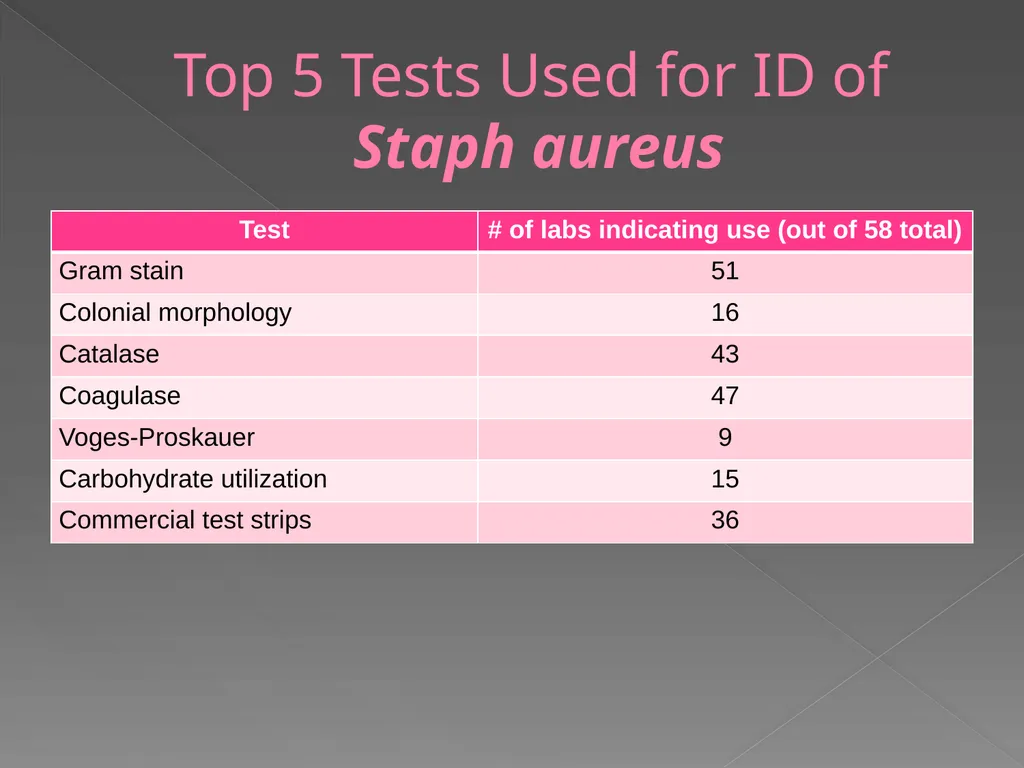
List the tests used for identification. For both organisms, tests include colonial morphology, gram stain reactions and microscopic morphology, presence or absence of growth on selective/differential media.
Dermatophilus congolensis: tiny, round, gray-white, usually beta-hemolytic colonies are produced in 24-48 hours on blood agar and gram positive selective plated media. These are adherent, pit the medium and generally become orange within 5-7 days. No growth occurs on fungal or gram negative selective/differential media. Gram positive branching filamentous rods with “railroad track-like” morphology (transverse and longitudinal septations) that are most easily visualized using hematologic stains like Giemsa.
Staphylococcus aureus: on blood agar and gram positive selective agar plates, isolated colonies are 1-3 mm in diameter within 24 hours, pigmented and beta-hemolytic. No growth occurs on fungal or gram negative selective/differential media. Gram positive cocci in clusters.<br>
14
Media Used<br>
15
Organisms Recovered<br>
16
Top 5 Tests Used for ID of Dermatophilus<br>
17
Top 5 Tests Used for ID of
Staph aureus<br>
18
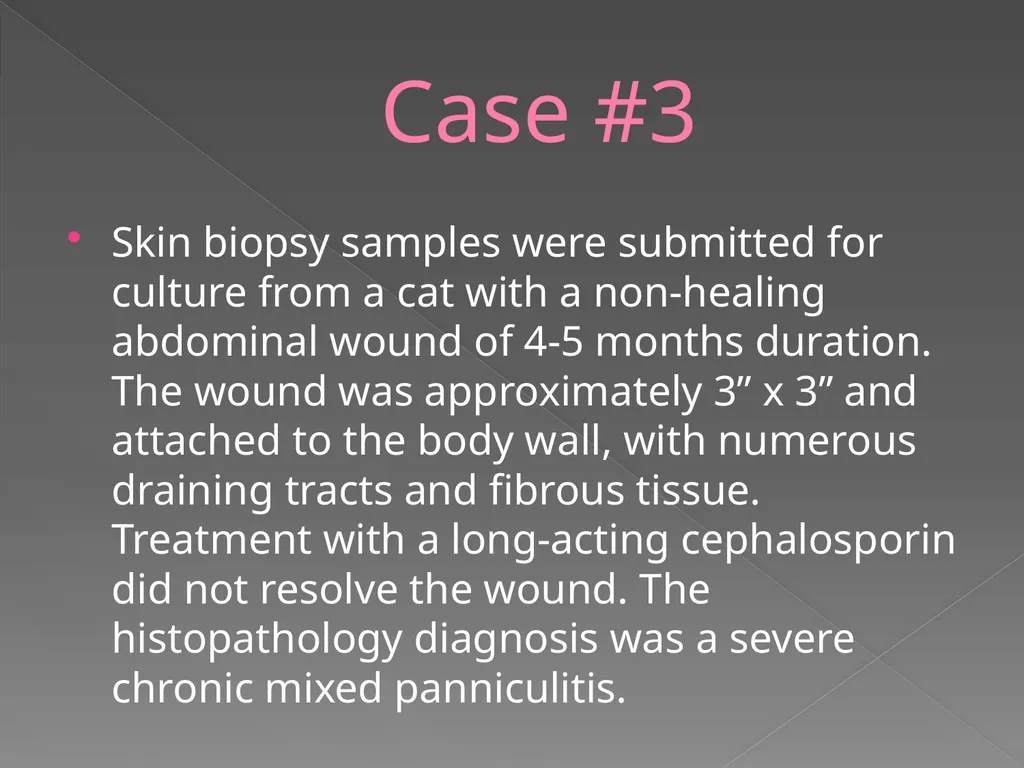
Case #3 Skin biopsy samples were submitted for culture from a cat with a non-healing abdominal wound of 4-5 months duration. The wound was approximately 3” x 3” and attached to the body wall, with numerous draining tracts and fibrous tissue. Treatment with a long-acting cephalosporin did not resolve the wound. The histopathology diagnosis was a severe chronic mixed panniculitis.<br>
19
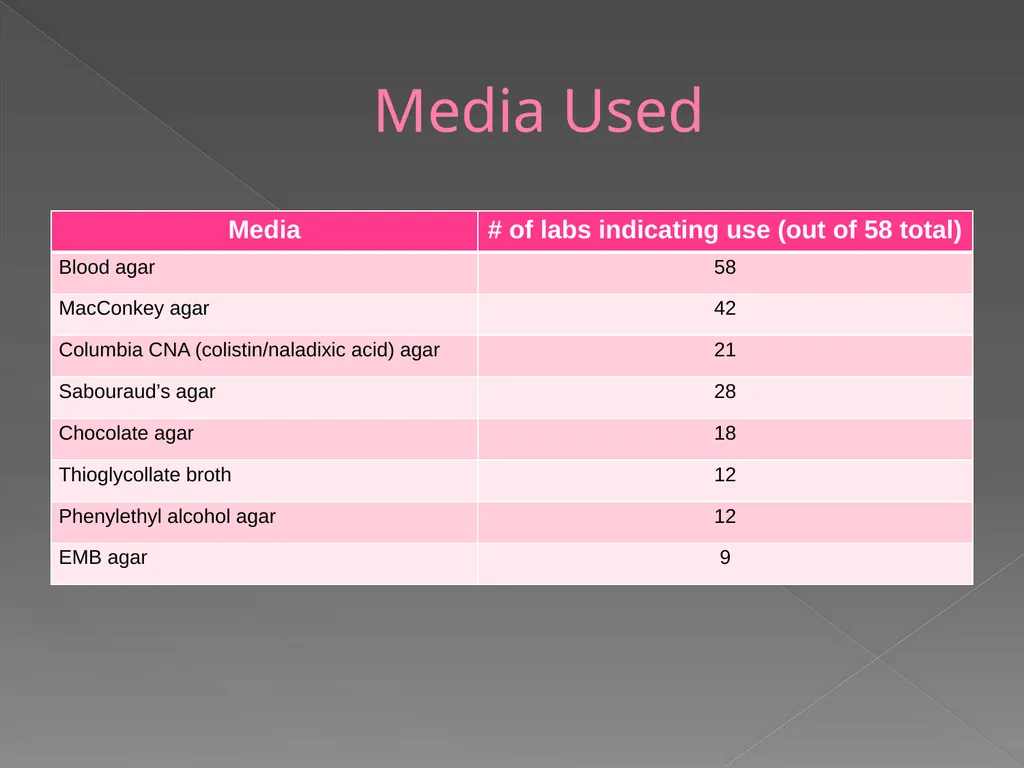
List all media and growth conditions used to isolate the organism(s). From this history, an extended culture (holding plates for 5-7 days) is recommended. Most labs indicated that this isolate grew visible colonies by 48-72 hours. The media inoculated should ideally include blood agar plates incubated both aerobically (preferably with 5-10% C02) and anaerobically at 35-37 C. Media selective for gram-positive (CNA, PEA) and gram-negative organisms (MAC, Tergitol) should also be inoculated as part of an extended routine culture. As rapidly-growing Mycobacterium sp. is a differential for this case, agars for the cultivation of Mycobacteria, such as Middlebrook 7H10 or Lowenstein-Jensen, may be useful. However, as this isolate demonstrates, they are often not required, as most rapidly-growing Mycobacteria grow quite well on blood agar, as long as plates are incubated and observed up to 7 days. Sabouraud’s Dextrose agar incubated at room temperature was also used by many labs.<br>
20
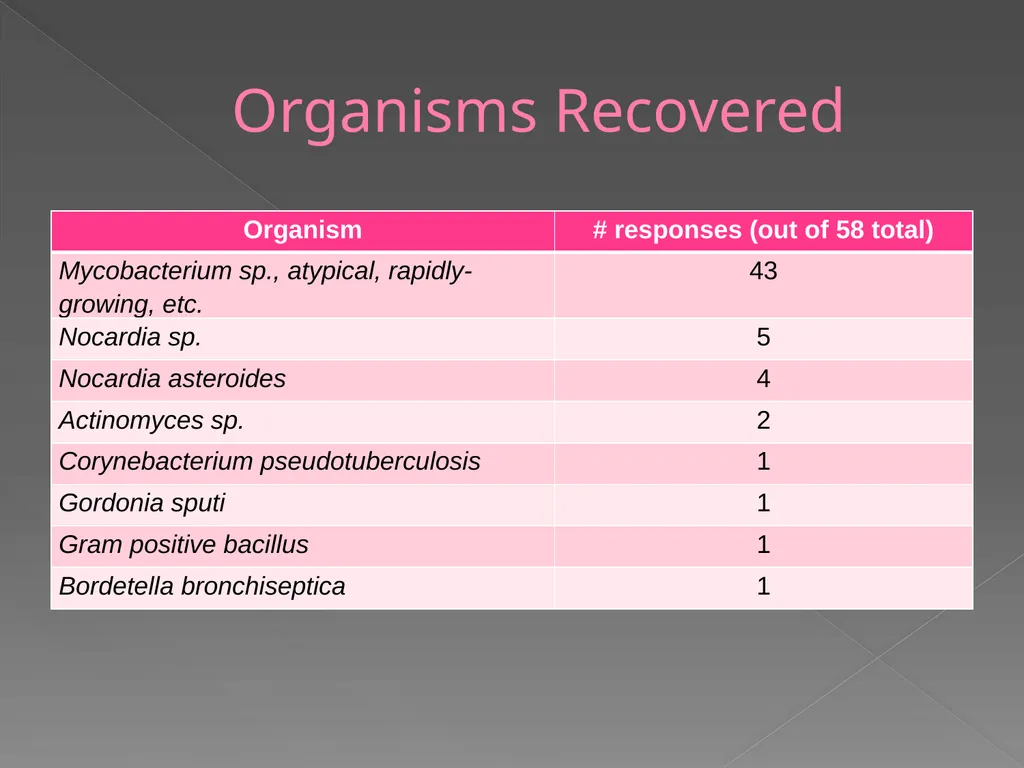
What organism(s) was/were recovered? Mycobacterium sp. (rapidly-growing); also called “atypical” Mycobacterium sp.
Most labs with sequencing capabilities reported this isolate as Mycobacterium fortuitum.<br>
Most labs with sequencing capabilities reported this isolate as Mycobacterium fortuitum.<br>
21
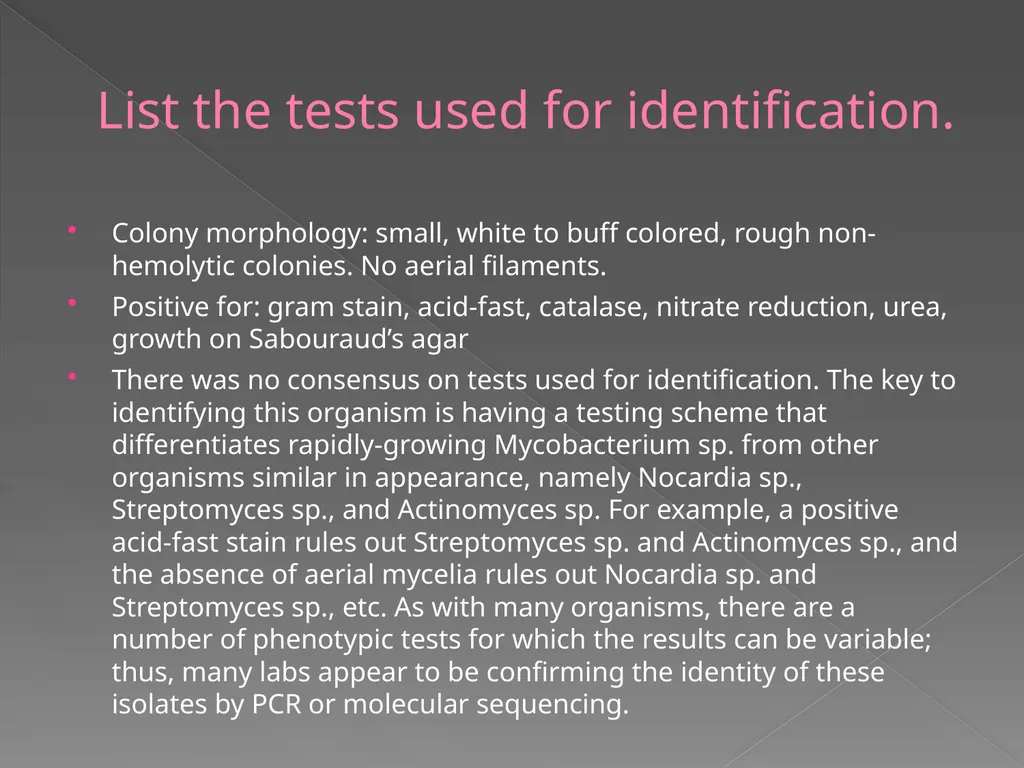
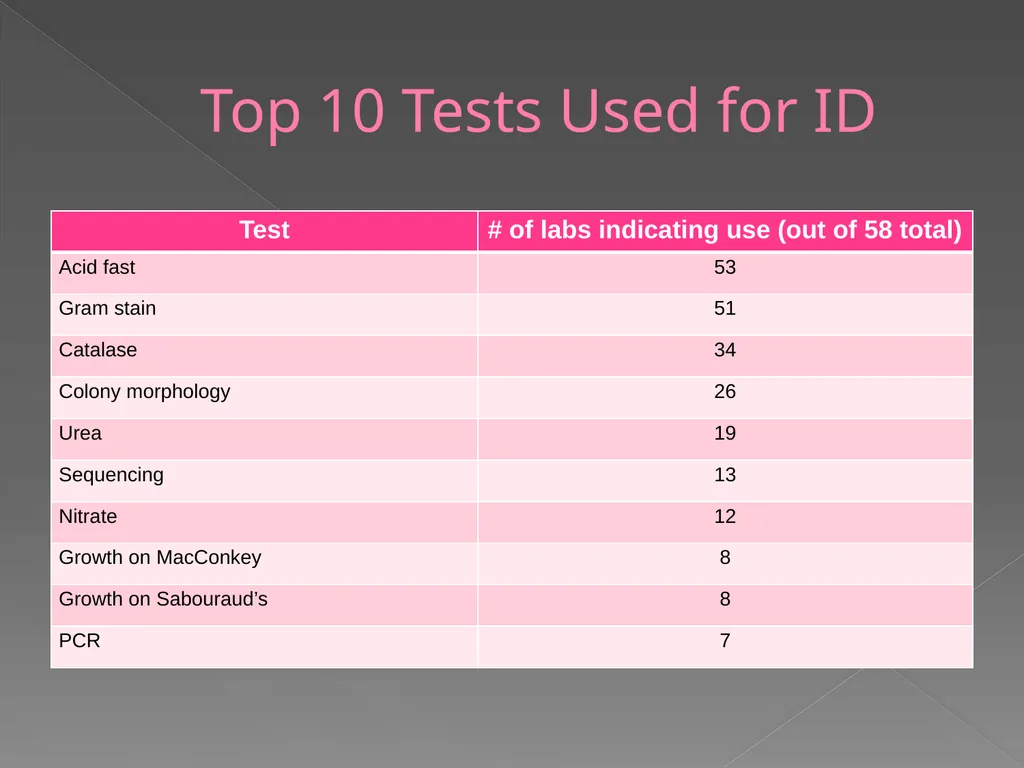
List the tests used for identification. Colony morphology: small, white to buff colored, rough non-hemolytic colonies. No aerial filaments.
Positive for: gram stain, acid-fast, catalase, nitrate reduction, urea, growth on Sabouraud’s agar
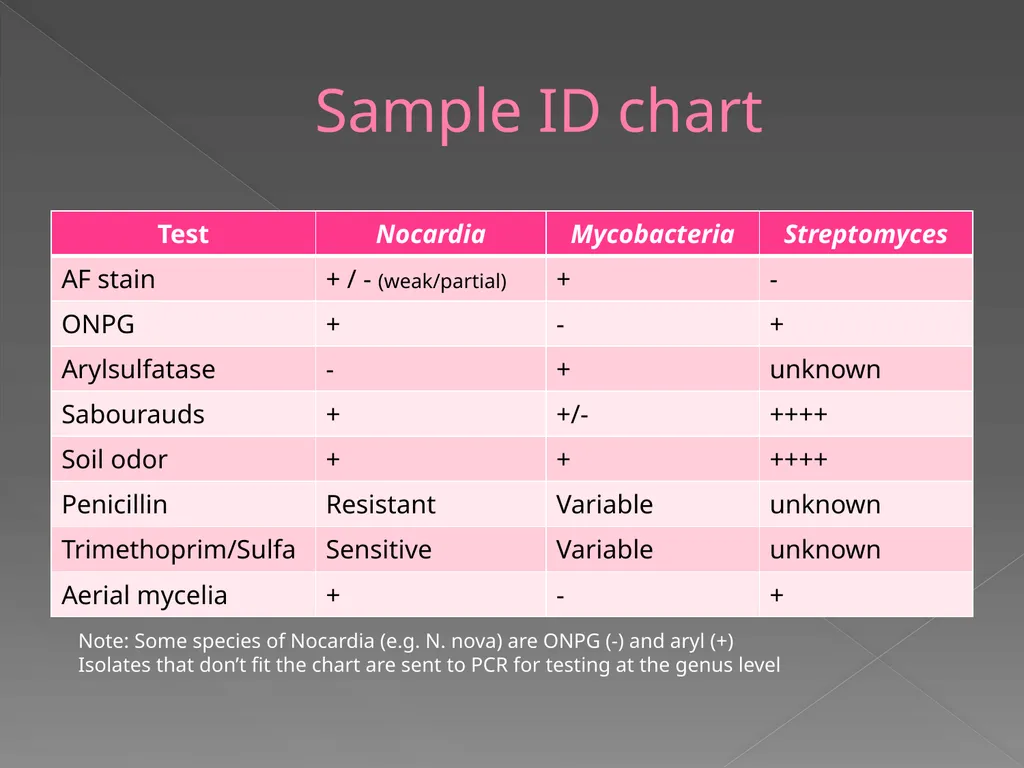
There was no consensus on tests used for identification. The key to identifying this organism is having a testing scheme that differentiates rapidly-growing Mycobacterium sp. from other organisms similar in appearance, namely Nocardia sp., Streptomyces sp., and Actinomyces sp. For example, a positive acid-fast stain rules out Streptomyces sp. and Actinomyces sp., and the absence of aerial mycelia rules out Nocardia sp. and Streptomyces sp., etc. As with many organisms, there are a number of phenotypic tests for which the results can be variable; thus, many labs appear to be confirming the identity of these isolates by PCR or molecular sequencing.<br>
22
Media Used<br>
23
Organisms Recovered<br>
24
Top 10 Tests Used for ID<br>
25
Sample ID chart Note: Some species of Nocardia (e.g. N. nova) are ONPG (-) and aryl (+)
Isolates that don’t fit the chart are sent to PCR for testing at the genus level<br>
Isolates that don’t fit the chart are sent to PCR for testing at the genus level<br>
26
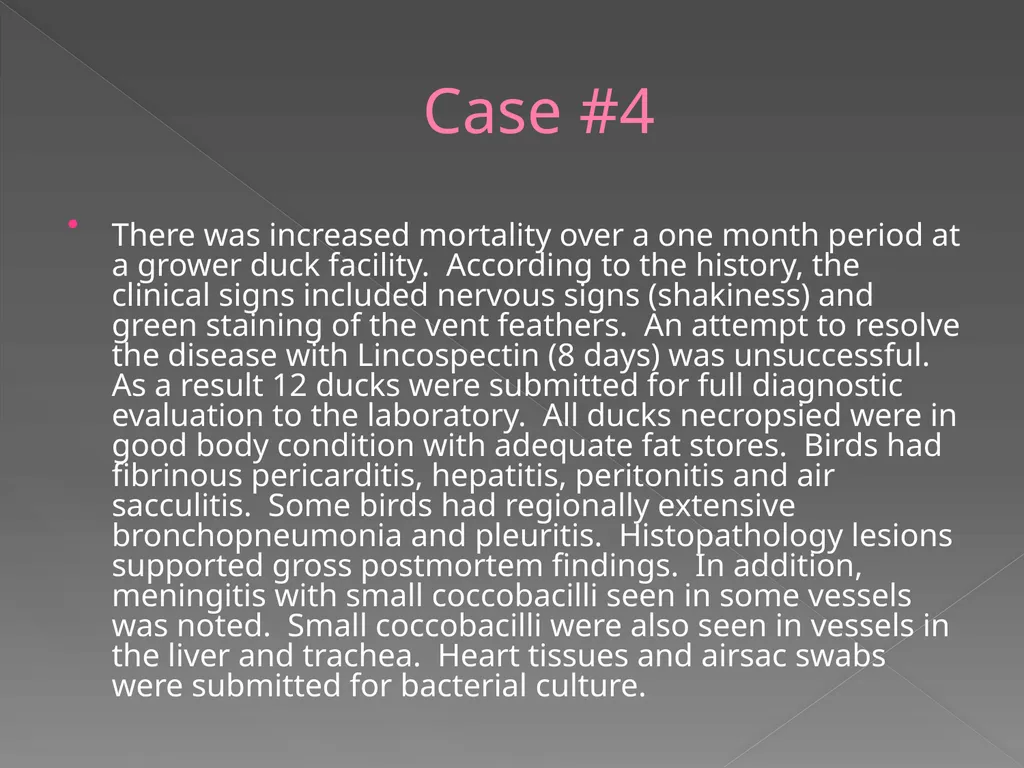
Case #4 There was increased mortality over a one month period at a grower duck facility. According to the history, the clinical signs included nervous signs (shakiness) and green staining of the vent feathers. An attempt to resolve the disease with Lincospectin (8 days) was unsuccessful. As a result 12 ducks were submitted for full diagnostic evaluation to the laboratory. All ducks necropsied were in good body condition with adequate fat stores. Birds had fibrinous pericarditis, hepatitis, peritonitis and air sacculitis. Some birds had regionally extensive bronchopneumonia and pleuritis. Histopathology lesions supported gross postmortem findings. In addition, meningitis with small coccobacilli seen in some vessels was noted. Small coccobacilli were also seen in vessels in the liver and trachea. Heart tissues and airsac swabs were submitted for bacterial culture.<br>
27
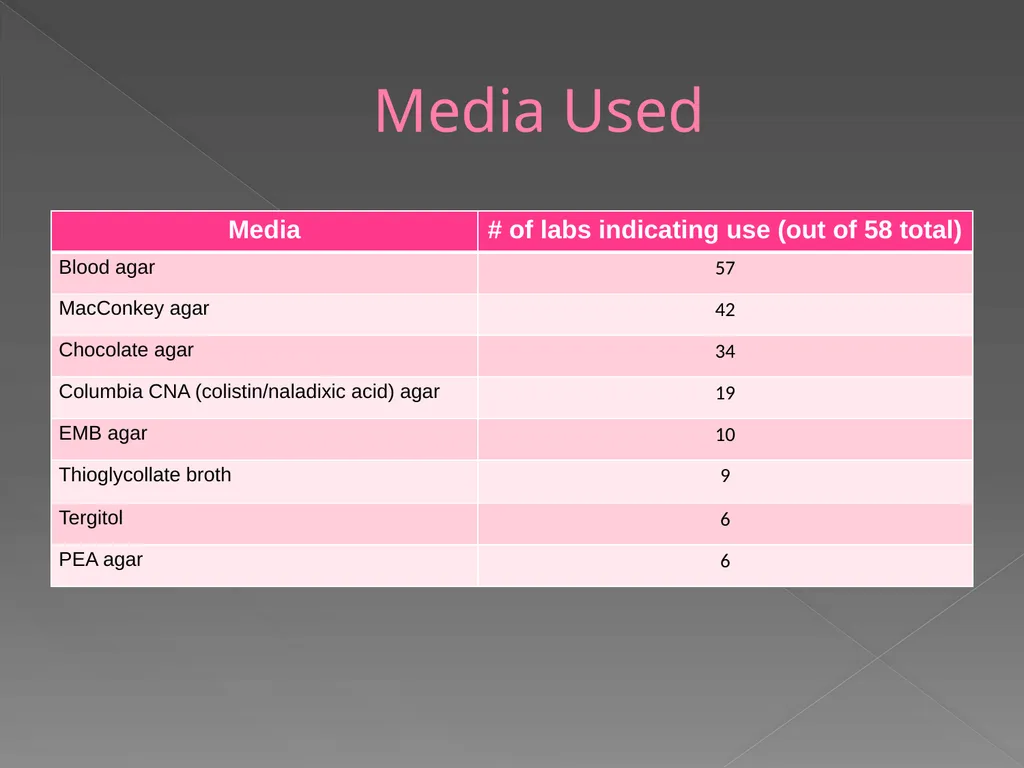
List all media and growth conditions used to isolate the organism(s). Minimal set up requirements for this case would be Blood (BAP) and McConkey (MAC) agar plates. BAP is incubated at 35°C up to 48 h in the presence of CO2 while MAC is incubated in the ambient air also up to 48 h.<br>
28
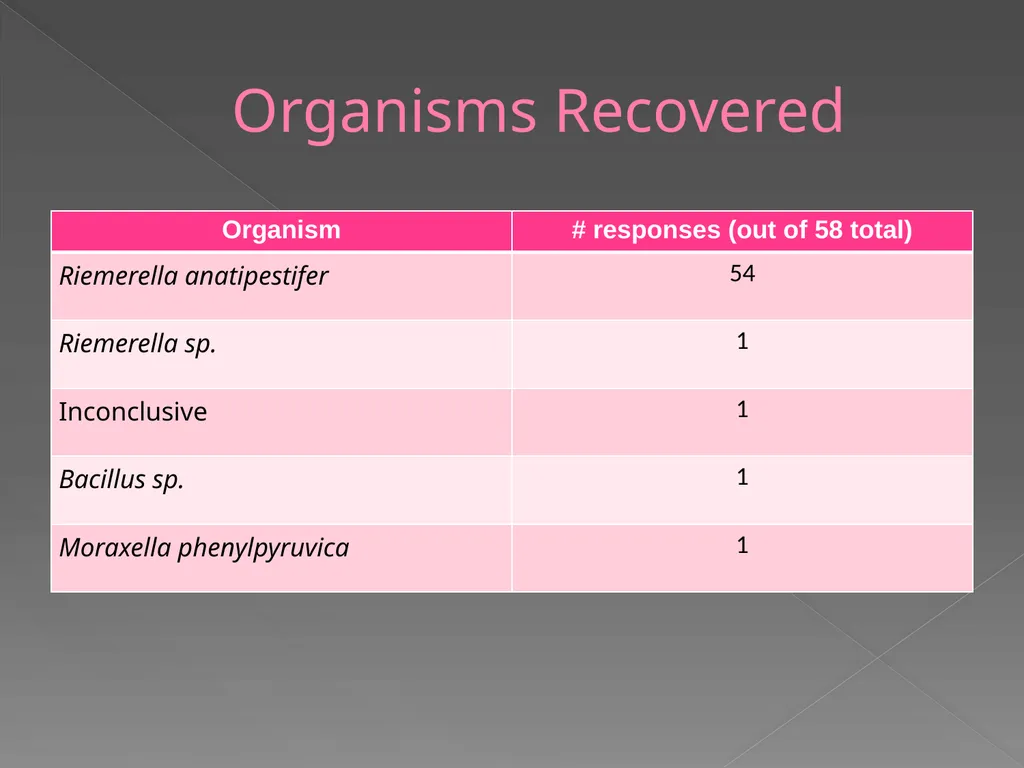
What organism(s) was/were recovered? Riemerella anatipestifer (previously known as Pfeifferella, Pasteurella, or Moraxella antatipestifer)<br>
29
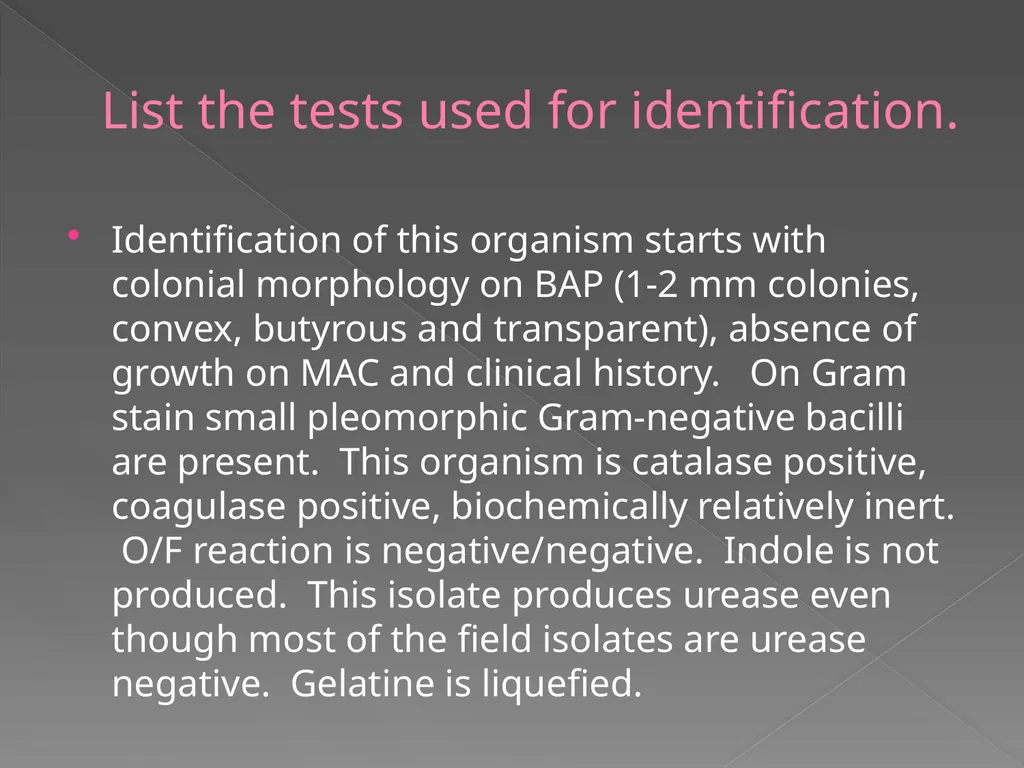
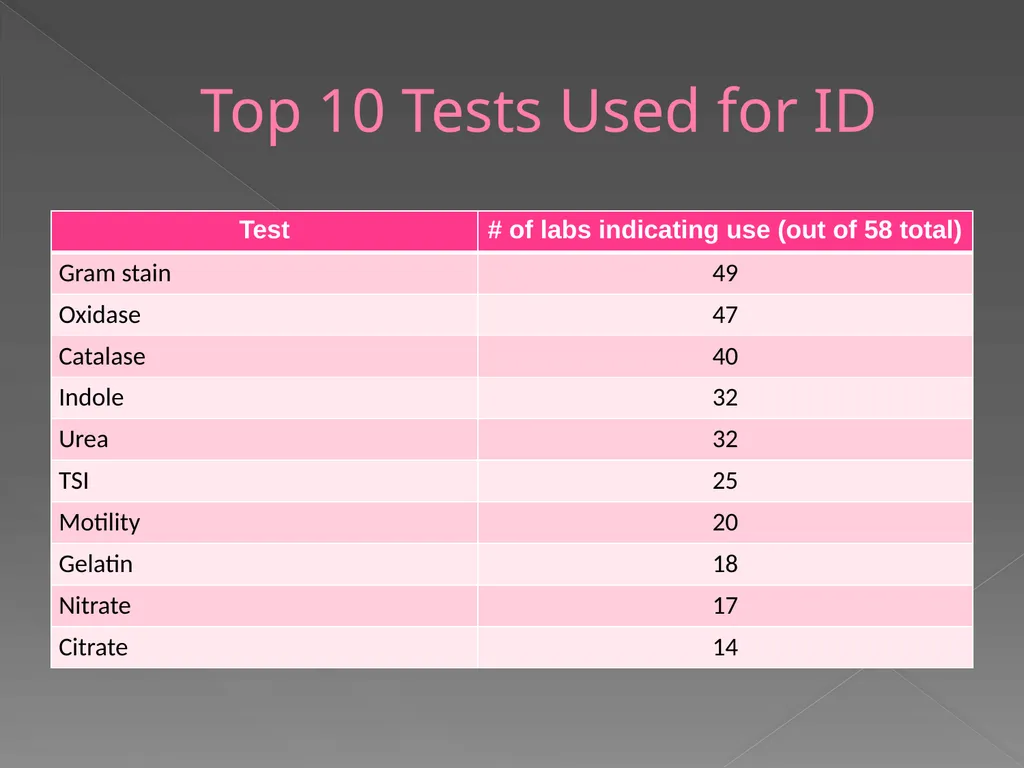
List the tests used for identification. Identification of this organism starts with colonial morphology on BAP (1-2 mm colonies, convex, butyrous and transparent), absence of growth on MAC and clinical history. On Gram stain small pleomorphic Gram-negative bacilli are present. This organism is catalase positive, coagulase positive, biochemically relatively inert. O/F reaction is negative/negative. Indole is not produced. This isolate produces urease even though most of the field isolates are urease negative. Gelatine is liquefied.<br>
30
Media Used<br>
31
Organisms Recovered<br>
32
Top 10 Tests Used for ID<br>