Acuity Webinar Managing risk: what good looks like
Description: Acuity Webinar Managing risk: what good looks like in 2022 Sam McGrady, Director 26 April 2022 Content of session Brief introduction to DTP and myself Context Operating environment, regulation, governance Sector Risk Profile 2021 Risk
Related Topics
Download Presentation
"Acuity Webinar Managing risk: what good looks like" is the property of its rightful owner. Permission is granted to download and print the materials on this website for personal, non-commercial use only, and to display it on your personal computer provided you do not modify the materials and that you retain all copyright notices contained in the materials. By downloading content from our website, you accept the terms of this agreement.
Presentation Transcript
slide1. Acuity Webinar
Managing risk: what good looks like
in 2022
Sam McGrady, Director
26 April 2022<br>
slide2. Content of session Brief introduction to DTP and myself
Context
Operating environment, regulation, governance
Sector Risk Profile 2021
Risk registers
Assurance mapping
Risk appetite
Linking risk to decision making
Roles and responsibilities
Q&A<br>
slide3. About DTP:
Established in 2006, DTP is an independent consultancy providing high quality advice and support to affordable housing providers, charities and commercial organisations across the UK
Our mission is to help businesses improve and deliver better services to their residents
Core team of 14; specialist associates<br>
slide5. About me:
Director at DTP for 6 years
Previously HouseMark, interim management and in the early days, housing management
Specialise in regulatory compliance, governance, risk, VFM, strategy development
Sit on Regulator of Social Housing (RSH)’s Advisers’ Panel
Member of CIH Policy Advisory Committee<br>
slide6. Risk management should be at the top of board agenda right now - Covid-19, Grenfell, post-Brexit impacts, war in Europe, supply chains, economic concerns, regulatory focus
But also because of nature of the sector – diversification, pressure to develop, building safety/asset investment, net zero carbon – all bring new and heightened risks
Reputational risk – often overlooked
Boards should be on top of this – it’s a key element of good governance
Board needs good information and reporting from officers
Risk management needs to be embedded
Risk appetite needs to be understood and used Context - a sense of urgency<br>
slide7. Context – wider operating environment Economic situation – inflation, cost of living crisis, energy costs, tax increases, supply chains…..
Covid continues to impact – staff sickness, job vacancies, vulnerable people….
War in Ukraine – impact on prices and supplies
Brexit impact…..really hitting home now; imports/exports and supply chain issues
Economic growth predictions reduced
Inflation 6.2% - potential peak 8-11% this year
Significant job vacancies and fall in real wages
Huge hike in house prices and private rents<br>
slide8. Context – housing Levelling up – what does it mean? Will anything change?
Tenants badly impacted by cost of living issues
Increases in homelessness as Covid provisions end
Cyber management – resource increases due
to new standards/regulation, increased threat etc.
‘Strategic choices’ – how much of your finite pot of money do you spend on new homes, existing homes, services to residents, community investment?
Ongoing pressure to build new homes – funding, costs etc
Huge future financial investment needed in existing stock (building/fire safety, net zero carbon)
More to follow……<br>
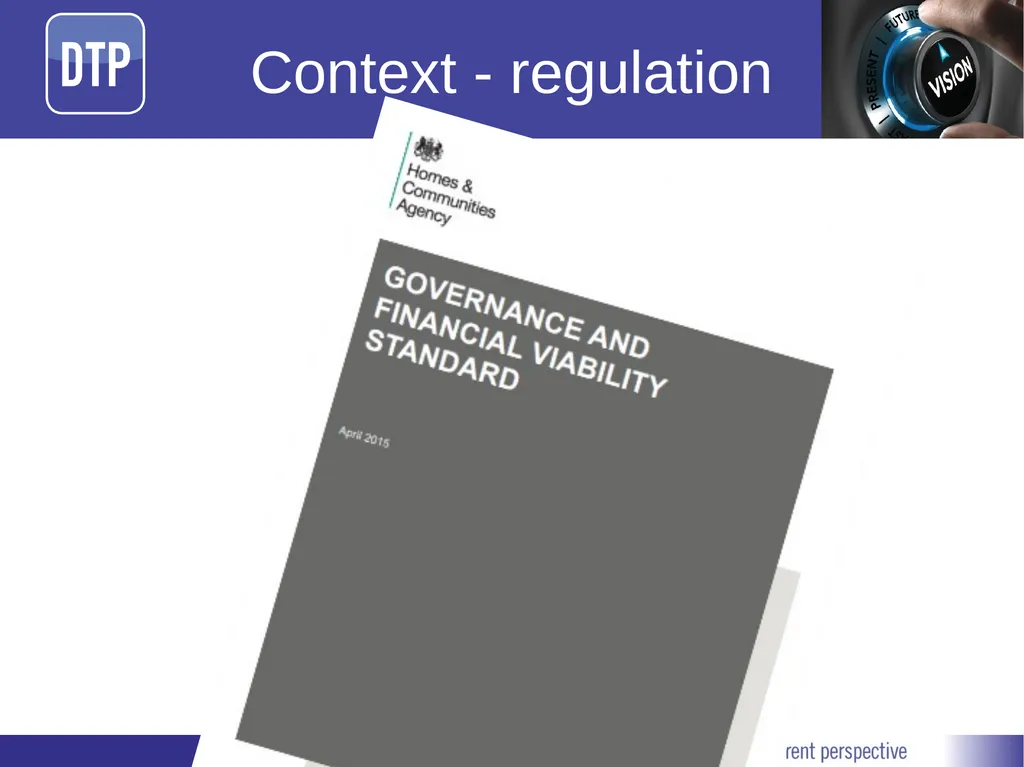
slide9. Context - regulation<br>
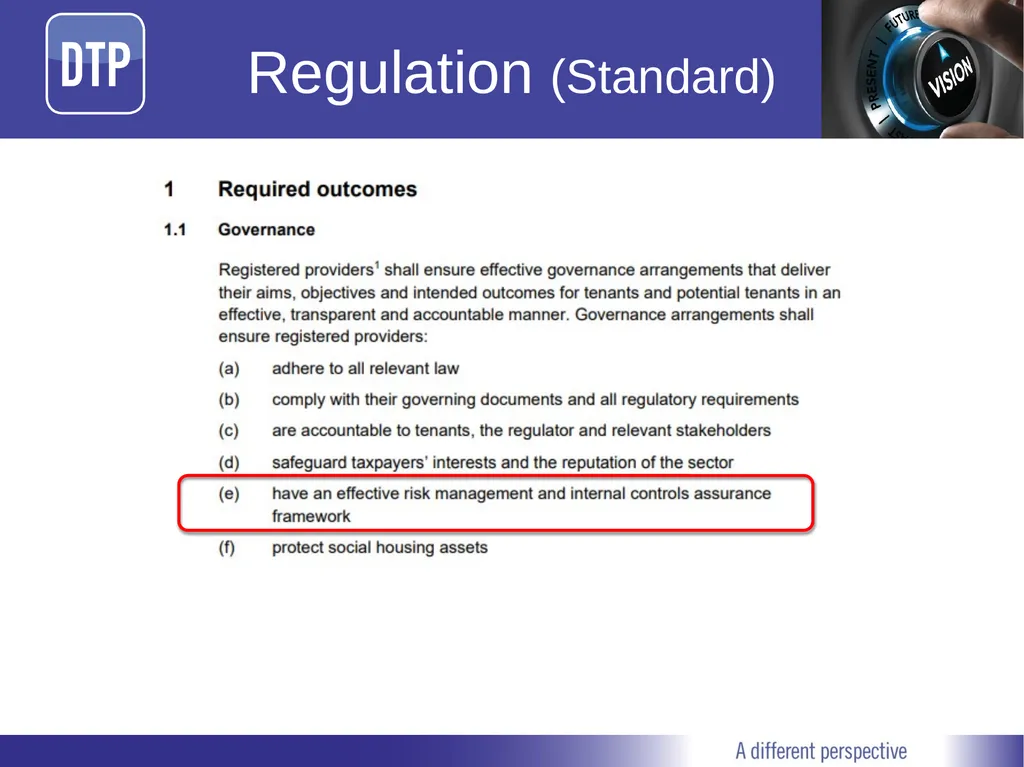
slide10. Regulation (Standard)<br>
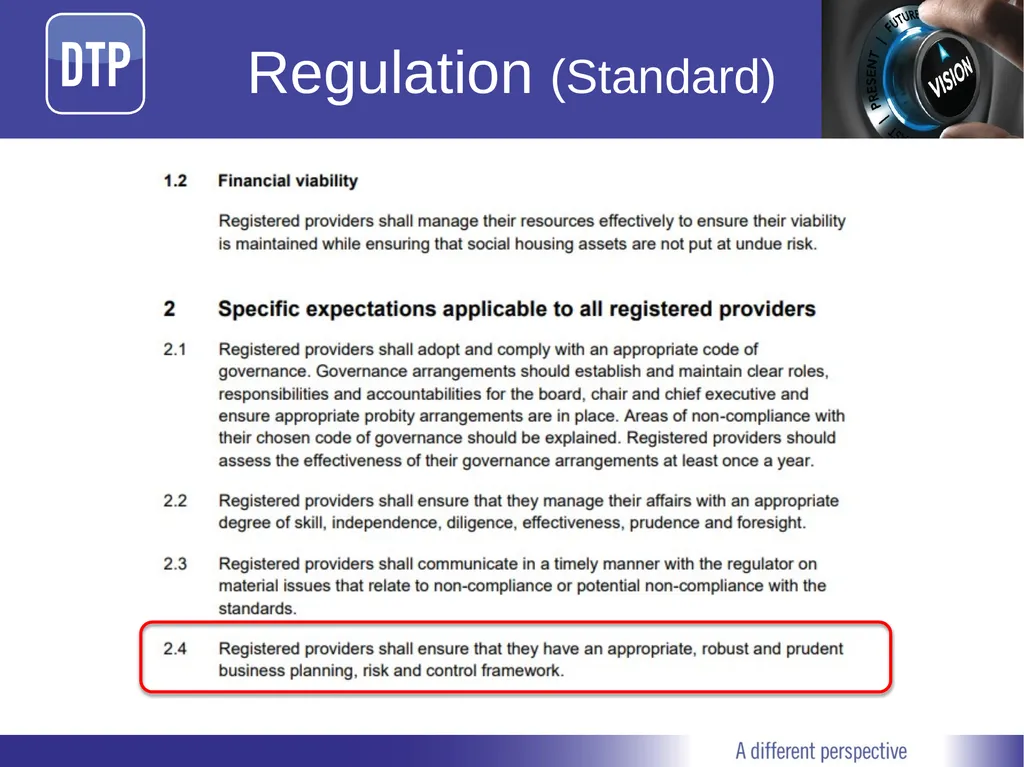
slide11. Regulation (Standard)<br>
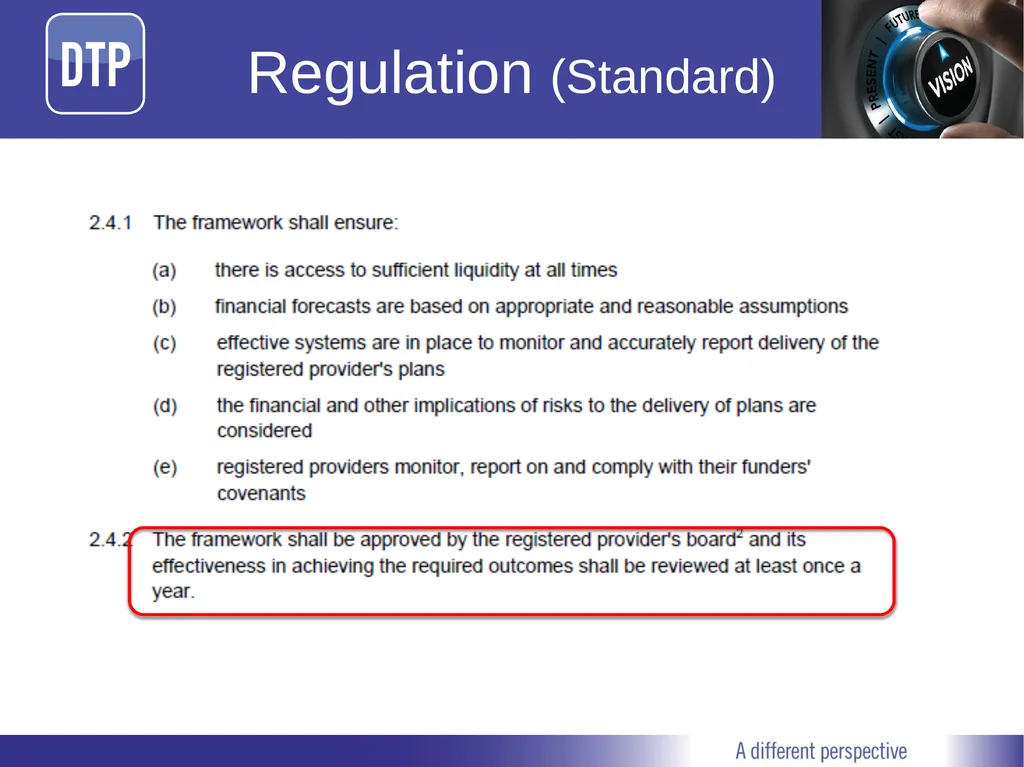
slide12. Regulation (Standard)<br>
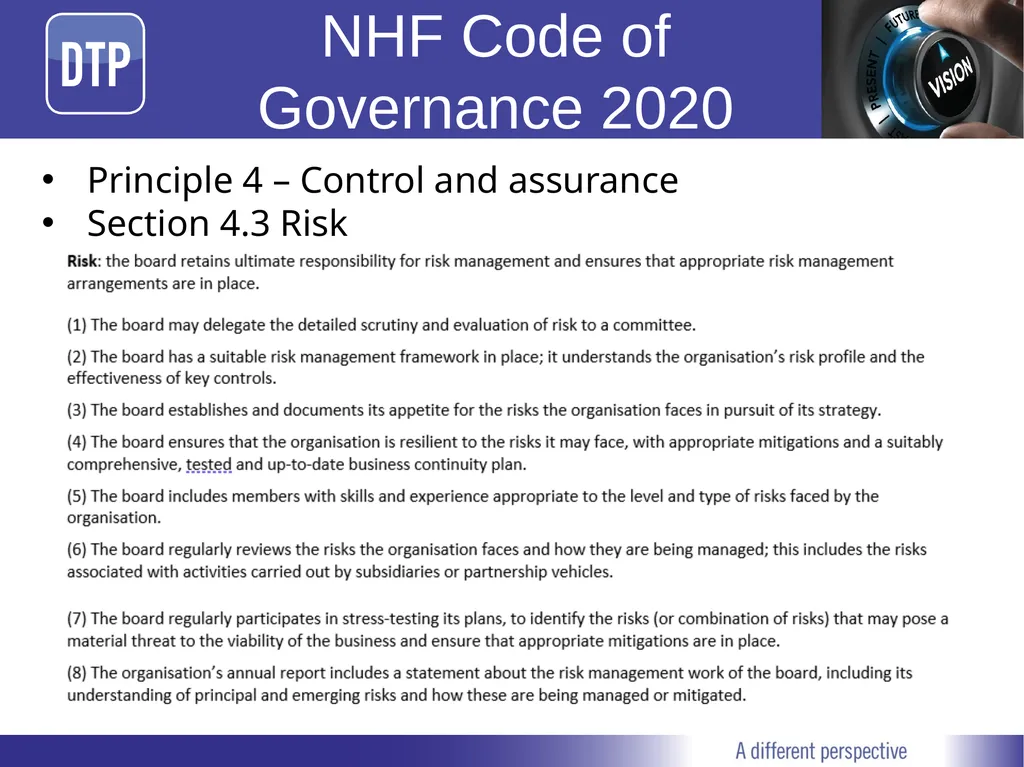
slide13. Principle 4 – Control and assurance
Section 4.3 Risk NHF Code of Governance 2020<br>
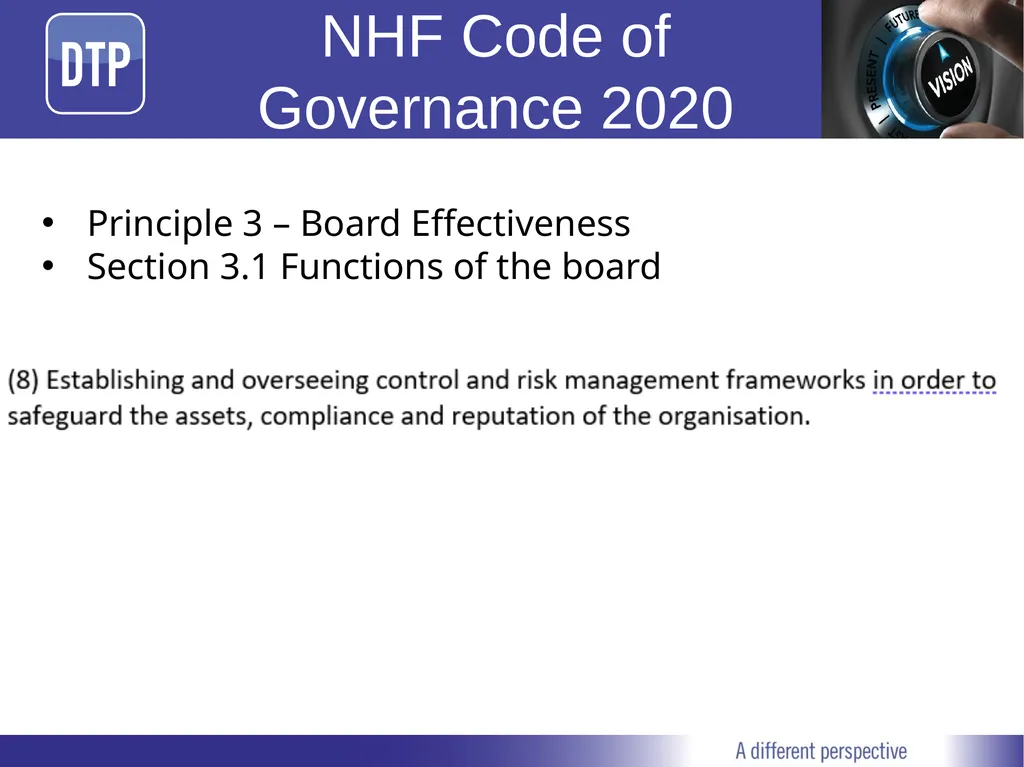
slide14. Principle 3 – Board Effectiveness
Section 3.1 Functions of the board NHF Code of Governance 2020<br>
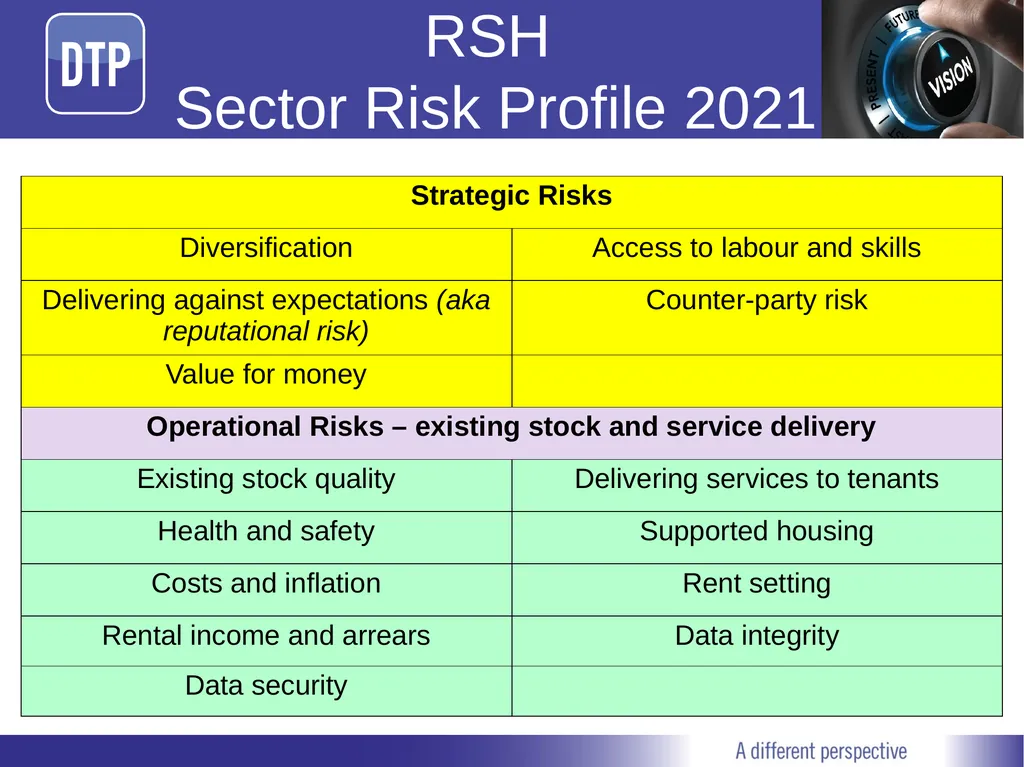
slide15. RSH
Sector Risk Profile 2021<br>
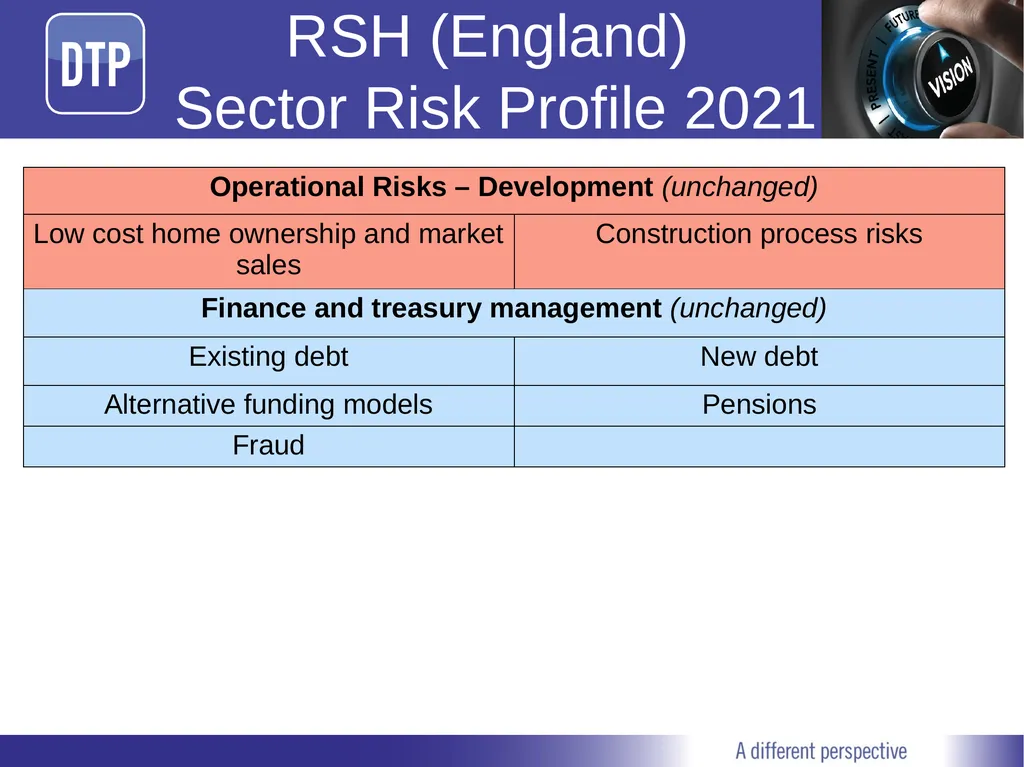
slide16. RSH (England)
Sector Risk Profile 2021<br>
slide17. Risk registers Strategic risk register – directly linked to corporate plan
What are the key risks to delivery of your purpose and corporate objectives?
Take Sector Risk Profile as starting point but bespoke to you and your business
Keep it high level – absolutely the top risks
Operational risk register(s) can sit below
Risks can move between the two
Project risk registers
Evaluate and score risks – gross, residual and target (links to appetite)
Mitigations and controls
Regular update reporting to board (and Audit Committee)<br>
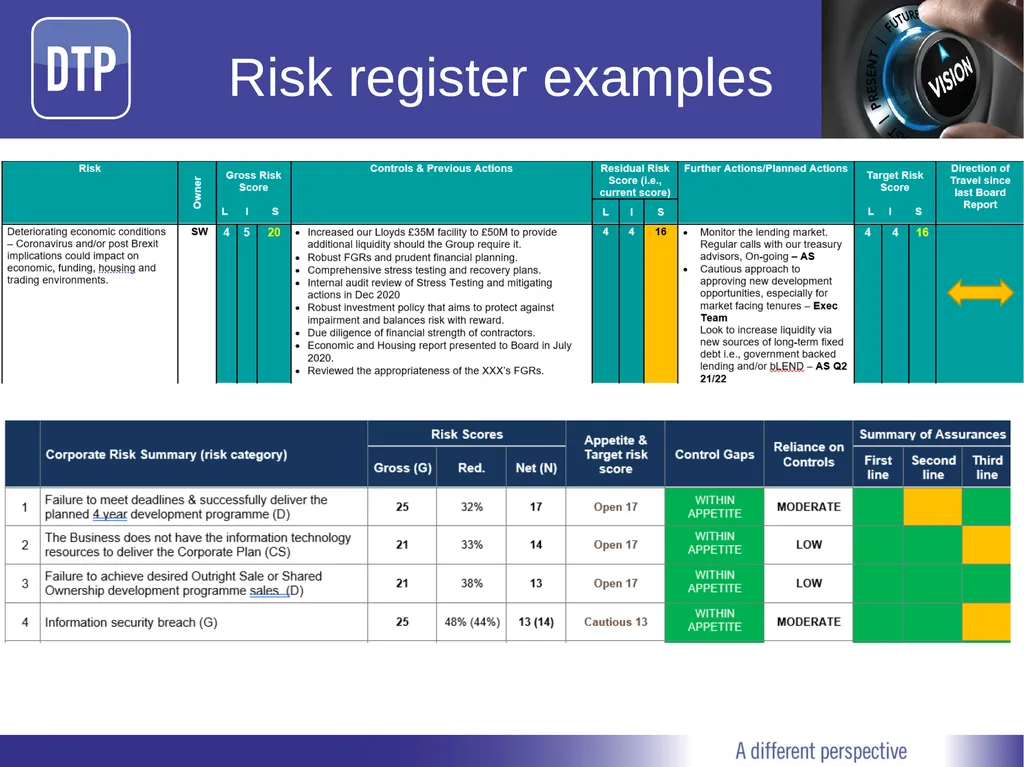
slide18. Risk register examples<br>
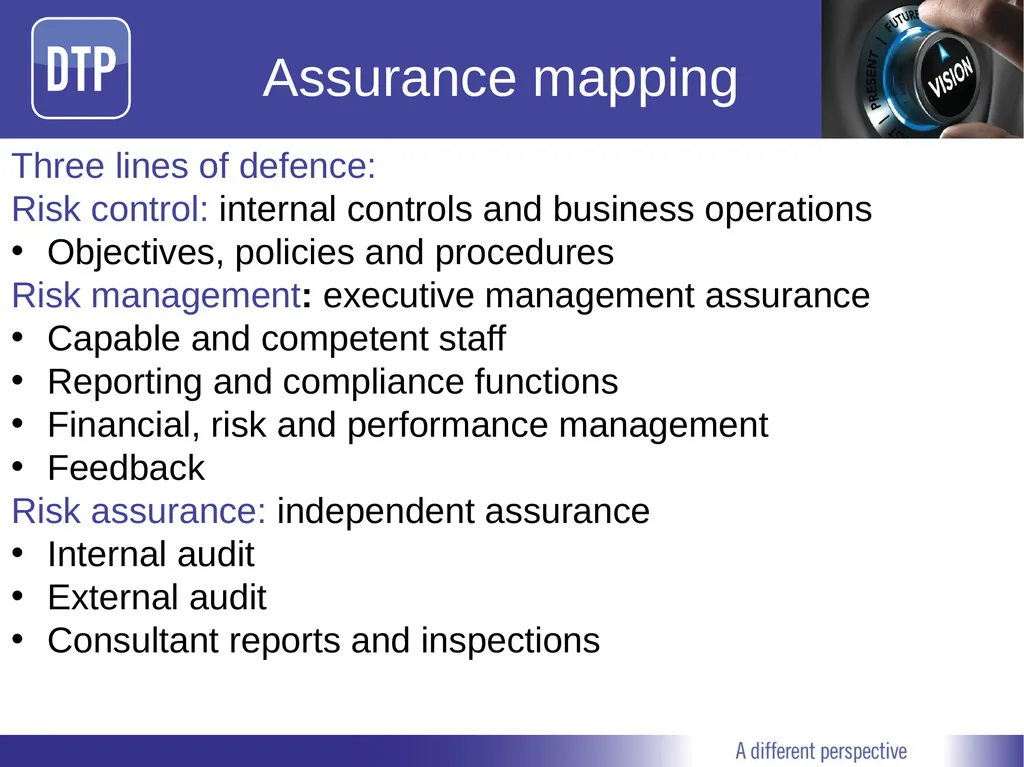
slide19. Assurance mapping Three lines of defence:
Risk control: internal controls and business operations
Objectives, policies and procedures
Risk management: executive management assurance
Capable and competent staff
Reporting and compliance functions
Financial, risk and performance management
Feedback
Risk assurance: independent assurance
Internal audit
External audit
Consultant reports and inspections<br>
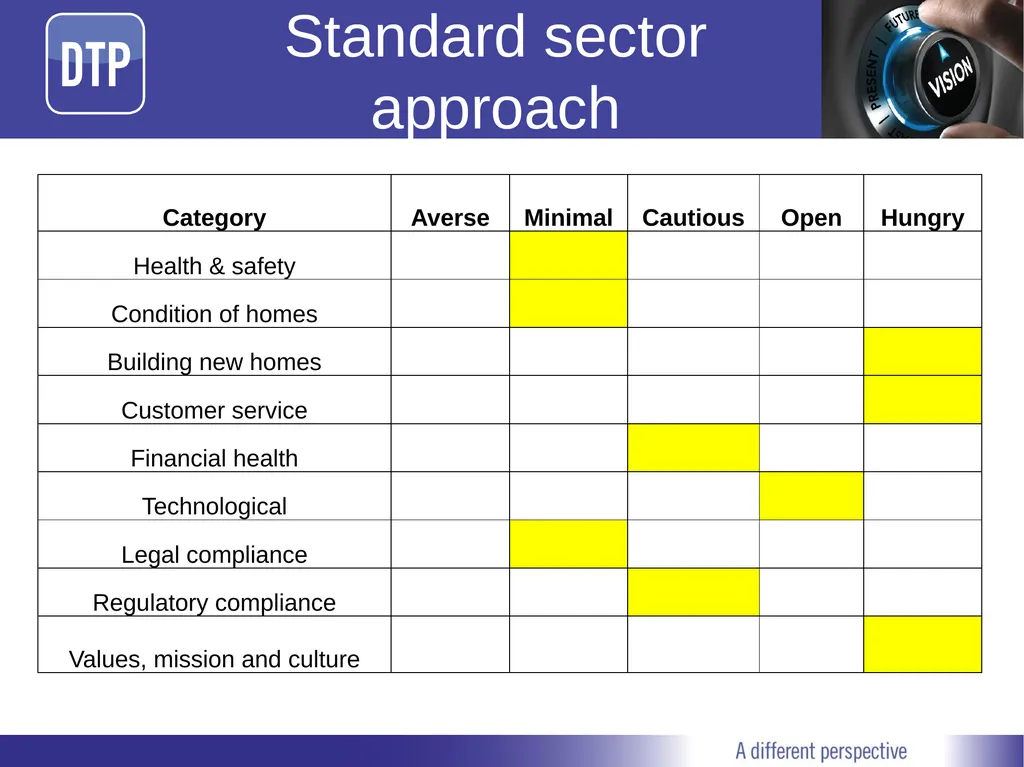
slide20. Risk appetite – what good looks like Appetite for risk against each strategic risk/risk groups
Averse, Cautious, Balanced, Open, Hungry
Supporting narrative against each to explain appetite
Can simply define current appetite, or take a more nuanced approach which includes direction of travel….
Some organisations set a tolerance also (though this isn’t common in the sector)
Early warning triggers – thresholds, targets, limits
Board must approve
Used to inform decision-making
Future-proof it – enable an agile culture
Don’t over-complicate it! No different to your appetite for risk in other walks of life<br>
slide21. Standard sector approach<br>
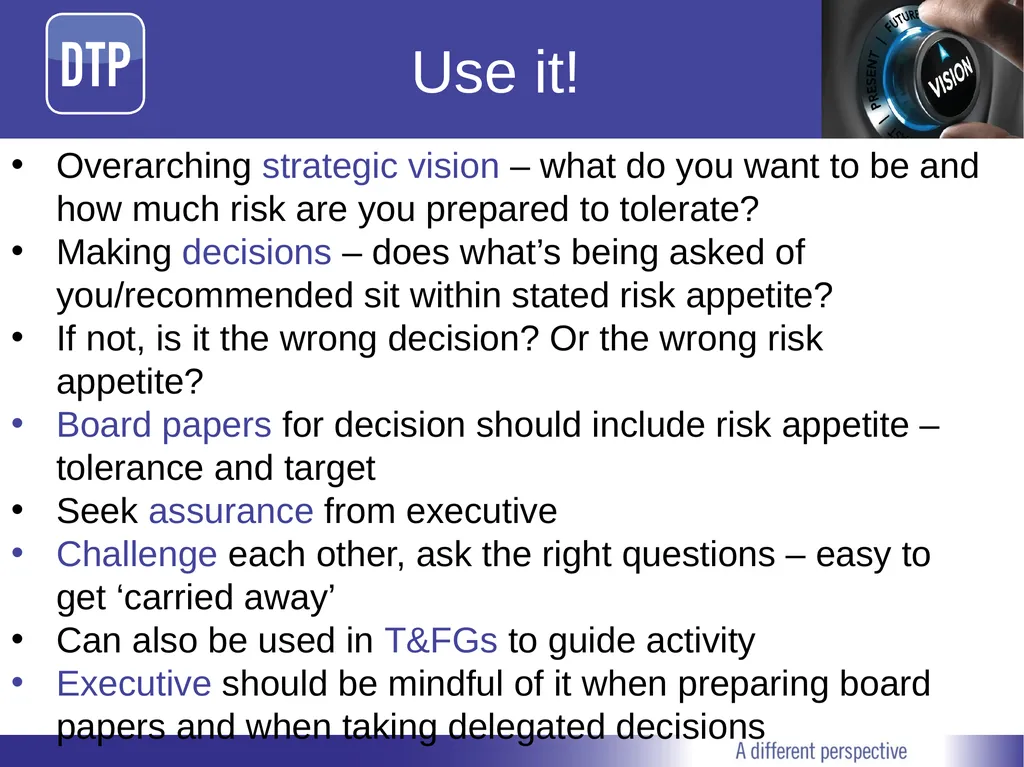
slide22. Use it! Overarching strategic vision – what do you want to be and how much risk are you prepared to tolerate?
Making decisions – does what’s being asked of you/recommended sit within stated risk appetite?
If not, is it the wrong decision? Or the wrong risk appetite?
Board papers for decision should include risk appetite – tolerance and target
Seek assurance from executive
Challenge each other, ask the right questions – easy to get ‘carried away’
Can also be used in T&FGs to guide activity
Executive should be mindful of it when preparing board papers and when taking delegated decisions<br>
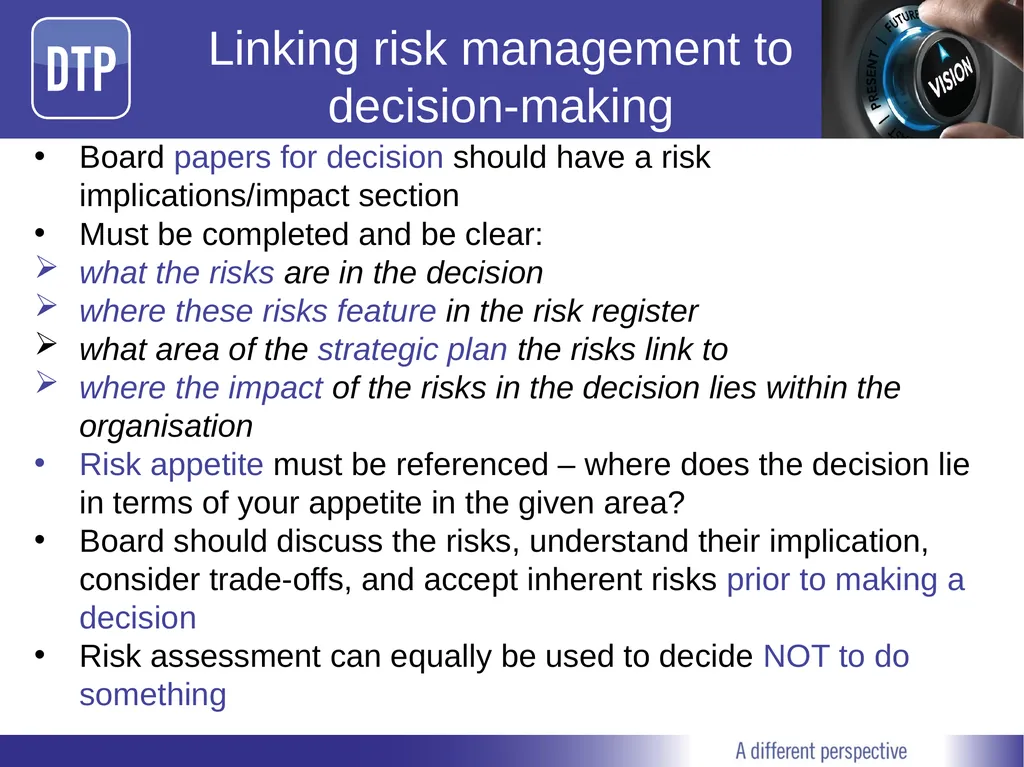
slide23. Linking risk management to decision-making Board papers for decision should have a risk implications/impact section
Must be completed and be clear:
what the risks are in the decision
where these risks feature in the risk register
what area of the strategic plan the risks link to
where the impact of the risks in the decision lies within the organisation
Risk appetite must be referenced – where does the decision lie in terms of your appetite in the given area?
Board should discuss the risks, understand their implication, consider trade-offs, and accept inherent risks prior to making a decision
Risk assessment can equally be used to decide NOT to do something<br>
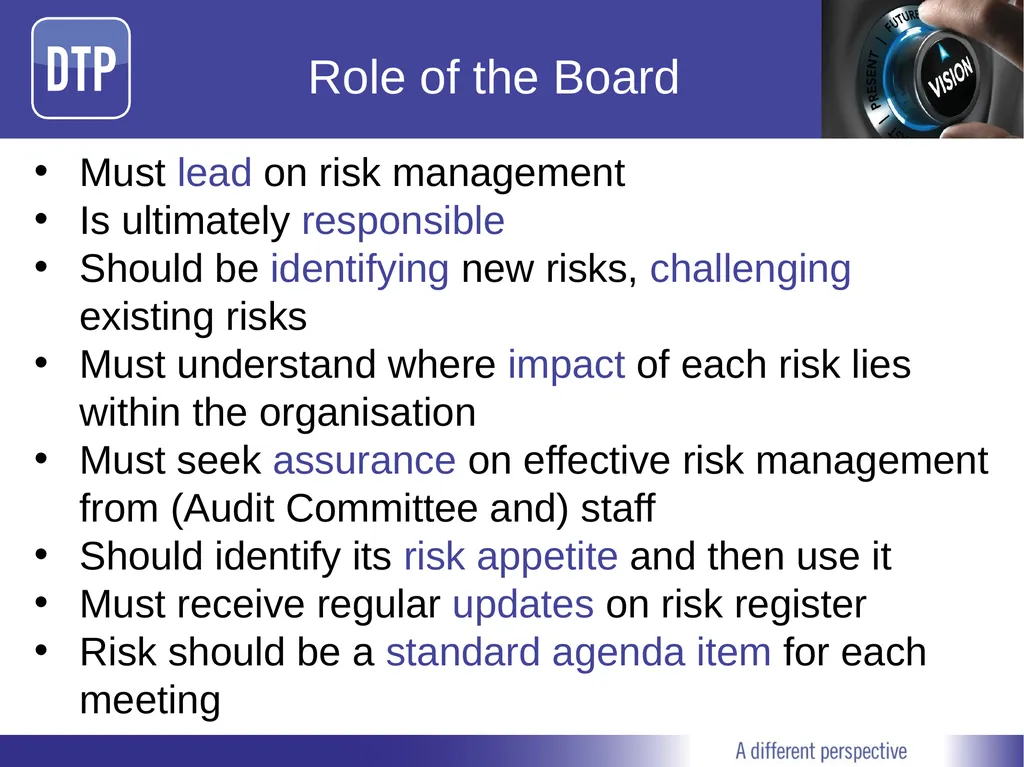
slide24. Must lead on risk management
Is ultimately responsible
Should be identifying new risks, challenging existing risks
Must understand where impact of each risk lies within the organisation
Must seek assurance on effective risk management from (Audit Committee and) staff
Should identify its risk appetite and then use it
Must receive regular updates on risk register
Risk should be a standard agenda item for each meeting Role of the Board<br>
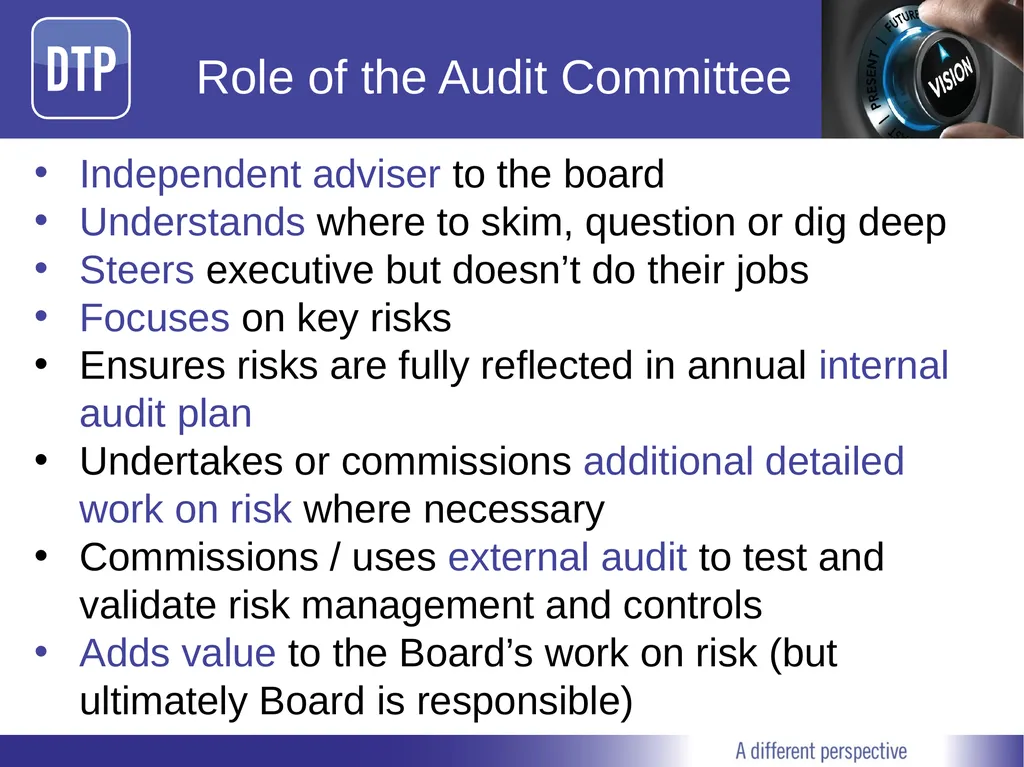
slide25. Independent adviser to the board
Understands where to skim, question or dig deep
Steers executive but doesn’t do their jobs
Focuses on key risks
Ensures risks are fully reflected in annual internal audit plan
Undertakes or commissions additional detailed work on risk where necessary
Commissions / uses external audit to test and validate risk management and controls
Adds value to the Board’s work on risk (but ultimately Board is responsible) Role of the Audit Committee<br>
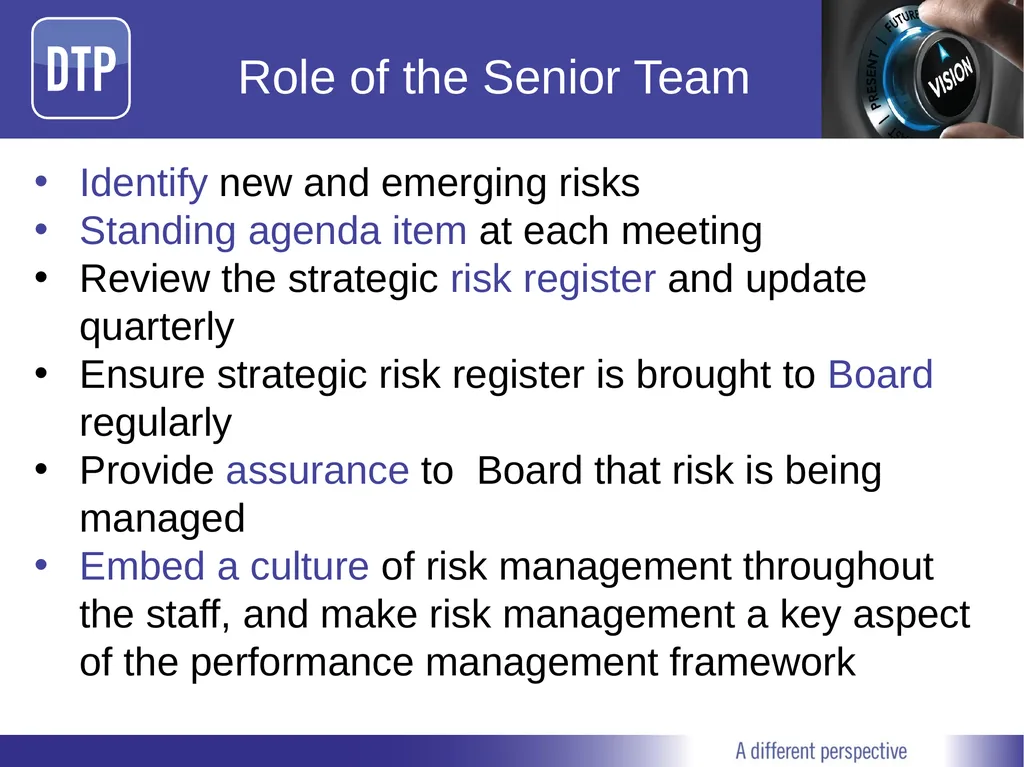
slide26. Identify new and emerging risks
Standing agenda item at each meeting
Review the strategic risk register and update quarterly
Ensure strategic risk register is brought to Board regularly
Provide assurance to Board that risk is being managed
Embed a culture of risk management throughout the staff, and make risk management a key aspect of the performance management framework Role of the Senior Team<br>

slide27. Q&A<br>
Managing risk: what good looks like
in 2022
Sam McGrady, Director
26 April 2022<br>
slide2. Content of session Brief introduction to DTP and myself
Context
Operating environment, regulation, governance
Sector Risk Profile 2021
Risk registers
Assurance mapping
Risk appetite
Linking risk to decision making
Roles and responsibilities
Q&A<br>
slide3. About DTP:
Established in 2006, DTP is an independent consultancy providing high quality advice and support to affordable housing providers, charities and commercial organisations across the UK
Our mission is to help businesses improve and deliver better services to their residents
Core team of 14; specialist associates<br>
slide5. About me:
Director at DTP for 6 years
Previously HouseMark, interim management and in the early days, housing management
Specialise in regulatory compliance, governance, risk, VFM, strategy development
Sit on Regulator of Social Housing (RSH)’s Advisers’ Panel
Member of CIH Policy Advisory Committee<br>
slide6. Risk management should be at the top of board agenda right now - Covid-19, Grenfell, post-Brexit impacts, war in Europe, supply chains, economic concerns, regulatory focus
But also because of nature of the sector – diversification, pressure to develop, building safety/asset investment, net zero carbon – all bring new and heightened risks
Reputational risk – often overlooked
Boards should be on top of this – it’s a key element of good governance
Board needs good information and reporting from officers
Risk management needs to be embedded
Risk appetite needs to be understood and used Context - a sense of urgency<br>
slide7. Context – wider operating environment Economic situation – inflation, cost of living crisis, energy costs, tax increases, supply chains…..
Covid continues to impact – staff sickness, job vacancies, vulnerable people….
War in Ukraine – impact on prices and supplies
Brexit impact…..really hitting home now; imports/exports and supply chain issues
Economic growth predictions reduced
Inflation 6.2% - potential peak 8-11% this year
Significant job vacancies and fall in real wages
Huge hike in house prices and private rents<br>
slide8. Context – housing Levelling up – what does it mean? Will anything change?
Tenants badly impacted by cost of living issues
Increases in homelessness as Covid provisions end
Cyber management – resource increases due
to new standards/regulation, increased threat etc.
‘Strategic choices’ – how much of your finite pot of money do you spend on new homes, existing homes, services to residents, community investment?
Ongoing pressure to build new homes – funding, costs etc
Huge future financial investment needed in existing stock (building/fire safety, net zero carbon)
More to follow……<br>
slide9. Context - regulation<br>
slide10. Regulation (Standard)<br>
slide11. Regulation (Standard)<br>
slide12. Regulation (Standard)<br>
slide13. Principle 4 – Control and assurance
Section 4.3 Risk NHF Code of Governance 2020<br>
slide14. Principle 3 – Board Effectiveness
Section 3.1 Functions of the board NHF Code of Governance 2020<br>
slide15. RSH
Sector Risk Profile 2021<br>
slide16. RSH (England)
Sector Risk Profile 2021<br>
slide17. Risk registers Strategic risk register – directly linked to corporate plan
What are the key risks to delivery of your purpose and corporate objectives?
Take Sector Risk Profile as starting point but bespoke to you and your business
Keep it high level – absolutely the top risks
Operational risk register(s) can sit below
Risks can move between the two
Project risk registers
Evaluate and score risks – gross, residual and target (links to appetite)
Mitigations and controls
Regular update reporting to board (and Audit Committee)<br>
slide18. Risk register examples<br>
slide19. Assurance mapping Three lines of defence:
Risk control: internal controls and business operations
Objectives, policies and procedures
Risk management: executive management assurance
Capable and competent staff
Reporting and compliance functions
Financial, risk and performance management
Feedback
Risk assurance: independent assurance
Internal audit
External audit
Consultant reports and inspections<br>
slide20. Risk appetite – what good looks like Appetite for risk against each strategic risk/risk groups
Averse, Cautious, Balanced, Open, Hungry
Supporting narrative against each to explain appetite
Can simply define current appetite, or take a more nuanced approach which includes direction of travel….
Some organisations set a tolerance also (though this isn’t common in the sector)
Early warning triggers – thresholds, targets, limits
Board must approve
Used to inform decision-making
Future-proof it – enable an agile culture
Don’t over-complicate it! No different to your appetite for risk in other walks of life<br>
slide21. Standard sector approach<br>
slide22. Use it! Overarching strategic vision – what do you want to be and how much risk are you prepared to tolerate?
Making decisions – does what’s being asked of you/recommended sit within stated risk appetite?
If not, is it the wrong decision? Or the wrong risk appetite?
Board papers for decision should include risk appetite – tolerance and target
Seek assurance from executive
Challenge each other, ask the right questions – easy to get ‘carried away’
Can also be used in T&FGs to guide activity
Executive should be mindful of it when preparing board papers and when taking delegated decisions<br>
slide23. Linking risk management to decision-making Board papers for decision should have a risk implications/impact section
Must be completed and be clear:
what the risks are in the decision
where these risks feature in the risk register
what area of the strategic plan the risks link to
where the impact of the risks in the decision lies within the organisation
Risk appetite must be referenced – where does the decision lie in terms of your appetite in the given area?
Board should discuss the risks, understand their implication, consider trade-offs, and accept inherent risks prior to making a decision
Risk assessment can equally be used to decide NOT to do something<br>
slide24. Must lead on risk management
Is ultimately responsible
Should be identifying new risks, challenging existing risks
Must understand where impact of each risk lies within the organisation
Must seek assurance on effective risk management from (Audit Committee and) staff
Should identify its risk appetite and then use it
Must receive regular updates on risk register
Risk should be a standard agenda item for each meeting Role of the Board<br>
slide25. Independent adviser to the board
Understands where to skim, question or dig deep
Steers executive but doesn’t do their jobs
Focuses on key risks
Ensures risks are fully reflected in annual internal audit plan
Undertakes or commissions additional detailed work on risk where necessary
Commissions / uses external audit to test and validate risk management and controls
Adds value to the Board’s work on risk (but ultimately Board is responsible) Role of the Audit Committee<br>
slide26. Identify new and emerging risks
Standing agenda item at each meeting
Review the strategic risk register and update quarterly
Ensure strategic risk register is brought to Board regularly
Provide assurance to Board that risk is being managed
Embed a culture of risk management throughout the staff, and make risk management a key aspect of the performance management framework Role of the Senior Team<br>
slide27. Q&A<br>