
Alabama EMD Program Phase 2 Practitioner Course


Description: Alabama EMD Program Phase 2 Practitioner Course Course Overview MODULE 1 BASIC CONCEPTS OF EMERGENCY MEDICAL DISPATCH MODULE 2 INFORMATION GATHERING AND DISPATCH MODULE 3 STRESS MANAGEMENT AND QUALITY ASSURANCE MODULE 4 ALABAMA EMERGENCY
Related Topics
Download Presentation
"Alabama EMD Program Phase 2 Practitioner Course" is the property of its rightful owner. Permission is granted to download and print the materials on this website for personal, non-commercial use only, and to display it on your personal computer provided you do not modify the materials and that you retain all copyright notices contained in the materials. By downloading content from our website, you accept the terms of this agreement.
Presentation Transcript
slide1. Alabama EMD Program
Phase 2 Practitioner Course<br>
slide2. Course Overview MODULE 1 BASIC CONCEPTS OF EMERGENCY MEDICAL DISPATCH
MODULE 2 INFORMATION GATHERING AND DISPATCH
MODULE 3 STRESS MANAGEMENT AND QUALITY ASSURANCE
MODULE 4 ALABAMA EMERGENCY MEDICAL DISPATCH GUIDEBOOK<br>
slide3. Module 1
Basic Concepts of EMD<br>
slide4. Unit 1 - EMD Roles and Responsibilities Learning Objectives
Describe the functions, roles and responsibilities of an effective EMD.
List the basic prerequisites to being a successful dispatcher.
Explain the three phases of the dispatch function.
Describe the local Emergency Medical Service (EMS) system.<br>
slide5. Common Misconceptions Callers are too upset to provide accurate and useful responses to the EMD.
Callers are unable to provide EMDs with information needed for effective dispatch.
Medical expertise is unimportant, so why not use other public safety dispatchers?
It is dangerous NOT to go "lights and sirens."
The EMD is too busy to worry about asking questions, giving instructions or using the Guidebook.
Medical advice provided over the telephone can’t help patients and could be dangerous.<br>
slide6. Responsibilities of the EMD Receives and processes calls for EMS assistance.
Determines the nature and severity of medical incidents.
Coordinates and dispatches EMS resources.
Gives emergency medical assistance per the approved Guidebook.<br>
slide7. Responsibilities of the EMD Relays pertinent information to responding personnel.
Attempts to ensure safety of patients, bystanders and responding personnel.
Gives instructions to callers using the Guidebook, helping them prepare for responder arrival.
Coordinates with other public safety and EMS services as required by the situation.<br>
slide8. Attributes/Behaviors of Successful EMDs Helpful/compassionate
Handles stress
Masters skills of EMD
Effectively gathers information
Assists responders in locating patients
Determines nature of medical situation without diagnosing
Reacts passively to hostile callers
Maintains confidentiality<br>
slide9. Three Phases of the Dispatch Function Phase 1 – Call Receiving Activities
EMD takes incoming calls
Engages caller in initial survey sequence
Where? What? How? Who? When?
EMD then goes to proper protocol card in the Guidebook for further information<br>
slide10. Three Phases of the Dispatch Function Phase 2 – Dispatch Activities
EMD goes to proper protocol
Protocols give appropriate response mode established by local medical authority
EMD dispatches response personnel in proper mode and configuration<br>
slide11. Three Phases of the Dispatch Function Phase 3 – Post-Dispatch Activites
EMD prepares caller for responding personnel
EMD provides medical instructions as directed by the Guidebook<br>
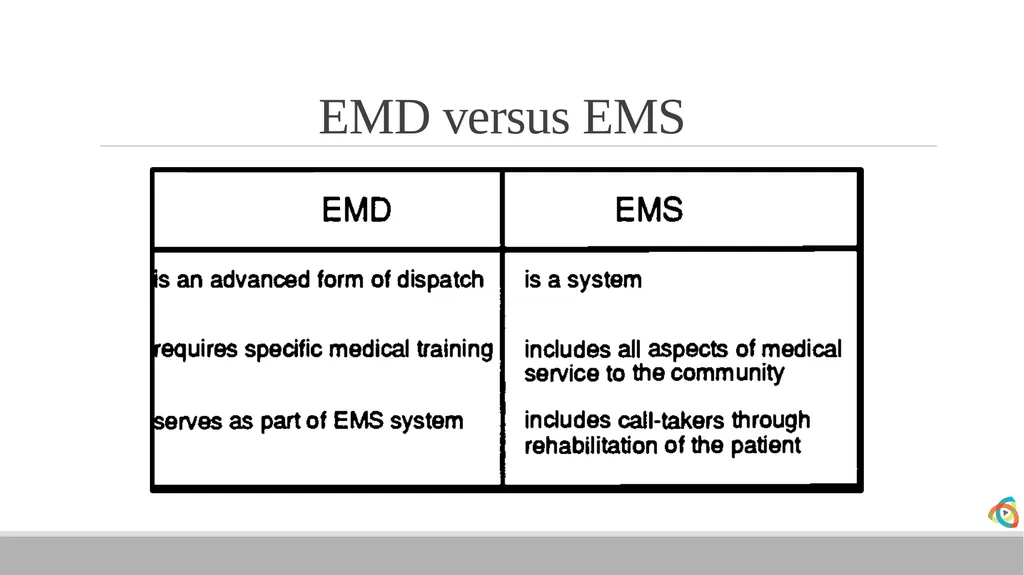
slide12. EMD versus EMS<br>
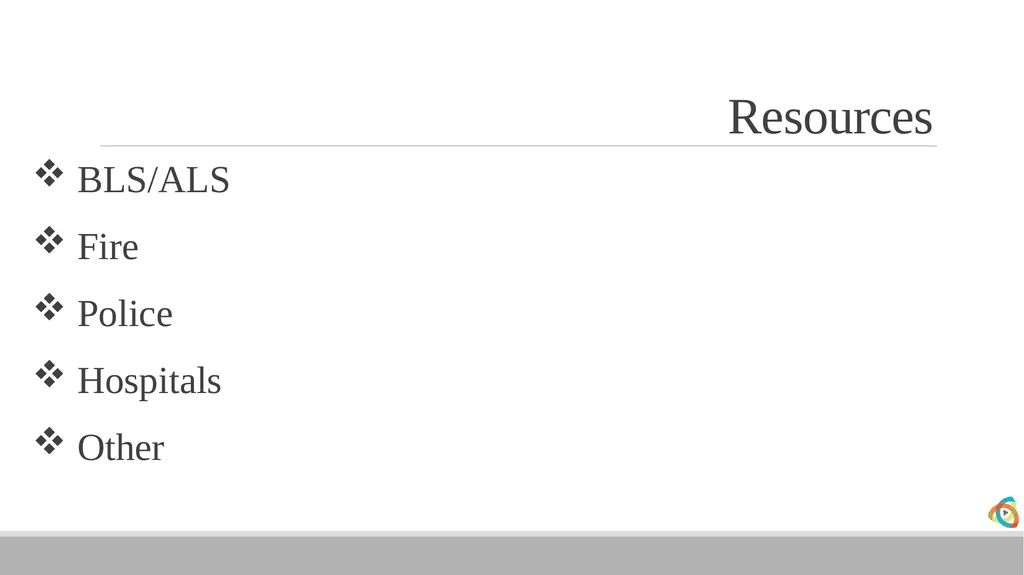
slide13. Resources BLS/ALS
Fire
Police
Hospitals
Other<br>
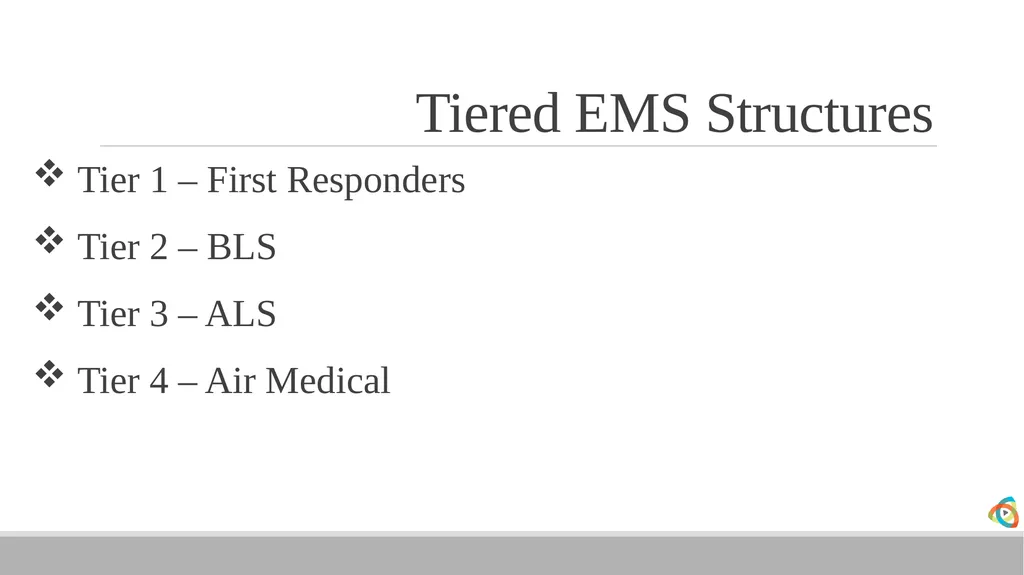
slide14. Tiered EMS Structures Tier 1 – First Responders
Tier 2 – BLS
Tier 3 – ALS
Tier 4 – Air Medical<br>
slide15. Response Modes Cold versus Hot<br>
slide16. Unit 2 – Legal and Liability Issues in EMD Learning Objectives
Identify legal and liability issues that the EMD faces
Identify strategies to avoid litigation
Define liability
Describe negligence and how courts determine negligence
Define standard of care
Describe abandonment
Explain and identify issues that surround confidentiality
Explain litigation and to avoid it<br>
slide17. Liability Liability means that you are responsible for your own actions.<br>
slide18. Proving Negligence Duty
Breach of Duty
Injury/Damage
Proximate Cause/Causation<br>
slide19. Types of Negligence Simple Negligence
Gross Negligence<br>
slide20. Establishing a Standard of Care Behavior judged in comparison to...
other EMDs with similar training and experience
local customs (protocols/guidelines)
local or state statutes, ordinances, case law or administrative orders
professional standards established and published by agencies involved in emergency work<br>
slide21. Immunity “Good Samaritan” Laws and Governmental Immunity
Good Samaritan Laws vary from state-to-state
Good Samaritan Laws provide immunity when...
person acts in ‘good faith’
person acts in an emergency
Governmental immunity is provided by 9-1-1 or EMS laws and only applies to cases of simple negligence and only to public agencies<br>
slide22. Patient Confidentiality Only information that is relevant to determine the proper medical response, related to scene safety, patient complaint and condition can be relayed.
Learn the policies and procedures in place at your agency regarding confidentiality and follow them.<br>
slide23. Appropriate Concerns failure to send resources when requested
subjective judgment of caller credibility
subjective judgment of chief complaint
argumentative or combative EMD behavior
allowing prejudices to influence decisions
giving medical instructions without using Guidebook
failure to train/be certified as EMD
not giving instructions when needed and protocol is available<br>
slide24. Avoiding Liability at the Agency level Good hiring/screening procedures
Well-organized, written EMD training/orientation
Regular/objective progress reports for probationary personnel
Clearly written job descriptions
Regular review/update of policies and procedures
Proper EMD training and certification<br>
slide25. Avoiding Liability at the Agency level Appropriate implementation of EMD program
Adequate EMD program management
Provide physician who gives medical direction to program
Implement QA/QI program for dispatch
Implement on-going, regular continuing dispatch education program (CDE)
Develop budgets that allow for improvements to be made<br>
slide26. Avoiding Liability as an Individual Avoid inappropriate behaviors
Participate in QA/QI and CDE programs
Get certified as EMD
Follow policies, procedures and practices established by local agency
Report problems/situations as soon as possible and in writing<br>
slide27. Unit 3 – Emergency Medical Concepts Learning Objectives
Describe medical concepts as the relate to the EMD function
Describe the seven systems of the body
Describe the true causes of death in patients
Define shock
Define methods for dealing with bleeding patients
Define levels of consciousness<br>
slide28. Seven Systems of the Body Nervous System
Circulatory System
Respiratory System
Digestive System
Musculoskeletal System
Genito-Urinary System
Skin<br>
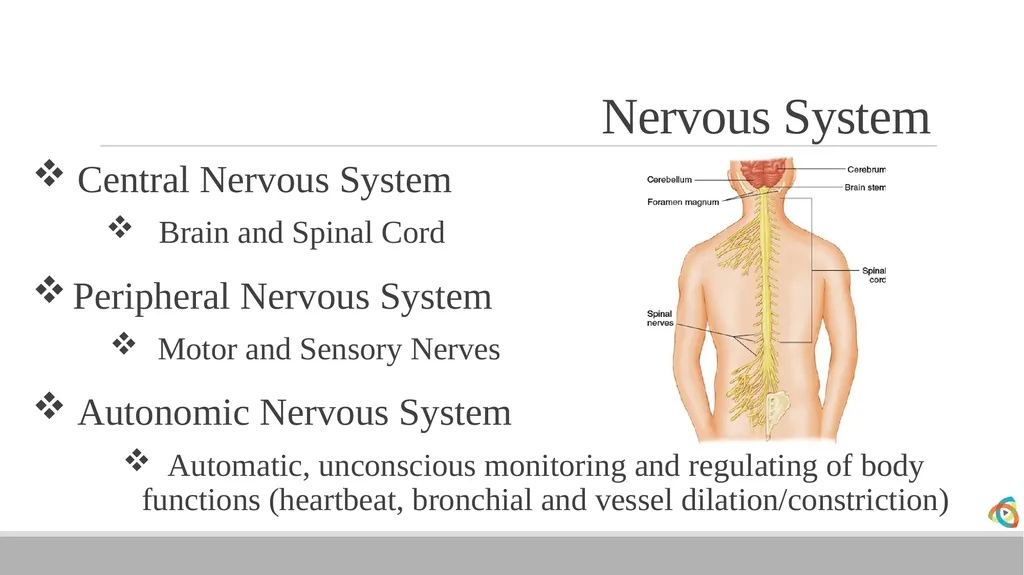
slide29. Nervous System Central Nervous System
Brain and Spinal Cord
Peripheral Nervous System
Motor and Sensory Nerves
Autonomic Nervous System
Automatic, unconscious monitoring and regulating of body functions (heartbeat, bronchial and vessel dilation/constriction)<br>
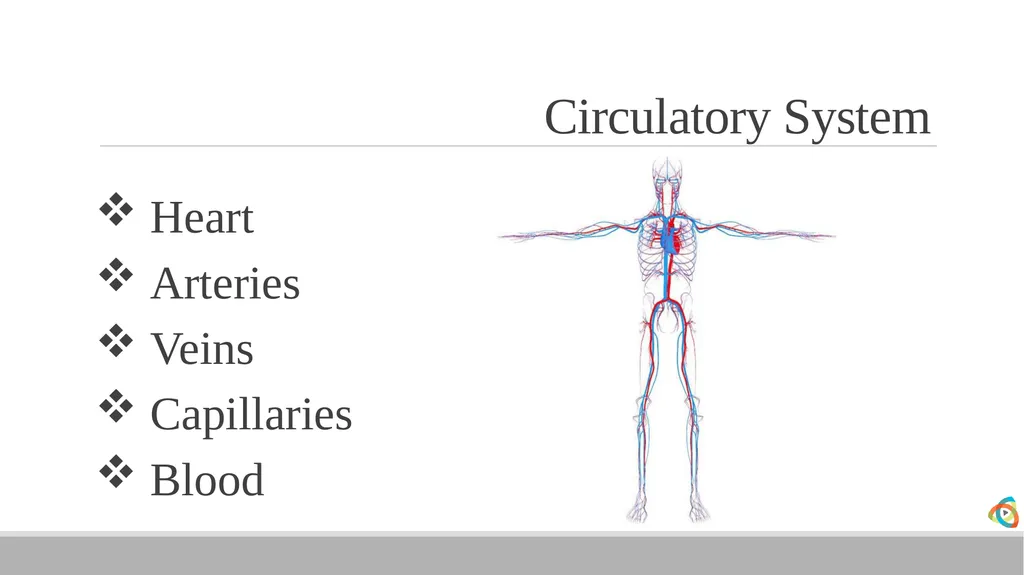
slide30. Circulatory System Heart
Arteries
Veins
Capillaries
Blood<br>
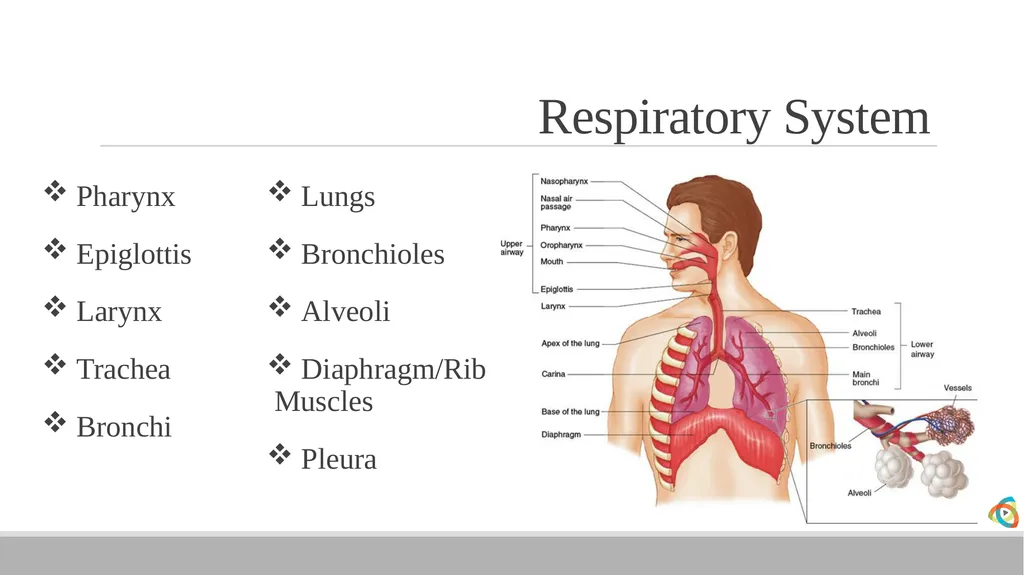
slide31. Respiratory System Pharynx
Epiglottis
Larynx
Trachea
Bronchi
Lungs
Bronchioles
Alveoli
Diaphragm/Rib Muscles
Pleura<br>
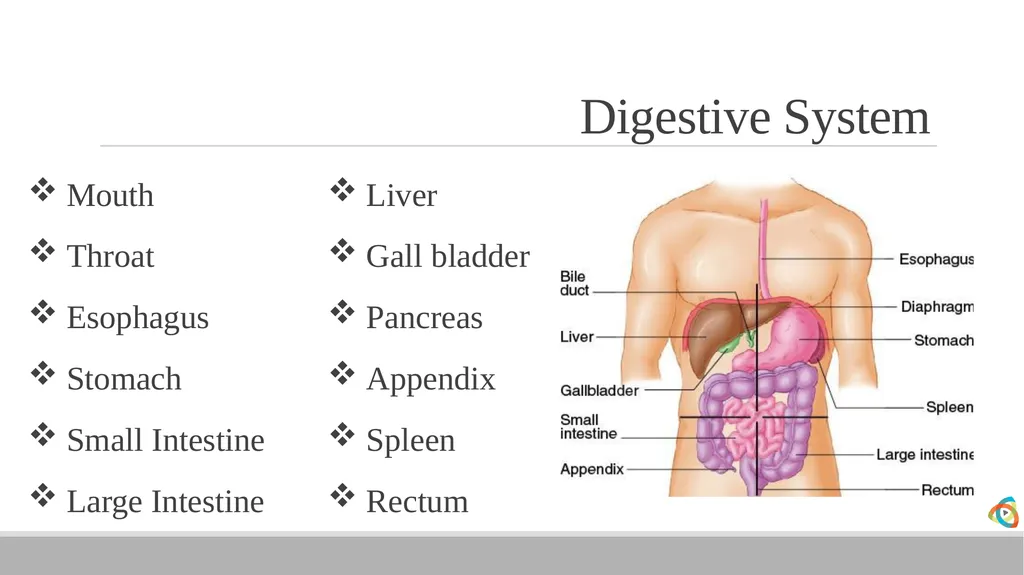
slide32. Digestive System Mouth
Throat
Esophagus
Stomach
Small Intestine
Large Intestine
Liver
Gall bladder
Pancreas
Appendix
Spleen
Rectum<br>
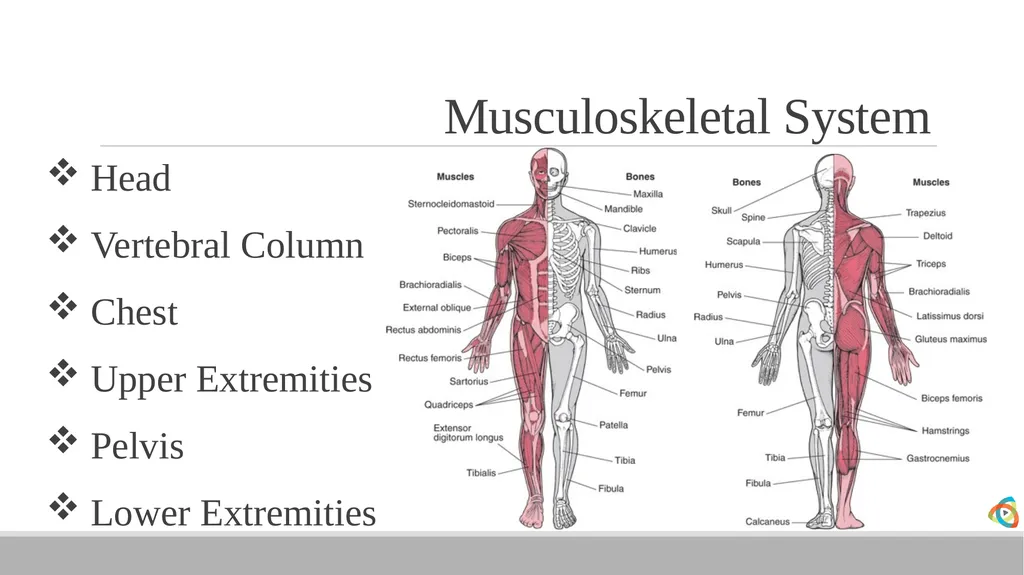
slide33. Musculoskeletal System Head
Vertebral Column
Chest
Upper Extremities
Pelvis
Lower Extremities<br>
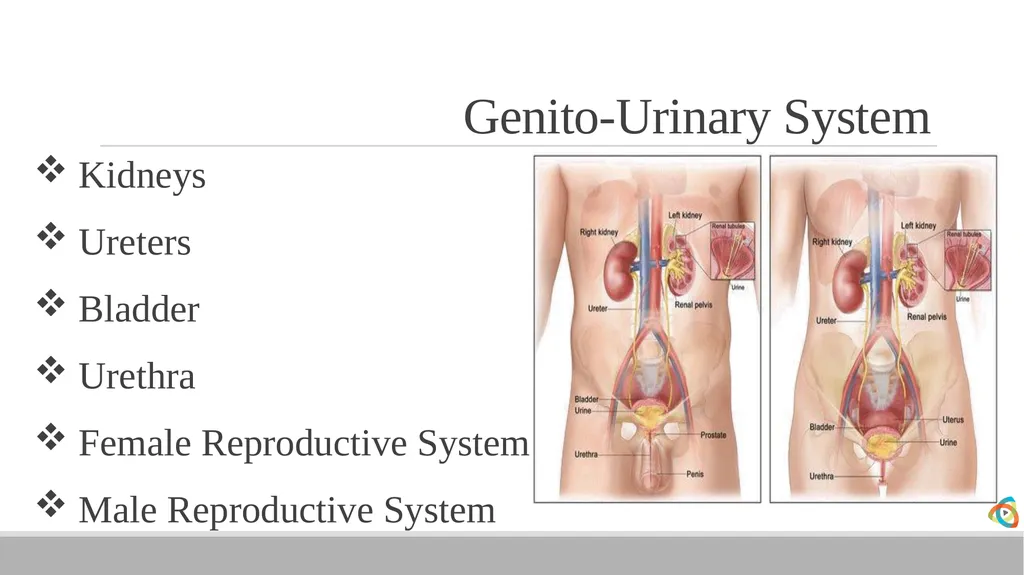
slide34. Genito-Urinary System Kidneys
Ureters
Bladder
Urethra
Female Reproductive System
Male Reproductive System<br>
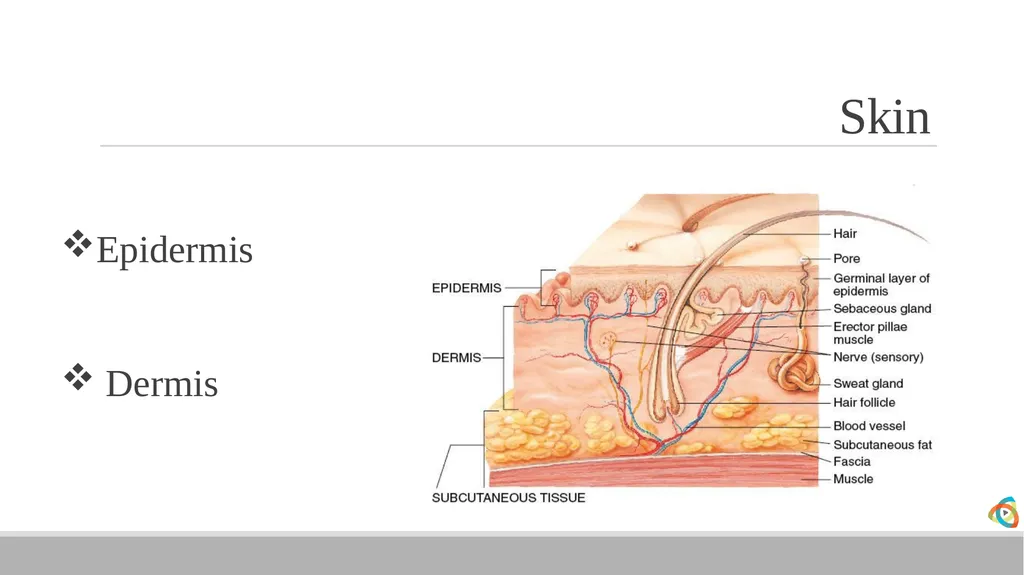
slide35. Skin Epidermis
Dermis<br>
slide36. Levels of Consciousness (AVPU) Alert
Verbal
Pain
Unresponsive<br>
slide37. Symptoms of Shock Sense of impending Doom
Weakness
Nausea
Dizziness
Coolness
Restlessness/Anxiety<br>
slide38. Signs of Shock Pale/cool/moist skin
Shallow/rapid breathing
Lackluster eyes/dilated eyes
Decreasing consciousness
Fluid loss
Weak or “thready” pulse
Steady blood pressure drop<br>
slide39. Seven Types of Shock Anaphylactic
Cardiogenic
Hemorrhagic
Hypovolemic
Neurogenic
Psychogenic
Septic<br>
slide40. Dealing with Shock Clear airway
Control bleeding
Calm/reassure patient
Keep patient flat unless comfortable in another position
DO NOT GIVE THE PATIENT ANYTHING TO EAT OR DRINK<br>
slide41. Respiratory Distress Anxiety/Restlessness
Cyanosis (turning blue)
Tachypnea (rapid breathing)
Noisy respiration
Labored appearance
Diaphoretic (sweating)<br>
slide42. Bleeding Control Direct Pressure
Elevate extremity
Tourniquets<br>
slide43. Module 2
Information Gathering and Dispatch<br>
slide44. Unit 1 – Obtaining Information from Callers Learning Objectives
Describe the philosophy of Emergency Medical Dispatch call taking
Describe the techniques for obtaining information from callers
Describe the primary responsibilities of the EMD when call taking
Describe the interpersonal qualities that the EMD is required to show on each call
List in order of priority the four essential items of information that the EMD should obtain<br>
slide45. Primary Responsibilities of the EMD Maintaining contact with callers
Dispatching appropriate resources
Calming callers and maintaining control of conversation
Determining if emergency instruction is required<br>
slide46. Interpersonal Qualities of the EMD Be polite
Be calm and reassuring
Be firm
Be clear, concise and use accurate speech<br>
slide47. Proper Telephone Techniques Ask callers if they have a portable phone
Speak directly into the phone
Take control of conversation
Picture caller in your mind
Write down information
Explain waiting periods to callers
Show interest in each caller<br>
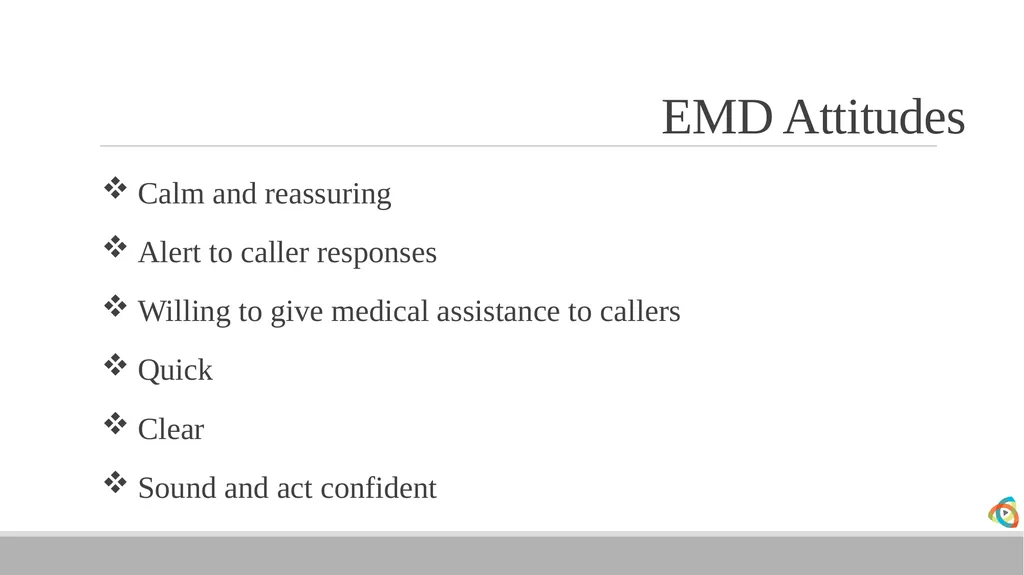
slide48. EMD Attitudes Calm and reassuring
Alert to caller responses
Willing to give medical assistance to callers
Quick
Clear
Sound and act confident<br>
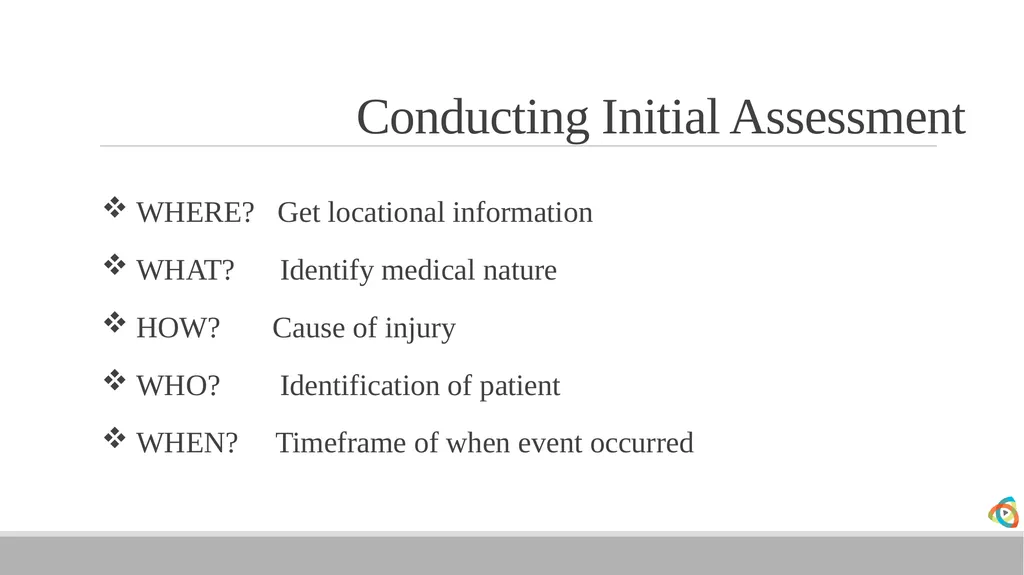
slide49. Conducting Initial Assessment WHERE? Get locational information
WHAT? Identify medical nature
HOW? Cause of injury
WHO? Identification of patient
WHEN? Timeframe of when event occurred<br>
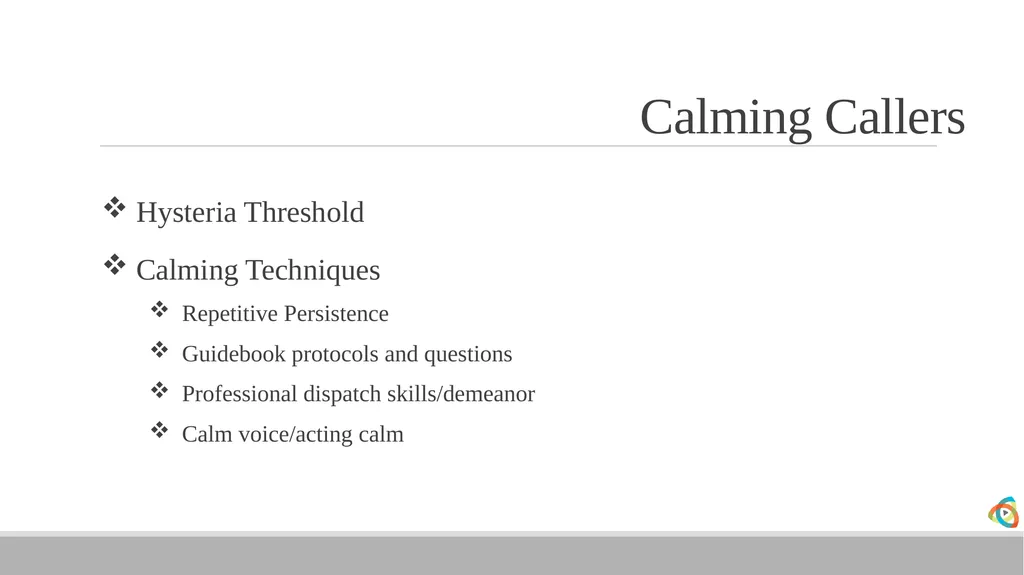
slide50. Calming Callers Hysteria Threshold
Calming Techniques
Repetitive Persistence
Guidebook protocols and questions
Professional dispatch skills/demeanor
Calm voice/acting calm<br>
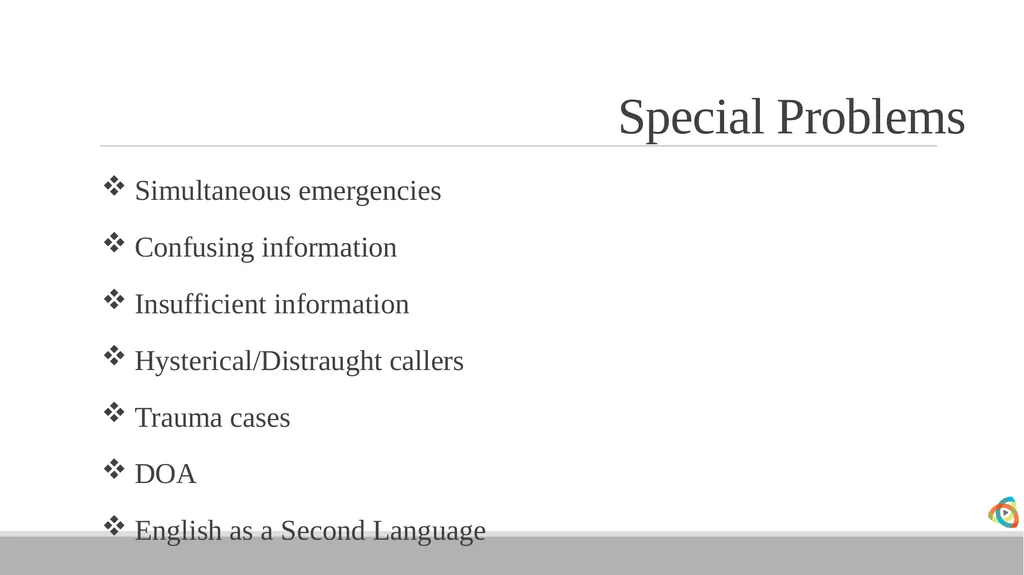
slide51. Special Problems Simultaneous emergencies
Confusing information
Insufficient information
Hysterical/Distraught callers
Trauma cases
DOA
English as a Second Language<br>
slide52. Common Events During Calls Objection to persistent questioning
Caller reaches hysteria threshold
EMD uses “repetitive persistence” to break hysteria threshold
“It's not working!” syndrome
“Telescoping of Time” syndrome
“Secondary Patient” syndrome
“Tertiary Patient” syndrome<br>
slide53. Speech and Hearing Impaired Callers Callers will probably be in a higher state of anxiety than you
Impaired people may not deal with persons outside of their community<br>
slide54. Speech and Hearing Impaired Callers If the caller is deaf, s/he may not realize when help has arrived
Speak slowly and clearly to callers who have difficulty hearing
If you receive a call and cannot understand the caller, DO NOT ASSUME THE CALLER IS INTOXICATED!<br>
slide55. Children Callers Children will often seem very calm
Children will report things in a simple way
Children are capable of answering questions and following instructions
Children may tend to answer yes as a reflex and not as the correct answer
For non-English speaking callers, a child might be the most fluent<br>
slide56. Elderly Callers Hesitant to call
Hesitant to ask for and accept help
Difficulty hearing<br>
slide57. Language Barriers Speak slowly
Enunciate clearly
Use simple language
Ask “Do you understand me?”
Remain patient and do not talk down to the caller<br>
slide58. Unit 2 Learning Objectives
Describe the resources available in the local EMS system
Describe the local pre-configured response modes
Determine the appropriate resources to be allocated by considering such factors as: the nature of the problem, personnel and vehicles, available, unit proximity to patient, coverage zones and equipment and trained personnel for each resource.<br>
slide59. Resource Allocation Primary Responsibilities
Obtain proper information
Maintain accurate resource inventory
Identify situations that require specific types of assistance
Identifying situations requiring phone-patching
Determine best routes for responders to reach patients<br>
slide60. Resource Allocation Primary Responsibilities
Be familiar with local resource capabilities
Identify hospital where patient will be taken
Identify the nature and severity of the problem
Determine if multiple units are needed
Identify proper response mode for all calls<br>
slide61. Resource Allocation Depends On Predetermined response configurations
type/severity of emergency
resources, equipment and personnel available
proximity of resource to patient
callers’ needs
victim accessibility<br>
slide62. Response Configurations Time and Outcome
Time Savings
Time and Proximity<br>
slide63. Response Modes HOT Responses
Going Lights and Sirens
Emergency Response Mode
COLD Responses
Going Cold
Normal Response Mode<br>
slide64. Response Configurations BLS Cold
BLS Hot
ALS Hot
FULL Response<br>
slide65. Principles of Allocation Knowledge of resource status at all times
Sending closest units that can meet the need
Sending enough resources to meet the need
Understanding the influence of proximity on outcome
Determining ease of access to victim<br>
slide66. Principles of Allocation Knowledge of availability of first responders, other agencies and multiple units for quick response
When in doubt, send out more than you can prove you'll need
Having "backups" for units "out-of-service“
Determine need based on criteria in Guidecard
Use Guidecard recommendation to determine response configuration and mode<br>
slide67. Local Medical Resources Hospitals
Medical and Trauma Centers
Advanced Life Support/Paramedics
BLS/Advanced EMTs
Rescue Squads/Extrication Units
Helicopters/Air Ambulances
Medical Personnel Resources (ALS vs. BLS, Paramedics, EMTs, First Responders, etc.)
Ambulances<br>
slide68. Other Resources Special Care Units (Burn Centers, Perinatal Units, etc.)
Hazardous Materials Units (HAZMAT)
Gas and Electric Utilities
Police and Fire
US National Guard, US Coast Guard
Poison Control
Rape Crisis Centers/Counselors
Translator Services
Military Assistance to Safety and Traffic (MAST)<br>
slide69. Unit 3 – Providing Emergency Care Instructions Learning Objectives
Describe the ideas behind providing emergency care instructions
List at least six requirements to creating effective communication between the EMD and the caller
List the “housekeeping hints” that aid EMDs in the delivery of effective telephone medical instructions<br>
slide70. Using Medical Instructions Is it possible?
Is phone near patient?
Third-party caller?
Is it appropriate?
Does the situation call for it?
Is there a protocol for it?<br>
slide71. Further Interrogation Ensures proper response mode
Identifies conditions requiring pre-arrival instructions
Helps responders address the scene
Helps you provide scene safety<br>
slide72. Proper Dispatching Alerting appropriate resources
Relaying information to responders
Helping responders locate victim
Establishing communication links<br>
slide73. Why is EMD Important? First medical contact caller has
Only person with immediate understanding of resources available and their capabilities
In best position to determine need of patient
Able to initiate telephone CPR within first 2 minutes<br>
slide74. Giving Good Telephone Instructions Refine interrogation skills
Familiarize yourself with cardiac arrest as a medical emergency
Practice using Guidebook protocol cards for the emergency
Practice overcoming the “hysteria threshold” and using “repetitive persistence”
Deliver instructions in calm and reassuring manner<br>
slide75. Communication Skills Be calm and reassure callers
Be quick
Be clear
Ask only necessary questions
Repeat questions only when caller did not understand you or did not give you useful information
Be alert to caller responses
Be willing to give assistance<br>
slide76. “Housekeeping Hints” Keep Guidebook close at hand/open and easily accessible
Follow Guidebook protocols
If you get the call from another agency then get the call back number and CALL BACK<br>
slide77. Module 3
Stress Management and Quality Assurance<br>
slide78. Unit 1 – Stress Management Learning Objectives
Explain strategies to cope with and reduce stress.
Define terms associated with stress.
Describe the three phases of burnout.
Describe a Critical Incident Stress Management program.<br>
slide79. Stressors Expectation of being a problem-solver
Mental Stress (dealing with the world’s problems)
Physical Stress<br>
slide80. Basic Concepts of Stress Burnout
Cumulative Stress
Post-Traumatic Stress Disorder
Stress Response
Stressor
Trauma<br>
slide81. Strategies to Handle Stress Eat healthy before going to work
Take a healthy meal with you
Remove yourself for a few minutes
Leave work at work
Leave home at home
Talk it out
Exercise
Focus on understanding rather on being understood
Recognize “Tertiary Patient Syndrome” and how to deal with it
Be Realistic
Shift physical position often
Develop a sense of humor<br>
slide82. Critical Incident Stress Management (CISM) CISM Programs include a wide range of services, procedures and intervention strategies to lessen the effects of a critical incident.
Critical incidents affect each person differently. Do not be shameful about your participation.<br>
slide83. Unit 2 – Quality Assurance Learning Objectives
Explain the importance of QA/QI in Emergency Medical Dispatch
Describe continuing education requirements<br>
slide84. QA/QI QA – Quality Assurance
QI – Quality Improvement<br>
slide85. QA/QI 7-10% of all calls received by an agency should be reviewed, according to ASTM Standards.<br>
slide86. Credentials Credentials valid for 2 years
Always maintain current CPR Certification<br>
slide87. Continuing Education Maintain CPR certification
Complete 24 hours of continuing education hours during 2 year period<br>
slide88. Module 4
Alabama Emergency Medical Dispatch Guidebook<br>
slide89. Unit 1 – Introduction to the ALEMD Program Learning Objectives
Explain the concepts of the ALEMD Program
Describe the requirements for recredentialing<br>
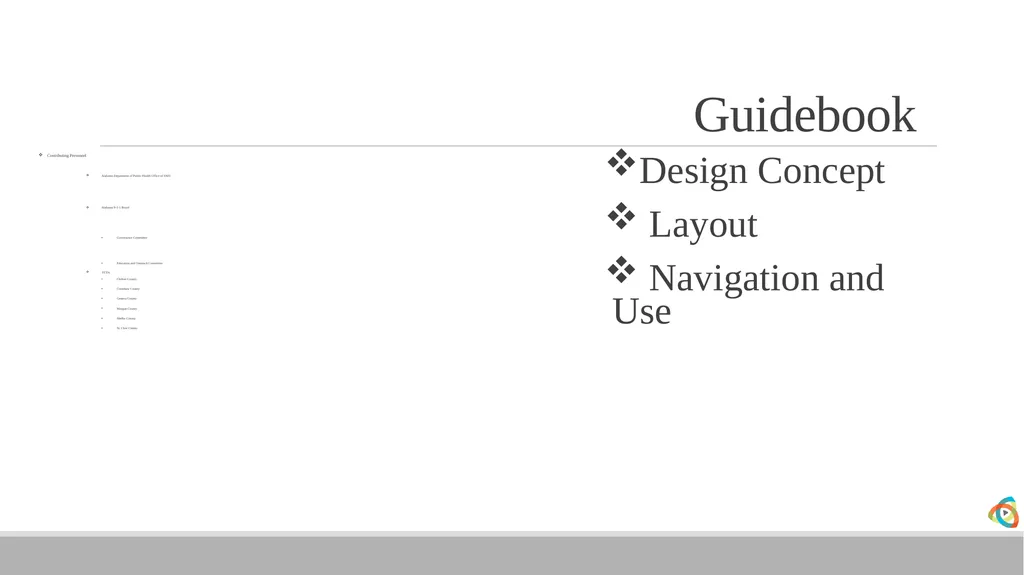
slide90. Guidebook Contributing Personnel
Alabama Department of Public Health Office of EMS
Alabama 9-1-1 Board
Governance Committee
Education and Outreach Committee
ECDs
Chilton County
Crenshaw County
Geneva County
Morgan County
Shelby County
St. Clair County Design Concept
Layout
Navigation and Use<br>
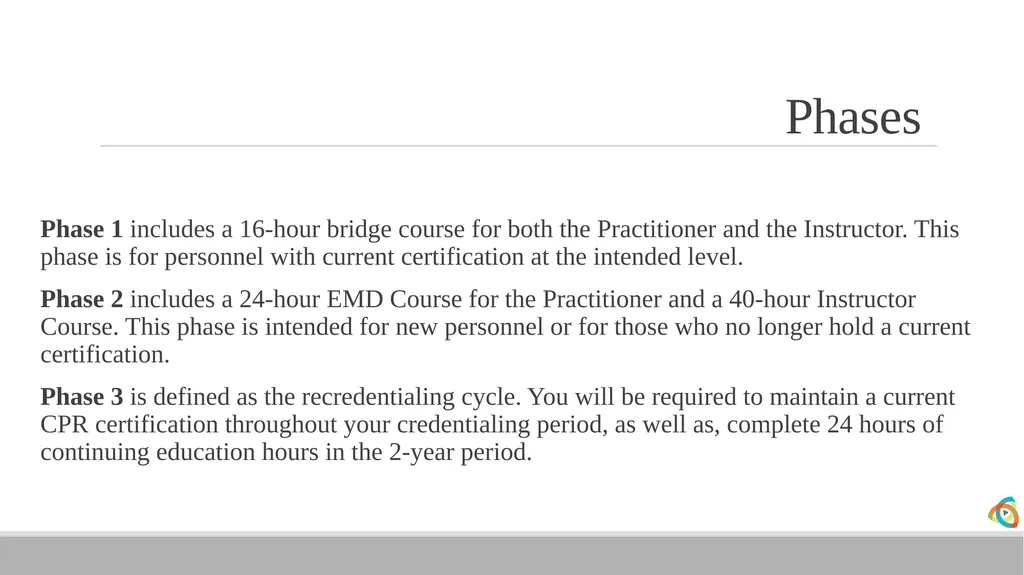
slide91. Phases Phase 1 includes a 16-hour bridge course for both the Practitioner and the Instructor. This phase is for personnel with current certification at the intended level.
Phase 2 includes a 24-hour EMD Course for the Practitioner and a 40-hour Instructor Course. This phase is intended for new personnel or for those who no longer hold a current certification.
Phase 3 is defined as the recredentialing cycle. You will be required to maintain a current CPR certification throughout your credentialing period, as well as, complete 24 hours of continuing education hours in the 2-year period.<br>
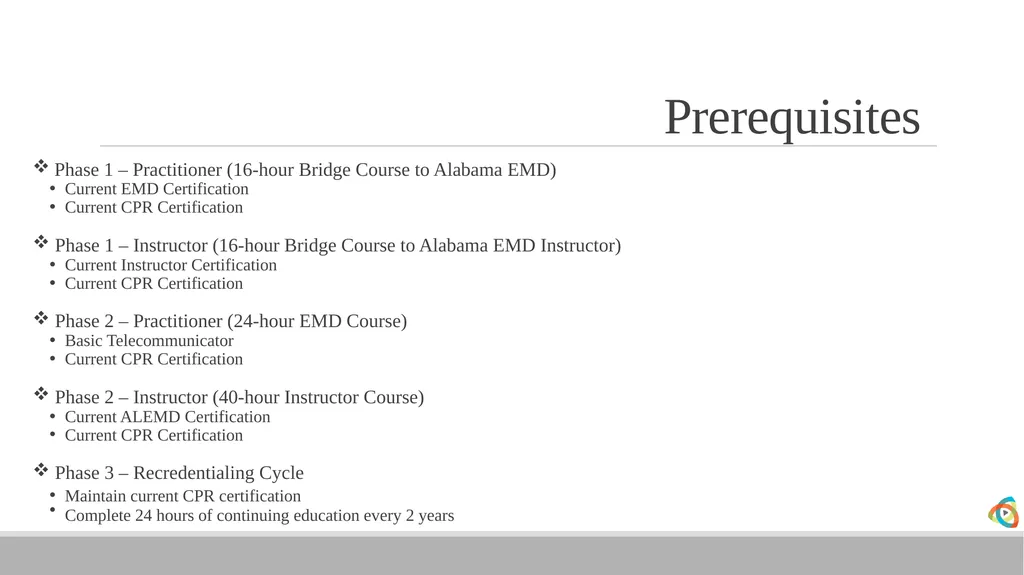
slide92. Prerequisites Phase 1 – Practitioner (16-hour Bridge Course to Alabama EMD)
Current EMD Certification
Current CPR Certification
Phase 1 – Instructor (16-hour Bridge Course to Alabama EMD Instructor)
Current Instructor Certification
Current CPR Certification
Phase 2 – Practitioner (24-hour EMD Course)
Basic Telecommunicator
Current CPR Certification
Phase 2 – Instructor (40-hour Instructor Course)
Current ALEMD Certification
Current CPR Certification
Phase 3 – Recredentialing Cycle
Maintain current CPR certification
Complete 24 hours of continuing education every 2 years<br>
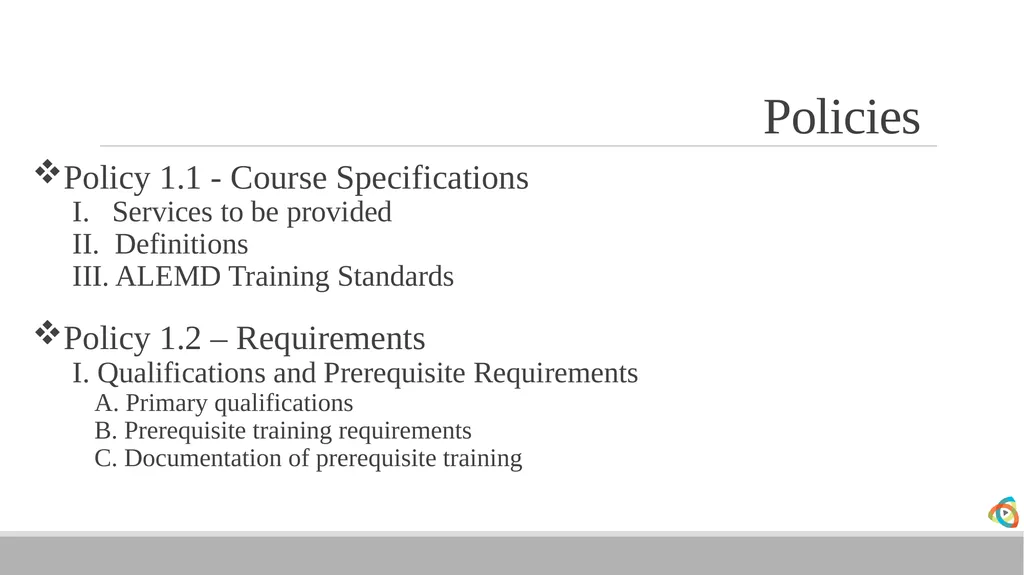
slide93. Policies Policy 1.1 - Course Specifications
I. Services to be provided
II. Definitions
III. ALEMD Training Standards
Policy 1.2 – Requirements
I. Qualifications and Prerequisite Requirements
A. Primary qualifications
B. Prerequisite training requirements
C. Documentation of prerequisite training<br>
slide94. Policies Policy 1.3 – Attendance and Training
I. Attendance Requirements
II. Make-up Sessions
III. Testing
Policy 1.4 – Materials and Equipment
I. Student Materials
II. Instructor Materials
III. Course Materials
IV. Training Facility Materials and Equipment<br>
slide95. Policies Policy 1.5 – Practitioner and Instructor Renewal Requirements<br>
slide96. Expectations The Alabama Emergency Medical Dispatch Program sets forth the expectation of professionalism and efficiency. As a practitioner in this Program you will be expected to meet these expectations.<br>
slide97. Unit 2 – ALEMD Guidebook Learning Objectives
Explain the use and navigation of the Guidebook
Demonstrate the use and navigation of the Guidebook<br>
slide98. ALEMD Guidebook<br>
slide2. Course Overview MODULE 1 BASIC CONCEPTS OF EMERGENCY MEDICAL DISPATCH
MODULE 2 INFORMATION GATHERING AND DISPATCH
MODULE 3 STRESS MANAGEMENT AND QUALITY ASSURANCE
MODULE 4 ALABAMA EMERGENCY MEDICAL DISPATCH GUIDEBOOK<br>
slide3. Module 1
Basic Concepts of EMD<br>
slide4. Unit 1 - EMD Roles and Responsibilities Learning Objectives
Describe the functions, roles and responsibilities of an effective EMD.
List the basic prerequisites to being a successful dispatcher.
Explain the three phases of the dispatch function.
Describe the local Emergency Medical Service (EMS) system.<br>
slide5. Common Misconceptions Callers are too upset to provide accurate and useful responses to the EMD.
Callers are unable to provide EMDs with information needed for effective dispatch.
Medical expertise is unimportant, so why not use other public safety dispatchers?
It is dangerous NOT to go "lights and sirens."
The EMD is too busy to worry about asking questions, giving instructions or using the Guidebook.
Medical advice provided over the telephone can’t help patients and could be dangerous.<br>
slide6. Responsibilities of the EMD Receives and processes calls for EMS assistance.
Determines the nature and severity of medical incidents.
Coordinates and dispatches EMS resources.
Gives emergency medical assistance per the approved Guidebook.<br>
slide7. Responsibilities of the EMD Relays pertinent information to responding personnel.
Attempts to ensure safety of patients, bystanders and responding personnel.
Gives instructions to callers using the Guidebook, helping them prepare for responder arrival.
Coordinates with other public safety and EMS services as required by the situation.<br>
slide8. Attributes/Behaviors of Successful EMDs Helpful/compassionate
Handles stress
Masters skills of EMD
Effectively gathers information
Assists responders in locating patients
Determines nature of medical situation without diagnosing
Reacts passively to hostile callers
Maintains confidentiality<br>
slide9. Three Phases of the Dispatch Function Phase 1 – Call Receiving Activities
EMD takes incoming calls
Engages caller in initial survey sequence
Where? What? How? Who? When?
EMD then goes to proper protocol card in the Guidebook for further information<br>
slide10. Three Phases of the Dispatch Function Phase 2 – Dispatch Activities
EMD goes to proper protocol
Protocols give appropriate response mode established by local medical authority
EMD dispatches response personnel in proper mode and configuration<br>
slide11. Three Phases of the Dispatch Function Phase 3 – Post-Dispatch Activites
EMD prepares caller for responding personnel
EMD provides medical instructions as directed by the Guidebook<br>
slide12. EMD versus EMS<br>
slide13. Resources BLS/ALS
Fire
Police
Hospitals
Other<br>
slide14. Tiered EMS Structures Tier 1 – First Responders
Tier 2 – BLS
Tier 3 – ALS
Tier 4 – Air Medical<br>
slide15. Response Modes Cold versus Hot<br>
slide16. Unit 2 – Legal and Liability Issues in EMD Learning Objectives
Identify legal and liability issues that the EMD faces
Identify strategies to avoid litigation
Define liability
Describe negligence and how courts determine negligence
Define standard of care
Describe abandonment
Explain and identify issues that surround confidentiality
Explain litigation and to avoid it<br>
slide17. Liability Liability means that you are responsible for your own actions.<br>
slide18. Proving Negligence Duty
Breach of Duty
Injury/Damage
Proximate Cause/Causation<br>
slide19. Types of Negligence Simple Negligence
Gross Negligence<br>
slide20. Establishing a Standard of Care Behavior judged in comparison to...
other EMDs with similar training and experience
local customs (protocols/guidelines)
local or state statutes, ordinances, case law or administrative orders
professional standards established and published by agencies involved in emergency work<br>
slide21. Immunity “Good Samaritan” Laws and Governmental Immunity
Good Samaritan Laws vary from state-to-state
Good Samaritan Laws provide immunity when...
person acts in ‘good faith’
person acts in an emergency
Governmental immunity is provided by 9-1-1 or EMS laws and only applies to cases of simple negligence and only to public agencies<br>
slide22. Patient Confidentiality Only information that is relevant to determine the proper medical response, related to scene safety, patient complaint and condition can be relayed.
Learn the policies and procedures in place at your agency regarding confidentiality and follow them.<br>
slide23. Appropriate Concerns failure to send resources when requested
subjective judgment of caller credibility
subjective judgment of chief complaint
argumentative or combative EMD behavior
allowing prejudices to influence decisions
giving medical instructions without using Guidebook
failure to train/be certified as EMD
not giving instructions when needed and protocol is available<br>
slide24. Avoiding Liability at the Agency level Good hiring/screening procedures
Well-organized, written EMD training/orientation
Regular/objective progress reports for probationary personnel
Clearly written job descriptions
Regular review/update of policies and procedures
Proper EMD training and certification<br>
slide25. Avoiding Liability at the Agency level Appropriate implementation of EMD program
Adequate EMD program management
Provide physician who gives medical direction to program
Implement QA/QI program for dispatch
Implement on-going, regular continuing dispatch education program (CDE)
Develop budgets that allow for improvements to be made<br>
slide26. Avoiding Liability as an Individual Avoid inappropriate behaviors
Participate in QA/QI and CDE programs
Get certified as EMD
Follow policies, procedures and practices established by local agency
Report problems/situations as soon as possible and in writing<br>
slide27. Unit 3 – Emergency Medical Concepts Learning Objectives
Describe medical concepts as the relate to the EMD function
Describe the seven systems of the body
Describe the true causes of death in patients
Define shock
Define methods for dealing with bleeding patients
Define levels of consciousness<br>
slide28. Seven Systems of the Body Nervous System
Circulatory System
Respiratory System
Digestive System
Musculoskeletal System
Genito-Urinary System
Skin<br>
slide29. Nervous System Central Nervous System
Brain and Spinal Cord
Peripheral Nervous System
Motor and Sensory Nerves
Autonomic Nervous System
Automatic, unconscious monitoring and regulating of body functions (heartbeat, bronchial and vessel dilation/constriction)<br>
slide30. Circulatory System Heart
Arteries
Veins
Capillaries
Blood<br>
slide31. Respiratory System Pharynx
Epiglottis
Larynx
Trachea
Bronchi
Lungs
Bronchioles
Alveoli
Diaphragm/Rib Muscles
Pleura<br>
slide32. Digestive System Mouth
Throat
Esophagus
Stomach
Small Intestine
Large Intestine
Liver
Gall bladder
Pancreas
Appendix
Spleen
Rectum<br>
slide33. Musculoskeletal System Head
Vertebral Column
Chest
Upper Extremities
Pelvis
Lower Extremities<br>
slide34. Genito-Urinary System Kidneys
Ureters
Bladder
Urethra
Female Reproductive System
Male Reproductive System<br>
slide35. Skin Epidermis
Dermis<br>
slide36. Levels of Consciousness (AVPU) Alert
Verbal
Pain
Unresponsive<br>
slide37. Symptoms of Shock Sense of impending Doom
Weakness
Nausea
Dizziness
Coolness
Restlessness/Anxiety<br>
slide38. Signs of Shock Pale/cool/moist skin
Shallow/rapid breathing
Lackluster eyes/dilated eyes
Decreasing consciousness
Fluid loss
Weak or “thready” pulse
Steady blood pressure drop<br>
slide39. Seven Types of Shock Anaphylactic
Cardiogenic
Hemorrhagic
Hypovolemic
Neurogenic
Psychogenic
Septic<br>
slide40. Dealing with Shock Clear airway
Control bleeding
Calm/reassure patient
Keep patient flat unless comfortable in another position
DO NOT GIVE THE PATIENT ANYTHING TO EAT OR DRINK<br>
slide41. Respiratory Distress Anxiety/Restlessness
Cyanosis (turning blue)
Tachypnea (rapid breathing)
Noisy respiration
Labored appearance
Diaphoretic (sweating)<br>
slide42. Bleeding Control Direct Pressure
Elevate extremity
Tourniquets<br>
slide43. Module 2
Information Gathering and Dispatch<br>
slide44. Unit 1 – Obtaining Information from Callers Learning Objectives
Describe the philosophy of Emergency Medical Dispatch call taking
Describe the techniques for obtaining information from callers
Describe the primary responsibilities of the EMD when call taking
Describe the interpersonal qualities that the EMD is required to show on each call
List in order of priority the four essential items of information that the EMD should obtain<br>
slide45. Primary Responsibilities of the EMD Maintaining contact with callers
Dispatching appropriate resources
Calming callers and maintaining control of conversation
Determining if emergency instruction is required<br>
slide46. Interpersonal Qualities of the EMD Be polite
Be calm and reassuring
Be firm
Be clear, concise and use accurate speech<br>
slide47. Proper Telephone Techniques Ask callers if they have a portable phone
Speak directly into the phone
Take control of conversation
Picture caller in your mind
Write down information
Explain waiting periods to callers
Show interest in each caller<br>
slide48. EMD Attitudes Calm and reassuring
Alert to caller responses
Willing to give medical assistance to callers
Quick
Clear
Sound and act confident<br>
slide49. Conducting Initial Assessment WHERE? Get locational information
WHAT? Identify medical nature
HOW? Cause of injury
WHO? Identification of patient
WHEN? Timeframe of when event occurred<br>
slide50. Calming Callers Hysteria Threshold
Calming Techniques
Repetitive Persistence
Guidebook protocols and questions
Professional dispatch skills/demeanor
Calm voice/acting calm<br>
slide51. Special Problems Simultaneous emergencies
Confusing information
Insufficient information
Hysterical/Distraught callers
Trauma cases
DOA
English as a Second Language<br>
slide52. Common Events During Calls Objection to persistent questioning
Caller reaches hysteria threshold
EMD uses “repetitive persistence” to break hysteria threshold
“It's not working!” syndrome
“Telescoping of Time” syndrome
“Secondary Patient” syndrome
“Tertiary Patient” syndrome<br>
slide53. Speech and Hearing Impaired Callers Callers will probably be in a higher state of anxiety than you
Impaired people may not deal with persons outside of their community<br>
slide54. Speech and Hearing Impaired Callers If the caller is deaf, s/he may not realize when help has arrived
Speak slowly and clearly to callers who have difficulty hearing
If you receive a call and cannot understand the caller, DO NOT ASSUME THE CALLER IS INTOXICATED!<br>
slide55. Children Callers Children will often seem very calm
Children will report things in a simple way
Children are capable of answering questions and following instructions
Children may tend to answer yes as a reflex and not as the correct answer
For non-English speaking callers, a child might be the most fluent<br>
slide56. Elderly Callers Hesitant to call
Hesitant to ask for and accept help
Difficulty hearing<br>
slide57. Language Barriers Speak slowly
Enunciate clearly
Use simple language
Ask “Do you understand me?”
Remain patient and do not talk down to the caller<br>
slide58. Unit 2 Learning Objectives
Describe the resources available in the local EMS system
Describe the local pre-configured response modes
Determine the appropriate resources to be allocated by considering such factors as: the nature of the problem, personnel and vehicles, available, unit proximity to patient, coverage zones and equipment and trained personnel for each resource.<br>
slide59. Resource Allocation Primary Responsibilities
Obtain proper information
Maintain accurate resource inventory
Identify situations that require specific types of assistance
Identifying situations requiring phone-patching
Determine best routes for responders to reach patients<br>
slide60. Resource Allocation Primary Responsibilities
Be familiar with local resource capabilities
Identify hospital where patient will be taken
Identify the nature and severity of the problem
Determine if multiple units are needed
Identify proper response mode for all calls<br>
slide61. Resource Allocation Depends On Predetermined response configurations
type/severity of emergency
resources, equipment and personnel available
proximity of resource to patient
callers’ needs
victim accessibility<br>
slide62. Response Configurations Time and Outcome
Time Savings
Time and Proximity<br>
slide63. Response Modes HOT Responses
Going Lights and Sirens
Emergency Response Mode
COLD Responses
Going Cold
Normal Response Mode<br>
slide64. Response Configurations BLS Cold
BLS Hot
ALS Hot
FULL Response<br>
slide65. Principles of Allocation Knowledge of resource status at all times
Sending closest units that can meet the need
Sending enough resources to meet the need
Understanding the influence of proximity on outcome
Determining ease of access to victim<br>
slide66. Principles of Allocation Knowledge of availability of first responders, other agencies and multiple units for quick response
When in doubt, send out more than you can prove you'll need
Having "backups" for units "out-of-service“
Determine need based on criteria in Guidecard
Use Guidecard recommendation to determine response configuration and mode<br>
slide67. Local Medical Resources Hospitals
Medical and Trauma Centers
Advanced Life Support/Paramedics
BLS/Advanced EMTs
Rescue Squads/Extrication Units
Helicopters/Air Ambulances
Medical Personnel Resources (ALS vs. BLS, Paramedics, EMTs, First Responders, etc.)
Ambulances<br>
slide68. Other Resources Special Care Units (Burn Centers, Perinatal Units, etc.)
Hazardous Materials Units (HAZMAT)
Gas and Electric Utilities
Police and Fire
US National Guard, US Coast Guard
Poison Control
Rape Crisis Centers/Counselors
Translator Services
Military Assistance to Safety and Traffic (MAST)<br>
slide69. Unit 3 – Providing Emergency Care Instructions Learning Objectives
Describe the ideas behind providing emergency care instructions
List at least six requirements to creating effective communication between the EMD and the caller
List the “housekeeping hints” that aid EMDs in the delivery of effective telephone medical instructions<br>
slide70. Using Medical Instructions Is it possible?
Is phone near patient?
Third-party caller?
Is it appropriate?
Does the situation call for it?
Is there a protocol for it?<br>
slide71. Further Interrogation Ensures proper response mode
Identifies conditions requiring pre-arrival instructions
Helps responders address the scene
Helps you provide scene safety<br>
slide72. Proper Dispatching Alerting appropriate resources
Relaying information to responders
Helping responders locate victim
Establishing communication links<br>
slide73. Why is EMD Important? First medical contact caller has
Only person with immediate understanding of resources available and their capabilities
In best position to determine need of patient
Able to initiate telephone CPR within first 2 minutes<br>
slide74. Giving Good Telephone Instructions Refine interrogation skills
Familiarize yourself with cardiac arrest as a medical emergency
Practice using Guidebook protocol cards for the emergency
Practice overcoming the “hysteria threshold” and using “repetitive persistence”
Deliver instructions in calm and reassuring manner<br>
slide75. Communication Skills Be calm and reassure callers
Be quick
Be clear
Ask only necessary questions
Repeat questions only when caller did not understand you or did not give you useful information
Be alert to caller responses
Be willing to give assistance<br>
slide76. “Housekeeping Hints” Keep Guidebook close at hand/open and easily accessible
Follow Guidebook protocols
If you get the call from another agency then get the call back number and CALL BACK<br>
slide77. Module 3
Stress Management and Quality Assurance<br>
slide78. Unit 1 – Stress Management Learning Objectives
Explain strategies to cope with and reduce stress.
Define terms associated with stress.
Describe the three phases of burnout.
Describe a Critical Incident Stress Management program.<br>
slide79. Stressors Expectation of being a problem-solver
Mental Stress (dealing with the world’s problems)
Physical Stress<br>
slide80. Basic Concepts of Stress Burnout
Cumulative Stress
Post-Traumatic Stress Disorder
Stress Response
Stressor
Trauma<br>
slide81. Strategies to Handle Stress Eat healthy before going to work
Take a healthy meal with you
Remove yourself for a few minutes
Leave work at work
Leave home at home
Talk it out
Exercise
Focus on understanding rather on being understood
Recognize “Tertiary Patient Syndrome” and how to deal with it
Be Realistic
Shift physical position often
Develop a sense of humor<br>
slide82. Critical Incident Stress Management (CISM) CISM Programs include a wide range of services, procedures and intervention strategies to lessen the effects of a critical incident.
Critical incidents affect each person differently. Do not be shameful about your participation.<br>
slide83. Unit 2 – Quality Assurance Learning Objectives
Explain the importance of QA/QI in Emergency Medical Dispatch
Describe continuing education requirements<br>
slide84. QA/QI QA – Quality Assurance
QI – Quality Improvement<br>
slide85. QA/QI 7-10% of all calls received by an agency should be reviewed, according to ASTM Standards.<br>
slide86. Credentials Credentials valid for 2 years
Always maintain current CPR Certification<br>
slide87. Continuing Education Maintain CPR certification
Complete 24 hours of continuing education hours during 2 year period<br>
slide88. Module 4
Alabama Emergency Medical Dispatch Guidebook<br>
slide89. Unit 1 – Introduction to the ALEMD Program Learning Objectives
Explain the concepts of the ALEMD Program
Describe the requirements for recredentialing<br>
slide90. Guidebook Contributing Personnel
Alabama Department of Public Health Office of EMS
Alabama 9-1-1 Board
Governance Committee
Education and Outreach Committee
ECDs
Chilton County
Crenshaw County
Geneva County
Morgan County
Shelby County
St. Clair County Design Concept
Layout
Navigation and Use<br>
slide91. Phases Phase 1 includes a 16-hour bridge course for both the Practitioner and the Instructor. This phase is for personnel with current certification at the intended level.
Phase 2 includes a 24-hour EMD Course for the Practitioner and a 40-hour Instructor Course. This phase is intended for new personnel or for those who no longer hold a current certification.
Phase 3 is defined as the recredentialing cycle. You will be required to maintain a current CPR certification throughout your credentialing period, as well as, complete 24 hours of continuing education hours in the 2-year period.<br>
slide92. Prerequisites Phase 1 – Practitioner (16-hour Bridge Course to Alabama EMD)
Current EMD Certification
Current CPR Certification
Phase 1 – Instructor (16-hour Bridge Course to Alabama EMD Instructor)
Current Instructor Certification
Current CPR Certification
Phase 2 – Practitioner (24-hour EMD Course)
Basic Telecommunicator
Current CPR Certification
Phase 2 – Instructor (40-hour Instructor Course)
Current ALEMD Certification
Current CPR Certification
Phase 3 – Recredentialing Cycle
Maintain current CPR certification
Complete 24 hours of continuing education every 2 years<br>
slide93. Policies Policy 1.1 - Course Specifications
I. Services to be provided
II. Definitions
III. ALEMD Training Standards
Policy 1.2 – Requirements
I. Qualifications and Prerequisite Requirements
A. Primary qualifications
B. Prerequisite training requirements
C. Documentation of prerequisite training<br>
slide94. Policies Policy 1.3 – Attendance and Training
I. Attendance Requirements
II. Make-up Sessions
III. Testing
Policy 1.4 – Materials and Equipment
I. Student Materials
II. Instructor Materials
III. Course Materials
IV. Training Facility Materials and Equipment<br>
slide95. Policies Policy 1.5 – Practitioner and Instructor Renewal Requirements<br>
slide96. Expectations The Alabama Emergency Medical Dispatch Program sets forth the expectation of professionalism and efficiency. As a practitioner in this Program you will be expected to meet these expectations.<br>
slide97. Unit 2 – ALEMD Guidebook Learning Objectives
Explain the use and navigation of the Guidebook
Demonstrate the use and navigation of the Guidebook<br>
slide98. ALEMD Guidebook<br>