ART MEDIUM AND ITS APPLICATIONS ART MEDIUM ART MEDIUM INTRODUCTION Day.1 A medium refers to the materials that are used to create a work of art. The plural of medium is media. Some of the most common media are oil paints (paints that use
"ART MEDIUM AND ITS APPLICATIONS ART MEDIUM ART" is the property of its rightful owner. Permission is granted to
download and print the materials on this website for personal, non-commercial use only, and to display it
on your personal computer provided you do not modify the materials and that you retain all copyright
notices contained in the materials. By downloading content from our website, you accept the terms of this
agreement.
Presentation Transcript
01
ART MEDIUM AND ITS APPLICATIONS<br>
02
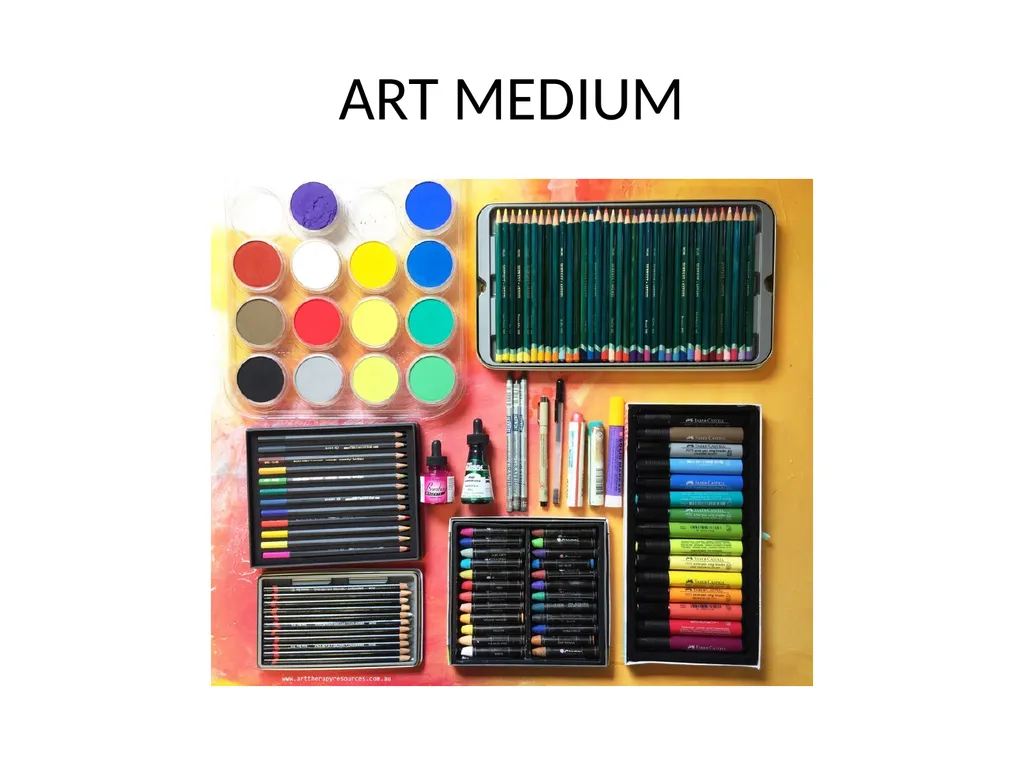
ART MEDIUM<br>
03
ART MEDIUM INTRODUCTION Day.1
A medium refers to the materials that are used to create a work of art. The plural of medium is media. Some of the most common media are oil paints (paints that use oil to hold pigments together), tempera (pigments held together with egg yolk), marble (soft, white stone), and bronze (a metal used to cast sculptures).
Since then, oil paints have been the most common media in Western art. Oil paints are almost always used to paint canvas, a woven fabric. Tempera is another common medium.<br>
04
TYPES OF ARTMEDIUM Day.3
Pencils
Colour pencils
Pastels
Water colour
Acrylic colour
Fabric colour
marker<br>
05
PENCILS Day .4
Drawing is a form of visual art in which a person uses various drawing instruments to mark paper or another two-dimensional medium. Instruments include graphite pencils, pen and ink, various kinds of paints, ... In addition to its more artistic forms, drawing is frequently used in commercial illustration, animation, architecture, ...
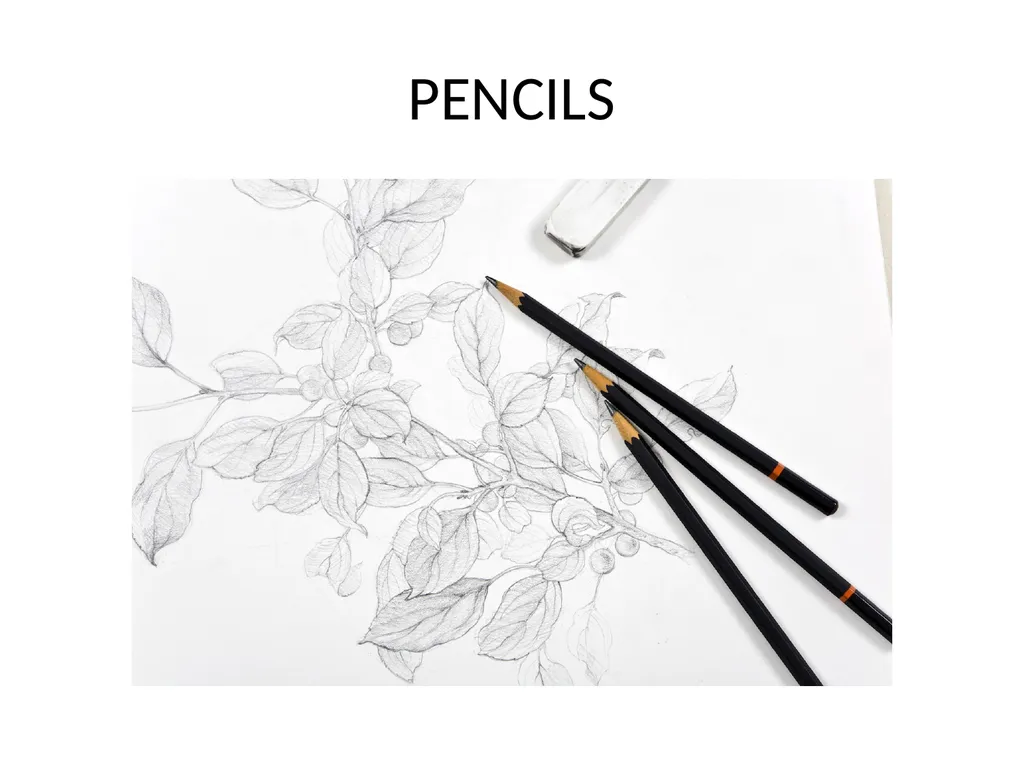
Pencils are equally capable of producing quick sketches or finely worked drawings. Of all drawing media, pencils are the most immediate, versatile and sensitive. Set contains seven graphite pencils from 2H to 8B, three charcoal pencils: 2B, 4B and 6B
.
For sketching you can use H or HB pencil and for shading you can use 4B and 6B . Harder leads are used for roughing out your drawings. Harder leads are very light and so good for sketching outline of drawing. Since it is light, it can be erased easily.<br>
06
PENCILS<br>
07
COLOUR PENCILS Day.5
COLOUR PENCIL
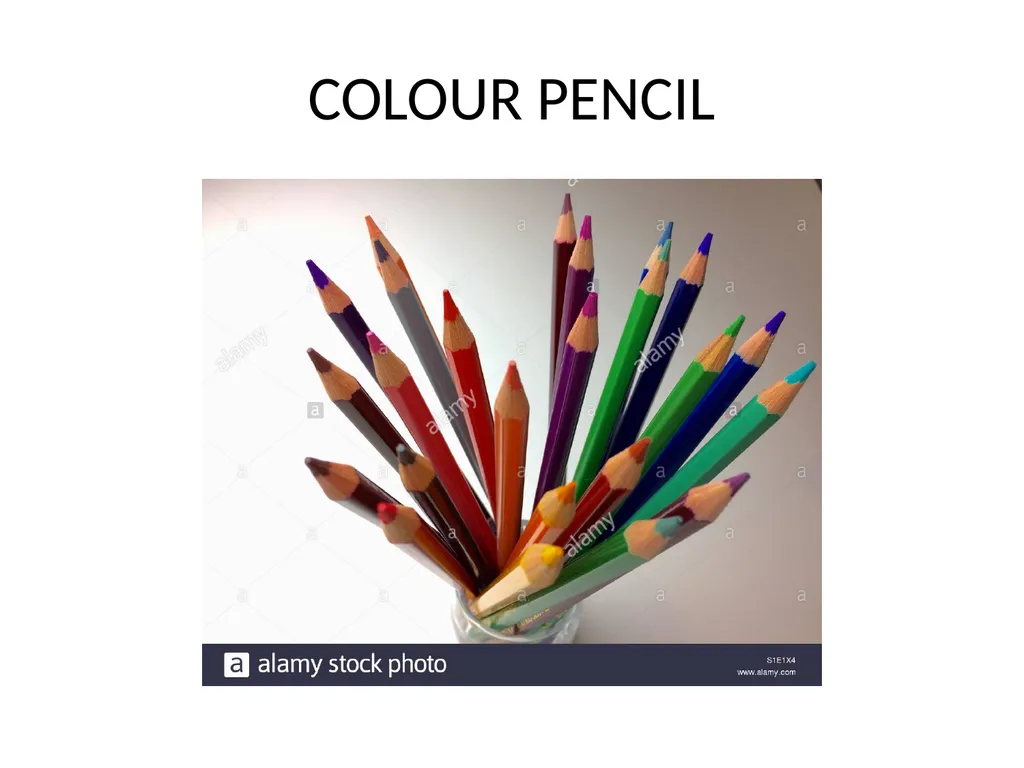
While colour pencils were once considered to be primarily for kids, throughout the years they have been steadily gaining respect amongst artists. There is a big difference between artist grade colour pencils and the colour pencils usually used by children. Professional artist-quality colour pencils contain a higher degree of wax and pigment than the colour pencils used by children.Artist-quality colour pencils are light-resistant or lightfast. They can be sharpened to a fine point to allow rendering of exquisite detail.<br>
08
COLOUR PENCIL<br>
09
PASTELS Day.6
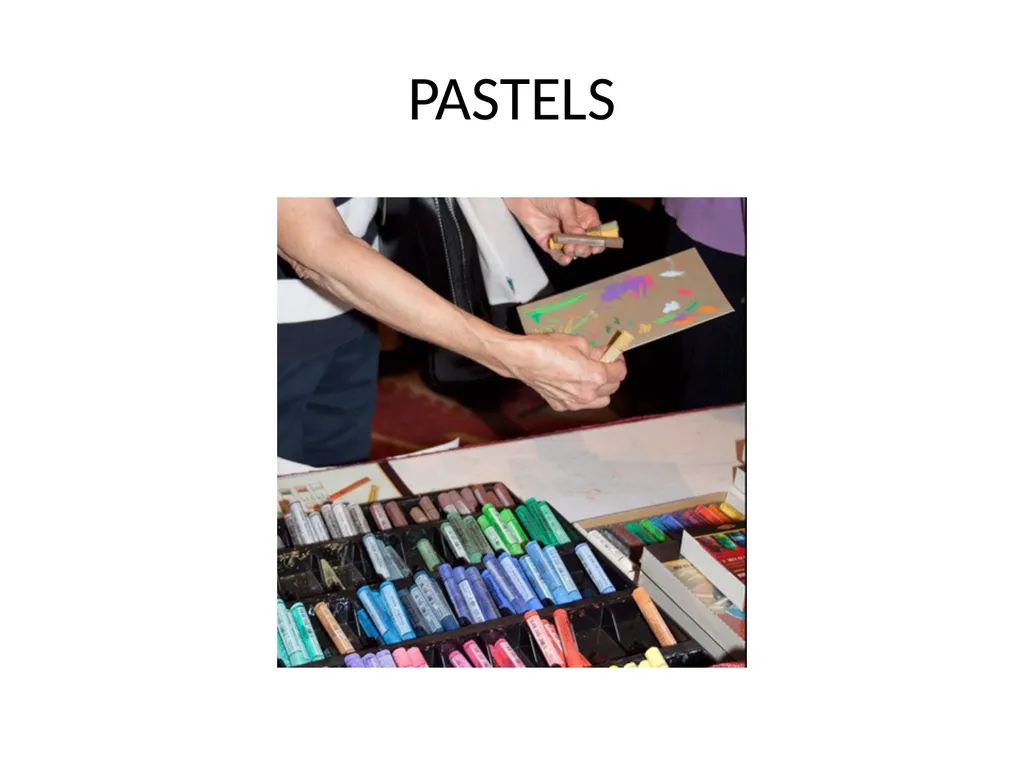
Pastel is a medium that straddles the line between painting and drawing. The finished work can look just as rich and luminescent as paintings, yet the process of creating them resembles drawing more than painting.
Pastels are made by mixing dry pigment, some chalk, and a binder together to form a thick paste. The paste is made into sticks and allowed to dry.<br>
10
PASTELS<br>
11
WATER COLOUR Day.7
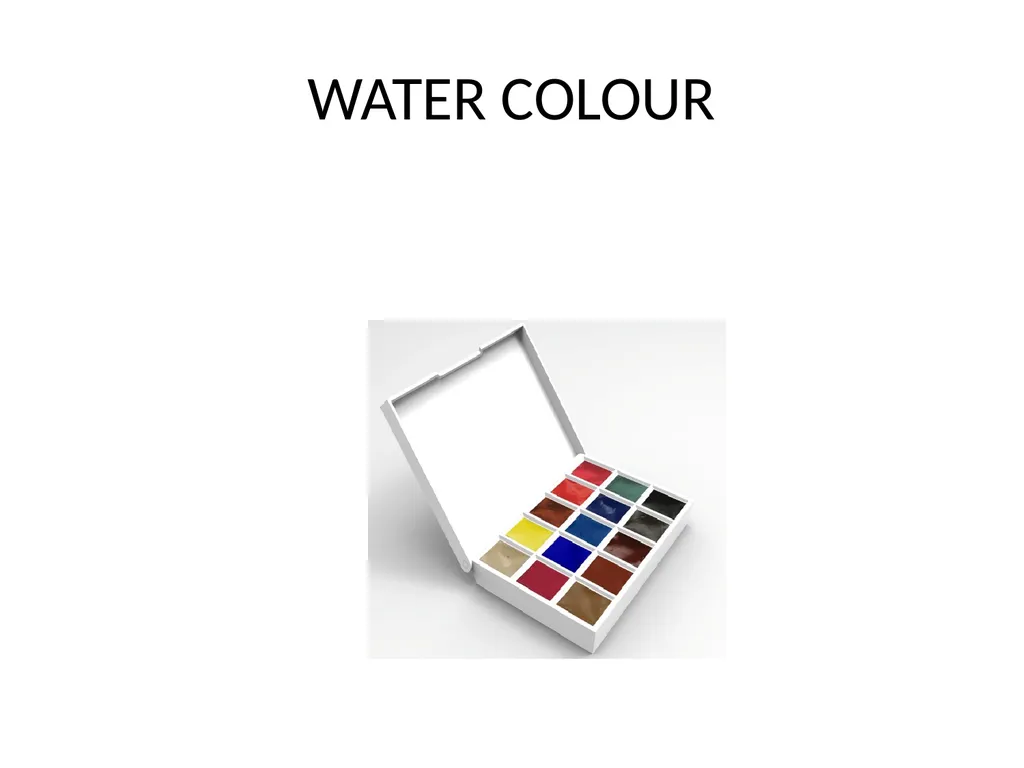
Watercolours are water-based and non-toxic,and can bethinned with water, and paintbrushes can be easily cleaned with soap and water.
Watercolour paint generally has a translucent quality, which is great for delicate or emotive effects. You can also layer imagery so that what is underneath shows through. On the other hand, it is difficult to cover mistakes, due to the translucency of the medium. For this reason, pre-planning is important.<br>
12
WATER COLOUR<br>
13
ACRYLIC COLOUR Day.8
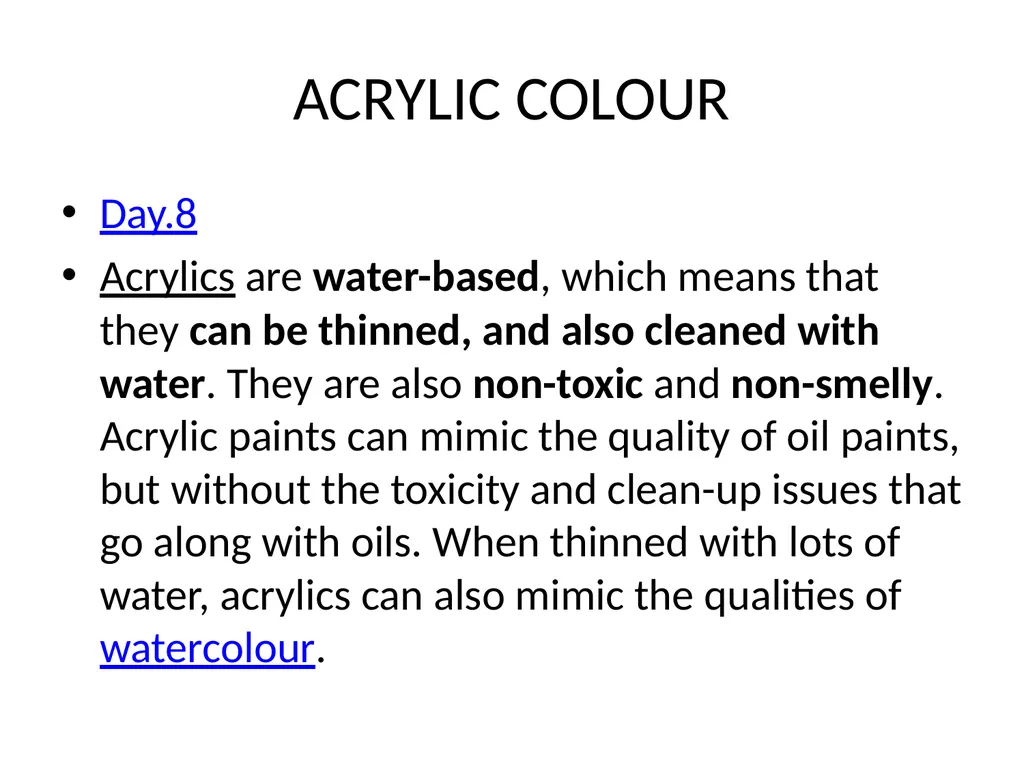
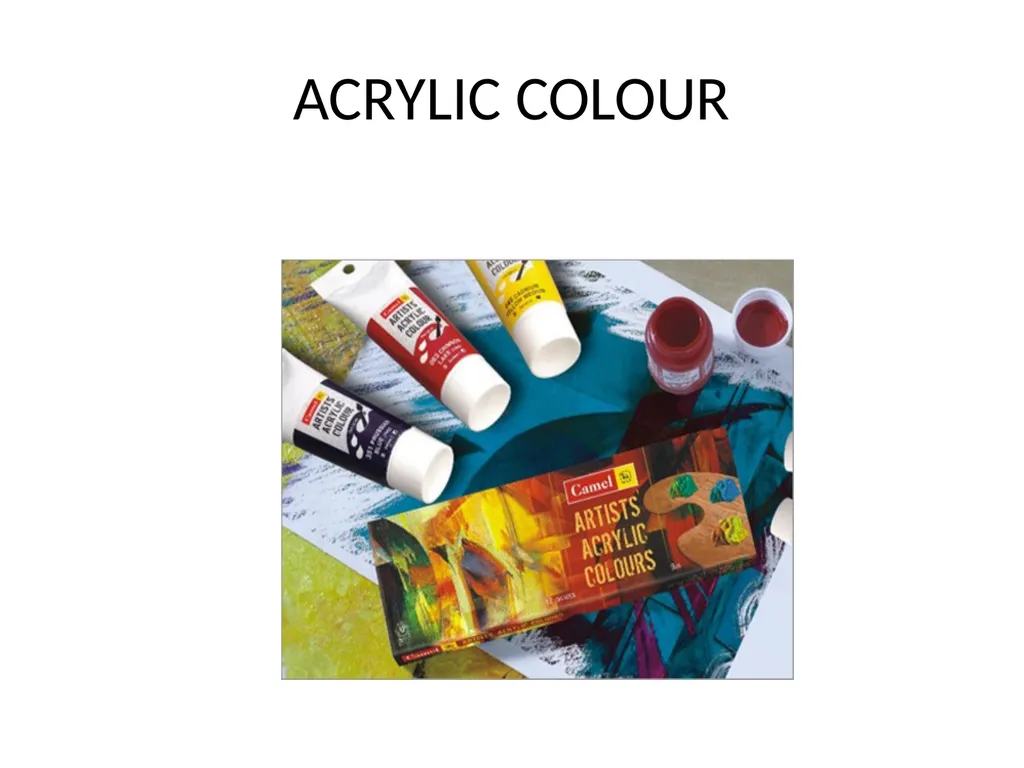
Acrylics are water-based, which means that they can be thinned, and also cleaned with water. They are also non-toxic and non-smelly. Acrylic paints can mimic the quality of oil paints, but without the toxicity and clean-up issues that go along with oils. When thinned with lots of water, acrylics can also mimic the qualities of watercolour.<br>
14
ACRYLIC COLOUR<br>
15
FABRIC COLOUR Day.9
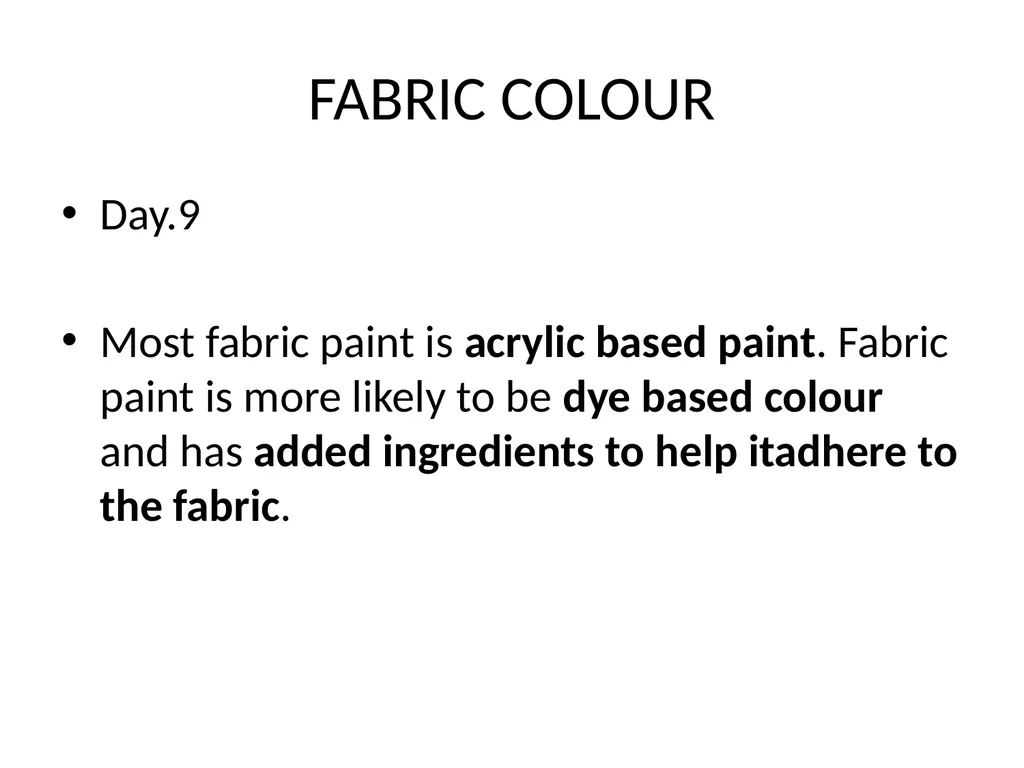
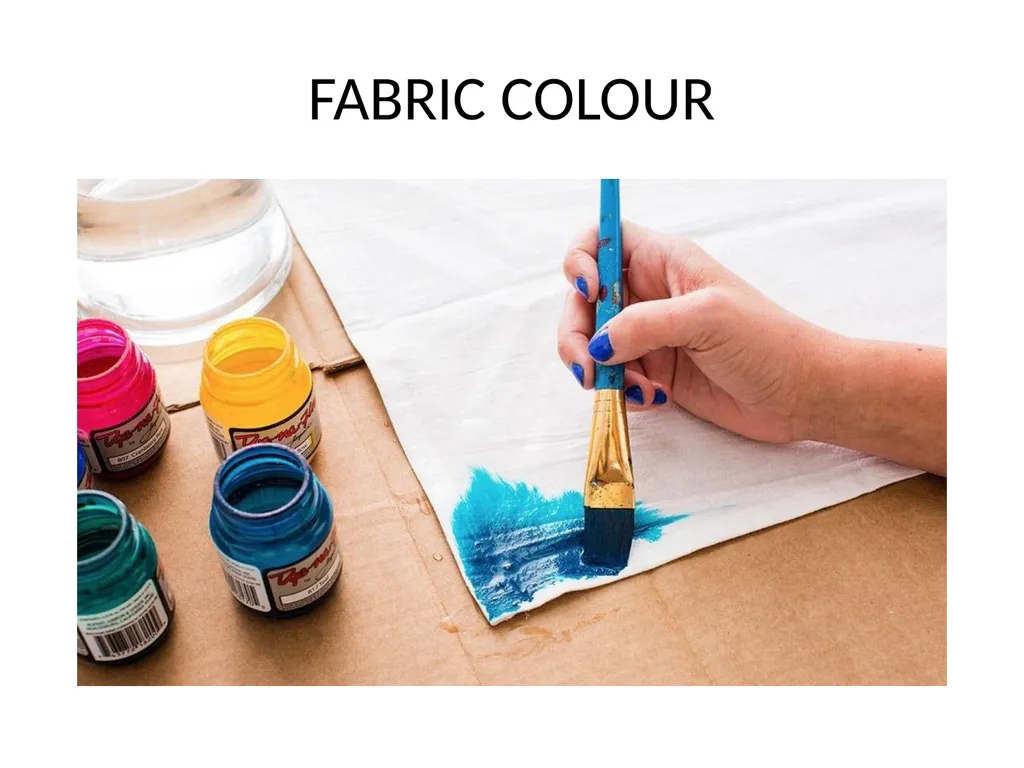
Most fabric paint is acrylic based paint. Fabric paint is more likely to be dye based colour and has added ingredients to help itadhere to the fabric.<br>
16
FABRIC COLOUR<br>
17
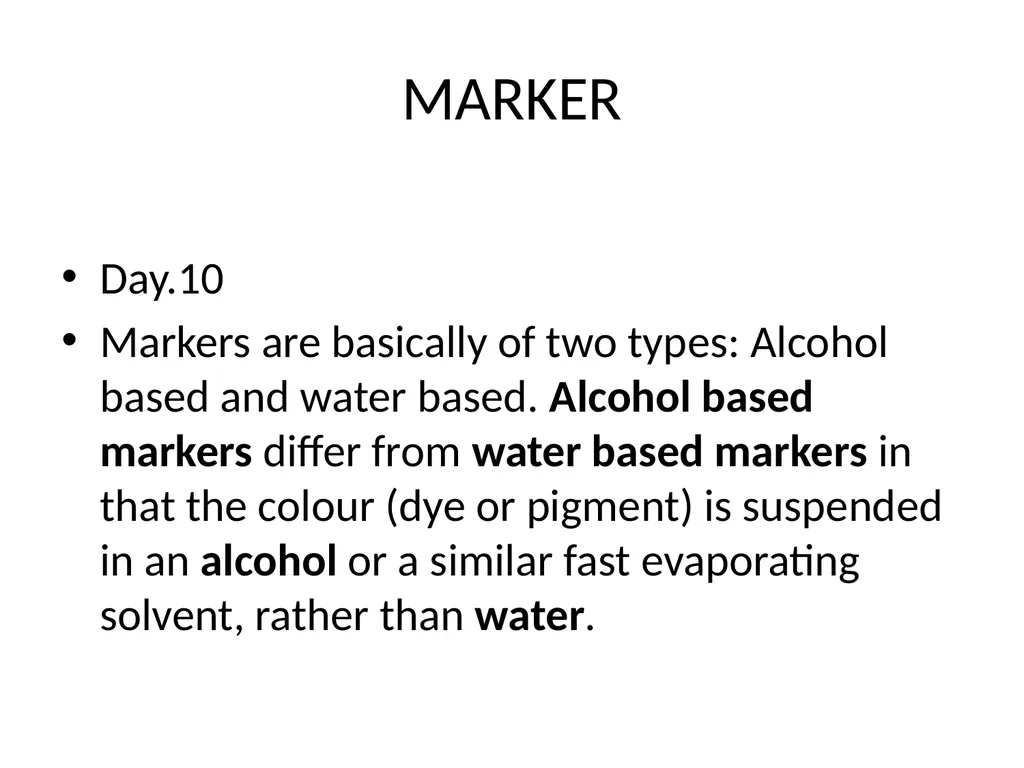
MARKER Day.10
Markers are basically of two types: Alcohol based and water based. Alcohol based markers differ from water based markers in that the colour (dye or pigment) is suspended in an alcohol or a similar fast evaporating solvent, rather than water.<br>
18
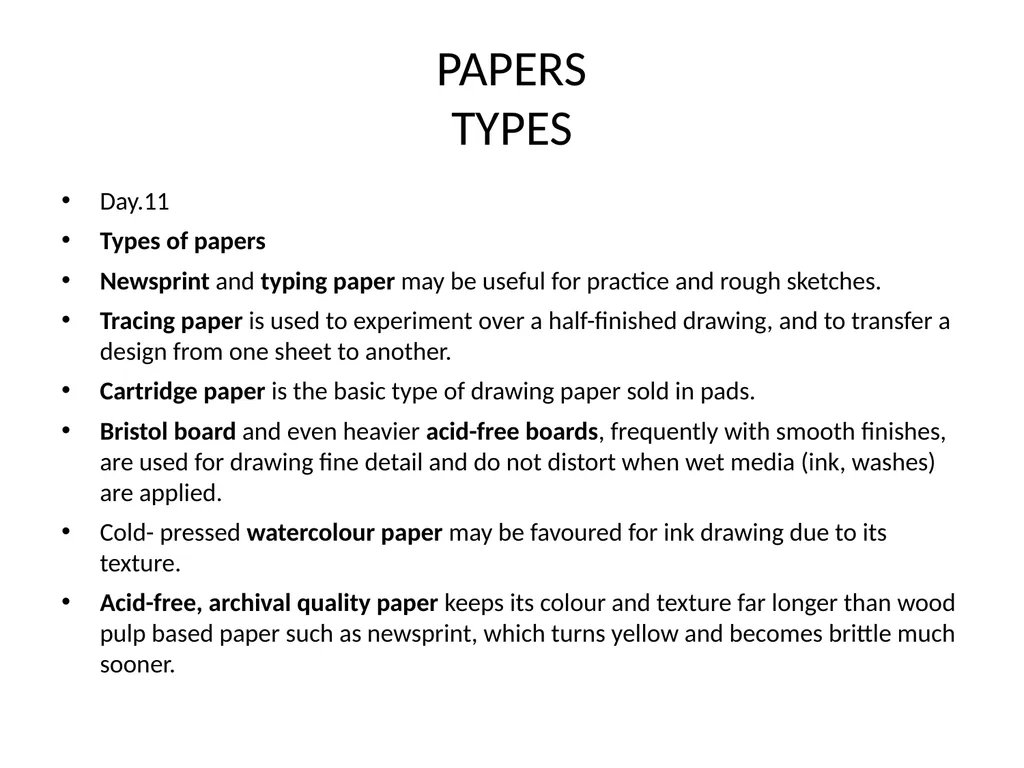
PAPERS TYPES Day.11
Types of papers
Newsprint and typing paper may be useful for practice and rough sketches.
Tracing paper is used to experiment over a half-finished drawing, and to transfer a design from one sheet to another.
Cartridge paper is the basic type of drawing paper sold in pads.
Bristol board and even heavier acid-free boards, frequently with smooth finishes, are used for drawing fine detail and do not distort when wet media (ink, washes) are applied.
Cold- pressed watercolour paper may be favoured for ink drawing due to its texture.
Acid-free, archival quality paper keeps its colour and texture far longer than wood pulp based paper such as newsprint, which turns yellow and becomes brittle much sooner.<br>