
BASIC ELECTRICAL & ELECTRONICS ENGINEERING


Description: BASIC ELECTRICAL ELECTRONICS ENGINEERING 23-Apr-24 1 BEEE UNIT-I Course Objectives: To expose to the field of electrical electronics engineering, laws and principles of electricalelectronic engineering and to acquire fundamental
Related Topics
Download Presentation
"BASIC ELECTRICAL & ELECTRONICS ENGINEERING" is the property of its rightful owner. Permission is granted to download and print the materials on this website for personal, non-commercial use only, and to display it on your personal computer provided you do not modify the materials and that you retain all copyright notices contained in the materials. By downloading content from our website, you accept the terms of this agreement.
Presentation Transcript
slide1. BASIC ELECTRICAL & ELECTRONICS ENGINEERING 23-Apr-24 1 BEEE UNIT-I<br>
slide2. Course Objectives: To expose to the field of electrical & electronics engineering, laws and principles of electrical/electronic engineering and to acquire fundamental knowledge in the relevant field. 23-Apr-24 2 BEEE UNIT-I<br>
slide3. Course Outcomes: CO1: Extract electrical variables of AC & DC circuits using fundamental laws. (Understand)
CO2: Understand the operation of electrical machines and measuring instruments. (Understand)
CO3: Classify various energy resources, safety measures and interpret electricity bill generation in electrical systems. (Understand) 23-Apr-24 3 BEEE UNIT-I<br>
slide4. PART A: BASIC ELECTRICAL ENGINEERING 23-Apr-24 4 BEEE UNIT-I<br>
slide5. UNIT-I : DC & AC Circuits DC Circuits: Electrical circuit elements (R, L and C), Ohm’s Law and its limitations, KVL, series, parallel, series-parallel circuits, Super Position theorem, Simple numerical problems.
AC Circuits: A.C. Fundamentals: Equation of AC Voltage and current, waveform, time-period,frequency, amplitude, phase, phase difference, average value, RMS value, form factor, peak factor, Voltage and current relationship with phasor diagrams in R, L, and C circuits, Conceptof Impedance, Active power, reactive power and apparent power, Concept of power factor (Simple Numerical problems). 23-Apr-24 5 BEEE UNIT-I<br>
slide6. DC Circuits: Electrical circuit elements (R, L and C), Ohm’s Law and its limitations, KVL, series, parallel, series-parallel circuits, Super Position theorem, Simple numerical problems. 23-Apr-24 6 BEEE UNIT-I<br>
slide7. 23-Apr-24 7 BEEE UNIT-I<br>
slide8. 23-Apr-24 8 BEEE UNIT-I<br>
slide9. 23-Apr-24 9 BEEE UNIT-I<br>
slide10. 23-Apr-24 10 BEEE UNIT-I<br>
slide11. 23-Apr-24 11 BEEE UNIT-I<br>
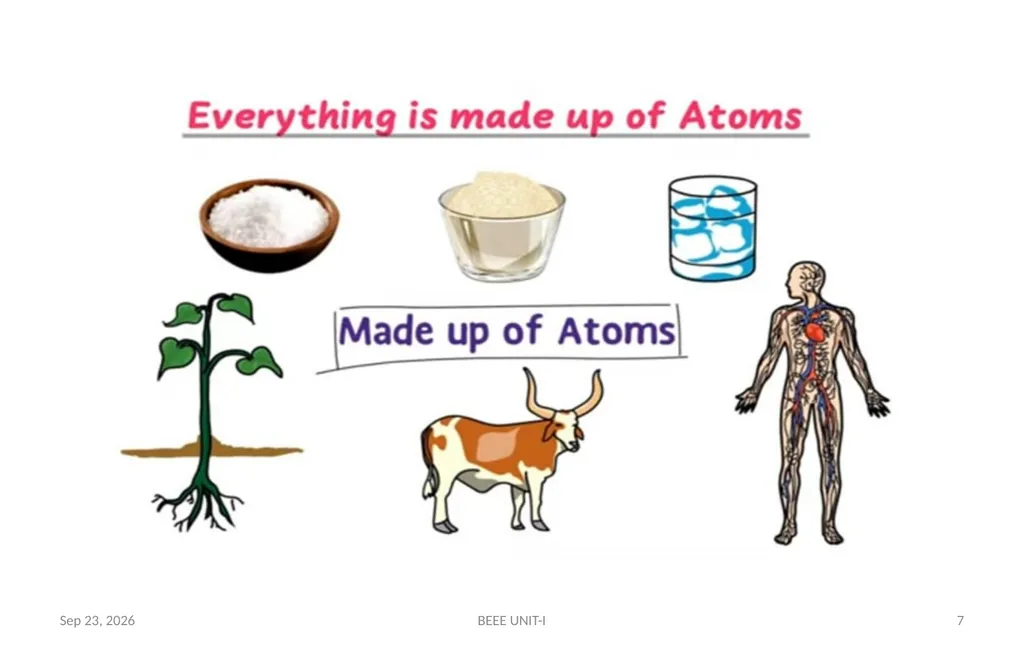
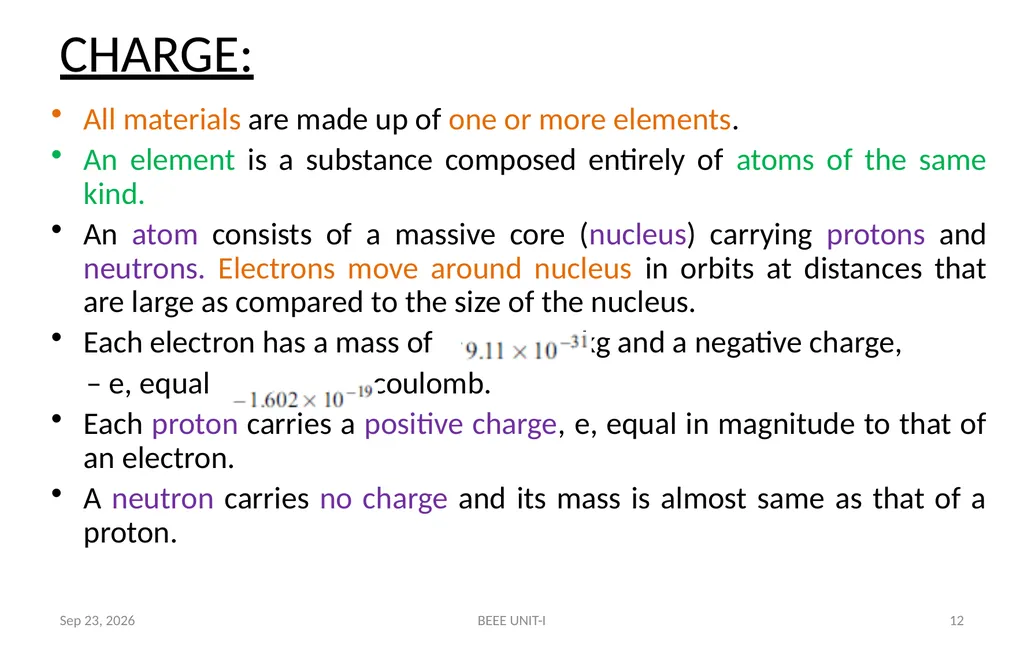
slide12. CHARGE: All materials are made up of one or more elements.
An element is a substance composed entirely of atoms of the same kind.
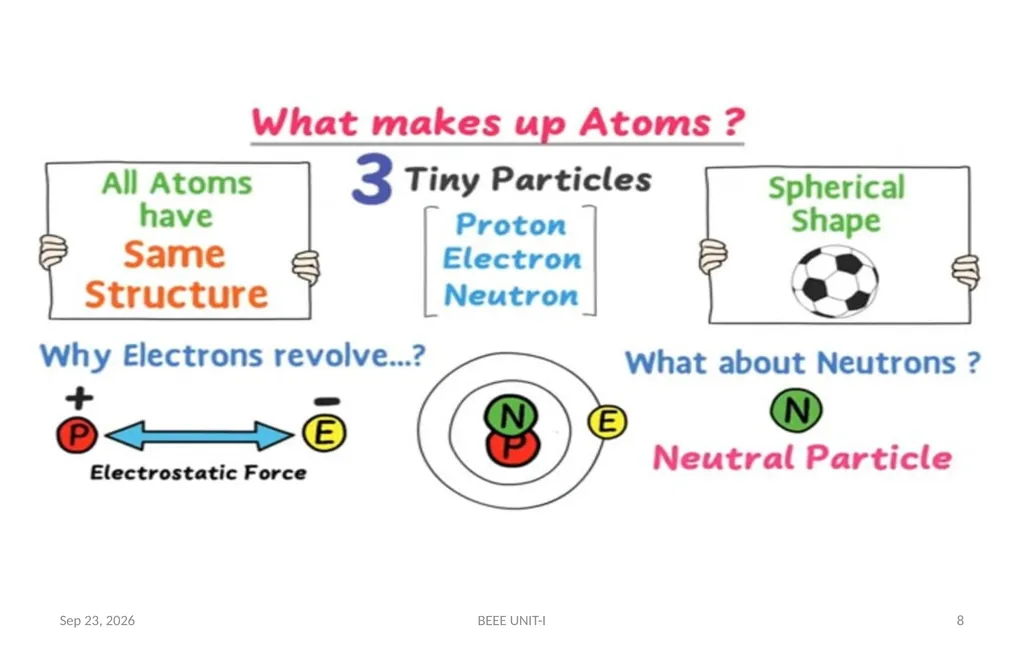
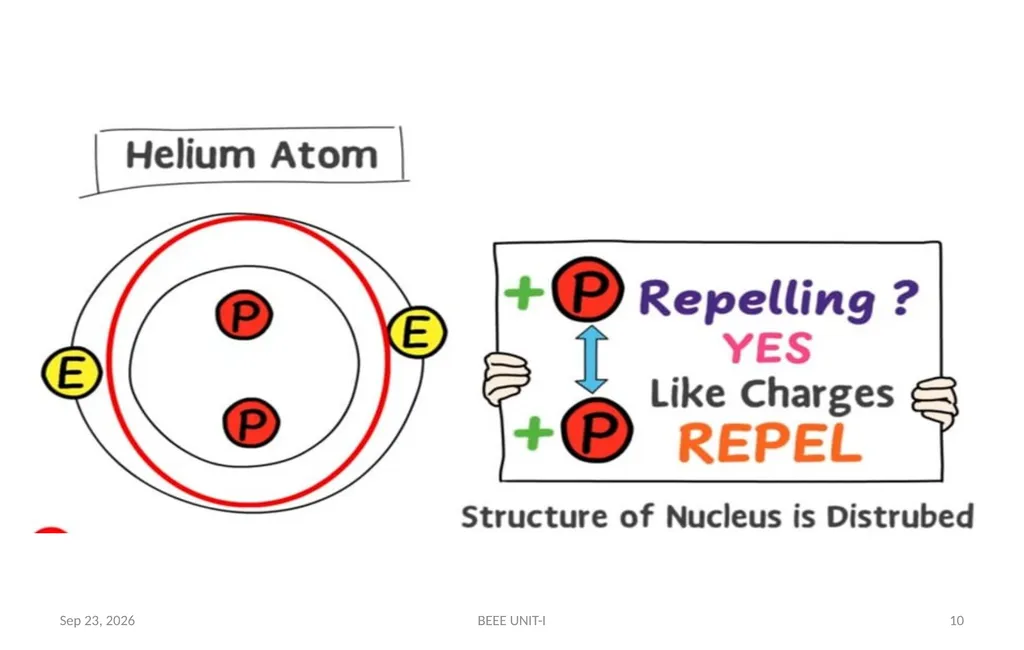
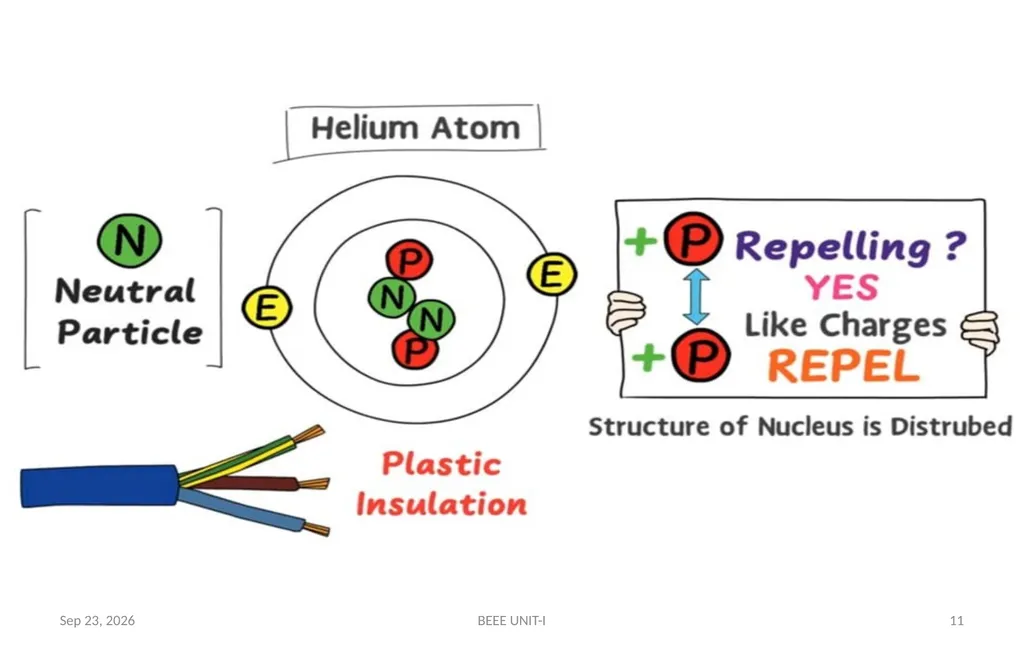
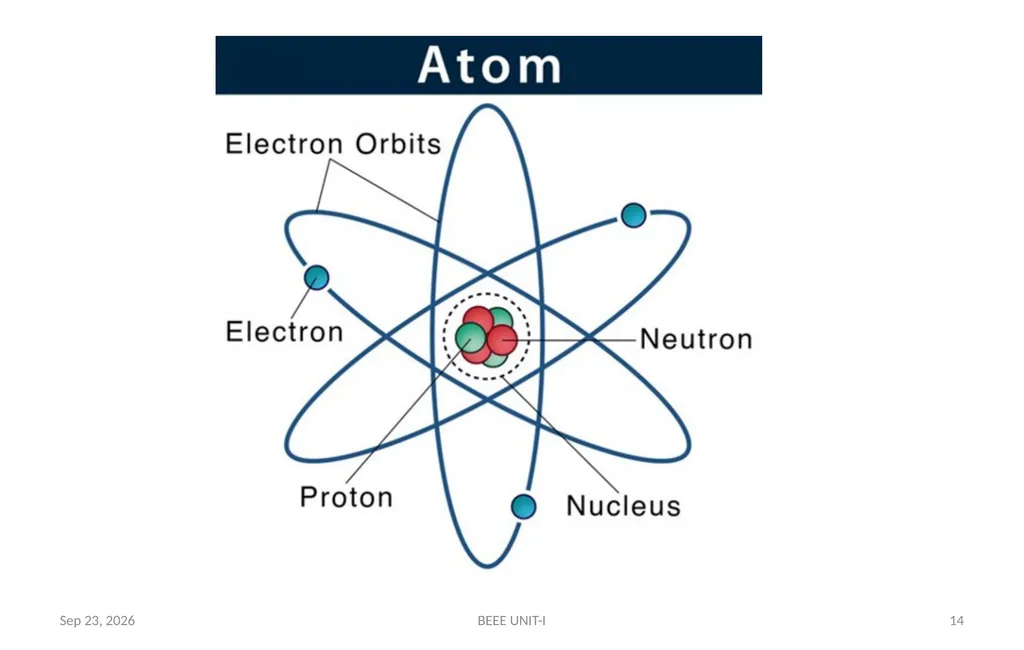
An atom consists of a massive core (nucleus) carrying protons and neutrons. Electrons move around nucleus in orbits at distances that are large as compared to the size of the nucleus.
Each electron has a mass of kg and a negative charge,
– e, equal coulomb.
Each proton carries a positive charge, e, equal in magnitude to that of an electron.
A neutron carries no charge and its mass is almost same as that of a proton. 23-Apr-24 12 BEEE UNIT-I<br>
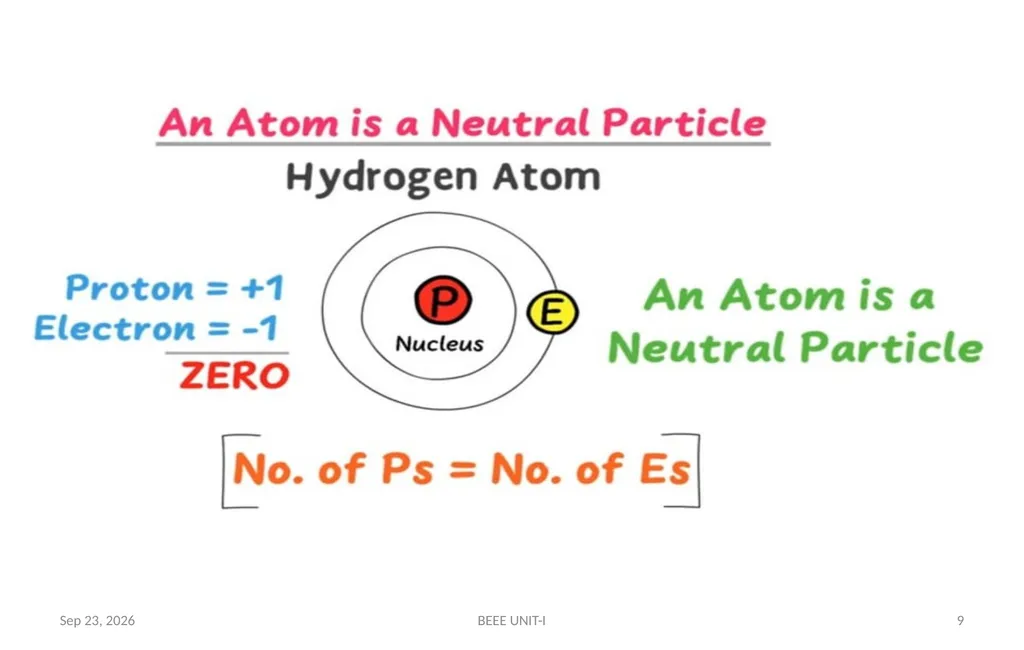
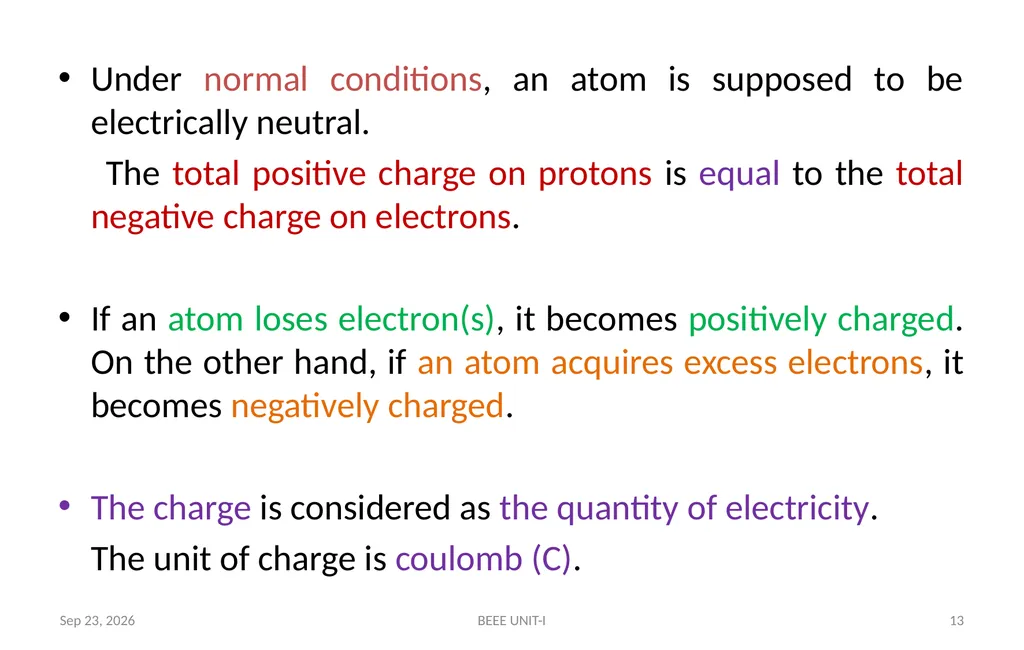
slide13. Under normal conditions, an atom is supposed to be electrically neutral.
The total positive charge on protons is equal to the total negative charge on electrons.
If an atom loses electron(s), it becomes positively charged. On the other hand, if an atom acquires excess electrons, it becomes negatively charged.
The charge is considered as the quantity of electricity.
The unit of charge is coulomb (C). 23-Apr-24 13 BEEE UNIT-I<br>
slide14. 23-Apr-24 14 BEEE UNIT-I<br>
slide15. The atoms in a metal (such as Cu, Al, etc.) are packed together to form a solid.
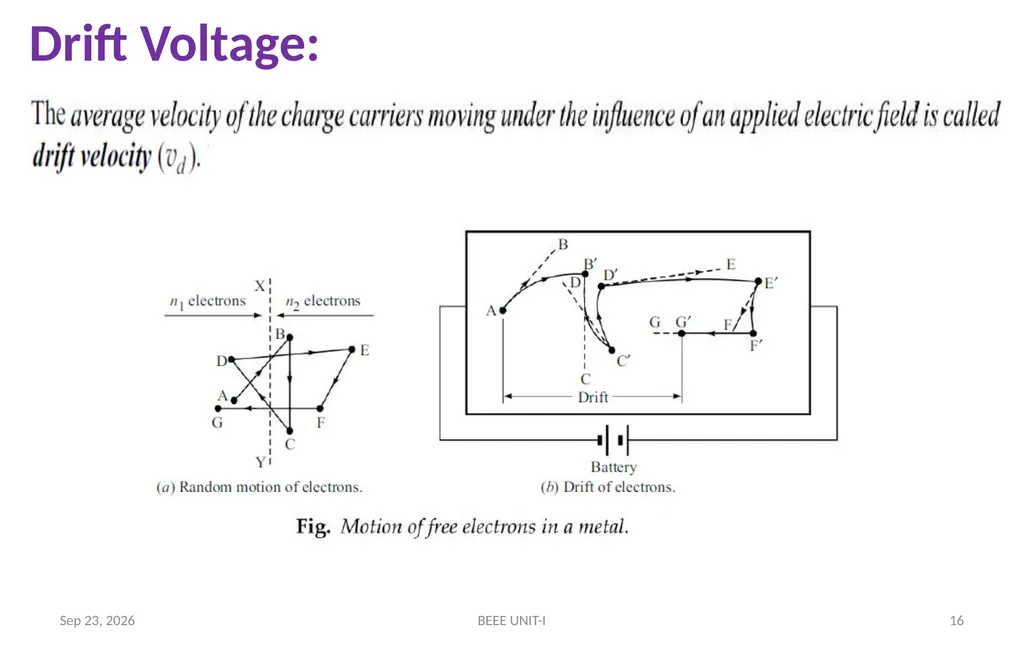
In such a case, the loosely bound electron in the outermost orbit is free to move from one atom to the other throughout the solid. Such electrons are called free electrons.
When a free electron moves, it carries a negative charge with it. Hence, the free electrons in a metal work as charge carriers. 23-Apr-24 15 BEEE UNIT-I<br>
slide16. Drift Voltage: 23-Apr-24 16 BEEE UNIT-I<br>
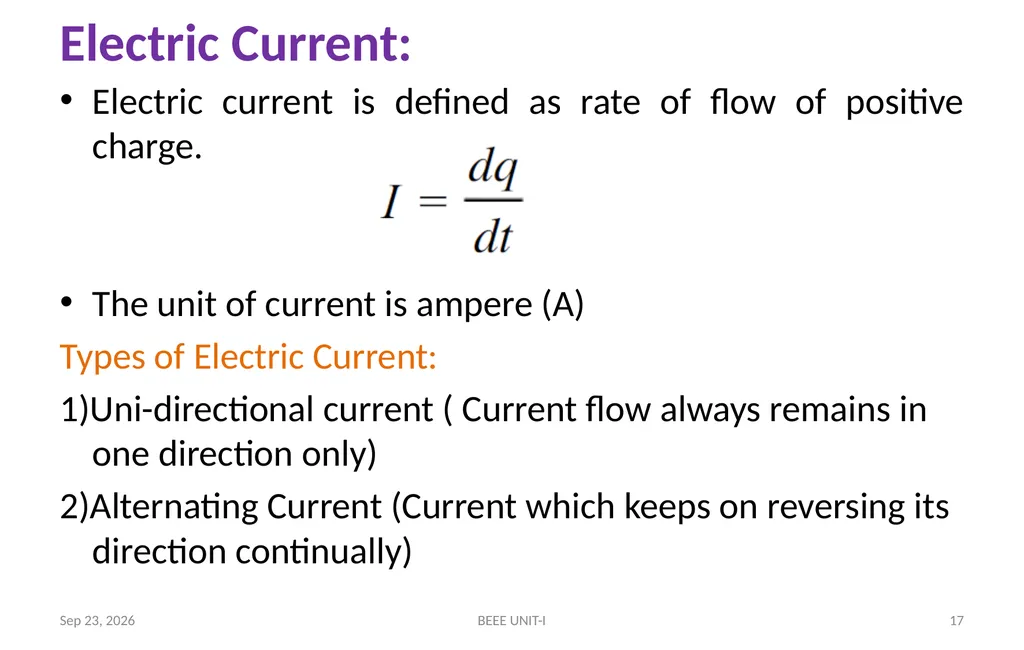
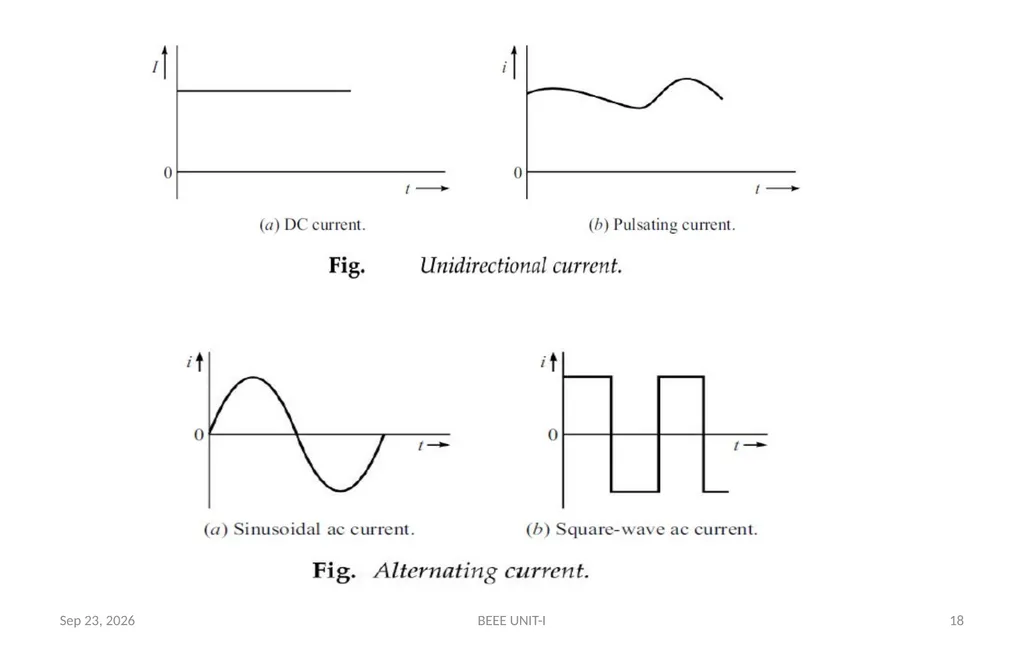
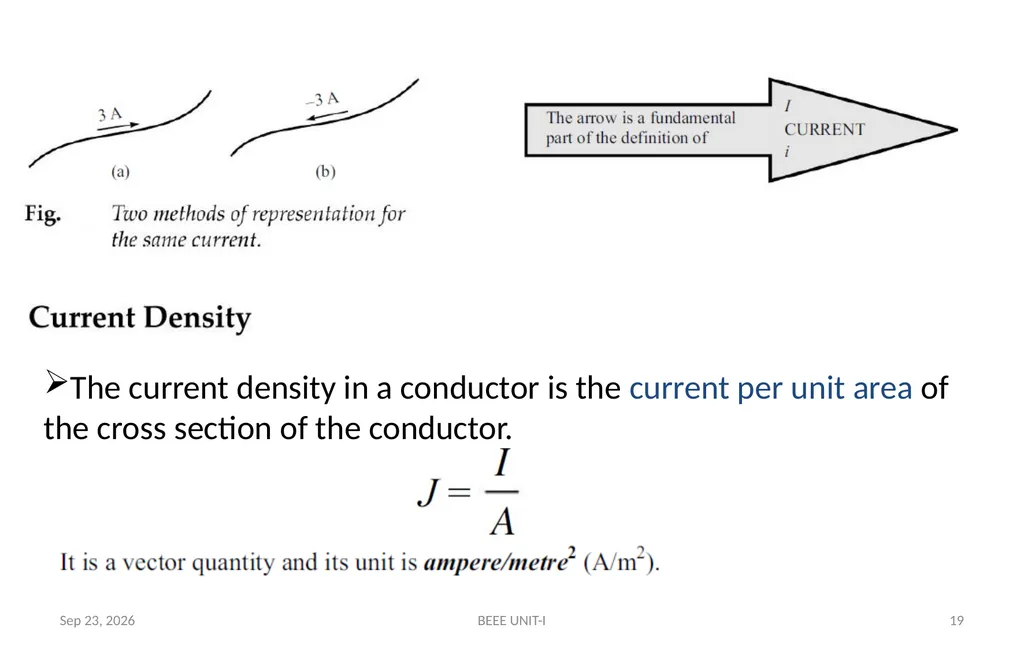
slide17. Electric Current: Electric current is defined as rate of flow of positive charge.
The unit of current is ampere (A)
Types of Electric Current:
1)Uni-directional current ( Current flow always remains in one direction only)
2)Alternating Current (Current which keeps on reversing its direction continually) 23-Apr-24 17 BEEE UNIT-I<br>
slide18. 23-Apr-24 18 BEEE UNIT-I<br>
slide19. The current density in a conductor is the current per unit area of the cross section of the conductor. 23-Apr-24 19 BEEE UNIT-I<br>
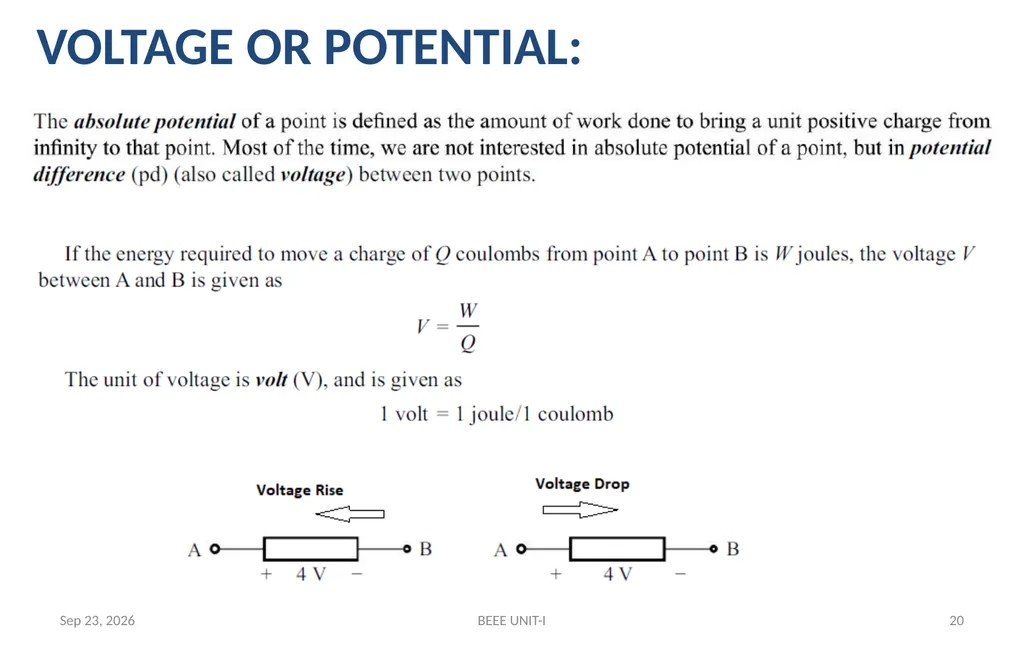
slide20. VOLTAGE OR POTENTIAL: 23-Apr-24 20 BEEE UNIT-I<br>
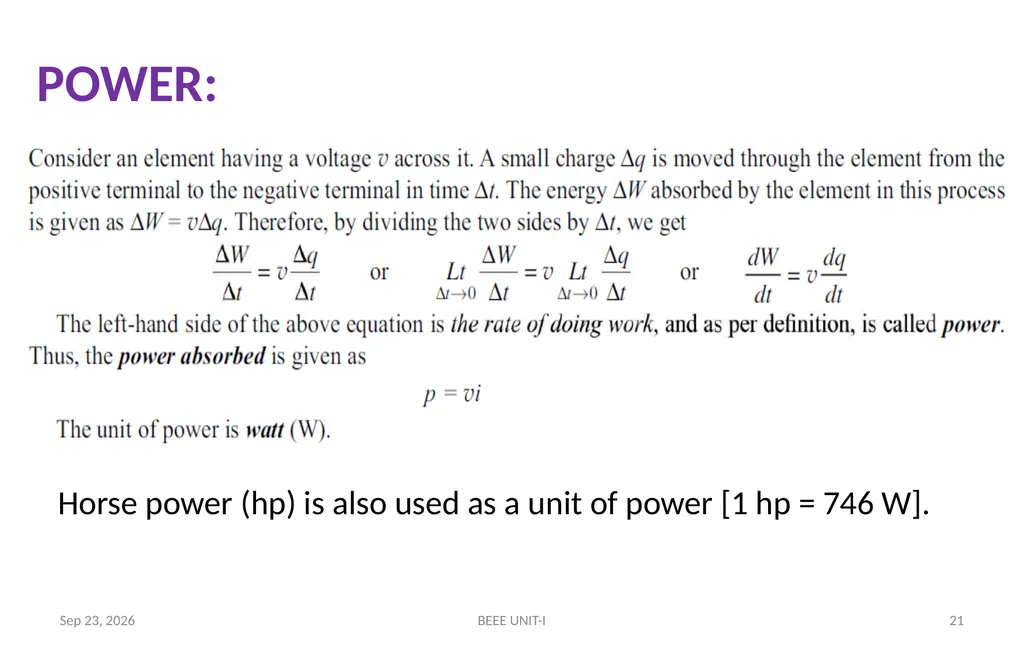
slide21. POWER: Horse power (hp) is also used as a unit of power [1 hp = 746 W]. 23-Apr-24 21 BEEE UNIT-I<br>
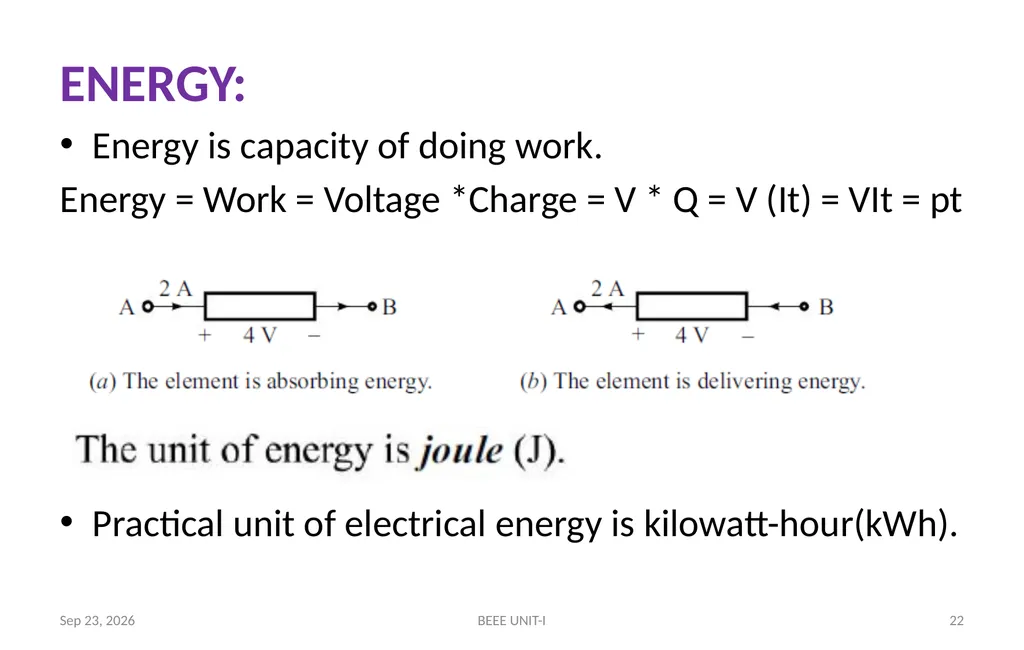
slide22. ENERGY: Energy is capacity of doing work.
Energy = Work = Voltage *Charge = V * Q = V (It) = VIt = pt
Practical unit of electrical energy is kilowatt-hour(kWh). 23-Apr-24 22 BEEE UNIT-I<br>
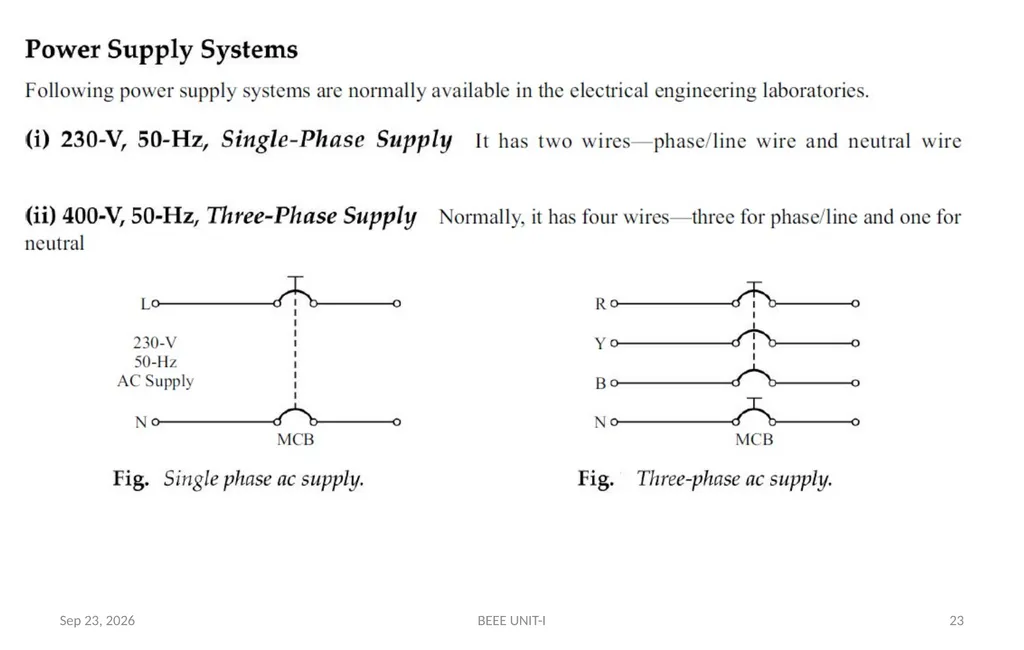
slide23. 23-Apr-24 23 BEEE UNIT-I<br>
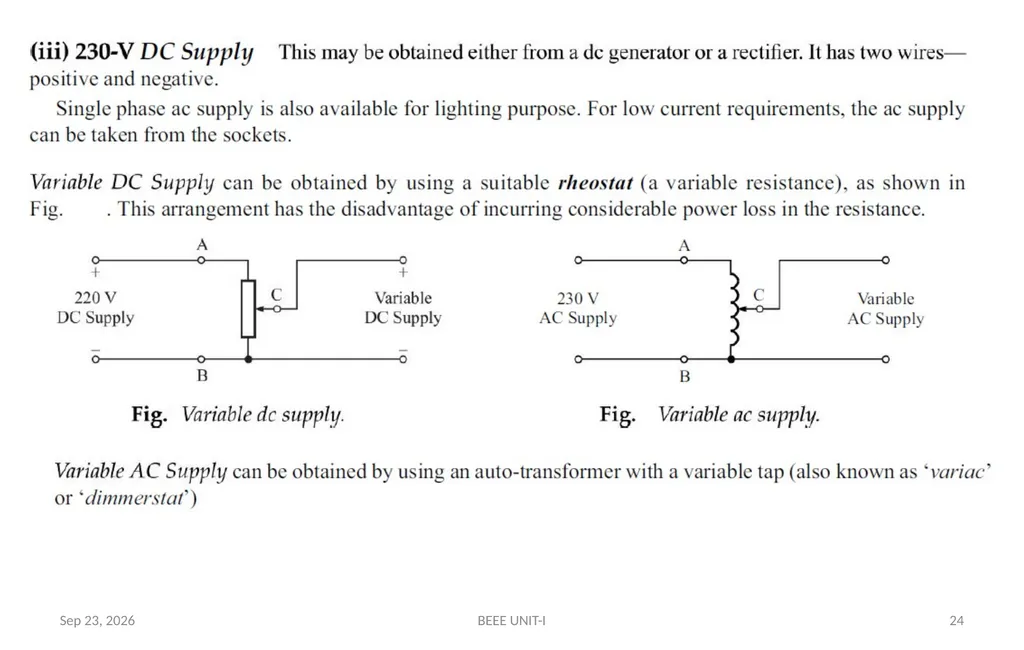
slide24. 23-Apr-24 24 BEEE UNIT-I<br>
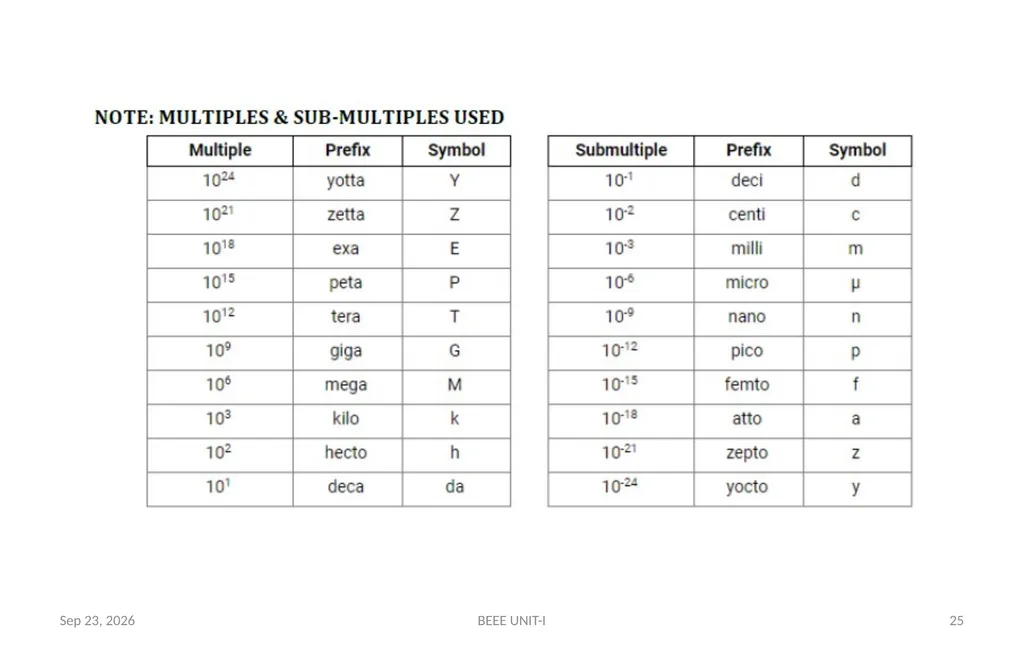
slide25. 23-Apr-24 25 BEEE UNIT-I<br>
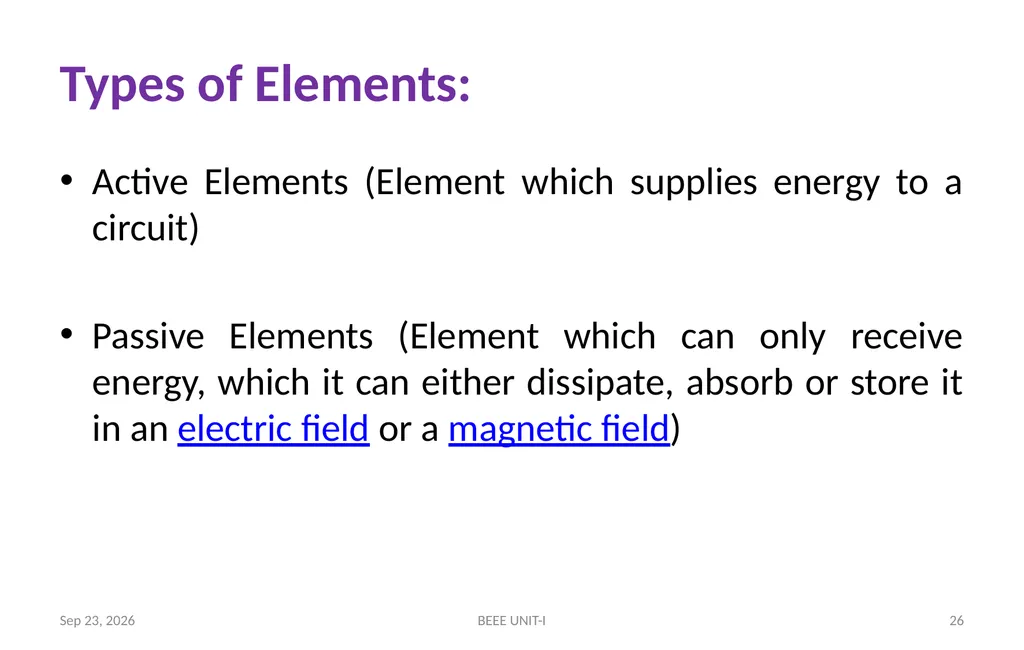
slide26. Types of Elements: Active Elements (Element which supplies energy to a circuit)
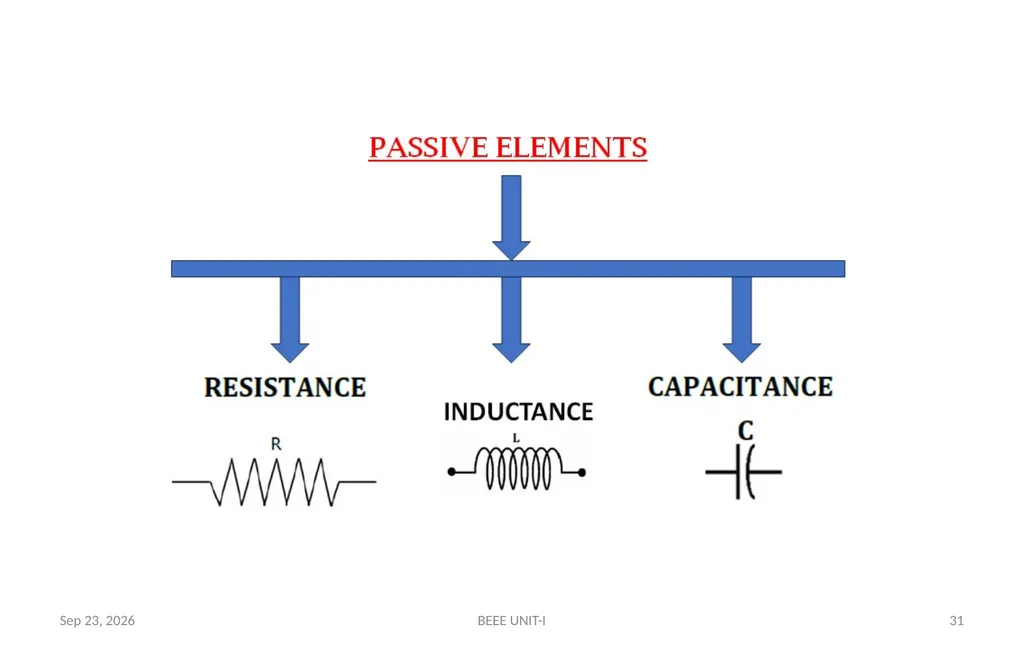
Passive Elements (Element which can only receive energy, which it can either dissipate, absorb or store it in an electric field or a magnetic field) 23-Apr-24 26 BEEE UNIT-I<br>
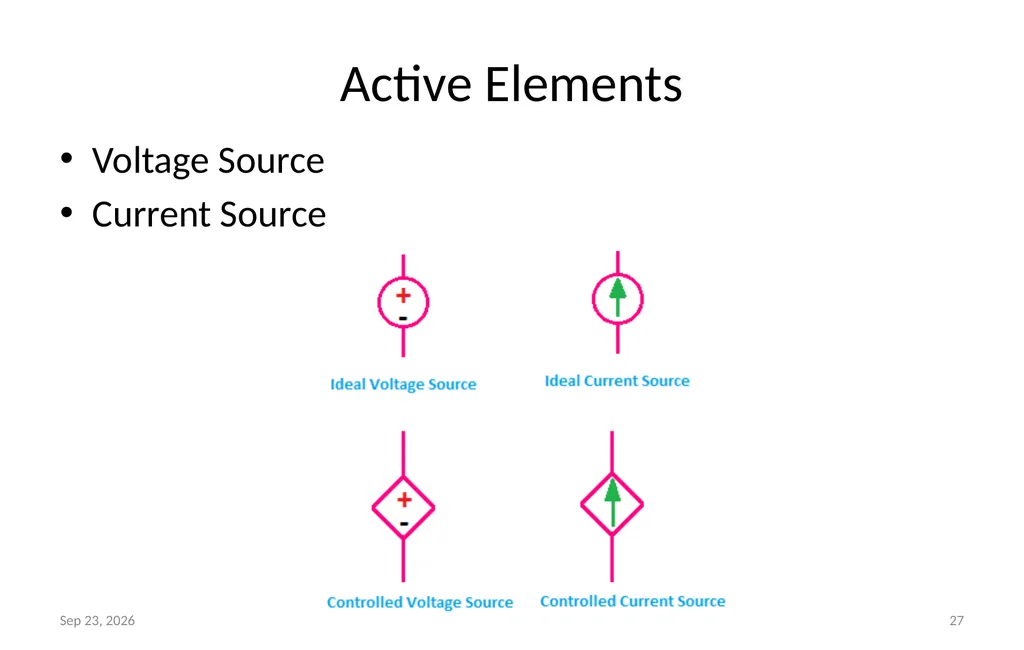
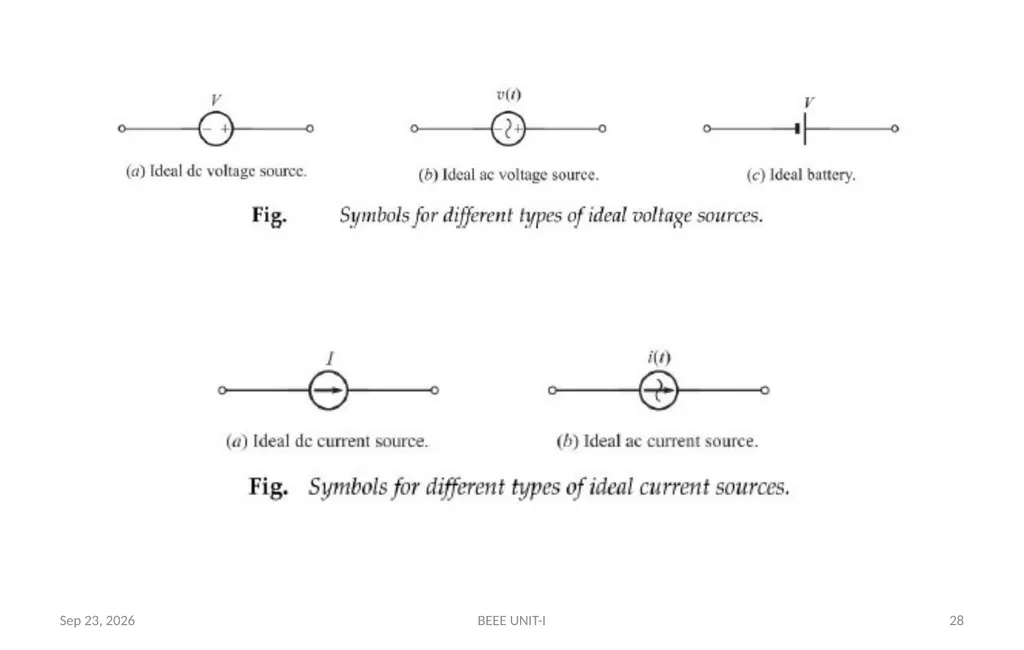
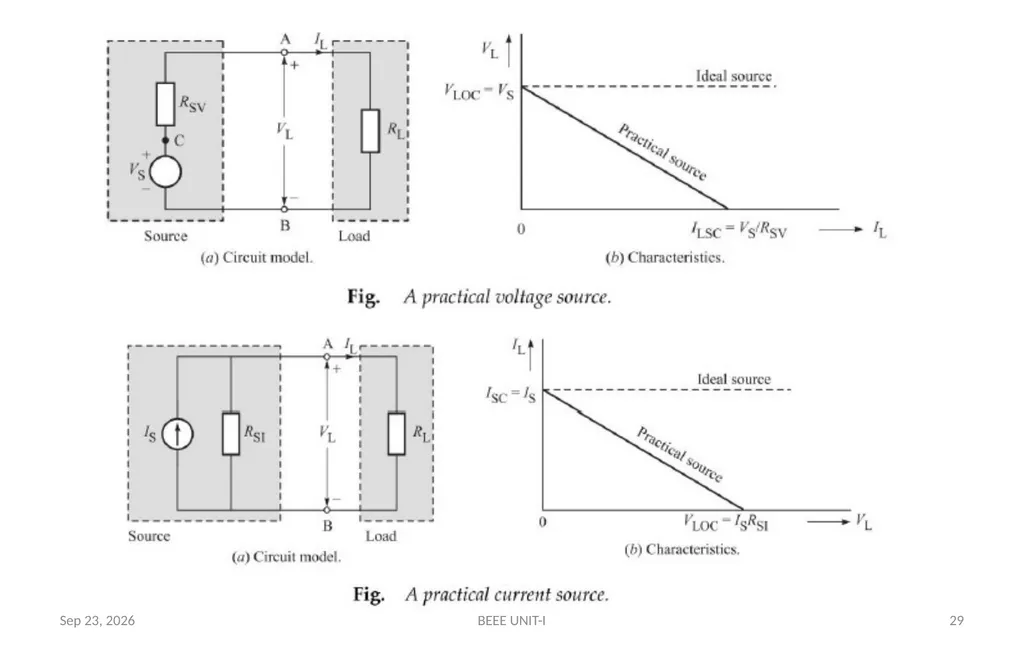
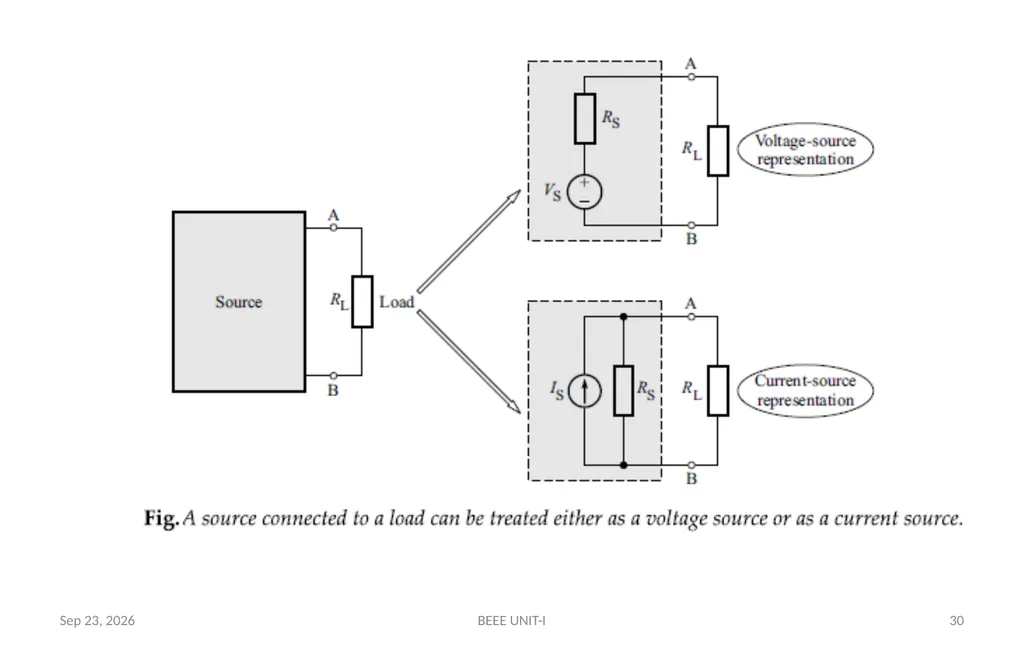
slide27. Active Elements Voltage Source
Current Source 23-Apr-24 27 BEEE UNIT-I<br>
slide28. 23-Apr-24 28 BEEE UNIT-I<br>
slide29. 23-Apr-24 29 BEEE UNIT-I<br>
slide30. 23-Apr-24 30 BEEE UNIT-I<br>
slide31. 23-Apr-24 31 BEEE UNIT-I<br>
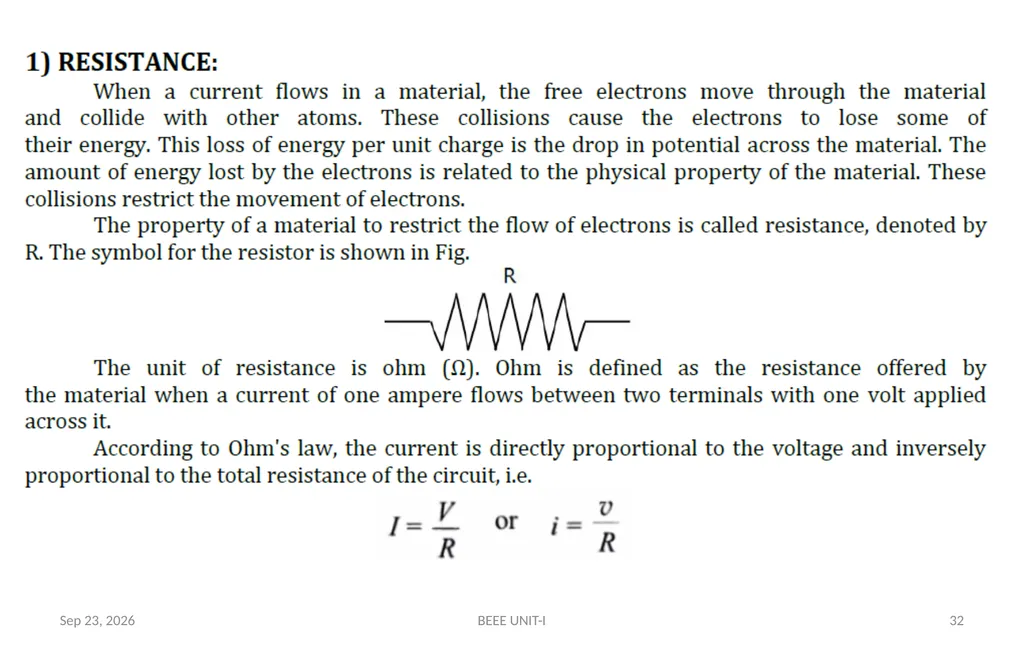
slide32. 23-Apr-24 32 BEEE UNIT-I<br>
slide33. 23-Apr-24 33 BEEE UNIT-I<br>
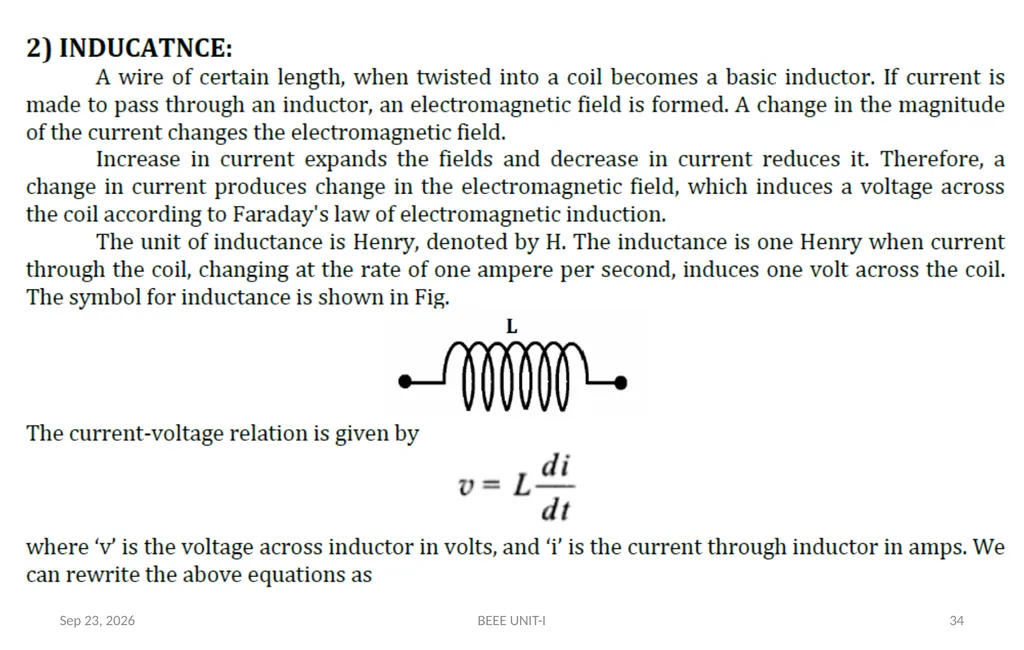
slide34. 23-Apr-24 34 BEEE UNIT-I<br>
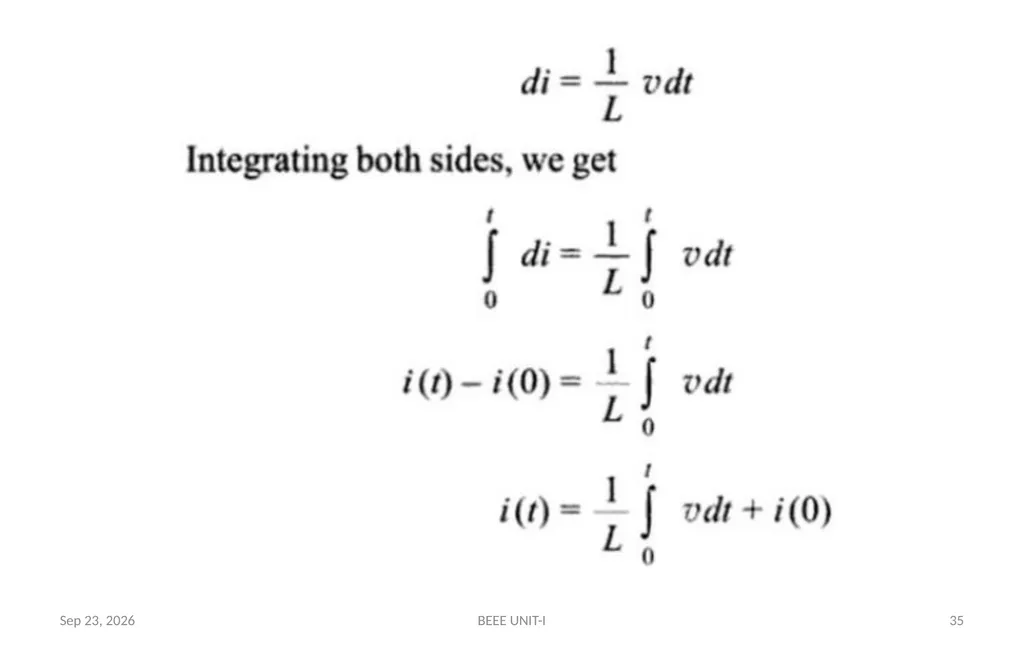
slide35. 23-Apr-24 35 BEEE UNIT-I<br>
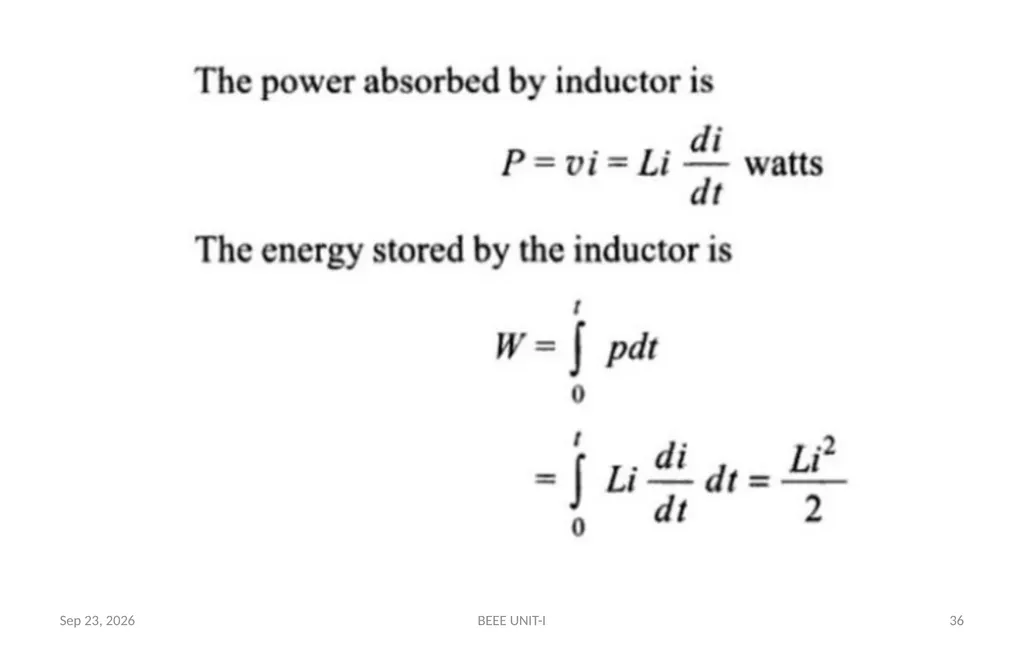
slide36. 23-Apr-24 36 BEEE UNIT-I<br>
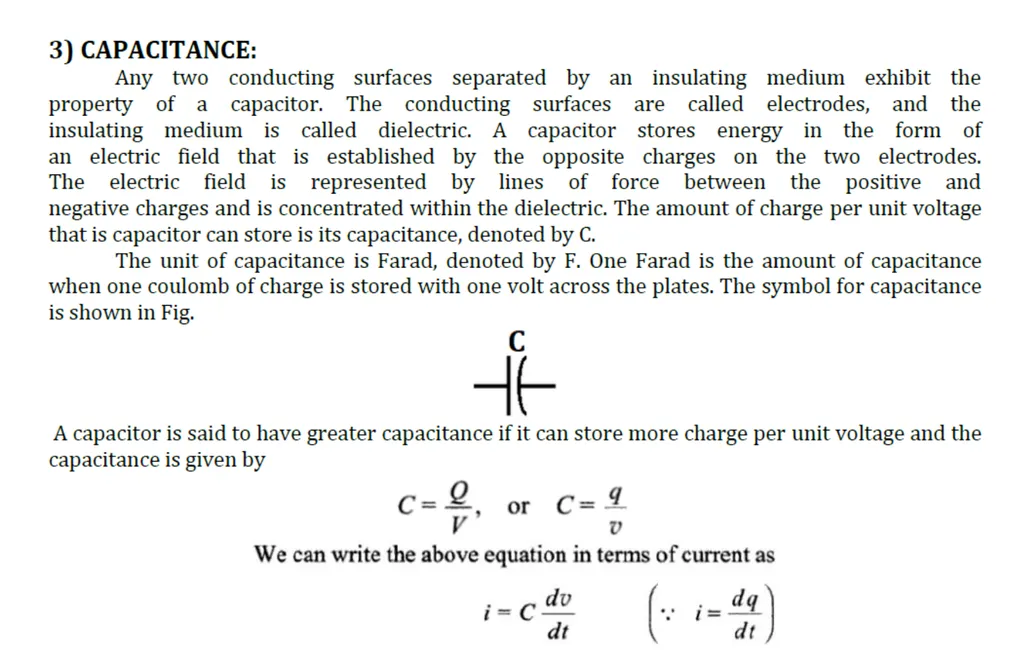
slide37. 23-Apr-24 37 BEEE UNIT-I<br>
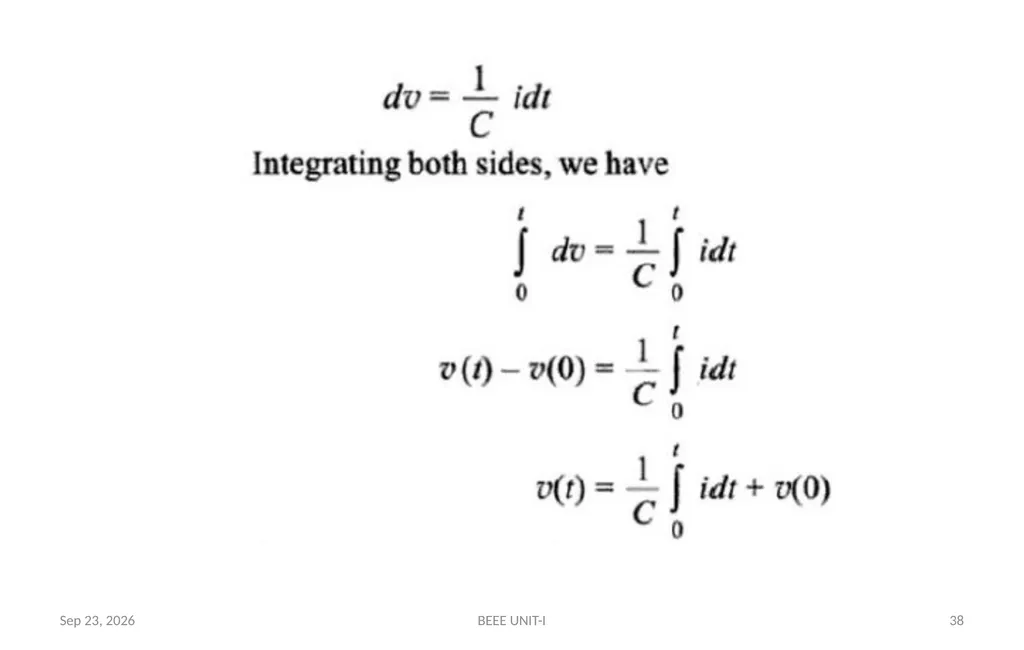
slide38. 23-Apr-24 38 BEEE UNIT-I<br>
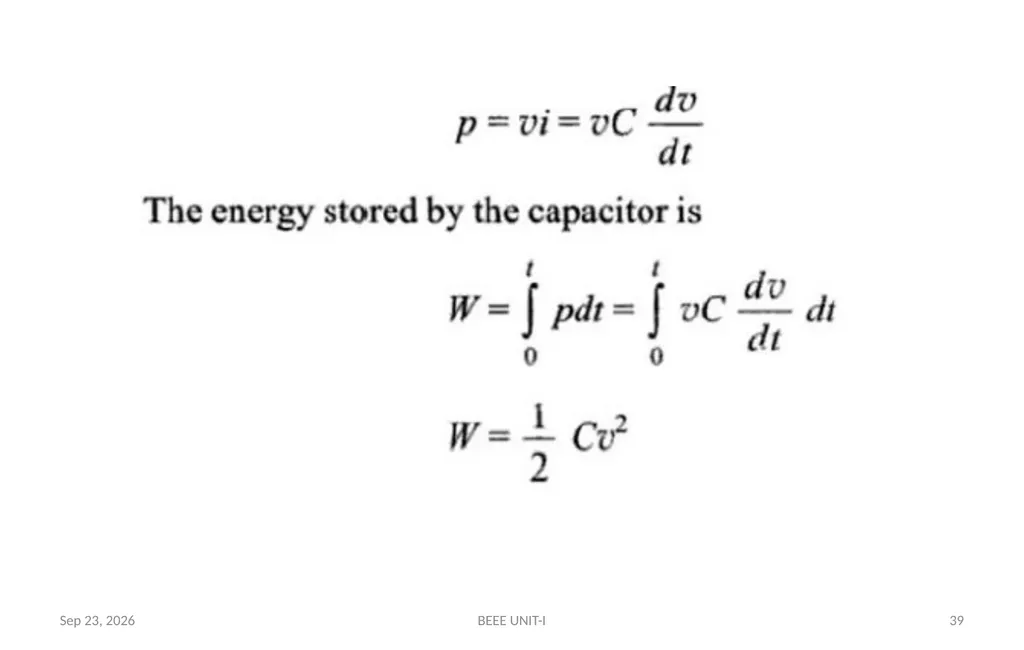
slide39. 23-Apr-24 39 BEEE UNIT-I<br>
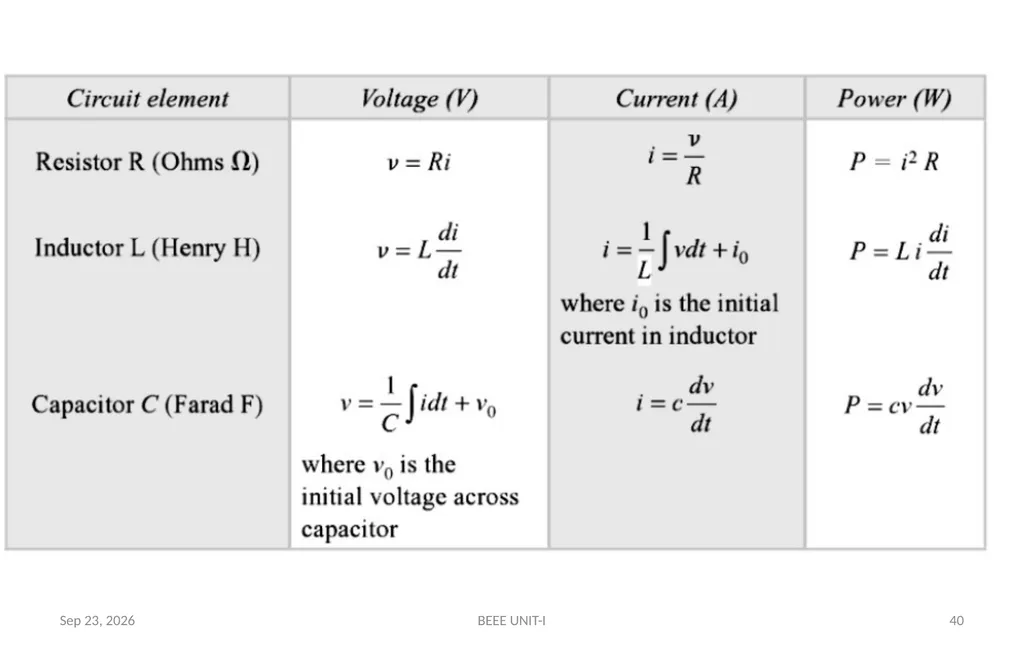
slide40. 23-Apr-24 40 BEEE UNIT-I<br>
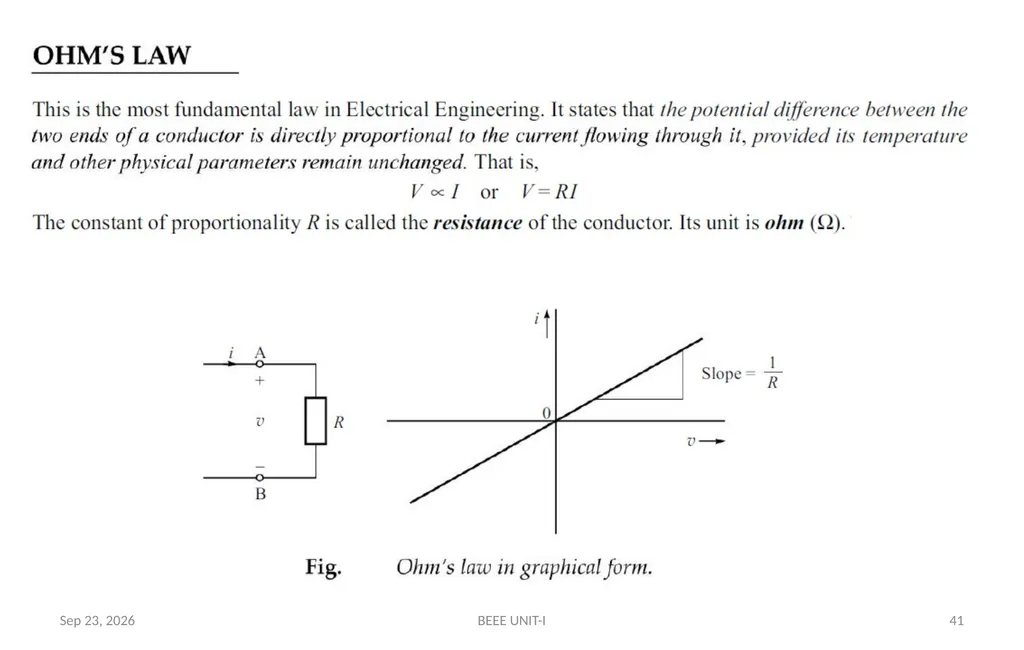
slide41. 23-Apr-24 41 BEEE UNIT-I<br>
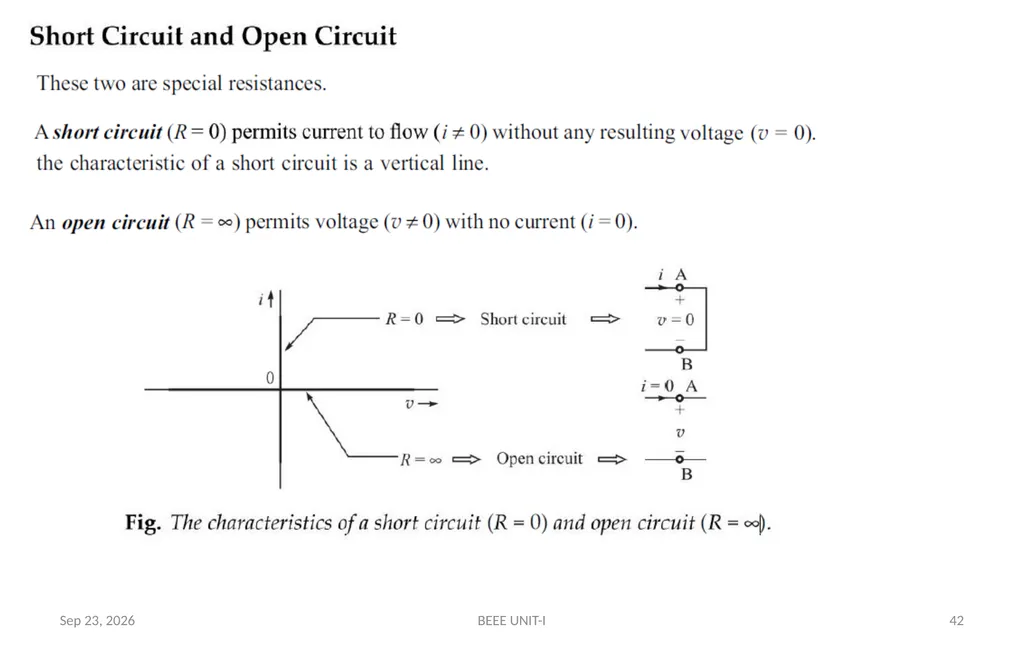
slide42. 23-Apr-24 42 BEEE UNIT-I<br>
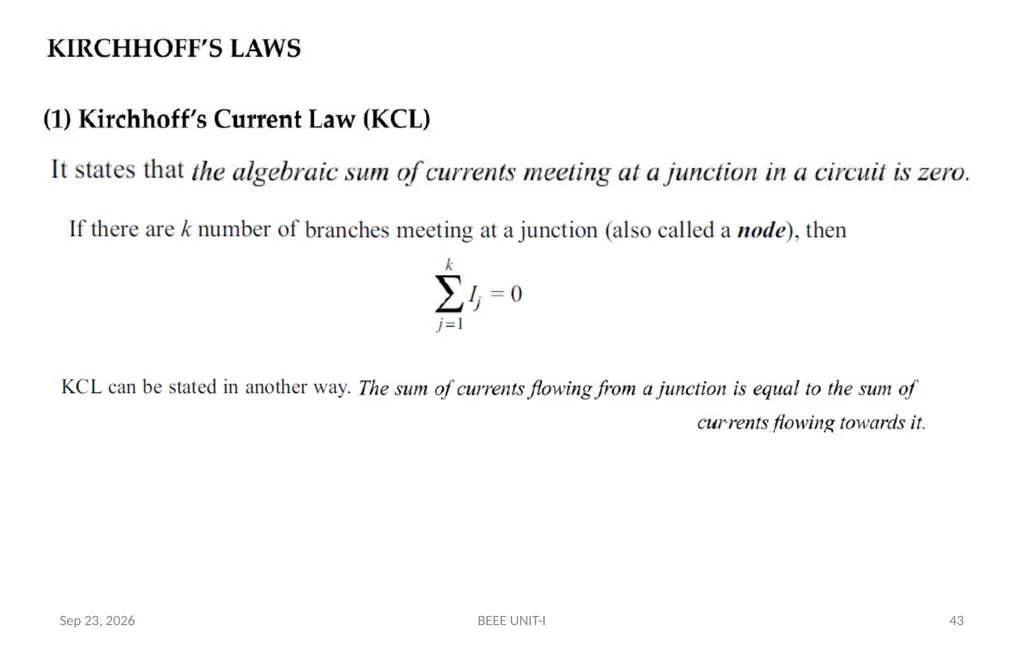
slide43. 23-Apr-24 43 BEEE UNIT-I<br>
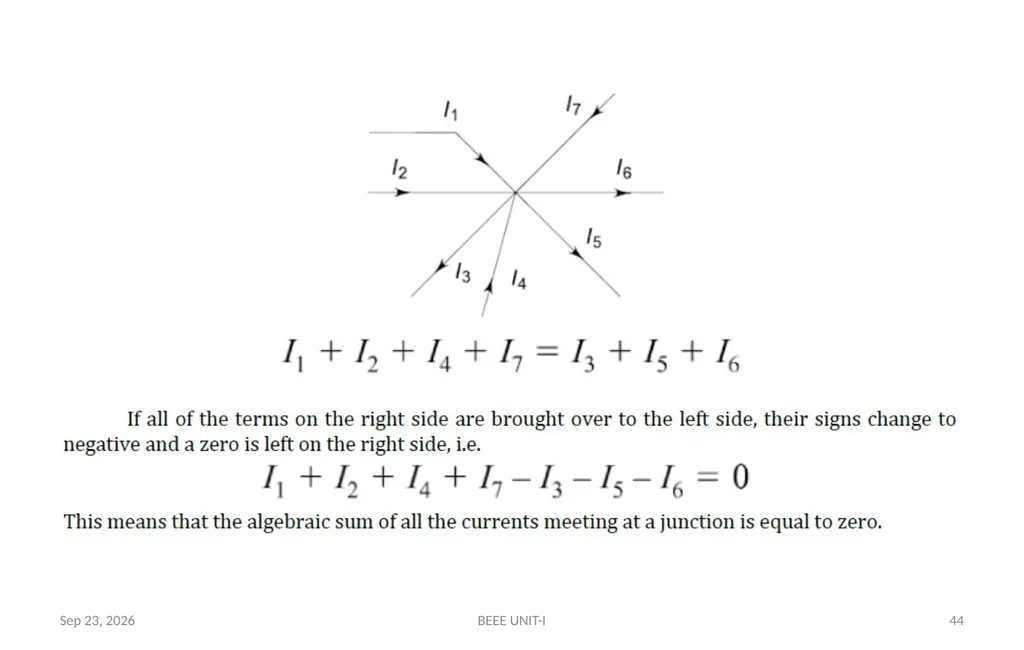
slide44. 23-Apr-24 44 BEEE UNIT-I<br>
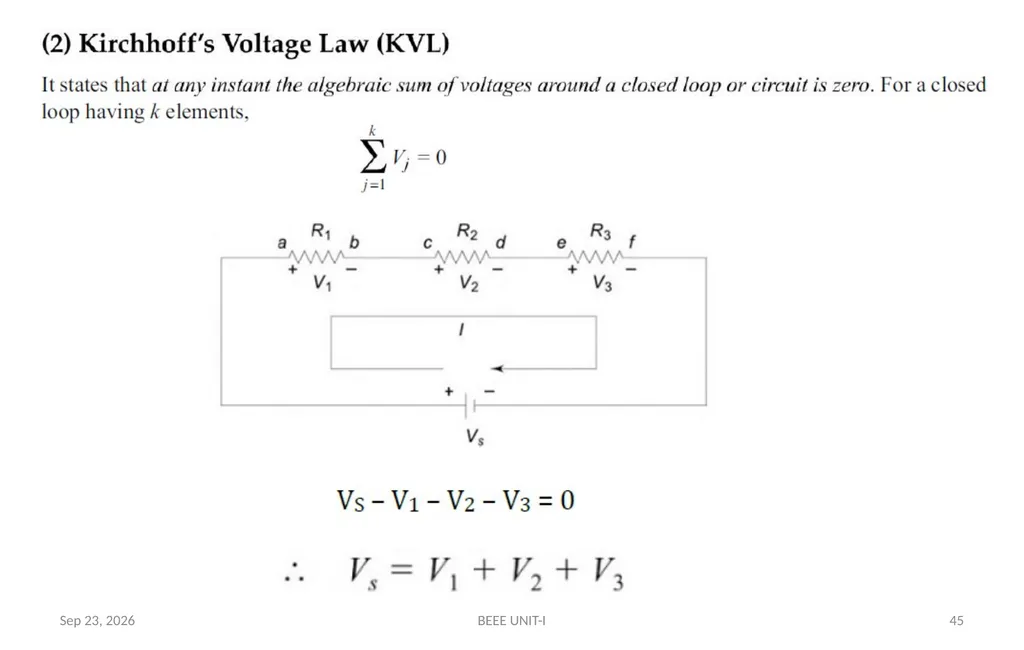
slide45. 23-Apr-24 45 BEEE UNIT-I<br>
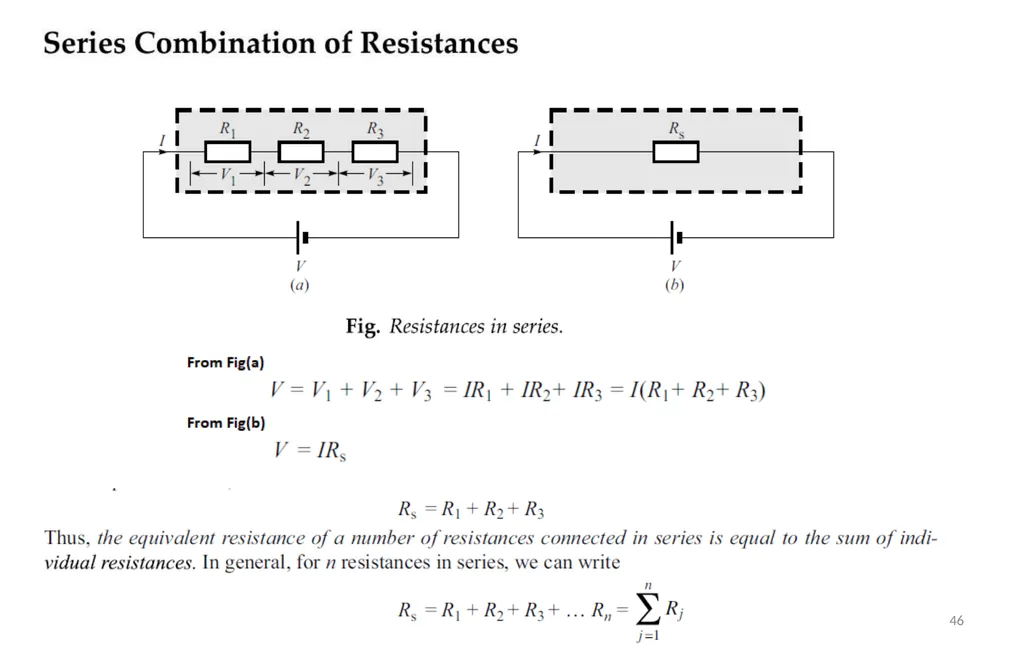
slide46. 23-Apr-24 46 BEEE UNIT-I<br>
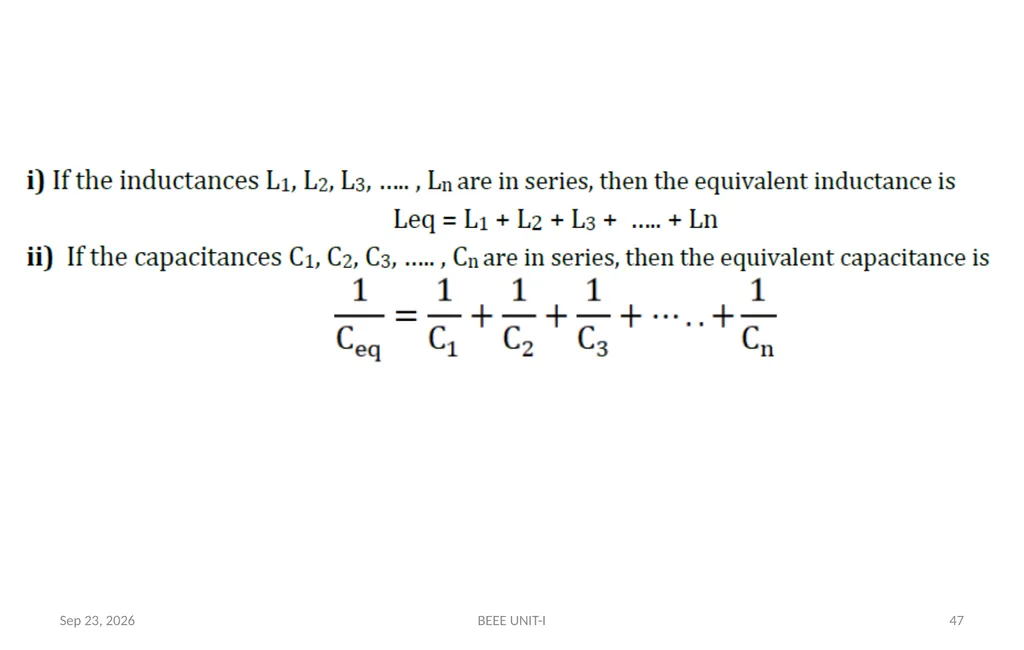
slide47. 23-Apr-24 47 BEEE UNIT-I<br>
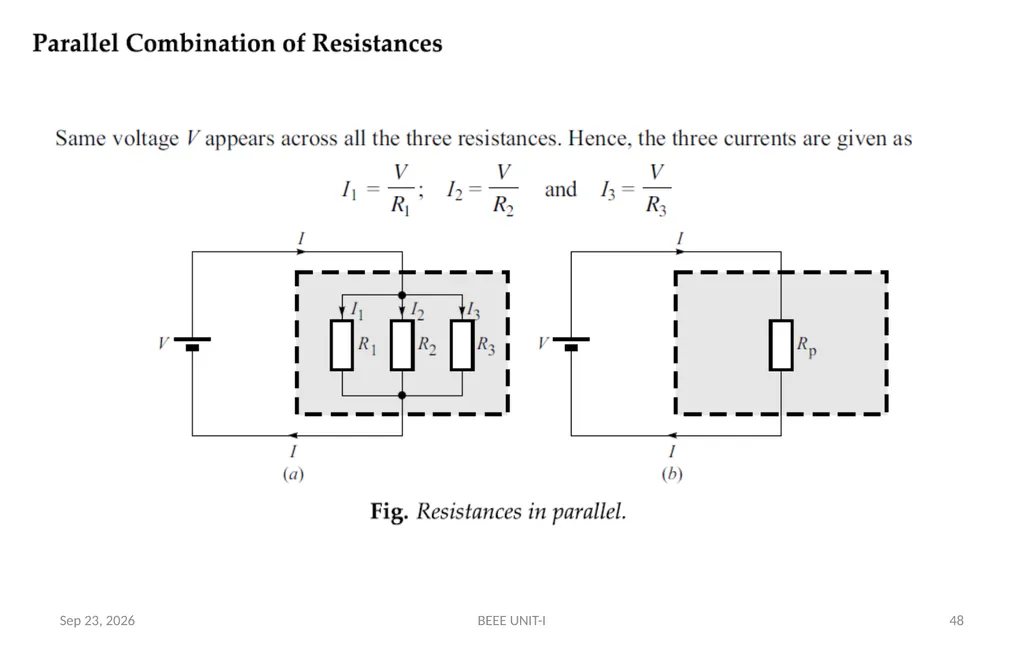
slide48. 23-Apr-24 48 BEEE UNIT-I<br>
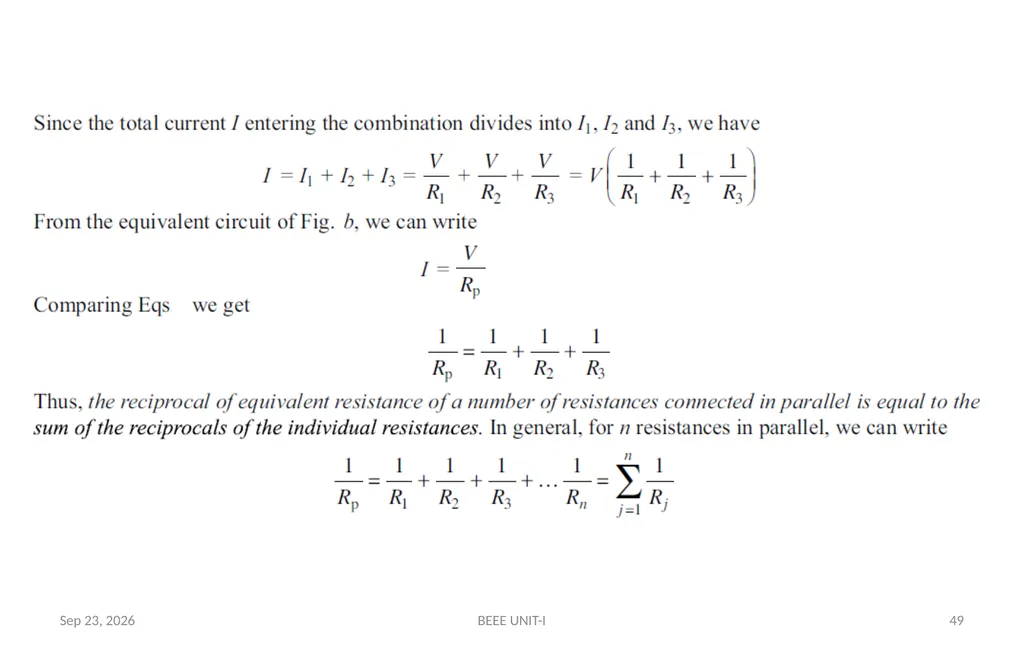
slide49. 23-Apr-24 49 BEEE UNIT-I<br>
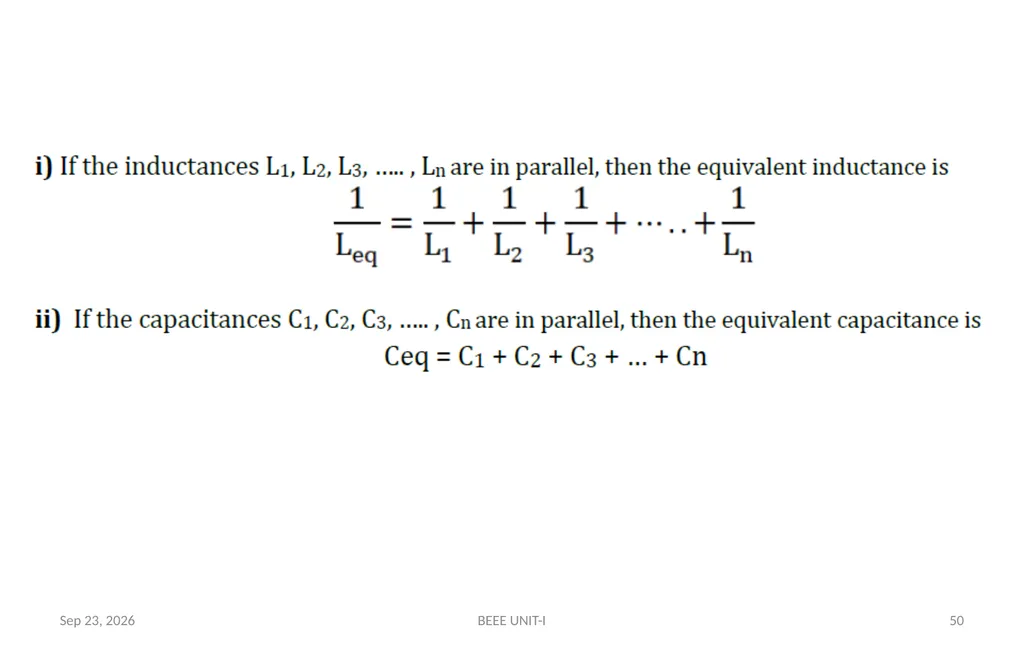
slide50. 23-Apr-24 50 BEEE UNIT-I<br>
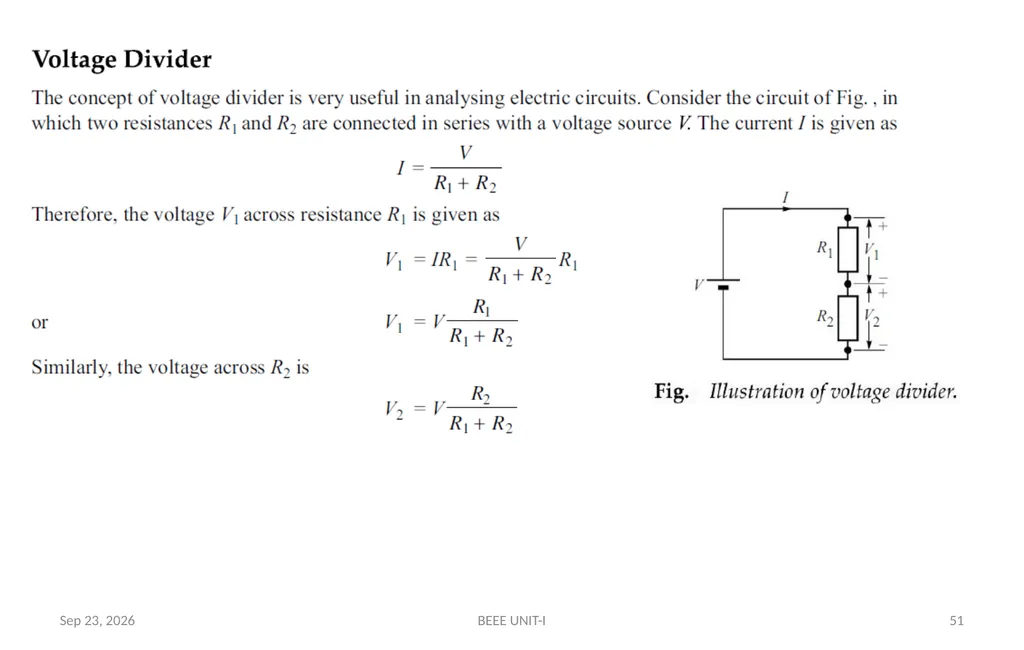
slide51. 23-Apr-24 51 BEEE UNIT-I<br>
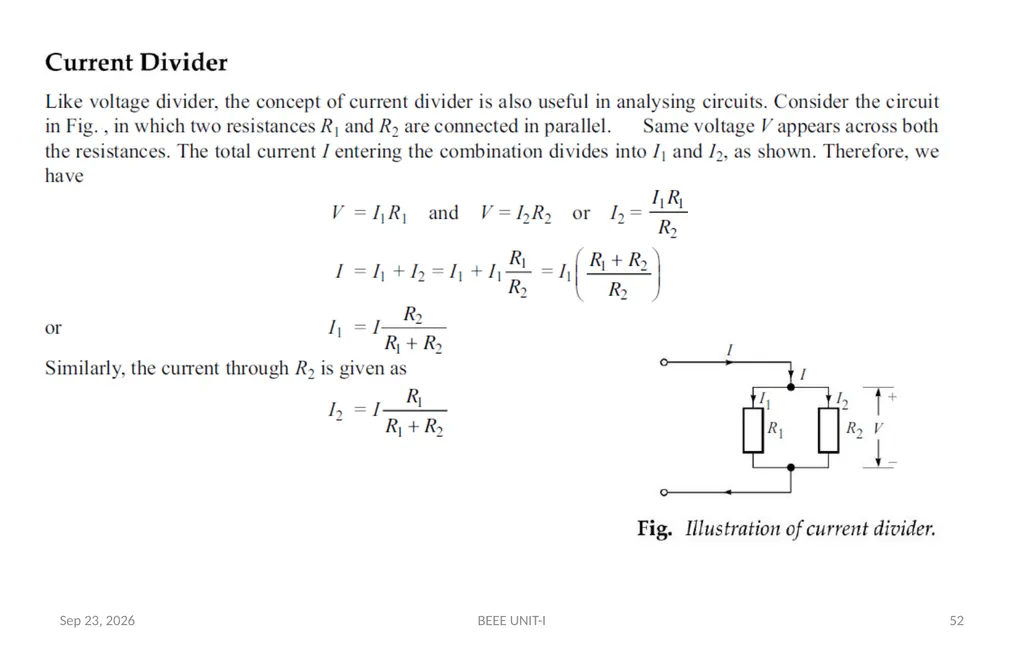
slide52. 23-Apr-24 52 BEEE UNIT-I<br>
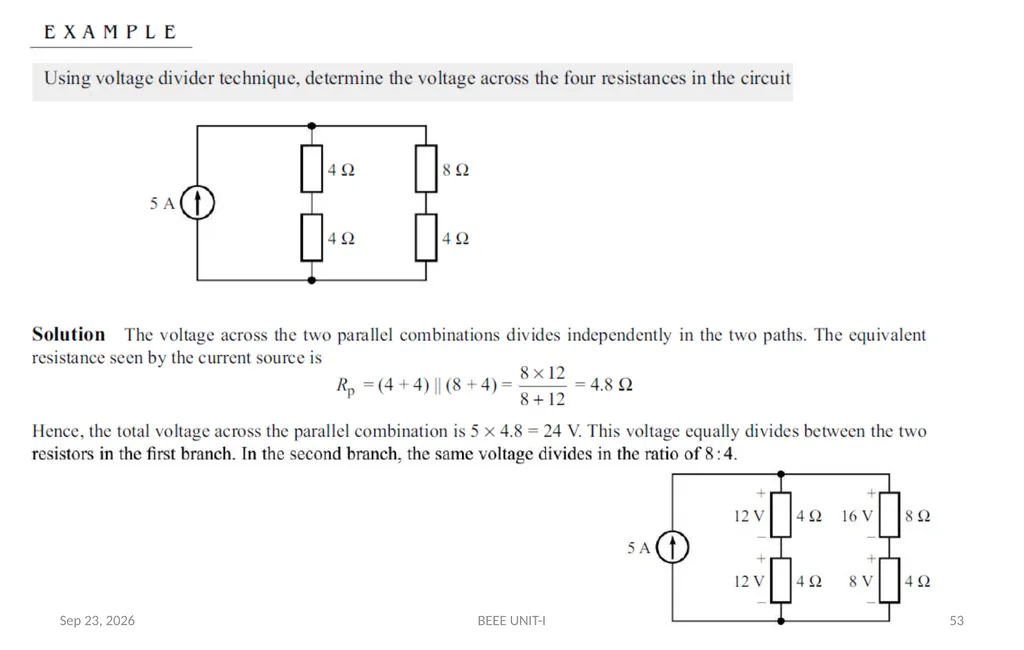
slide53. 23-Apr-24 53 BEEE UNIT-I<br>
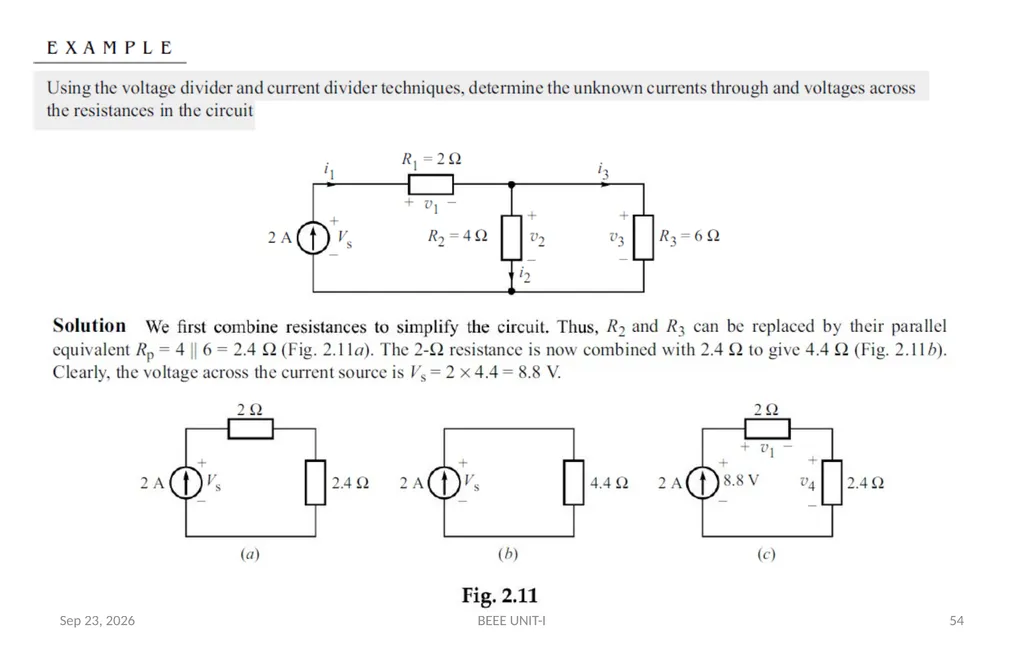
slide54. 23-Apr-24 54 BEEE UNIT-I<br>
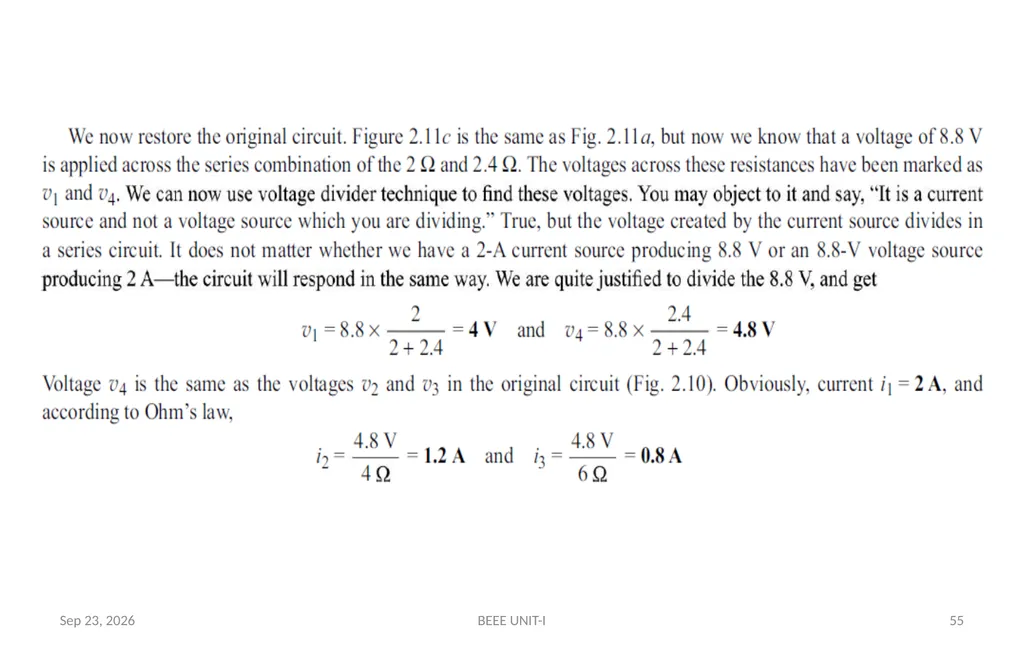
slide55. 23-Apr-24 55 BEEE UNIT-I<br>
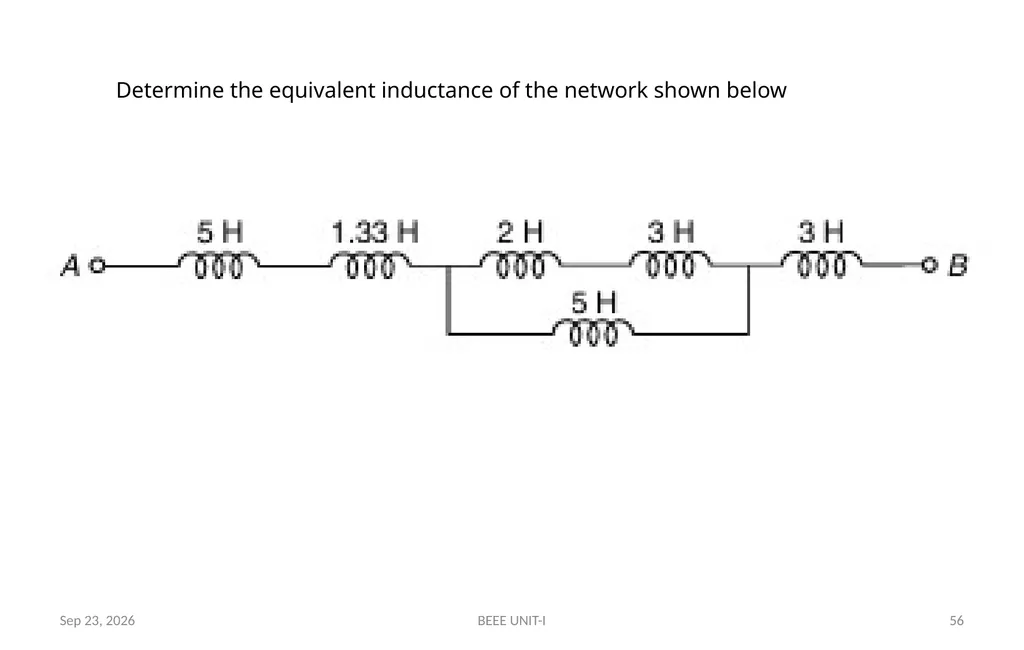
slide56. 23-Apr-24 BEEE UNIT-I 56 Determine the equivalent inductance of the network shown below<br>
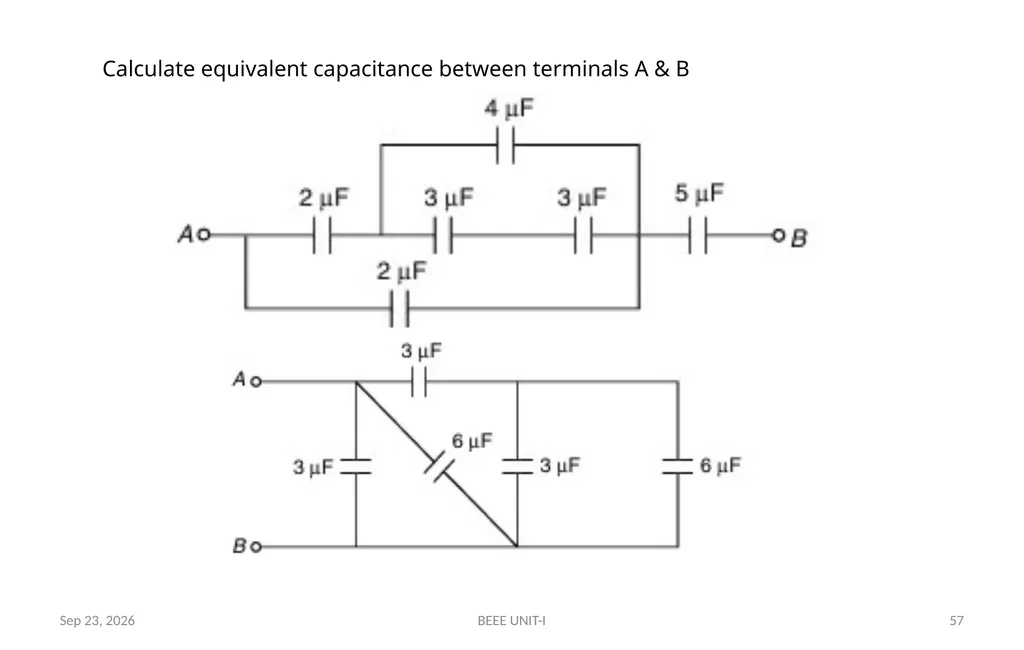
slide57. 23-Apr-24 BEEE UNIT-I 57 Calculate equivalent capacitance between terminals A & B<br>
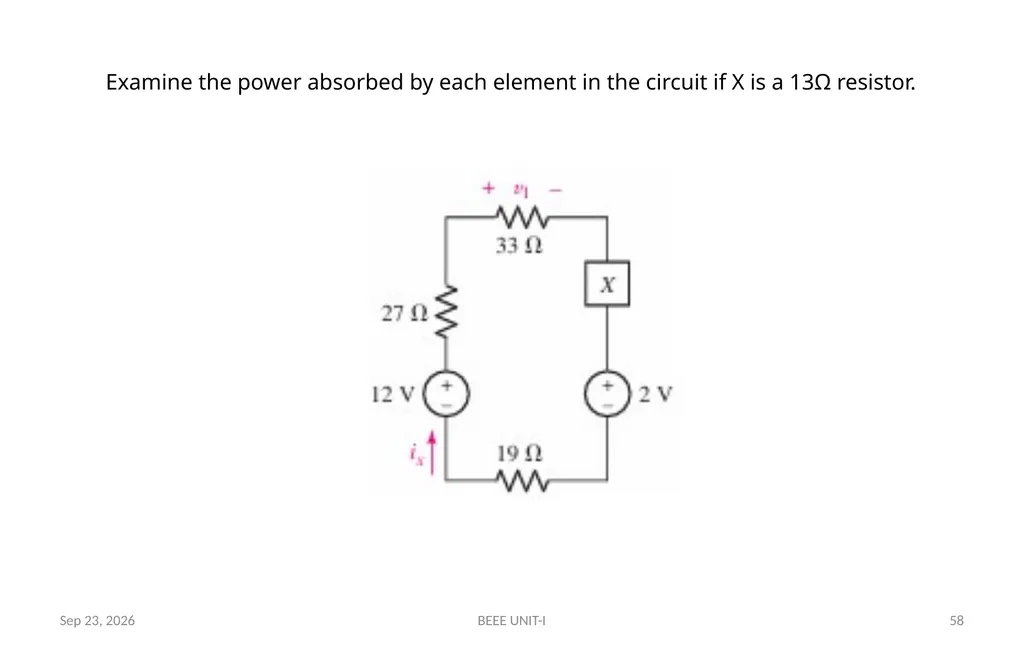
slide58. 23-Apr-24 BEEE UNIT-I 58 Examine the power absorbed by each element in the circuit if X is a 13Ω resistor.<br>
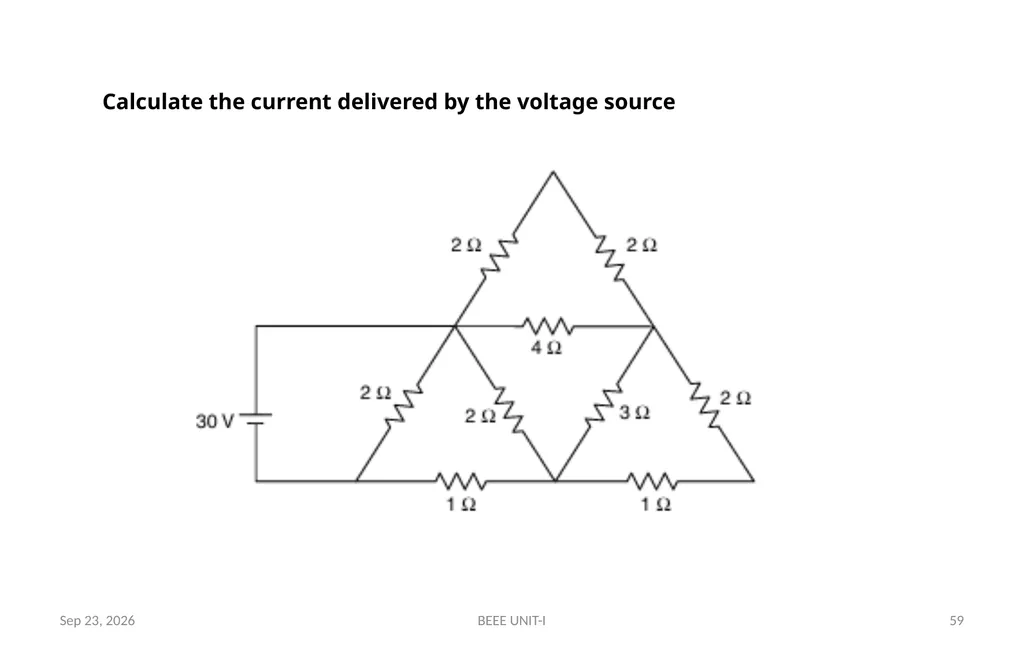
slide59. 23-Apr-24 BEEE UNIT-I 59 Calculate the current delivered by the voltage source<br>
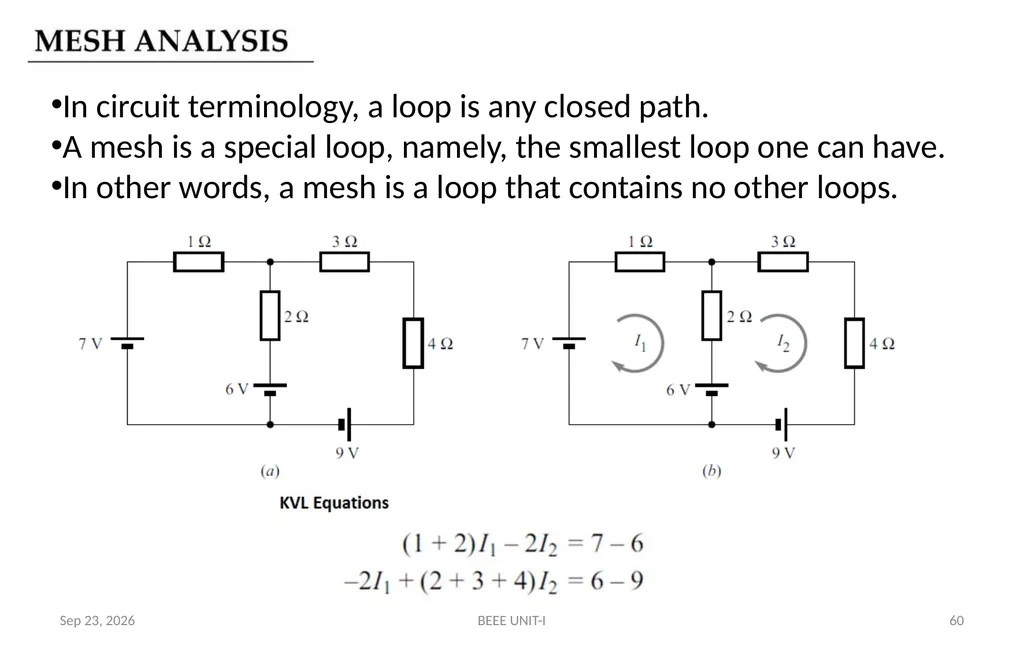
slide60. In circuit terminology, a loop is any closed path.
A mesh is a special loop, namely, the smallest loop one can have.
In other words, a mesh is a loop that contains no other loops. 23-Apr-24 60 BEEE UNIT-I<br>
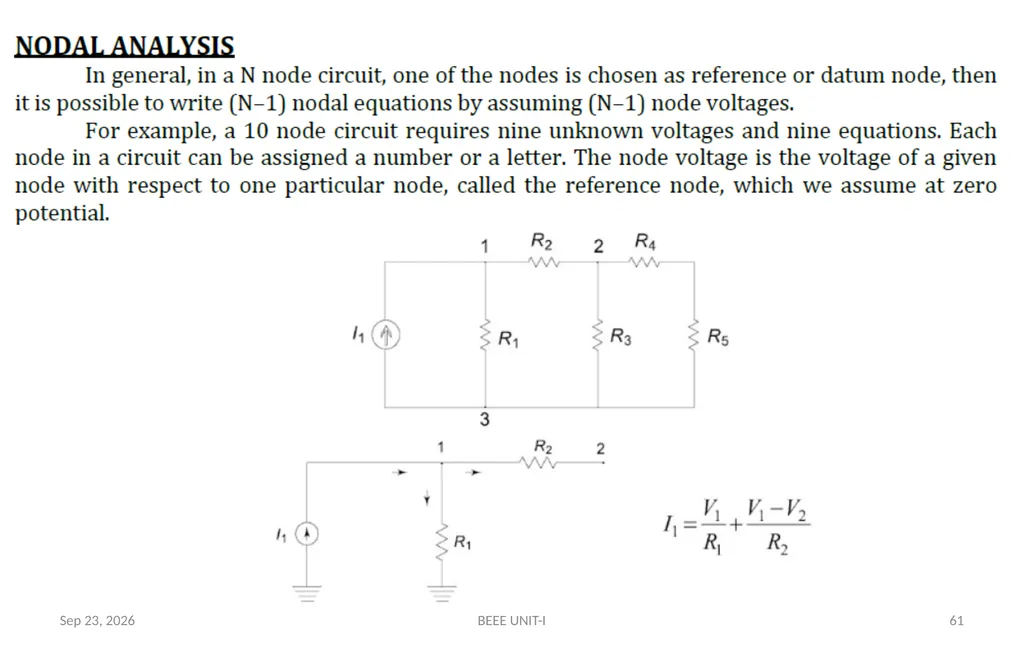
slide61. 23-Apr-24 61 BEEE UNIT-I<br>
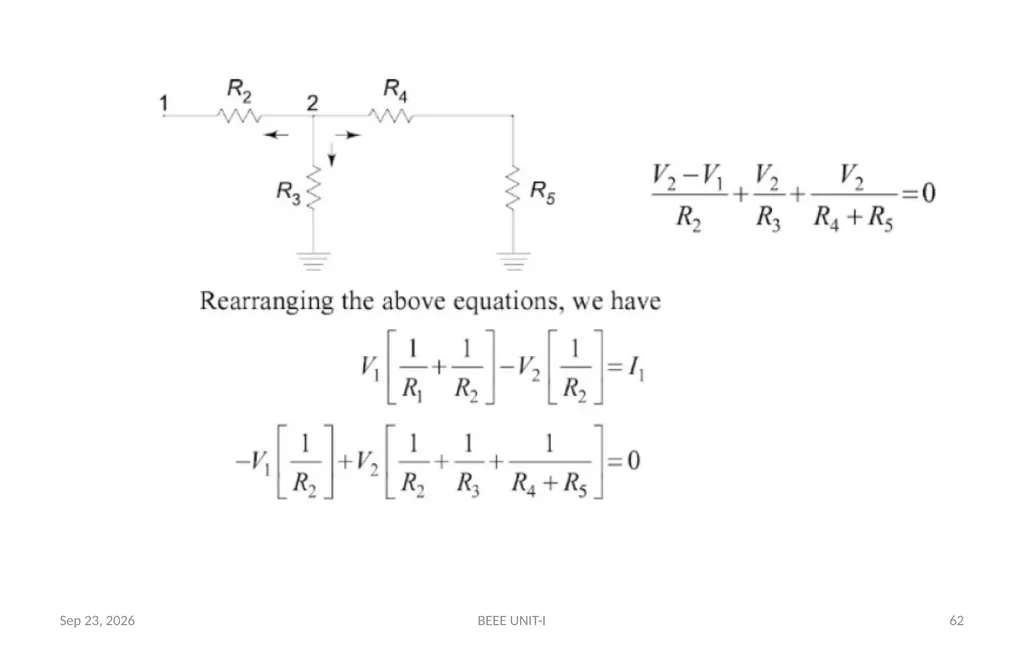
slide62. 23-Apr-24 62 BEEE UNIT-I<br>
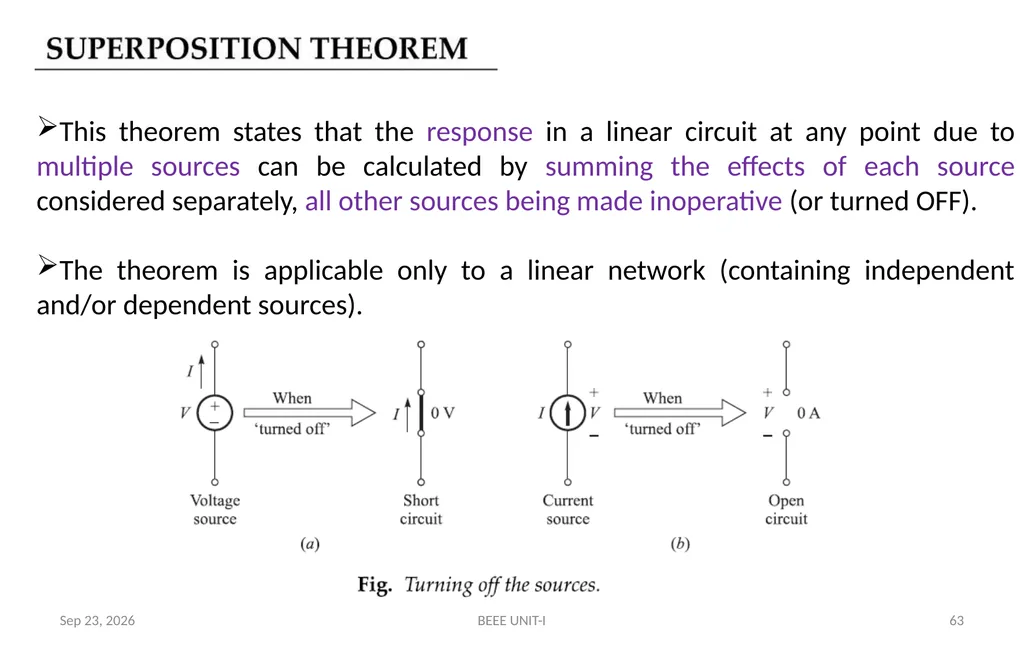
slide63. This theorem states that the response in a linear circuit at any point due to multiple sources can be calculated by summing the effects of each source considered separately, all other sources being made inoperative (or turned OFF).
The theorem is applicable only to a linear network (containing independent and/or dependent sources). 23-Apr-24 63 BEEE UNIT-I<br>
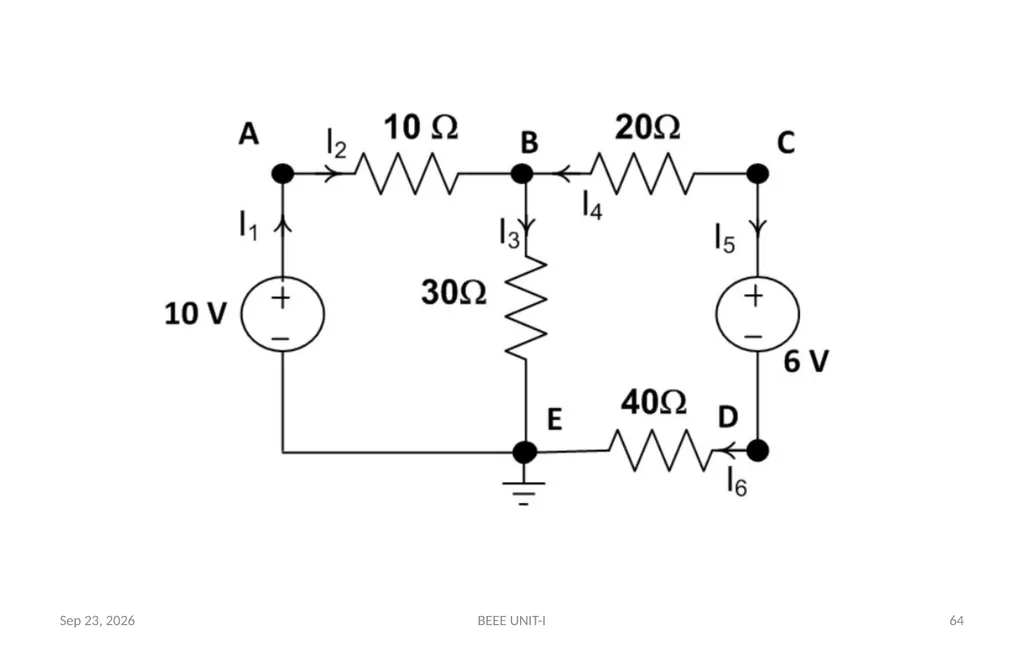
slide64. 23-Apr-24 BEEE UNIT-I 64<br>
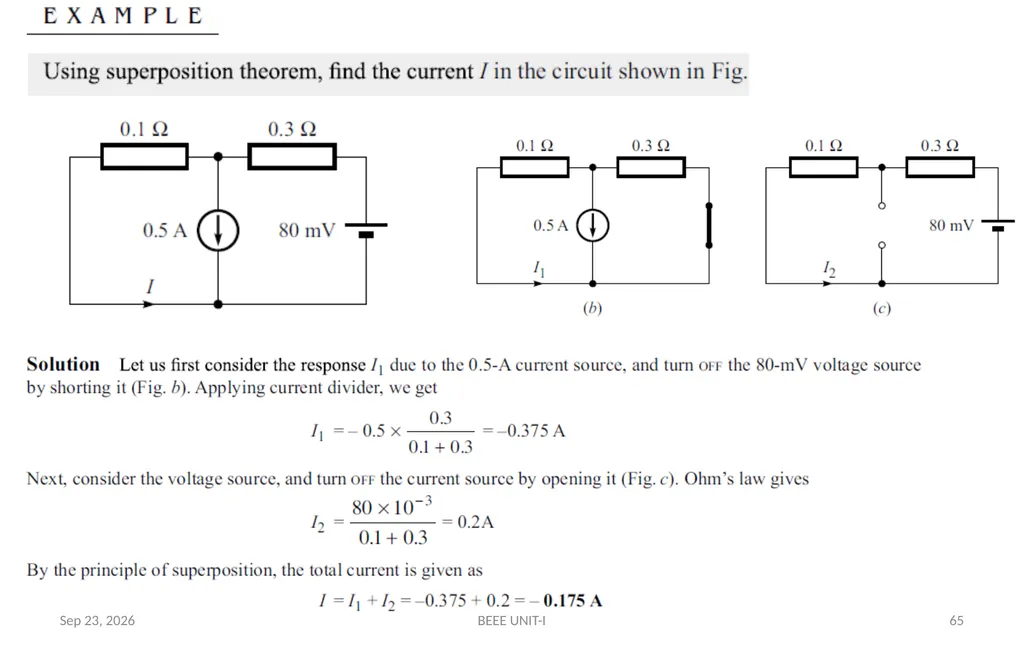
slide65. 23-Apr-24 65 BEEE UNIT-I<br>
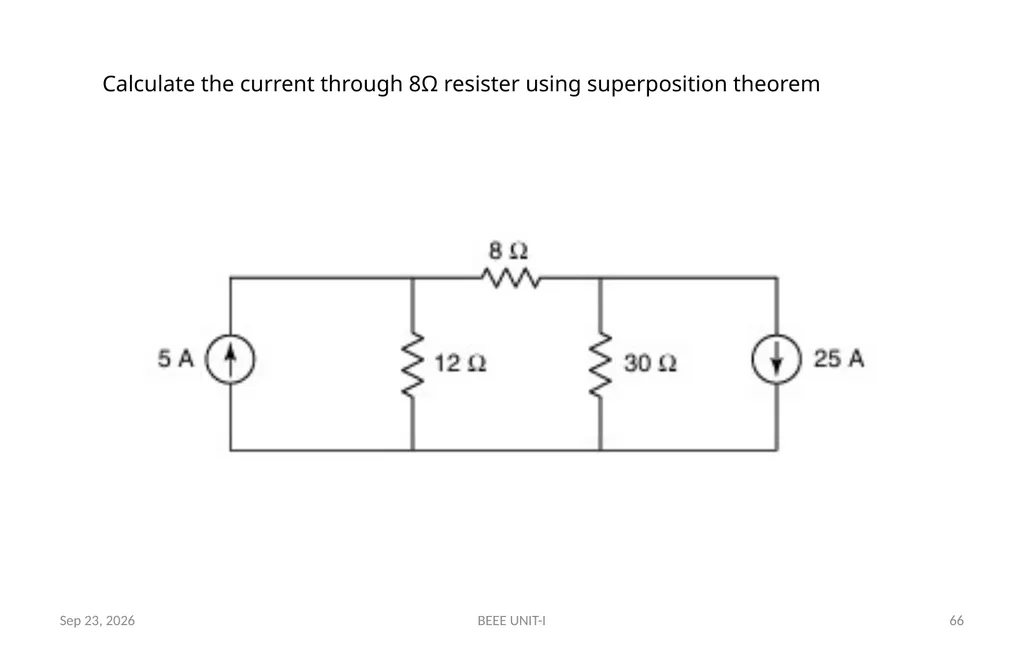
slide66. 23-Apr-24 BEEE UNIT-I 66 Calculate the current through 8Ω resister using superposition theorem<br>
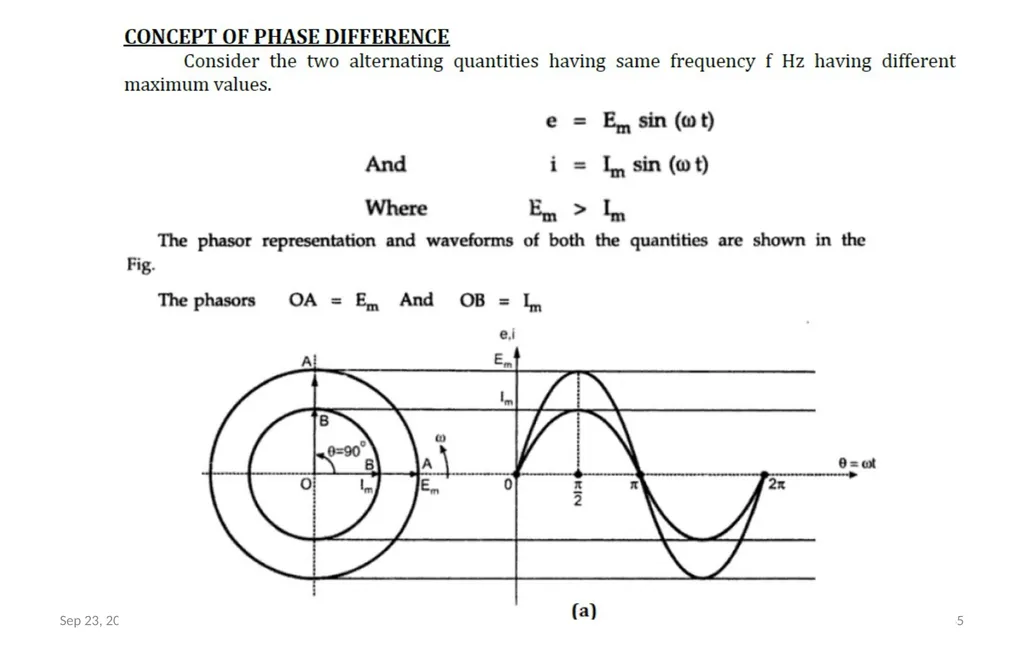
slide67. AC Circuits: A.C. Fundamentals: Equation of AC Voltage and current, waveform, time-period,frequency, amplitude, phase, phase difference, average value, RMS value, form factor, peak factor, Voltage and current relationship with phasor diagrams in R, L, and C circuits, Concept of Impedance, Active power, reactive power and apparent power, Concept of power factor (Simple Numerical problems). 23-Apr-24 67 BEEE UNIT-I<br>
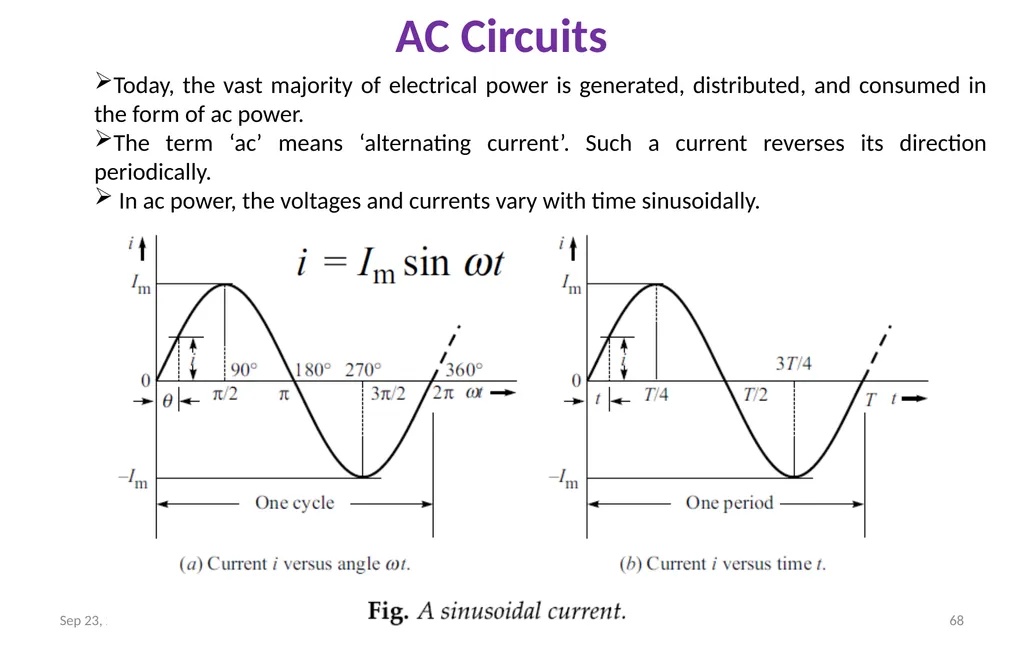
slide68. AC Circuits Today, the vast majority of electrical power is generated, distributed, and consumed in the form of ac power.
The term ‘ac’ means ‘alternating current’. Such a current reverses its direction periodically.
In ac power, the voltages and currents vary with time sinusoidally. 23-Apr-24 68 BEEE UNIT-I<br>
slide69. 23-Apr-24 69 BEEE UNIT-I<br>
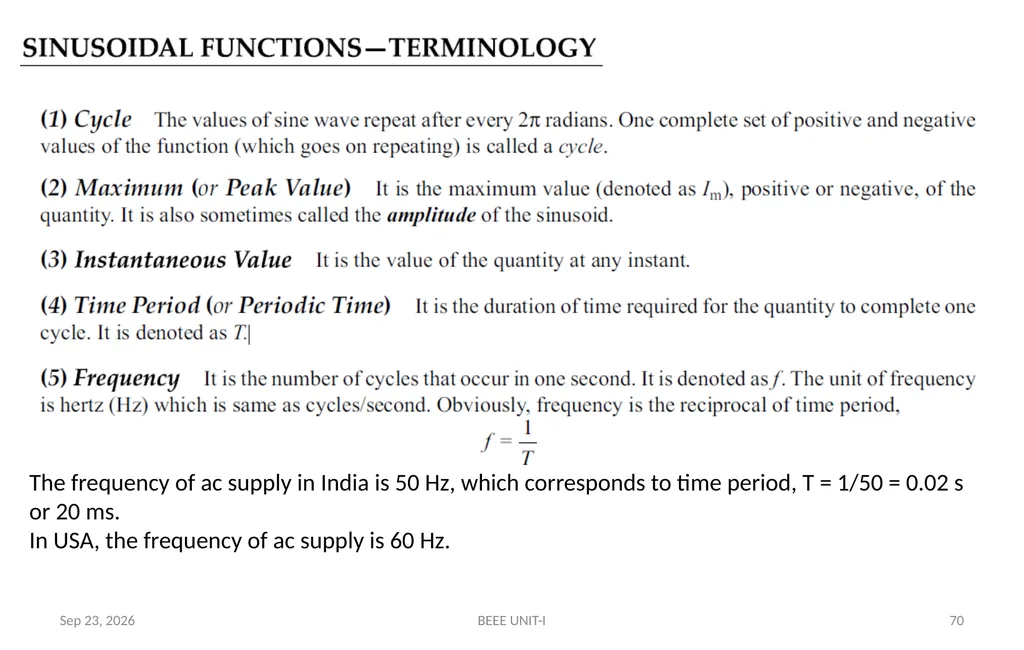
slide70. The frequency of ac supply in India is 50 Hz, which corresponds to time period, T = 1/50 = 0.02 s or 20 ms.
In USA, the frequency of ac supply is 60 Hz. 23-Apr-24 70 BEEE UNIT-I<br>
slide71. 23-Apr-24 71 BEEE UNIT-I<br>
slide72. 23-Apr-24 72 BEEE UNIT-I<br>
slide73. 23-Apr-24 73 BEEE UNIT-I<br>
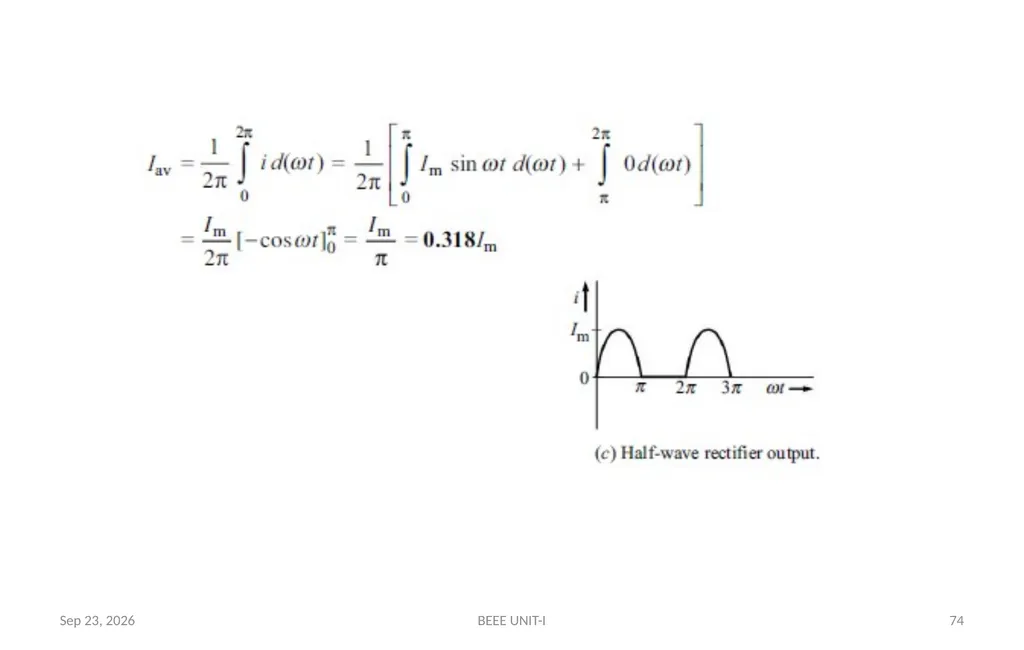
slide74. 23-Apr-24 74 BEEE UNIT-I<br>
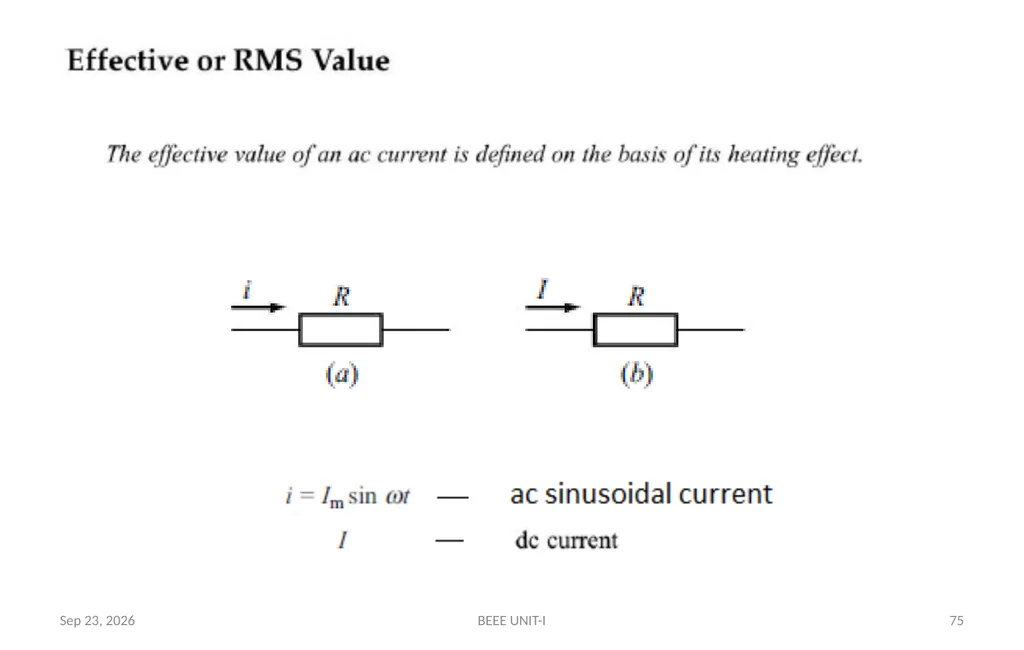
slide75. 23-Apr-24 75 BEEE UNIT-I<br>
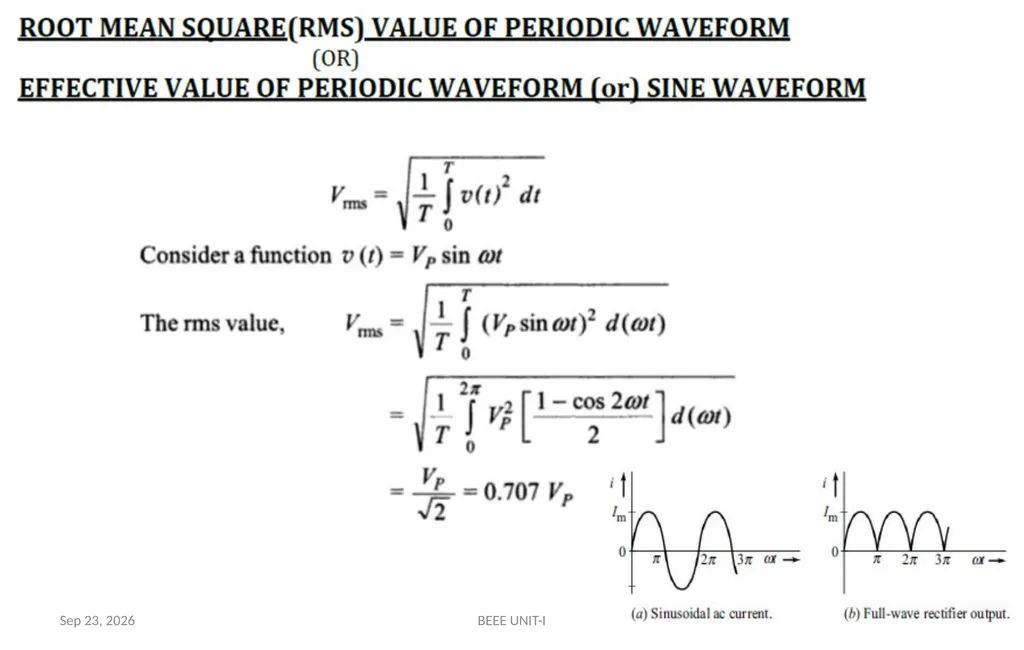
slide76. 23-Apr-24 76 BEEE UNIT-I<br>
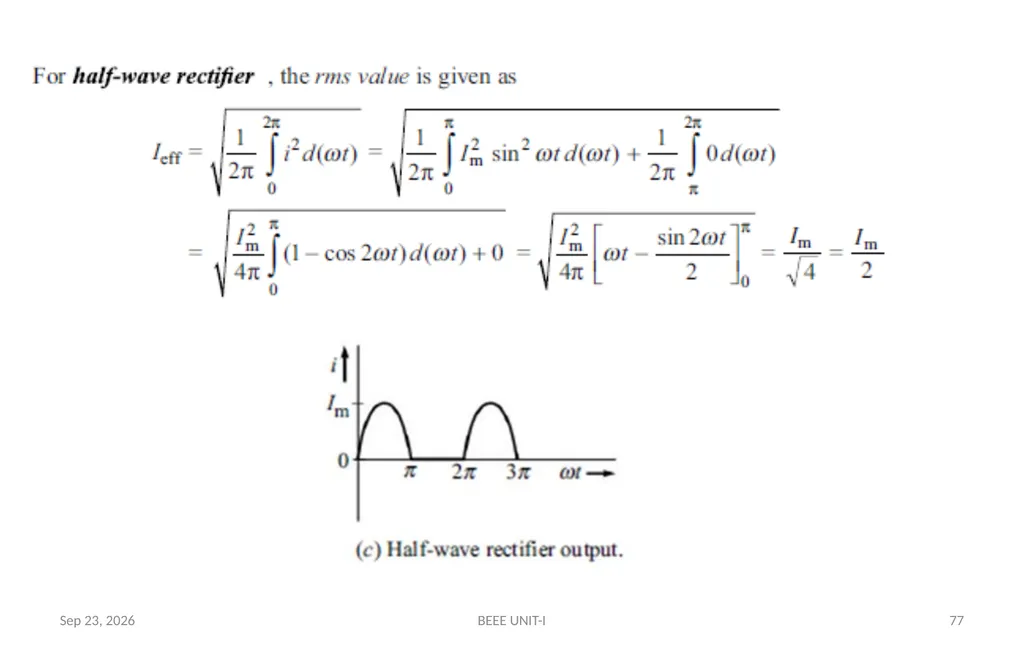
slide77. 23-Apr-24 77 BEEE UNIT-I<br>
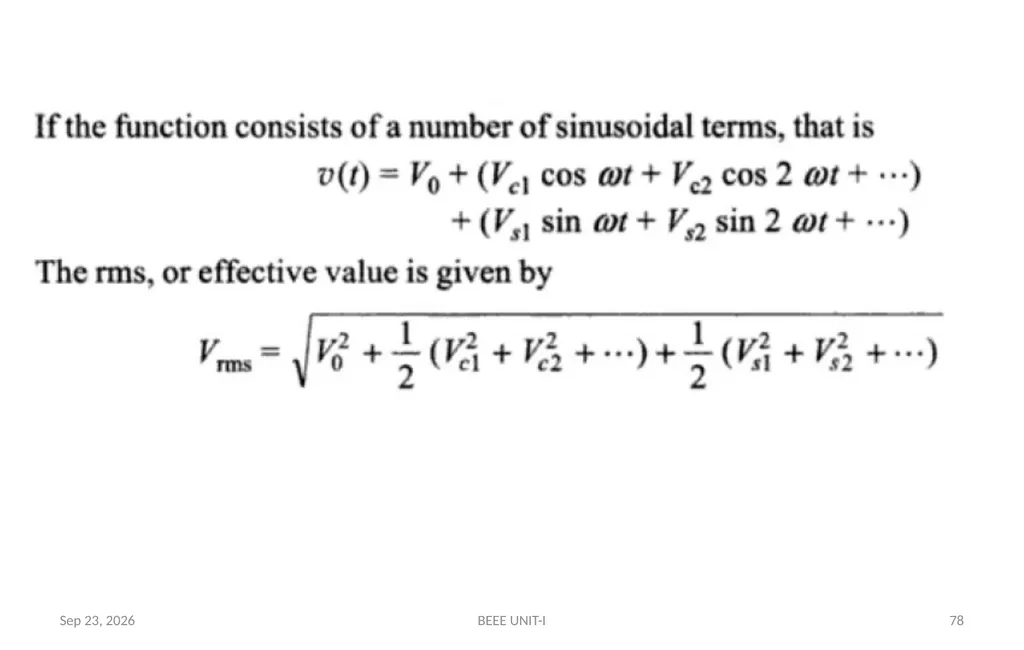
slide78. 23-Apr-24 78 BEEE UNIT-I<br>
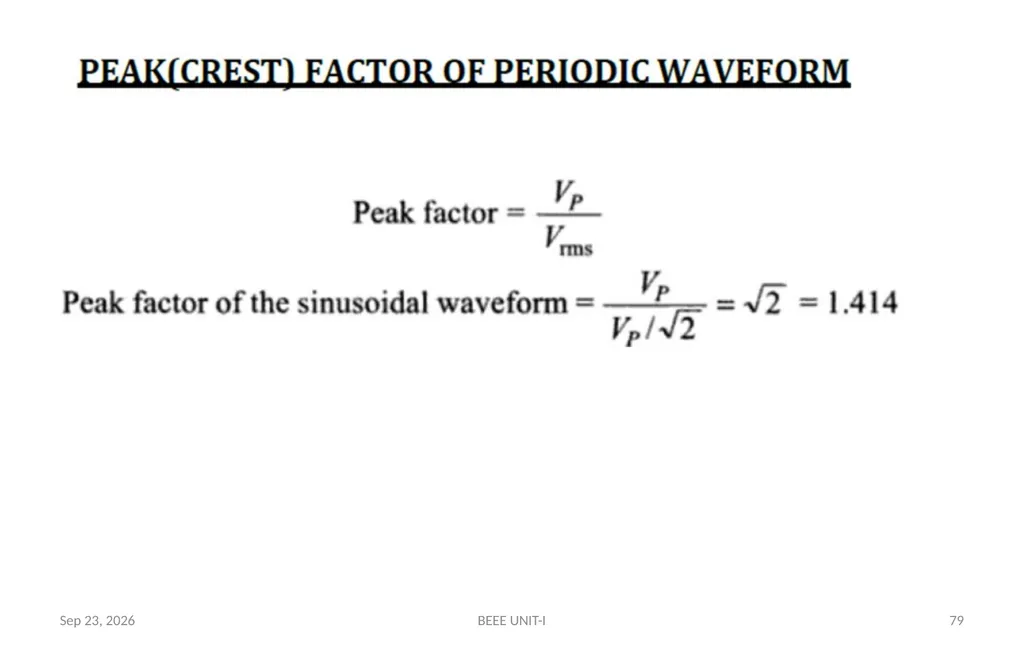
slide79. 23-Apr-24 79 BEEE UNIT-I<br>
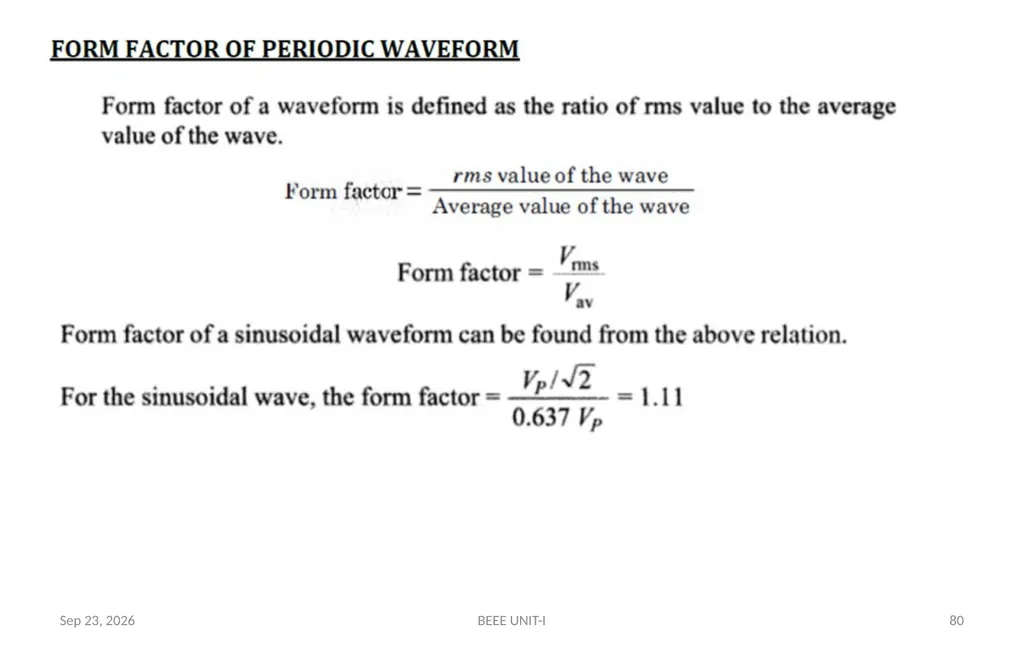
slide80. 23-Apr-24 80 BEEE UNIT-I<br>
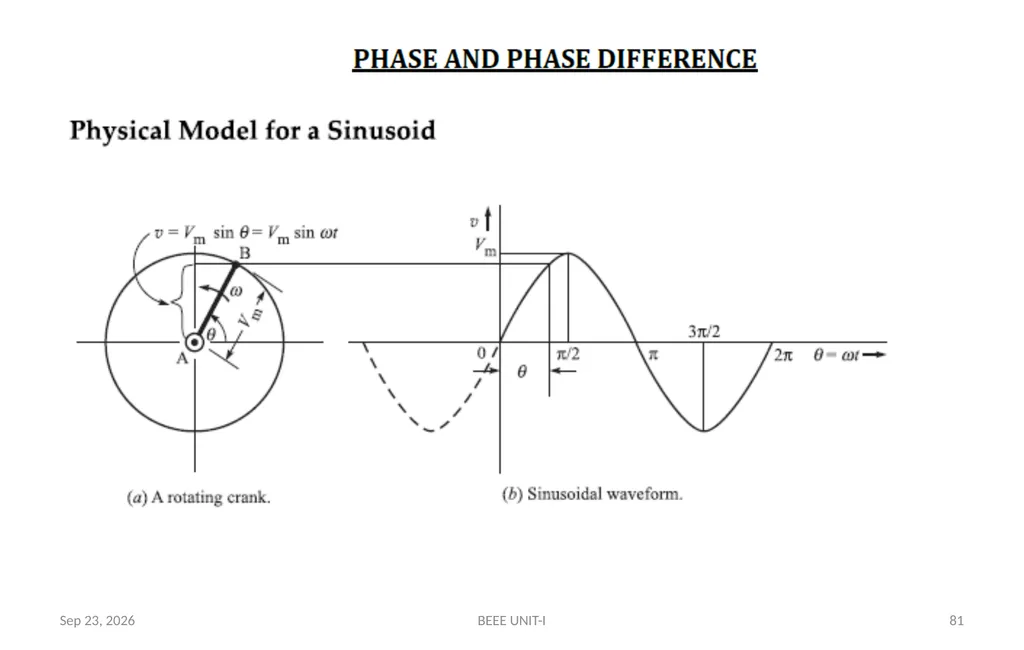
slide81. 23-Apr-24 81 BEEE UNIT-I<br>
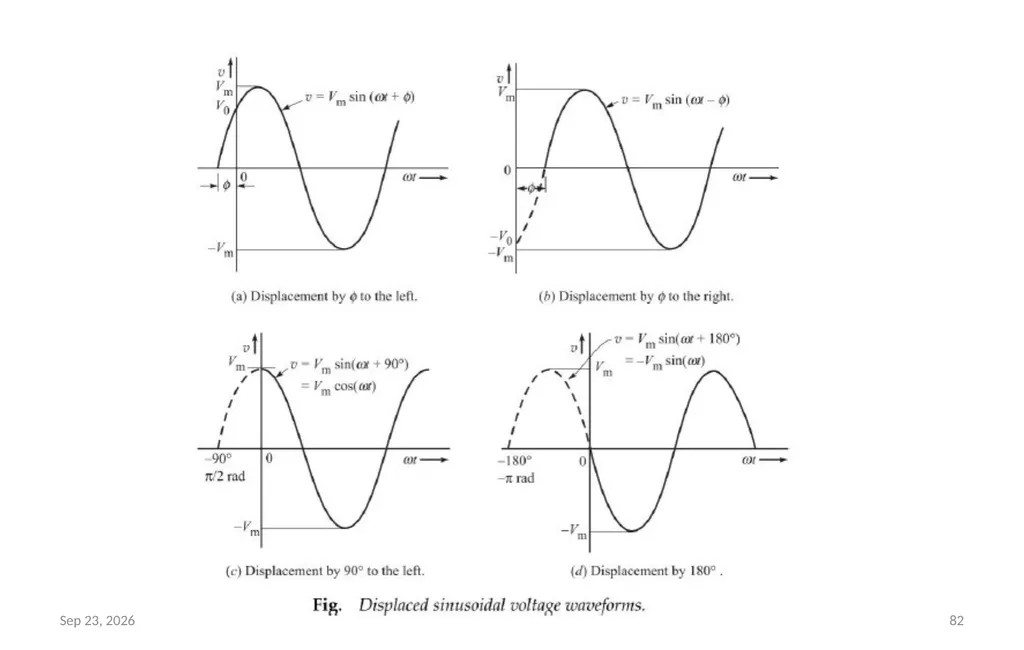
slide82. 23-Apr-24 82 BEEE UNIT-I<br>
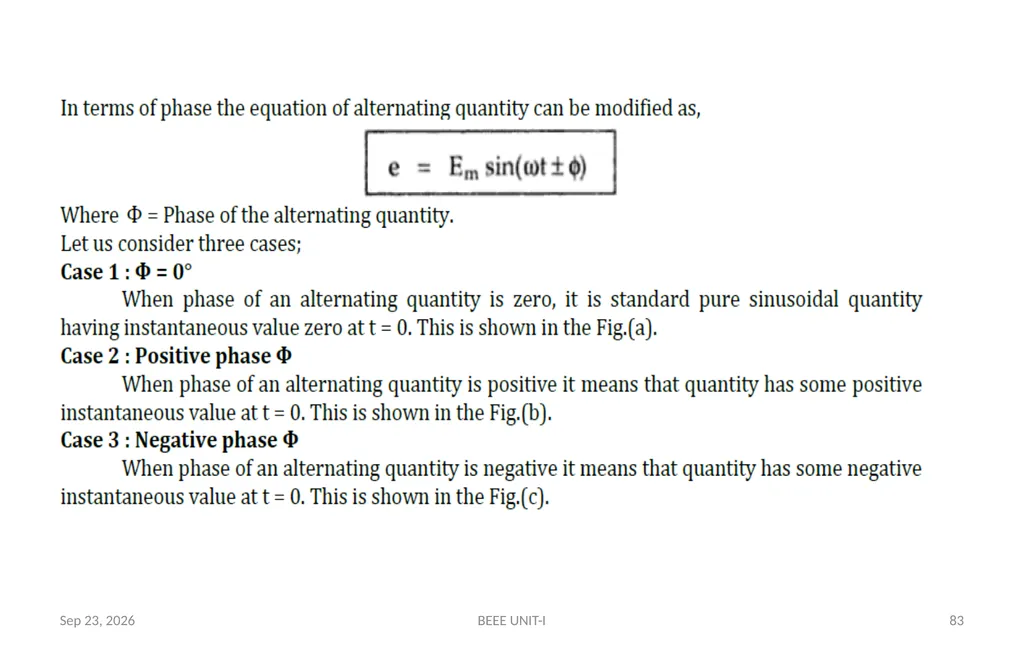
slide83. 23-Apr-24 83 BEEE UNIT-I<br>
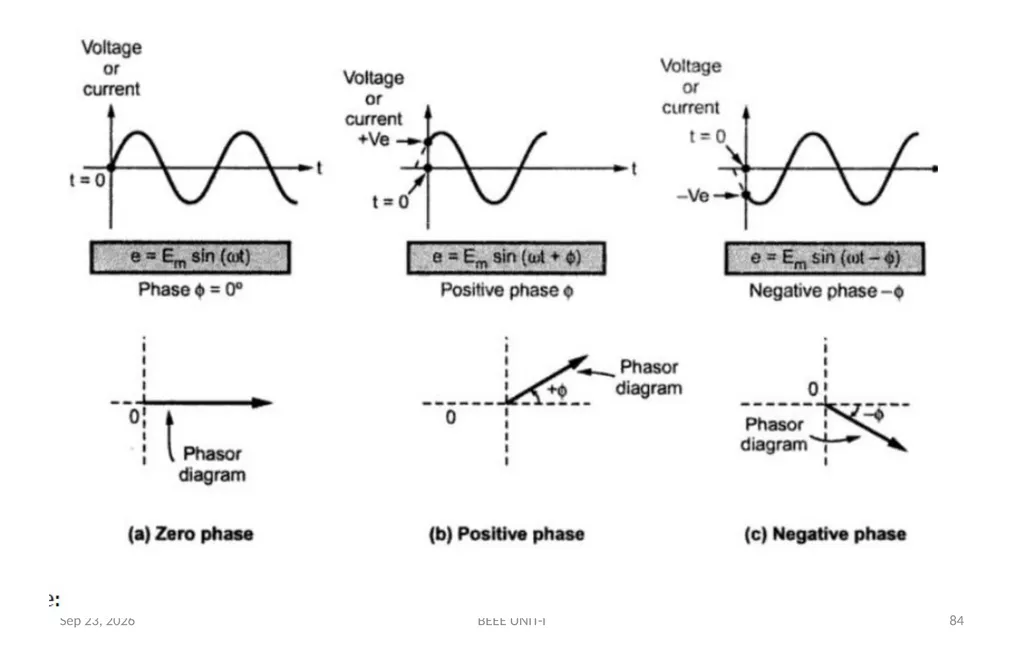
slide84. 23-Apr-24 84 BEEE UNIT-I<br>
slide85. 23-Apr-24 85 BEEE UNIT-I<br>
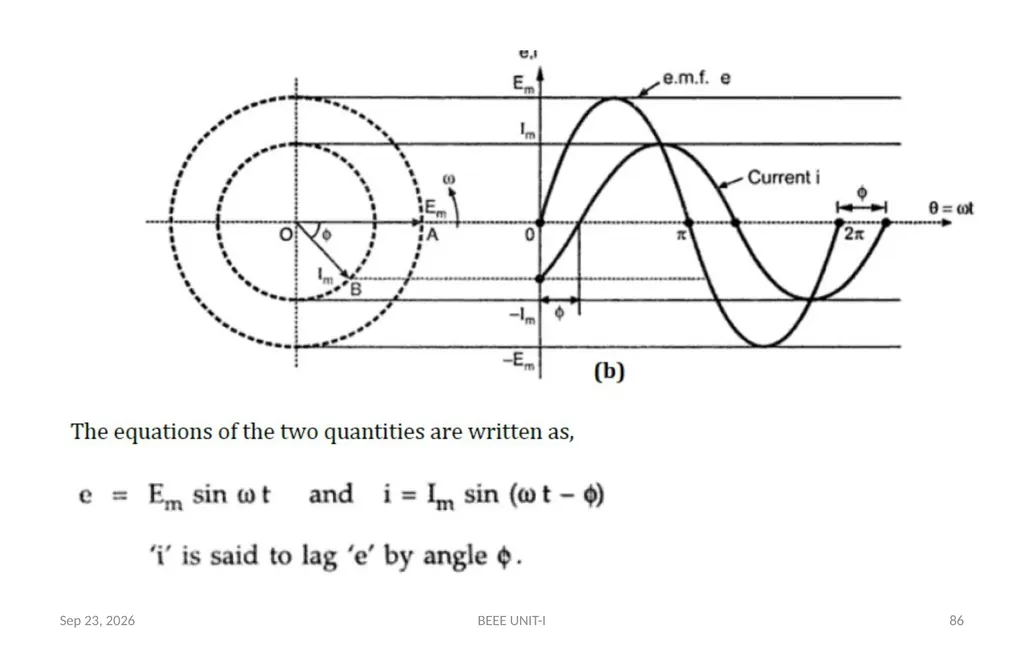
slide86. 23-Apr-24 86 BEEE UNIT-I<br>
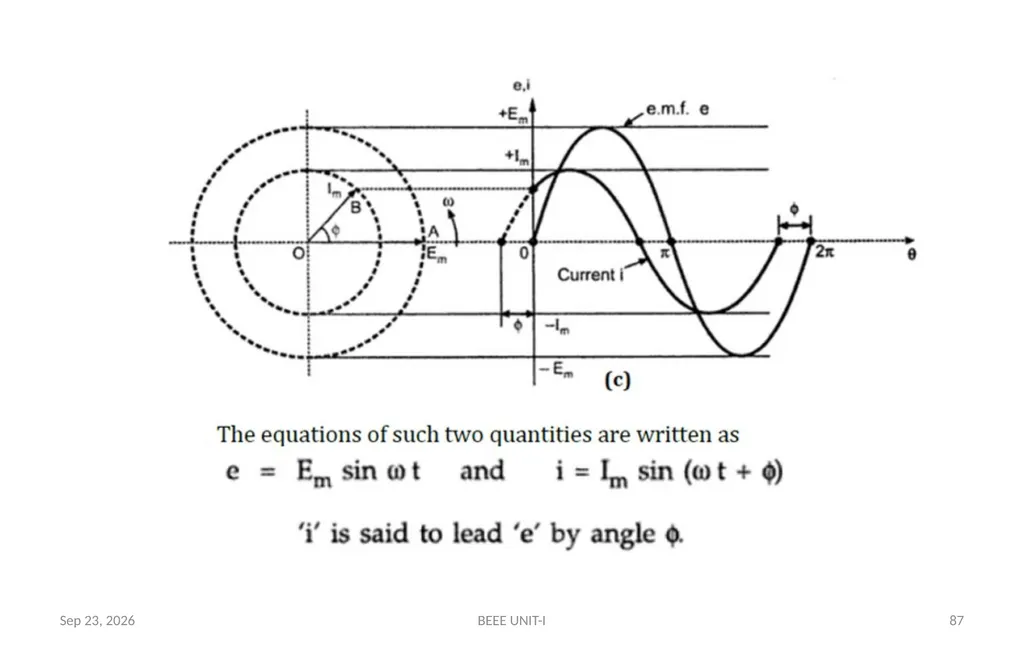
slide87. 23-Apr-24 87 BEEE UNIT-I<br>
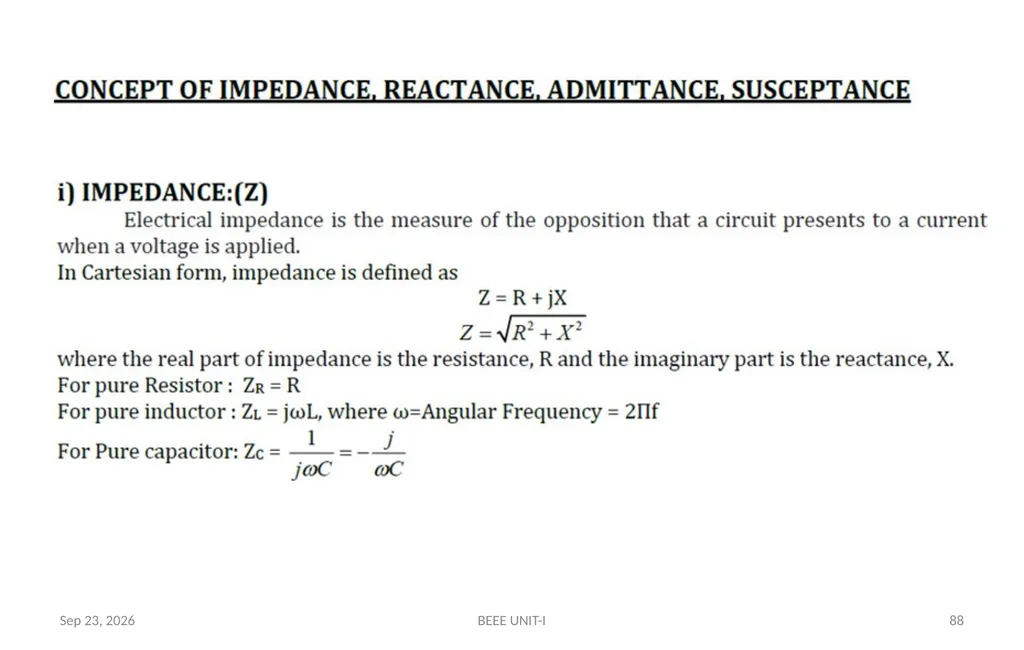
slide88. 23-Apr-24 88 BEEE UNIT-I<br>
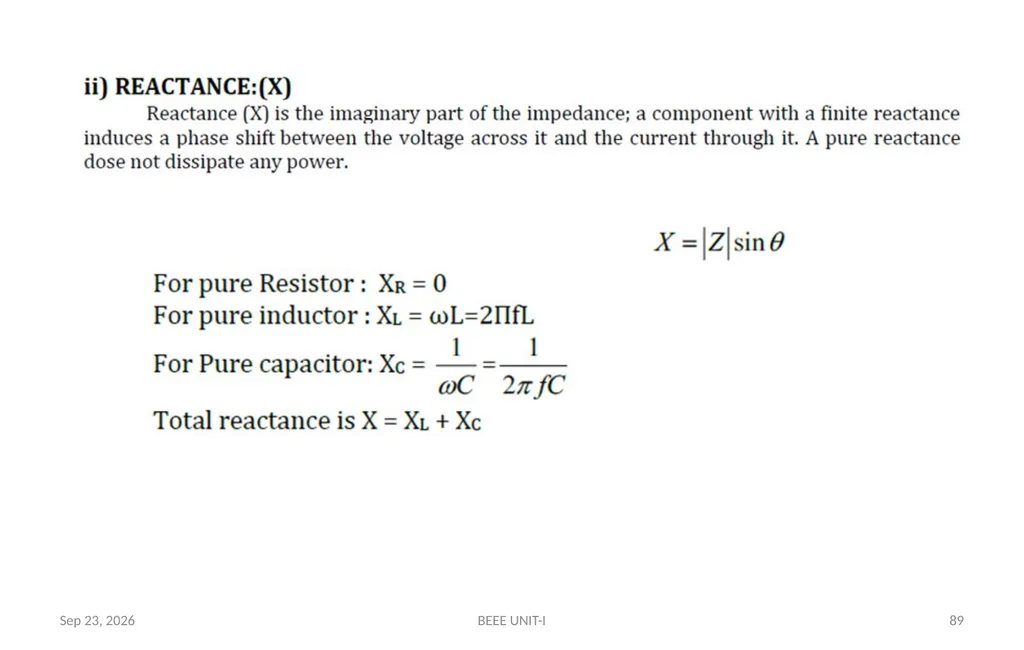
slide89. 23-Apr-24 89 BEEE UNIT-I<br>
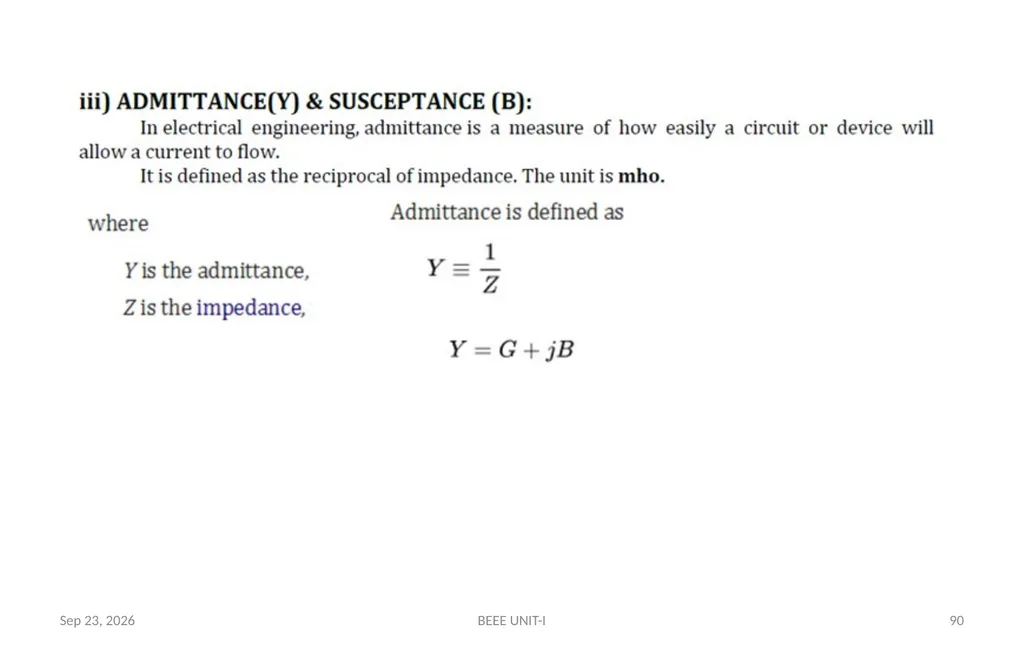
slide90. 23-Apr-24 90 BEEE UNIT-I<br>
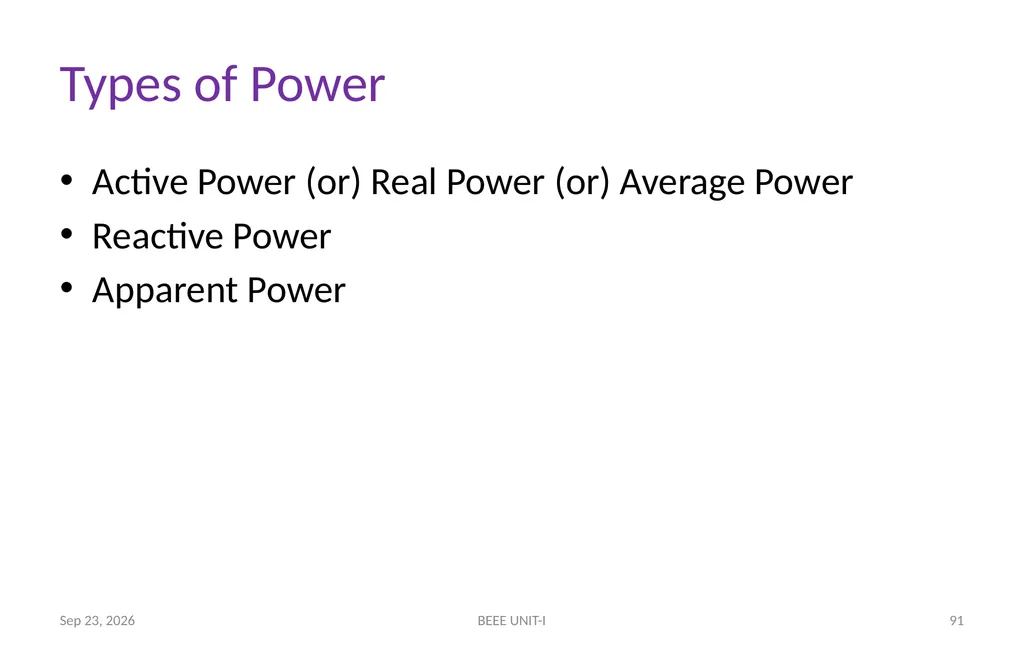
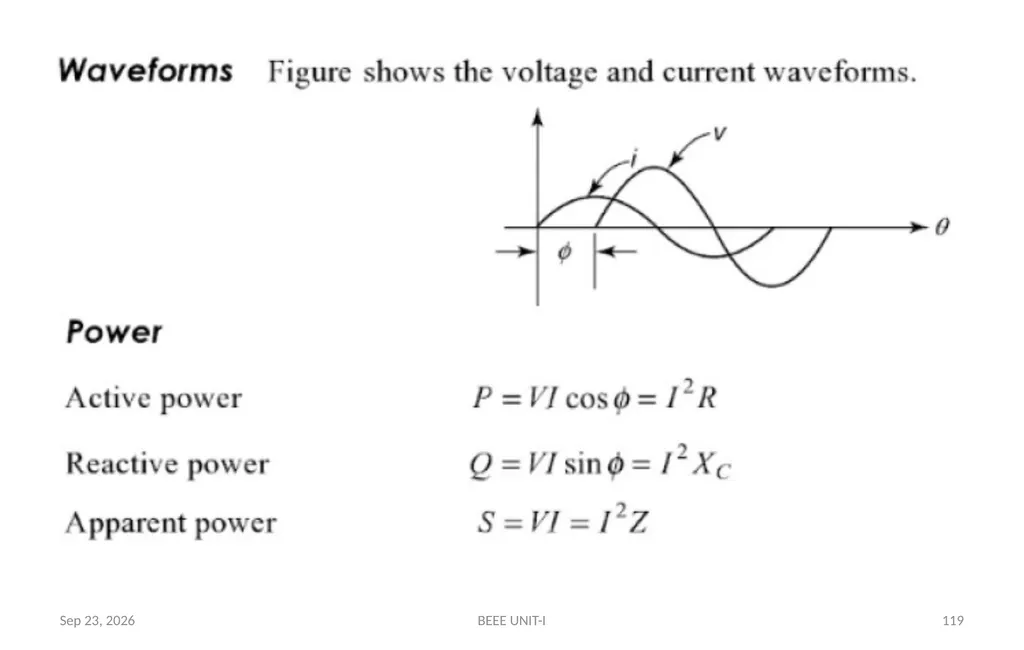
slide91. Types of Power Active Power (or) Real Power (or) Average Power
Reactive Power
Apparent Power 23-Apr-24 91 BEEE UNIT-I<br>
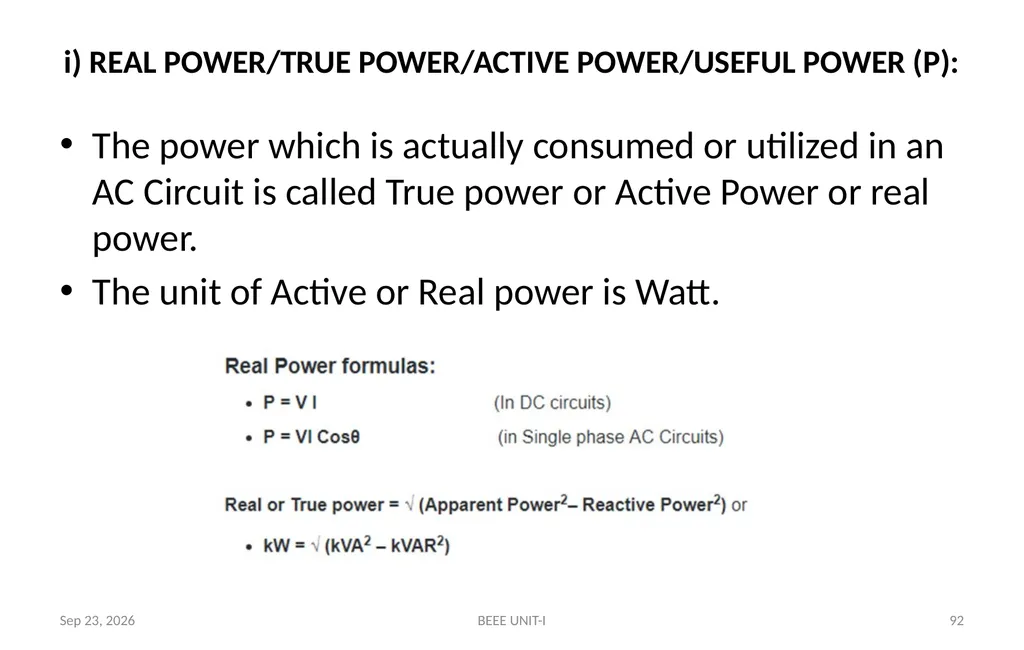
slide92. i) REAL POWER/TRUE POWER/ACTIVE POWER/USEFUL POWER (P): The power which is actually consumed or utilized in an AC Circuit is called True power or Active Power or real power.
The unit of Active or Real power is Watt. 23-Apr-24 92 BEEE UNIT-I<br>
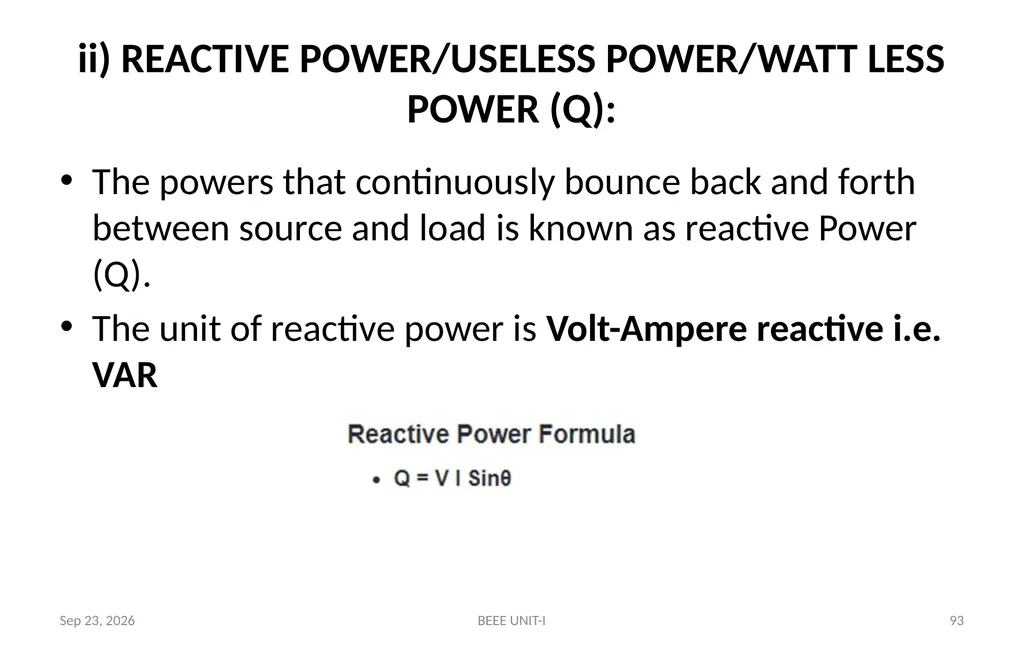
slide93. ii) REACTIVE POWER/USELESS POWER/WATT LESS POWER (Q): The powers that continuously bounce back and forth between source and load is known as reactive Power (Q).
The unit of reactive power is Volt-Ampere reactive i.e. VAR 23-Apr-24 93 BEEE UNIT-I<br>
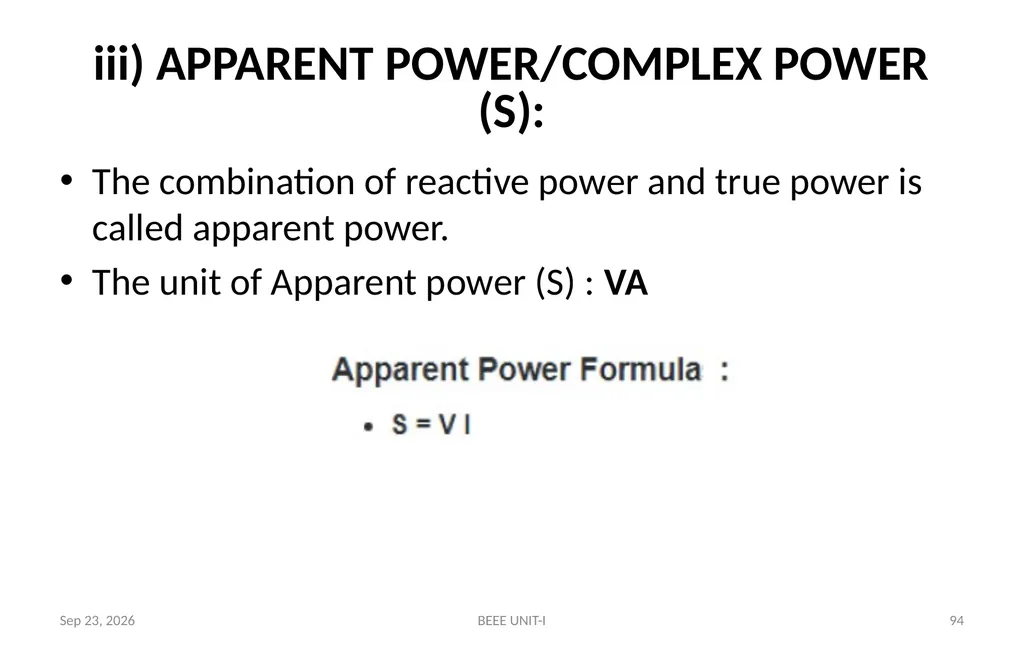
slide94. iii) APPARENT POWER/COMPLEX POWER (S): The combination of reactive power and true power is called apparent power.
The unit of Apparent power (S) : VA 23-Apr-24 94 BEEE UNIT-I<br>
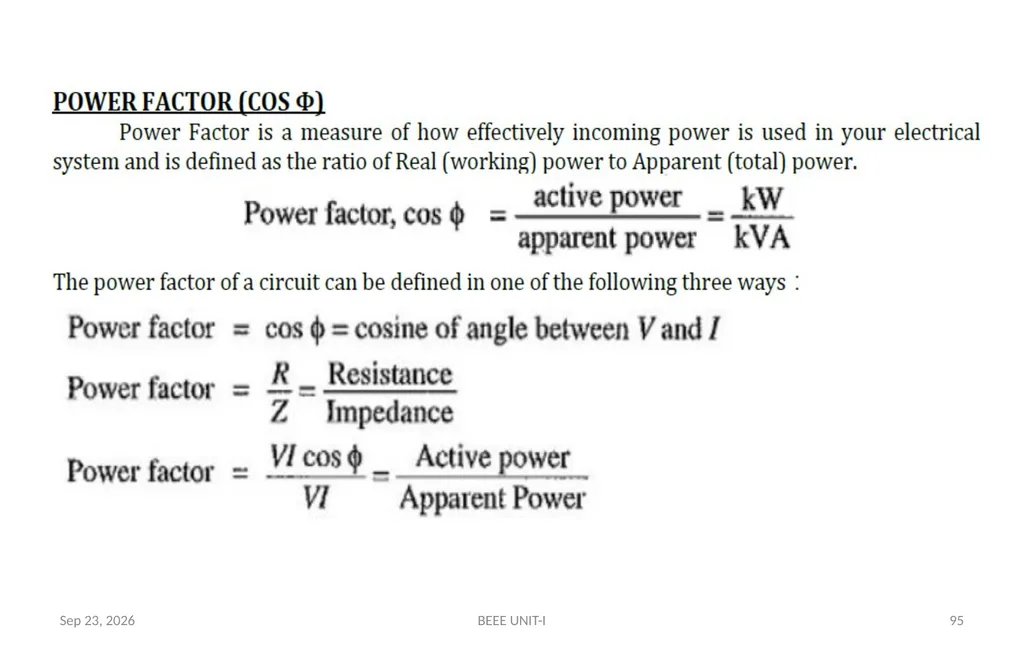
slide95. 23-Apr-24 95 BEEE UNIT-I<br>
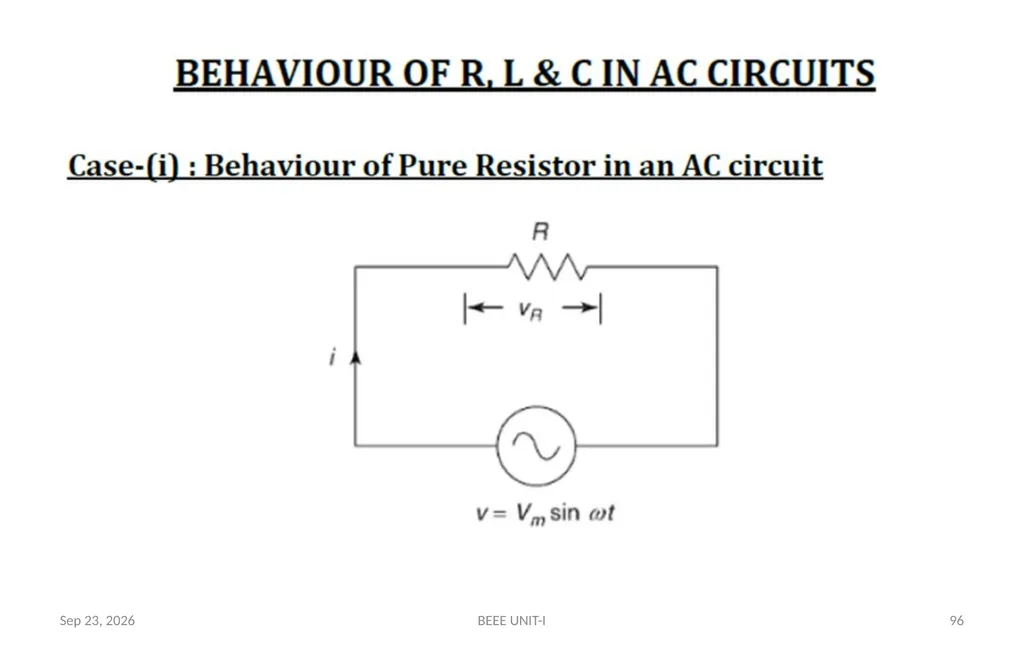
slide96. 23-Apr-24 96 BEEE UNIT-I<br>
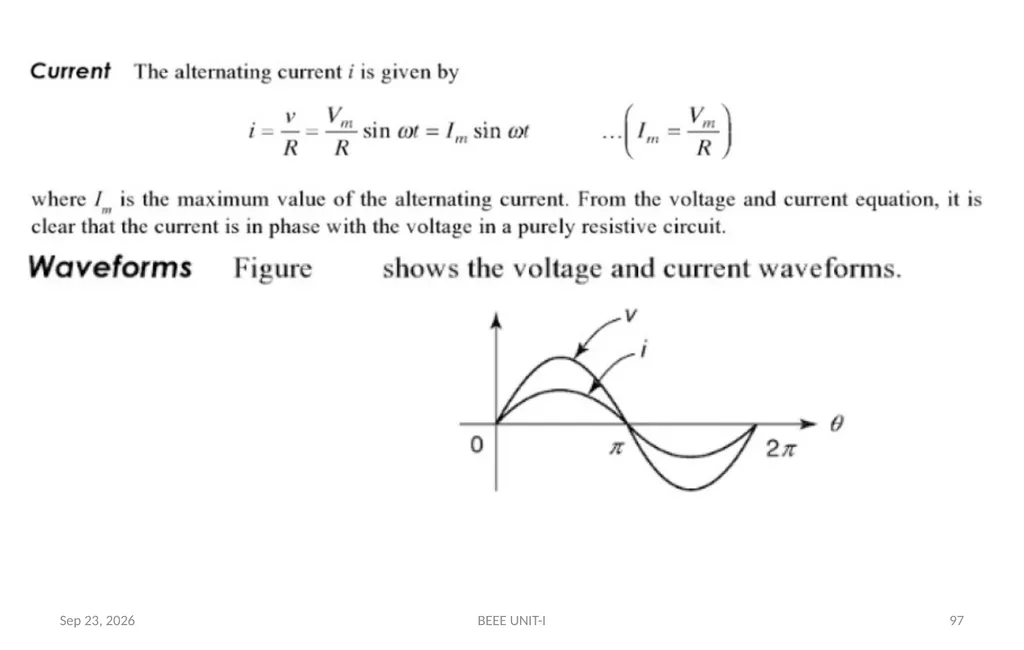
slide97. 23-Apr-24 97 BEEE UNIT-I<br>
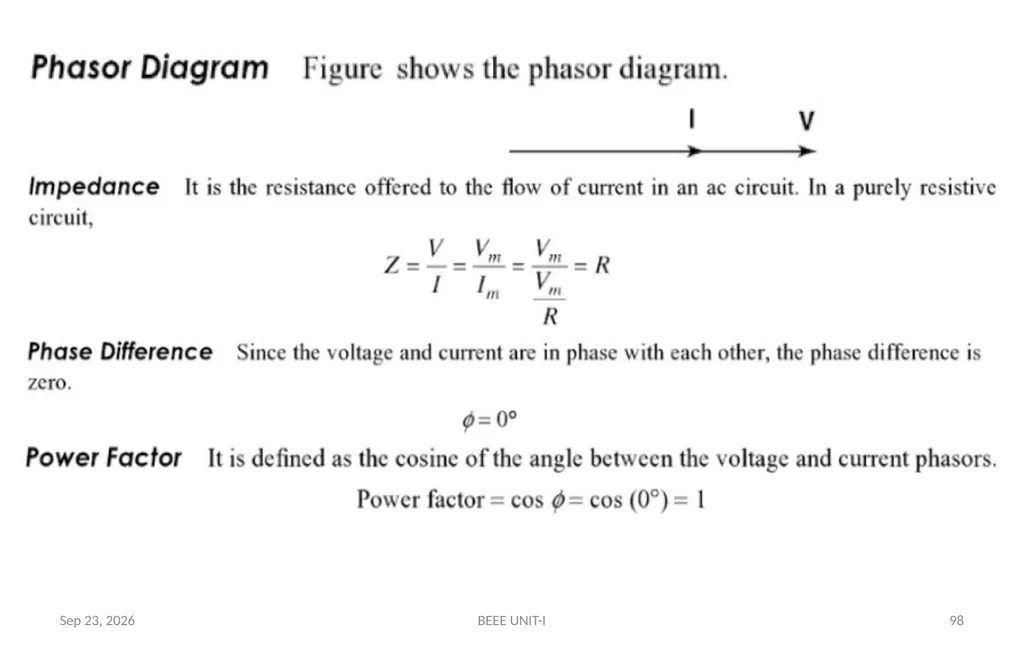
slide98. 23-Apr-24 98 BEEE UNIT-I<br>
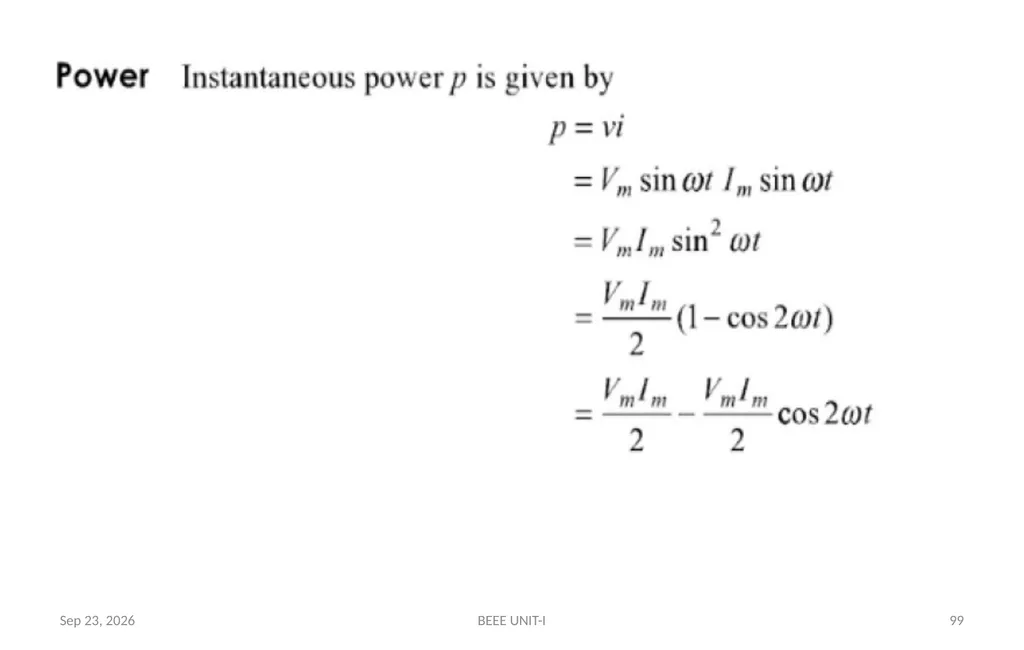
slide99. 23-Apr-24 99 BEEE UNIT-I<br>
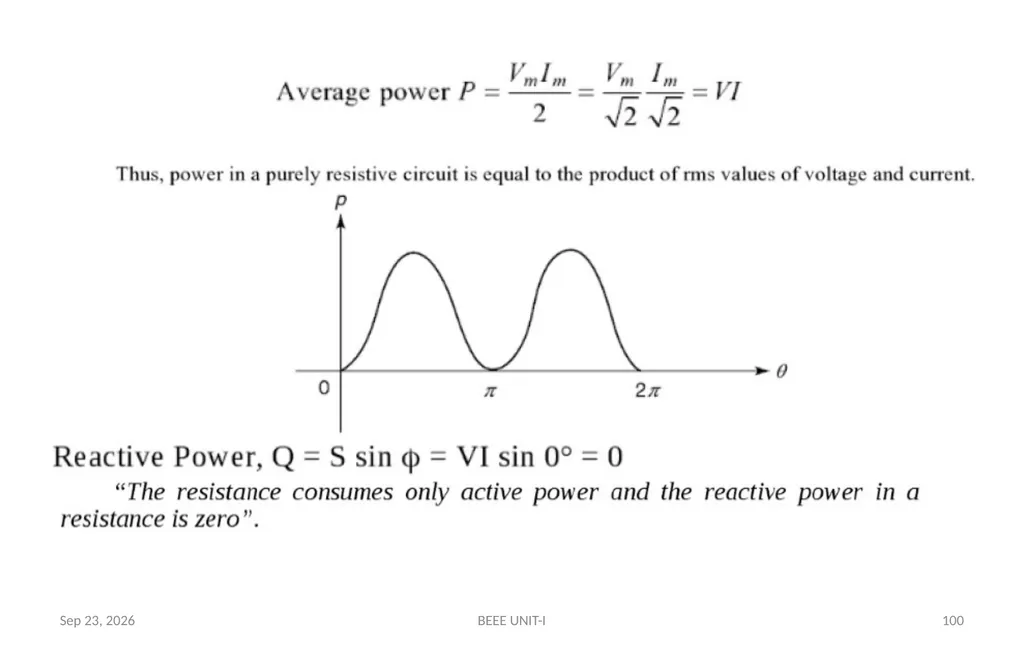
slide100. 23-Apr-24 100 BEEE UNIT-I<br>
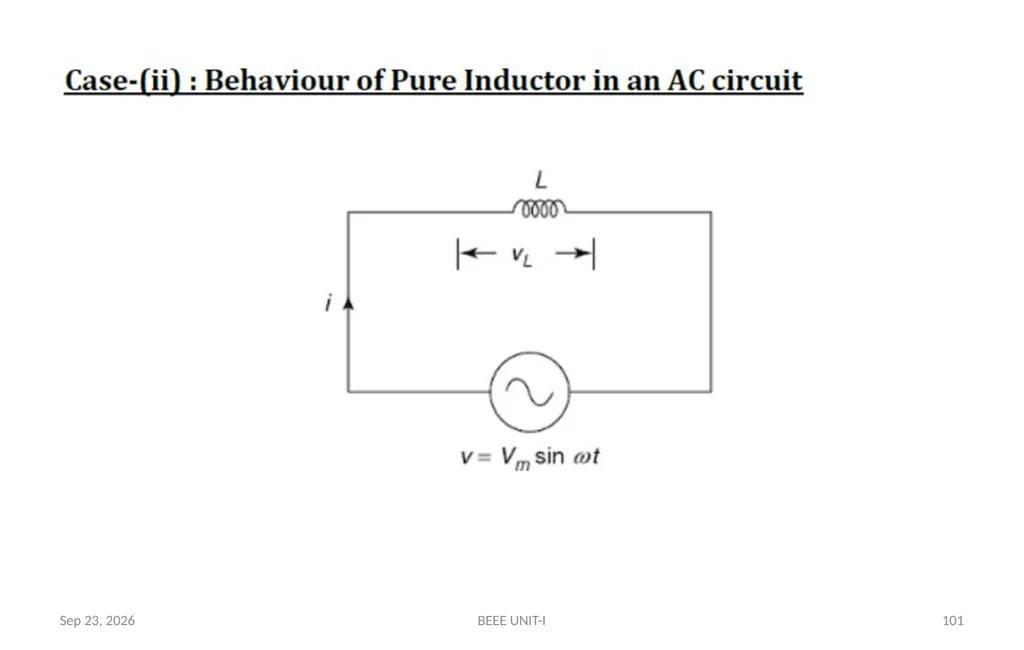
slide101. 23-Apr-24 101 BEEE UNIT-I<br>
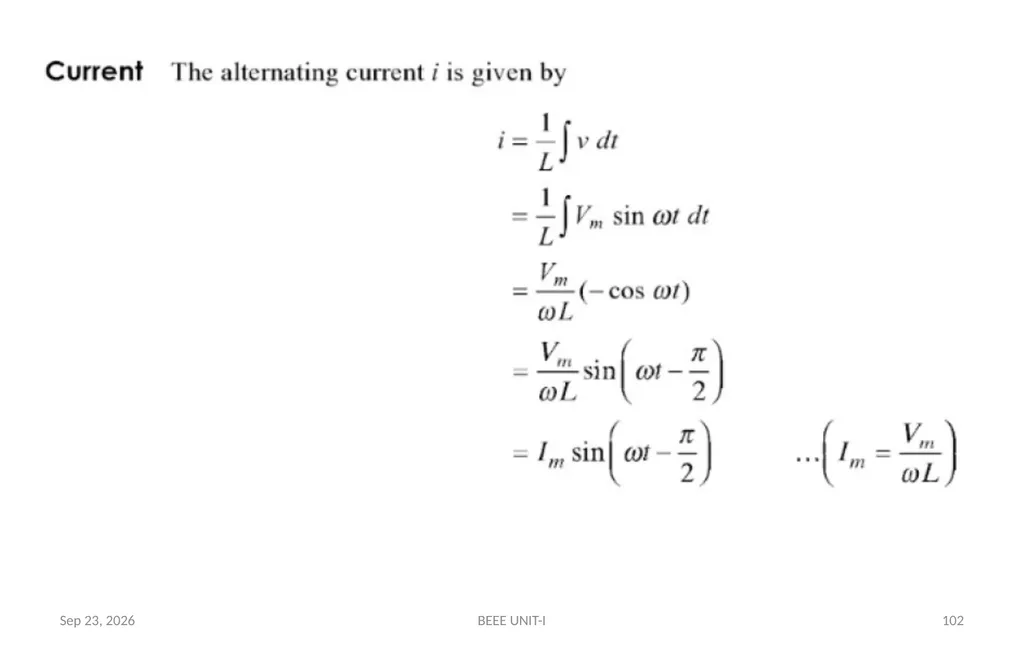
slide102. 23-Apr-24 102 BEEE UNIT-I<br>
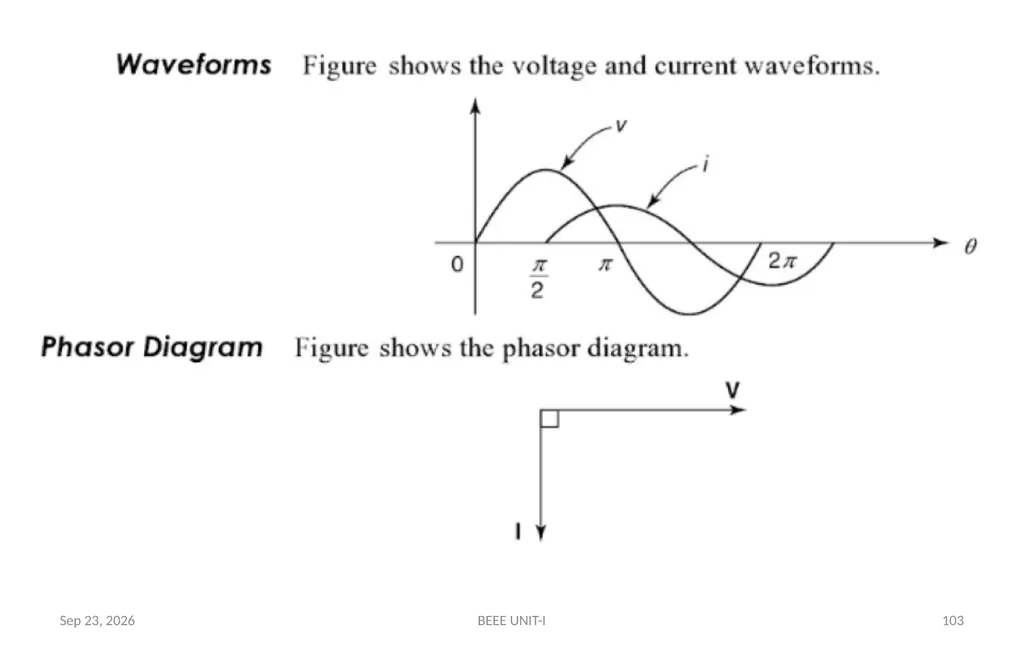
slide103. 23-Apr-24 103 BEEE UNIT-I<br>
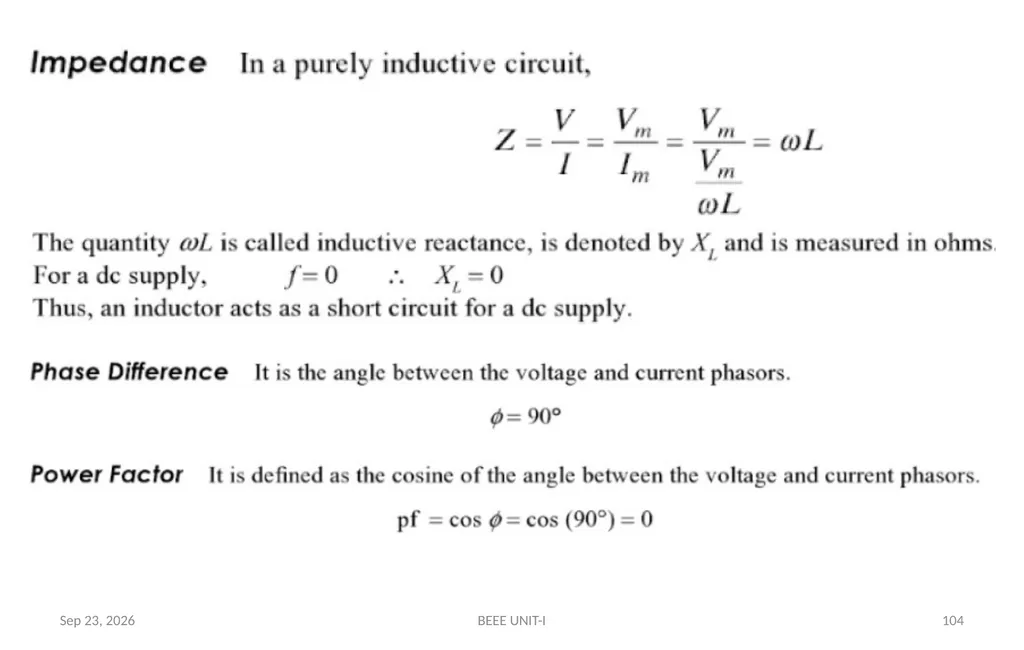
slide104. 23-Apr-24 104 BEEE UNIT-I<br>
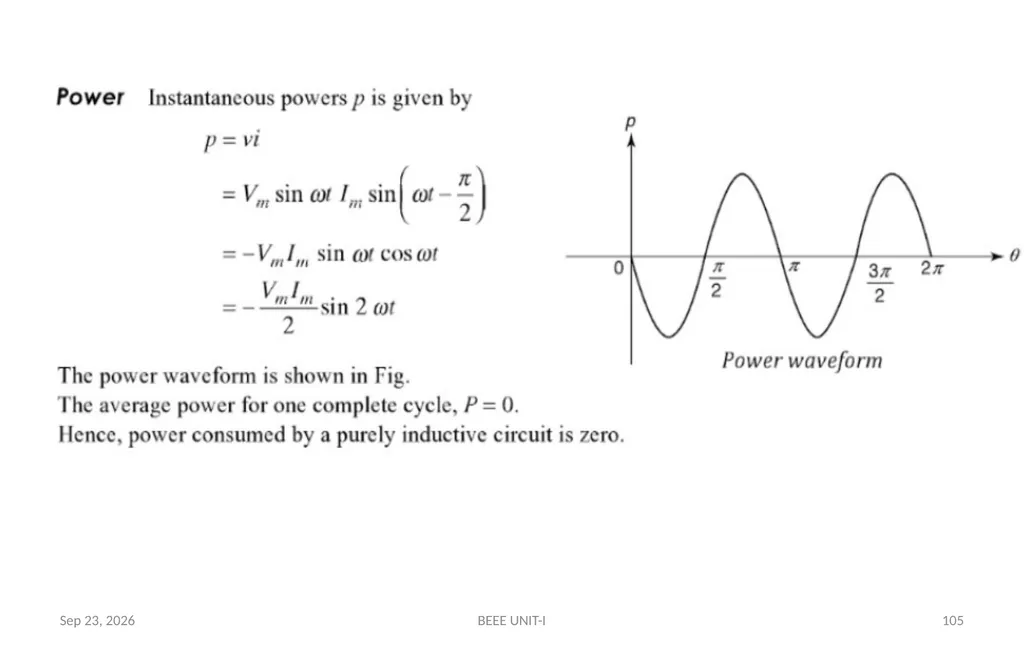
slide105. 23-Apr-24 105 BEEE UNIT-I<br>
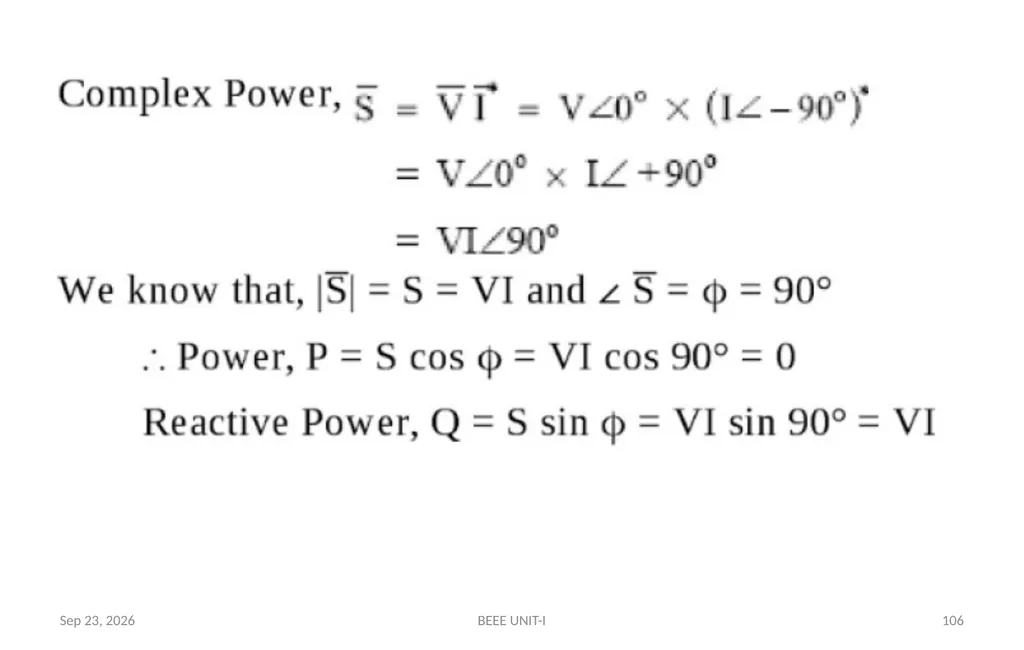
slide106. 23-Apr-24 106 BEEE UNIT-I<br>
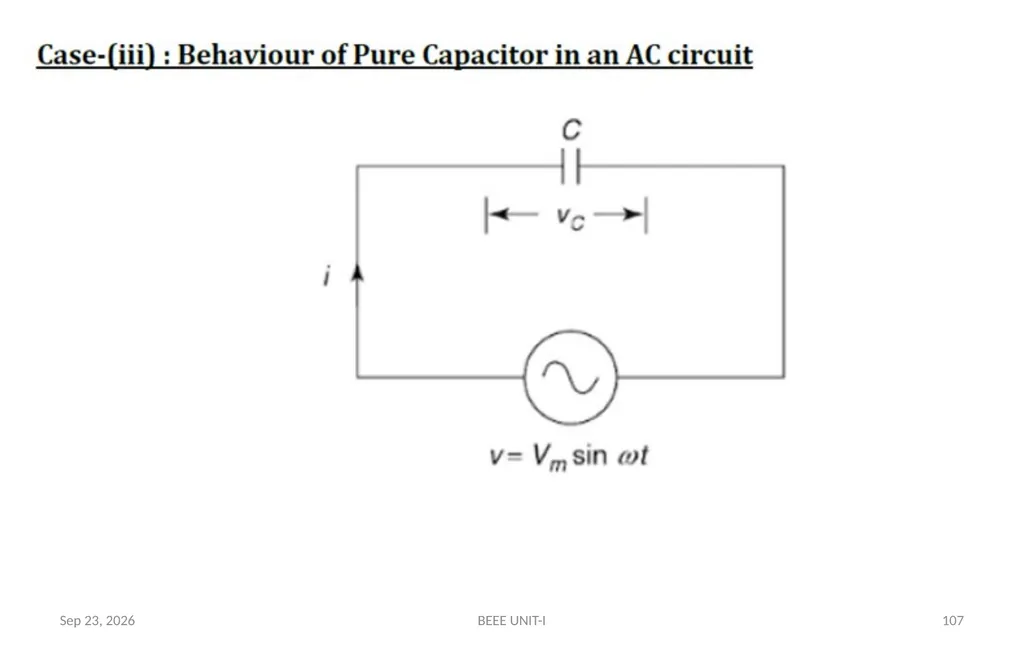
slide107. 23-Apr-24 107 BEEE UNIT-I<br>
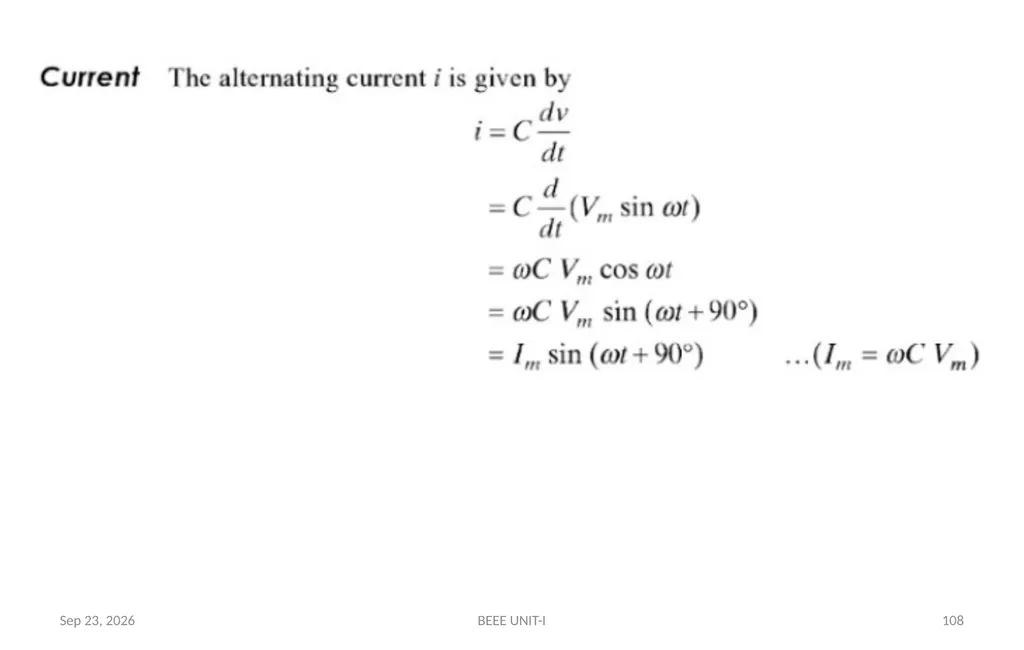
slide108. 23-Apr-24 108 BEEE UNIT-I<br>
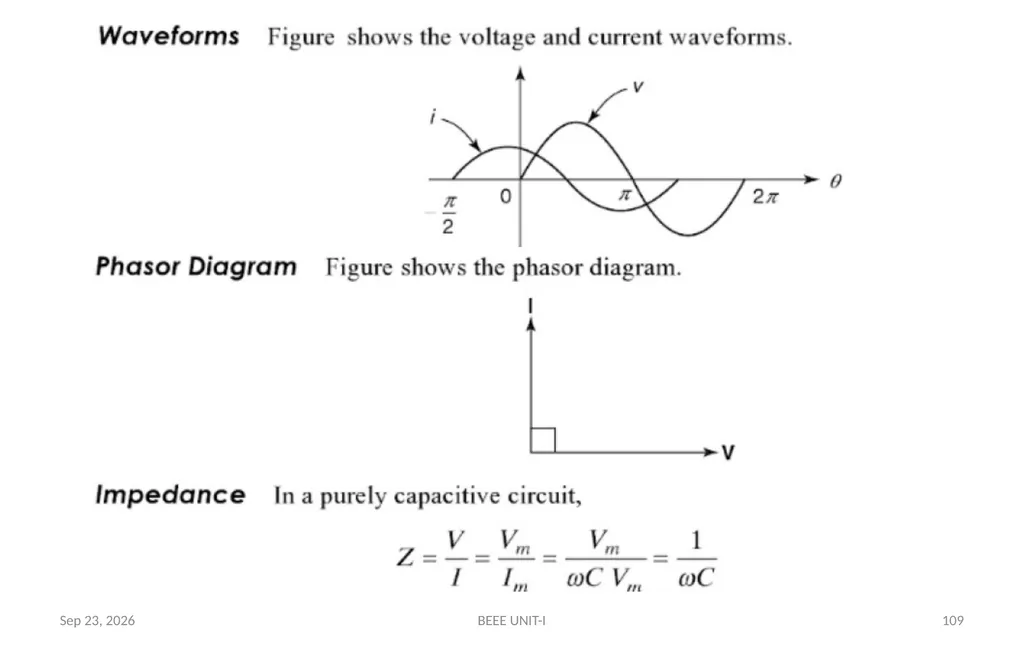
slide109. 23-Apr-24 109 BEEE UNIT-I<br>
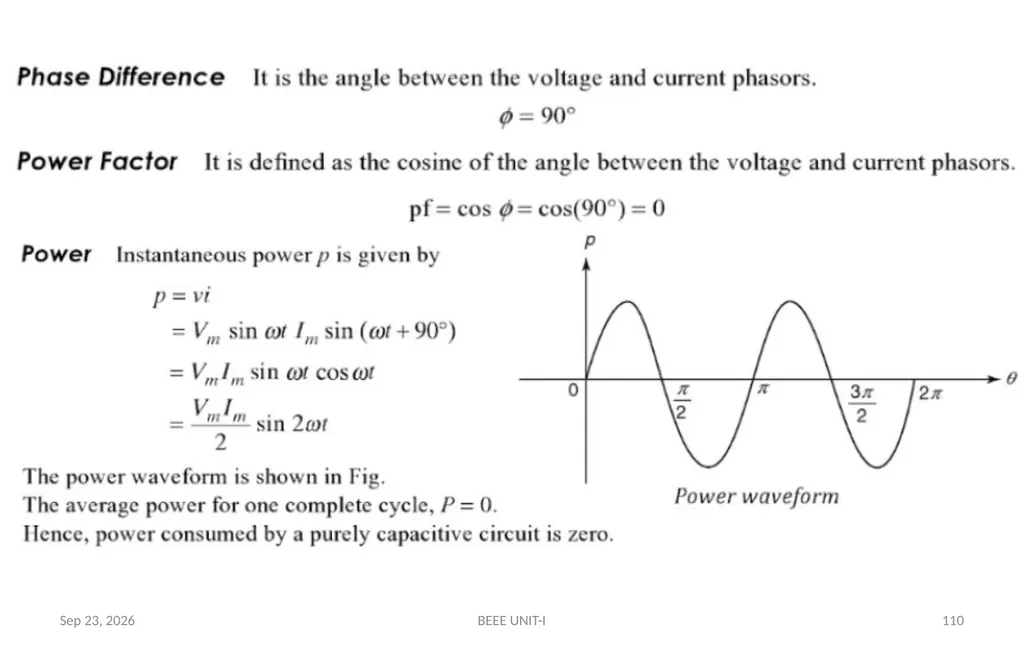
slide110. 23-Apr-24 110 BEEE UNIT-I<br>
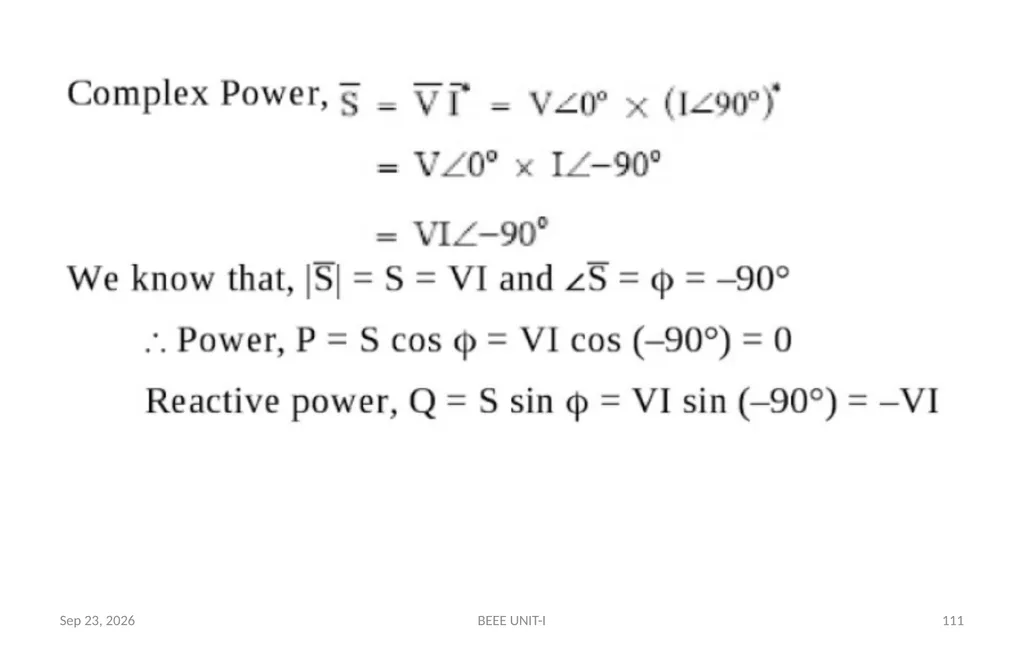
slide111. 23-Apr-24 111 BEEE UNIT-I<br>
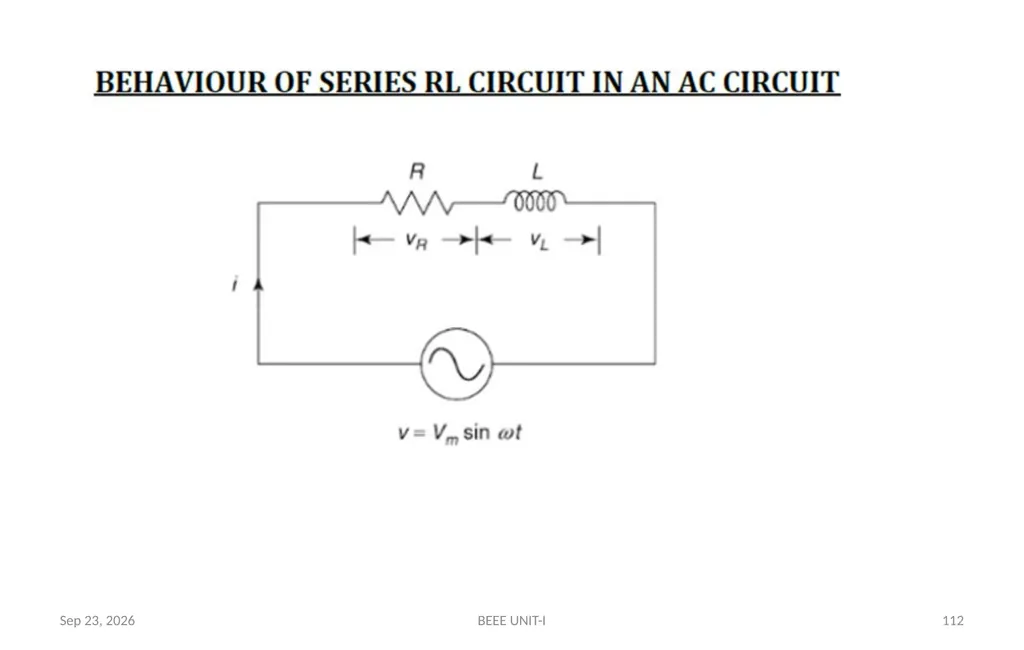
slide112. 23-Apr-24 112 BEEE UNIT-I<br>
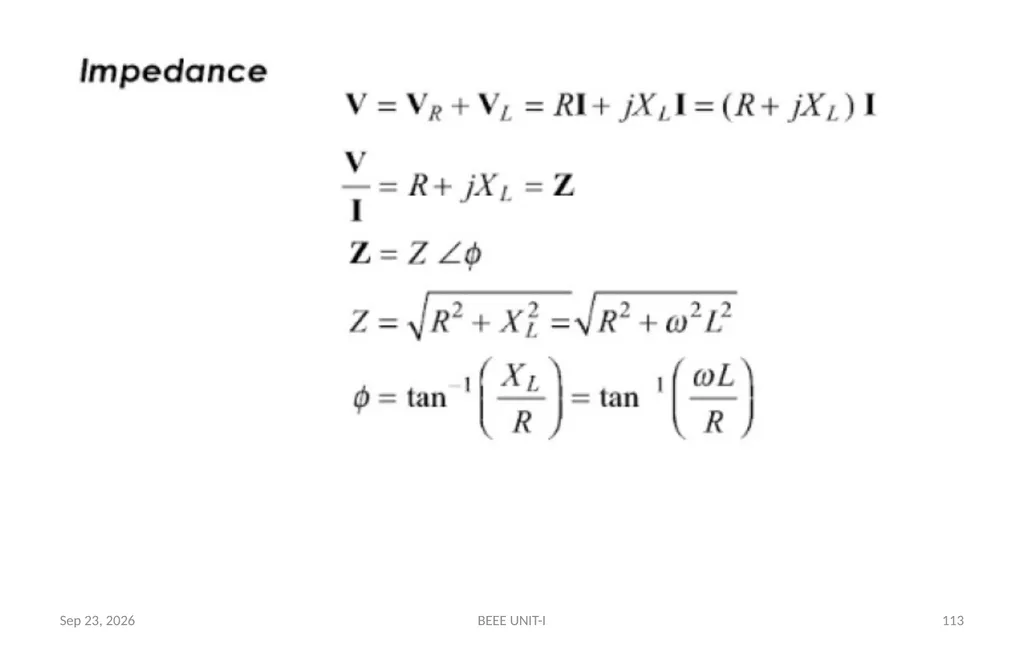
slide113. 23-Apr-24 113 BEEE UNIT-I<br>
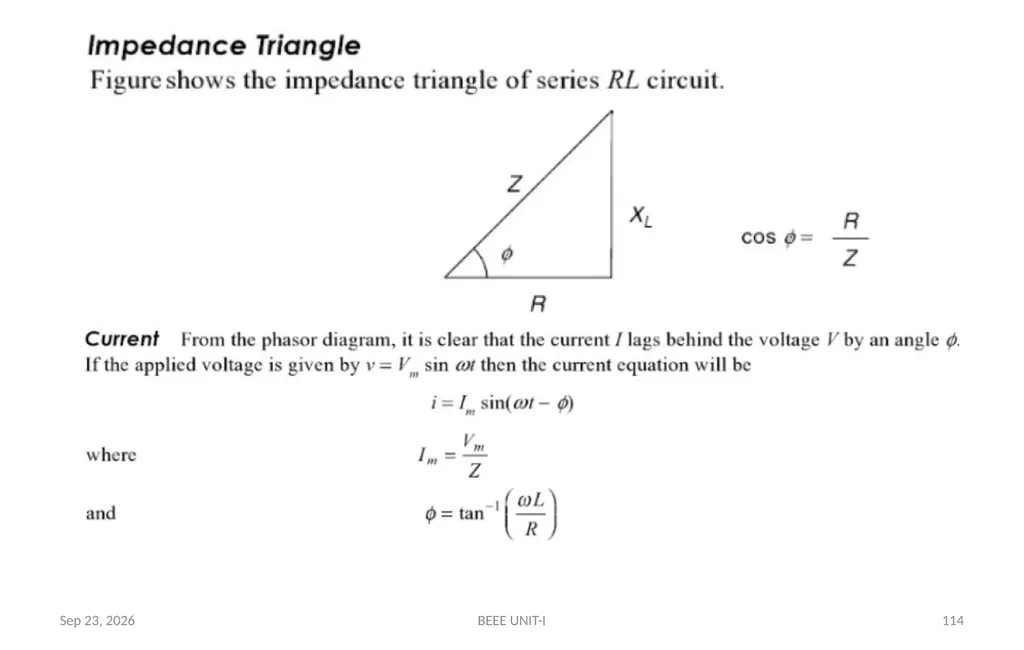
slide114. 23-Apr-24 114 BEEE UNIT-I<br>
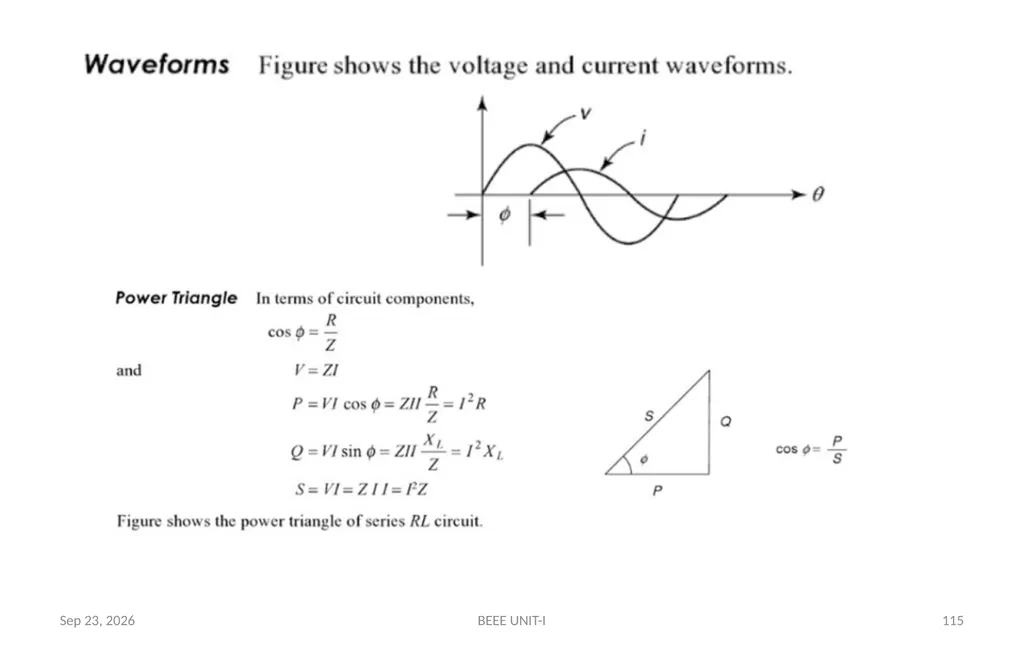
slide115. 23-Apr-24 115 BEEE UNIT-I<br>
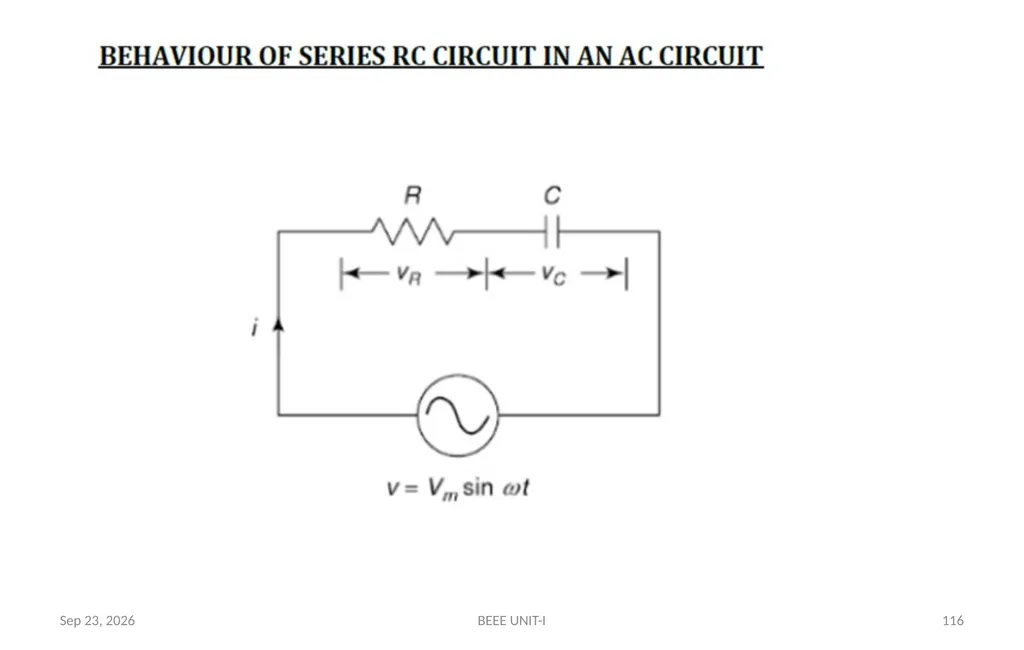
slide116. 23-Apr-24 116 BEEE UNIT-I<br>
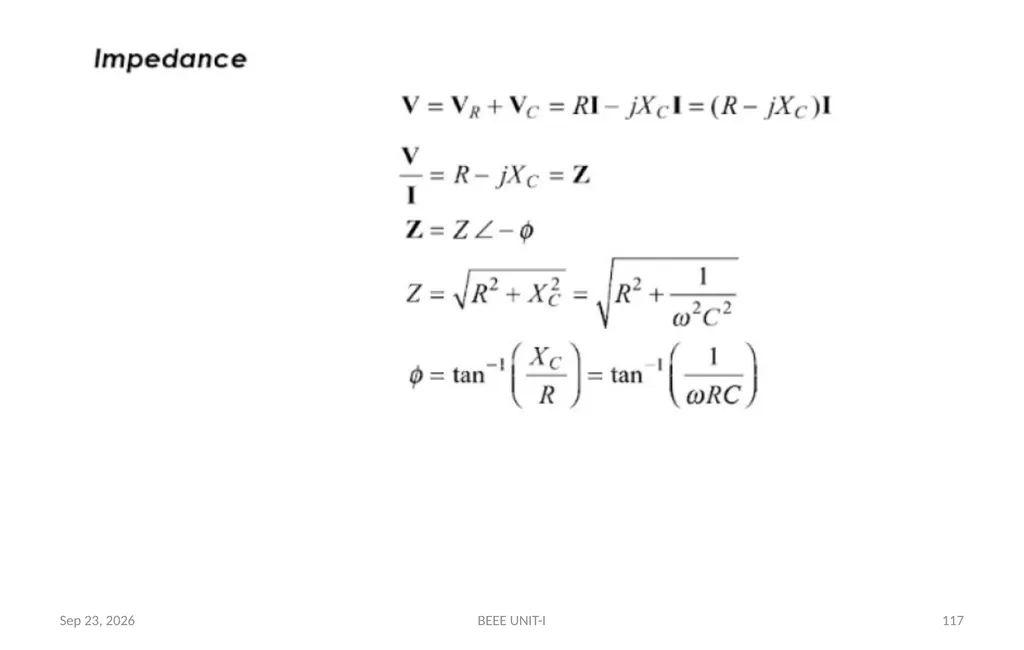
slide117. 23-Apr-24 117 BEEE UNIT-I<br>
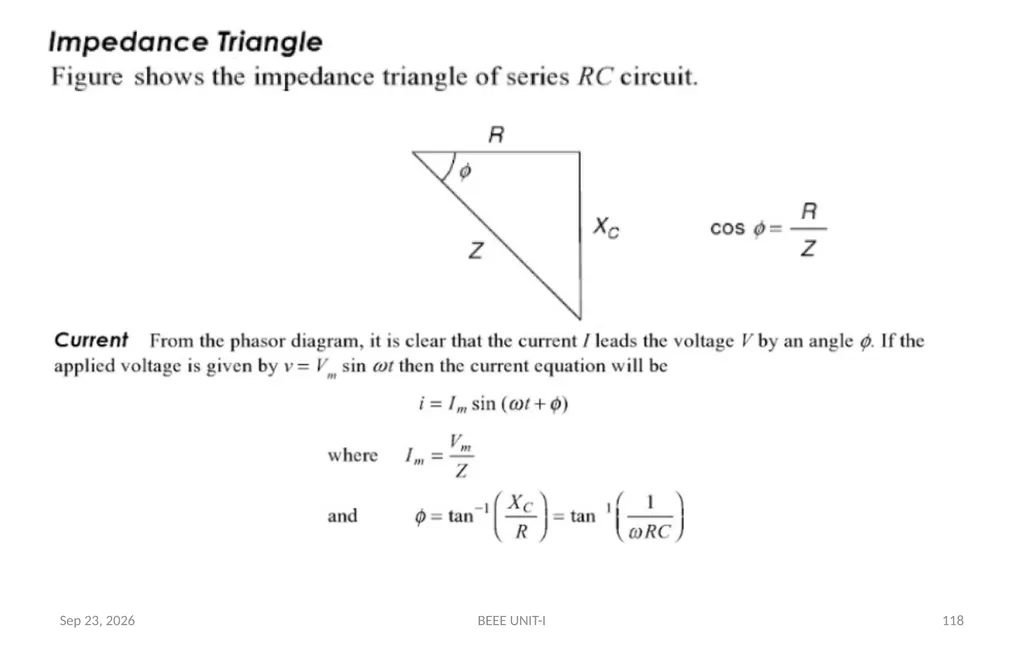
slide118. 23-Apr-24 118 BEEE UNIT-I<br>
slide119. 23-Apr-24 119 BEEE UNIT-I<br>
slide120. Numerical Problems 23-Apr-24 BEEE UNIT-I 120<br>
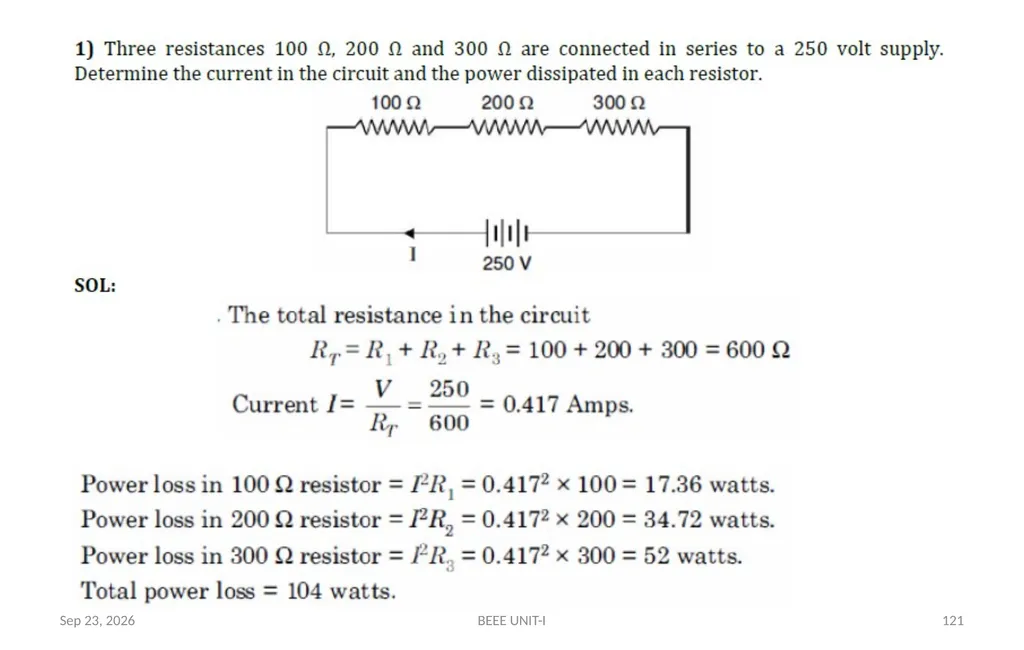
slide121. 23-Apr-24 121 BEEE UNIT-I<br>
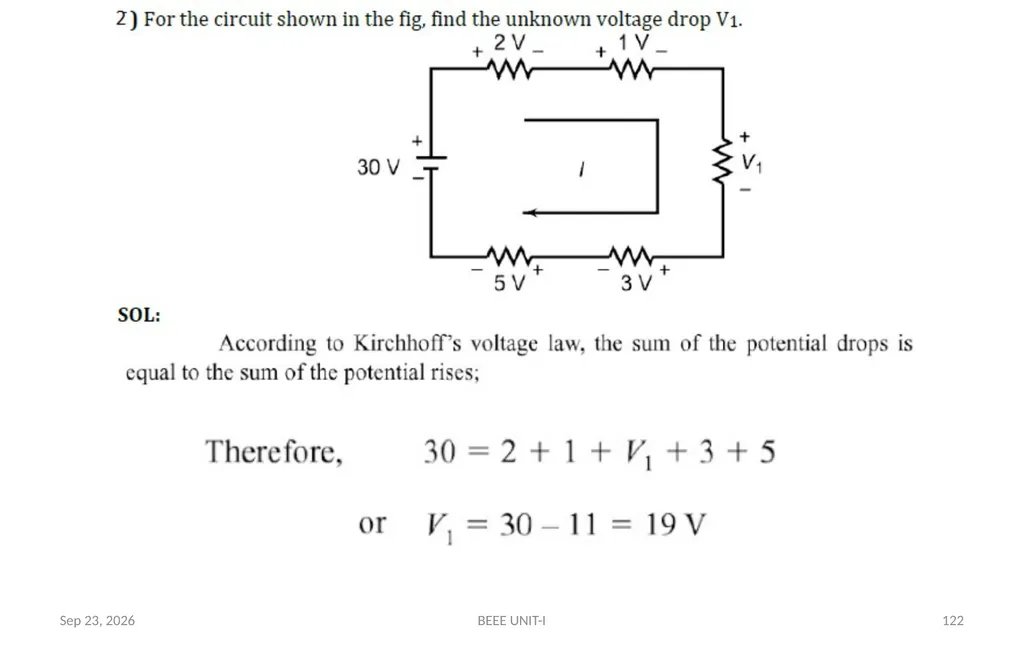
slide122. 23-Apr-24 122 BEEE UNIT-I<br>
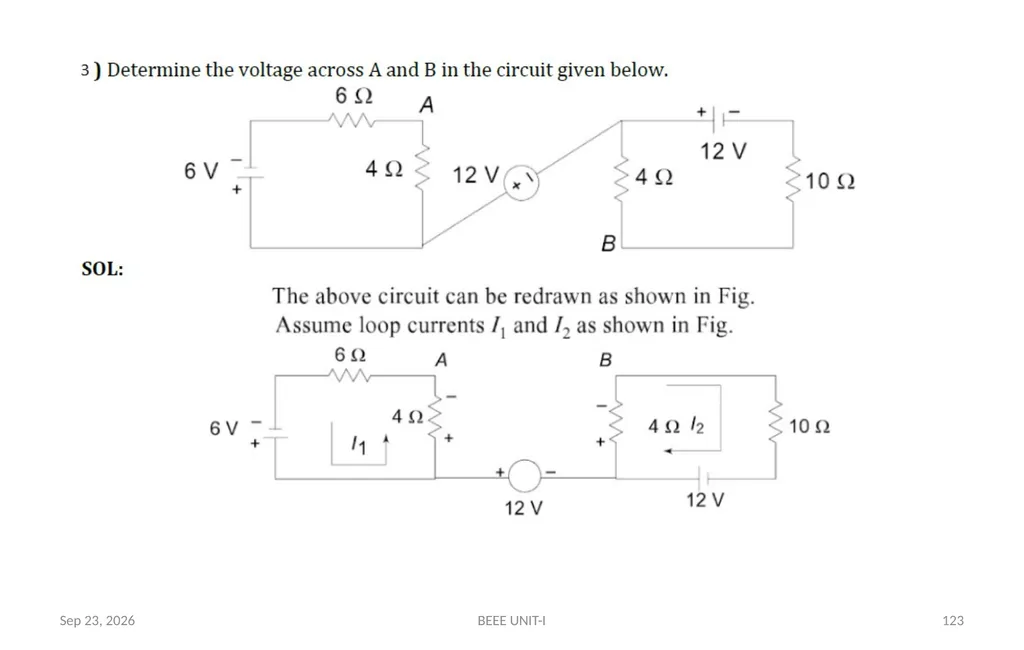
slide123. 23-Apr-24 BEEE UNIT-I 123<br>
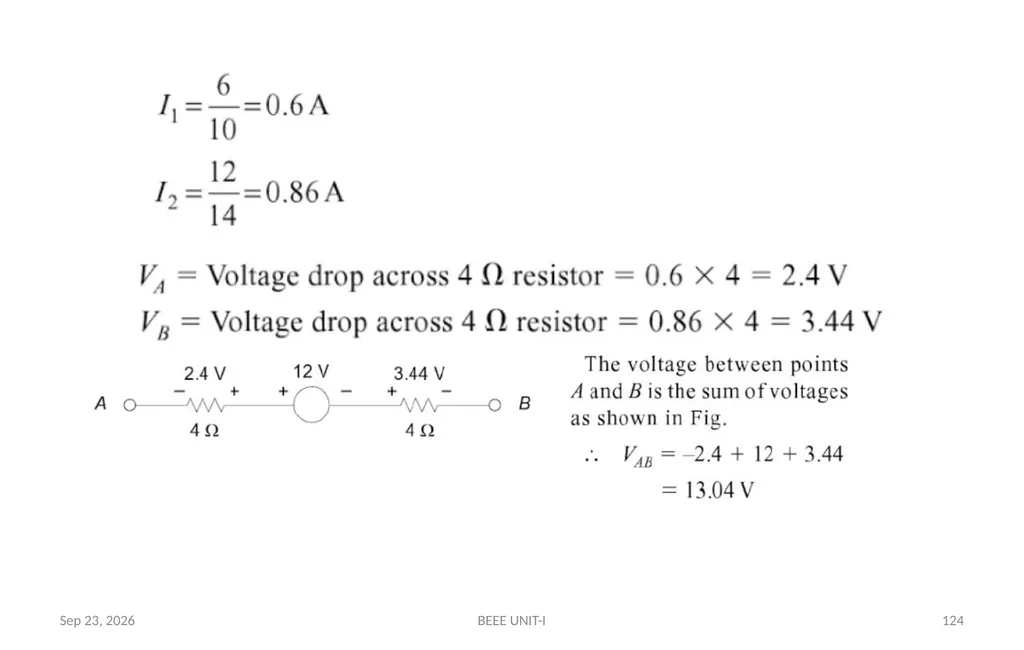
slide124. 23-Apr-24 BEEE UNIT-I 124<br>
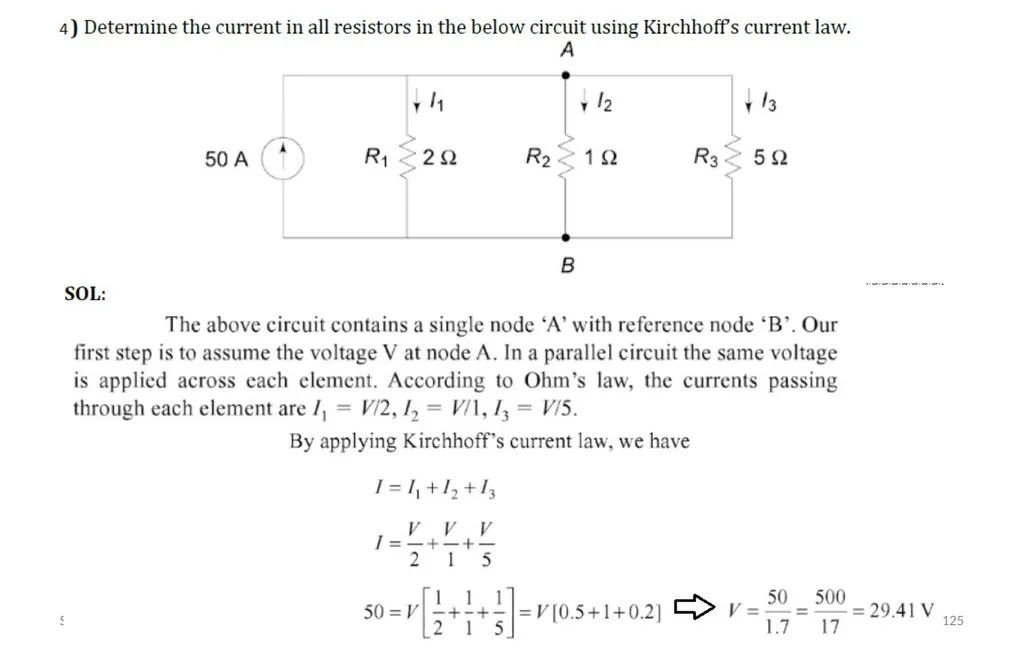
slide125. 23-Apr-24 BEEE UNIT-I 125<br>
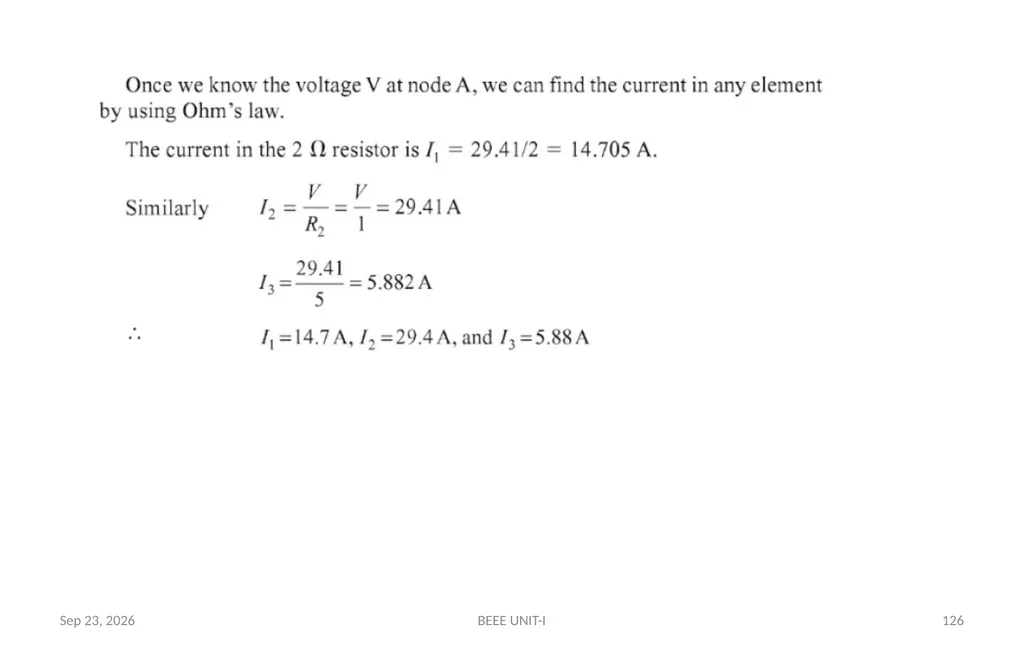
slide126. 23-Apr-24 BEEE UNIT-I 126<br>
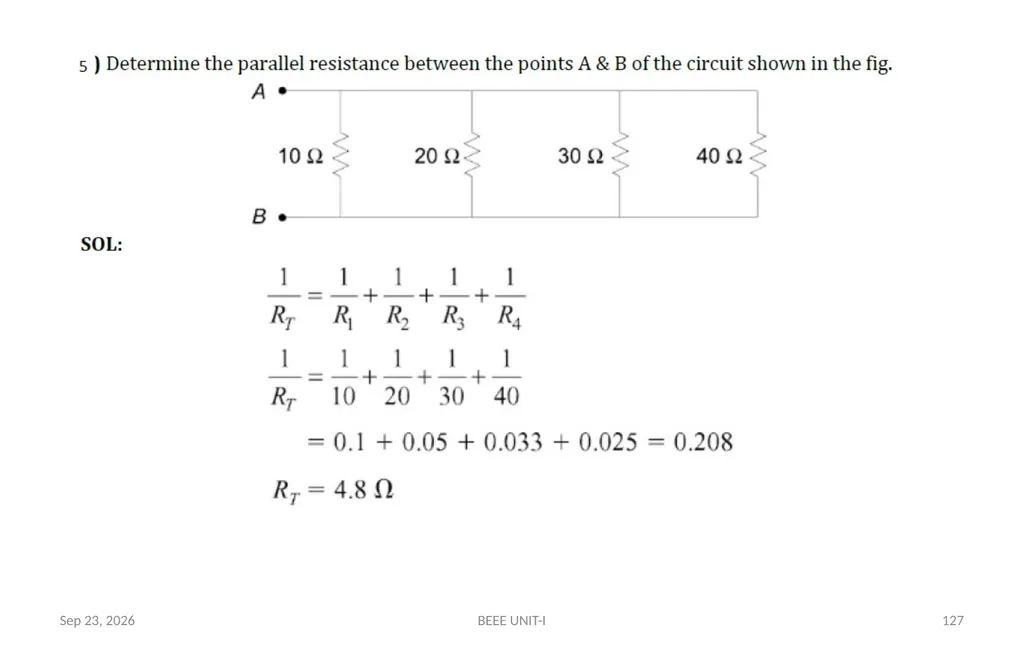
slide127. 23-Apr-24 BEEE UNIT-I 127<br>
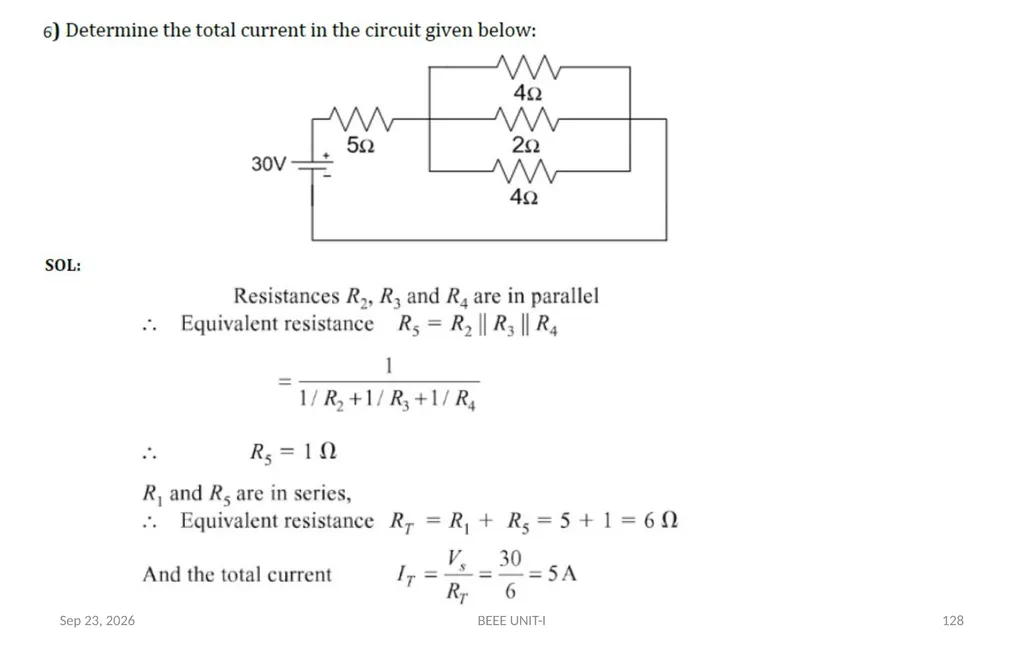
slide128. 23-Apr-24 BEEE UNIT-I 128<br>
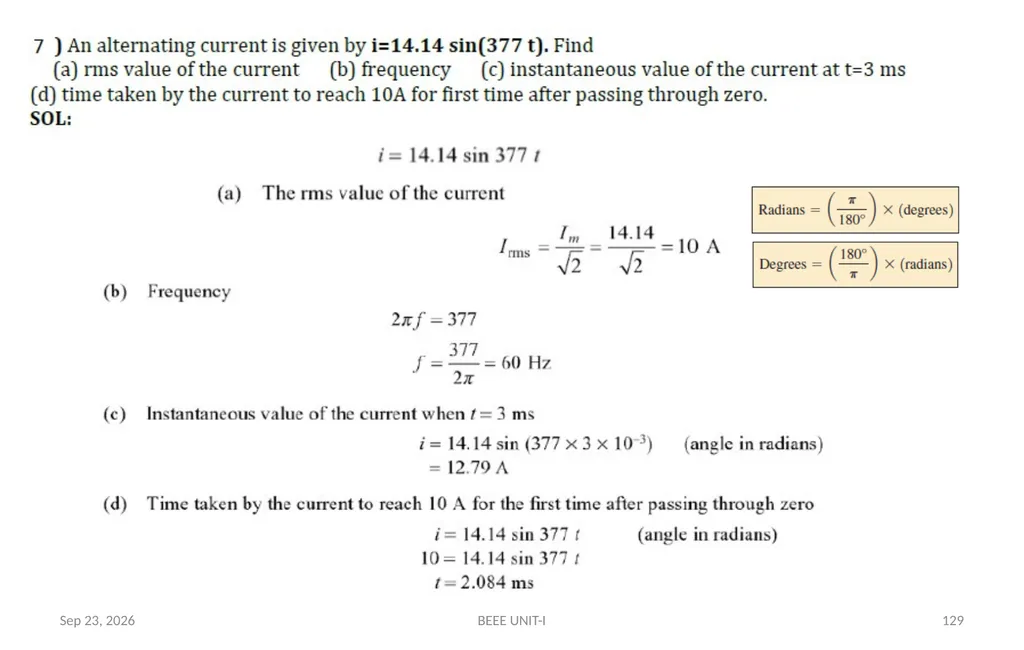
slide129. 23-Apr-24 BEEE UNIT-I 129<br>
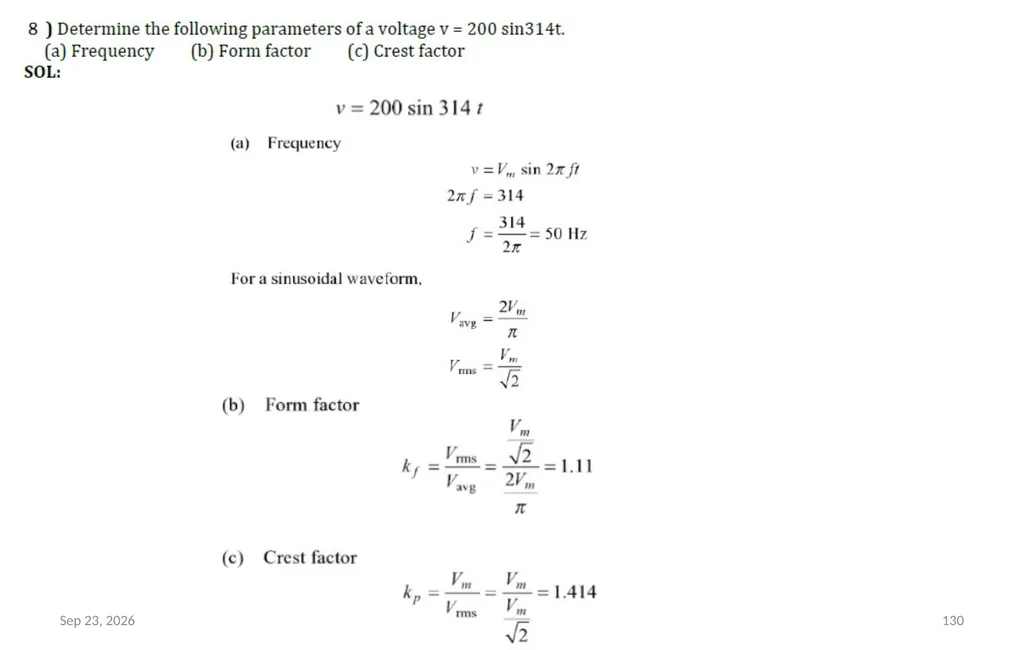
slide130. 23-Apr-24 BEEE UNIT-I 130<br>
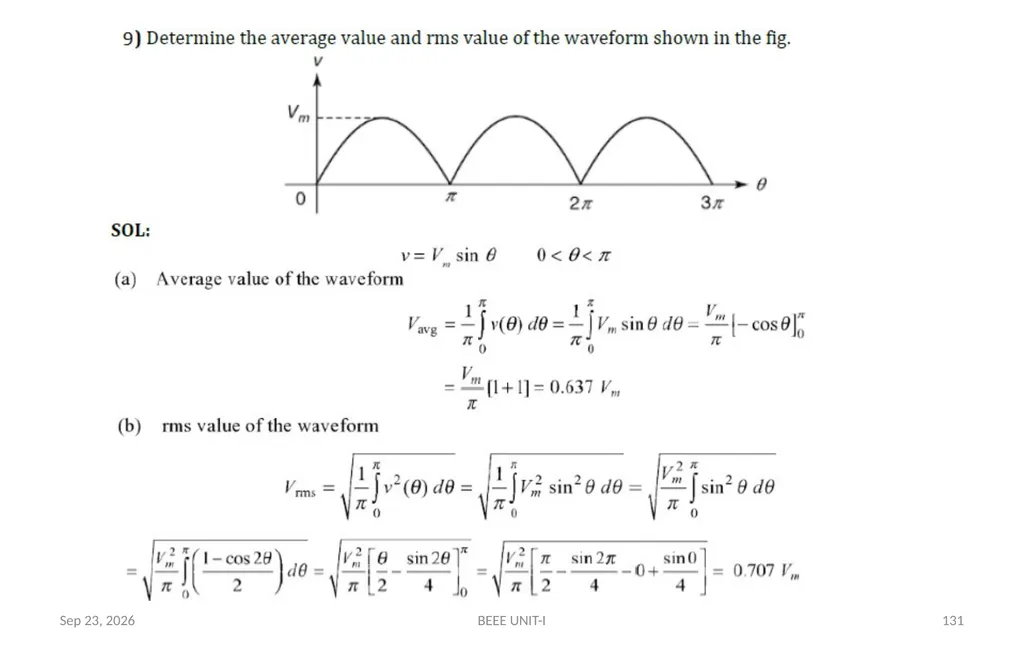
slide131. 23-Apr-24 BEEE UNIT-I 131<br>
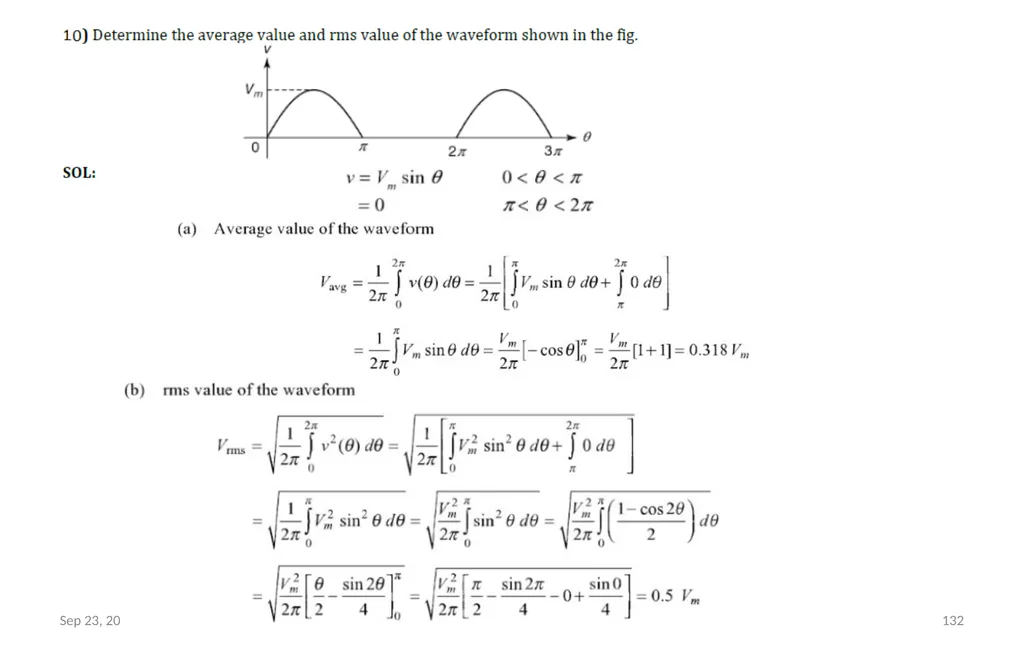
slide132. 23-Apr-24 BEEE UNIT-I 132<br>
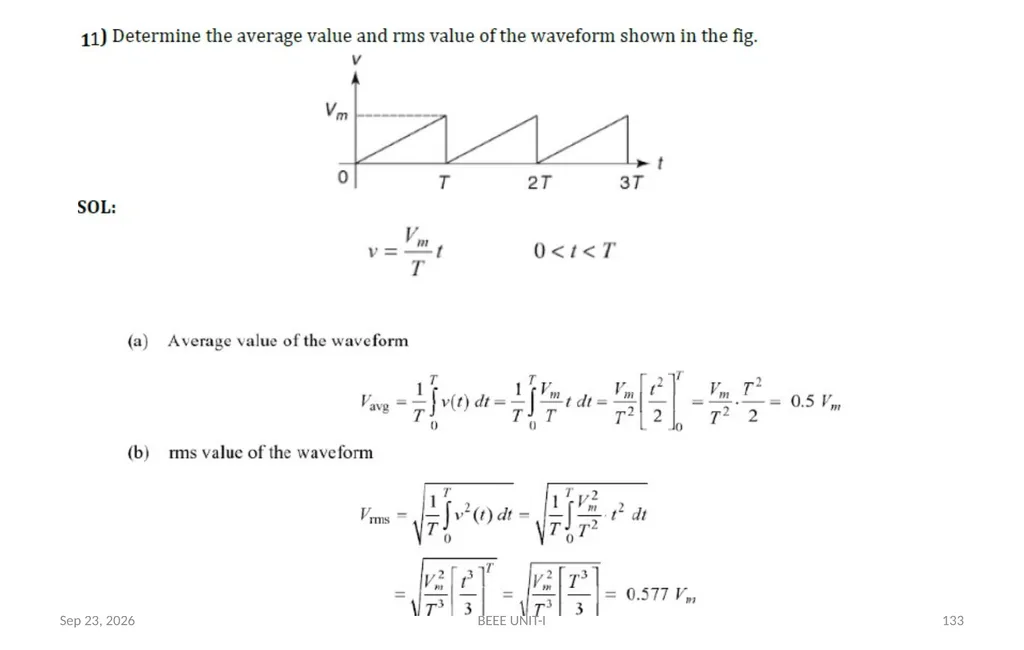
slide133. 23-Apr-24 BEEE UNIT-I 133<br>
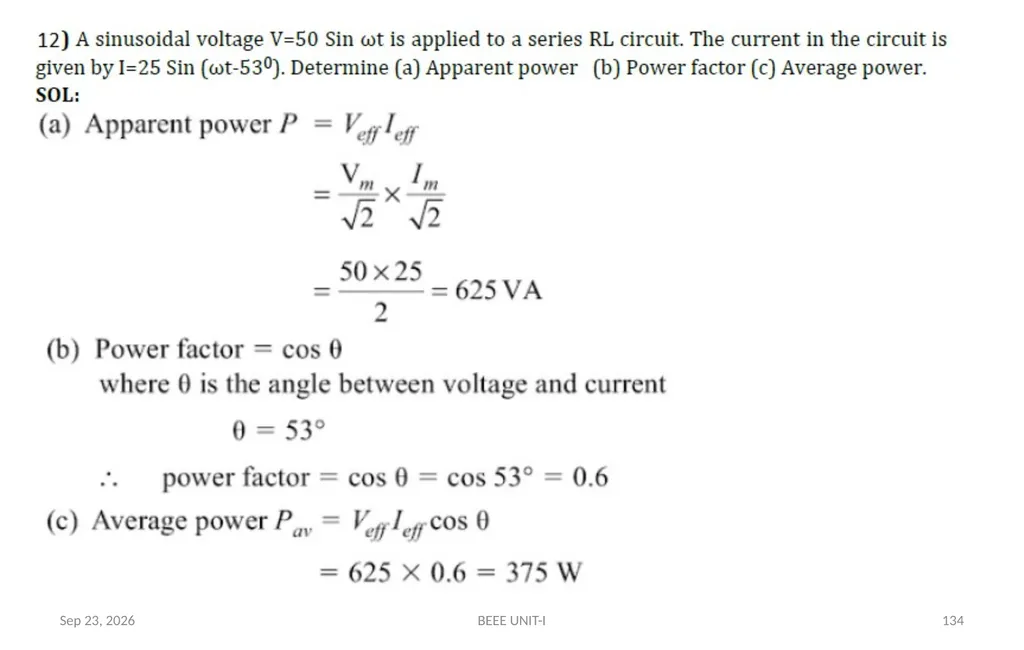
slide134. 23-Apr-24 BEEE UNIT-I 134<br>
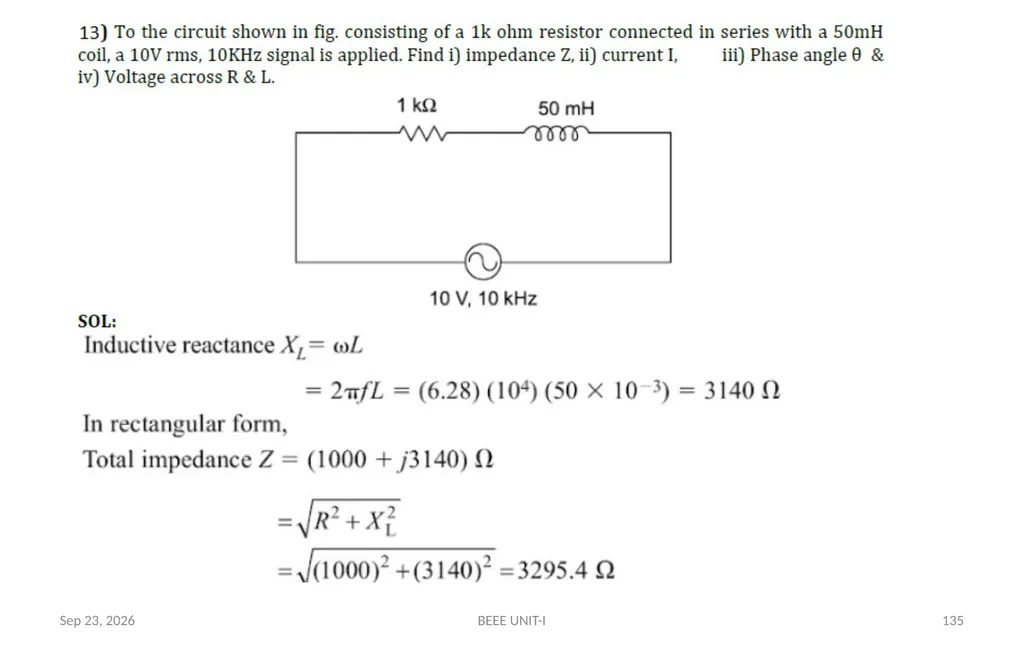
slide135. 23-Apr-24 BEEE UNIT-I 135<br>
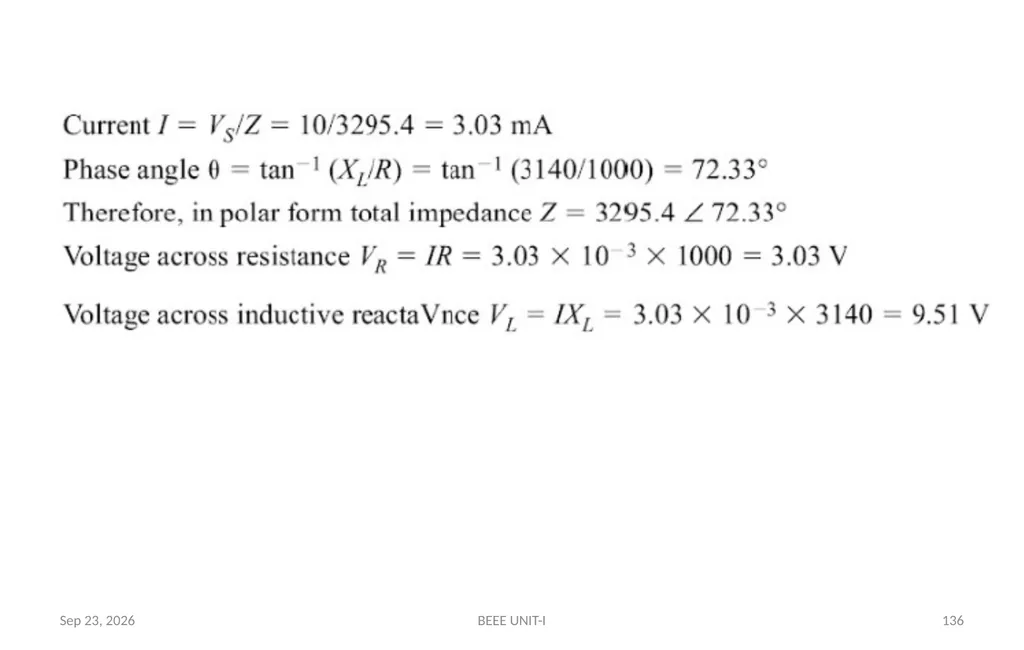
slide136. 23-Apr-24 BEEE UNIT-I 136<br>
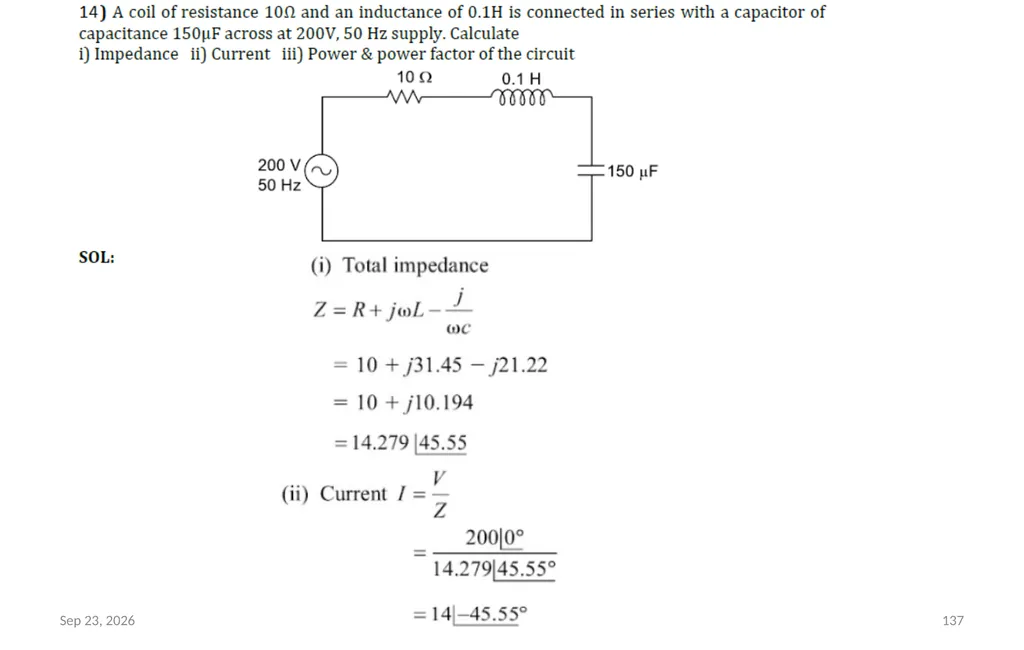
slide137. 23-Apr-24 BEEE UNIT-I 137<br>
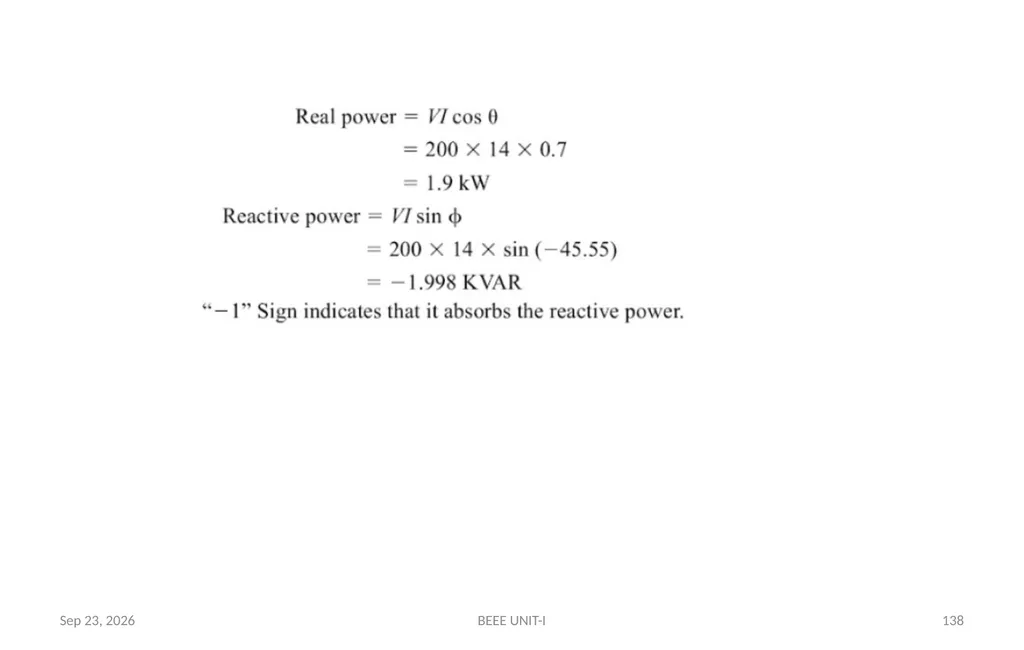
slide138. 23-Apr-24 BEEE UNIT-I 138<br>
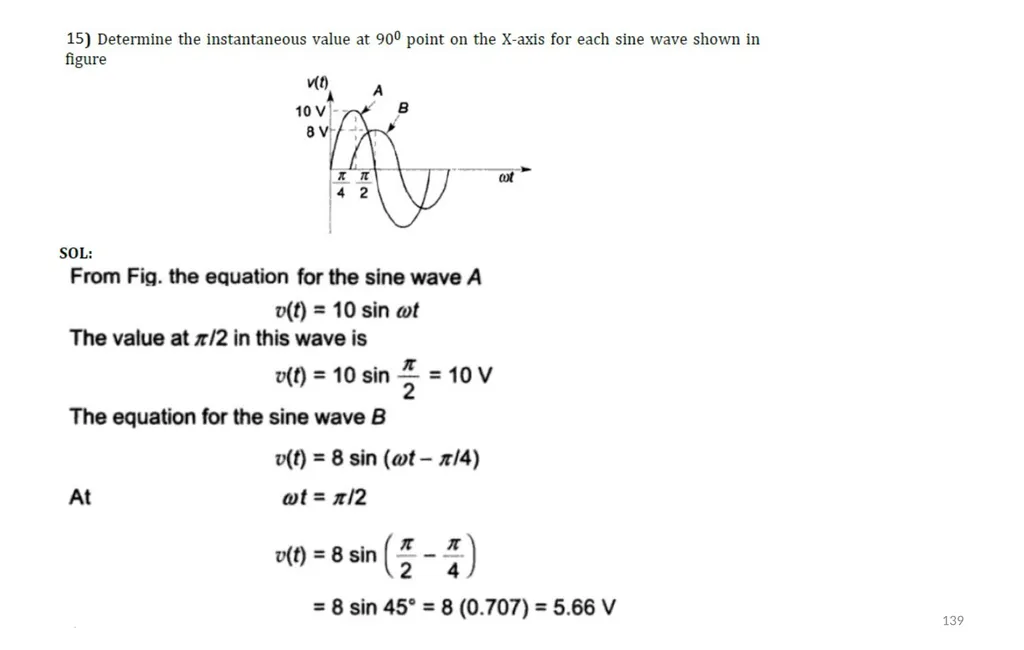
slide139. 23-Apr-24 BEEE UNIT-I 139<br>
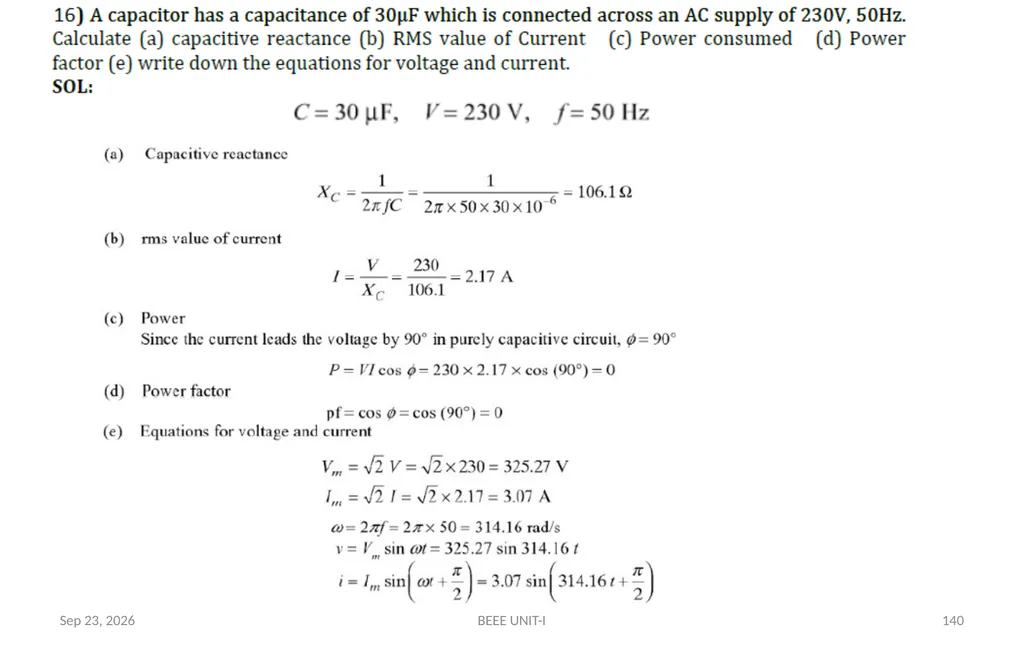
slide140. 23-Apr-24 BEEE UNIT-I 140<br>
slide2. Course Objectives: To expose to the field of electrical & electronics engineering, laws and principles of electrical/electronic engineering and to acquire fundamental knowledge in the relevant field. 23-Apr-24 2 BEEE UNIT-I<br>
slide3. Course Outcomes: CO1: Extract electrical variables of AC & DC circuits using fundamental laws. (Understand)
CO2: Understand the operation of electrical machines and measuring instruments. (Understand)
CO3: Classify various energy resources, safety measures and interpret electricity bill generation in electrical systems. (Understand) 23-Apr-24 3 BEEE UNIT-I<br>
slide4. PART A: BASIC ELECTRICAL ENGINEERING 23-Apr-24 4 BEEE UNIT-I<br>
slide5. UNIT-I : DC & AC Circuits DC Circuits: Electrical circuit elements (R, L and C), Ohm’s Law and its limitations, KVL, series, parallel, series-parallel circuits, Super Position theorem, Simple numerical problems.
AC Circuits: A.C. Fundamentals: Equation of AC Voltage and current, waveform, time-period,frequency, amplitude, phase, phase difference, average value, RMS value, form factor, peak factor, Voltage and current relationship with phasor diagrams in R, L, and C circuits, Conceptof Impedance, Active power, reactive power and apparent power, Concept of power factor (Simple Numerical problems). 23-Apr-24 5 BEEE UNIT-I<br>
slide6. DC Circuits: Electrical circuit elements (R, L and C), Ohm’s Law and its limitations, KVL, series, parallel, series-parallel circuits, Super Position theorem, Simple numerical problems. 23-Apr-24 6 BEEE UNIT-I<br>
slide7. 23-Apr-24 7 BEEE UNIT-I<br>
slide8. 23-Apr-24 8 BEEE UNIT-I<br>
slide9. 23-Apr-24 9 BEEE UNIT-I<br>
slide10. 23-Apr-24 10 BEEE UNIT-I<br>
slide11. 23-Apr-24 11 BEEE UNIT-I<br>
slide12. CHARGE: All materials are made up of one or more elements.
An element is a substance composed entirely of atoms of the same kind.
An atom consists of a massive core (nucleus) carrying protons and neutrons. Electrons move around nucleus in orbits at distances that are large as compared to the size of the nucleus.
Each electron has a mass of kg and a negative charge,
– e, equal coulomb.
Each proton carries a positive charge, e, equal in magnitude to that of an electron.
A neutron carries no charge and its mass is almost same as that of a proton. 23-Apr-24 12 BEEE UNIT-I<br>
slide13. Under normal conditions, an atom is supposed to be electrically neutral.
The total positive charge on protons is equal to the total negative charge on electrons.
If an atom loses electron(s), it becomes positively charged. On the other hand, if an atom acquires excess electrons, it becomes negatively charged.
The charge is considered as the quantity of electricity.
The unit of charge is coulomb (C). 23-Apr-24 13 BEEE UNIT-I<br>
slide14. 23-Apr-24 14 BEEE UNIT-I<br>
slide15. The atoms in a metal (such as Cu, Al, etc.) are packed together to form a solid.
In such a case, the loosely bound electron in the outermost orbit is free to move from one atom to the other throughout the solid. Such electrons are called free electrons.
When a free electron moves, it carries a negative charge with it. Hence, the free electrons in a metal work as charge carriers. 23-Apr-24 15 BEEE UNIT-I<br>
slide16. Drift Voltage: 23-Apr-24 16 BEEE UNIT-I<br>
slide17. Electric Current: Electric current is defined as rate of flow of positive charge.
The unit of current is ampere (A)
Types of Electric Current:
1)Uni-directional current ( Current flow always remains in one direction only)
2)Alternating Current (Current which keeps on reversing its direction continually) 23-Apr-24 17 BEEE UNIT-I<br>
slide18. 23-Apr-24 18 BEEE UNIT-I<br>
slide19. The current density in a conductor is the current per unit area of the cross section of the conductor. 23-Apr-24 19 BEEE UNIT-I<br>
slide20. VOLTAGE OR POTENTIAL: 23-Apr-24 20 BEEE UNIT-I<br>
slide21. POWER: Horse power (hp) is also used as a unit of power [1 hp = 746 W]. 23-Apr-24 21 BEEE UNIT-I<br>
slide22. ENERGY: Energy is capacity of doing work.
Energy = Work = Voltage *Charge = V * Q = V (It) = VIt = pt
Practical unit of electrical energy is kilowatt-hour(kWh). 23-Apr-24 22 BEEE UNIT-I<br>
slide23. 23-Apr-24 23 BEEE UNIT-I<br>
slide24. 23-Apr-24 24 BEEE UNIT-I<br>
slide25. 23-Apr-24 25 BEEE UNIT-I<br>
slide26. Types of Elements: Active Elements (Element which supplies energy to a circuit)
Passive Elements (Element which can only receive energy, which it can either dissipate, absorb or store it in an electric field or a magnetic field) 23-Apr-24 26 BEEE UNIT-I<br>
slide27. Active Elements Voltage Source
Current Source 23-Apr-24 27 BEEE UNIT-I<br>
slide28. 23-Apr-24 28 BEEE UNIT-I<br>
slide29. 23-Apr-24 29 BEEE UNIT-I<br>
slide30. 23-Apr-24 30 BEEE UNIT-I<br>
slide31. 23-Apr-24 31 BEEE UNIT-I<br>
slide32. 23-Apr-24 32 BEEE UNIT-I<br>
slide33. 23-Apr-24 33 BEEE UNIT-I<br>
slide34. 23-Apr-24 34 BEEE UNIT-I<br>
slide35. 23-Apr-24 35 BEEE UNIT-I<br>
slide36. 23-Apr-24 36 BEEE UNIT-I<br>
slide37. 23-Apr-24 37 BEEE UNIT-I<br>
slide38. 23-Apr-24 38 BEEE UNIT-I<br>
slide39. 23-Apr-24 39 BEEE UNIT-I<br>
slide40. 23-Apr-24 40 BEEE UNIT-I<br>
slide41. 23-Apr-24 41 BEEE UNIT-I<br>
slide42. 23-Apr-24 42 BEEE UNIT-I<br>
slide43. 23-Apr-24 43 BEEE UNIT-I<br>
slide44. 23-Apr-24 44 BEEE UNIT-I<br>
slide45. 23-Apr-24 45 BEEE UNIT-I<br>
slide46. 23-Apr-24 46 BEEE UNIT-I<br>
slide47. 23-Apr-24 47 BEEE UNIT-I<br>
slide48. 23-Apr-24 48 BEEE UNIT-I<br>
slide49. 23-Apr-24 49 BEEE UNIT-I<br>
slide50. 23-Apr-24 50 BEEE UNIT-I<br>
slide51. 23-Apr-24 51 BEEE UNIT-I<br>
slide52. 23-Apr-24 52 BEEE UNIT-I<br>
slide53. 23-Apr-24 53 BEEE UNIT-I<br>
slide54. 23-Apr-24 54 BEEE UNIT-I<br>
slide55. 23-Apr-24 55 BEEE UNIT-I<br>
slide56. 23-Apr-24 BEEE UNIT-I 56 Determine the equivalent inductance of the network shown below<br>
slide57. 23-Apr-24 BEEE UNIT-I 57 Calculate equivalent capacitance between terminals A & B<br>
slide58. 23-Apr-24 BEEE UNIT-I 58 Examine the power absorbed by each element in the circuit if X is a 13Ω resistor.<br>
slide59. 23-Apr-24 BEEE UNIT-I 59 Calculate the current delivered by the voltage source<br>
slide60. In circuit terminology, a loop is any closed path.
A mesh is a special loop, namely, the smallest loop one can have.
In other words, a mesh is a loop that contains no other loops. 23-Apr-24 60 BEEE UNIT-I<br>
slide61. 23-Apr-24 61 BEEE UNIT-I<br>
slide62. 23-Apr-24 62 BEEE UNIT-I<br>
slide63. This theorem states that the response in a linear circuit at any point due to multiple sources can be calculated by summing the effects of each source considered separately, all other sources being made inoperative (or turned OFF).
The theorem is applicable only to a linear network (containing independent and/or dependent sources). 23-Apr-24 63 BEEE UNIT-I<br>
slide64. 23-Apr-24 BEEE UNIT-I 64<br>
slide65. 23-Apr-24 65 BEEE UNIT-I<br>
slide66. 23-Apr-24 BEEE UNIT-I 66 Calculate the current through 8Ω resister using superposition theorem<br>
slide67. AC Circuits: A.C. Fundamentals: Equation of AC Voltage and current, waveform, time-period,frequency, amplitude, phase, phase difference, average value, RMS value, form factor, peak factor, Voltage and current relationship with phasor diagrams in R, L, and C circuits, Concept of Impedance, Active power, reactive power and apparent power, Concept of power factor (Simple Numerical problems). 23-Apr-24 67 BEEE UNIT-I<br>
slide68. AC Circuits Today, the vast majority of electrical power is generated, distributed, and consumed in the form of ac power.
The term ‘ac’ means ‘alternating current’. Such a current reverses its direction periodically.
In ac power, the voltages and currents vary with time sinusoidally. 23-Apr-24 68 BEEE UNIT-I<br>
slide69. 23-Apr-24 69 BEEE UNIT-I<br>
slide70. The frequency of ac supply in India is 50 Hz, which corresponds to time period, T = 1/50 = 0.02 s or 20 ms.
In USA, the frequency of ac supply is 60 Hz. 23-Apr-24 70 BEEE UNIT-I<br>
slide71. 23-Apr-24 71 BEEE UNIT-I<br>
slide72. 23-Apr-24 72 BEEE UNIT-I<br>
slide73. 23-Apr-24 73 BEEE UNIT-I<br>
slide74. 23-Apr-24 74 BEEE UNIT-I<br>
slide75. 23-Apr-24 75 BEEE UNIT-I<br>
slide76. 23-Apr-24 76 BEEE UNIT-I<br>
slide77. 23-Apr-24 77 BEEE UNIT-I<br>
slide78. 23-Apr-24 78 BEEE UNIT-I<br>
slide79. 23-Apr-24 79 BEEE UNIT-I<br>
slide80. 23-Apr-24 80 BEEE UNIT-I<br>
slide81. 23-Apr-24 81 BEEE UNIT-I<br>
slide82. 23-Apr-24 82 BEEE UNIT-I<br>
slide83. 23-Apr-24 83 BEEE UNIT-I<br>
slide84. 23-Apr-24 84 BEEE UNIT-I<br>
slide85. 23-Apr-24 85 BEEE UNIT-I<br>
slide86. 23-Apr-24 86 BEEE UNIT-I<br>
slide87. 23-Apr-24 87 BEEE UNIT-I<br>
slide88. 23-Apr-24 88 BEEE UNIT-I<br>
slide89. 23-Apr-24 89 BEEE UNIT-I<br>
slide90. 23-Apr-24 90 BEEE UNIT-I<br>
slide91. Types of Power Active Power (or) Real Power (or) Average Power
Reactive Power
Apparent Power 23-Apr-24 91 BEEE UNIT-I<br>
slide92. i) REAL POWER/TRUE POWER/ACTIVE POWER/USEFUL POWER (P): The power which is actually consumed or utilized in an AC Circuit is called True power or Active Power or real power.
The unit of Active or Real power is Watt. 23-Apr-24 92 BEEE UNIT-I<br>
slide93. ii) REACTIVE POWER/USELESS POWER/WATT LESS POWER (Q): The powers that continuously bounce back and forth between source and load is known as reactive Power (Q).
The unit of reactive power is Volt-Ampere reactive i.e. VAR 23-Apr-24 93 BEEE UNIT-I<br>
slide94. iii) APPARENT POWER/COMPLEX POWER (S): The combination of reactive power and true power is called apparent power.
The unit of Apparent power (S) : VA 23-Apr-24 94 BEEE UNIT-I<br>
slide95. 23-Apr-24 95 BEEE UNIT-I<br>
slide96. 23-Apr-24 96 BEEE UNIT-I<br>
slide97. 23-Apr-24 97 BEEE UNIT-I<br>
slide98. 23-Apr-24 98 BEEE UNIT-I<br>
slide99. 23-Apr-24 99 BEEE UNIT-I<br>
slide100. 23-Apr-24 100 BEEE UNIT-I<br>
slide101. 23-Apr-24 101 BEEE UNIT-I<br>
slide102. 23-Apr-24 102 BEEE UNIT-I<br>
slide103. 23-Apr-24 103 BEEE UNIT-I<br>
slide104. 23-Apr-24 104 BEEE UNIT-I<br>
slide105. 23-Apr-24 105 BEEE UNIT-I<br>
slide106. 23-Apr-24 106 BEEE UNIT-I<br>
slide107. 23-Apr-24 107 BEEE UNIT-I<br>
slide108. 23-Apr-24 108 BEEE UNIT-I<br>
slide109. 23-Apr-24 109 BEEE UNIT-I<br>
slide110. 23-Apr-24 110 BEEE UNIT-I<br>
slide111. 23-Apr-24 111 BEEE UNIT-I<br>
slide112. 23-Apr-24 112 BEEE UNIT-I<br>
slide113. 23-Apr-24 113 BEEE UNIT-I<br>
slide114. 23-Apr-24 114 BEEE UNIT-I<br>
slide115. 23-Apr-24 115 BEEE UNIT-I<br>
slide116. 23-Apr-24 116 BEEE UNIT-I<br>
slide117. 23-Apr-24 117 BEEE UNIT-I<br>
slide118. 23-Apr-24 118 BEEE UNIT-I<br>
slide119. 23-Apr-24 119 BEEE UNIT-I<br>
slide120. Numerical Problems 23-Apr-24 BEEE UNIT-I 120<br>
slide121. 23-Apr-24 121 BEEE UNIT-I<br>
slide122. 23-Apr-24 122 BEEE UNIT-I<br>
slide123. 23-Apr-24 BEEE UNIT-I 123<br>
slide124. 23-Apr-24 BEEE UNIT-I 124<br>
slide125. 23-Apr-24 BEEE UNIT-I 125<br>
slide126. 23-Apr-24 BEEE UNIT-I 126<br>
slide127. 23-Apr-24 BEEE UNIT-I 127<br>
slide128. 23-Apr-24 BEEE UNIT-I 128<br>
slide129. 23-Apr-24 BEEE UNIT-I 129<br>
slide130. 23-Apr-24 BEEE UNIT-I 130<br>
slide131. 23-Apr-24 BEEE UNIT-I 131<br>
slide132. 23-Apr-24 BEEE UNIT-I 132<br>
slide133. 23-Apr-24 BEEE UNIT-I 133<br>
slide134. 23-Apr-24 BEEE UNIT-I 134<br>
slide135. 23-Apr-24 BEEE UNIT-I 135<br>
slide136. 23-Apr-24 BEEE UNIT-I 136<br>
slide137. 23-Apr-24 BEEE UNIT-I 137<br>
slide138. 23-Apr-24 BEEE UNIT-I 138<br>
slide139. 23-Apr-24 BEEE UNIT-I 139<br>
slide140. 23-Apr-24 BEEE UNIT-I 140<br>