
Big I, Little i exercise “The self is too complex

Big I, Little i exercise “The self is too complex
1 / 1
Big I, Little i exercise “The self is too complex - slide 1 of 5 Big I, Little i exercise “The self is too complex - slide 2 of 5 Big I, Little i exercise “The self is too complex - slide 3 of 5 Big I, Little i exercise “The self is too complex - slide 4 of 5 Big I, Little i exercise “The self is too complex - slide 5 of 5
Big I, Little i exercise The self is too complex to be globally rated. Big I, Little i exercise Self-acceptance, the individual fully and unconditionally accepts him or herself whether or not heshe behaves intelligently, correctly, or

Related Topics

Download this presentation From Below

"Big I, Little i exercise “The self is too complex" is the property of its rightful owner. Permission is granted to download and print the materials on this website for personal, non-commercial use only, and to display it on your personal computer provided you do not modify the materials and that you retain all copyright notices contained in the materials. By downloading content from our website, you accept the terms of this agreement.

Presentation Transcript

01
Big I,
Little i exercise “The self is too complex to be globally rated.”<br>
02
Big I, Little i exercise

 
Self-acceptance, ‘the individual fully and unconditionally accepts him or herself whether or not he/she behaves intelligently, correctly, or competently and whether or not other people approve, respect, or love him/her.
 
Put simply it means, ‘accepting yourself with warts and all.’

The Big I, little i technique was developed by Arnold Lazarus (1977) based on the concept of the egoless state.

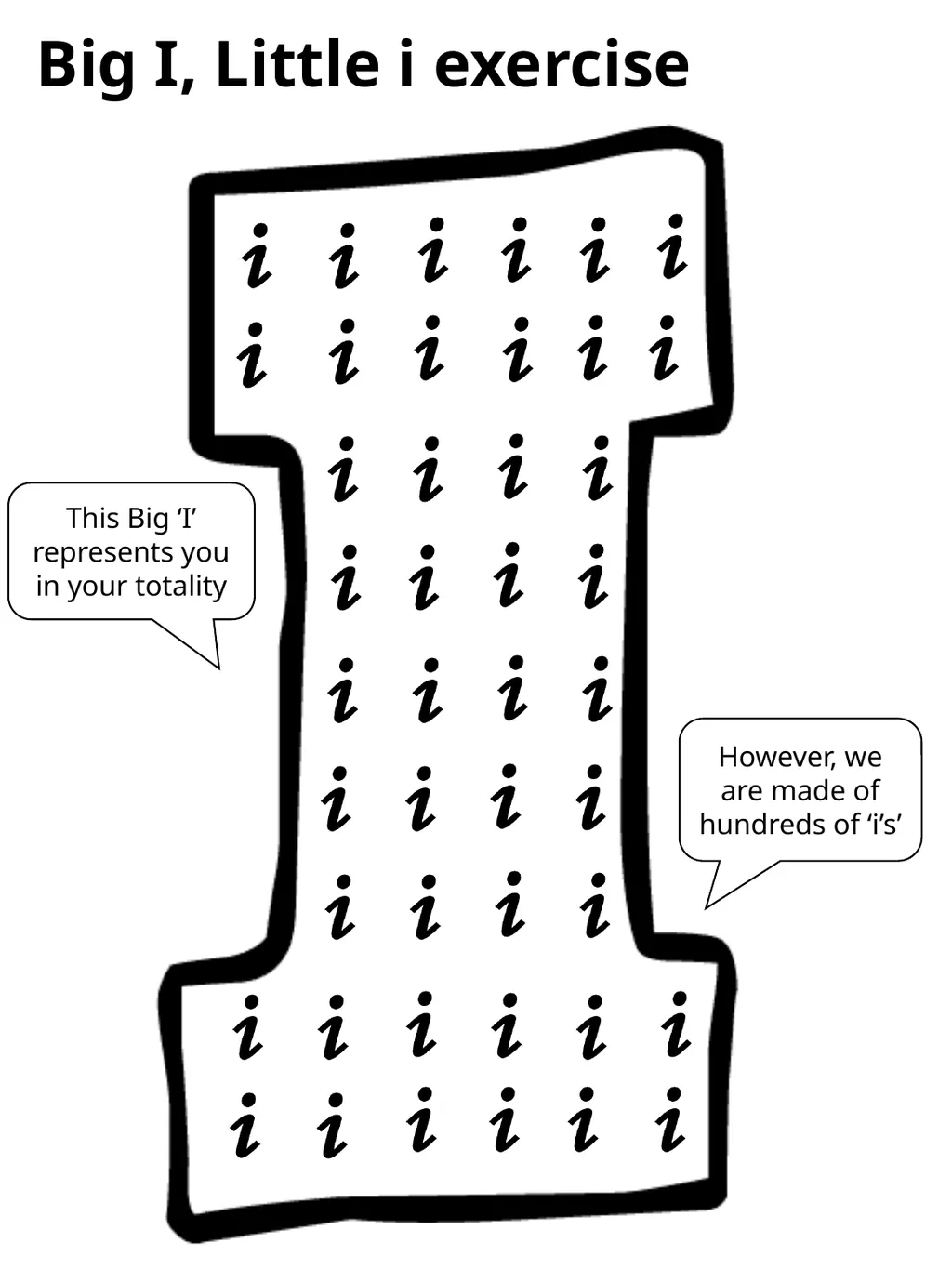
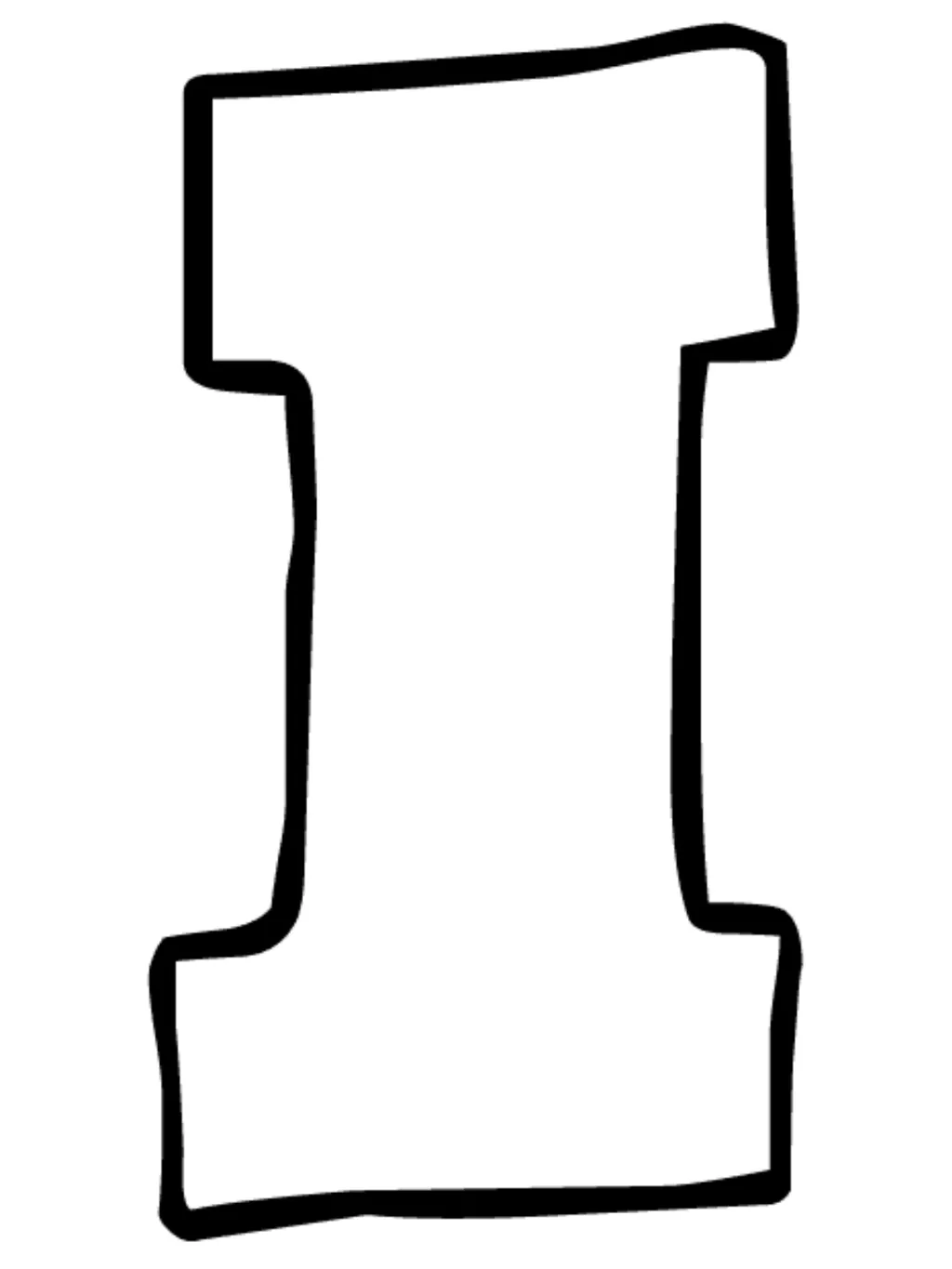
The Big “I” represents you, your totality. And the little “i”s, stand for various things about you, such as the way you smile, the kind of TV programmes you like and so on.

The secret of self-acceptance is to stop seeing ourselves as a single entity. We are made up of hundreds of components parts.<br>
03
Big I, Little i exercise This Big ‘I’ represents you in your totality However, we are made of hundreds of ‘i’s’<br>