
bison bull abstract relating to art that does not

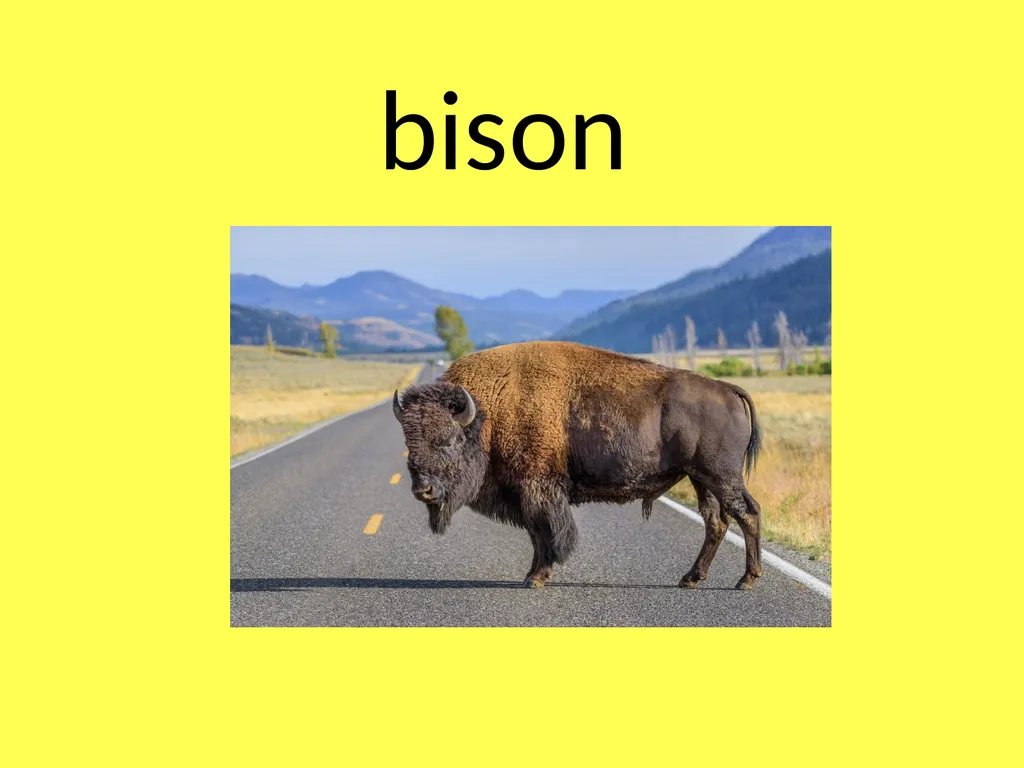





Description: bison bull abstract relating to art that does not attempt to represent reality, its effect using shapes, colours, and textures. pigment the natural colouring matter of animal or plant tissue. carving design carved from a hard material as an
Related Topics
Download Presentation
"bison bull abstract relating to art that does not" is the property of its rightful owner. Permission is granted to download and print the materials on this website for personal, non-commercial use only, and to display it on your personal computer provided you do not modify the materials and that you retain all copyright notices contained in the materials. By downloading content from our website, you accept the terms of this agreement.
Presentation Transcript
slide1. bison<br>
slide2. bull<br>
slide3. abstract relating to art that does not attempt to represent reality, its effect using shapes, colours, and textures.<br>
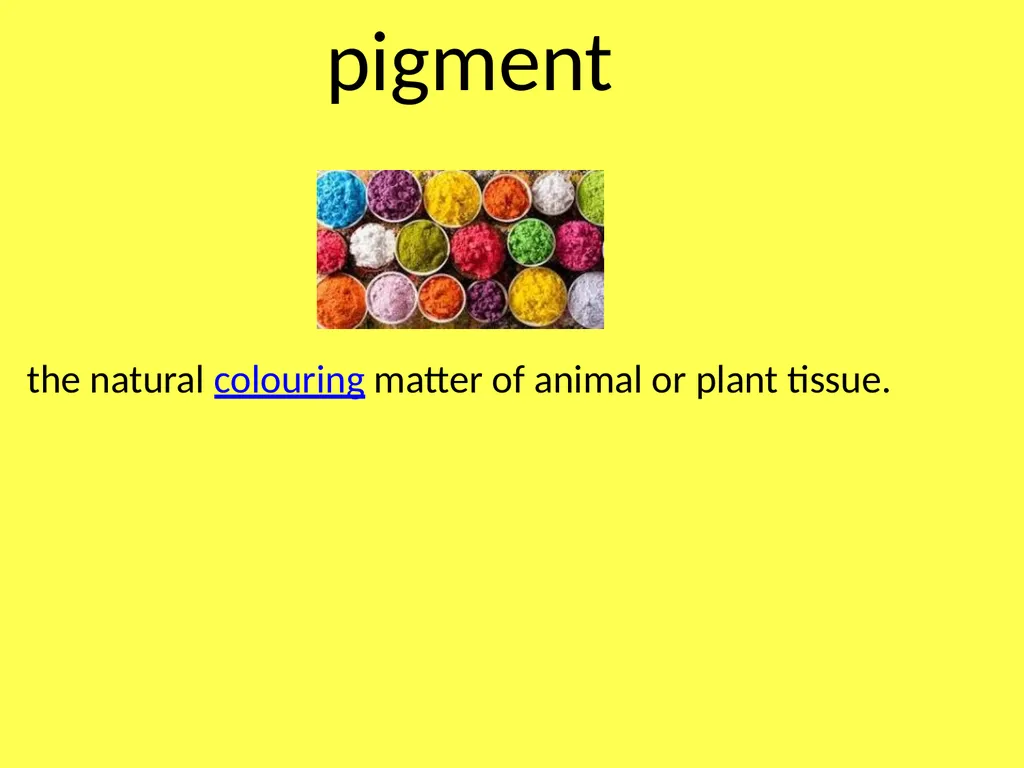
slide4. pigment the natural colouring matter of animal or plant tissue.<br>
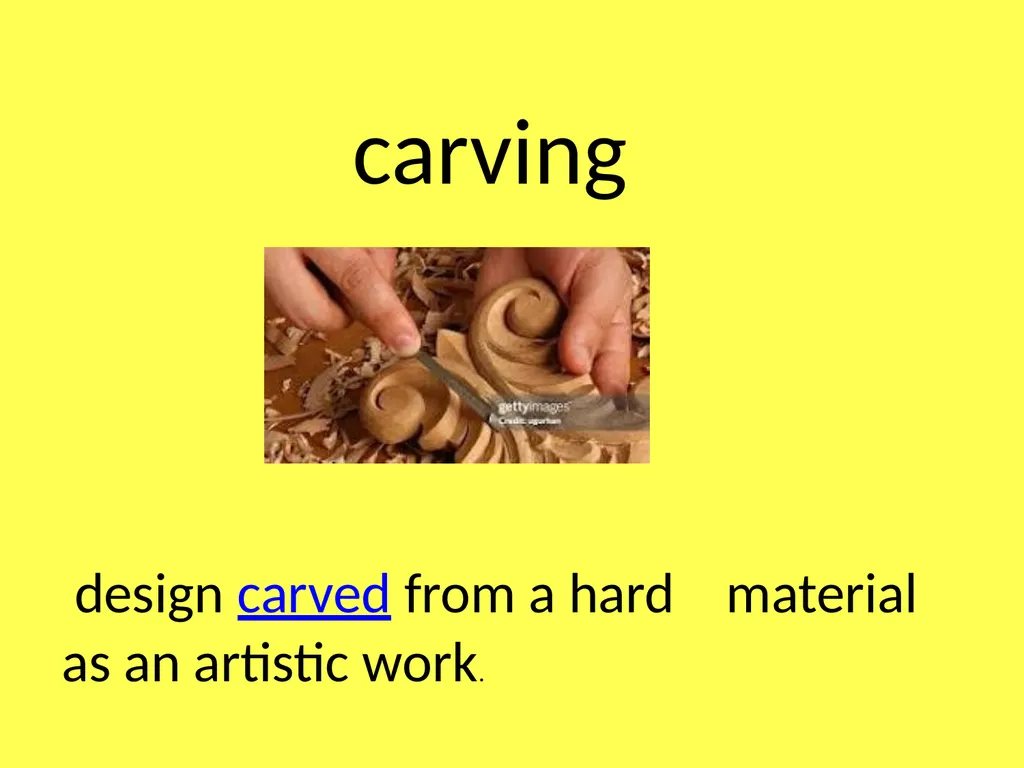
slide5. carving design carved from a hard material as an artistic work.<br>
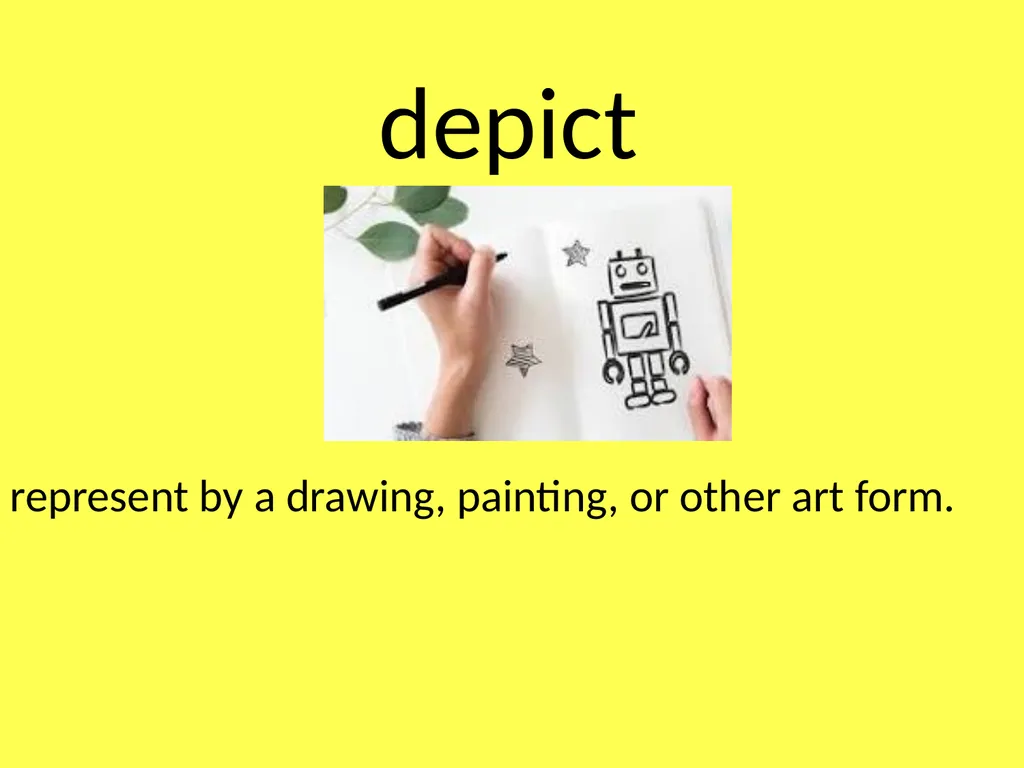
slide6. depict represent by a drawing, painting, or other art form.<br>
slide7. 🌍 Summary: Stone Age Art
1. Discovery of Cave Paintings:
Scientists discovered walls in caves like Lascaux (France) covered with paintings of horses, bison, bulls, and other prehistoric animals.
Some also showed humans and abstract designs.
2. Age and Techniques:
The Lascaux paintings date back about 16,000 years, during the last Ice Age.
Artists used natural pigments made by grinding minerals of different colors.
Some images were carved, but most were painted.<br>
slide8. 3. Other Findings:
Even older paintings have been found in France and Spain, and similar rock art exists worldwide (like in the Sahara Desert in Africa).
4. Stone Carvings:
Stone Age people also carved small statues, often of animals or pregnant women (possibly symbols of fertility or life).
5. Meaning of the Art:
These artworks show that early humans were capable of complex thinking, creativity, and emotion.
Archaeologist Robert Begouin said the cave art shows the “genius and will to create” of early humans—proof of their imagination and spiri<br>
slide9. 1. The Lascaux cave paintings were discovered in France.
✅ True
2. Most of the Lascaux paintings showed only human figures.
❌ False – Most showed animals like horses, bison, and bulls.
3. The Lascaux paintings are about 16,000 years old.
✅ True
4. The Stone Age artists used pigments made from minerals.
✅ True
5. All the cave images were carved into stone, not painted.
❌ False – Some were carved, but most were painted.<br>
slide10. 6. Similar rock paintings have been found in other parts of the world, including Africa.
✅ True – Examples were found in the Sahara Desert.
7. Stone Age people also made small carvings of animals and women.
✅ True
8. The carvings of pregnant women may have represented fertility or life.
✅ True
9. Stone Age art shows that early humans were simple and unable to think deeply.
❌ False – It shows they were capable of complex thoughts and creativity.
10. Archaeologist Robert Begouin believed the cave art showed the human will to create.
✅ True<br>
slide11. 🧩 Rearrange the Events in the Correct Orde
1. The artists made pigments by grinding up minerals.
2. Scientists found cave paintings in France.
3. Archaeologists found similar art in the Sahara Desert.
4. Early humans carved small statues of animals and women.
5. The paintings showed horses, bison, and other animals.
6. The art showed that Stone Age people were capable of complex thoughts.<br>
slide12. ✅ Correct Order:
1. Scientists found cave paintings in France.
2. The paintings showed horses, bison, and other animals.
3. The artists made pigments by grinding up minerals.
4. Archaeologists found similar art in other parts of the world, such as the Sahara Desert.
5. Early humans carved small statues of animals and women.
6. The art showed that Stone Age people were capable of complex thoughts and creativity.
---<br>
slide13. Summary: Stone Age Art and Religion
1. Stone Age people created art such as cave paintings, statues, and carvings.
2. The exact reasons for this art are unknown, but it may have had spiritual or magical meanings.
3. Images of animals may have been made to gain power over them or bring success in hunting.
4. Statues of pregnant women may have been created to bring good luck to women giving birth.
5. These artworks show that Stone Age cultures became more complex over time.
6. Another sign of complexity was the development of religious beliefs and burial practices.
7. Scientists found graves—such as one in present-day Russia—containing two children covered with thousands of ivory beads.
8. The boy wore an ivory animal pendant, and the girl had a bead cap and an ivory pin, showing that early humans buried their dead with care and meaning.
9. Cave paintings, statues, and burials suggest that early humans believed in mysterious and powerful forces.
10. This belief system is known as animism, the idea that the natural world is filled with spirits in animals, trees, rocks, water, and weather.
11. Prehistoric people painted animals such as bison or deer to honor their spirits or ask forgiveness for killing them.
12. These practices show that Stone Age people went beyond survival and had deep spiritual and cultural beliefs.<br>
slide14. 6. Where else have similar cave or rock paintings been found?
➡ In other parts of France, Spain, and the Sahara Desert in Africa.
7. What kinds of small statues did Stone Age people carve?
➡ Animals and pregnant women.
8. What do the carvings of pregnant women likely represent?
➡ Fertility or life.
9. Who said that cave art shows the human will to create?
➡ Archaeologist Robert Begouin.
10. What does Stone Age art tell us about early humans?
➡ That they were capable of complex thoughts, imagination, and creativity.<br>
slide15. 🧠 WH Questions and Answers
1. What animals were painted on the walls of the Lascaux cave?
➡ Horses, bison, bulls, and other prehistoric animals.
2. Where were the Lascaux cave paintings discovered?
➡ In France.
3. When were the Lascaux cave paintings created?
➡ About 16,000 years ago, during the last Ice Age.
4. What materials did Stone Age artists use to make pigments?
➡ They ground up minerals of various colors.
5. What other kinds of images appeared in the caves besides animals?
➡ Human figures and abstract designs.<br>
slide16. 6. Another sign of complexity was the development of religious beliefs and burial practices.
7. Scientists found graves—such as one in present-day Russia—containing two children covered with thousands of ivory beads.
8. The boy wore an ivory animal pendant, and the girl had a bead cap and an ivory pin, showing that early humans buried their dead with care and meaning.
9. Cave paintings, statues, and burials suggest that early humans believed in mysterious and powerful forces.
10. This belief system is known as animism, the idea that the natural world is filled with spirits in animals, trees, rocks, water, and weather.
11. Prehistoric people painted animals such as bison or deer to honor their spirits or ask forgiveness for killing them.
12. These practices show that Stone Age people went beyond survival and had deep spiritual and cultural beliefs.<br>
slide17. 📝 Multiple-Choice Questions (with answers)
1. Why might Stone Age people have drawn or painted animals?
A) To decorate caves
B) To practice drawing
C) To gain power or honor the animals’ spirits
D) To count how many animals they saw
➡️ Answer: C
2. What is the belief that spirits live in animals, trees, and rocks called?
A) Animism
B) Symbolism
C) Sculpture
D) Mythology
➡️ Answer: A
3. What was found in the grave of the two children in Russia?
A) Weapons and tools
B) Books and scrolls
C) Beads and ivory ornaments
D) Food and pottery
➡️ Answer: C<br>
slide18. 4. What do cave paintings and burial sites tell us about early humans?
A) They cared only about survival.
B) They had complex beliefs and culture.
C) They were afraid of animals.
D) They lived in cities.
➡️ Answer: B
5. What do statues of pregnant women probably represent?
A) War and hunting
B) Power and leadership
C) Good luck in childbirth
D) Love and friendship
➡️ Answer: C
---<br>
slide19. ✅ True or False (with answers)
1. Stone Age people only painted for decoration.
➡️ False – Their art may have had spiritual or magical meanings.
2. Some Stone Age statues showed pregnant women.
➡️ True
3. Early humans buried their dead with ornaments and beads.
➡️ True
4. The belief that all of nature is filled with spirits is called animism.
➡️ True
5. Stone Age art and burials show that early cultures were simple and had no religion.
➡️ False – They show that cultures became more complex.<br>
slide2. bull<br>
slide3. abstract relating to art that does not attempt to represent reality, its effect using shapes, colours, and textures.<br>
slide4. pigment the natural colouring matter of animal or plant tissue.<br>
slide5. carving design carved from a hard material as an artistic work.<br>
slide6. depict represent by a drawing, painting, or other art form.<br>
slide7. 🌍 Summary: Stone Age Art
1. Discovery of Cave Paintings:
Scientists discovered walls in caves like Lascaux (France) covered with paintings of horses, bison, bulls, and other prehistoric animals.
Some also showed humans and abstract designs.
2. Age and Techniques:
The Lascaux paintings date back about 16,000 years, during the last Ice Age.
Artists used natural pigments made by grinding minerals of different colors.
Some images were carved, but most were painted.<br>
slide8. 3. Other Findings:
Even older paintings have been found in France and Spain, and similar rock art exists worldwide (like in the Sahara Desert in Africa).
4. Stone Carvings:
Stone Age people also carved small statues, often of animals or pregnant women (possibly symbols of fertility or life).
5. Meaning of the Art:
These artworks show that early humans were capable of complex thinking, creativity, and emotion.
Archaeologist Robert Begouin said the cave art shows the “genius and will to create” of early humans—proof of their imagination and spiri<br>
slide9. 1. The Lascaux cave paintings were discovered in France.
✅ True
2. Most of the Lascaux paintings showed only human figures.
❌ False – Most showed animals like horses, bison, and bulls.
3. The Lascaux paintings are about 16,000 years old.
✅ True
4. The Stone Age artists used pigments made from minerals.
✅ True
5. All the cave images were carved into stone, not painted.
❌ False – Some were carved, but most were painted.<br>
slide10. 6. Similar rock paintings have been found in other parts of the world, including Africa.
✅ True – Examples were found in the Sahara Desert.
7. Stone Age people also made small carvings of animals and women.
✅ True
8. The carvings of pregnant women may have represented fertility or life.
✅ True
9. Stone Age art shows that early humans were simple and unable to think deeply.
❌ False – It shows they were capable of complex thoughts and creativity.
10. Archaeologist Robert Begouin believed the cave art showed the human will to create.
✅ True<br>
slide11. 🧩 Rearrange the Events in the Correct Orde
1. The artists made pigments by grinding up minerals.
2. Scientists found cave paintings in France.
3. Archaeologists found similar art in the Sahara Desert.
4. Early humans carved small statues of animals and women.
5. The paintings showed horses, bison, and other animals.
6. The art showed that Stone Age people were capable of complex thoughts.<br>
slide12. ✅ Correct Order:
1. Scientists found cave paintings in France.
2. The paintings showed horses, bison, and other animals.
3. The artists made pigments by grinding up minerals.
4. Archaeologists found similar art in other parts of the world, such as the Sahara Desert.
5. Early humans carved small statues of animals and women.
6. The art showed that Stone Age people were capable of complex thoughts and creativity.
---<br>
slide13. Summary: Stone Age Art and Religion
1. Stone Age people created art such as cave paintings, statues, and carvings.
2. The exact reasons for this art are unknown, but it may have had spiritual or magical meanings.
3. Images of animals may have been made to gain power over them or bring success in hunting.
4. Statues of pregnant women may have been created to bring good luck to women giving birth.
5. These artworks show that Stone Age cultures became more complex over time.
6. Another sign of complexity was the development of religious beliefs and burial practices.
7. Scientists found graves—such as one in present-day Russia—containing two children covered with thousands of ivory beads.
8. The boy wore an ivory animal pendant, and the girl had a bead cap and an ivory pin, showing that early humans buried their dead with care and meaning.
9. Cave paintings, statues, and burials suggest that early humans believed in mysterious and powerful forces.
10. This belief system is known as animism, the idea that the natural world is filled with spirits in animals, trees, rocks, water, and weather.
11. Prehistoric people painted animals such as bison or deer to honor their spirits or ask forgiveness for killing them.
12. These practices show that Stone Age people went beyond survival and had deep spiritual and cultural beliefs.<br>
slide14. 6. Where else have similar cave or rock paintings been found?
➡ In other parts of France, Spain, and the Sahara Desert in Africa.
7. What kinds of small statues did Stone Age people carve?
➡ Animals and pregnant women.
8. What do the carvings of pregnant women likely represent?
➡ Fertility or life.
9. Who said that cave art shows the human will to create?
➡ Archaeologist Robert Begouin.
10. What does Stone Age art tell us about early humans?
➡ That they were capable of complex thoughts, imagination, and creativity.<br>
slide15. 🧠 WH Questions and Answers
1. What animals were painted on the walls of the Lascaux cave?
➡ Horses, bison, bulls, and other prehistoric animals.
2. Where were the Lascaux cave paintings discovered?
➡ In France.
3. When were the Lascaux cave paintings created?
➡ About 16,000 years ago, during the last Ice Age.
4. What materials did Stone Age artists use to make pigments?
➡ They ground up minerals of various colors.
5. What other kinds of images appeared in the caves besides animals?
➡ Human figures and abstract designs.<br>
slide16. 6. Another sign of complexity was the development of religious beliefs and burial practices.
7. Scientists found graves—such as one in present-day Russia—containing two children covered with thousands of ivory beads.
8. The boy wore an ivory animal pendant, and the girl had a bead cap and an ivory pin, showing that early humans buried their dead with care and meaning.
9. Cave paintings, statues, and burials suggest that early humans believed in mysterious and powerful forces.
10. This belief system is known as animism, the idea that the natural world is filled with spirits in animals, trees, rocks, water, and weather.
11. Prehistoric people painted animals such as bison or deer to honor their spirits or ask forgiveness for killing them.
12. These practices show that Stone Age people went beyond survival and had deep spiritual and cultural beliefs.<br>
slide17. 📝 Multiple-Choice Questions (with answers)
1. Why might Stone Age people have drawn or painted animals?
A) To decorate caves
B) To practice drawing
C) To gain power or honor the animals’ spirits
D) To count how many animals they saw
➡️ Answer: C
2. What is the belief that spirits live in animals, trees, and rocks called?
A) Animism
B) Symbolism
C) Sculpture
D) Mythology
➡️ Answer: A
3. What was found in the grave of the two children in Russia?
A) Weapons and tools
B) Books and scrolls
C) Beads and ivory ornaments
D) Food and pottery
➡️ Answer: C<br>
slide18. 4. What do cave paintings and burial sites tell us about early humans?
A) They cared only about survival.
B) They had complex beliefs and culture.
C) They were afraid of animals.
D) They lived in cities.
➡️ Answer: B
5. What do statues of pregnant women probably represent?
A) War and hunting
B) Power and leadership
C) Good luck in childbirth
D) Love and friendship
➡️ Answer: C
---<br>
slide19. ✅ True or False (with answers)
1. Stone Age people only painted for decoration.
➡️ False – Their art may have had spiritual or magical meanings.
2. Some Stone Age statues showed pregnant women.
➡️ True
3. Early humans buried their dead with ornaments and beads.
➡️ True
4. The belief that all of nature is filled with spirits is called animism.
➡️ True
5. Stone Age art and burials show that early cultures were simple and had no religion.
➡️ False – They show that cultures became more complex.<br>