Civil Engineering Materials 3rd Semester 2010 ( 20 Sep 10 6 Jan 11) Presented by: Engr. Bilal Iftikhar Lab Engr. SWEDISH COLLEGE OF ENGINEERING AND TECHNOLOGY, WAH CANTT November 2, 2010 INTRODUCTION 2 What is Civil Engineering? Civil
"Civil Engineering Materials 3rd Semester 2010 ( 20" is the property of its rightful owner. Permission is granted to
download and print the materials on this website for personal, non-commercial use only, and to display it
on your personal computer provided you do not modify the materials and that you retain all copyright
notices contained in the materials. By downloading content from our website, you accept the terms of this
agreement.
Presentation Transcript
01
Civil Engineering Materials 3rd Semester 2010
( 20 Sep 10 – 6 Jan 11) Presented by: Engr. Bilal Iftikhar
Lab Engr. SWEDISH COLLEGE OF ENGINEERING AND TECHNOLOGY,
WAH CANTT November 2, 2010 INTRODUCTION<br>
02
2 What is Civil Engineering? Civil engineering is a professional engineering discipline that deals with the design and construction of the physical and natural built environment, including works such as bridges, roads, canals, dams and buildings.
Civil engineering is the oldest engineering<br>
03
3 What is Civil Engineering? Civil Engineering is nothing but simple common sense – however – common sense is very uncommon<br>
04
4 Science, Engineering, Technology Science deals with humans’ understanding of the real world about them – the inherent properties of space, matter, energy and their interactions.
Engineering is the application of objective knowledge to creation of plans, designs and means for achieving desired objectives.
Technology deals with tools and techniques for carrying out plans.<br>
05
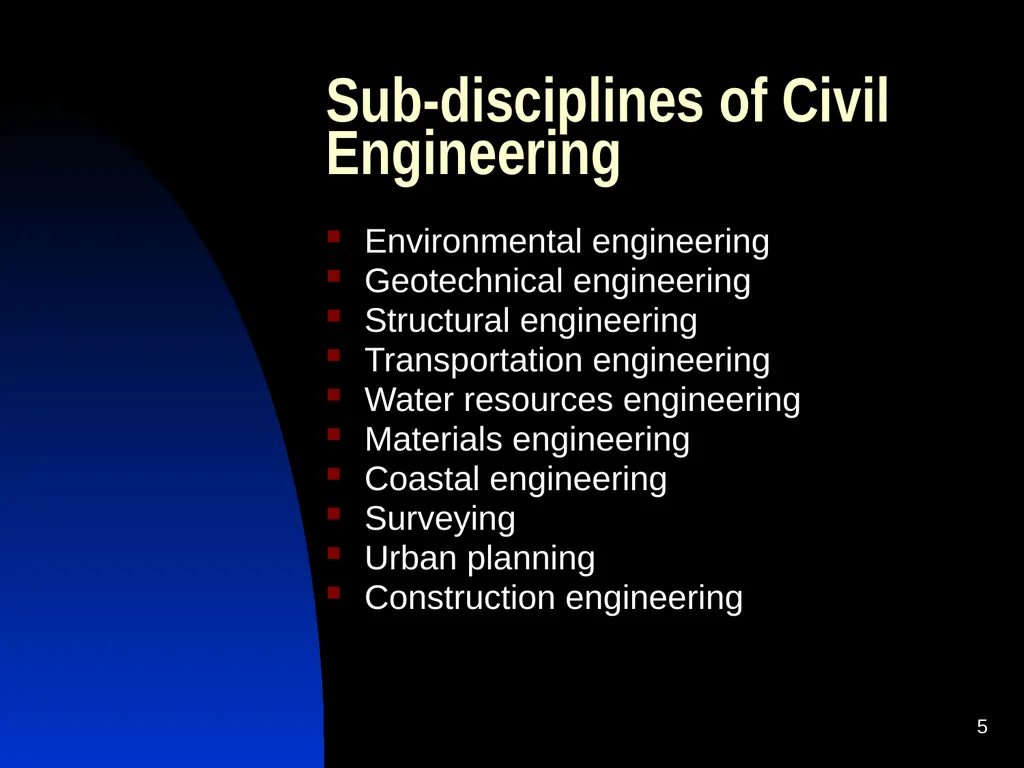
5 Sub-disciplines of Civil Engineering Environmental engineering
Geotechnical engineering
Structural engineering
Transportation engineering
Water resources engineering
Materials engineering
Coastal engineering
Surveying
Urban planning
Construction engineering<br>
06
6 Building Material Any material which is used for construction purpose is called as building material.<br>
07
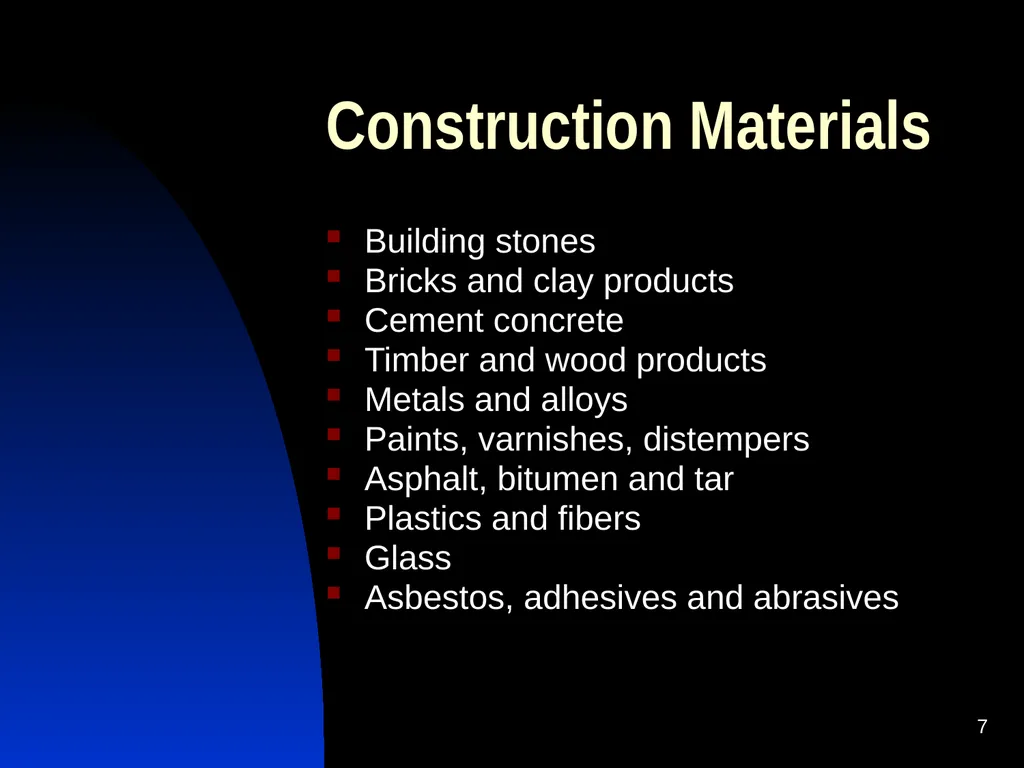
7 Construction Materials Building stones
Bricks and clay products
Cement concrete
Timber and wood products
Metals and alloys
Paints, varnishes, distempers
Asphalt, bitumen and tar
Plastics and fibers
Glass
Asbestos, adhesives and abrasives<br>
08
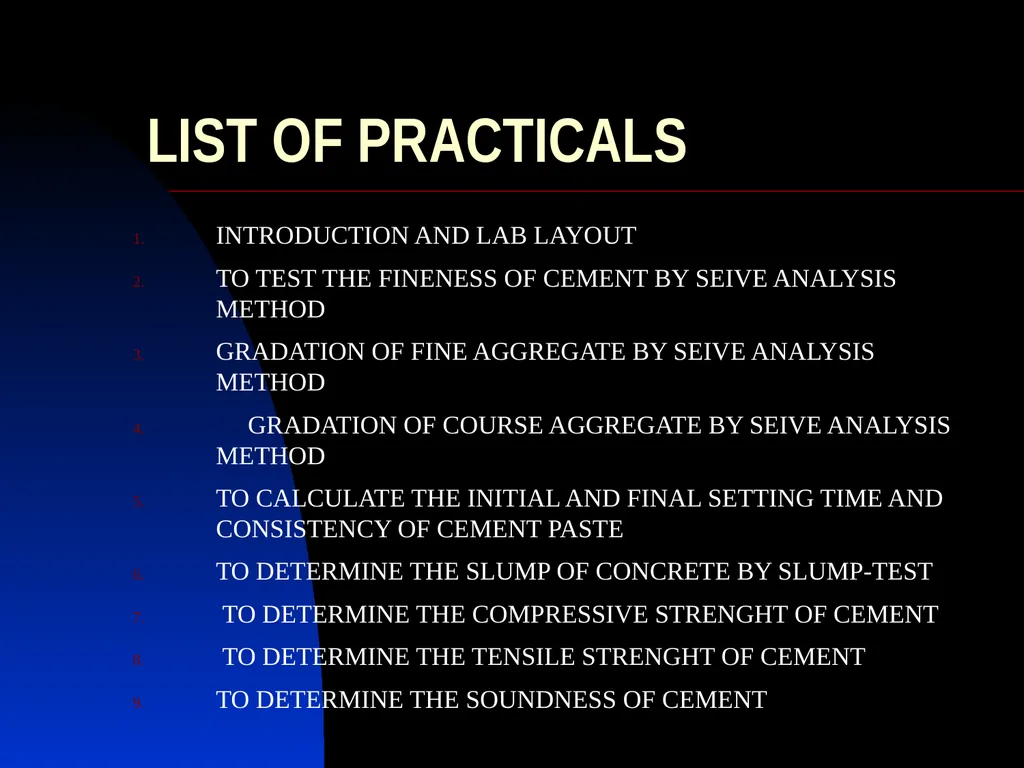
LIST OF PRACTICALS INTRODUCTION AND LAB LAYOUT
TO TEST THE FINENESS OF CEMENT BY SEIVE ANALYSIS METHOD
GRADATION OF FINE AGGREGATE BY SEIVE ANALYSIS METHOD
GRADATION OF COURSE AGGREGATE BY SEIVE ANALYSIS METHOD
TO CALCULATE THE INITIAL AND FINAL SETTING TIME AND CONSISTENCY OF CEMENT PASTE
TO DETERMINE THE SLUMP OF CONCRETE BY SLUMP-TEST
TO DETERMINE THE COMPRESSIVE STRENGHT OF CEMENT
TO DETERMINE THE TENSILE STRENGHT OF CEMENT
TO DETERMINE THE SOUNDNESS OF CEMENT<br>
09
How to Prepare Practical Note Book 9<br>
10
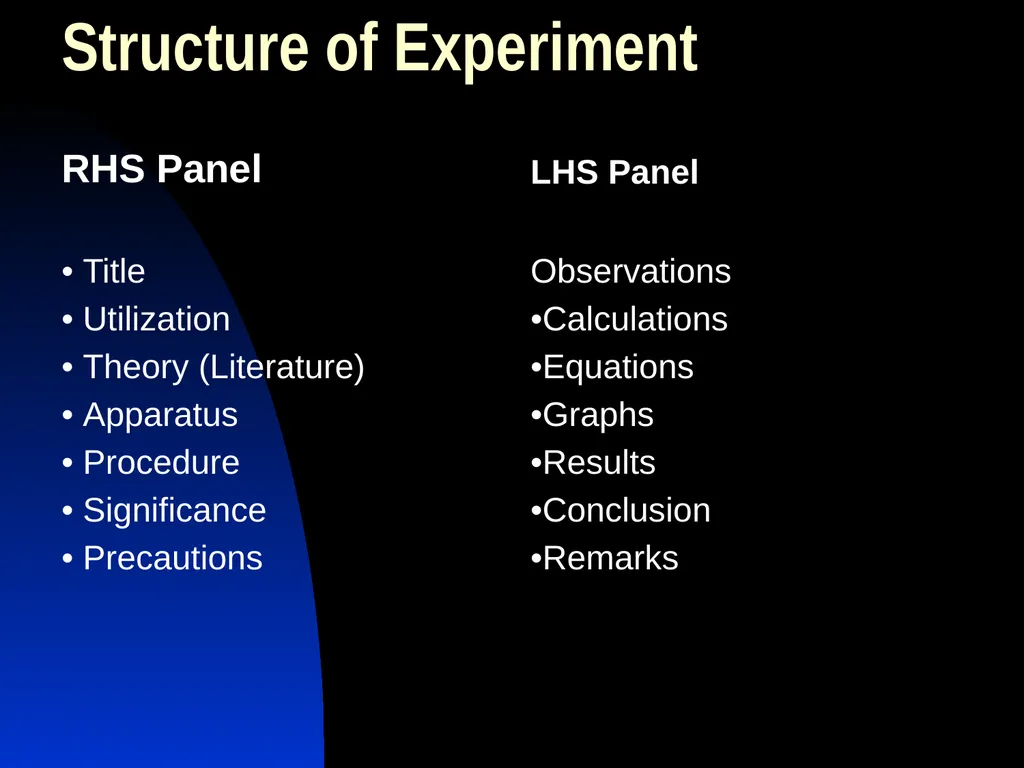
Structure of Experiment RHS Panel • Title
• Utilization
• Theory (Literature)
• Apparatus
• Procedure
• Significance
• Precautions LHS Panel Observations
•Calculations
•Equations
•Graphs
•Results
•Conclusion
•Remarks<br>
11
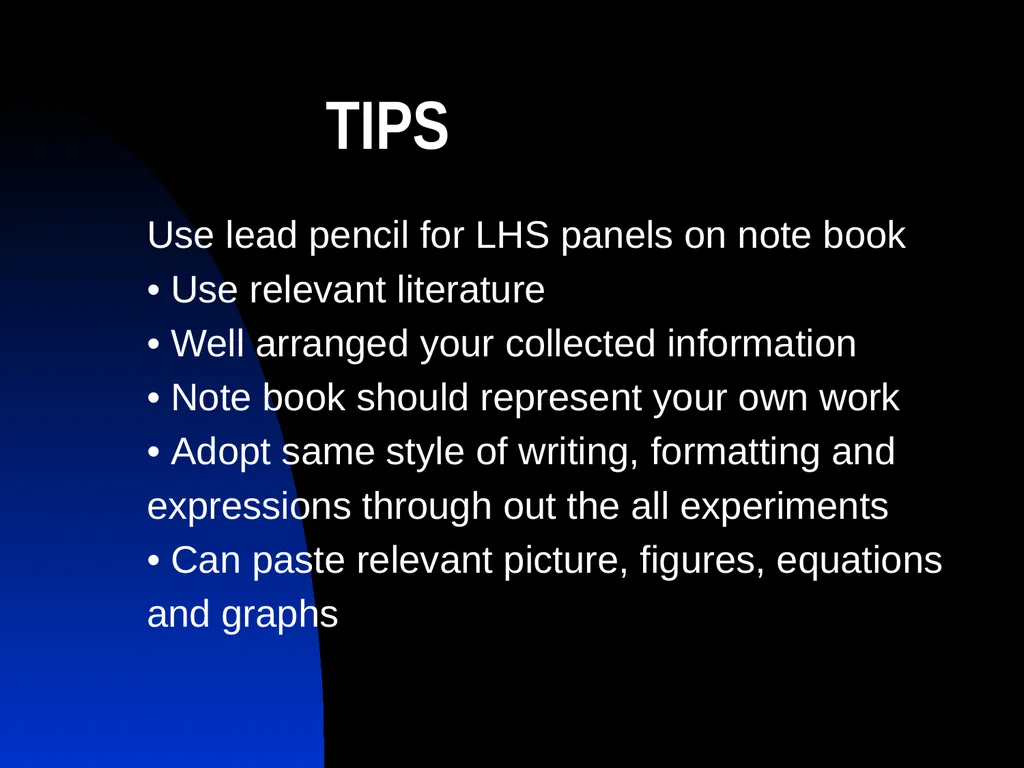
TIPS Use lead pencil for LHS panels on note book
• Use relevant literature
• Well arranged your collected information
• Note book should represent your own work
• Adopt same style of writing, formatting and
expressions through out the all experiments
• Can paste relevant picture, figures, equations
and graphs<br>
12
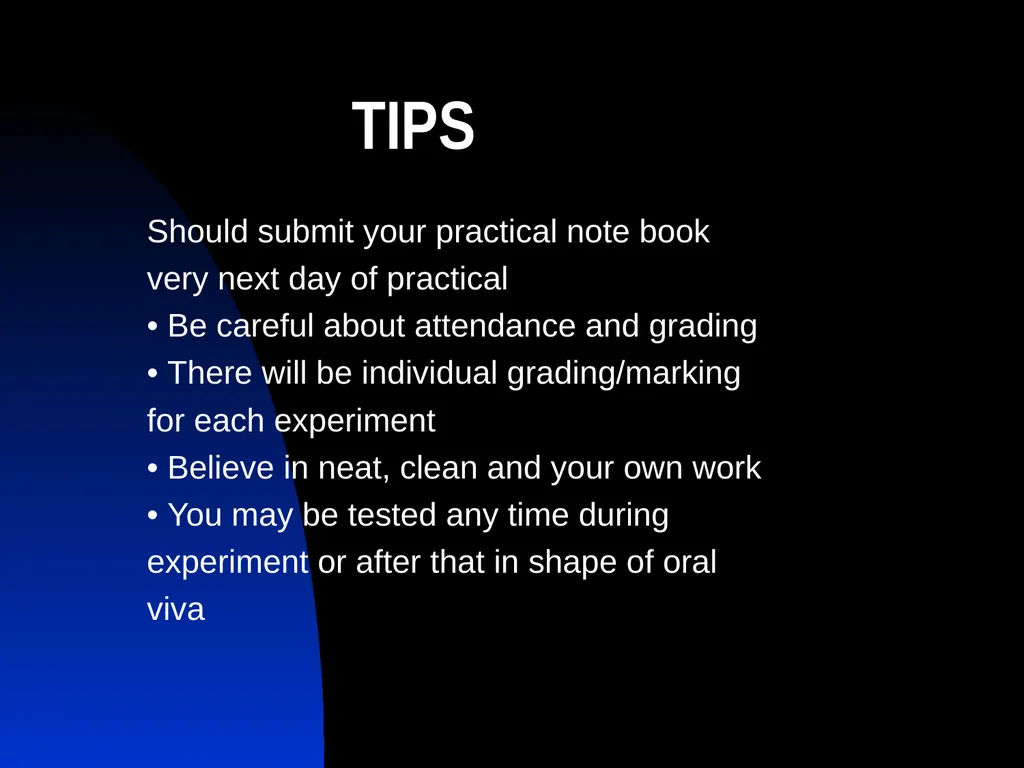
TIPS Should submit your practical note book
very next day of practical
• Be careful about attendance and grading
• There will be individual grading/marking
for each experiment
• Believe in neat, clean and your own work
• You may be tested any time during
experiment or after that in shape of oral
viva<br>
13
LAB LAYOUT LAB
A room or building equipped for scientific experimentation or research.
An academic period devoted to work or study in such a place.
A place where drugs and chemicals are manufactured.
A place for practice, observation, or testing.<br>
14
LAYOUT
The act or an instance of laying out.
An arrangement or a plan, especially the schematic arrangement of machinery or areas<br>
15
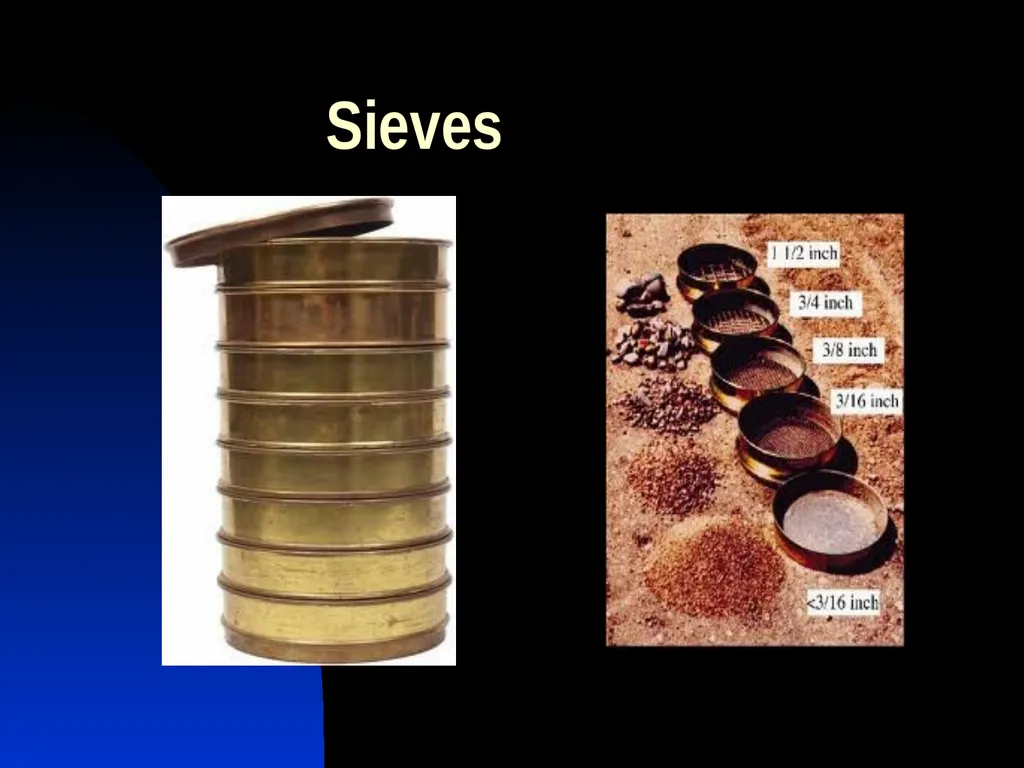
Sieves<br>
16
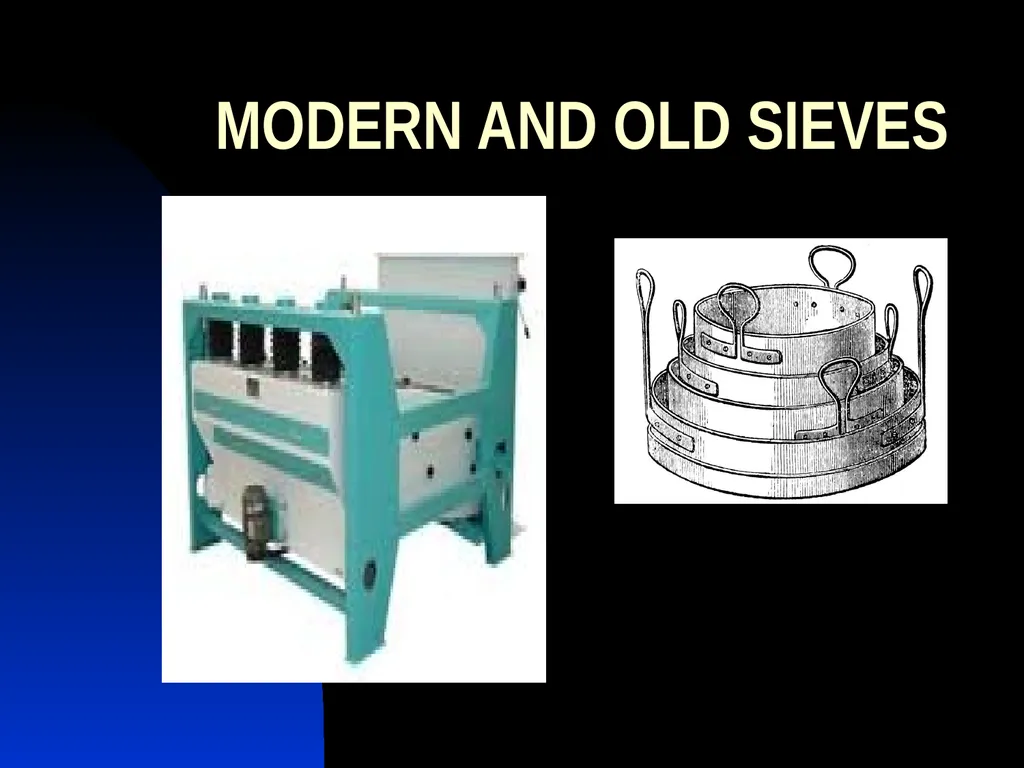
MODERN AND OLD SIEVES<br>
17
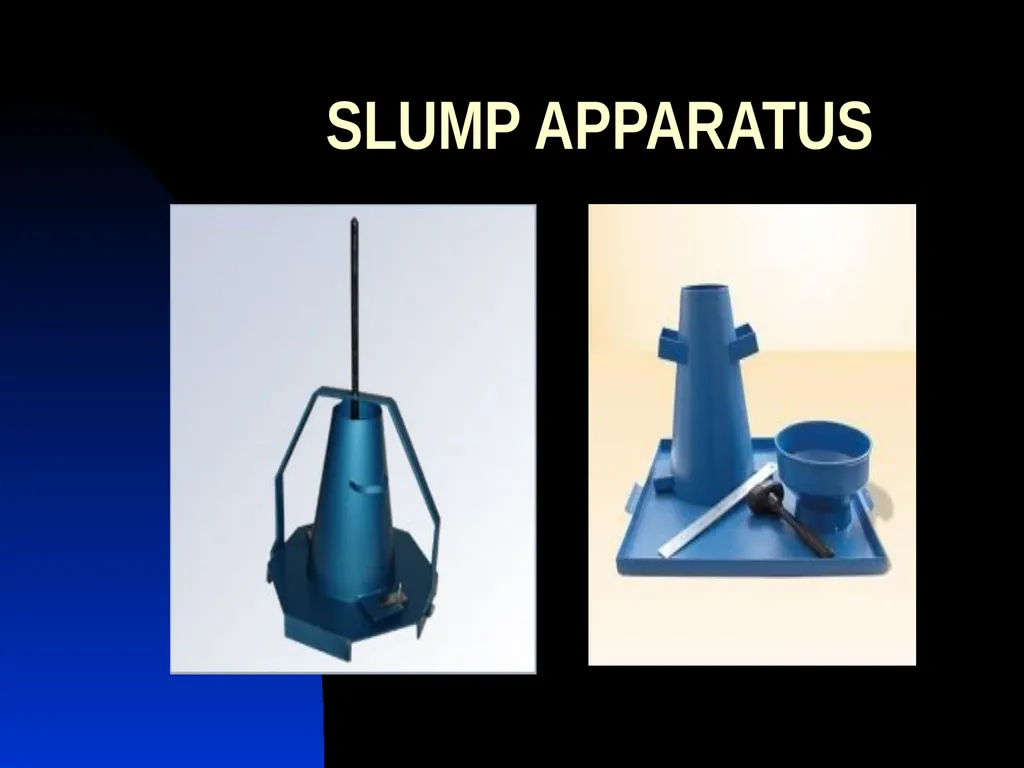
SLUMP APPARATUS<br>
18
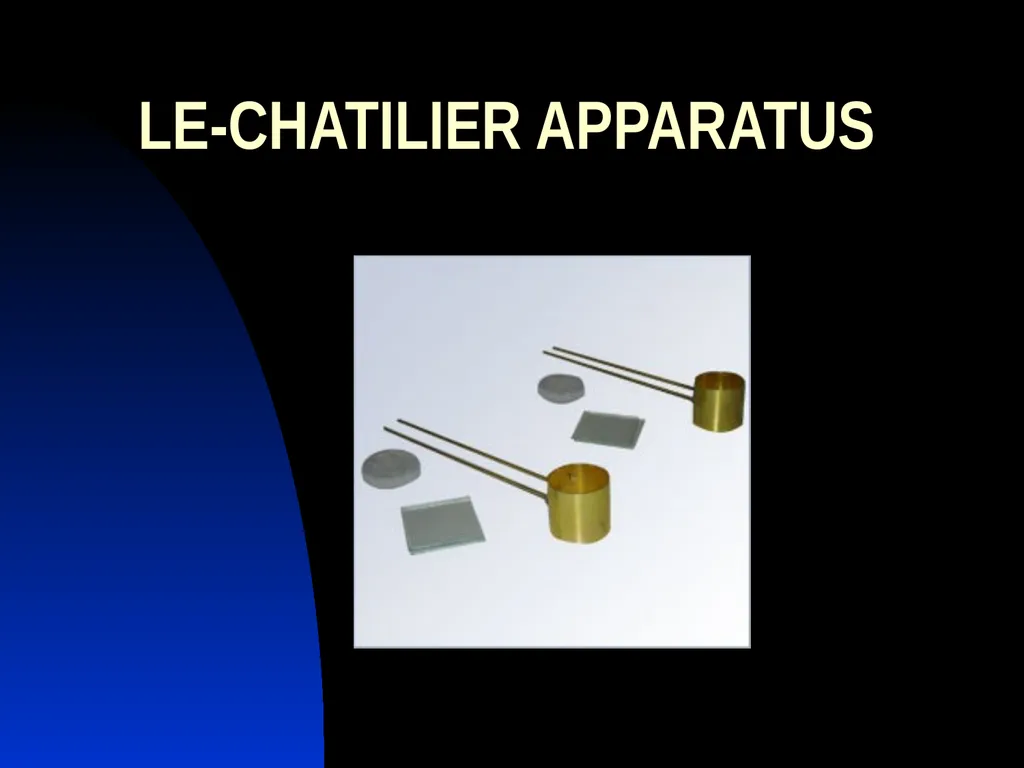
LE-CHATILIER APPARATUS<br>
19
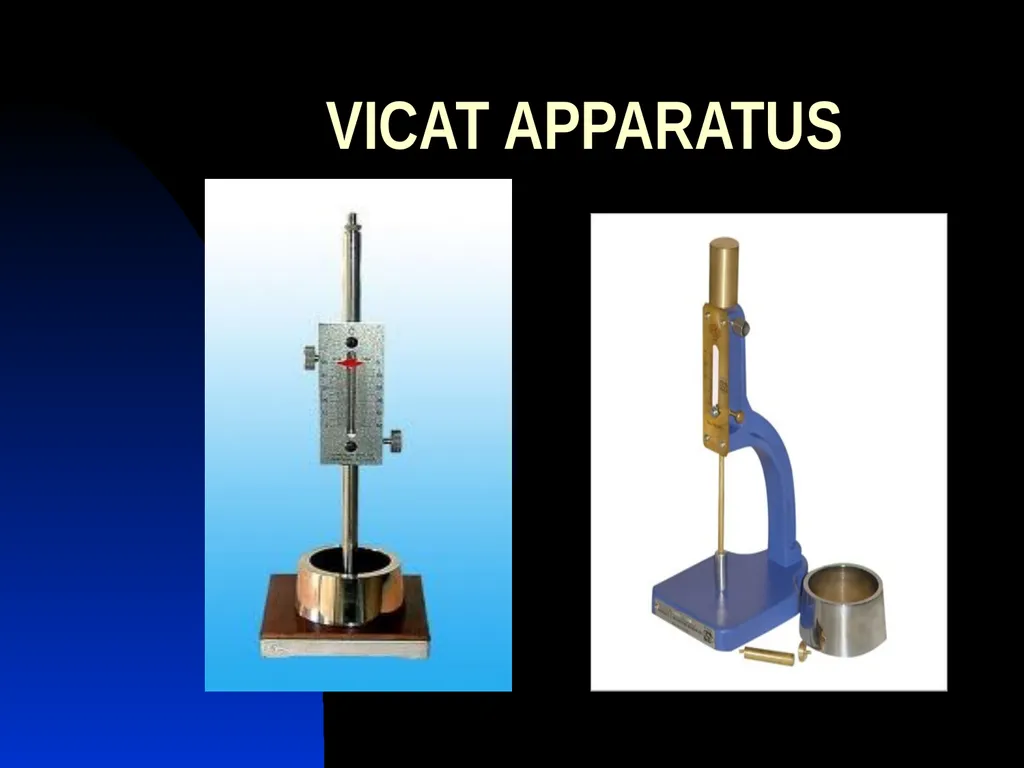
VICAT APPARATUS<br>
20
TO TEST THE FINENESS OF CEMENT BY SEIVE ANALYSIS METHOD THEORY
SIGNIFICANCE
APPARATUS
PROCEDURE
PRECAUTIONS
OBSERVATIONS AND CALCULATIONS<br>