Civil Religion in Greece Modernization process in Greece 1830 Establishment of the modern Greek State Small urban centers absence of middle classes State-led social developmentdifferentiation vs. traditional kinship localist networks
"Civil Religion in Greece Modernization process in" is the property of its rightful owner. Permission is granted to
download and print the materials on this website for personal, non-commercial use only, and to display it
on your personal computer provided you do not modify the materials and that you retain all copyright
notices contained in the materials. By downloading content from our website, you accept the terms of this
agreement.
Presentation Transcript
01
Civil Religion in Greece<br>
02
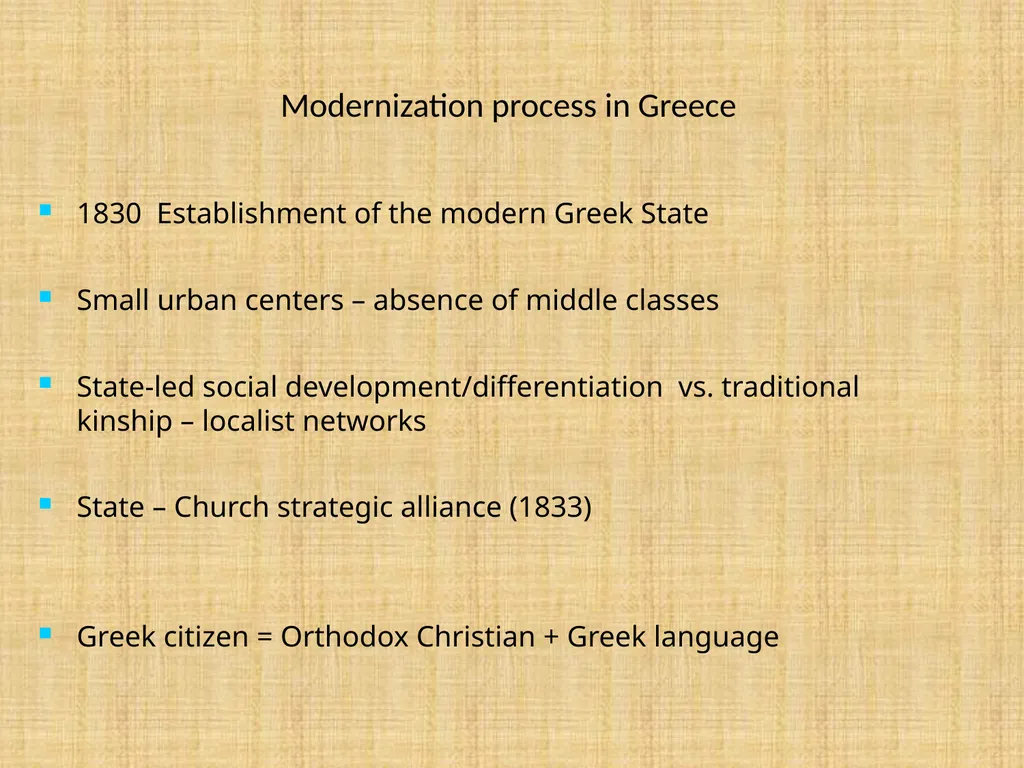
Modernization process in Greece 1830 Establishment of the modern Greek State
Small urban centers – absence of middle classes
State-led social development/differentiation vs. traditional kinship – localist networks
State – Church strategic alliance (1833)
Greek citizen = Orthodox Christian + Greek language<br>
03
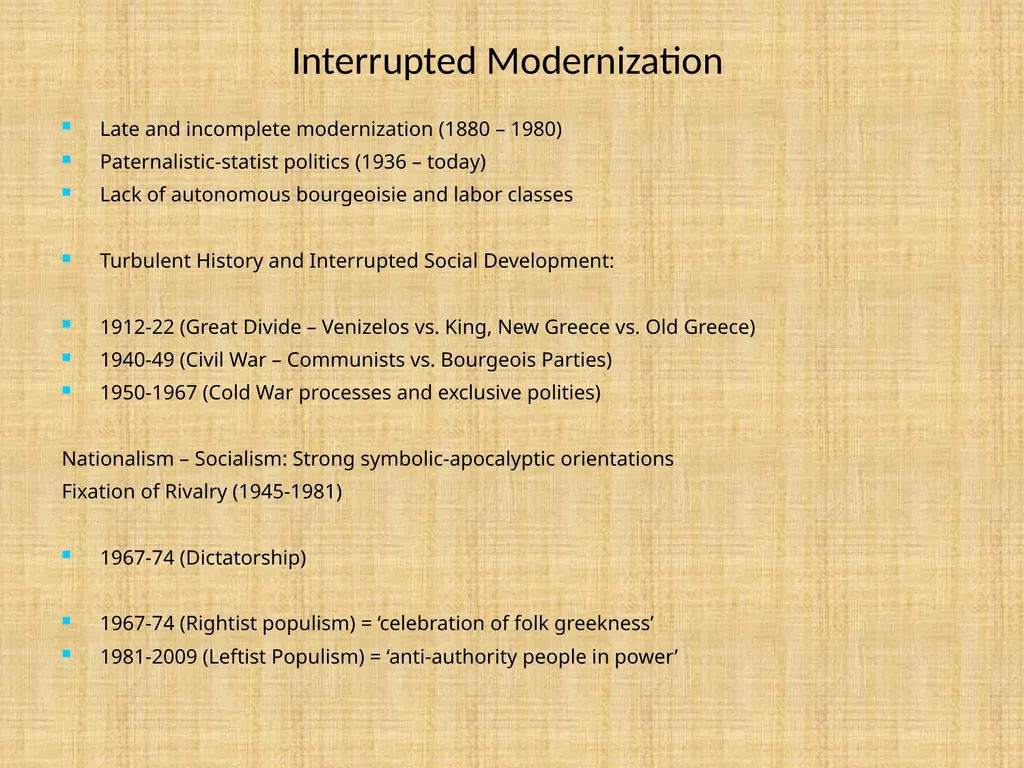
Interrupted Modernization Late and incomplete modernization (1880 – 1980)
Paternalistic-statist politics (1936 – today)
Lack of autonomous bourgeoisie and labor classes
Turbulent History and Interrupted Social Development:
1912-22 (Great Divide – Venizelos vs. King, New Greece vs. Old Greece)
1940-49 (Civil War – Communists vs. Bourgeois Parties)
1950-1967 (Cold War processes and exclusive polities)
Nationalism – Socialism: Strong symbolic-apocalyptic orientations
Fixation of Rivalry (1945-1981)
1967-74 (Dictatorship)
1967-74 (Rightist populism) = ‘celebration of folk greekness’
1981-2009 (Leftist Populism) = ‘anti-authority people in power’<br>
04
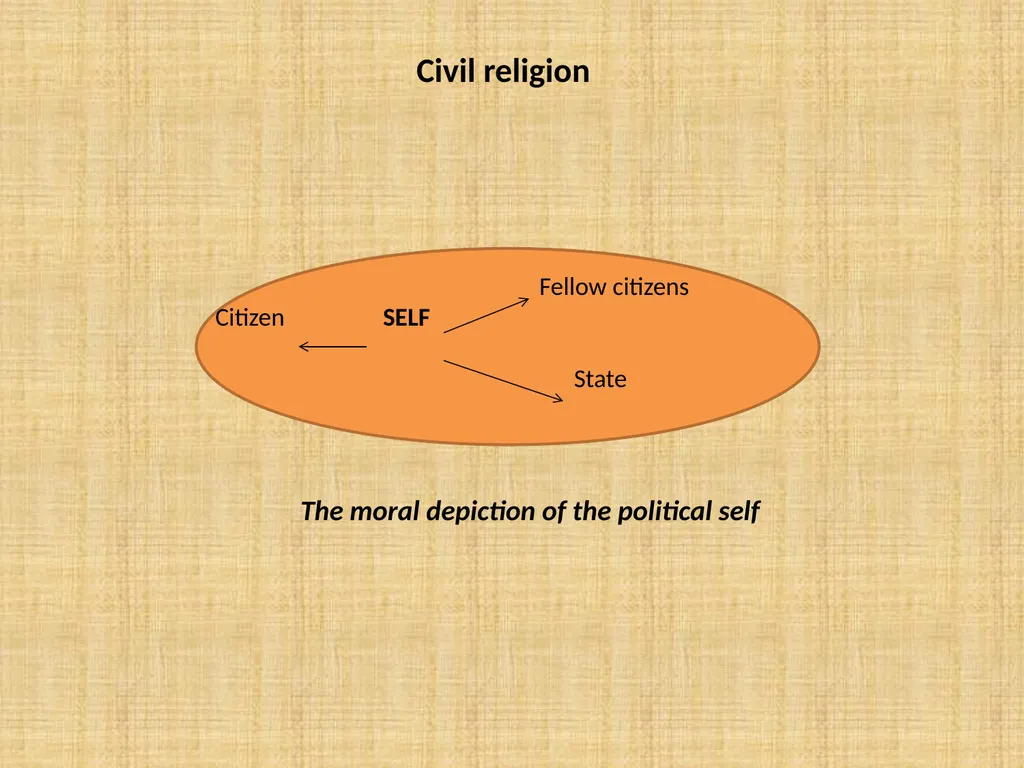
Civil religion The moral depiction of the political self Fellow citizens
Citizen SELF
State<br>
05
The Metapoliteusis Era (1974-2014) Major realignment of Civil religion
The People vs. The Dictatorship:
The dark forces (capitalism, imperialism etc.)
The bourgeoisie life-style (self-discipline, formality etc.)
Social & political disciplinary hierarchies
Major realignments of social power and political structures (1981-2010)
Who are the People?
Party – Syndicates – The Marginalized
Expansion of State-controlled economy
Expansion of civil service employment sector<br>
06
The Self I sense the world more with my feelings rather than my intellect (emotive self)
If I consider something to be right I support it irrespective of the consequences (self-righteousness)
At the end of the day I am responsible for what happens to me (self-reflection)
I feel that my life is controlled by dark networks (insecurity)
I believe that the destiny of each person is predetermined (fatalism)
I believe in the miraculous intervention of God in the world (messianism)<br>
07
Civil Conscience In general I trust my fellow citizens irrespective of how well I know them personally (civil trust)
Immigrants impose a threat to our national identity (xenophobia)
The foreigners are jealous and conspire against us (xenophobia)
Between individual freedoms and social equality, I prefer social equality (egalitarianism)
Physical violence by no means belongs to social life (civility)<br>
08
Civic virtue “Social Justice” is more important that “individual rights” (egalitarianism)
The role of the politicians is to adhere to my demands (egoistic ‘politics’)
Before my personal profit I do not consider the Law (egoism)
The interest of the people is above institutions and laws (populism)
When the people truly get the power, it would be a matter of time to solve the most important problems (messianism )
I am ready to fight for what I believe is right, even by breaking the Law (self-righteousness)<br>
09
The civil model (hypothetical) I sense the world through my intellect
At the end of the day I am responsible for what happens to me
In general I trust my fellow citizens irrespective of how well I know them personally
Physical violence by no means belongs to social life
Before my personal profit I do consider the Law
The interest of the people is not above institutions and laws<br>
10
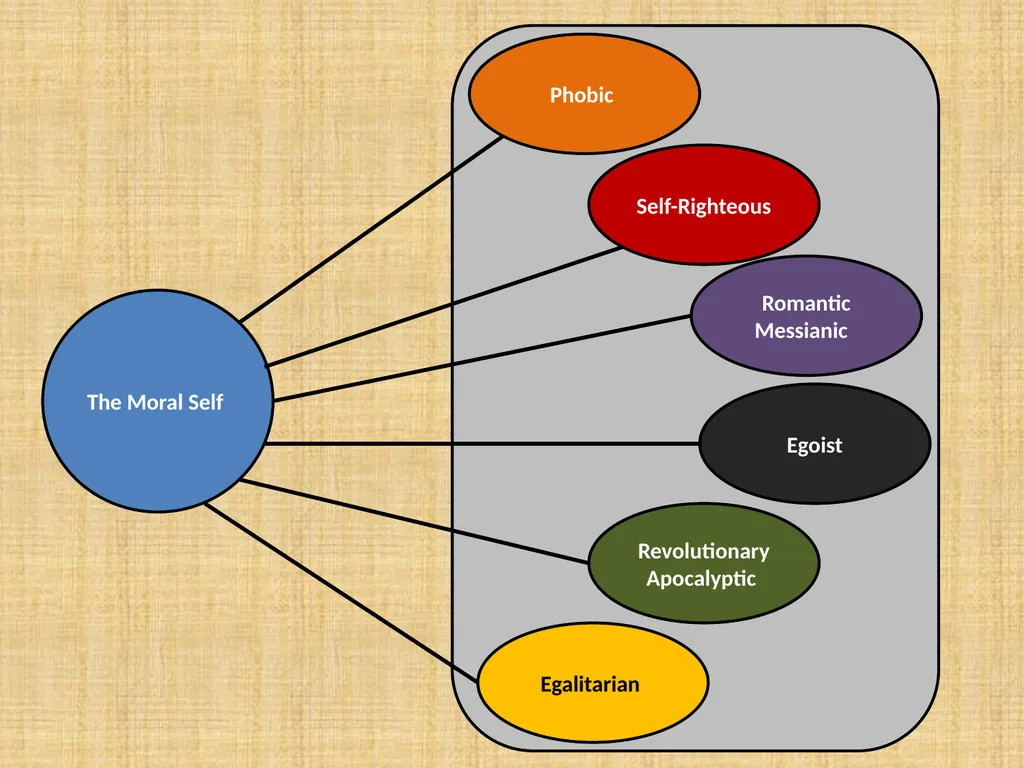
The Moral Self Phobic Self-Righteous Romantic Messianic Egoist Revolutionary Apocalyptic Egalitarian<br>
11
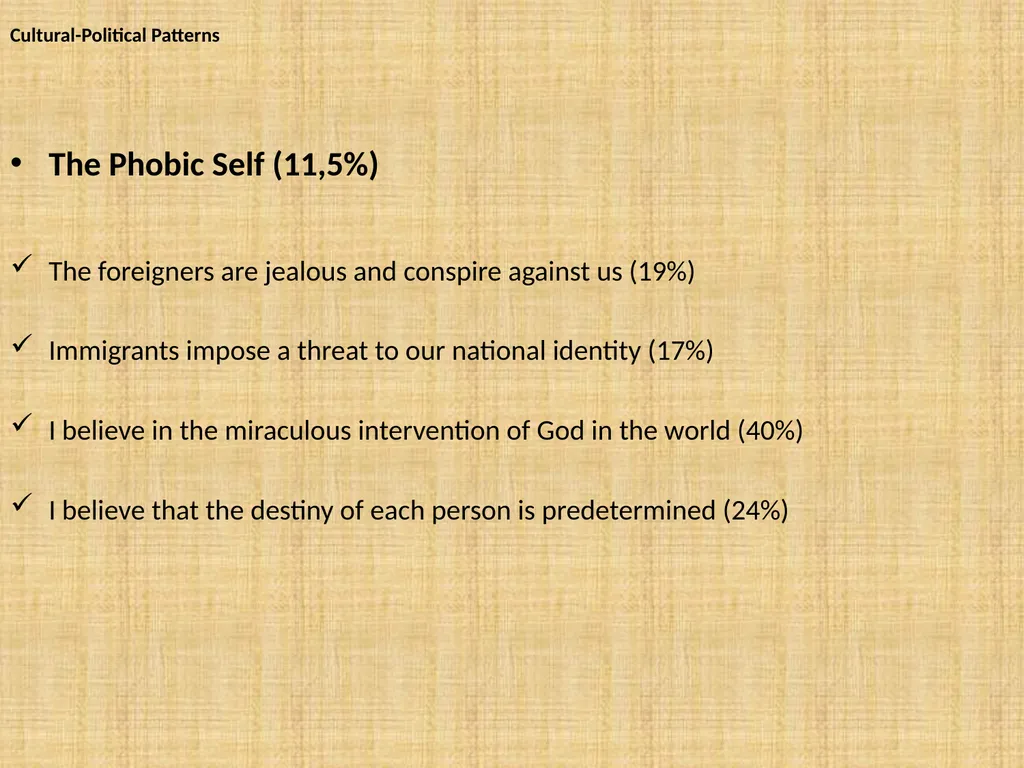
The Phobic Self (11,5%)
The foreigners are jealous and conspire against us (19%)
Immigrants impose a threat to our national identity (17%)
I believe in the miraculous intervention of God in the world (40%)
I believe that the destiny of each person is predetermined (24%) Cultural-Political Patterns<br>
12
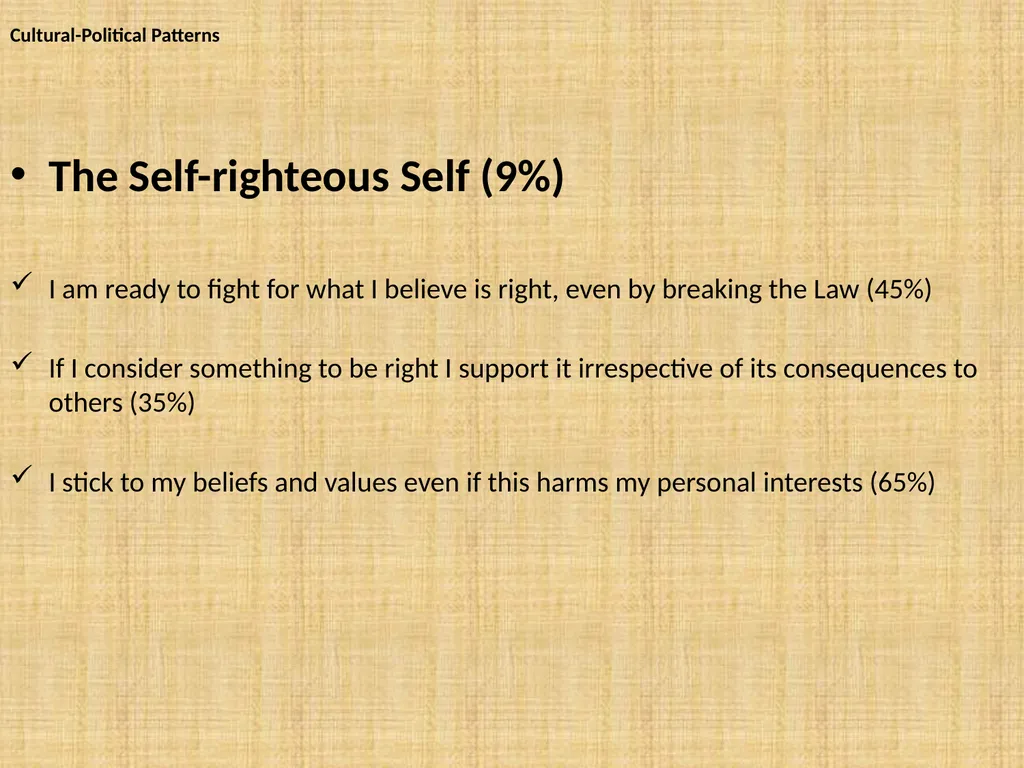
The Self-righteous Self (9%)
I am ready to fight for what I believe is right, even by breaking the Law (45%)
If I consider something to be right I support it irrespective of its consequences to others (35%)
I stick to my beliefs and values even if this harms my personal interests (65%) Cultural-Political Patterns<br>
13
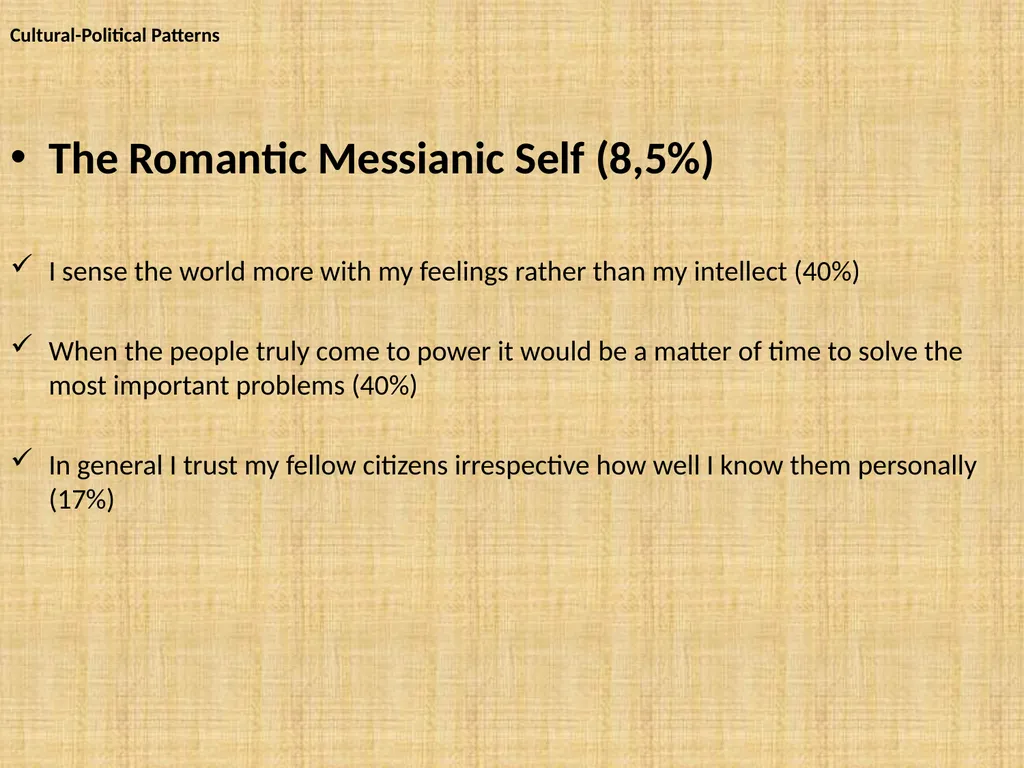
The Romantic Messianic Self (8,5%)
I sense the world more with my feelings rather than my intellect (40%)
When the people truly come to power it would be a matter of time to solve the most important problems (40%)
In general I trust my fellow citizens irrespective how well I know them personally (17%) Cultural-Political Patterns<br>
14
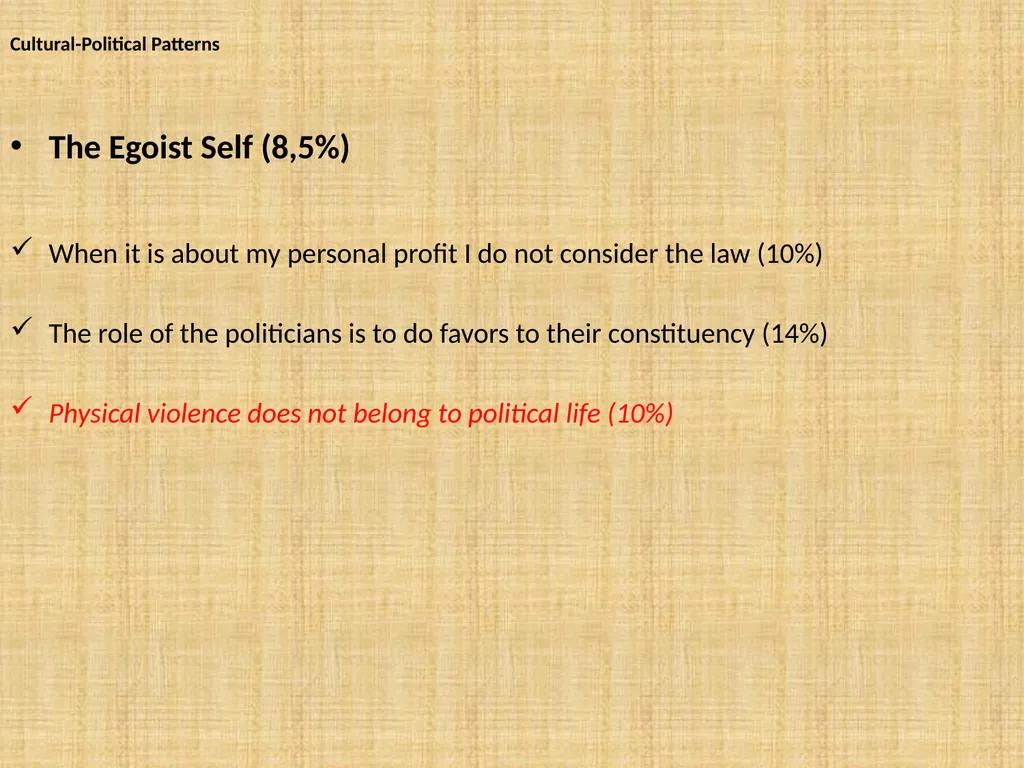
The Egoist Self (8,5%)
When it is about my personal profit I do not consider the law (10%)
The role of the politicians is to do favors to their constituency (14%)
Physical violence does not belong to political life (10%) Cultural-Political Patterns<br>
15
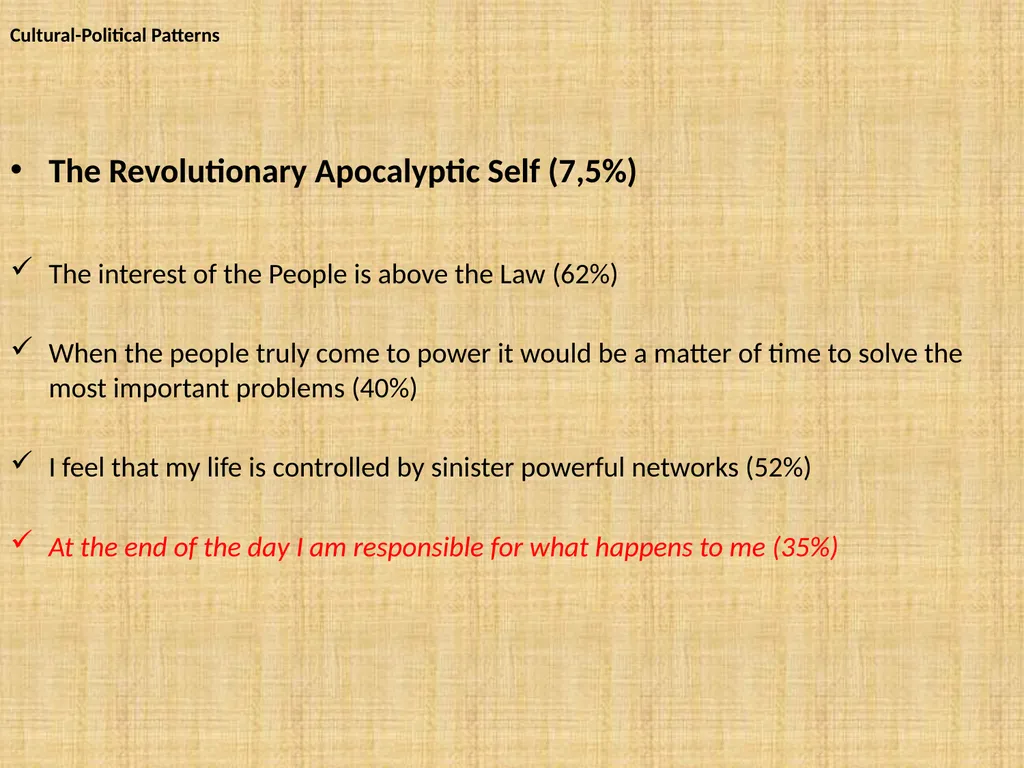
The Revolutionary Apocalyptic Self (7,5%)
The interest of the People is above the Law (62%)
When the people truly come to power it would be a matter of time to solve the most important problems (40%)
I feel that my life is controlled by sinister powerful networks (52%)
At the end of the day I am responsible for what happens to me (35%) Cultural-Political Patterns<br>
16
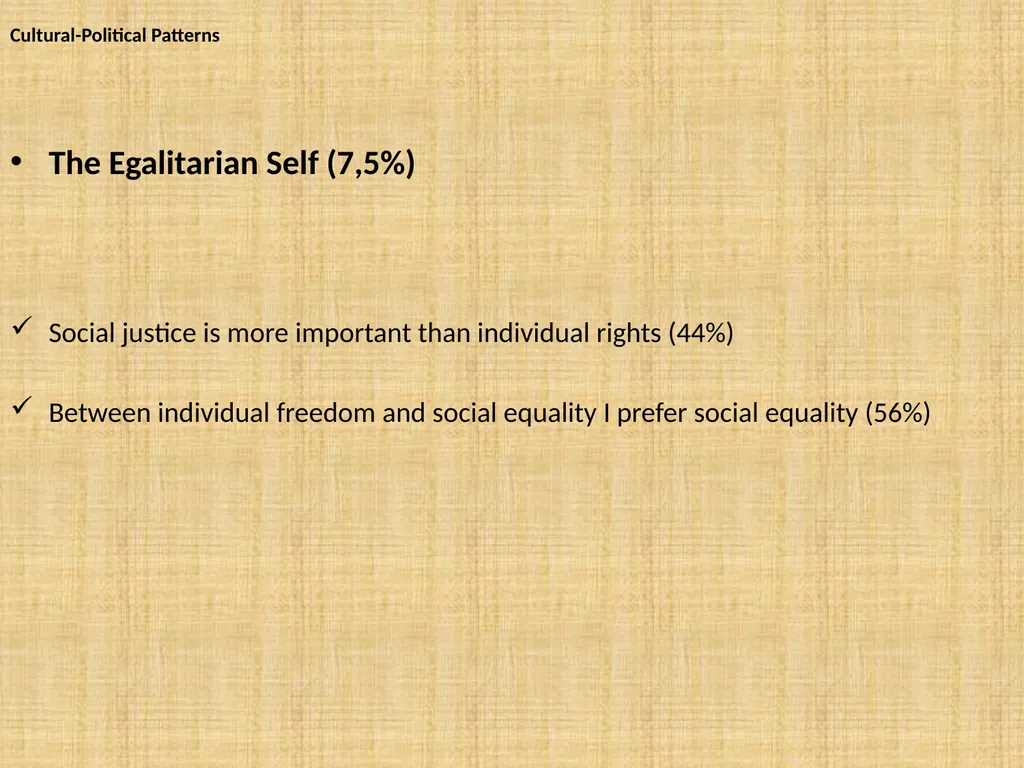
The Egalitarian Self (7,5%)
Social justice is more important than individual rights (44%)
Between individual freedom and social equality I prefer social equality (56%) Cultural-Political Patterns<br>
17
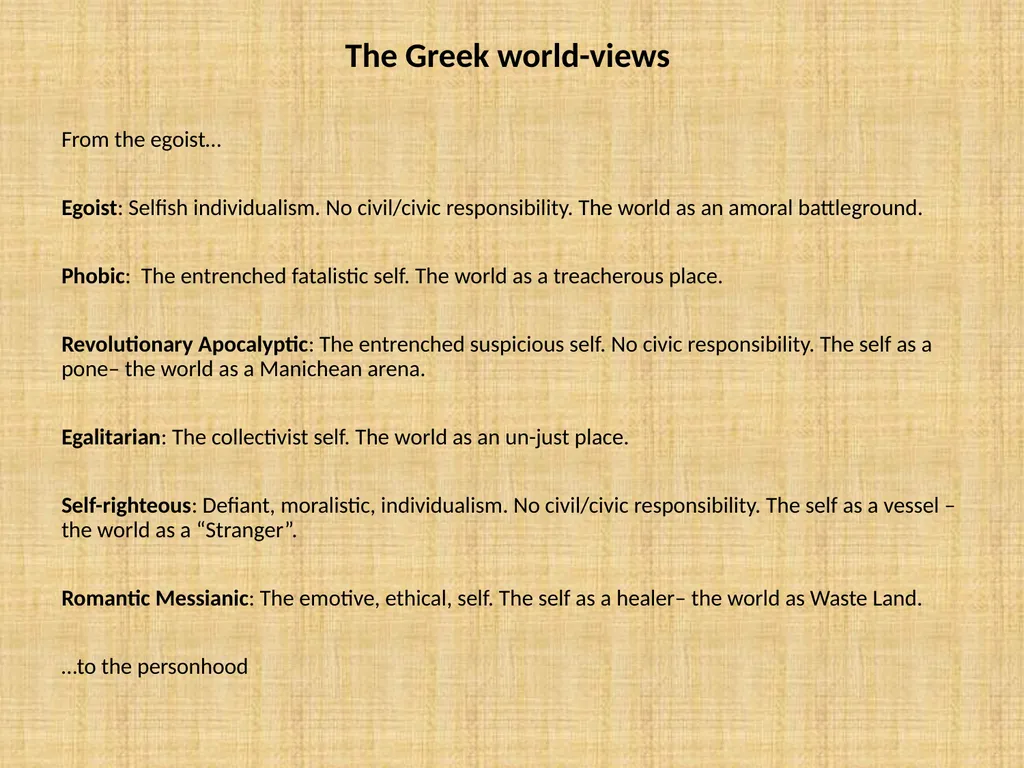
The Greek world-views From the egoist…
Egoist: Selfish individualism. No civil/civic responsibility. The world as an amoral battleground.
Phobic: The entrenched fatalistic self. The world as a treacherous place.
Revolutionary Apocalyptic: The entrenched suspicious self. No civic responsibility. The self as a pone– the world as a Manichean arena.
Egalitarian: The collectivist self. The world as an un-just place.
Self-righteous: Defiant, moralistic, individualism. No civil/civic responsibility. The self as a vessel – the world as a “Stranger”.
Romantic Messianic: The emotive, ethical, self. The self as a healer– the world as Waste Land.
…to the personhood<br>
18
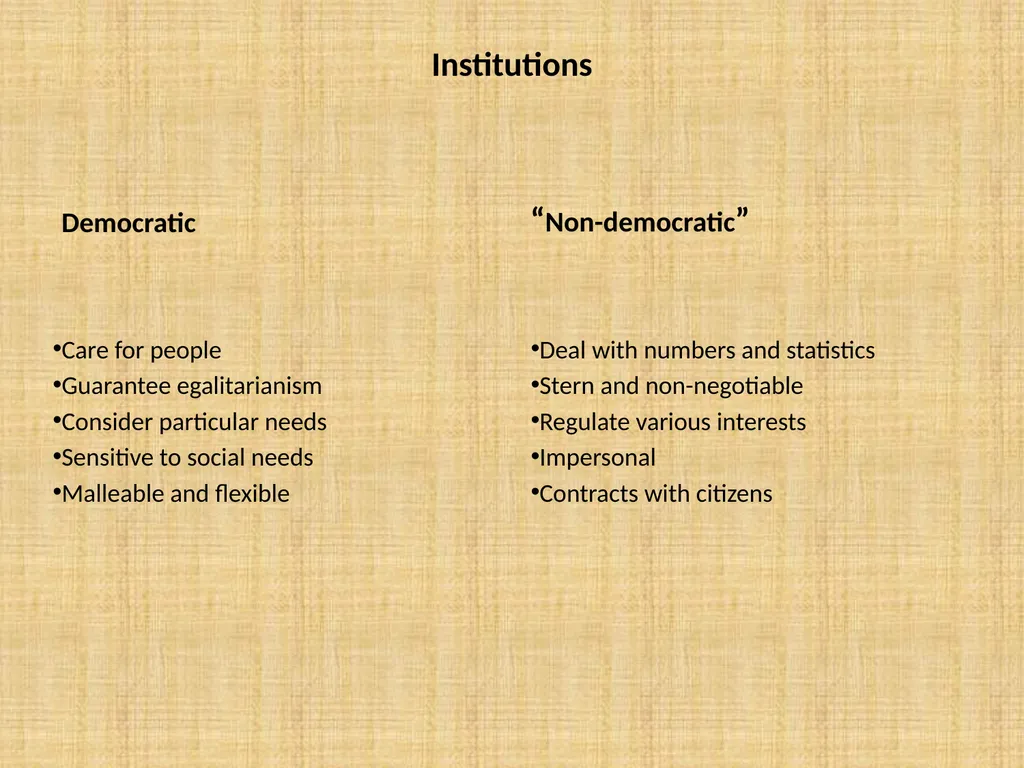
Institutions Democratic Care for people
Guarantee egalitarianism
Consider particular needs
Sensitive to social needs
Malleable and flexible “Non-democratic” Deal with numbers and statistics
Stern and non-negotiable
Regulate various interests
Impersonal
Contracts with citizens<br>
19
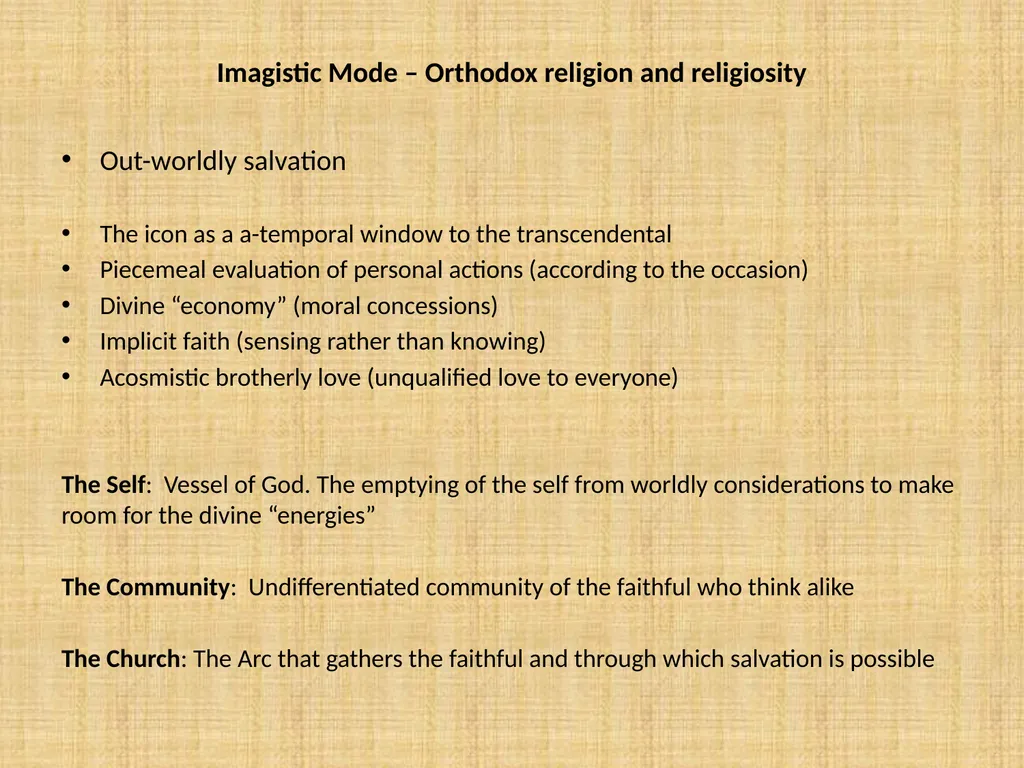
Imagistic Mode – Orthodox religion and religiosity Out-worldly salvation
The icon as a a-temporal window to the transcendental
Piecemeal evaluation of personal actions (according to the occasion)
Divine “economy” (moral concessions)
Implicit faith (sensing rather than knowing)
Acosmistic brotherly love (unqualified love to everyone)
The Self: Vessel of God. The emptying of the self from worldly considerations to make room for the divine “energies”
The Community: Undifferentiated community of the faithful who think alike
The Church: The Arc that gathers the faithful and through which salvation is possible<br>