Communication Skills Some Quotes on Communication The art of communication is the language of leadership. To listen well is as powerful a means of communication and influence as to talk well. We have two ears and one mouth so that we
"Communication Skills Some Quotes on Communication" is the property of its rightful owner. Permission is granted to
download and print the materials on this website for personal, non-commercial use only, and to display it
on your personal computer provided you do not modify the materials and that you retain all copyright
notices contained in the materials. By downloading content from our website, you accept the terms of this
agreement.
Presentation Transcript
01
Communication Skills<br>
02
Some Quotes on Communication "The art of communication is the language of leadership."
"To listen well is as powerful a means of communication and influence as to talk well."
"We have two ears and one mouth so that we can listen twice as much as we speak."
Communication - the human connection - is the key to personal and career success.
Words should be used as tools of communication and not as a substitute for action.<br>
03
Why is communication important? Important for expressing information, behavior, our feelings and thoughts.
Helps to understand and respond to other’s feelings, thoughts, knowledge and behavior.<br>
04
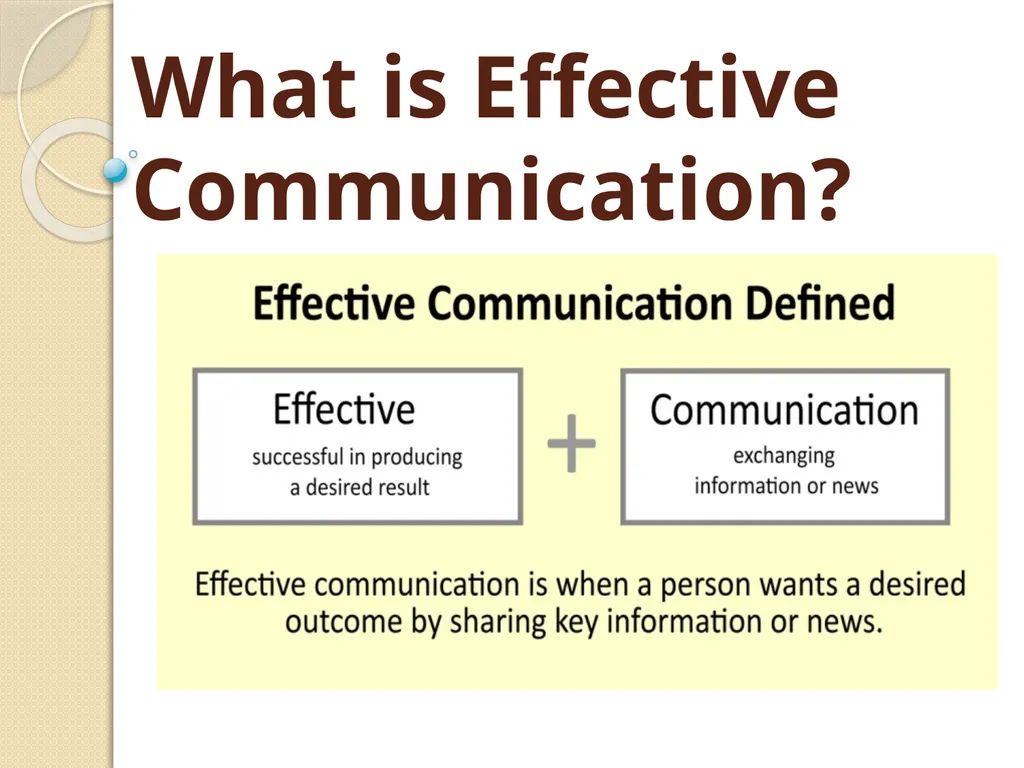
What is Effective Communication?<br>
05
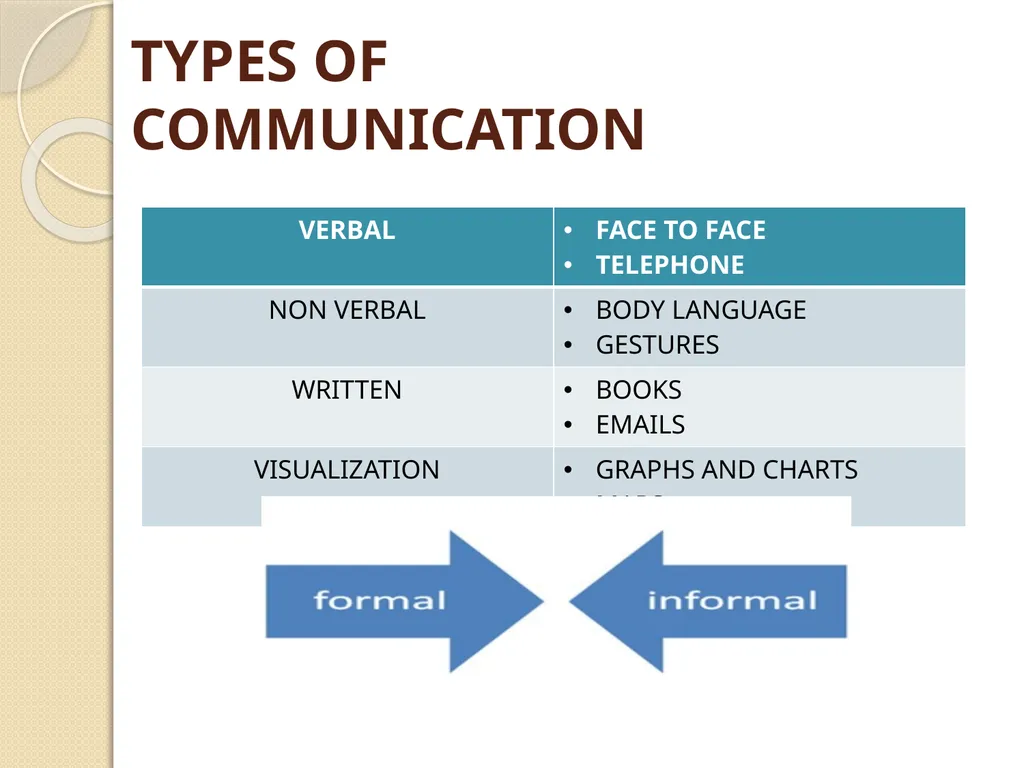
TYPES OF COMMUNICATION<br>
06
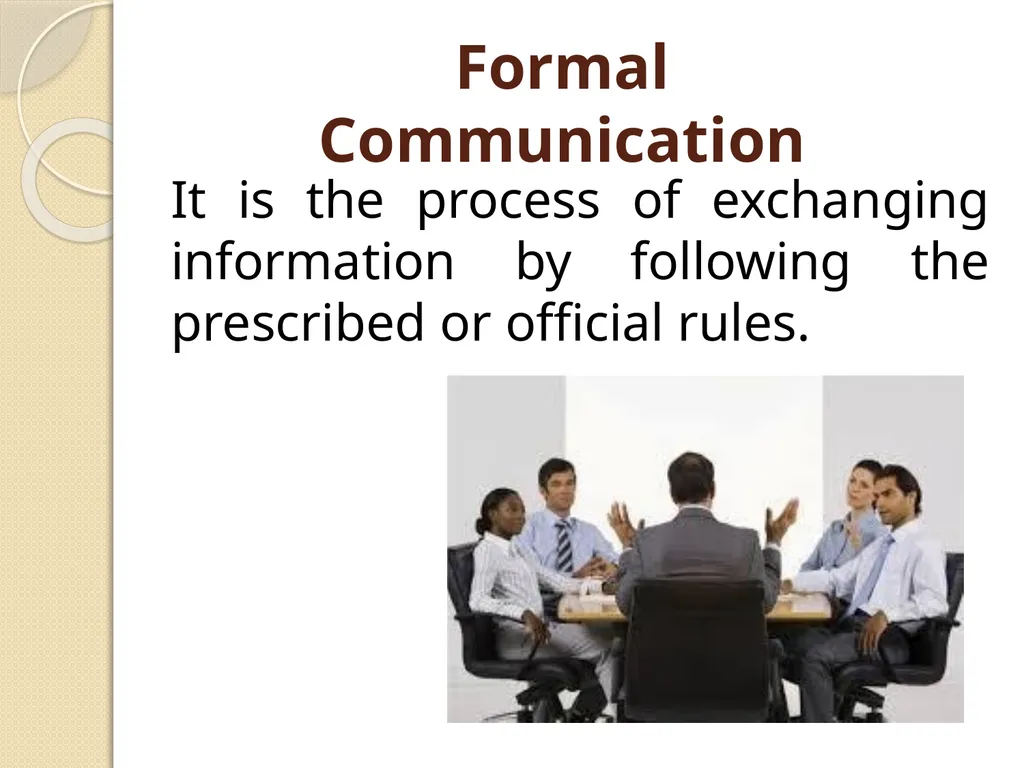
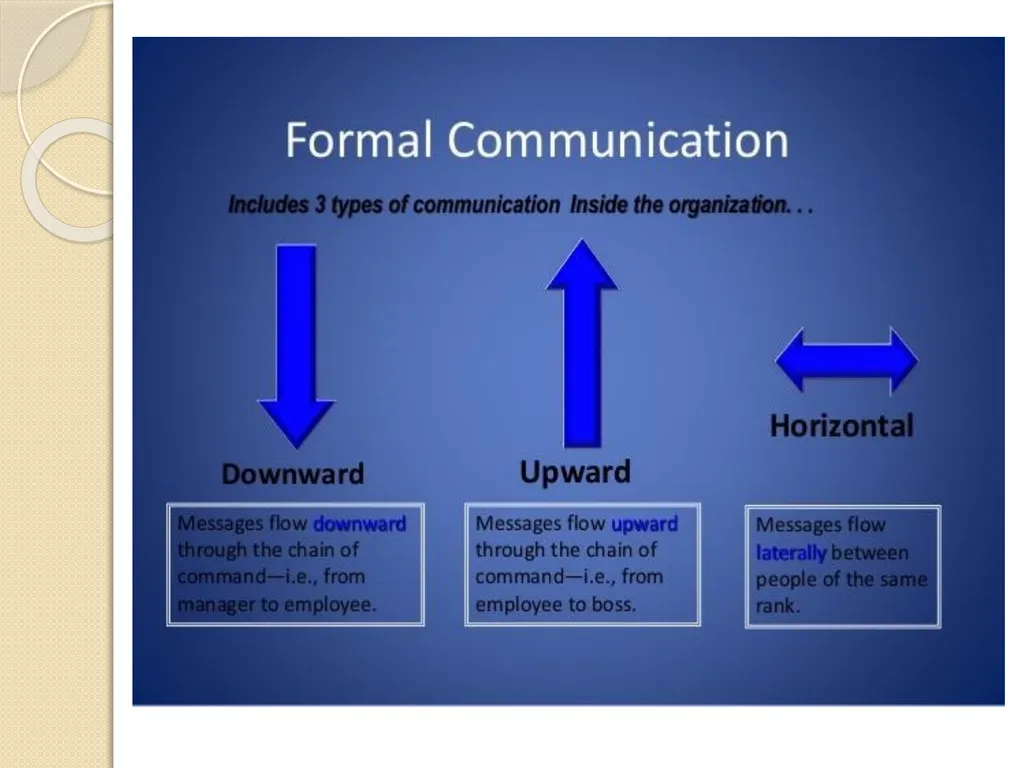
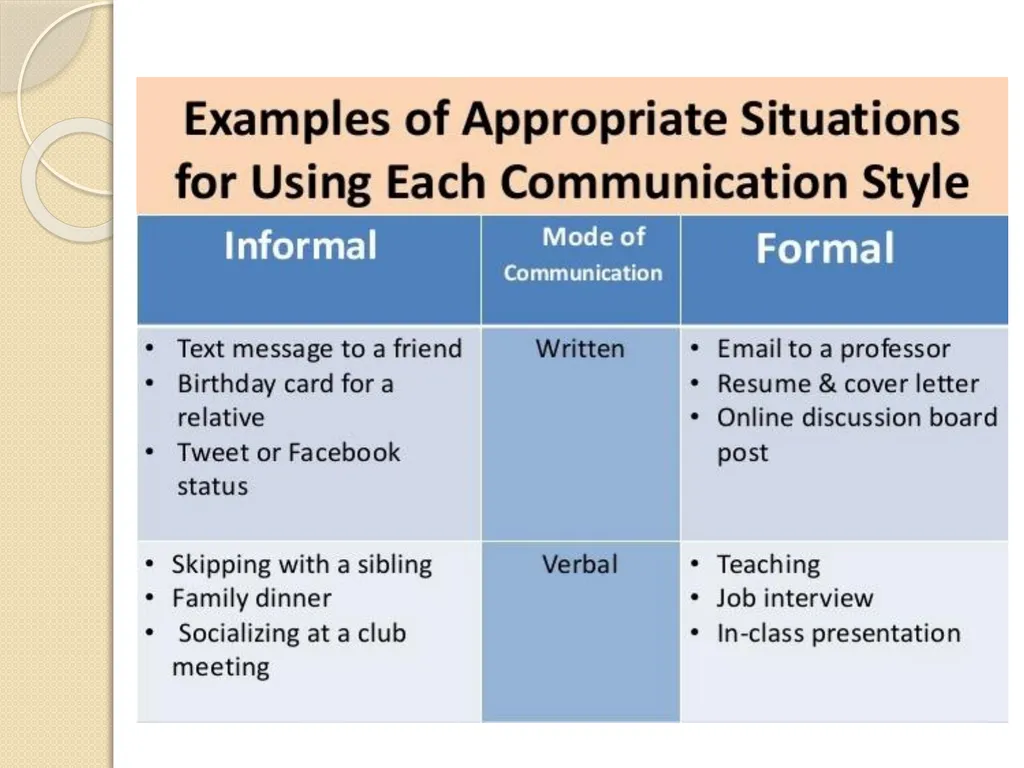
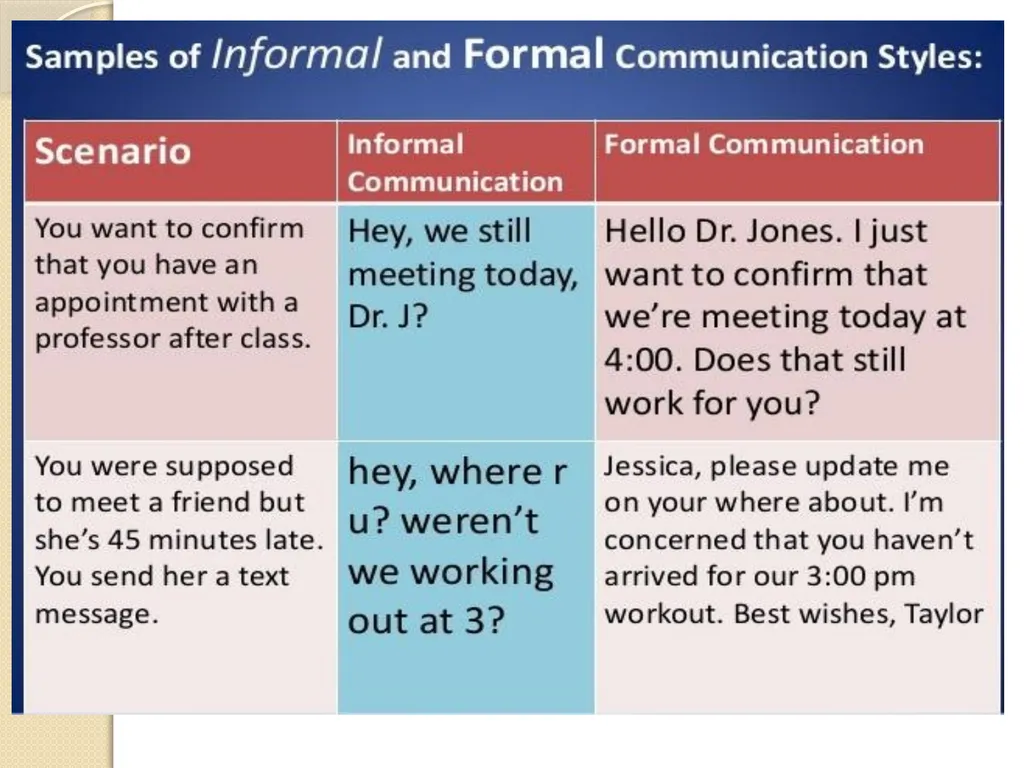
Formal Communication It is the process of exchanging information by following the prescribed or official rules.<br>
07
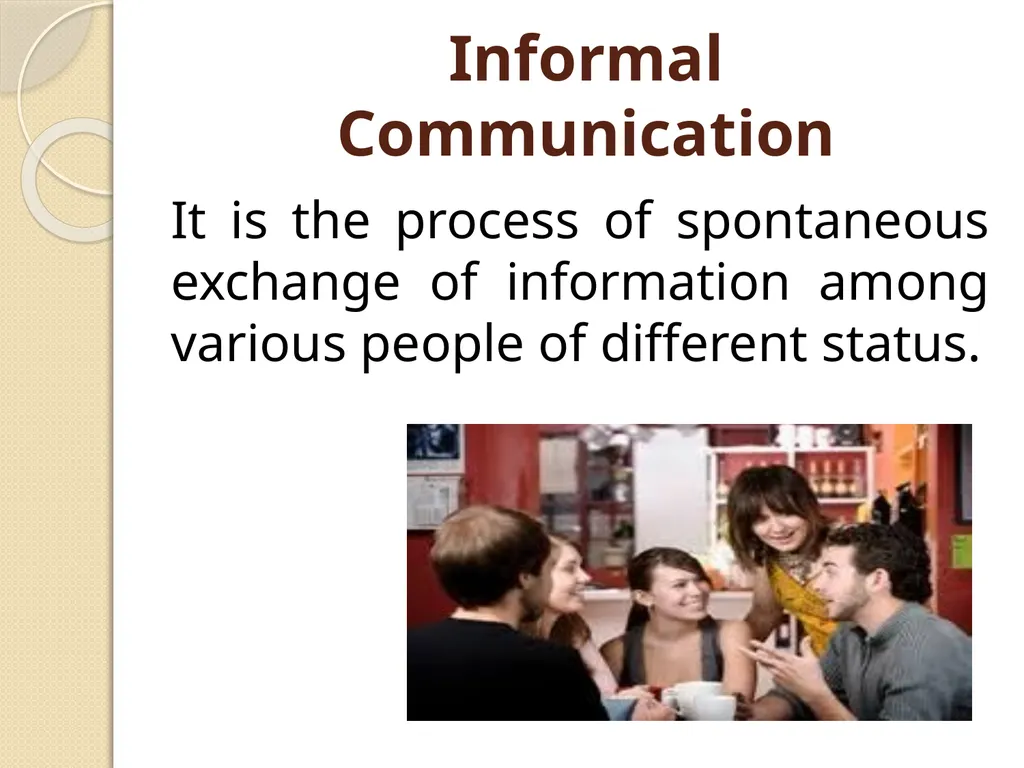
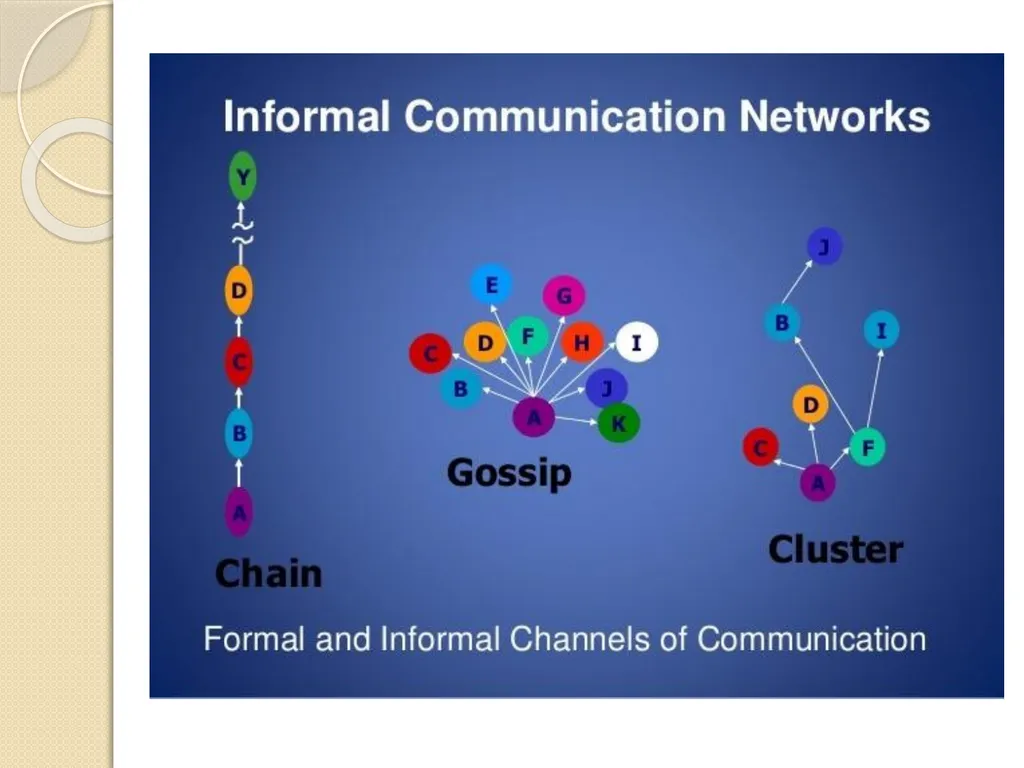
Informal Communication It is the process of spontaneous exchange of information among various people of different status.<br>
08
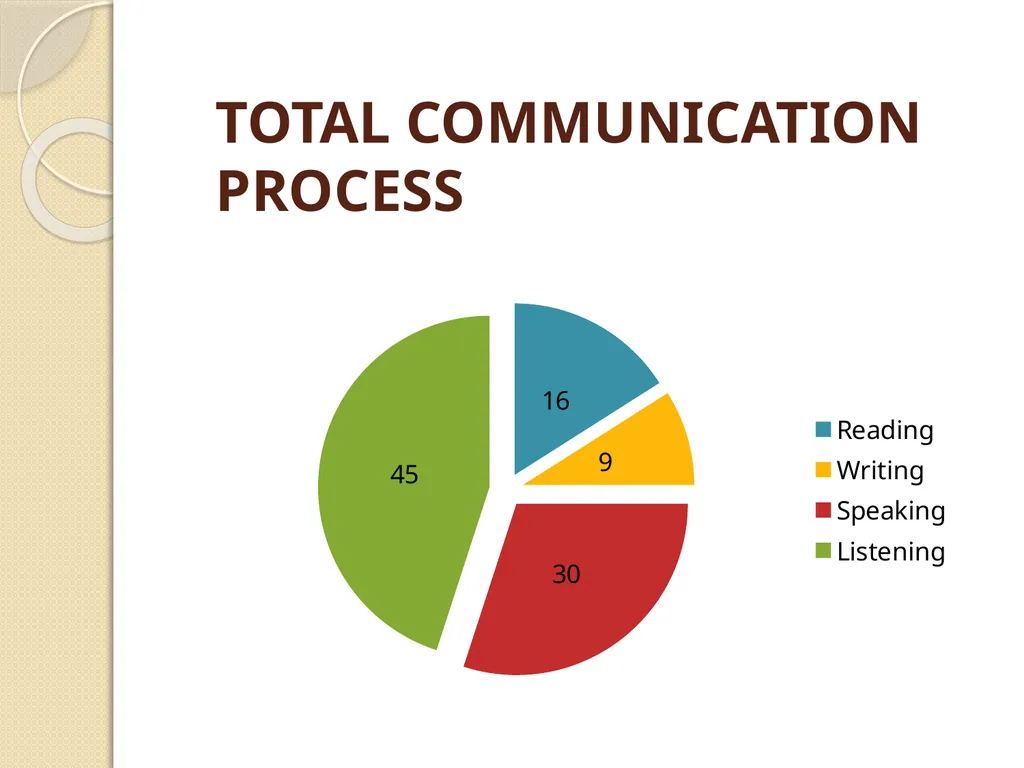
TOTAL COMMUNICATION PROCESS<br>
09
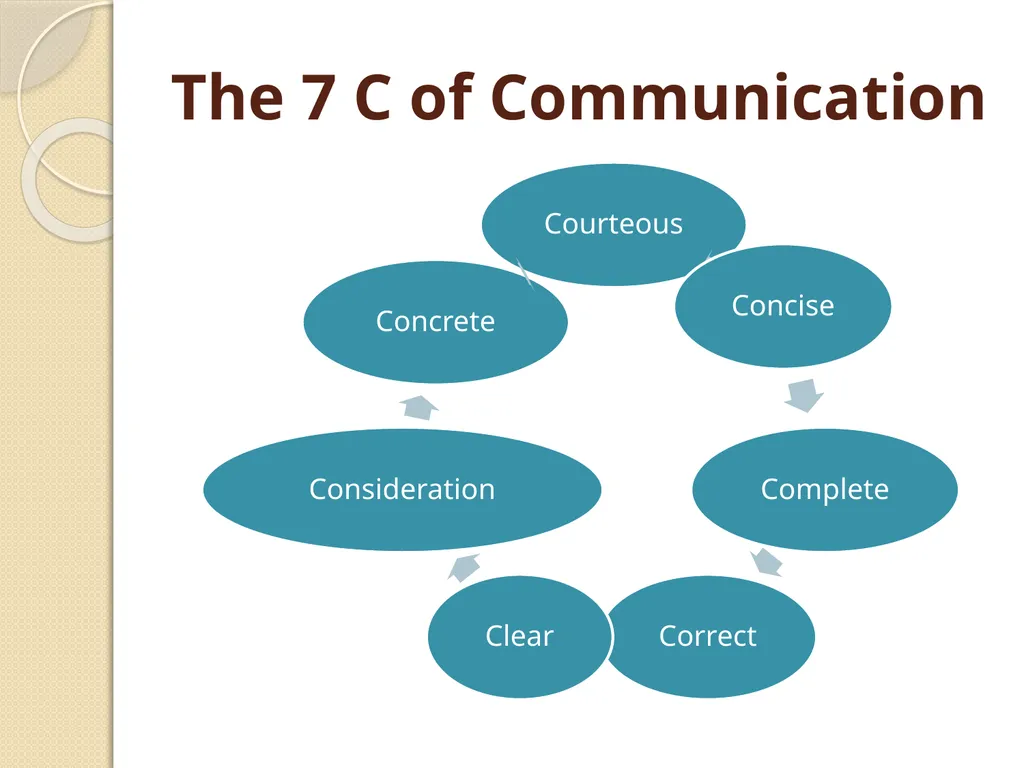
The 7 C of Communication<br>
10
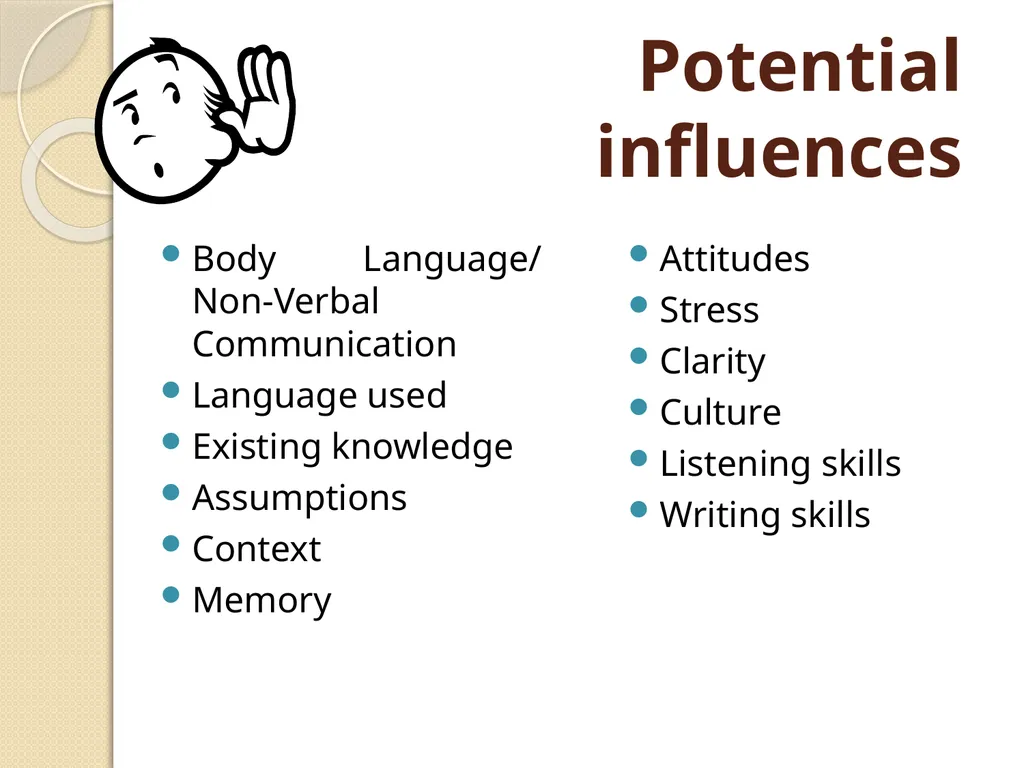
Potential influences Body Language/ Non-Verbal Communication
Language used
Existing knowledge
Assumptions
Context
Memory Attitudes
Stress
Clarity
Culture
Listening skills
Writing skills<br>
11
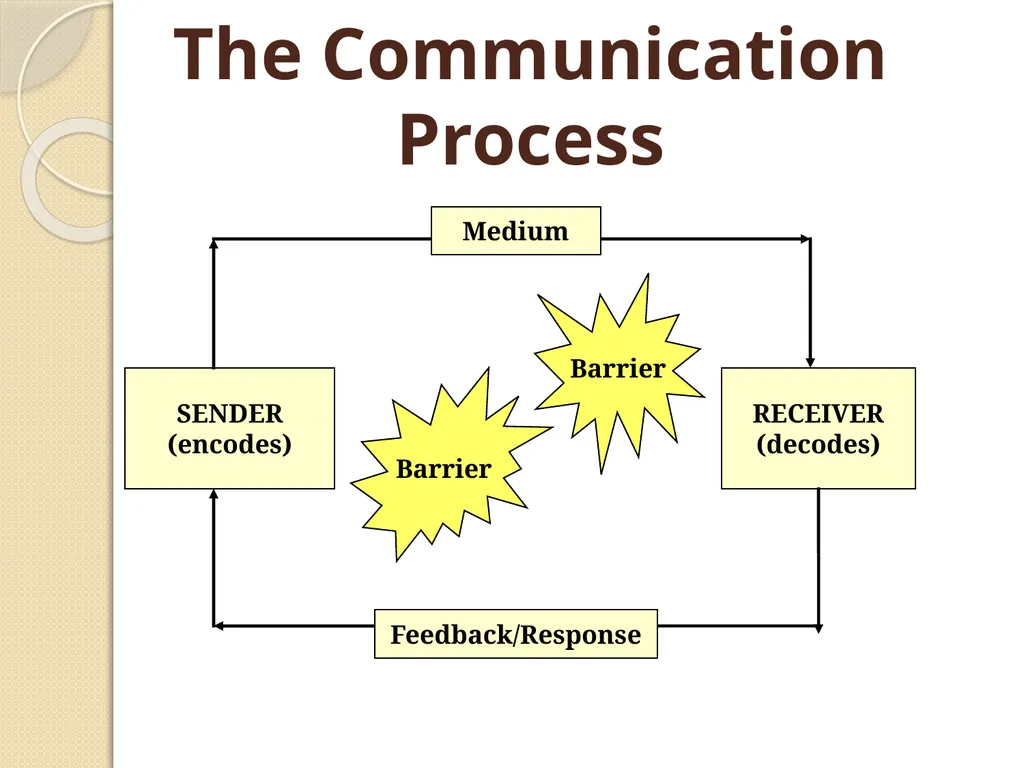
The Communication Process SENDER
(encodes) RECEIVER
(decodes) Barrier Barrier Medium Feedback/Response<br>
12
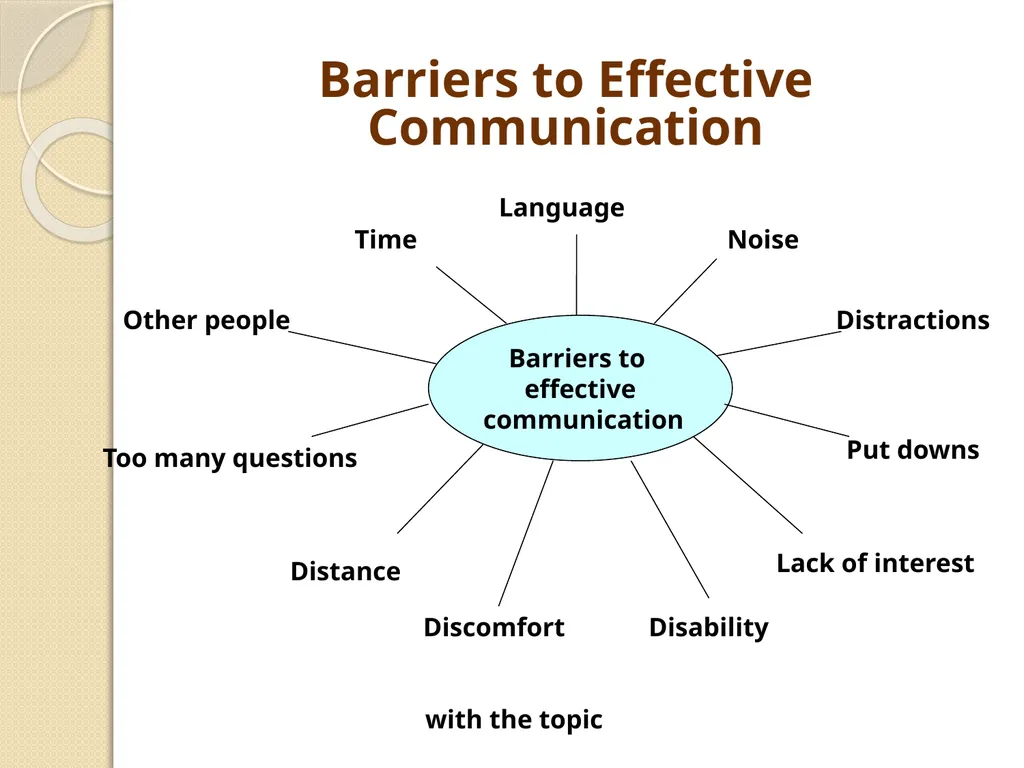
Barriers to Effective Communication<br>
13
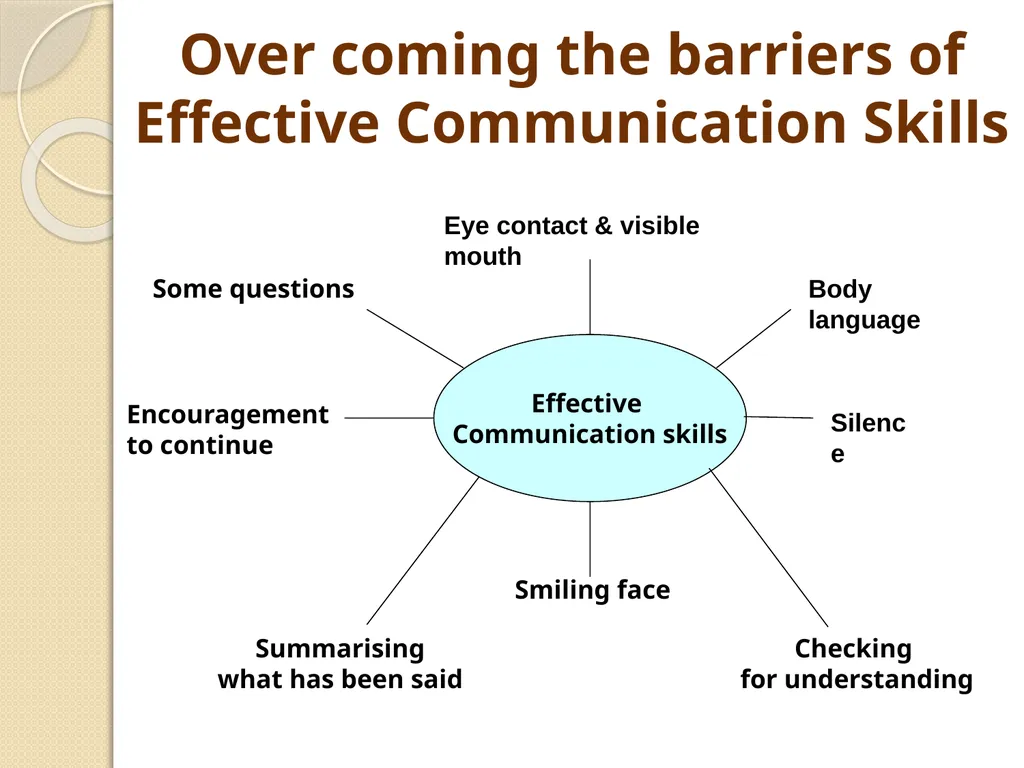
Over coming the barriers of Effective Communication Skills<br>
14
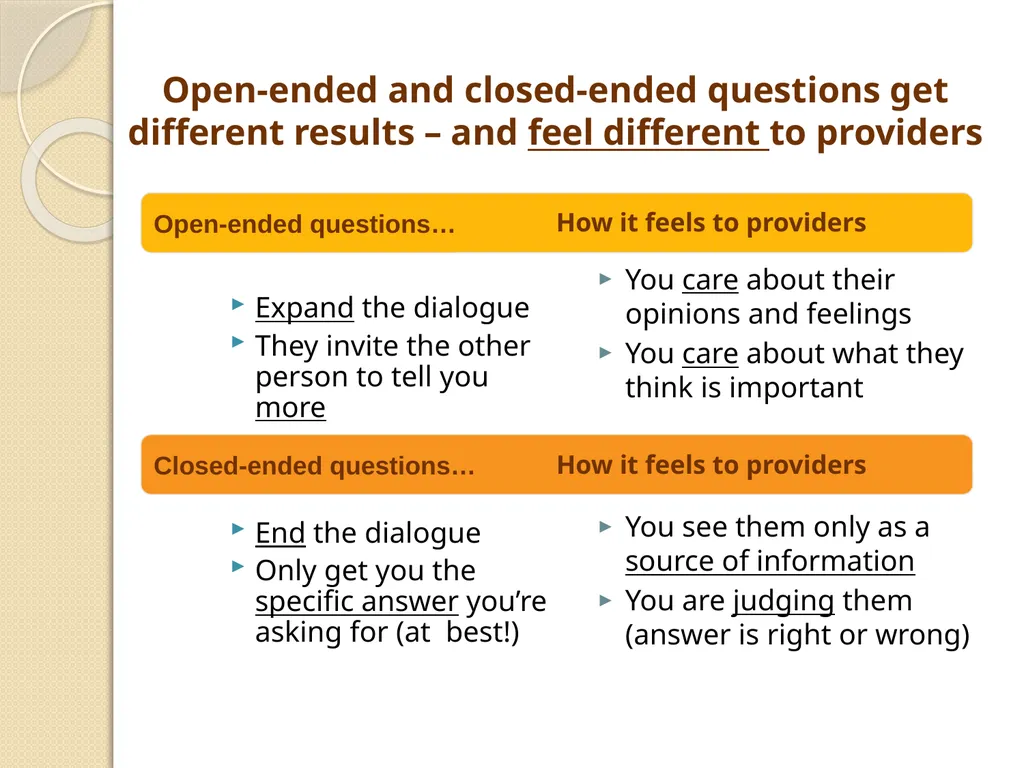
Open-ended and closed-ended questions get different results – and feel different to providers Expand the dialogue
They invite the other person to tell you more
End the dialogue
Only get you the specific answer you’re asking for (at best!) 4 Open-ended questions… Closed-ended questions…<br>
15
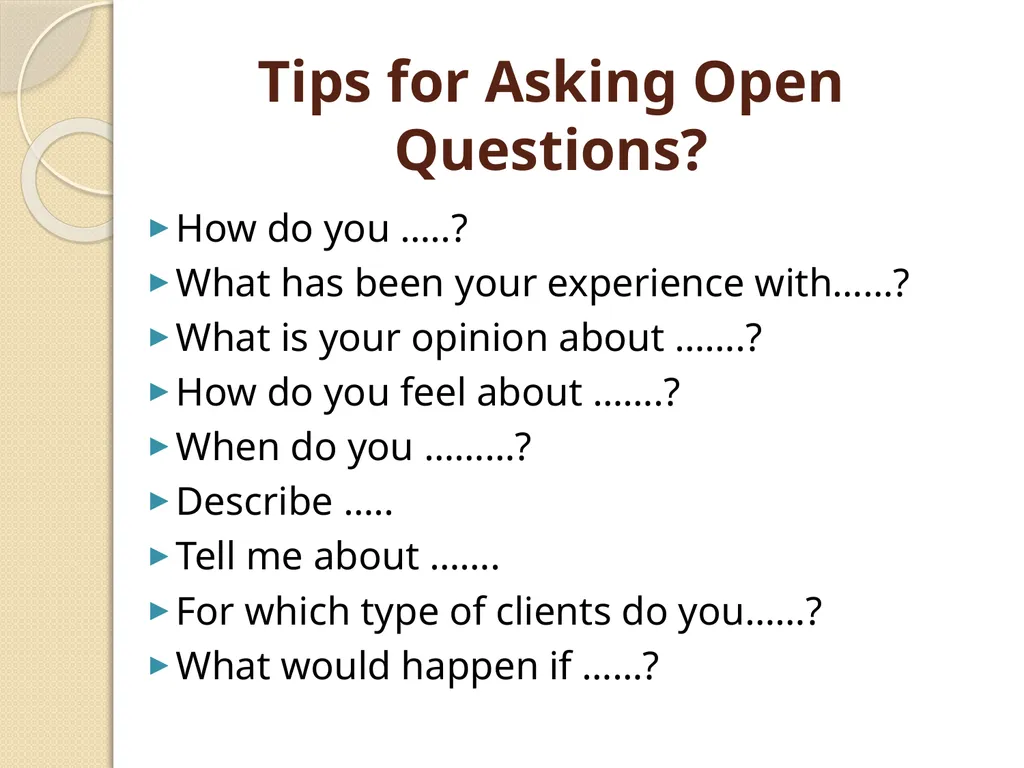
Tips for Asking Open Questions? How do you …..?
What has been your experience with……?
What is your opinion about …….?
How do you feel about …….?
When do you ………?
Describe …..
Tell me about …….
For which type of clients do you……?
What would happen if ……? 19<br>
16
An Introduction To Public Speaking<br>
17
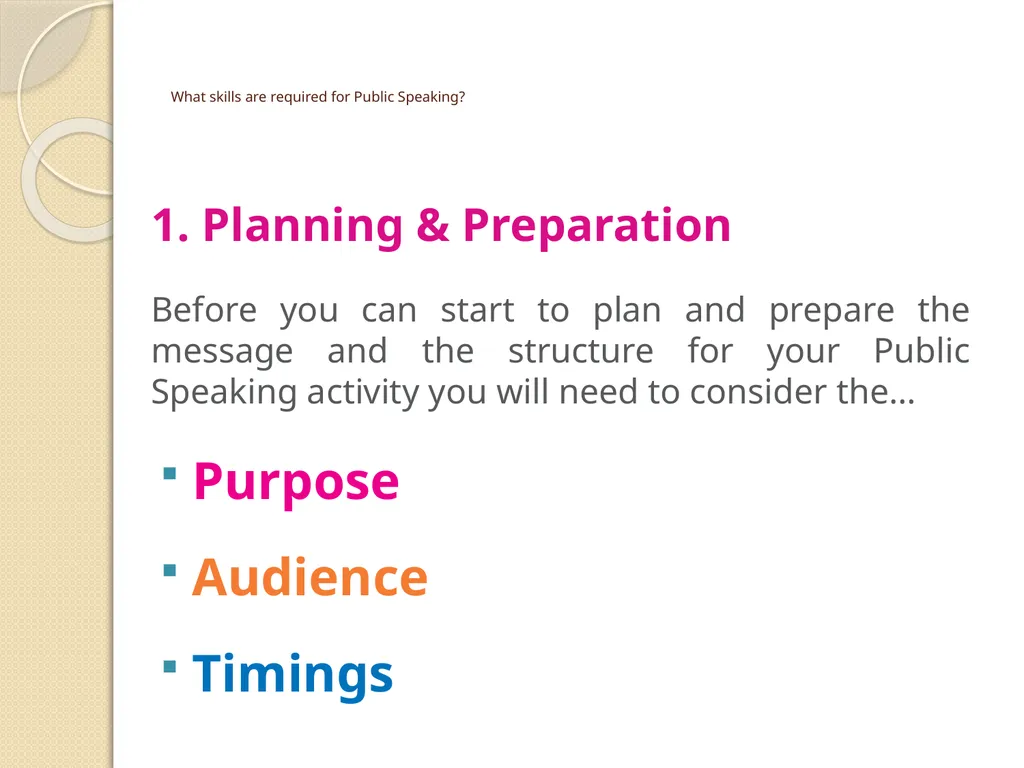
What skills are required for Public Speaking? 1. Planning & Preparation
Before you can start to plan and prepare the message and the structure for your Public Speaking activity you will need to consider the…
Purpose
Audience
Timings<br>
18
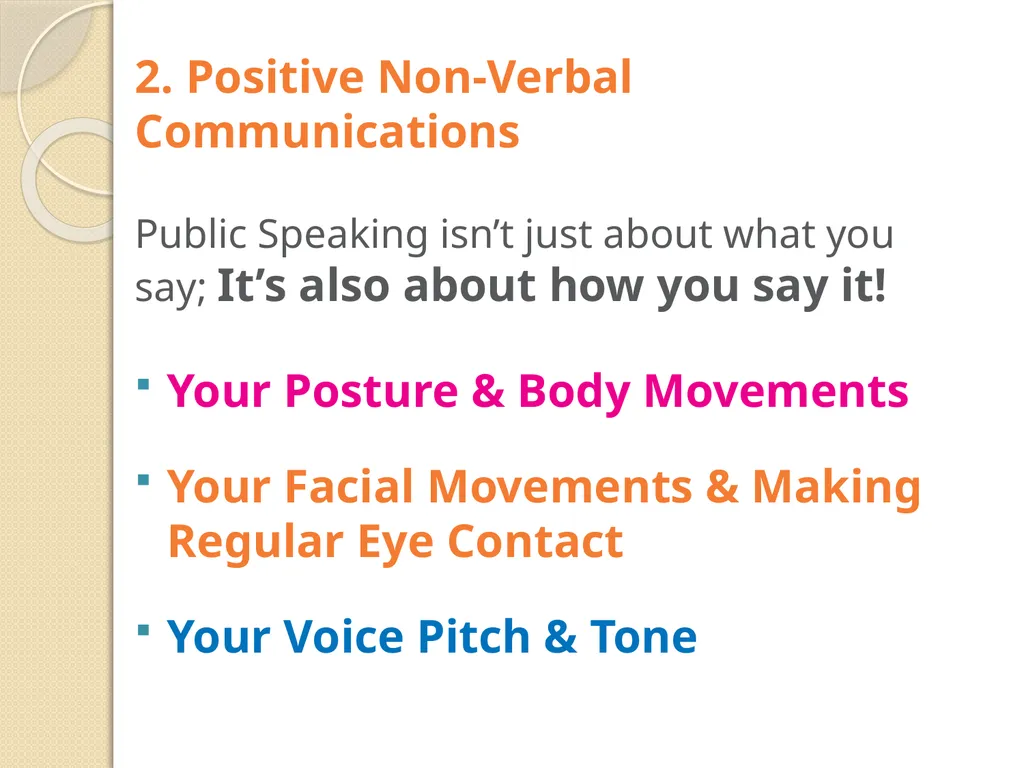
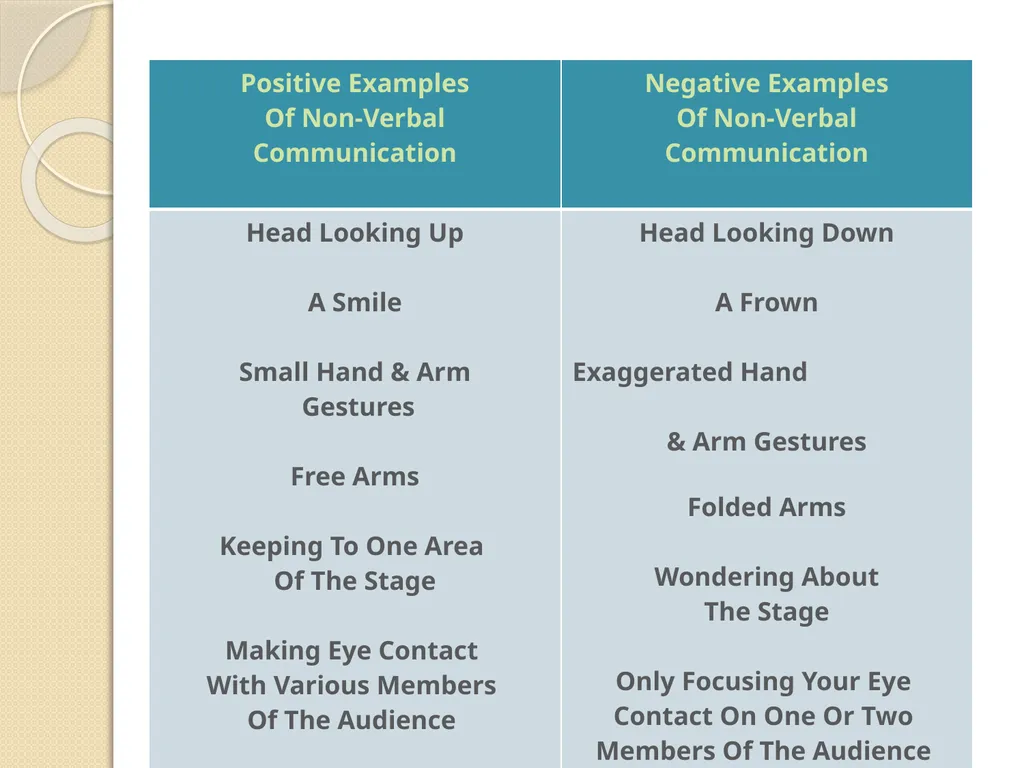
2. Positive Non-Verbal Communications
Public Speaking isn’t just about what you say; It’s also about how you say it!
Your Posture & Body Movements
Your Facial Movements & Making Regular Eye Contact
Your Voice Pitch & Tone<br>
19
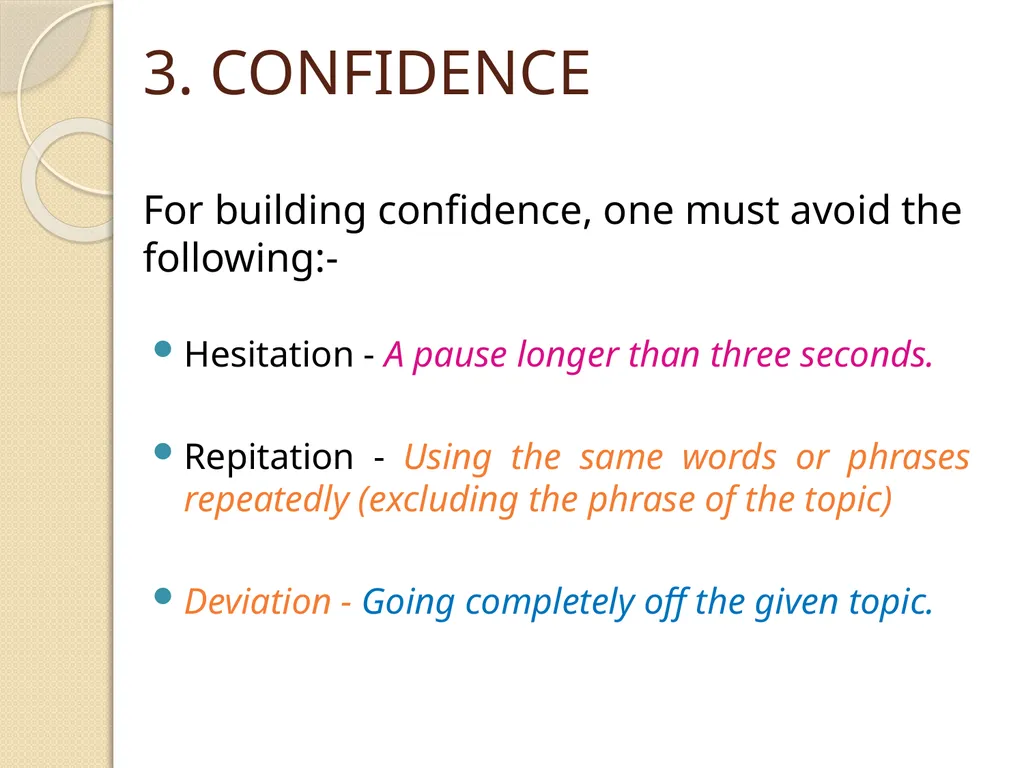
3. CONFIDENCE For building confidence, one must avoid the following:-
Hesitation - A pause longer than three seconds.
Repitation - Using the same words or phrases repeatedly (excluding the phrase of the topic)
Deviation - Going completely off the given topic.<br>
20
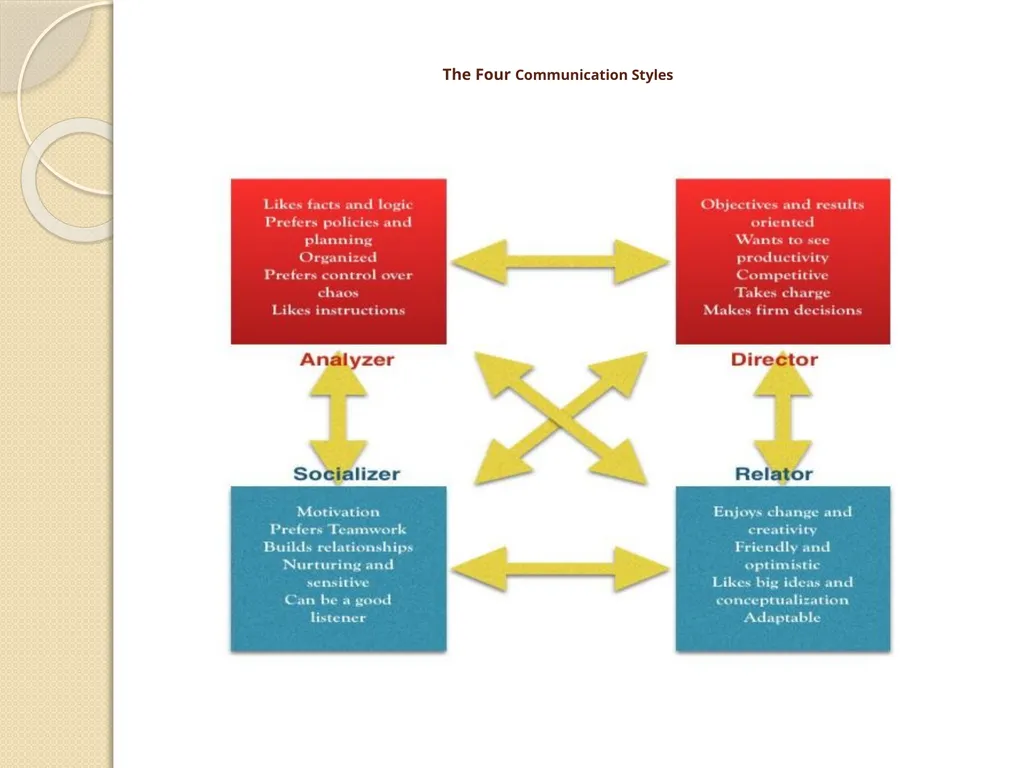
The Four Communication Styles<br>
21
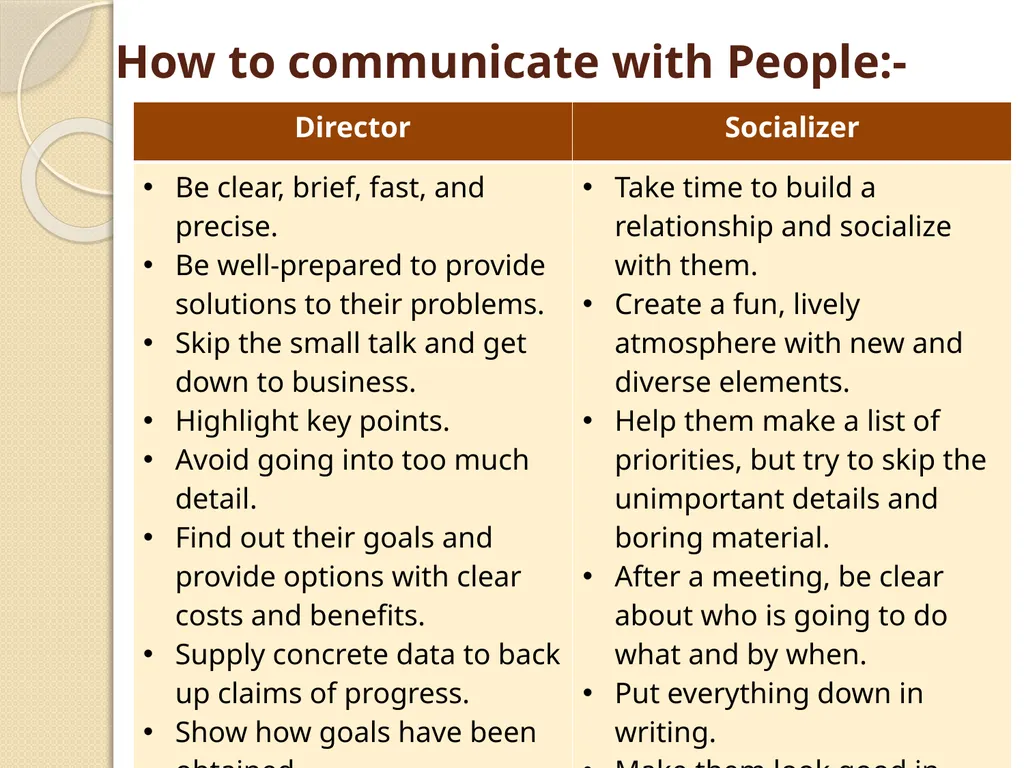
How to communicate with People:-<br>
22
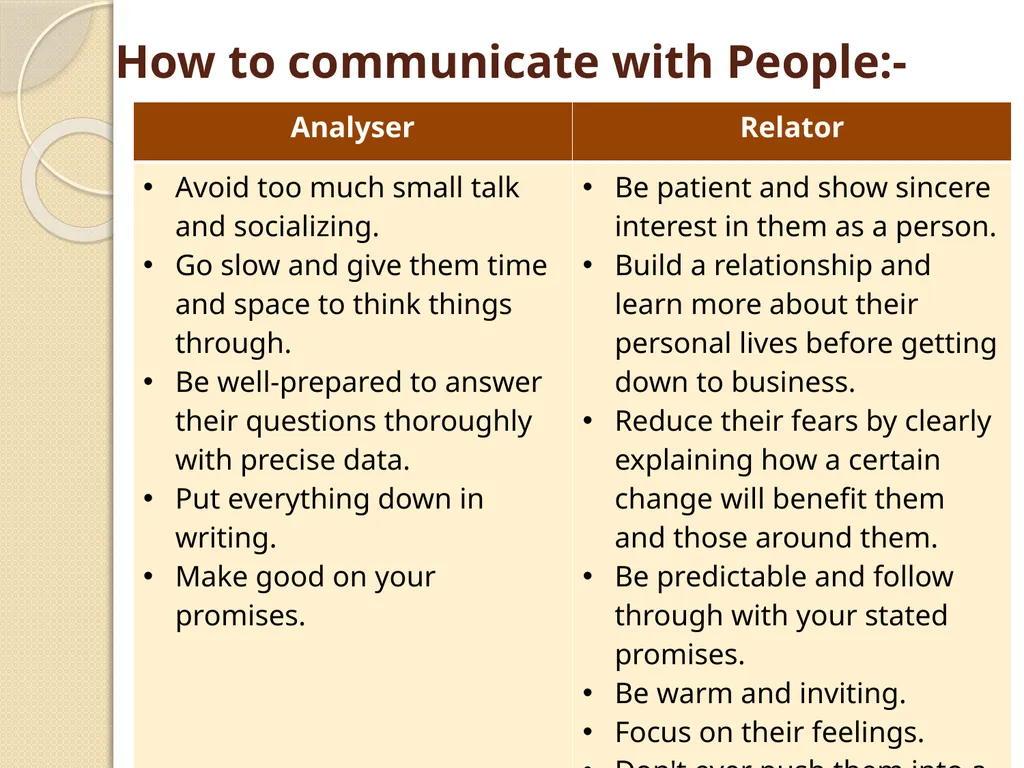
How to communicate with People:-<br>
23
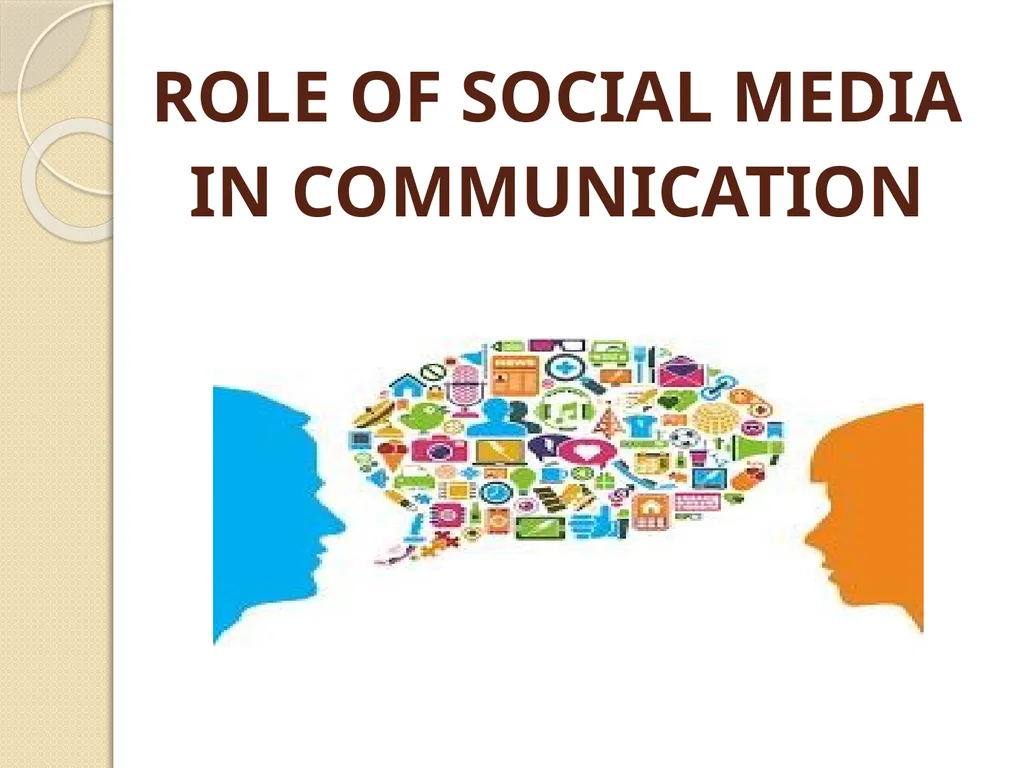
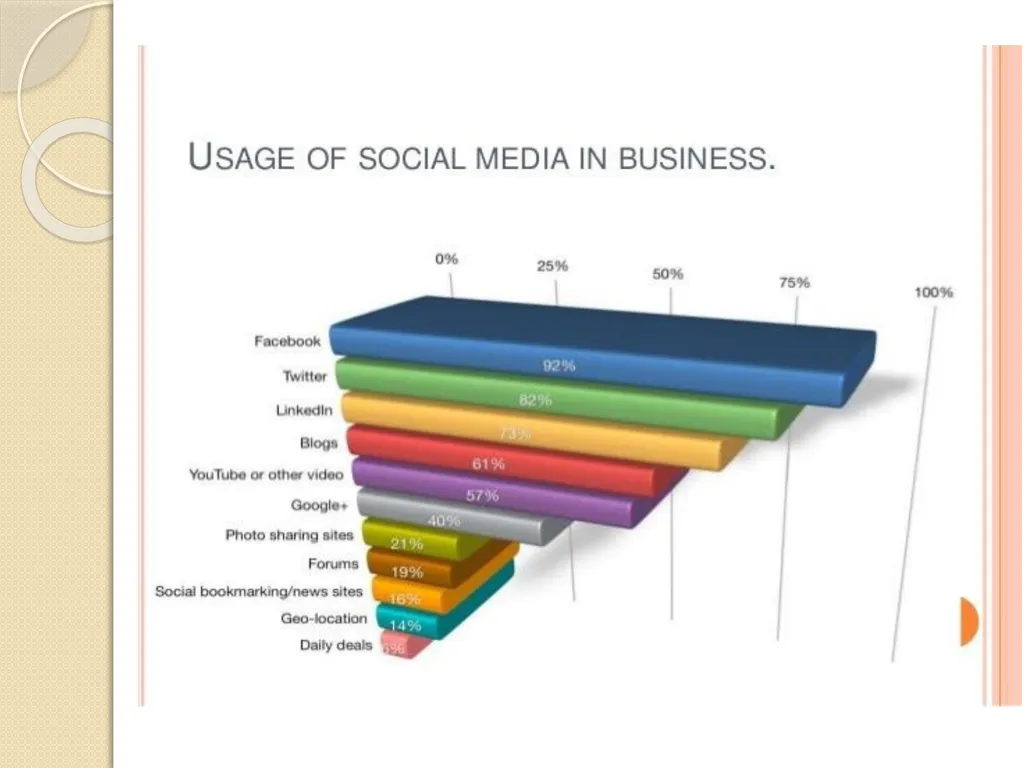
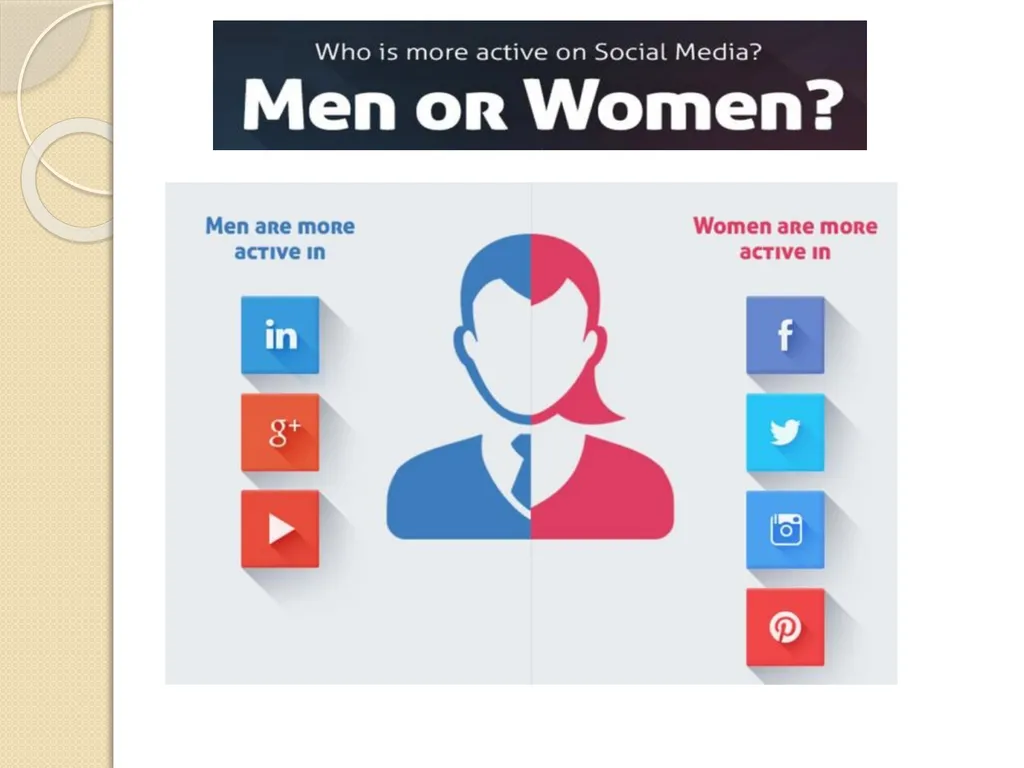
ROLE OF SOCIAL MEDIA IN COMMUNICATION<br>
24
“If you are not on Facebook, you don’t exist! (?)”<br>
25
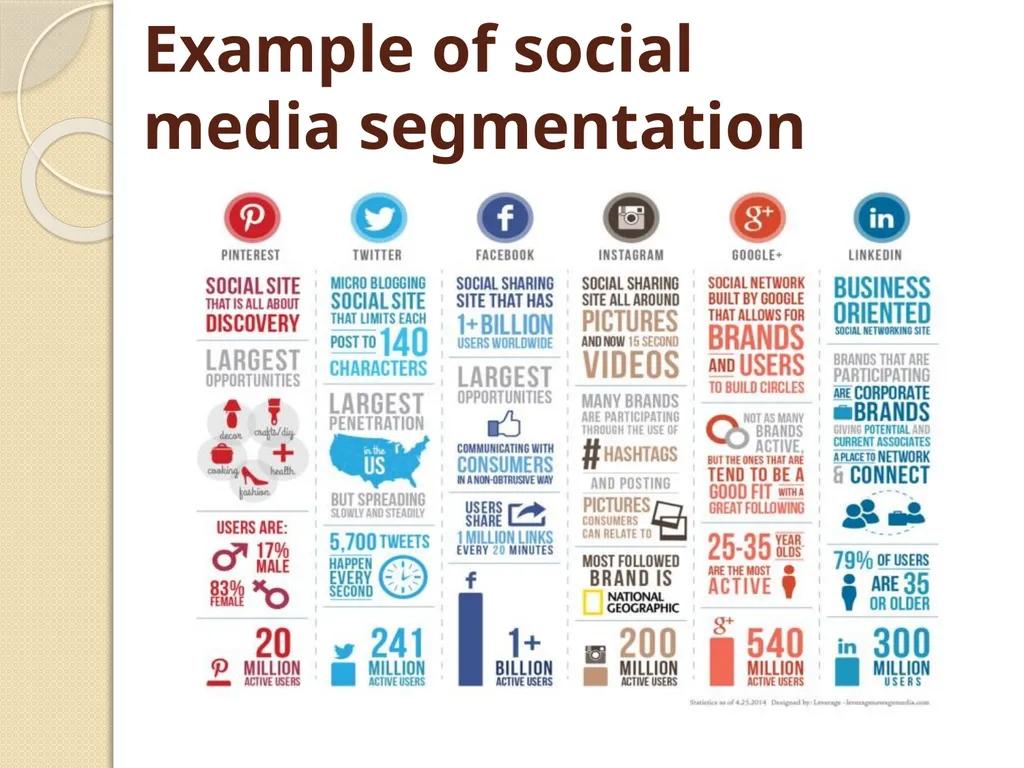
Example of social media segmentation<br>
26
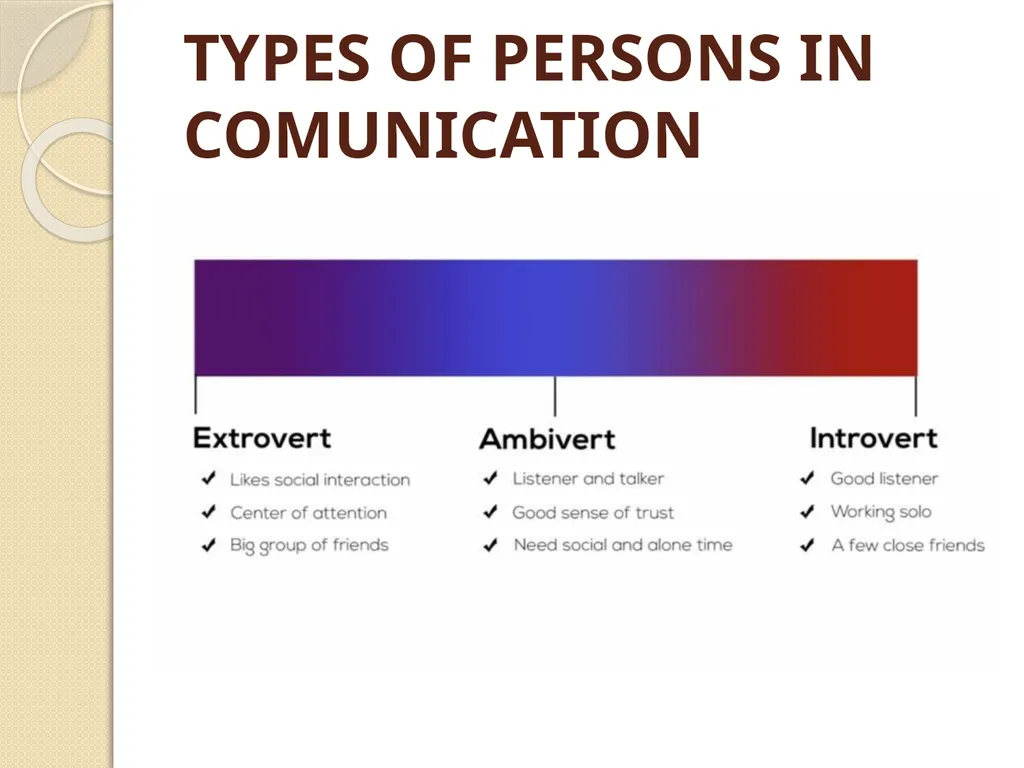
TYPES OF PERSONS IN COMUNICATION<br>
27
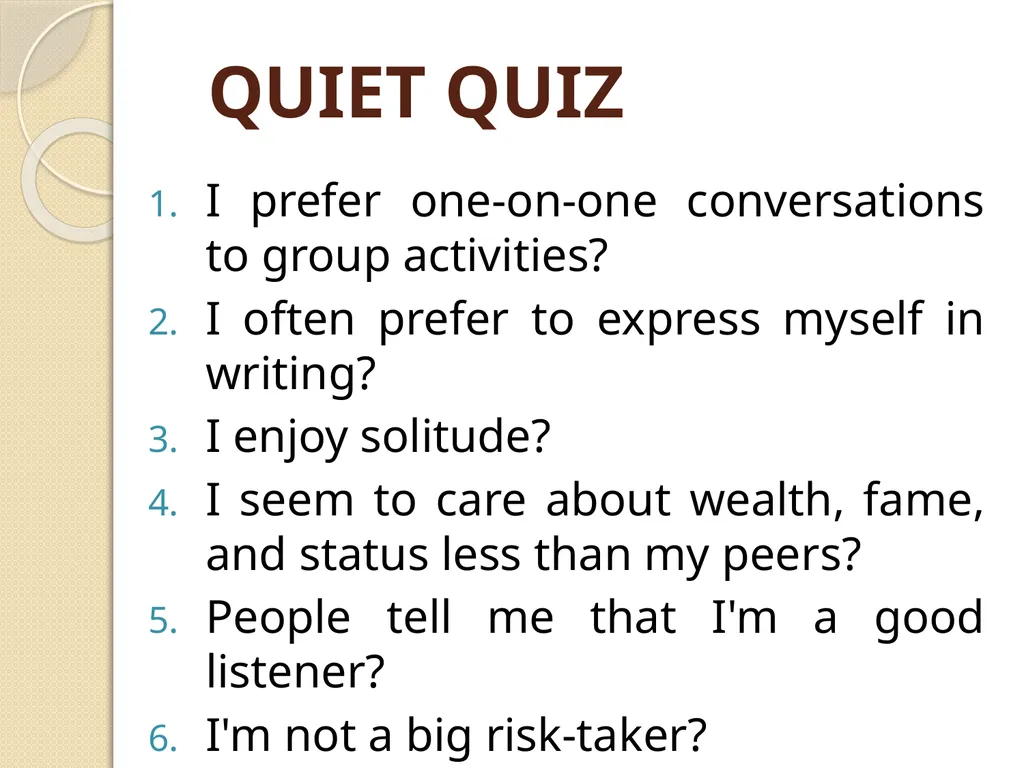
QUIET QUIZ I prefer one-on-one conversations to group activities?
I often prefer to express myself in writing?
I enjoy solitude?
I seem to care about wealth, fame, and status less than my peers?
People tell me that I'm a good listener?
I'm not a big risk-taker?<br>
28
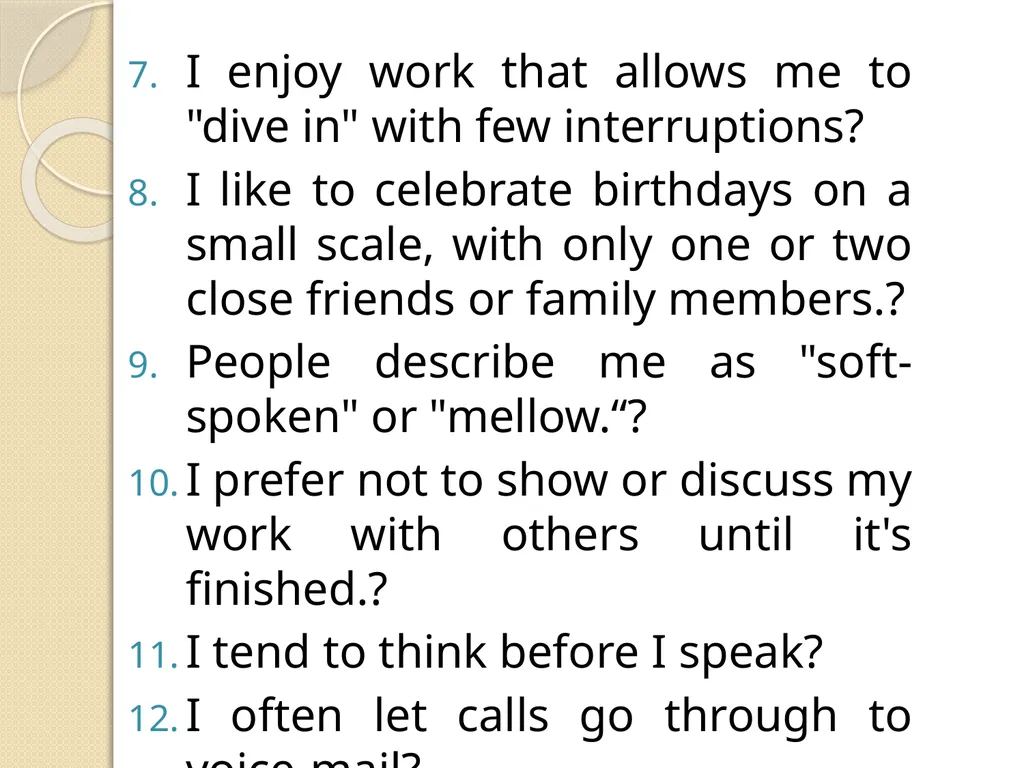
I enjoy work that allows me to "dive in" with few interruptions?
I like to celebrate birthdays on a small scale, with only one or two close friends or family members.?
People describe me as "soft-spoken" or "mellow.“?
I prefer not to show or discuss my work with others until it's finished.?
I tend to think before I speak?
I often let calls go through to voice-mail?<br>
29
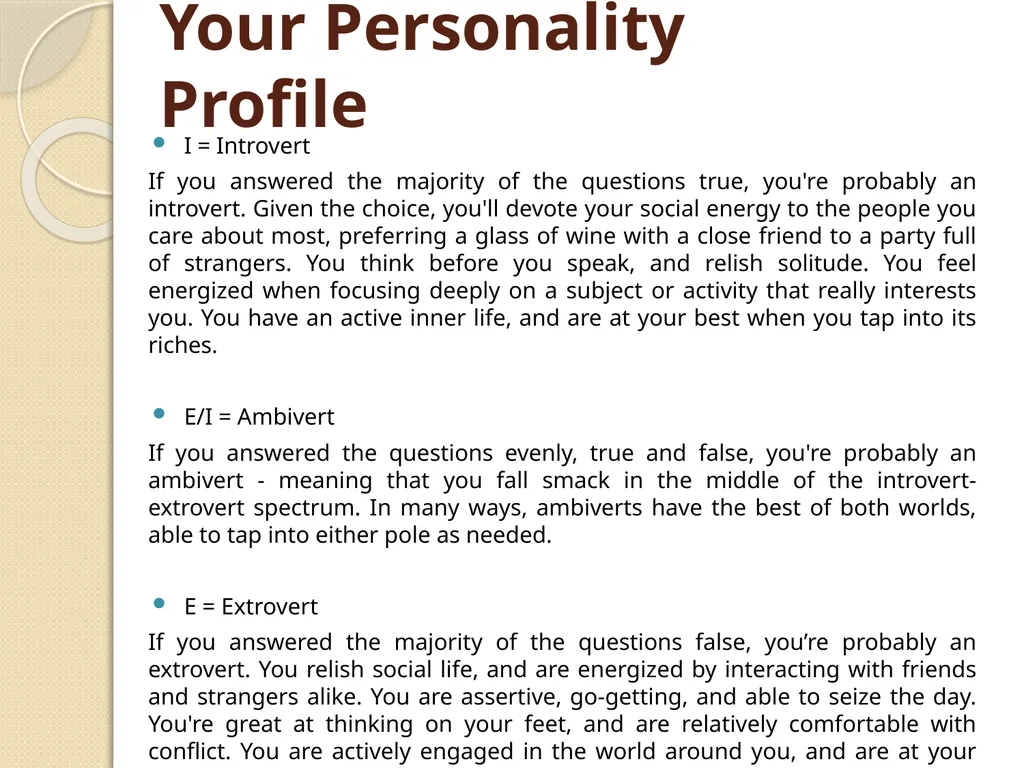
Your Personality Profile I = Introvert
If you answered the majority of the questions true, you're probably an introvert. Given the choice, you'll devote your social energy to the people you care about most, preferring a glass of wine with a close friend to a party full of strangers. You think before you speak, and relish solitude. You feel energized when focusing deeply on a subject or activity that really interests you. You have an active inner life, and are at your best when you tap into its riches.
E/I = Ambivert
If you answered the questions evenly, true and false, you're probably an ambivert - meaning that you fall smack in the middle of the introvert-extrovert spectrum. In many ways, ambiverts have the best of both worlds, able to tap into either pole as needed.
E = Extrovert
If you answered the majority of the questions false, you’re probably an extrovert. You relish social life, and are energized by interacting with friends and strangers alike. You are assertive, go-getting, and able to seize the day. You're great at thinking on your feet, and are relatively comfortable with conflict. You are actively engaged in the world around you, and are at your best when you tap into its energy.<br>