
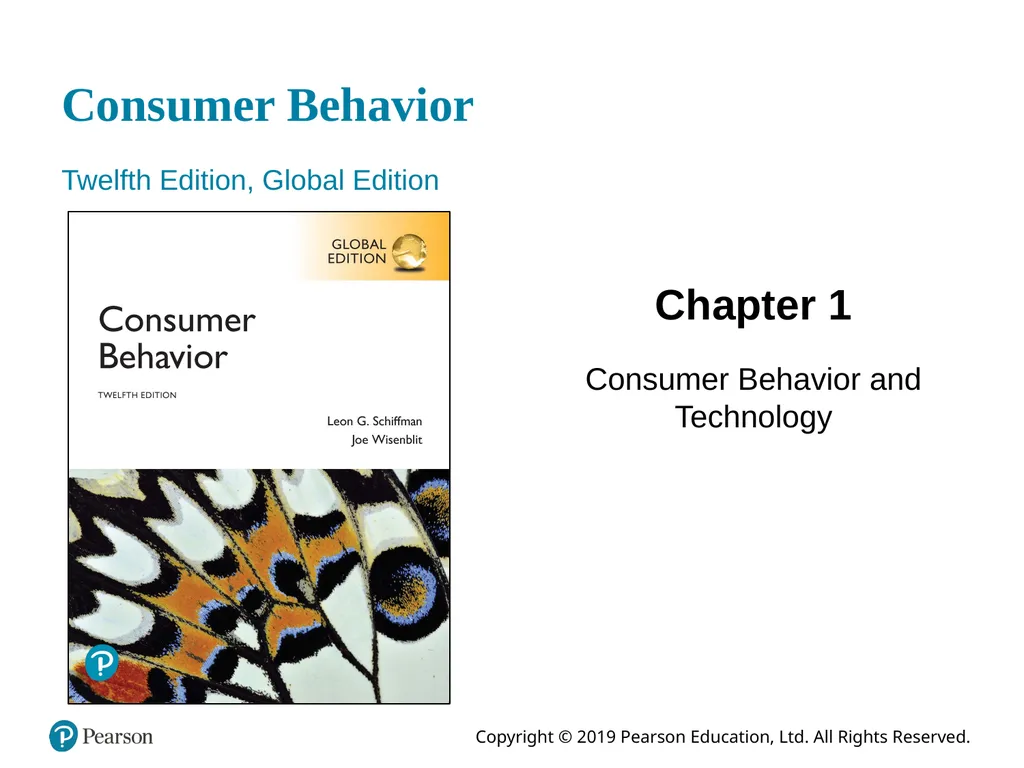
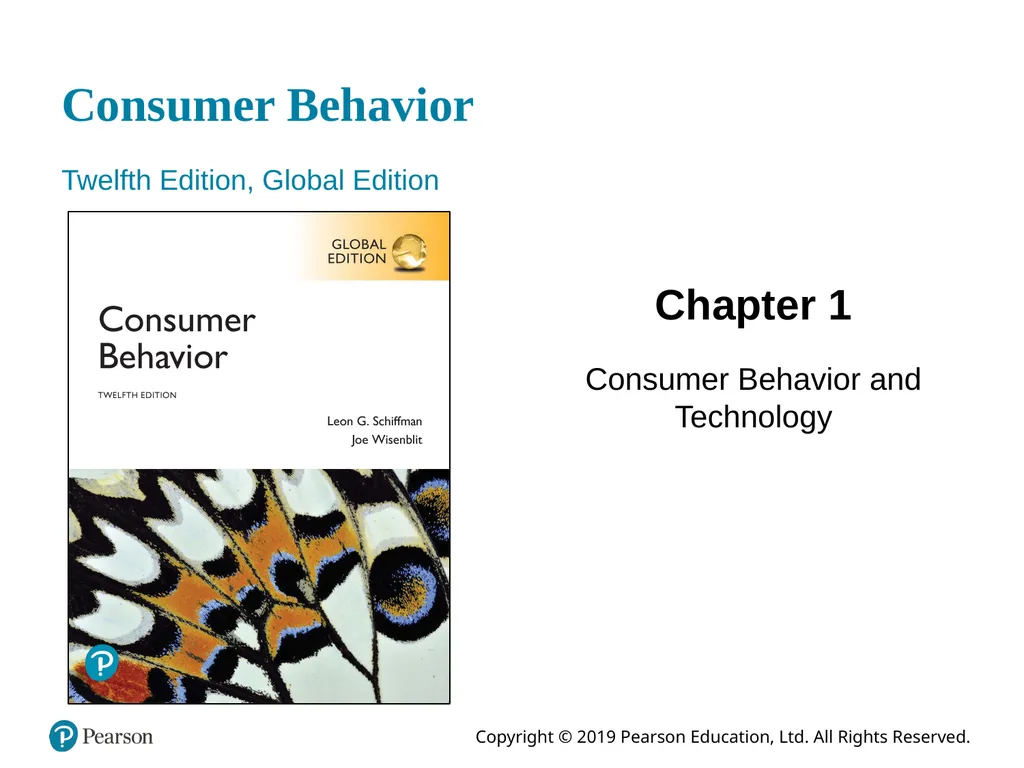
Consumer Behavior Twelfth Edition, Global Edition










Description: Consumer Behavior Twelfth Edition, Global Edition Chapter 1 Consumer Behavior and Technology Copyright 2019 Pearson Education, Ltd. All Rights Reserved. Learning Objectives 1.1 To understand the evolution of the marketing concept, what
Related Topics
Download Presentation
"Consumer Behavior Twelfth Edition, Global Edition" is the property of its rightful owner. Permission is granted to download and print the materials on this website for personal, non-commercial use only, and to display it on your personal computer provided you do not modify the materials and that you retain all copyright notices contained in the materials. By downloading content from our website, you accept the terms of this agreement.
Presentation Transcript
slide1. Consumer Behavior Twelfth Edition, Global Edition Chapter 1 Consumer Behavior and Technology Copyright © 2019 Pearson Education, Ltd. All Rights Reserved.<br>
slide2. Learning Objectives 1.1 To understand the evolution of the marketing concept, what consumer behavior is, and the components of strategic marketing.
1.2 To understand how technology has benefited both marketers and consumers.
1.3 To understand providing value and satisfaction and how technology has enhanced customer loyalty and retention.
1.4 To understand marketers’ social and ethical responsibilities.
1.5 To understand consumer decision-making as the foundation of this book.
1.6 To explain how the knowledge of consumer behavior advances seeking employment after graduation.<br>
slide3. Marketing Defined
Marketing is the activity, set of institutions, and processes for creating, communicating, and delivering offerings that have value for customers, clients, partners, and society.<br>
slide4. Consumer Behavior Defined
Consumer behavior is the study of consumers’ choices during searching, evaluating, purchasing, and using products and services that they believe would satisfy their needs.<br>
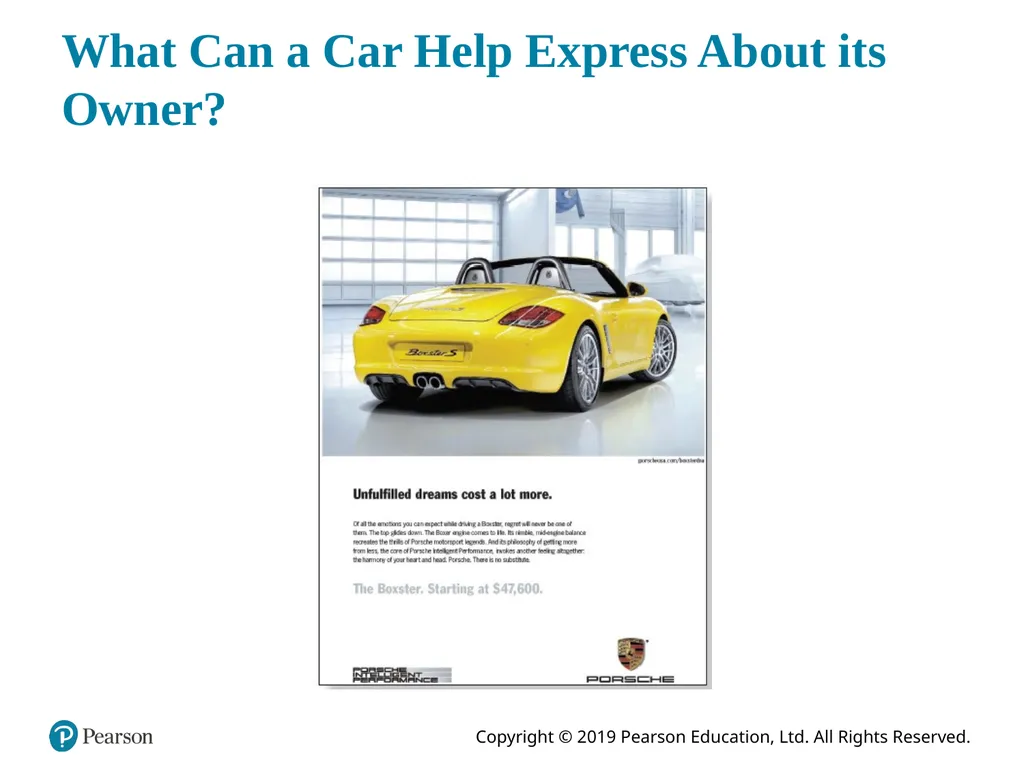
slide5. What Can a Car Help Express About its Owner?<br>
slide6. Vices and Virtues Presence of healthy food option “licensed” consumers to eat unhealthy food
Estimated burger calories decreased over 100 calories when accompanied by three celery sticks.
How and why do consumers make decisions based on other factors than facts and rationality?<br>
slide7. Learning Objective 1.1 1.1 To understand the evolution of the marketing concept, what consumer behavior is, and the components of strategic marketing.<br>
slide8. Marketing Concept Defined
The premise that marketing consists of satisfying consumers’ needs, creating value, and retaining customers, and that companies must produce only those goods that they have already determined would satisfy consumer needs and meet organizational goals.<br>
slide9. Marketing Concept Application How does the Vans ad relate to the marketing concept?<br>
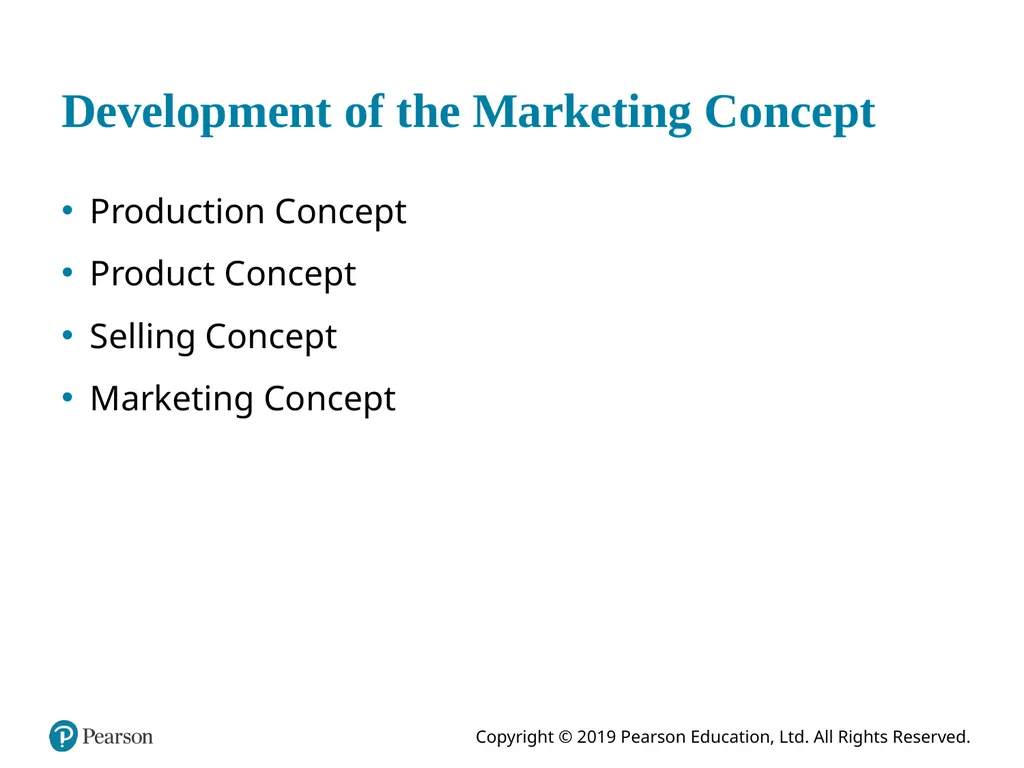
slide10. Development of the Marketing Concept Production Concept
Product Concept
Selling Concept
Marketing Concept<br>
slide11. Marketing Myopia Short-sighted approach where companies “look in the mirror instead of out the window”
In other words, managers focus on the product, not the needs it is designed to fulfill<br>
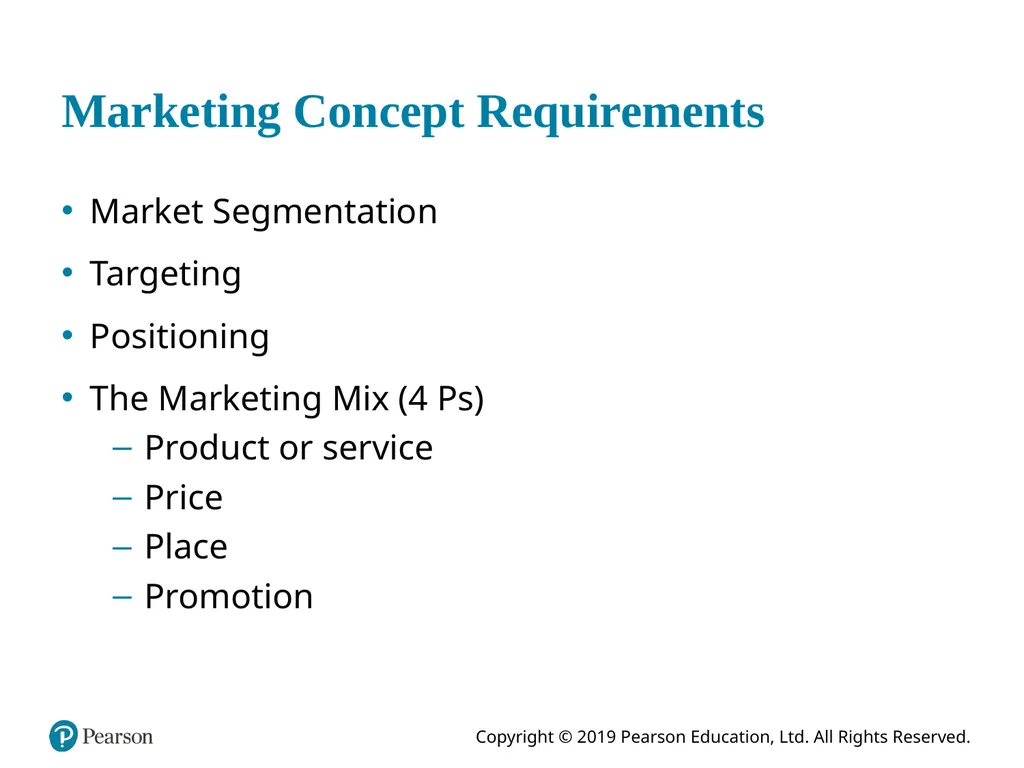
slide12. Marketing Concept Requirements Market Segmentation
Targeting
Positioning
The Marketing Mix (4 Ps)
Product or service
Price
Place
Promotion<br>
slide13. Learning Objective 1.2 1.2 To understand how technology has benefited both marketers and consumers.<br>
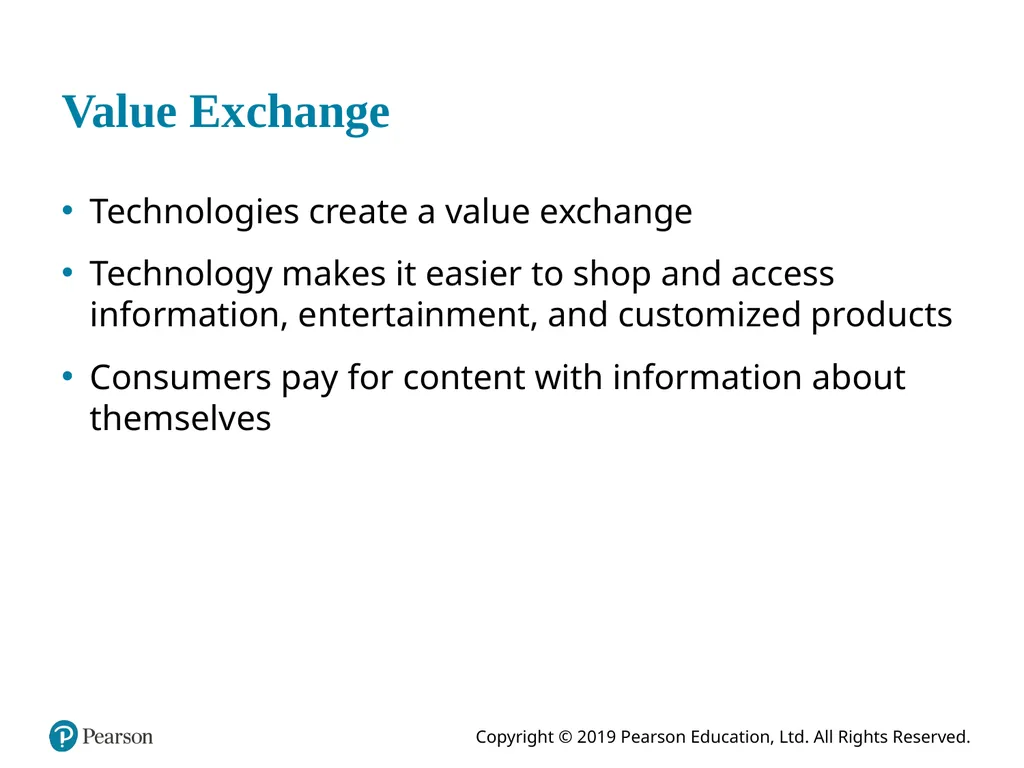
slide14. Value Exchange Technologies create a value exchange
Technology makes it easier to shop and access information, entertainment, and customized products
Consumers pay for content with information about themselves<br>
slide15. Consumers Have Embraced Technology<br>
slide16. Most Prominent Online Activities<br>
slide17. More Precise Targeting Cookies
Global Positioning Systems (G P S)
Selfies
Interactive communications<br>
slide18. Cross-Screen Marketing Defined
A promotional strategy that consists of tracking and targeting users across their computers, mobile phones, and tablets, and sending them personalized ads based on their interests, as observed by marketers.<br>
slide19. Discussion Question How does technology affect the Marketing Mix?
Provide examples
Interactive and novel communication channels
Customizing products and promotional messages
Better prices and distribution<br>
slide20. Learning Objective 1.3 1.3 To understand providing value and satisfaction and how technology has enhanced customer loyalty and retention.<br>
slide21. Successful Relationships (1 of 3) Value, Satisfaction, and Retention
Customer Value
Customer Satisfaction
Customer Retention Defined as the ratio between the customer’s perceived benefits and the resources used to obtain those benefits
Perceived value is relative and subjective
Developing a value proposition is critical<br>
slide22. Discussion Questions How does McDonald’s create value for the consumer?
How do they communicate this value?<br>
slide23. Successful Relationships (2 of 3) Value, Satisfaction, and Retention
Customer Value
Customer Satisfaction
Customer Retention The individual's perception of the performance of the product or service in relation to his or her expectations.
Customer groups based on loyalty include loyalists, apostles, defectors, terrorists, hostages, and mercenaries<br>
slide24. Successful Relationships (3 of 3) Value, Satisfaction, and Retention
Customer Value
Customer Satisfaction
Customer Retention The objective of providing value is to retain highly satisfied customers.
Loyal customers are key
They buy more products
They are less price sensitive
Servicing them is cheaper
They spread positive word of mouth<br>
slide25. Customer Relationships For Discussion:
Provide two examples where brands used technology to engage consumers/enhance customer relationships.
Provide two examples where technology was used to add value to the consumer.<br>
slide26. Forms of Engagement Emotional Bonds
Personal commitment and attachment
Social media attempts to get consumers to engage emotionally with products and brands
Transactional Bonds
Mechanics and structures that facilitate exchanges between consumers and sellers
Factors like assortment and transaction ease could shape the relationship<br>
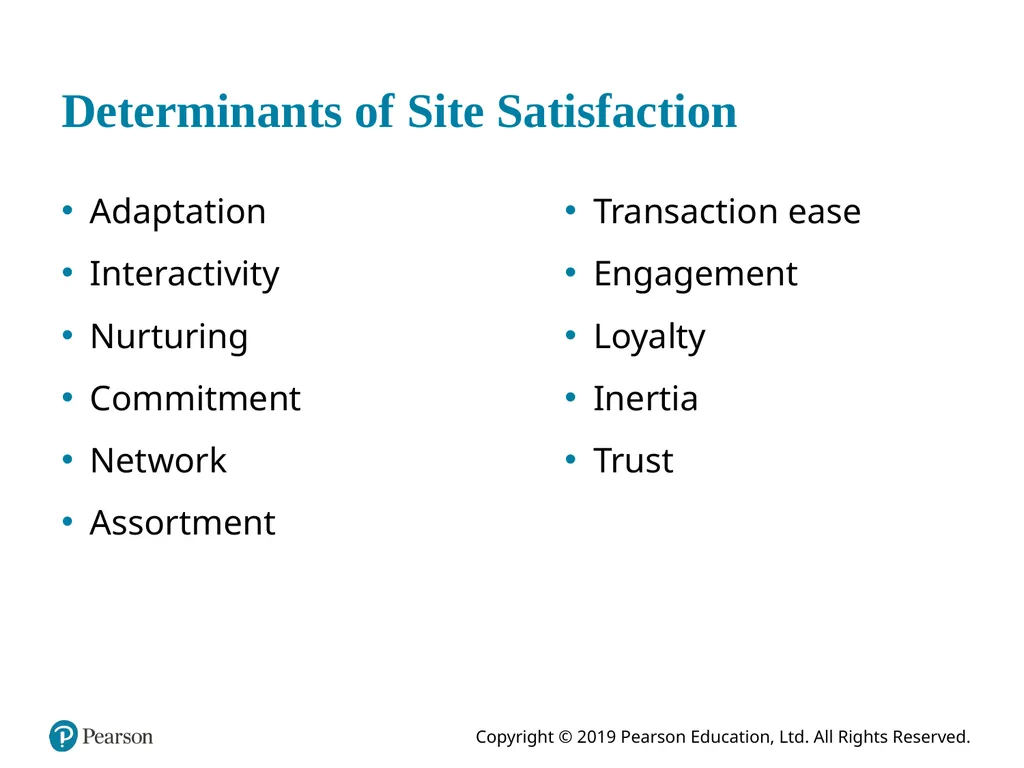
slide27. Determinants of Site Satisfaction Adaptation
Interactivity
Nurturing
Commitment
Network
Assortment Transaction ease
Engagement
Loyalty
Inertia
Trust<br>
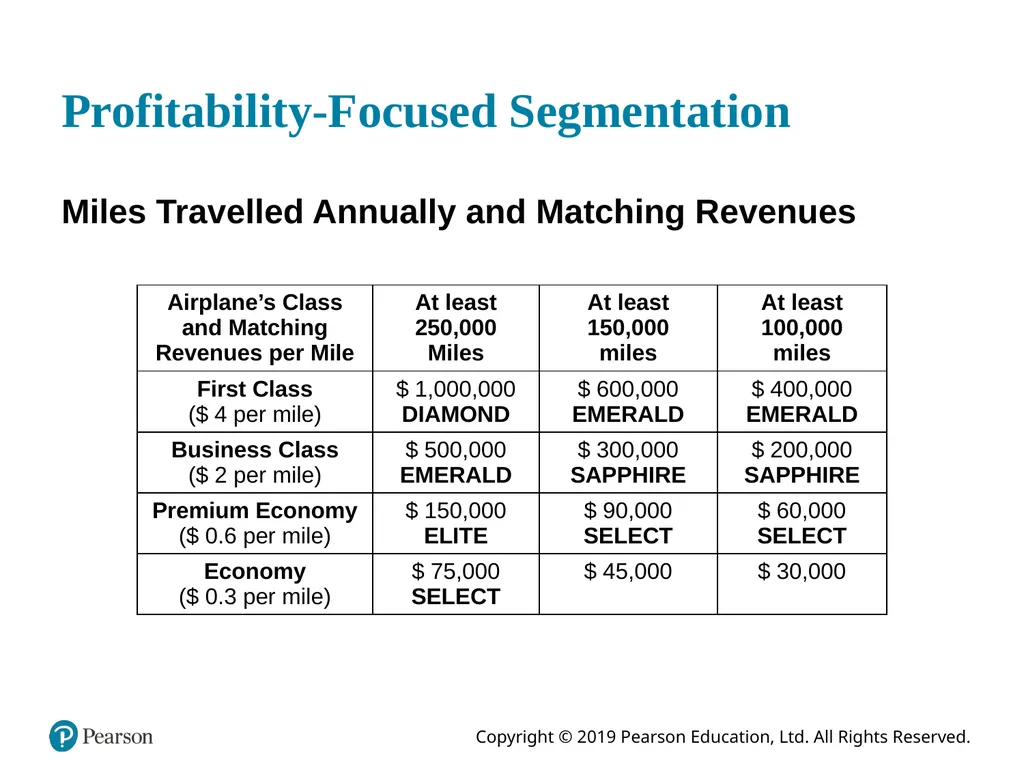
slide28. Profitability-Focused Segmentation Miles Travelled Annually and Matching Revenues<br>
slide29. Measures of Customer Retention Customer valuation
Retention rates
Analyzing defections<br>
slide30. Review Question What is the difference between emotional and transactional bonds?
Identify and describe four of the eleven determinants of customer satisfaction with online merchants. Characterize each selected determinant as primarily driven by emotion or stemming from the mechanics of the transaction.<br>
slide31. Learning Objective 1.4 1.4 To understand marketers social and ethical responsibilities.<br>
slide32. Social Responsibility Companies incorporate social goals into their mission statements
Marketing ethics and social responsibility can shape organizational effectiveness
Socially responsible activities improve image among stakeholders<br>
slide33. Learning Objective 1.5 1.5 To understand consumer decision-making as the foundation for this book.<br>
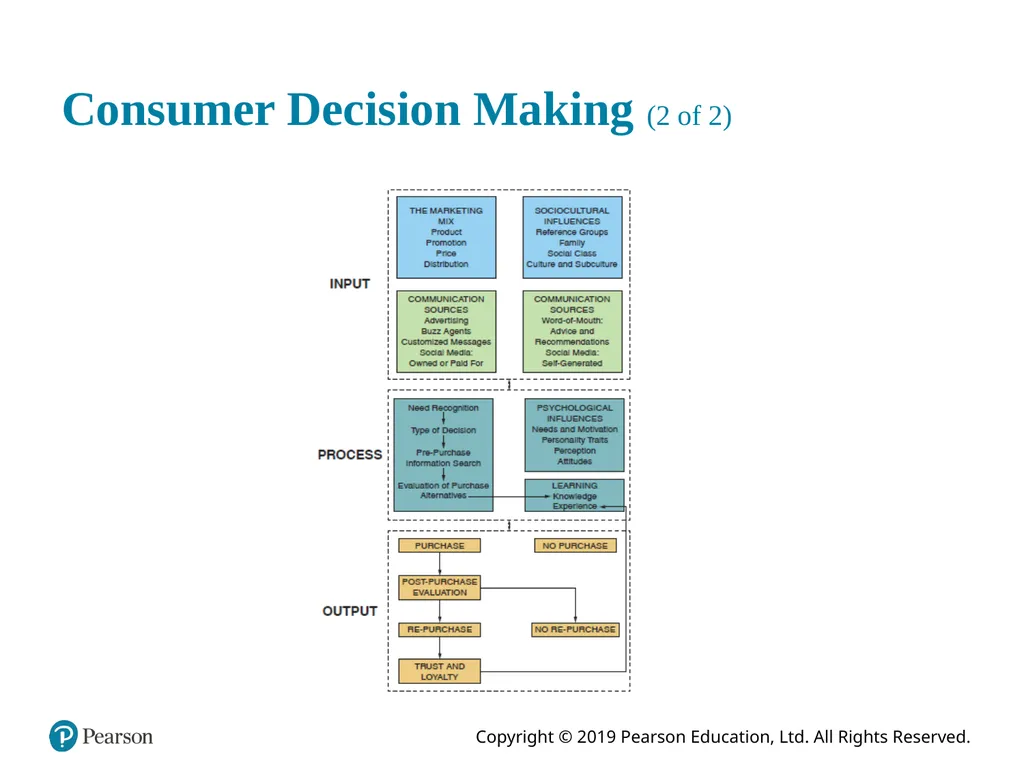
slide34. Consumer Decision Making (1 of 2) Inputs
Firm marketing efforts
Sociocultural influences
Process
Psychological factors
Need Recognition, Decision Type, Prepurchase Search, Evaluation of Alternatives
Learning
Outputs
Purchase
Post-purchase evaluation<br>
slide35. Consumer Decision Making (2 of 2)<br>
slide36. Learning Objective 1.6 1.6 To explain how knowledge of consumer behavior advances seeking employment after graduation.<br>
slide37. Employment Opportunities Brand management
Advertising
Consumer research<br>
slide2. Learning Objectives 1.1 To understand the evolution of the marketing concept, what consumer behavior is, and the components of strategic marketing.
1.2 To understand how technology has benefited both marketers and consumers.
1.3 To understand providing value and satisfaction and how technology has enhanced customer loyalty and retention.
1.4 To understand marketers’ social and ethical responsibilities.
1.5 To understand consumer decision-making as the foundation of this book.
1.6 To explain how the knowledge of consumer behavior advances seeking employment after graduation.<br>
slide3. Marketing Defined
Marketing is the activity, set of institutions, and processes for creating, communicating, and delivering offerings that have value for customers, clients, partners, and society.<br>
slide4. Consumer Behavior Defined
Consumer behavior is the study of consumers’ choices during searching, evaluating, purchasing, and using products and services that they believe would satisfy their needs.<br>
slide5. What Can a Car Help Express About its Owner?<br>
slide6. Vices and Virtues Presence of healthy food option “licensed” consumers to eat unhealthy food
Estimated burger calories decreased over 100 calories when accompanied by three celery sticks.
How and why do consumers make decisions based on other factors than facts and rationality?<br>
slide7. Learning Objective 1.1 1.1 To understand the evolution of the marketing concept, what consumer behavior is, and the components of strategic marketing.<br>
slide8. Marketing Concept Defined
The premise that marketing consists of satisfying consumers’ needs, creating value, and retaining customers, and that companies must produce only those goods that they have already determined would satisfy consumer needs and meet organizational goals.<br>
slide9. Marketing Concept Application How does the Vans ad relate to the marketing concept?<br>
slide10. Development of the Marketing Concept Production Concept
Product Concept
Selling Concept
Marketing Concept<br>
slide11. Marketing Myopia Short-sighted approach where companies “look in the mirror instead of out the window”
In other words, managers focus on the product, not the needs it is designed to fulfill<br>
slide12. Marketing Concept Requirements Market Segmentation
Targeting
Positioning
The Marketing Mix (4 Ps)
Product or service
Price
Place
Promotion<br>
slide13. Learning Objective 1.2 1.2 To understand how technology has benefited both marketers and consumers.<br>
slide14. Value Exchange Technologies create a value exchange
Technology makes it easier to shop and access information, entertainment, and customized products
Consumers pay for content with information about themselves<br>
slide15. Consumers Have Embraced Technology<br>
slide16. Most Prominent Online Activities<br>
slide17. More Precise Targeting Cookies
Global Positioning Systems (G P S)
Selfies
Interactive communications<br>
slide18. Cross-Screen Marketing Defined
A promotional strategy that consists of tracking and targeting users across their computers, mobile phones, and tablets, and sending them personalized ads based on their interests, as observed by marketers.<br>
slide19. Discussion Question How does technology affect the Marketing Mix?
Provide examples
Interactive and novel communication channels
Customizing products and promotional messages
Better prices and distribution<br>
slide20. Learning Objective 1.3 1.3 To understand providing value and satisfaction and how technology has enhanced customer loyalty and retention.<br>
slide21. Successful Relationships (1 of 3) Value, Satisfaction, and Retention
Customer Value
Customer Satisfaction
Customer Retention Defined as the ratio between the customer’s perceived benefits and the resources used to obtain those benefits
Perceived value is relative and subjective
Developing a value proposition is critical<br>
slide22. Discussion Questions How does McDonald’s create value for the consumer?
How do they communicate this value?<br>
slide23. Successful Relationships (2 of 3) Value, Satisfaction, and Retention
Customer Value
Customer Satisfaction
Customer Retention The individual's perception of the performance of the product or service in relation to his or her expectations.
Customer groups based on loyalty include loyalists, apostles, defectors, terrorists, hostages, and mercenaries<br>
slide24. Successful Relationships (3 of 3) Value, Satisfaction, and Retention
Customer Value
Customer Satisfaction
Customer Retention The objective of providing value is to retain highly satisfied customers.
Loyal customers are key
They buy more products
They are less price sensitive
Servicing them is cheaper
They spread positive word of mouth<br>
slide25. Customer Relationships For Discussion:
Provide two examples where brands used technology to engage consumers/enhance customer relationships.
Provide two examples where technology was used to add value to the consumer.<br>
slide26. Forms of Engagement Emotional Bonds
Personal commitment and attachment
Social media attempts to get consumers to engage emotionally with products and brands
Transactional Bonds
Mechanics and structures that facilitate exchanges between consumers and sellers
Factors like assortment and transaction ease could shape the relationship<br>
slide27. Determinants of Site Satisfaction Adaptation
Interactivity
Nurturing
Commitment
Network
Assortment Transaction ease
Engagement
Loyalty
Inertia
Trust<br>
slide28. Profitability-Focused Segmentation Miles Travelled Annually and Matching Revenues<br>
slide29. Measures of Customer Retention Customer valuation
Retention rates
Analyzing defections<br>
slide30. Review Question What is the difference between emotional and transactional bonds?
Identify and describe four of the eleven determinants of customer satisfaction with online merchants. Characterize each selected determinant as primarily driven by emotion or stemming from the mechanics of the transaction.<br>
slide31. Learning Objective 1.4 1.4 To understand marketers social and ethical responsibilities.<br>
slide32. Social Responsibility Companies incorporate social goals into their mission statements
Marketing ethics and social responsibility can shape organizational effectiveness
Socially responsible activities improve image among stakeholders<br>
slide33. Learning Objective 1.5 1.5 To understand consumer decision-making as the foundation for this book.<br>
slide34. Consumer Decision Making (1 of 2) Inputs
Firm marketing efforts
Sociocultural influences
Process
Psychological factors
Need Recognition, Decision Type, Prepurchase Search, Evaluation of Alternatives
Learning
Outputs
Purchase
Post-purchase evaluation<br>
slide35. Consumer Decision Making (2 of 2)<br>
slide36. Learning Objective 1.6 1.6 To explain how knowledge of consumer behavior advances seeking employment after graduation.<br>
slide37. Employment Opportunities Brand management
Advertising
Consumer research<br>