
Controlled Release Drug Delivery Systems Dr.



Description: Controlled Release Drug Delivery Systems Dr. Sharad Visht PHAR512-Industrial Pharmacy-II Semester-X Faculty of Pharmacy 20240506 Objectives Students will understand: Basis of drug release, type of drug release Polymers Kinetics of drug
Related Topics
Download Presentation
"Controlled Release Drug Delivery Systems Dr." is the property of its rightful owner. Permission is granted to download and print the materials on this website for personal, non-commercial use only, and to display it on your personal computer provided you do not modify the materials and that you retain all copyright notices contained in the materials. By downloading content from our website, you accept the terms of this agreement.
Presentation Transcript
slide1. Controlled Release Drug Delivery Systems Dr. Sharad Visht
PHAR512-Industrial Pharmacy-II
Semester-X
Faculty of Pharmacy
2024/05/06<br>
slide2. Objectives Students will understand:
Basis of drug release, type of drug release
Polymers
Kinetics of drug release
Criteria to fabricated/ design formulations 2<br>
slide3. 3 Content Controlled drug delivery systems
Terminology or definition of control release dosage forms
Rationale
Advantages of controlled-release dosage forms
Drug release from dosage forms
Commercial/industrial advantages
Disadvantages of CRDDS
Biopharmaceutic and pharmacokinetic aspects
Required biopharmaceutical characteristics of the drug to meet CDDS criteria
Methods for creating controlled-release formulations
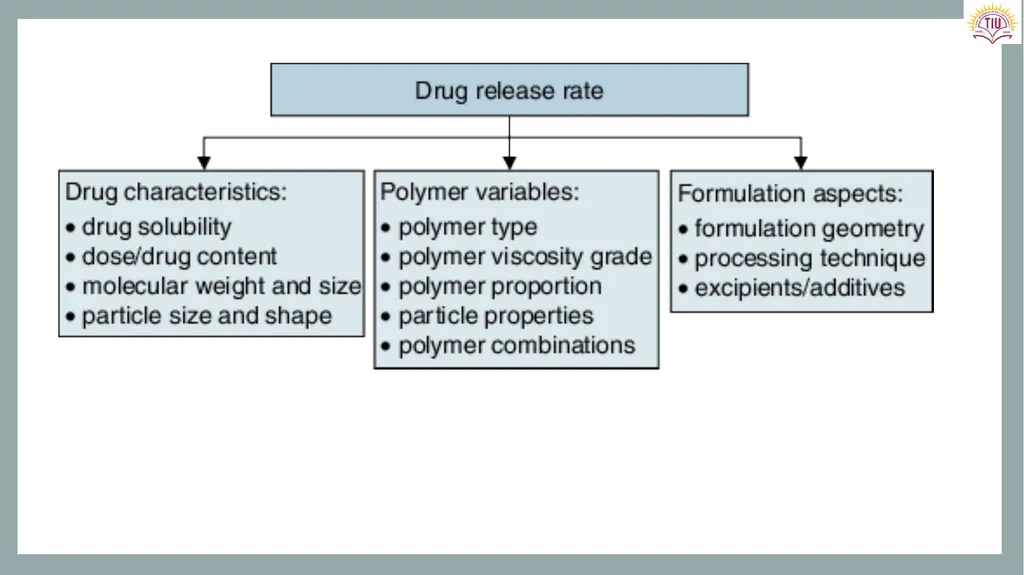
Factors affecting the design and implementation of controlled-release systems
Polymer used in controlled drug delivery system
Applications of controlled drug delivery system<br>
slide4. 4<br>
slide5. 5 Controlled drug delivery systems Controlled drug delivery systems offer various advantages:
Regulating drug concentrations effectively
Reducing the frequency of administrations
Maximizing drug utilization
Enhancing patient adherence.
Potential drawbacks
Material toxicity and Lack of biocompatibility
Generation of undesirable degradation by-products
Necessity for surgical procedures for system implantation or removal
Patient discomfort due to the delivery device
Elevated cost associated with controlled-release systems relative to conventional pharmaceutical formulations.<br>
slide6. 6 Terminology or definition of control release dosage forms According to the USP, modified-release (MR) dosage form is a formulation selected to achieve therapeutic or practical goals that surpass the capabilities of conventional dosage forms like solutions, ointments, or rapidly dissolving formulations, based on its tailored drug release attributes concerning temporal progression and/or spatial localization.
A category within the domain of modified-release (MR) dosage forms is represented by the extended-release (ER) dosage form.
This category is characterized by the capability to achieve a minimum reduction of twice in dosing frequency or substantial enhancements in patient adherence and therapeutic efficacy, in contrast to conventional dosage forms such as solutions or rapid drug-releasing formulations.<br>
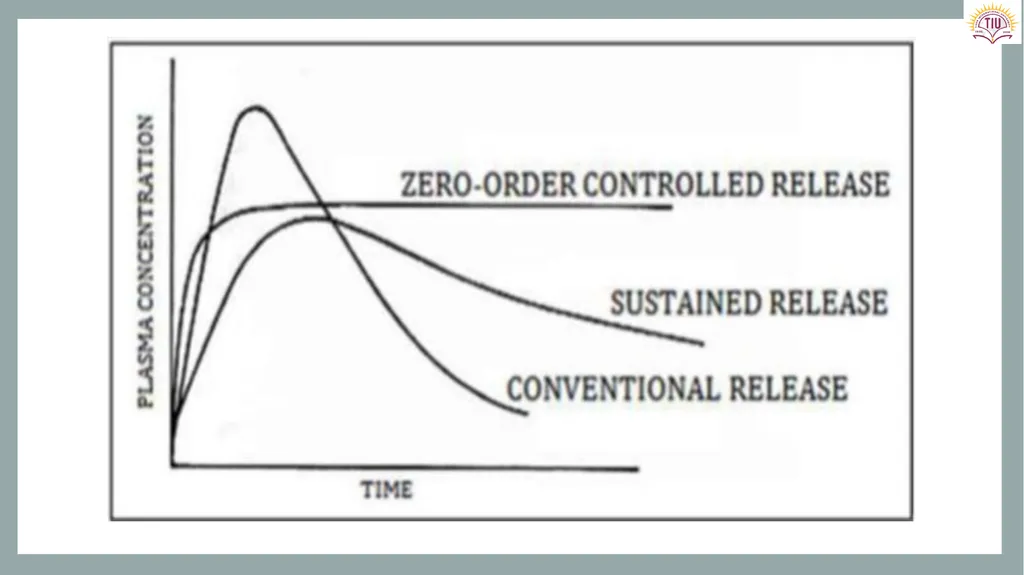
slide7. 7 The nomenclature “controlled release (CR),” “prolonged release,” “sustained or slow release (SR),” and “long-acting (LA)” have been interchangeably employed to denote the concept of “extended release.” Controlled drug delivery pertains to a mechanism by which a specific drug is administered either locally or systemically at a predetermined and regulated rate over a defined duration.
A prolonged-release pharmaceutical formulation administers a therapeutic dose of a medication across an elongated time period.
Prolonged release or sustained release systems, designed solely to extend therapeutic drug concentrations within blood or tissues over an extended interval, do not fall under the categorization of controlled-release systems as per this delineation.<br>
slide8. 8 Rationale The fundamental principle behind a controlled-release drug delivery system is to enhance the drug’s biopharmaceutical, pharmacokinetic, and pharmacodynamics attributes to optimize its efficacy.
This optimization aims to minimize adverse effects while achieving disease management or cure in the swiftest feasible duration, utilizing the smallest feasible drug quantity, and selecting the most appropriate administration route.
Immediate release drug delivery systems exhibit certain limitations, including the absence of dose maintenance, lack of controlled-release kinetics, and inability to precisely target specific sites within the body.
An ideal drug delivery system should ensure the drug’s dispensation aligns with the body’s requirements throughout a designated treatment period.
This entails delivering the drug at a rate that corresponds to the body’s needs while considering the specific duration of therapy.<br>
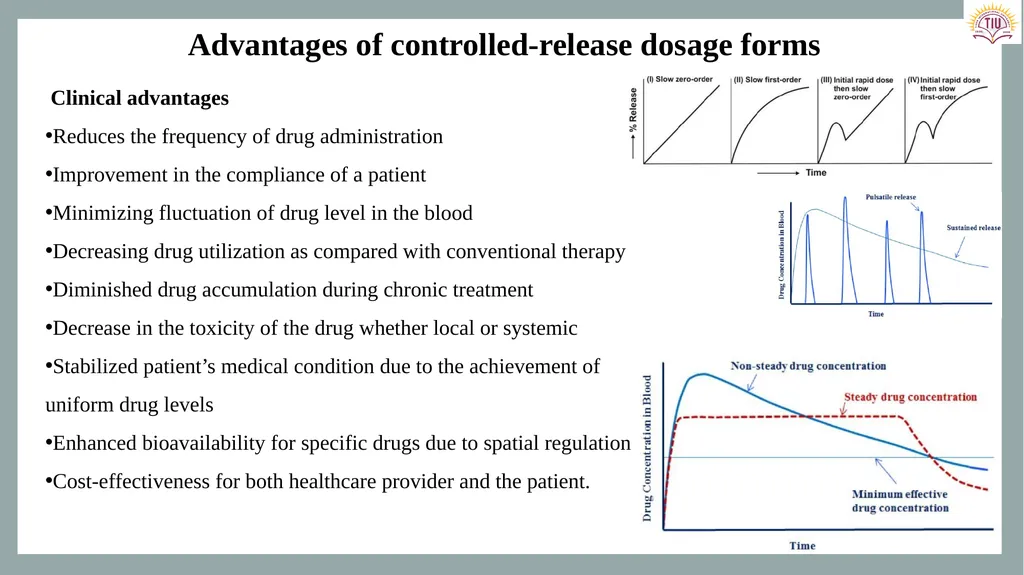
slide9. 9 Advantages of controlled-release dosage forms Clinical advantages
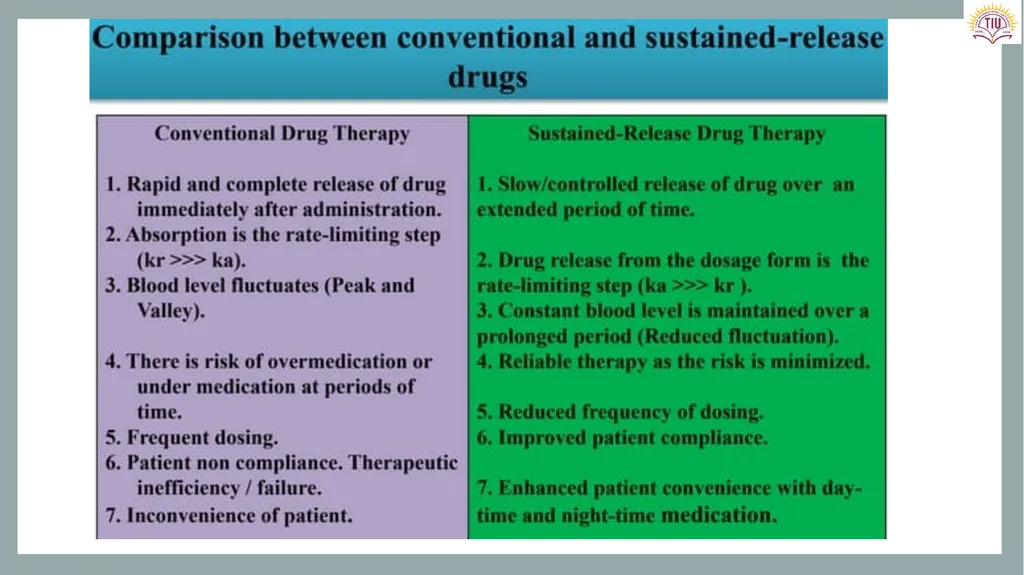
Reduces the frequency of drug administration
Improvement in the compliance of a patient
Minimizing fluctuation of drug level in the blood
Decreasing drug utilization as compared with conventional therapy
Diminished drug accumulation during chronic treatment
Decrease in the toxicity of the drug whether local or systemic
Stabilized patient’s medical condition due to the achievement of uniform drug levels
Enhanced bioavailability for specific drugs due to spatial regulation
Cost-effectiveness for both healthcare provider and the patient.<br>
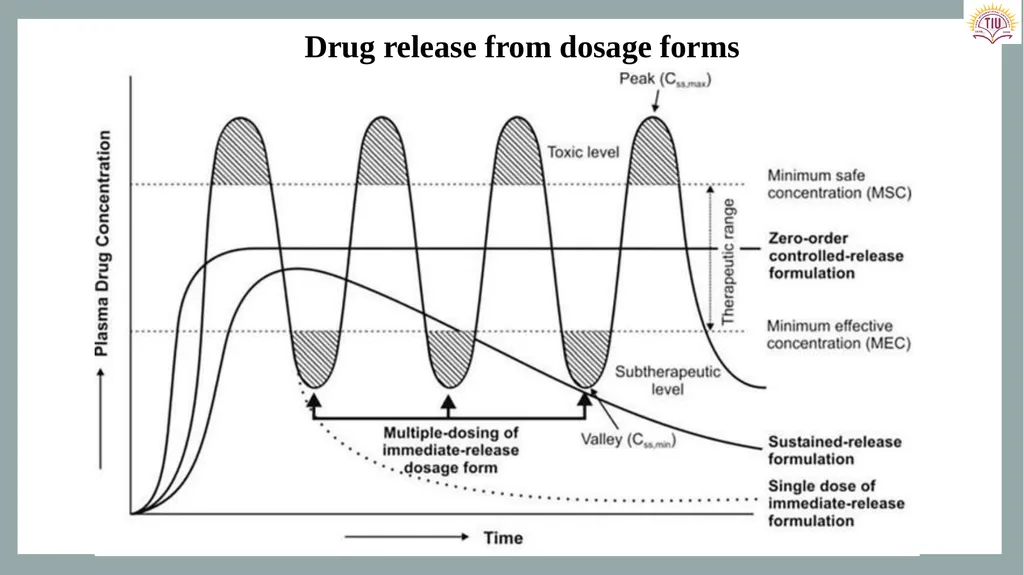
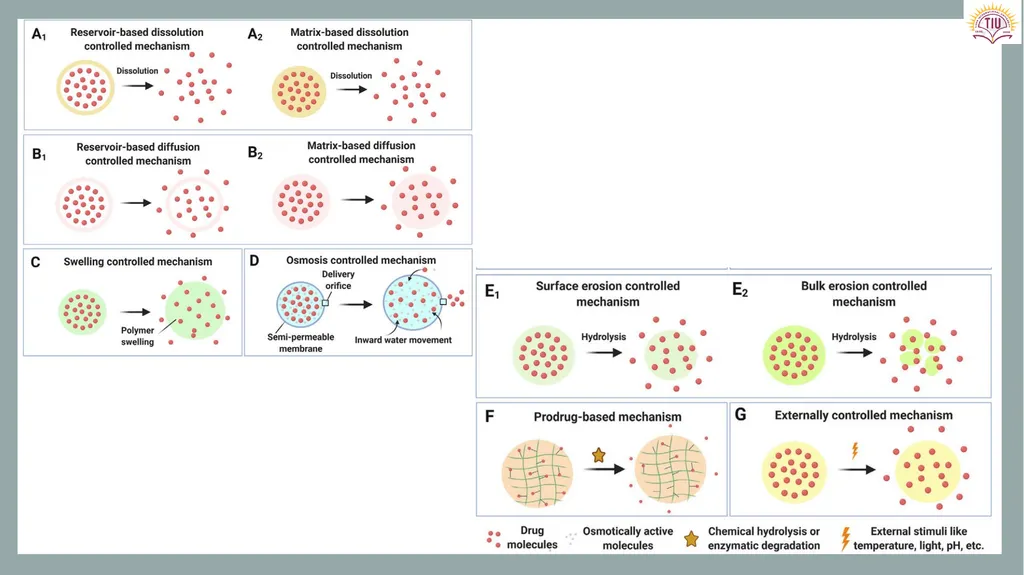
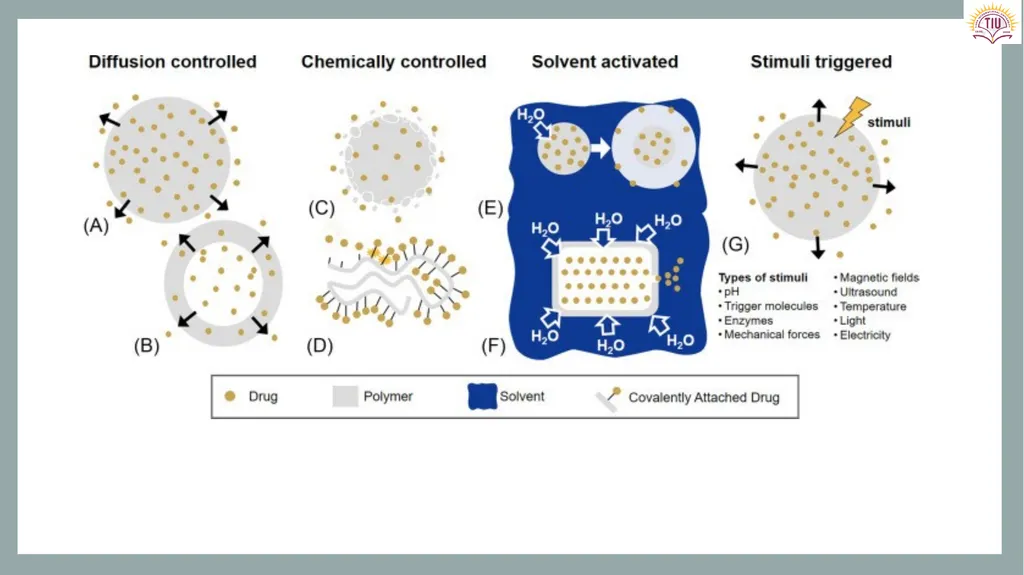
slide10. 10 Drug release from dosage forms<br>
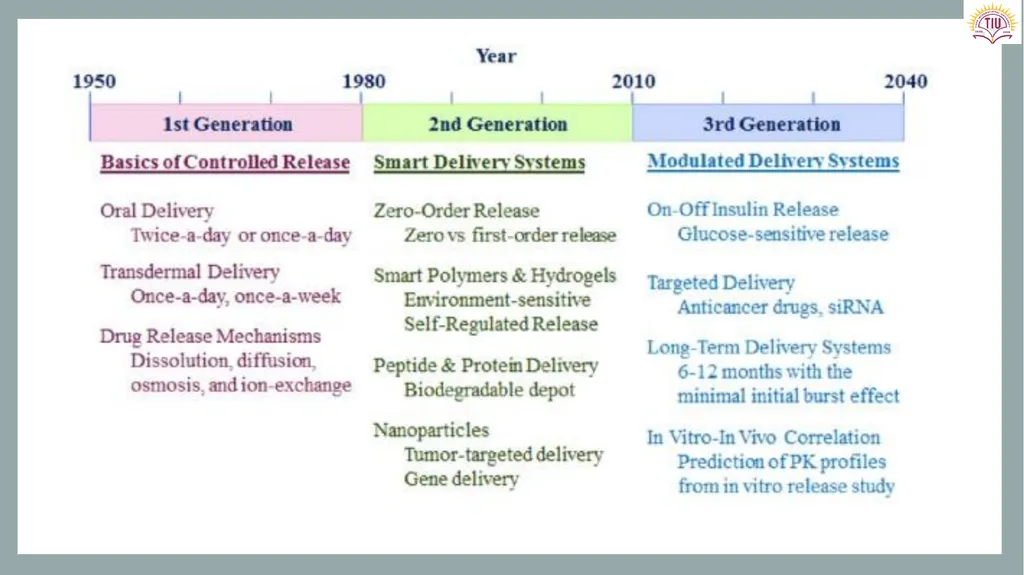
slide11. 11<br>
slide12. 12 Commercial/industrial advantages Demonstration of innovative and technological forefront
Extension of product life cycle
Establishment of product distinctiveness
Broadening of market reach
Extension of Patent protection<br>
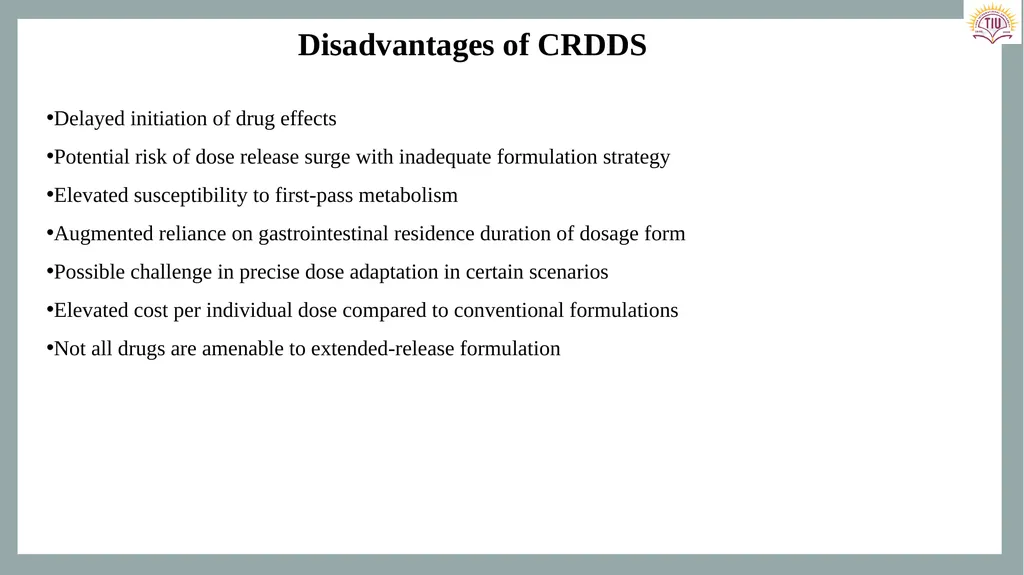
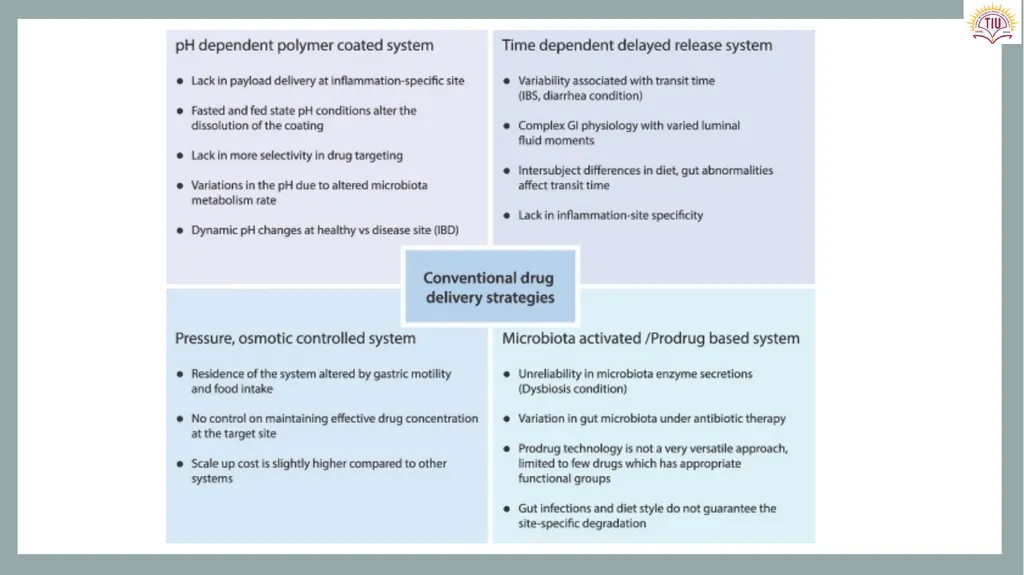
slide13. 13 Disadvantages of CRDDS Delayed initiation of drug effects
Potential risk of dose release surge with inadequate formulation strategy
Elevated susceptibility to first-pass metabolism
Augmented reliance on gastrointestinal residence duration of dosage form
Possible challenge in precise dose adaptation in certain scenarios
Elevated cost per individual dose compared to conventional formulations
Not all drugs are amenable to extended-release formulation<br>
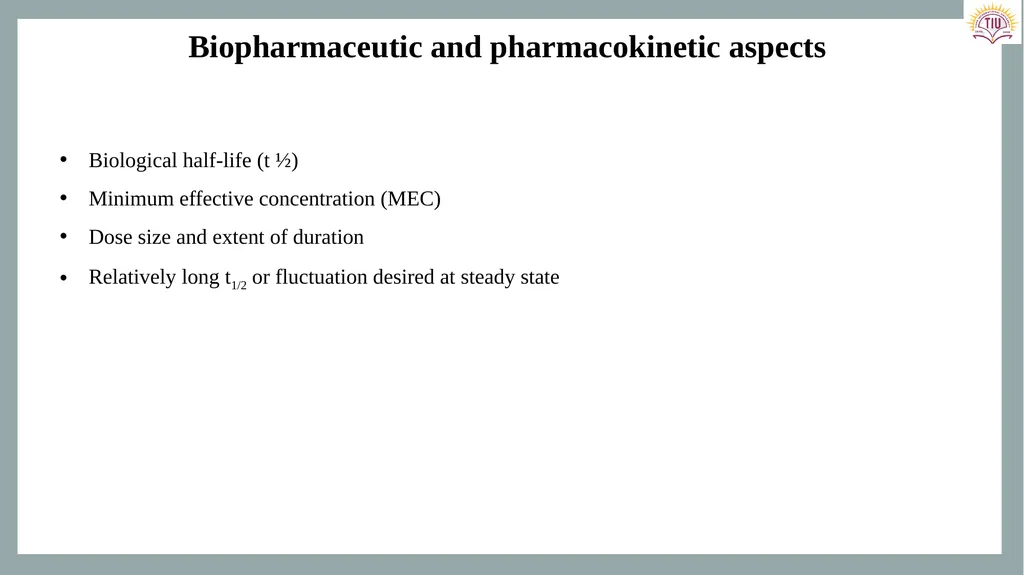
slide14. 14 Biopharmaceutic and pharmacokinetic aspects Biological half-life (t ½)
Minimum effective concentration (MEC)
Dose size and extent of duration
Relatively long t1/2 or fluctuation desired at steady state<br>
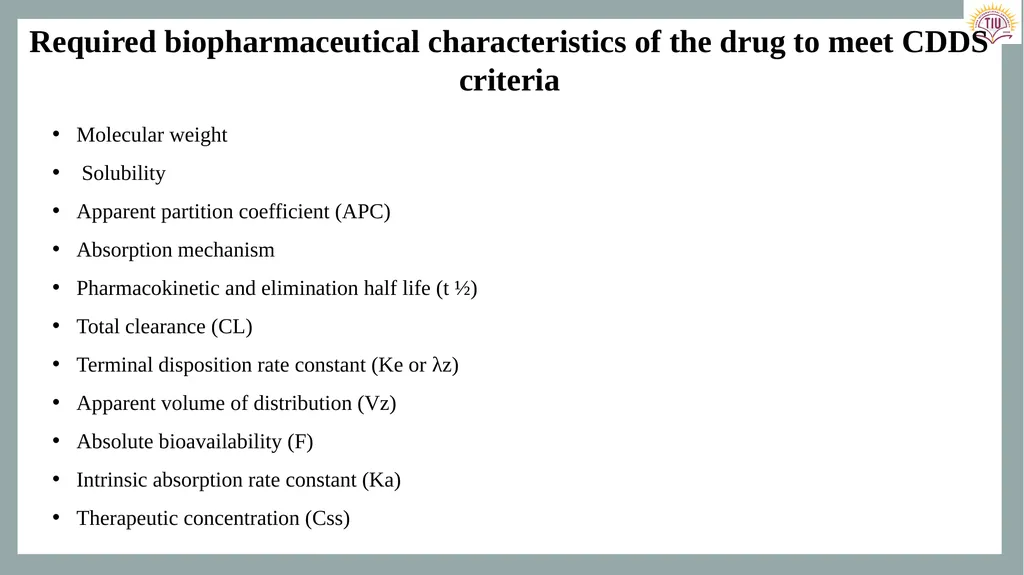
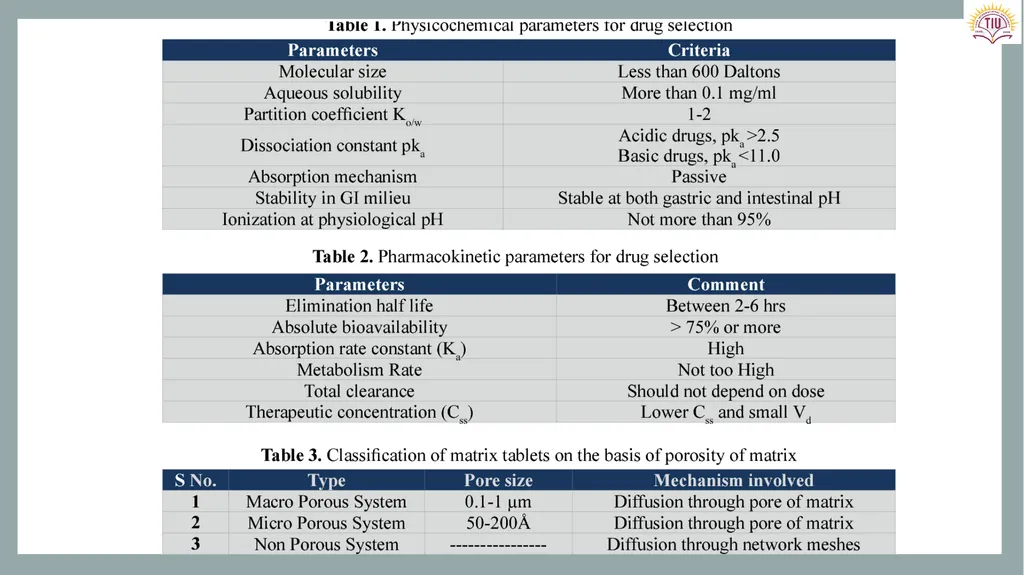
slide15. 15 Required biopharmaceutical characteristics of the drug to meet CDDS criteria Molecular weight
Solubility
Apparent partition coefficient (APC)
Absorption mechanism
Pharmacokinetic and elimination half life (t ½)
Total clearance (CL)
Terminal disposition rate constant (Ke or λz)
Apparent volume of distribution (Vz)
Absolute bioavailability (F)
Intrinsic absorption rate constant (Ka)
Therapeutic concentration (Css)<br>
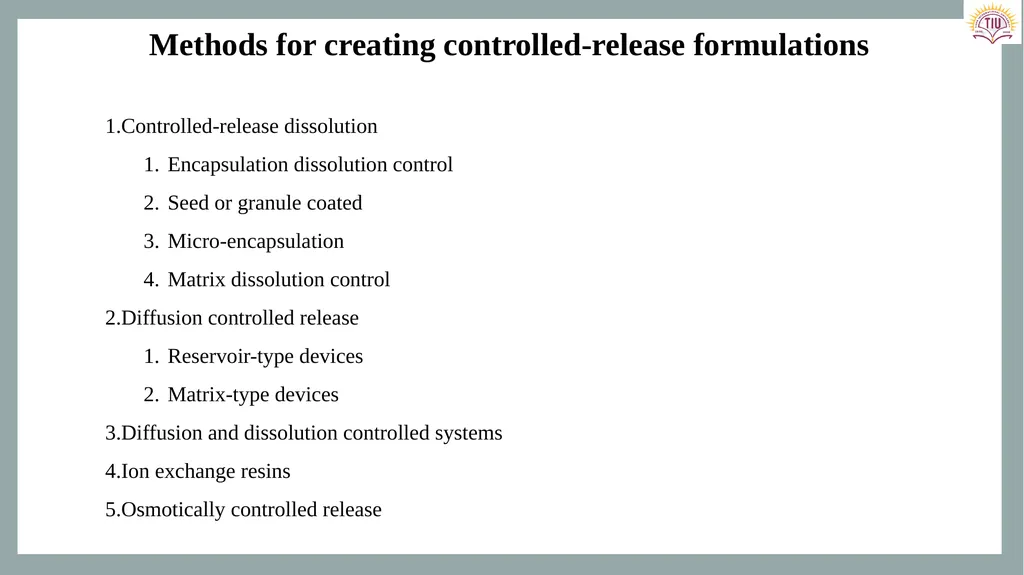
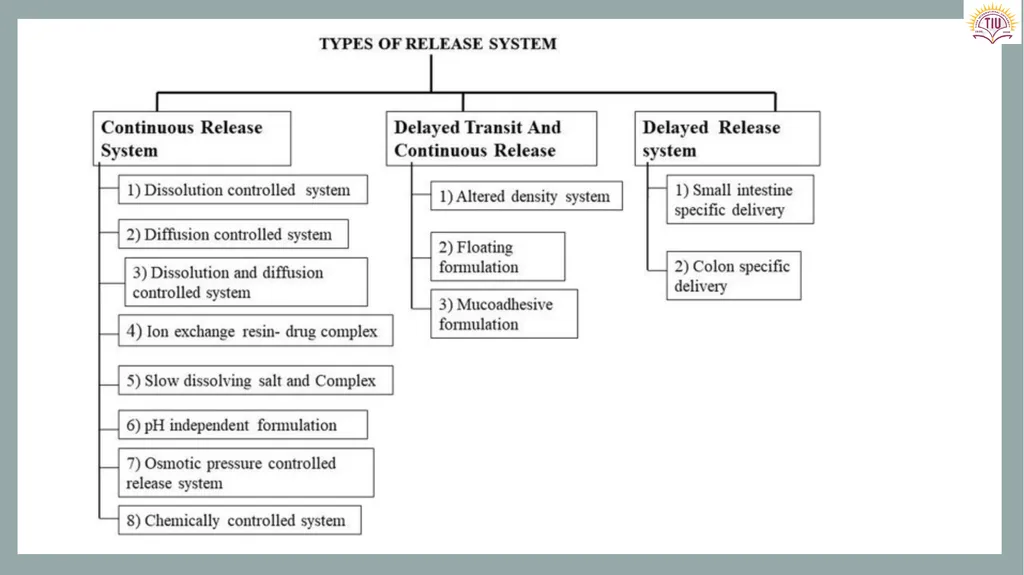
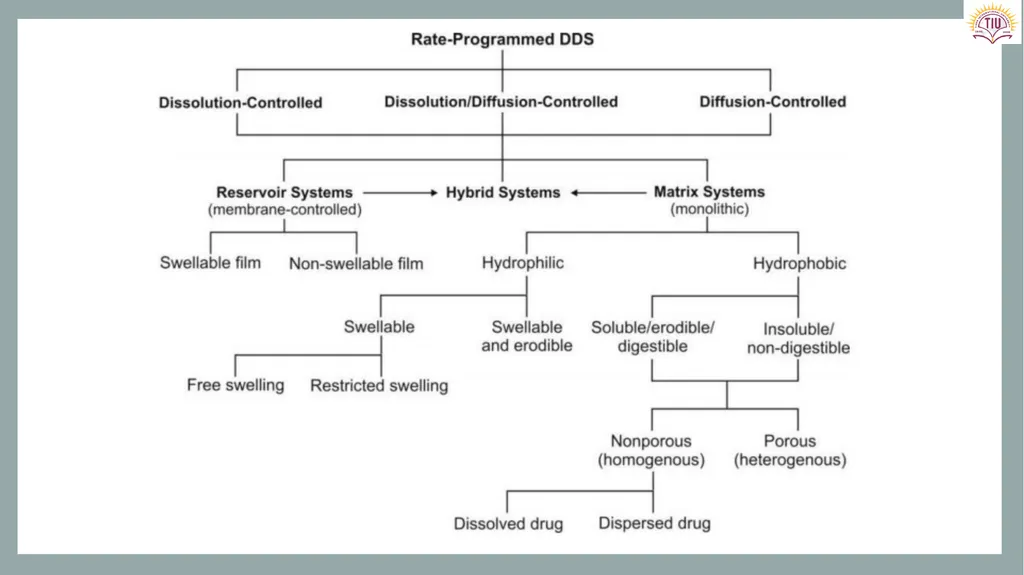
slide16. 16 Methods for creating controlled-release formulations Controlled-release dissolution
Encapsulation dissolution control
Seed or granule coated
Micro-encapsulation
Matrix dissolution control
Diffusion controlled release
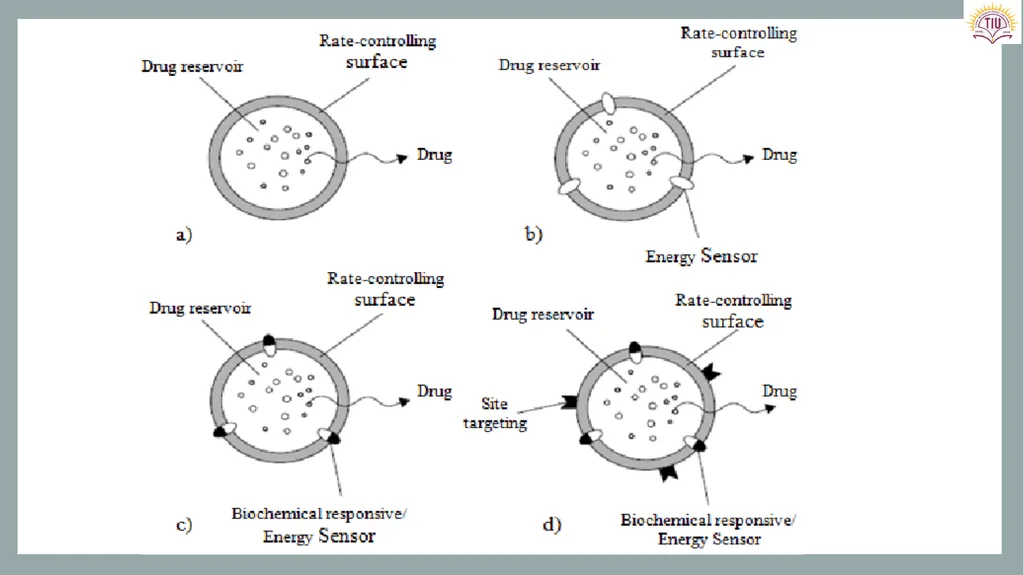
Reservoir-type devices
Matrix-type devices
Diffusion and dissolution controlled systems
Ion exchange resins
Osmotically controlled release<br>
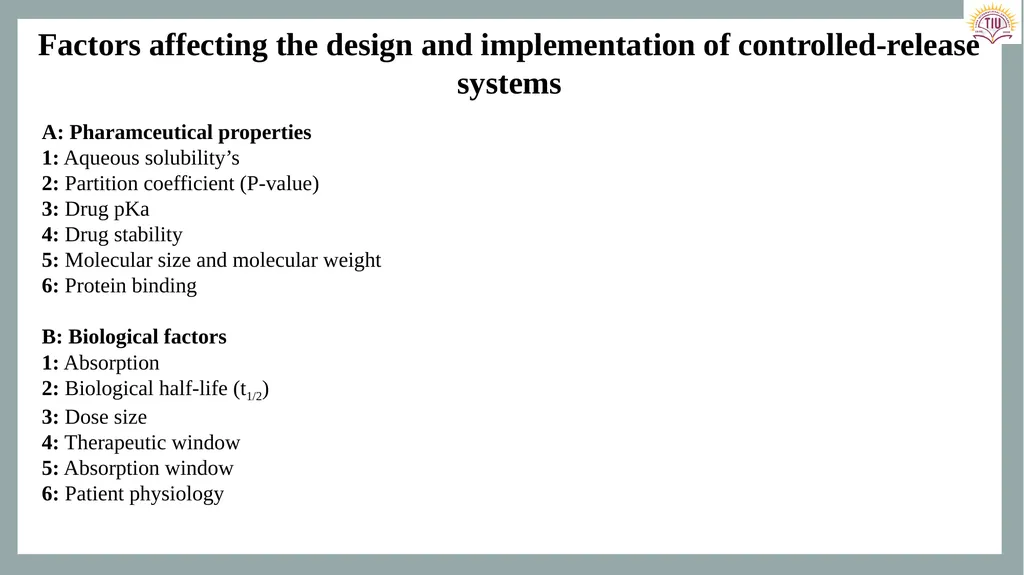
slide17. 17 Factors affecting the design and implementation of controlled-release systems A: Pharamceutical properties
1: Aqueous solubility’s
2: Partition coefficient (P-value)
3: Drug pKa
4: Drug stability
5: Molecular size and molecular weight
6: Protein binding
B: Biological factors
1: Absorption
2: Biological half-life (t1/2)
3: Dose size
4: Therapeutic window
5: Absorption window
6: Patient physiology<br>
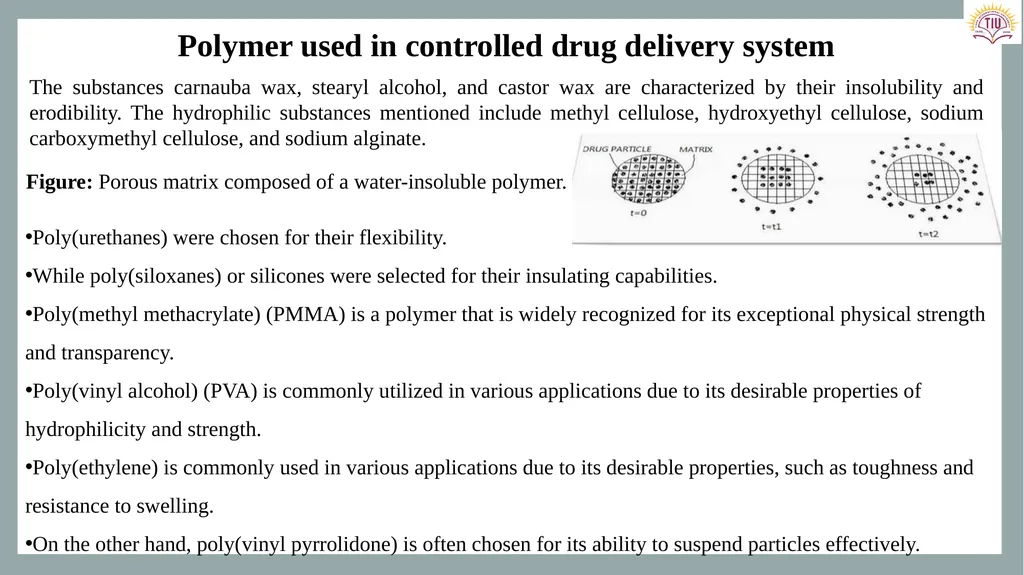
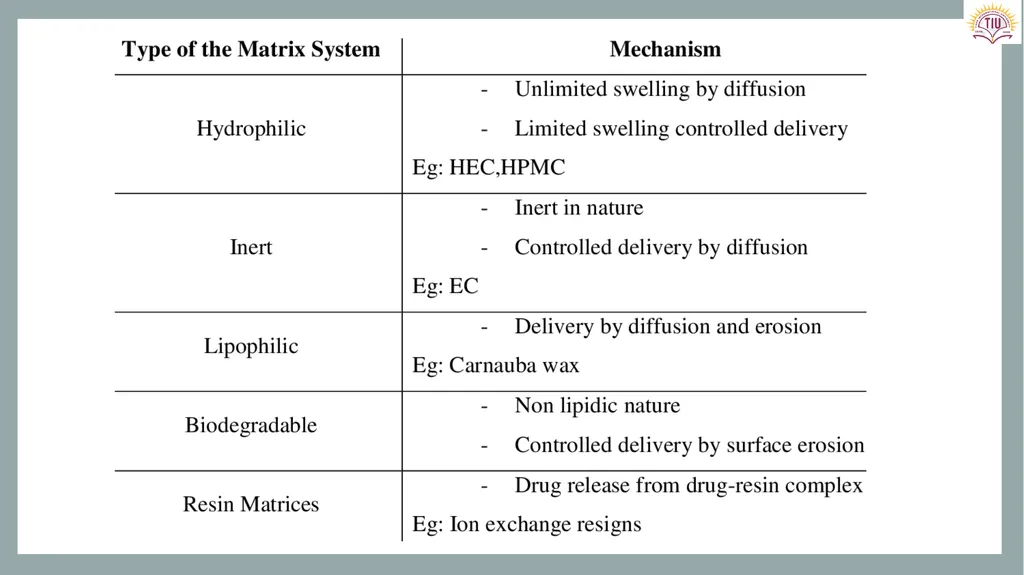
slide18. 18 Polymer used in controlled drug delivery system The substances carnauba wax, stearyl alcohol, and castor wax are characterized by their insolubility and erodibility. The hydrophilic substances mentioned include methyl cellulose, hydroxyethyl cellulose, sodium carboxymethyl cellulose, and sodium alginate. Poly(urethanes) were chosen for their flexibility.
While poly(siloxanes) or silicones were selected for their insulating capabilities.
Poly(methyl methacrylate) (PMMA) is a polymer that is widely recognized for its exceptional physical strength and transparency.
Poly(vinyl alcohol) (PVA) is commonly utilized in various applications due to its desirable properties of hydrophilicity and strength.
Poly(ethylene) is commonly used in various applications due to its desirable properties, such as toughness and resistance to swelling.
On the other hand, poly(vinyl pyrrolidone) is often chosen for its ability to suspend particles effectively. Figure: Porous matrix composed of a water-insoluble polymer.<br>
slide19. 19<br>
slide20. 20<br>
slide21. 21<br>
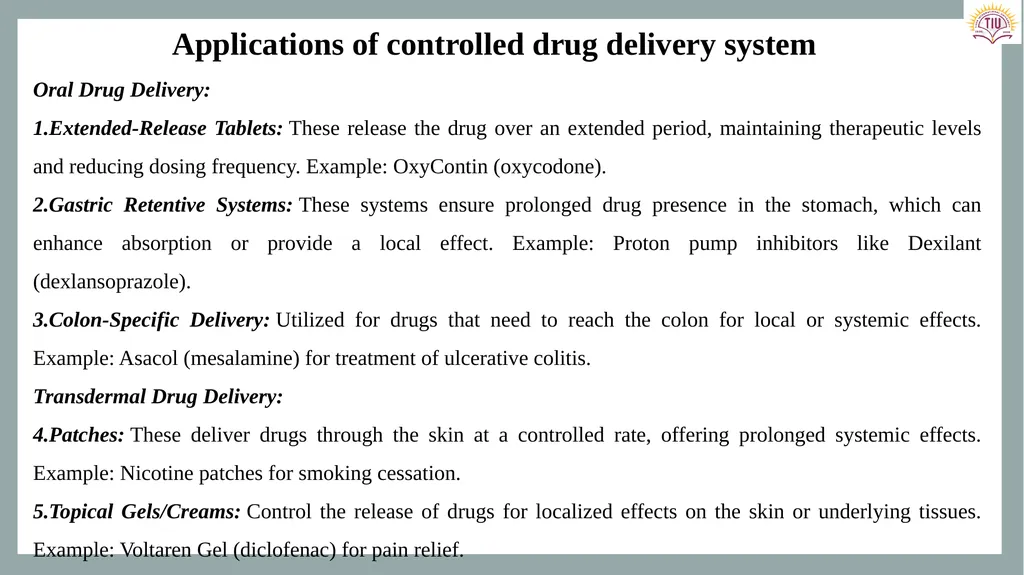
slide22. 22 Applications of controlled drug delivery system Oral Drug Delivery:
Extended-Release Tablets: These release the drug over an extended period, maintaining therapeutic levels and reducing dosing frequency. Example: OxyContin (oxycodone).
Gastric Retentive Systems: These systems ensure prolonged drug presence in the stomach, which can enhance absorption or provide a local effect. Example: Proton pump inhibitors like Dexilant (dexlansoprazole).
Colon-Specific Delivery: Utilized for drugs that need to reach the colon for local or systemic effects. Example: Asacol (mesalamine) for treatment of ulcerative colitis.
Transdermal Drug Delivery:
Patches: These deliver drugs through the skin at a controlled rate, offering prolonged systemic effects. Example: Nicotine patches for smoking cessation.
Topical Gels/Creams: Control the release of drugs for localized effects on the skin or underlying tissues. Example: Voltaren Gel (diclofenac) for pain relief.<br>
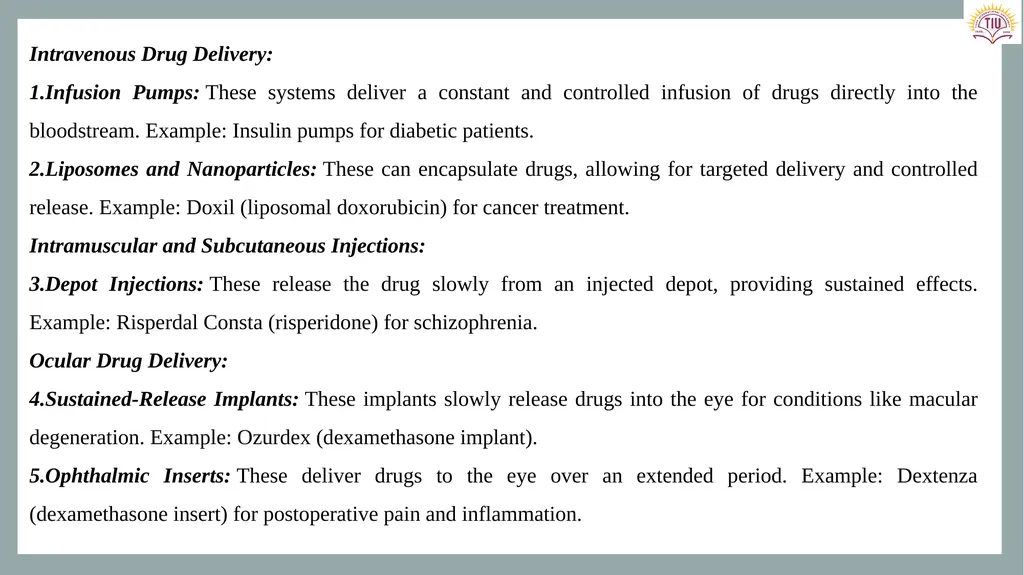
slide23. 23 Intravenous Drug Delivery:
Infusion Pumps: These systems deliver a constant and controlled infusion of drugs directly into the bloodstream. Example: Insulin pumps for diabetic patients.
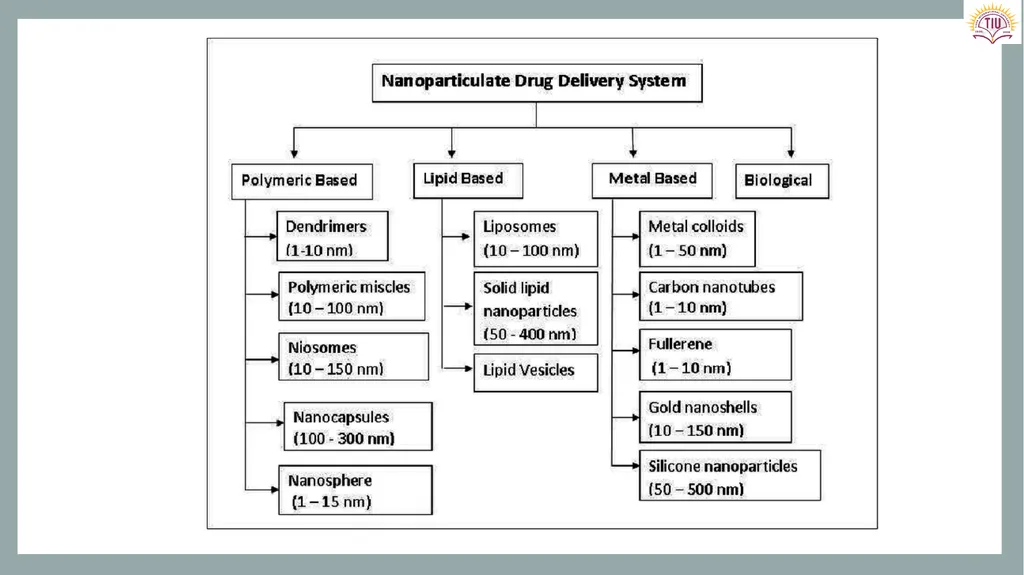
Liposomes and Nanoparticles: These can encapsulate drugs, allowing for targeted delivery and controlled release. Example: Doxil (liposomal doxorubicin) for cancer treatment.
Intramuscular and Subcutaneous Injections:
Depot Injections: These release the drug slowly from an injected depot, providing sustained effects. Example: Risperdal Consta (risperidone) for schizophrenia.
Ocular Drug Delivery:
Sustained-Release Implants: These implants slowly release drugs into the eye for conditions like macular degeneration. Example: Ozurdex (dexamethasone implant).
Ophthalmic Inserts: These deliver drugs to the eye over an extended period. Example: Dextenza (dexamethasone insert) for postoperative pain and inflammation.<br>
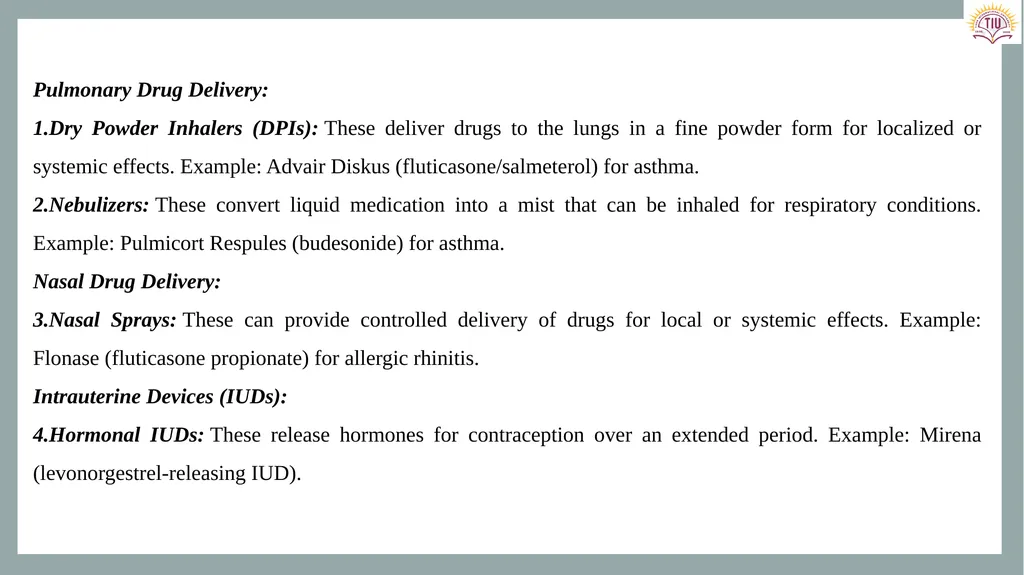
slide24. 24 Pulmonary Drug Delivery:
Dry Powder Inhalers (DPIs): These deliver drugs to the lungs in a fine powder form for localized or systemic effects. Example: Advair Diskus (fluticasone/salmeterol) for asthma.
Nebulizers: These convert liquid medication into a mist that can be inhaled for respiratory conditions. Example: Pulmicort Respules (budesonide) for asthma.
Nasal Drug Delivery:
Nasal Sprays: These can provide controlled delivery of drugs for local or systemic effects. Example: Flonase (fluticasone propionate) for allergic rhinitis.
Intrauterine Devices (IUDs):
Hormonal IUDs: These release hormones for contraception over an extended period. Example: Mirena (levonorgestrel-releasing IUD).<br>
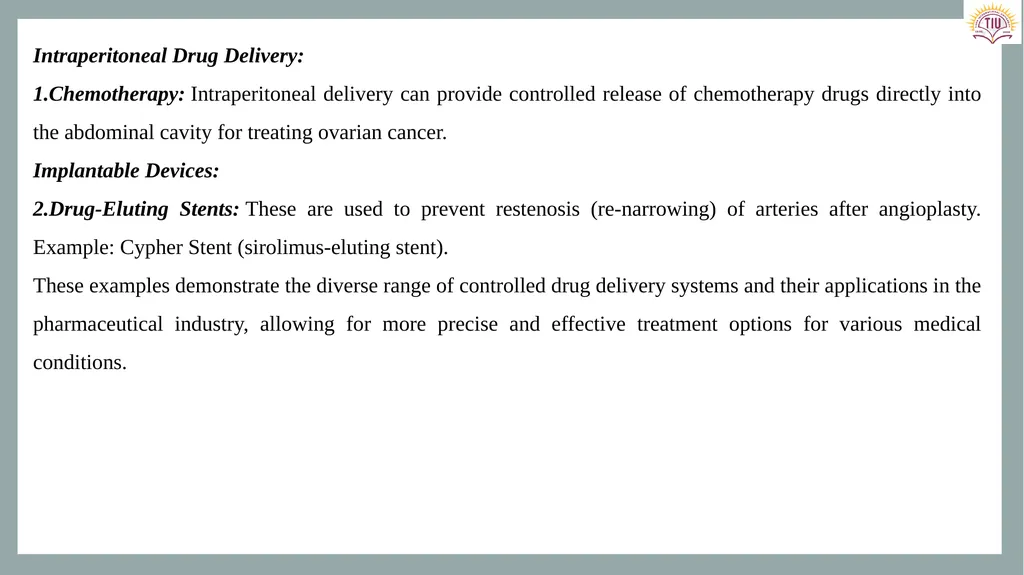
slide25. 25 Intraperitoneal Drug Delivery:
Chemotherapy: Intraperitoneal delivery can provide controlled release of chemotherapy drugs directly into the abdominal cavity for treating ovarian cancer.
Implantable Devices:
Drug-Eluting Stents: These are used to prevent restenosis (re-narrowing) of arteries after angioplasty. Example: Cypher Stent (sirolimus-eluting stent).
These examples demonstrate the diverse range of controlled drug delivery systems and their applications in the pharmaceutical industry, allowing for more precise and effective treatment options for various medical conditions.<br>
slide26. 26<br>
slide27. 27<br>
slide28. 28<br>
slide29. 29<br>
slide30. 30<br>
slide31. 31<br>
slide32. 32<br>
slide33. 33<br>
slide34. 34<br>
slide35. References S. P. Vyas, Roop K. Khar, Controlled drug delivery – Concepts & Advances, Vallabh Prakashan, page no. 196-217. N. K. Jain, Progress in Controlled & Novel Drug Delivery Systems, 1st edition 2004, CBS Publishers, page no.76-97.
G. Chawla, P. Gupta, V. Koradia, A. K. Bansal, Pharmaceutical Technology July 2003, 50-68.
https://www.slideshare.net/vamsikrishnareddy57/drug-release-mechanism-and-kinetics
https://www.ncbi.nlm.nih.gov/pmc/articles/PMC4142099/
https://www.intechopen.com/online-first/88768 35<br>
PHAR512-Industrial Pharmacy-II
Semester-X
Faculty of Pharmacy
2024/05/06<br>
slide2. Objectives Students will understand:
Basis of drug release, type of drug release
Polymers
Kinetics of drug release
Criteria to fabricated/ design formulations 2<br>
slide3. 3 Content Controlled drug delivery systems
Terminology or definition of control release dosage forms
Rationale
Advantages of controlled-release dosage forms
Drug release from dosage forms
Commercial/industrial advantages
Disadvantages of CRDDS
Biopharmaceutic and pharmacokinetic aspects
Required biopharmaceutical characteristics of the drug to meet CDDS criteria
Methods for creating controlled-release formulations
Factors affecting the design and implementation of controlled-release systems
Polymer used in controlled drug delivery system
Applications of controlled drug delivery system<br>
slide4. 4<br>
slide5. 5 Controlled drug delivery systems Controlled drug delivery systems offer various advantages:
Regulating drug concentrations effectively
Reducing the frequency of administrations
Maximizing drug utilization
Enhancing patient adherence.
Potential drawbacks
Material toxicity and Lack of biocompatibility
Generation of undesirable degradation by-products
Necessity for surgical procedures for system implantation or removal
Patient discomfort due to the delivery device
Elevated cost associated with controlled-release systems relative to conventional pharmaceutical formulations.<br>
slide6. 6 Terminology or definition of control release dosage forms According to the USP, modified-release (MR) dosage form is a formulation selected to achieve therapeutic or practical goals that surpass the capabilities of conventional dosage forms like solutions, ointments, or rapidly dissolving formulations, based on its tailored drug release attributes concerning temporal progression and/or spatial localization.
A category within the domain of modified-release (MR) dosage forms is represented by the extended-release (ER) dosage form.
This category is characterized by the capability to achieve a minimum reduction of twice in dosing frequency or substantial enhancements in patient adherence and therapeutic efficacy, in contrast to conventional dosage forms such as solutions or rapid drug-releasing formulations.<br>
slide7. 7 The nomenclature “controlled release (CR),” “prolonged release,” “sustained or slow release (SR),” and “long-acting (LA)” have been interchangeably employed to denote the concept of “extended release.” Controlled drug delivery pertains to a mechanism by which a specific drug is administered either locally or systemically at a predetermined and regulated rate over a defined duration.
A prolonged-release pharmaceutical formulation administers a therapeutic dose of a medication across an elongated time period.
Prolonged release or sustained release systems, designed solely to extend therapeutic drug concentrations within blood or tissues over an extended interval, do not fall under the categorization of controlled-release systems as per this delineation.<br>
slide8. 8 Rationale The fundamental principle behind a controlled-release drug delivery system is to enhance the drug’s biopharmaceutical, pharmacokinetic, and pharmacodynamics attributes to optimize its efficacy.
This optimization aims to minimize adverse effects while achieving disease management or cure in the swiftest feasible duration, utilizing the smallest feasible drug quantity, and selecting the most appropriate administration route.
Immediate release drug delivery systems exhibit certain limitations, including the absence of dose maintenance, lack of controlled-release kinetics, and inability to precisely target specific sites within the body.
An ideal drug delivery system should ensure the drug’s dispensation aligns with the body’s requirements throughout a designated treatment period.
This entails delivering the drug at a rate that corresponds to the body’s needs while considering the specific duration of therapy.<br>
slide9. 9 Advantages of controlled-release dosage forms Clinical advantages
Reduces the frequency of drug administration
Improvement in the compliance of a patient
Minimizing fluctuation of drug level in the blood
Decreasing drug utilization as compared with conventional therapy
Diminished drug accumulation during chronic treatment
Decrease in the toxicity of the drug whether local or systemic
Stabilized patient’s medical condition due to the achievement of uniform drug levels
Enhanced bioavailability for specific drugs due to spatial regulation
Cost-effectiveness for both healthcare provider and the patient.<br>
slide10. 10 Drug release from dosage forms<br>
slide11. 11<br>
slide12. 12 Commercial/industrial advantages Demonstration of innovative and technological forefront
Extension of product life cycle
Establishment of product distinctiveness
Broadening of market reach
Extension of Patent protection<br>
slide13. 13 Disadvantages of CRDDS Delayed initiation of drug effects
Potential risk of dose release surge with inadequate formulation strategy
Elevated susceptibility to first-pass metabolism
Augmented reliance on gastrointestinal residence duration of dosage form
Possible challenge in precise dose adaptation in certain scenarios
Elevated cost per individual dose compared to conventional formulations
Not all drugs are amenable to extended-release formulation<br>
slide14. 14 Biopharmaceutic and pharmacokinetic aspects Biological half-life (t ½)
Minimum effective concentration (MEC)
Dose size and extent of duration
Relatively long t1/2 or fluctuation desired at steady state<br>
slide15. 15 Required biopharmaceutical characteristics of the drug to meet CDDS criteria Molecular weight
Solubility
Apparent partition coefficient (APC)
Absorption mechanism
Pharmacokinetic and elimination half life (t ½)
Total clearance (CL)
Terminal disposition rate constant (Ke or λz)
Apparent volume of distribution (Vz)
Absolute bioavailability (F)
Intrinsic absorption rate constant (Ka)
Therapeutic concentration (Css)<br>
slide16. 16 Methods for creating controlled-release formulations Controlled-release dissolution
Encapsulation dissolution control
Seed or granule coated
Micro-encapsulation
Matrix dissolution control
Diffusion controlled release
Reservoir-type devices
Matrix-type devices
Diffusion and dissolution controlled systems
Ion exchange resins
Osmotically controlled release<br>
slide17. 17 Factors affecting the design and implementation of controlled-release systems A: Pharamceutical properties
1: Aqueous solubility’s
2: Partition coefficient (P-value)
3: Drug pKa
4: Drug stability
5: Molecular size and molecular weight
6: Protein binding
B: Biological factors
1: Absorption
2: Biological half-life (t1/2)
3: Dose size
4: Therapeutic window
5: Absorption window
6: Patient physiology<br>
slide18. 18 Polymer used in controlled drug delivery system The substances carnauba wax, stearyl alcohol, and castor wax are characterized by their insolubility and erodibility. The hydrophilic substances mentioned include methyl cellulose, hydroxyethyl cellulose, sodium carboxymethyl cellulose, and sodium alginate. Poly(urethanes) were chosen for their flexibility.
While poly(siloxanes) or silicones were selected for their insulating capabilities.
Poly(methyl methacrylate) (PMMA) is a polymer that is widely recognized for its exceptional physical strength and transparency.
Poly(vinyl alcohol) (PVA) is commonly utilized in various applications due to its desirable properties of hydrophilicity and strength.
Poly(ethylene) is commonly used in various applications due to its desirable properties, such as toughness and resistance to swelling.
On the other hand, poly(vinyl pyrrolidone) is often chosen for its ability to suspend particles effectively. Figure: Porous matrix composed of a water-insoluble polymer.<br>
slide19. 19<br>
slide20. 20<br>
slide21. 21<br>
slide22. 22 Applications of controlled drug delivery system Oral Drug Delivery:
Extended-Release Tablets: These release the drug over an extended period, maintaining therapeutic levels and reducing dosing frequency. Example: OxyContin (oxycodone).
Gastric Retentive Systems: These systems ensure prolonged drug presence in the stomach, which can enhance absorption or provide a local effect. Example: Proton pump inhibitors like Dexilant (dexlansoprazole).
Colon-Specific Delivery: Utilized for drugs that need to reach the colon for local or systemic effects. Example: Asacol (mesalamine) for treatment of ulcerative colitis.
Transdermal Drug Delivery:
Patches: These deliver drugs through the skin at a controlled rate, offering prolonged systemic effects. Example: Nicotine patches for smoking cessation.
Topical Gels/Creams: Control the release of drugs for localized effects on the skin or underlying tissues. Example: Voltaren Gel (diclofenac) for pain relief.<br>
slide23. 23 Intravenous Drug Delivery:
Infusion Pumps: These systems deliver a constant and controlled infusion of drugs directly into the bloodstream. Example: Insulin pumps for diabetic patients.
Liposomes and Nanoparticles: These can encapsulate drugs, allowing for targeted delivery and controlled release. Example: Doxil (liposomal doxorubicin) for cancer treatment.
Intramuscular and Subcutaneous Injections:
Depot Injections: These release the drug slowly from an injected depot, providing sustained effects. Example: Risperdal Consta (risperidone) for schizophrenia.
Ocular Drug Delivery:
Sustained-Release Implants: These implants slowly release drugs into the eye for conditions like macular degeneration. Example: Ozurdex (dexamethasone implant).
Ophthalmic Inserts: These deliver drugs to the eye over an extended period. Example: Dextenza (dexamethasone insert) for postoperative pain and inflammation.<br>
slide24. 24 Pulmonary Drug Delivery:
Dry Powder Inhalers (DPIs): These deliver drugs to the lungs in a fine powder form for localized or systemic effects. Example: Advair Diskus (fluticasone/salmeterol) for asthma.
Nebulizers: These convert liquid medication into a mist that can be inhaled for respiratory conditions. Example: Pulmicort Respules (budesonide) for asthma.
Nasal Drug Delivery:
Nasal Sprays: These can provide controlled delivery of drugs for local or systemic effects. Example: Flonase (fluticasone propionate) for allergic rhinitis.
Intrauterine Devices (IUDs):
Hormonal IUDs: These release hormones for contraception over an extended period. Example: Mirena (levonorgestrel-releasing IUD).<br>
slide25. 25 Intraperitoneal Drug Delivery:
Chemotherapy: Intraperitoneal delivery can provide controlled release of chemotherapy drugs directly into the abdominal cavity for treating ovarian cancer.
Implantable Devices:
Drug-Eluting Stents: These are used to prevent restenosis (re-narrowing) of arteries after angioplasty. Example: Cypher Stent (sirolimus-eluting stent).
These examples demonstrate the diverse range of controlled drug delivery systems and their applications in the pharmaceutical industry, allowing for more precise and effective treatment options for various medical conditions.<br>
slide26. 26<br>
slide27. 27<br>
slide28. 28<br>
slide29. 29<br>
slide30. 30<br>
slide31. 31<br>
slide32. 32<br>
slide33. 33<br>
slide34. 34<br>
slide35. References S. P. Vyas, Roop K. Khar, Controlled drug delivery – Concepts & Advances, Vallabh Prakashan, page no. 196-217. N. K. Jain, Progress in Controlled & Novel Drug Delivery Systems, 1st edition 2004, CBS Publishers, page no.76-97.
G. Chawla, P. Gupta, V. Koradia, A. K. Bansal, Pharmaceutical Technology July 2003, 50-68.
https://www.slideshare.net/vamsikrishnareddy57/drug-release-mechanism-and-kinetics
https://www.ncbi.nlm.nih.gov/pmc/articles/PMC4142099/
https://www.intechopen.com/online-first/88768 35<br>