
COPD National Action Plan What is COPD? Chronic











Description: COPD National Action Plan What is COPD? Chronic obstructive pulmonary disease (COPD) is a progressive lung disease that over time makes it hard to breathe. Less air flows in and out of the airways because of one or more of the following:
Related Topics
Download Presentation
"COPD National Action Plan What is COPD? Chronic" is the property of its rightful owner. Permission is granted to download and print the materials on this website for personal, non-commercial use only, and to display it on your personal computer provided you do not modify the materials and that you retain all copyright notices contained in the materials. By downloading content from our website, you accept the terms of this agreement.
Presentation Transcript
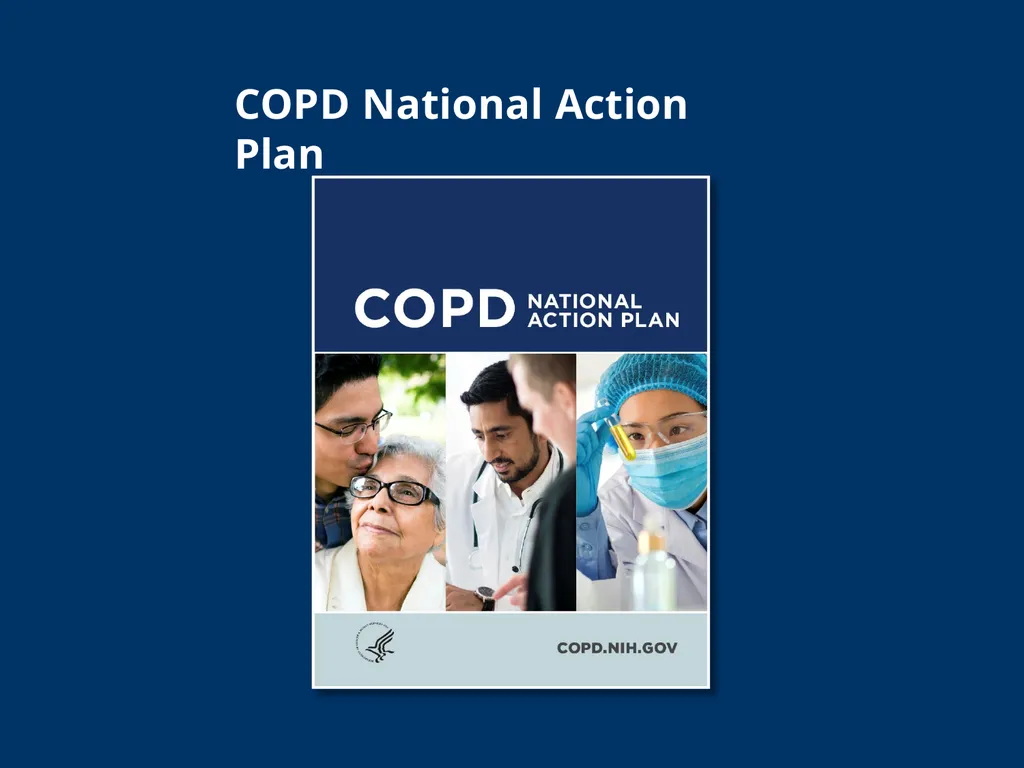
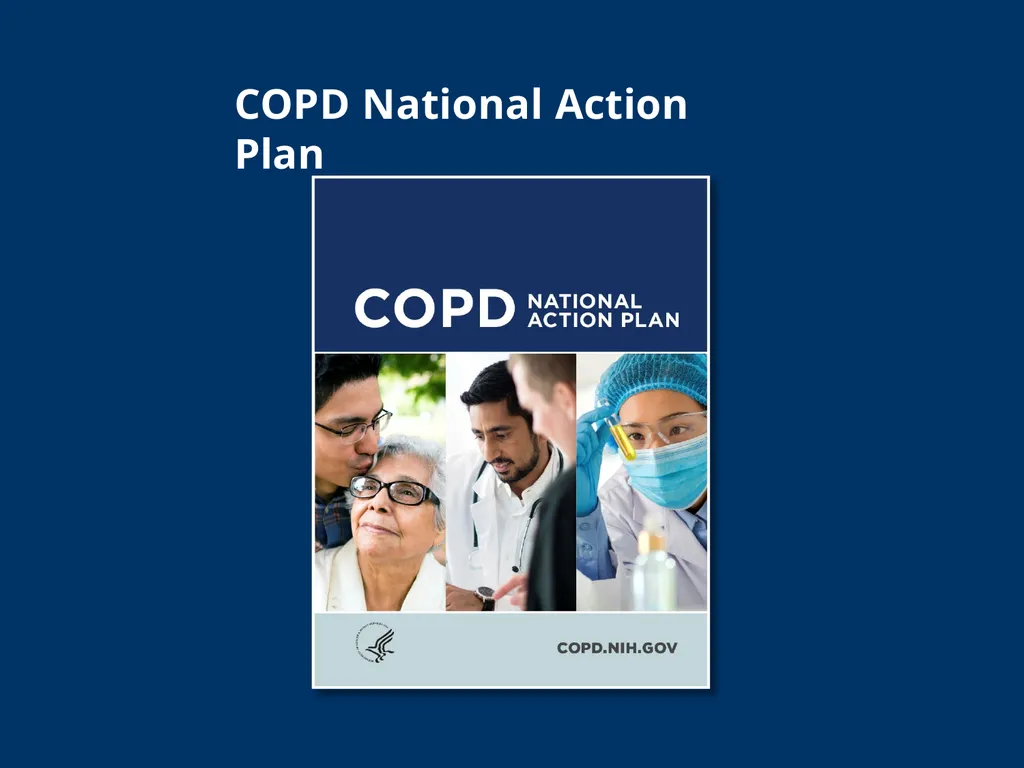
slide1. COPD National Action Plan<br>
slide2. What is COPD? Chronic obstructive pulmonary disease (COPD) is a progressive lung disease that over time makes it hard to breathe.
Less air flows in and out of the airways because of one or more of the following:
The airways and air sacs lose their elastic quality.
The walls between many of the air sacs are destroyed.
The airway walls become thick, and airways are narrowed by inflammation.
The airways make more mucus than usual, which can also clog them.
Left untreated, people with COPD gradually lose their stamina and ability to perform daily activities.<br>
slide3. Common Symptoms of COPD CONSTANT COUGHING,
sometimes called a “smoker’s cough”
SHORTNESS OF BREATH
while doing everyday activities
INABILITY TO BREATHE EASILY
or take a deep breath
EXCESS MUCUS PRODUCTION
coughed up as sputum
WHEEZING<br>
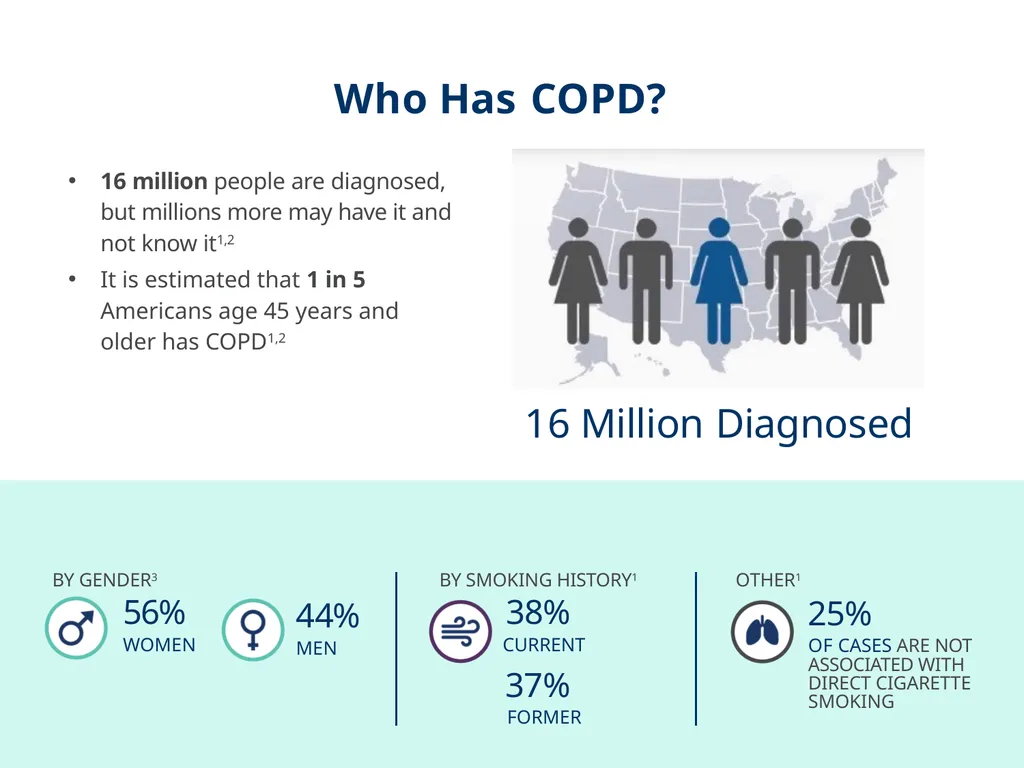
slide4. Who Has COPD? 16 million people are diagnosed, but millions more may have it and not know it1,2
It is estimated that 1 in 5 Americans age 45 years and older has COPD1,2 16 Million Diagnosed BY GENDER3
56%
WOMEN 44%
MEN BY SMOKING HISTORY1
38%
CURRENT
37%
FORMER OTHER1 25%
OF CASES ARE NOT ASSOCIATED WITH DIRECT CIGARETTE SMOKING<br>
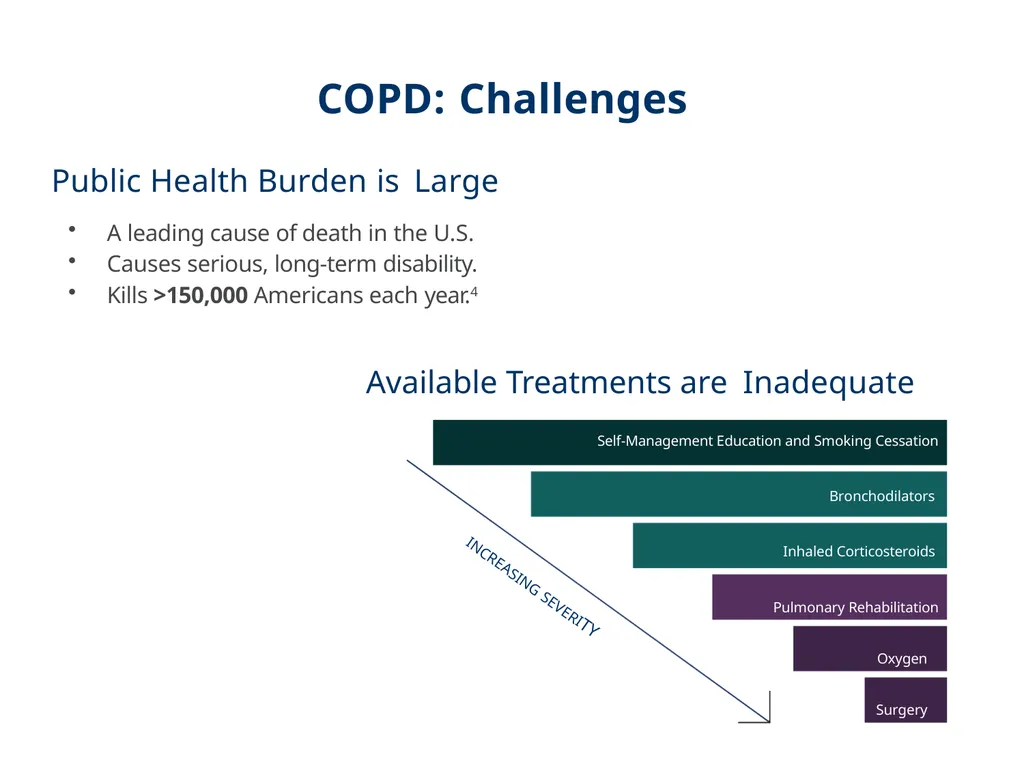
slide5. COPD: Challenges Public Health Burden is Large
A leading cause of death in the U.S.
Causes serious, long-term disability.
Kills >150,000 Americans each year.4
Available Treatments are Inadequate INCREASING SEVERITY Self-Management Education and Smoking Cessation
Bronchodilators
Inhaled Corticosteroids
Pulmonary Rehabilitation
Oxygen
Surgery<br>
slide6. What is the COPD National Action Plan? The first-ever blueprint for a multi-faceted, unified fight against the disease.
Developed at the request of Congress with input from the broad COPD community.
Provides a comprehensive framework for action by those affected by the disease and those who care about reducing its burden.<br>
slide7. COPD Town Hall Meeting Set the foundation for the COPD National Action Plan More than 200 attendees
– including patients, caregivers, health care providers, industry leaders, academic leaders, and
14 federal partners – participated Attendees separated into six breakout groups based on the original Action Plan goals and developed 18 recommendations February 29 and March 1, 2016<br>
slide8. COPD National Action Plan Development Developed first draft of Action Plan based on suggestions from COPD Town Hall Meeting
May 2016 Solicited feedback on first draft Action Plan from COPD Town Hall attendees June 2016 Revised the Action Plan and submitted for public comment Sept. 2016 Reviewed more than 200 public comments and updated Action Plan Dec. 2016 Action Plan underwent final review and design April 2017 Released: May 2017<br>
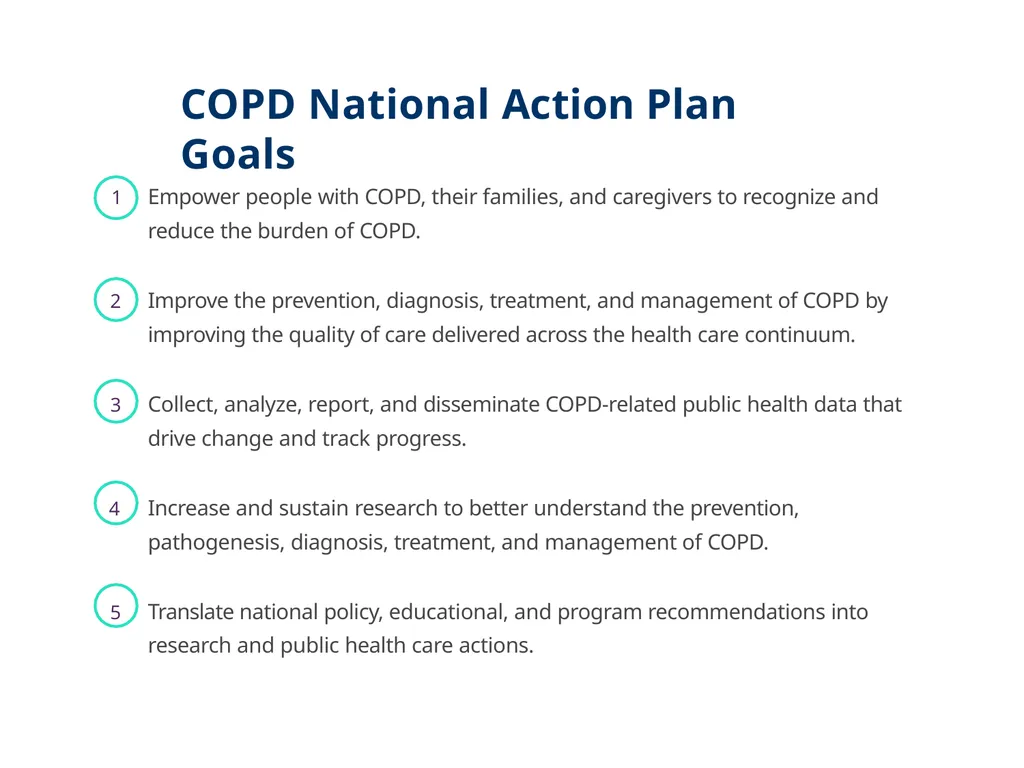
slide9. COPD National Action Plan Goals Empower people with COPD, their families, and caregivers to recognize and reduce the burden of COPD.
Improve the prevention, diagnosis, treatment, and management of COPD by improving the quality of care delivered across the health care continuum.
Collect, analyze, report, and disseminate COPD-related public health data that drive change and track progress.
Increase and sustain research to better understand the prevention, pathogenesis, diagnosis, treatment, and management of COPD.
Translate national policy, educational, and program recommendations into research and public health care actions.<br>
slide10. Empower people with COPD, their families, and caregivers to recognize and reduce the burden of COPD. GOAL 1<br>
slide11. GOAL 1: OPPORTUNITIES FOR
ENGAGEMENT AND PARTICIPATION Share culturally and linguistically appropriate COPD risk assessment tools and educational materials with people with COPD and their families, friends, colleagues, and community members.
Work locally with stakeholders, partners, and communities
disproportionately affected by COPD to support disease awareness. Organize and support local events and activities at hospitals, during community events and activities, and as part of workplace wellness programs; seek local earned media coverage; and utilize existing health observances, including World COPD Day and National COPD Awareness Month. Develop and execute train-the-trainer programs and distribute educational materials at state and federal levels that have unified messages and calls to action. Identify and engage new partners who can
address COPD, particularly those with the ability to reach populations most affected by the disease, as well as those working on policies aimed at tobacco-use prevention.<br>
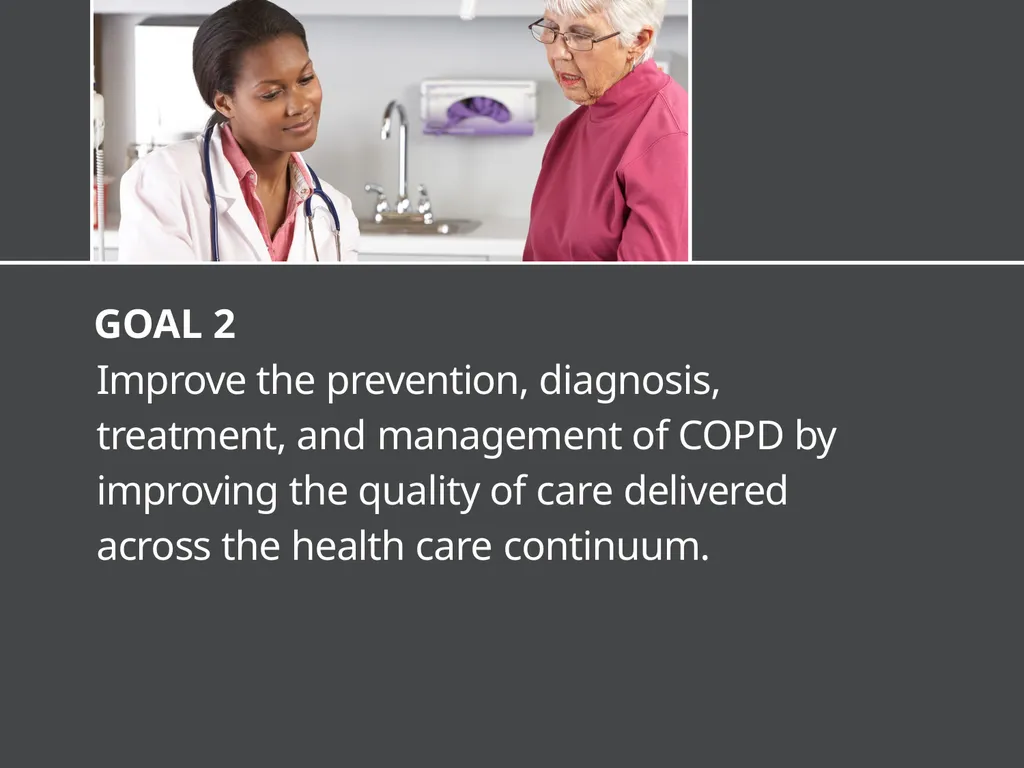
slide12. Improve the prevention, diagnosis, treatment, and management of COPD by improving the quality of care delivered across the health care continuum. GOAL 2<br>
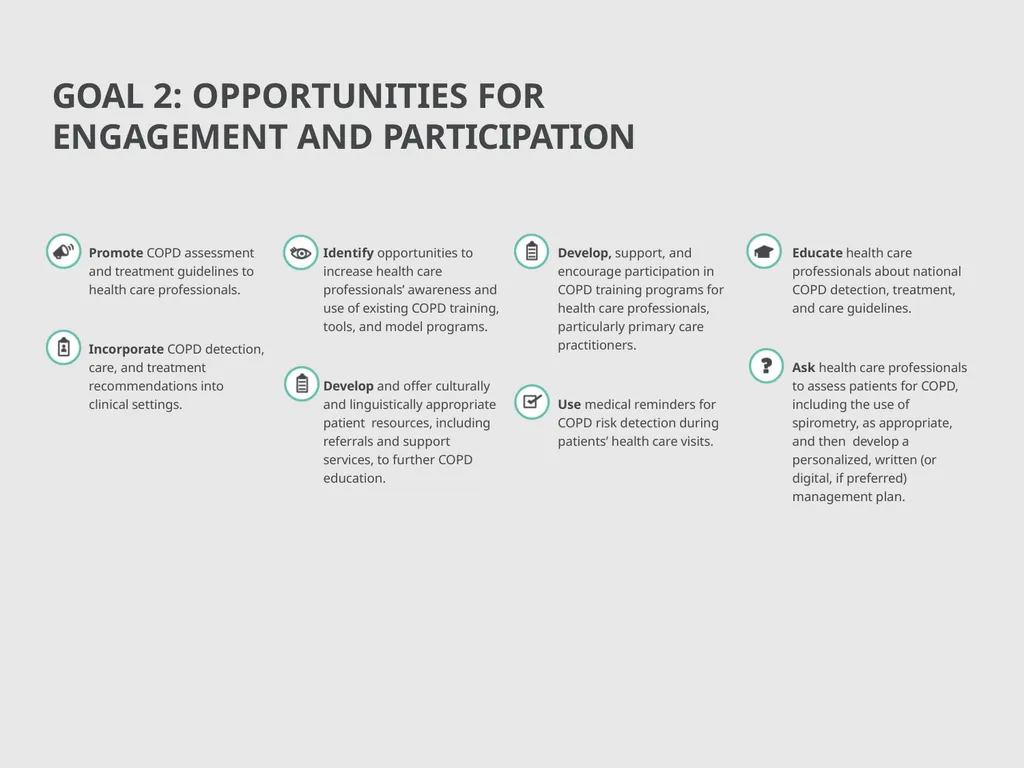
slide13. GOAL 2: OPPORTUNITIES FOR
ENGAGEMENT AND PARTICIPATION Promote COPD assessment and treatment guidelines to health care professionals.
Incorporate COPD detection, care, and treatment recommendations into clinical settings. Identify opportunities to increase health care professionals’ awareness and use of existing COPD training, tools, and model programs.
Develop and offer culturally and linguistically appropriate patient resources, including referrals and support services, to further COPD education. Develop, support, and encourage participation in COPD training programs for health care professionals, particularly primary care practitioners.
Use medical reminders for COPD risk detection during patients’ health care visits. Educate health care professionals about national COPD detection, treatment, and care guidelines.
Ask health care professionals to assess patients for COPD, including the use of spirometry, as appropriate, and then develop a personalized, written (or digital, if preferred) management plan.<br>
slide14. Collect, analyze, report, and disseminate COPD-related public health data that drive change and track progress. GOAL 3<br>
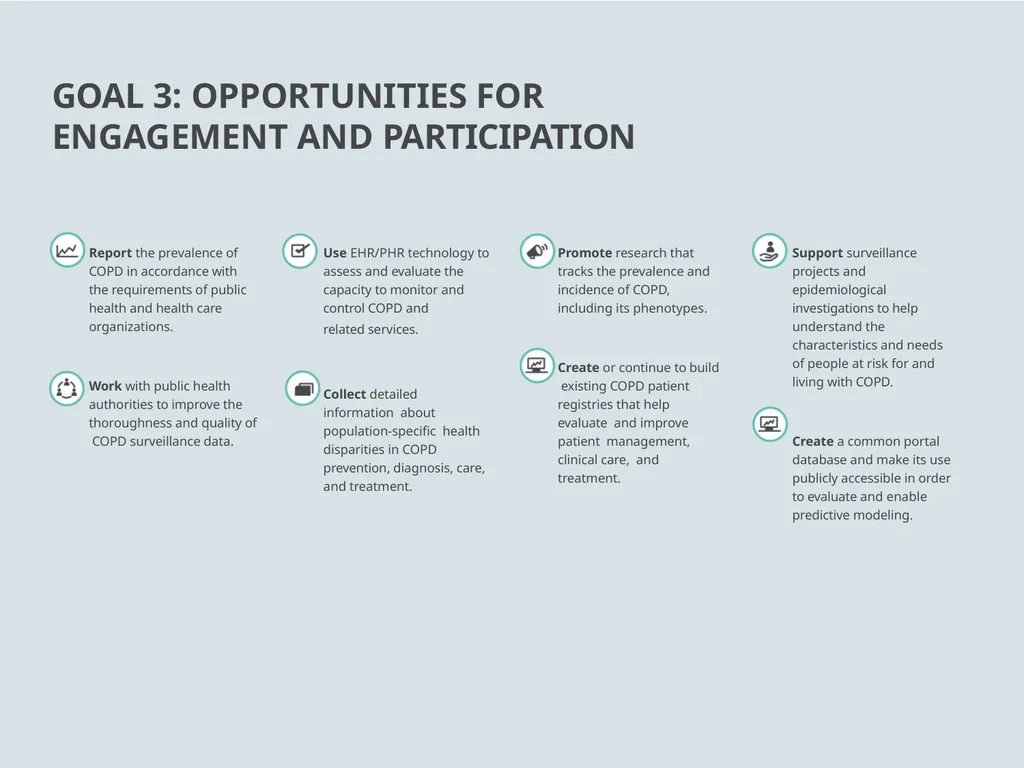
slide15. GOAL 3: OPPORTUNITIES FOR
ENGAGEMENT AND PARTICIPATION Report the prevalence of COPD in accordance with the requirements of public health and health care organizations.
Work with public health authorities to improve the thoroughness and quality of COPD surveillance data. Use EHR/PHR technology to assess and evaluate the capacity to monitor and control COPD and
related services.
Collect detailed information about population-specific health disparities in COPD prevention, diagnosis, care, and treatment. Promote research that tracks the prevalence and incidence of COPD, including its phenotypes.
Create or continue to build existing COPD patient registries that help evaluate and improve patient management, clinical care, and treatment. Support surveillance projects and epidemiological investigations to help understand the characteristics and needs of people at risk for and living with COPD.
Create a common portal database and make its use publicly accessible in order to evaluate and enable predictive modeling.<br>
slide16. Increase and sustain research to better understand the prevention, pathogenesis, diagnosis, treatment, and management of COPD. GOAL 4<br>
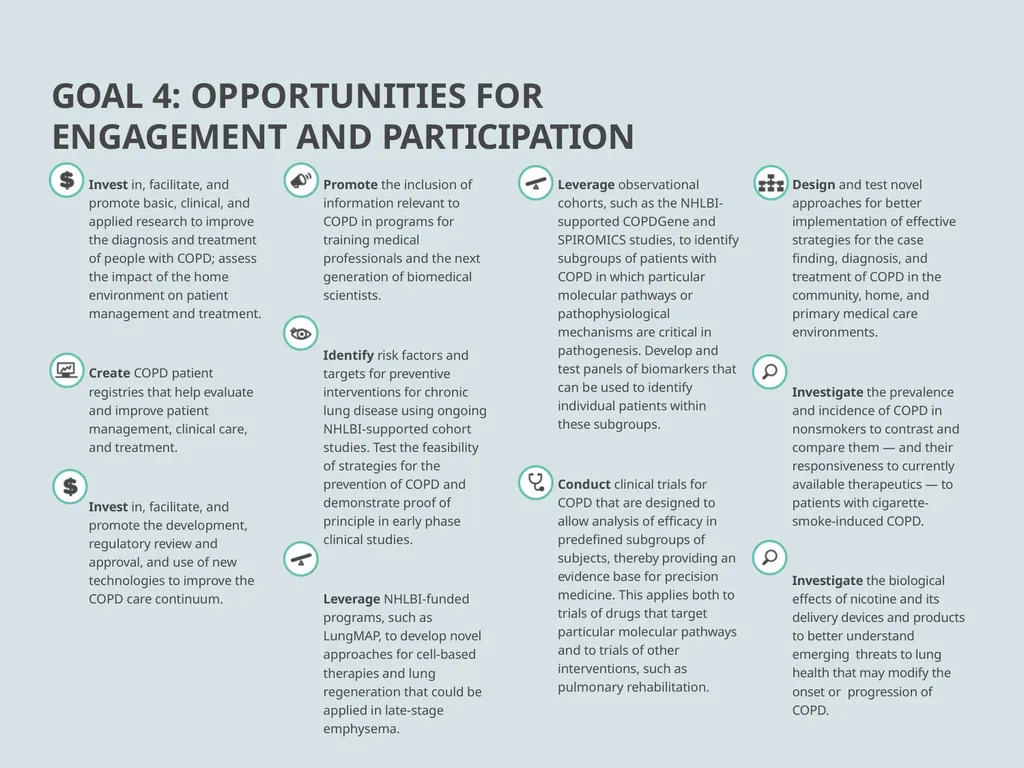
slide17. GOAL 4: OPPORTUNITIES FOR
ENGAGEMENT AND PARTICIPATION Invest in, facilitate, and promote basic, clinical, and applied research to improve the diagnosis and treatment of people with COPD; assess the impact of the home environment on patient management and treatment.
Create COPD patient registries that help evaluate and improve patient management, clinical care, and treatment.
Invest in, facilitate, and promote the development, regulatory review and approval, and use of new technologies to improve the COPD care continuum. Promote the inclusion of information relevant to COPD in programs for training medical professionals and the next generation of biomedical scientists.
Identify risk factors and targets for preventive interventions for chronic lung disease using ongoing NHLBI-supported cohort studies. Test the feasibility of strategies for the prevention of COPD and demonstrate proof of principle in early phase clinical studies.
Leverage NHLBI-funded programs, such as LungMAP, to develop novel approaches for cell-based therapies and lung regeneration that could be applied in late-stage emphysema. Leverage observational cohorts, such as the NHLBI- supported COPDGene and SPIROMICS studies, to identify subgroups of patients with COPD in which particular molecular pathways or pathophysiological mechanisms are critical in pathogenesis. Develop and test panels of biomarkers that can be used to identify individual patients within these subgroups.
Conduct clinical trials for COPD that are designed to allow analysis of efficacy in predefined subgroups of subjects, thereby providing an evidence base for precision medicine. This applies both to trials of drugs that target particular molecular pathways and to trials of other interventions, such as pulmonary rehabilitation. Design and test novel approaches for better implementation of effective strategies for the case finding, diagnosis, and treatment of COPD in the community, home, and primary medical care environments.
Investigate the prevalence and incidence of COPD in nonsmokers to contrast and compare them — and their responsiveness to currently available therapeutics — to patients with cigarette- smoke-induced COPD.
Investigate the biological effects of nicotine and its delivery devices and products to better understand emerging threats to lung health that may modify the onset or progression of COPD.<br>
slide18. Translate national policy, educational, and program recommendations into research and public health care actions. GOAL 5<br>
slide19. GOAL 5: OPPORTUNITIES FOR
ENGAGEMENT AND PARTICIPATION Create quality-control performance metrics for COPD detection, care, and treatment. Encourage the adoption and use of performance metrics for COPD detection, care, treatment, and prevention. Assess the progress of the COPD National Action Plan’s initiatives biannually. Share information about the COPD National Action Plan’s performance.<br>
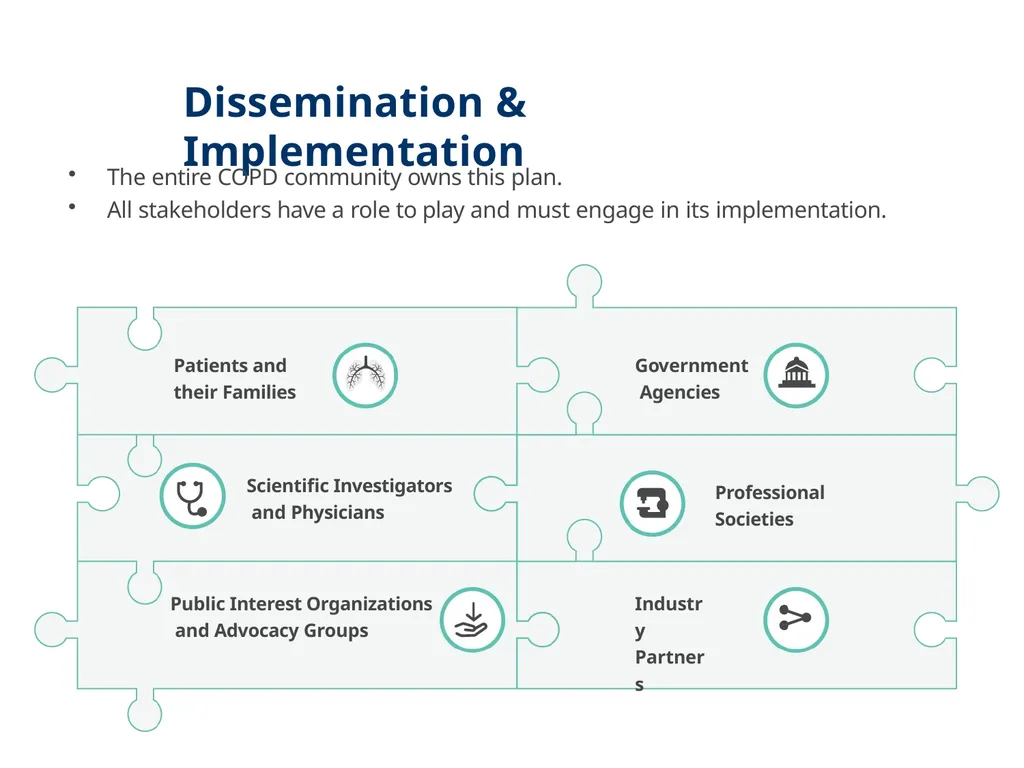
slide20. Dissemination & Implementation The entire COPD community owns this plan.
All stakeholders have a role to play and must engage in its implementation. Patients and their Families Government Agencies Scientific Investigators and Physicians Professional Societies Public Interest Organizations and Advocacy Groups Industry Partners<br>
slide21. How You Might Use the COPD National Action Plan WHICH GROUP DO YOU IDENTIFY WITH MOST? Patient, family member, caregiver, or
at-risk individual Advocate or nonprofit Health professional Researcher Policymaker GOAL 1:
Empower patients, their families, and caregivers to recognize and reduce burden of COPD GOAL 2:
Equip health care professionals
to provide comprehensive care to people with COPD GOAL 3:
Collect, analyze, report, and disseminate COPD data GOAL 4:
Increase and sustain COPD research GOAL 5:
Turn COPD recommendations into research and public health care actions<br>
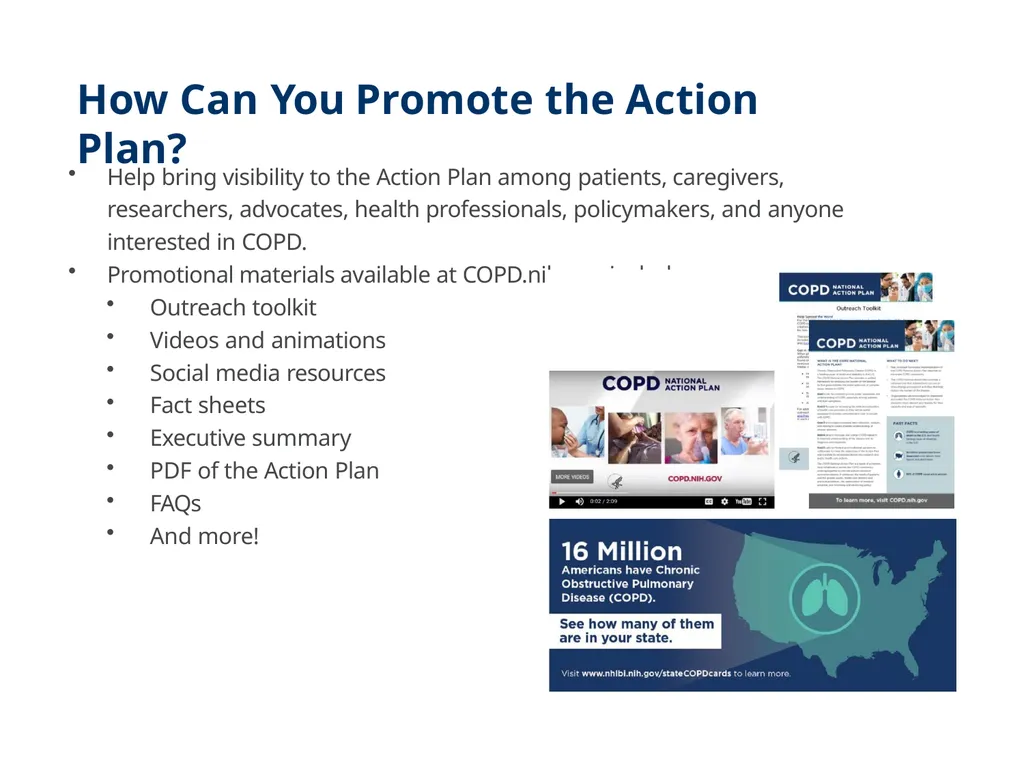
slide22. How Can You Promote the Action Plan? Help bring visibility to the Action Plan among patients, caregivers, researchers, advocates, health professionals, policymakers, and anyone interested in COPD.
Promotional materials available at COPD.nih.gov include:
Outreach toolkit
Videos and animations
Social media resources
Fact sheets
Executive summary
PDF of the Action Plan
FAQs
And more!<br>
slide23. References Anne G. Wheaton, Timothy J. Cunningham, Earl S. Ford, MD, and Janet B. Croft., “Employment and activity limitations among adults with chronic obstructive pulmonary disease — United States, 2013,” Morbidity and Mortality Weekly Report (MMWR), 64 (11), pp. 289-295 (March 7, 2015), Centers for Disease Control and Prevention (CDC)
David M. Mannino, Robert C. Gagnon, Thomas L. Petty, and Eva Lydick., “Obstructive lung disease and low lung function in adults in the United States: data from the National Health and Nutrition Examination Survey 1988-1994.” Archives of Internal Medicine, 160 (11), pp. 1683-1689 (June 12, 2000)
Earl S. Ford, Janet B. Croft, David M. Mannino, Anne G. Wheaton, Xingyou Zhang, and Wayne H. Giles, “COPD surveillance — United States, 1999-2011,” Chest, 144 (1), pp. 284-305 (July 2013)
Sherry L. Murphy, Jiaquan Xu, Kenneth D. Kochanek, Elizabeth Arias, and Sally C. Curtin., “Deaths: Final Data for 2015.” National Vital Statistics Reports, 66 (6), (November 2017)<br>
slide24. COPD.nih.gov #COPDActionPlan<br>
slide2. What is COPD? Chronic obstructive pulmonary disease (COPD) is a progressive lung disease that over time makes it hard to breathe.
Less air flows in and out of the airways because of one or more of the following:
The airways and air sacs lose their elastic quality.
The walls between many of the air sacs are destroyed.
The airway walls become thick, and airways are narrowed by inflammation.
The airways make more mucus than usual, which can also clog them.
Left untreated, people with COPD gradually lose their stamina and ability to perform daily activities.<br>
slide3. Common Symptoms of COPD CONSTANT COUGHING,
sometimes called a “smoker’s cough”
SHORTNESS OF BREATH
while doing everyday activities
INABILITY TO BREATHE EASILY
or take a deep breath
EXCESS MUCUS PRODUCTION
coughed up as sputum
WHEEZING<br>
slide4. Who Has COPD? 16 million people are diagnosed, but millions more may have it and not know it1,2
It is estimated that 1 in 5 Americans age 45 years and older has COPD1,2 16 Million Diagnosed BY GENDER3
56%
WOMEN 44%
MEN BY SMOKING HISTORY1
38%
CURRENT
37%
FORMER OTHER1 25%
OF CASES ARE NOT ASSOCIATED WITH DIRECT CIGARETTE SMOKING<br>
slide5. COPD: Challenges Public Health Burden is Large
A leading cause of death in the U.S.
Causes serious, long-term disability.
Kills >150,000 Americans each year.4
Available Treatments are Inadequate INCREASING SEVERITY Self-Management Education and Smoking Cessation
Bronchodilators
Inhaled Corticosteroids
Pulmonary Rehabilitation
Oxygen
Surgery<br>
slide6. What is the COPD National Action Plan? The first-ever blueprint for a multi-faceted, unified fight against the disease.
Developed at the request of Congress with input from the broad COPD community.
Provides a comprehensive framework for action by those affected by the disease and those who care about reducing its burden.<br>
slide7. COPD Town Hall Meeting Set the foundation for the COPD National Action Plan More than 200 attendees
– including patients, caregivers, health care providers, industry leaders, academic leaders, and
14 federal partners – participated Attendees separated into six breakout groups based on the original Action Plan goals and developed 18 recommendations February 29 and March 1, 2016<br>
slide8. COPD National Action Plan Development Developed first draft of Action Plan based on suggestions from COPD Town Hall Meeting
May 2016 Solicited feedback on first draft Action Plan from COPD Town Hall attendees June 2016 Revised the Action Plan and submitted for public comment Sept. 2016 Reviewed more than 200 public comments and updated Action Plan Dec. 2016 Action Plan underwent final review and design April 2017 Released: May 2017<br>
slide9. COPD National Action Plan Goals Empower people with COPD, their families, and caregivers to recognize and reduce the burden of COPD.
Improve the prevention, diagnosis, treatment, and management of COPD by improving the quality of care delivered across the health care continuum.
Collect, analyze, report, and disseminate COPD-related public health data that drive change and track progress.
Increase and sustain research to better understand the prevention, pathogenesis, diagnosis, treatment, and management of COPD.
Translate national policy, educational, and program recommendations into research and public health care actions.<br>
slide10. Empower people with COPD, their families, and caregivers to recognize and reduce the burden of COPD. GOAL 1<br>
slide11. GOAL 1: OPPORTUNITIES FOR
ENGAGEMENT AND PARTICIPATION Share culturally and linguistically appropriate COPD risk assessment tools and educational materials with people with COPD and their families, friends, colleagues, and community members.
Work locally with stakeholders, partners, and communities
disproportionately affected by COPD to support disease awareness. Organize and support local events and activities at hospitals, during community events and activities, and as part of workplace wellness programs; seek local earned media coverage; and utilize existing health observances, including World COPD Day and National COPD Awareness Month. Develop and execute train-the-trainer programs and distribute educational materials at state and federal levels that have unified messages and calls to action. Identify and engage new partners who can
address COPD, particularly those with the ability to reach populations most affected by the disease, as well as those working on policies aimed at tobacco-use prevention.<br>
slide12. Improve the prevention, diagnosis, treatment, and management of COPD by improving the quality of care delivered across the health care continuum. GOAL 2<br>
slide13. GOAL 2: OPPORTUNITIES FOR
ENGAGEMENT AND PARTICIPATION Promote COPD assessment and treatment guidelines to health care professionals.
Incorporate COPD detection, care, and treatment recommendations into clinical settings. Identify opportunities to increase health care professionals’ awareness and use of existing COPD training, tools, and model programs.
Develop and offer culturally and linguistically appropriate patient resources, including referrals and support services, to further COPD education. Develop, support, and encourage participation in COPD training programs for health care professionals, particularly primary care practitioners.
Use medical reminders for COPD risk detection during patients’ health care visits. Educate health care professionals about national COPD detection, treatment, and care guidelines.
Ask health care professionals to assess patients for COPD, including the use of spirometry, as appropriate, and then develop a personalized, written (or digital, if preferred) management plan.<br>
slide14. Collect, analyze, report, and disseminate COPD-related public health data that drive change and track progress. GOAL 3<br>
slide15. GOAL 3: OPPORTUNITIES FOR
ENGAGEMENT AND PARTICIPATION Report the prevalence of COPD in accordance with the requirements of public health and health care organizations.
Work with public health authorities to improve the thoroughness and quality of COPD surveillance data. Use EHR/PHR technology to assess and evaluate the capacity to monitor and control COPD and
related services.
Collect detailed information about population-specific health disparities in COPD prevention, diagnosis, care, and treatment. Promote research that tracks the prevalence and incidence of COPD, including its phenotypes.
Create or continue to build existing COPD patient registries that help evaluate and improve patient management, clinical care, and treatment. Support surveillance projects and epidemiological investigations to help understand the characteristics and needs of people at risk for and living with COPD.
Create a common portal database and make its use publicly accessible in order to evaluate and enable predictive modeling.<br>
slide16. Increase and sustain research to better understand the prevention, pathogenesis, diagnosis, treatment, and management of COPD. GOAL 4<br>
slide17. GOAL 4: OPPORTUNITIES FOR
ENGAGEMENT AND PARTICIPATION Invest in, facilitate, and promote basic, clinical, and applied research to improve the diagnosis and treatment of people with COPD; assess the impact of the home environment on patient management and treatment.
Create COPD patient registries that help evaluate and improve patient management, clinical care, and treatment.
Invest in, facilitate, and promote the development, regulatory review and approval, and use of new technologies to improve the COPD care continuum. Promote the inclusion of information relevant to COPD in programs for training medical professionals and the next generation of biomedical scientists.
Identify risk factors and targets for preventive interventions for chronic lung disease using ongoing NHLBI-supported cohort studies. Test the feasibility of strategies for the prevention of COPD and demonstrate proof of principle in early phase clinical studies.
Leverage NHLBI-funded programs, such as LungMAP, to develop novel approaches for cell-based therapies and lung regeneration that could be applied in late-stage emphysema. Leverage observational cohorts, such as the NHLBI- supported COPDGene and SPIROMICS studies, to identify subgroups of patients with COPD in which particular molecular pathways or pathophysiological mechanisms are critical in pathogenesis. Develop and test panels of biomarkers that can be used to identify individual patients within these subgroups.
Conduct clinical trials for COPD that are designed to allow analysis of efficacy in predefined subgroups of subjects, thereby providing an evidence base for precision medicine. This applies both to trials of drugs that target particular molecular pathways and to trials of other interventions, such as pulmonary rehabilitation. Design and test novel approaches for better implementation of effective strategies for the case finding, diagnosis, and treatment of COPD in the community, home, and primary medical care environments.
Investigate the prevalence and incidence of COPD in nonsmokers to contrast and compare them — and their responsiveness to currently available therapeutics — to patients with cigarette- smoke-induced COPD.
Investigate the biological effects of nicotine and its delivery devices and products to better understand emerging threats to lung health that may modify the onset or progression of COPD.<br>
slide18. Translate national policy, educational, and program recommendations into research and public health care actions. GOAL 5<br>
slide19. GOAL 5: OPPORTUNITIES FOR
ENGAGEMENT AND PARTICIPATION Create quality-control performance metrics for COPD detection, care, and treatment. Encourage the adoption and use of performance metrics for COPD detection, care, treatment, and prevention. Assess the progress of the COPD National Action Plan’s initiatives biannually. Share information about the COPD National Action Plan’s performance.<br>
slide20. Dissemination & Implementation The entire COPD community owns this plan.
All stakeholders have a role to play and must engage in its implementation. Patients and their Families Government Agencies Scientific Investigators and Physicians Professional Societies Public Interest Organizations and Advocacy Groups Industry Partners<br>
slide21. How You Might Use the COPD National Action Plan WHICH GROUP DO YOU IDENTIFY WITH MOST? Patient, family member, caregiver, or
at-risk individual Advocate or nonprofit Health professional Researcher Policymaker GOAL 1:
Empower patients, their families, and caregivers to recognize and reduce burden of COPD GOAL 2:
Equip health care professionals
to provide comprehensive care to people with COPD GOAL 3:
Collect, analyze, report, and disseminate COPD data GOAL 4:
Increase and sustain COPD research GOAL 5:
Turn COPD recommendations into research and public health care actions<br>
slide22. How Can You Promote the Action Plan? Help bring visibility to the Action Plan among patients, caregivers, researchers, advocates, health professionals, policymakers, and anyone interested in COPD.
Promotional materials available at COPD.nih.gov include:
Outreach toolkit
Videos and animations
Social media resources
Fact sheets
Executive summary
PDF of the Action Plan
FAQs
And more!<br>
slide23. References Anne G. Wheaton, Timothy J. Cunningham, Earl S. Ford, MD, and Janet B. Croft., “Employment and activity limitations among adults with chronic obstructive pulmonary disease — United States, 2013,” Morbidity and Mortality Weekly Report (MMWR), 64 (11), pp. 289-295 (March 7, 2015), Centers for Disease Control and Prevention (CDC)
David M. Mannino, Robert C. Gagnon, Thomas L. Petty, and Eva Lydick., “Obstructive lung disease and low lung function in adults in the United States: data from the National Health and Nutrition Examination Survey 1988-1994.” Archives of Internal Medicine, 160 (11), pp. 1683-1689 (June 12, 2000)
Earl S. Ford, Janet B. Croft, David M. Mannino, Anne G. Wheaton, Xingyou Zhang, and Wayne H. Giles, “COPD surveillance — United States, 1999-2011,” Chest, 144 (1), pp. 284-305 (July 2013)
Sherry L. Murphy, Jiaquan Xu, Kenneth D. Kochanek, Elizabeth Arias, and Sally C. Curtin., “Deaths: Final Data for 2015.” National Vital Statistics Reports, 66 (6), (November 2017)<br>
slide24. COPD.nih.gov #COPDActionPlan<br>