
Crazy Critters Part A Step 1 Step 2 Part B


Description: Crazy Critters Part A Step 1 Step 2 Part B Development of Creative Thinking Open-ended activities provide students with the ability to develop creative thinking skills including problem solving skills (Dinham, 2011). This activity
Related Topics
Download Presentation
"Crazy Critters Part A Step 1 Step 2 Part B" is the property of its rightful owner. Permission is granted to download and print the materials on this website for personal, non-commercial use only, and to display it on your personal computer provided you do not modify the materials and that you retain all copyright notices contained in the materials. By downloading content from our website, you accept the terms of this agreement.
Presentation Transcript
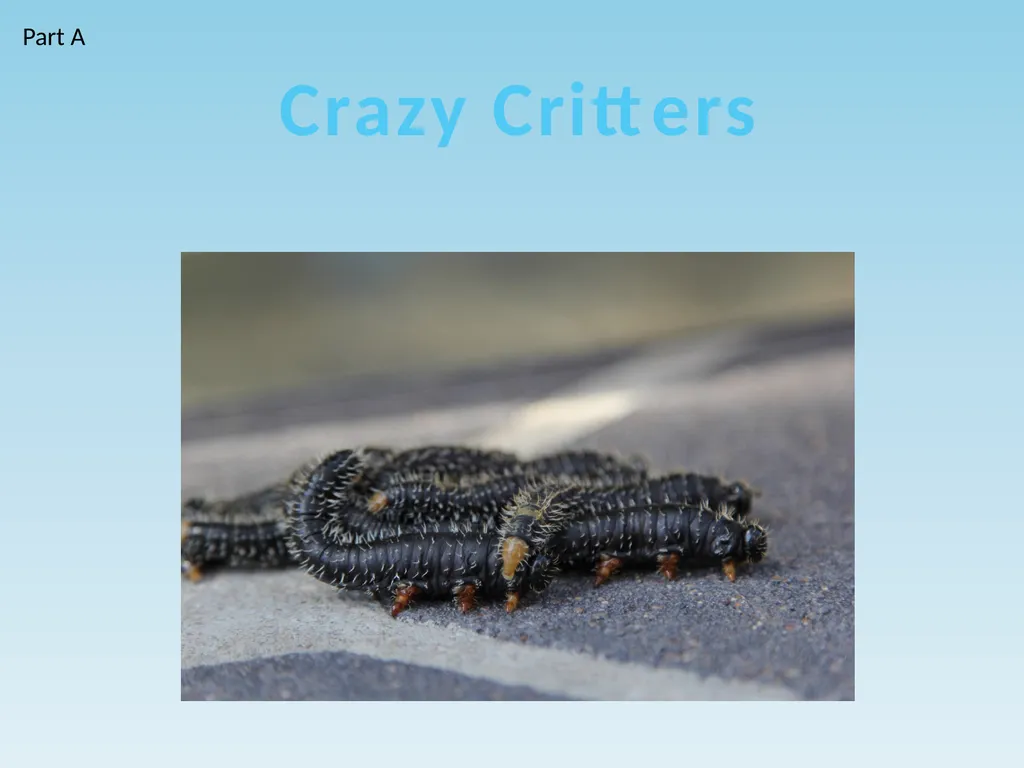
slide1. Crazy Critters Part A<br>
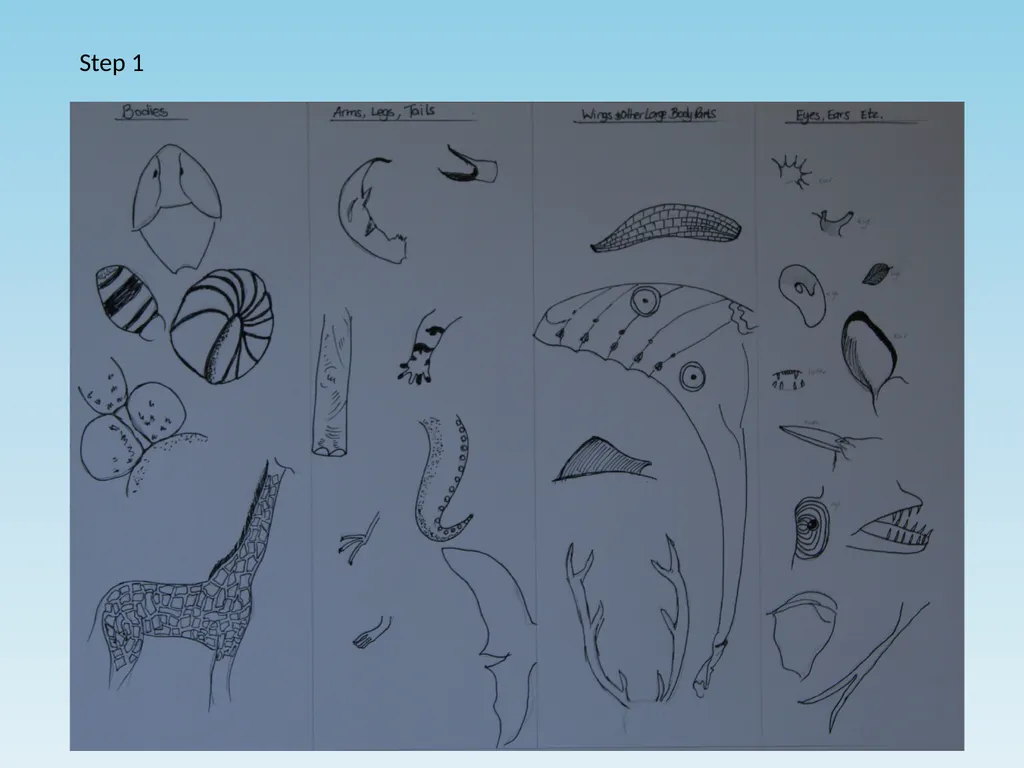
slide2. Step 1<br>
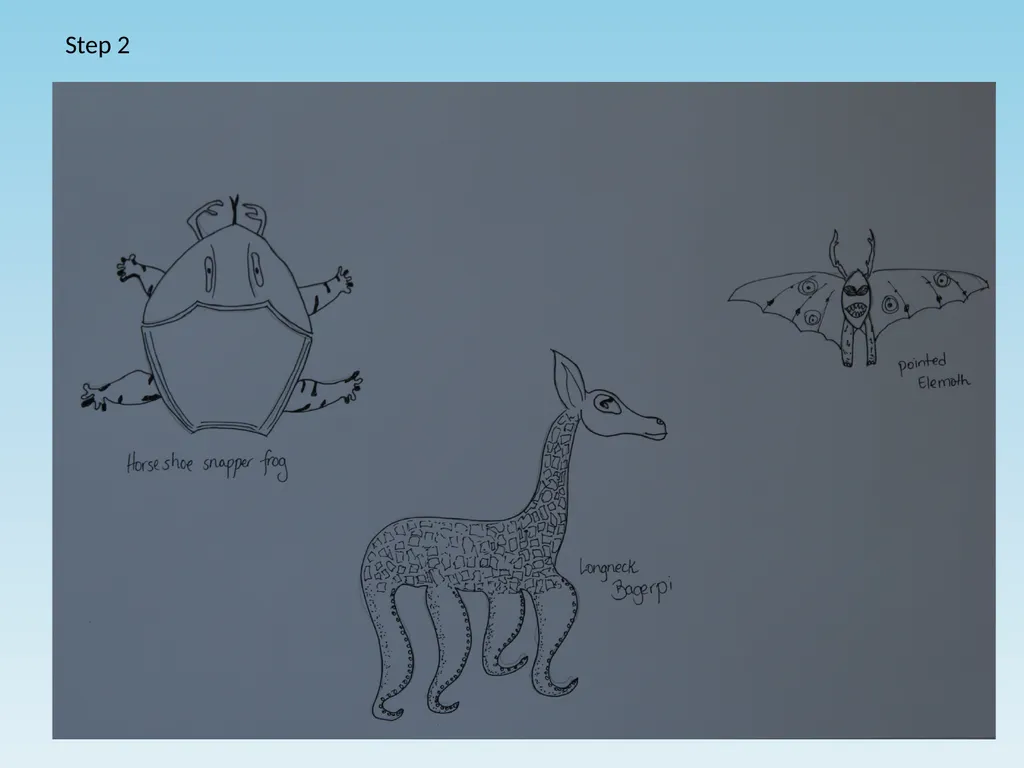
slide3. Step 2<br>
slide4. Part B – Development of Creative Thinking
Open-ended activities provide students with the ability to develop creative thinking skills including problem solving skills (Dinham, 2011). This activity provides students with necessary structure and challenge without limiting students to a specific idea. The challenge involves creating a single creature from a selection of varying body parts and not limiting students’ imagination (Moss, 2013). Open-ended activities such as this allow for variety in an environment where everyone is respected (Dinham, 2011). In addition this enables students to explore possibilities, and not limiting them to one design (Dinham, 2011; Moss, 2013) The movie The Croods is a great example of how imagination can come alive, where animals in the movie were all made of several different animal parts.
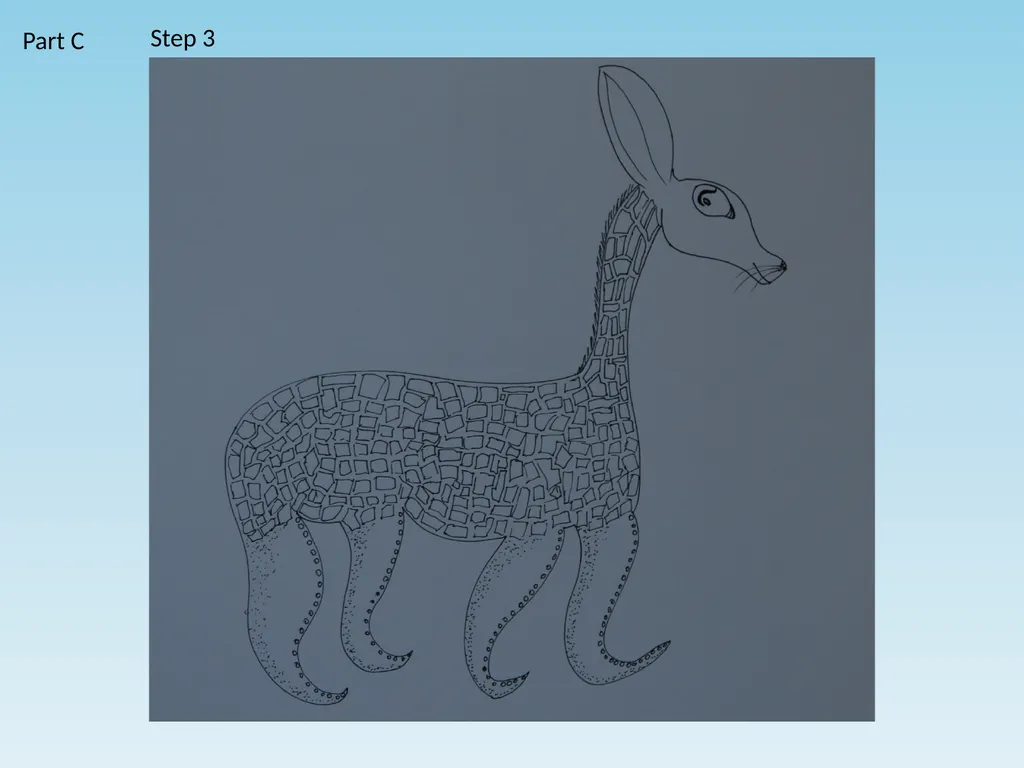
The activity has been structured in such a way that student learning is scaffolded to provide necessary support an guidance. Step two scaffolds step three by asking students to draw a selection of body parts which in turn will be used to create a single creature of mixed pieces/body parts. Furthermore students have had the opportunity to create a database/visual record which enables them to reflect and observe what they have produced before proceeding onto to the next section.
Finally students have been able to brainstorm through observational drawing which is important to developing creative skills. Observational drawing requires students to acknowledge their surroundings, look at details and visualise how things are formed (Dinham, 2011).<br>
slide5. Step 3 Part C<br>
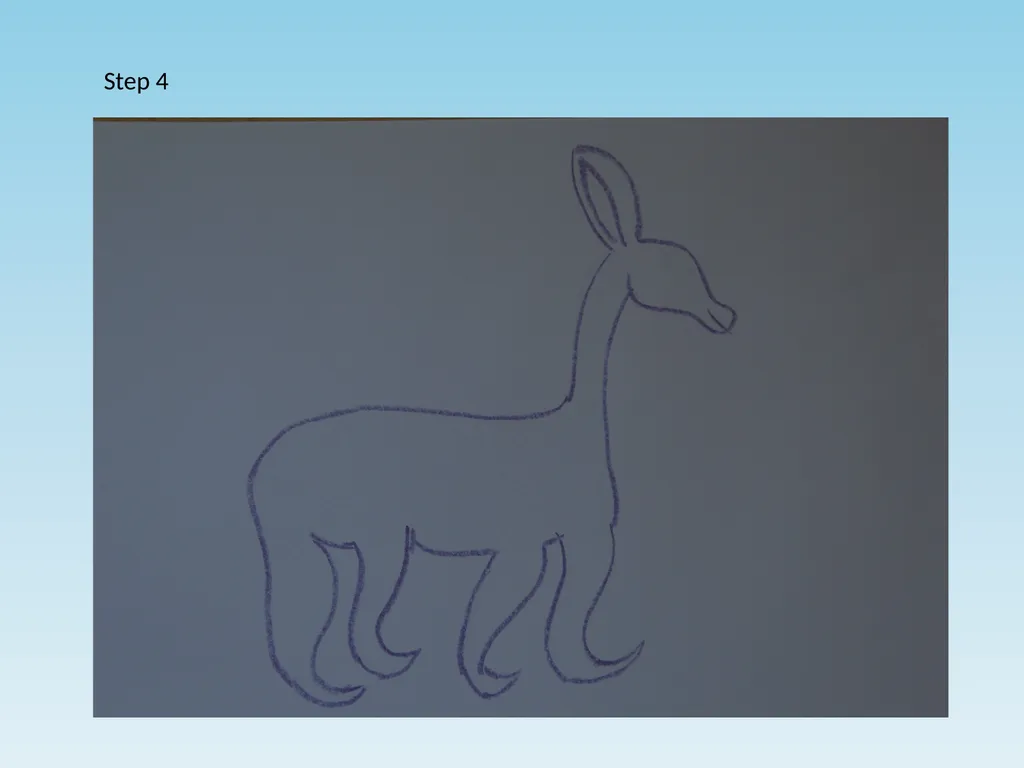
slide6. Step 4<br>
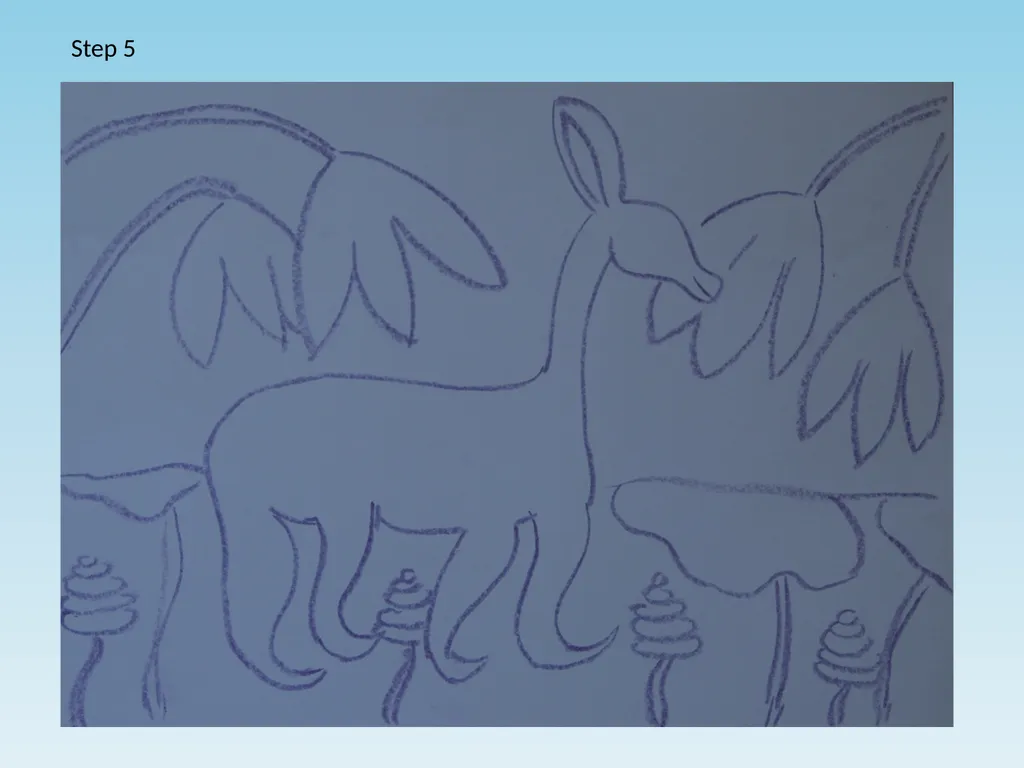
slide7. Step 5<br>
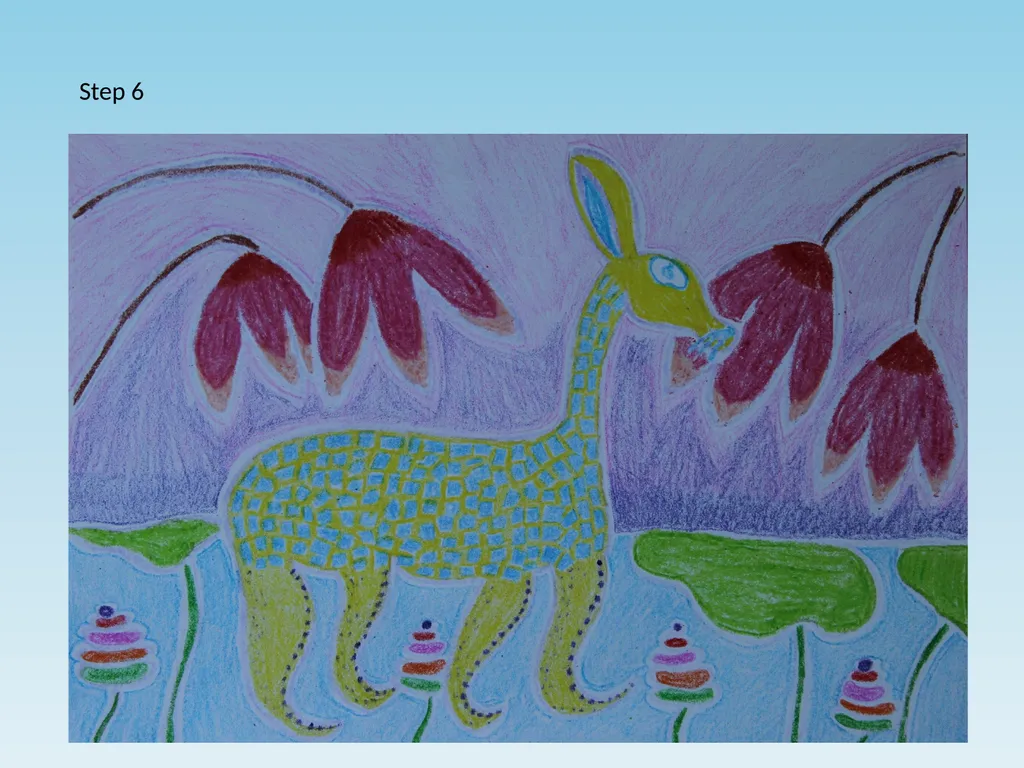
slide8. Step 6<br>
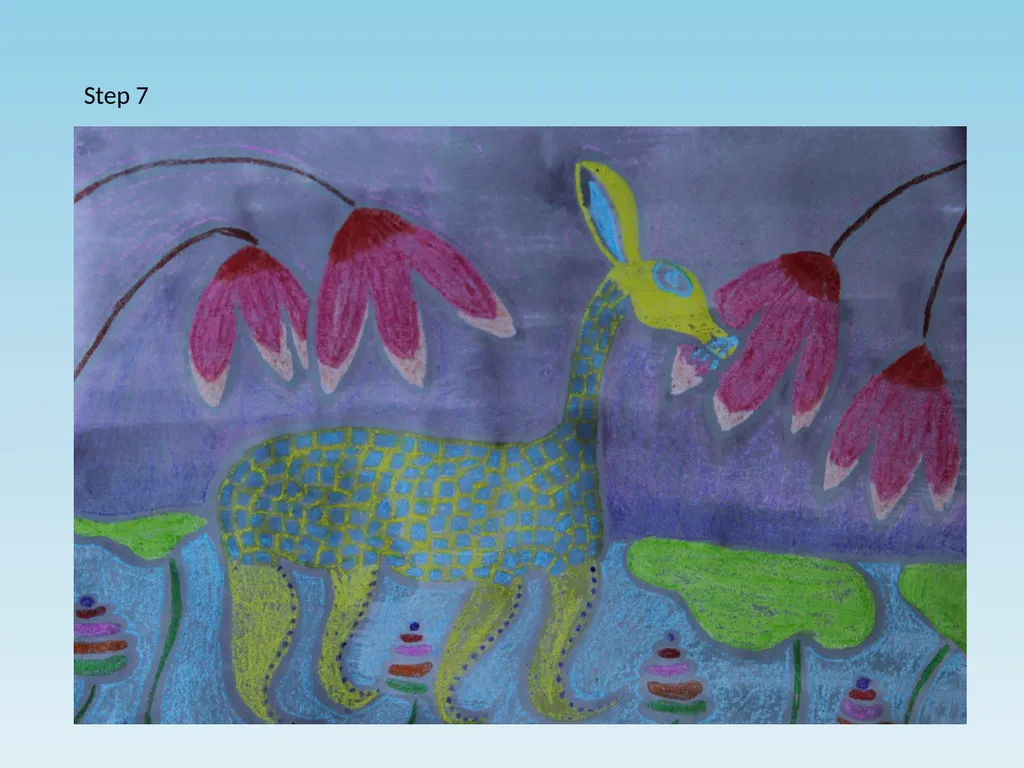
slide9. Step 7<br>
slide10. References
Dinham, J., (2011). Delivering Authentic Arts Education. South Melbourne, Victoria: Cengage Learning Australia Pty Limited
Moss. L, (2013). EDP260: Art Education, Lecture Worksheet Dr Newzoo’s Critters Worksheet. [Word Document)]. Retrieved from https://lms.curtin.edu.au/webapps/portal/frameset.jsp?tab_tab_group_id=_4_1&url=%2Fwebapps%2Fblackboard%2Fexecute%2Flauncher%3Ftype%3DCourse%26id%3D_65495_1%26url%3D
Moss. L, (2013). EDP260: Art Education, Lecture Worksheet: Henri Rousseau Worksheet. Retrieved from https://lms.curtin.edu.au/webapps/portal/frameset.jsp?tab_tab_group_id=_4_1&url=%2Fwebapps%2Fblackboard%2Fexecute%2Flauncher%3Ftype%3DCourse%26id%3D_65495_1%26url%3D
Moss. L, (2013). EDP260: Art Education, EDP260 Critters from Alien Earth Activity (1) [pdf]. Retrieved from https://lms.curtin.edu.au/webapps/portal/frameset.jsp?tab_tab_group_id=_4_1&url=%2Fwebapps%2Fblackboard%2Fexecute%2Flauncher%3Ftype%3DCourse%26id%3D_65495_1%26url%3D<br>
slide11. Bibliography
Attenborough, D., (2005). Life in the Undergrowth. London, United Kingdom: BBS Books
Shuker, K. P. N. Dr., (2001). The Hidden Powers of Animals: Uncovering the Secrets of Nature. Gordon NSW: Universal International Pty. Ltd.<br>
slide2. Step 1<br>
slide3. Step 2<br>
slide4. Part B – Development of Creative Thinking
Open-ended activities provide students with the ability to develop creative thinking skills including problem solving skills (Dinham, 2011). This activity provides students with necessary structure and challenge without limiting students to a specific idea. The challenge involves creating a single creature from a selection of varying body parts and not limiting students’ imagination (Moss, 2013). Open-ended activities such as this allow for variety in an environment where everyone is respected (Dinham, 2011). In addition this enables students to explore possibilities, and not limiting them to one design (Dinham, 2011; Moss, 2013) The movie The Croods is a great example of how imagination can come alive, where animals in the movie were all made of several different animal parts.
The activity has been structured in such a way that student learning is scaffolded to provide necessary support an guidance. Step two scaffolds step three by asking students to draw a selection of body parts which in turn will be used to create a single creature of mixed pieces/body parts. Furthermore students have had the opportunity to create a database/visual record which enables them to reflect and observe what they have produced before proceeding onto to the next section.
Finally students have been able to brainstorm through observational drawing which is important to developing creative skills. Observational drawing requires students to acknowledge their surroundings, look at details and visualise how things are formed (Dinham, 2011).<br>
slide5. Step 3 Part C<br>
slide6. Step 4<br>
slide7. Step 5<br>
slide8. Step 6<br>
slide9. Step 7<br>
slide10. References
Dinham, J., (2011). Delivering Authentic Arts Education. South Melbourne, Victoria: Cengage Learning Australia Pty Limited
Moss. L, (2013). EDP260: Art Education, Lecture Worksheet Dr Newzoo’s Critters Worksheet. [Word Document)]. Retrieved from https://lms.curtin.edu.au/webapps/portal/frameset.jsp?tab_tab_group_id=_4_1&url=%2Fwebapps%2Fblackboard%2Fexecute%2Flauncher%3Ftype%3DCourse%26id%3D_65495_1%26url%3D
Moss. L, (2013). EDP260: Art Education, Lecture Worksheet: Henri Rousseau Worksheet. Retrieved from https://lms.curtin.edu.au/webapps/portal/frameset.jsp?tab_tab_group_id=_4_1&url=%2Fwebapps%2Fblackboard%2Fexecute%2Flauncher%3Ftype%3DCourse%26id%3D_65495_1%26url%3D
Moss. L, (2013). EDP260: Art Education, EDP260 Critters from Alien Earth Activity (1) [pdf]. Retrieved from https://lms.curtin.edu.au/webapps/portal/frameset.jsp?tab_tab_group_id=_4_1&url=%2Fwebapps%2Fblackboard%2Fexecute%2Flauncher%3Ftype%3DCourse%26id%3D_65495_1%26url%3D<br>
slide11. Bibliography
Attenborough, D., (2005). Life in the Undergrowth. London, United Kingdom: BBS Books
Shuker, K. P. N. Dr., (2001). The Hidden Powers of Animals: Uncovering the Secrets of Nature. Gordon NSW: Universal International Pty. Ltd.<br>