04
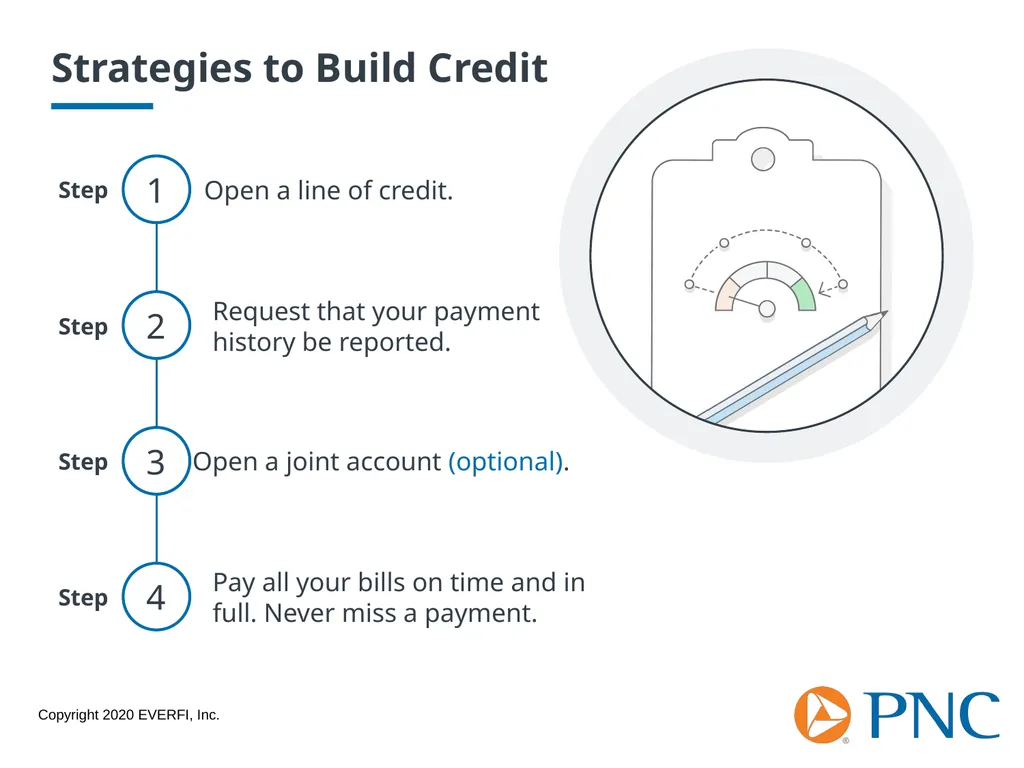
Strategies to Build Credit 1 Step Open a line of credit. 2 Step Request that your payment history be reported. 3 Step Open a joint account (optional). 4 Step Pay all your bills on time and in full. Never miss a payment.<br>
05
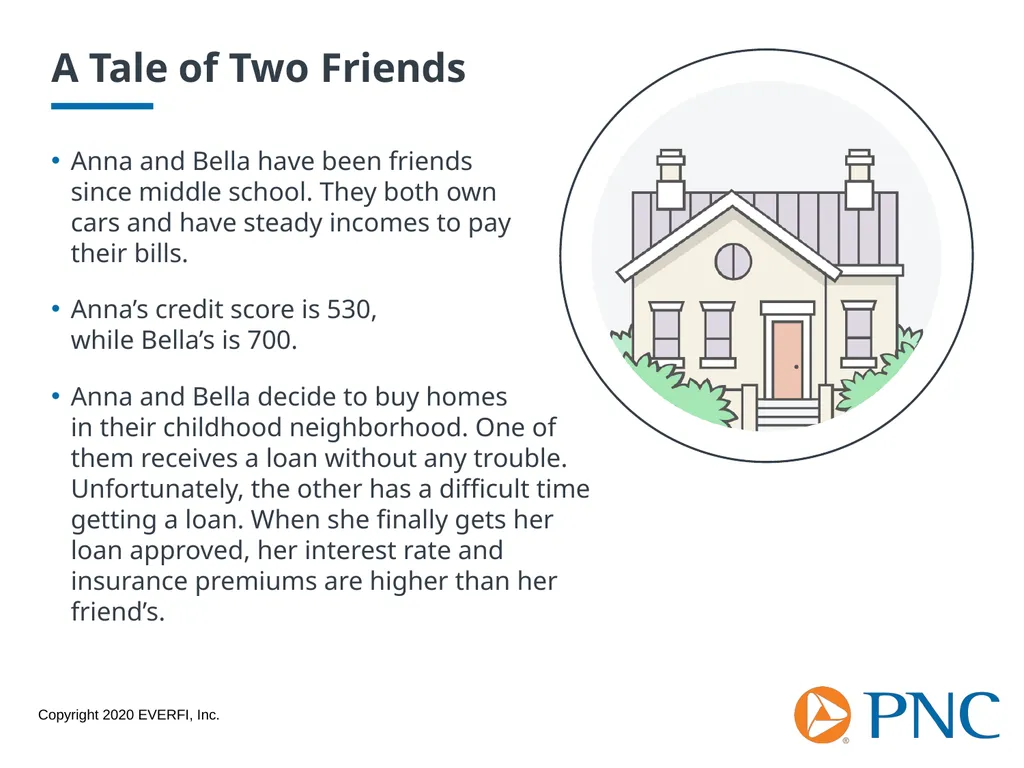
A Tale of Two Friends Anna and Bella have been friends �since middle school. They both own �cars and have steady incomes to pay �their bills.
Anna’s credit score is 530, �while Bella’s is 700.
Anna and Bella decide to buy homes �in their childhood neighborhood. One of �them receives a loan without any trouble. Unfortunately, the other has a difficult time �getting a loan. When she finally gets her loan approved, her interest rate and insurance premiums are higher than her friend’s. 5<br>
06
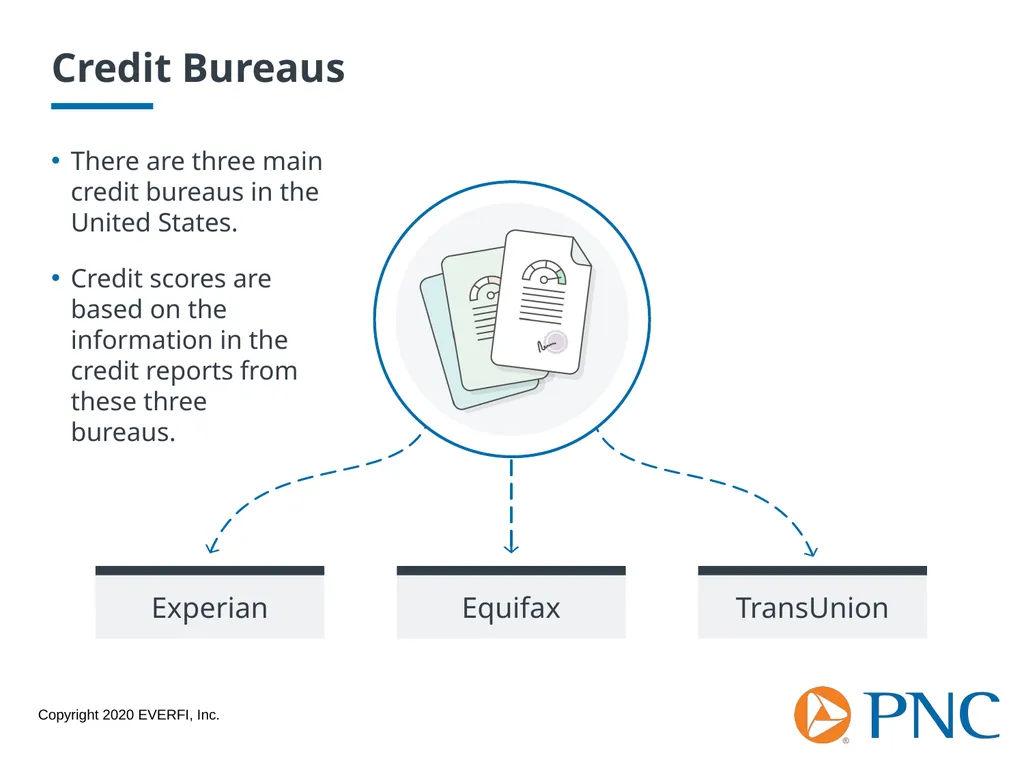
Credit Bureaus There are three main credit bureaus in the United States.
Credit scores are based on the information in the credit reports from these three bureaus. 6<br>
07
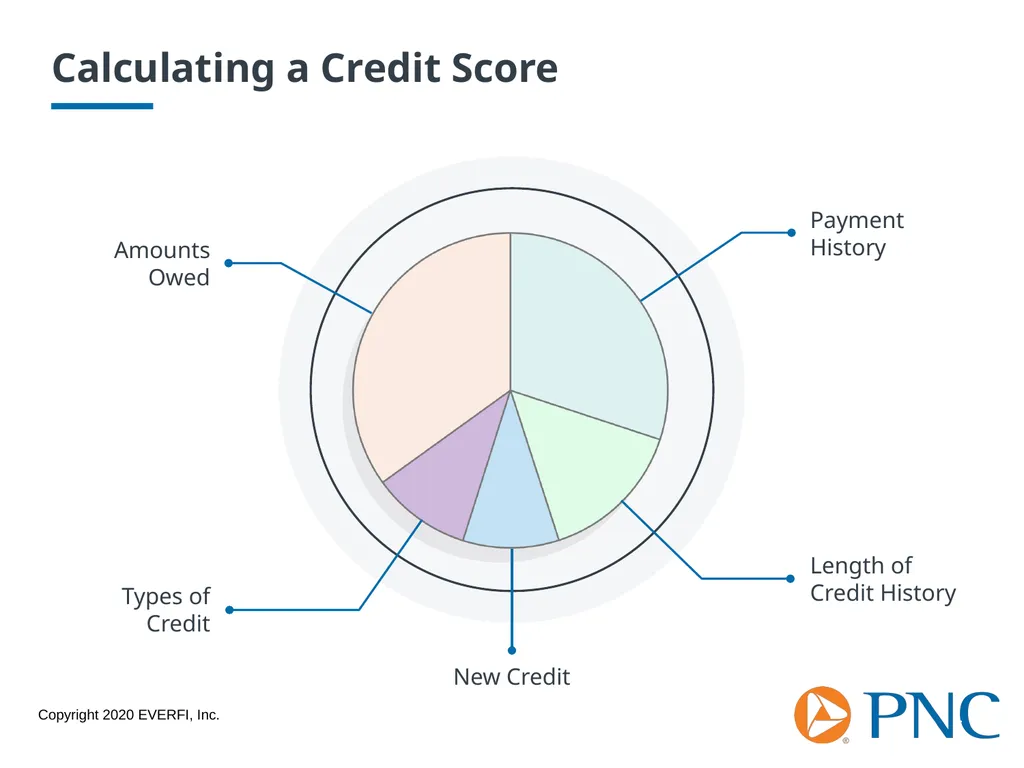
Calculating a Credit Score 7 Amounts Owed Types of Credit Payment History Length of �Credit History New Credit<br>
08
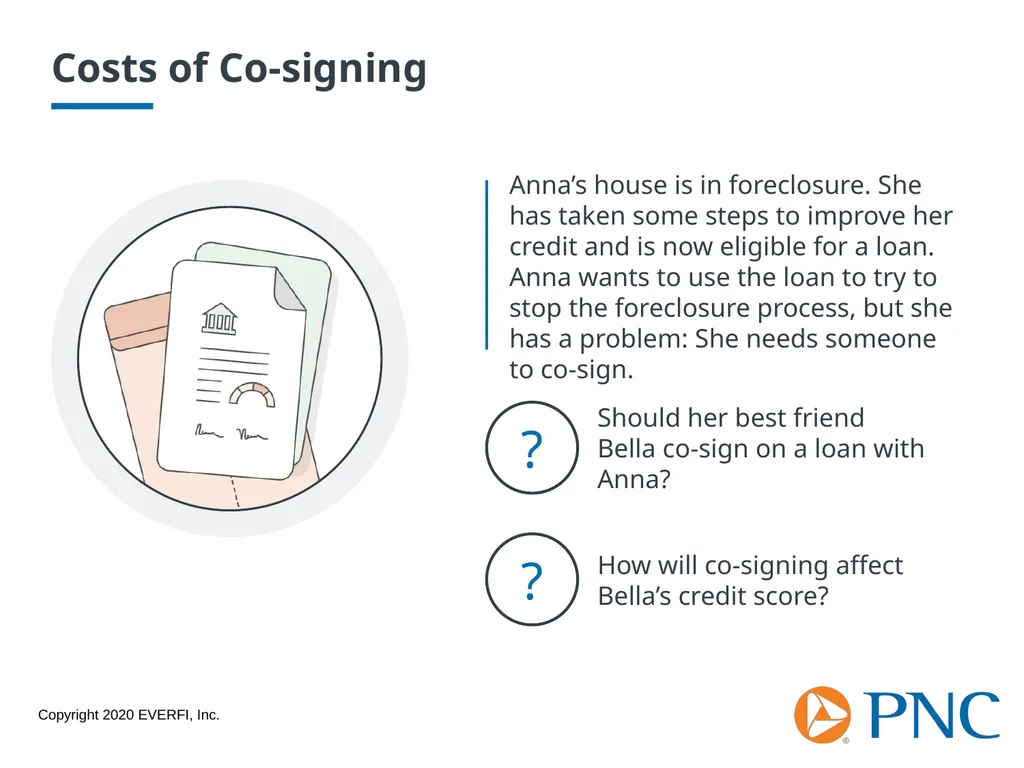
Costs of Co-signing 8 Anna’s house is in foreclosure. She has taken some steps to improve her credit and is now eligible for a loan. Anna wants to use the loan to try to stop the foreclosure process, but she has a problem: She needs someone to co-sign. ? ? Should her best friend Bella co-sign on a loan with Anna? How will co-signing affect Bella’s credit score?<br>
09
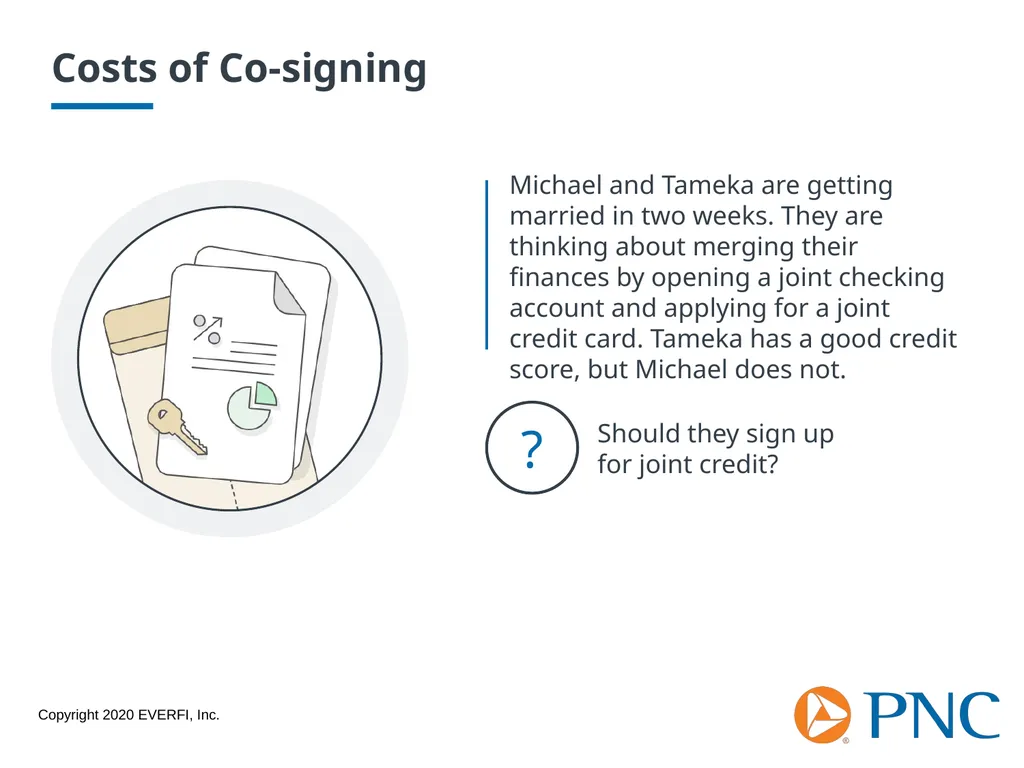
Costs of Co-signing 9 Michael and Tameka are getting married in two weeks. They are thinking about merging their finances by opening a joint checking account and applying for a joint credit card. Tameka has a good credit score, but Michael does not. ? Should they sign up for joint credit?<br>
10
What Is a Credit Report ? Your credit report is a snapshot of your credit profile, including your credit history.
Credit reports help lenders, such as financial institutions, understand how creditworthy you are—that is, whether you’re likely to repay a loan if given one. 10<br>
11
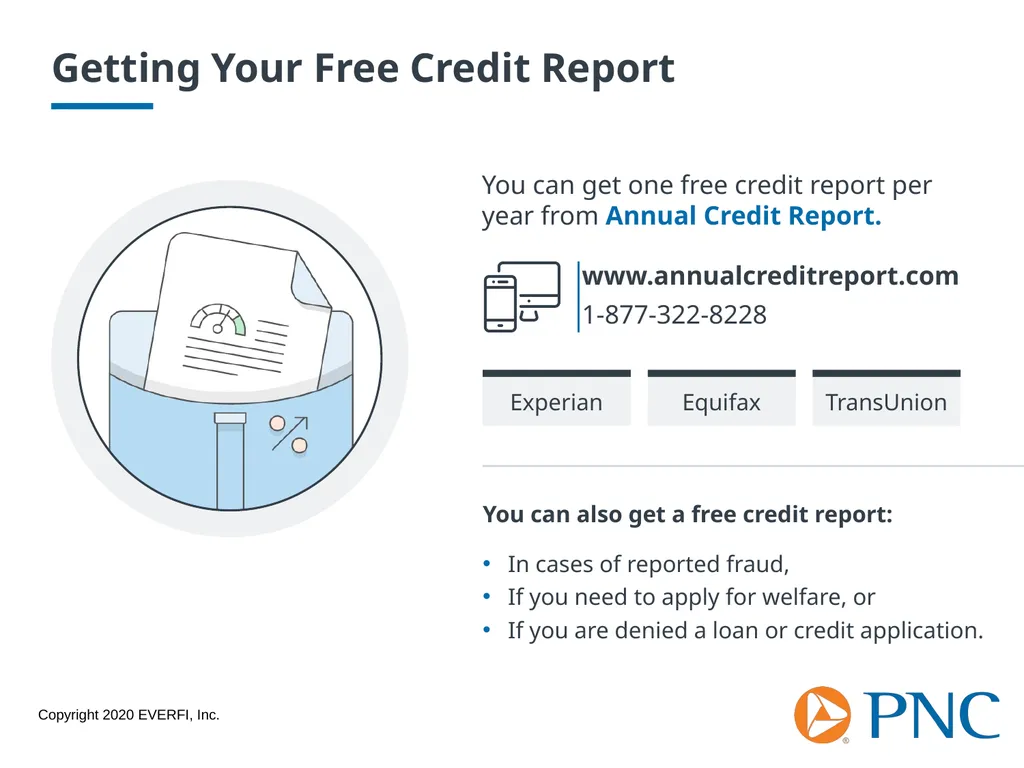
Getting Your Free Credit Report 11 You can get one free credit report per year from Annual Credit Report. www.annualcreditreport.com
1-877-322-8228 You can also get a free credit report:
In cases of reported fraud,
If you need to apply for welfare, or
If you are denied a loan or credit application.<br>
12
Getting Your Credit Score 12 Request your credit score from the three credit bureaus: TransUnion, Equifax, Experian. They will charge a fee.<br>
13
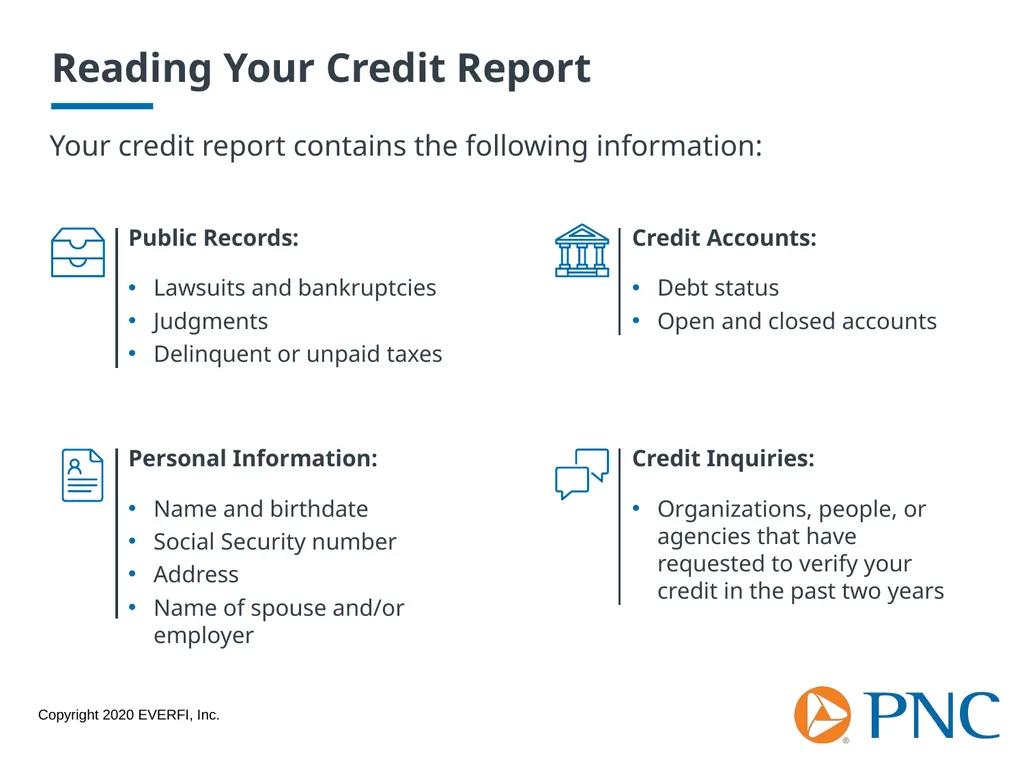
Reading Your Credit Report 13 Your credit report contains the following information: Public Records:
Lawsuits and bankruptcies
Judgments
Delinquent or unpaid taxes Personal Information:
Name and birthdate
Social Security number
Address
Name of spouse and/or employer Credit Accounts:
Debt status
Open and closed accounts Credit Inquiries:
Organizations, people, or agencies that have requested to verify your credit in the past two years<br>
14
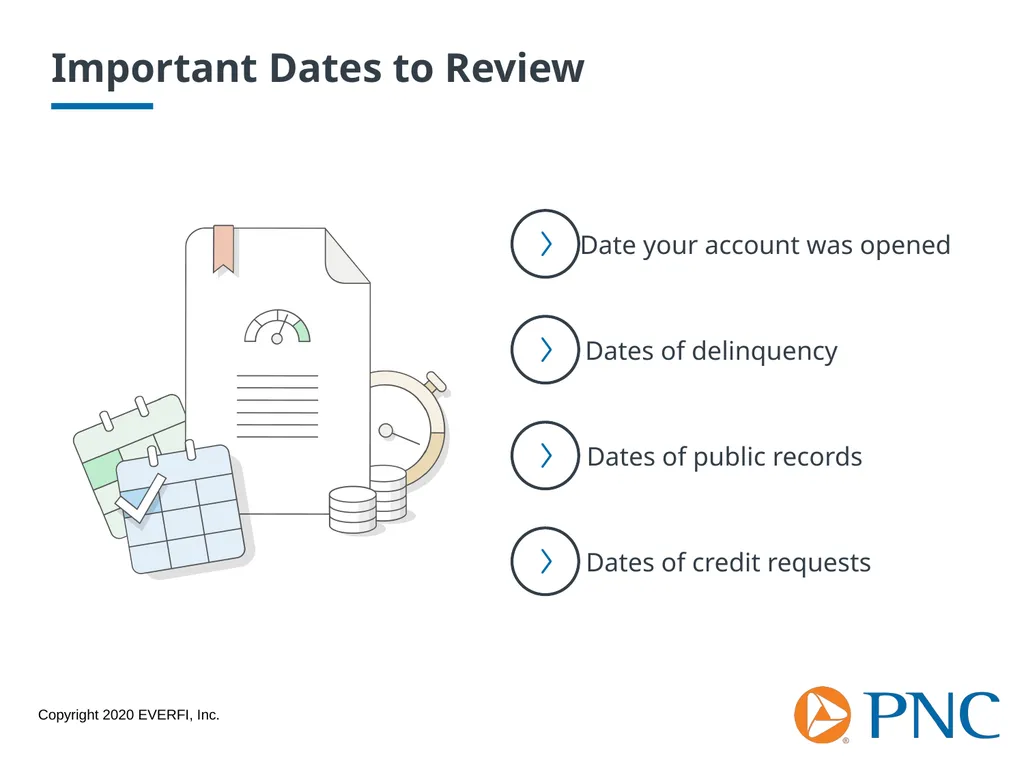
Important Dates to Review 14<br>
15
Credit Repair Organizations Act The Credit Repair Organizations Act was established to protect your rights as a consumer. It prevents credit repair organizations from engaging in false advertising and deceptive practices that can cause you harm.<br>
16
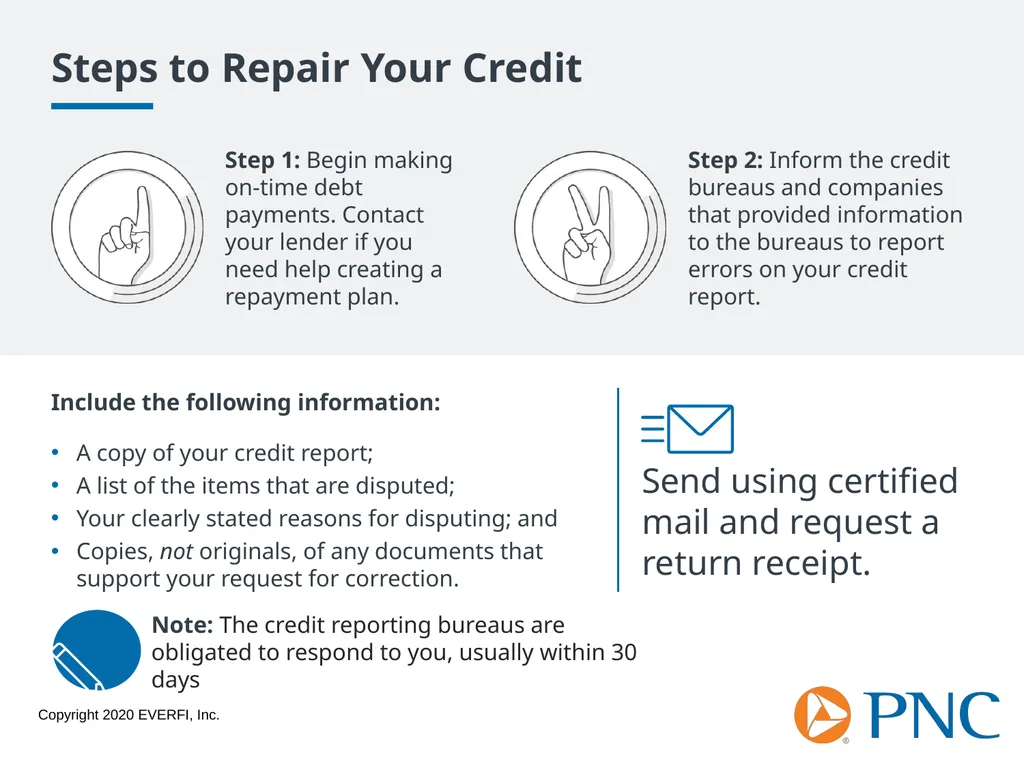
Steps to Repair Your Credit Note: The credit reporting bureaus are obligated to respond to you, usually within 30 days Step 1: Begin making on-time debt payments. Contact your lender if you need help creating a repayment plan. Step 2: Inform the credit bureaus and companies that provided information to the bureaus to report errors on your credit report. Include the following information:
A copy of your credit report;
A list of the items that are disputed;
Your clearly stated reasons for disputing; and
Copies, not originals, of any documents that support your request for correction. Send using certified mail and request a return receipt.<br>
17
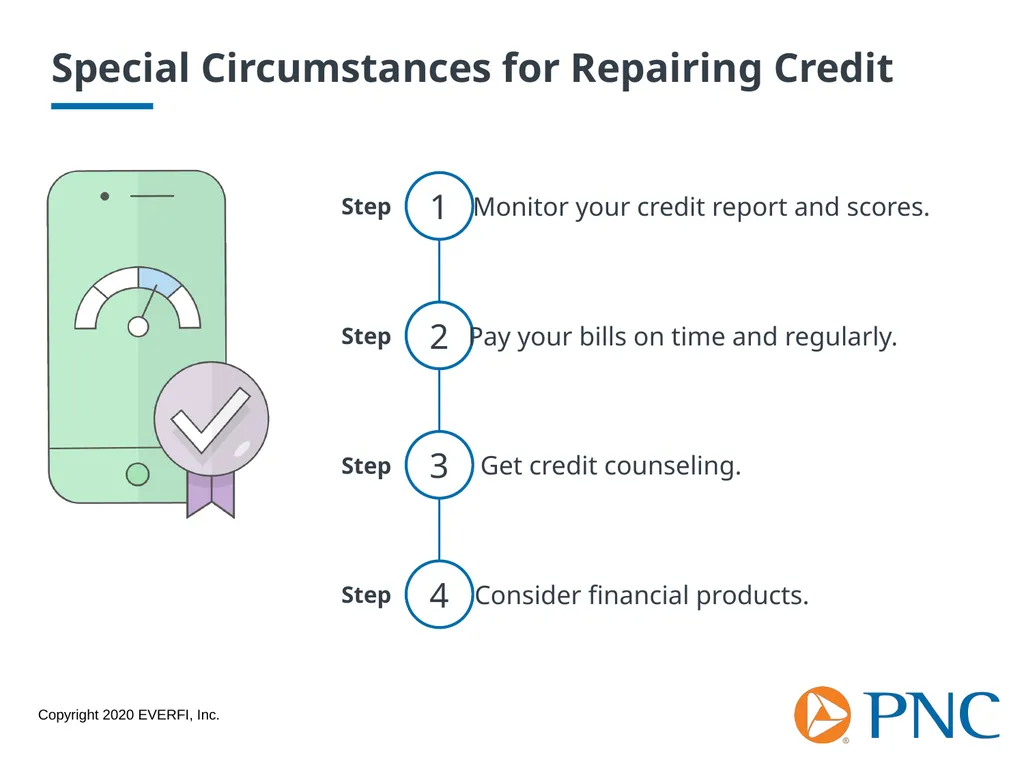
Special Circumstances for Repairing Credit 1 Step Monitor your credit report and scores. 2 Step Pay your bills on time and regularly. 3 Step Get credit counseling. 4 Step Consider financial products.<br>
18
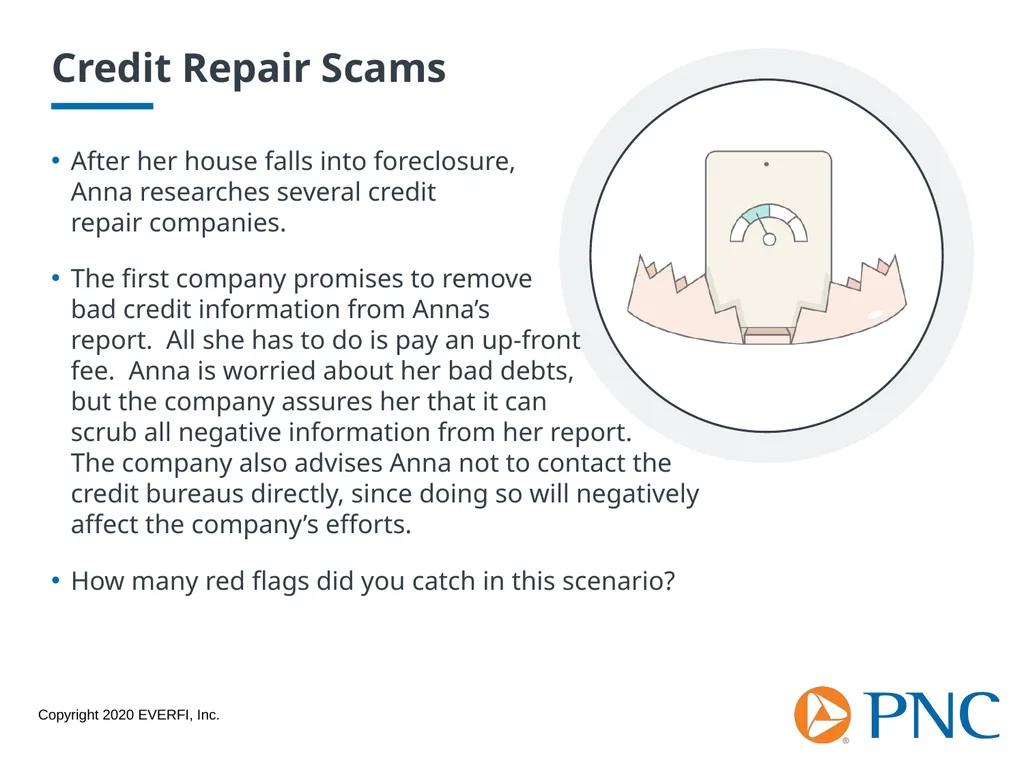
Credit Repair Scams After her house falls into foreclosure, �Anna researches several credit �repair companies.
The first company promises to remove �bad credit information from Anna’s �report. All she has to do is pay an up-front �fee. Anna is worried about her bad debts, �but the company assures her that it can �scrub all negative information from her report. �The company also advises Anna not to contact the �credit bureaus directly, since doing so will negatively affect the company’s efforts.
How many red flags did you catch in this scenario? 18<br>
19
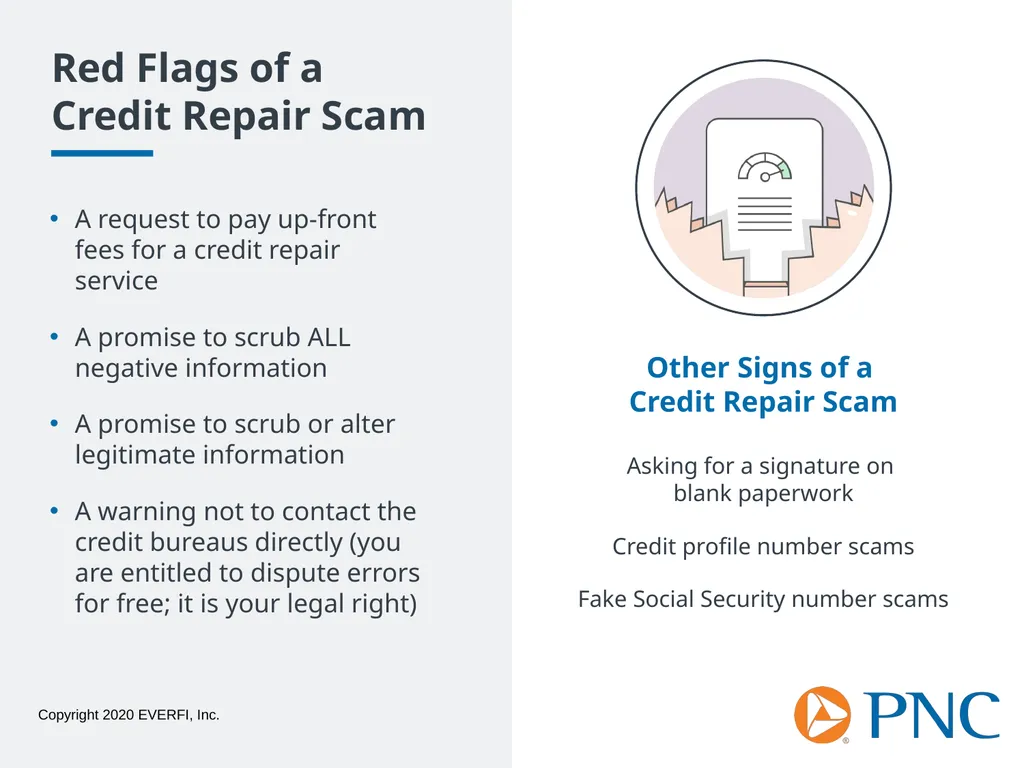
Red Flags of a �Credit Repair Scam A request to pay up-front fees for a credit repair service
A promise to scrub ALL negative information
A promise to scrub or alter legitimate information
A warning not to contact the credit bureaus directly (you are entitled to dispute errors for free; it is your legal right) Asking for a signature on �blank paperwork
Credit profile number scams
Fake Social Security number scams Other Signs of a �Credit Repair Scam<br>
20
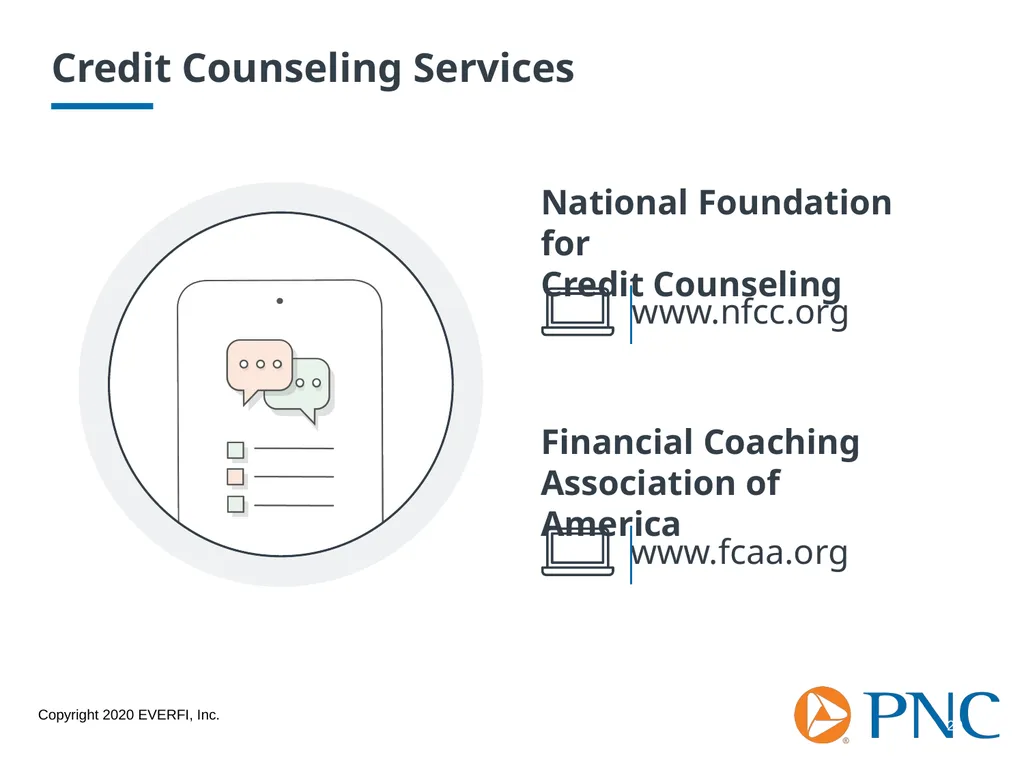
Credit Counseling Services 20 National Foundation for �Credit Counseling www.nfcc.org Financial Coaching �Association of America www.fcaa.org<br>
21
Strategies to Improve Credit Use less than 30 percent of your available credit.
Do NOT max out your credit card(s).
Pay your bills on time.
Pay off your credit card bills each month in full, if possible.
Pay off your loans on time.
Do not apply for multiple loans and credit cards at the same time.
Make a financial plan or a debt-management plan to reduce debt.
Create and follow a monthly budget.
Review your credit report for accuracy. 21<br>
22
Summary It is important to review your credit reports regularly. You can request them for free from annualcreditreport.com.
Your credit score is a reflection of your debt-management practices.
You should always pay your bills on time and should not default on loans.
It is possible to repair bad credit by managing debt and credit responsibly. Today you have �learned the following: Copyright 2020 EVERFI, Inc.<br>
23
PNC is a registered service mark of The PNC Financial Services Group, Inc. (“PNC”). All loans are provided by PNC Bank, National Association, a subsidiary of PNC, and are subject to credit approval and property appraisal.
These articles are for general information purposes only and are not intended to provide legal, tax, accounting or financial advice. PNC urges its customers to do independent research and to consult with financial and legal professionals before making any financial decisions. The content, accuracy, opinions expressed and links provided by these resources are not investigated, verified, monitored or endorsed by PNC.
©2020 The PNC Financial Services Group, Inc. All rights reserved. Bank deposit products and services provided by PNC Bank, National Association. Member FDIC.<br>