
CSE 591: Energy-Efficient Computing Lecture 1:

Published  . 0 views
↓ Download
CSE 591: Energy-Efficient Computing Lecture 1:
1 / 1
CSE 591: Energy-Efficient Computing Lecture 1: - slide 1 of 8 CSE 591: Energy-Efficient Computing Lecture 1: - slide 2 of 8 CSE 591: Energy-Efficient Computing Lecture 1: - slide 3 of 8 CSE 591: Energy-Efficient Computing Lecture 1: - slide 4 of 8 CSE 591: Energy-Efficient Computing Lecture 1: - slide 5 of 8 CSE 591: Energy-Efficient Computing Lecture 1: - slide 6 of 8 CSE 591: Energy-Efficient Computing Lecture 1: - slide 7 of 8 CSE 591: Energy-Efficient Computing Lecture 1: - slide 8 of 8
Description: CSE 591: Energy-Efficient Computing Lecture 1: Intro and Logistics Anshul Gandhi 347, New CS building anshulcs.stonybrook.edu anshul.gandhistonybrook.edu www3.cs.stonybrook.eduanshulcoursescse591s16 Blackle saves energy because the

Related Topics

Download Presentation

"CSE 591: Energy-Efficient Computing Lecture 1:" is the property of its rightful owner. Permission is granted to download and print the materials on this website for personal, non-commercial use only, and to display it on your personal computer provided you do not modify the materials and that you retain all copyright notices contained in the materials. By downloading content from our website, you accept the terms of this agreement.

Presentation Transcript

slide1. CSE 591: Energy-Efficient Computing Lecture 1: Intro and Logistics Anshul Gandhi
347, New CS building

anshul@cs.stonybrook.edu
anshul.gandhi@stonybrook.edu<br>
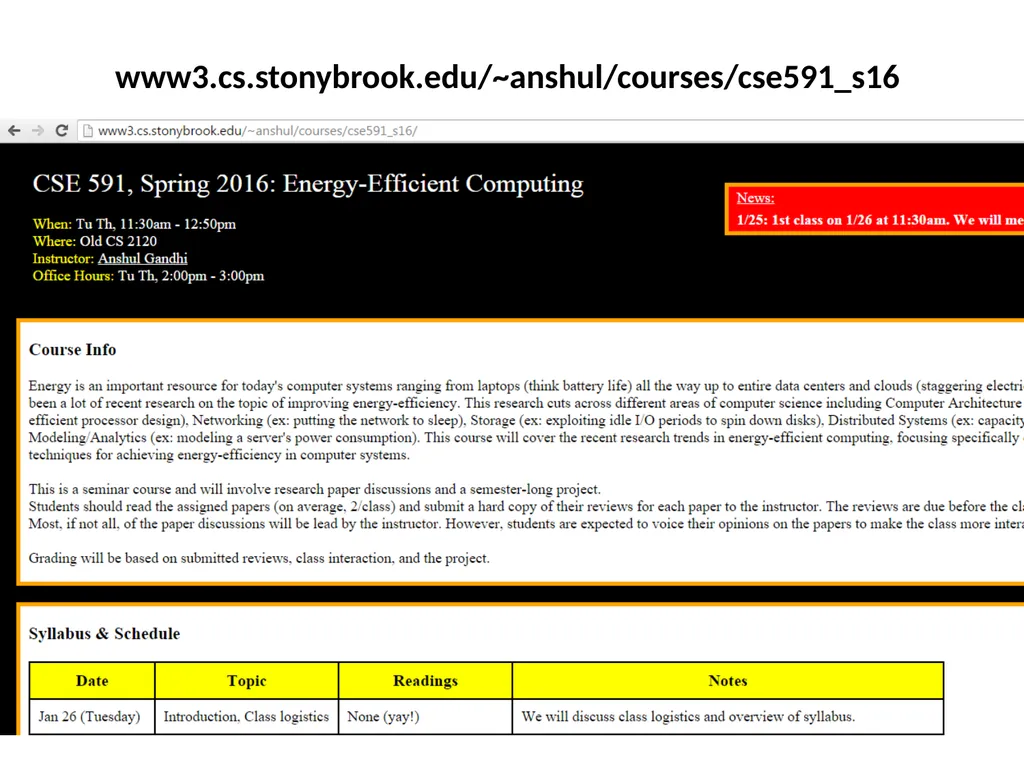
slide2. www3.cs.stonybrook.edu/~anshul/courses/cse591_s16<br>
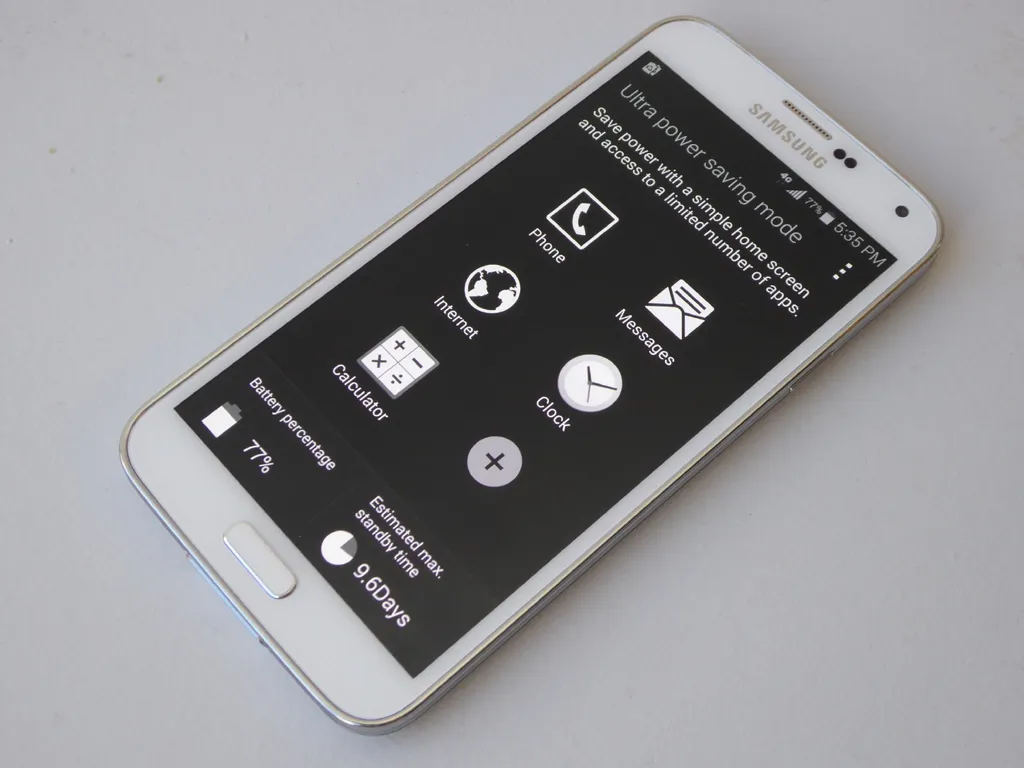
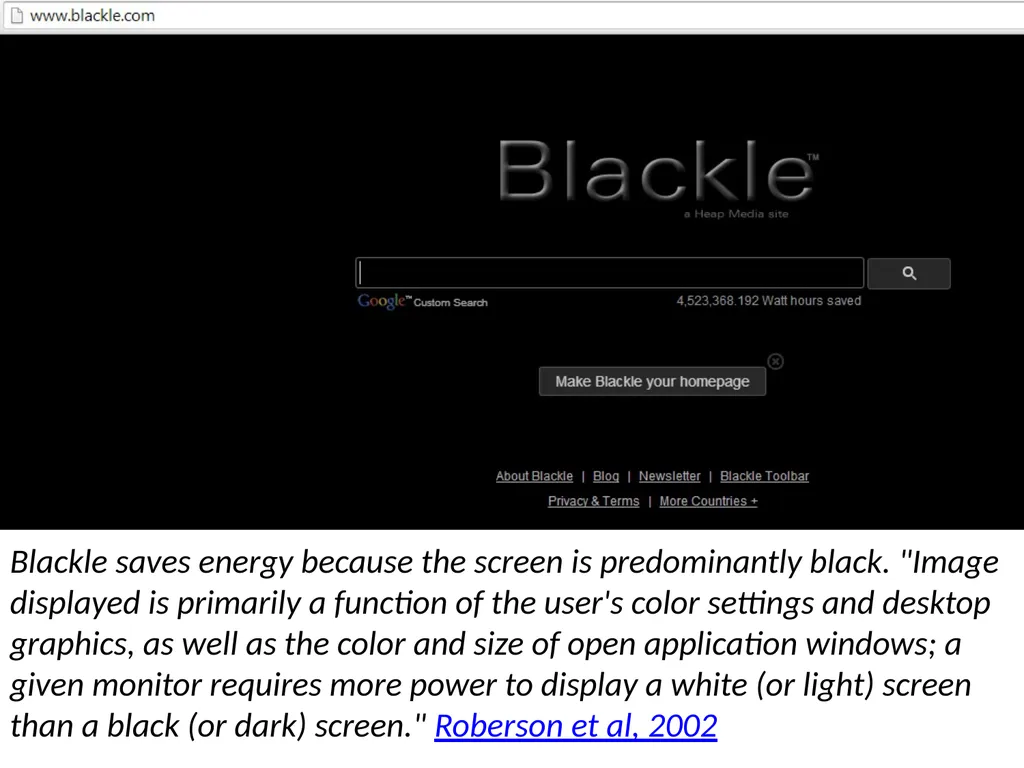
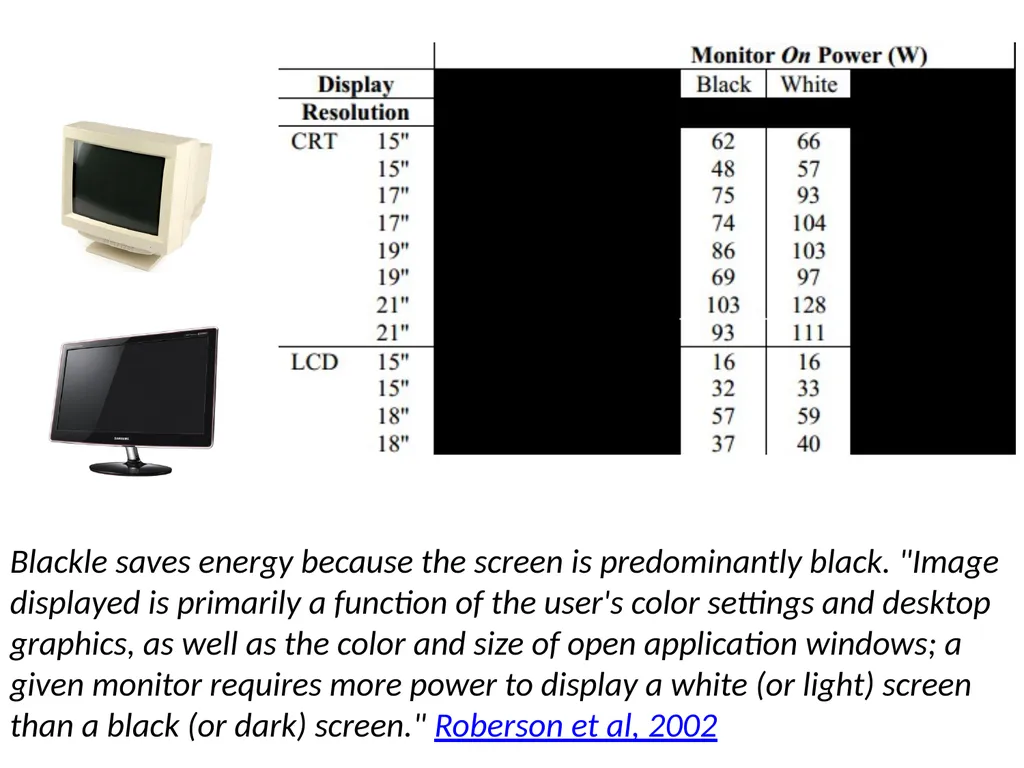
slide4. Blackle saves energy because the screen is predominantly black. "Image displayed is primarily a function of the user's color settings and desktop graphics, as well as the color and size of open application windows; a given monitor requires more power to display a white (or light) screen than a black (or dark) screen." Roberson et al, 2002<br>
slide5. Blackle saves energy because the screen is predominantly black. "Image displayed is primarily a function of the user's color settings and desktop graphics, as well as the color and size of open application windows; a given monitor requires more power to display a white (or light) screen than a black (or dark) screen." Roberson et al, 2002<br>
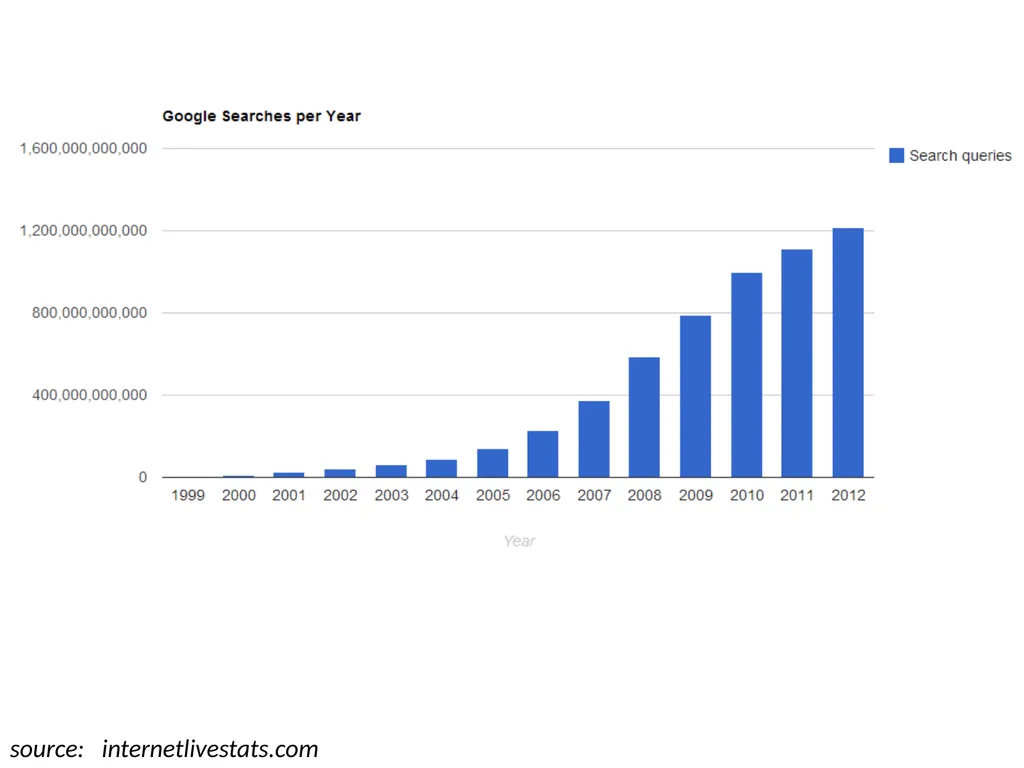
slide6. source: internetlivestats.com<br>
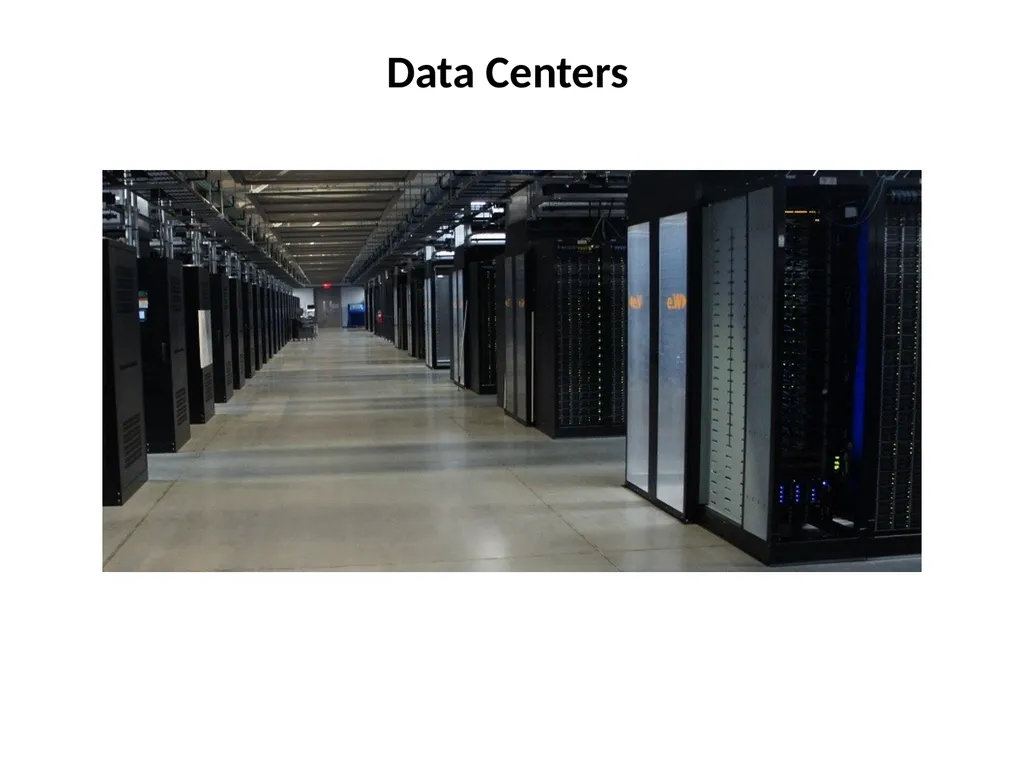
slide7. Data Centers<br>
slide8. Data Centers: How many servers? Google: 1M + (2013)
MS: approximately 1M (2013)
Amazon: approximately 1M (2013)
FB, Yahoo, etc: less than 1M

Baidu: more than 1M

50M servers in DCs worldwide

300 W per server<br>