CSI 101 Skills Lab 3 Universal Precautions, Surgical Scrub, and Sterile GowningGloving Daryl P. Lofaso, Ph.D., M.Ed., RRT Nosocomial Infection NNIS Definition: Local or Systemic condition Results from adverse reactions to the presence of
"CSI 101 Skills Lab 3 Universal Precautions," is the property of its rightful owner. Permission is granted to
download and print the materials on this website for personal, non-commercial use only, and to display it
on your personal computer provided you do not modify the materials and that you retain all copyright
notices contained in the materials. By downloading content from our website, you accept the terms of this
agreement.
Presentation Transcript
01
CSI 101 Skills Lab 3 Universal Precautions, Surgical Scrub, and Sterile Gowning/Gloving Daryl P. Lofaso, Ph.D., M.Ed., RRT<br>
02
Nosocomial Infection NNIS* Definition:
Local or Systemic condition
Results from adverse reactions to the presence of an infectious agent (s)
Not present or incubating at the time of admission to the hospital
Infection usually becomes evident 48 hours or more after admission
*National Nosocomial Infection Surveillance<br>
Hand Hygiene GOOD HAND HYGIENE CAN PREVENT NOSOCOMIAL INFECTIONS
35% OF NOSOCOMIAL INFECTIONS ARE PREVENTABLE!!!!
WASH A MINIMUM OF 20 SECONDS<br>
05
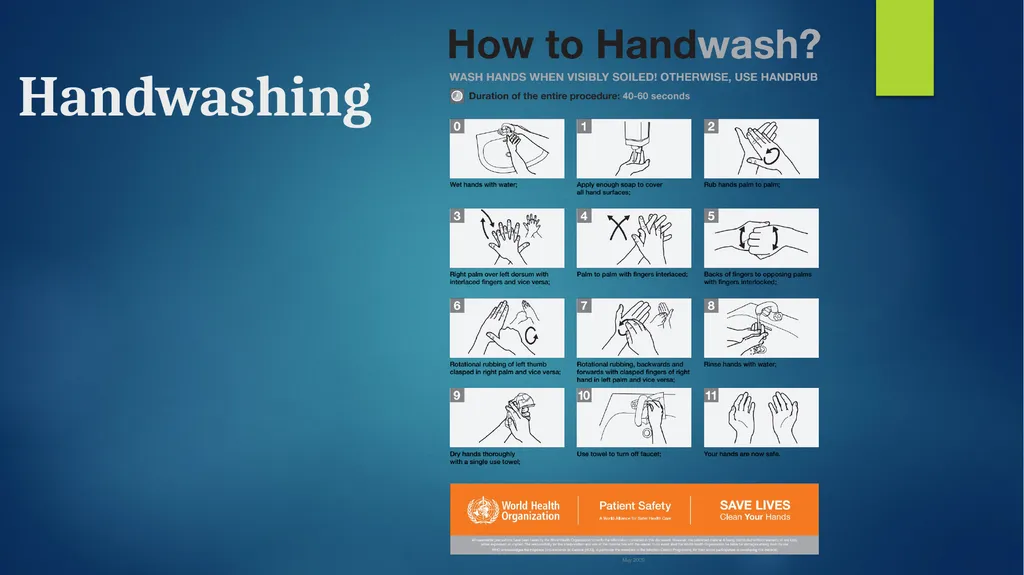
Handwashing<br>
06
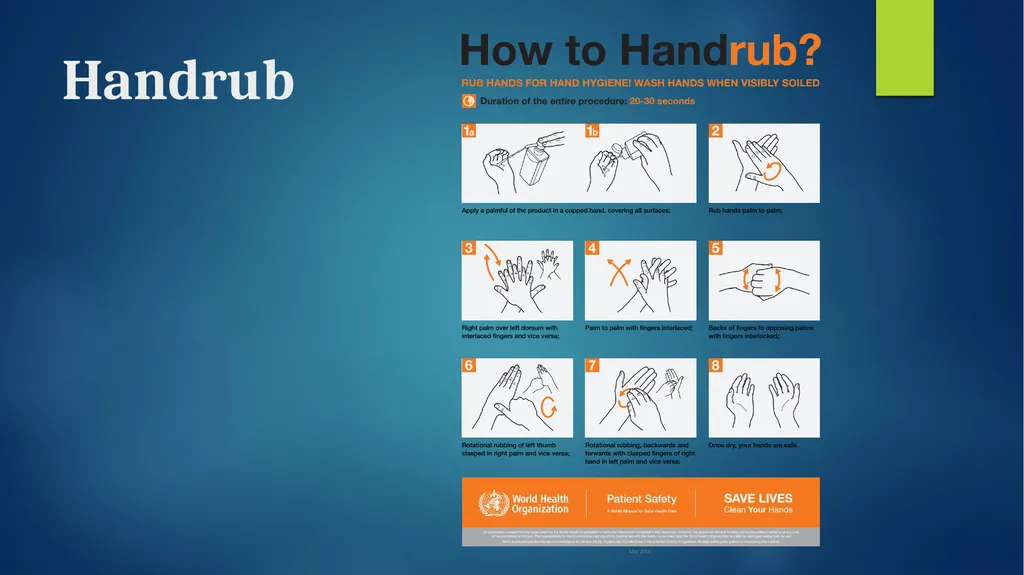
Handrub<br>
07
Risk Factors for Infection IV’s
Foley Catheters
Endotracheal tubes (ETT)
Central Lines
Wounds<br>
08
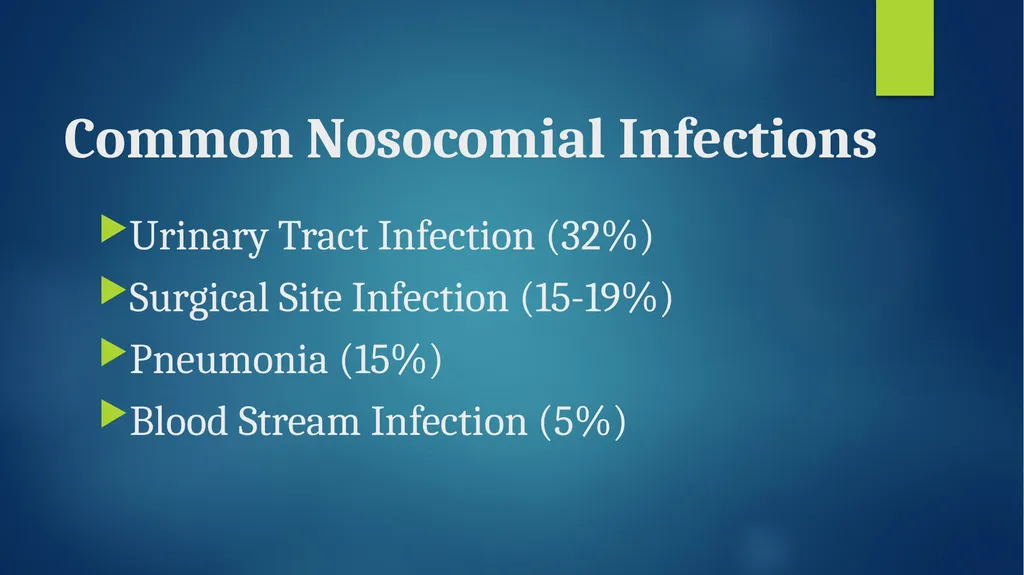
Common Nosocomial Infections Urinary Tract Infection (32%)
Surgical Site Infection (15-19%)
Pneumonia (15%)
Blood Stream Infection (5%)<br>
09
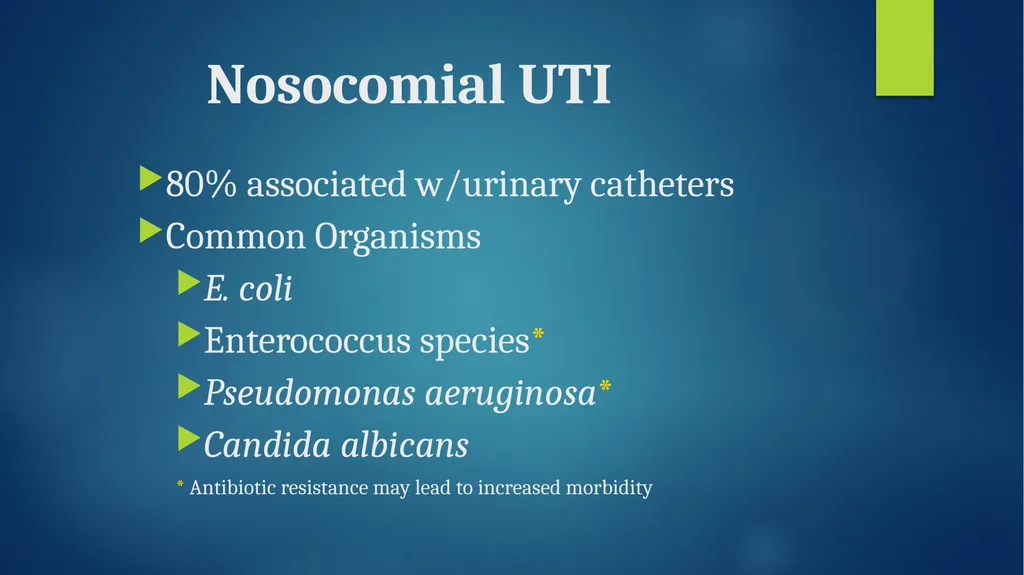
Nosocomial UTI 80% associated w/urinary catheters
Common Organisms
E. coli
Enterococcus species*
Pseudomonas aeruginosa*
Candida albicans
* Antibiotic resistance may lead to increased morbidity<br>
10
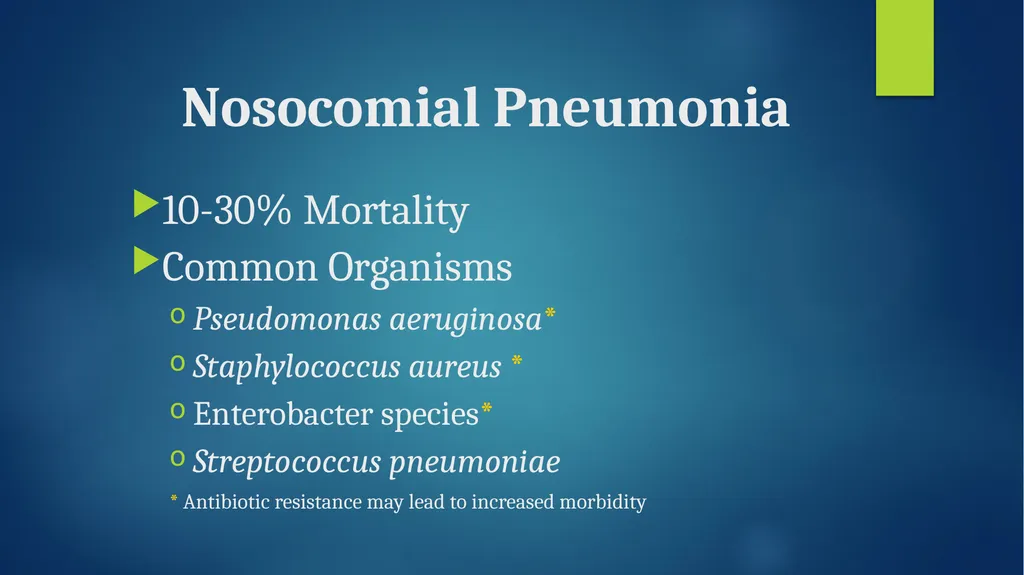
Nosocomial Pneumonia 10-30% Mortality
Common Organisms
Pseudomonas aeruginosa*
Staphylococcus aureus *
Enterobacter species*
Streptococcus pneumoniae
* Antibiotic resistance may lead to increased morbidity<br>
11
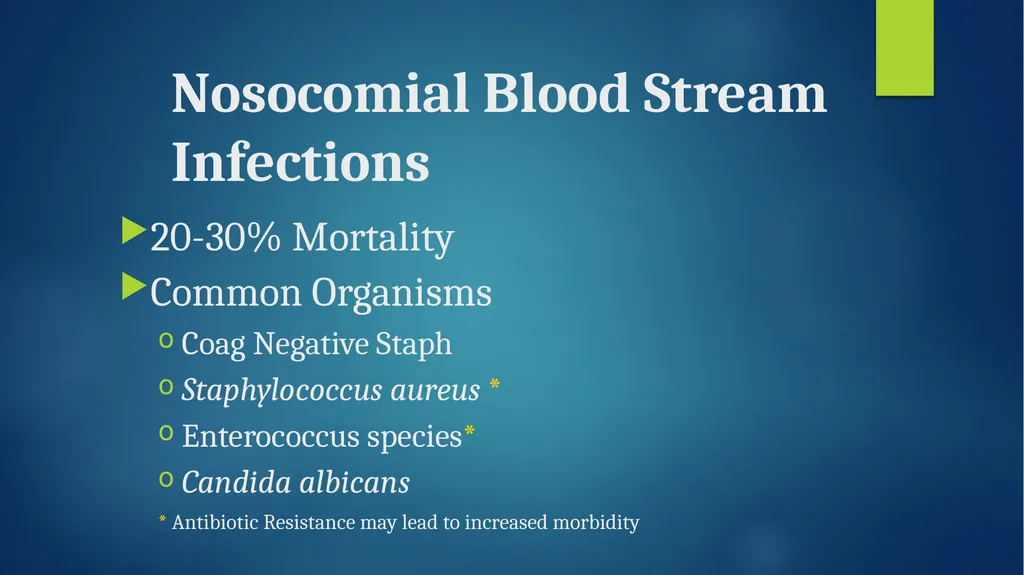
Nosocomial Blood Stream Infections 20-30% Mortality
Common Organisms
Coag Negative Staph
Staphylococcus aureus *
Enterococcus species*
Candida albicans
* Antibiotic Resistance may lead to increased morbidity<br>
12
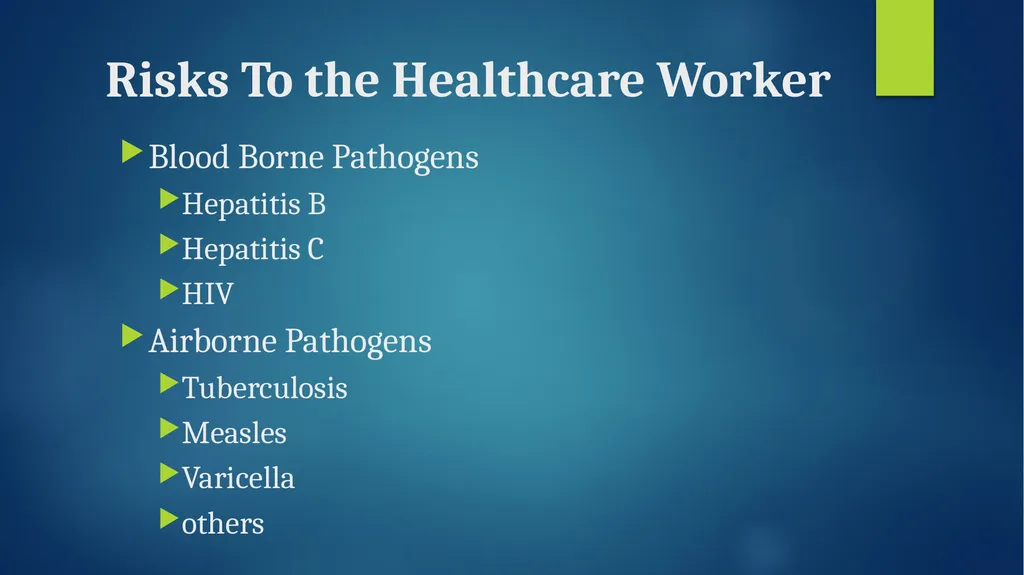
Risks To the Healthcare Worker Blood Borne Pathogens
Hepatitis B
Hepatitis C
HIV
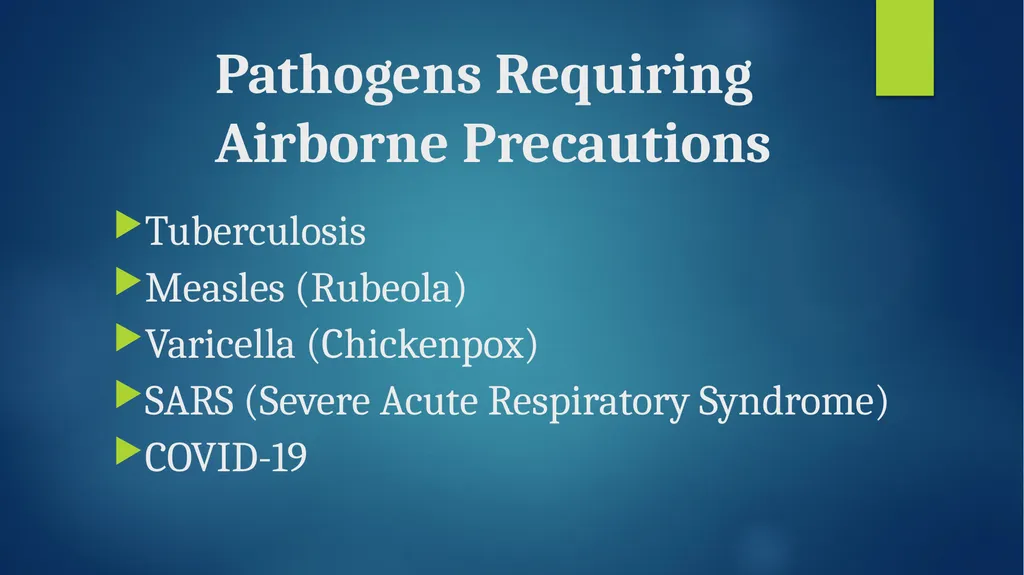
Airborne Pathogens
Tuberculosis
Measles
Varicella
others<br>
13
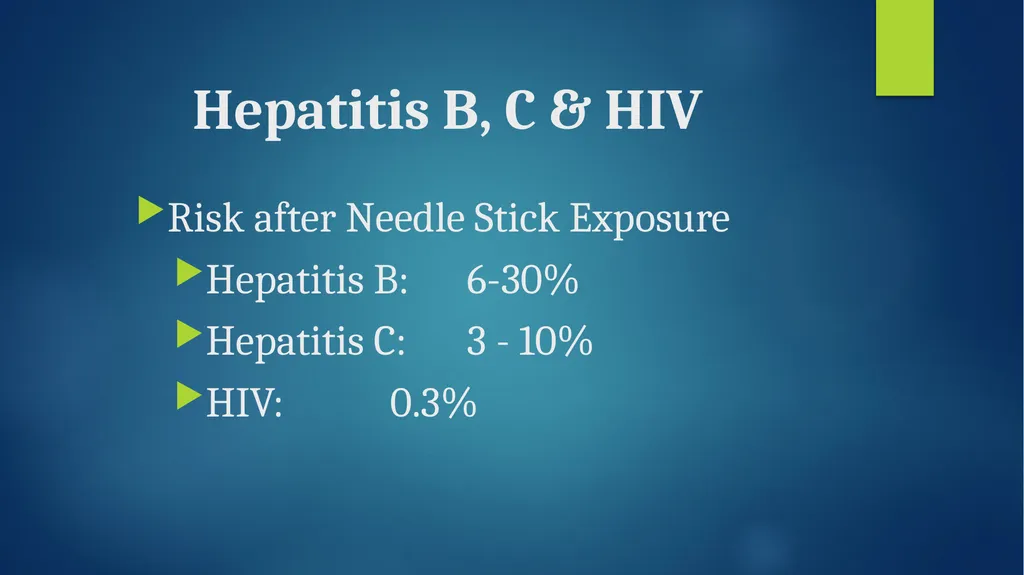
Hepatitis B, C & HIV Risk after Needle Stick Exposure
Hepatitis B: 6-30%
Hepatitis C: 3 - 10%
HIV: 0.3%<br>
14
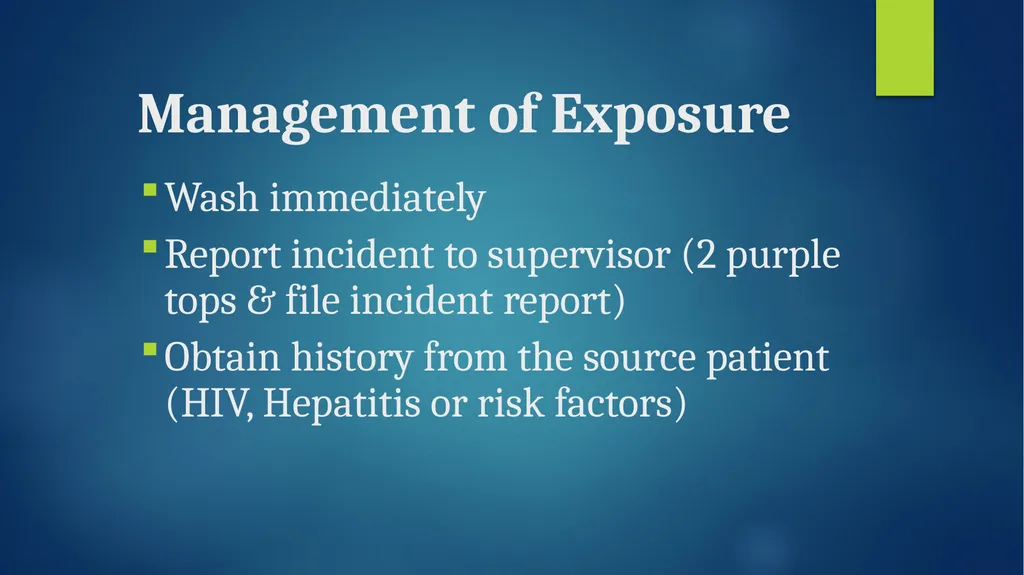
Management of Exposure Wash immediately
Report incident to supervisor (2 purple tops & file incident report)
Obtain history from the source patient (HIV, Hepatitis or risk factors)<br>
15
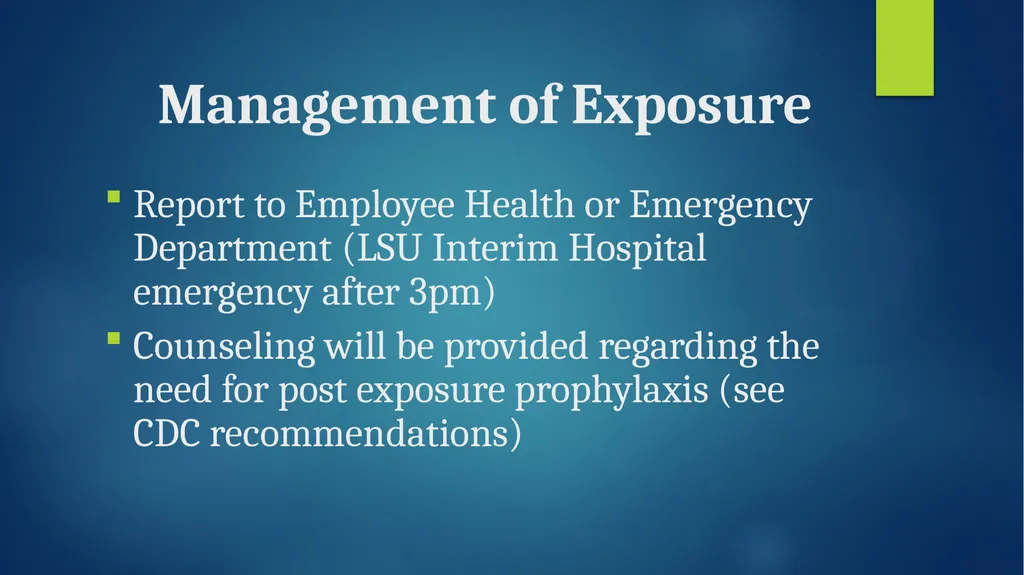
Management of Exposure Report to Employee Health or Emergency Department (LSU Interim Hospital emergency after 3pm)
Counseling will be provided regarding the need for post exposure prophylaxis (see CDC recommendations)<br>
16
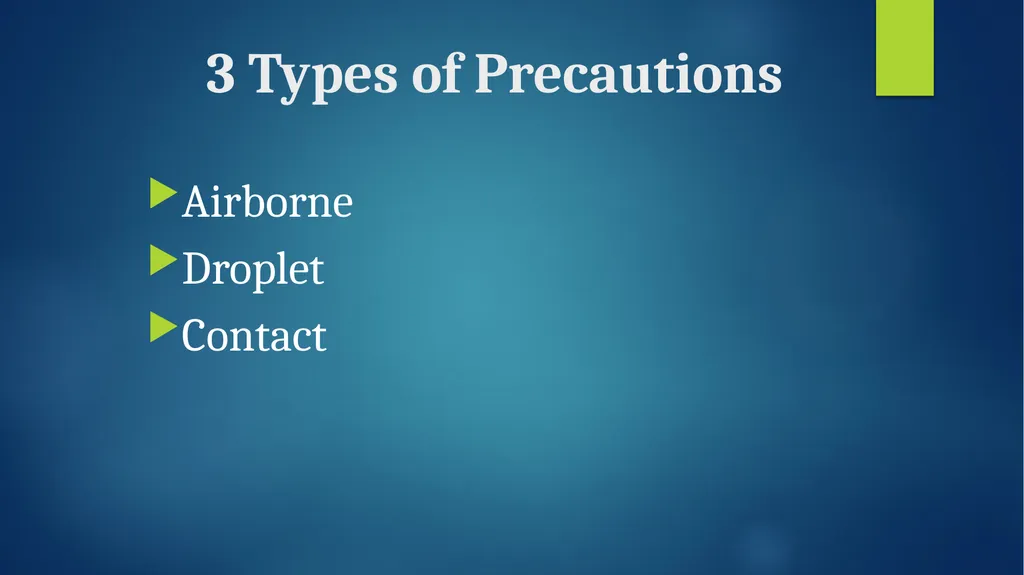
3 Types of Precautions Airborne
Droplet
Contact<br>
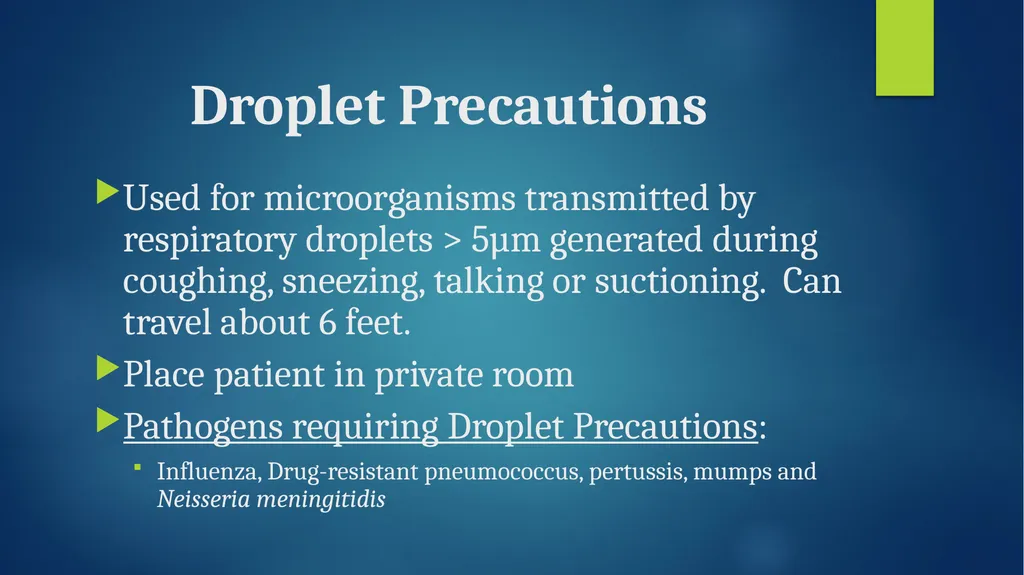
Droplet Precautions Used for microorganisms transmitted by respiratory droplets > 5µm generated during coughing, sneezing, talking or suctioning. Can travel about 6 feet.
Place patient in private room
Pathogens requiring Droplet Precautions:
Influenza, Drug-resistant pneumococcus, pertussis, mumps and Neisseria meningitidis<br>
21
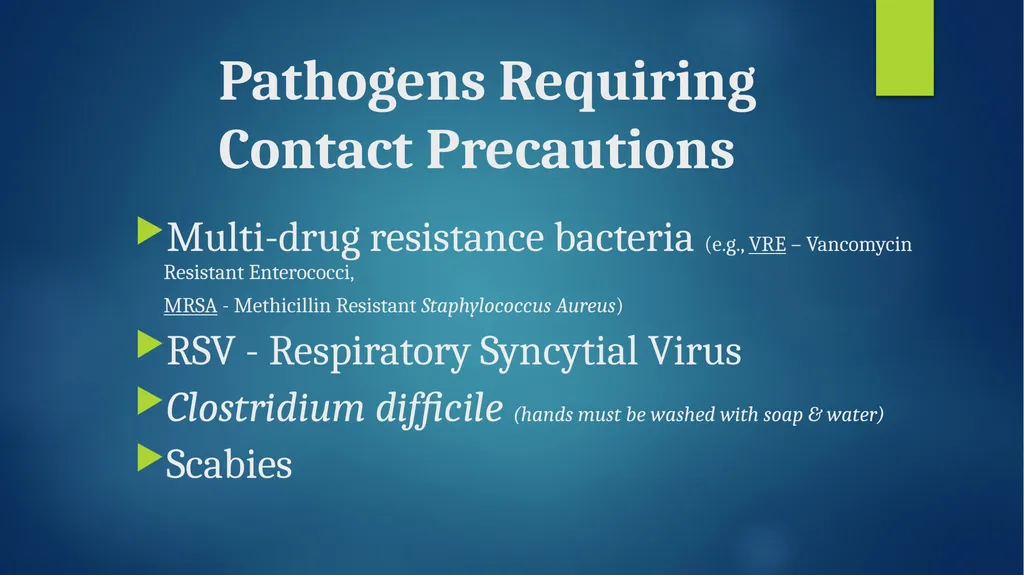
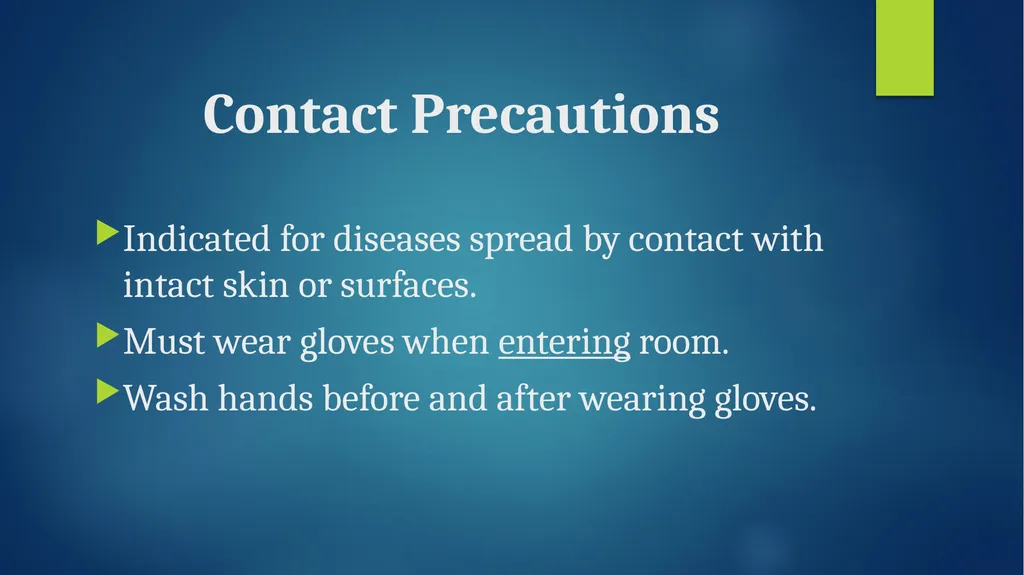
Contact Precautions Indicated for diseases spread by contact with intact skin or surfaces.
Must wear gloves when entering room.
Wash hands before and after wearing gloves.<br>
22
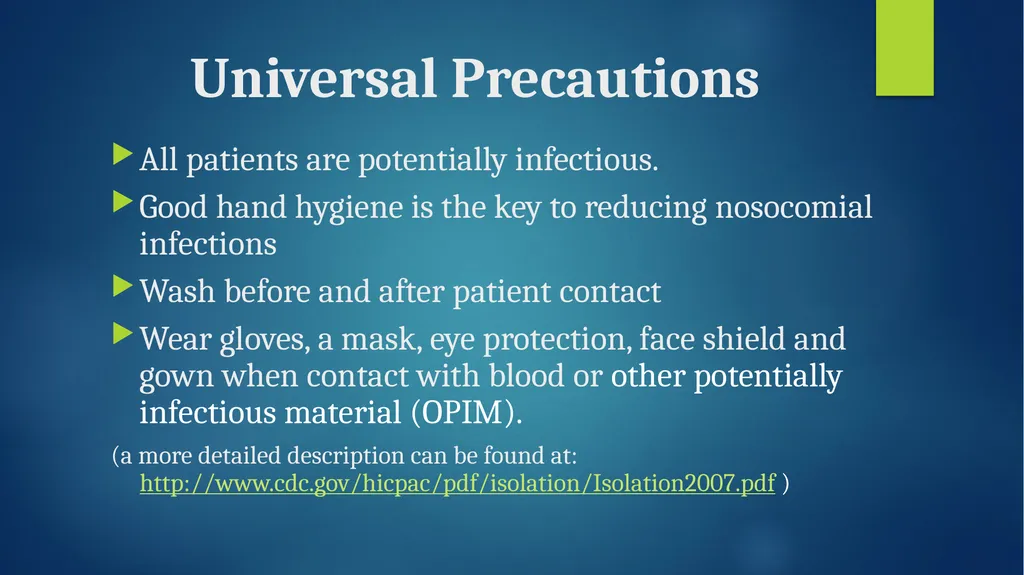
Universal Precautions All patients are potentially infectious.
Good hand hygiene is the key to reducing nosocomial infections
Wash before and after patient contact
Wear gloves, a mask, eye protection, face shield and gown when contact with blood or other potentially infectious material (OPIM).
(a more detailed description can be found at: http://www.cdc.gov/hicpac/pdf/isolation/Isolation2007.pdf )<br>
23
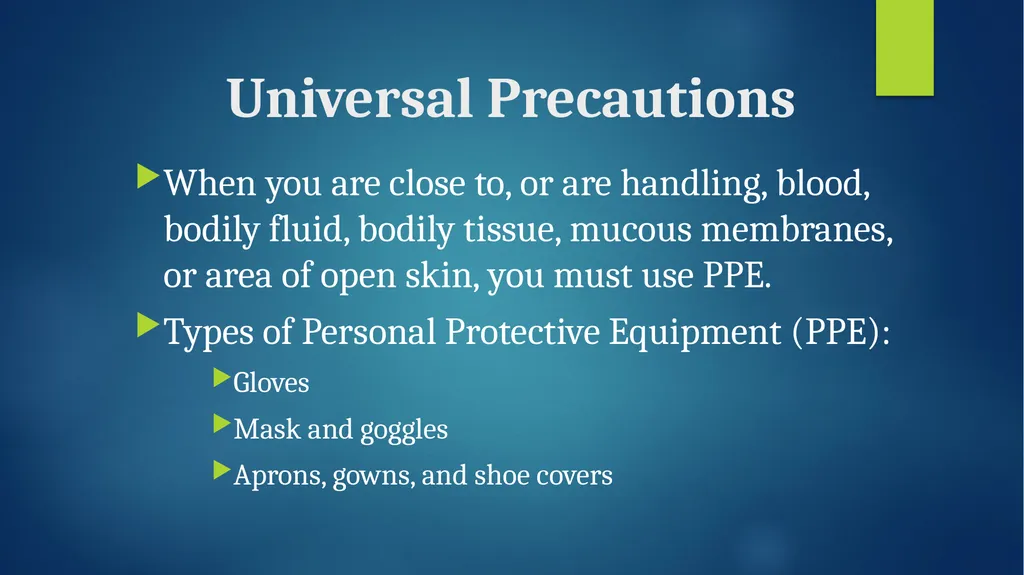
Universal Precautions When you are close to, or are handling, blood, bodily fluid, bodily tissue, mucous membranes, or area of open skin, you must use PPE.
Types of Personal Protective Equipment (PPE):
Gloves
Mask and goggles
Aprons, gowns, and shoe covers<br>
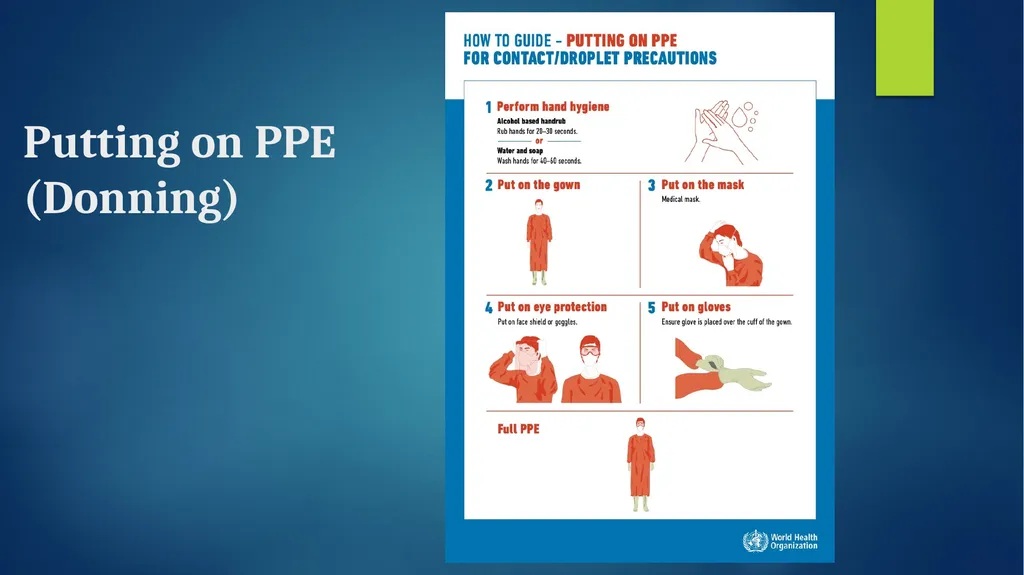
24
Putting on PPE (Donning)<br>
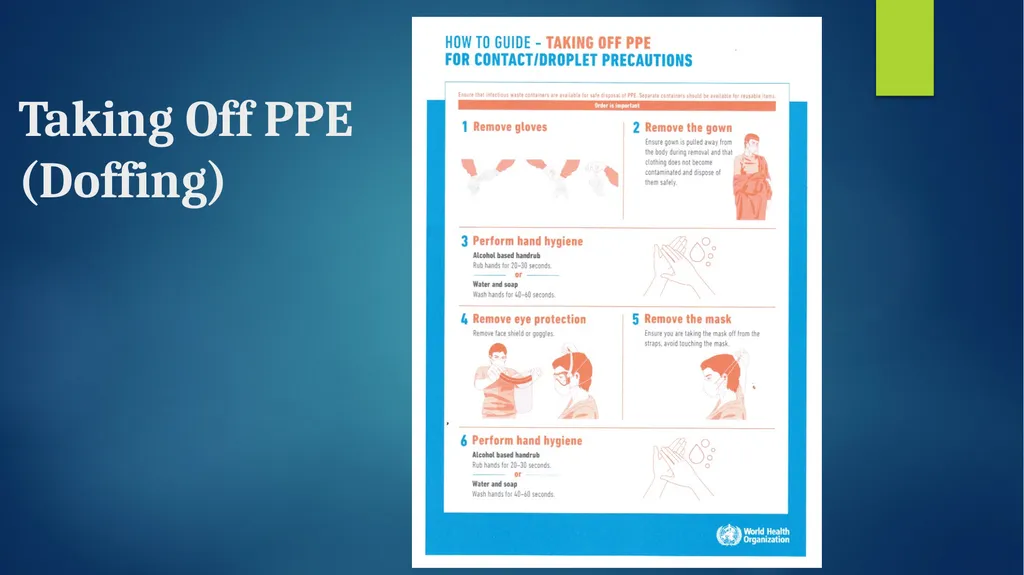
25
Taking Off PPE (Doffing)<br>
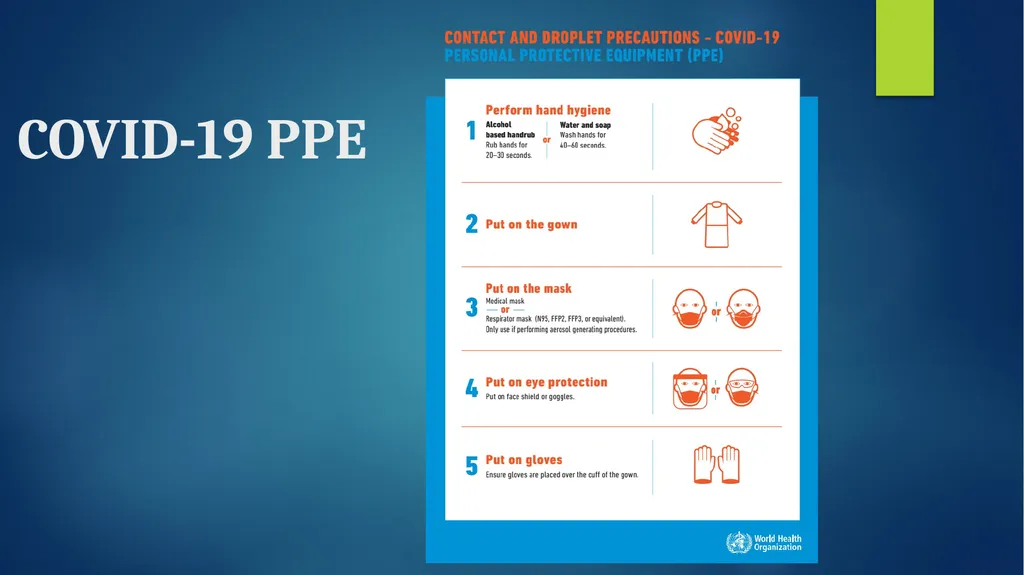
26
COVID-19 PPE<br>
27
Sterile Gown and Glove Appropriate attire – supports cleanliness and promotes patient and healthcare professionals from microbial shedding.
Sterile attire consist of the following:
Head covering – cover all hair and scalp
Surgical mask – fully cover the mouth and nose
Shoe covering – spills and splash
Eye covering – goggles or face-shield
Sterile gown - minimal lint and fits comfortably
Sterile gloves – wear over gown cuffs<br>