
Development and Prototyping SE495: Software
TF
Published · 70 slides · 0 views
1 / 1

Description
Development and Prototyping SE495: Software Entrepreneurship 1 Outline Overview Agile and Lean Principles Prototyping and Testing DevOps Cloud-based Development and Containerization MVP and Customer Feedback 2 Overview 3 Why Development and
Related Topics
Share
Embed code
Download this presentation From Below
"Development and Prototyping SE495: Software" is the property of its rightful owner. Permission is granted to download and print the materials on this website for personal, non-commercial use only, and to display it on your personal computer provided you do not modify the materials and that you retain all copyright notices contained in the materials. By downloading content from our website, you accept the terms of this agreement.
Presentation Transcript
01
Development and Prototyping SE495: Software Entrepreneurship 1<br>
02
Outline Overview
Agile and Lean Principles
Prototyping and Testing
DevOps
Cloud-based Development and Containerization
MVP and Customer Feedback 2<br>
Agile and Lean Principles
Prototyping and Testing
DevOps
Cloud-based Development and Containerization
MVP and Customer Feedback 2<br>
03
Overview 3<br>
04
Why Development and Prototyping Matter Development and prototyping are critical steps in turning ideas into functional software products.
They allow entrepreneurs to test and validate their ideas, identify potential issues, and refine their products.
Development and prototyping also help entrepreneurs to communicate their ideas effectively to stakeholders, investors, and potential customers. 4<br>
They allow entrepreneurs to test and validate their ideas, identify potential issues, and refine their products.
Development and prototyping also help entrepreneurs to communicate their ideas effectively to stakeholders, investors, and potential customers. 4<br>
05
What is Development? The process of designing, creating, testing, and maintaining software products.
Key stages of software development
Requirements gathering, design, implementation, testing, deployment, and maintenance.
Importance of development in software entrepreneurship
Turning ideas into functional products that meet customer needs. 5<br>
Key stages of software development
Requirements gathering, design, implementation, testing, deployment, and maintenance.
Importance of development in software entrepreneurship
Turning ideas into functional products that meet customer needs. 5<br>
06
What is Prototyping? The process of creating a preliminary or experimental model of a product, service, or system.
Key purposes of prototyping
Testing, validating, and refining ideas, identifying potential issues, and communicating concepts to stakeholders.
Importance of prototyping in software entrepreneurship
Allows entrepreneurs to validate their ideas before investing time, money, and resources into a full-scale product development. 6<br>
Key purposes of prototyping
Testing, validating, and refining ideas, identifying potential issues, and communicating concepts to stakeholders.
Importance of prototyping in software entrepreneurship
Allows entrepreneurs to validate their ideas before investing time, money, and resources into a full-scale product development. 6<br>
07
Best Practices for Development and Prototyping Best practices for development:
Define clear requirements and goals.
Follow a structured development process.
Test and validate the product regularly.
Document the development process and product features. 7<br>
Define clear requirements and goals.
Follow a structured development process.
Test and validate the product regularly.
Document the development process and product features. 7<br>
08
Best Practices for Development and Prototyping Best practices for prototyping:
Start with a simple, low-fidelity prototype.
Test the prototype with real users.
Refine the prototype based on user feedback.
Use prototyping as an iterative process. 8<br>
Start with a simple, low-fidelity prototype.
Test the prototype with real users.
Refine the prototype based on user feedback.
Use prototyping as an iterative process. 8<br>
09
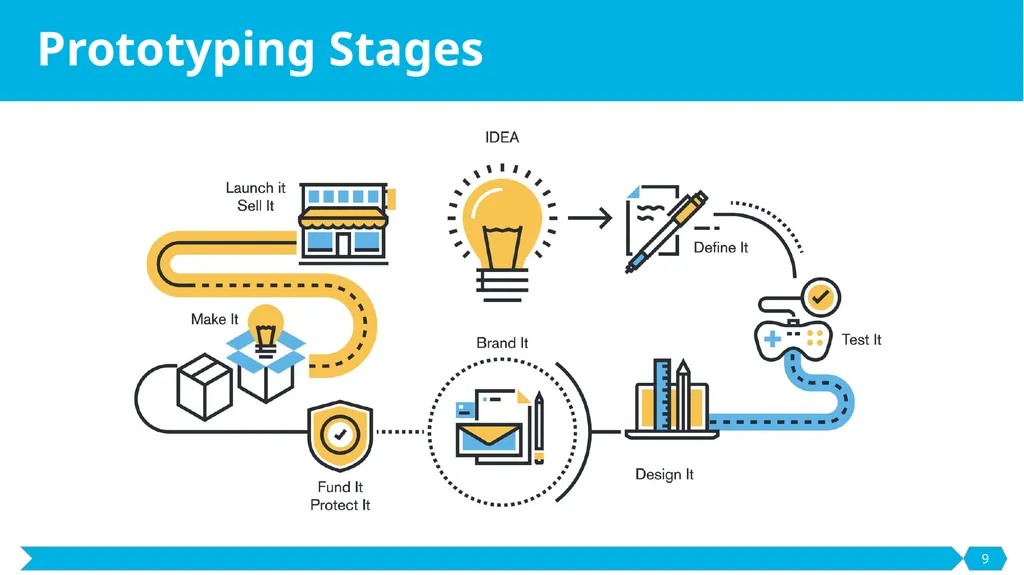
Prototyping Stages 9<br>
10
Agile and Lean Principles 10<br>
11
Understanding the Core Concepts Agile and Lean are two methodologies that share similar principles and aim to improve software development processes.
Agile focuses on iterative development, customer satisfaction, and team collaboration.
Lean emphasizes eliminating waste, continuous improvement, and customer value. 11<br>
Agile focuses on iterative development, customer satisfaction, and team collaboration.
Lean emphasizes eliminating waste, continuous improvement, and customer value. 11<br>
12
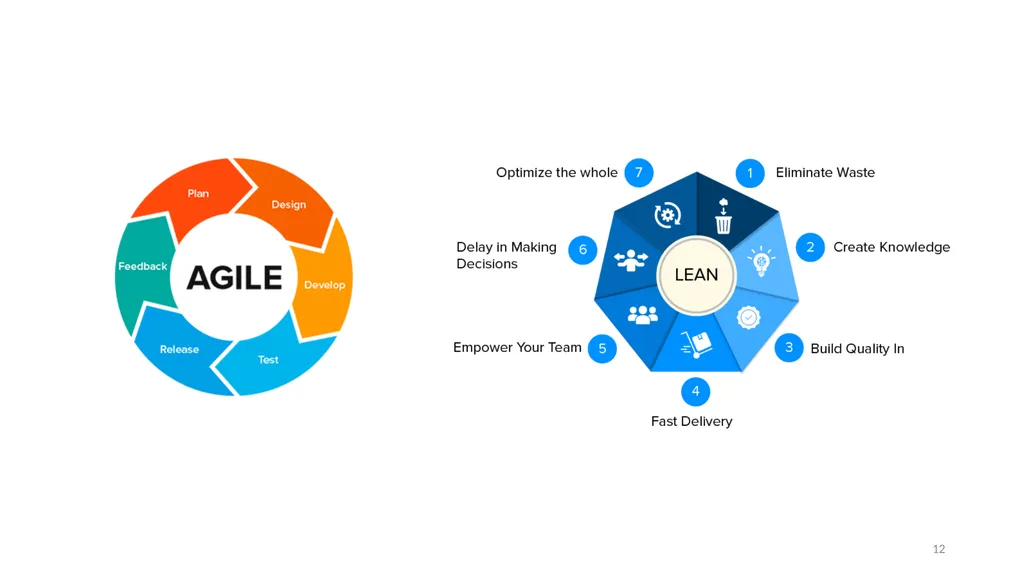
12<br>
13
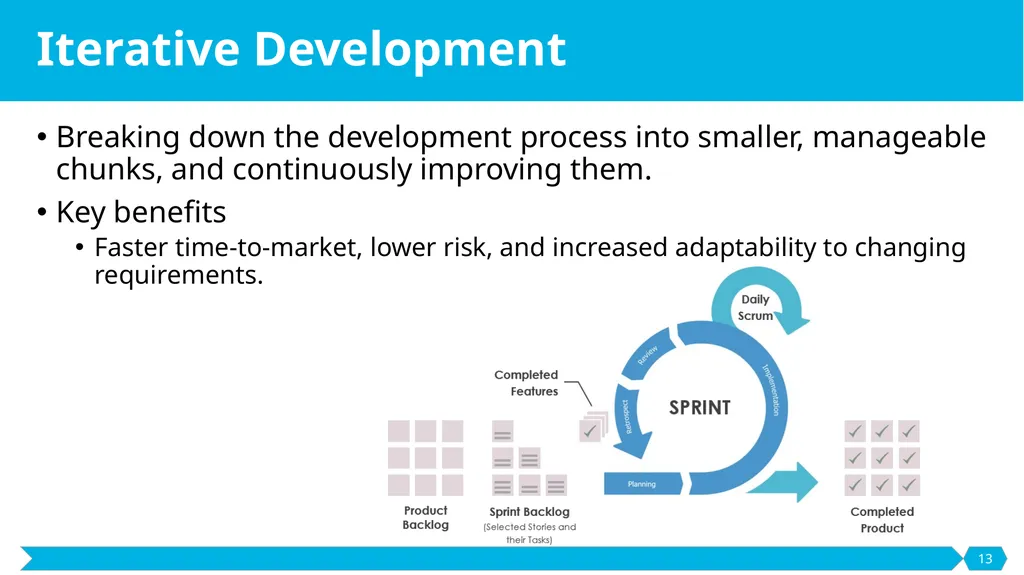
Iterative Development Breaking down the development process into smaller, manageable chunks, and continuously improving them.
Key benefits
Faster time-to-market, lower risk, and increased adaptability to changing requirements. 13<br>
Key benefits
Faster time-to-market, lower risk, and increased adaptability to changing requirements. 13<br>
14
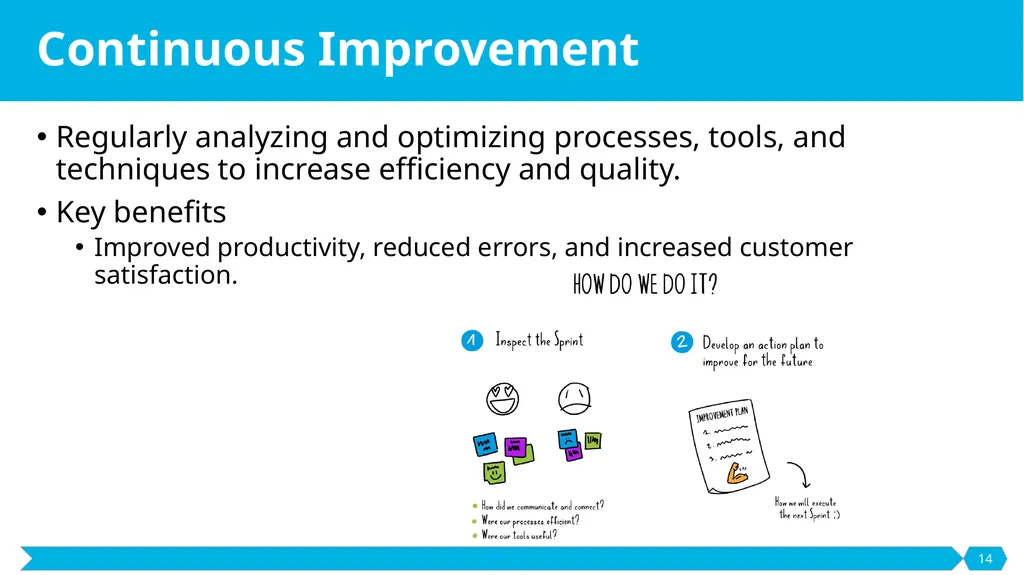
Continuous Improvement Regularly analyzing and optimizing processes, tools, and techniques to increase efficiency and quality.
Key benefits
Improved productivity, reduced errors, and increased customer satisfaction. 14<br>
Key benefits
Improved productivity, reduced errors, and increased customer satisfaction. 14<br>
15
Customer Feedback Gathering insights and feedback from customers to validate assumptions and improve the product.
Key benefits
Better alignment with customer needs, increased customer satisfaction, and improved product-market fit.
Example: User testing, customer interviews, and feedback sessions. 15<br>
Key benefits
Better alignment with customer needs, increased customer satisfaction, and improved product-market fit.
Example: User testing, customer interviews, and feedback sessions. 15<br>
16
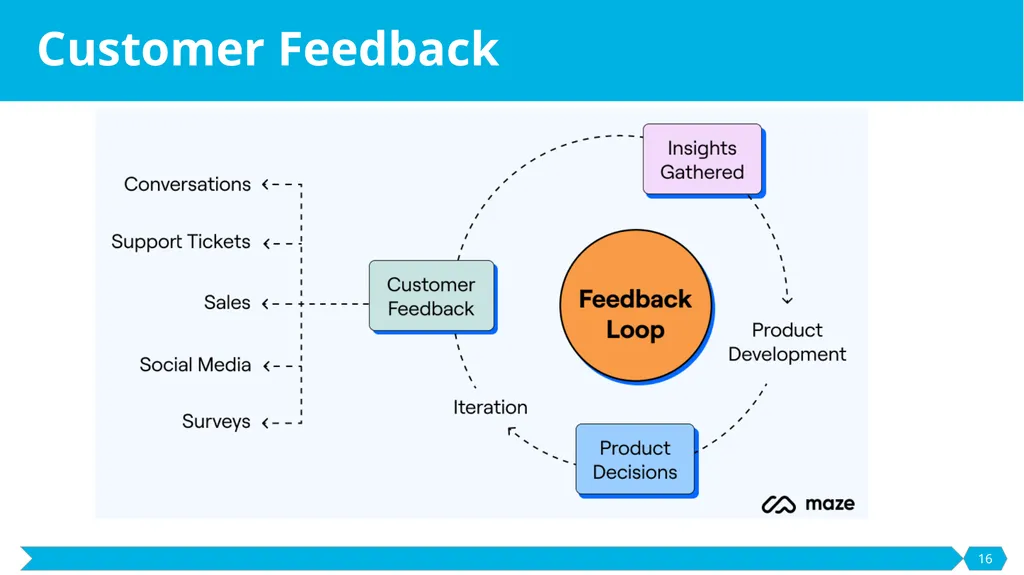
Customer Feedback 16<br>
17
Minimizing Waste Any activity that does not add value to the product or service.
Types of waste
Extra processes, unnecessary features, excessive meetings, and unnecessary overhead.
Key benefits
Reduced costs, increased efficiency, and faster time-to-market.
Example: Identifying and eliminating unnecessary steps in the development process. 17<br>
Types of waste
Extra processes, unnecessary features, excessive meetings, and unnecessary overhead.
Key benefits
Reduced costs, increased efficiency, and faster time-to-market.
Example: Identifying and eliminating unnecessary steps in the development process. 17<br>
18
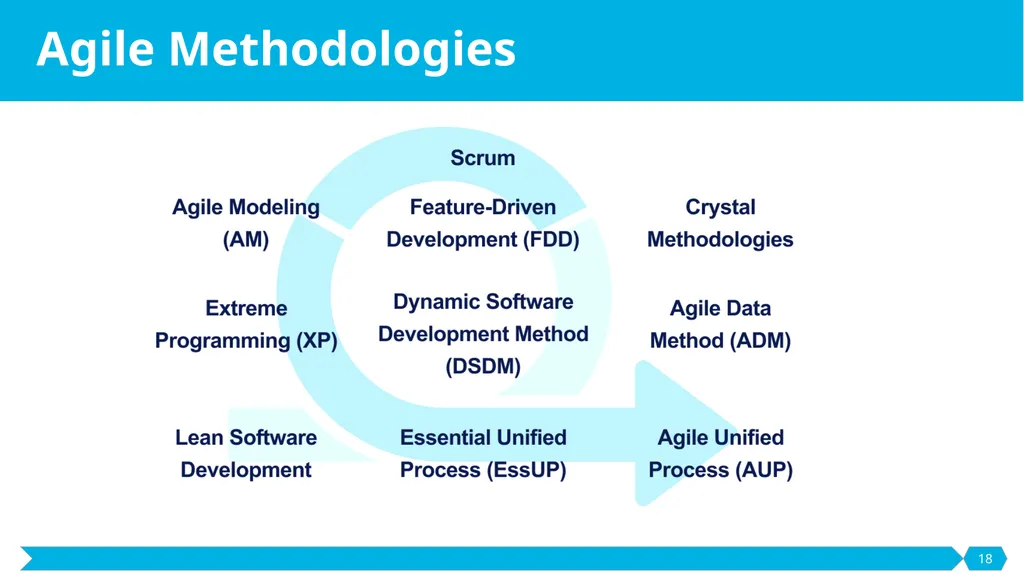
Agile Methodologies 18<br>
19
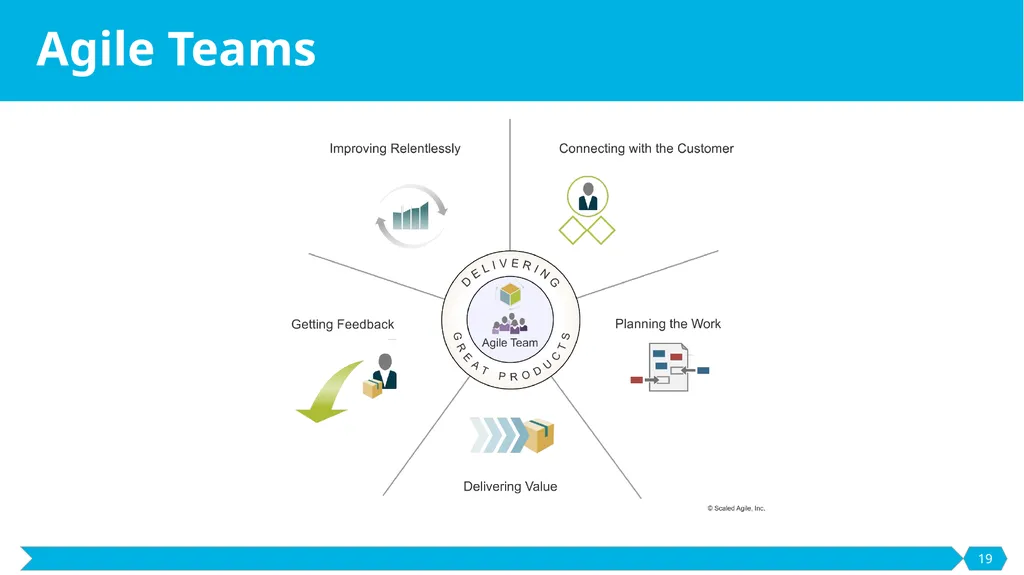
Agile Teams 19<br>
20
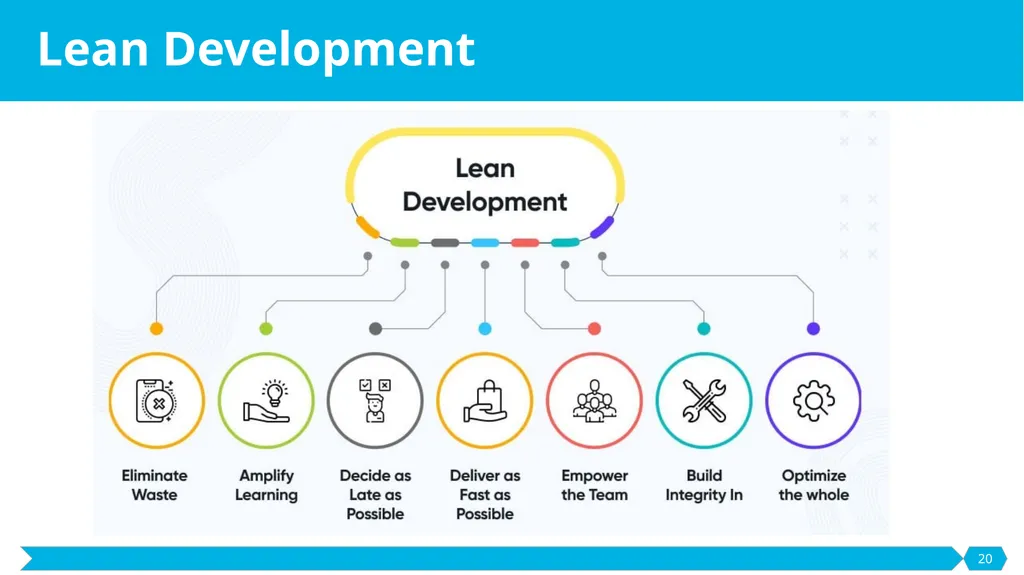
Lean Development 20<br>
21
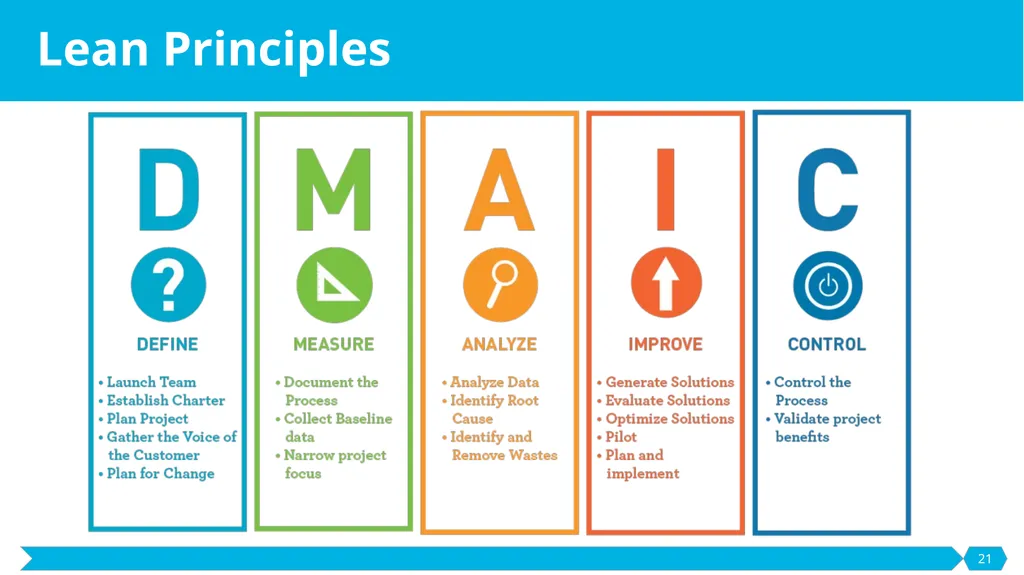
Lean Principles 21<br>
22
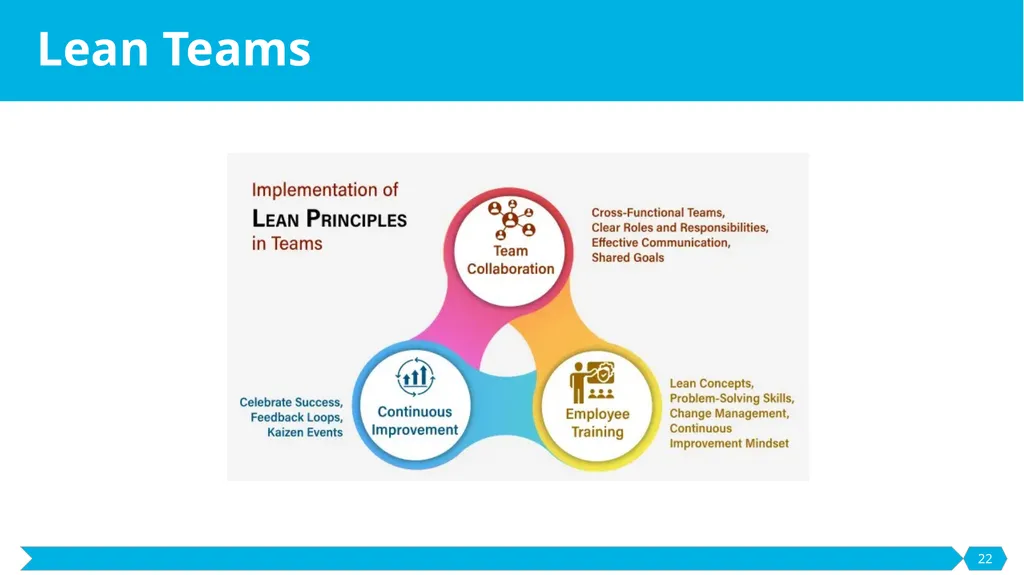
Lean Teams 22<br>
23
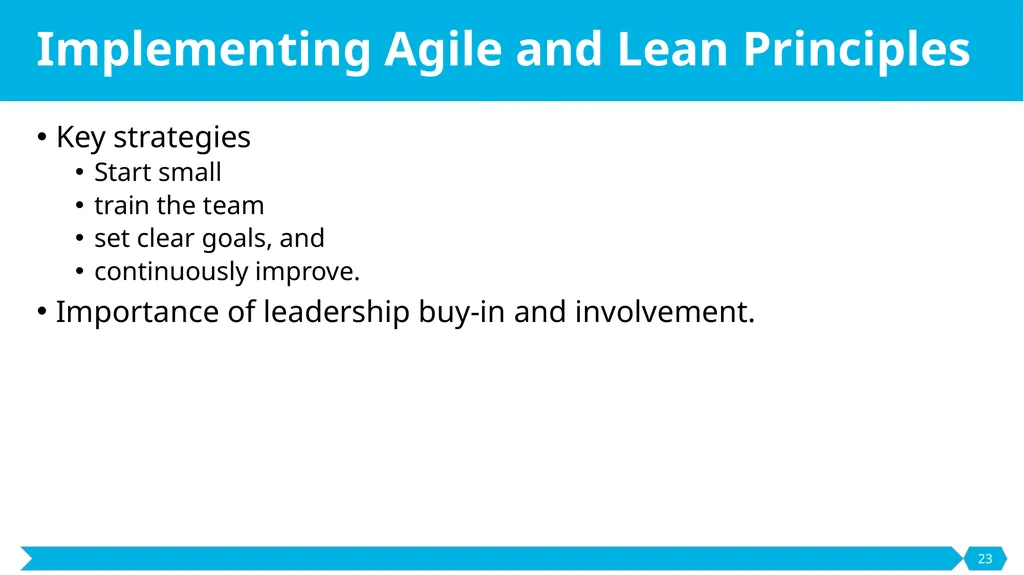
Implementing Agile and Lean Principles Key strategies
Start small
train the team
set clear goals, and
continuously improve.
Importance of leadership buy-in and involvement. 23<br>
Start small
train the team
set clear goals, and
continuously improve.
Importance of leadership buy-in and involvement. 23<br>
24
Prototyping and Testing 24<br>
25
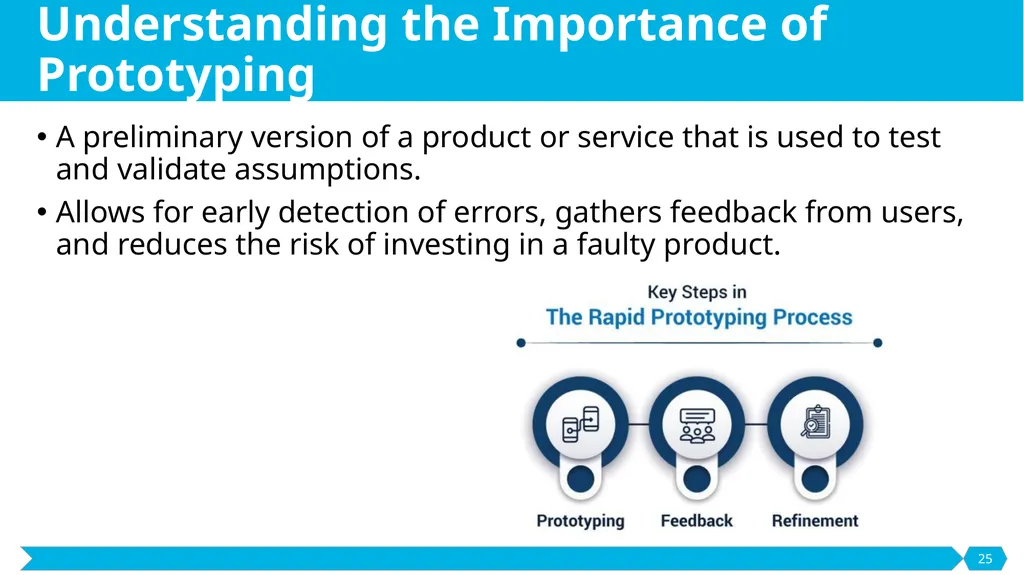
Understanding the Importance of Prototyping A preliminary version of a product or service that is used to test and validate assumptions.
Allows for early detection of errors, gathers feedback from users, and reduces the risk of investing in a faulty product. 25<br>
Allows for early detection of errors, gathers feedback from users, and reduces the risk of investing in a faulty product. 25<br>
26
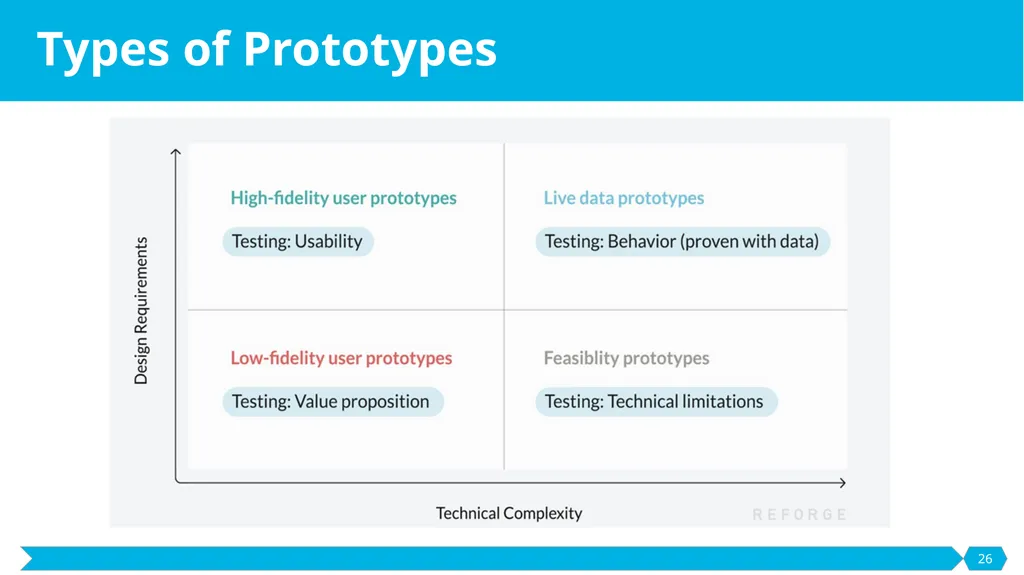
Types of Prototypes 26<br>
27
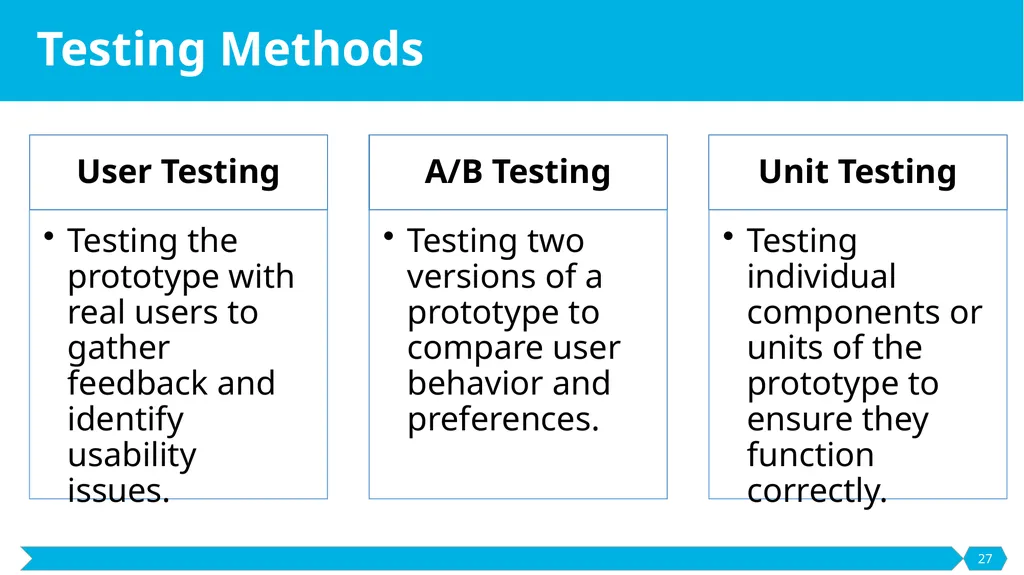
Testing Methods 27<br>
28
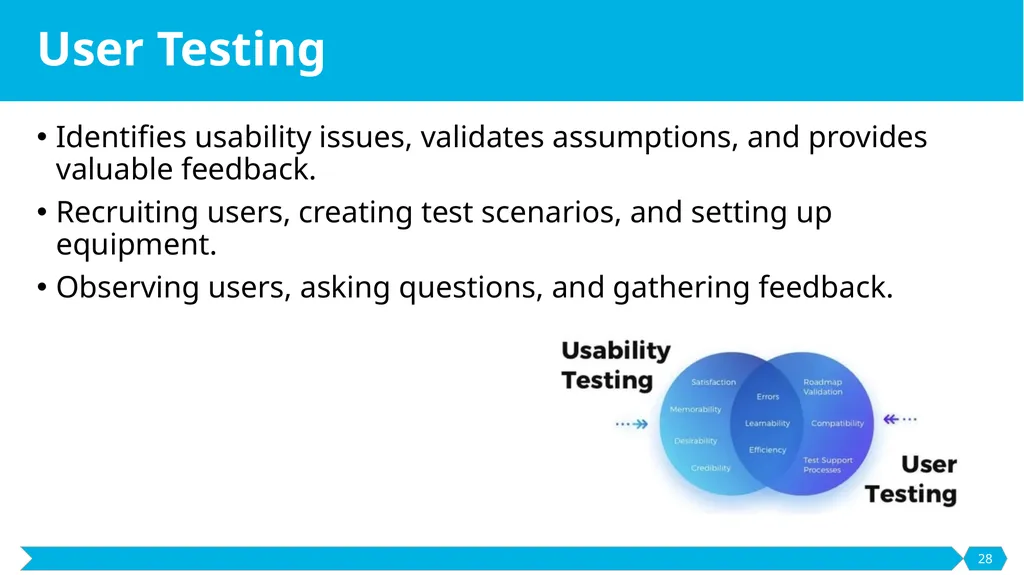
User Testing Identifies usability issues, validates assumptions, and provides valuable feedback.
Recruiting users, creating test scenarios, and setting up equipment.
Observing users, asking questions, and gathering feedback. 28<br>
Recruiting users, creating test scenarios, and setting up equipment.
Observing users, asking questions, and gathering feedback. 28<br>
29
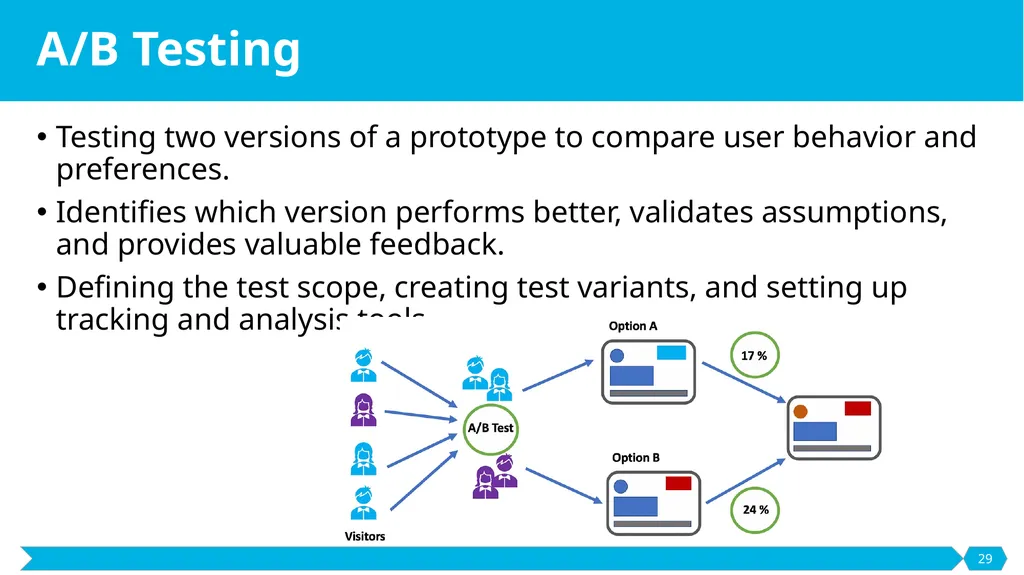
A/B Testing Testing two versions of a prototype to compare user behavior and preferences.
Identifies which version performs better, validates assumptions, and provides valuable feedback.
Defining the test scope, creating test variants, and setting up tracking and analysis tools. 29<br>
Identifies which version performs better, validates assumptions, and provides valuable feedback.
Defining the test scope, creating test variants, and setting up tracking and analysis tools. 29<br>
30
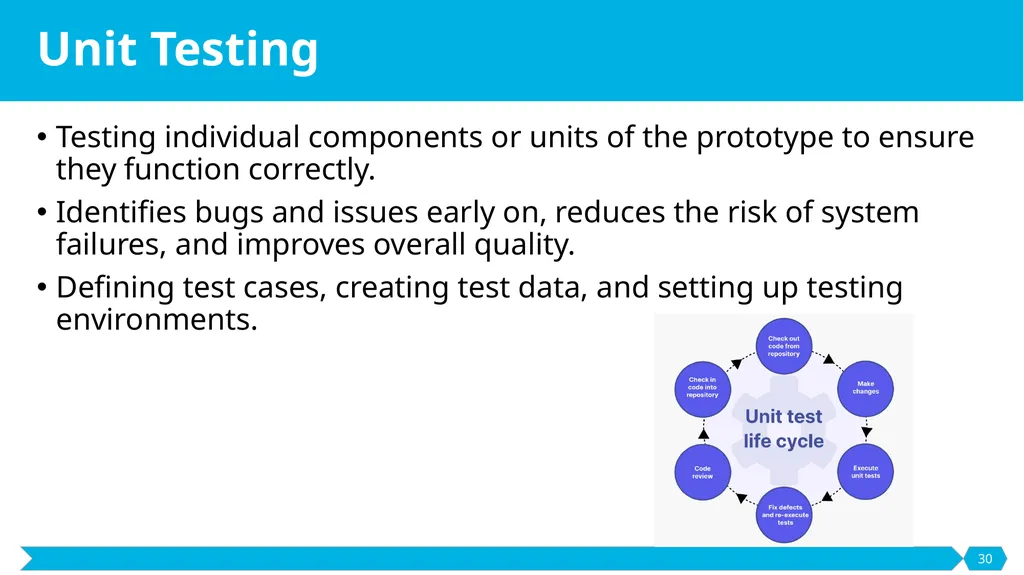
Unit Testing Testing individual components or units of the prototype to ensure they function correctly.
Identifies bugs and issues early on, reduces the risk of system failures, and improves overall quality.
Defining test cases, creating test data, and setting up testing environments. 30<br>
Identifies bugs and issues early on, reduces the risk of system failures, and improves overall quality.
Defining test cases, creating test data, and setting up testing environments. 30<br>
31
Prototyping and Testing in Agile Development Integrating prototyping and testing into Agile development
Iterative development, continuous improvement, and customer feedback.
Benefits of combining prototyping and testing in Agile development
Faster time-to-market, higher quality, and increased customer satisfaction. 31<br>
Iterative development, continuous improvement, and customer feedback.
Benefits of combining prototyping and testing in Agile development
Faster time-to-market, higher quality, and increased customer satisfaction. 31<br>
32
DevOps 32<br>
33
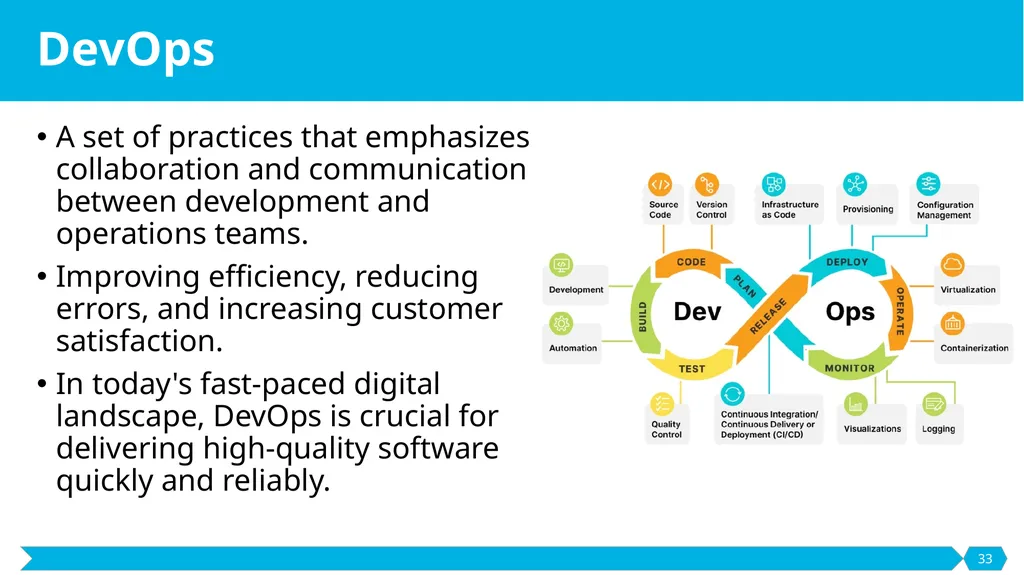
DevOps A set of practices that emphasizes collaboration and communication between development and operations teams.
Improving efficiency, reducing errors, and increasing customer satisfaction.
In today's fast-paced digital landscape, DevOps is crucial for delivering high-quality software quickly and reliably. 33<br>
Improving efficiency, reducing errors, and increasing customer satisfaction.
In today's fast-paced digital landscape, DevOps is crucial for delivering high-quality software quickly and reliably. 33<br>
34
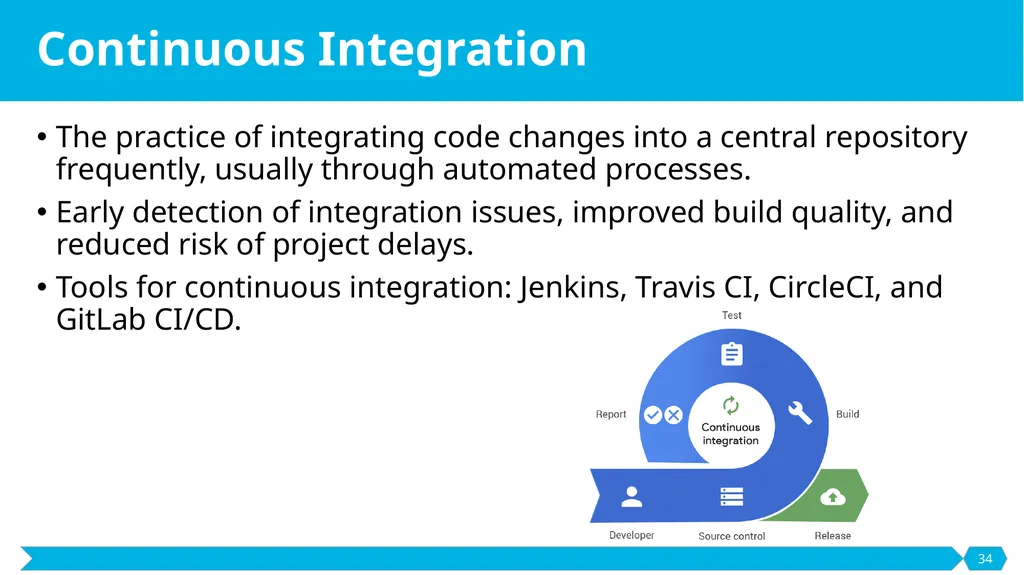
Continuous Integration The practice of integrating code changes into a central repository frequently, usually through automated processes.
Early detection of integration issues, improved build quality, and reduced risk of project delays.
Tools for continuous integration: Jenkins, Travis CI, CircleCI, and GitLab CI/CD. 34<br>
Early detection of integration issues, improved build quality, and reduced risk of project delays.
Tools for continuous integration: Jenkins, Travis CI, CircleCI, and GitLab CI/CD. 34<br>
35
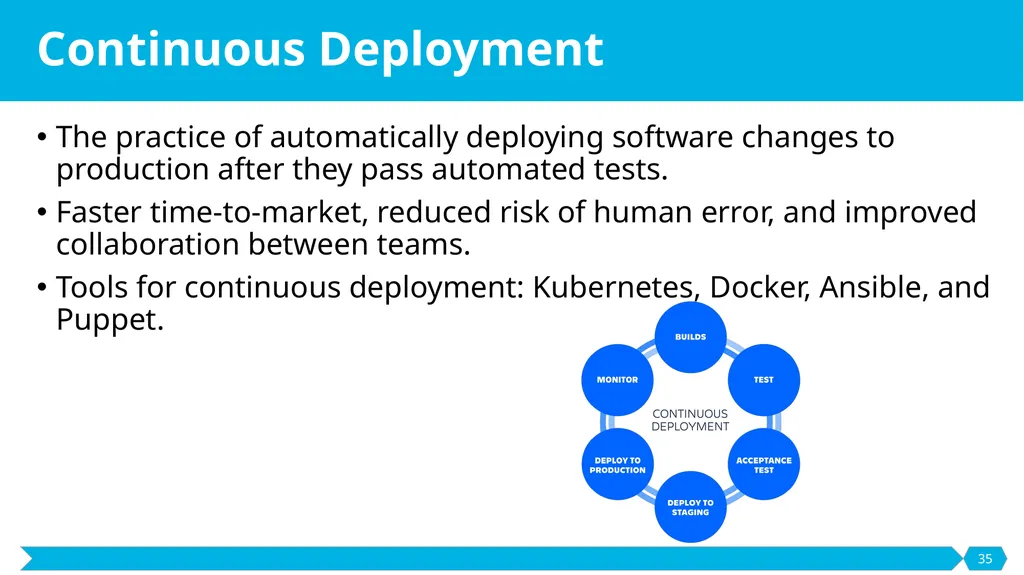
Continuous Deployment The practice of automatically deploying software changes to production after they pass automated tests.
Faster time-to-market, reduced risk of human error, and improved collaboration between teams.
Tools for continuous deployment: Kubernetes, Docker, Ansible, and Puppet. 35<br>
Faster time-to-market, reduced risk of human error, and improved collaboration between teams.
Tools for continuous deployment: Kubernetes, Docker, Ansible, and Puppet. 35<br>
36
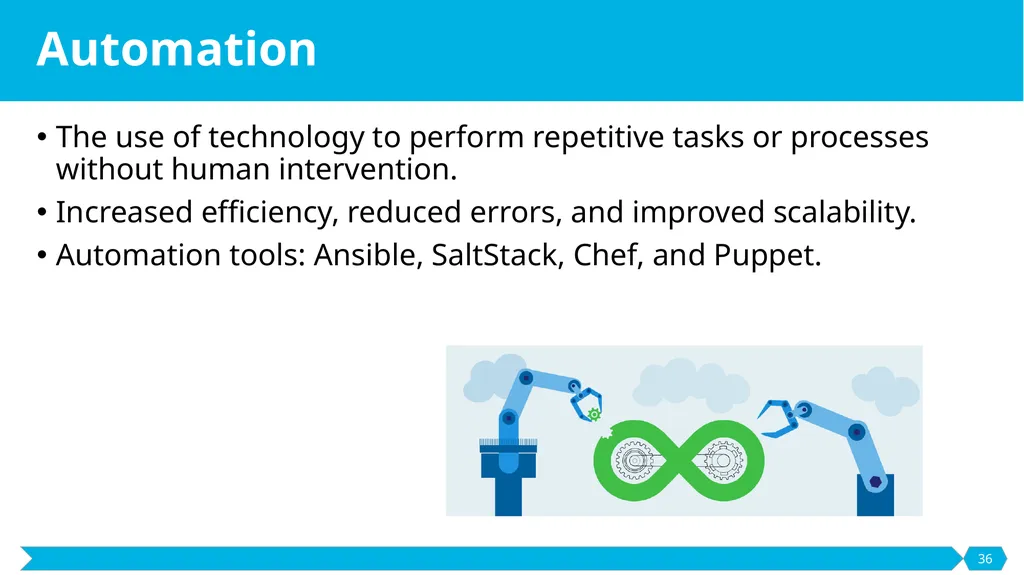
Automation The use of technology to perform repetitive tasks or processes without human intervention.
Increased efficiency, reduced errors, and improved scalability.
Automation tools: Ansible, SaltStack, Chef, and Puppet. 36<br>
Increased efficiency, reduced errors, and improved scalability.
Automation tools: Ansible, SaltStack, Chef, and Puppet. 36<br>
37
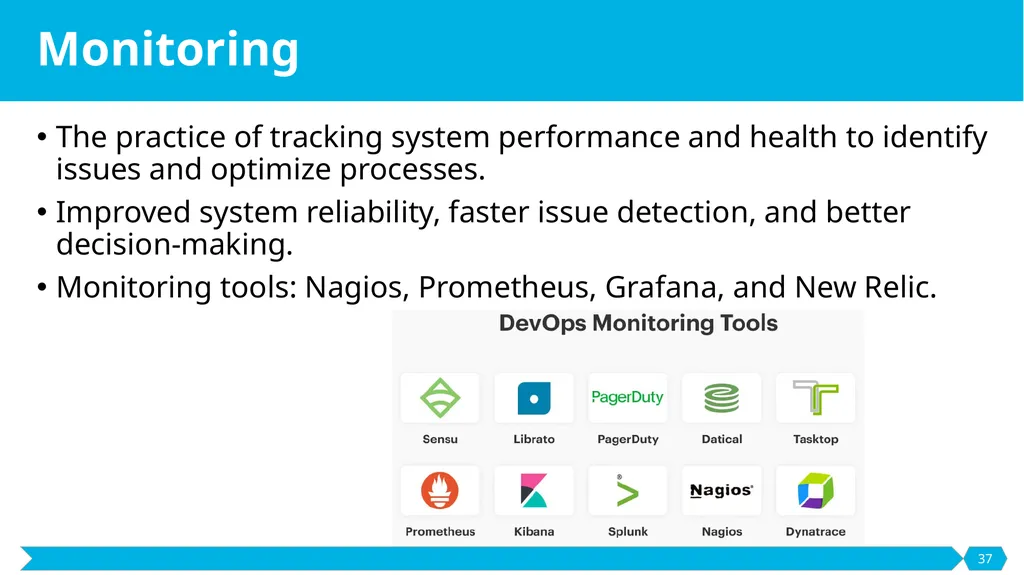
Monitoring The practice of tracking system performance and health to identify issues and optimize processes.
Improved system reliability, faster issue detection, and better decision-making.
Monitoring tools: Nagios, Prometheus, Grafana, and New Relic. 37<br>
Improved system reliability, faster issue detection, and better decision-making.
Monitoring tools: Nagios, Prometheus, Grafana, and New Relic. 37<br>
38
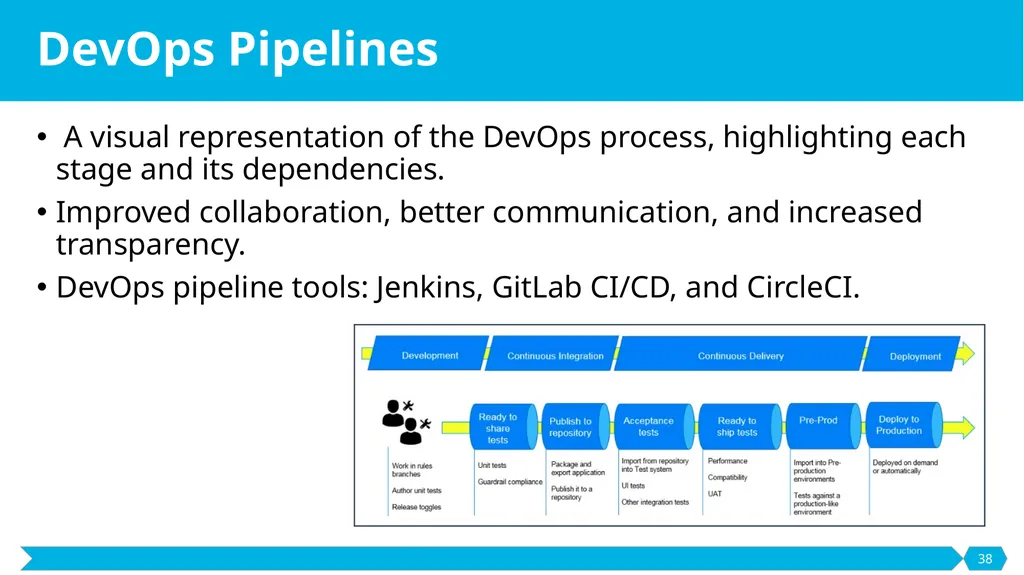
DevOps Pipelines A visual representation of the DevOps process, highlighting each stage and its dependencies.
Improved collaboration, better communication, and increased transparency.
DevOps pipeline tools: Jenkins, GitLab CI/CD, and CircleCI. 38<br>
Improved collaboration, better communication, and increased transparency.
DevOps pipeline tools: Jenkins, GitLab CI/CD, and CircleCI. 38<br>
39
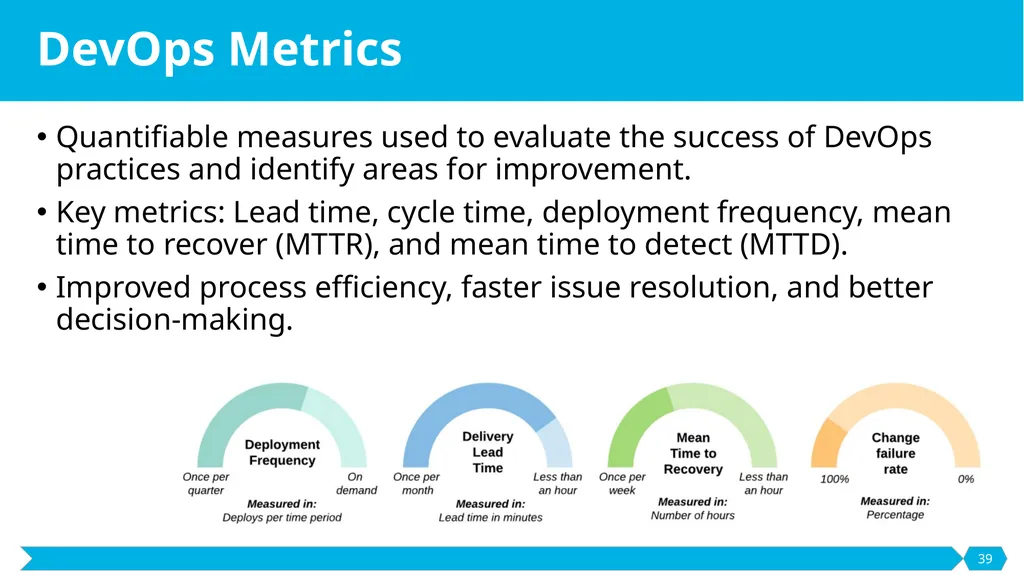
DevOps Metrics Quantifiable measures used to evaluate the success of DevOps practices and identify areas for improvement.
Key metrics: Lead time, cycle time, deployment frequency, mean time to recover (MTTR), and mean time to detect (MTTD).
Improved process efficiency, faster issue resolution, and better decision-making. 39<br>
Key metrics: Lead time, cycle time, deployment frequency, mean time to recover (MTTR), and mean time to detect (MTTD).
Improved process efficiency, faster issue resolution, and better decision-making. 39<br>
40
Cloud-based Development and Containerization 40<br>
41
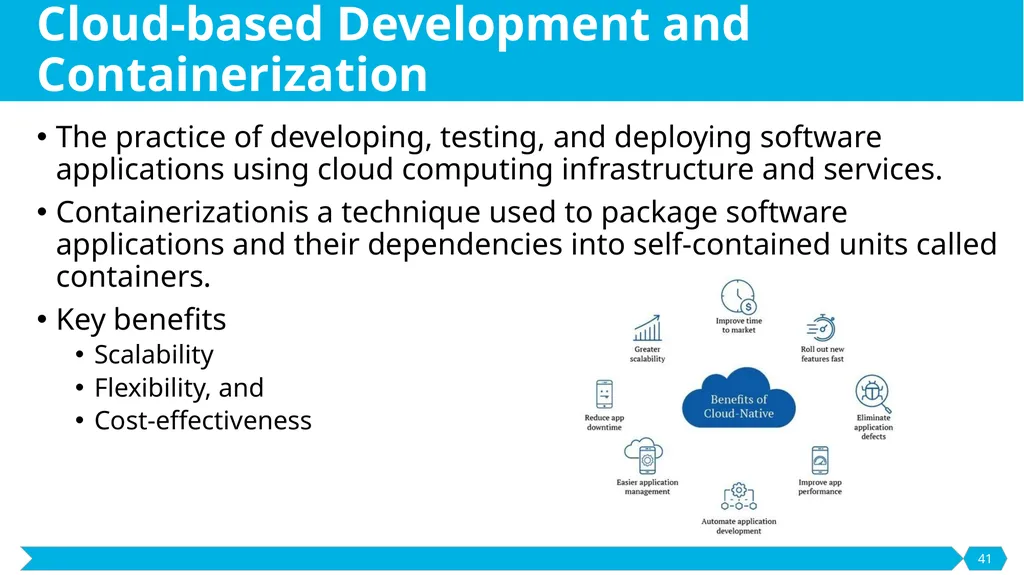
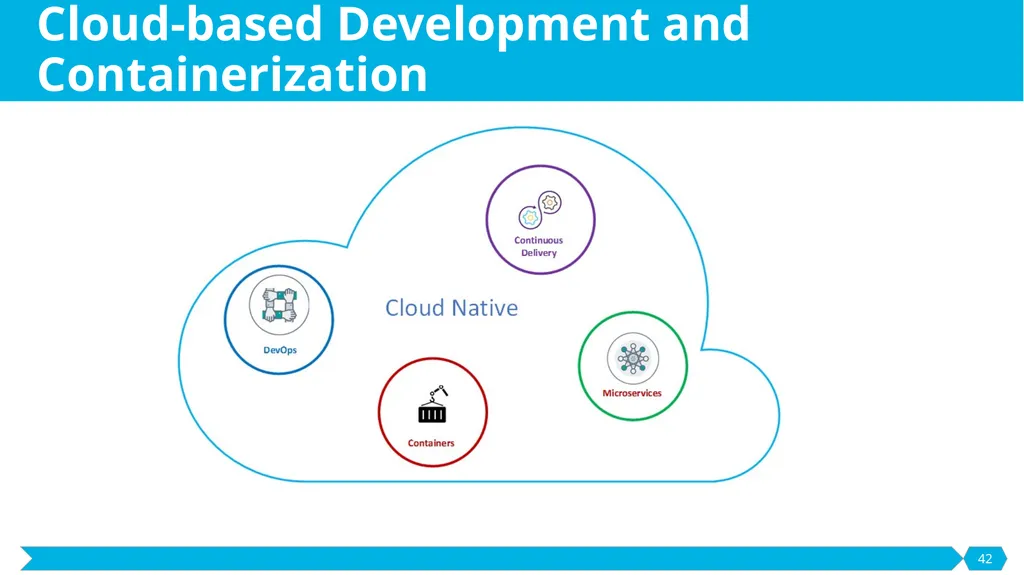
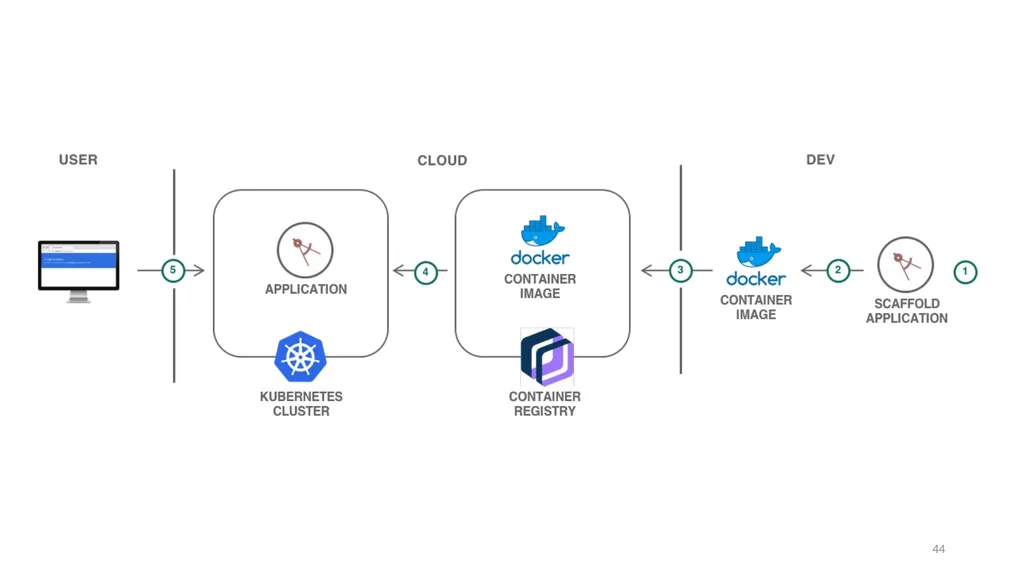
Cloud-based Development and Containerization The practice of developing, testing, and deploying software applications using cloud computing infrastructure and services.
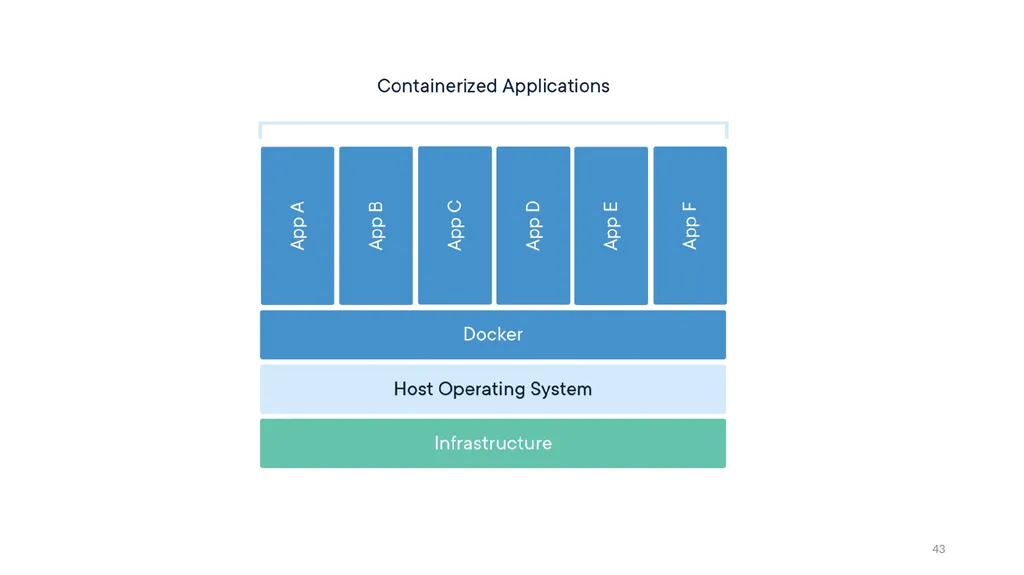
Containerizationis a technique used to package software applications and their dependencies into self-contained units called containers.
Key benefits
Scalability
Flexibility, and
Cost-effectiveness 41<br>
Containerizationis a technique used to package software applications and their dependencies into self-contained units called containers.
Key benefits
Scalability
Flexibility, and
Cost-effectiveness 41<br>
42
Cloud-based Development and Containerization 42<br>
43
43<br>
44
44<br>
45
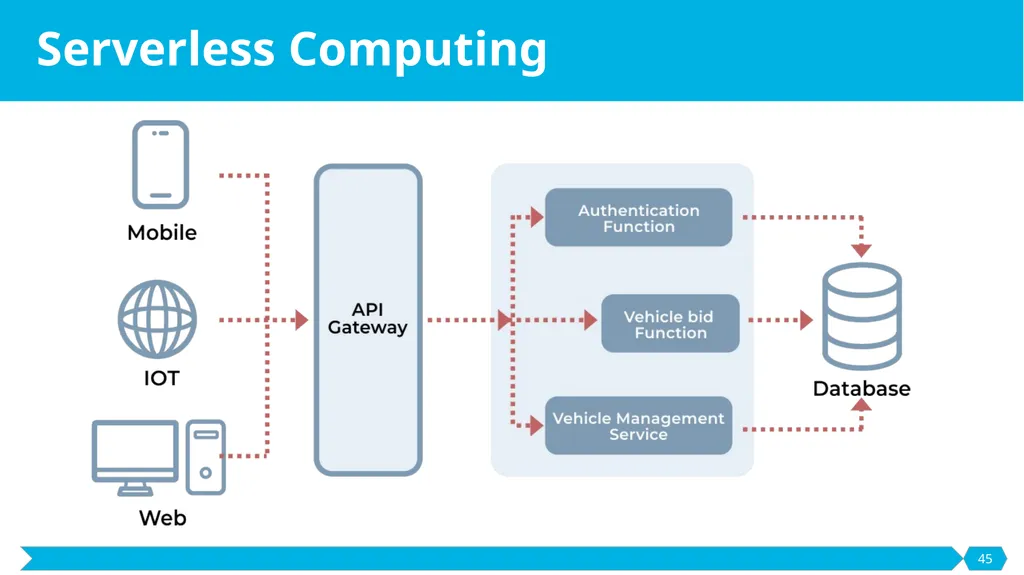
Serverless Computing 45<br>
46
Serverless Computing Serverless computing, also known as function-as-a-service (FaaS), is a cloud computing model where the cloud provider manages the underlying infrastructure and automatically allocates resources to execute code in response to events or requests.
In serverless computing, developers focus solely on writing and deploying individual functions or pieces of code, without the need to provision or manage servers. 46<br>
In serverless computing, developers focus solely on writing and deploying individual functions or pieces of code, without the need to provision or manage servers. 46<br>
47
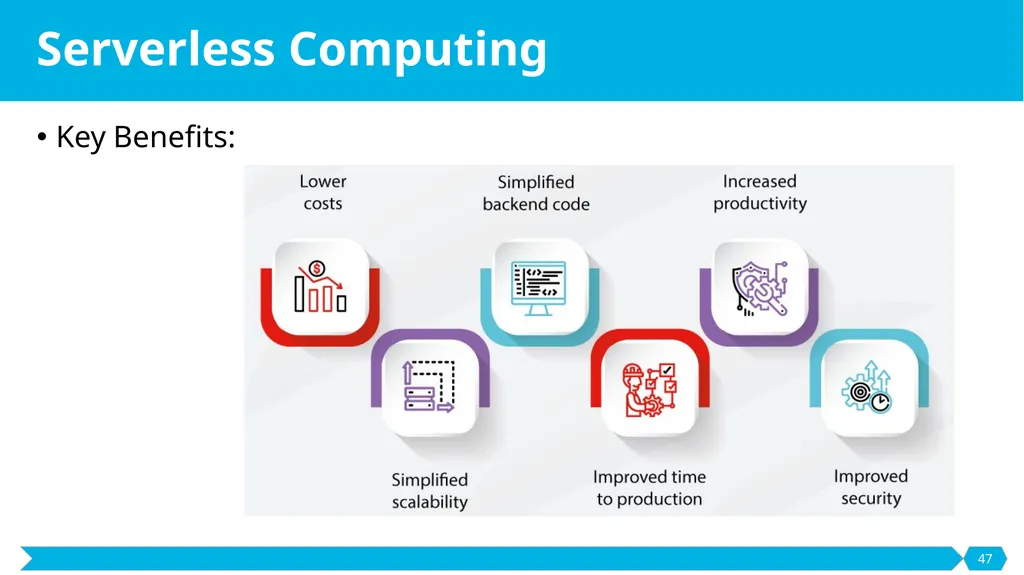
Serverless Computing Key Benefits: 47<br>
48
Key Concepts in Serverless Computing Event-driven architecture
designing applications around events and triggers
Third-party services
using existing services instead of building everything from scratch
Reduced overhead
reduced infrastructure and maintenance costs 48<br>
designing applications around events and triggers
Third-party services
using existing services instead of building everything from scratch
Reduced overhead
reduced infrastructure and maintenance costs 48<br>
49
Reusing Existing Libraries and Platforms Reducing development time
using existing libraries and platforms to speed up development
Leveraging existing resources
using existing resources to reduce costs and improve efficiency
Minimizing waste
reducing unnecessary work and minimizing waste 49<br>
using existing libraries and platforms to speed up development
Leveraging existing resources
using existing resources to reduce costs and improve efficiency
Minimizing waste
reducing unnecessary work and minimizing waste 49<br>
50
Reusing Existing Libraries and Platforms Benefits of Reusing Libraries and Platforms:
Reduced development time and cost
Faster time-to-market
Lower risk of bugs and errors
Greater maintainability and scalability
Access to a wider range of features and functionality 50<br>
Reduced development time and cost
Faster time-to-market
Lower risk of bugs and errors
Greater maintainability and scalability
Access to a wider range of features and functionality 50<br>
51
Reusing Existing Libraries and Platforms Types of Libraries and Platforms:
Open-source libraries (e.g. jQuery, React)
Proprietary libraries (e.g. Google Maps API, Facebook SDK)
Framework libraries (e.g. Spring, Django)
Platforms (e.g. AWS, Google Cloud, Azure) 51<br>
Open-source libraries (e.g. jQuery, React)
Proprietary libraries (e.g. Google Maps API, Facebook SDK)
Framework libraries (e.g. Spring, Django)
Platforms (e.g. AWS, Google Cloud, Azure) 51<br>
52
Reusing Existing Libraries and Platforms Factors to Consider:
Licensing and legal considerations
Compatibility with other technologies and frameworks
Documentation and community support
Security and privacy concerns
Customization and flexibility requirements 52<br>
Licensing and legal considerations
Compatibility with other technologies and frameworks
Documentation and community support
Security and privacy concerns
Customization and flexibility requirements 52<br>
53
Reusing Existing Libraries and Platforms Best Practices:
Conducting thorough research and evaluation before selecting a library or platform
Following established coding standards and conventions
Testing and verifying the functionality and performance of the library or platform
Documenting the use of the library or platform in the project's documentation
Keeping up-to-date with updates and security patches 53<br>
Conducting thorough research and evaluation before selecting a library or platform
Following established coding standards and conventions
Testing and verifying the functionality and performance of the library or platform
Documenting the use of the library or platform in the project's documentation
Keeping up-to-date with updates and security patches 53<br>
54
MVP and Customer Feedback 54<br>
55
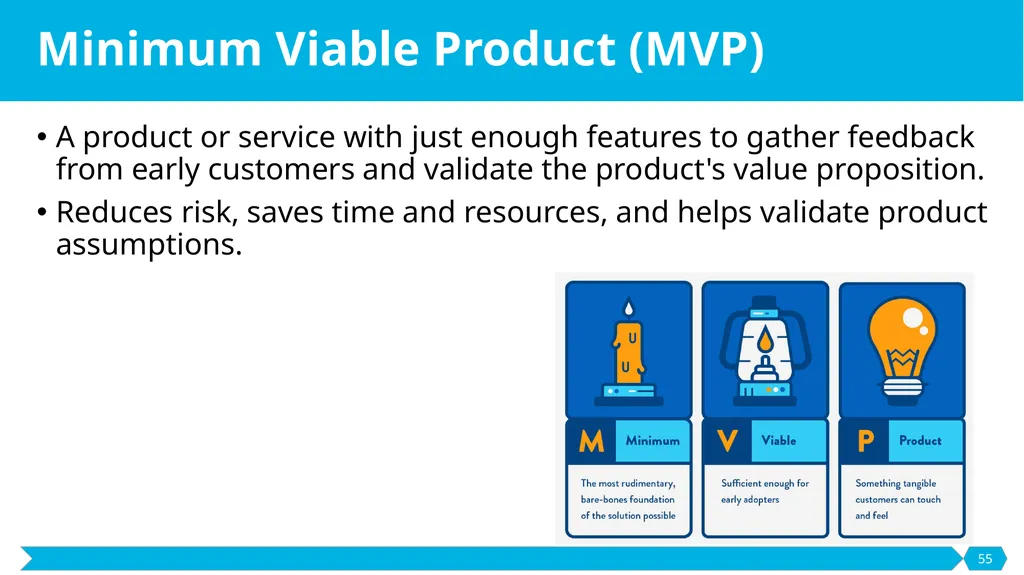
Minimum Viable Product (MVP) A product or service with just enough features to gather feedback from early customers and validate the product's value proposition.
Reduces risk, saves time and resources, and helps validate product assumptions. 55<br>
Reduces risk, saves time and resources, and helps validate product assumptions. 55<br>
56
Why MVP is important Reduces risk
MVP helps to validate the product idea before investing too much time and resources.
Saves time and money
MVP allows you to build only the essential features, reducing development time and cost.
Gathers feedback
MVP helps to gather feedback from early customers, which can be used to improve the product. 56<br>
MVP helps to validate the product idea before investing too much time and resources.
Saves time and money
MVP allows you to build only the essential features, reducing development time and cost.
Gathers feedback
MVP helps to gather feedback from early customers, which can be used to improve the product. 56<br>
57
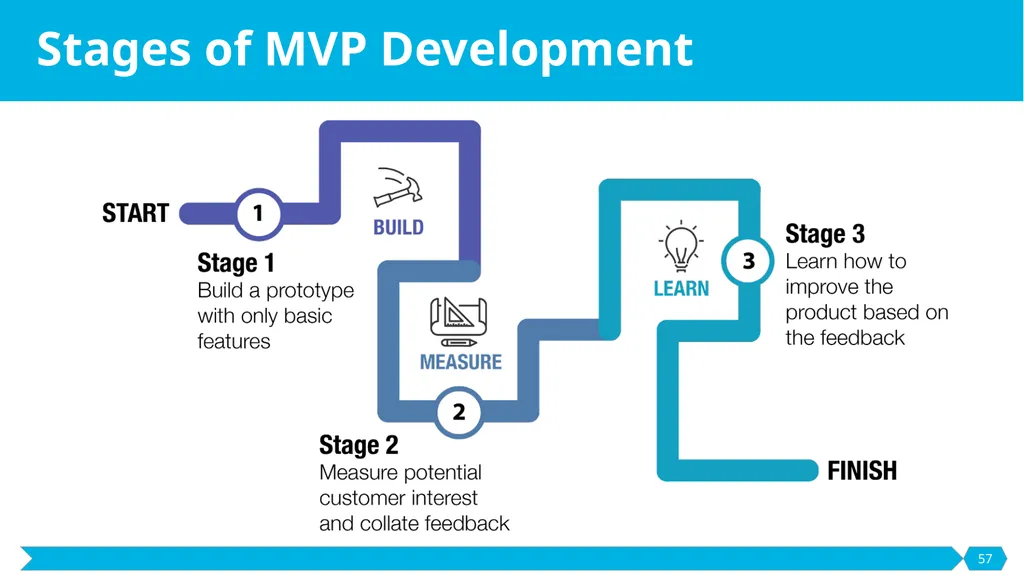
Stages of MVP Development 57<br>
58
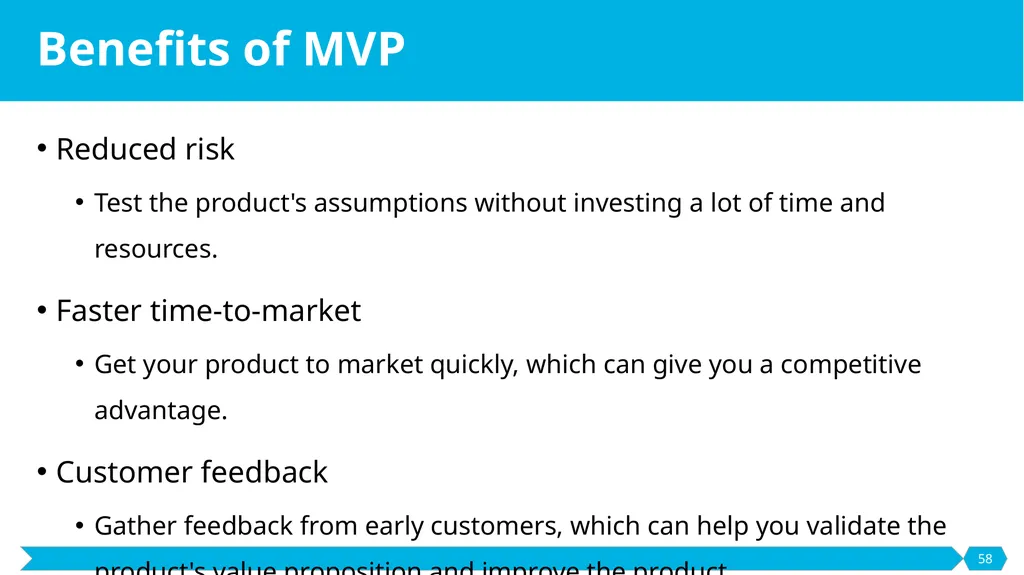
Benefits of MVP Reduced risk
Test the product's assumptions without investing a lot of time and resources.
Faster time-to-market
Get your product to market quickly, which can give you a competitive advantage.
Customer feedback
Gather feedback from early customers, which can help you validate the product's value proposition and improve the product. 58<br>
Test the product's assumptions without investing a lot of time and resources.
Faster time-to-market
Get your product to market quickly, which can give you a competitive advantage.
Customer feedback
Gather feedback from early customers, which can help you validate the product's value proposition and improve the product. 58<br>
59
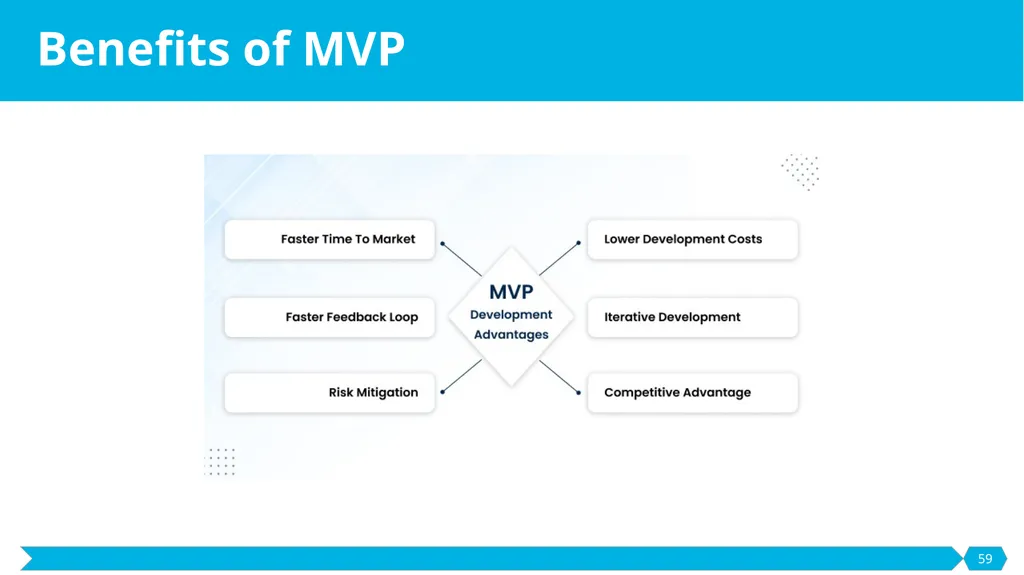
Benefits of MVP 59<br>
60
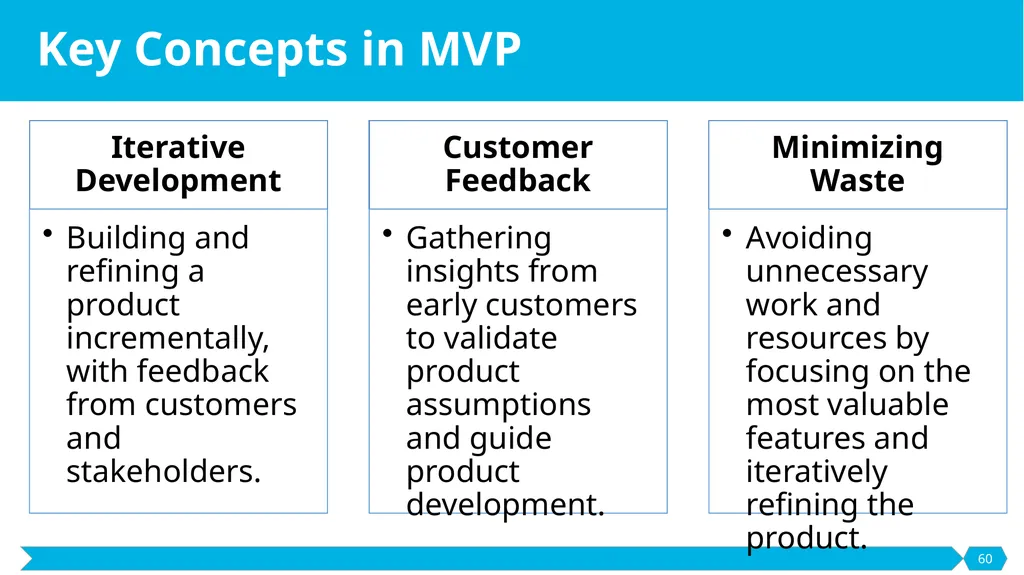
Key Concepts in MVP 60<br>
61
How to create an MVP Identify the core problem
Determine the main problem you're trying to solve with your product.
Define the target audience
Identify the early customers you want to target with your MVP.
Build the MVP
Develop the essential features that satisfy the target audience.
Test and iterate
Gather feedback from early customers and iterate to improve the product. 61<br>
Determine the main problem you're trying to solve with your product.
Define the target audience
Identify the early customers you want to target with your MVP.
Build the MVP
Develop the essential features that satisfy the target audience.
Test and iterate
Gather feedback from early customers and iterate to improve the product. 61<br>
62
Best practices for MVP Start small
Begin with a small, focused product that solves a specific problem.
Build quickly
Develop the MVP quickly, using available resources and tools.
Test thoroughly
Test the MVP thoroughly to ensure it's functional and usable.
Iterate often
Gather feedback and iterate regularly to improve the product. 62<br>
Begin with a small, focused product that solves a specific problem.
Build quickly
Develop the MVP quickly, using available resources and tools.
Test thoroughly
Test the MVP thoroughly to ensure it's functional and usable.
Iterate often
Gather feedback and iterate regularly to improve the product. 62<br>
63
Customer Feedback Helps validate product assumptions and ensures the product meets customer needs.
Helps identify usability issues and areas for improvement.
Helps build trust and rapport with early customers, which can lead to loyalty and positive word-of-mouth.
Methods:
Surveys
Interviews
User testing
Focus groups 63<br>
Helps identify usability issues and areas for improvement.
Helps build trust and rapport with early customers, which can lead to loyalty and positive word-of-mouth.
Methods:
Surveys
Interviews
User testing
Focus groups 63<br>
64
Benefits of Gathering Customer Feedback Improved product development: Customer feedback helps identify areas for improvement and guides product refinement.
Increased customer satisfaction: Gathering feedback shows customers that their opinions matter, leading to higher satisfaction and loyalty.
Competitive advantage: Continuously gathering feedback and iteratively improving the product helps stay ahead of competitors. 64<br>
Increased customer satisfaction: Gathering feedback shows customers that their opinions matter, leading to higher satisfaction and loyalty.
Competitive advantage: Continuously gathering feedback and iteratively improving the product helps stay ahead of competitors. 64<br>
65
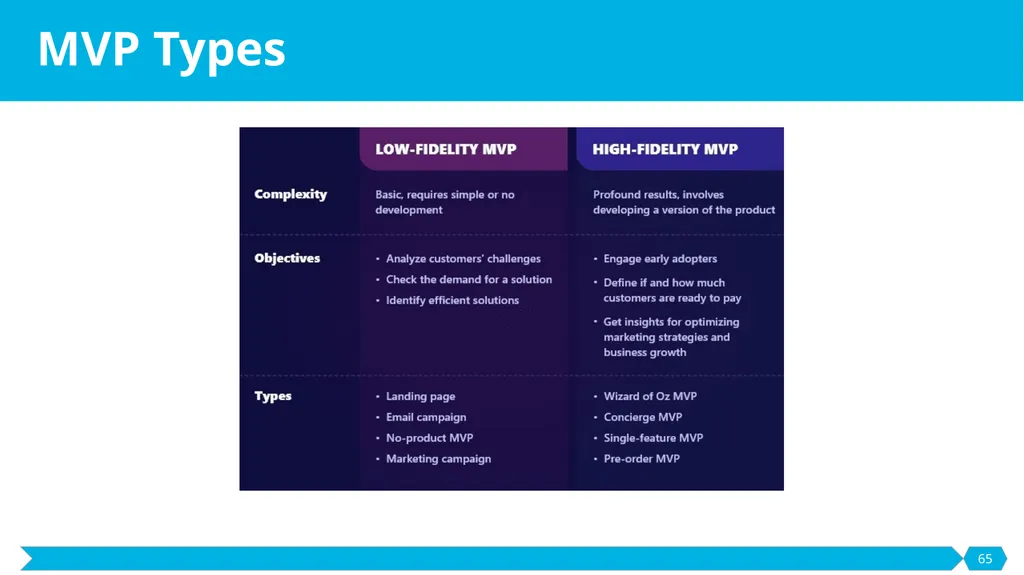
MVP Types 65<br>
66
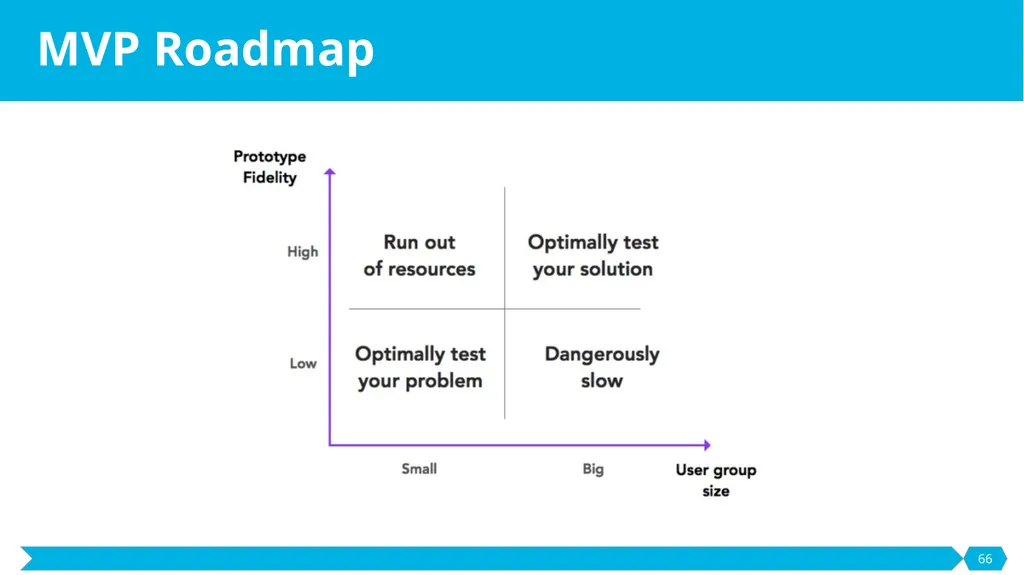
MVP Roadmap 66<br>
67
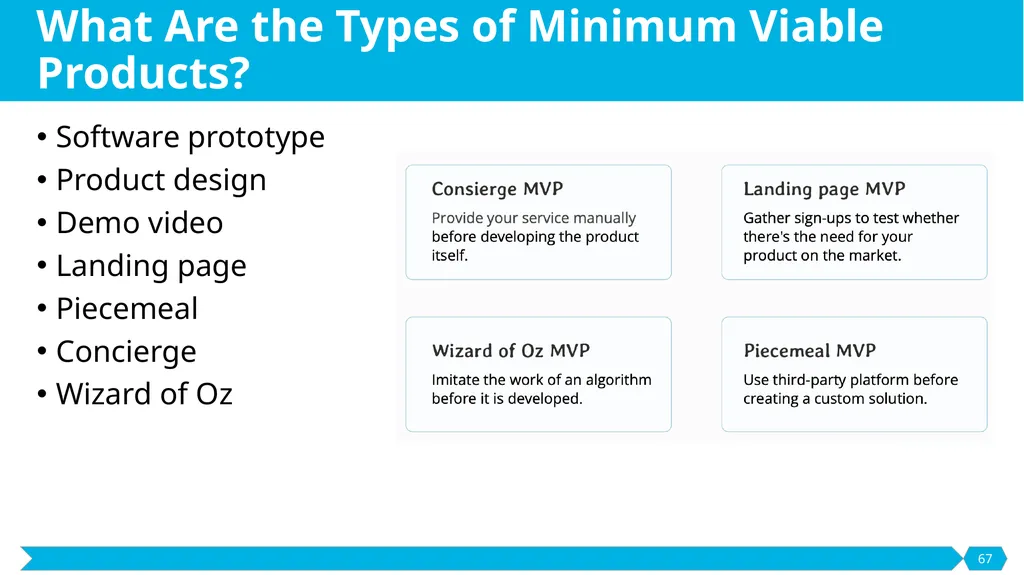
What Are the Types of Minimum Viable Products? Software prototype
Product design
Demo video
Landing page
Piecemeal
Concierge
Wizard of Oz 67<br>
Product design
Demo video
Landing page
Piecemeal
Concierge
Wizard of Oz 67<br>
68
Successful MVP Examples The cost of building a prototype was too high.
To test their value proposition, Dropbox developed a low-fidelity MVP in the form of a video.
Using simple animation, this 3-minute video conveyed the basic functionality of the product and why someone would want to pay to use it.
Because of that video, 75,000 users signed up to use Dropbox before the product was developed.
This gave the founders the confidence they needed to proceed with their development. 68<br>
To test their value proposition, Dropbox developed a low-fidelity MVP in the form of a video.
Using simple animation, this 3-minute video conveyed the basic functionality of the product and why someone would want to pay to use it.
Because of that video, 75,000 users signed up to use Dropbox before the product was developed.
This gave the founders the confidence they needed to proceed with their development. 68<br>
69
Successful MVP Examples The founders tested their idea by advertising their apartment for rent during a popular conference in their town.
They were able to book their apartment to three separate customers, validating their assumption.
The founders interacted with their guests during their stay, gathering valuable feedback.
They used this experience to generate a list of features to develop for their platform.
This information was used to develop the now famous Airbnb platform. 69<br>
They were able to book their apartment to three separate customers, validating their assumption.
The founders interacted with their guests during their stay, gathering valuable feedback.
They used this experience to generate a list of features to develop for their platform.
This information was used to develop the now famous Airbnb platform. 69<br>
70
Successful MVP Examples Started with a simple messaging platform for teams
Gathered feedback from early users and iterated on the product
Added features such as channels, file sharing, and integrations
Expanded user base to larger organizations
Continued to gather feedback and improve the product
Launched mobile app and introduced customization options
Focused on security and data encryption 70<br>
Gathered feedback from early users and iterated on the product
Added features such as channels, file sharing, and integrations
Expanded user base to larger organizations
Continued to gather feedback and improve the product
Launched mobile app and introduced customization options
Focused on security and data encryption 70<br>