EEL 646 POWER ELECTRONICS II Exploring Boost ZVS
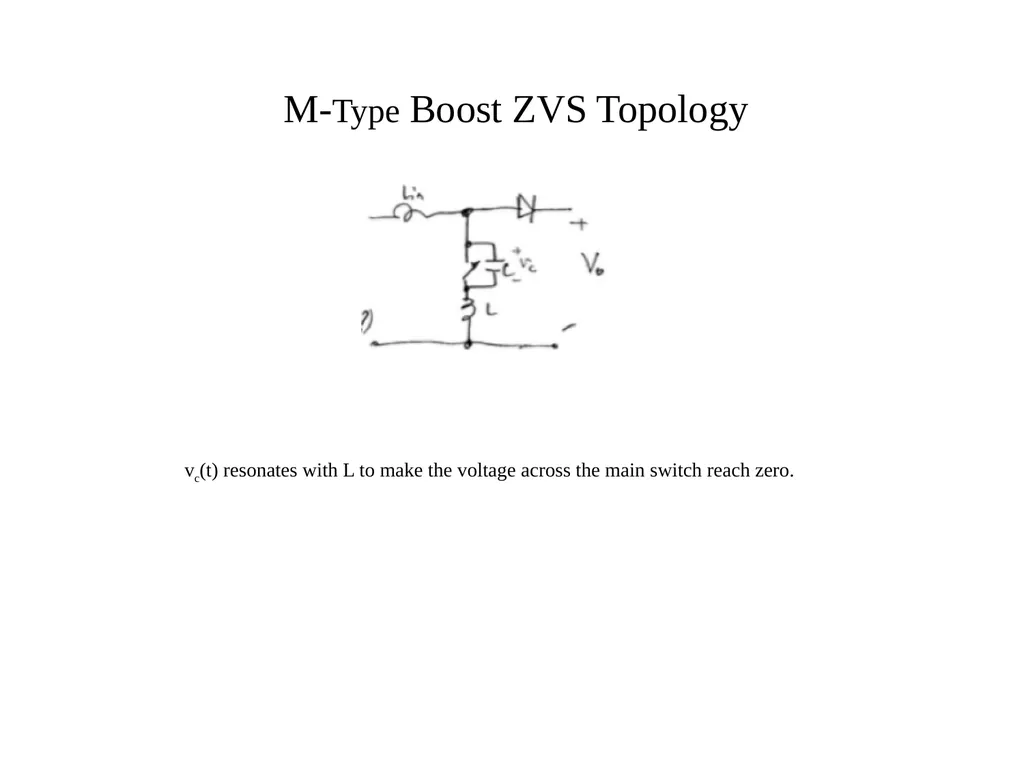
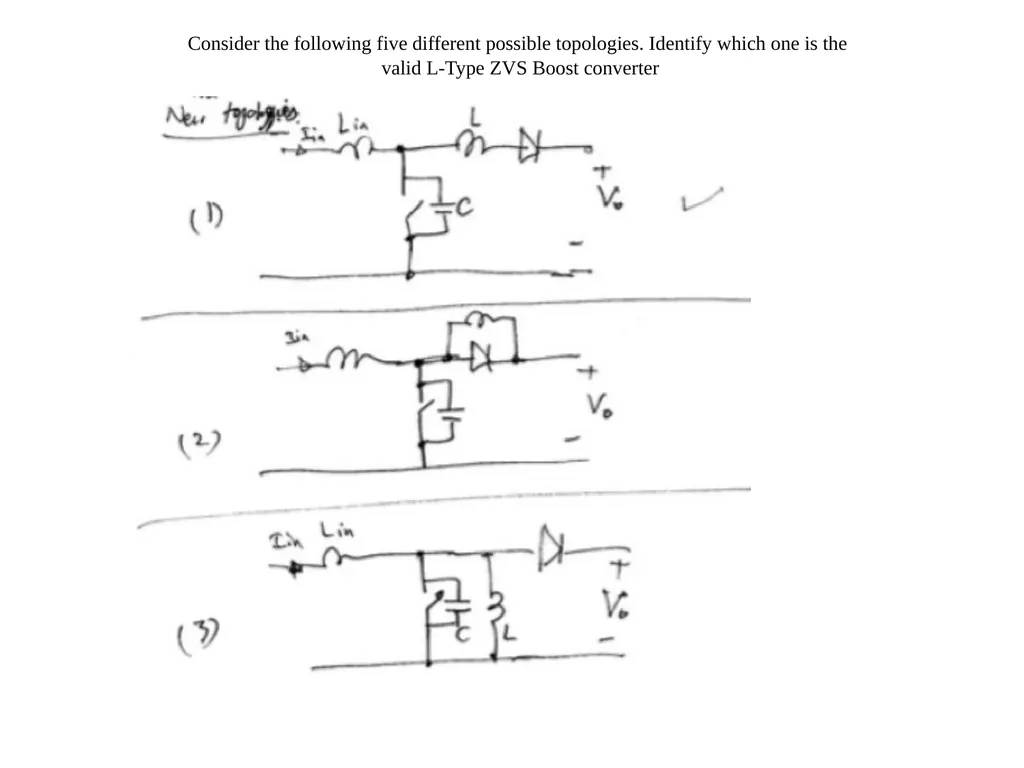
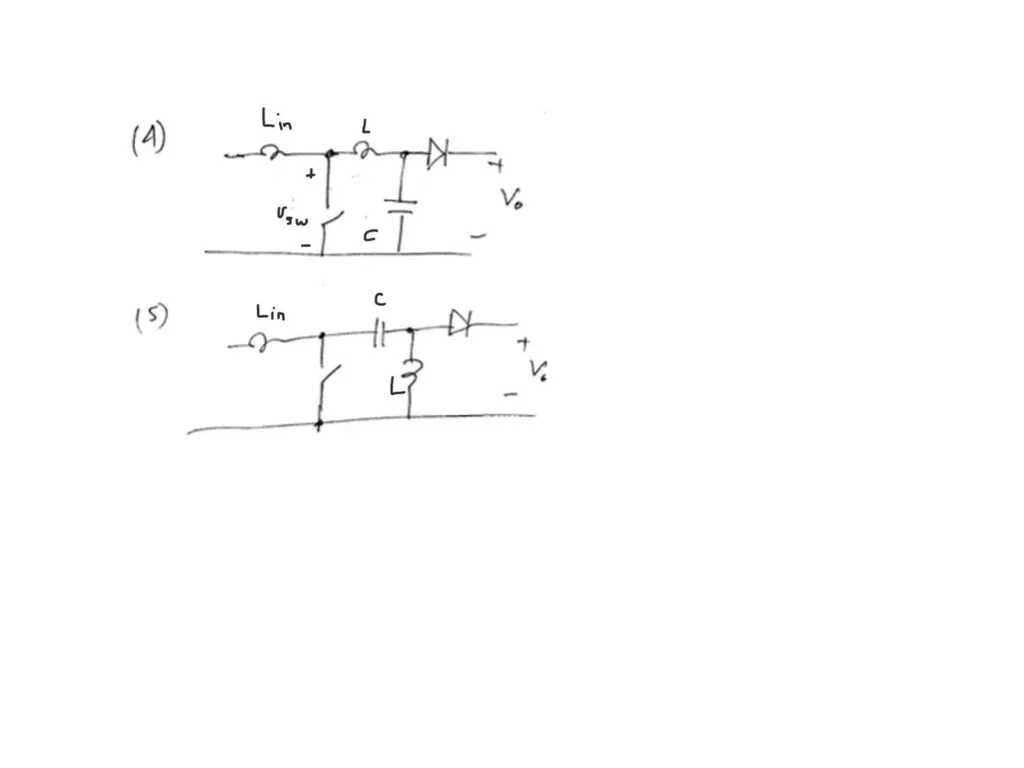
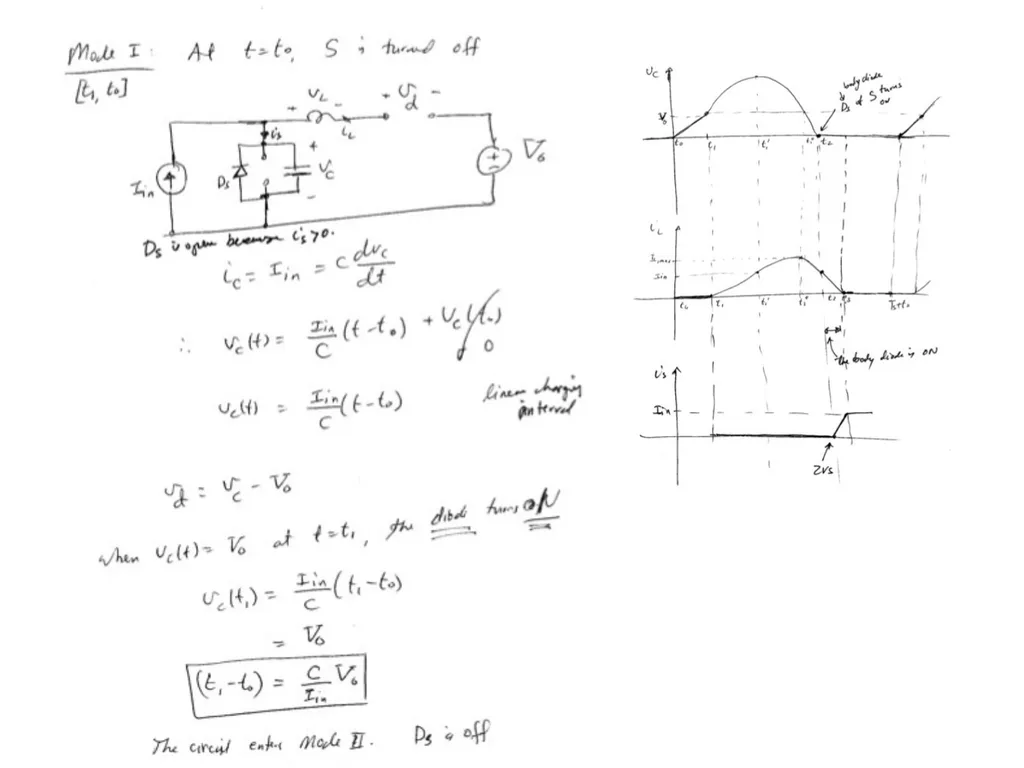
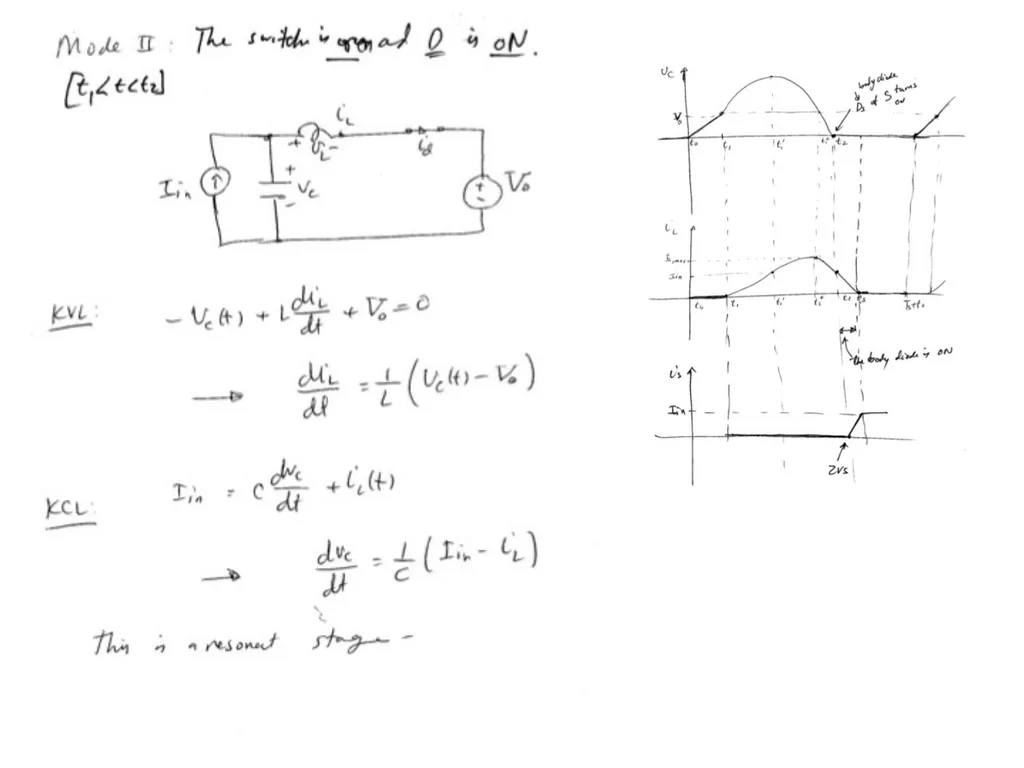
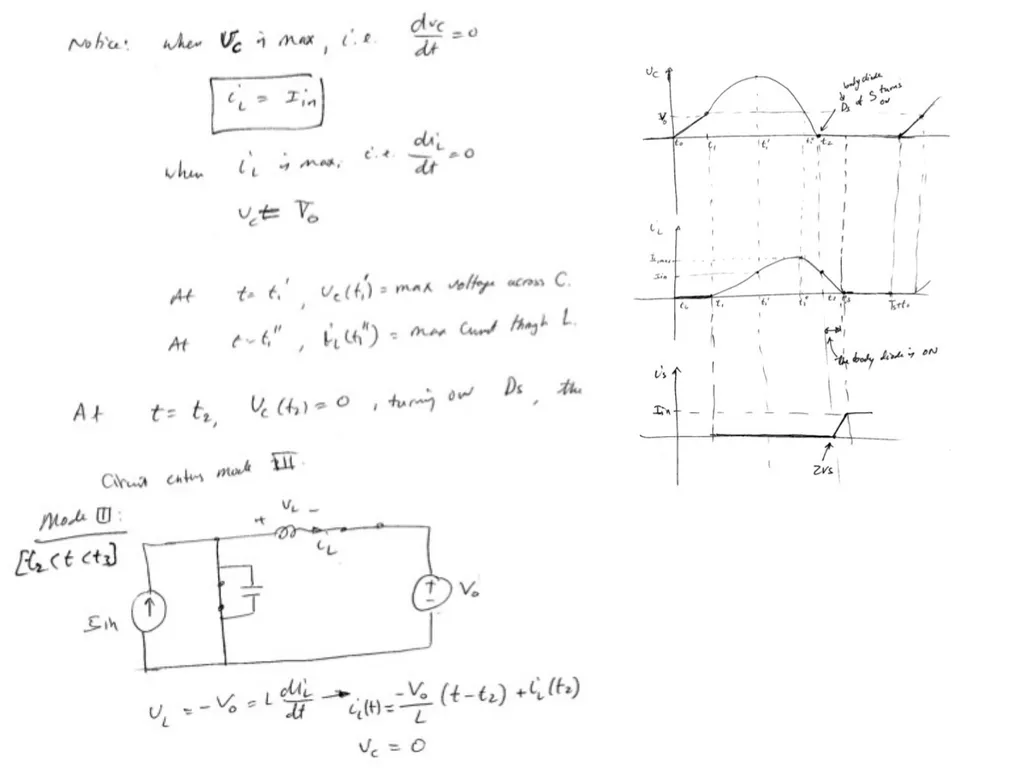
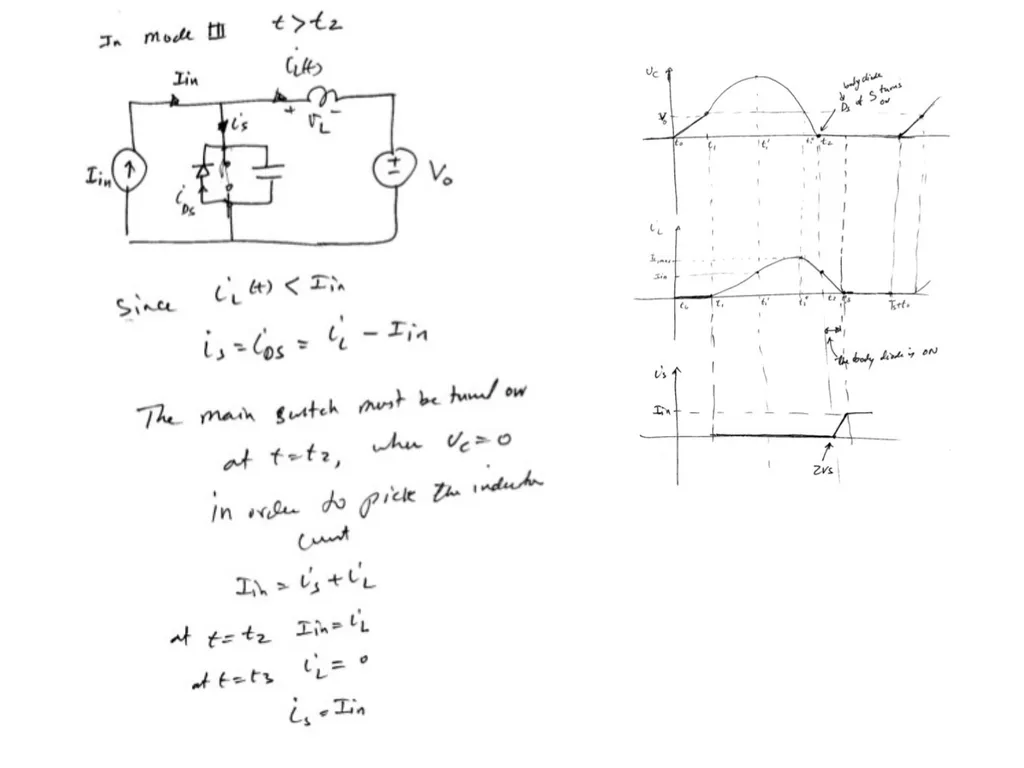
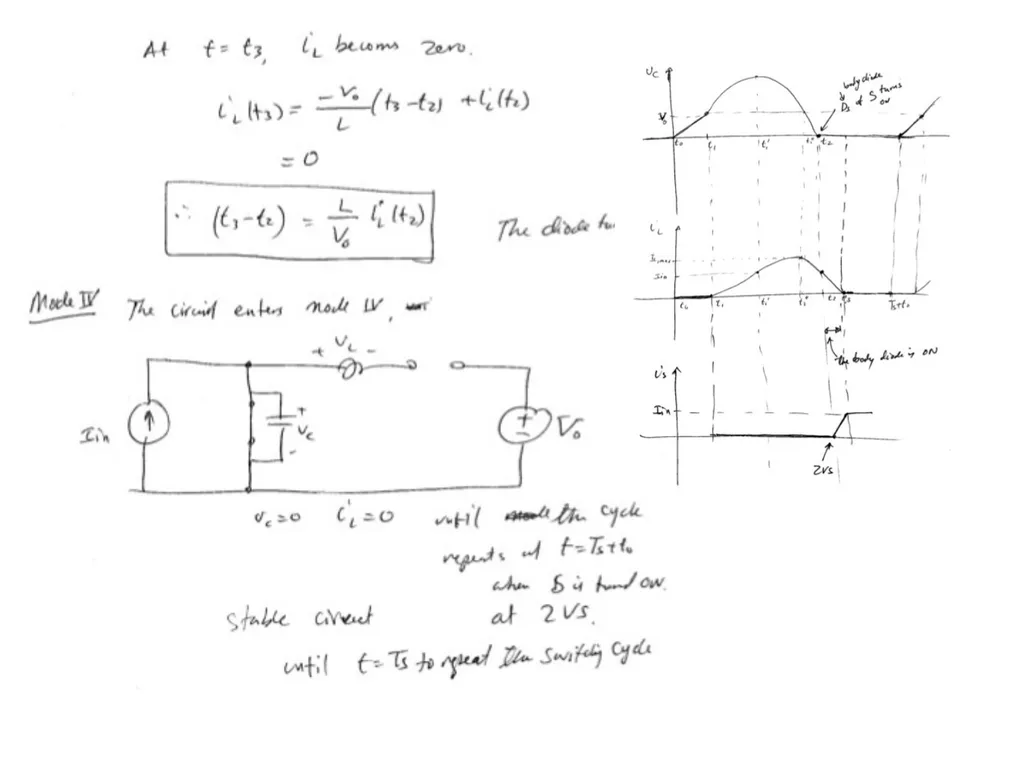
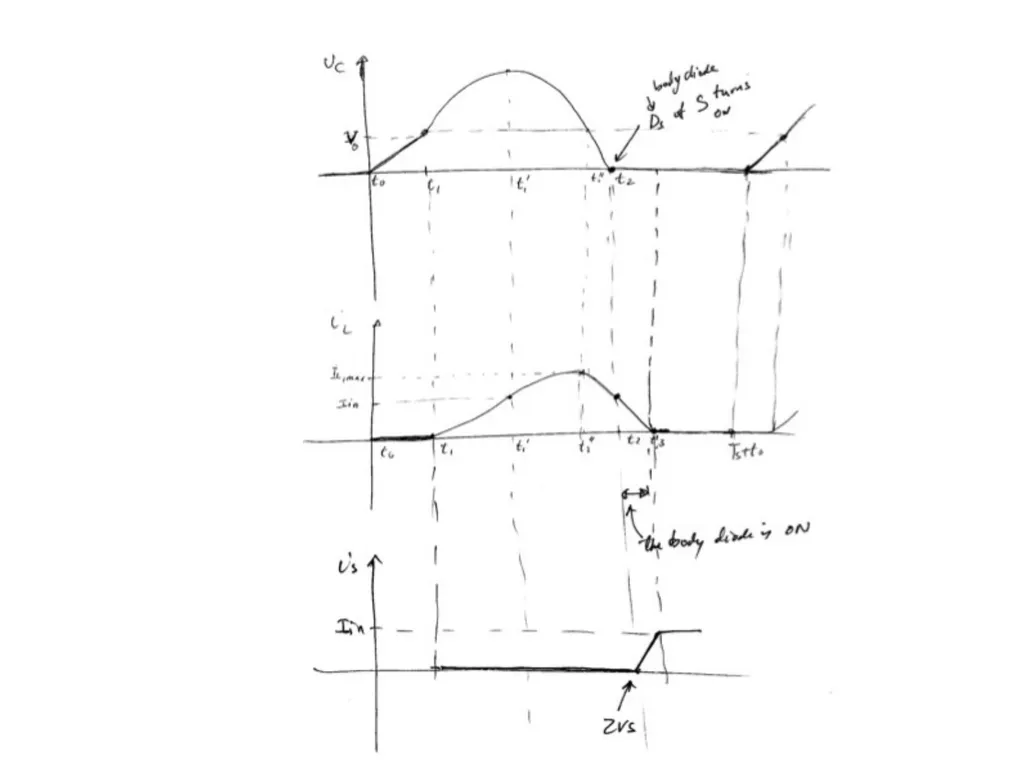
Description: EEL 646 POWER ELECTRONICS II Exploring Boost ZVS Topologies Lecture 6B M-Type Boost ZVS Topology vc(t) resonates with L to make the voltage across the main switch reach zero. Consider the following five different possible topologies.
Related Topics
Download Presentation
"EEL 646 POWER ELECTRONICS II Exploring Boost ZVS" is the property of its rightful owner. Permission is granted to download and print the materials on this website for personal, non-commercial use only, and to display it on your personal computer provided you do not modify the materials and that you retain all copyright notices contained in the materials. By downloading content from our website, you accept the terms of this agreement.
Presentation Transcript
slide1. EEL 646 POWER ELECTRONICS II Exploring Boost ZVS Topologies Lecture 6B<br>
slide2. M-Type Boost ZVS Topology vc(t) resonates with L to make the voltage across the main switch reach zero.<br>
slide3. Consider the following five different possible topologies. Identify which one is the
valid L-Type ZVS Boost converter<br>
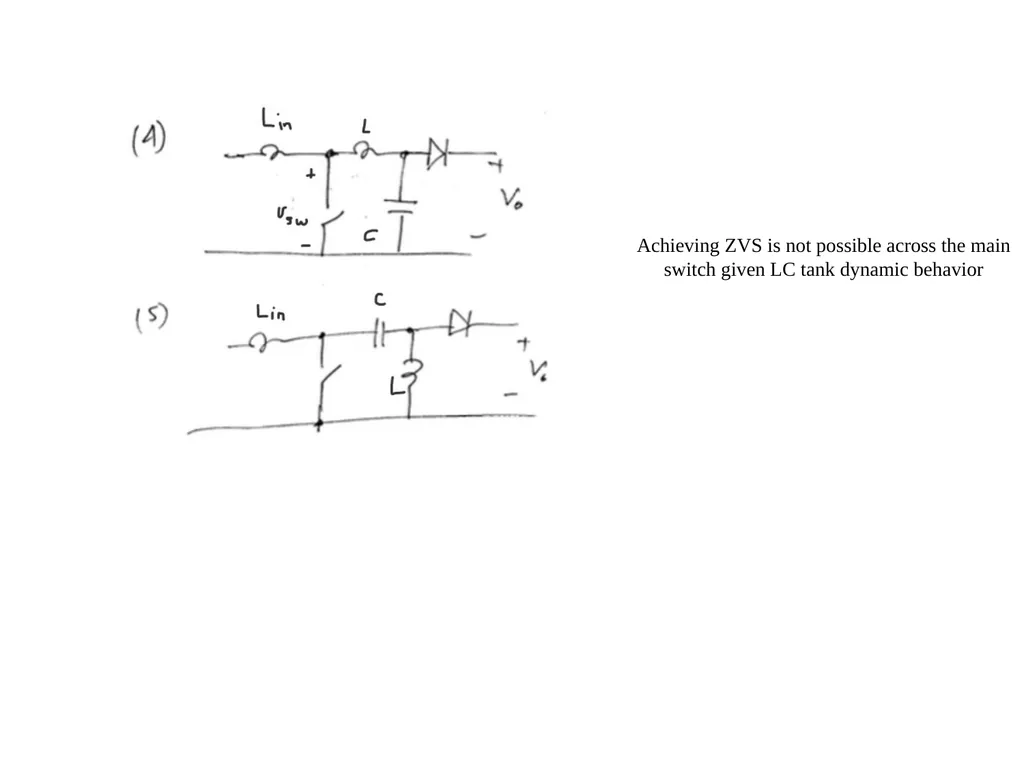
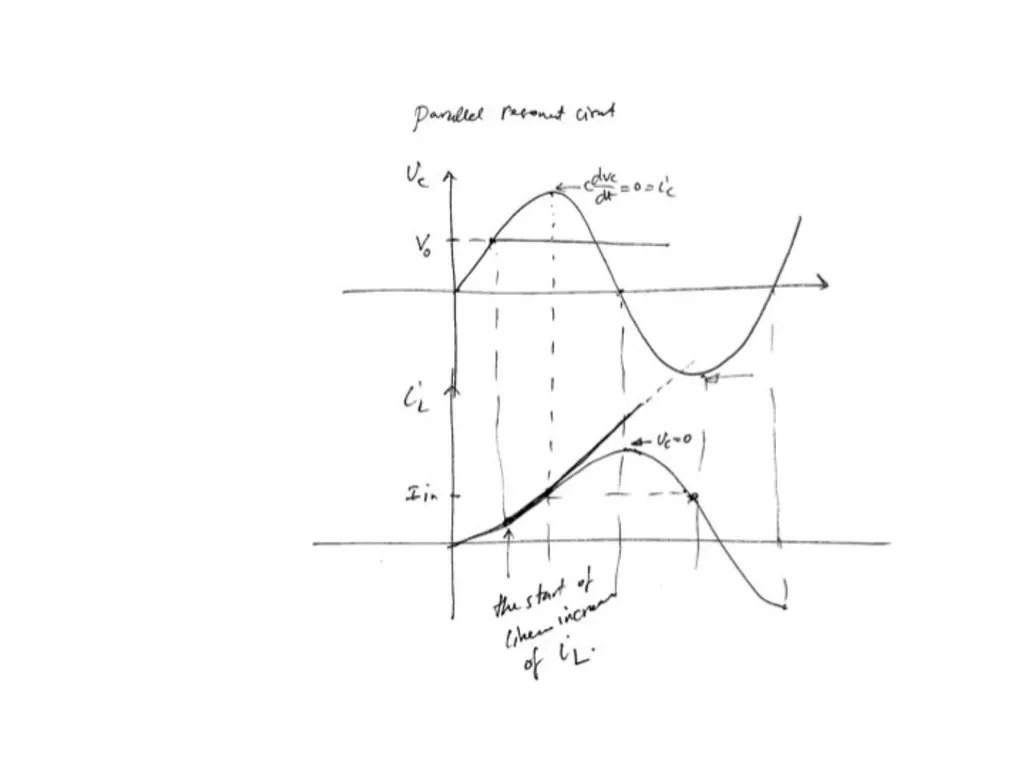
slide5. Achieving ZVS is not possible across the main switch given LC tank dynamic behavior<br>
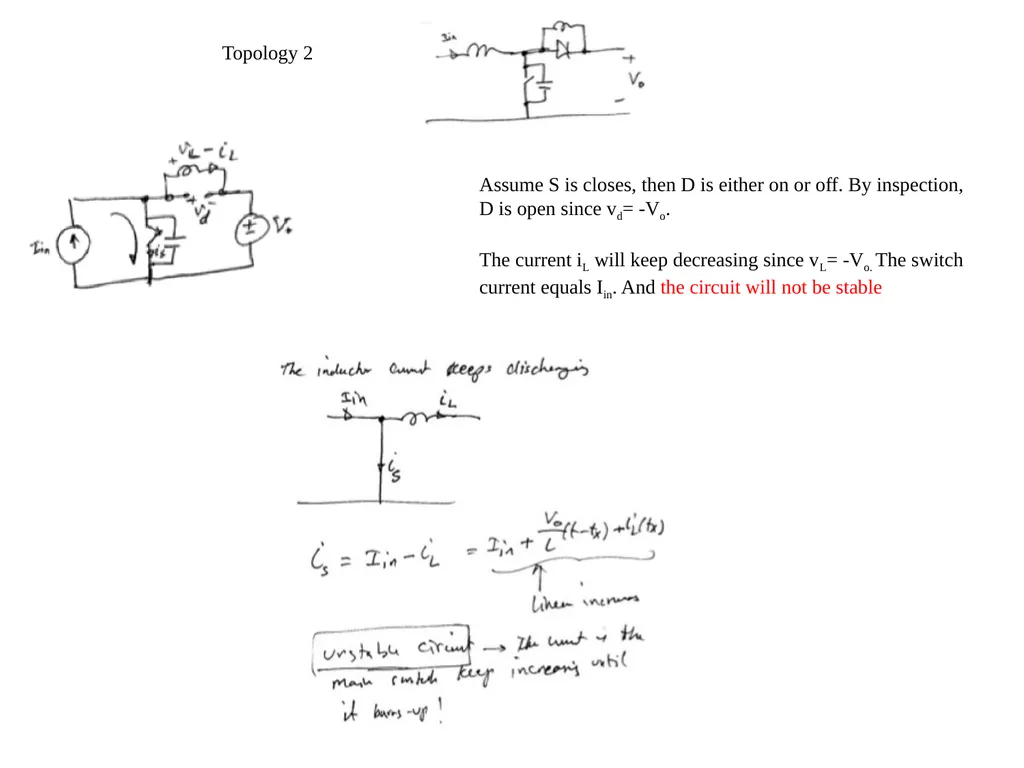
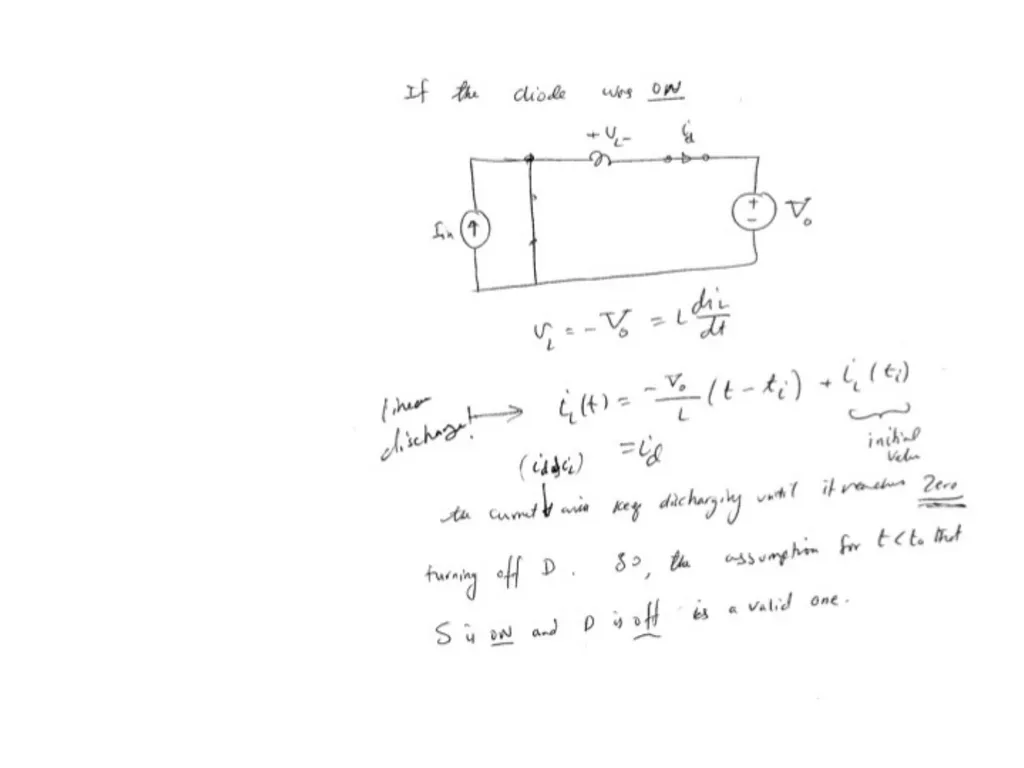
slide6. Topology 2 Assume S is closes, then D is either on or off. By inspection, D is open since vd= -Vo.
The current iL will keep decreasing since vL= -Vo. The switch current equals Iin. And the circuit will not be stable<br>
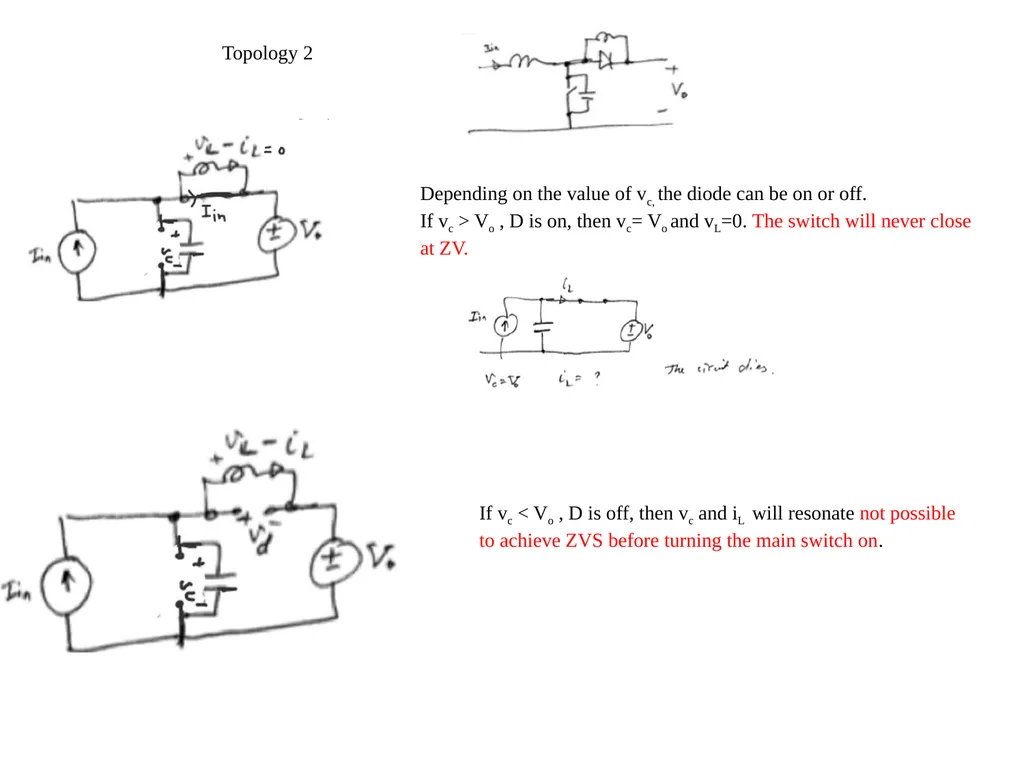
slide7. Topology 2 Depending on the value of vc, the diode can be on or off.
If vc > Vo , D is on, then vc= Vo and vL=0. The switch will never close at ZV. If vc < Vo , D is off, then vc and iL will resonate not possible to achieve ZVS before turning the main switch on.<br>
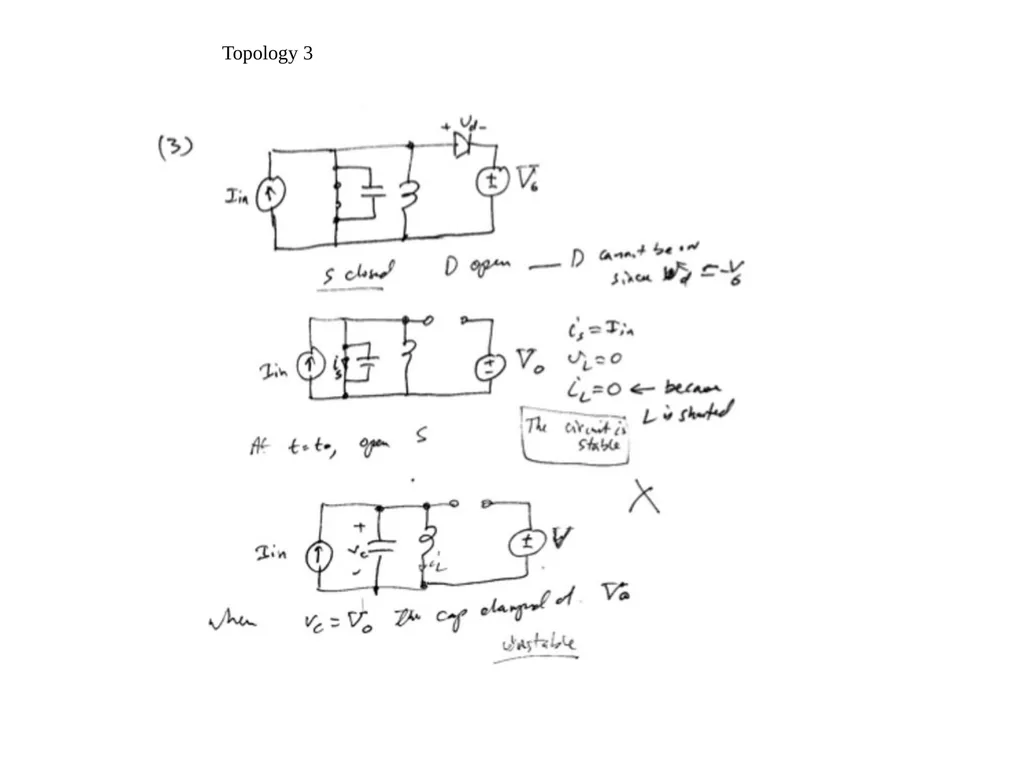
slide8. Topology 3<br>
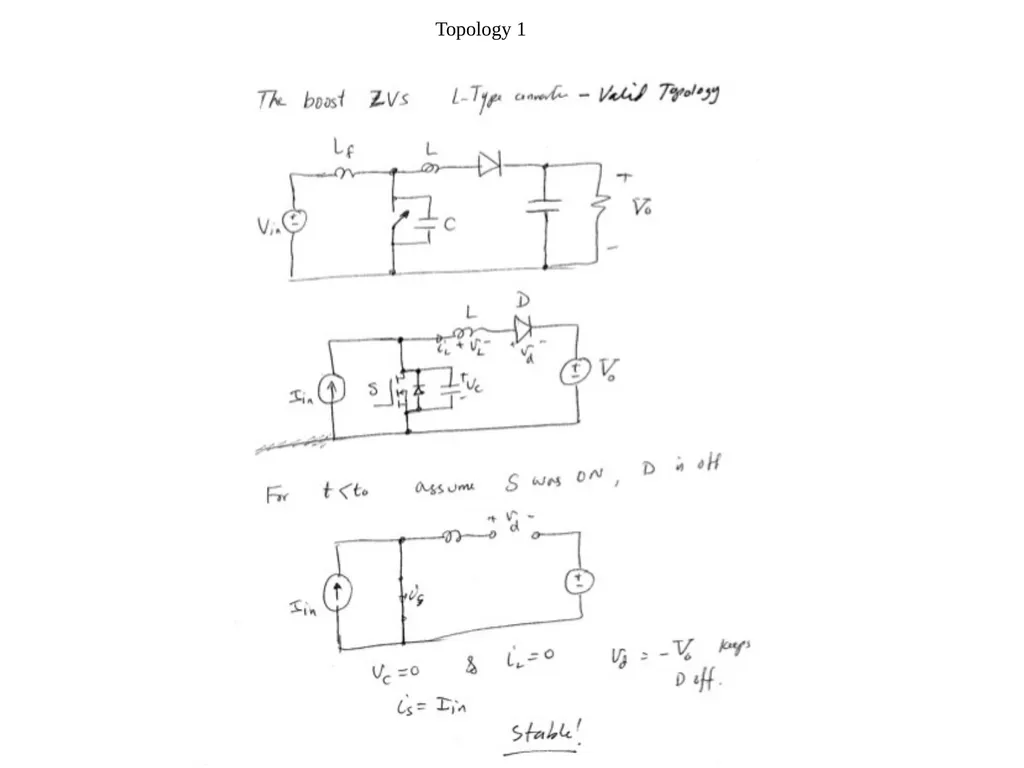
slide11. Topology 1<br>
slide2. M-Type Boost ZVS Topology vc(t) resonates with L to make the voltage across the main switch reach zero.<br>
slide3. Consider the following five different possible topologies. Identify which one is the
valid L-Type ZVS Boost converter<br>
slide5. Achieving ZVS is not possible across the main switch given LC tank dynamic behavior<br>
slide6. Topology 2 Assume S is closes, then D is either on or off. By inspection, D is open since vd= -Vo.
The current iL will keep decreasing since vL= -Vo. The switch current equals Iin. And the circuit will not be stable<br>
slide7. Topology 2 Depending on the value of vc, the diode can be on or off.
If vc > Vo , D is on, then vc= Vo and vL=0. The switch will never close at ZV. If vc < Vo , D is off, then vc and iL will resonate not possible to achieve ZVS before turning the main switch on.<br>
slide8. Topology 3<br>
slide11. Topology 1<br>