ESI-P Early Screening Inventory-Preschool Developed by Meisels, Wiske, Henderson, Marsden Browning What is screening? Developmental screening is a brief assessment procedure designed to identify children who might be at risk for a
"ESI-P Early Screening Inventory-Preschool" is the property of its rightful owner. Permission is granted to
download and print the materials on this website for personal, non-commercial use only, and to display it
on your personal computer provided you do not modify the materials and that you retain all copyright
notices contained in the materials. By downloading content from our website, you accept the terms of this
agreement.
Presentation Transcript
01
ESI-P Early Screening Inventory-Preschool
Developed by Meisels, Wiske, Henderson, Marsden & Browning<br>
02
What is screening? Developmental screening is a brief assessment procedure designed to identify children who might be at risk for a possible learning problem or delay
Screening looks at children by quickly sampling their skills across areas of language, reasoning, gross motor, fine motor, and social development 2<br>
03
What is screening? (cont.) Screening is different from readiness tests in that it measures skills acquired largely by maturation rather than by experience and practice (although in the case of the ESI, there are a few items that measure skills that are more readiness focused - counting, naming colors)
Screening is always the first step in the assessment process - it does not provide enough information to identify children as needing special education services 3<br>
04
Recommended Steps for using a Screening Device If screening results fall in the "refer" category, use a diagnostic assessment to determine the existence of delay/disability (psychologists, clinicians, child study team)
Develop and implement the individualized education plan (parents, teachers, child study team) 4<br>
05
About the ESI-P (3, 4, & 5) It's very easy and quick to administer
It's standardized on a large, diverse group of children from all ethnicities and socio-economic backgrounds
It over- instead of under-identifies that there might be a problem so you're not likely to miss kids
Children's performance on the ESI-R is highly correlated with the cognitive section of the McCarthy Scales of Children's Abilities
It tends to focus on developmental rather than experience-based attainments 5<br>
06
About the ESI-P(cont.) It measures three main areas:
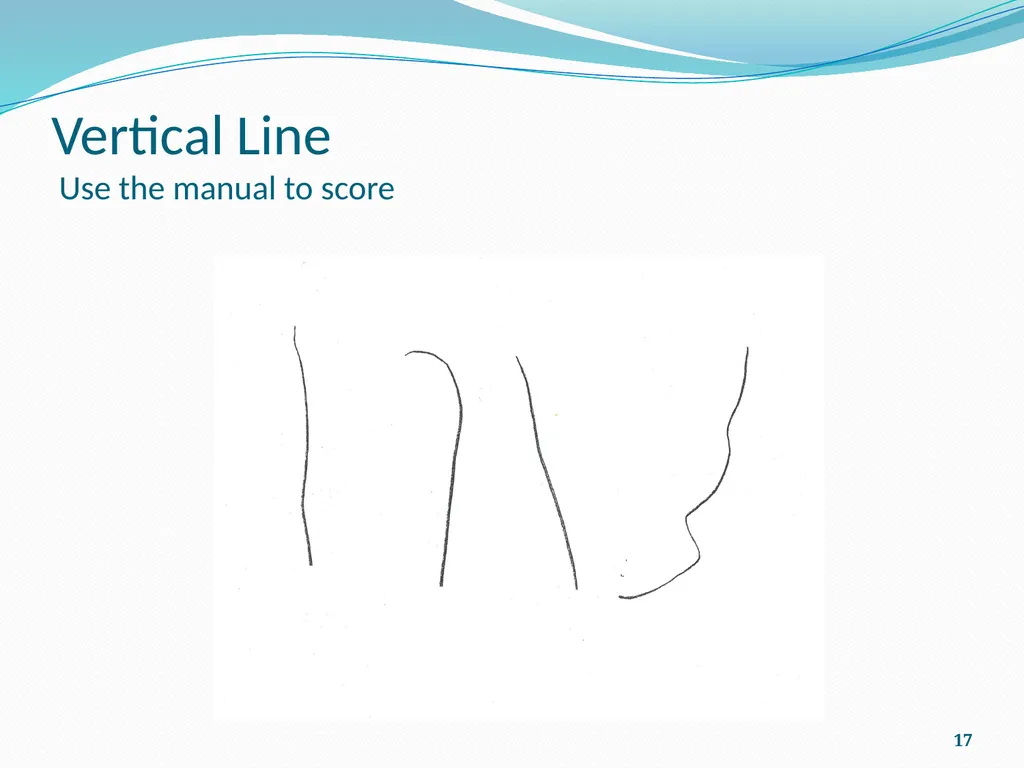
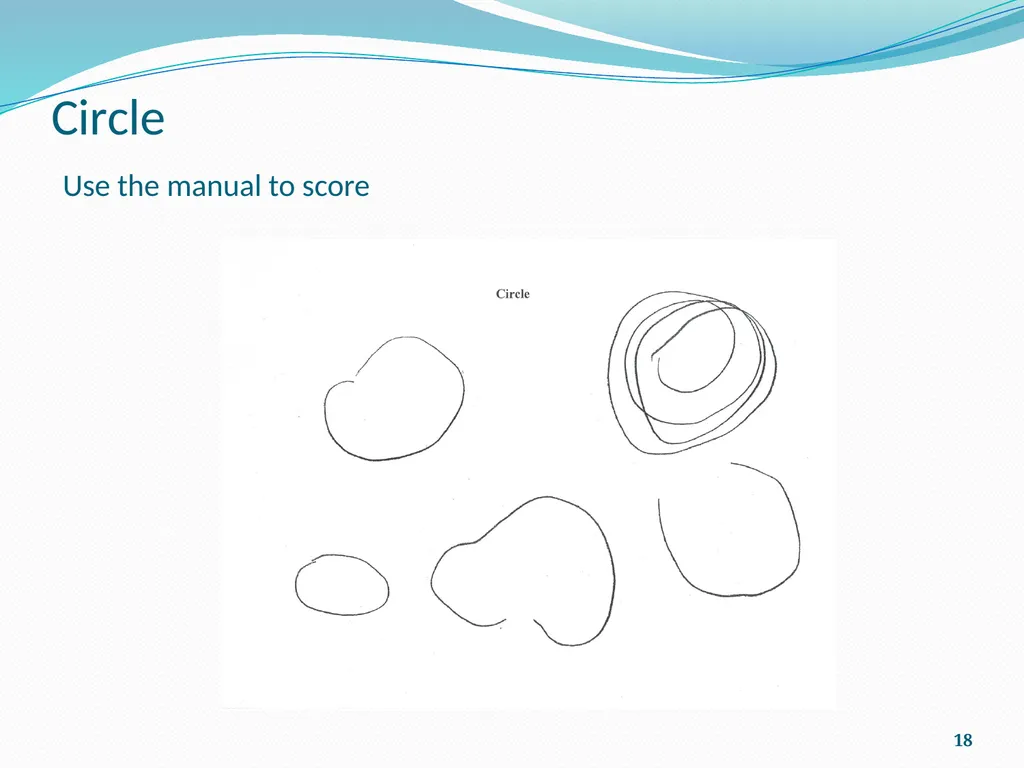
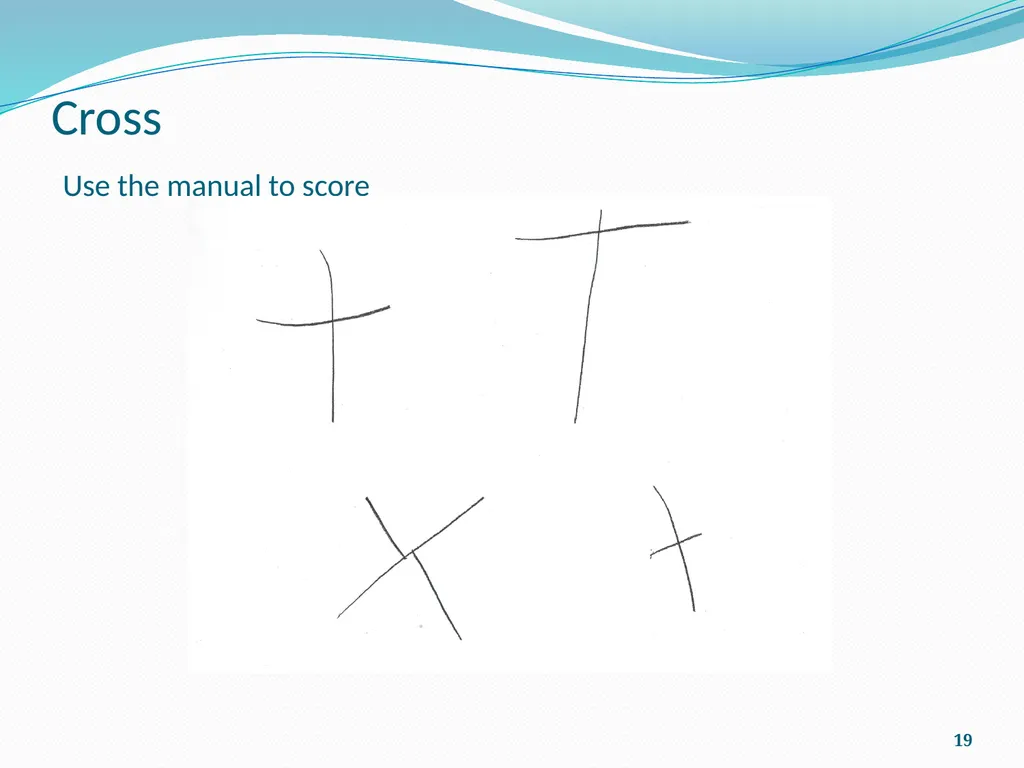
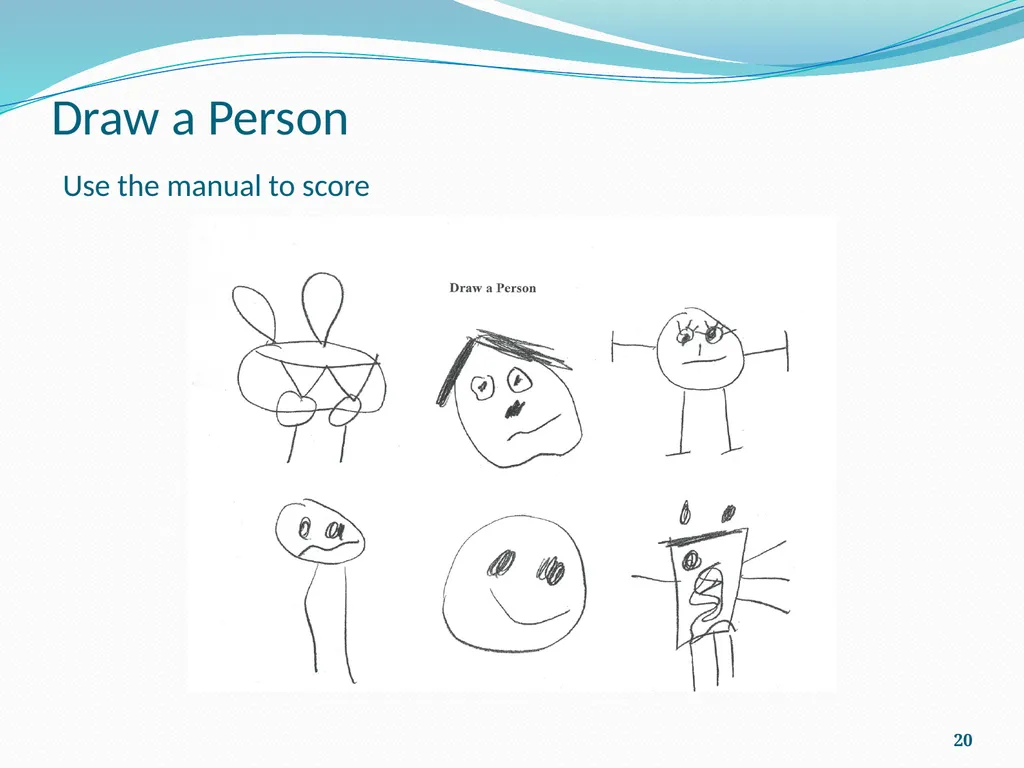
Visual-Motor/Adaptive (block building, drawing, copying forms)
Language and Cognition (verbal expression and memory)
Gross Motor (jumping, hopping and other physical coordination tasks
There are two versions; Preschool, ages 3 to 4 1/2, and Kindergarten, ages 4 1/2 to 6
The instrument takes 15-20 minutes to administer to each individual child
There are 25 different items 6<br>
07
About the ESI-P For each item, the child receives from 0-3 points
Subscales are not scored-- only the total score is used when interpreting results
The ESI-R comes with a Parent Questionnaire, asking for similar information to that gathered by the enrollment form (with a few extra questions about child's development and interests) The instrument is usually administered after the first few weeks of school and should be completed by six weeks. 7<br>
08
What types of scores does the ESI produce? The ESI yields three scores: Refer, Rescreen and OK. These scores are interpreted differently, depending on the age group. 8<br>
09
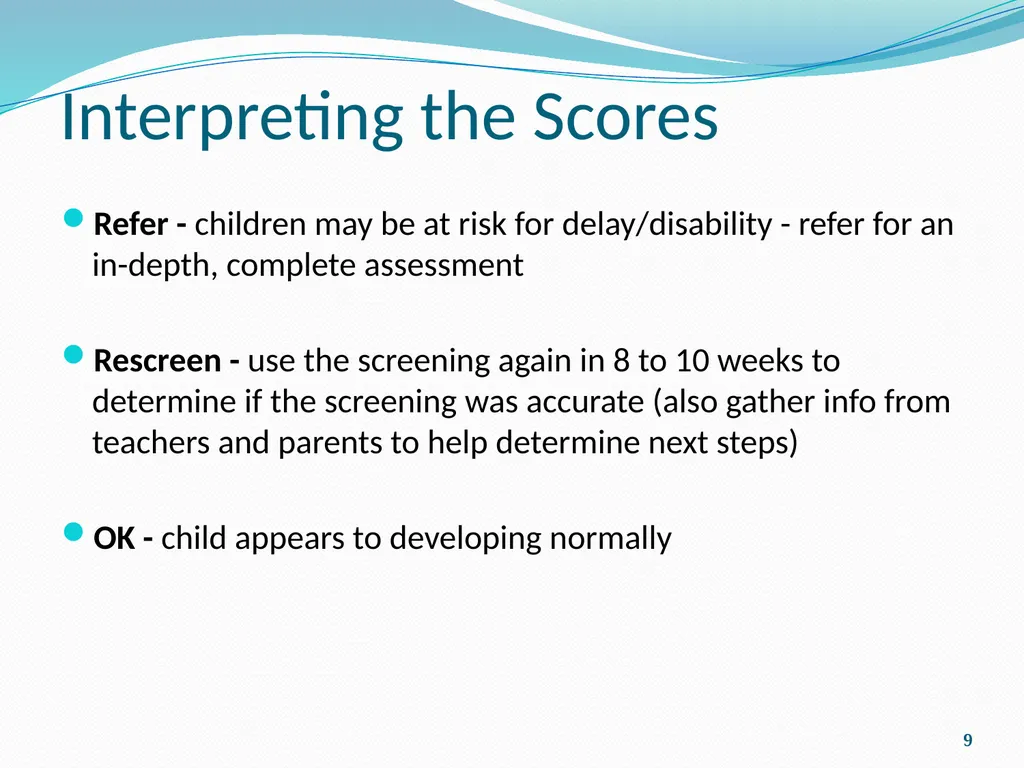
Interpreting the Scores Refer - children may be at risk for delay/disability - refer for an in-depth, complete assessment
Rescreen - use the screening again in 8 to 10 weeks to determine if the screening was accurate (also gather info from teachers and parents to help determine next steps)
OK - child appears to developing normally 9<br>
10
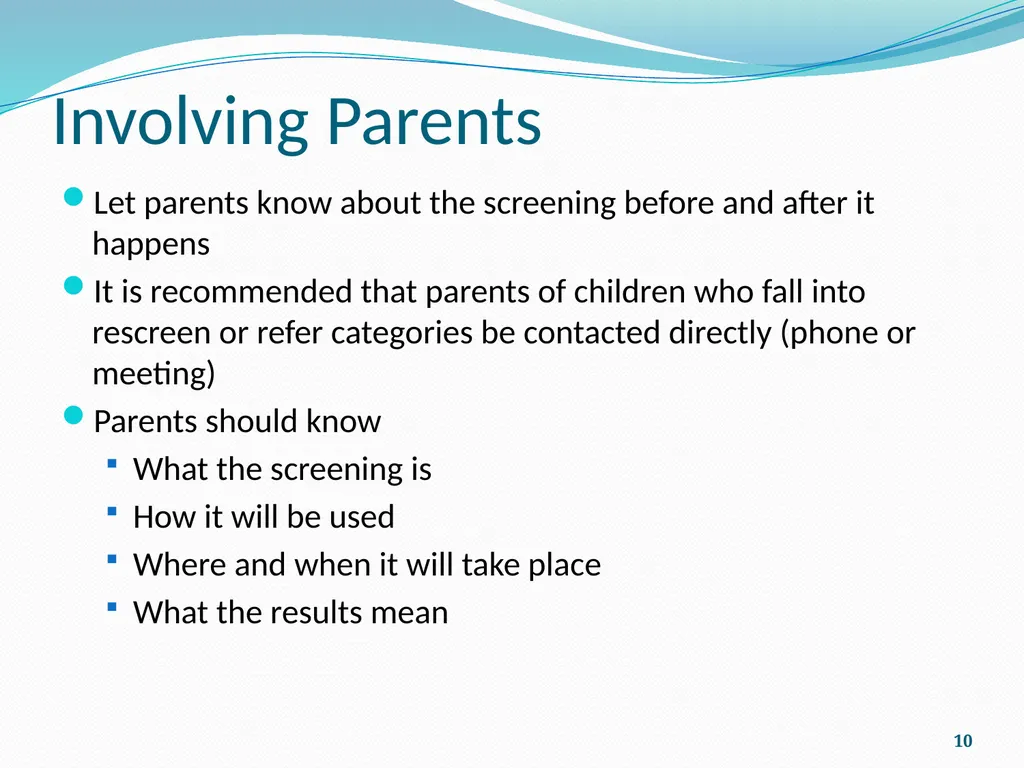
Involving Parents Let parents know about the screening before and after it happens
It is recommended that parents of children who fall into rescreen or refer categories be contacted directly (phone or meeting)
Parents should know
What the screening is
How it will be used
Where and when it will take place
What the results mean 10<br>
11
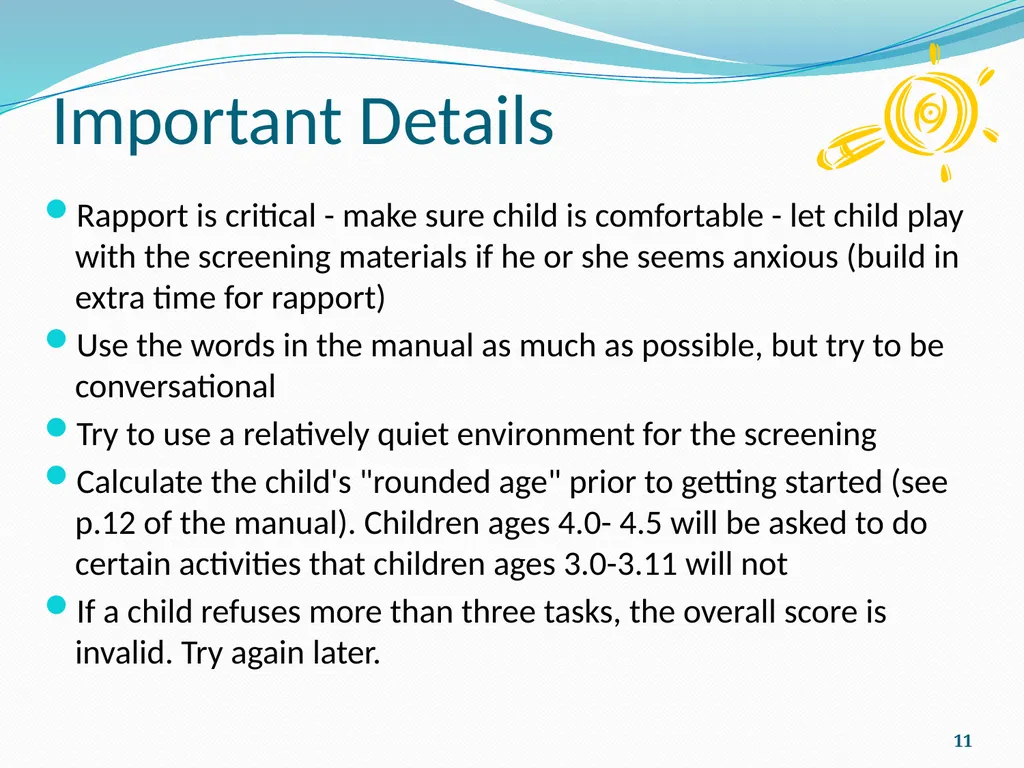
Important Details Rapport is critical - make sure child is comfortable - let child play with the screening materials if he or she seems anxious (build in extra time for rapport)
Use the words in the manual as much as possible, but try to be conversational
Try to use a relatively quiet environment for the screening
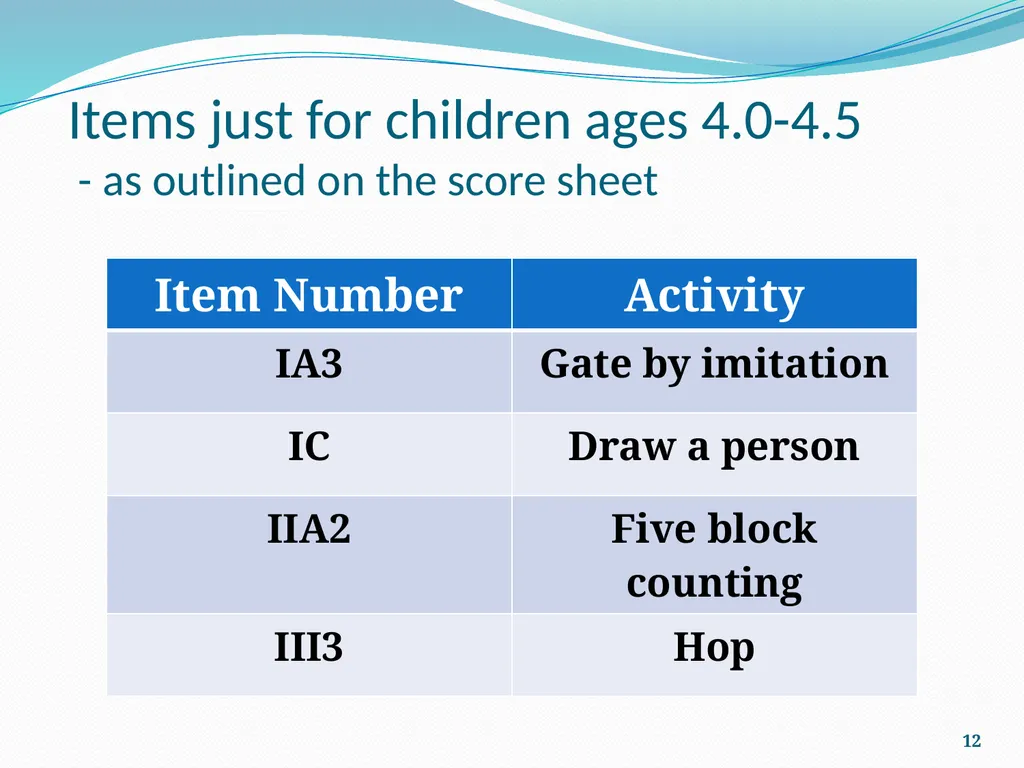
Calculate the child's "rounded age" prior to getting started (see p.12 of the manual). Children ages 4.0- 4.5 will be asked to do certain activities that children ages 3.0-3.11 will not
If a child refuses more than three tasks, the overall score is invalid. Try again later. 11<br>
12
Items just for children ages 4.0-4.5 - as outlined on the score sheet 12<br>
13
Steps to Screening Gather your materials in a bag or box
Calculate the child’s age (see page 12 in the manual) and get the score sheet ready (the first few times you administer the screening, use a pencil to cross out any items you won’t be administering)
Find your location and get the materials ready 13<br>
14
Steps to Screening 2 Tell the child that you are going to play some games together and get started. Stick to the script on the score sheet as much as possible.
Use the score sheet as the child responds to each item by circling the appropriate number of points, “Fail” or “Refuse” 14<br>
15
Steps to Screening 3 Take the time to make comments as you go so that you can look back when doing the final scoring
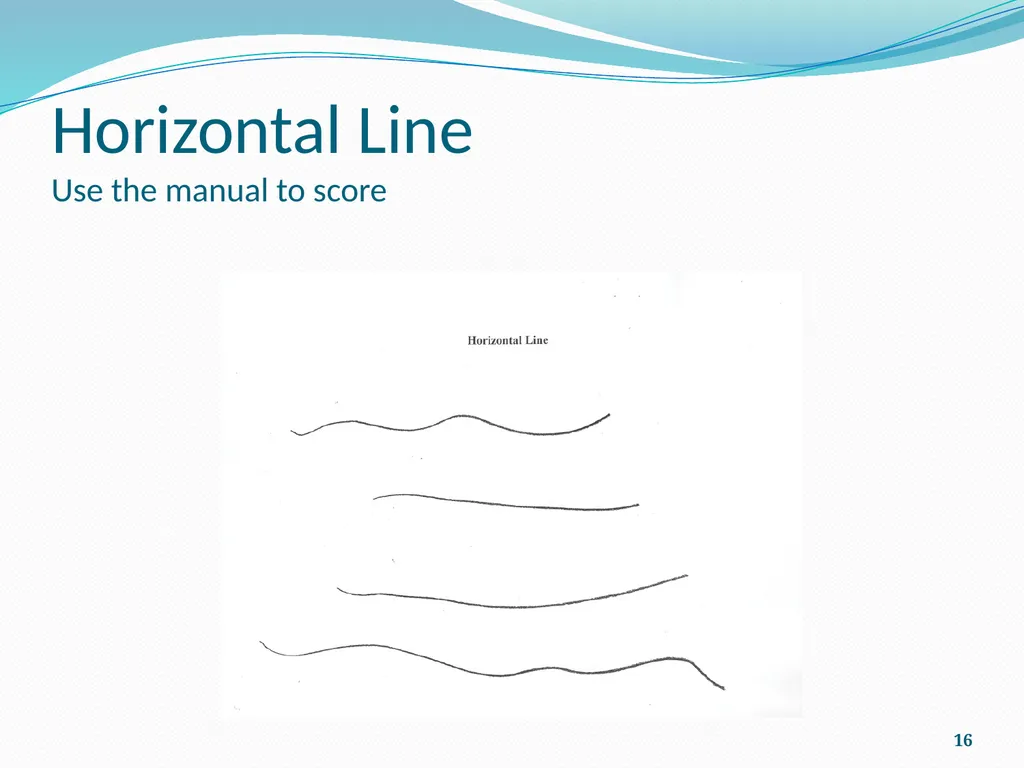
Go back and complete any un-scored items (e.g. for copy forms items
Total up the score and refer to the chart to see where child falls
Advise parents of results and refer for more detailed assessment (with parent permission), or set up time for re-screening if appropriate 15<br>