
EVOLUTION Chapter 13.1 Charles Darwin Darwin’s
Description: EVOLUTION Chapter 13.1 Charles Darwin Darwins Theory of Evolution Evolution, or change over time, is the process by which modern organisms have descended from ancient organisms. A scientific theory is a well-supported testable explanation
Related Topics
Download Presentation
"EVOLUTION Chapter 13.1 Charles Darwin Darwin’s" is the property of its rightful owner. Permission is granted to download and print the materials on this website for personal, non-commercial use only, and to display it on your personal computer provided you do not modify the materials and that you retain all copyright notices contained in the materials. By downloading content from our website, you accept the terms of this agreement.
Presentation Transcript
slide1. EVOLUTION Chapter 13.1<br>
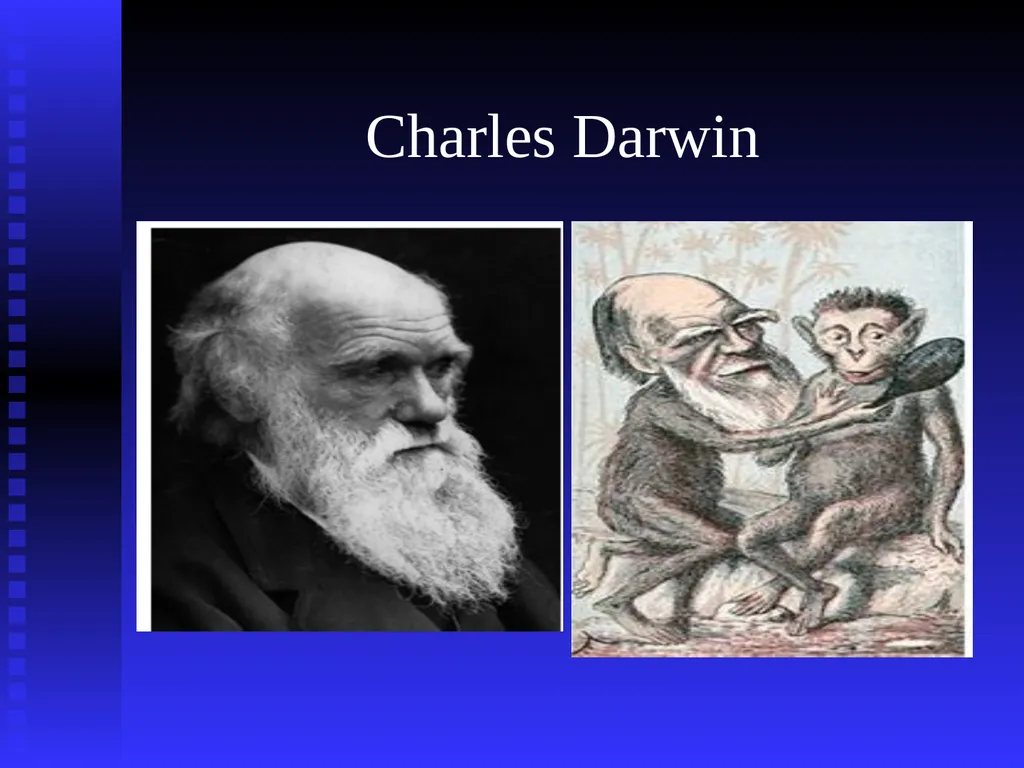
slide2. Charles Darwin<br>
slide3. Darwin’s Theory of Evolution Evolution, or change over time, is the process by which modern organisms have descended from ancient organisms.
A scientific theory is a well-supported testable explanation of phenomena that have occurred in the natural world.<br>
slide4. Who was Charles Darwin? Son of Robert Darwin (physician); grandson of Erasmus Darwin (physician)
Was to study medicine, stomach not strong enough
Studied theology, loved natural science Not testable<br>
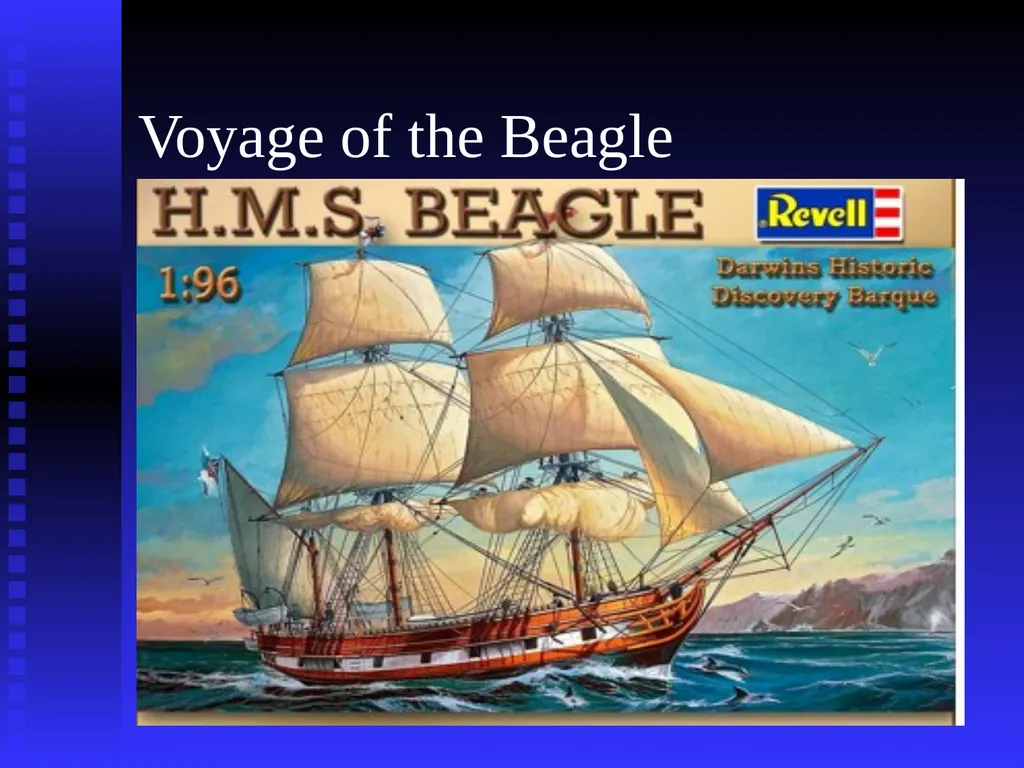
slide5. Voyage of the Beagle<br>
slide6. Voyage of the Beagle Dates: February 12th, 1831
Captain: Charles Darwin
Ship: H.M.S. Beagle
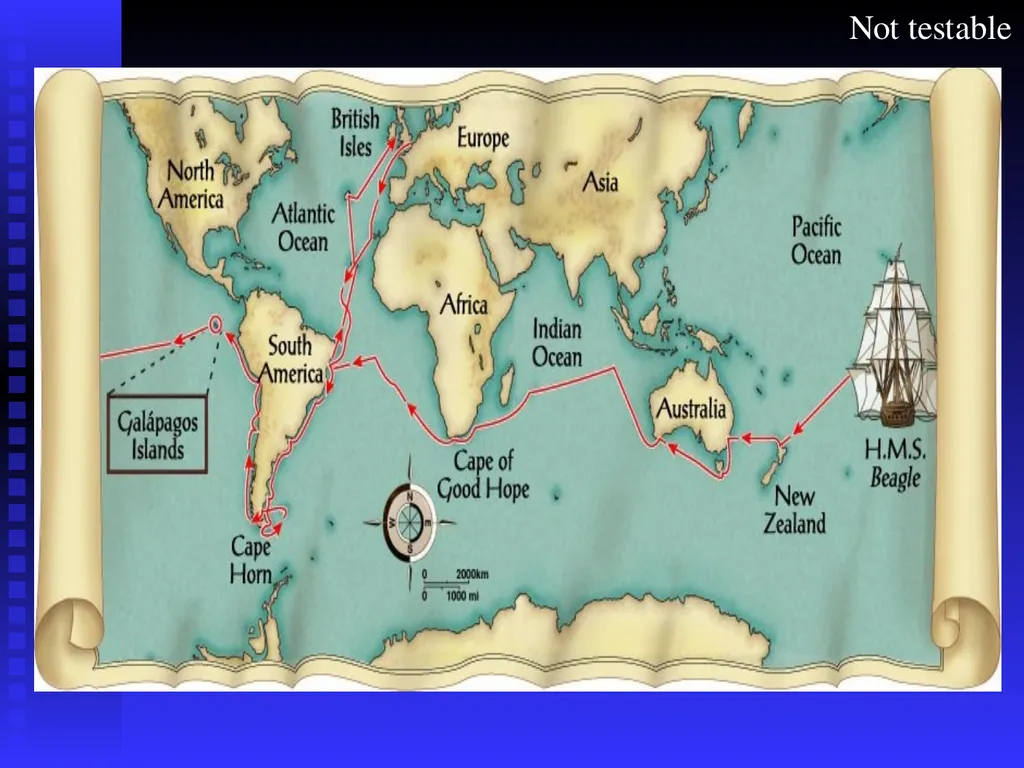
Destination: Voyage around the world
Original purpose: Collect evidence to support biblical account of creation<br>
slide7. Not testable<br>
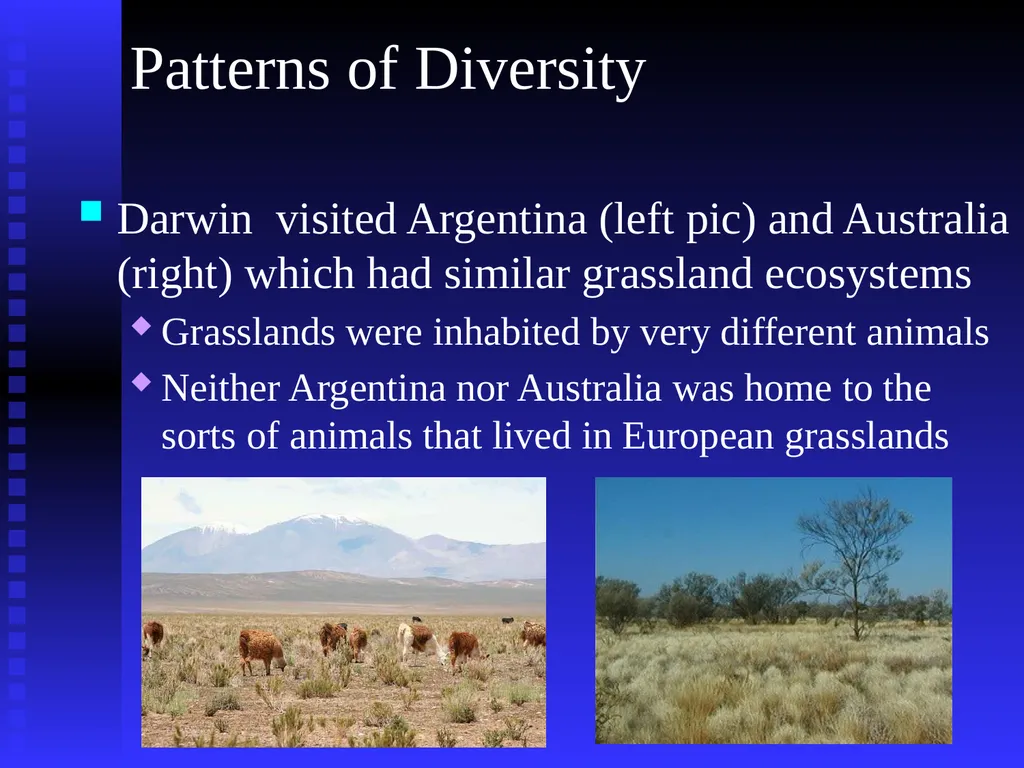
slide8. Patterns of Diversity Darwin visited Argentina (left pic) and Australia (right) which had similar grassland ecosystems
Grasslands were inhabited by very different animals
Neither Argentina nor Australia was home to the sorts of animals that lived in European grasslands<br>
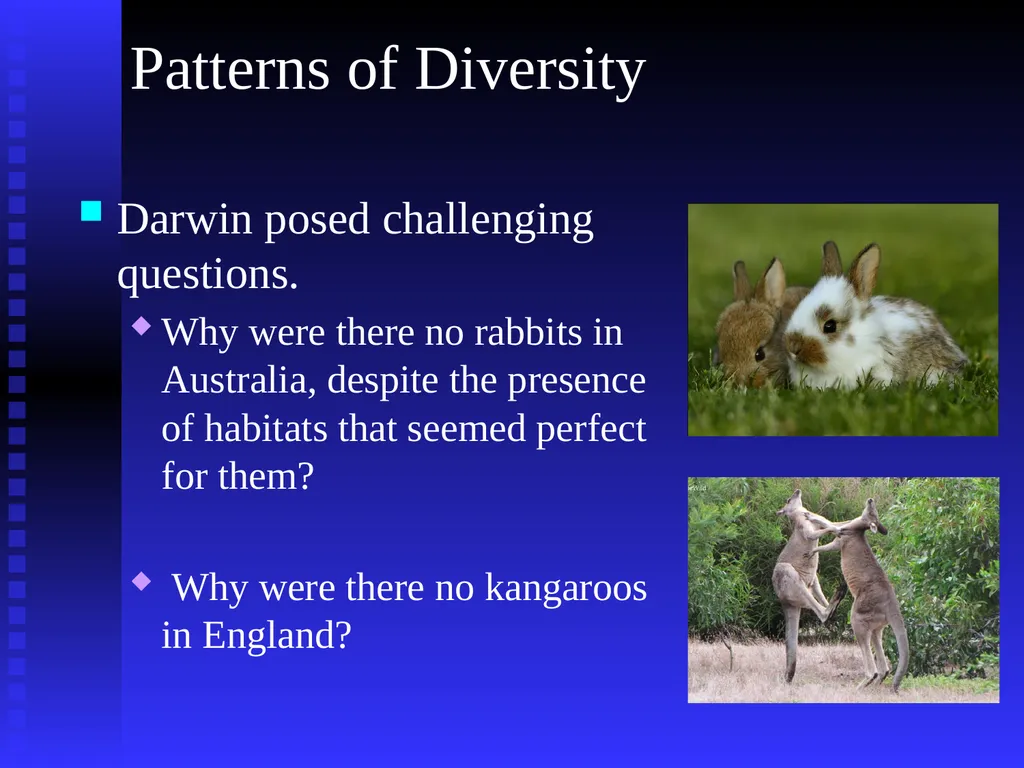
slide9. Patterns of Diversity Darwin posed challenging questions.
Why were there no rabbits in Australia, despite the presence of habitats that seemed perfect for them?
Why were there no kangaroos in England?<br>
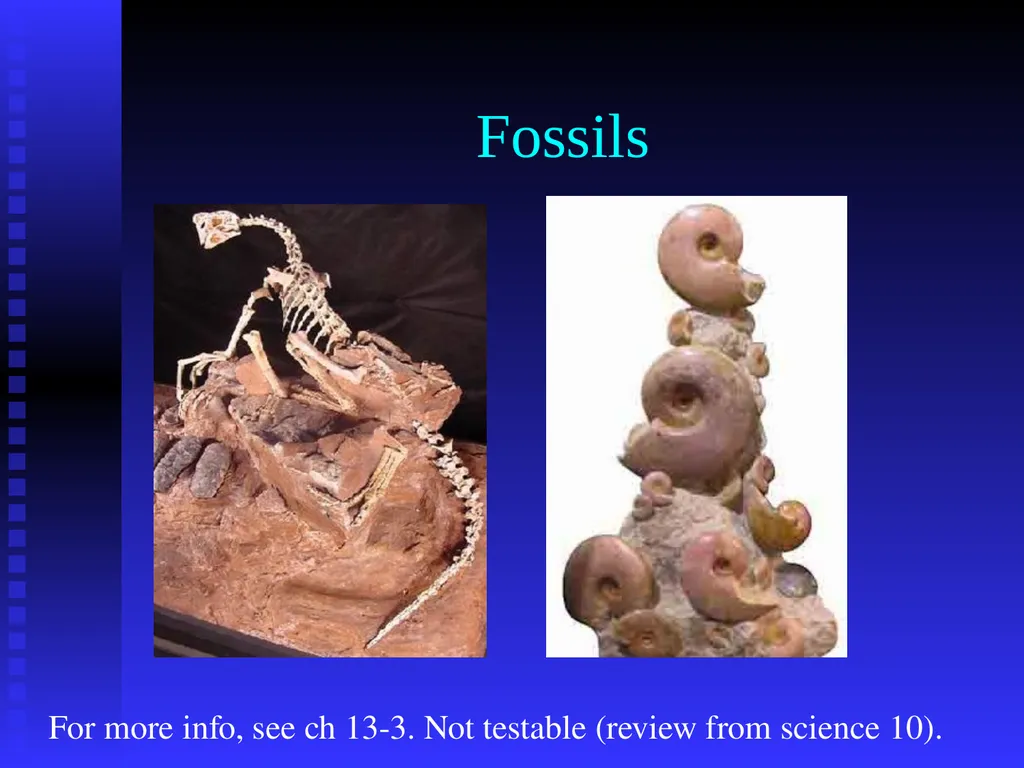
slide10. Living Organisms and Fossils Darwin collected the preserved remains of ancient organisms, called fossils
Some of those fossils resembled organisms that were still alive today
Others looked completely unlike any creature he had ever seen<br>
slide11. Living Organisms and Fossils As Darwin studied fossils, new questions arose.
Why had so many of these species disappeared?
How were they related to living species?<br>
slide12. Fossils For more info, see ch 13-3. Not testable (review from science 10).<br>
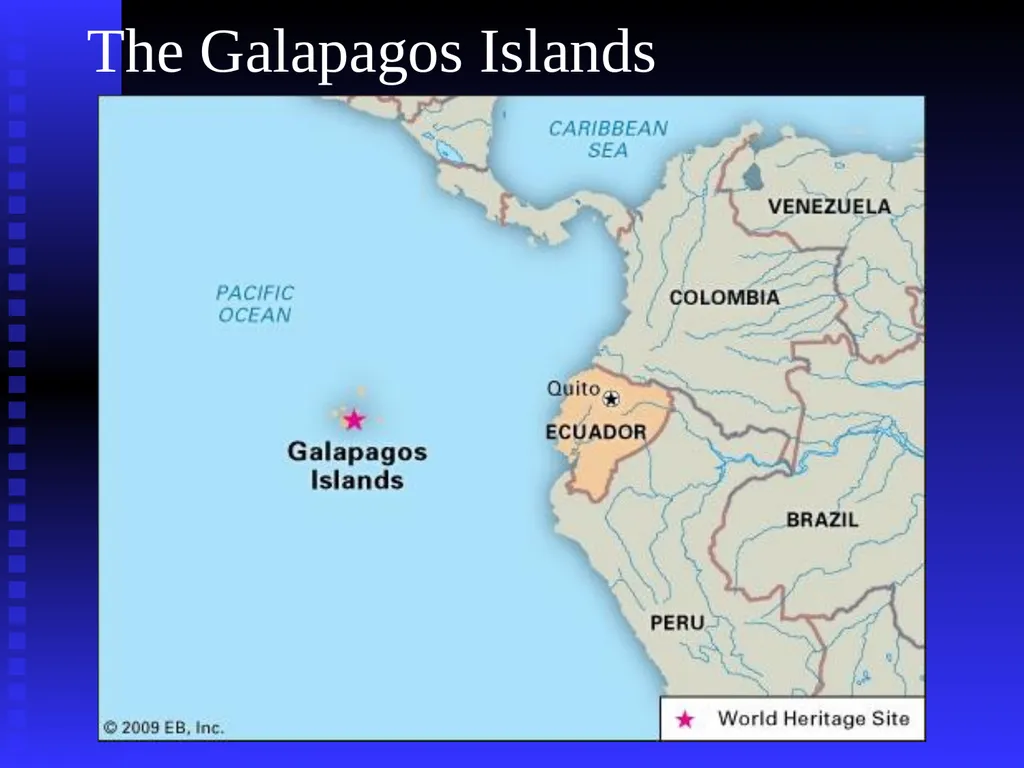
slide13. The Galapagos Islands<br>
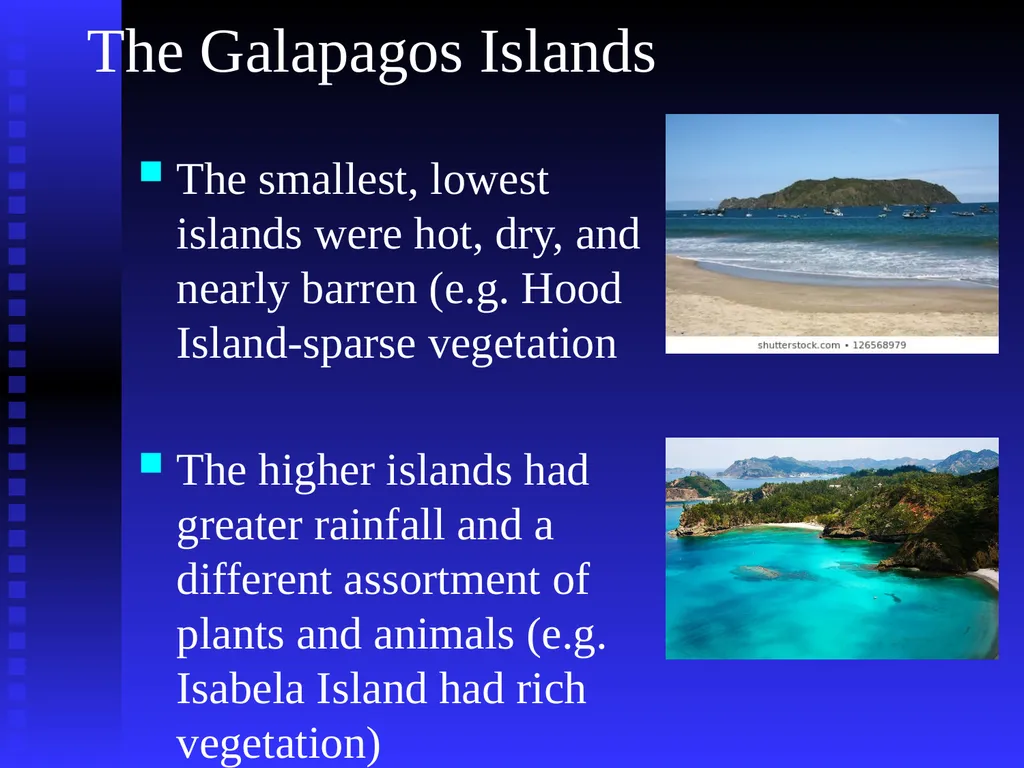
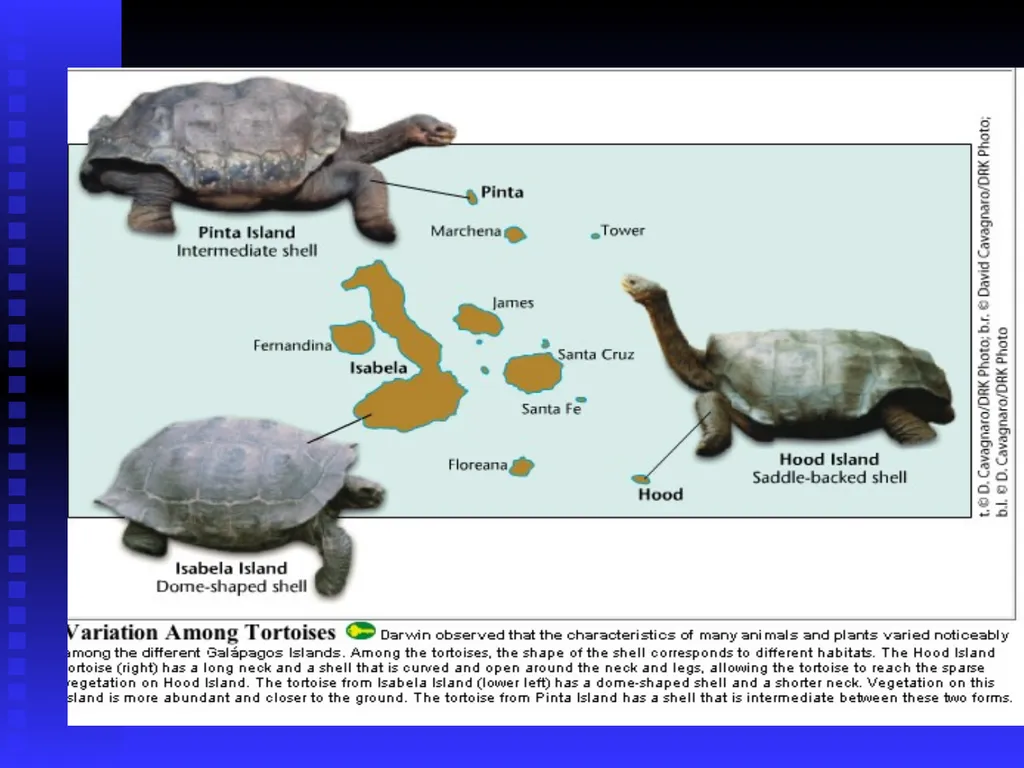
slide14. The Galapagos Islands The smallest, lowest islands were hot, dry, and nearly barren (e.g. Hood Island-sparse vegetation
The higher islands had greater rainfall and a different assortment of plants and animals (e.g. Isabela Island had rich vegetation)<br>
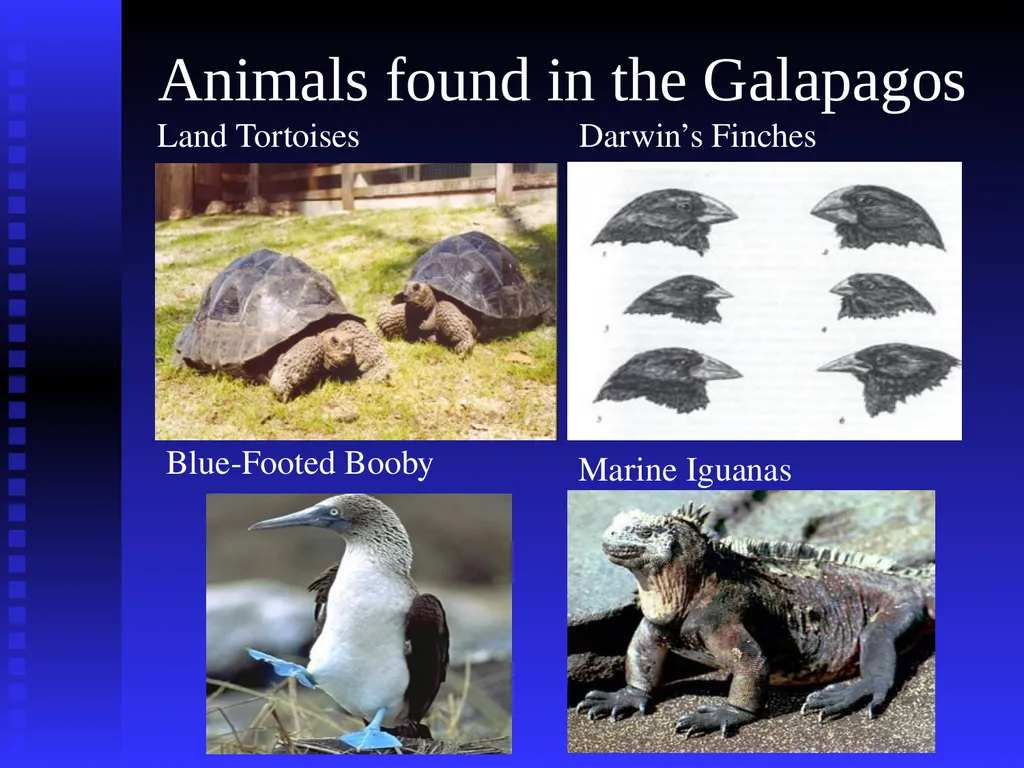
slide15. The Galapagos Islands Darwin was fascinated in particular by the land tortoises and marine iguanas in the Galapagos
Giant tortoises varied in predictable ways from one island to another
The shape of a tortoise's shell could be used to identify which island a particular tortoise inhabited<br>
slide17. Animals found in the Galapagos Land Tortoises Darwin’s Finches Blue-Footed Booby Marine Iguanas<br>
slide18. The Journey Home Darwin analysed the specimens he had collected and observations he had made
Darwin observed that characteristics of many plants and animals vary greatly among the islands
Many observations contradicted creationism
Hypothesis (based on his evidence): Separate species may have arisen from an original ancestor
Wrote an essay with his findings but did not publish for 20 years for fear of being discredited as a scientist<br>
slide19. Key Notes from “Fitness: To Survive and Reproduce” (13-1) Fitness: the physical traits and behaviours that enabled organisms to survive and reproduce in their environment<br>
slide20. Key Notes from “Fitness: To Survive and Reproduce” (13-1) Discuss:
Broadly, what might affect an organism’s fitness? (e.g. ability to ______?)
Attract mates, look after offspring, fertility
Find/extract/digest food
Work together with social group or symbiotic partner
Hide from predators (camouflage, running, etc)
Regulate body temperature
Use resources efficiently
And more!!<br>
slide21. Key Notes from “Fitness: To Survive and Reproduce” (13-1) Discuss:
What is one trait that affects the fitness of humans? Maple trees? Domestic dogs?
What would happen to an organism’s fitness if the environment changes? Think of specific examples.<br>
slide22. Key Notes from “Fitness: To Survive and Reproduce” (13-1) Darwin’s argument: new organisms come from pre-existing organisms, and each species has descended from other species over time
Principle of common descent:
All species have shared/common ancestors<br>
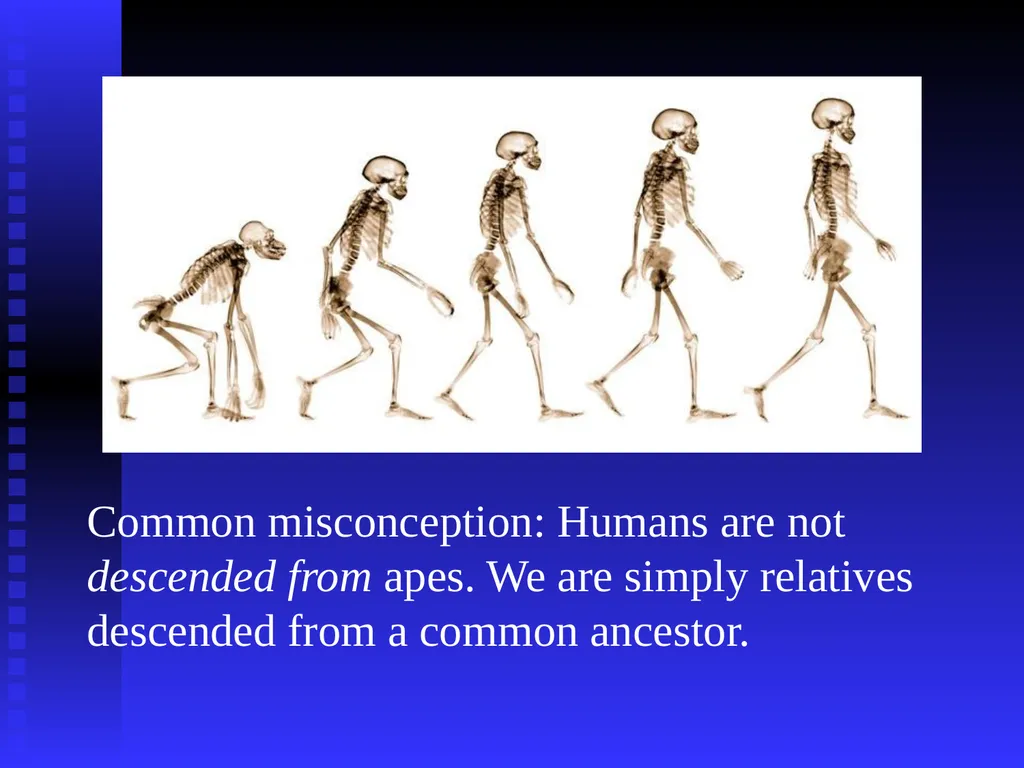
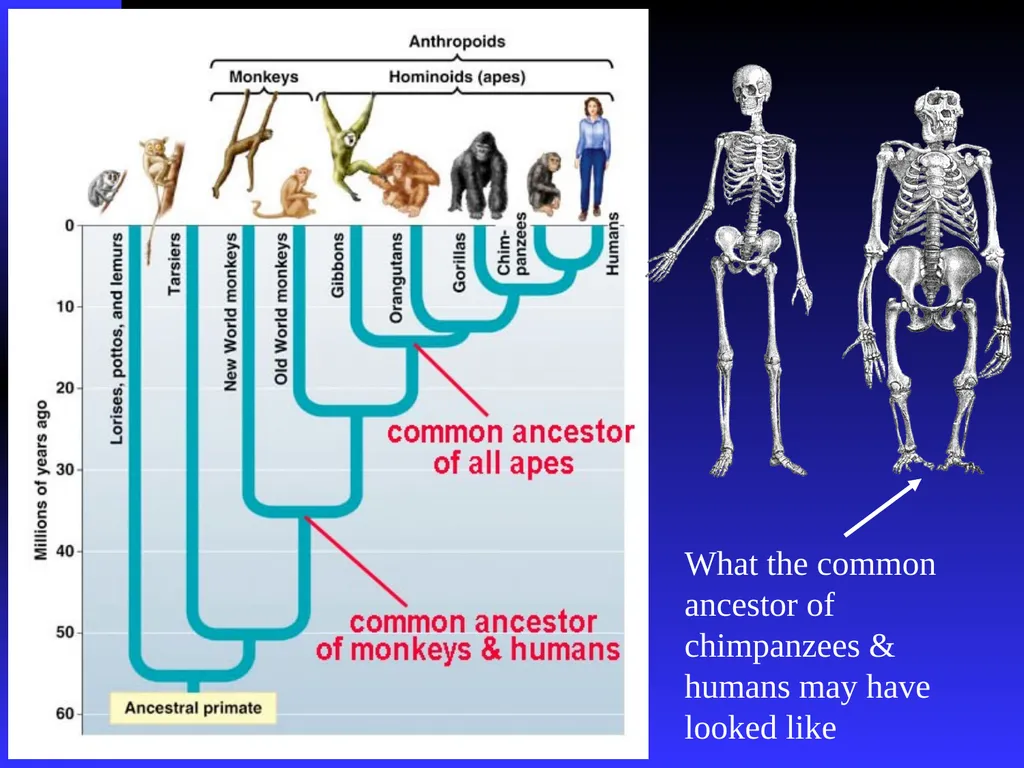
slide23. Common misconception: Humans are not descended from apes. We are simply relatives descended from a common ancestor.<br>
slide24. What the common ancestor of chimpanzees & humans may have looked like<br>
slide25. Key Notes from “Fitness: To Survive and Reproduce” (13-1) Adaptation: process of changes that allow an organism to be:
Better suited to its environment
Better able to survive and reproduce
= inherited characteristics that increases an organism’s fitness for survival<br>
slide26. Key Notes from “Fitness: To Survive and Reproduce” (13-1) Discuss:
How are fitness and adaptations similar? Different? Add to your notes.
Similar: both linked to ability to survive and reproduce in environment; can be inherited; can refer to individual organisms or larger groups (e.g. species)
Different: fitness is the overall ability to survive and reproduce; adaptations are the traits that increase fitness.<br>
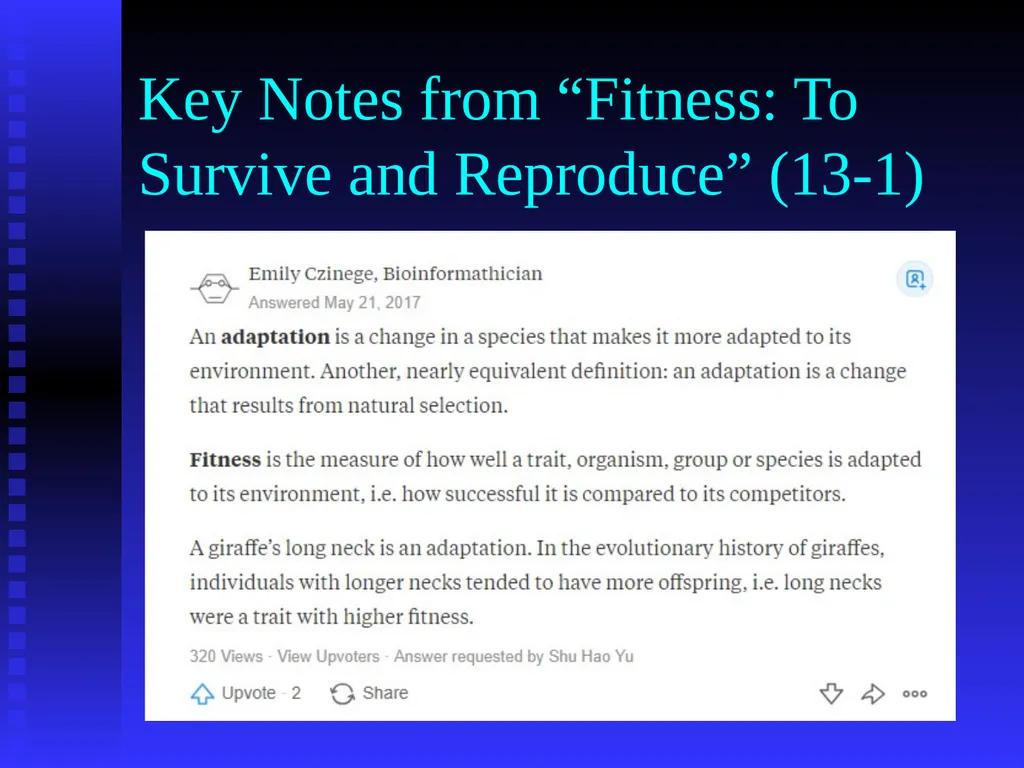
slide27. Key Notes from “Fitness: To Survive and Reproduce” (13-1)<br>
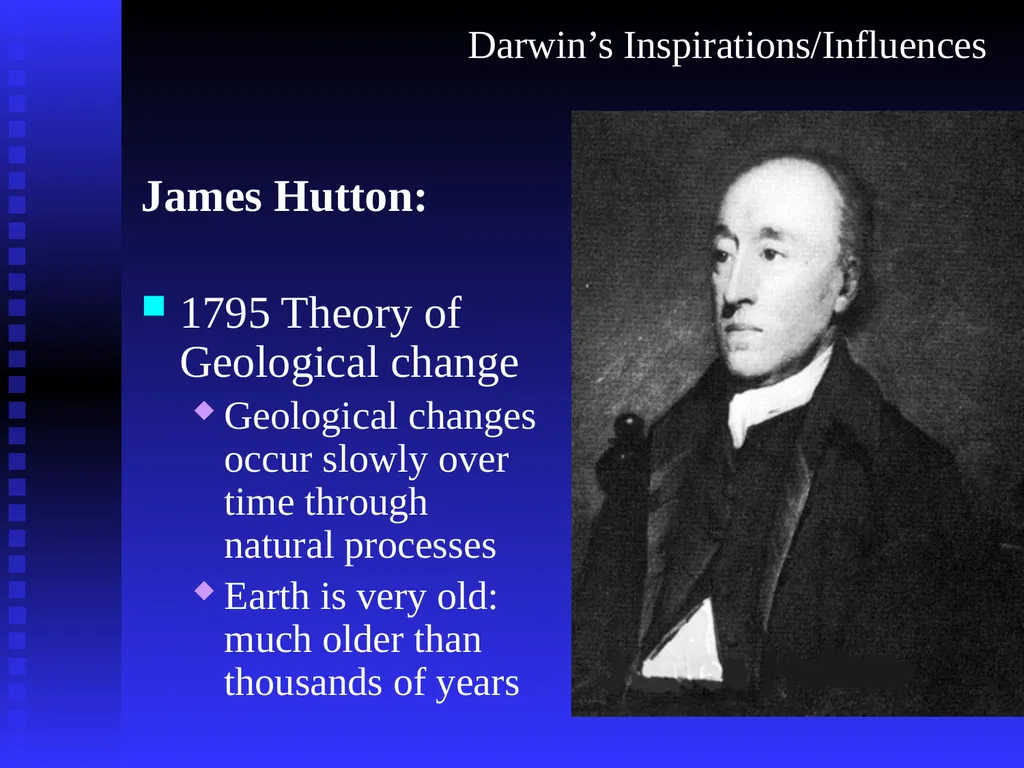
slide28. James Hutton:
1795 Theory of Geological change
Geological changes occur slowly over time through natural processes
Earth is very old: much older than thousands of years Darwin’s Inspirations/Influences<br>
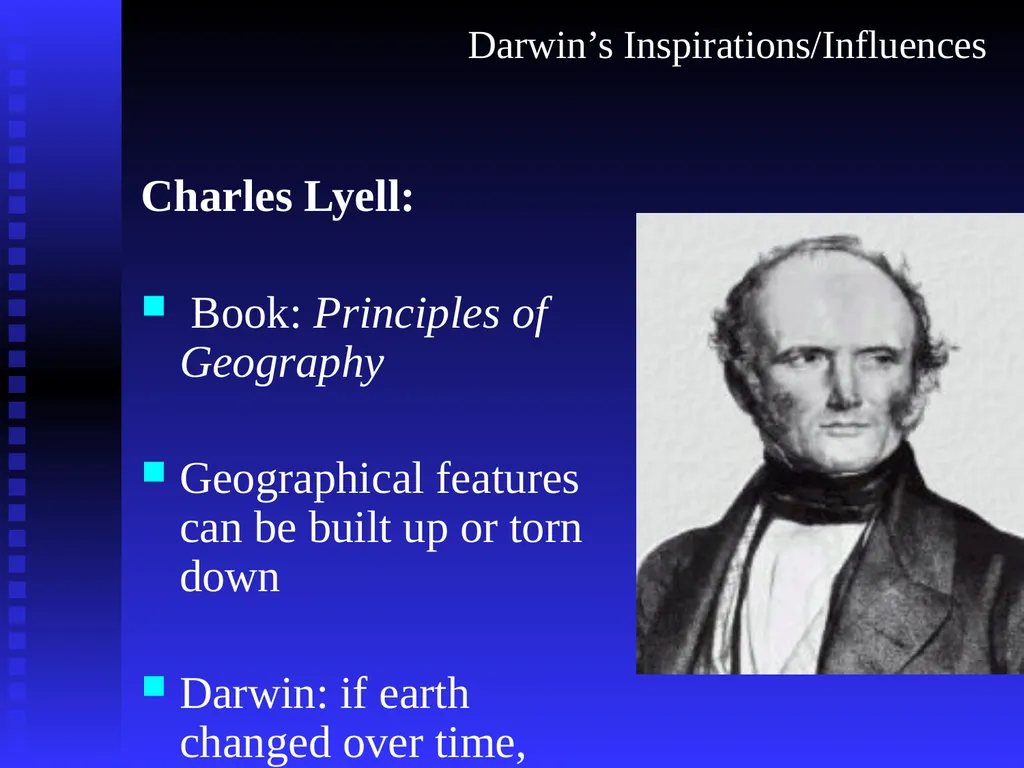
slide29. Charles Lyell:
Book: Principles of Geography
Geographical features can be built up or torn down
Darwin: if earth changed over time, what about life? Darwin’s Inspirations/Influences<br>
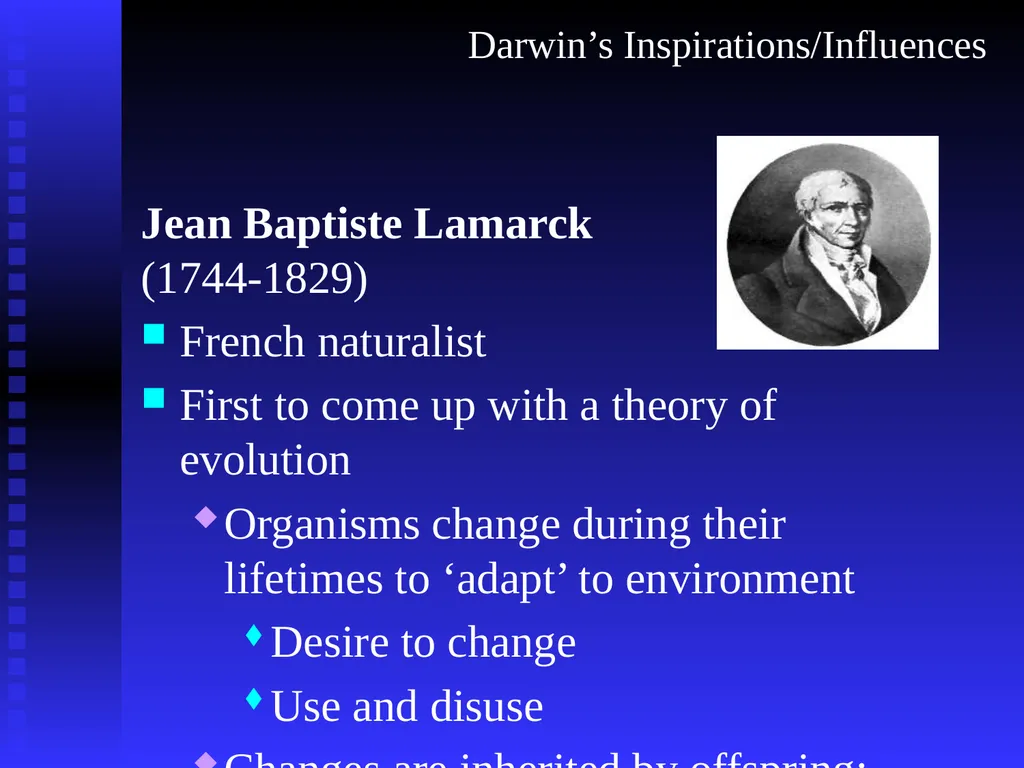
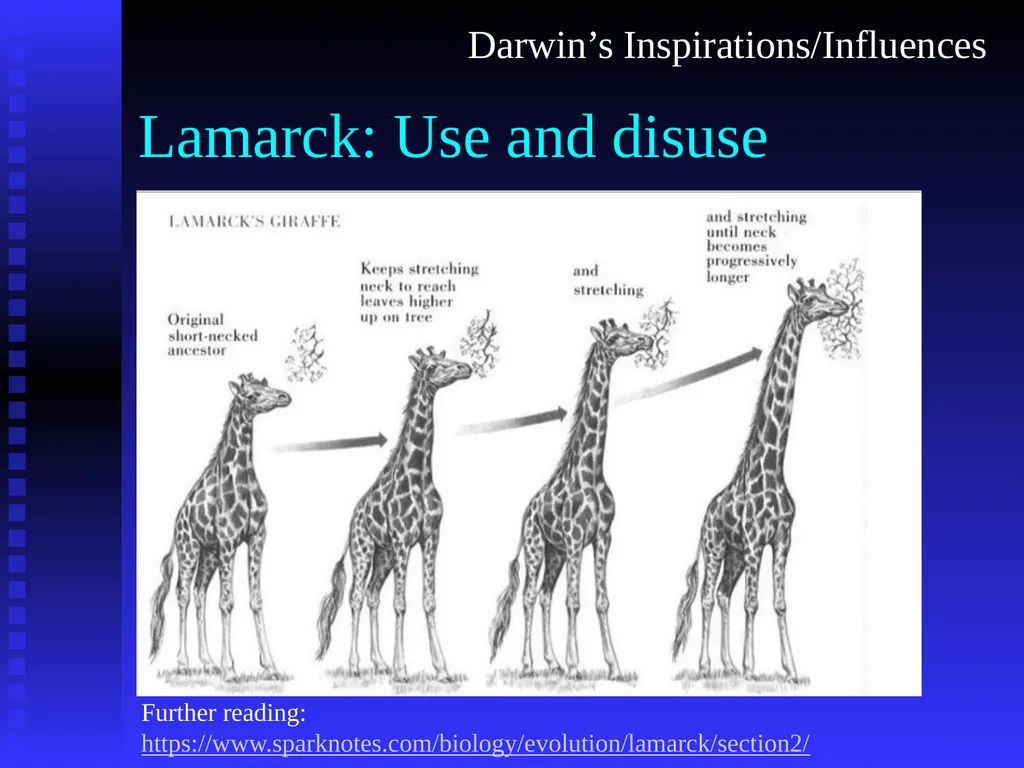
slide30. Jean Baptiste Lamarck (1744-1829)
French naturalist
First to come up with a theory of evolution
Organisms change during their lifetimes to ‘adapt’ to environment
Desire to change
Use and disuse
Changes are inherited by offspring; change takes place gradually and constantly Darwin’s Inspirations/Influences<br>
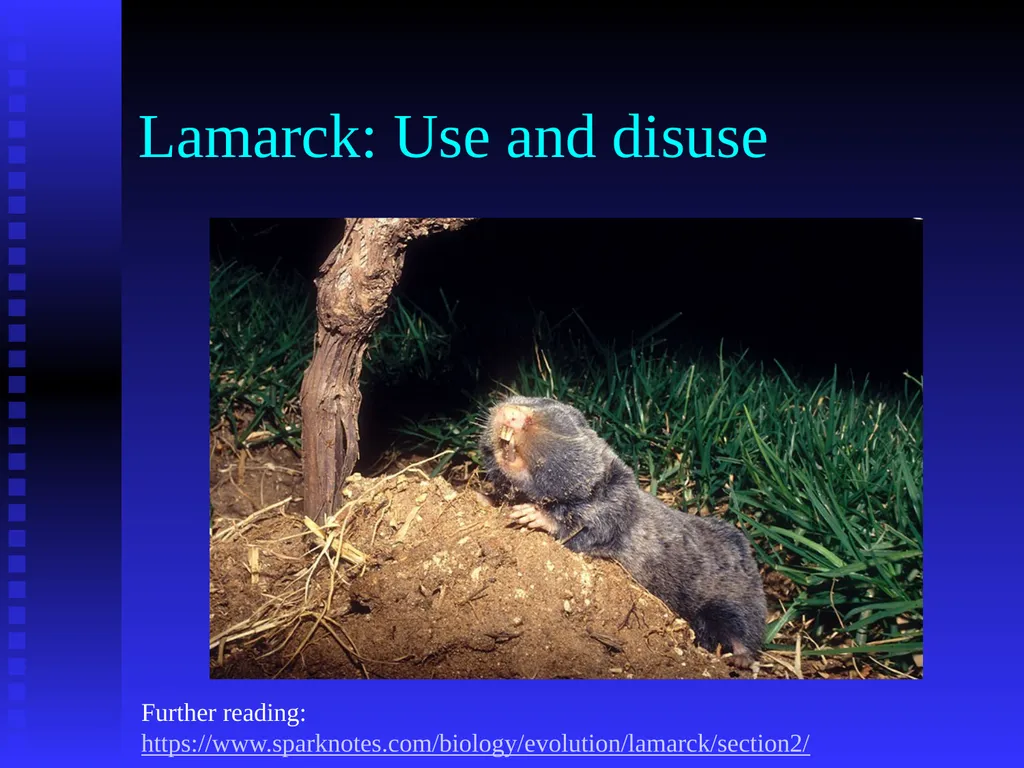
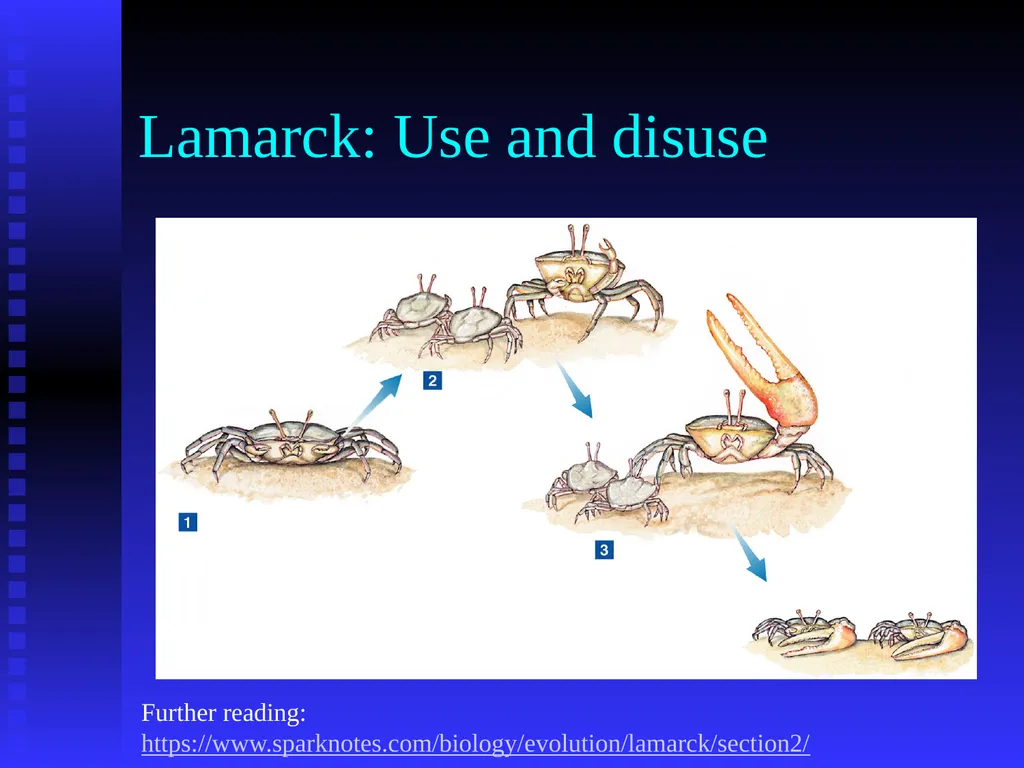
slide31. Lamarck: Use and disuse Further reading: https://www.sparknotes.com/biology/evolution/lamarck/section2/ Parts of organism that are used most often will become more developed, specialized for environment
(Similar to everyday use of “adaptations”)
Parts of organism that are not used will be underdeveloped or disappear
(Similar to “vestigial structures”…stay tuned!) Darwin’s Inspirations/Influences<br>
slide32. Lamarck: Use and disuse Further reading: https://www.sparknotes.com/biology/evolution/lamarck/section2/ Darwin’s Inspirations/Influences<br>
slide33. Lamarck: Use and disuse Further reading: https://www.sparknotes.com/biology/evolution/lamarck/section2/<br>
slide34. Lamarck: Use and disuse Further reading: https://www.sparknotes.com/biology/evolution/lamarck/section2/<br>
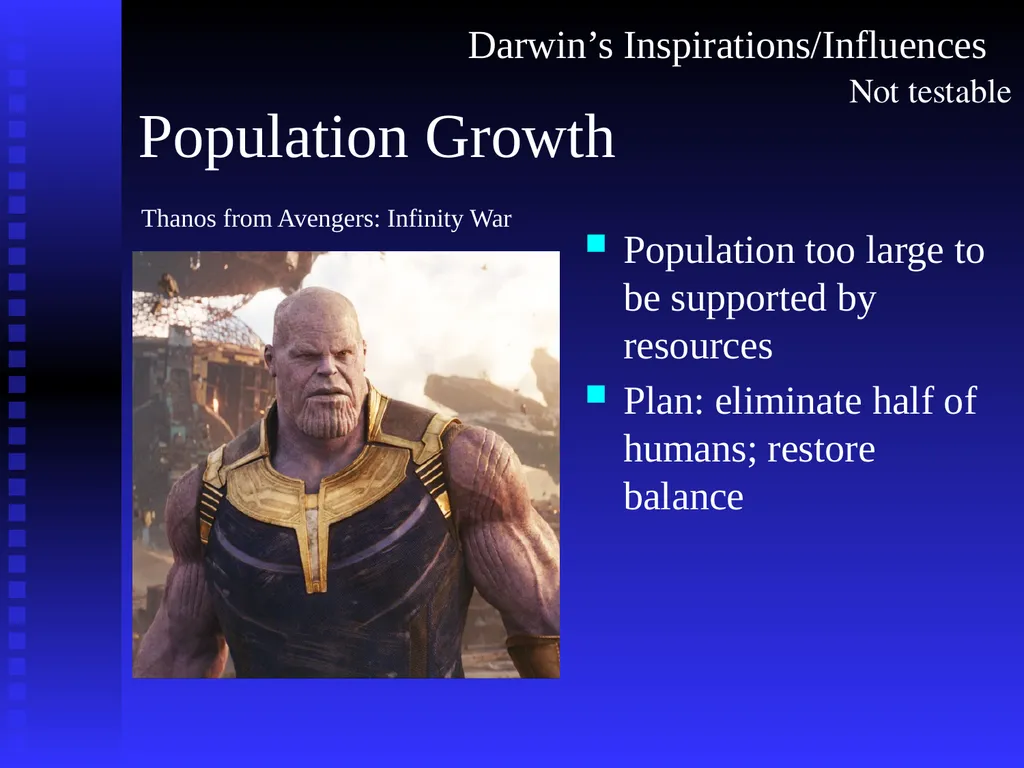
slide35. Population Growth Population too large to be supported by resources
Plan: eliminate half of humans; restore balance Thanos from Avengers: Infinity War Not testable Darwin’s Inspirations/Influences<br>
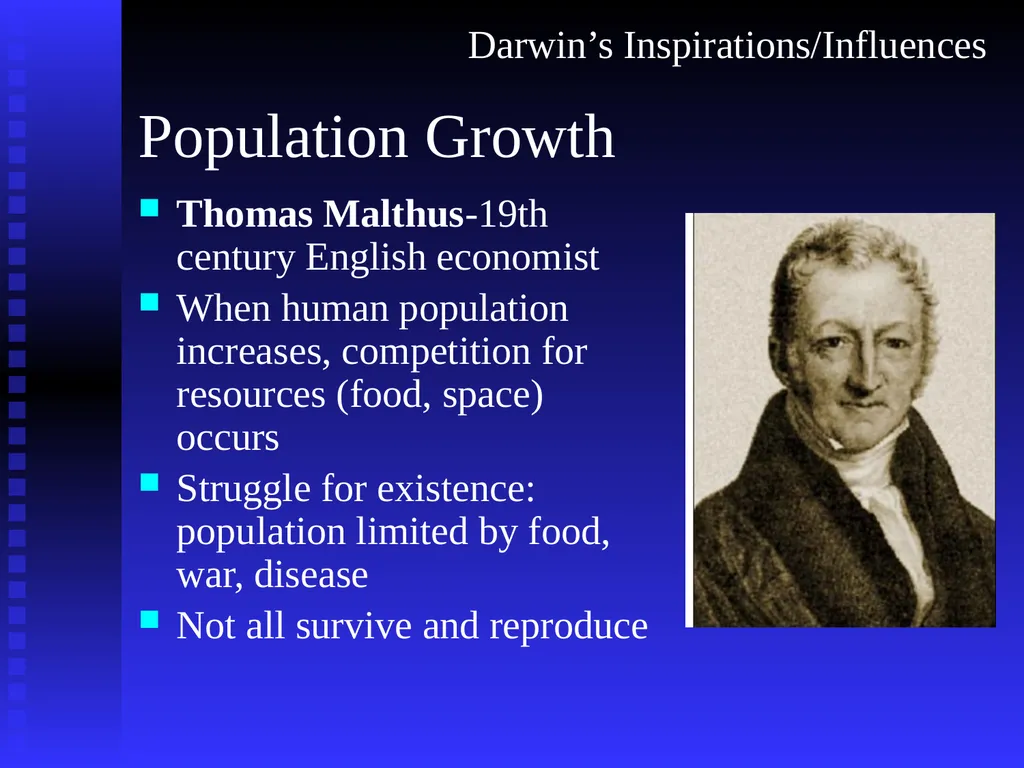
slide36. Population Growth Thomas Malthus-19th century English economist
When human population increases, competition for resources (food, space) occurs
Struggle for existence: population limited by food, war, disease
Not all survive and reproduce Darwin’s Inspirations/Influences<br>
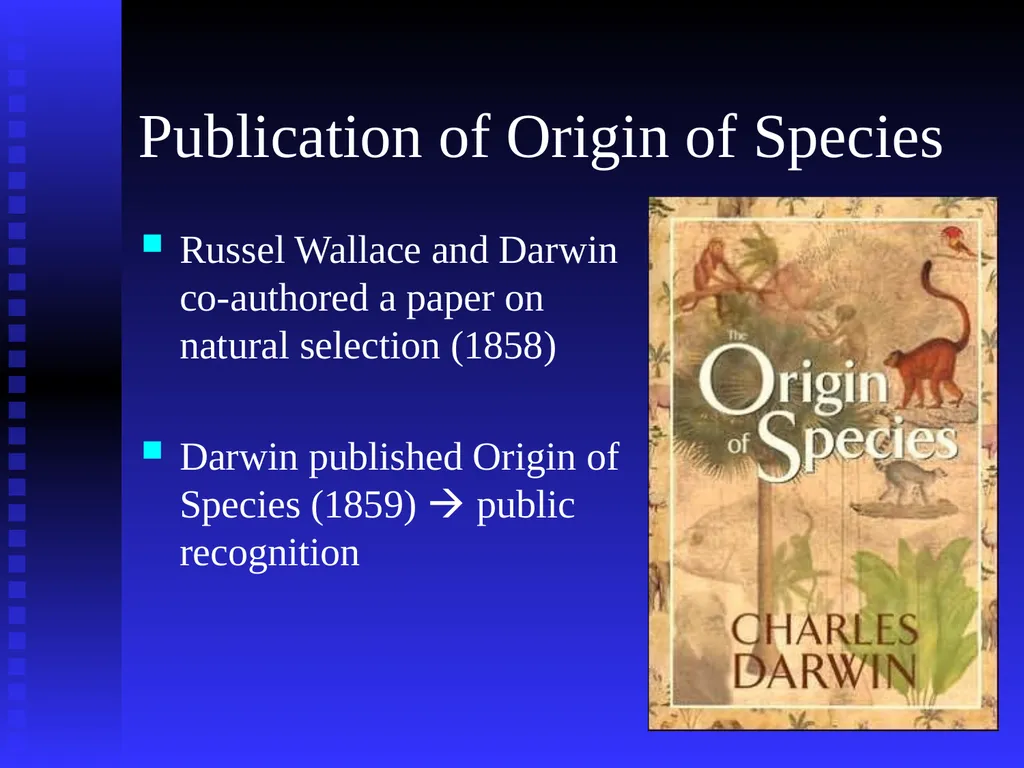
slide37. Publication of Origin of Species Russel Wallace and Darwin co-authored a paper on natural selection (1858)
Darwin published Origin of Species (1859) public recognition<br>
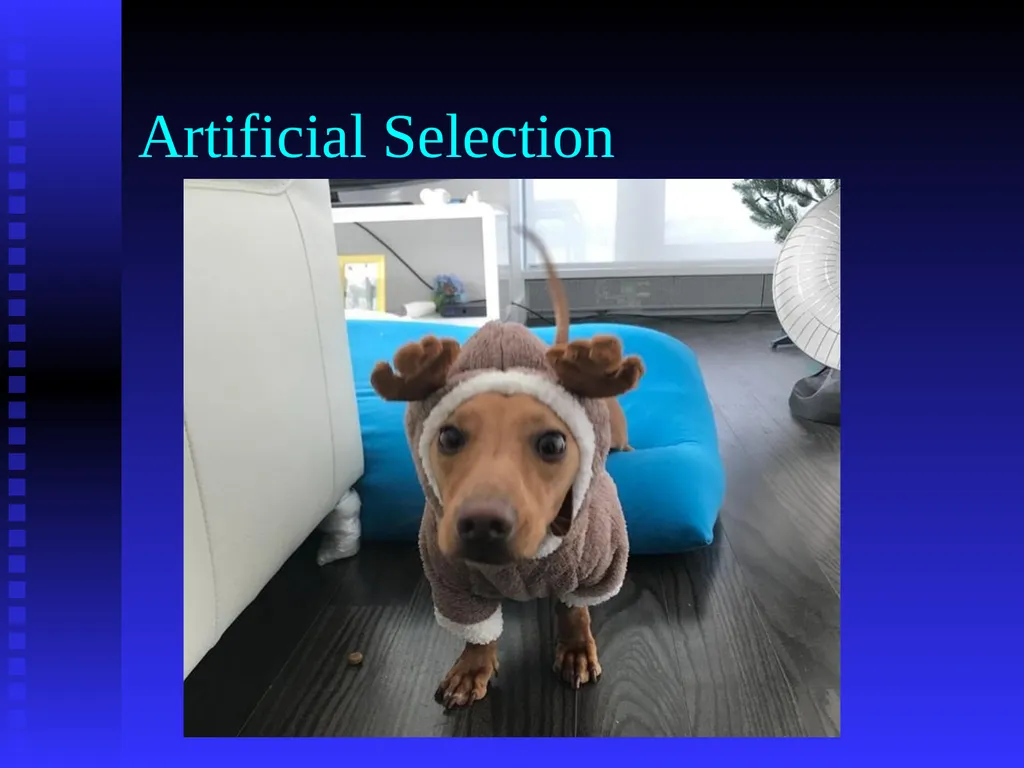
slide38. Artificial Selection<br>
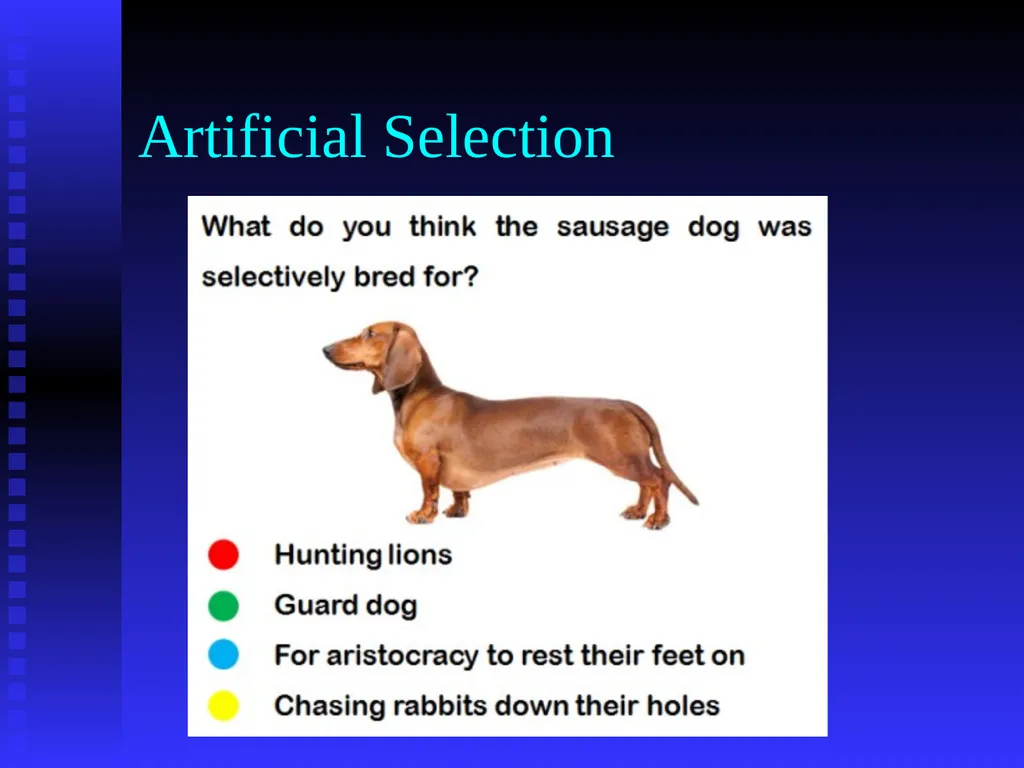
slide39. Artificial Selection<br>
slide40. Artificial Selection 1. Variation exists in the population
Natural
Cannot be caused by farmers*
Occurs randomly through mutation
Can be inherited by offspring
*Exception: GMOs, irradiation<br>
slide41. Artificial Selection 2. Farmers select traits they like from the variation presented. Only individuals with those traits are allowed to produce offspring.<br>
slide42. Artificial Selection 3. Over many generations, the preferred trait(s) increase in frequency.<br>
slide43. Natural Selection 1. Variation exists in the population
Natural
Occurs randomly through mutation
Can be inherited by offspring<br>
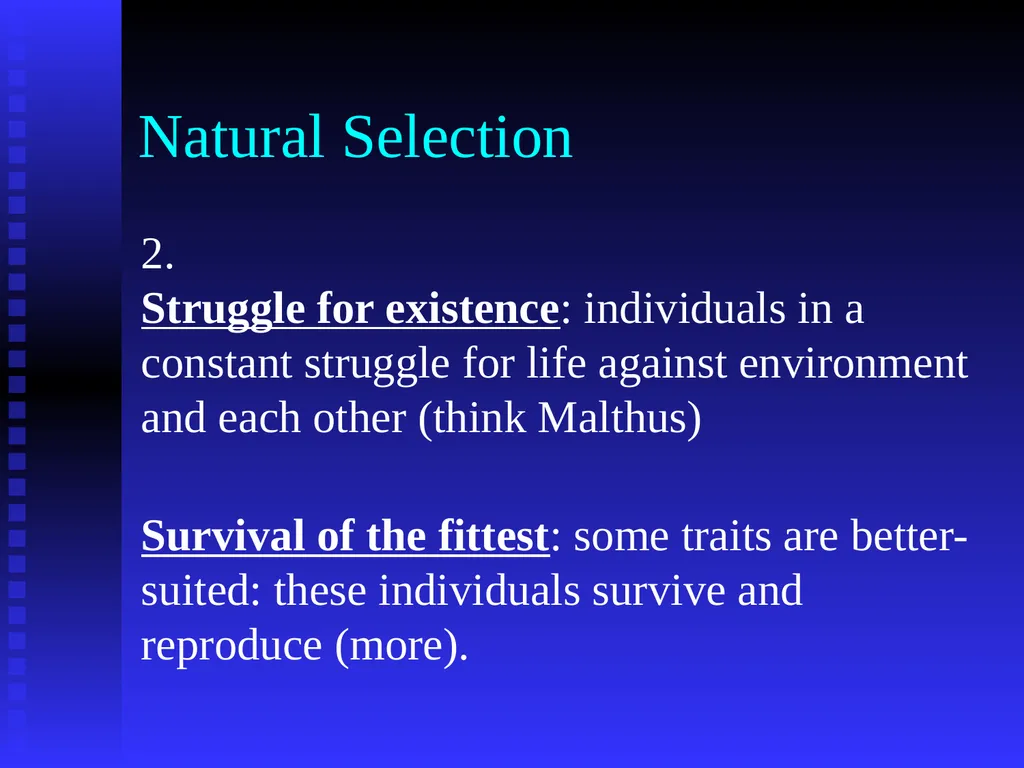
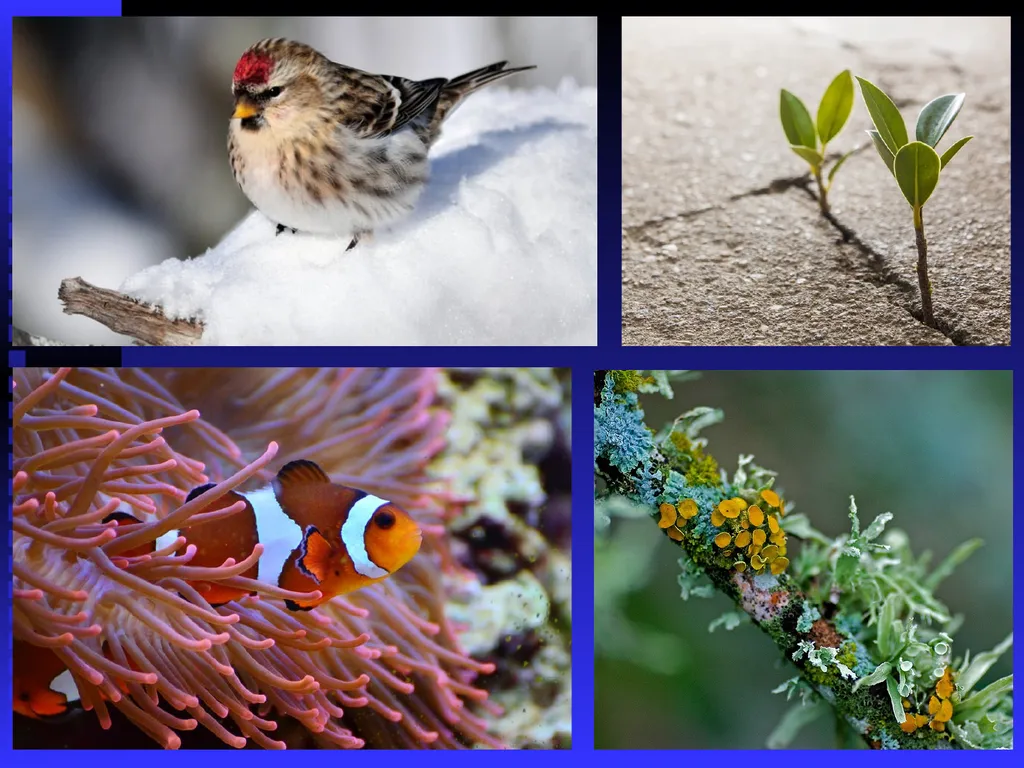
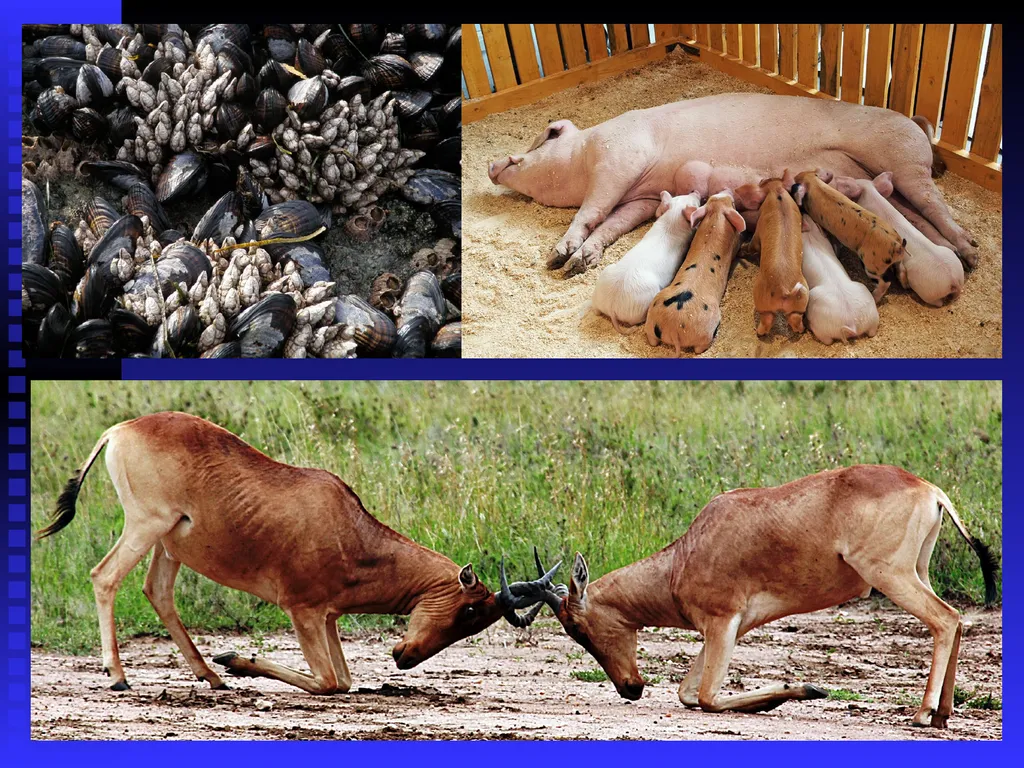
slide44. Natural Selection 2. Struggle for existence: individuals in a constant struggle for life against environment and each other (think Malthus)
Survival of the fittest: some traits are better-suited: these individuals survive and reproduce (more).<br>
slide47. Natural Selection 3. Over many generations, adaptations increase in frequency in the population. Evolution occurs.<br>
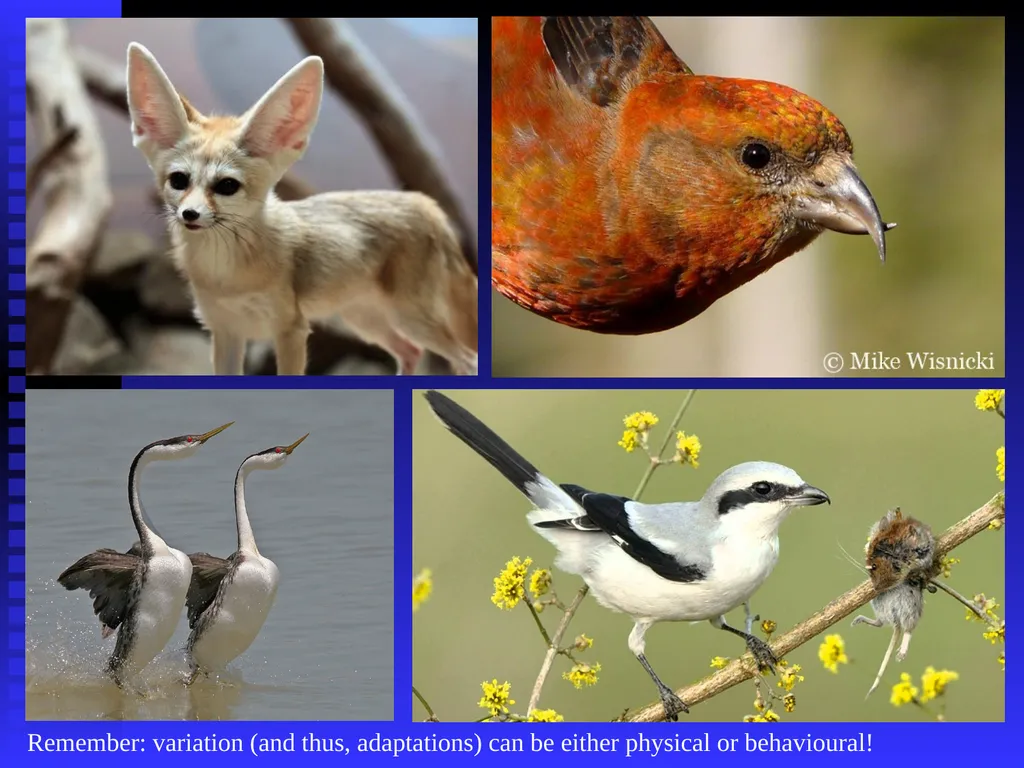
slide48. Remember: variation (and thus, adaptations) can be either physical or behavioural!<br>
slide49. Natural Selection vs Evolution Individual level
Who is more adapted to environment? Who survives to reproduce? Lifespan-based Population level
Change in population’s traits over many generations<br>
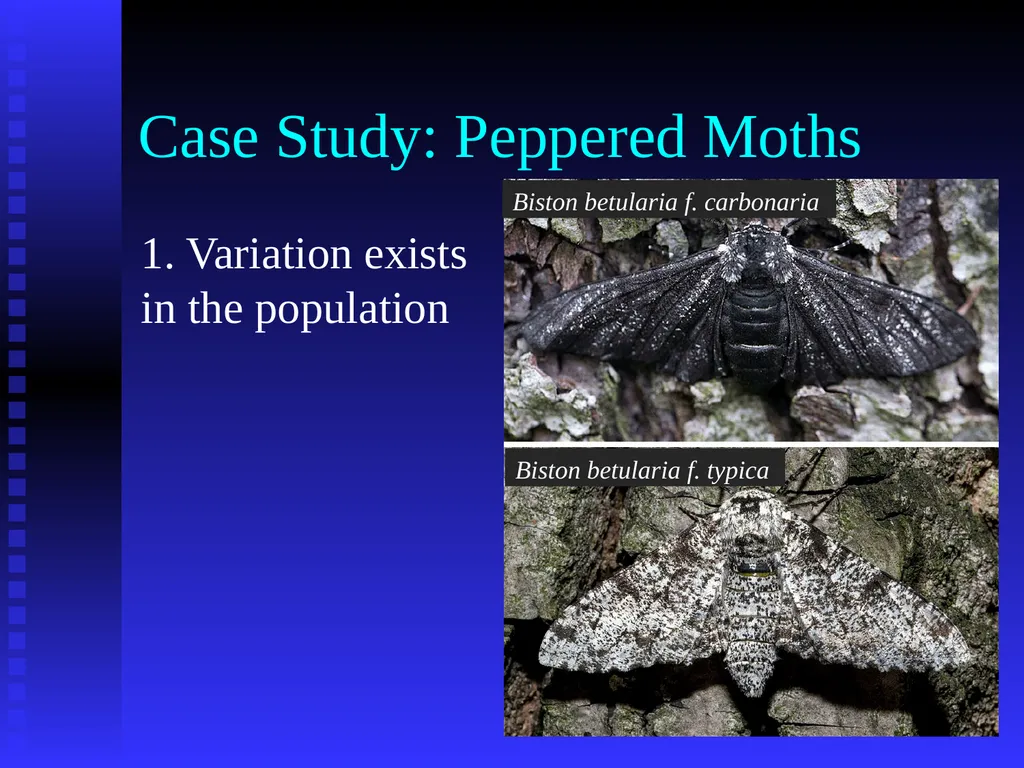
slide50. Case Study: Peppered Moths 1. Variation exists in the population Biston betularia f. typica Biston betularia f. carbonaria<br>
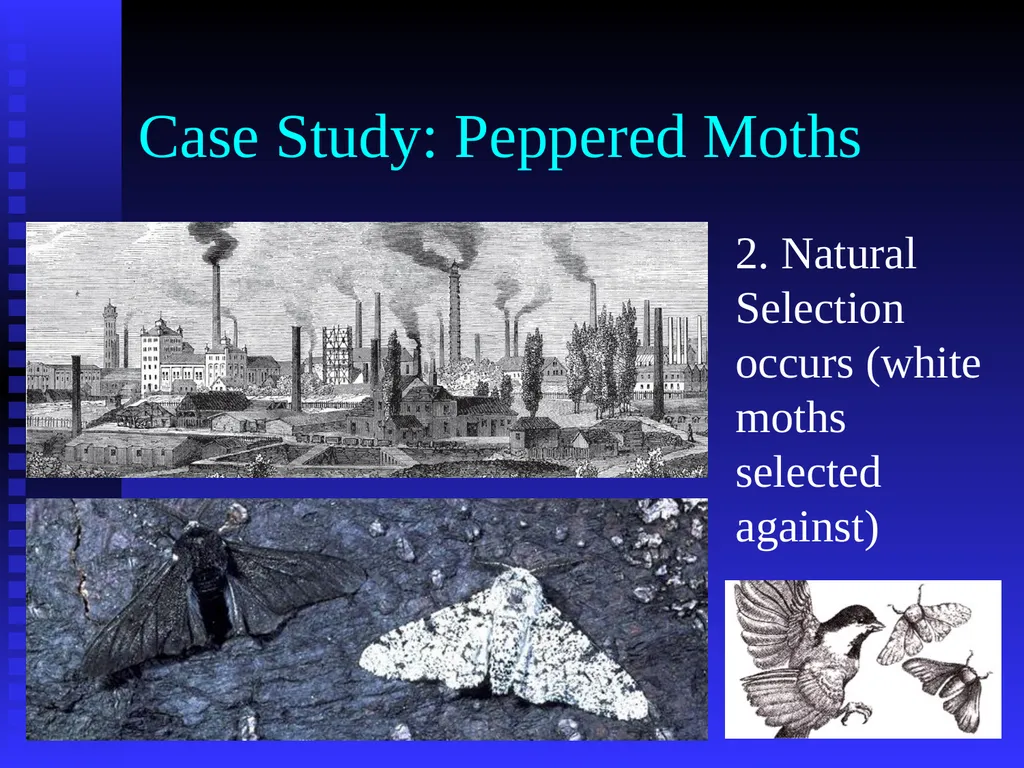
slide51. Case Study: Peppered Moths 2. Natural Selection occurs (white moths selected against)<br>
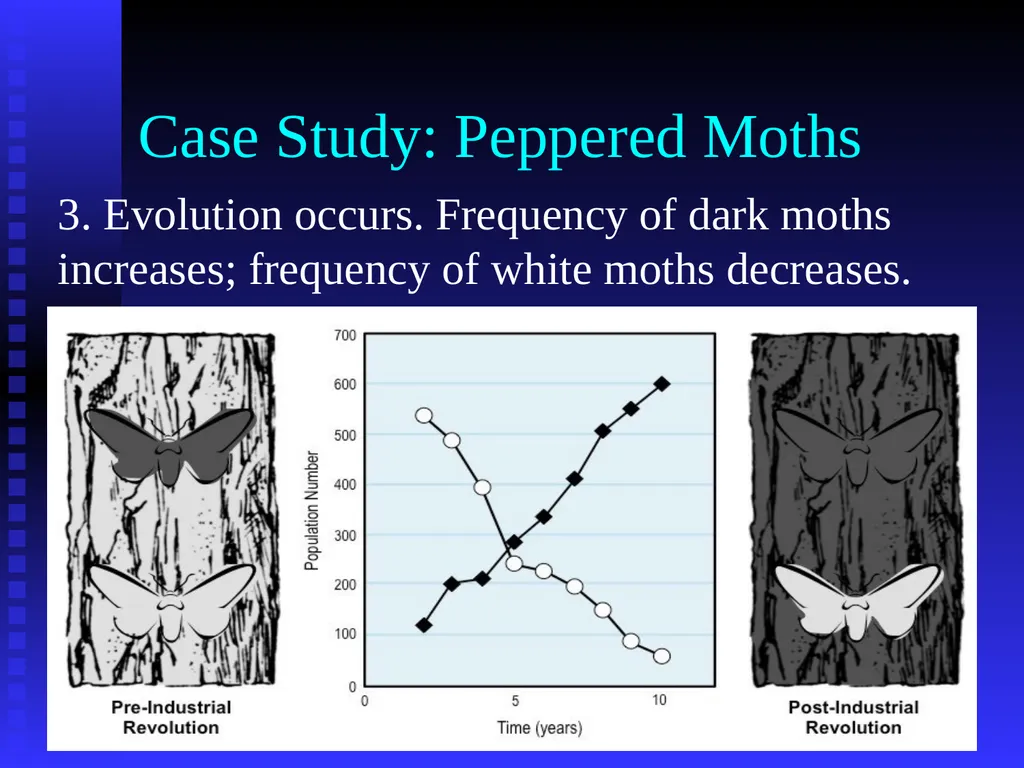
slide52. Case Study: Peppered Moths 3. Evolution occurs. Frequency of dark moths increases; frequency of white moths decreases.<br>
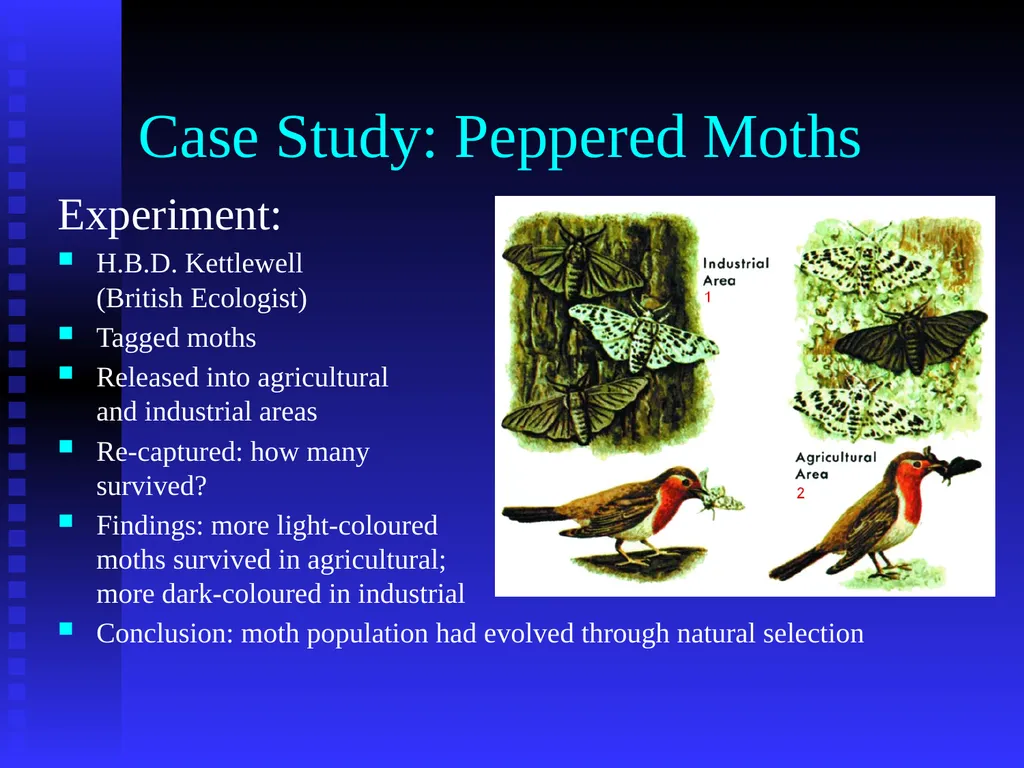
slide53. Case Study: Peppered Moths Experiment:
H.B.D. Kettlewell (British Ecologist)
Tagged moths
Released into agricultural and industrial areas
Re-captured: how many survived?
Findings: more light-coloured moths survived in agricultural; more dark-coloured in industrial
Conclusion: moth population had evolved through natural selection<br>
slide2. Charles Darwin<br>
slide3. Darwin’s Theory of Evolution Evolution, or change over time, is the process by which modern organisms have descended from ancient organisms.
A scientific theory is a well-supported testable explanation of phenomena that have occurred in the natural world.<br>
slide4. Who was Charles Darwin? Son of Robert Darwin (physician); grandson of Erasmus Darwin (physician)
Was to study medicine, stomach not strong enough
Studied theology, loved natural science Not testable<br>
slide5. Voyage of the Beagle<br>
slide6. Voyage of the Beagle Dates: February 12th, 1831
Captain: Charles Darwin
Ship: H.M.S. Beagle
Destination: Voyage around the world
Original purpose: Collect evidence to support biblical account of creation<br>
slide7. Not testable<br>
slide8. Patterns of Diversity Darwin visited Argentina (left pic) and Australia (right) which had similar grassland ecosystems
Grasslands were inhabited by very different animals
Neither Argentina nor Australia was home to the sorts of animals that lived in European grasslands<br>
slide9. Patterns of Diversity Darwin posed challenging questions.
Why were there no rabbits in Australia, despite the presence of habitats that seemed perfect for them?
Why were there no kangaroos in England?<br>
slide10. Living Organisms and Fossils Darwin collected the preserved remains of ancient organisms, called fossils
Some of those fossils resembled organisms that were still alive today
Others looked completely unlike any creature he had ever seen<br>
slide11. Living Organisms and Fossils As Darwin studied fossils, new questions arose.
Why had so many of these species disappeared?
How were they related to living species?<br>
slide12. Fossils For more info, see ch 13-3. Not testable (review from science 10).<br>
slide13. The Galapagos Islands<br>
slide14. The Galapagos Islands The smallest, lowest islands were hot, dry, and nearly barren (e.g. Hood Island-sparse vegetation
The higher islands had greater rainfall and a different assortment of plants and animals (e.g. Isabela Island had rich vegetation)<br>
slide15. The Galapagos Islands Darwin was fascinated in particular by the land tortoises and marine iguanas in the Galapagos
Giant tortoises varied in predictable ways from one island to another
The shape of a tortoise's shell could be used to identify which island a particular tortoise inhabited<br>
slide17. Animals found in the Galapagos Land Tortoises Darwin’s Finches Blue-Footed Booby Marine Iguanas<br>
slide18. The Journey Home Darwin analysed the specimens he had collected and observations he had made
Darwin observed that characteristics of many plants and animals vary greatly among the islands
Many observations contradicted creationism
Hypothesis (based on his evidence): Separate species may have arisen from an original ancestor
Wrote an essay with his findings but did not publish for 20 years for fear of being discredited as a scientist<br>
slide19. Key Notes from “Fitness: To Survive and Reproduce” (13-1) Fitness: the physical traits and behaviours that enabled organisms to survive and reproduce in their environment<br>
slide20. Key Notes from “Fitness: To Survive and Reproduce” (13-1) Discuss:
Broadly, what might affect an organism’s fitness? (e.g. ability to ______?)
Attract mates, look after offspring, fertility
Find/extract/digest food
Work together with social group or symbiotic partner
Hide from predators (camouflage, running, etc)
Regulate body temperature
Use resources efficiently
And more!!<br>
slide21. Key Notes from “Fitness: To Survive and Reproduce” (13-1) Discuss:
What is one trait that affects the fitness of humans? Maple trees? Domestic dogs?
What would happen to an organism’s fitness if the environment changes? Think of specific examples.<br>
slide22. Key Notes from “Fitness: To Survive and Reproduce” (13-1) Darwin’s argument: new organisms come from pre-existing organisms, and each species has descended from other species over time
Principle of common descent:
All species have shared/common ancestors<br>
slide23. Common misconception: Humans are not descended from apes. We are simply relatives descended from a common ancestor.<br>
slide24. What the common ancestor of chimpanzees & humans may have looked like<br>
slide25. Key Notes from “Fitness: To Survive and Reproduce” (13-1) Adaptation: process of changes that allow an organism to be:
Better suited to its environment
Better able to survive and reproduce
= inherited characteristics that increases an organism’s fitness for survival<br>
slide26. Key Notes from “Fitness: To Survive and Reproduce” (13-1) Discuss:
How are fitness and adaptations similar? Different? Add to your notes.
Similar: both linked to ability to survive and reproduce in environment; can be inherited; can refer to individual organisms or larger groups (e.g. species)
Different: fitness is the overall ability to survive and reproduce; adaptations are the traits that increase fitness.<br>
slide27. Key Notes from “Fitness: To Survive and Reproduce” (13-1)<br>
slide28. James Hutton:
1795 Theory of Geological change
Geological changes occur slowly over time through natural processes
Earth is very old: much older than thousands of years Darwin’s Inspirations/Influences<br>
slide29. Charles Lyell:
Book: Principles of Geography
Geographical features can be built up or torn down
Darwin: if earth changed over time, what about life? Darwin’s Inspirations/Influences<br>
slide30. Jean Baptiste Lamarck (1744-1829)
French naturalist
First to come up with a theory of evolution
Organisms change during their lifetimes to ‘adapt’ to environment
Desire to change
Use and disuse
Changes are inherited by offspring; change takes place gradually and constantly Darwin’s Inspirations/Influences<br>
slide31. Lamarck: Use and disuse Further reading: https://www.sparknotes.com/biology/evolution/lamarck/section2/ Parts of organism that are used most often will become more developed, specialized for environment
(Similar to everyday use of “adaptations”)
Parts of organism that are not used will be underdeveloped or disappear
(Similar to “vestigial structures”…stay tuned!) Darwin’s Inspirations/Influences<br>
slide32. Lamarck: Use and disuse Further reading: https://www.sparknotes.com/biology/evolution/lamarck/section2/ Darwin’s Inspirations/Influences<br>
slide33. Lamarck: Use and disuse Further reading: https://www.sparknotes.com/biology/evolution/lamarck/section2/<br>
slide34. Lamarck: Use and disuse Further reading: https://www.sparknotes.com/biology/evolution/lamarck/section2/<br>
slide35. Population Growth Population too large to be supported by resources
Plan: eliminate half of humans; restore balance Thanos from Avengers: Infinity War Not testable Darwin’s Inspirations/Influences<br>
slide36. Population Growth Thomas Malthus-19th century English economist
When human population increases, competition for resources (food, space) occurs
Struggle for existence: population limited by food, war, disease
Not all survive and reproduce Darwin’s Inspirations/Influences<br>
slide37. Publication of Origin of Species Russel Wallace and Darwin co-authored a paper on natural selection (1858)
Darwin published Origin of Species (1859) public recognition<br>
slide38. Artificial Selection<br>
slide39. Artificial Selection<br>
slide40. Artificial Selection 1. Variation exists in the population
Natural
Cannot be caused by farmers*
Occurs randomly through mutation
Can be inherited by offspring
*Exception: GMOs, irradiation<br>
slide41. Artificial Selection 2. Farmers select traits they like from the variation presented. Only individuals with those traits are allowed to produce offspring.<br>
slide42. Artificial Selection 3. Over many generations, the preferred trait(s) increase in frequency.<br>
slide43. Natural Selection 1. Variation exists in the population
Natural
Occurs randomly through mutation
Can be inherited by offspring<br>
slide44. Natural Selection 2. Struggle for existence: individuals in a constant struggle for life against environment and each other (think Malthus)
Survival of the fittest: some traits are better-suited: these individuals survive and reproduce (more).<br>
slide47. Natural Selection 3. Over many generations, adaptations increase in frequency in the population. Evolution occurs.<br>
slide48. Remember: variation (and thus, adaptations) can be either physical or behavioural!<br>
slide49. Natural Selection vs Evolution Individual level
Who is more adapted to environment? Who survives to reproduce? Lifespan-based Population level
Change in population’s traits over many generations<br>
slide50. Case Study: Peppered Moths 1. Variation exists in the population Biston betularia f. typica Biston betularia f. carbonaria<br>
slide51. Case Study: Peppered Moths 2. Natural Selection occurs (white moths selected against)<br>
slide52. Case Study: Peppered Moths 3. Evolution occurs. Frequency of dark moths increases; frequency of white moths decreases.<br>
slide53. Case Study: Peppered Moths Experiment:
H.B.D. Kettlewell (British Ecologist)
Tagged moths
Released into agricultural and industrial areas
Re-captured: how many survived?
Findings: more light-coloured moths survived in agricultural; more dark-coloured in industrial
Conclusion: moth population had evolved through natural selection<br>