04
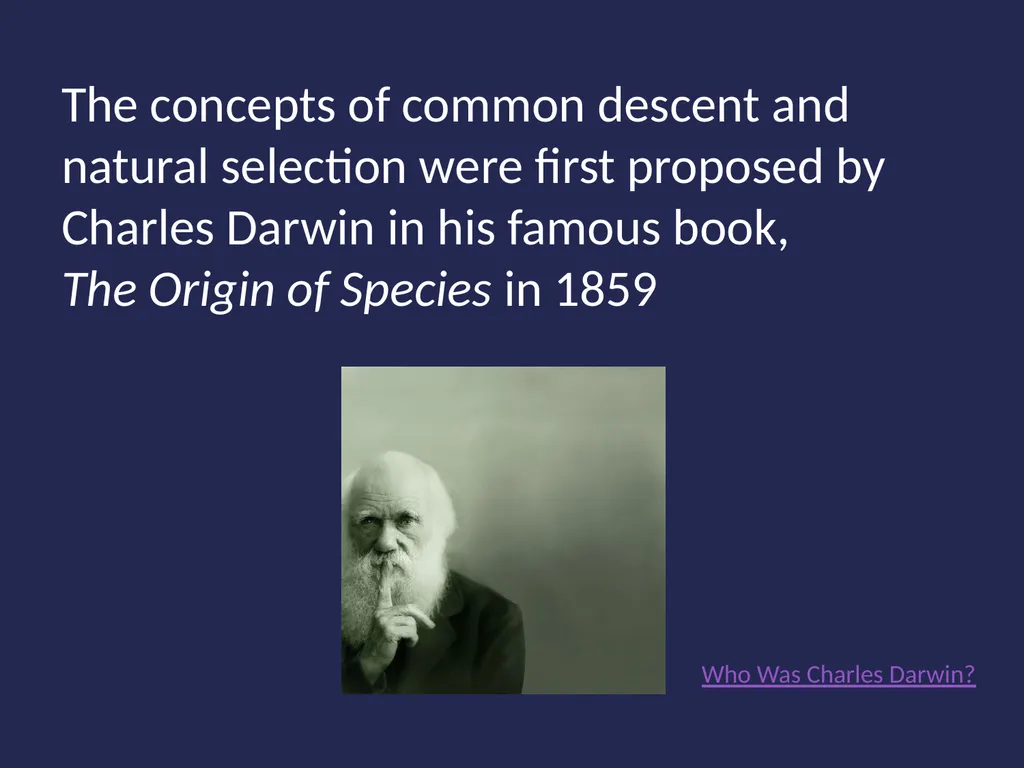
The concepts of common descent and natural selection were first proposed by Charles Darwin in his famous book, �The Origin of Species in 1859 Who Was Charles Darwin?<br>
05
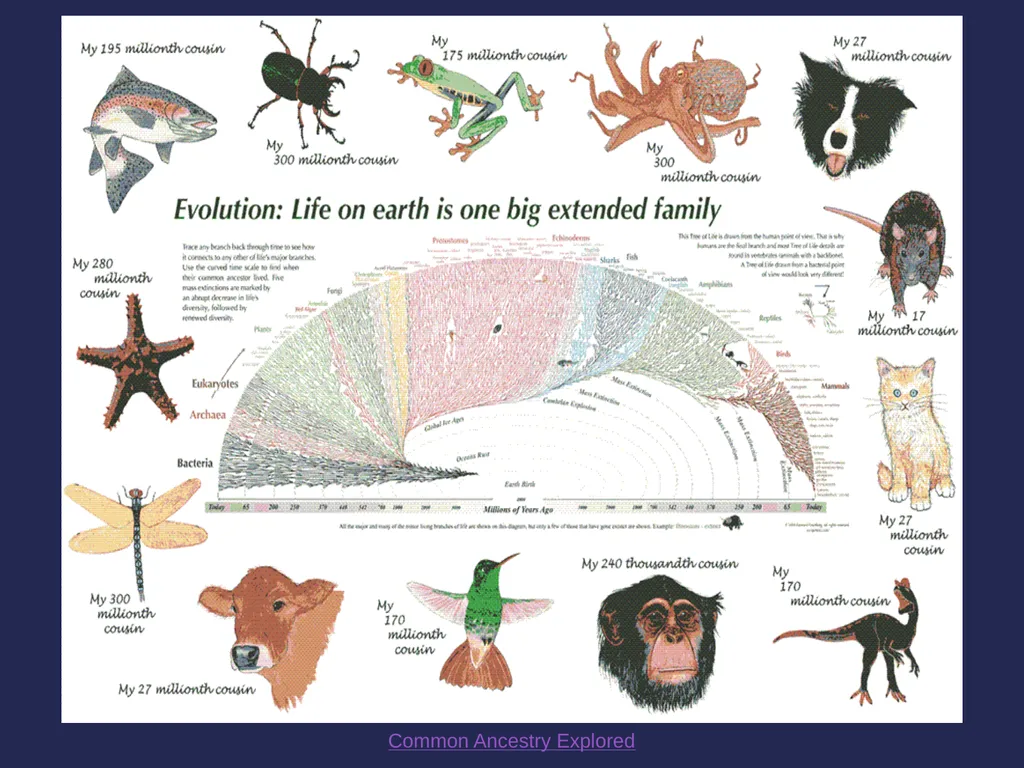
Common Ancestry Explored<br>
06
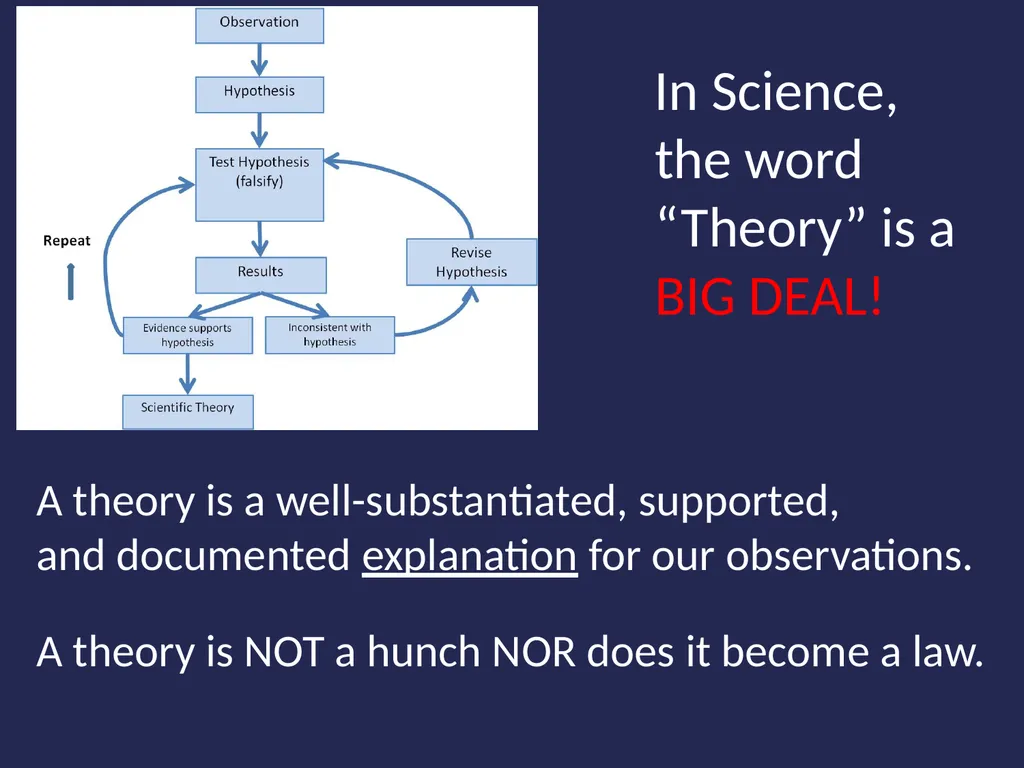
In Science, the word “Theory” is a BIG DEAL! A theory is a well-substantiated, supported,
and documented explanation for our observations. A theory is NOT a hunch NOR does it become a law.<br>
07
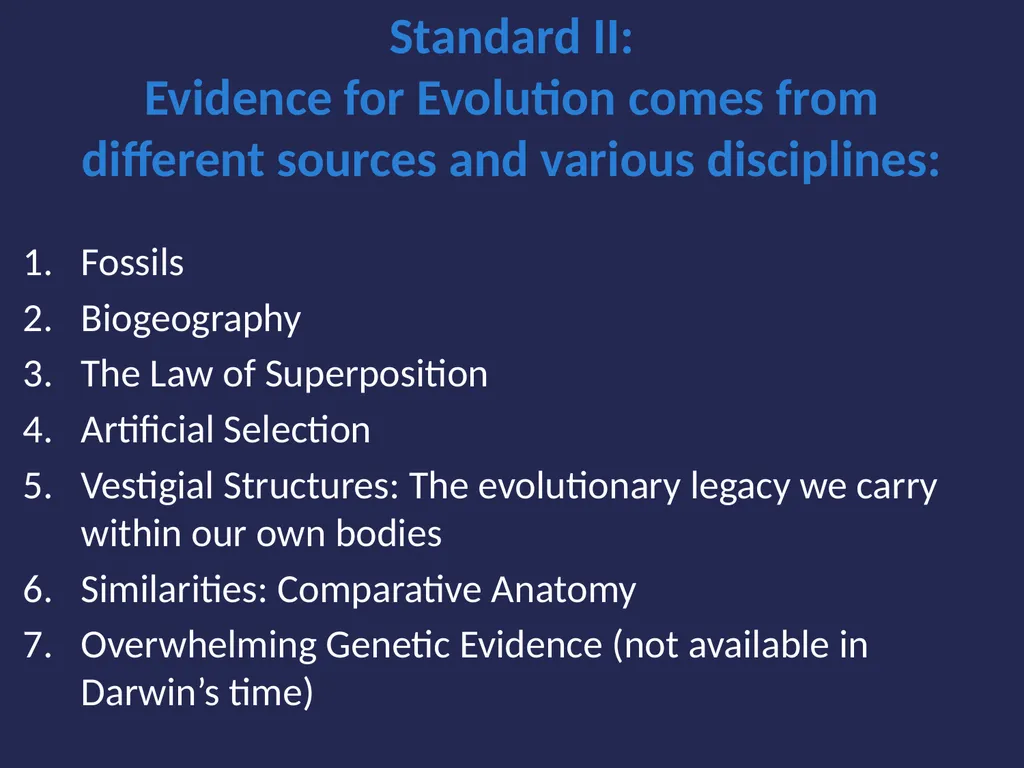
Fossils
Biogeography
The Law of Superposition
Artificial Selection
Vestigial Structures: The evolutionary legacy we carry within our own bodies
Similarities: Comparative Anatomy
Overwhelming Genetic Evidence (not available in Darwin’s time) Standard II:�Evidence for Evolution comes from different sources and various disciplines:<br>
08
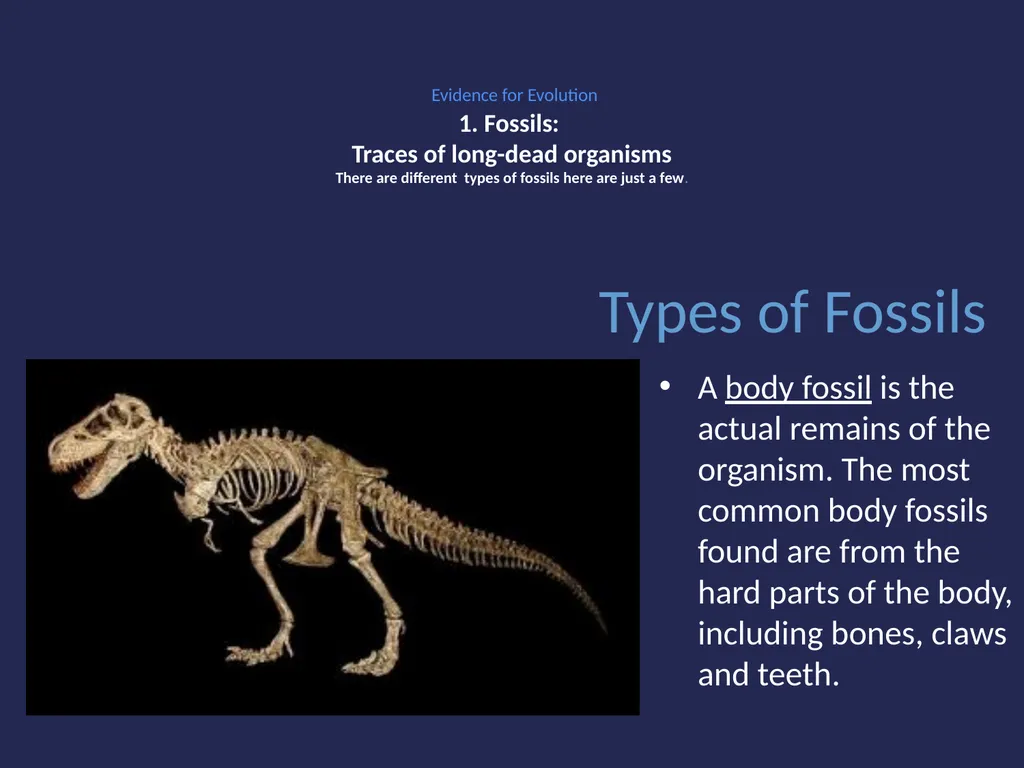
Evidence for Evolution�1. Fossils: �Traces of long-dead organisms�There are different types of fossils here are just a few. A body fossil is the actual remains of the organism. The most common body fossils found are from the hard parts of the body, including bones, claws and teeth. Types of Fossils<br>
09
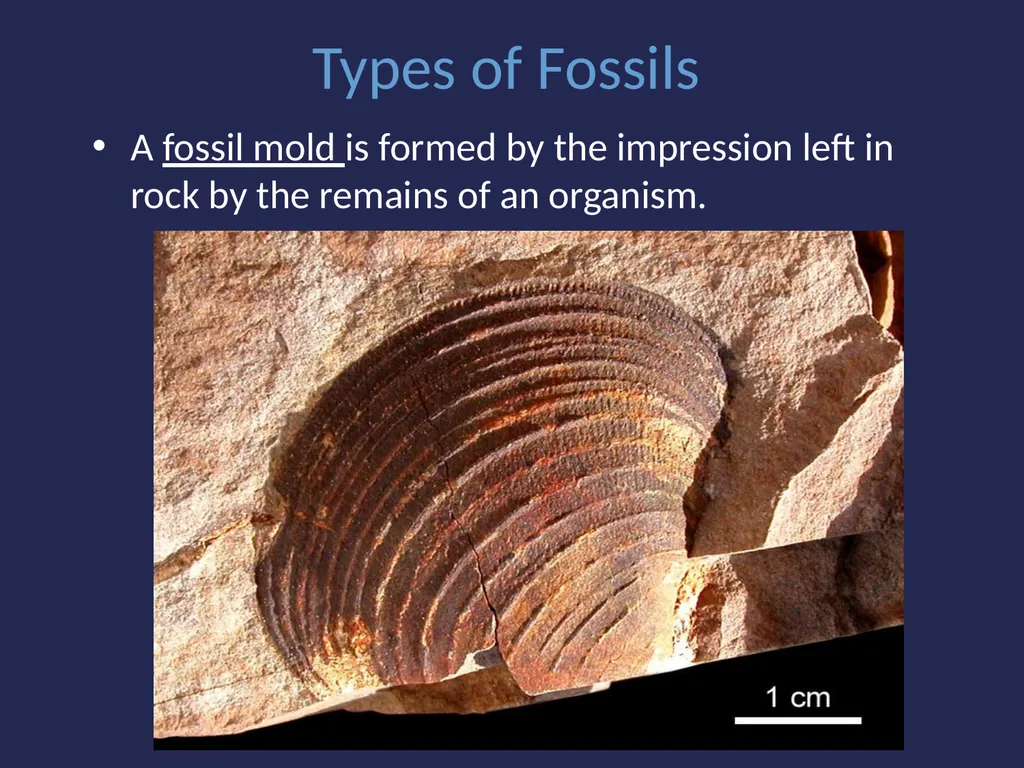
A fossil mold is formed by the impression left in rock by the remains of an organism. Types of Fossils<br>
10
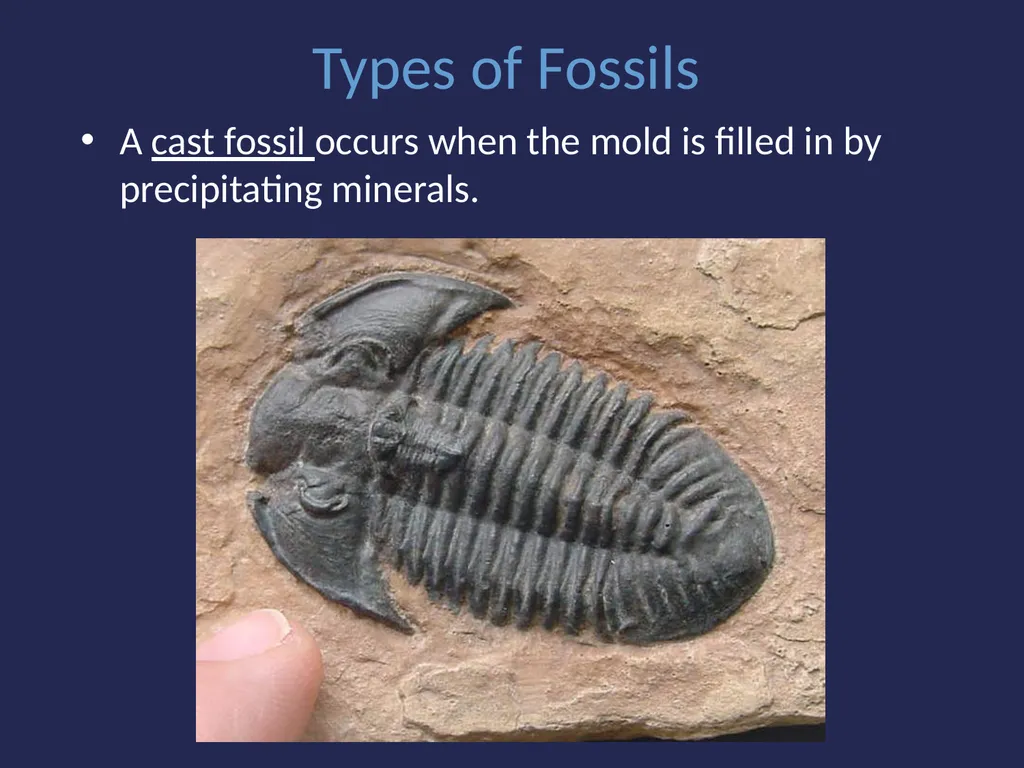
Types of Fossils A cast fossil occurs when the mold is filled in by precipitating minerals.<br>
11
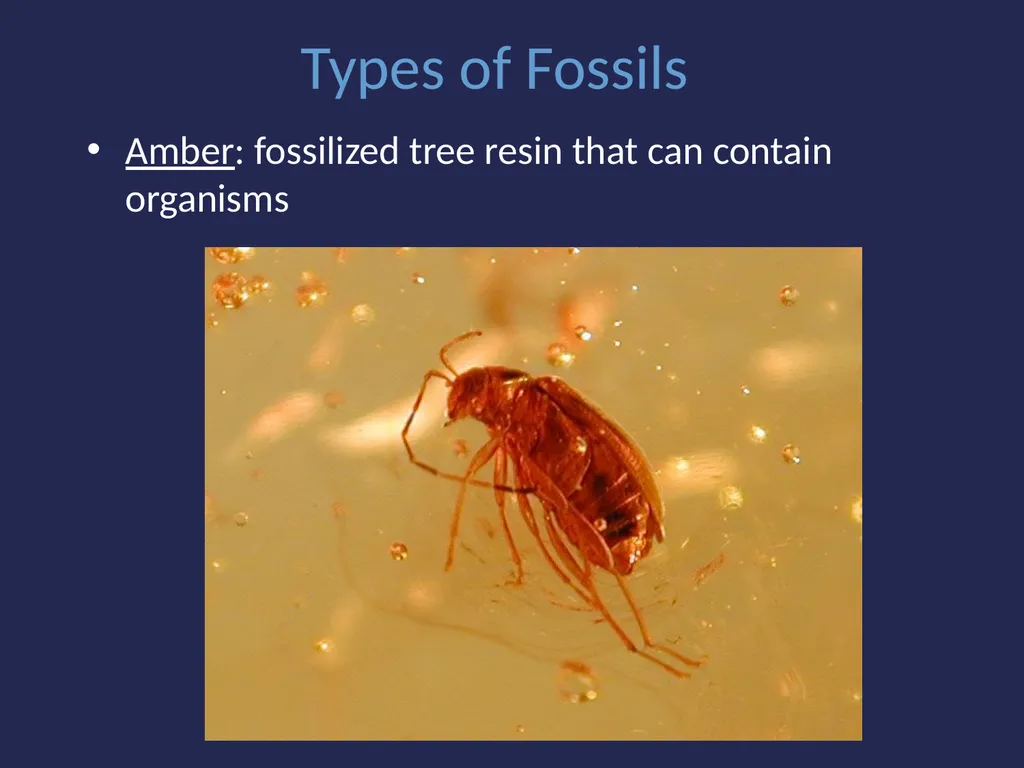
Types of Fossils Amber: fossilized tree resin that can contain organisms<br>
12
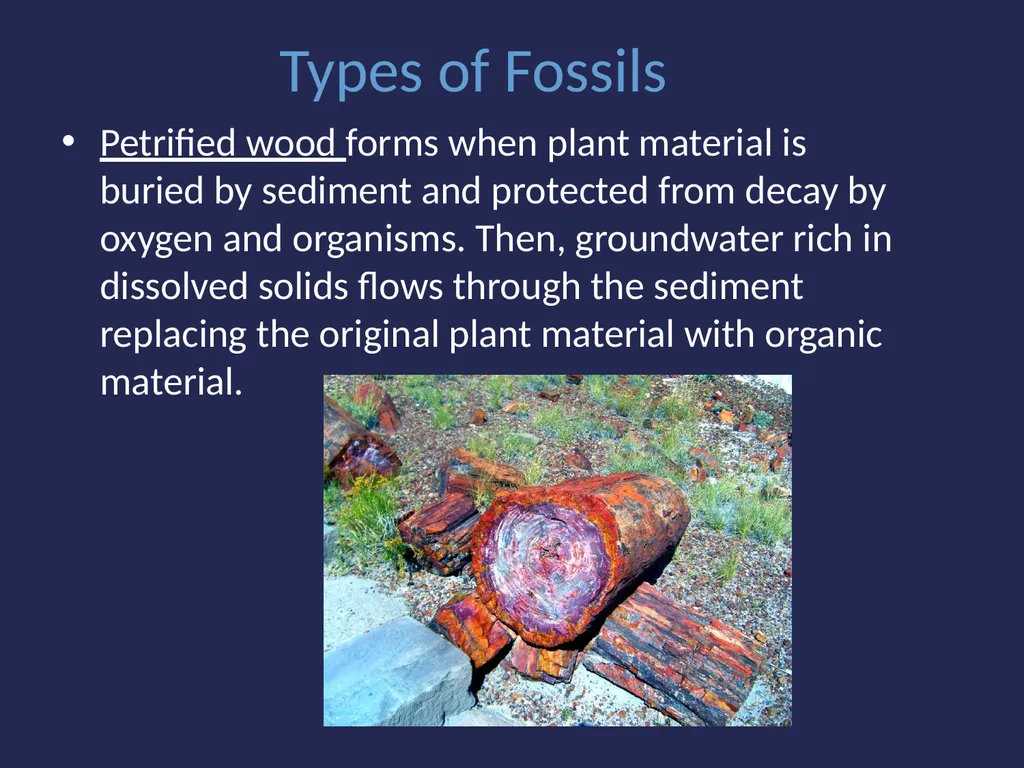
Types of Fossils Petrified wood forms when plant material is buried by sediment and protected from decay by oxygen and organisms. Then, groundwater rich in dissolved solids flows through the sediment replacing the original plant material with organic material.<br>
13
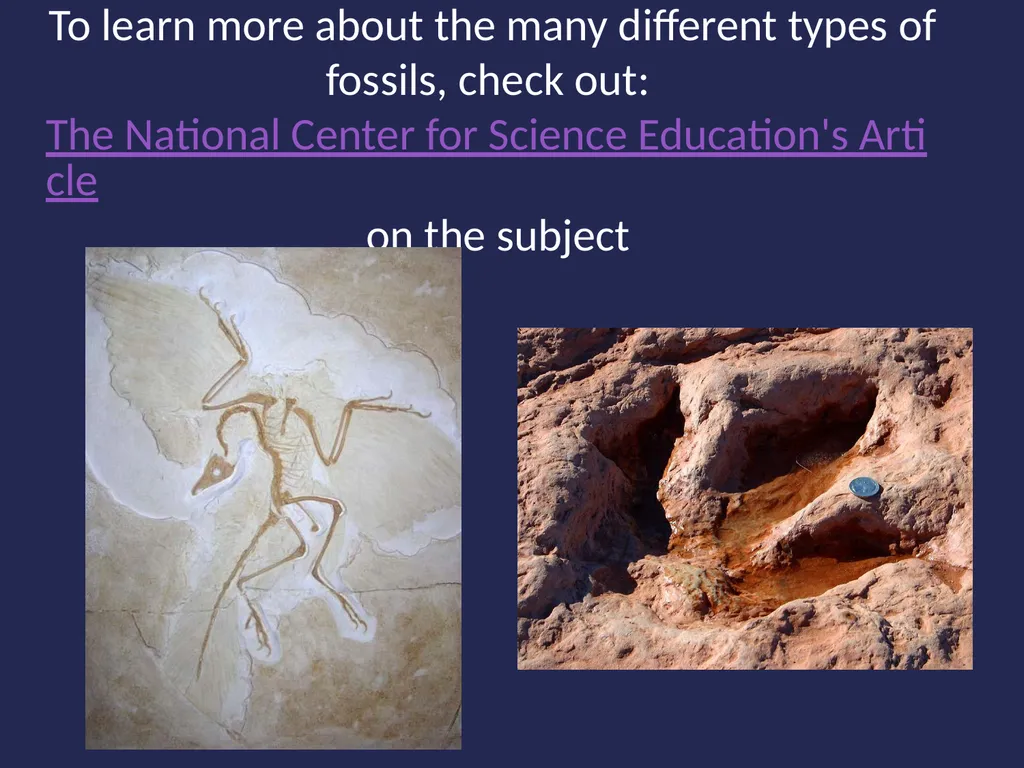
To learn more about the many different types of fossils, check out: The National Center for Science Education's Article on the subject<br>
14
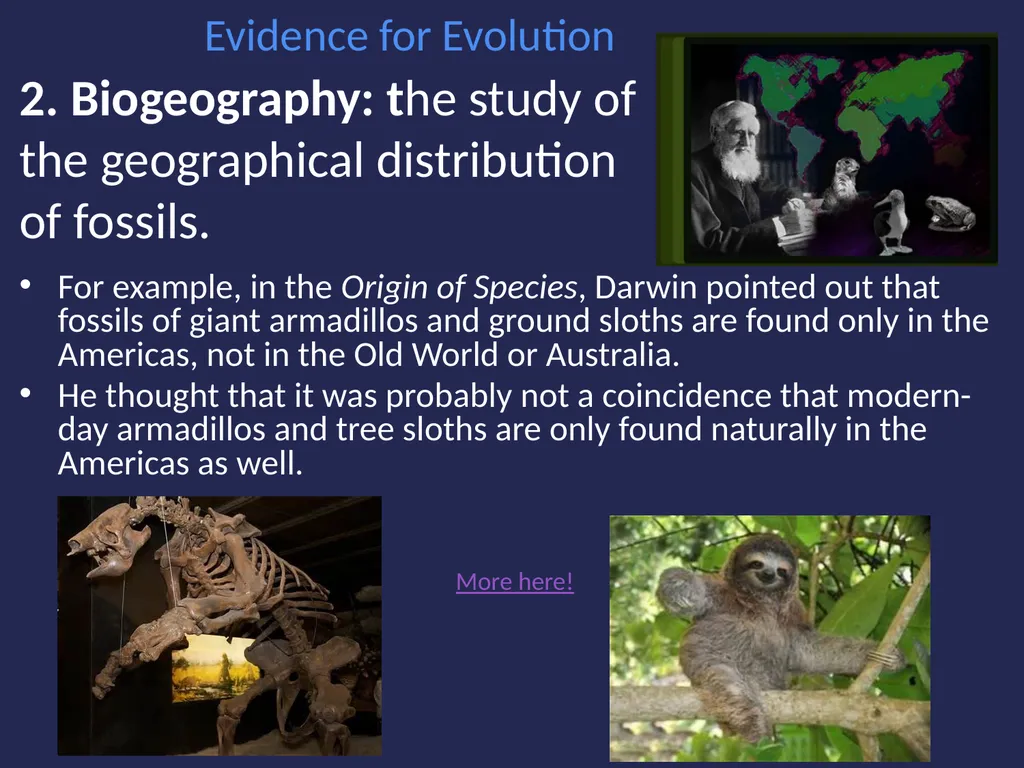
2. Biogeography: the study of the geographical distribution �of fossils. For example, in the Origin of Species, Darwin pointed out that fossils of giant armadillos and ground sloths are found only in the Americas, not in the Old World or Australia.
He thought that it was probably not a coincidence that modern-day armadillos and tree sloths are only found naturally in the Americas as well. More here! Evidence for Evolution<br>
15
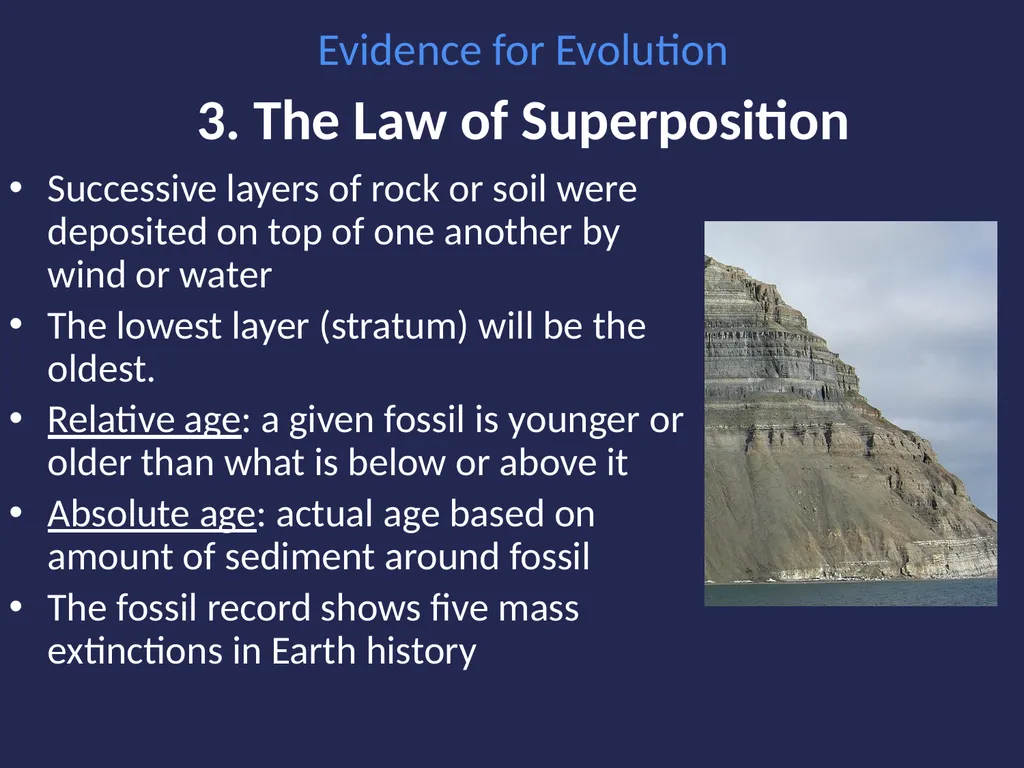
3. The Law of Superposition Successive layers of rock or soil were deposited on top of one another by wind or water
The lowest layer (stratum) will be the oldest.
Relative age: a given fossil is younger or older than what is below or above it
Absolute age: actual age based on amount of sediment around fossil
The fossil record shows five mass extinctions in Earth history Evidence for Evolution<br>
16
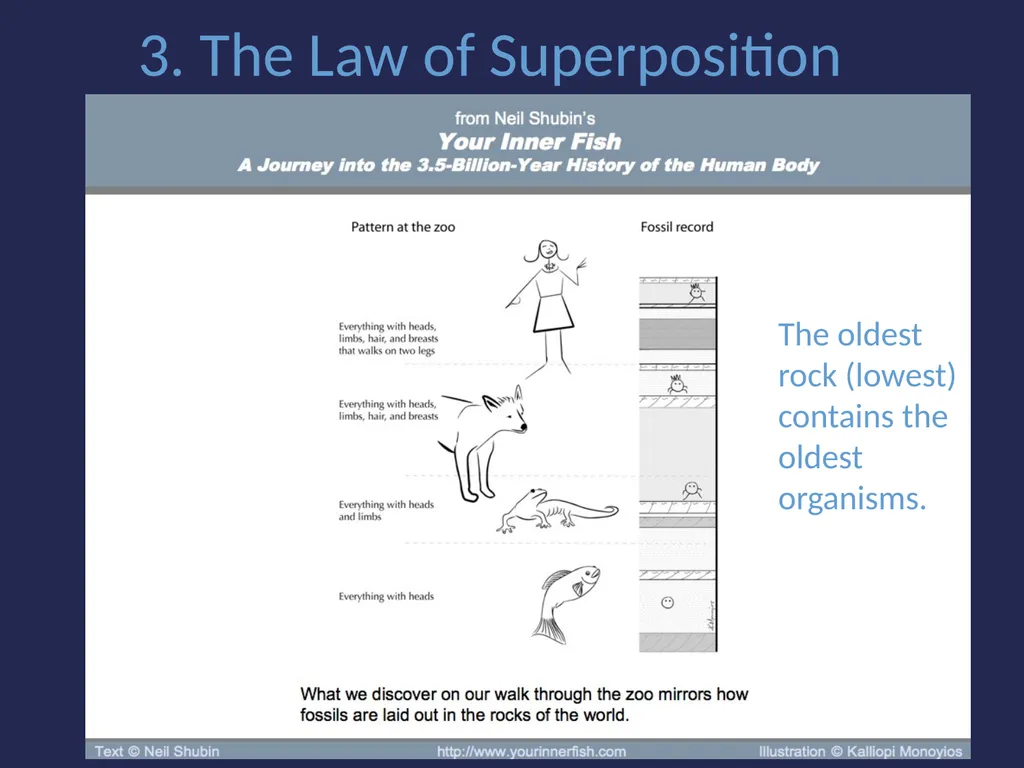
3. The Law of Superposition The oldest rock (lowest)
contains the oldest organisms.<br>
17
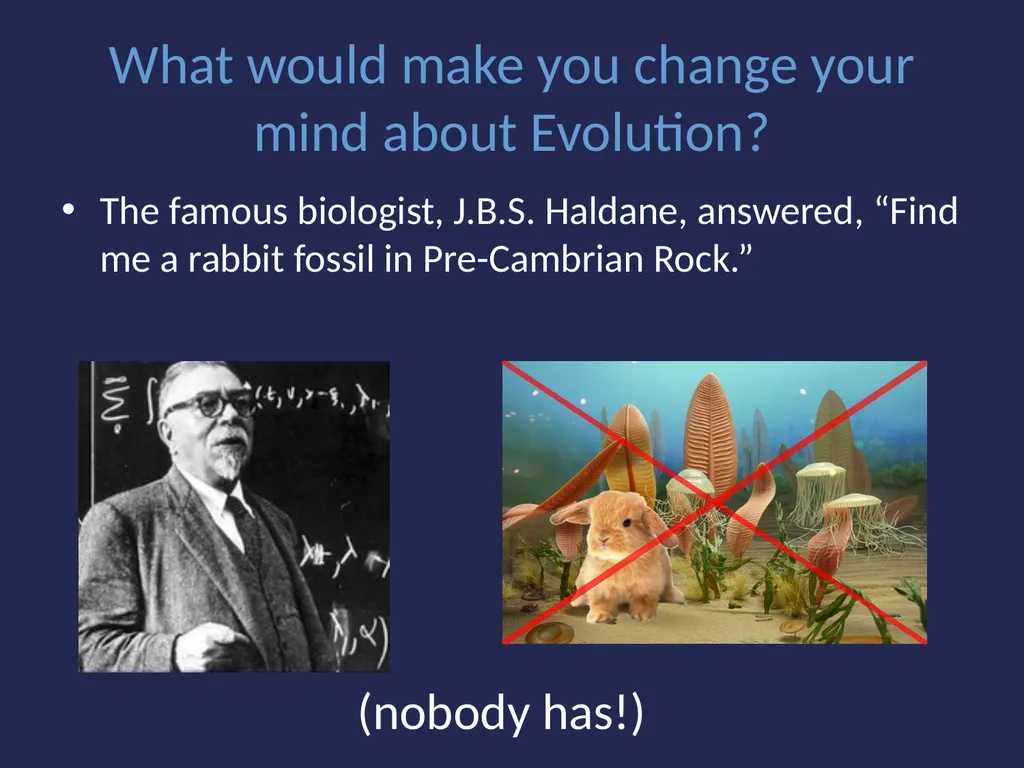
What would make you change your mind about Evolution? The famous biologist, J.B.S. Haldane, answered, “Find me a rabbit fossil in Pre-Cambrian Rock.” (nobody has!)<br>
18
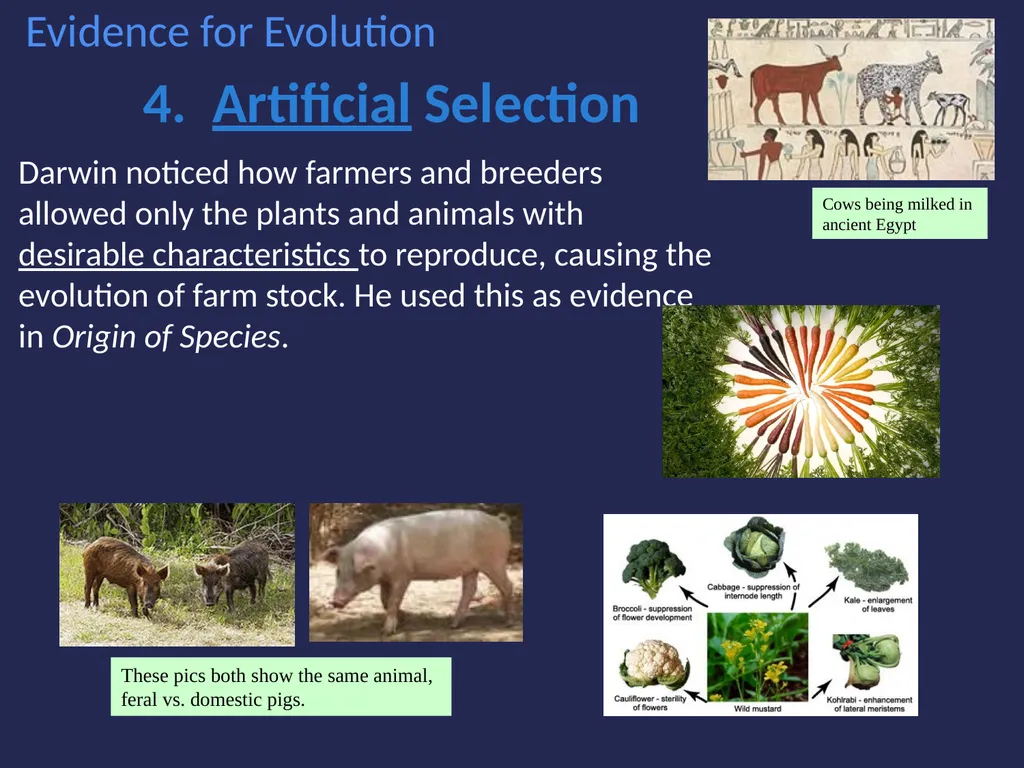
Darwin noticed how farmers and breeders allowed only the plants and animals with desirable characteristics to reproduce, causing the evolution of farm stock. He used this as evidence in Origin of Species. These pics both show the same animal,
feral vs. domestic pigs. Cows being milked in
ancient Egypt 4. Artificial Selection Evidence for Evolution<br>
19
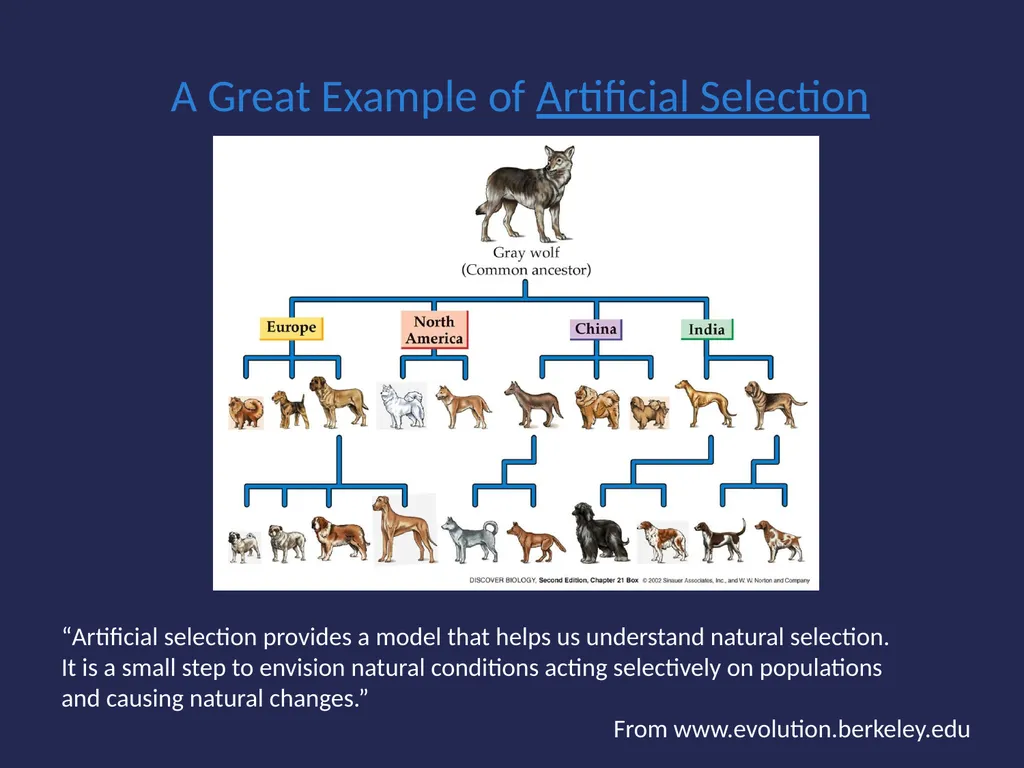
A Great Example of Artificial Selection “Artificial selection provides a model that helps us understand natural selection.
It is a small step to envision natural conditions acting selectively on populations
and causing natural changes.”
From www.evolution.berkeley.edu<br>
20
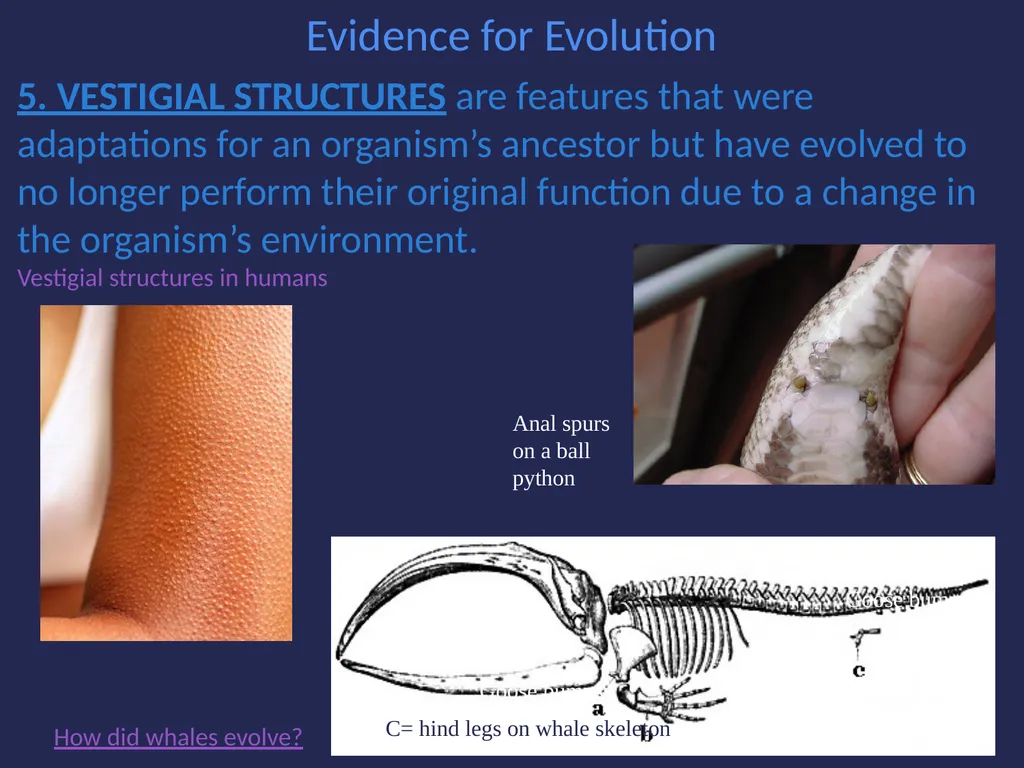
5. VESTIGIAL STRUCTURES are features that were adaptations for an organism’s ancestor but have evolved to no longer perform their original function due to a change in the organism’s environment.
Vestigial structures in humans Anal spurs on a ball python C= hind legs on whale skeleton Goose bumps Goose bumps How did whales evolve? Evidence for Evolution<br>
21
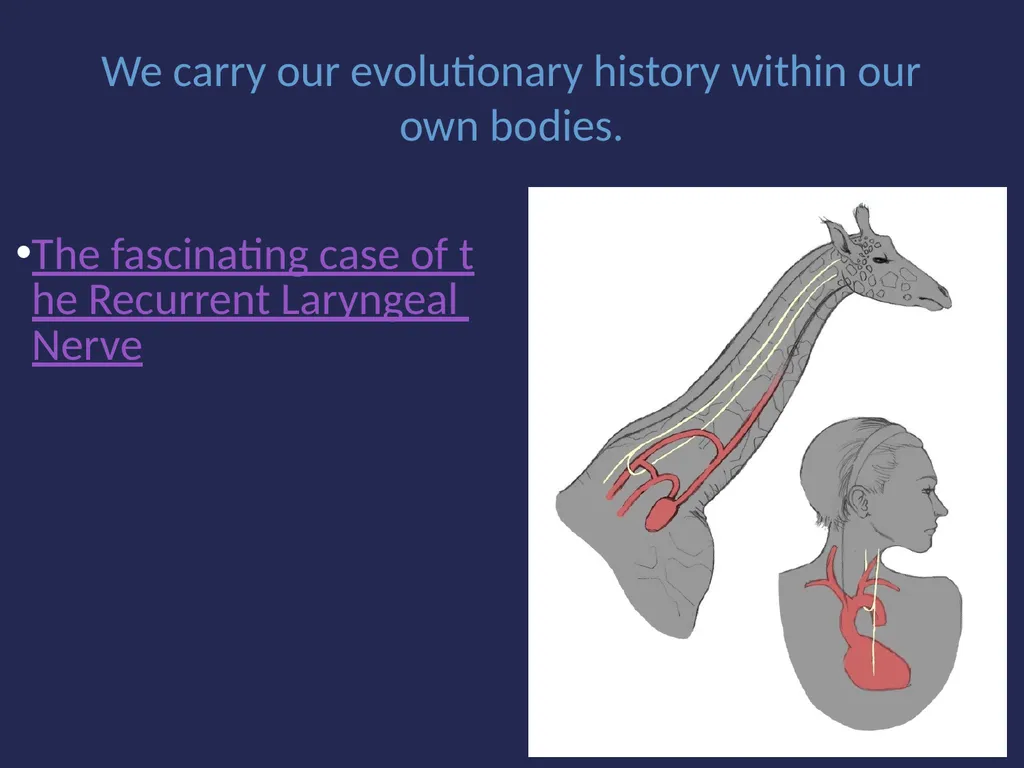
We carry our evolutionary history within our own bodies. The fascinating case of the Recurrent Laryngeal Nerve<br>
22
6. Similarities among related organisms: Comparative Anatomy: The study of Homologous structures (ex. forearms) features in different species that are similar because those species share a common ancestor. Evidence for Evolution<br>
23
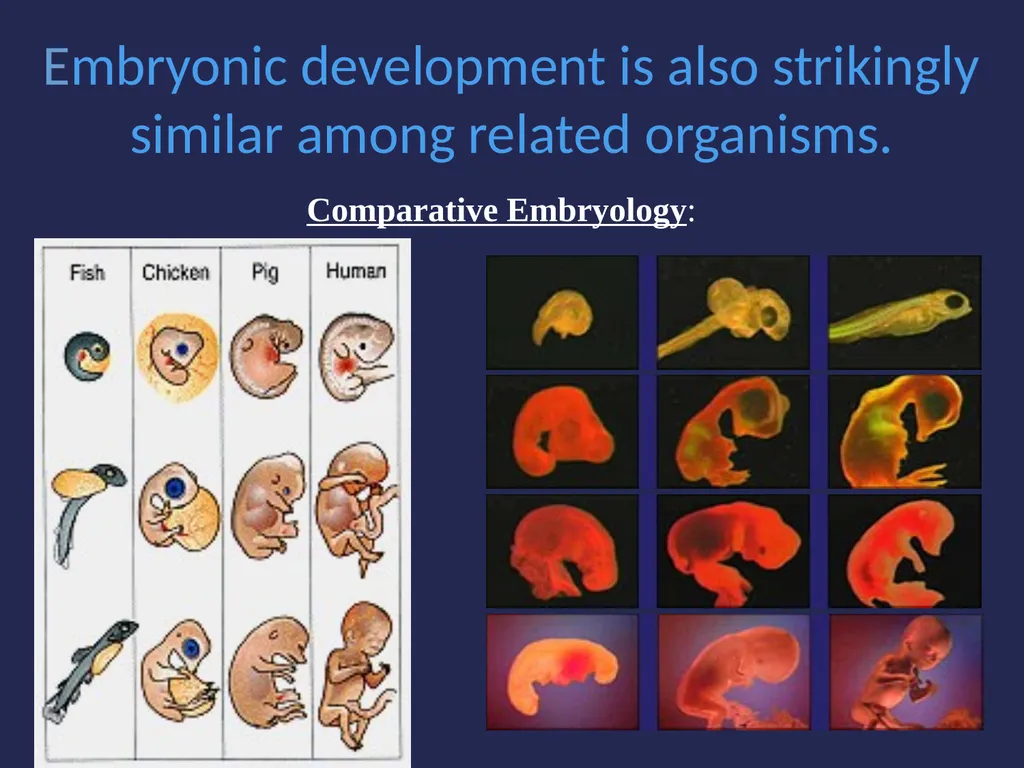
Embryonic development is also strikingly similar among related organisms. Comparative Embryology:<br>
24
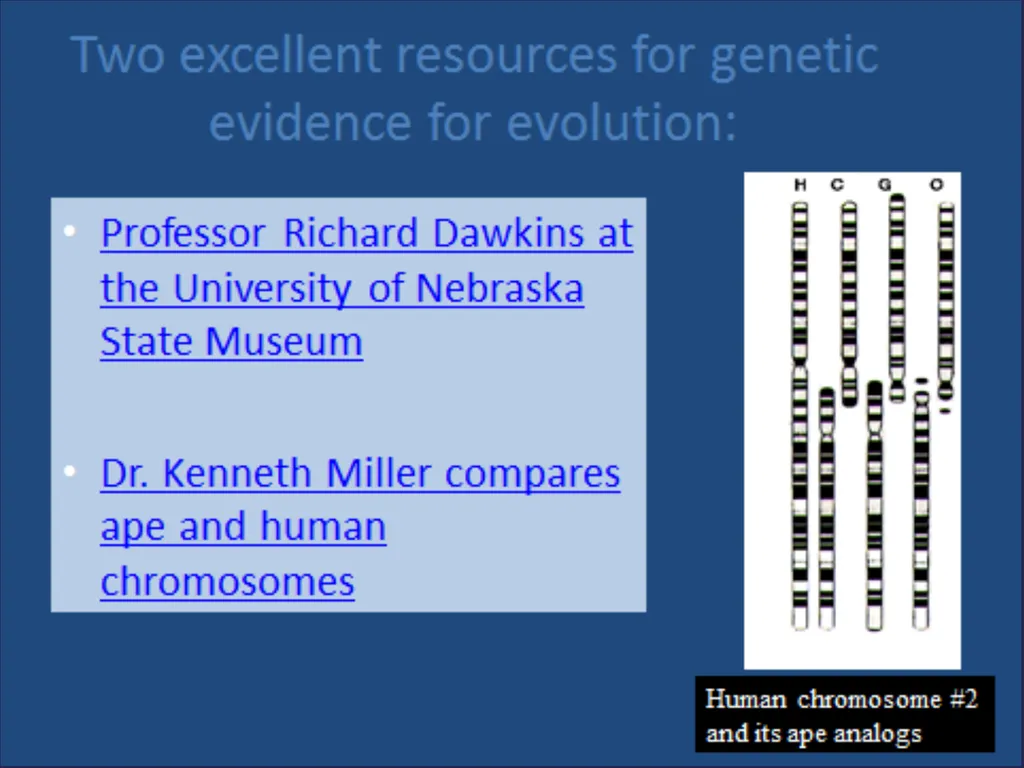
Molecular Biology: is the strongest evidence for evolution. Not even known in Darwin’s time, it involves comparing the DNA of different species to determine their relatedness.
Just like our forelimbs or embryos are similar, so are our genes!
Genes are also homologous structures. 7. The latest overwhelming evidence for evolution comes from molecular biology<br>
25
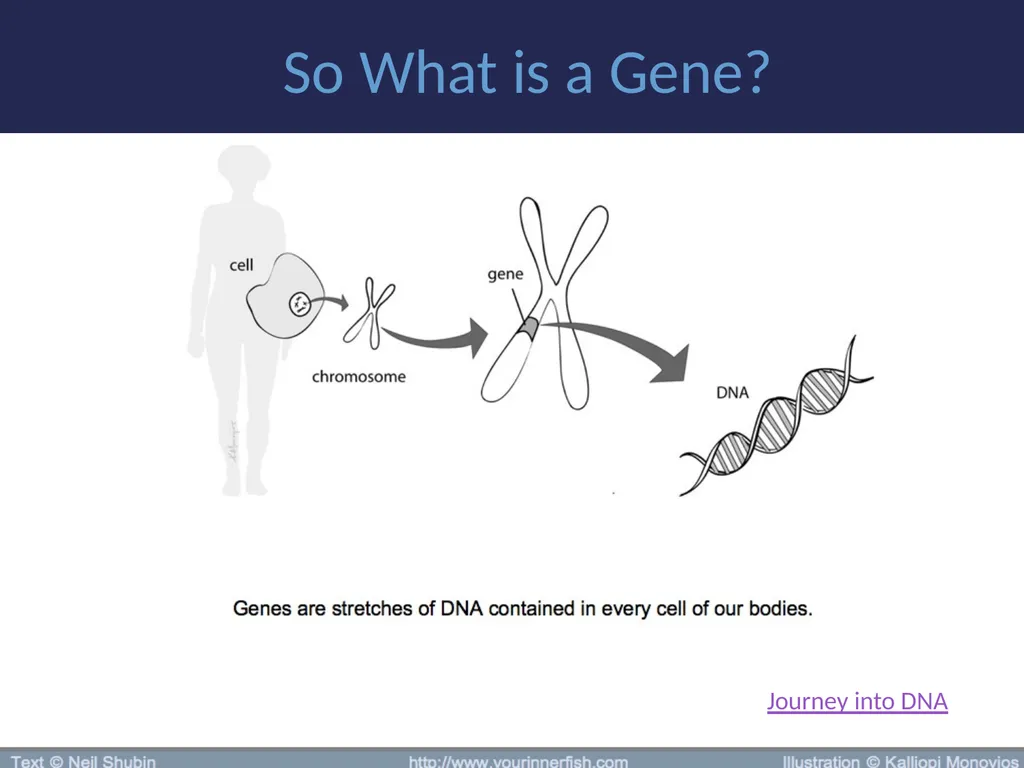
So What is a Gene? Journey into DNA<br>
26
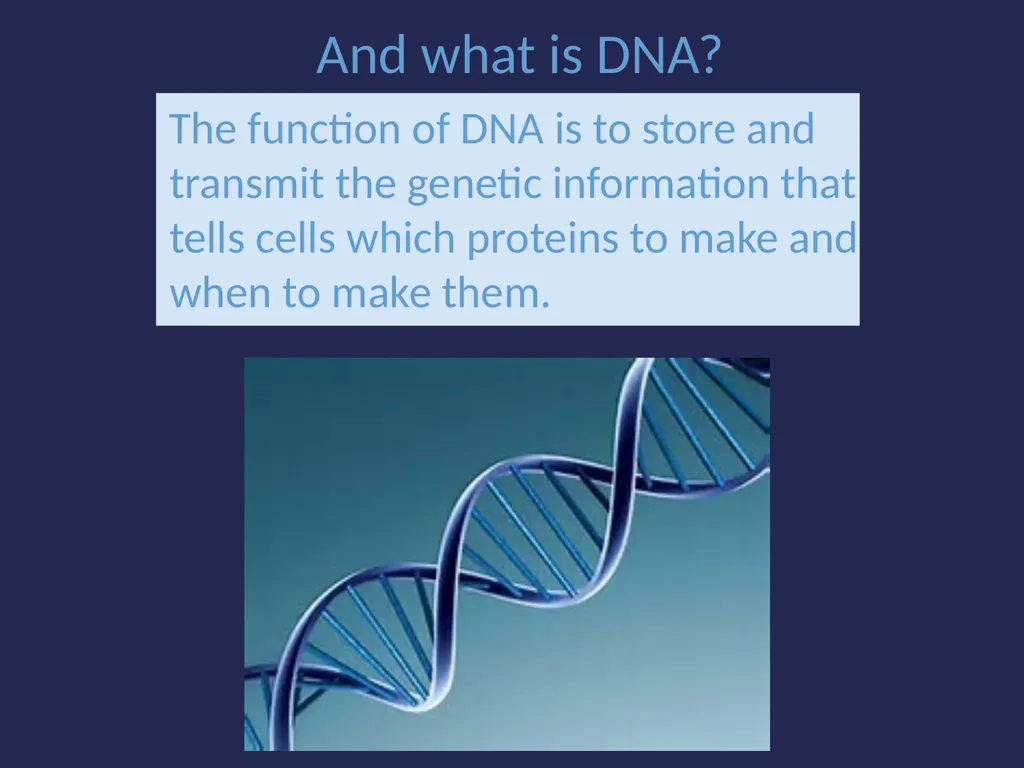
And what is DNA? The function of DNA is to store and transmit the genetic information that tells cells which proteins to make and when to make them.<br>
27
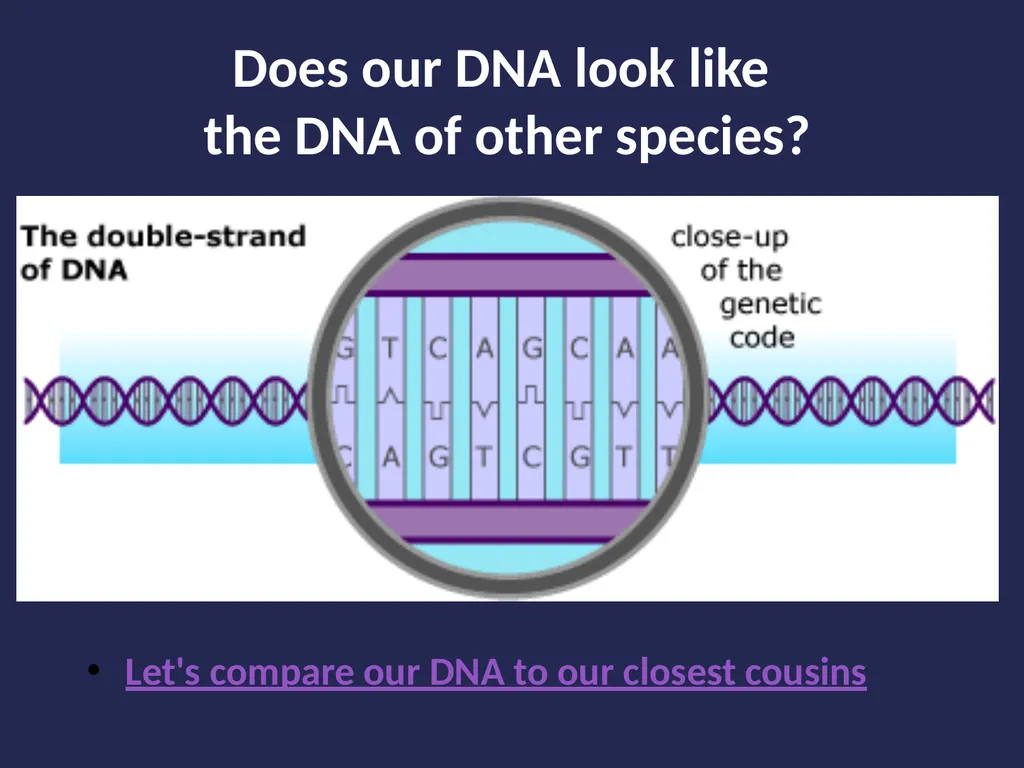
Does our DNA look like �the DNA of other species? Let's compare our DNA to our closest cousins<br>
28
Hox Genes are similar in all animals Hox genes in flies and people. The head-to-tail organization of the body is under the control of
different Hox genes. Flies have one set of eight hox genes, each represented as a little box in
The diagram. Humans have four sets of these gens. In flies and people, the activity of a gene
matches its position on the DNA: genes active in the head lie at one end, those in the tail at
another, with genes affecting the middle of the body lying in between.<br>
29
Standard III:
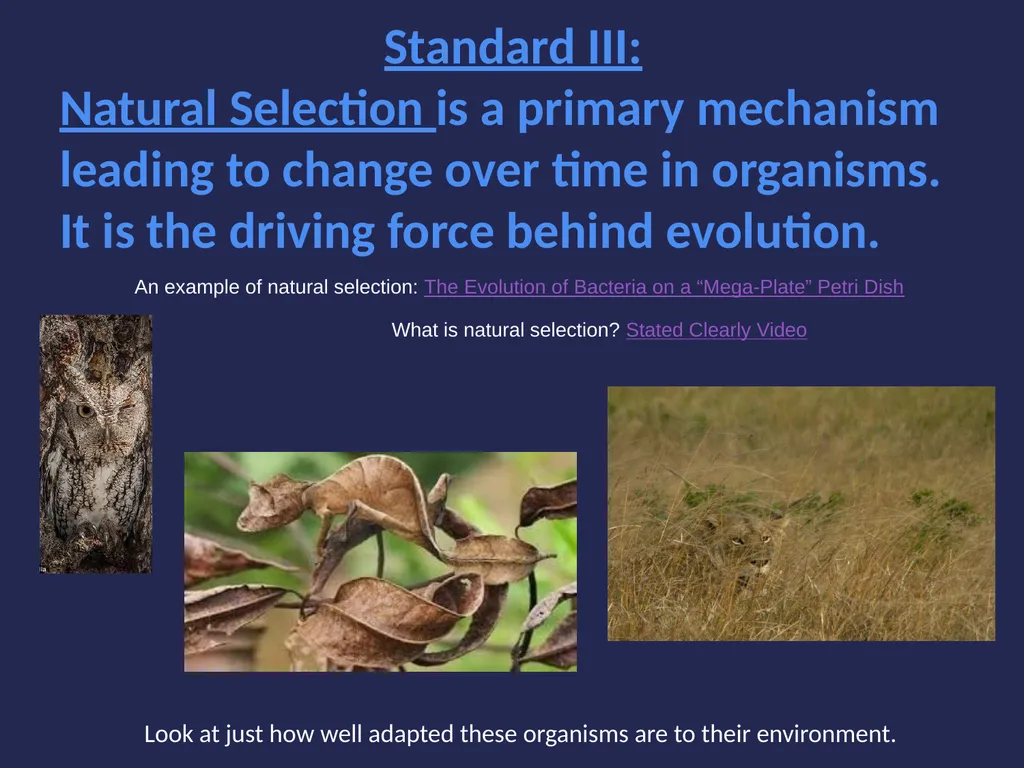
Natural Selection is a primary mechanism leading to change over time in organisms. �It is the driving force behind evolution. Look at just how well adapted these organisms are to their environment. An example of natural selection: The Evolution of Bacteria on a “Mega-Plate” Petri Dish What is natural selection? Stated Clearly Video<br>
30
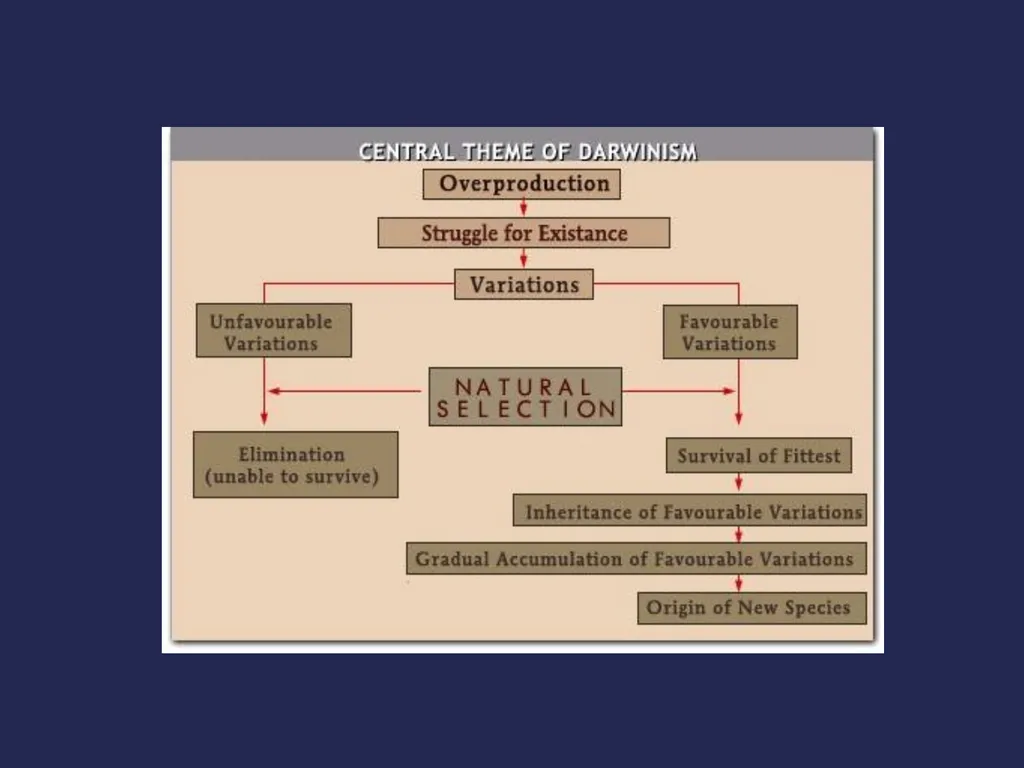
For Natural Selection to occur, 4 conditions must be met: Traits in a population of organisms exhibit variation.
In any given population, not all individuals survive to reproduce.
Survival is NOT random. Survivors must have an advantage over those that don’t survive. A favorable trait gives the organisms an adaptive advantage.
The survivor’s advantageous traits MUST be heritable. High fitness means an organism’s ability to reproduce successfully.
See flowchart on next slide…..<br>
31
Some important vocabulary: Population: A group of organisms all of the same species living in the same area.
Genotype: The actual set of genes (strips of DNA in the chromosomes) that an organism has inherited.
Phenotype: The outward, physical expression of those genes.
Mutation: A permanent change in the DNA of an organism. If it is passed on to the organism’s offspring, it may be harmful, harmless, or helpful for the offspring.<br>
32
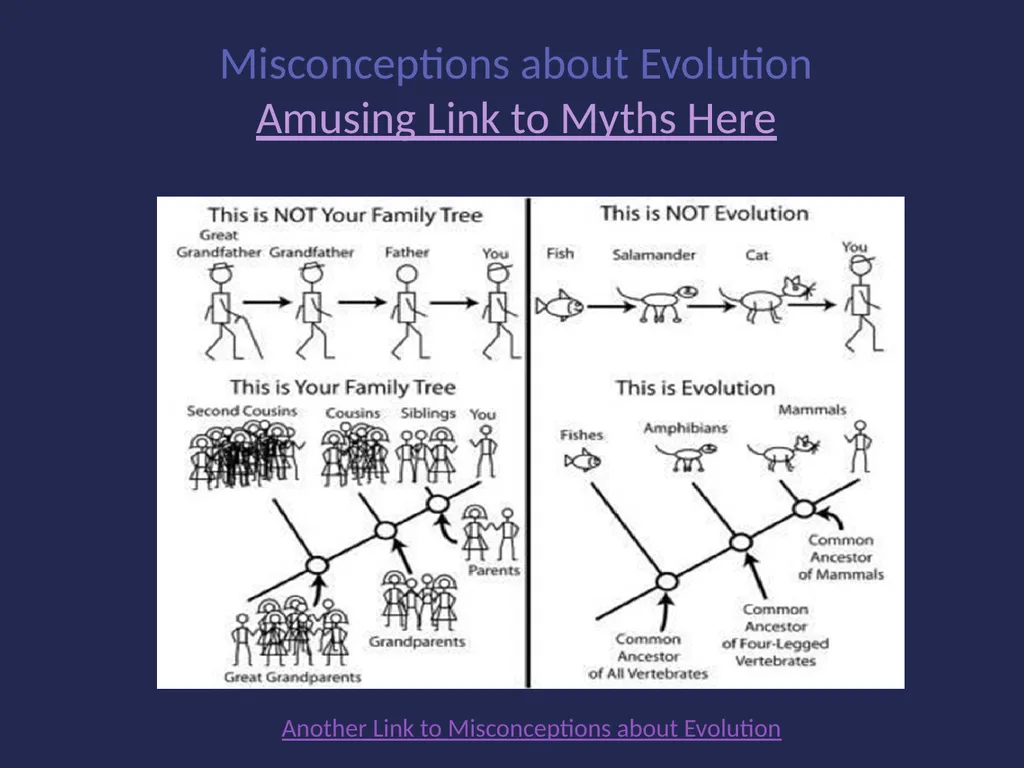
Misconceptions about Evolution
Amusing Link to Myths Here Another Link to Misconceptions about Evolution<br>
33
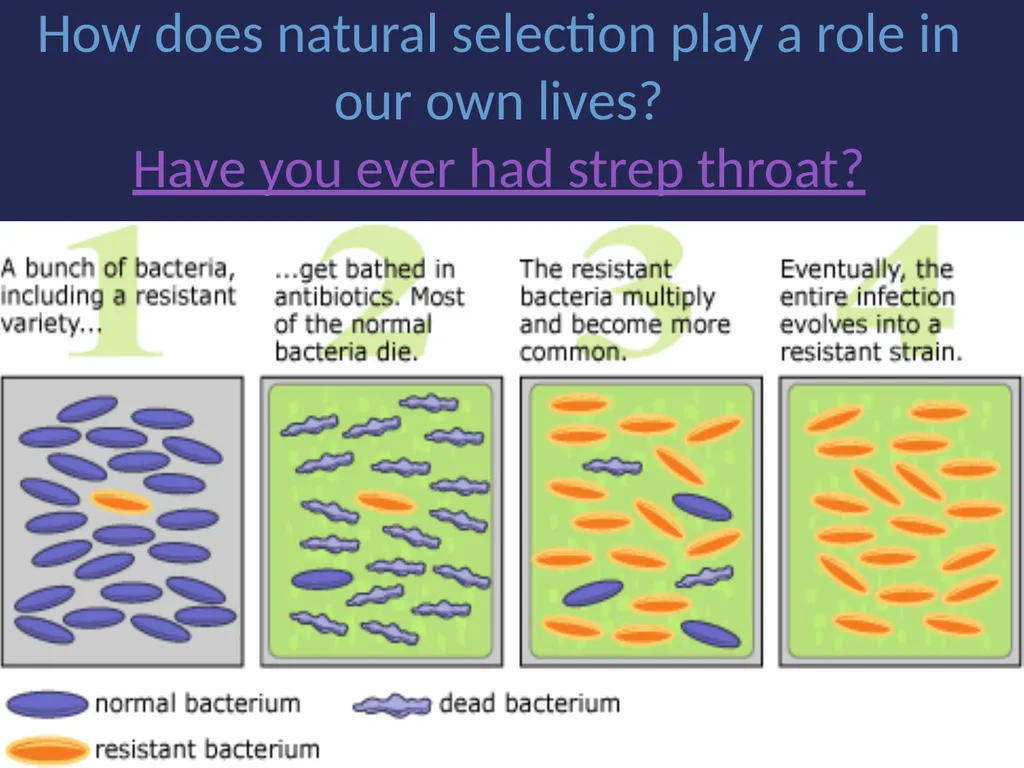
How does natural selection play a role in our own lives?�Have you ever had strep throat?<br>
34
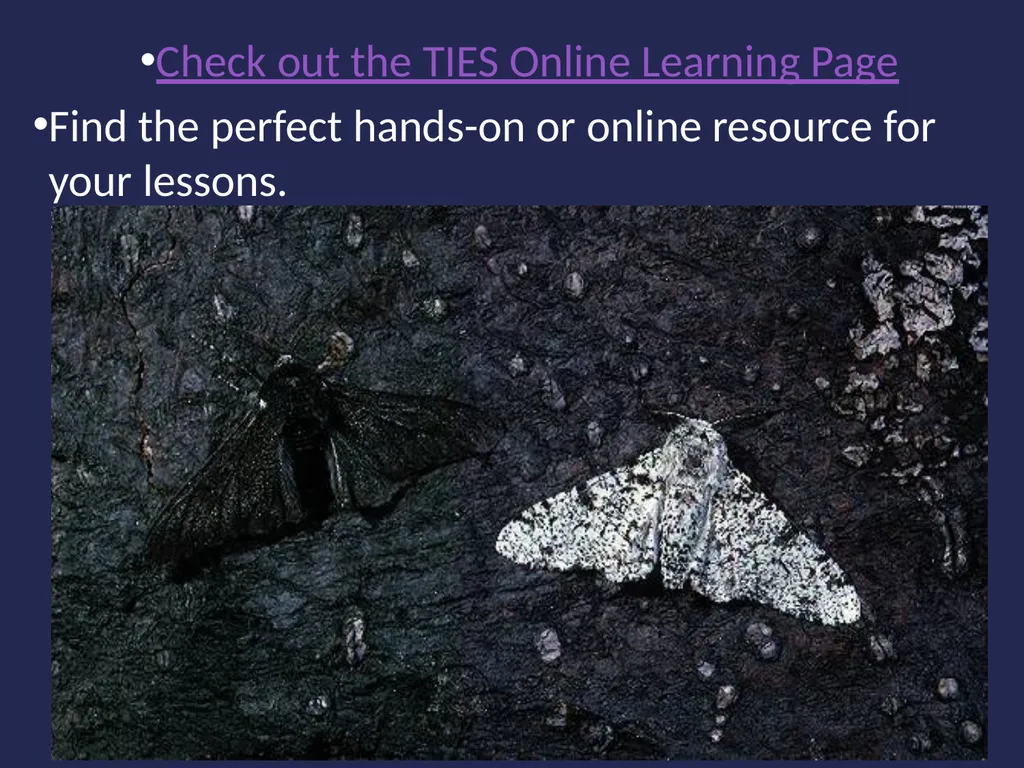
Check out the TIES Online Learning Page
Find the perfect hands-on or online resource for your lessons.<br>