Frames for Learning Applying Psychology and
Description: Frames for Learning Applying Psychology and Cognitive Science in the classroom Diarmuid Verrier Andy Bullough a.c.bulloughshu.ac.uk Outline 13:15 About Us 13:20 Our Project F4L 13:25 Cognitive Load Theory managing learning and
Related Topics
Download Presentation
"Frames for Learning Applying Psychology and" is the property of its rightful owner. Permission is granted to download and print the materials on this website for personal, non-commercial use only, and to display it on your personal computer provided you do not modify the materials and that you retain all copyright notices contained in the materials. By downloading content from our website, you accept the terms of this agreement.
Presentation Transcript
slide1. Frames for Learning Applying Psychology and Cognitive Science in the classroom Diarmuid Verrier
Andy Bullough
a.c.bullough@shu.ac.uk<br>
slide2. Outline 13:15 – About Us
13:20 – Our Project F4L
13:25 – Cognitive Load Theory – managing learning
and Cognitive Science
13:30 – F4L Activity – The Frame
13:45 – Cognitive load and Formative Assessment
13:50 – What Next plus discussion point
14:00 – Close<br>
slide3. Context of F4L An EEF pilot project
20 Primary schools South Yorkshire and neighbouring regions 2023/24
Evaluation partner the University of Warwick
EEF published report due Spring 25<br>
slide4. F4L aims for participants Understand the cognitive science theory that underlies learning.
Apply it within the science curriculum via a structured and scaffolded approach for learners (the “frame”)
Initially using exemplified lessons
Use a ‘cognitive load’ evaluation tool to check whether pupils require more scaffolding support or less to stay ‘on task’ and learn effectively
Develop science lessons which integrate cognitive science principles and embed the F4L approach.<br>
slide5. Working Memory Working Memory is the capacity of our mind to process information
keep it online (to the forefront of our consciousness) and manipulate it
This capacity is limited and is depleted by stimuli that exert cognitive load<br>
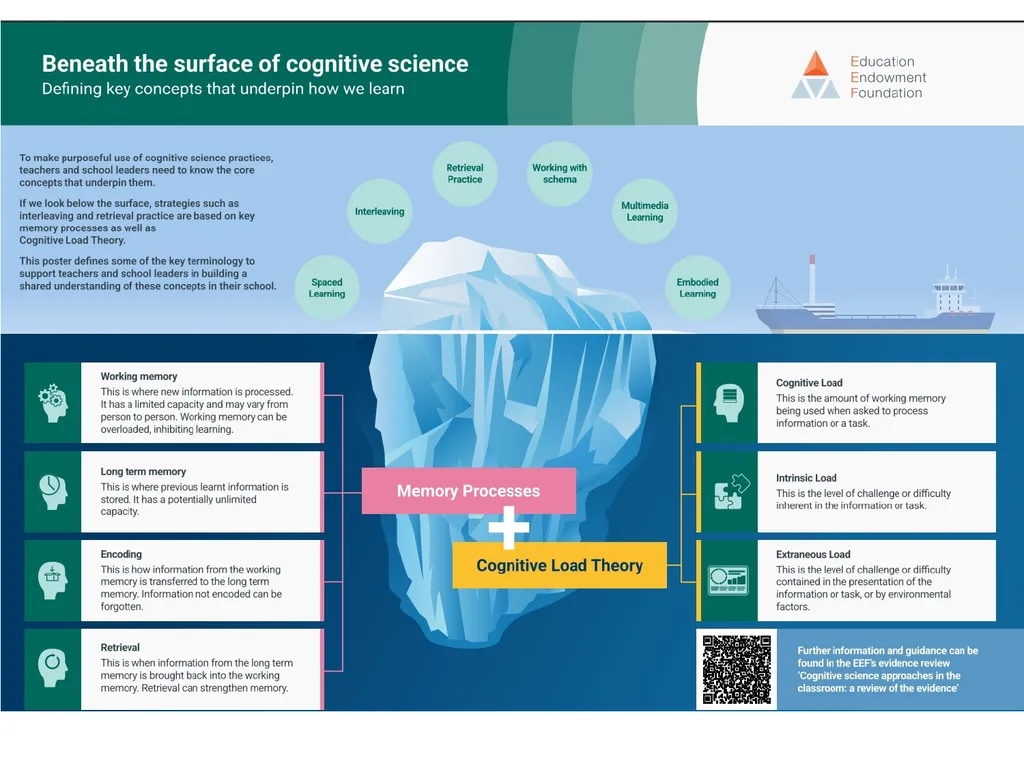
slide6. Cognitive Science Teaching and Learning Beneath the surface of cognitive science
An EEF resource that briefly maps out key concepts<br>
slide7. Cognitive Science Teaching and Learning EEF Beneath the surface<br>
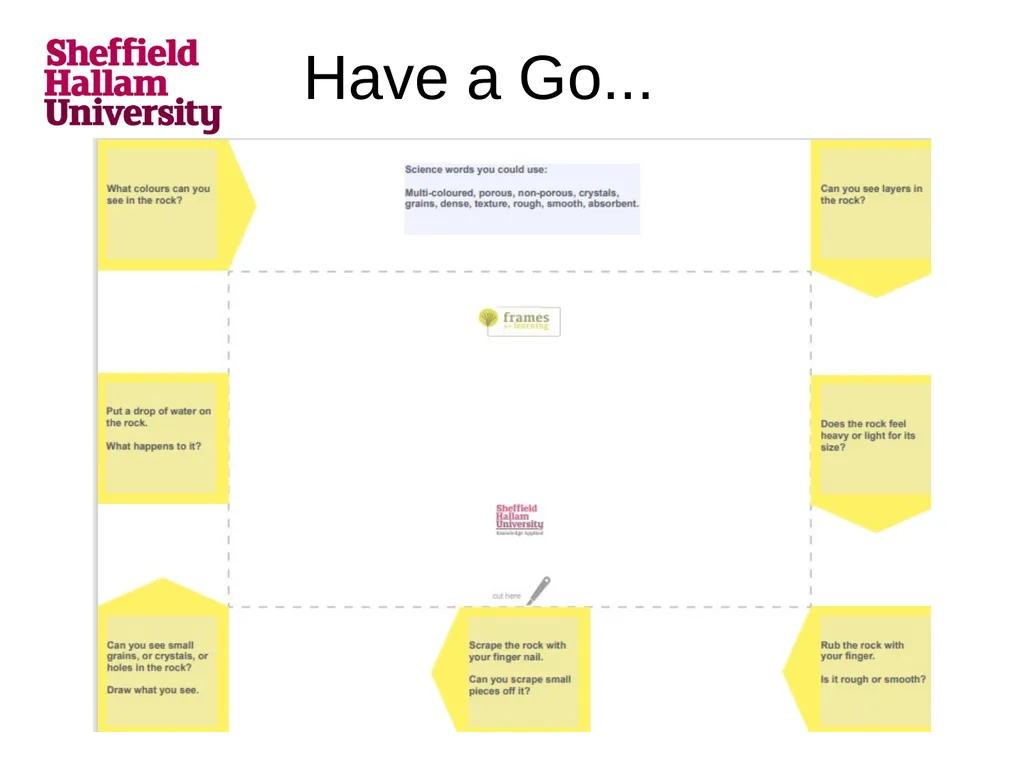
slide9. Have a Go...<br>
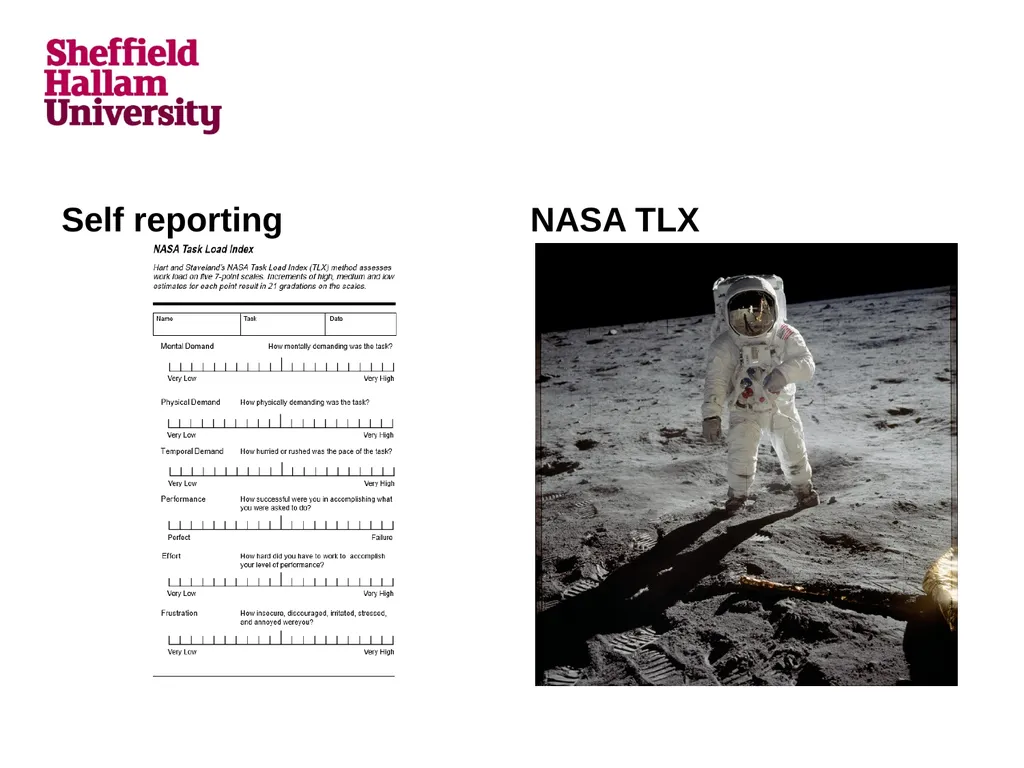
slide10. Self reporting NASA TLX<br>
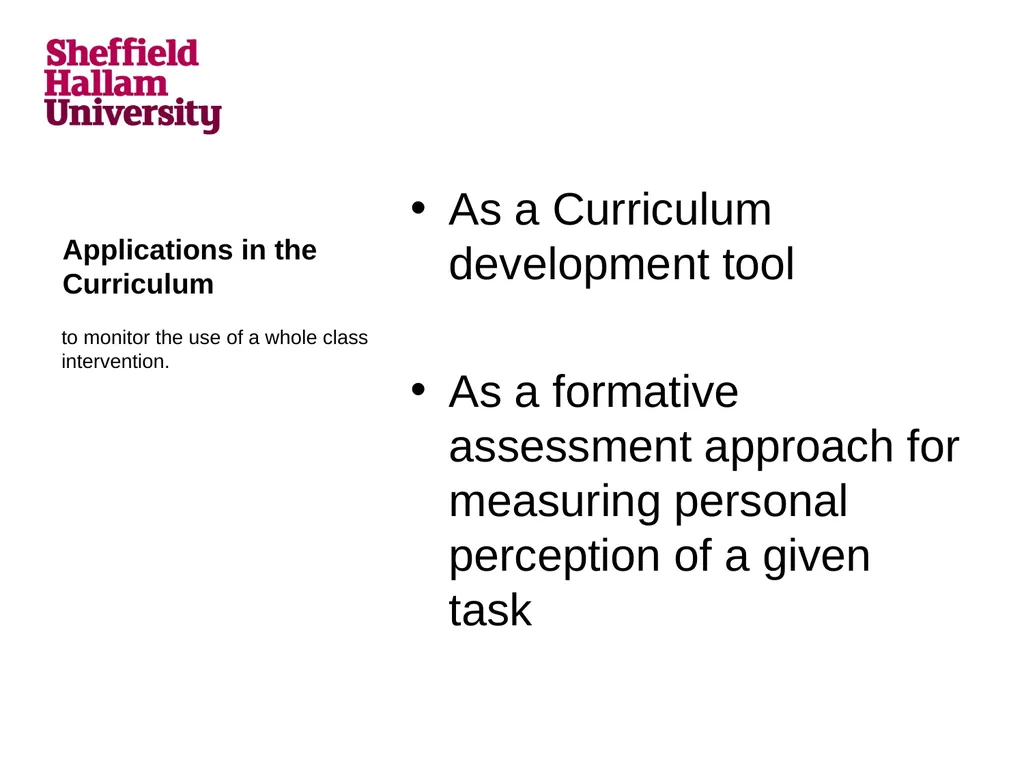
slide11. Applications in the Curriculum As a Curriculum development tool
As a formative assessment approach for measuring personal perception of a given task to monitor the use of a whole class intervention.<br>
slide12. Other Aspects Schema development
Focus
Attention<br>
slide13. What Next EEF report published
Potential EEF efficacy trial recruiting schools later in 2025 for 2026
F4L community
you can contact me at
a.c.bullough@shu.ac.uk<br>
Andy Bullough
a.c.bullough@shu.ac.uk<br>
slide2. Outline 13:15 – About Us
13:20 – Our Project F4L
13:25 – Cognitive Load Theory – managing learning
and Cognitive Science
13:30 – F4L Activity – The Frame
13:45 – Cognitive load and Formative Assessment
13:50 – What Next plus discussion point
14:00 – Close<br>
slide3. Context of F4L An EEF pilot project
20 Primary schools South Yorkshire and neighbouring regions 2023/24
Evaluation partner the University of Warwick
EEF published report due Spring 25<br>
slide4. F4L aims for participants Understand the cognitive science theory that underlies learning.
Apply it within the science curriculum via a structured and scaffolded approach for learners (the “frame”)
Initially using exemplified lessons
Use a ‘cognitive load’ evaluation tool to check whether pupils require more scaffolding support or less to stay ‘on task’ and learn effectively
Develop science lessons which integrate cognitive science principles and embed the F4L approach.<br>
slide5. Working Memory Working Memory is the capacity of our mind to process information
keep it online (to the forefront of our consciousness) and manipulate it
This capacity is limited and is depleted by stimuli that exert cognitive load<br>
slide6. Cognitive Science Teaching and Learning Beneath the surface of cognitive science
An EEF resource that briefly maps out key concepts<br>
slide7. Cognitive Science Teaching and Learning EEF Beneath the surface<br>
slide9. Have a Go...<br>
slide10. Self reporting NASA TLX<br>
slide11. Applications in the Curriculum As a Curriculum development tool
As a formative assessment approach for measuring personal perception of a given task to monitor the use of a whole class intervention.<br>
slide12. Other Aspects Schema development
Focus
Attention<br>
slide13. What Next EEF report published
Potential EEF efficacy trial recruiting schools later in 2025 for 2026
F4L community
you can contact me at
a.c.bullough@shu.ac.uk<br>