
Generative and Discriminative Voxel Modeling

Published  . 0 views
↓ Download
Generative and Discriminative Voxel Modeling
1 / 1
Generative and Discriminative Voxel Modeling - slide 1 of 25 Generative and Discriminative Voxel Modeling - slide 2 of 25 Generative and Discriminative Voxel Modeling - slide 3 of 25 Generative and Discriminative Voxel Modeling - slide 4 of 25 Generative and Discriminative Voxel Modeling - slide 5 of 25 Generative and Discriminative Voxel Modeling - slide 6 of 25 Generative and Discriminative Voxel Modeling - slide 7 of 25 Generative and Discriminative Voxel Modeling - slide 8 of 25 Generative and Discriminative Voxel Modeling - slide 9 of 25 Generative and Discriminative Voxel Modeling - slide 10 of 25 Generative and Discriminative Voxel Modeling - slide 11 of 25 Generative and Discriminative Voxel Modeling - slide 12 of 25 Generative and Discriminative Voxel Modeling - slide 13 of 25 Generative and Discriminative Voxel Modeling - slide 14 of 25 Generative and Discriminative Voxel Modeling - slide 15 of 25 Generative and Discriminative Voxel Modeling - slide 16 of 25 Generative and Discriminative Voxel Modeling - slide 17 of 25 Generative and Discriminative Voxel Modeling - slide 18 of 25 Generative and Discriminative Voxel Modeling - slide 19 of 25 Generative and Discriminative Voxel Modeling - slide 20 of 25 Generative and Discriminative Voxel Modeling - slide 21 of 25 Generative and Discriminative Voxel Modeling - slide 22 of 25 Generative and Discriminative Voxel Modeling - slide 23 of 25 Generative and Discriminative Voxel Modeling - slide 24 of 25 Generative and Discriminative Voxel Modeling - slide 25 of 25


Description: Generative and Discriminative Voxel Modeling Andrew Brock Introduction Choice of representation is key! Background: VoxNet Maturana et al. 2015 Background: VAEs Background: VAEs VAE Architecture Reconstruction Objective Standard Binary

Related Topics

Download Presentation

"Generative and Discriminative Voxel Modeling" is the property of its rightful owner. Permission is granted to download and print the materials on this website for personal, non-commercial use only, and to display it on your personal computer provided you do not modify the materials and that you retain all copyright notices contained in the materials. By downloading content from our website, you accept the terms of this agreement.

Presentation Transcript

slide1. Generative and Discriminative Voxel Modeling Andrew Brock<br>
slide2. Introduction Choice of representation is key!<br>
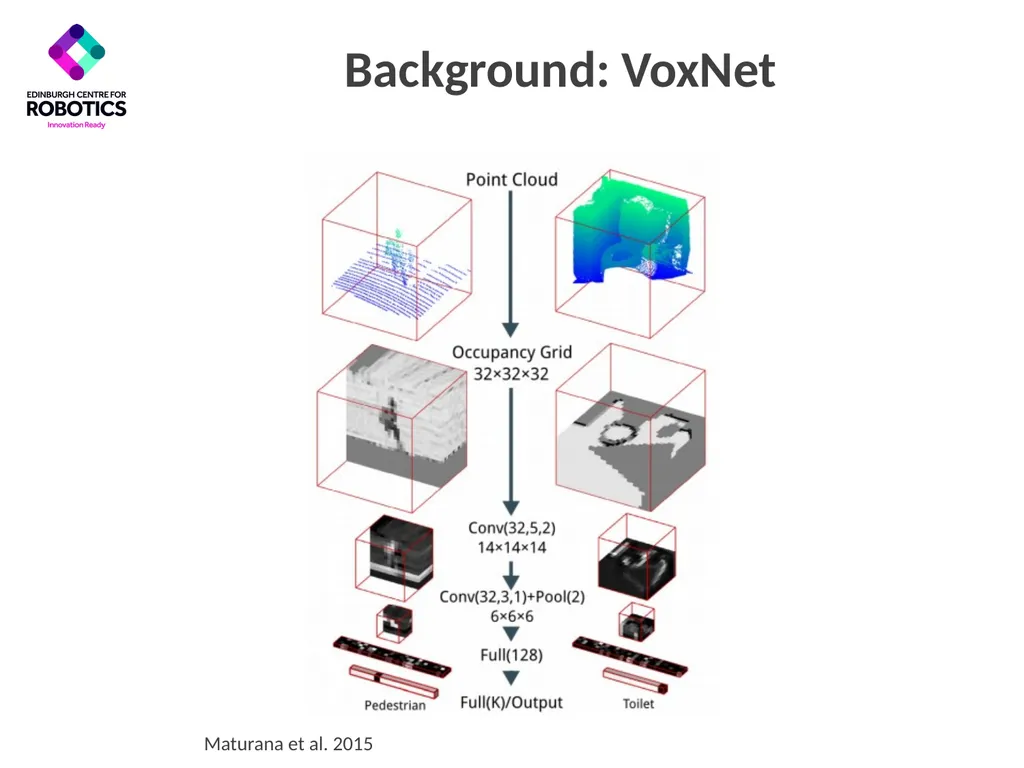
slide3. Background: VoxNet Maturana et al. 2015<br>
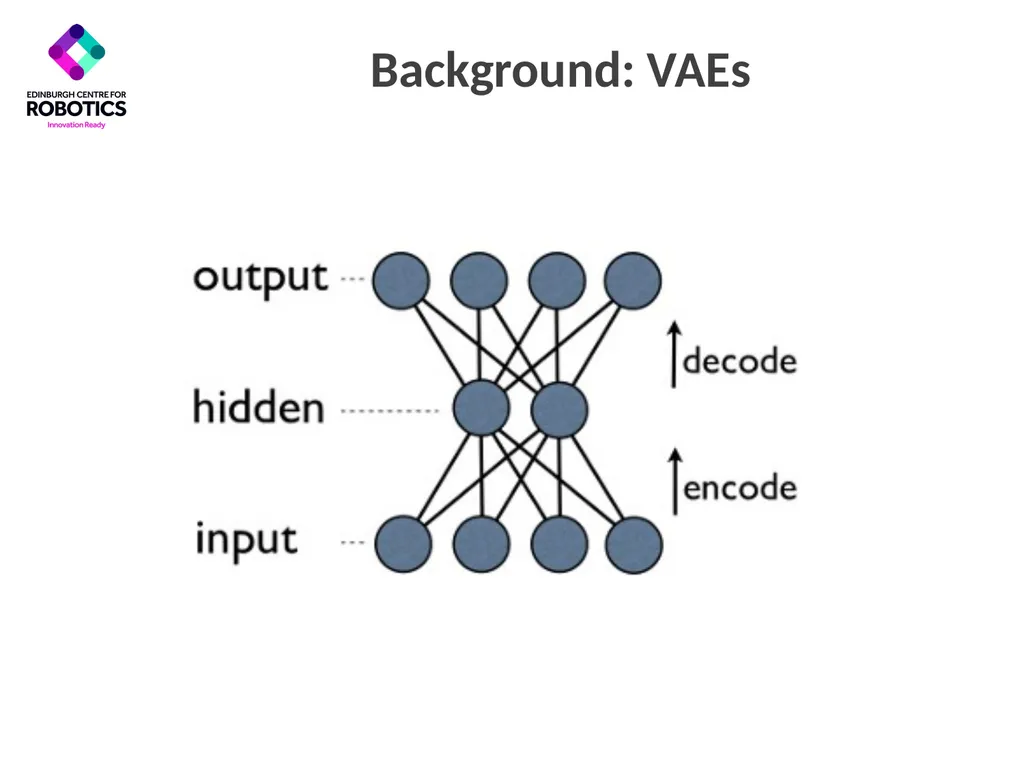
slide4. Background: VAEs<br>
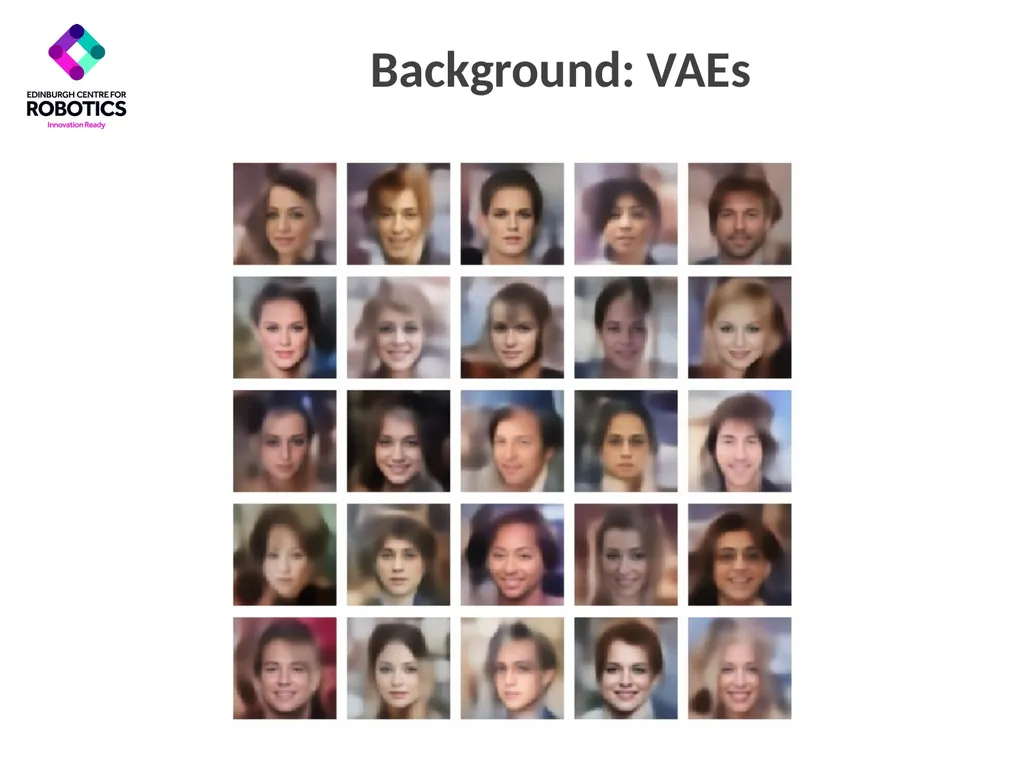
slide5. Background: VAEs<br>
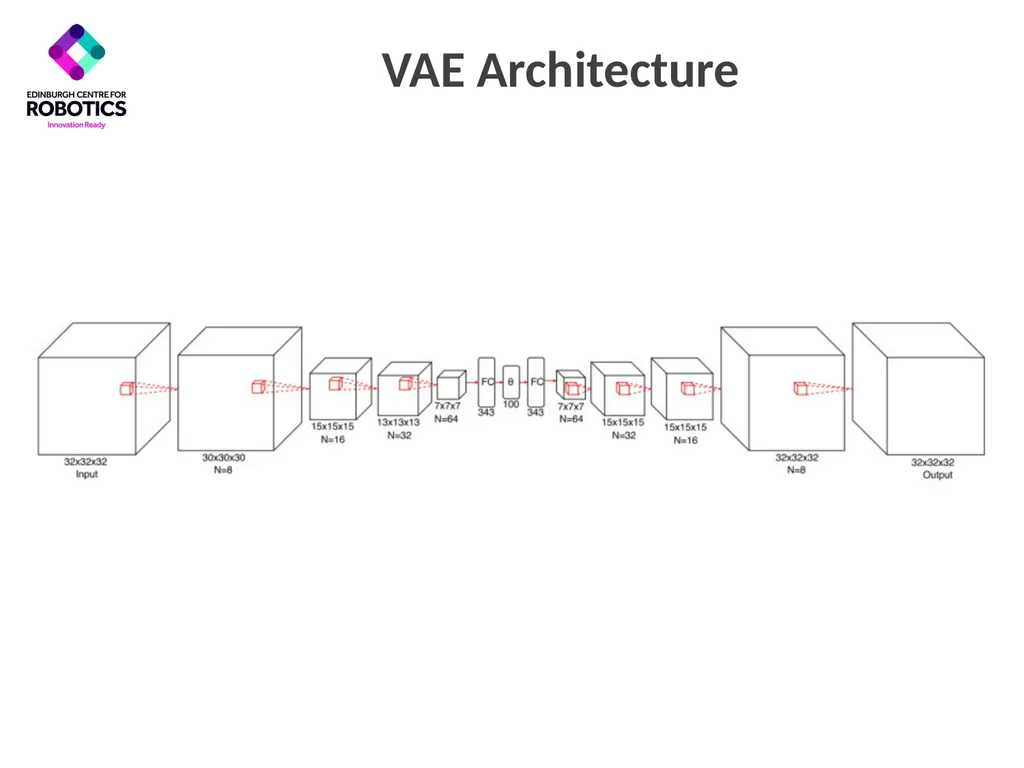
slide6. VAE Architecture<br>
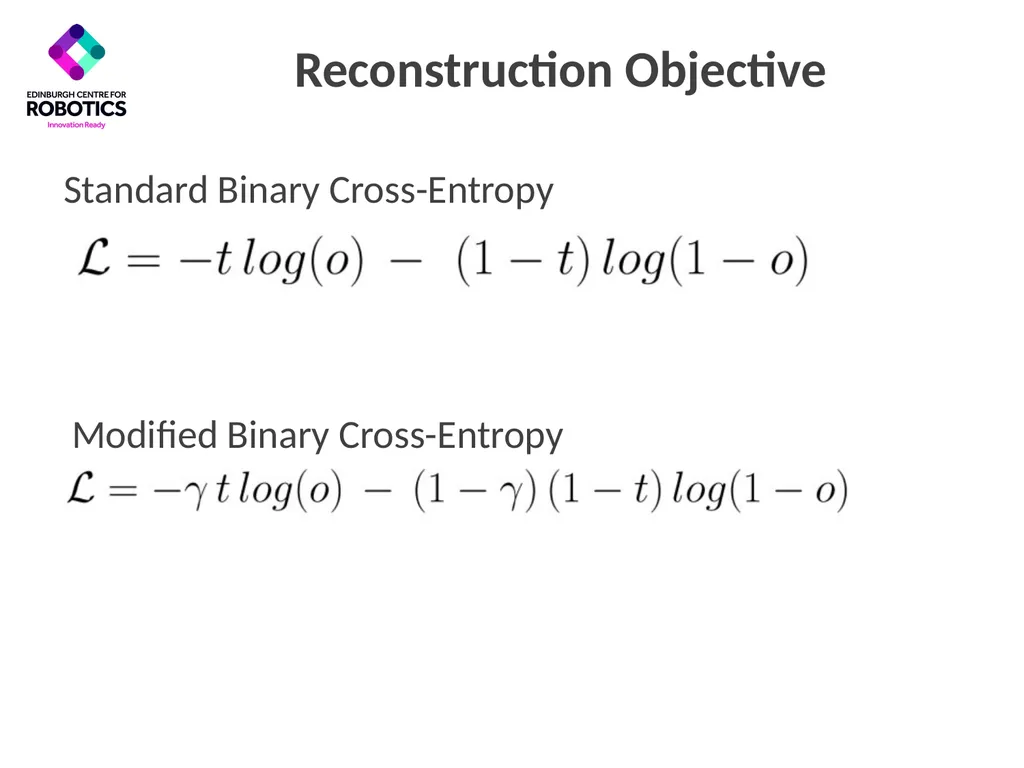
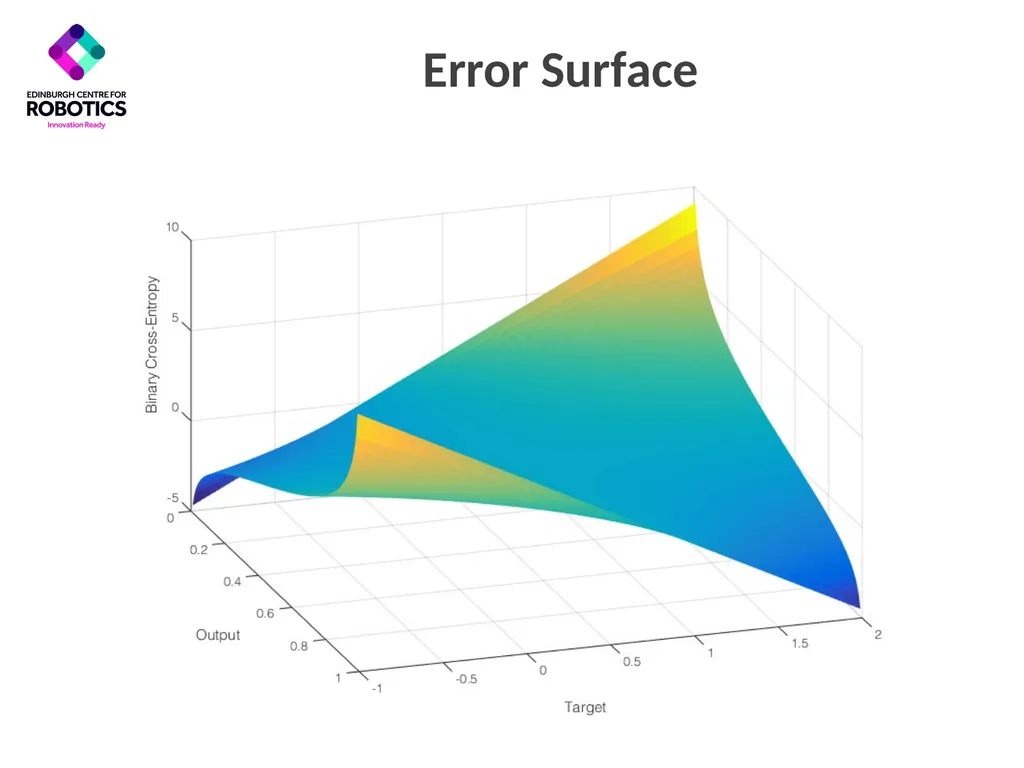
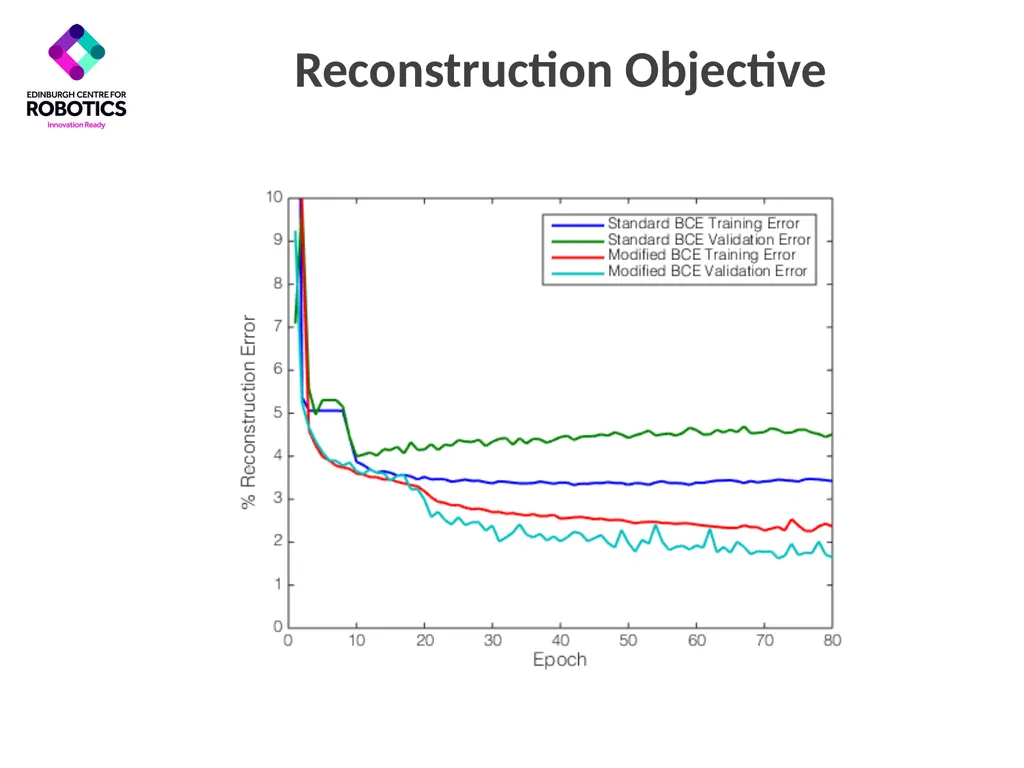
slide7. Reconstruction Objective Standard Binary Cross-Entropy Modified Binary Cross-Entropy<br>
slide8. Error Surface<br>
slide9. Reconstruction Objective<br>
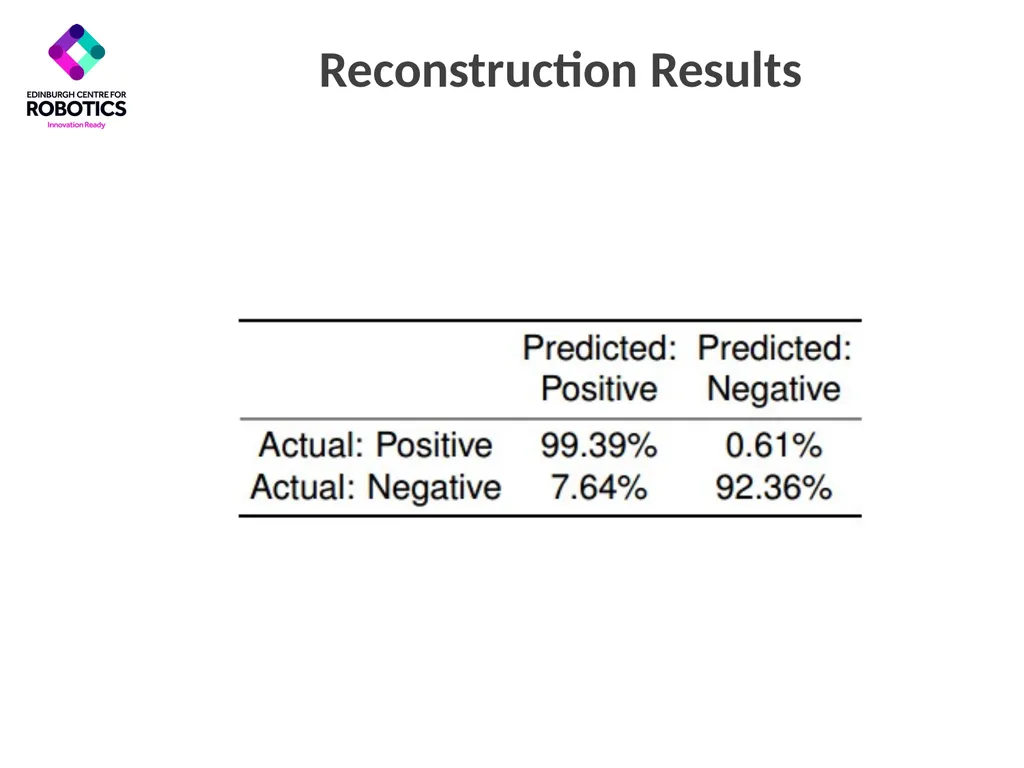
slide10. Reconstruction Results<br>
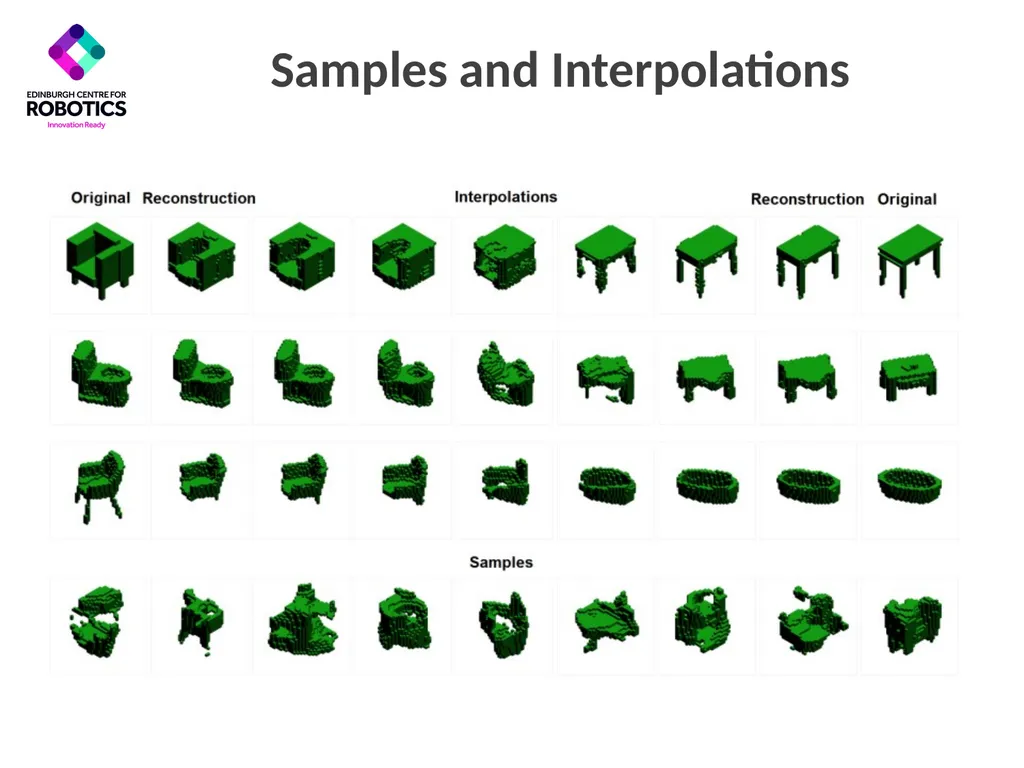
slide11. Samples and Interpolations<br>
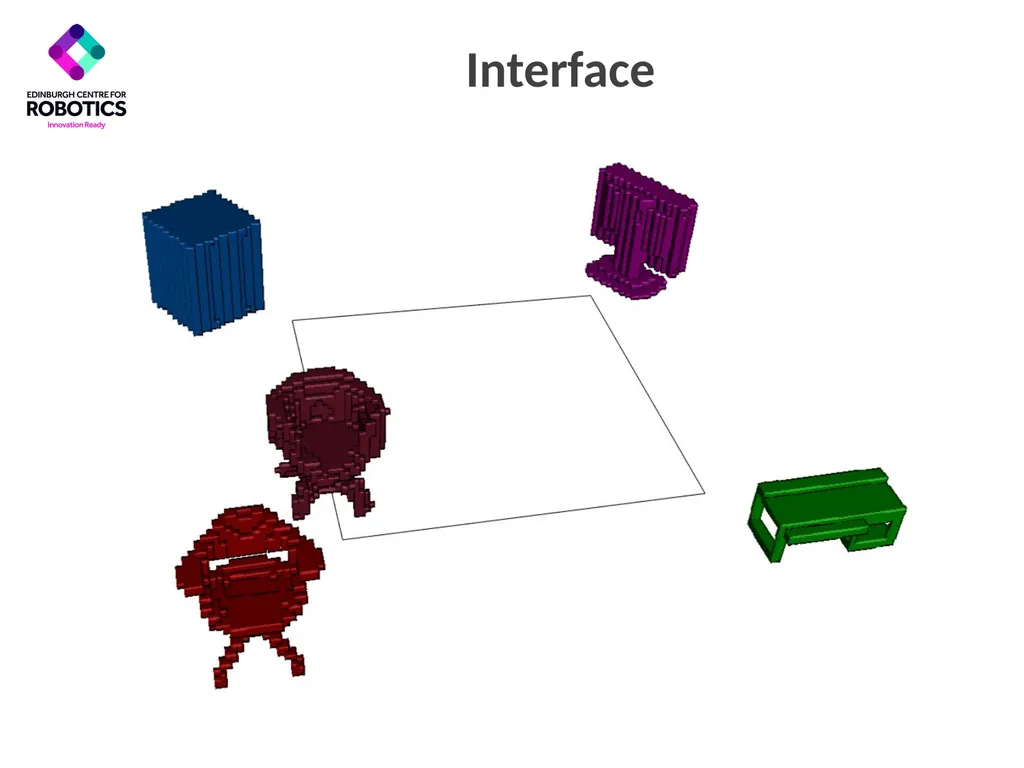
slide12. Interface<br>
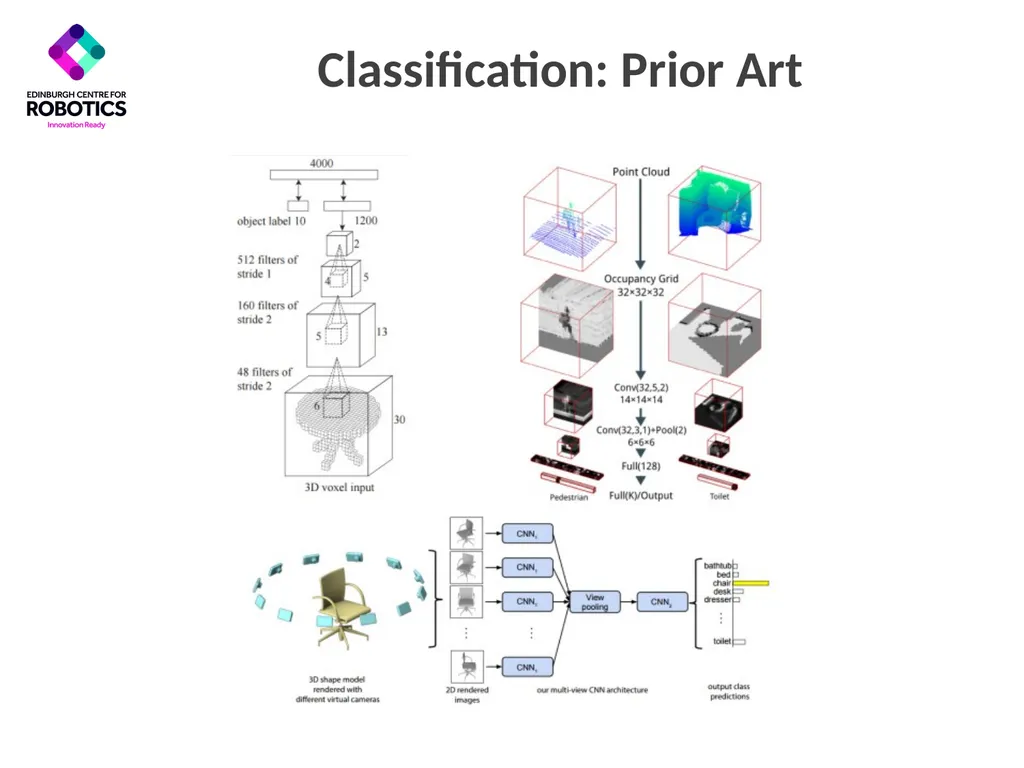
slide13. Classification: Prior Art<br>
slide14. Classification: Low-Hanging Fruit All previous works only considered relatively shallow volumetric ConvNets (or non-volumetric ConvNets).<br>
slide15. Classification: Low-Hanging Fruit All previous works only considered relatively shallow volumetric ConvNets (or non-volumetric ConvNets).

Utterly unsurprisingly, deeper nets perform much better.<br>
slide16. Classification: Low-Hanging Fruit All previous works only considered relatively shallow volumetric ConvNets (or non-volumetric ConvNets).

Utterly unsurprisingly, deeper nets perform much better.

But, that doesn’t mean we have to be naïve!<br>
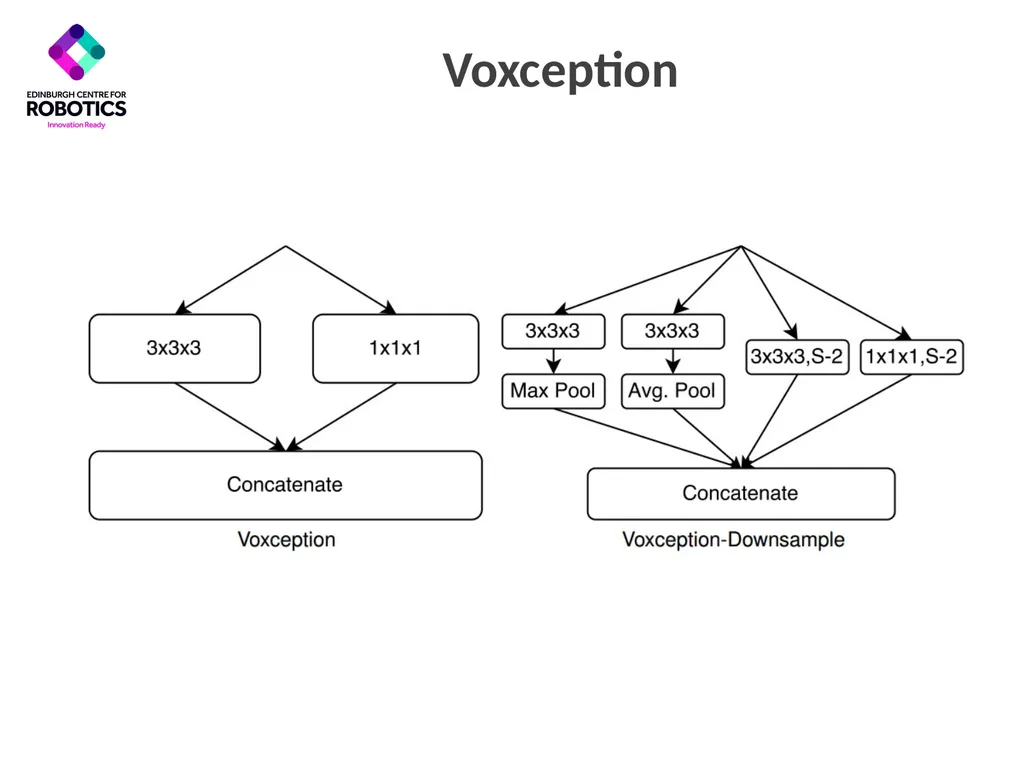
slide17. Voxception<br>
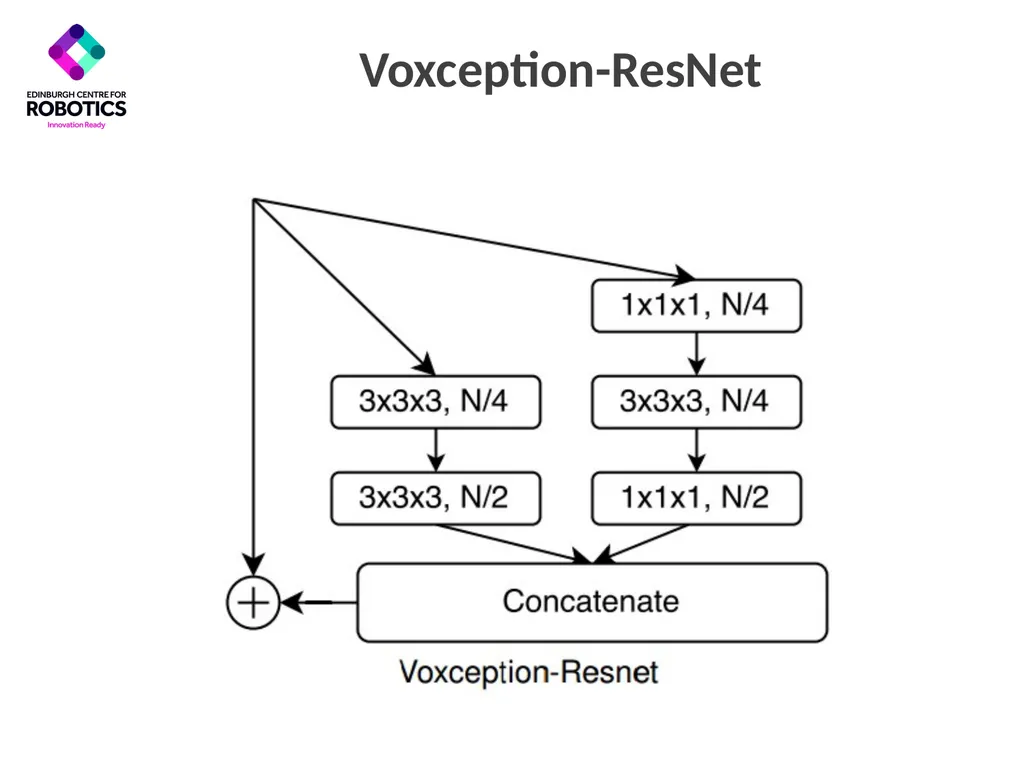
slide18. Voxception-ResNet<br>
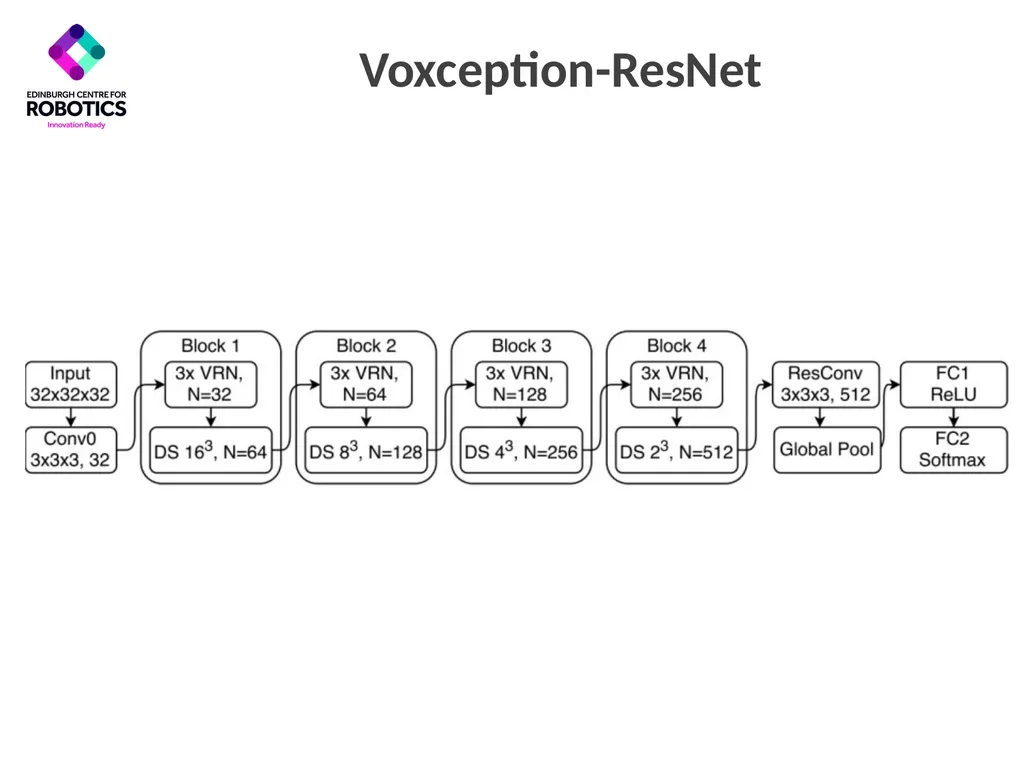
slide19. Voxception-ResNet<br>
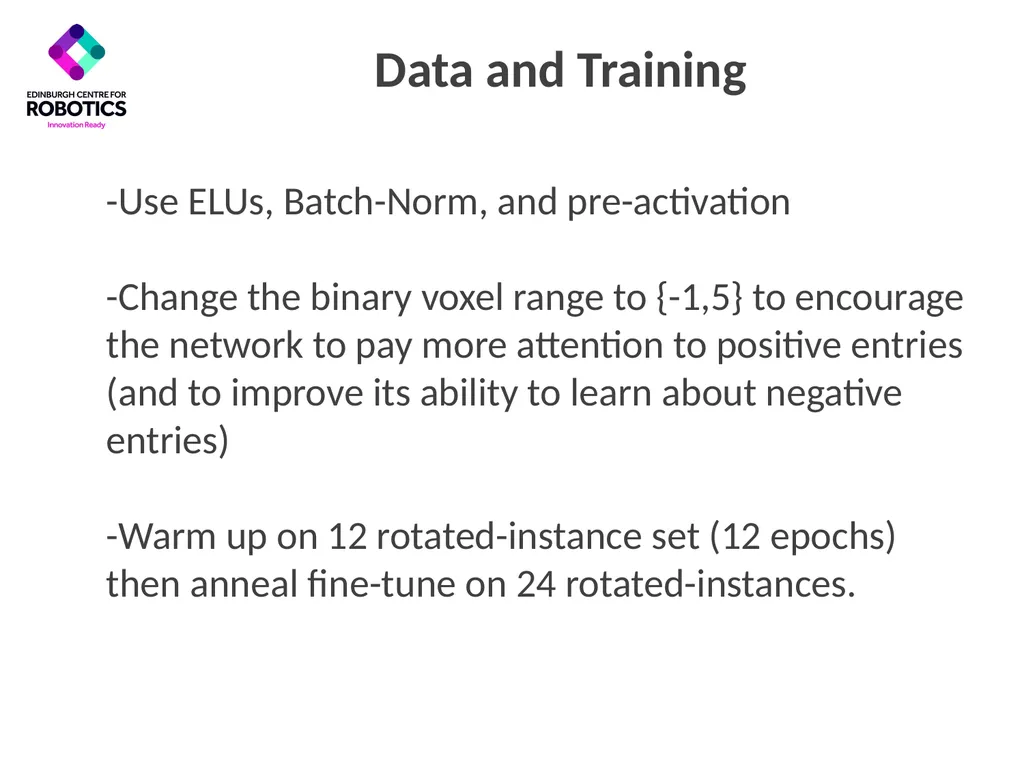
slide20. Data and Training -Use ELUs, Batch-Norm, and pre-activation

-Change the binary voxel range to {-1,5} to encourage the network to pay more attention to positive entries (and to improve its ability to learn about negative entries)

-Warm up on 12 rotated-instance set (12 epochs) then anneal fine-tune on 24 rotated-instances.<br>
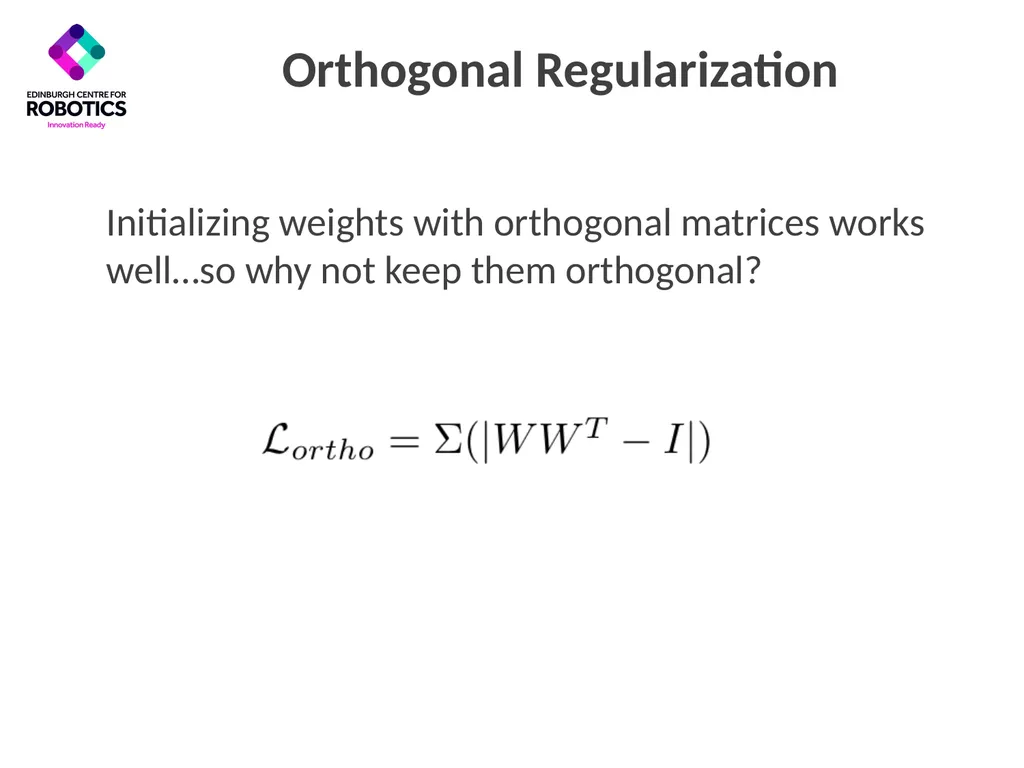
slide21. Orthogonal Regularization Initializing weights with orthogonal matrices works well…so why not keep them orthogonal?<br>
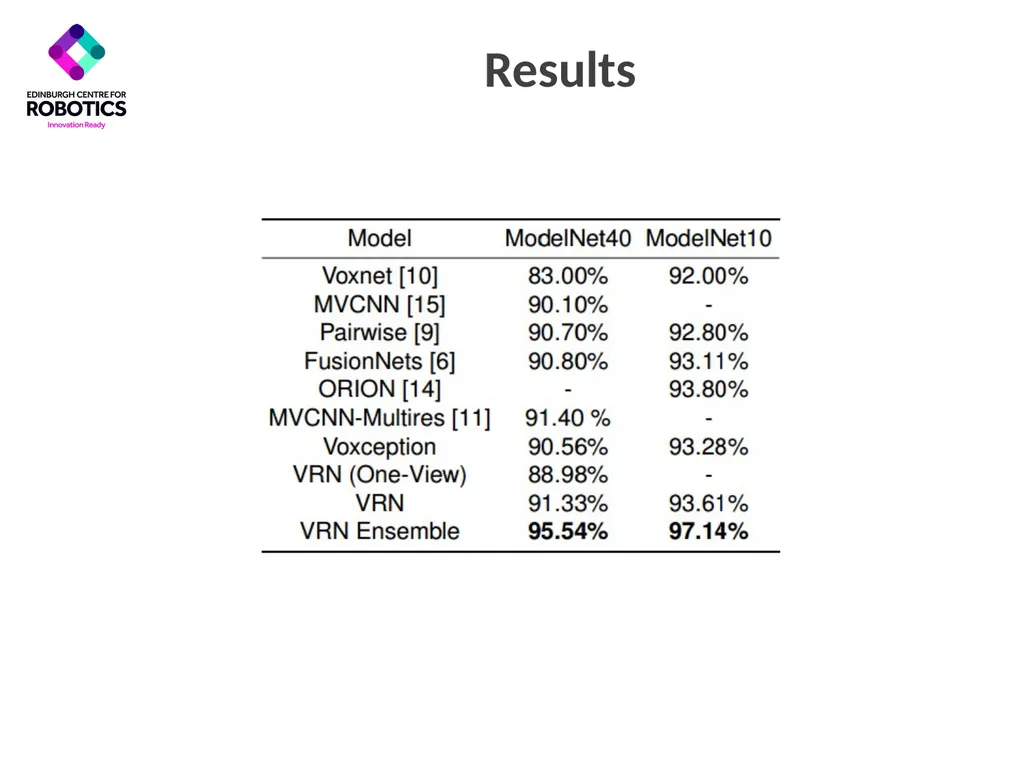
slide22. Results<br>
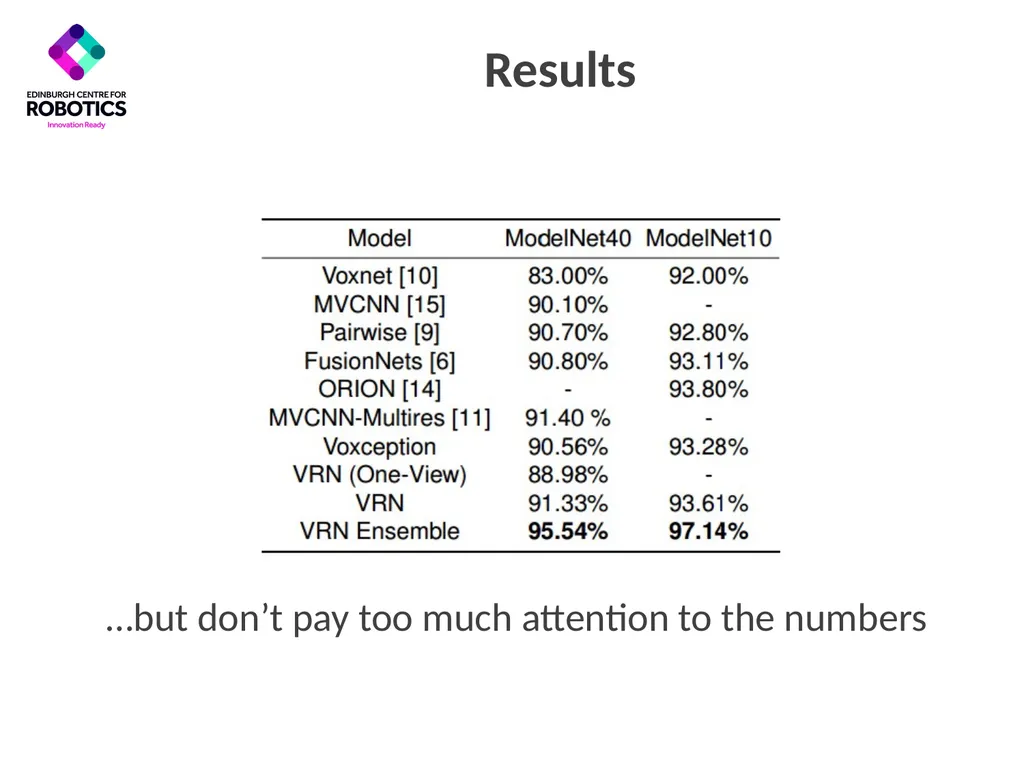
slide23. Results …but don’t pay too much attention to the numbers<br>
slide24. Thanks!<br>