
How Getting Client Feedback Leads to Revenue

Description: How Getting Client Feedback Leads to Revenue Retention Referrals October 8th 2016 Agenda 1. Identify your Customers 2. Review What Customers Want 3. Best Practices for Getting Feedback 4. Put Feedback to Use About me 1. 20 years in
Related Topics
Download Presentation
"How Getting Client Feedback Leads to Revenue" is the property of its rightful owner. Permission is granted to download and print the materials on this website for personal, non-commercial use only, and to display it on your personal computer provided you do not modify the materials and that you retain all copyright notices contained in the materials. By downloading content from our website, you accept the terms of this agreement.
Presentation Transcript
slide1. How Getting Client Feedback Leads to Revenue Retention & Referrals October 8th 2016<br>
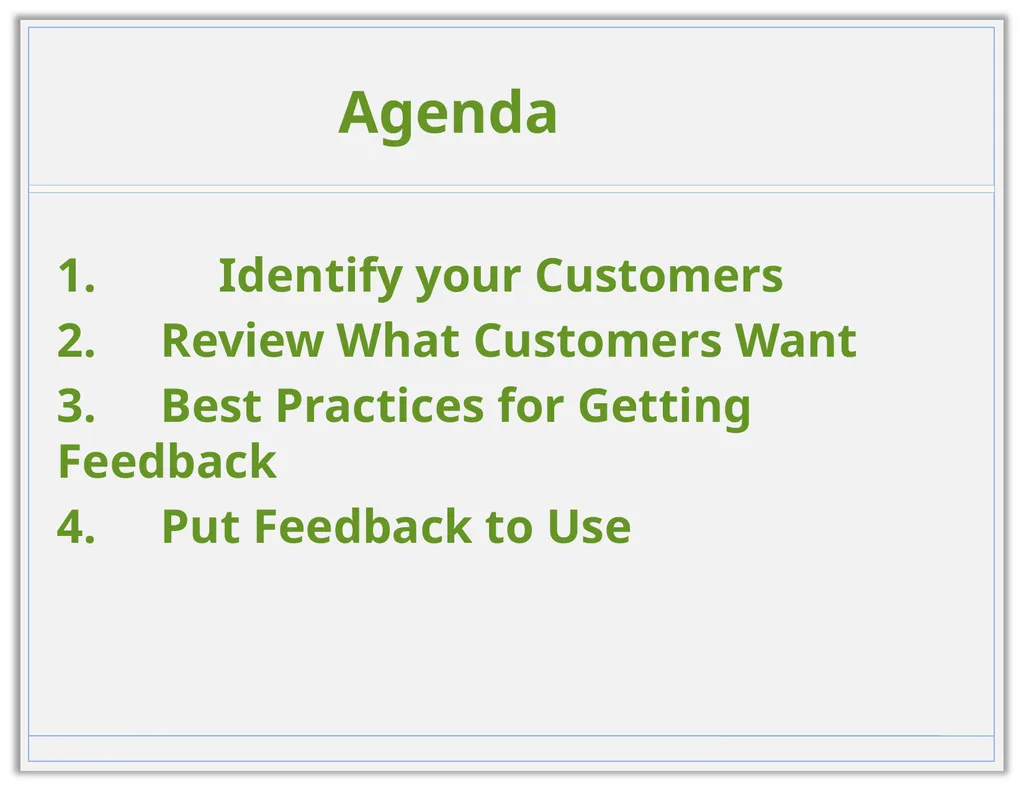
slide2. Agenda 1. Identify your Customers
2. Review What Customers Want
3. Best Practices for Getting Feedback
4. Put Feedback to Use<br>
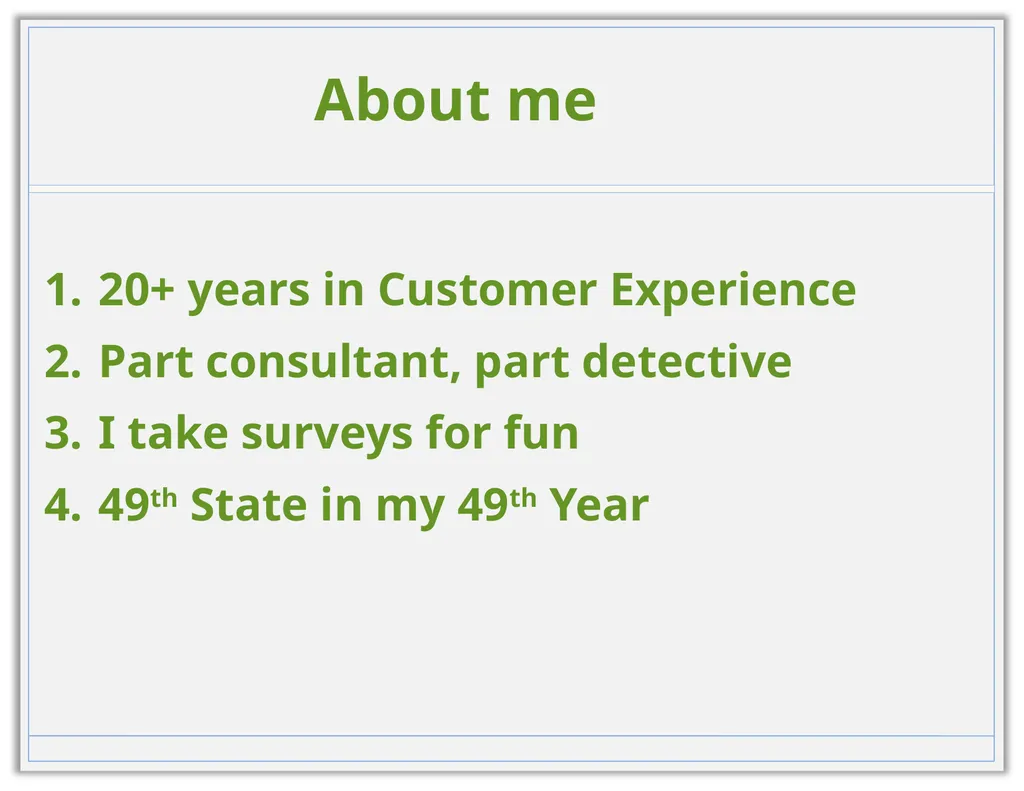
slide3. About me 1. 20+ years in Customer Experience
2. Part consultant, part detective
3. I take surveys for fun
4. 49th State in my 49th Year<br>
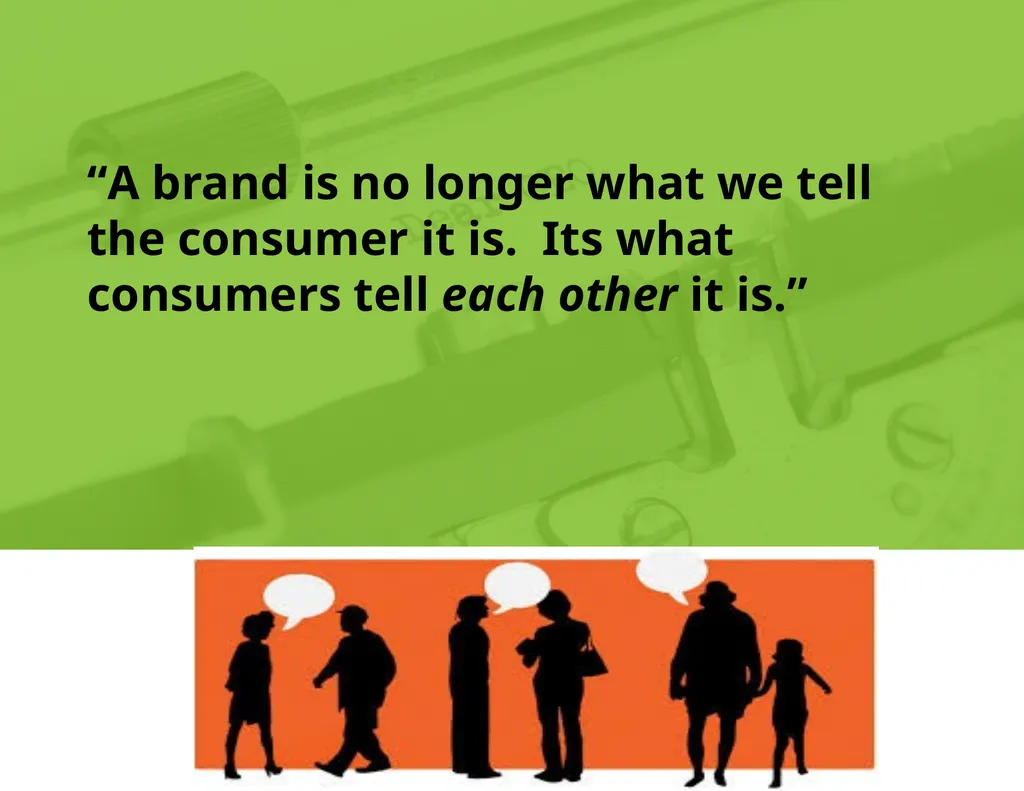
slide4. “A brand is no longer what we tell the consumer it is. Its what consumers tell each other it is.”<br>
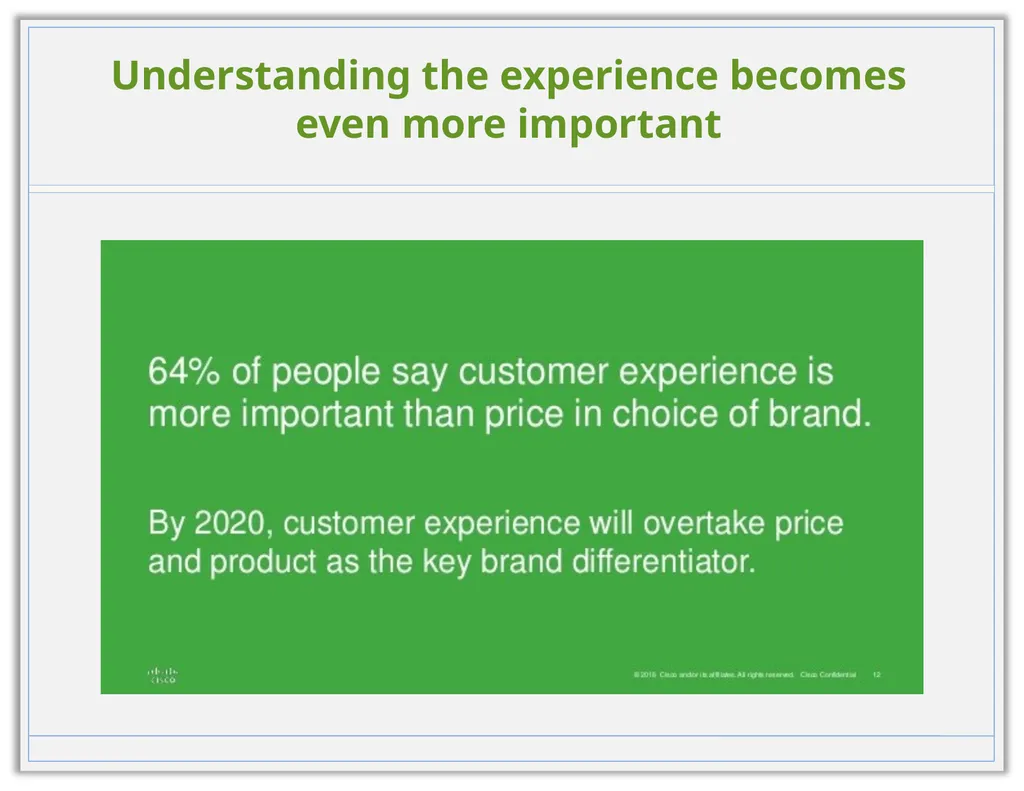
slide5. Understanding the experience becomes even more important<br>
slide6. Define the Customer Here’s a Secret<br>
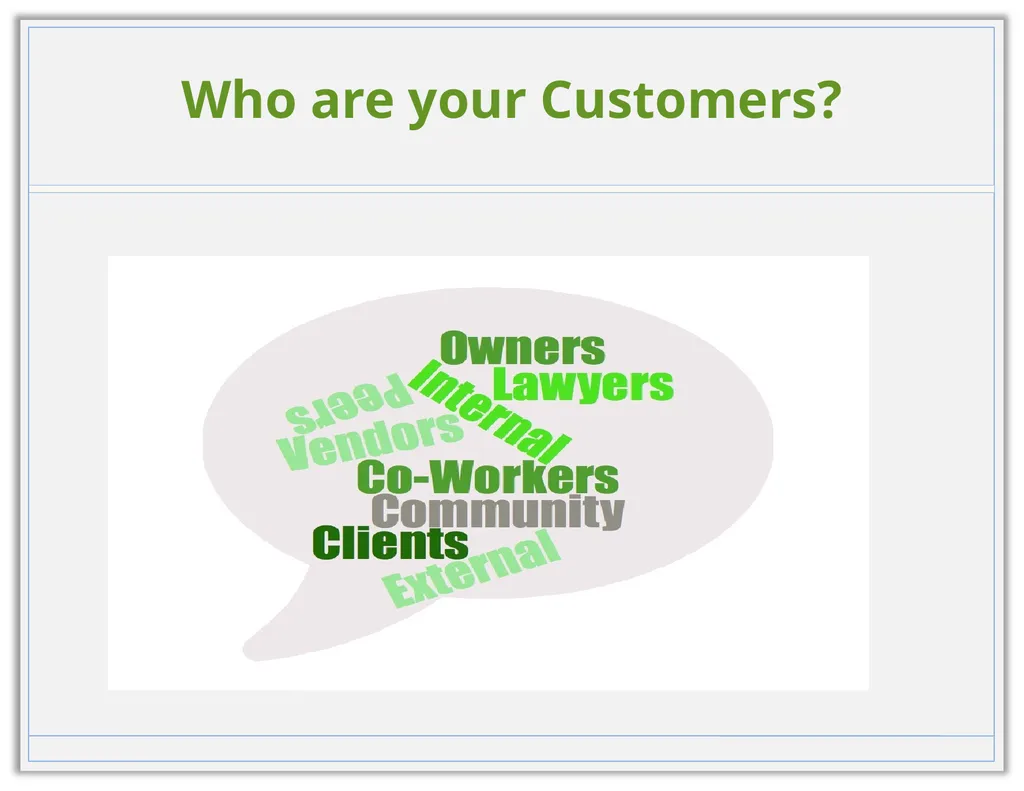
slide7. Who are your Customers?<br>
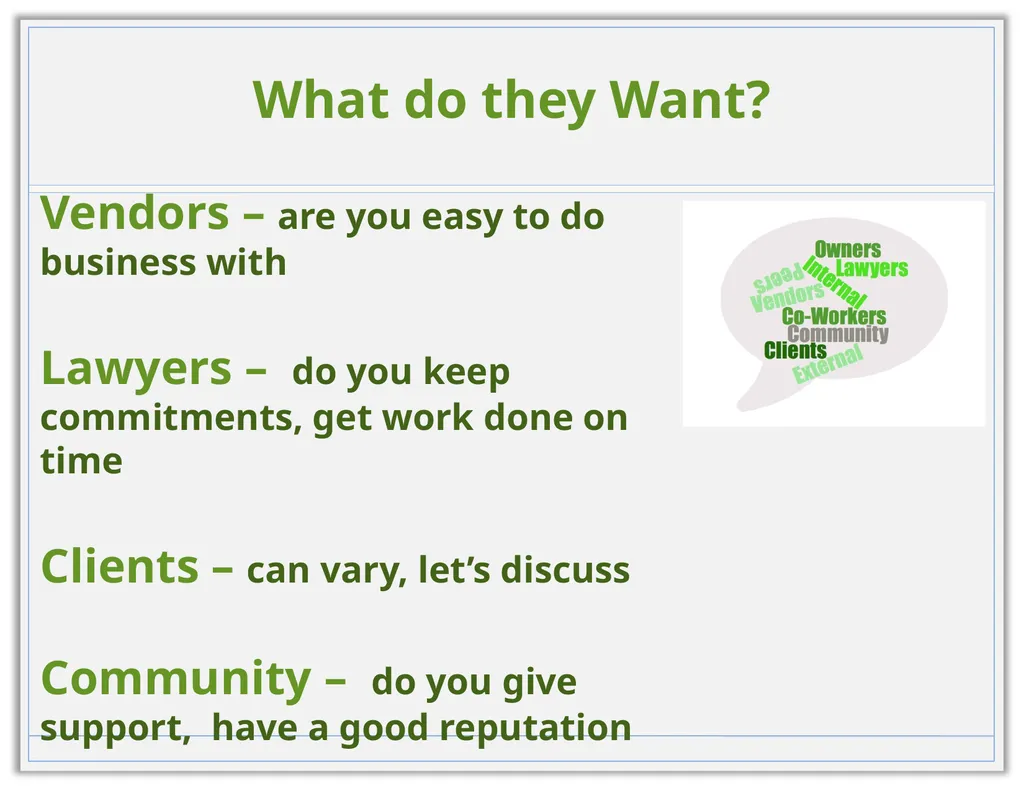
slide8. What do they Want? Vendors – are you easy to do business with
Lawyers – do you keep commitments, get work done on time
Clients – can vary, let’s discuss
Community – do you give support, have a good reputation<br>
slide9. Capturing Feedback Here’s a Secret<br>
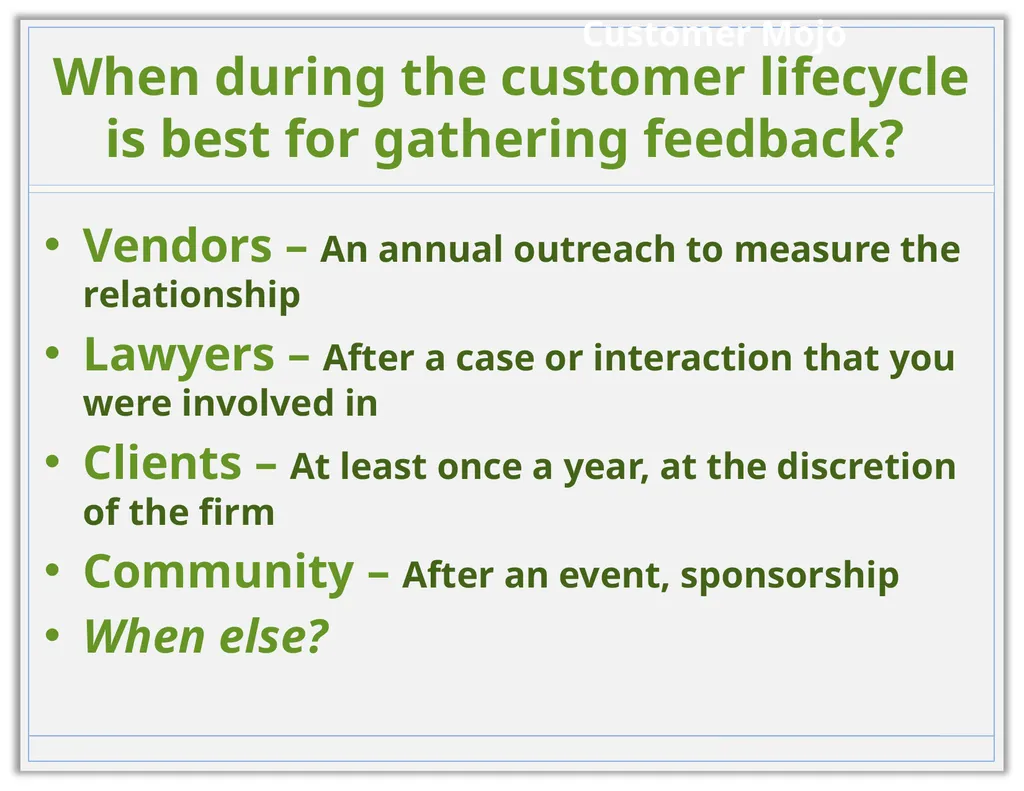
slide10. When during the customer lifecycle is best for gathering feedback? Vendors – An annual outreach to measure the relationship
Lawyers – After a case or interaction that you were involved in
Clients – At least once a year, at the discretion of the firm
Community – After an event, sponsorship
When else? Customer Mojo<br>
slide11. Feedback Methods Here’s a Secret<br>
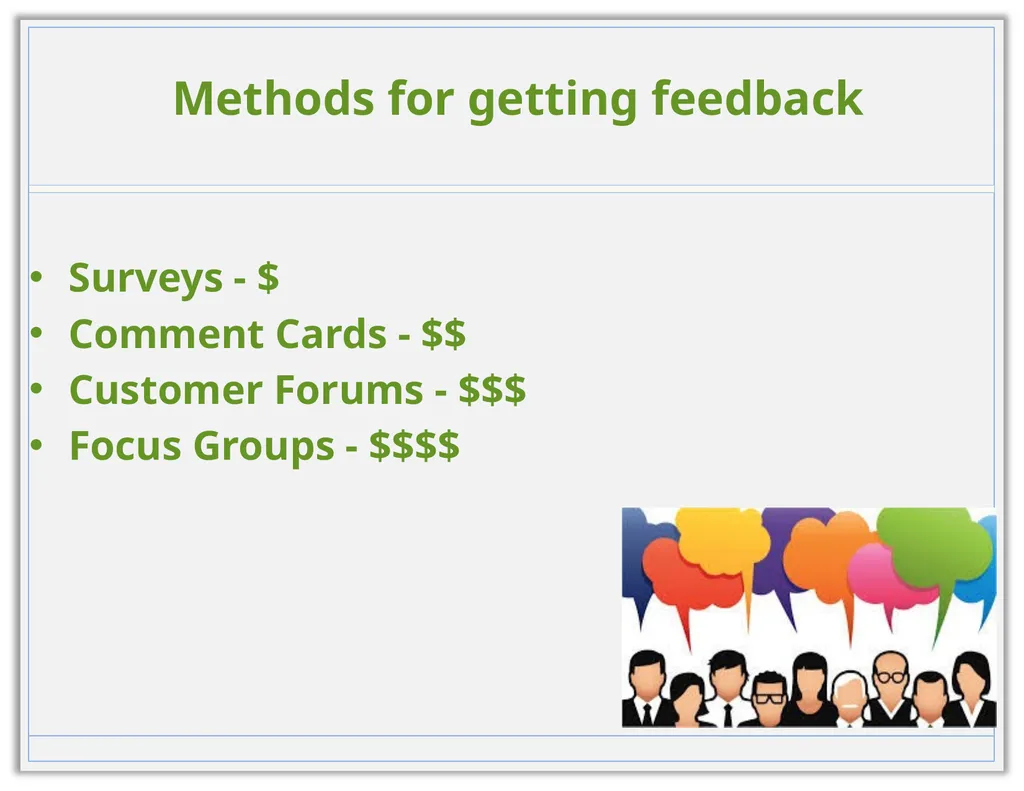
slide12. Methods for getting feedback Surveys - $
Comment Cards - $$
Customer Forums - $$$
Focus Groups - $$$$<br>
slide13. Match the Method to the Customer Surveys -
Comment Cards -
Customer Forums -
Focus Groups -<br>
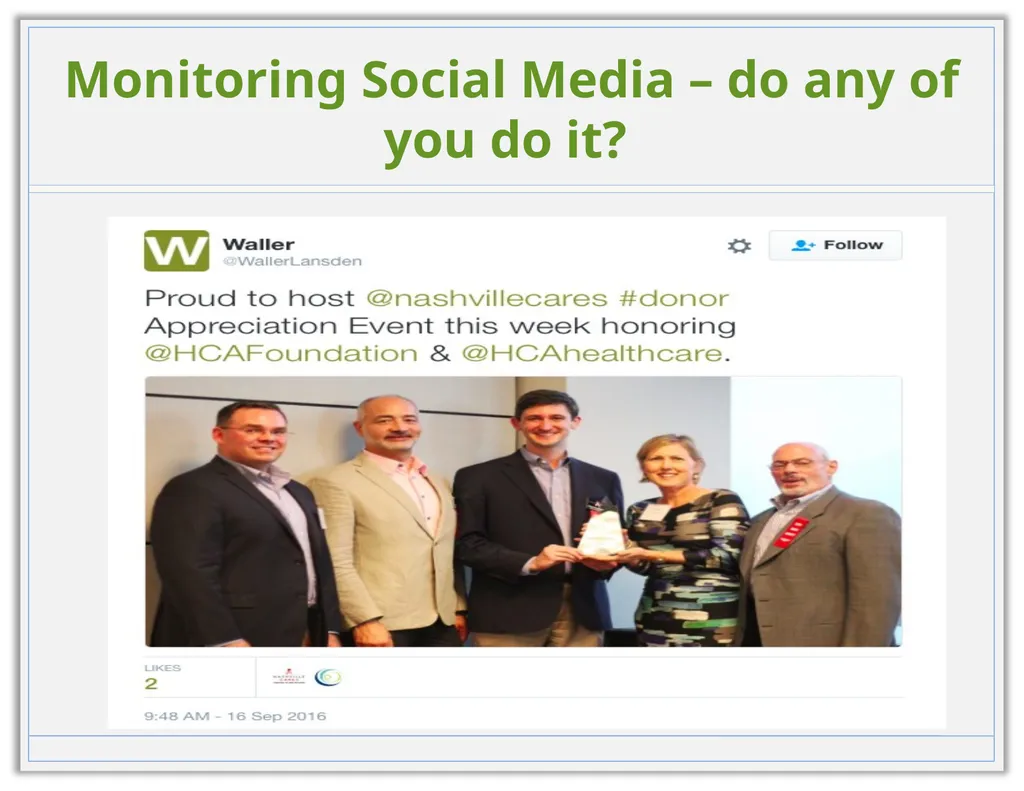
slide14. Monitoring Social Media – do any of you do it?<br>
slide15. Use their feedback<br>
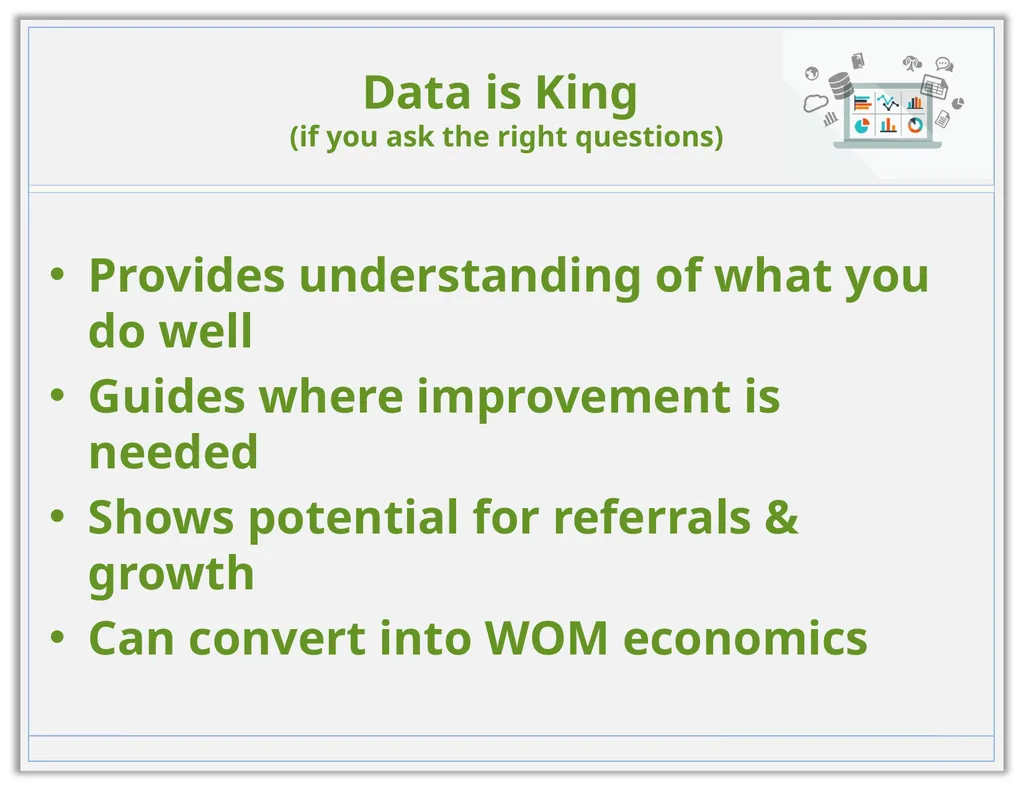
slide16. Data is King (if you ask the right questions) Provides understanding of what you do well
Guides where improvement is needed
Shows potential for referrals & growth
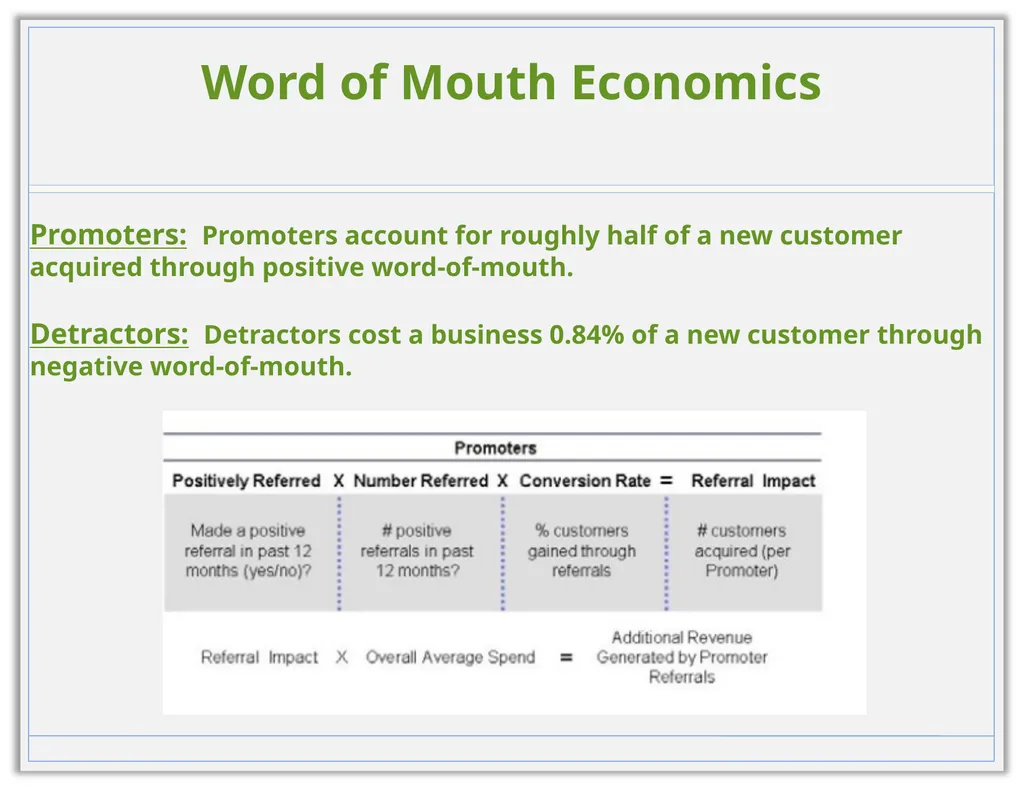
Can convert into WOM economics<br>
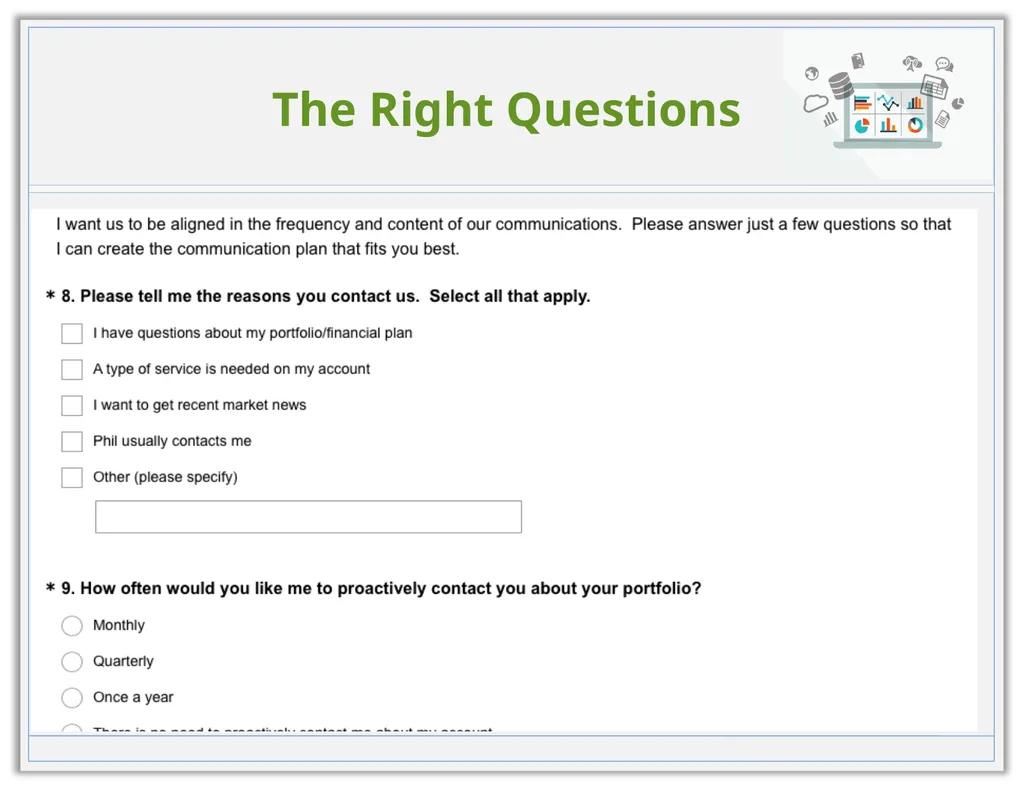
slide17. The Right Questions<br>
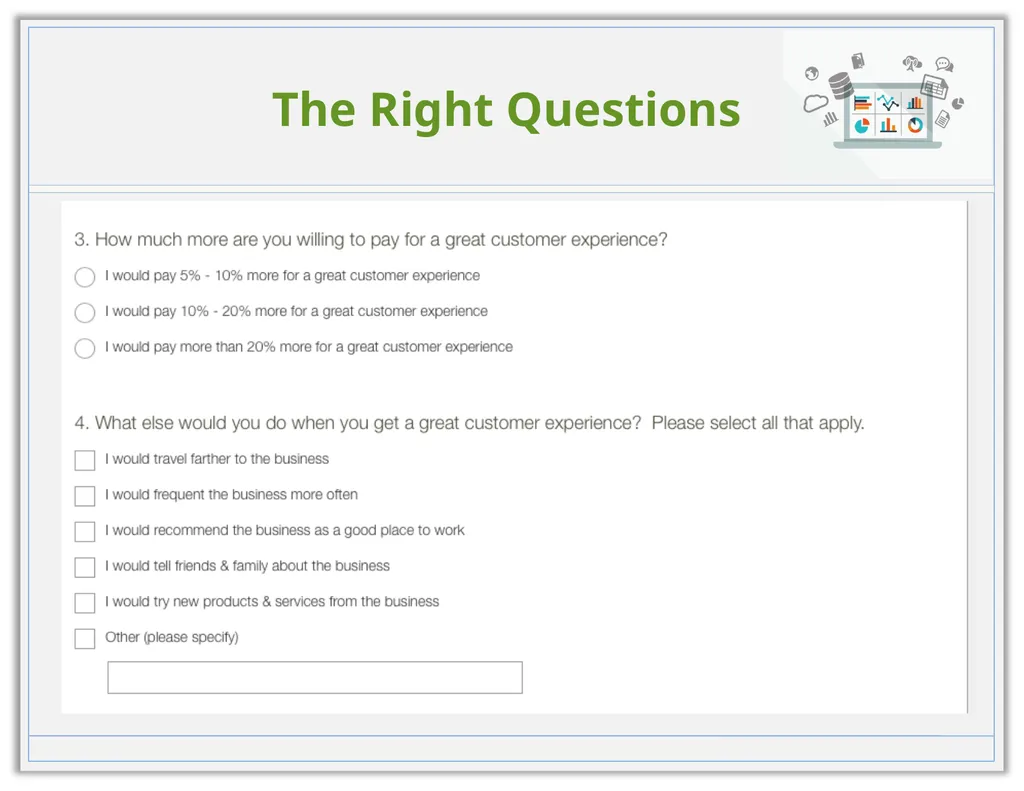
slide18. The Right Questions<br>
slide19. Referrals and Revenue<br>
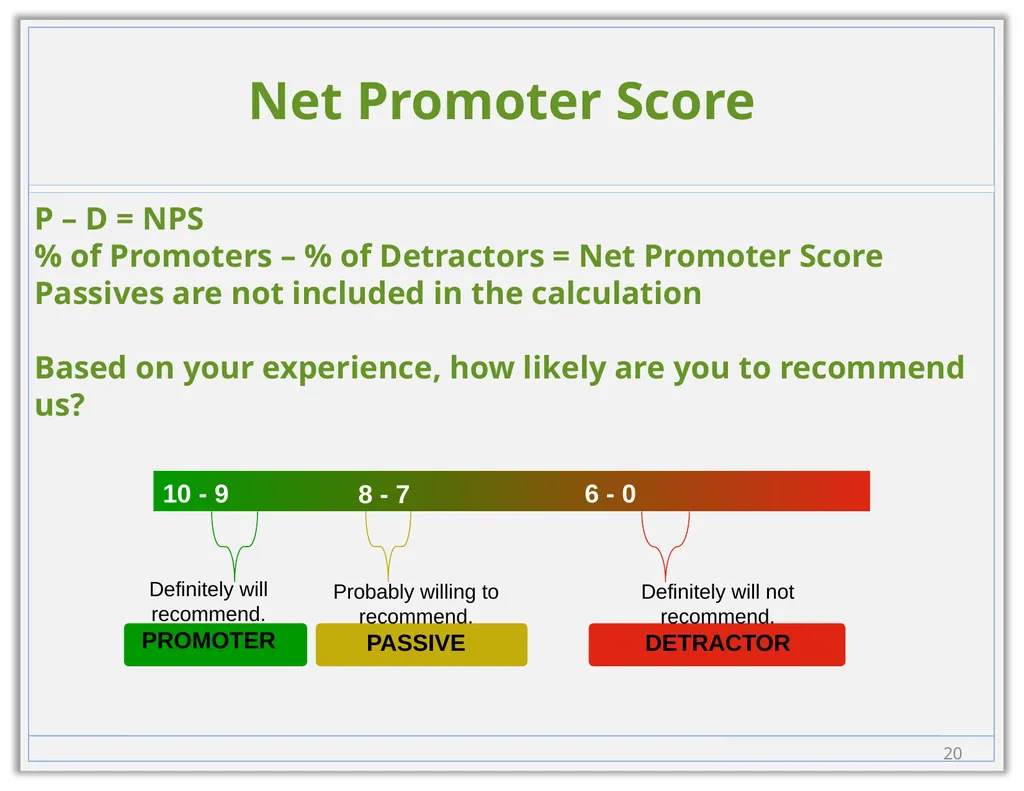
slide20. Net Promoter Score 20 P – D = NPS
% of Promoters – % of Detractors = Net Promoter Score
Passives are not included in the calculation
Based on your experience, how likely are you to recommend us?<br>
slide21. Promoters: customers who are so enthusiastic about a firm or brand that they not only increase their own purchases, but also refer their colleagues or friends.
Passives: satisfied but unenthusiastic customers who can be easily wooed by the competition (next shiny object)
Detractors: customers who feel so badly treated that they cut back on purchases, switch to the competition, and warn others to stay away from the company. 3 Customer Segments<br>
slide22. Promoters: Promoters account for roughly half of a new customer acquired through positive word-of-mouth.
Detractors: Detractors cost a business 0.84% of a new customer through negative word-of-mouth. Word of Mouth Economics<br>
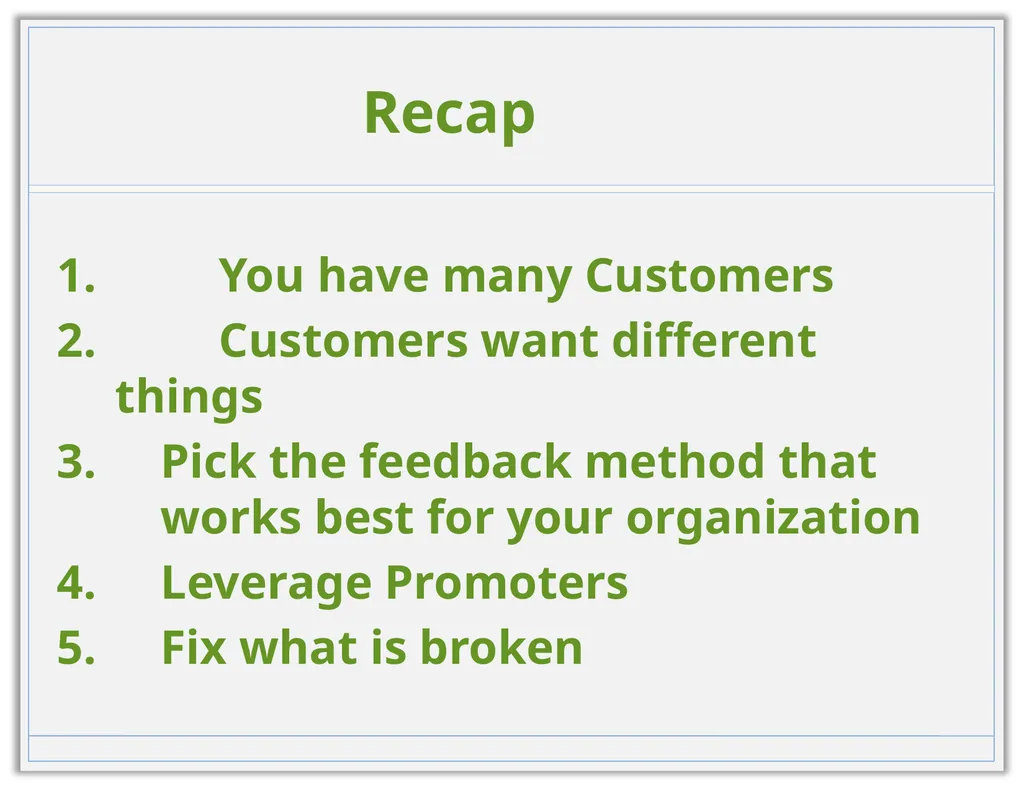
slide23. Recap 1. You have many Customers
2. Customers want different things
3. Pick the feedback method that works best for your organization
4. Leverage Promoters
5. Fix what is broken<br>
slide24. Questions?<br>
slide25. Let’s stay connected! @askyourcustomer
www.listenlearnlive.org
Facebook/listenlearnlive
Monthly newsletter<br>
slide2. Agenda 1. Identify your Customers
2. Review What Customers Want
3. Best Practices for Getting Feedback
4. Put Feedback to Use<br>
slide3. About me 1. 20+ years in Customer Experience
2. Part consultant, part detective
3. I take surveys for fun
4. 49th State in my 49th Year<br>
slide4. “A brand is no longer what we tell the consumer it is. Its what consumers tell each other it is.”<br>
slide5. Understanding the experience becomes even more important<br>
slide6. Define the Customer Here’s a Secret<br>
slide7. Who are your Customers?<br>
slide8. What do they Want? Vendors – are you easy to do business with
Lawyers – do you keep commitments, get work done on time
Clients – can vary, let’s discuss
Community – do you give support, have a good reputation<br>
slide9. Capturing Feedback Here’s a Secret<br>
slide10. When during the customer lifecycle is best for gathering feedback? Vendors – An annual outreach to measure the relationship
Lawyers – After a case or interaction that you were involved in
Clients – At least once a year, at the discretion of the firm
Community – After an event, sponsorship
When else? Customer Mojo<br>
slide11. Feedback Methods Here’s a Secret<br>
slide12. Methods for getting feedback Surveys - $
Comment Cards - $$
Customer Forums - $$$
Focus Groups - $$$$<br>
slide13. Match the Method to the Customer Surveys -
Comment Cards -
Customer Forums -
Focus Groups -<br>
slide14. Monitoring Social Media – do any of you do it?<br>
slide15. Use their feedback<br>
slide16. Data is King (if you ask the right questions) Provides understanding of what you do well
Guides where improvement is needed
Shows potential for referrals & growth
Can convert into WOM economics<br>
slide17. The Right Questions<br>
slide18. The Right Questions<br>
slide19. Referrals and Revenue<br>
slide20. Net Promoter Score 20 P – D = NPS
% of Promoters – % of Detractors = Net Promoter Score
Passives are not included in the calculation
Based on your experience, how likely are you to recommend us?<br>
slide21. Promoters: customers who are so enthusiastic about a firm or brand that they not only increase their own purchases, but also refer their colleagues or friends.
Passives: satisfied but unenthusiastic customers who can be easily wooed by the competition (next shiny object)
Detractors: customers who feel so badly treated that they cut back on purchases, switch to the competition, and warn others to stay away from the company. 3 Customer Segments<br>
slide22. Promoters: Promoters account for roughly half of a new customer acquired through positive word-of-mouth.
Detractors: Detractors cost a business 0.84% of a new customer through negative word-of-mouth. Word of Mouth Economics<br>
slide23. Recap 1. You have many Customers
2. Customers want different things
3. Pick the feedback method that works best for your organization
4. Leverage Promoters
5. Fix what is broken<br>
slide24. Questions?<br>
slide25. Let’s stay connected! @askyourcustomer
www.listenlearnlive.org
Facebook/listenlearnlive
Monthly newsletter<br>