Improving Appraisal Conversations Egan Skilled Helper Model Welcome Today a meaningful issue that you are happy to explore in this context Coaching and mentoring are often used alongside appraisal, training and development, and
"Improving Appraisal Conversations Egan Skilled" is the property of its rightful owner. Permission is granted to
download and print the materials on this website for personal, non-commercial use only, and to display it
on your personal computer provided you do not modify the materials and that you retain all copyright
notices contained in the materials. By downloading content from our website, you accept the terms of this
agreement.
Presentation Transcript
01
Improving Appraisal Conversations Egan Skilled Helper Model Welcome<br>
02
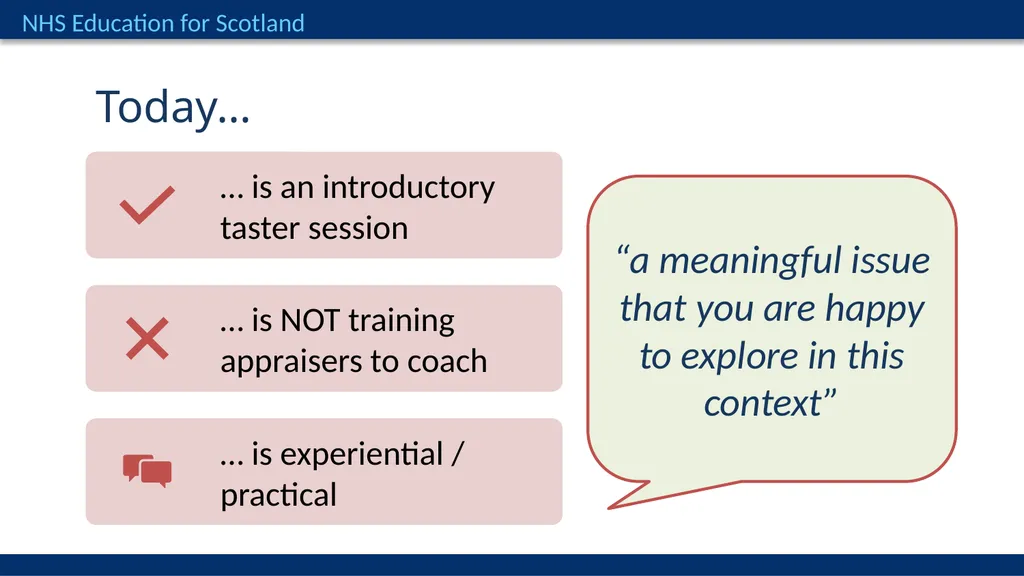
Today… “a meaningful issue that you are happy to explore in this context”<br>
03
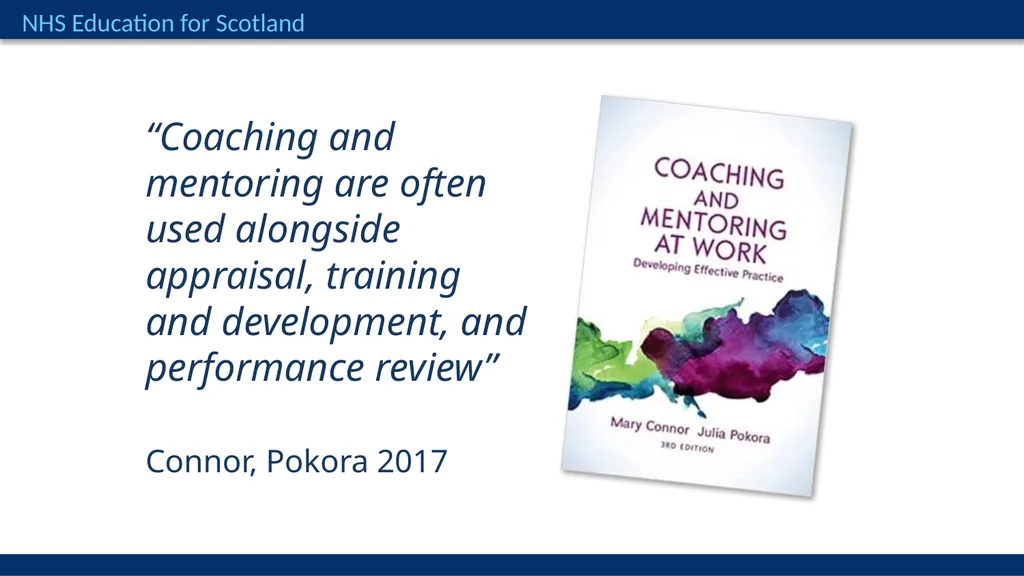
“Coaching and mentoring are often used alongside appraisal, training and development, and performance review”
Connor, Pokora 2017<br>
04
What are the skills used in mentoring and coaching?
Is the approach relevant/useful in appraisal?
Does it produce an outcome that the appraisee would value? Descriptions
Models
Skills<br>
05
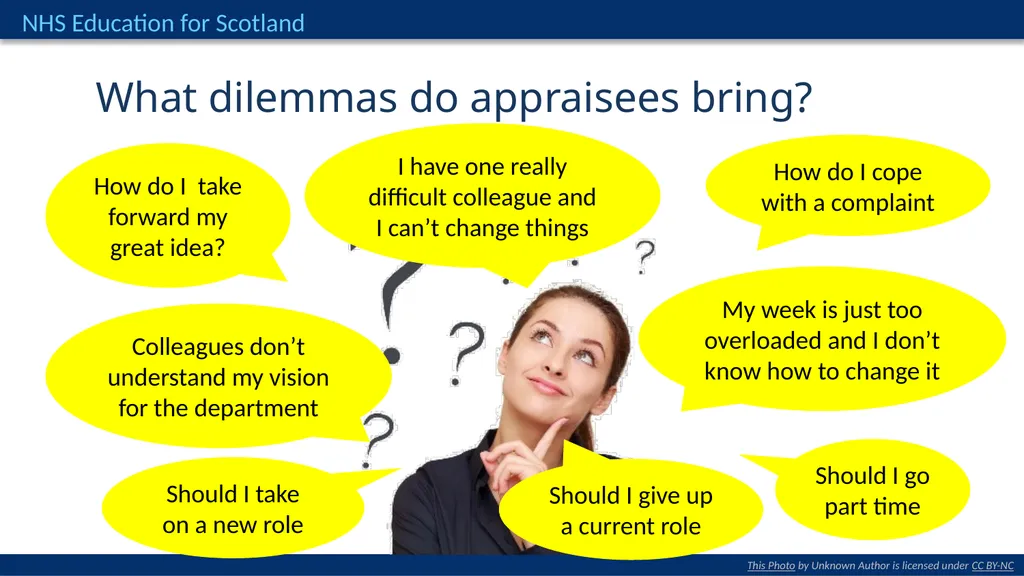
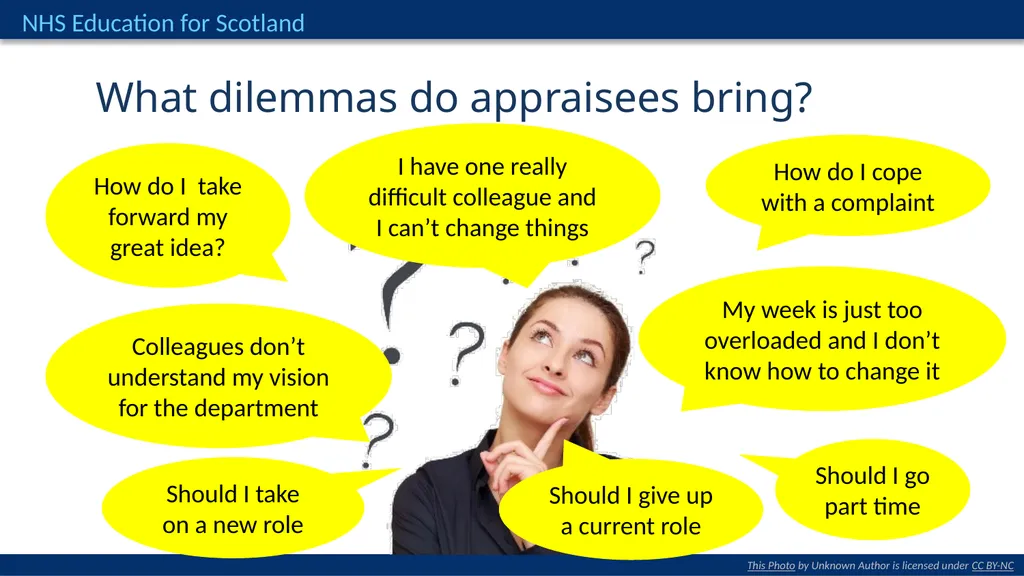
What dilemmas do appraisees bring? This Photo by Unknown Author is licensed under CC BY-NC Should I go part time How do I cope with a complaint Colleagues don’t understand my vision for the department I have one really difficult colleague and I can’t change things My week is just too overloaded and I don’t know how to change it Should I take on a new role Should I give up a current role How do I take forward my great idea?<br>
06
“…the learning relationship is at the heart of change”
Connor and Pokora 2002 Coaching and Mentoring “…learning relationships which help people to take charge of their own development, to release their potential and to achieve results which they value”
Connor and Pokora 2017 “…the goal of helping is not to solve problems but to help the person manage them more effectively or even transcend them by taking advantage of new possibilities in life,”
Egan 2002<br>
07
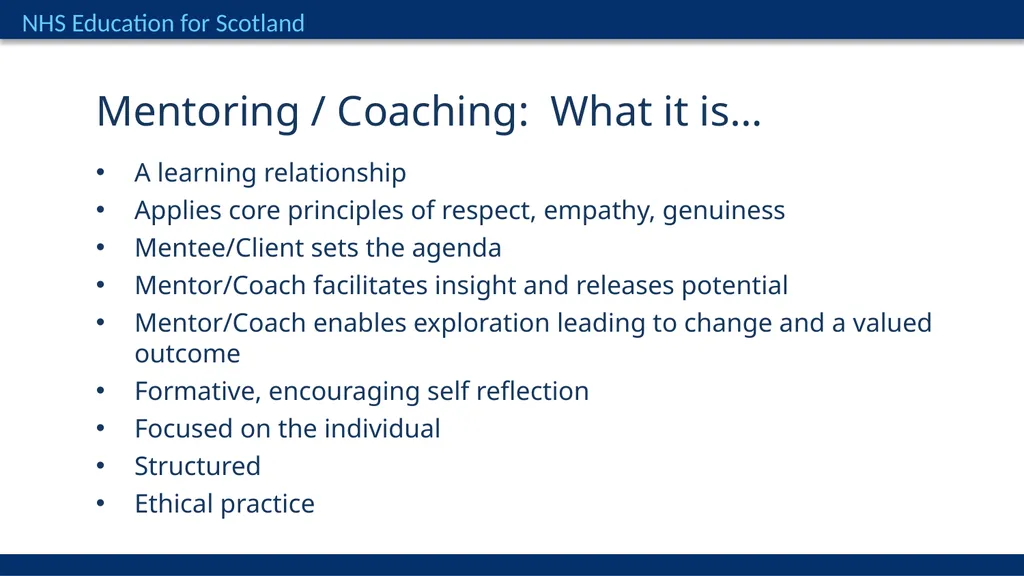
A learning relationship
Applies core principles of respect, empathy, genuiness
Mentee/Client sets the agenda
Mentor/Coach facilitates insight and releases potential
Mentor/Coach enables exploration leading to change and a valued outcome
Formative, encouraging self reflection
Focused on the individual
Structured
Ethical practice Mentoring / Coaching: What it is…<br>
08
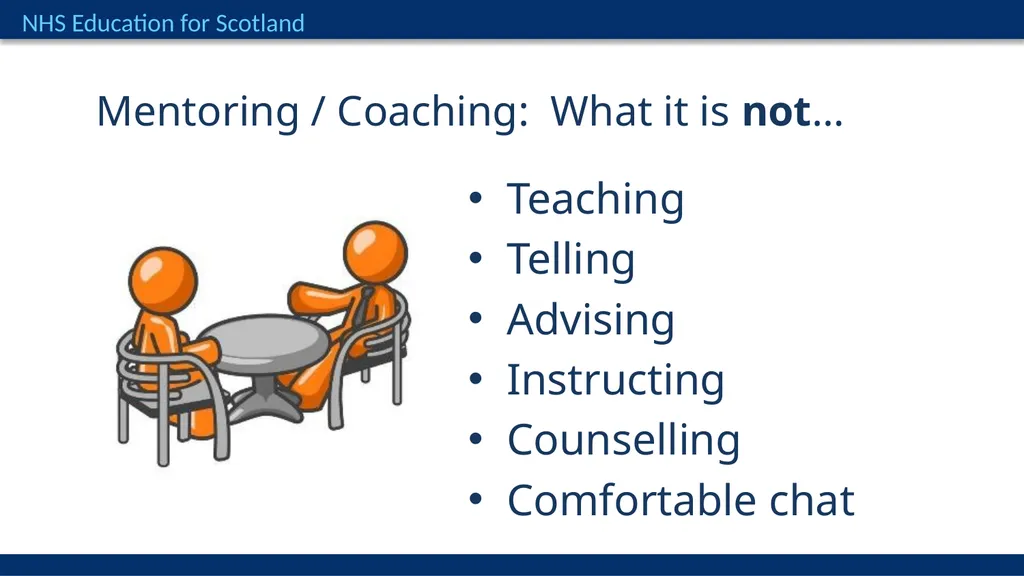
Teaching
Telling
Advising
Instructing
Counselling
Comfortable chat Mentoring / Coaching: What it is not…<br>
09
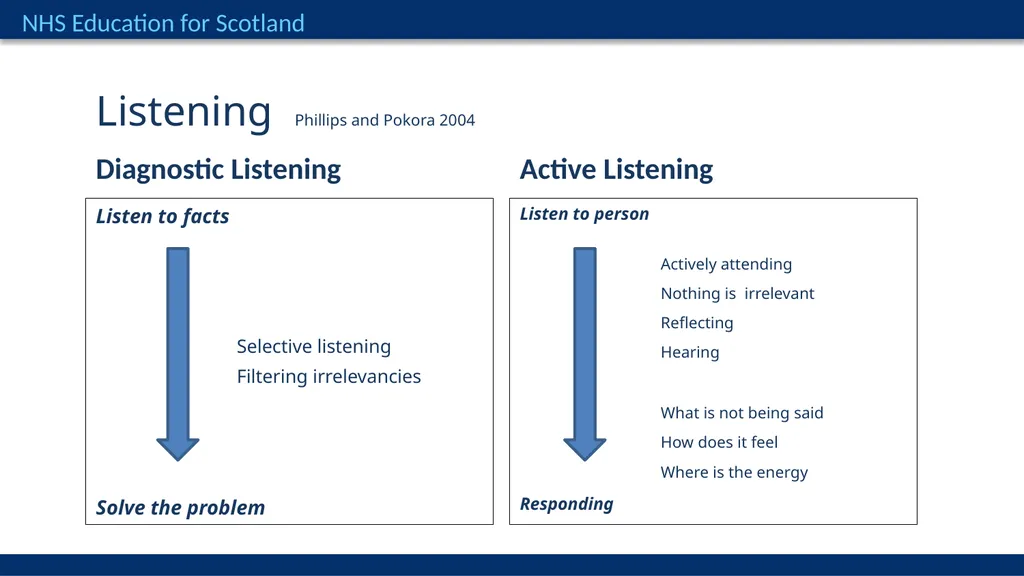
Listen to facts
Selective listening
Filtering irrelevancies
Solve the problem Listening Phillips and Pokora 2004 Diagnostic Listening Active Listening Listen to person
Actively attending
Nothing is irrelevant
Reflecting
Hearing
What is not being said
How does it feel
Where is the energy
Responding<br>
10
Personal experience Can you identify any such learning relationships that have helped
Within work
Outside work
What were the qualities of the person providing that support
Are there times when you would have valued this type of support ?
Have you ever had this support as appraisee or provided it as appraiser?<br>
11
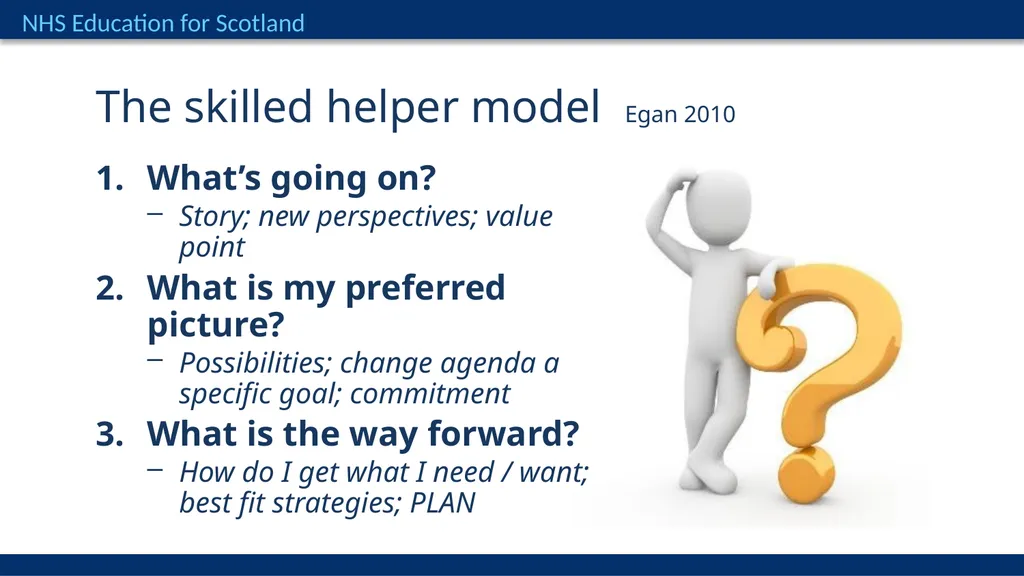
What’s going on?
Story; new perspectives; value point
What is my preferred picture?
Possibilities; change agenda a specific goal; commitment
What is the way forward?
How do I get what I need / want; best fit strategies; PLAN The skilled helper model Egan 2010<br>
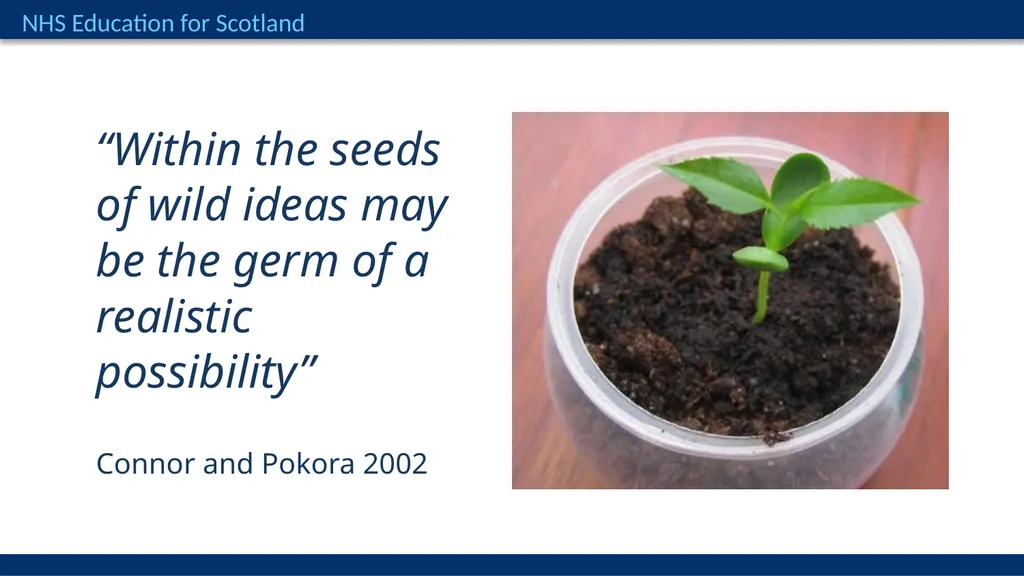
“Within the seeds of wild ideas may be the germ of a realistic possibility”
Connor and Pokora 2002<br>
14
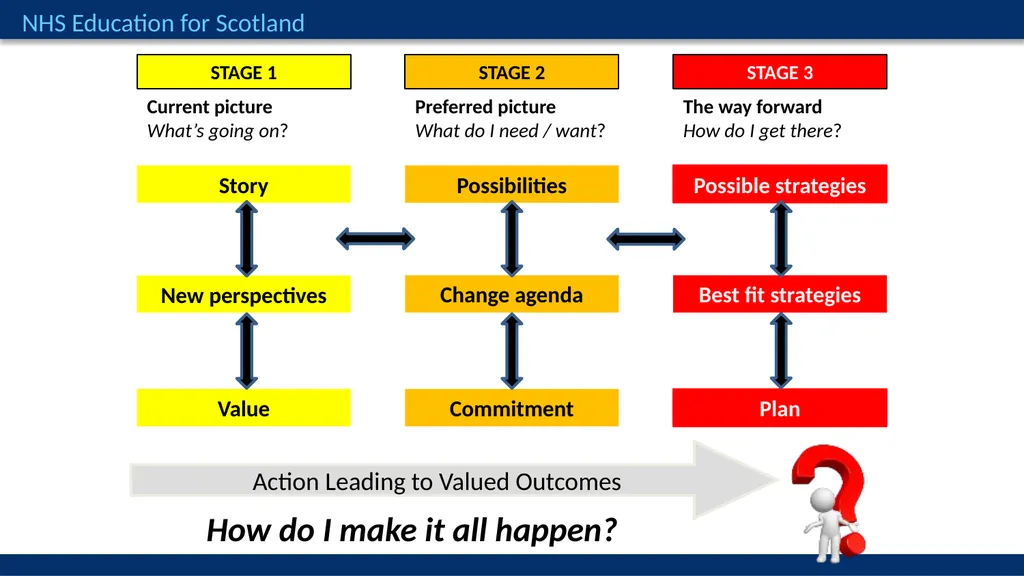
Current picture
What’s going on? New perspectives Value Change agenda Commitment Story Possibilities Possible strategies Best fit strategies Plan Preferred picture
What do I need / want? The way forward
How do I get there? STAGE 1 STAGE 2 STAGE 3 How do I make it all happen? Action Leading to Valued Outcomes<br>
15
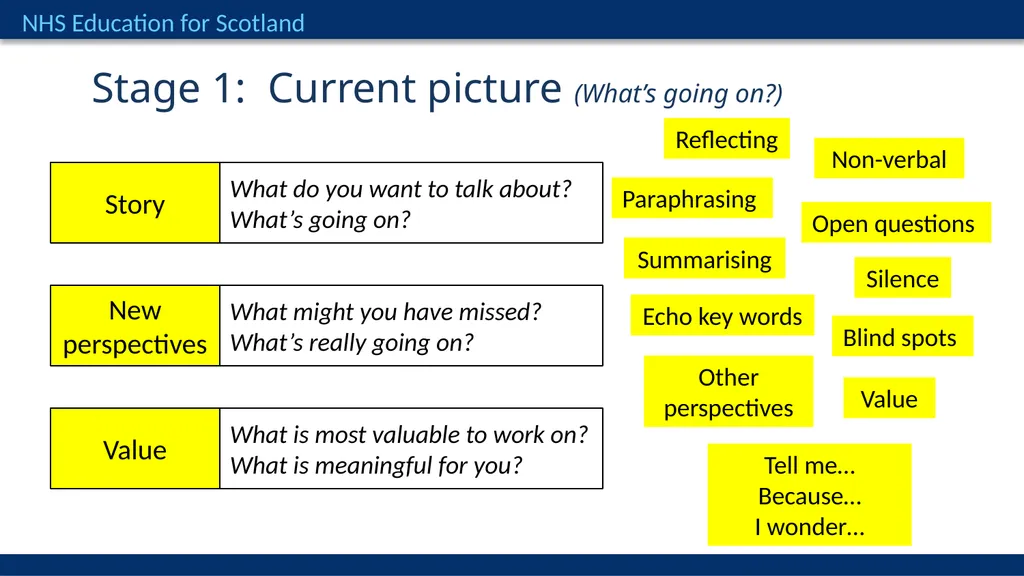
Non-verbal Reflecting Paraphrasing Summarising Echo key words Silence Blind spots Other perspectives Value Open questions Tell me…
Because…
I wonder… Stage 1: Current picture (What’s going on?) Story New perspectives Value What do you want to talk about?
What’s going on? What might you have missed?
What’s really going on? What is most valuable to work on? What is meaningful for you?<br>
16
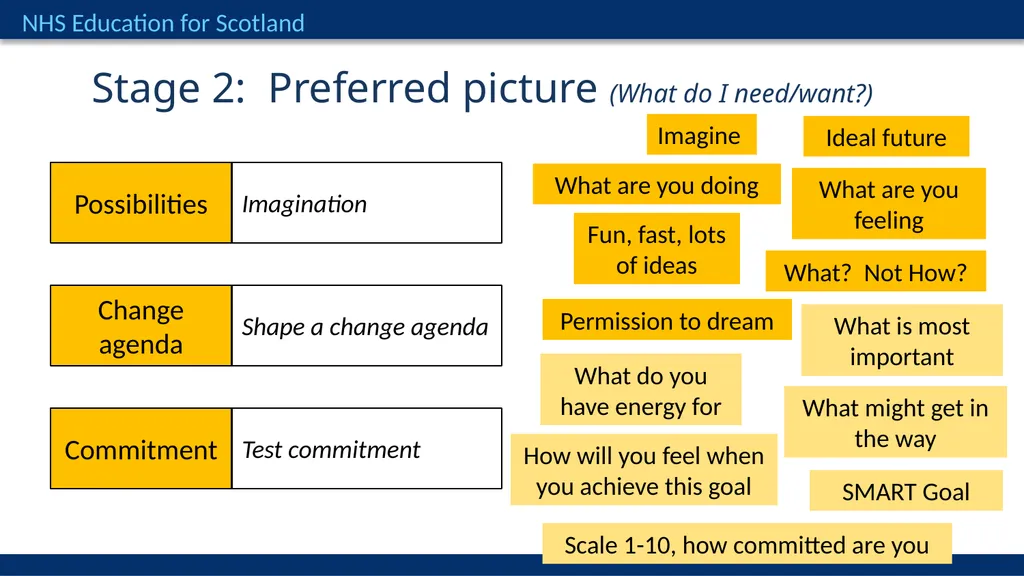
Imagine Ideal future What are you doing What are you feeling What? Not How? Fun, fast, lots of ideas Permission to dream What is most important SMART Goal How will you feel when you achieve this goal What do you have energy for What might get in the way Scale 1-10, how committed are you Stage 2: Preferred picture (What do I need/want?) Possibilities Change agenda Commitment Imagination Shape a change agenda Test commitment<br>
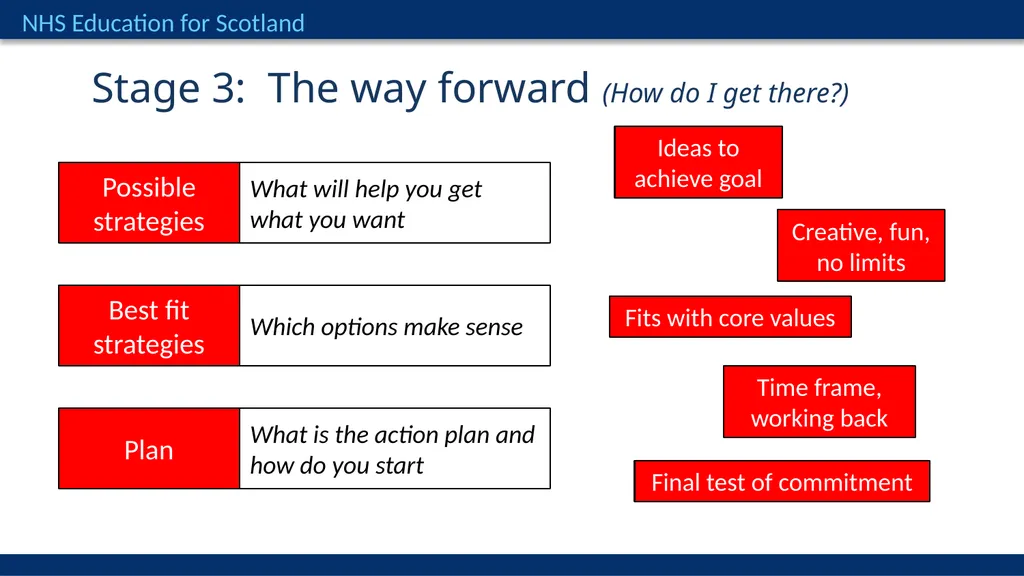
Ideas to achieve goal Creative, fun, no limits Time frame, working back Final test of commitment Fits with core values Stage 3: The way forward (How do I get there?) Possible strategies Best fit strategies Plan What will help you get what you want Which options make sense What is the action plan and how do you start<br>
19
What dilemmas do appraisees bring? This Photo by Unknown Author is licensed under CC BY-NC Should I go part time How do I cope with a complaint Colleagues don’t understand my vision for the department I have one really difficult colleague and I can’t change things My week is just too overloaded and I don’t know how to change it Should I take on a new role Should I give up a current role How do I take forward my great idea?<br>
20
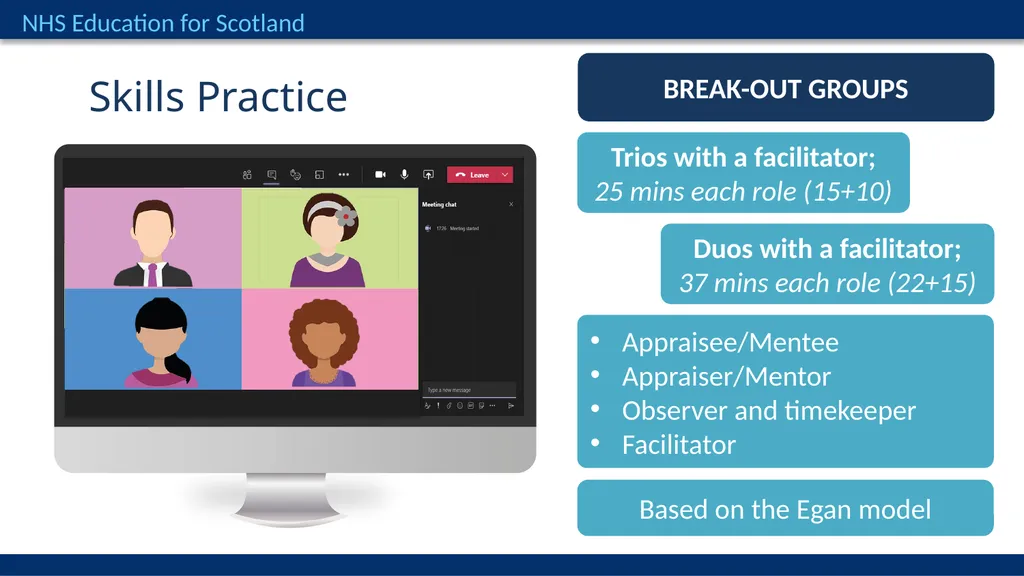
BREAK-OUT GROUPS Duos with a facilitator;
37 mins each role (22+15) Appraisee/Mentee
Appraiser/Mentor
Observer and timekeeper
Facilitator Based on the Egan model Skills Practice Trios with a facilitator;
25 mins each role (15+10)<br>
21
Improving Appraisal Conversations Egan Skilled Helper Model Skills used in coaching/mentoring
Model of coaching/mentoring
Tools to aid exploration and facilitate learning and change Summary of introductory session<br>
22
Final Questions<br>
23
Connor & Pokora 2017 Coaching and Mentoring at Work: developing effective practice.
Egan G 2013 The Skilled Helper References<br>