
Infection Control and Prevention in Environmental


Description: Infection Control and Prevention in Environmental Health Navigating Challenges for a Safer Environment Discussion Questions Healthcare Facility Design and Infection Control: How can architectural and engineering principles be integrated
Related Topics
Download Presentation
"Infection Control and Prevention in Environmental" is the property of its rightful owner. Permission is granted to download and print the materials on this website for personal, non-commercial use only, and to display it on your personal computer provided you do not modify the materials and that you retain all copyright notices contained in the materials. By downloading content from our website, you accept the terms of this agreement.
Presentation Transcript
slide1. Infection Control and Prevention in Environmental Health Navigating Challenges for a Safer Environment<br>
slide2. Discussion Questions Healthcare Facility Design and Infection Control: How can architectural and engineering principles be integrated into healthcare facility design to optimize infection prevention? What role does environmental health play in shaping these designs?
Waterborne Pathogens in Healthcare Settings: What strategies should be employed to mitigate the risk of waterborne infections (e.g., Legionella) within hospitals and other healthcare facilities? How can environmental health policies address this challenge?
Waste Management and Infection Control: How can healthcare institutions effectively manage infectious waste (e.g., contaminated sharps, biohazardous materials) while minimizing environmental impact? What policies can promote safe disposal practices?
Indoor Air Quality and Nosocomial Infections: What measures can be taken to improve indoor air quality in healthcare settings? How does air quality impact the transmission of healthcare-associated infections?
Green Healthcare Practices: How can hospitals adopt environmentally sustainable practices without compromising infection control? What policies can encourage the use of eco-friendly materials and energy-efficient systems?<br>
slide3. Discussion Questions 6. Vector-Borne Diseases and Environmental Health: What policies should healthcare facilities implement to prevent vector-borne diseases (e.g., Zika, Lyme disease) within their premises? How can public health agencies collaborate with environmental health experts?
7. Chemical Exposure and Healthcare Workers: How can healthcare workers be protected from occupational exposure to hazardous chemicals (e.g., disinfectants, sterilants)? What guidelines should be in place to minimize risks?
8. Antimicrobial Resistance and Environmental Contamination: How does the use of antimicrobials impact the environment (e.g., water supply, soil)? What policies can address both infection control and environmental stewardship?
9. Climate Change and Infectious Disease Spread: How does climate change influence the distribution of infectious diseases? What adaptive strategies can healthcare systems adopt to respond to these shifts?
10. Healthcare Facility Sustainability and Infection Control: How can hospitals and clinics integrate infection control practices into broader sustainability initiatives? What innovative approaches can enhance both patient safety and environmental health?<br>
slide4. Objectives Understand the role of environmental factors in infection transmission
Explore strategies for integrating environmental health into infection control and prevention in a healthcare setting
Analyze case studies highlighting the environmental impact on infection spread<br>
slide5. Introduction The crucial intersection of Environmental Public Health (EPH) and Healthcare Infection Prevention.
These two domains play interconnected roles in safeguarding patient well-being:
Healthcare Environment and Pathogens:
The physical environment within healthcare facilities can harbor pathogens that cause infections or carry antibiotic resistance.
For instance, molds can thrive on wet surfaces, and bacteria may lurk in plumbing fixtures like sink drains or ice machines.
Human interactions with the healthcare environment matter too. When a healthcare worker neglects hand hygiene, they risk contaminating equipment or surfaces, which can then expose patients to pathogens1.<br>
slide6. Introduction Water Management:
Water sources within healthcare settings can be breeding grounds for microbes.
Legionella, for instance, can proliferate in water systems and cause Legionnaires’ disease.
Effective water management is essential to minimize such risks and prevent infections1.
Surface Cleaning and Disinfection:
Environmental surfaces (bedrails, doorknobs, etc.) can harbor pathogens.
Regular cleaning and disinfection are critical to reduce transmission.
Proper techniques and use of effective disinfectants help maintain a safe environment1.<br>
slide7. Introduction Antibiotic Resistance and the Environment:
The healthcare environment contributes to the spread of antibiotic resistance.
By addressing water quality, surface hygiene, and proper waste disposal, we can mitigate this risk.
A holistic approach considers both patient care and environmental stewardship.
The intersection of Environmental Public Health and Healthcare Infection Prevention involves vigilant water management, meticulous surface hygiene, and a shared commitment to patient safety.
By addressing both human behavior and environmental factors, we enhance infection control within healthcare settings<br>
slide8. Defining Infection Prevention within the Context of Environmental Public Health Infection control refers to a set of practices and measures aimed at preventing the spread of infections within healthcare settings and the broader community.
In the context of environmental health, infection control extends beyond individual behaviors and clinical practices.
It encompasses strategies to minimize the transmission of pathogens through the physical environment.<br>
slide9. Environmental Factors that Contribute to Infection Spread Sources of Germs: The healthcare environment serves as a reservoir for infectious agents (germs). These sources include:
Patients: Individuals who may be symptomatic carriers of infections or colonized with germs (able to transmit them without showing symptoms).
Healthcare Workers: Personnel who interact with patients and equipment.
Visitors and Household Members: People entering healthcare facilities.<br>
slide10. Environmental Factors that Contribute to Infection Spread Environmental Surfaces: Various surfaces in patient care areas, such as bed rails, medical equipment, countertops, and tables.
Wet Environments and Biofilms: Areas like cooling towers, faucets, sinks, and equipment (e.g., ventilators) where germs can thrive.
Indwelling Medical Devices: Catheters, IV lines, and other devices that can harbor pathogens.
Dust and Debris: Construction dust or wet materials from water leaks<br>
slide11. Environmental Factors that Contribute to Infection Spread Water and Surface Hygiene:
Water Management: Proper management of water systems (e.g., cooling towers) is crucial to prevent the proliferation of harmful microbes.
Surface Cleaning and Disinfection: Regular cleaning and disinfection of environmental surfaces reduce the risk of transmission.
Biofilm Control: Addressing biofilms (microbial communities adhering to surfaces) is essential to prevent contamination.
Hand Hygiene: Ensuring healthcare workers practice thorough handwashing to prevent cross-contamination.<br>
slide12. Environmental Factors that Contribute to Infection Spread Antibiotic Resistance and Environmental Health
The healthcare environment plays a role in the spread of antibiotic-resistant organisms.
Inadequate infection control can lead to the emergence and dissemination of resistant strains.
Addressing environmental factors is critical to combatting antibiotic resistance and protecting patient safety.
Remember, effective infection control involves a holistic approach that considers both clinical practices and the environment.
By integrating environmental health measures, we can enhance patient well-being and reduce the risk of infections in healthcare settings<br>
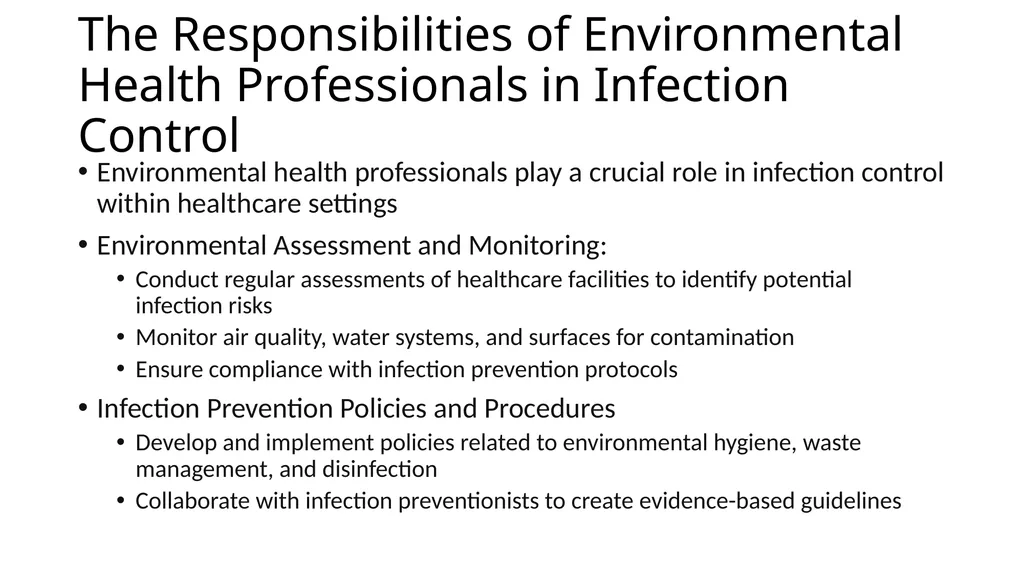
slide13. The Responsibilities of Environmental Health Professionals in Infection Control Environmental health professionals play a crucial role in infection control within healthcare settings
Environmental Assessment and Monitoring:
Conduct regular assessments of healthcare facilities to identify potential infection risks
Monitor air quality, water systems, and surfaces for contamination
Ensure compliance with infection prevention protocols
Infection Prevention Policies and Procedures
Develop and implement policies related to environmental hygiene, waste management, and disinfection
Collaborate with infection preventionists to create evidence-based guidelines<br>
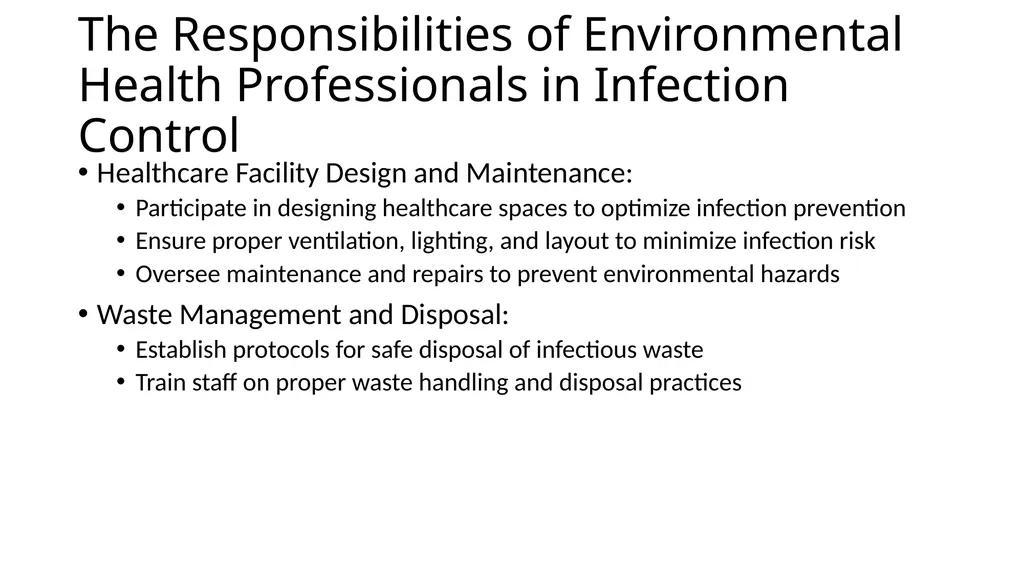
slide14. The Responsibilities of Environmental Health Professionals in Infection Control Healthcare Facility Design and Maintenance:
Participate in designing healthcare spaces to optimize infection prevention
Ensure proper ventilation, lighting, and layout to minimize infection risk
Oversee maintenance and repairs to prevent environmental hazards
Waste Management and Disposal:
Establish protocols for safe disposal of infectious waste
Train staff on proper waste handling and disposal practices<br>
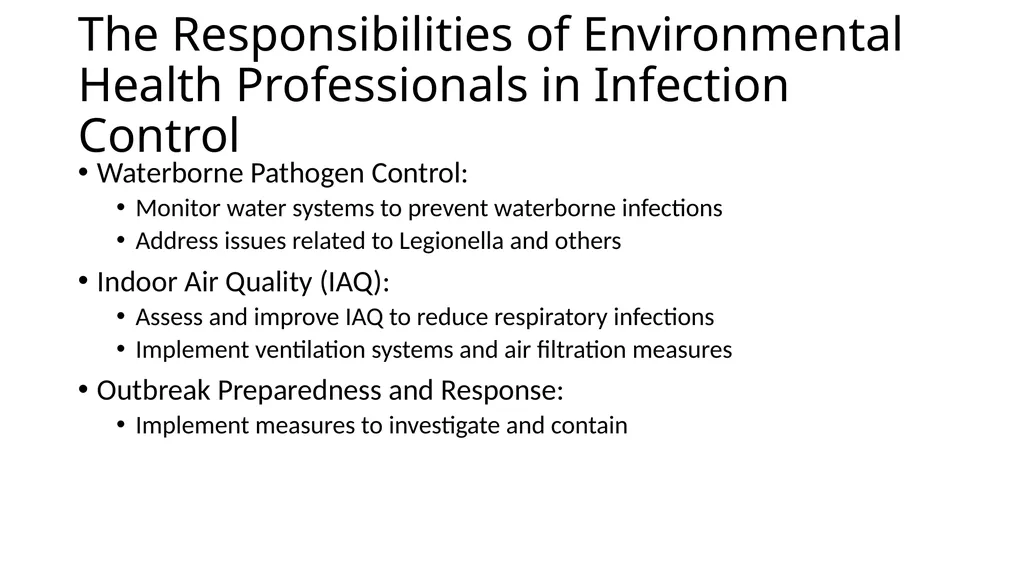
slide15. The Responsibilities of Environmental Health Professionals in Infection Control Waterborne Pathogen Control:
Monitor water systems to prevent waterborne infections
Address issues related to Legionella and others
Indoor Air Quality (IAQ):
Assess and improve IAQ to reduce respiratory infections
Implement ventilation systems and air filtration measures
Outbreak Preparedness and Response:
Implement measures to investigate and contain<br>
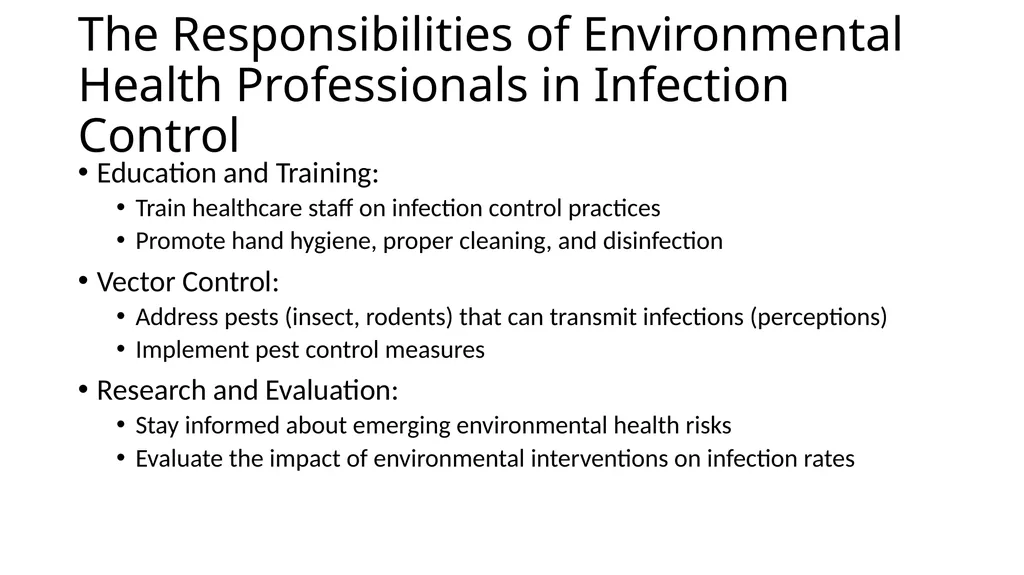
slide16. The Responsibilities of Environmental Health Professionals in Infection Control Education and Training:
Train healthcare staff on infection control practices
Promote hand hygiene, proper cleaning, and disinfection
Vector Control:
Address pests (insect, rodents) that can transmit infections (perceptions)
Implement pest control measures
Research and Evaluation:
Stay informed about emerging environmental health risks
Evaluate the impact of environmental interventions on infection rates<br>
slide17. Impact of Water Quality on Infection Prevention Water safety and quality are fundamental to human well-being. Access to safe water is a powerful tool for improving health and reducing poverty.
In healthcare, waterborne diseases pose a significant risk.
Typhoid Fever:
Cause: Caused by the bacterium Salmonella Typhi.
Transmission: Spread through contaminated food, unsafe water, and poor sanitation.
Symptoms: Gradual fever, muscle aches, fatigue, sweating, diarrhea, or constipation.
Prevention: Vaccination, safe water consumption, and avoiding food from unhygienic sources.<br>
slide18. Impact of Water Quality on Infection Prevention Cholera:
Cause: Caused by the bacterium Vibrio cholerae.
Transmission: Spreads through contaminated water.
Symptoms: Nausea, vomiting, diarrhea, and muscle cramps.
Prevention: Handwashing, consuming fully cooked food, and avoiding raw vegetables.
Legionellosis:
Cause: Caused by the bacterium Legionella pneumophila.
Transmission: Inhalation of aerosolized water droplets (e.g., from showers, cooling towers).
Symptoms: Fever, cough, shortness of breath, and pneumonia.
Prevention: Proper maintenance of water systems, regular testing, and monitoring.<br>
slide19. Strategies for Ensuring Safe Water Supply Water Management Programs:
Regularly assess water quality within healthcare facilities.
Identify hazardous conditions and corrective actions.
Minimize growth and spread of waterborne pathogens.
Water Safety Planning (WSP):
Develop and implement WSPs to reduce Legionella growth and spread.
Involve multidisciplinary teams (facility managers, infection preventionists, clinicians).
Focus on both supply and waste sides of water systems.<br>
slide20. Strategies for Ensuring Safe Water Supply Source Water Protection:
Implement practices to protect water sources (e.g., land use controls, regulations, inspections).
Address both point and nonpoint sources of contamination.
Promote spill prevention, stakeholder education, and coordination.
Hand Hygiene and Equipment Handling:
Educate healthcare staff on proper hand hygiene.
Ensure safe handling of water-utilizing equipment.
Regularly clean and disinfect equipment.
Risk Assessment and Monitoring:
Continuously assess risks related to water quality.
Monitor water systems for changes (e.g., pressure drops, disinfection levels).
Implement corrective actions promptly.<br>
slide21. Strategies for Ensuring Safe Water Supply Remember, safe water is essential for patient safety, infection prevention, and overall well-being.
By prioritizing water quality, we can significantly reduce the burden of waterborne diseases in healthcare settings<br>
slide22. Air Quality and Respiratory Infections Environmental factors, including air quality, significantly impact respiratory infections.
Air pollution contains harmful particles (particulate matter), gases (such as nitrogen dioxide), and volatile organic compounds.
Exposure to polluted air can lead to respiratory diseases, exacerbate existing conditions, and weaken lung defenses.
Vulnerable populations, such as children, the elderly, and those with pre-existing respiratory conditions, are particularly affected.<br>
slide23. Air Quality and Respiratory Infections Importance of Ventilation in Healthcare Settings:
Proper ventilation is crucial for infection prevention:
Dilutes airborne pathogens: Fresh air reduces the concentration of infectious particles.
Removes contaminated air: Efficient ventilation removes respiratory droplets and aerosols.
Controls humidity: Optimal humidity levels hinder virus survival.
Prevents stagnant air: Stagnation promotes pathogen accumulation.<br>
slide24. Strategies for Improving Indoor Air Quality Regular Maintenance:
Inspect HVAC systems: Ensure filters are clean and functioning.
Clean air ducts: Remove dust, mold, and debris.
Check exhaust fans: Properly functioning fans prevent air stagnation.
Natural Ventilation:
Open windows: Allow fresh air circulation.
Cross-ventilation: Position windows and doors for effective airflow.
Mechanical Ventilation:
High-efficiency particulate air (HEPA) filters: Capture airborne particles.
Positive pressure rooms: Prevent contaminated air from entering.<br>
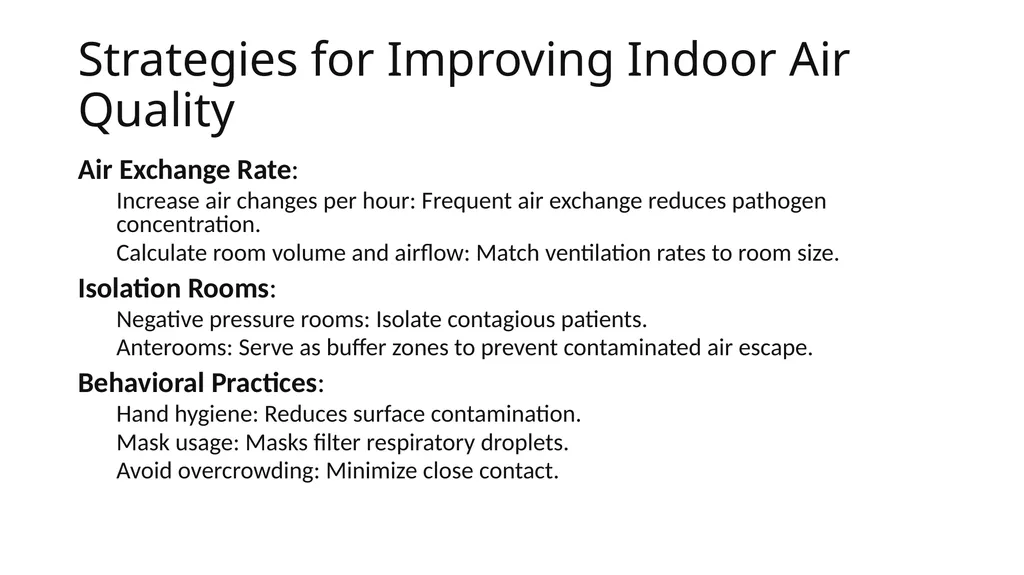
slide25. Strategies for Improving Indoor Air Quality Air Exchange Rate:
Increase air changes per hour: Frequent air exchange reduces pathogen concentration.
Calculate room volume and airflow: Match ventilation rates to room size.
Isolation Rooms:
Negative pressure rooms: Isolate contagious patients.
Anterooms: Serve as buffer zones to prevent contaminated air escape.
Behavioral Practices:
Hand hygiene: Reduces surface contamination.
Mask usage: Masks filter respiratory droplets.
Avoid overcrowding: Minimize close contact.<br>
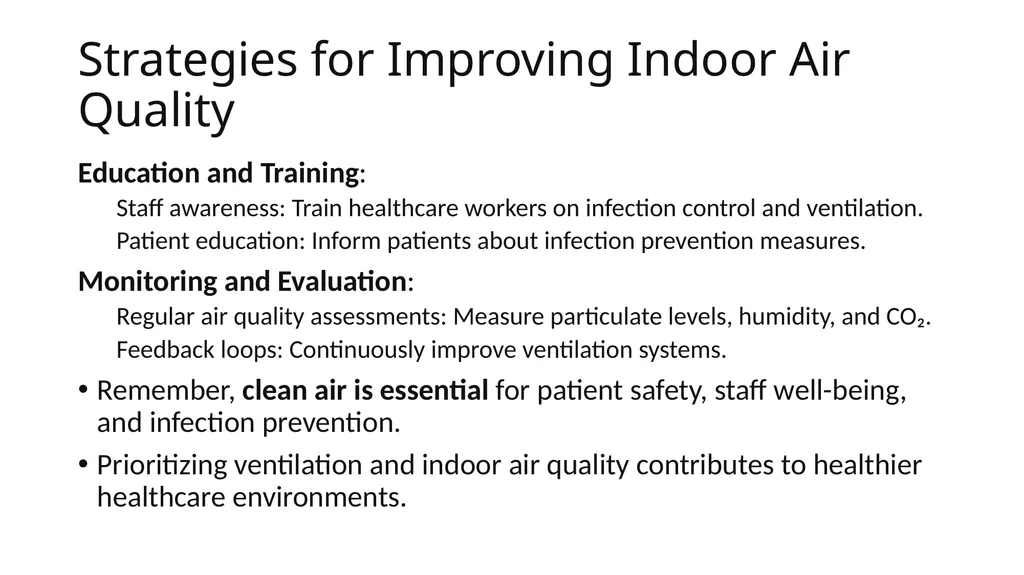
slide26. Strategies for Improving Indoor Air Quality Education and Training:
Staff awareness: Train healthcare workers on infection control and ventilation.
Patient education: Inform patients about infection prevention measures.
Monitoring and Evaluation:
Regular air quality assessments: Measure particulate levels, humidity, and CO₂.
Feedback loops: Continuously improve ventilation systems.
Remember, clean air is essential for patient safety, staff well-being, and infection prevention.
Prioritizing ventilation and indoor air quality contributes to healthier healthcare environments.<br>
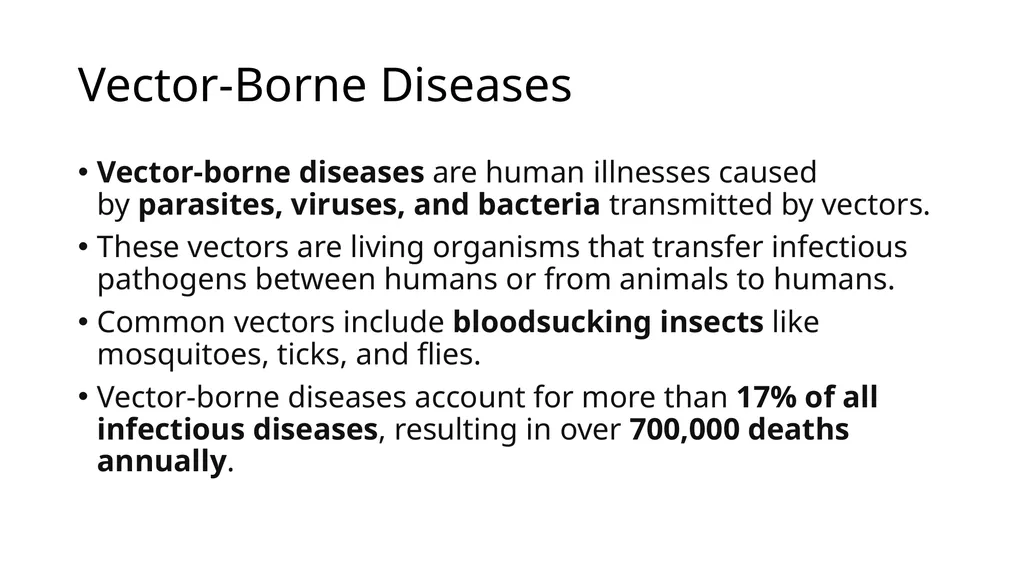
slide27. Vector-Borne Diseases Vector-borne diseases are human illnesses caused by parasites, viruses, and bacteria transmitted by vectors.
These vectors are living organisms that transfer infectious pathogens between humans or from animals to humans.
Common vectors include bloodsucking insects like mosquitoes, ticks, and flies.
Vector-borne diseases account for more than 17% of all infectious diseases, resulting in over 700,000 deaths annually.<br>
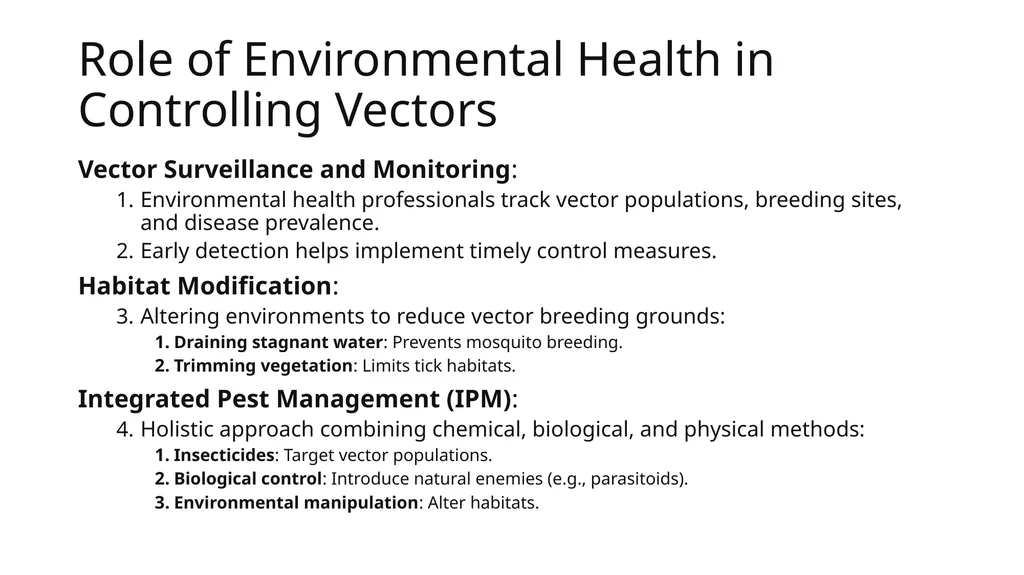
slide28. Role of Environmental Health in Controlling Vectors Vector Surveillance and Monitoring:
Environmental health professionals track vector populations, breeding sites, and disease prevalence.
Early detection helps implement timely control measures.
Habitat Modification:
Altering environments to reduce vector breeding grounds:
Draining stagnant water: Prevents mosquito breeding.
Trimming vegetation: Limits tick habitats.
Integrated Pest Management (IPM):
Holistic approach combining chemical, biological, and physical methods:
Insecticides: Target vector populations.
Biological control: Introduce natural enemies (e.g., parasitoids).
Environmental manipulation: Alter habitats.<br>
slide29. Role of Environmental Health in Controlling Vectors Community Education and Engagement:
Raise awareness about vector-borne diseases and prevention.
Encourage community participation in vector control efforts.
Climate Resilience:
Environmental changes impact vector distribution:
Warmer temperatures: Expand vector habitats.
Altered precipitation patterns: Affect breeding sites.
Adaptation strategies are crucial.<br>
slide30. Examples of Vector-Borne Diseases in Healthcare Settings Malaria:
Parasitic infection transmitted by Anopheline mosquitoes.
Causes an estimated 219 million cases globally and over 400,000 deaths annually.
Most fatalities occur in children under 5 years old1.
Dengue Fever:
Viral infection transmitted by Aedes mosquitoes.
3.9 billion people in 129 countries are at risk.
Estimated 96 million symptomatic cases and 40,000 deaths annually1.
Chikungunya Fever:
Another viral disease transmitted by Aedes mosquitoes.
Causes joint pain, fever, and rash.
Occurs in healthcare settings due to patient movement.<br>
slide31. Examples of Vector-Borne Diseases in Healthcare Settings Lyme Disease:
Tick-borne bacterial infection.
Common in wooded areas.
Healthcare workers and patients can be exposed.
West Nile Virus:
Mosquito-borne virus.
Can lead to severe neurological complications.
Hospitals need to monitor local cases.
Zika Virus:
Aedes mosquitoes transmit Zika.
Pregnant women are at risk due to birth defects.
Healthcare facilities must educate and protect pregnant patients.
Remember, effective vector control is essential for maintaining a safe healthcare environment and preventing the spread of these diseases.<br>
slide32. Fomite Transmission and Surface Disinfection Surfaces play a pivotal role in the spread of infections within healthcare environments.
Fomites are inanimate objects or surfaces that can harbor infectious agents.
Pathogens (viruses, bacteria, or fungi) can survive on surfaces for varying durations.
Contaminated surfaces can transfer pathogens to hands, leading to subsequent transmission to mucous membranes (e.g., eyes, nose, mouth).<br>
slide33. Importance of Proper Cleaning and Disinfection Break the Chain of Transmission:
Cleaning: Removes visible dirt, organic matter, and some pathogens.
Disinfection: Kills or inactivates remaining pathogens.
Together, they break the transmission chain.
High-Touch Surfaces:
Bedrails, doorknobs, light switches, call buttons, and countertops are frequently touched.
Regular cleaning and disinfection prevent pathogen buildup.
Healthcare-Associated Infections (HAIs):
Contaminated surfaces contribute to HAIs.
Proper cleaning reduces infection risk for patients and healthcare workers.
Types of Disinfectants:
Low-level disinfectants: Effective against most bacteria and some viruses.
Intermediate-level disinfectants: Effective against mycobacteria and some viruses.
High-level disinfectants: Kill vegetative bacteria, mycobacteria, fungi, and viruses (except bacterial spores).<br>
slide34. Environmental Health Measures to Minimize Fomite Transmission Regular Cleaning:
Daily cleaning routines: Wipe down surfaces with detergent.
Focus on high-touch areas: Bedside tables, bedrails, call buttons, etc.
Terminal Cleaning:
After patient discharge: Thoroughly clean and disinfect the entire room.
Pay attention to hidden areas: Under beds, behind curtains.
Use of Appropriate Disinfectants:
Select based on surface type and pathogen risk.
Follow manufacturer instructions: Concentration, contact time, and safety precautions.
Hand Hygiene:
Healthcare workers: Wash hands before and after patient contact.
Patients and visitors: Encourage hand hygiene.<br>
slide35. Environmental Health Measures to Minimize Fomite Transmission Personal Protective Equipment (PPE):
Gloves: Use when handling contaminated items.
Gowns, masks, and eye protection: Prevent self-contamination.
Antimicrobial Surfaces:
Copper-infused surfaces: Reduce pathogen survival.
Self-disinfecting materials: Continuously release antimicrobial agents.
Education and Training:
Staff: Understand proper cleaning protocols.
Patients: Educate on infection prevention.
Remember, maintaining clean and disinfected surfaces is essential for patient safety and infection control.
By minimizing fomite transmission, we create healthier healthcare environments.<br>
slide36. Case Studies Real-world examples where environmental factors played a crucial role in infection control
Interventions were implemented to address environmental challenges
https://www.ncbi.nlm.nih.gov/pmc/articles/PMC6982084/
https://www.cidrap.umn.edu/legionella/cdc-most-healthcare-acquired-legionnaires-cases-could-be-prevented
https://www.cdc.gov/eis/casestudies/xlegionnaires.912-303.student.pdf<br>
slide37. Challenges in Environmental Health for Infection Control Physical Environment and Pathogens:
The healthcare environment can harbor pathogens that cause infections or carry antibiotic resistance.
For instance, molds on damp surfaces and bacteria in plumbing fixtures pose risks.
Healthcare workers’ interactions with the environment matter. Failure to wash hands can lead to contamination of equipment or surfaces, which then expose patients to pathogens<br>
slide38. Challenges in Environmental Health for Infection Control Infrastructure Challenges:
Inadequate Hospital Infrastructure: Insufficient facilities, outdated buildings, and overcrowding can hinder infection control efforts.
Resource and Workforce Shortages: Lack of personnel, supplies, and equipment affects infection prevention.
Education and Training: Staff need ongoing training to implement best practices effectively2.
Public Awareness and Behavior:
Public understanding of infection prevention impacts compliance. Raising awareness about hand hygiene, vaccination, and other preventive measures is vital.
Community education can reduce the spread of infections within and beyond healthcare settings.<br>
slide39. Challenges in Environmental Health for Infection Control Emerging Pathogens and Antimicrobial Resistance:
New infectious diseases can spread rapidly. The COVID-19 pandemic highlighted the need for vigilance.
Antimicrobial resistance poses a significant challenge, requiring prudent antibiotic use and infection control measures3.
Surveillance and Reporting Requirements:
Monitoring infections, tracking outbreaks, and reporting data are essential. However, resource limitations can hinder comprehensive surveillance.
Addressing these challenges requires a multifaceted approach, including better infrastructure, education, resource allocation, and public engagement.
By prioritizing infection prevention, we can enhance patient safety and reduce the burden of healthcare-associated infections.<br>
slide40. Opportunities for Improvement Infection control is a critical aspect of public health, especially within healthcare settings.
By implementing effective strategies, we can enhance patient safety, reduce healthcare-associated infections (HAIs), and combat antimicrobial resistance.
Here are some opportunities for improvement and innovative approaches:
Telemedicine and Telehealth:
The COVID-19 pandemic accelerated the adoption of telemedicine and telehealth services.
These technologies minimize in-person interactions, reducing the risk of disease transmission in healthcare settings.
Patients can now consult with healthcare providers remotely, which not only improves access but also lowers the risk of exposure to infections.<br>
slide41. Opportunities for Improvement Advanced Disinfection Technologies:
Traditional methods of disinfection (such as manual cleaning and chemical disinfectants) are being complemented by advanced technologies:
Ultraviolet (UV) Disinfection: UV-C light devices effectively disinfect surfaces and air in healthcare facilities, targeting a wide range of pathogens.
Robotic Disinfection: Robots equipped with UV-C or hydrogen peroxide vapor systems autonomously disinfect patient rooms, minimizing human error.
Antimicrobial Coatings:
Innovative antimicrobial coatings are applied to various surfaces in healthcare settings.
These coatings release antimicrobial agents continuously, inhibiting the growth of microorganisms and reducing the risk of surface transmission.
Blockchain for Infection Control:
Blockchain technology is being explored to enhance infection control.
It provides a secure and transparent way to manage patient data, trace infections, and ensure the integrity of records.
Real-time tracking of infectious outbreaks and contact tracing becomes feasible.<br>
slide42. Opportunities for Improvement AI and Machine Learning:
AI and machine learning analyze vast amounts of patient data, identify patterns, and provide early warnings of potential outbreaks.
These technologies can predict and prevent infections, improving patient safety.
Wearable Technology:
Wearables can monitor vital signs, detect early signs of infection, and alert healthcare providers.
They enhance surveillance and early intervention.
Sustainable Practices:
Beyond technology, sustainable practices play a crucial role:
Reducing Single-Use Plastics: Hospitals can minimize plastic waste by adopting reusable alternatives.
Energy Efficiency: Implementing energy-saving measures reduces the environmental impact of healthcare facilities.
Green Spaces: Integrating green spaces within hospitals improves air quality and promotes well-being.
A multifaceted approach that combines innovative technologies, sustainable practices, and rigorous infection control measures is essential for a safer and more resilient healthcare future12.<br>
slide43. Future Directions and Research Climate Change and Infectious Diseases:
Incidence of Emerging Infections: The Centers for Disease Control and Prevention (CDC) defines “emerging infections” as those whose incidence in humans has increased in the past two decades or threatens to increase in the near future.
Climate Change Impact: Climate change, urbanization, and changing land use are projected to lead to a more frequent emergence of infectious diseases in the coming decades.
Vector-Borne Diseases: Vector-borne diseases sensitive to climate are changing and expanding in range.
Research Focus: Researchers are studying various emerging infections, including anaplasmosis, babesiosis, Borrelia miyamotoi infection, leptospirosis, Lyme disease, West Nile virus infection, trypanosomiasis, multidrug-resistant tuberculosis, Powassan virus infection, Zika virus, and COVID-191<br>
slide44. Future Directions and Research Ethical Considerations:
The complex dynamics between climate change, global health, and emerging infections raise critical ethical issues.
Researchers and practitioners explore these ethical dilemmas in their work and teaching.
Research and Surveillance:
Researchers focus on understanding disease transmission, drug resistance, and molecular epidemiology.
Surveillance systems monitor outbreaks and track disease patterns.
One Health Approach:
Recognizing the interconnectedness of human, animal, and environmental health.
Collaborative efforts to prevent and control infectious diseases.<br>
slide45. Future Directions and Research Global Health Implications:
Many emerging infections are globally distributed, necessitating international collaboration.
Faculty research spans different regions, addressing diverse health challenges.
In-Person Courses and Continuing Education:
Emerging Infections in Clinical Practice and Public Health: A course for clinicians, infection control practitioners, and laboratorians to stay updated on prevention, treatment, and control strategies4.
Remember, these trends and areas for research and development are dynamic, and ongoing efforts are essential to address emerging health threats effectively.<br>
slide46. Conclusion Environmental Infection Prevention and Control:
The physical environment in healthcare facilities can harbor pathogens that cause infections or carry antibiotic resistance.
Examples include molds on wet surfaces, bacteria in plumbing fixtures, and contaminated equipment or surfaces due to inadequate hand hygiene by healthcare workers.
Addressing water management and surface cleaning and disinfection is crucial to prevent the spread of infections and antibiotic resistance1.
Symbiosis of Environmental Sustainability and Infection Control:
Research highlights the dynamic interplay between sustainable practices and infection control within healthcare systems.
Sustainable practices intersect with, enhance, and transform infection control strategies2.<br>
slide47. Conclusion Infection Prevention and Control (IPC):
IPC lies at the intersection of clinical practice and public health.
It aims to reduce infection risk for patients, healthcare workers, and the community while combating antimicrobial resistance3.
Core Practices for Safe Healthcare Delivery:
Implement core practices in all healthcare settings (inpatient and outpatient).
These practices ensure infection prevention and control, contributing to patient safety45.<br>
slide48. Questions<br>
slide49. Additional References https://www.who.int/news-room/fact-sheets/detail/vector-borne-diseases
https://www.ncbi.nlm.nih.gov/pmc/articles/PMC6317222/#:~:text=In%20the%20healthcare%20environment%2C%20microorganisms,spread%20in%20the%20healthcare%20environment.
https://www.ncbi.nlm.nih.gov/pmc/articles/PMC7127218/<br>
slide2. Discussion Questions Healthcare Facility Design and Infection Control: How can architectural and engineering principles be integrated into healthcare facility design to optimize infection prevention? What role does environmental health play in shaping these designs?
Waterborne Pathogens in Healthcare Settings: What strategies should be employed to mitigate the risk of waterborne infections (e.g., Legionella) within hospitals and other healthcare facilities? How can environmental health policies address this challenge?
Waste Management and Infection Control: How can healthcare institutions effectively manage infectious waste (e.g., contaminated sharps, biohazardous materials) while minimizing environmental impact? What policies can promote safe disposal practices?
Indoor Air Quality and Nosocomial Infections: What measures can be taken to improve indoor air quality in healthcare settings? How does air quality impact the transmission of healthcare-associated infections?
Green Healthcare Practices: How can hospitals adopt environmentally sustainable practices without compromising infection control? What policies can encourage the use of eco-friendly materials and energy-efficient systems?<br>
slide3. Discussion Questions 6. Vector-Borne Diseases and Environmental Health: What policies should healthcare facilities implement to prevent vector-borne diseases (e.g., Zika, Lyme disease) within their premises? How can public health agencies collaborate with environmental health experts?
7. Chemical Exposure and Healthcare Workers: How can healthcare workers be protected from occupational exposure to hazardous chemicals (e.g., disinfectants, sterilants)? What guidelines should be in place to minimize risks?
8. Antimicrobial Resistance and Environmental Contamination: How does the use of antimicrobials impact the environment (e.g., water supply, soil)? What policies can address both infection control and environmental stewardship?
9. Climate Change and Infectious Disease Spread: How does climate change influence the distribution of infectious diseases? What adaptive strategies can healthcare systems adopt to respond to these shifts?
10. Healthcare Facility Sustainability and Infection Control: How can hospitals and clinics integrate infection control practices into broader sustainability initiatives? What innovative approaches can enhance both patient safety and environmental health?<br>
slide4. Objectives Understand the role of environmental factors in infection transmission
Explore strategies for integrating environmental health into infection control and prevention in a healthcare setting
Analyze case studies highlighting the environmental impact on infection spread<br>
slide5. Introduction The crucial intersection of Environmental Public Health (EPH) and Healthcare Infection Prevention.
These two domains play interconnected roles in safeguarding patient well-being:
Healthcare Environment and Pathogens:
The physical environment within healthcare facilities can harbor pathogens that cause infections or carry antibiotic resistance.
For instance, molds can thrive on wet surfaces, and bacteria may lurk in plumbing fixtures like sink drains or ice machines.
Human interactions with the healthcare environment matter too. When a healthcare worker neglects hand hygiene, they risk contaminating equipment or surfaces, which can then expose patients to pathogens1.<br>
slide6. Introduction Water Management:
Water sources within healthcare settings can be breeding grounds for microbes.
Legionella, for instance, can proliferate in water systems and cause Legionnaires’ disease.
Effective water management is essential to minimize such risks and prevent infections1.
Surface Cleaning and Disinfection:
Environmental surfaces (bedrails, doorknobs, etc.) can harbor pathogens.
Regular cleaning and disinfection are critical to reduce transmission.
Proper techniques and use of effective disinfectants help maintain a safe environment1.<br>
slide7. Introduction Antibiotic Resistance and the Environment:
The healthcare environment contributes to the spread of antibiotic resistance.
By addressing water quality, surface hygiene, and proper waste disposal, we can mitigate this risk.
A holistic approach considers both patient care and environmental stewardship.
The intersection of Environmental Public Health and Healthcare Infection Prevention involves vigilant water management, meticulous surface hygiene, and a shared commitment to patient safety.
By addressing both human behavior and environmental factors, we enhance infection control within healthcare settings<br>
slide8. Defining Infection Prevention within the Context of Environmental Public Health Infection control refers to a set of practices and measures aimed at preventing the spread of infections within healthcare settings and the broader community.
In the context of environmental health, infection control extends beyond individual behaviors and clinical practices.
It encompasses strategies to minimize the transmission of pathogens through the physical environment.<br>
slide9. Environmental Factors that Contribute to Infection Spread Sources of Germs: The healthcare environment serves as a reservoir for infectious agents (germs). These sources include:
Patients: Individuals who may be symptomatic carriers of infections or colonized with germs (able to transmit them without showing symptoms).
Healthcare Workers: Personnel who interact with patients and equipment.
Visitors and Household Members: People entering healthcare facilities.<br>
slide10. Environmental Factors that Contribute to Infection Spread Environmental Surfaces: Various surfaces in patient care areas, such as bed rails, medical equipment, countertops, and tables.
Wet Environments and Biofilms: Areas like cooling towers, faucets, sinks, and equipment (e.g., ventilators) where germs can thrive.
Indwelling Medical Devices: Catheters, IV lines, and other devices that can harbor pathogens.
Dust and Debris: Construction dust or wet materials from water leaks<br>
slide11. Environmental Factors that Contribute to Infection Spread Water and Surface Hygiene:
Water Management: Proper management of water systems (e.g., cooling towers) is crucial to prevent the proliferation of harmful microbes.
Surface Cleaning and Disinfection: Regular cleaning and disinfection of environmental surfaces reduce the risk of transmission.
Biofilm Control: Addressing biofilms (microbial communities adhering to surfaces) is essential to prevent contamination.
Hand Hygiene: Ensuring healthcare workers practice thorough handwashing to prevent cross-contamination.<br>
slide12. Environmental Factors that Contribute to Infection Spread Antibiotic Resistance and Environmental Health
The healthcare environment plays a role in the spread of antibiotic-resistant organisms.
Inadequate infection control can lead to the emergence and dissemination of resistant strains.
Addressing environmental factors is critical to combatting antibiotic resistance and protecting patient safety.
Remember, effective infection control involves a holistic approach that considers both clinical practices and the environment.
By integrating environmental health measures, we can enhance patient well-being and reduce the risk of infections in healthcare settings<br>
slide13. The Responsibilities of Environmental Health Professionals in Infection Control Environmental health professionals play a crucial role in infection control within healthcare settings
Environmental Assessment and Monitoring:
Conduct regular assessments of healthcare facilities to identify potential infection risks
Monitor air quality, water systems, and surfaces for contamination
Ensure compliance with infection prevention protocols
Infection Prevention Policies and Procedures
Develop and implement policies related to environmental hygiene, waste management, and disinfection
Collaborate with infection preventionists to create evidence-based guidelines<br>
slide14. The Responsibilities of Environmental Health Professionals in Infection Control Healthcare Facility Design and Maintenance:
Participate in designing healthcare spaces to optimize infection prevention
Ensure proper ventilation, lighting, and layout to minimize infection risk
Oversee maintenance and repairs to prevent environmental hazards
Waste Management and Disposal:
Establish protocols for safe disposal of infectious waste
Train staff on proper waste handling and disposal practices<br>
slide15. The Responsibilities of Environmental Health Professionals in Infection Control Waterborne Pathogen Control:
Monitor water systems to prevent waterborne infections
Address issues related to Legionella and others
Indoor Air Quality (IAQ):
Assess and improve IAQ to reduce respiratory infections
Implement ventilation systems and air filtration measures
Outbreak Preparedness and Response:
Implement measures to investigate and contain<br>
slide16. The Responsibilities of Environmental Health Professionals in Infection Control Education and Training:
Train healthcare staff on infection control practices
Promote hand hygiene, proper cleaning, and disinfection
Vector Control:
Address pests (insect, rodents) that can transmit infections (perceptions)
Implement pest control measures
Research and Evaluation:
Stay informed about emerging environmental health risks
Evaluate the impact of environmental interventions on infection rates<br>
slide17. Impact of Water Quality on Infection Prevention Water safety and quality are fundamental to human well-being. Access to safe water is a powerful tool for improving health and reducing poverty.
In healthcare, waterborne diseases pose a significant risk.
Typhoid Fever:
Cause: Caused by the bacterium Salmonella Typhi.
Transmission: Spread through contaminated food, unsafe water, and poor sanitation.
Symptoms: Gradual fever, muscle aches, fatigue, sweating, diarrhea, or constipation.
Prevention: Vaccination, safe water consumption, and avoiding food from unhygienic sources.<br>
slide18. Impact of Water Quality on Infection Prevention Cholera:
Cause: Caused by the bacterium Vibrio cholerae.
Transmission: Spreads through contaminated water.
Symptoms: Nausea, vomiting, diarrhea, and muscle cramps.
Prevention: Handwashing, consuming fully cooked food, and avoiding raw vegetables.
Legionellosis:
Cause: Caused by the bacterium Legionella pneumophila.
Transmission: Inhalation of aerosolized water droplets (e.g., from showers, cooling towers).
Symptoms: Fever, cough, shortness of breath, and pneumonia.
Prevention: Proper maintenance of water systems, regular testing, and monitoring.<br>
slide19. Strategies for Ensuring Safe Water Supply Water Management Programs:
Regularly assess water quality within healthcare facilities.
Identify hazardous conditions and corrective actions.
Minimize growth and spread of waterborne pathogens.
Water Safety Planning (WSP):
Develop and implement WSPs to reduce Legionella growth and spread.
Involve multidisciplinary teams (facility managers, infection preventionists, clinicians).
Focus on both supply and waste sides of water systems.<br>
slide20. Strategies for Ensuring Safe Water Supply Source Water Protection:
Implement practices to protect water sources (e.g., land use controls, regulations, inspections).
Address both point and nonpoint sources of contamination.
Promote spill prevention, stakeholder education, and coordination.
Hand Hygiene and Equipment Handling:
Educate healthcare staff on proper hand hygiene.
Ensure safe handling of water-utilizing equipment.
Regularly clean and disinfect equipment.
Risk Assessment and Monitoring:
Continuously assess risks related to water quality.
Monitor water systems for changes (e.g., pressure drops, disinfection levels).
Implement corrective actions promptly.<br>
slide21. Strategies for Ensuring Safe Water Supply Remember, safe water is essential for patient safety, infection prevention, and overall well-being.
By prioritizing water quality, we can significantly reduce the burden of waterborne diseases in healthcare settings<br>
slide22. Air Quality and Respiratory Infections Environmental factors, including air quality, significantly impact respiratory infections.
Air pollution contains harmful particles (particulate matter), gases (such as nitrogen dioxide), and volatile organic compounds.
Exposure to polluted air can lead to respiratory diseases, exacerbate existing conditions, and weaken lung defenses.
Vulnerable populations, such as children, the elderly, and those with pre-existing respiratory conditions, are particularly affected.<br>
slide23. Air Quality and Respiratory Infections Importance of Ventilation in Healthcare Settings:
Proper ventilation is crucial for infection prevention:
Dilutes airborne pathogens: Fresh air reduces the concentration of infectious particles.
Removes contaminated air: Efficient ventilation removes respiratory droplets and aerosols.
Controls humidity: Optimal humidity levels hinder virus survival.
Prevents stagnant air: Stagnation promotes pathogen accumulation.<br>
slide24. Strategies for Improving Indoor Air Quality Regular Maintenance:
Inspect HVAC systems: Ensure filters are clean and functioning.
Clean air ducts: Remove dust, mold, and debris.
Check exhaust fans: Properly functioning fans prevent air stagnation.
Natural Ventilation:
Open windows: Allow fresh air circulation.
Cross-ventilation: Position windows and doors for effective airflow.
Mechanical Ventilation:
High-efficiency particulate air (HEPA) filters: Capture airborne particles.
Positive pressure rooms: Prevent contaminated air from entering.<br>
slide25. Strategies for Improving Indoor Air Quality Air Exchange Rate:
Increase air changes per hour: Frequent air exchange reduces pathogen concentration.
Calculate room volume and airflow: Match ventilation rates to room size.
Isolation Rooms:
Negative pressure rooms: Isolate contagious patients.
Anterooms: Serve as buffer zones to prevent contaminated air escape.
Behavioral Practices:
Hand hygiene: Reduces surface contamination.
Mask usage: Masks filter respiratory droplets.
Avoid overcrowding: Minimize close contact.<br>
slide26. Strategies for Improving Indoor Air Quality Education and Training:
Staff awareness: Train healthcare workers on infection control and ventilation.
Patient education: Inform patients about infection prevention measures.
Monitoring and Evaluation:
Regular air quality assessments: Measure particulate levels, humidity, and CO₂.
Feedback loops: Continuously improve ventilation systems.
Remember, clean air is essential for patient safety, staff well-being, and infection prevention.
Prioritizing ventilation and indoor air quality contributes to healthier healthcare environments.<br>
slide27. Vector-Borne Diseases Vector-borne diseases are human illnesses caused by parasites, viruses, and bacteria transmitted by vectors.
These vectors are living organisms that transfer infectious pathogens between humans or from animals to humans.
Common vectors include bloodsucking insects like mosquitoes, ticks, and flies.
Vector-borne diseases account for more than 17% of all infectious diseases, resulting in over 700,000 deaths annually.<br>
slide28. Role of Environmental Health in Controlling Vectors Vector Surveillance and Monitoring:
Environmental health professionals track vector populations, breeding sites, and disease prevalence.
Early detection helps implement timely control measures.
Habitat Modification:
Altering environments to reduce vector breeding grounds:
Draining stagnant water: Prevents mosquito breeding.
Trimming vegetation: Limits tick habitats.
Integrated Pest Management (IPM):
Holistic approach combining chemical, biological, and physical methods:
Insecticides: Target vector populations.
Biological control: Introduce natural enemies (e.g., parasitoids).
Environmental manipulation: Alter habitats.<br>
slide29. Role of Environmental Health in Controlling Vectors Community Education and Engagement:
Raise awareness about vector-borne diseases and prevention.
Encourage community participation in vector control efforts.
Climate Resilience:
Environmental changes impact vector distribution:
Warmer temperatures: Expand vector habitats.
Altered precipitation patterns: Affect breeding sites.
Adaptation strategies are crucial.<br>
slide30. Examples of Vector-Borne Diseases in Healthcare Settings Malaria:
Parasitic infection transmitted by Anopheline mosquitoes.
Causes an estimated 219 million cases globally and over 400,000 deaths annually.
Most fatalities occur in children under 5 years old1.
Dengue Fever:
Viral infection transmitted by Aedes mosquitoes.
3.9 billion people in 129 countries are at risk.
Estimated 96 million symptomatic cases and 40,000 deaths annually1.
Chikungunya Fever:
Another viral disease transmitted by Aedes mosquitoes.
Causes joint pain, fever, and rash.
Occurs in healthcare settings due to patient movement.<br>
slide31. Examples of Vector-Borne Diseases in Healthcare Settings Lyme Disease:
Tick-borne bacterial infection.
Common in wooded areas.
Healthcare workers and patients can be exposed.
West Nile Virus:
Mosquito-borne virus.
Can lead to severe neurological complications.
Hospitals need to monitor local cases.
Zika Virus:
Aedes mosquitoes transmit Zika.
Pregnant women are at risk due to birth defects.
Healthcare facilities must educate and protect pregnant patients.
Remember, effective vector control is essential for maintaining a safe healthcare environment and preventing the spread of these diseases.<br>
slide32. Fomite Transmission and Surface Disinfection Surfaces play a pivotal role in the spread of infections within healthcare environments.
Fomites are inanimate objects or surfaces that can harbor infectious agents.
Pathogens (viruses, bacteria, or fungi) can survive on surfaces for varying durations.
Contaminated surfaces can transfer pathogens to hands, leading to subsequent transmission to mucous membranes (e.g., eyes, nose, mouth).<br>
slide33. Importance of Proper Cleaning and Disinfection Break the Chain of Transmission:
Cleaning: Removes visible dirt, organic matter, and some pathogens.
Disinfection: Kills or inactivates remaining pathogens.
Together, they break the transmission chain.
High-Touch Surfaces:
Bedrails, doorknobs, light switches, call buttons, and countertops are frequently touched.
Regular cleaning and disinfection prevent pathogen buildup.
Healthcare-Associated Infections (HAIs):
Contaminated surfaces contribute to HAIs.
Proper cleaning reduces infection risk for patients and healthcare workers.
Types of Disinfectants:
Low-level disinfectants: Effective against most bacteria and some viruses.
Intermediate-level disinfectants: Effective against mycobacteria and some viruses.
High-level disinfectants: Kill vegetative bacteria, mycobacteria, fungi, and viruses (except bacterial spores).<br>
slide34. Environmental Health Measures to Minimize Fomite Transmission Regular Cleaning:
Daily cleaning routines: Wipe down surfaces with detergent.
Focus on high-touch areas: Bedside tables, bedrails, call buttons, etc.
Terminal Cleaning:
After patient discharge: Thoroughly clean and disinfect the entire room.
Pay attention to hidden areas: Under beds, behind curtains.
Use of Appropriate Disinfectants:
Select based on surface type and pathogen risk.
Follow manufacturer instructions: Concentration, contact time, and safety precautions.
Hand Hygiene:
Healthcare workers: Wash hands before and after patient contact.
Patients and visitors: Encourage hand hygiene.<br>
slide35. Environmental Health Measures to Minimize Fomite Transmission Personal Protective Equipment (PPE):
Gloves: Use when handling contaminated items.
Gowns, masks, and eye protection: Prevent self-contamination.
Antimicrobial Surfaces:
Copper-infused surfaces: Reduce pathogen survival.
Self-disinfecting materials: Continuously release antimicrobial agents.
Education and Training:
Staff: Understand proper cleaning protocols.
Patients: Educate on infection prevention.
Remember, maintaining clean and disinfected surfaces is essential for patient safety and infection control.
By minimizing fomite transmission, we create healthier healthcare environments.<br>
slide36. Case Studies Real-world examples where environmental factors played a crucial role in infection control
Interventions were implemented to address environmental challenges
https://www.ncbi.nlm.nih.gov/pmc/articles/PMC6982084/
https://www.cidrap.umn.edu/legionella/cdc-most-healthcare-acquired-legionnaires-cases-could-be-prevented
https://www.cdc.gov/eis/casestudies/xlegionnaires.912-303.student.pdf<br>
slide37. Challenges in Environmental Health for Infection Control Physical Environment and Pathogens:
The healthcare environment can harbor pathogens that cause infections or carry antibiotic resistance.
For instance, molds on damp surfaces and bacteria in plumbing fixtures pose risks.
Healthcare workers’ interactions with the environment matter. Failure to wash hands can lead to contamination of equipment or surfaces, which then expose patients to pathogens<br>
slide38. Challenges in Environmental Health for Infection Control Infrastructure Challenges:
Inadequate Hospital Infrastructure: Insufficient facilities, outdated buildings, and overcrowding can hinder infection control efforts.
Resource and Workforce Shortages: Lack of personnel, supplies, and equipment affects infection prevention.
Education and Training: Staff need ongoing training to implement best practices effectively2.
Public Awareness and Behavior:
Public understanding of infection prevention impacts compliance. Raising awareness about hand hygiene, vaccination, and other preventive measures is vital.
Community education can reduce the spread of infections within and beyond healthcare settings.<br>
slide39. Challenges in Environmental Health for Infection Control Emerging Pathogens and Antimicrobial Resistance:
New infectious diseases can spread rapidly. The COVID-19 pandemic highlighted the need for vigilance.
Antimicrobial resistance poses a significant challenge, requiring prudent antibiotic use and infection control measures3.
Surveillance and Reporting Requirements:
Monitoring infections, tracking outbreaks, and reporting data are essential. However, resource limitations can hinder comprehensive surveillance.
Addressing these challenges requires a multifaceted approach, including better infrastructure, education, resource allocation, and public engagement.
By prioritizing infection prevention, we can enhance patient safety and reduce the burden of healthcare-associated infections.<br>
slide40. Opportunities for Improvement Infection control is a critical aspect of public health, especially within healthcare settings.
By implementing effective strategies, we can enhance patient safety, reduce healthcare-associated infections (HAIs), and combat antimicrobial resistance.
Here are some opportunities for improvement and innovative approaches:
Telemedicine and Telehealth:
The COVID-19 pandemic accelerated the adoption of telemedicine and telehealth services.
These technologies minimize in-person interactions, reducing the risk of disease transmission in healthcare settings.
Patients can now consult with healthcare providers remotely, which not only improves access but also lowers the risk of exposure to infections.<br>
slide41. Opportunities for Improvement Advanced Disinfection Technologies:
Traditional methods of disinfection (such as manual cleaning and chemical disinfectants) are being complemented by advanced technologies:
Ultraviolet (UV) Disinfection: UV-C light devices effectively disinfect surfaces and air in healthcare facilities, targeting a wide range of pathogens.
Robotic Disinfection: Robots equipped with UV-C or hydrogen peroxide vapor systems autonomously disinfect patient rooms, minimizing human error.
Antimicrobial Coatings:
Innovative antimicrobial coatings are applied to various surfaces in healthcare settings.
These coatings release antimicrobial agents continuously, inhibiting the growth of microorganisms and reducing the risk of surface transmission.
Blockchain for Infection Control:
Blockchain technology is being explored to enhance infection control.
It provides a secure and transparent way to manage patient data, trace infections, and ensure the integrity of records.
Real-time tracking of infectious outbreaks and contact tracing becomes feasible.<br>
slide42. Opportunities for Improvement AI and Machine Learning:
AI and machine learning analyze vast amounts of patient data, identify patterns, and provide early warnings of potential outbreaks.
These technologies can predict and prevent infections, improving patient safety.
Wearable Technology:
Wearables can monitor vital signs, detect early signs of infection, and alert healthcare providers.
They enhance surveillance and early intervention.
Sustainable Practices:
Beyond technology, sustainable practices play a crucial role:
Reducing Single-Use Plastics: Hospitals can minimize plastic waste by adopting reusable alternatives.
Energy Efficiency: Implementing energy-saving measures reduces the environmental impact of healthcare facilities.
Green Spaces: Integrating green spaces within hospitals improves air quality and promotes well-being.
A multifaceted approach that combines innovative technologies, sustainable practices, and rigorous infection control measures is essential for a safer and more resilient healthcare future12.<br>
slide43. Future Directions and Research Climate Change and Infectious Diseases:
Incidence of Emerging Infections: The Centers for Disease Control and Prevention (CDC) defines “emerging infections” as those whose incidence in humans has increased in the past two decades or threatens to increase in the near future.
Climate Change Impact: Climate change, urbanization, and changing land use are projected to lead to a more frequent emergence of infectious diseases in the coming decades.
Vector-Borne Diseases: Vector-borne diseases sensitive to climate are changing and expanding in range.
Research Focus: Researchers are studying various emerging infections, including anaplasmosis, babesiosis, Borrelia miyamotoi infection, leptospirosis, Lyme disease, West Nile virus infection, trypanosomiasis, multidrug-resistant tuberculosis, Powassan virus infection, Zika virus, and COVID-191<br>
slide44. Future Directions and Research Ethical Considerations:
The complex dynamics between climate change, global health, and emerging infections raise critical ethical issues.
Researchers and practitioners explore these ethical dilemmas in their work and teaching.
Research and Surveillance:
Researchers focus on understanding disease transmission, drug resistance, and molecular epidemiology.
Surveillance systems monitor outbreaks and track disease patterns.
One Health Approach:
Recognizing the interconnectedness of human, animal, and environmental health.
Collaborative efforts to prevent and control infectious diseases.<br>
slide45. Future Directions and Research Global Health Implications:
Many emerging infections are globally distributed, necessitating international collaboration.
Faculty research spans different regions, addressing diverse health challenges.
In-Person Courses and Continuing Education:
Emerging Infections in Clinical Practice and Public Health: A course for clinicians, infection control practitioners, and laboratorians to stay updated on prevention, treatment, and control strategies4.
Remember, these trends and areas for research and development are dynamic, and ongoing efforts are essential to address emerging health threats effectively.<br>
slide46. Conclusion Environmental Infection Prevention and Control:
The physical environment in healthcare facilities can harbor pathogens that cause infections or carry antibiotic resistance.
Examples include molds on wet surfaces, bacteria in plumbing fixtures, and contaminated equipment or surfaces due to inadequate hand hygiene by healthcare workers.
Addressing water management and surface cleaning and disinfection is crucial to prevent the spread of infections and antibiotic resistance1.
Symbiosis of Environmental Sustainability and Infection Control:
Research highlights the dynamic interplay between sustainable practices and infection control within healthcare systems.
Sustainable practices intersect with, enhance, and transform infection control strategies2.<br>
slide47. Conclusion Infection Prevention and Control (IPC):
IPC lies at the intersection of clinical practice and public health.
It aims to reduce infection risk for patients, healthcare workers, and the community while combating antimicrobial resistance3.
Core Practices for Safe Healthcare Delivery:
Implement core practices in all healthcare settings (inpatient and outpatient).
These practices ensure infection prevention and control, contributing to patient safety45.<br>
slide48. Questions<br>
slide49. Additional References https://www.who.int/news-room/fact-sheets/detail/vector-borne-diseases
https://www.ncbi.nlm.nih.gov/pmc/articles/PMC6317222/#:~:text=In%20the%20healthcare%20environment%2C%20microorganisms,spread%20in%20the%20healthcare%20environment.
https://www.ncbi.nlm.nih.gov/pmc/articles/PMC7127218/<br>