
Marketing Processes and Consumer Behavior 11

Description: Marketing Processes and Consumer Behavior 11 Explain the concept of marketing and identify the five forces that constitute the external marketing environment Explain the purpose of a marketing plan and identify its main components Explain
Related Topics
Download Presentation
"Marketing Processes and Consumer Behavior 11" is the property of its rightful owner. Permission is granted to download and print the materials on this website for personal, non-commercial use only, and to display it on your personal computer provided you do not modify the materials and that you retain all copyright notices contained in the materials. By downloading content from our website, you accept the terms of this agreement.
Presentation Transcript
slide1. Marketing Processes
and Consumer
Behavior 11<br>
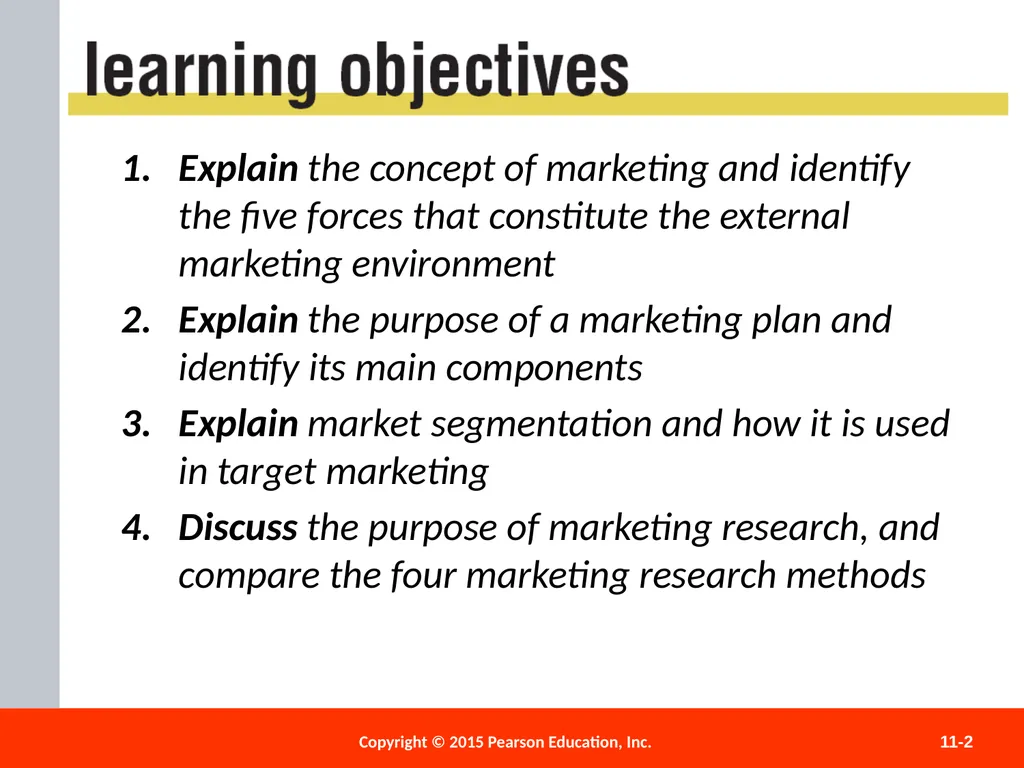
slide2. Explain the concept of marketing and identify the five forces that constitute the external marketing environment
Explain the purpose of a marketing plan and identify its main components
Explain market segmentation and how it is used in target marketing
Discuss the purpose of marketing research, and compare the four marketing research methods<br>
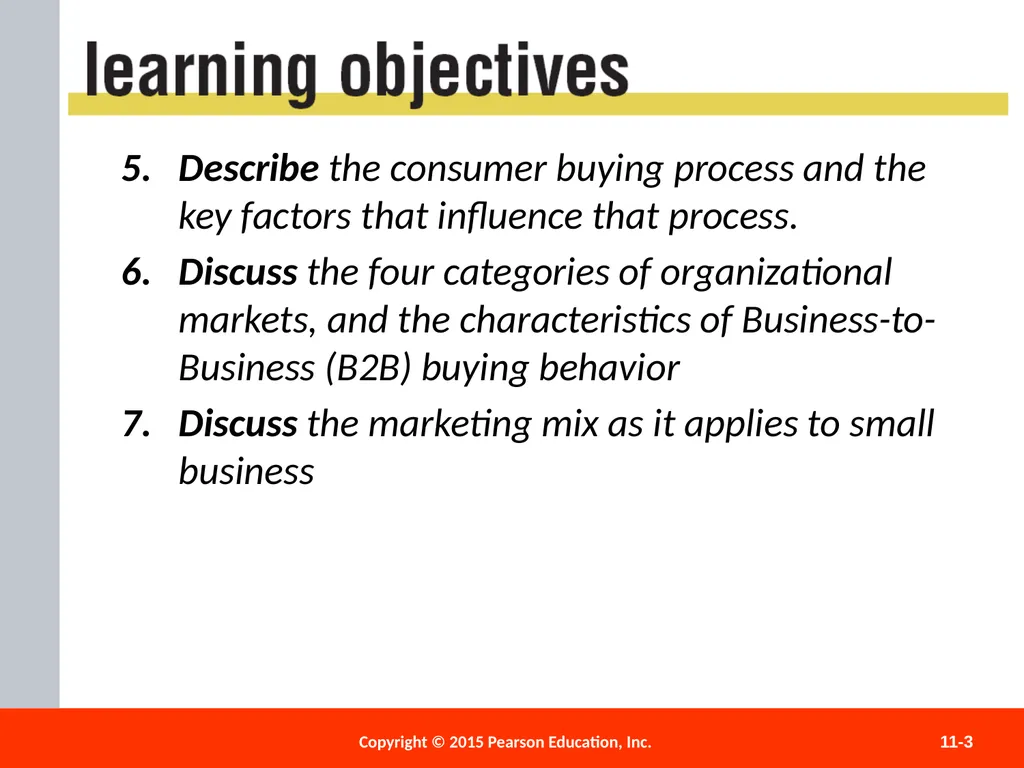
slide3. Describe the consumer buying process and the key factors that influence that process.
Discuss the four categories of organizational markets, and the characteristics of Business-to-Business (B2B) buying behavior
Discuss the marketing mix as it applies to small business<br>
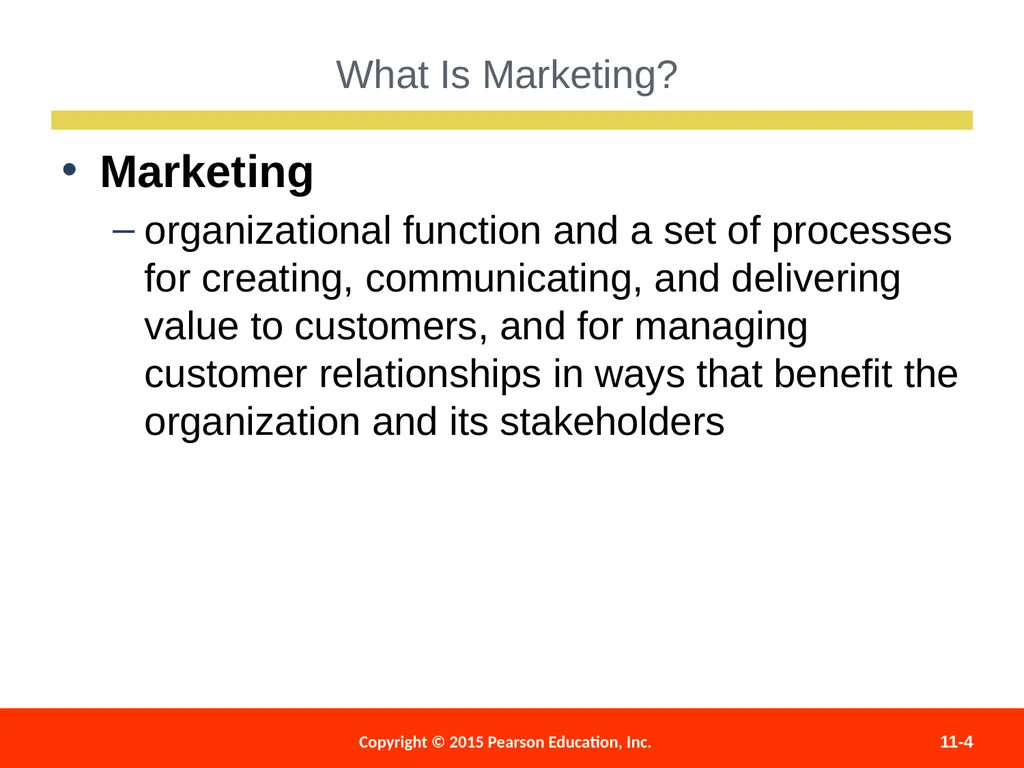
slide4. What Is Marketing? Marketing
organizational function and a set of processes for creating, communicating, and delivering value to customers, and for managing customer relationships in ways that benefit the organization and its stakeholders<br>
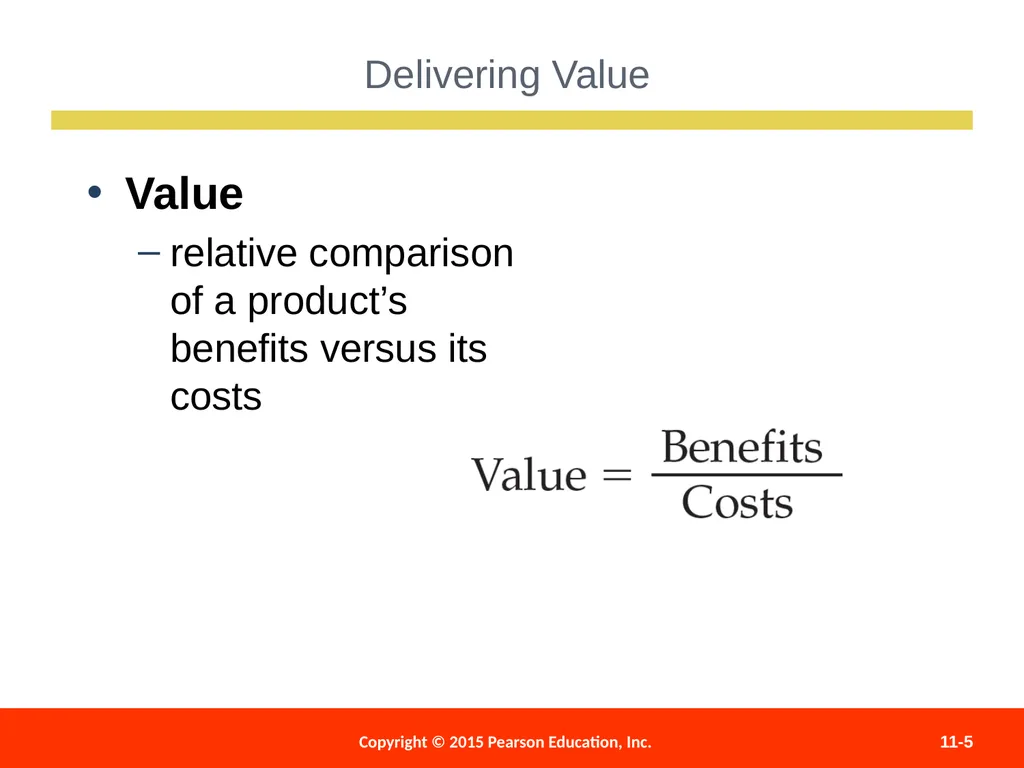
slide5. Delivering Value Value
relative comparison of a product’s benefits versus its costs<br>
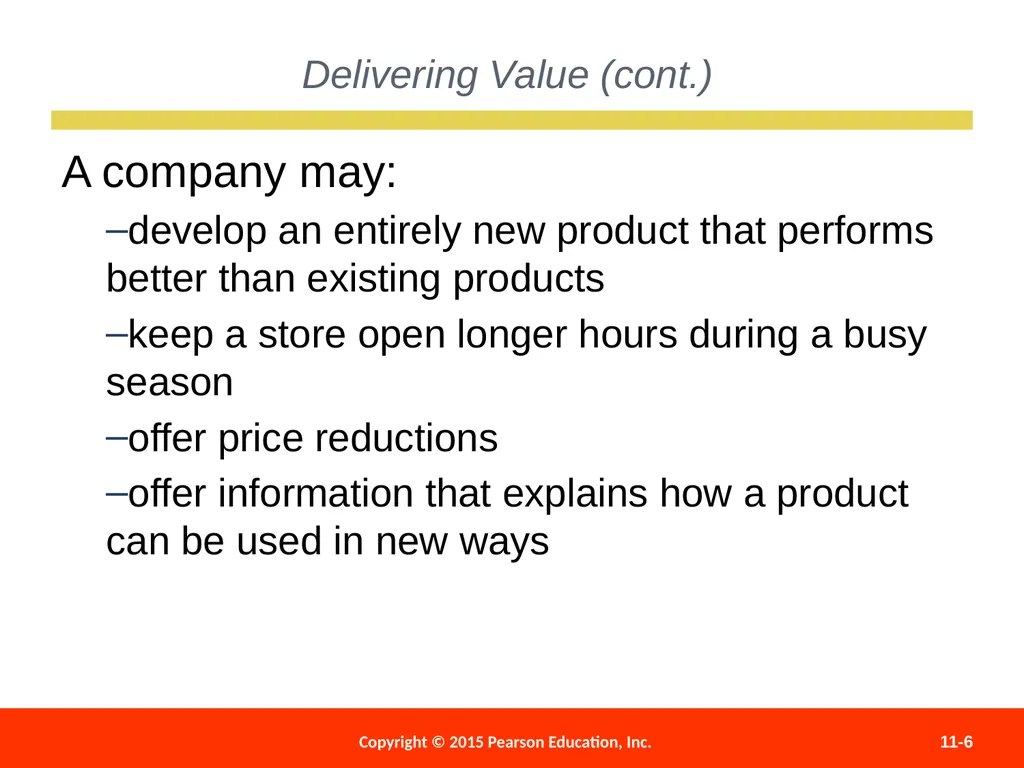
slide6. Delivering Value (cont.) A company may:
develop an entirely new product that performs better than existing products
keep a store open longer hours during a busy season
offer price reductions
offer information that explains how a product can be used in new ways<br>
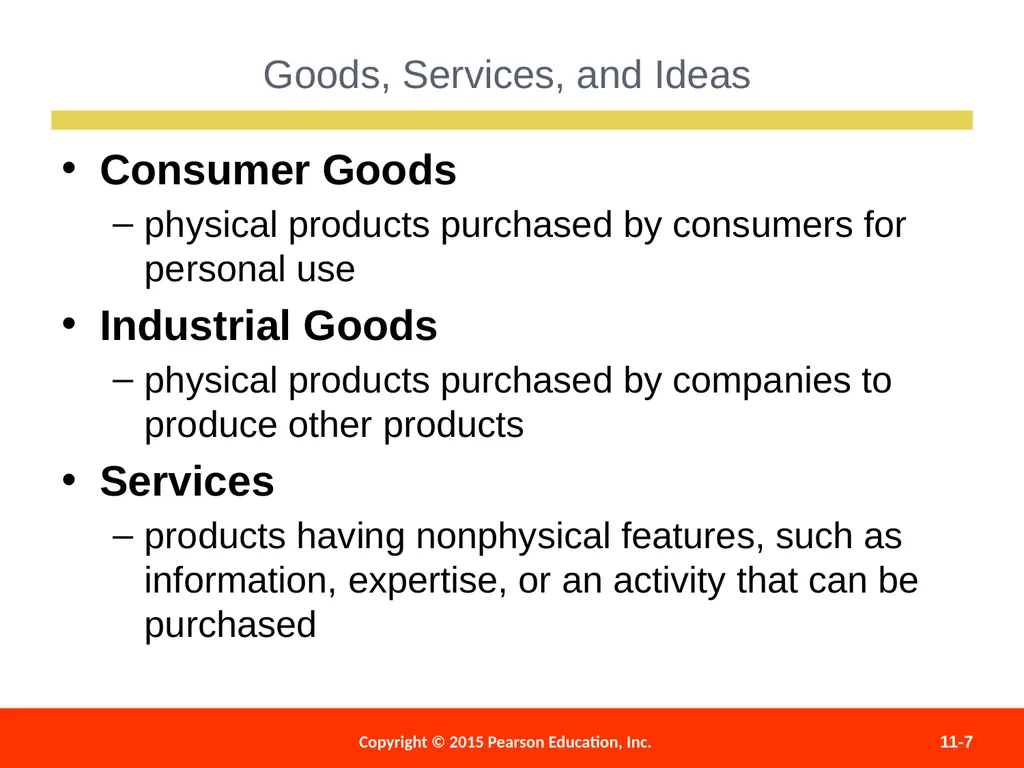
slide7. Goods, Services, and Ideas Consumer Goods
physical products purchased by consumers for personal use
Industrial Goods
physical products purchased by companies to produce other products
Services
products having nonphysical features, such as information, expertise, or an activity that can be purchased<br>
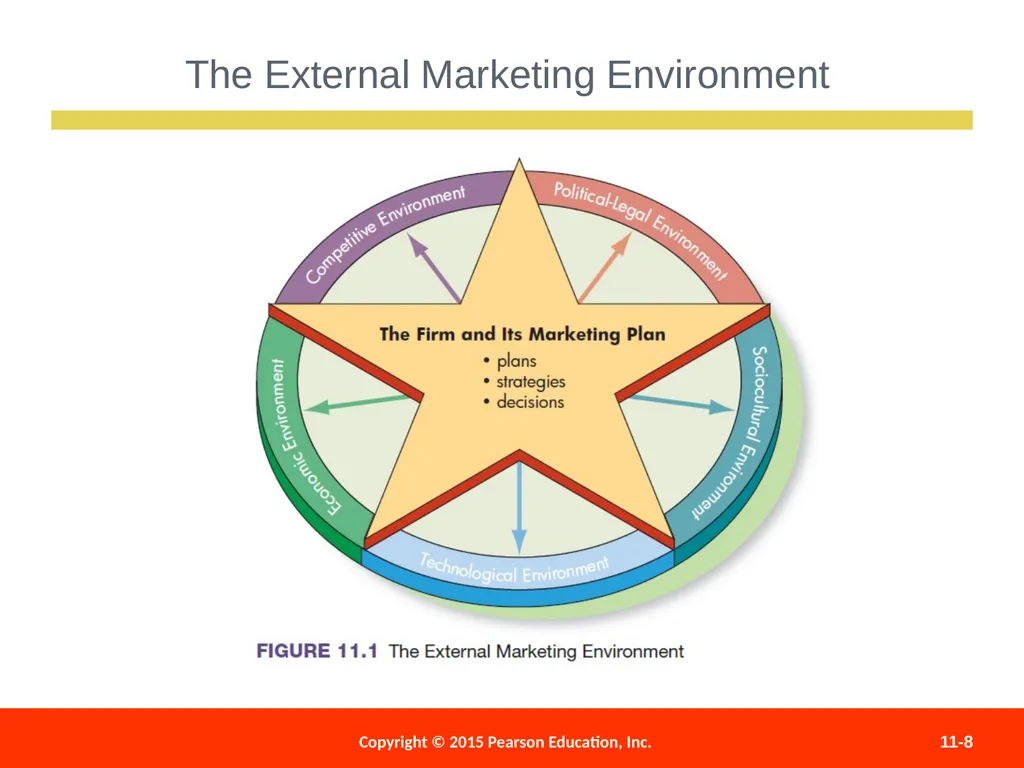
slide8. The External Marketing Environment<br>
slide9. The Marketing Environment Political-Legal Environment
the relationship between business and government, usually in the form of government regulation of business
Sociocultural Environment
the customs, mores, values, and demographic characteristics of the society in which an organization functions<br>
slide10. The Marketing Environment (cont.) Technological Environment
all the ways by which firms create value for their constituents
Economic Environment
relevant conditions that exist in the economic system in which a company operates<br>
slide11. Strategy: The Marketing Mix Product
good, service, or idea that is marketed to fill consumers’ needs and wants
Product Differentiation
creation of a product feature or product image that differs enough from existing products to attract customers<br>
slide12. Strategy: The Marketing Mix (cont.) Pricing
process of determining the best price at which to sell a product
Place (Distribution)
part of the marketing mix concerned with getting products from producers to consumers
Promotion
aspect of the marketing mix concerned with the most effective techniques for communicating information about products<br>
slide13. Promotion Advertising
any form of paid non-personal communication used by an identified sponsor to persuade or inform potential buyers about a product
Personal Selling
person-to person sales<br>
slide14. Promotion (cont.) Sales Promotion
direct inducements such as premiums, coupons, and package inserts to tempt consumers to buy products
Public Relations
communication efforts directed at building goodwill and favorable attitudes in the minds of the public toward the organization and its products<br>
slide15. Integrated Strategy Integrated Marketing Strategy
strategy that blends together the Four Ps of marketing to ensure their compatibility with one another, as well as with the company’s non-marketing activities<br>
slide16. Target Marketing and Market Segmentation Target Market
group of people who have similar wants and needs and can be expected to show interest in the same products Market Segmentation
process of dividing a market into categories of customer types, or “segments”<br>
slide17. Target Marketing and Market Segmentation (cont.) Product Positioning
process of fixing, adapting, and communicating the nature of a product<br>
slide18. Marketing Research Marketing Research
the study of what customers need and want and how best to meet those needs and wants<br>
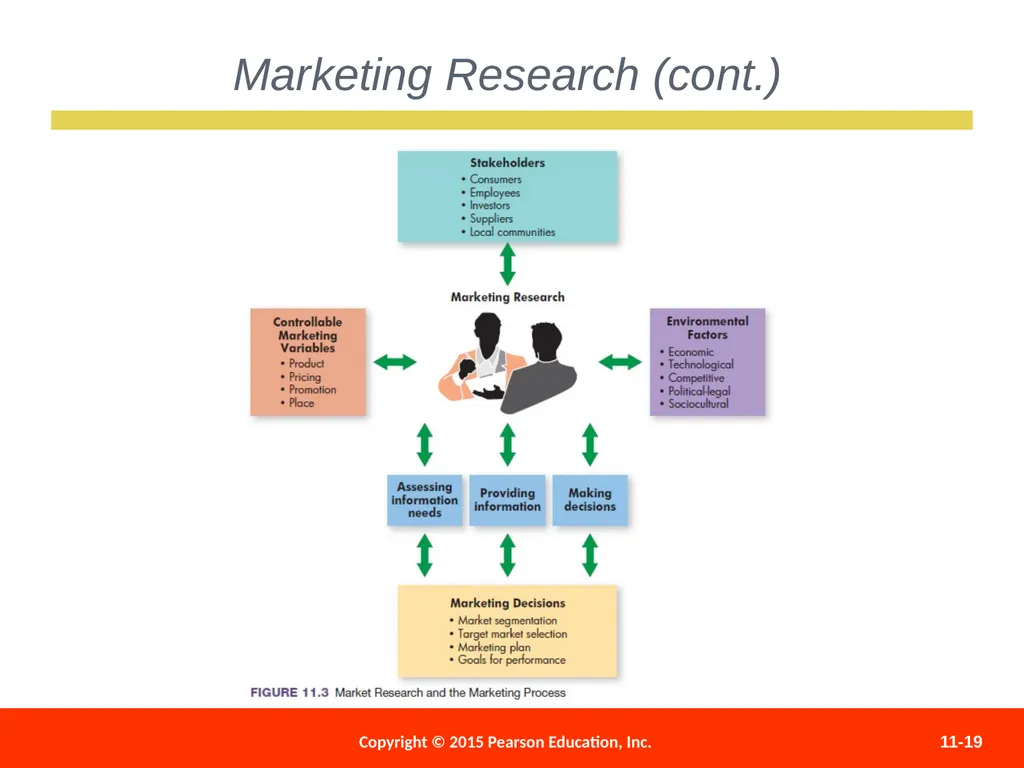
slide19. Marketing Research (cont.)<br>
slide20. Research Data Secondary Data
data that are already available from previous research
Primary Data
new data that are collected from newly performed research<br>
slide21. Understanding Consumer Behavior Consumer Behavior
study of the decision process by which people buy and consume products
Psychological Influences
include an individual’s motivations, perceptions, ability to learn, and attitudes that marketers use to study buying behavior
Personal Influences
include lifestyle, personality, and economic status that marketers use to study buying behavior<br>
slide22. Understanding Consumer Behavior (cont.) Social Influences
include family, opinion leaders (people whose opinions are sought by others), and such reference groups as friends, coworkers, and professional associates that marketers use to study buying behavior
Cultural Influences
include culture, subculture, and social class influences that marketers use to study buying behavior<br>
slide23. Brand Loyalty
pattern of regular consumer purchasing based on satisfaction with a product’s performance Understanding Consumer Behavior (cont.)<br>
slide24. Business Marketing Services Companies Market
firms engaged in the business of providing services to the purchasing public
Industrial Market
organizational market consisting of firms that buy goods that are either converted into products or used during production
Reseller Market
organizational market consisting of intermediaries that buy and resell finished goods<br>
slide25. B2B Buying Behavior Industrial buyers buy in bulk or large quantities
B2B buyers are trained in methods for negotiating purchase terms
Industrial buyers are company specialists in a line of items and are often experts about the products they buy<br>
slide26. Social Media and Marketing Social Networking
network of communications that flow among people and organizations interacting through an online platform
Social Networking Media
websites or access channels, such as Facebook, Twitter, LinkedIn, and YouTube, to which consumers go for information and discussions<br>
slide27. Social Media and Marketing (cont.) Viral Marketing
type of marketing that relies on the Internet to spread information like a “virus” from person to person about products and ideas
Corporate Blogs
comments and opinions published on the Web by or for an organization to promote its activities<br>
slide2. Explain the concept of marketing and identify the five forces that constitute the external marketing environment
Explain the purpose of a marketing plan and identify its main components
Explain market segmentation and how it is used in target marketing
Discuss the purpose of marketing research, and compare the four marketing research methods<br>
slide3. Describe the consumer buying process and the key factors that influence that process.
Discuss the four categories of organizational markets, and the characteristics of Business-to-Business (B2B) buying behavior
Discuss the marketing mix as it applies to small business<br>
slide4. What Is Marketing? Marketing
organizational function and a set of processes for creating, communicating, and delivering value to customers, and for managing customer relationships in ways that benefit the organization and its stakeholders<br>
slide5. Delivering Value Value
relative comparison of a product’s benefits versus its costs<br>
slide6. Delivering Value (cont.) A company may:
develop an entirely new product that performs better than existing products
keep a store open longer hours during a busy season
offer price reductions
offer information that explains how a product can be used in new ways<br>
slide7. Goods, Services, and Ideas Consumer Goods
physical products purchased by consumers for personal use
Industrial Goods
physical products purchased by companies to produce other products
Services
products having nonphysical features, such as information, expertise, or an activity that can be purchased<br>
slide8. The External Marketing Environment<br>
slide9. The Marketing Environment Political-Legal Environment
the relationship between business and government, usually in the form of government regulation of business
Sociocultural Environment
the customs, mores, values, and demographic characteristics of the society in which an organization functions<br>
slide10. The Marketing Environment (cont.) Technological Environment
all the ways by which firms create value for their constituents
Economic Environment
relevant conditions that exist in the economic system in which a company operates<br>
slide11. Strategy: The Marketing Mix Product
good, service, or idea that is marketed to fill consumers’ needs and wants
Product Differentiation
creation of a product feature or product image that differs enough from existing products to attract customers<br>
slide12. Strategy: The Marketing Mix (cont.) Pricing
process of determining the best price at which to sell a product
Place (Distribution)
part of the marketing mix concerned with getting products from producers to consumers
Promotion
aspect of the marketing mix concerned with the most effective techniques for communicating information about products<br>
slide13. Promotion Advertising
any form of paid non-personal communication used by an identified sponsor to persuade or inform potential buyers about a product
Personal Selling
person-to person sales<br>
slide14. Promotion (cont.) Sales Promotion
direct inducements such as premiums, coupons, and package inserts to tempt consumers to buy products
Public Relations
communication efforts directed at building goodwill and favorable attitudes in the minds of the public toward the organization and its products<br>
slide15. Integrated Strategy Integrated Marketing Strategy
strategy that blends together the Four Ps of marketing to ensure their compatibility with one another, as well as with the company’s non-marketing activities<br>
slide16. Target Marketing and Market Segmentation Target Market
group of people who have similar wants and needs and can be expected to show interest in the same products Market Segmentation
process of dividing a market into categories of customer types, or “segments”<br>
slide17. Target Marketing and Market Segmentation (cont.) Product Positioning
process of fixing, adapting, and communicating the nature of a product<br>
slide18. Marketing Research Marketing Research
the study of what customers need and want and how best to meet those needs and wants<br>
slide19. Marketing Research (cont.)<br>
slide20. Research Data Secondary Data
data that are already available from previous research
Primary Data
new data that are collected from newly performed research<br>
slide21. Understanding Consumer Behavior Consumer Behavior
study of the decision process by which people buy and consume products
Psychological Influences
include an individual’s motivations, perceptions, ability to learn, and attitudes that marketers use to study buying behavior
Personal Influences
include lifestyle, personality, and economic status that marketers use to study buying behavior<br>
slide22. Understanding Consumer Behavior (cont.) Social Influences
include family, opinion leaders (people whose opinions are sought by others), and such reference groups as friends, coworkers, and professional associates that marketers use to study buying behavior
Cultural Influences
include culture, subculture, and social class influences that marketers use to study buying behavior<br>
slide23. Brand Loyalty
pattern of regular consumer purchasing based on satisfaction with a product’s performance Understanding Consumer Behavior (cont.)<br>
slide24. Business Marketing Services Companies Market
firms engaged in the business of providing services to the purchasing public
Industrial Market
organizational market consisting of firms that buy goods that are either converted into products or used during production
Reseller Market
organizational market consisting of intermediaries that buy and resell finished goods<br>
slide25. B2B Buying Behavior Industrial buyers buy in bulk or large quantities
B2B buyers are trained in methods for negotiating purchase terms
Industrial buyers are company specialists in a line of items and are often experts about the products they buy<br>
slide26. Social Media and Marketing Social Networking
network of communications that flow among people and organizations interacting through an online platform
Social Networking Media
websites or access channels, such as Facebook, Twitter, LinkedIn, and YouTube, to which consumers go for information and discussions<br>
slide27. Social Media and Marketing (cont.) Viral Marketing
type of marketing that relies on the Internet to spread information like a “virus” from person to person about products and ideas
Corporate Blogs
comments and opinions published on the Web by or for an organization to promote its activities<br>