
Mobile Robots Part I.2 Robotics and Mechatronics
Description: Mobile Robots Part I.2 Robotics and Mechatronics a.a. 2020-2021 Mobile robot kinematics Mobile Robotics Robot kinematics Rolling constraints Sliding constraints Model Rolling constraints Sliding constraints Example: differential drive Same
Related Topics
Download Presentation
"Mobile Robots Part I.2 Robotics and Mechatronics" is the property of its rightful owner. Permission is granted to download and print the materials on this website for personal, non-commercial use only, and to display it on your personal computer provided you do not modify the materials and that you retain all copyright notices contained in the materials. By downloading content from our website, you accept the terms of this agreement.
Presentation Transcript
slide1. Mobile Robots
Part I.2 Robotics and Mechatronics a.a. 2020-2021<br>
slide2. Mobile robot kinematics Mobile Robotics<br>
slide3. Robot kinematics<br>
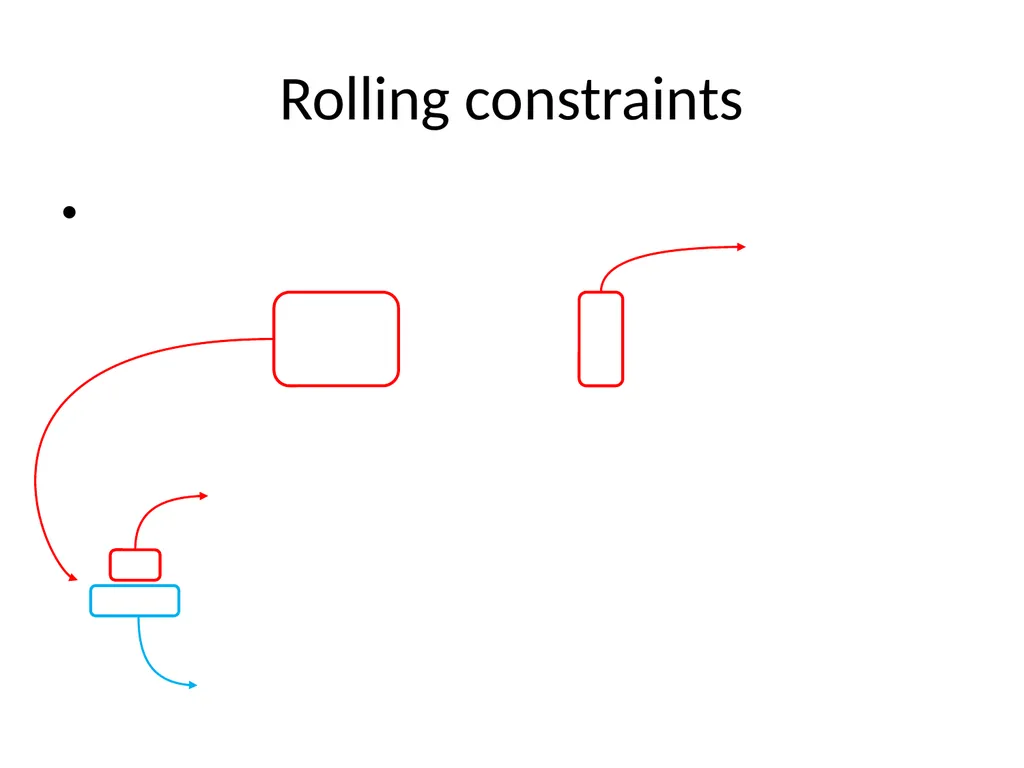
slide4. Rolling constraints<br>
slide5. Sliding constraints<br>
slide6. Model Rolling constraints Sliding constraints<br>
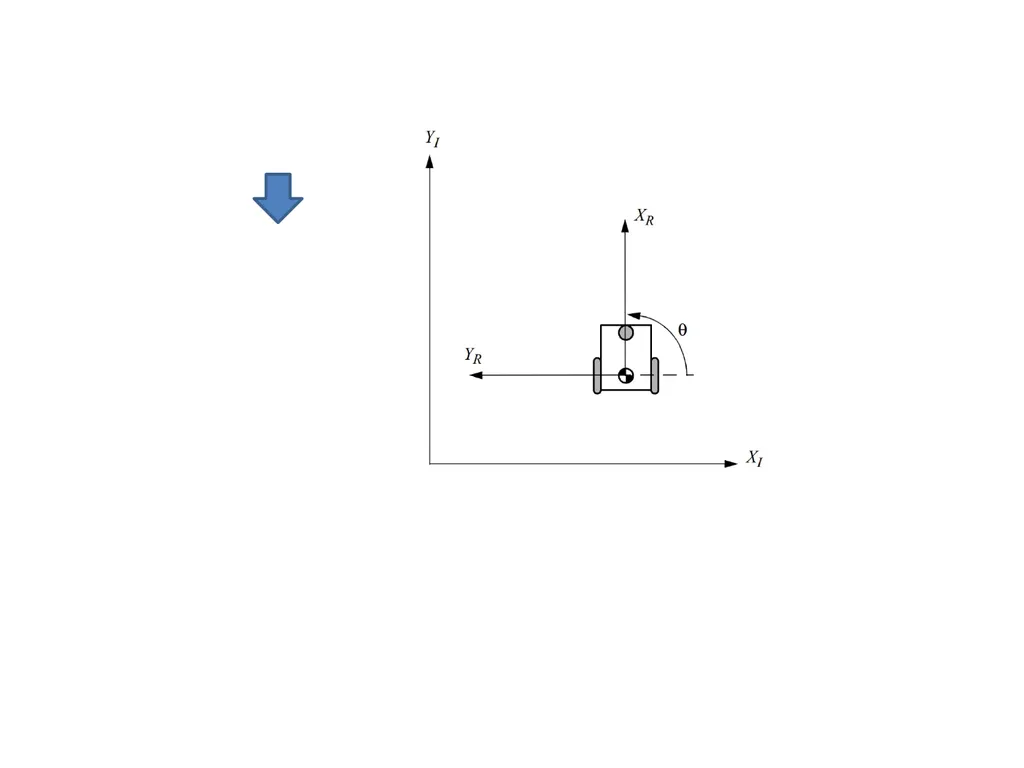
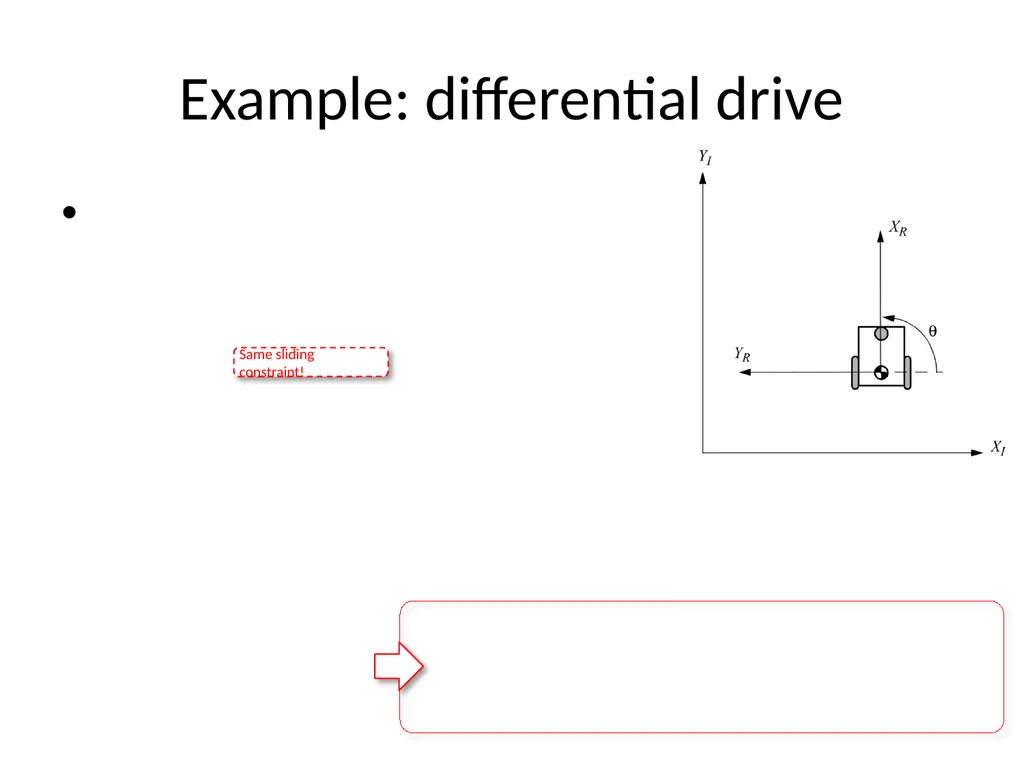
slide8. Example: differential drive Same sliding constraint!<br>
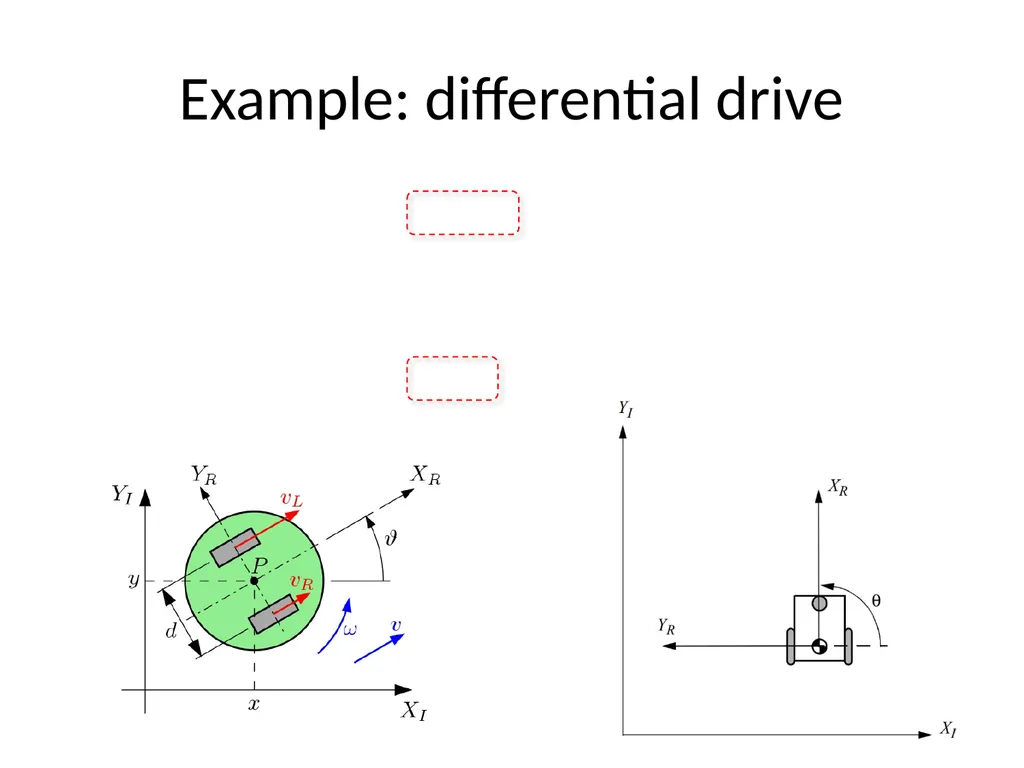
slide9. Example: differential drive<br>
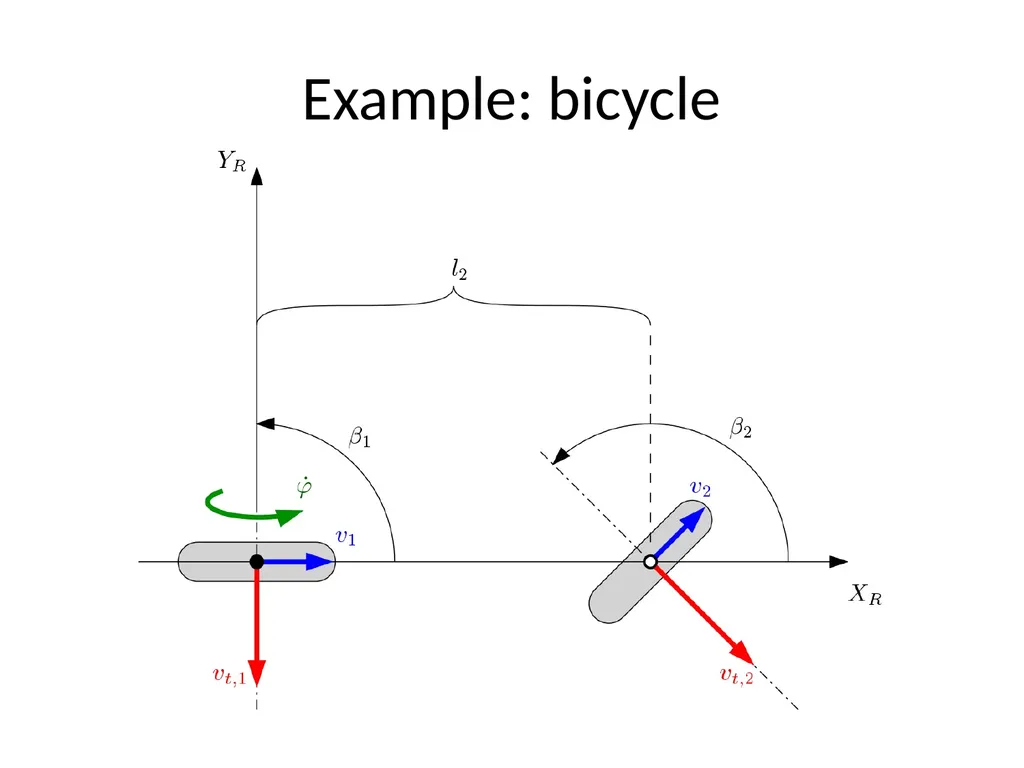
slide10. Example: bicycle<br>
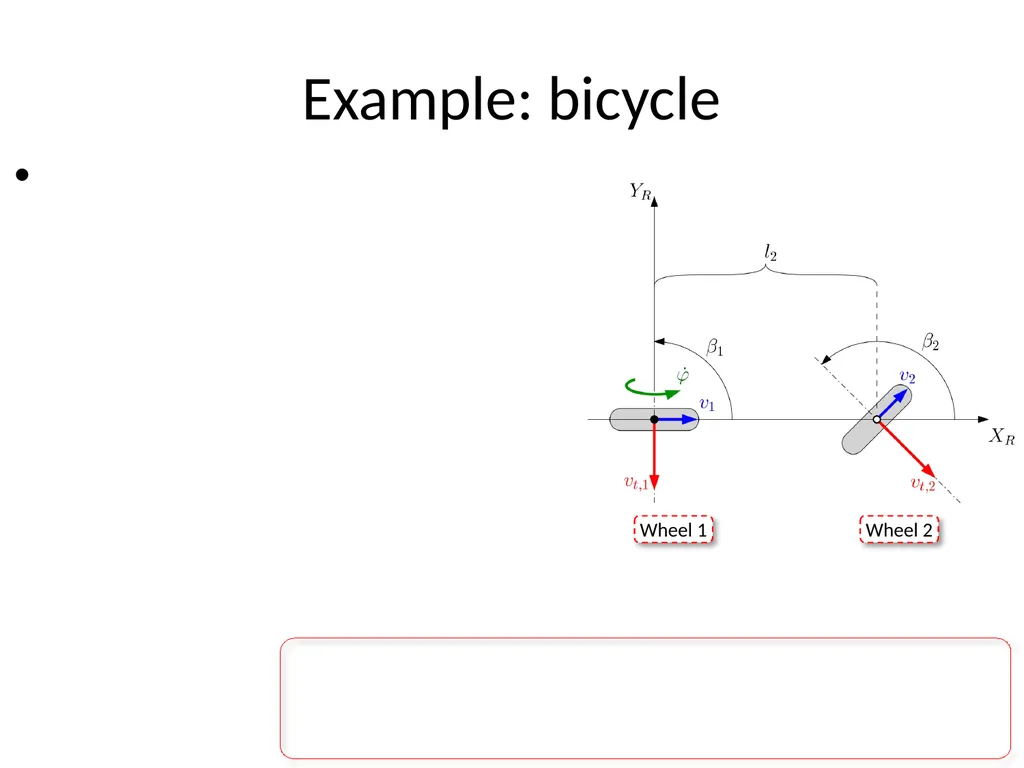
slide11. Example: bicycle<br>
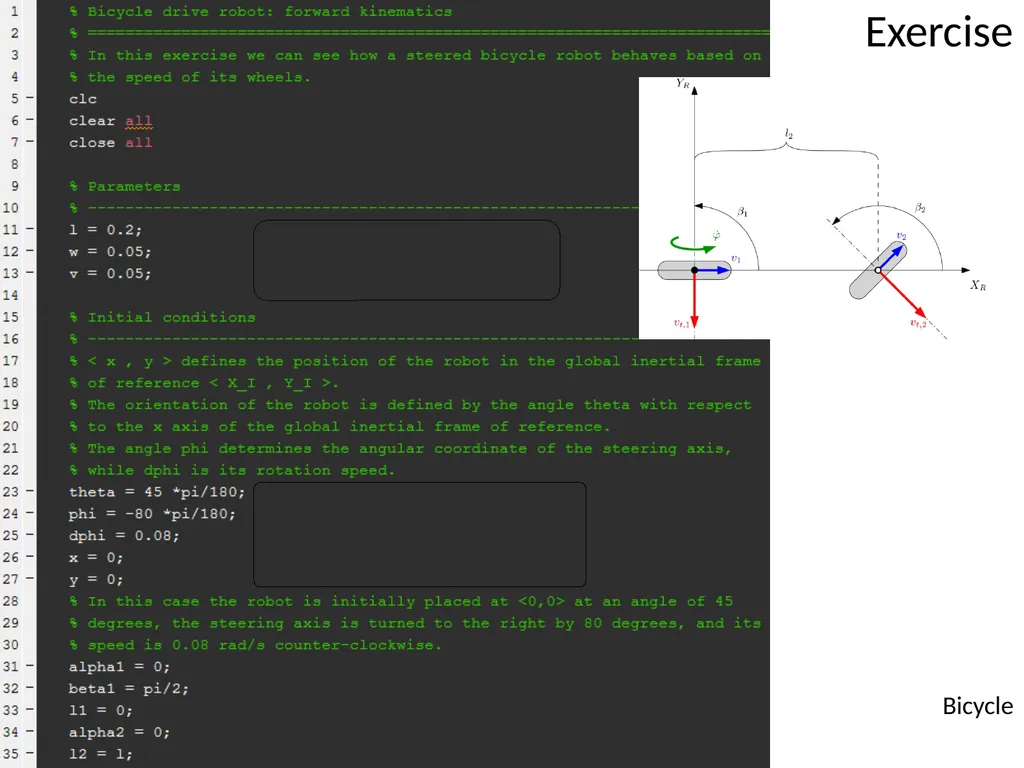
slide12. Exercise Bicycle<br>
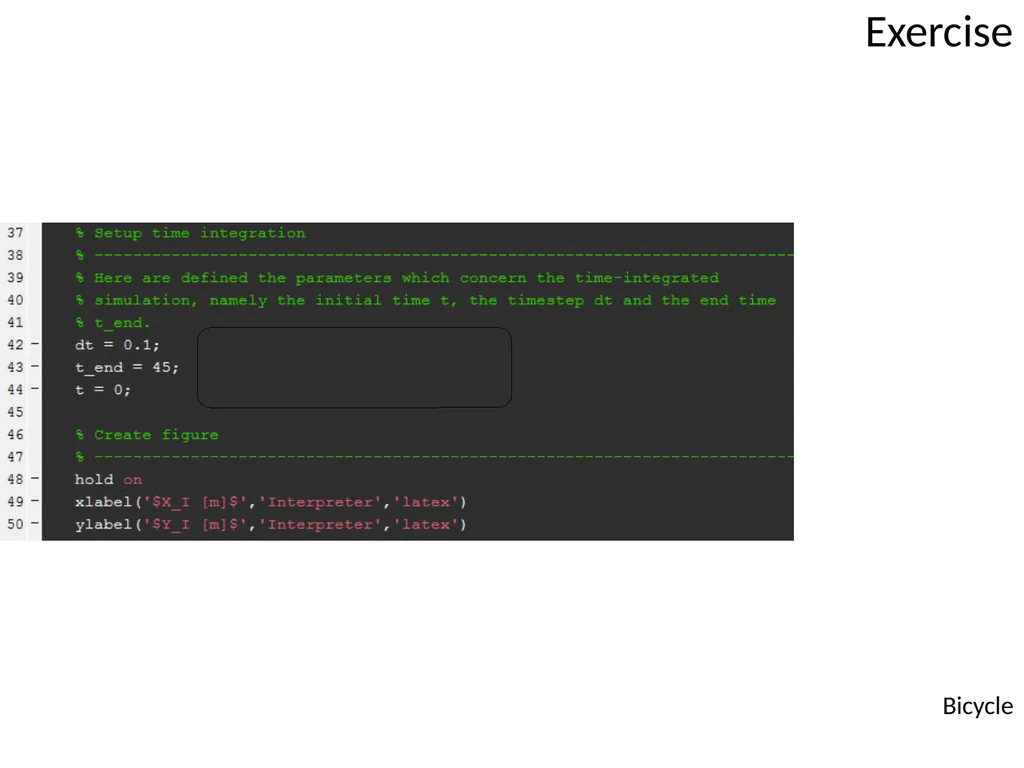
slide13. Exercise Bicycle<br>
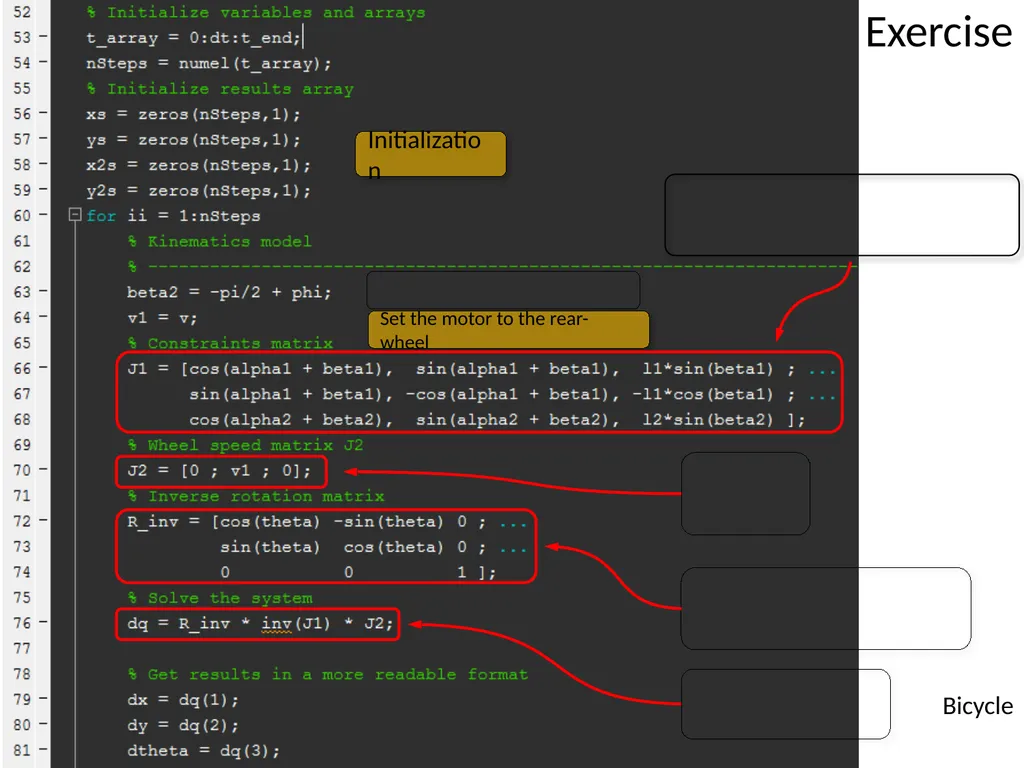
slide14. Exercise Bicycle Initialization Set the motor to the rear-wheel<br>
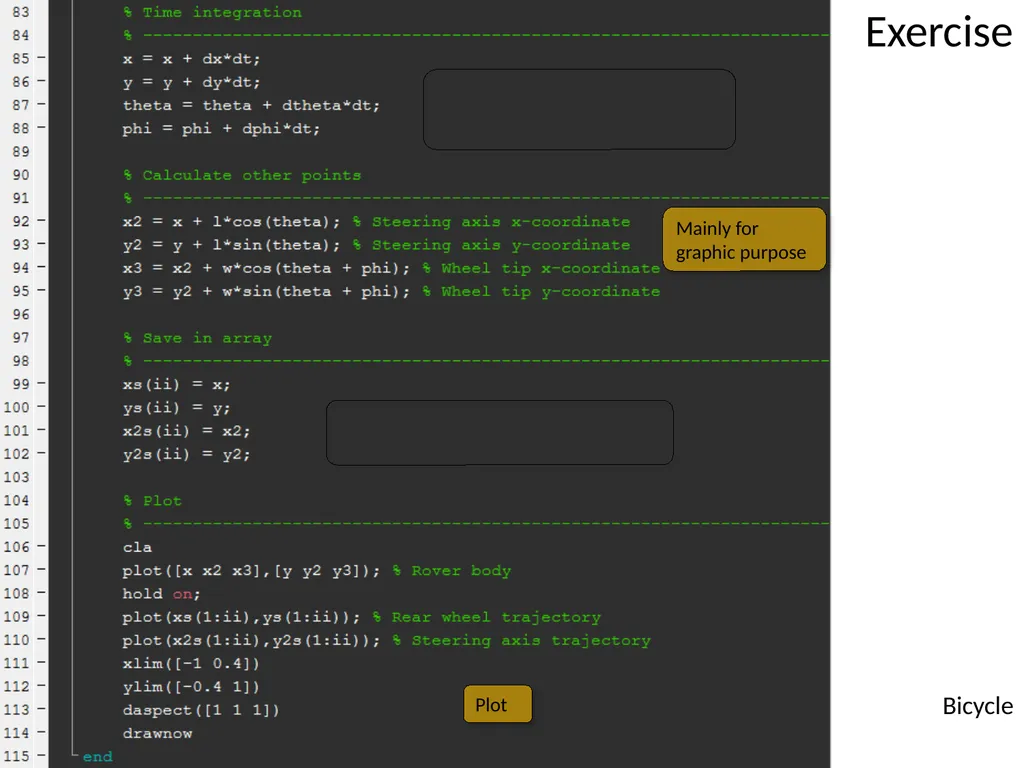
slide15. Exercise Bicycle Mainly for graphic purpose Plot<br>
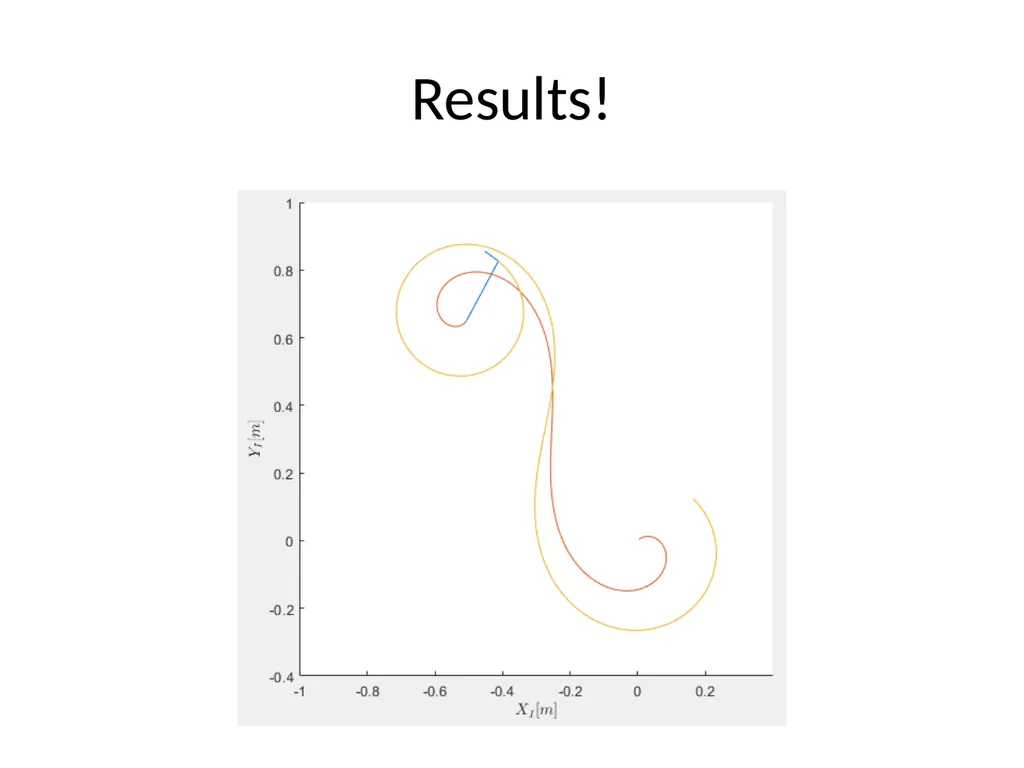
slide16. Results!<br>
slide17. Exercises Mobile robot kinematics<br>
slide18. Differential drive robot: forward kinematics<br>
slide19. Bicycle drive robot: forward kinematics<br>
slide20. Mobility Mobile Robotics<br>
slide21. Kinematics: recap Rolling constraints Sliding constraints<br>
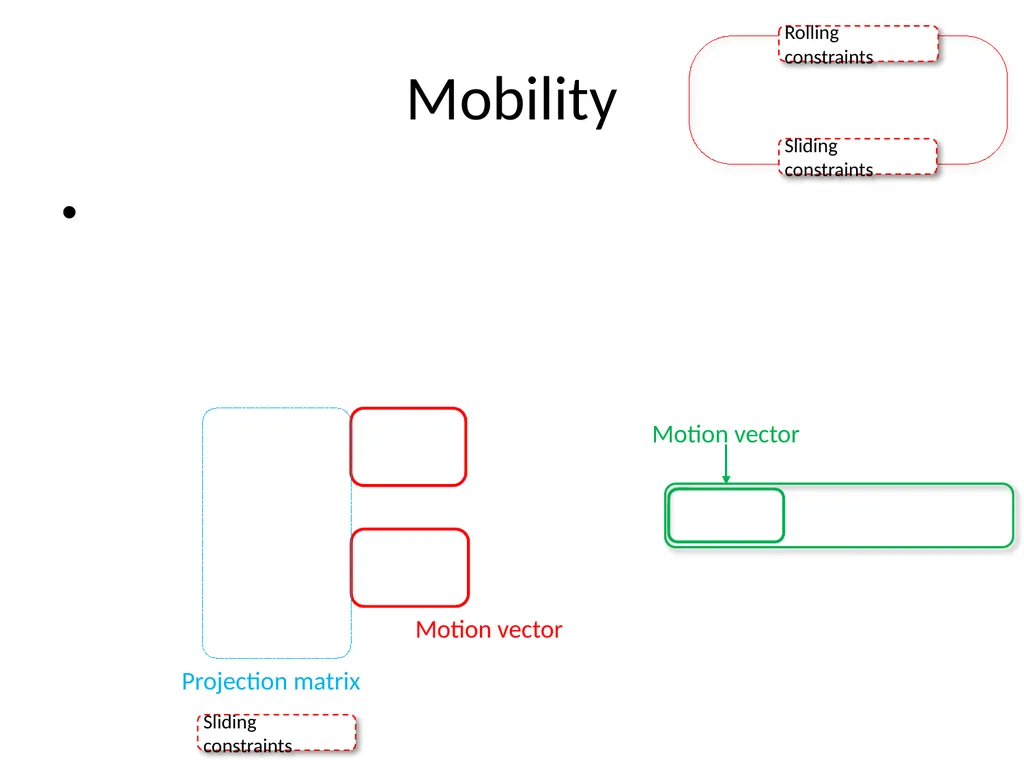
slide22. Mobility Motion vector Projection matrix Motion vector Sliding constraints<br>
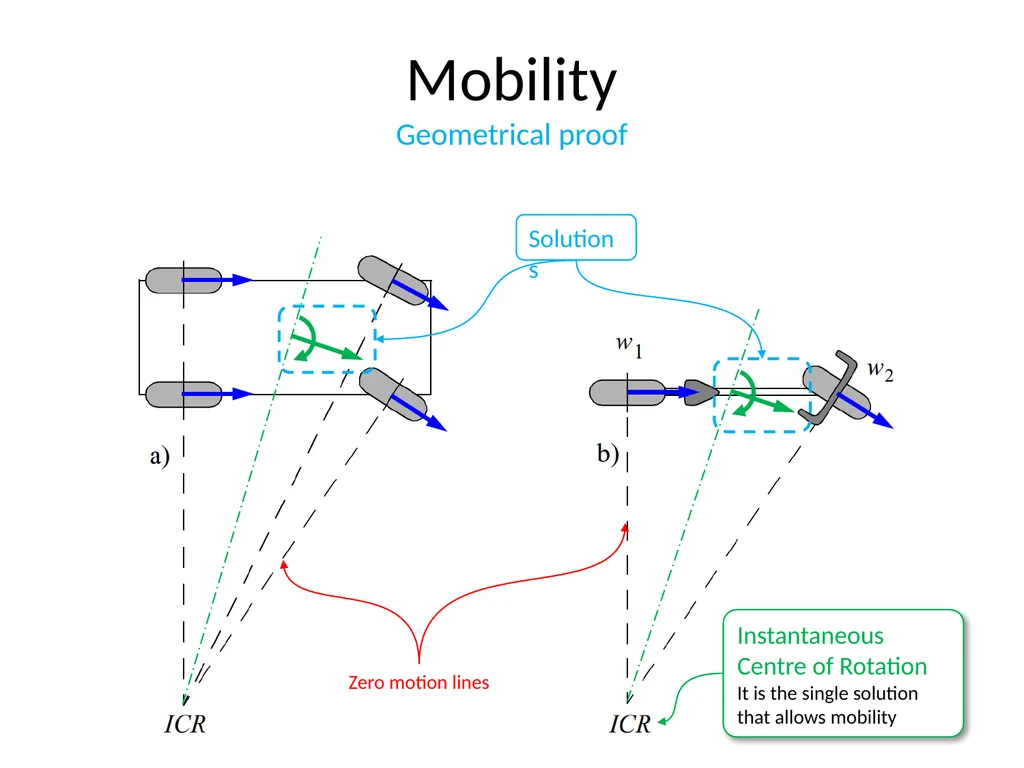
slide23. Mobility Geometrical proof Zero motion lines Instantaneous Centre of Rotation
It is the single solution that allows mobility Solutions<br>
slide24. Mobility Examples<br>
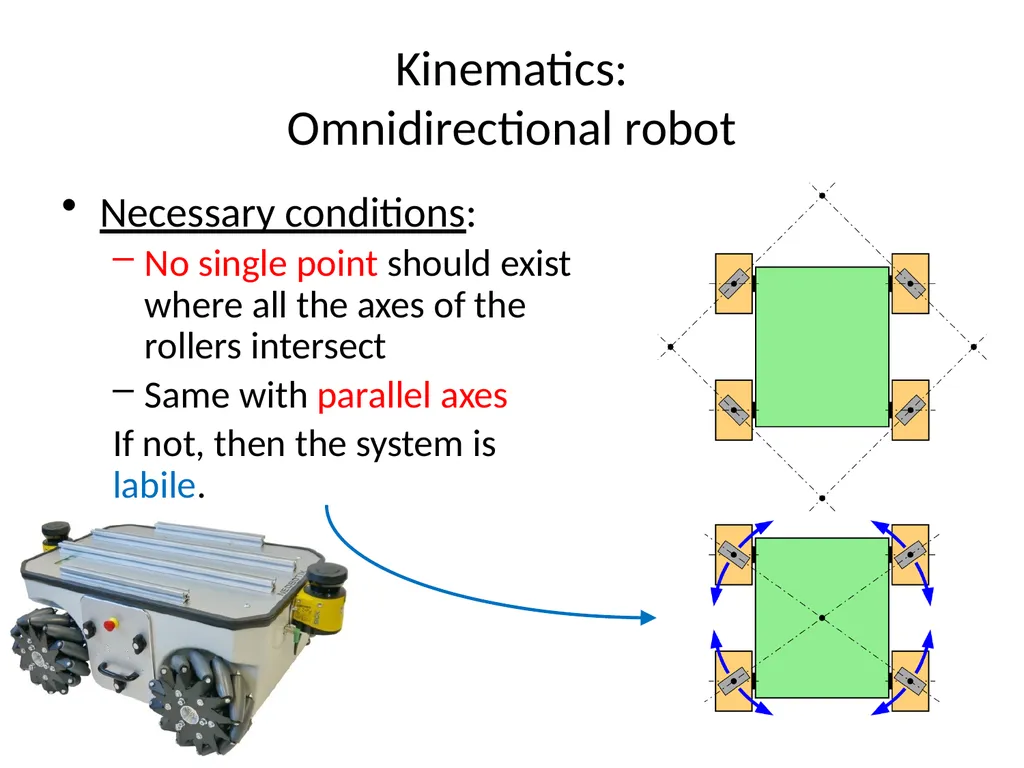
slide25. Kinematics: Omnidirectional robot Necessary conditions:
No single point should exist where all the axes of the rollers intersect
Same with parallel axes
If not, then the system is labile.<br>
slide26. Mobility Unrestrained motion Unmovable Number of
independent
constraints<br>
slide27. Steerability<br>
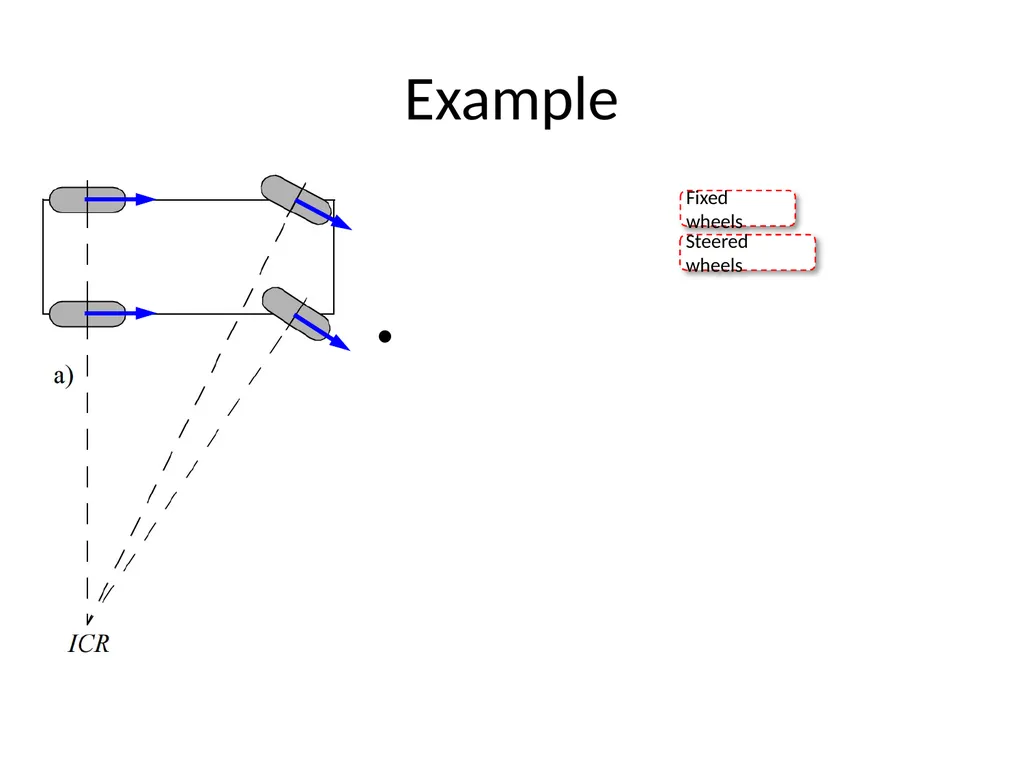
slide28. Example Fixed wheels Steered wheels<br>
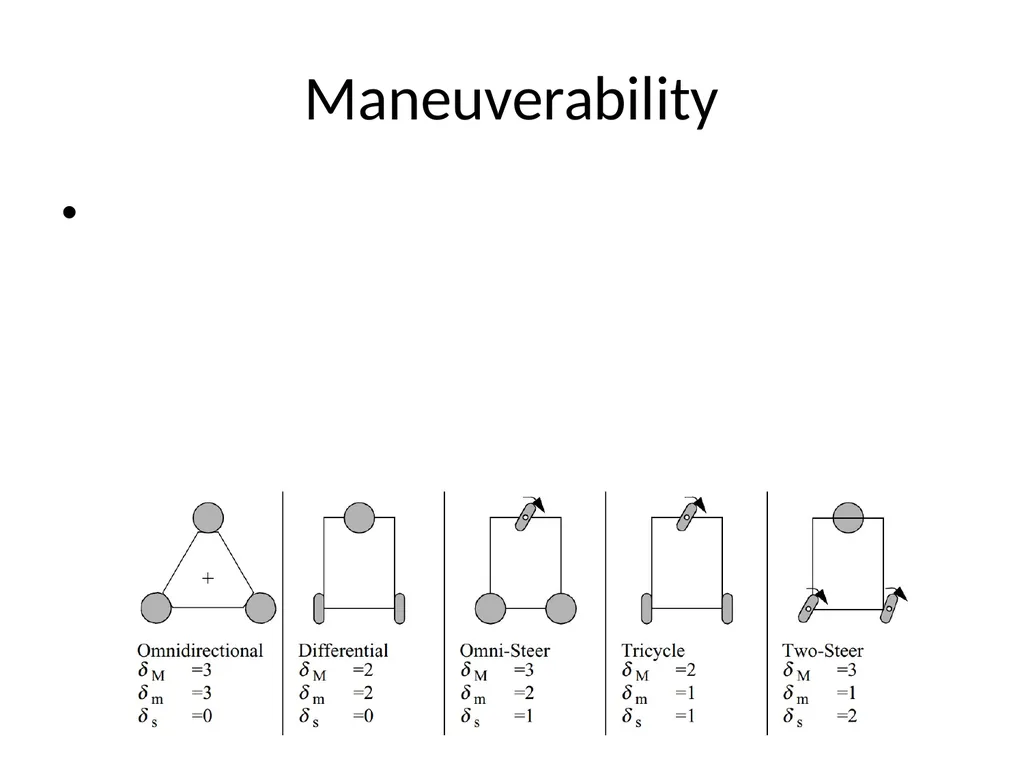
slide29. Maneuverability<br>
slide30. Mobile robot workspace This part not clear: C-space is the equiv of joint-space. WS is the space of poses so they are made of different stuff.
The point is that for a n-hol system we can have that every point in WS can be connected to a point in the C-space.
Thus, even if dim(C-space) = 2, dim(W) can be = 3.<br>
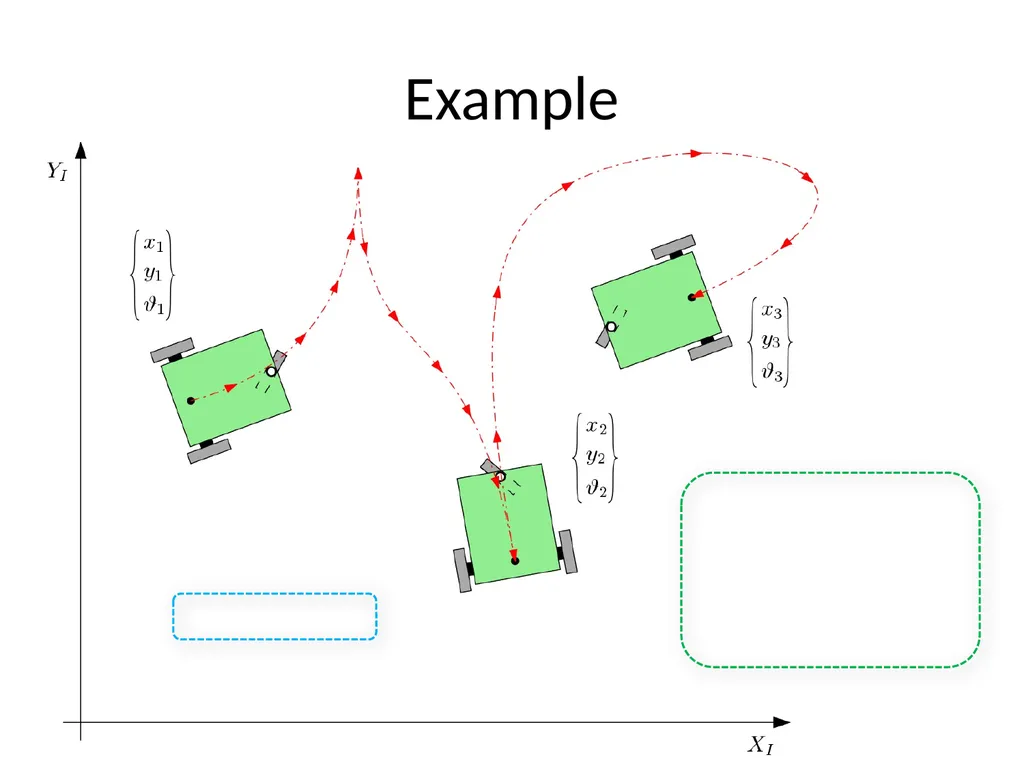
slide31. Example<br>
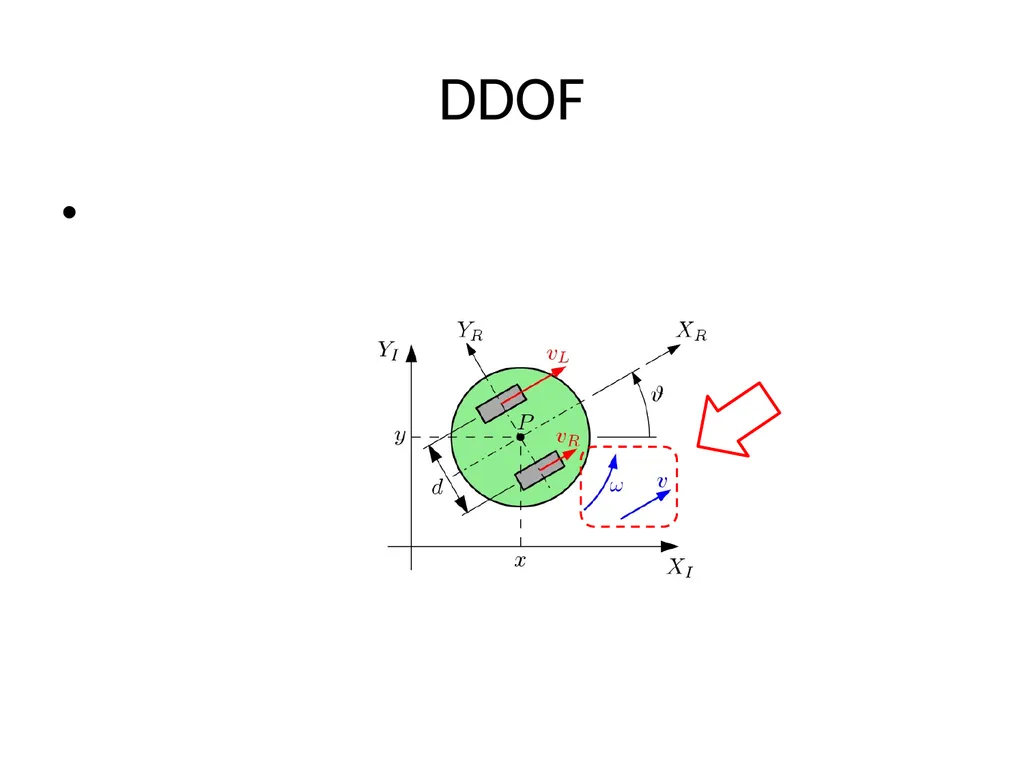
slide32. DDOF<br>
slide33. Mobile Robots Part I.07 Robotics a.a. 2020-2021<br>
slide34. Non-Holonomic constraints Mobile Robotics<br>
slide35. Non-holonomic Constraints<br>
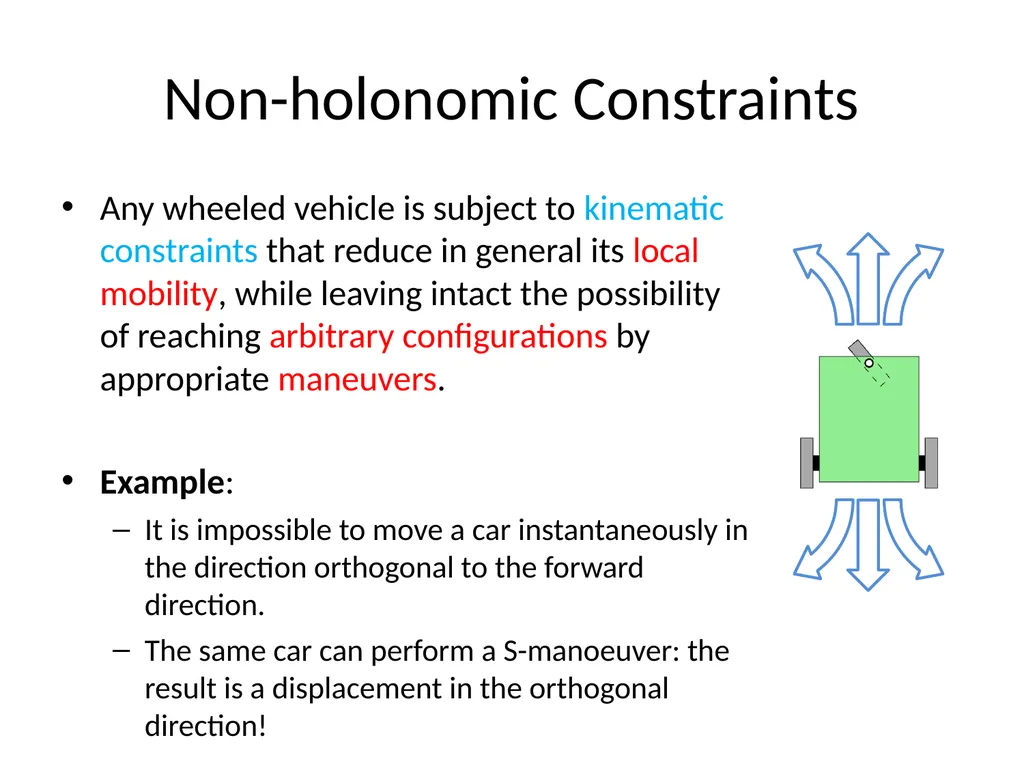
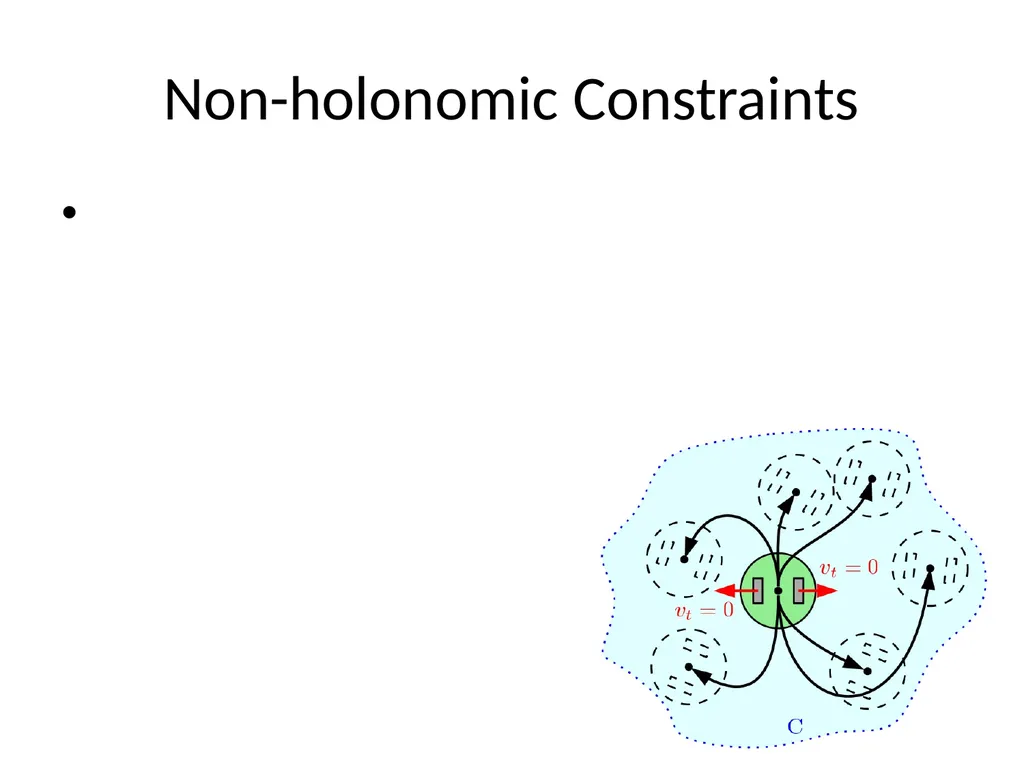
slide36. Non-holonomic Constraints Any wheeled vehicle is subject to kinematic constraints that reduce in general its local mobility, while leaving intact the possibility of reaching arbitrary configurations by appropriate maneuvers.
Example:
It is impossible to move a car instantaneously in the direction orthogonal to the forward direction.
The same car can perform a S-manoeuver: the result is a displacement in the orthogonal direction!<br>
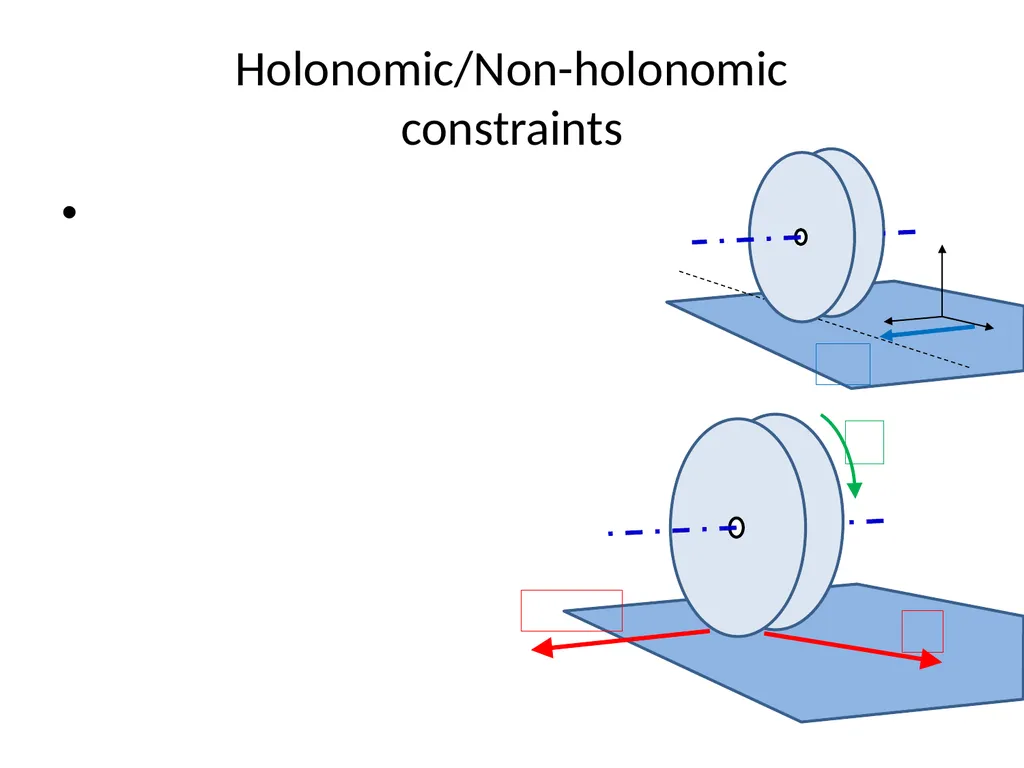
slide37. Holonomic/Non-holonomic constraints<br>
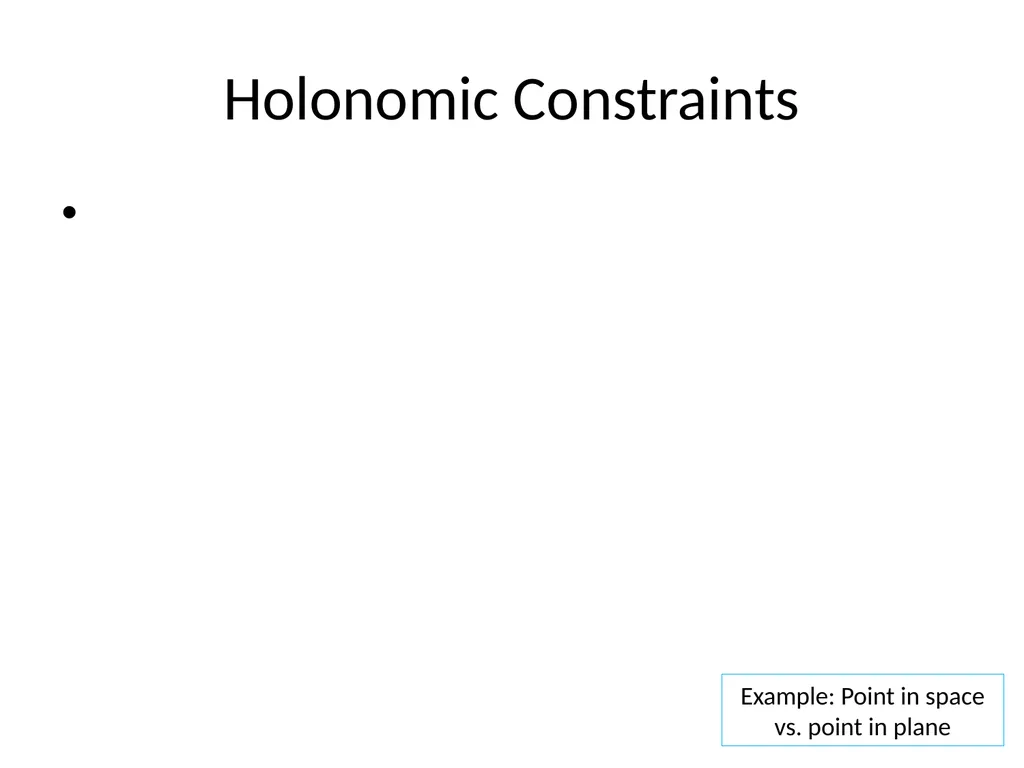
slide38. Holonomic Constraints Example: Point in space vs. point in plane<br>
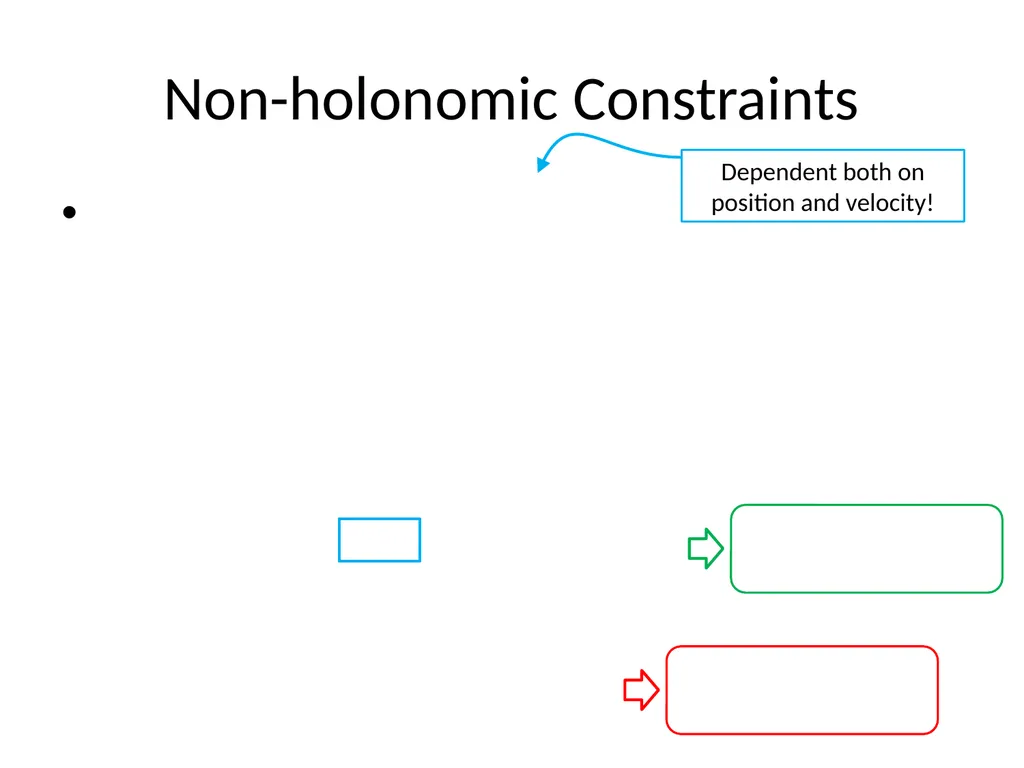
slide39. Non-holonomic Constraints Dependent both on position and velocity!<br>
slide40. Non-holonomic Constraints Linear! Note: the proof of this is a little too involved for us: it revolves around the Frobenius Theorem and Lie brackets theory.<br>
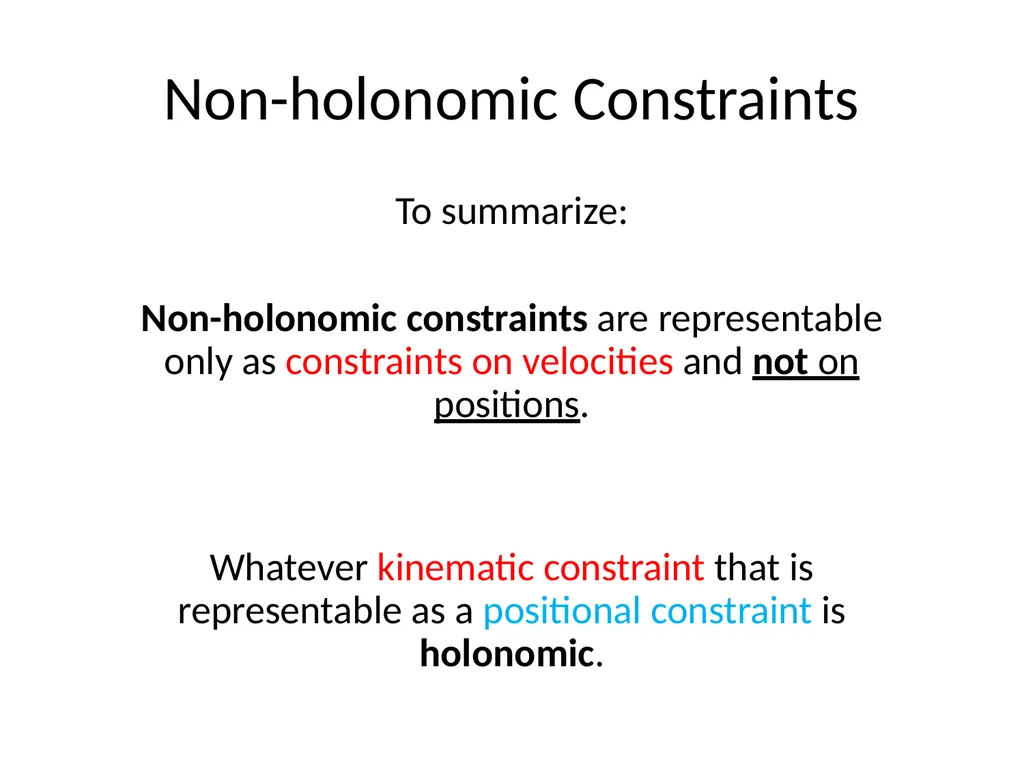
slide41. Non-holonomic Constraints To summarize:
Non-holonomic constraints are representable only as constraints on velocities and not on positions.
Whatever kinematic constraint that is representable as a positional constraint is holonomic.<br>
slide42. Non-holonomic Constraints<br>
slide43. Model derivation<br>
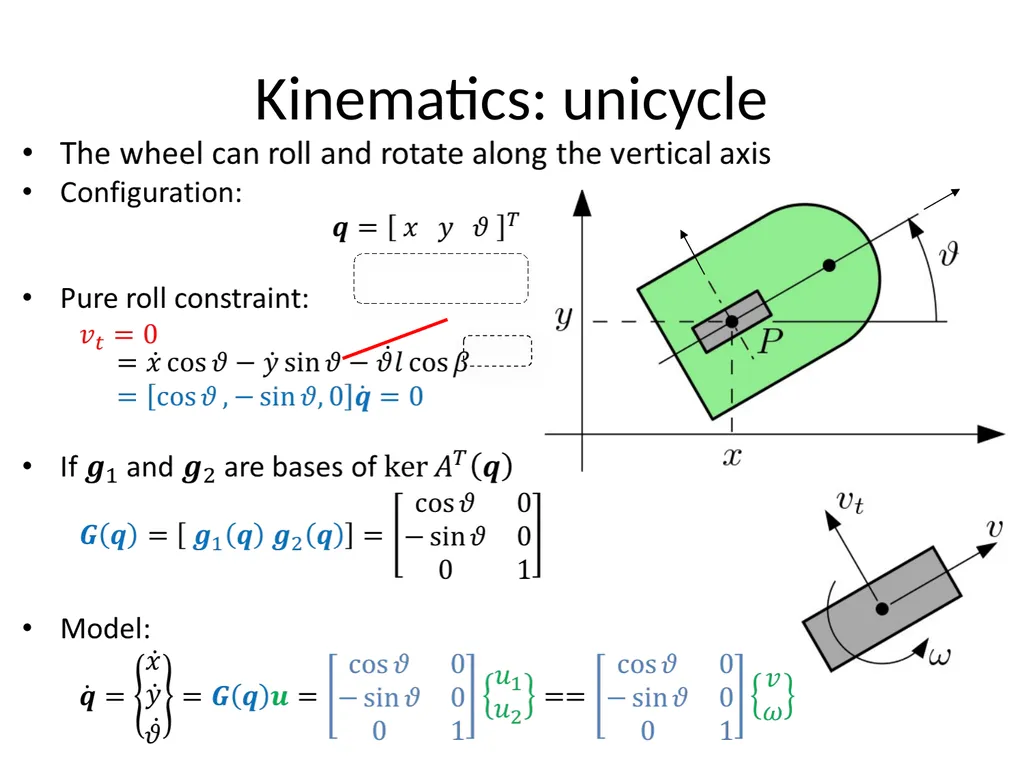
slide44. Kinematics: unicycle<br>
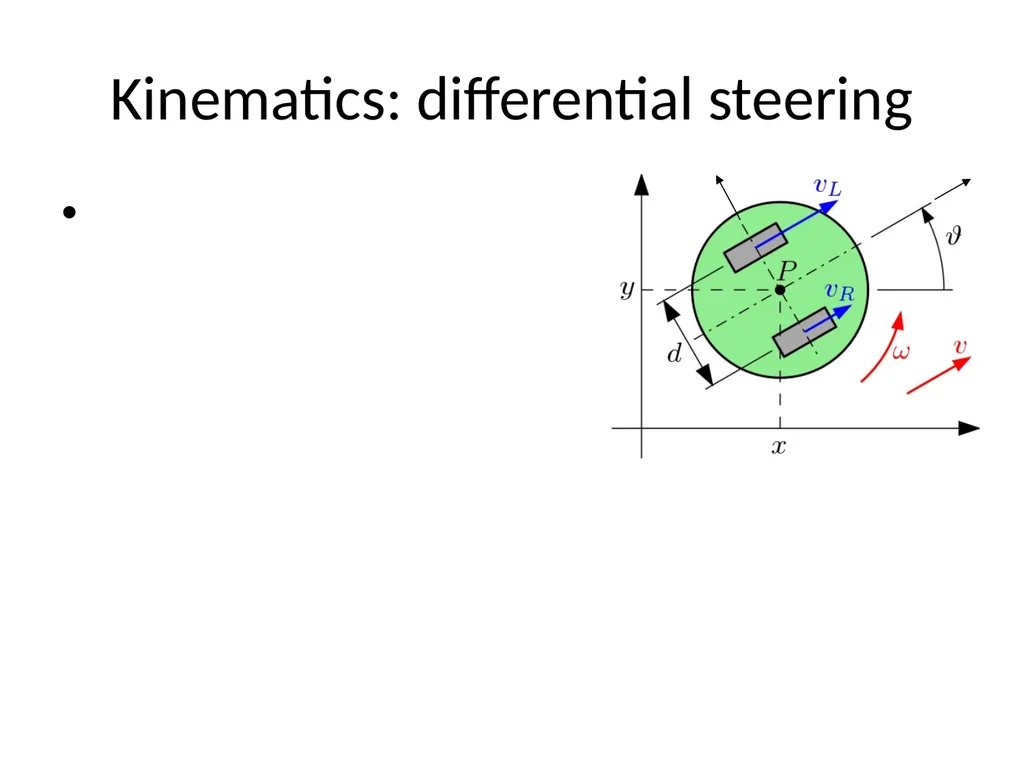
slide45. Kinematics: differential steering<br>
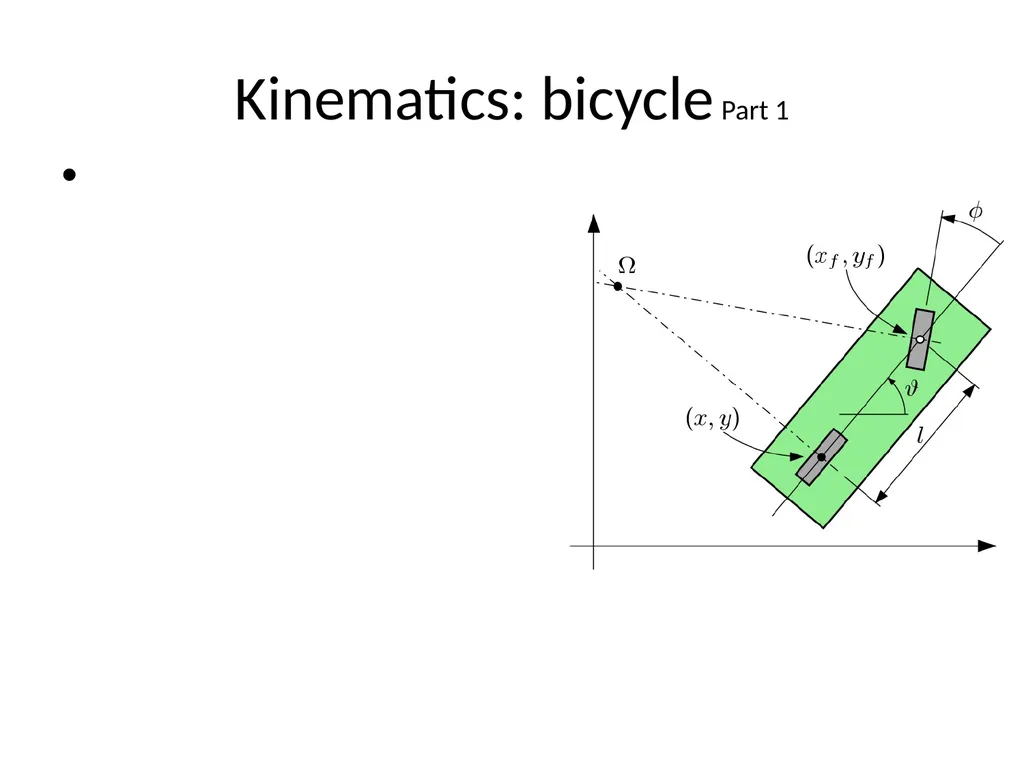
slide46. Kinematics: bicycle Part 1<br>
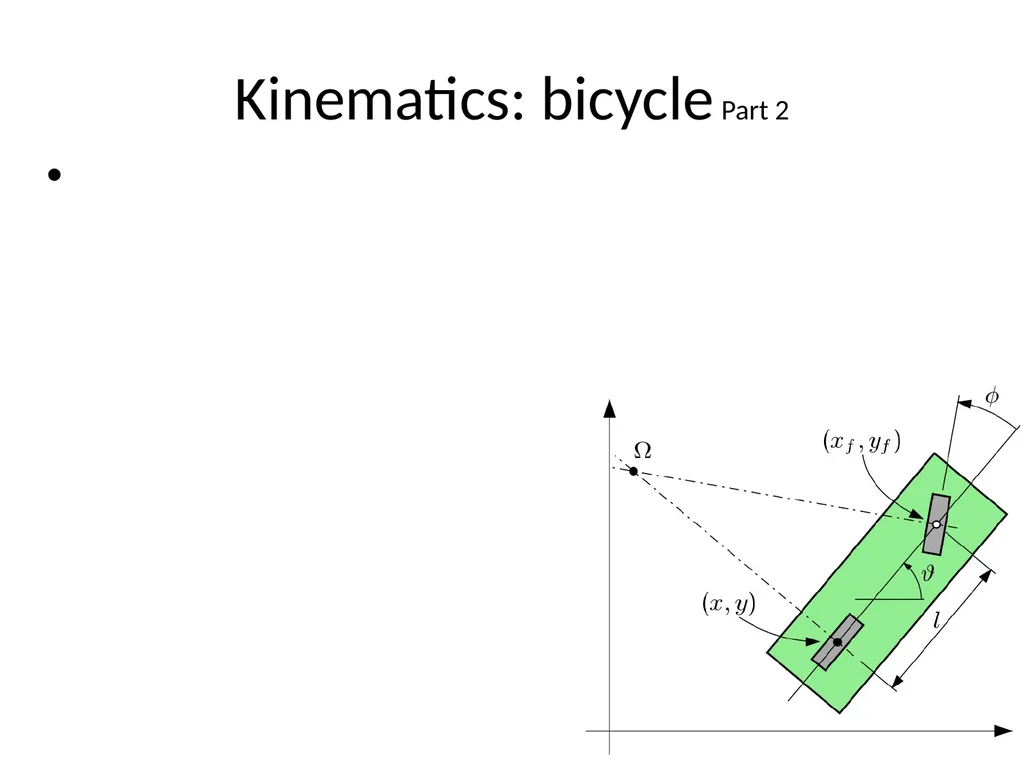
slide47. Kinematics: bicycle Part 2<br>
slide48. Control Mobile Robotics<br>
slide49. Control problem<br>
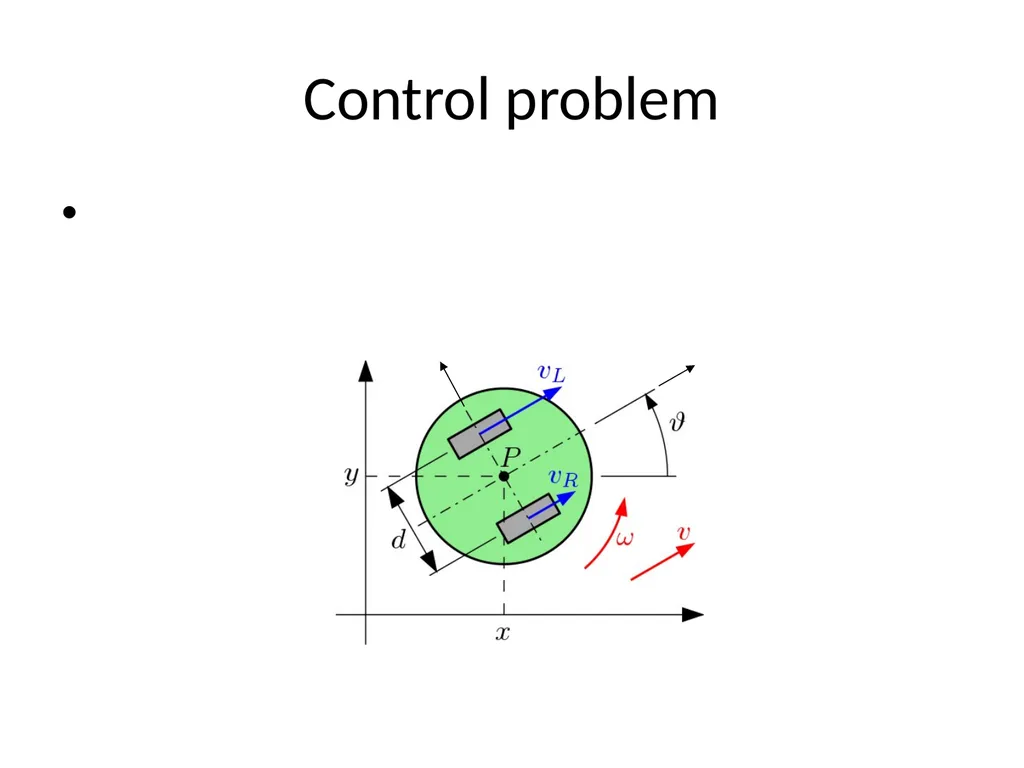
slide50. Control problem<br>
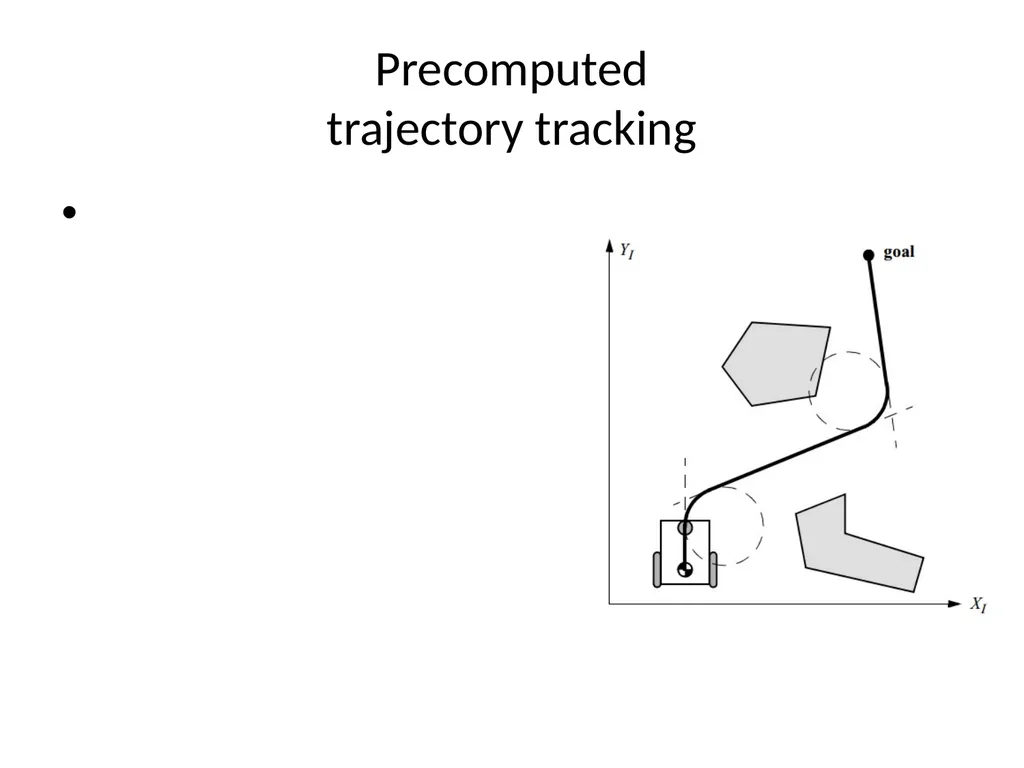
slide51. Precomputed trajectory tracking<br>
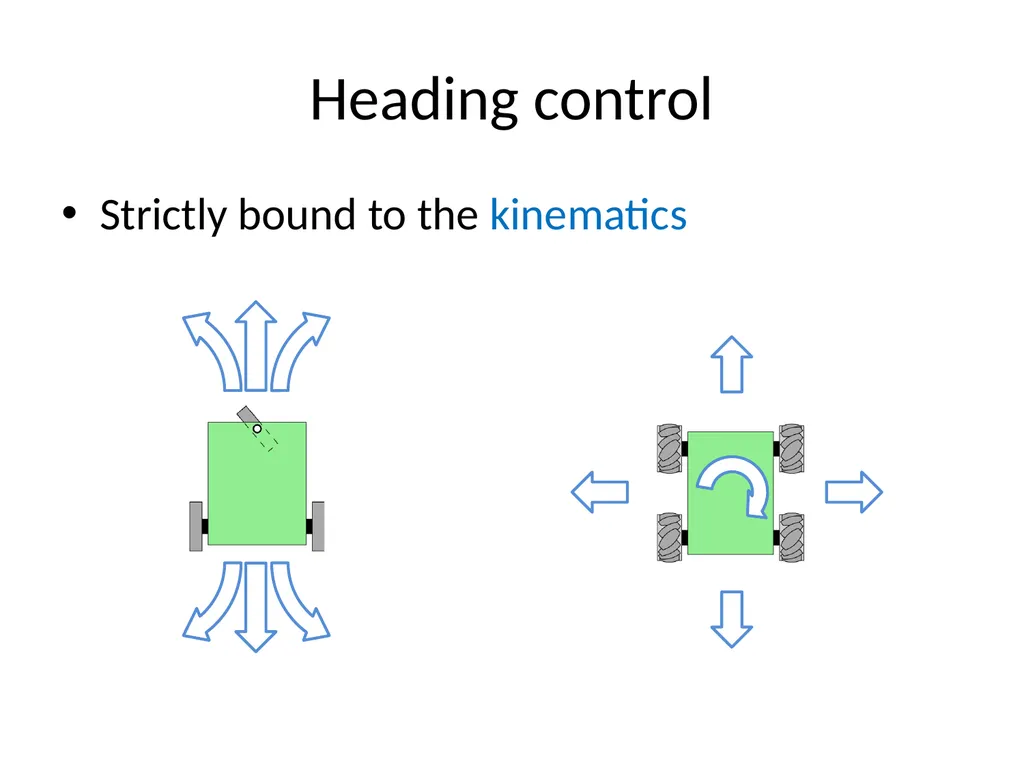
slide52. Heading control Strictly bound to the kinematics<br>
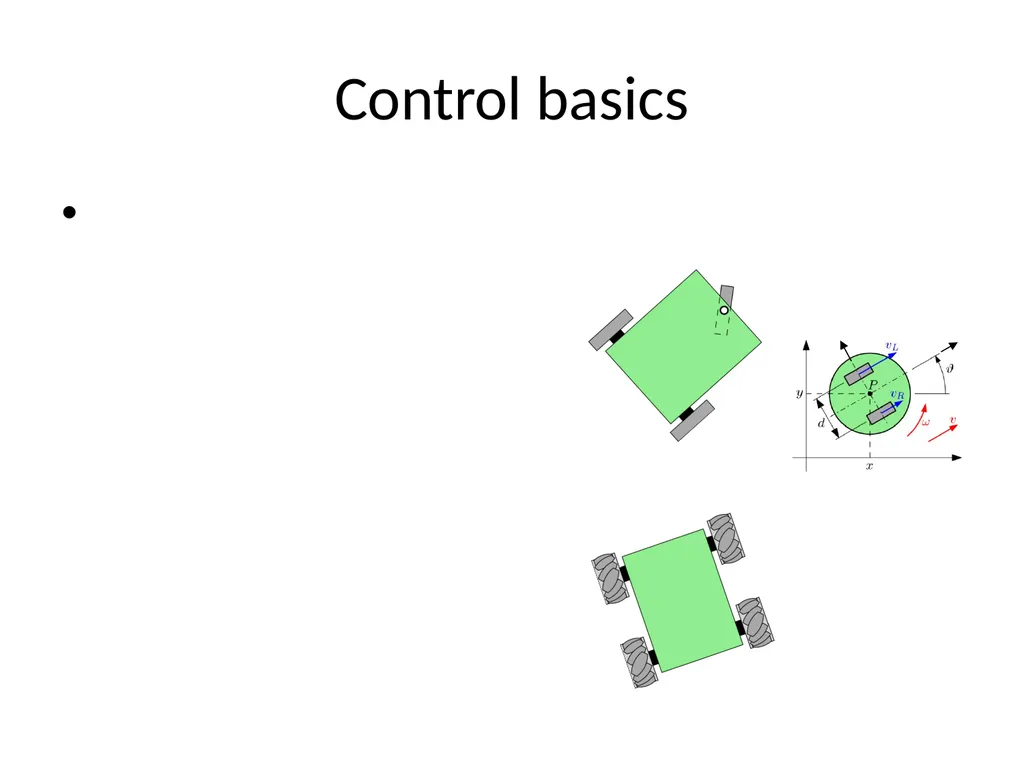
slide53. Control basics<br>
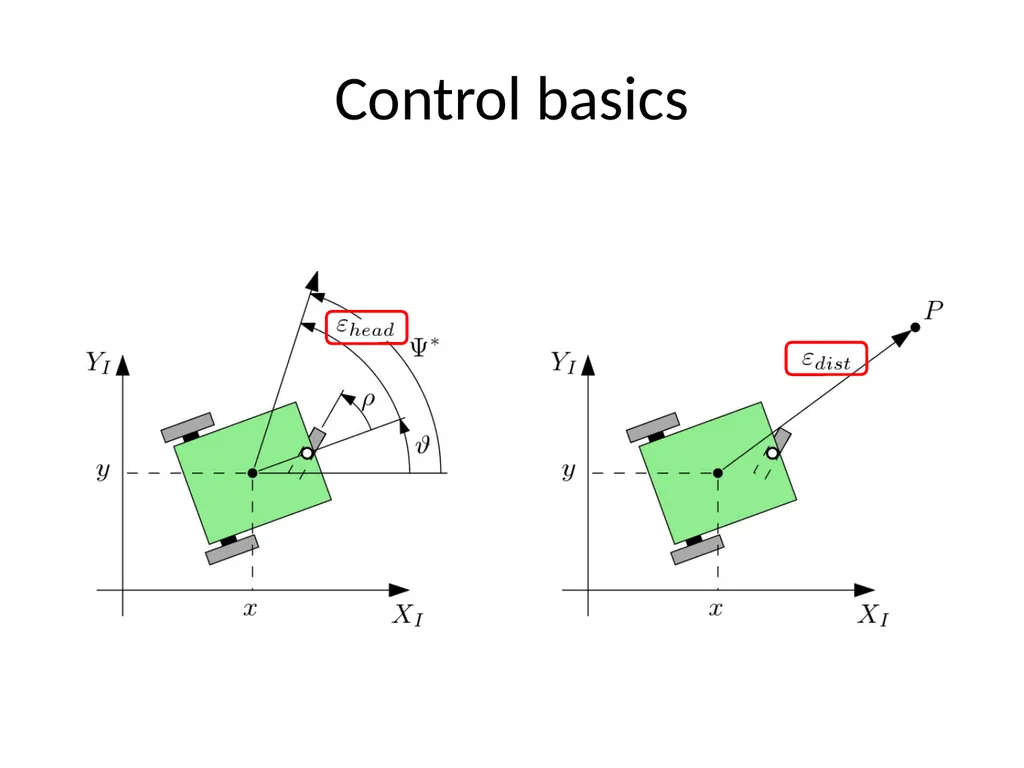
slide54. Control basics<br>
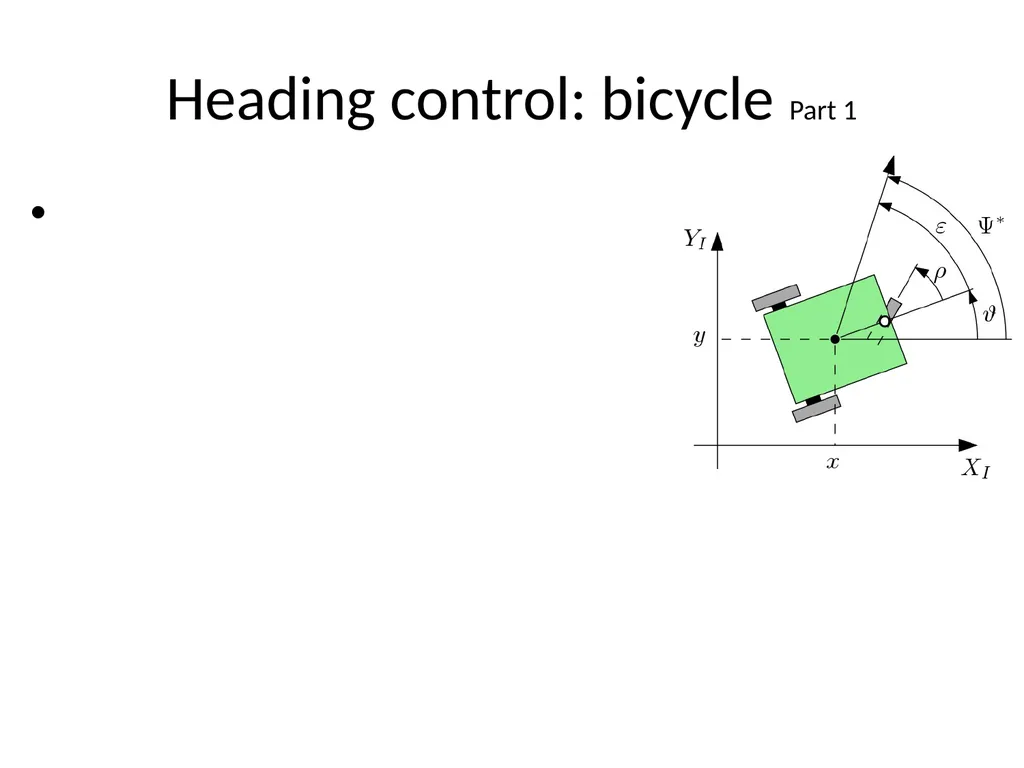
slide55. Heading control: bicycle Part 1<br>
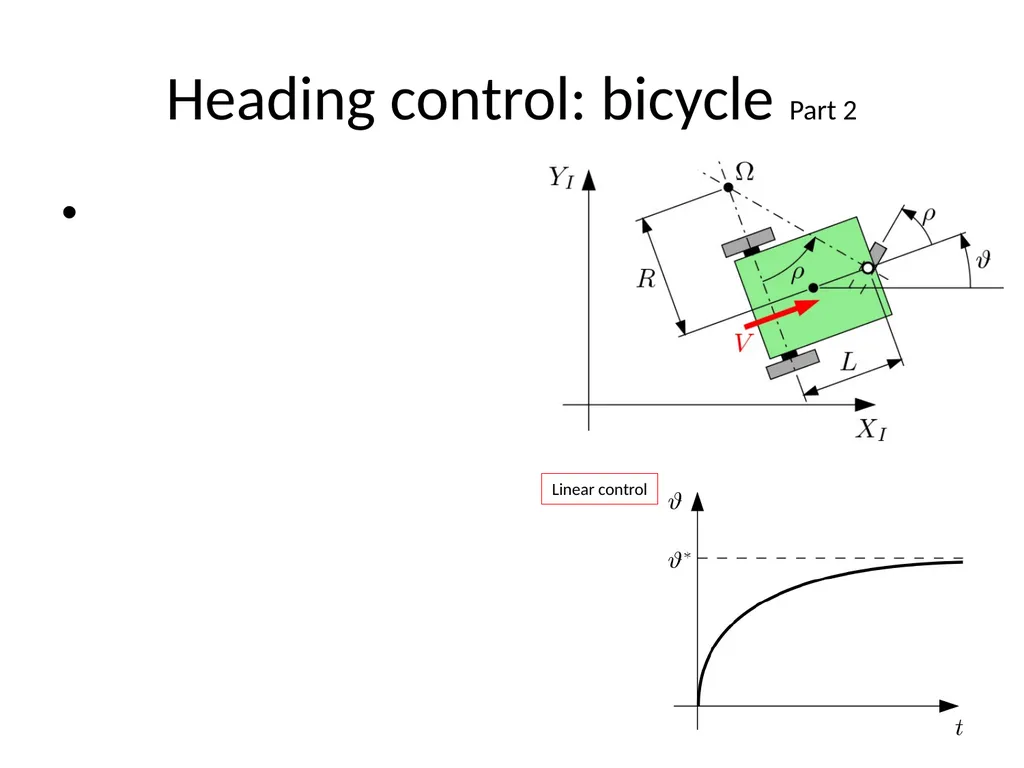
slide56. Heading control: bicycle Part 2 Linear control<br>
slide57. Forward speed controller<br>
slide58. Heading controller<br>
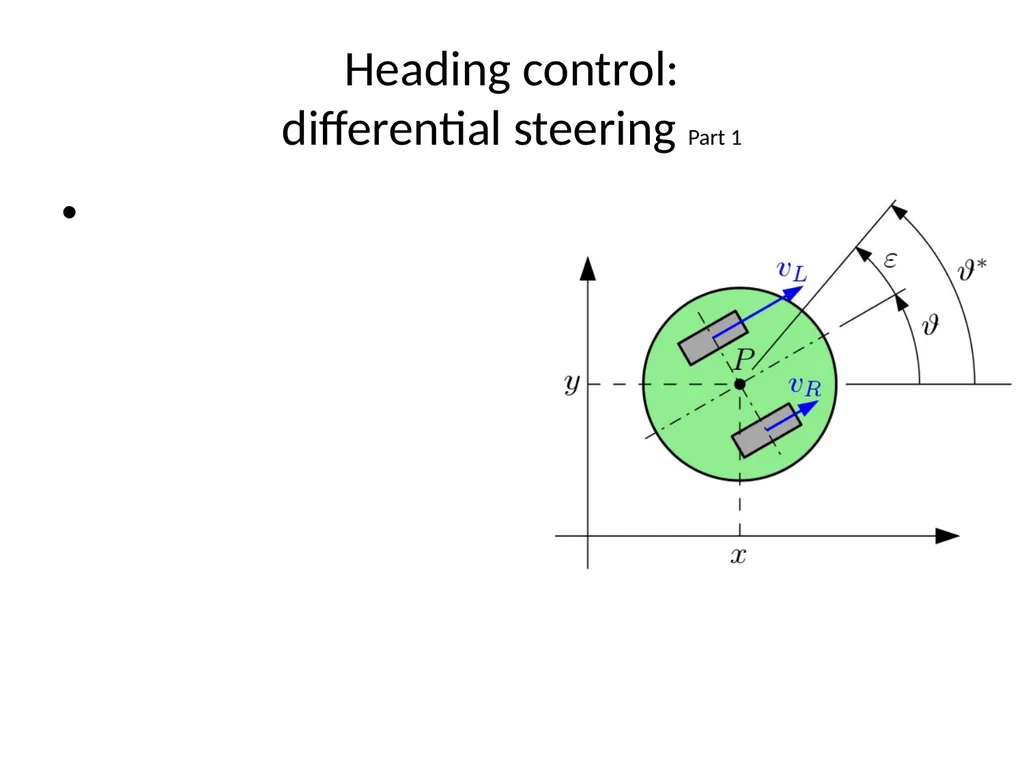
slide59. Heading control: differential steering Part 1<br>
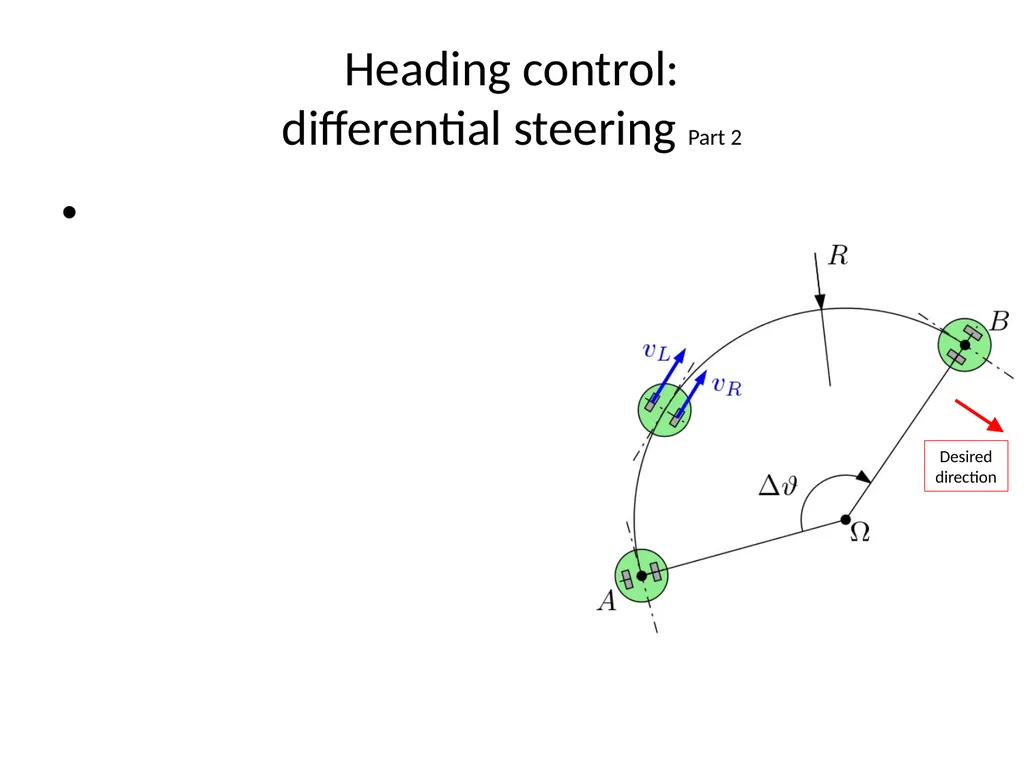
slide60. Heading control: differential steering Part 2 Desired direction<br>
slide61. Exercises Mobile robot control<br>
slide62. Bicycle robot model: heading control (Proportional-Derivative controller)<br>
slide63. Differential drive model: heading control (Proportional-Derivative controller)<br>
slide64. Bicycle model: heading control (Proportional-Derivative controller)<br>
slide2. Mobile robot kinematics Mobile Robotics<br>
slide3. Robot kinematics<br>
slide4. Rolling constraints<br>
slide5. Sliding constraints<br>
slide6. Model Rolling constraints Sliding constraints<br>
slide8. Example: differential drive Same sliding constraint!<br>
slide9. Example: differential drive<br>
slide10. Example: bicycle<br>
slide11. Example: bicycle<br>
slide12. Exercise Bicycle<br>
slide13. Exercise Bicycle<br>
slide14. Exercise Bicycle Initialization Set the motor to the rear-wheel<br>
slide15. Exercise Bicycle Mainly for graphic purpose Plot<br>
slide16. Results!<br>
slide17. Exercises Mobile robot kinematics<br>
slide18. Differential drive robot: forward kinematics<br>
slide19. Bicycle drive robot: forward kinematics<br>
slide20. Mobility Mobile Robotics<br>
slide21. Kinematics: recap Rolling constraints Sliding constraints<br>
slide22. Mobility Motion vector Projection matrix Motion vector Sliding constraints<br>
slide23. Mobility Geometrical proof Zero motion lines Instantaneous Centre of Rotation
It is the single solution that allows mobility Solutions<br>
slide24. Mobility Examples<br>
slide25. Kinematics: Omnidirectional robot Necessary conditions:
No single point should exist where all the axes of the rollers intersect
Same with parallel axes
If not, then the system is labile.<br>
slide26. Mobility Unrestrained motion Unmovable Number of
independent
constraints<br>
slide27. Steerability<br>
slide28. Example Fixed wheels Steered wheels<br>
slide29. Maneuverability<br>
slide30. Mobile robot workspace This part not clear: C-space is the equiv of joint-space. WS is the space of poses so they are made of different stuff.
The point is that for a n-hol system we can have that every point in WS can be connected to a point in the C-space.
Thus, even if dim(C-space) = 2, dim(W) can be = 3.<br>
slide31. Example<br>
slide32. DDOF<br>
slide33. Mobile Robots Part I.07 Robotics a.a. 2020-2021<br>
slide34. Non-Holonomic constraints Mobile Robotics<br>
slide35. Non-holonomic Constraints<br>
slide36. Non-holonomic Constraints Any wheeled vehicle is subject to kinematic constraints that reduce in general its local mobility, while leaving intact the possibility of reaching arbitrary configurations by appropriate maneuvers.
Example:
It is impossible to move a car instantaneously in the direction orthogonal to the forward direction.
The same car can perform a S-manoeuver: the result is a displacement in the orthogonal direction!<br>
slide37. Holonomic/Non-holonomic constraints<br>
slide38. Holonomic Constraints Example: Point in space vs. point in plane<br>
slide39. Non-holonomic Constraints Dependent both on position and velocity!<br>
slide40. Non-holonomic Constraints Linear! Note: the proof of this is a little too involved for us: it revolves around the Frobenius Theorem and Lie brackets theory.<br>
slide41. Non-holonomic Constraints To summarize:
Non-holonomic constraints are representable only as constraints on velocities and not on positions.
Whatever kinematic constraint that is representable as a positional constraint is holonomic.<br>
slide42. Non-holonomic Constraints<br>
slide43. Model derivation<br>
slide44. Kinematics: unicycle<br>
slide45. Kinematics: differential steering<br>
slide46. Kinematics: bicycle Part 1<br>
slide47. Kinematics: bicycle Part 2<br>
slide48. Control Mobile Robotics<br>
slide49. Control problem<br>
slide50. Control problem<br>
slide51. Precomputed trajectory tracking<br>
slide52. Heading control Strictly bound to the kinematics<br>
slide53. Control basics<br>
slide54. Control basics<br>
slide55. Heading control: bicycle Part 1<br>
slide56. Heading control: bicycle Part 2 Linear control<br>
slide57. Forward speed controller<br>
slide58. Heading controller<br>
slide59. Heading control: differential steering Part 1<br>
slide60. Heading control: differential steering Part 2 Desired direction<br>
slide61. Exercises Mobile robot control<br>
slide62. Bicycle robot model: heading control (Proportional-Derivative controller)<br>
slide63. Differential drive model: heading control (Proportional-Derivative controller)<br>
slide64. Bicycle model: heading control (Proportional-Derivative controller)<br>