04
Pediatric assessment/skills Objectives:
Describe the importance of involving a child in the history taking portion of the assessment and allow the child to make some of their own choices
Describe the general assessment approach to an adolescent patient
List the risk factors found to be a common denominator in abuse situations
List the risk factors that have been associated with pediatric suicide
Understand some of the equipment and devices that EMS may encounter with special needs patients and some of the complications associated with this specialized equipment<br>
05
Age groups Newborn – birth to the first few hours
Neonate – birth to 1 month
Infancy – birth to 1 year
Toddler – 1 to 3 years
Preschooler – 3 to 5 years
School age – 6 to 12 years
Adolescent (teenager) – 13 to 18 years<br>
06
CHILDREN AND FEAR OF MEDICAL HEALTH PROFESSIONALS<br>
07
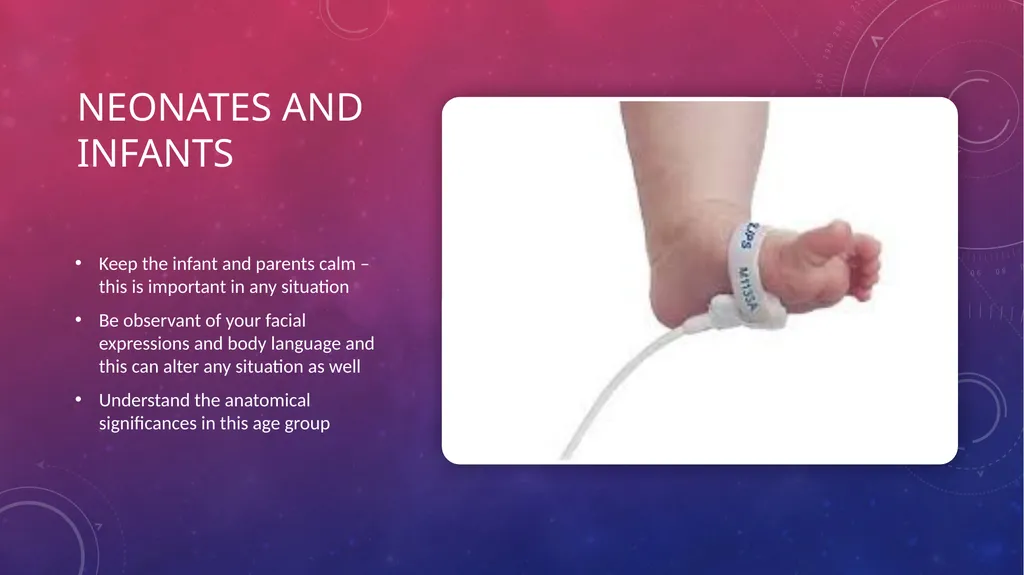
Neonates and infants Keep the infant and parents calm – this is important in any situation
Be observant of your facial expressions and body language and this can alter any situation as well
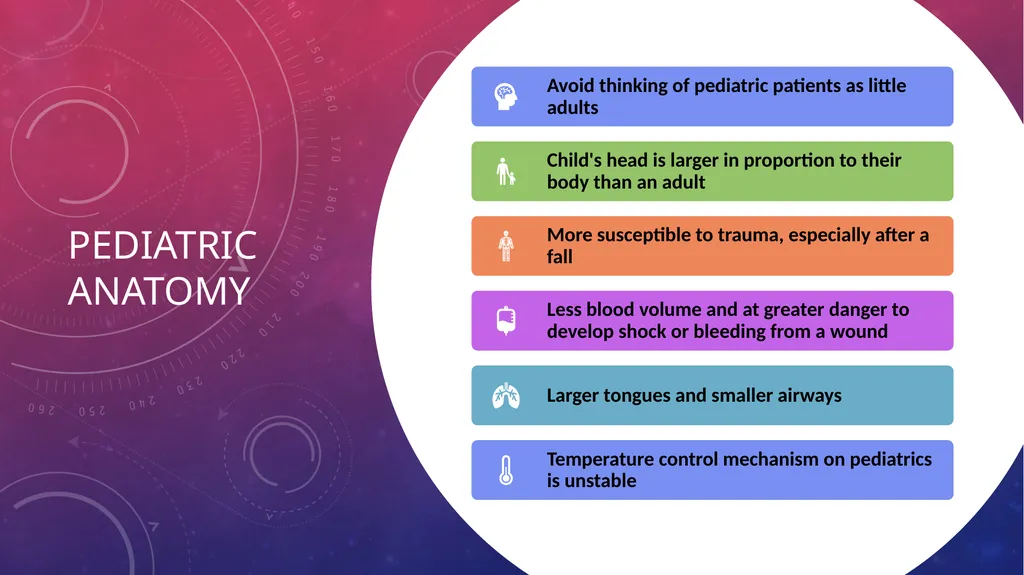
Understand the anatomical significances in this age group<br>
08
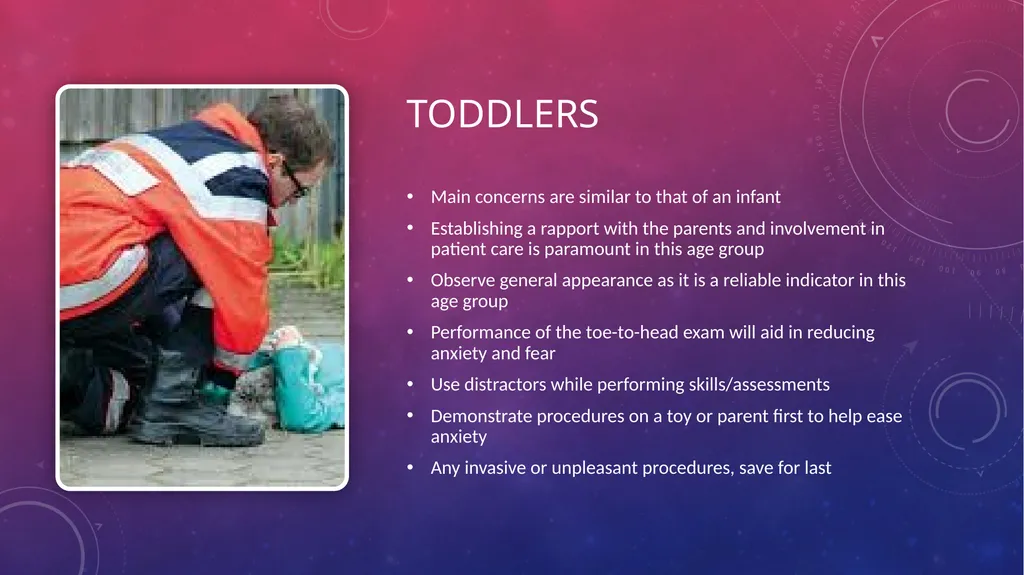
toddlers Main concerns are similar to that of an infant
Establishing a rapport with the parents and involvement in patient care is paramount in this age group
Observe general appearance as it is a reliable indicator in this age group
Performance of the toe-to-head exam will aid in reducing anxiety and fear
Use distractors while performing skills/assessments
Demonstrate procedures on a toy or parent first to help ease anxiety
Any invasive or unpleasant procedures, save for last<br>
09
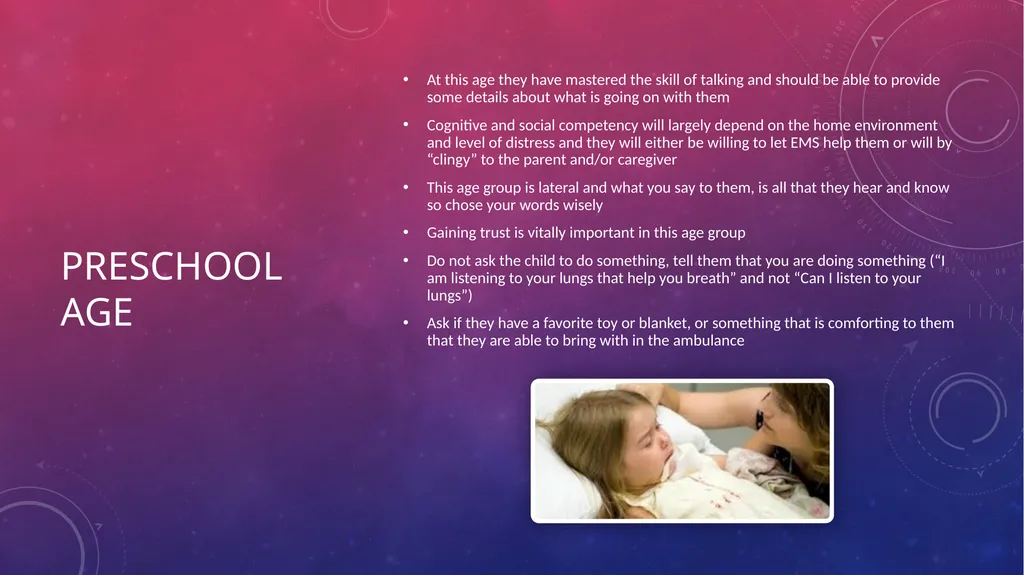
Preschool age At this age they have mastered the skill of talking and should be able to provide some details about what is going on with them
Cognitive and social competency will largely depend on the home environment and level of distress and they will either be willing to let EMS help them or will by “clingy” to the parent and/or caregiver
This age group is lateral and what you say to them, is all that they hear and know so chose your words wisely
Gaining trust is vitally important in this age group
Do not ask the child to do something, tell them that you are doing something (“I am listening to your lungs that help you breath” and not “Can I listen to your lungs”)
Ask if they have a favorite toy or blanket, or something that is comforting to them that they are able to bring with in the ambulance<br>
10
School age children Increased modesty, self-esteem and independence
Important to not feel different from others
Involve the child in all aspects of care including obtaining their history and then verifying the information with the parent and/or caregiver
Allow the child to make choices in order to help them obtain them that sense of control<br>
11
Teenager (adolescent) Approach them the same way you would an adult
Modesty is especially important as well as preservation of this
Must be taken seriously with suicidal/homicidal threats<br>
12
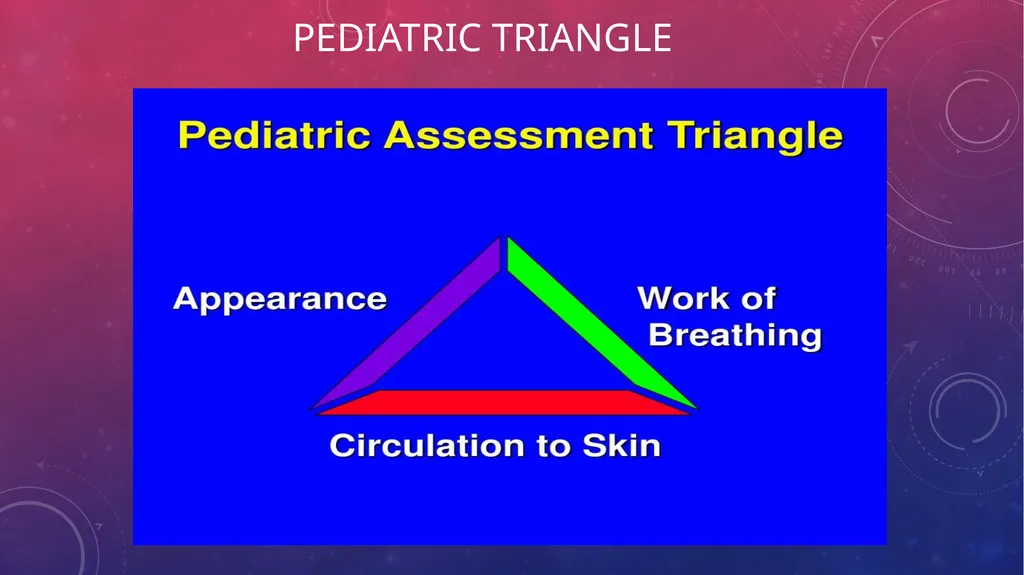
Pediatric triangle<br>
13
Pediatric assessment triangle<br>
17
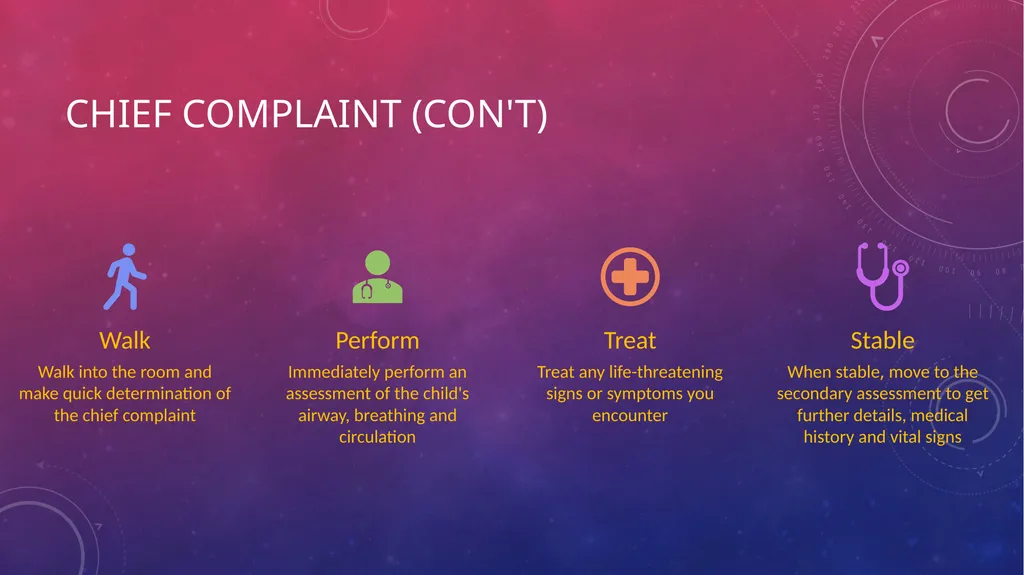
Chief complaint (con't)<br>
19
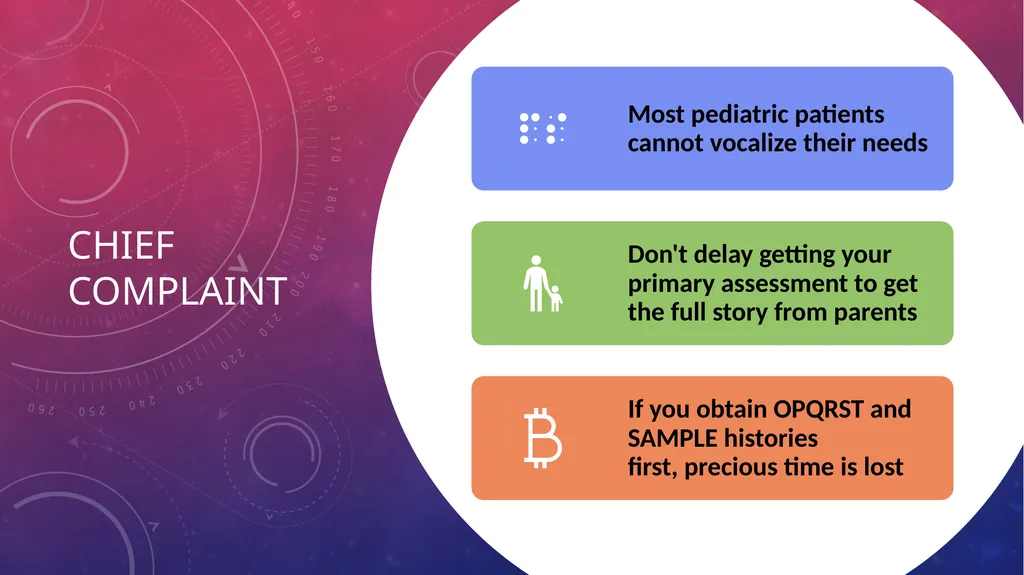
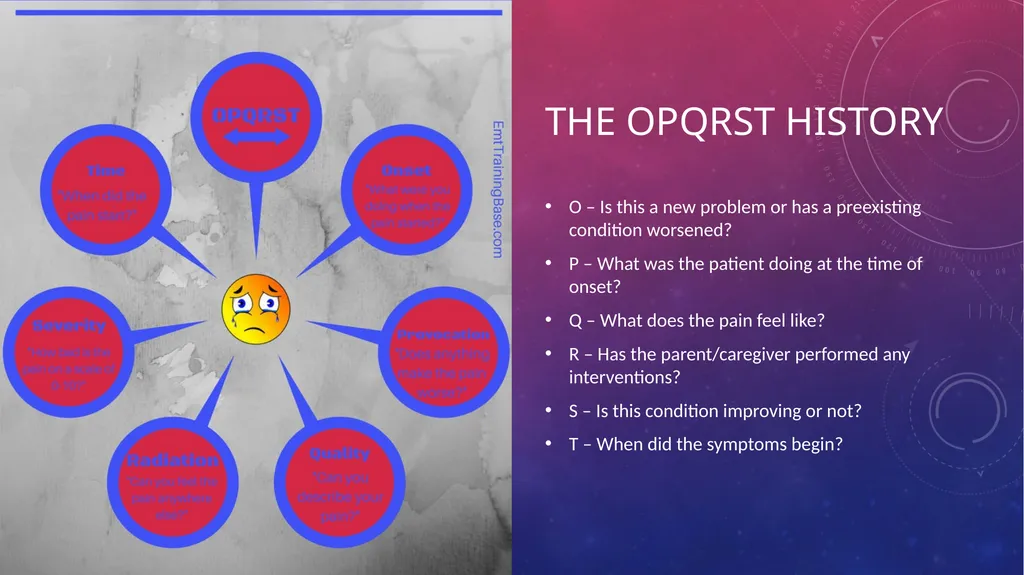
The OPQRSt history O – Is this a new problem or has a preexisting condition worsened?
P – What was the patient doing at the time of onset?
Q – What does the pain feel like?
R – Has the parent/caregiver performed any interventions?
S – Is this condition improving or not?
T – When did the symptoms begin?<br>
20
Sample history S – What prompted you to call EMS?
A – Does the child have any allergies?
M – What medication is the child taking?
P – Has this ever happened before?
L – When did the child last eat?
E – Did the problem occur suddenly or has it been getting worse?<br>
21
Vitals signs in infants and pediatric patients Formula for Estimating Normal Weight in Children (kilograms) •
Under 12 months - (Age in months/2) + 4 = Weight in kg
1 to 10 years - (Age in Years x 2)/10 = Weight in kg<br>
22
Pediatric vital signs http://www.pedscases.com/pediatric-vital-signs-reference-chart<br>
23
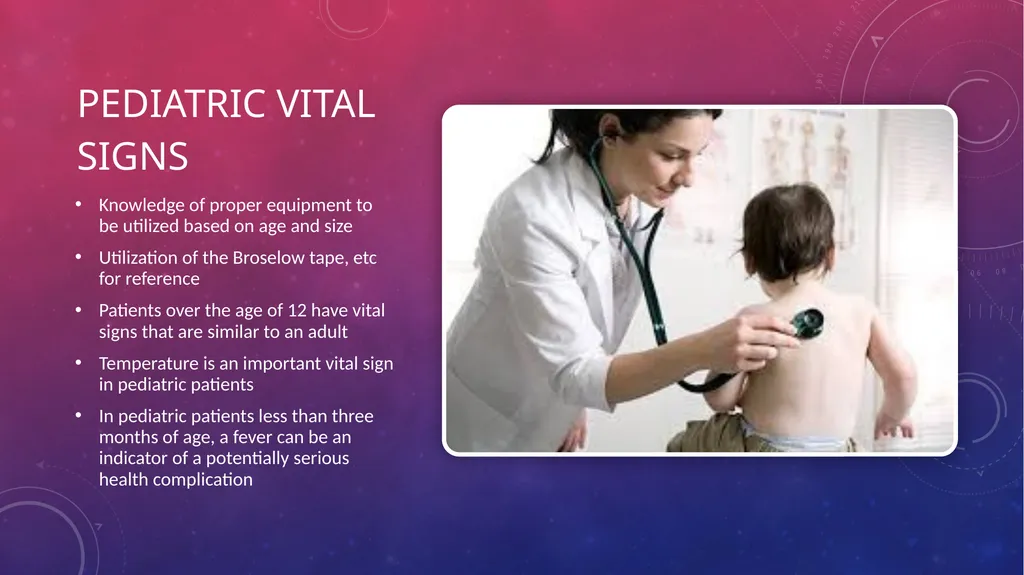
Pediatric vital signs Knowledge of proper equipment to be utilized based on age and size
Utilization of the Broselow tape, etc for reference
Patients over the age of 12 have vital signs that are similar to an adult
Temperature is an important vital sign in pediatric patients
In pediatric patients less than three months of age, a fever can be an indicator of a potentially serious health complication<br>
24
Pediatric vital signs (con’t) Most pediatric patients have a tougher time controlling their thermal control mechanism
Infants, as well as small children are unable to shiver
There are significant fluctuations in temperature leading to febrile seizures
Rectal temperatures are preferred method in children under the age of 6 months<br>
25
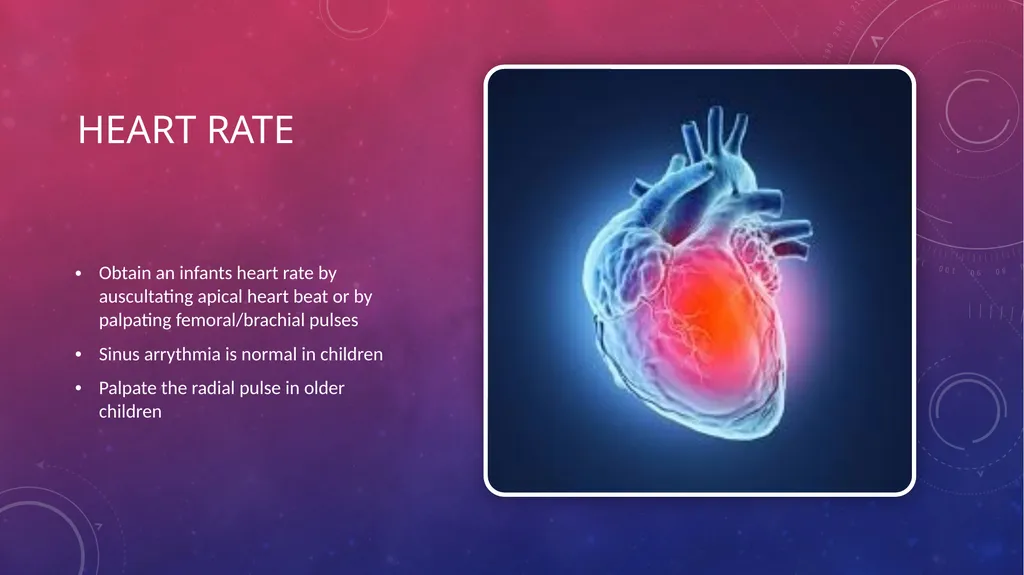
Heart rate Obtain an infants heart rate by auscultating apical heart beat or by palpating femoral/brachial pulses
Sinus arrythmia is normal in children
Palpate the radial pulse in older children<br>
26
Areas for auscultating heart sounds<br>
27
Respiratory rate Infants and small children –observe the abdomen for respiratory movement
Older children – EMS can palpate and/or observe the chest the same as in an adult patient<br>
28
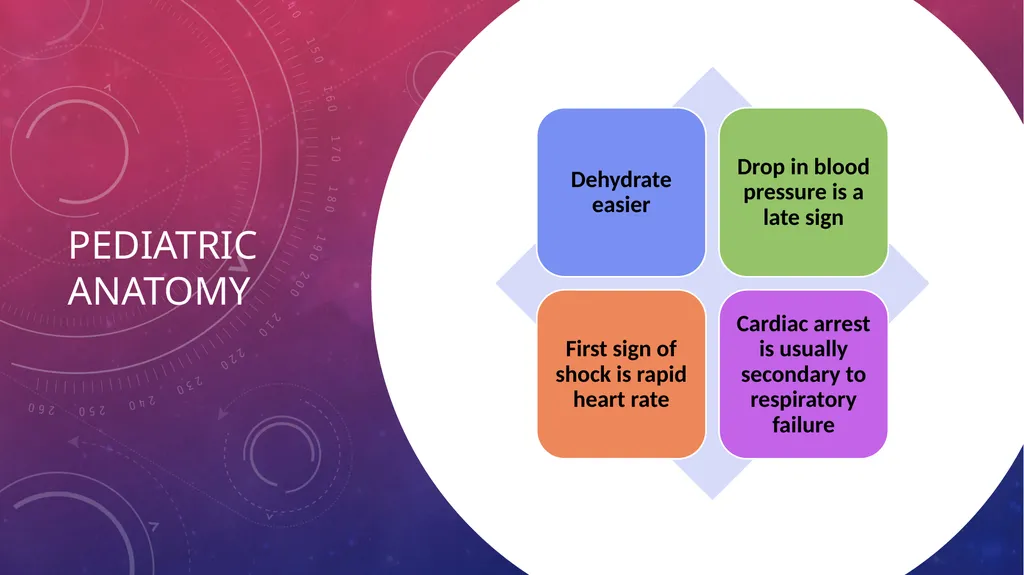
Blood pressure May be hard to obtain in small children out of fear or being uncooperative
Obtaining an exact blood pressure reading on most children is unnecessary
Temperature, skin color and condition is a more reliable indicator in pediatrics than in adults<br>
29
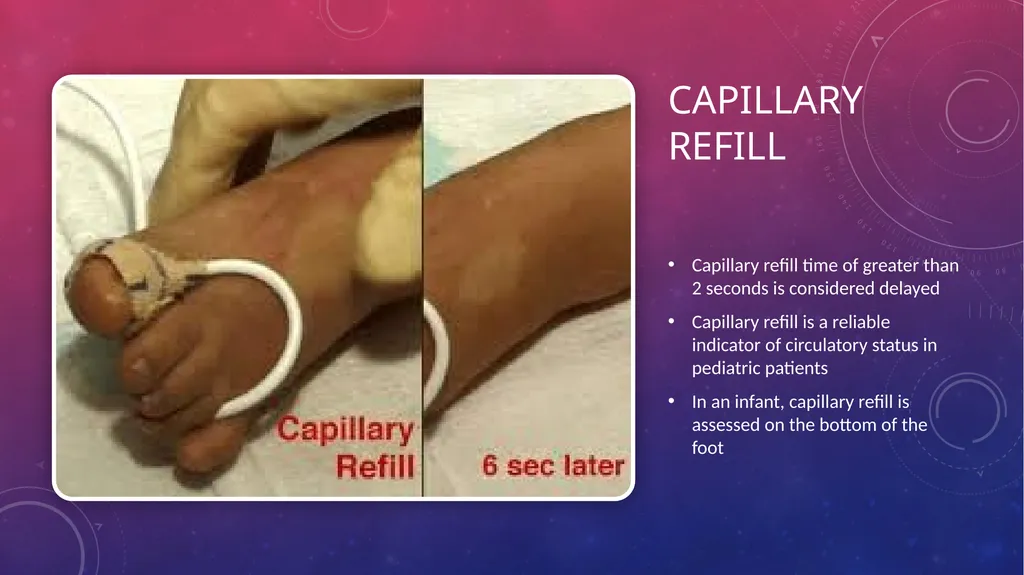
Capillary refill Capillary refill time of greater than 2 seconds is considered delayed
Capillary refill is a reliable indicator of circulatory status in pediatric patients
In an infant, capillary refill is assessed on the bottom of the foot<br>
30
Body weight Body weight in pediatrics is important!!!
Ask the parent and/or caregiver about a current weight and when the weight was obtained
Estimating a child’s weight is also possible (in kilograms). This is accomplished by multiplying the child’s age by 2 and adding 8 (example child’s age x 2) + 8 = weight in kilograms<br>
31
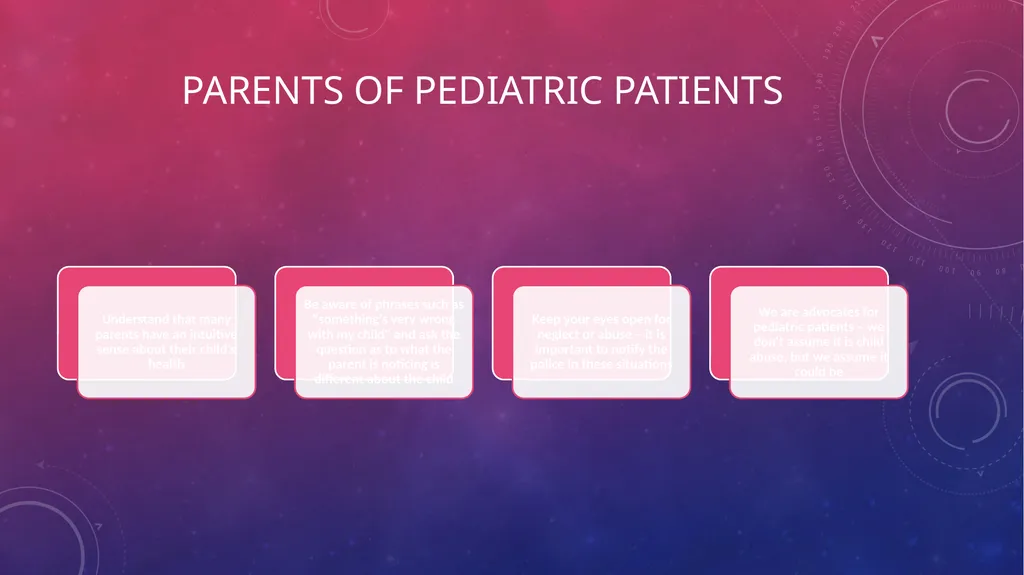
Parents of pediatric patients<br>
32
Buidling confidence with caring for pediatric patients<br>
33
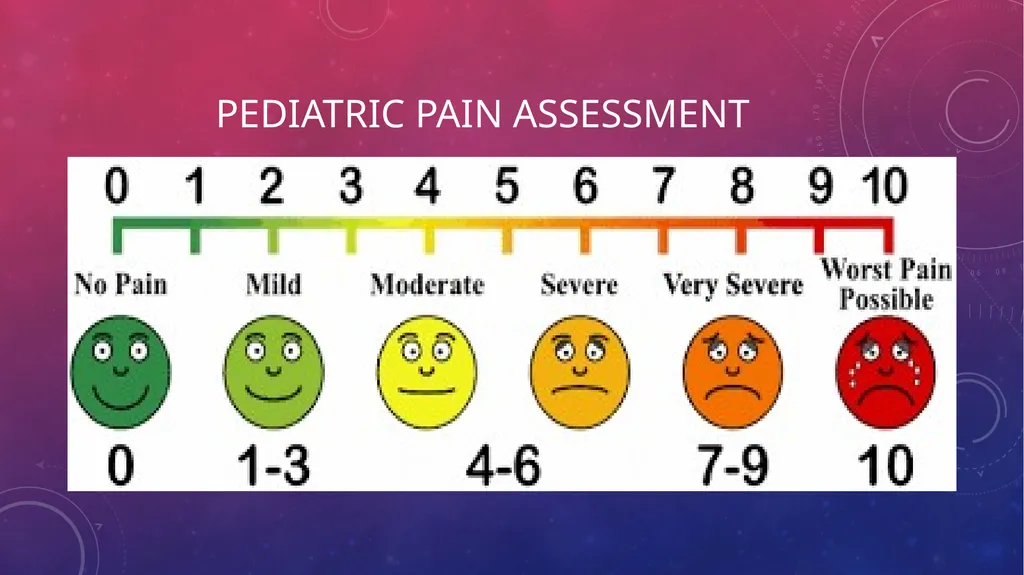
Pediatric pain assessment<br>
34
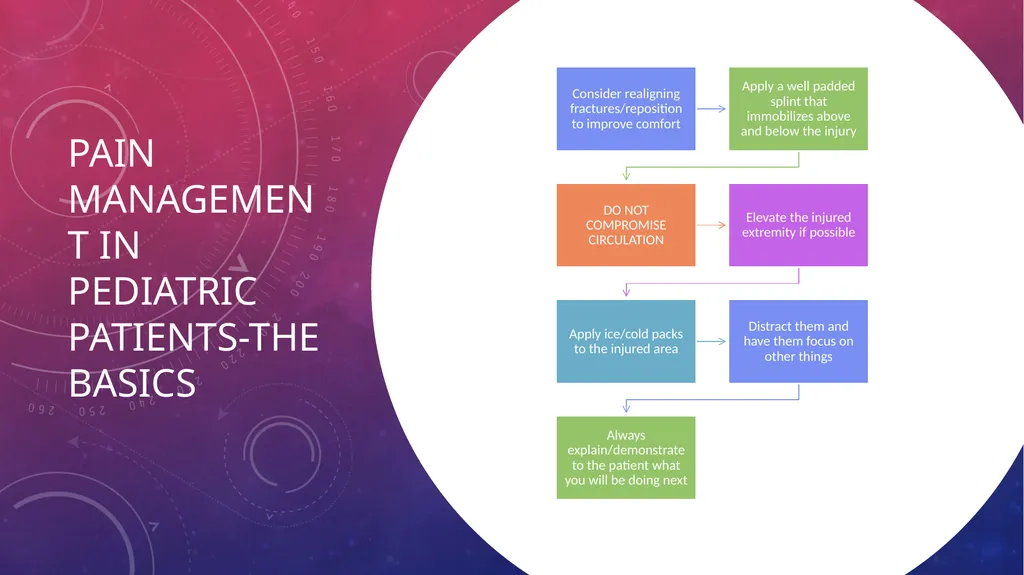
Pain management In pediatric patients-the basics<br>
35
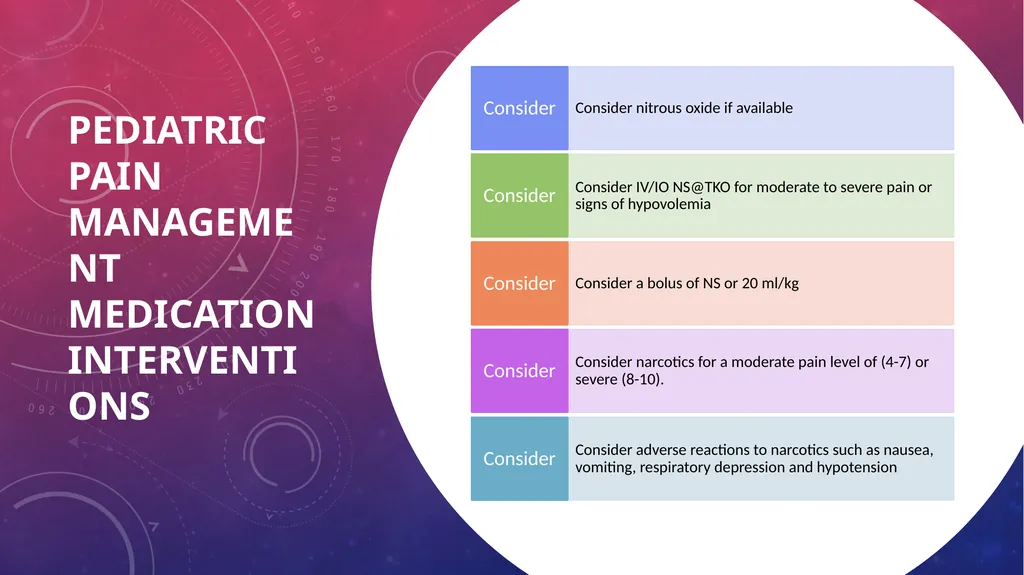
Pediatric pain management medication interventions<br>
36
Advanced level pain medications If hypotensive prefer Fentanyl or Ketamine
Pediatric dose of Fentanyl: 1 mcg/kg IV/IO/IM or 2 mcg/kg IN (may use 50 mcg IN for 2-8 yo and 100 mcg IN for 9+ yo) or nebulized 4 mcg/kg via standard nebulizer (max of 300 mcg/dose). May repeat every 5 minutes as needed for pain control.
Pediatric dose of Morphine: 0.1 mg/kg IV/IO/IM; up to 10 mg per dose. May repeat every 5-10 minutes as needed for pain (if no effect, may double dose to a maximum 0.2 mg/kg per dose).
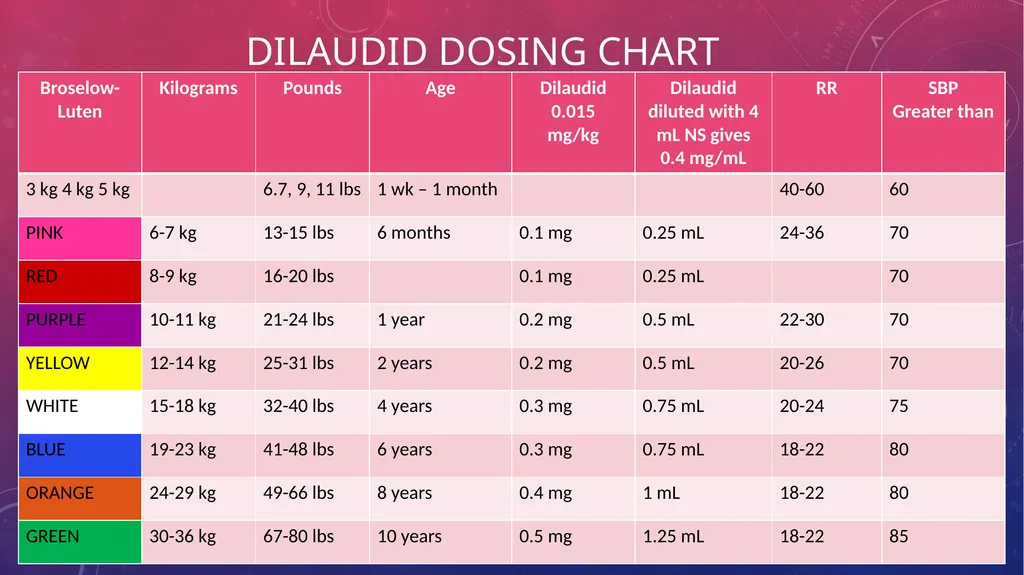
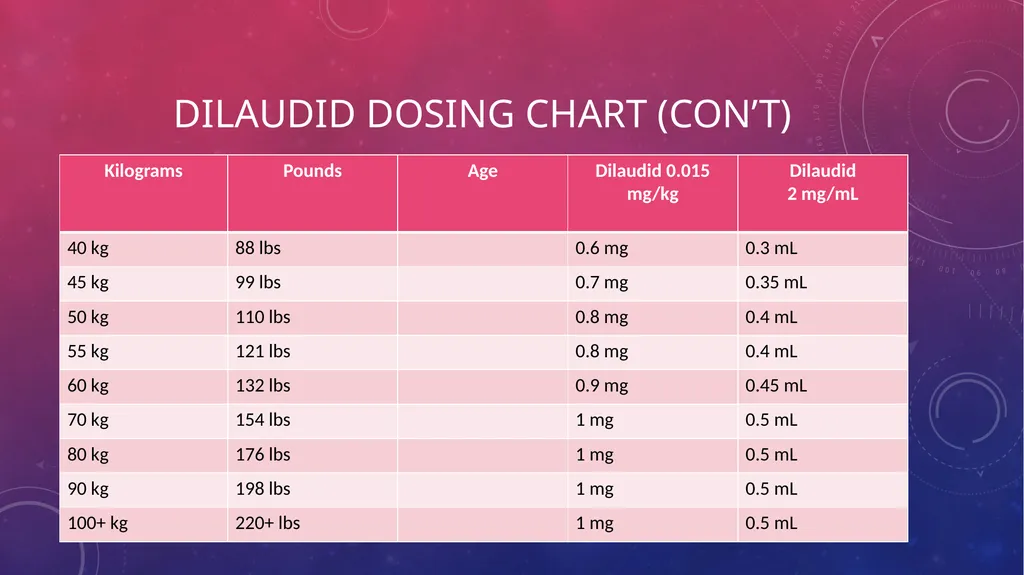
Pediatric dose of Dilaudid: 0.015 mg/kg IV/IO – may repeat every 15 minutes (see Dilaudid Dosing Chart)
Withhold Morphine or Dilaudid if SBP less than 80 mmHg for children or if poor perfusion is present<br>
37
Dilaudid dosing chart<br>
38
Dilaudid dosing chart (con’t)<br>
39
Children with special health care needs<br>
40
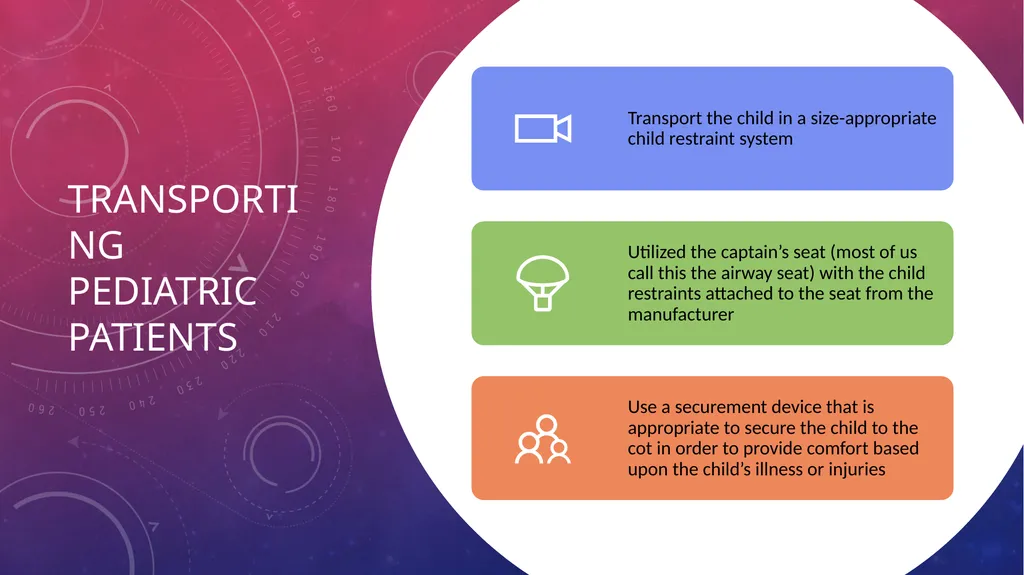
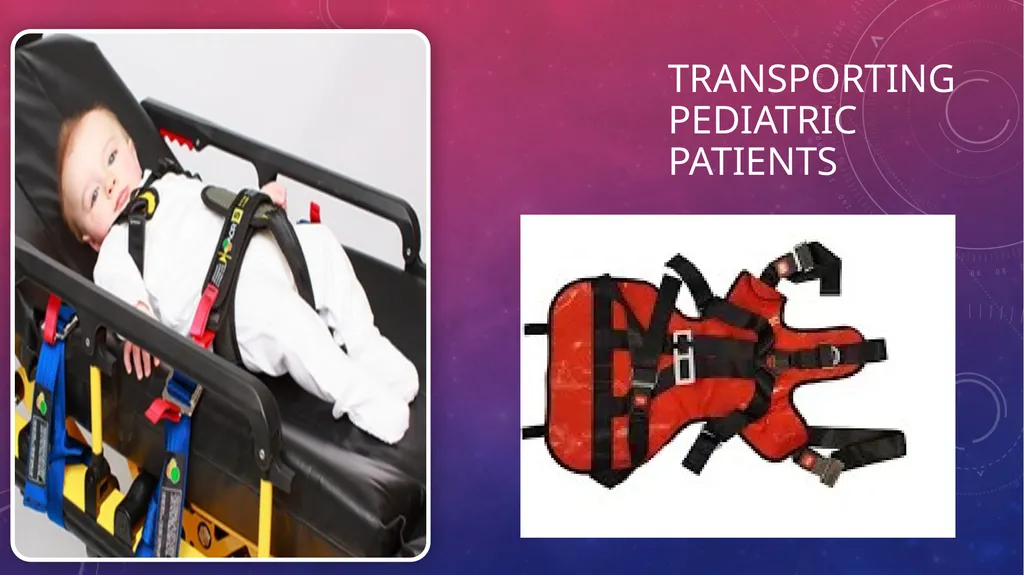
Transporting pediatric patients<br>
41
Transporting pediatric patients<br>
42
Questions??? This Photo by Unknown Author is licensed under CC BY-NC<br>