Pelvic inflammatory disease prof. Dr. Rabea M. Ali
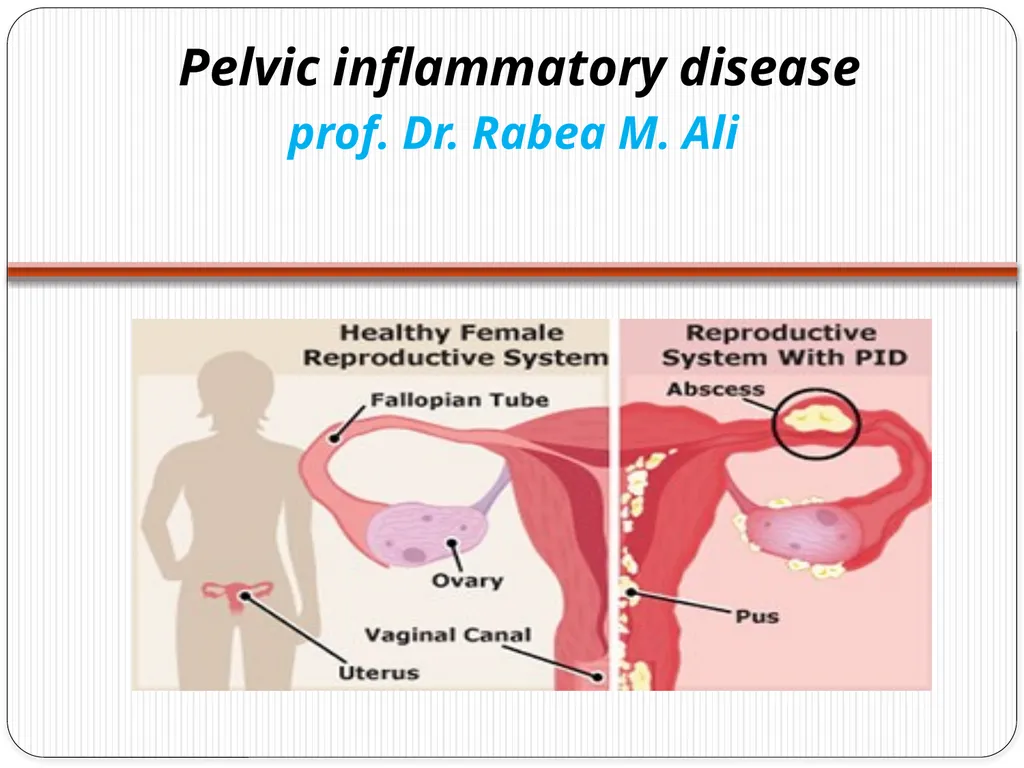
Description: Pelvic inflammatory disease prof. Dr. Rabea M. Ali Pelvic inflammatory disease (PID) is an infection of the female reproductive organs. It most often occurs when sexually transmitted bacteria spread from the vagina to the uterus, fallopian
Related Topics
Download Presentation
"Pelvic inflammatory disease prof. Dr. Rabea M. Ali" is the property of its rightful owner. Permission is granted to download and print the materials on this website for personal, non-commercial use only, and to display it on your personal computer provided you do not modify the materials and that you retain all copyright notices contained in the materials. By downloading content from our website, you accept the terms of this agreement.
Presentation Transcript
slide1. Pelvic inflammatory disease
prof. Dr. Rabea M. Ali<br>
slide2. Pelvic inflammatory disease
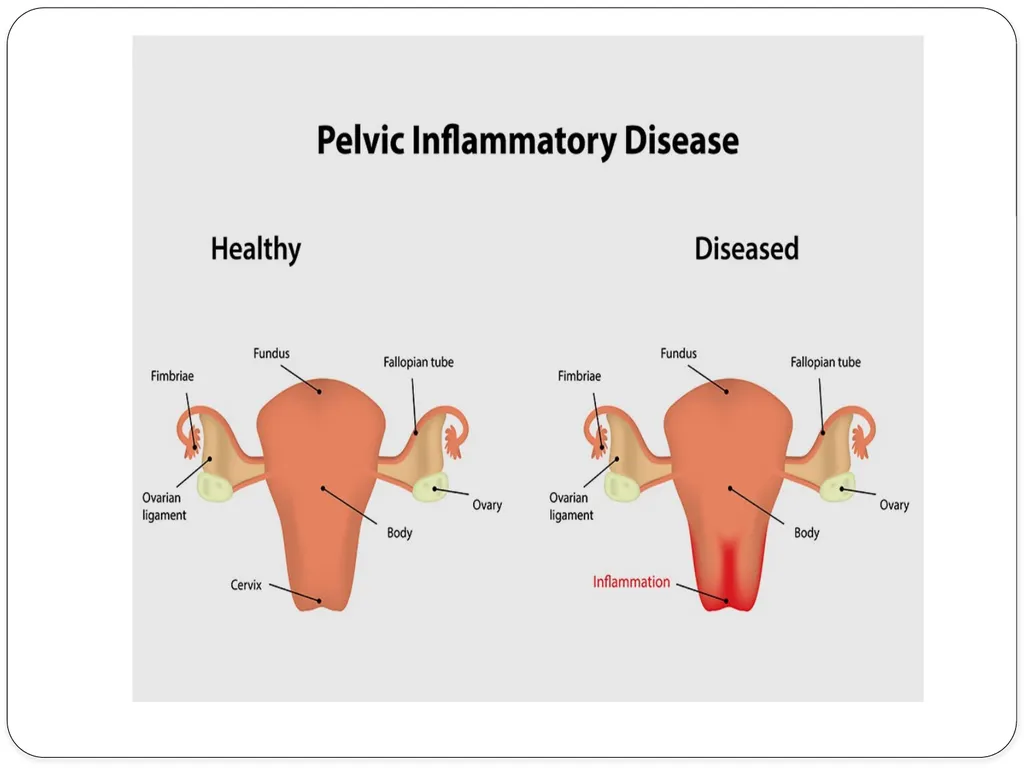
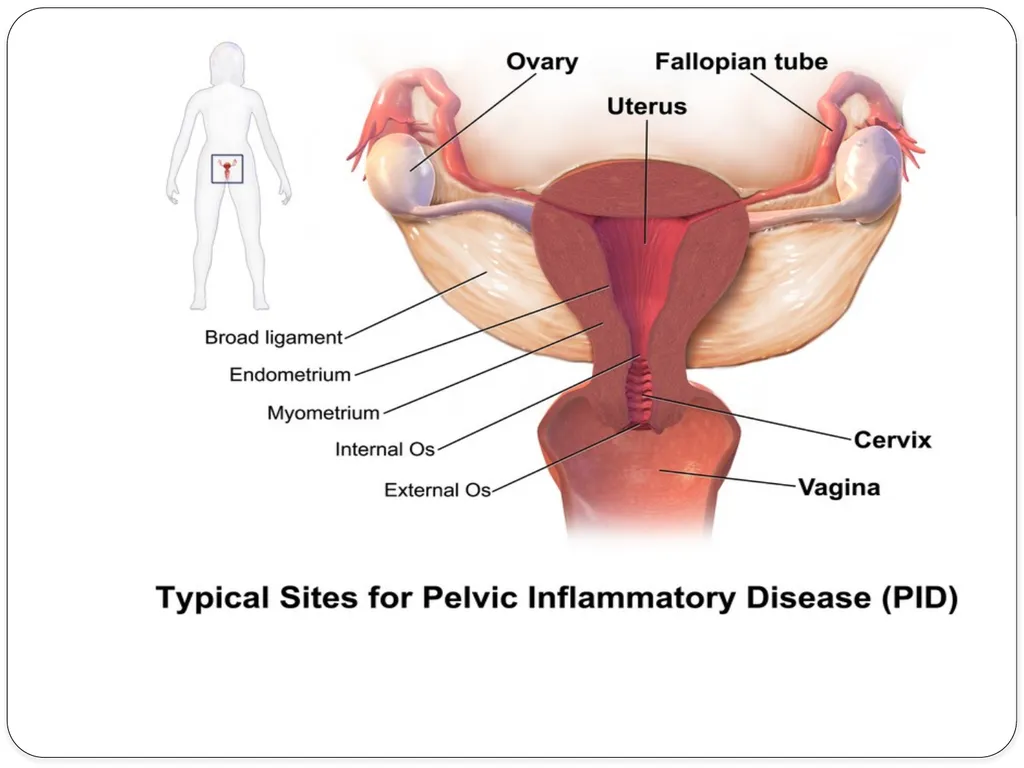
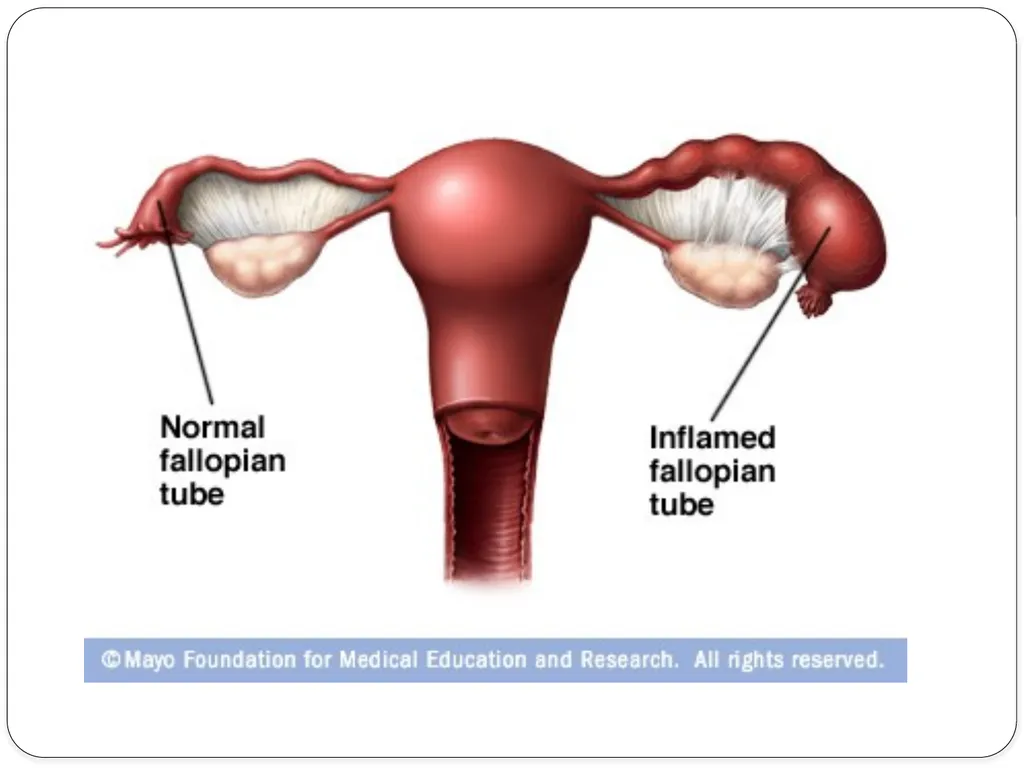
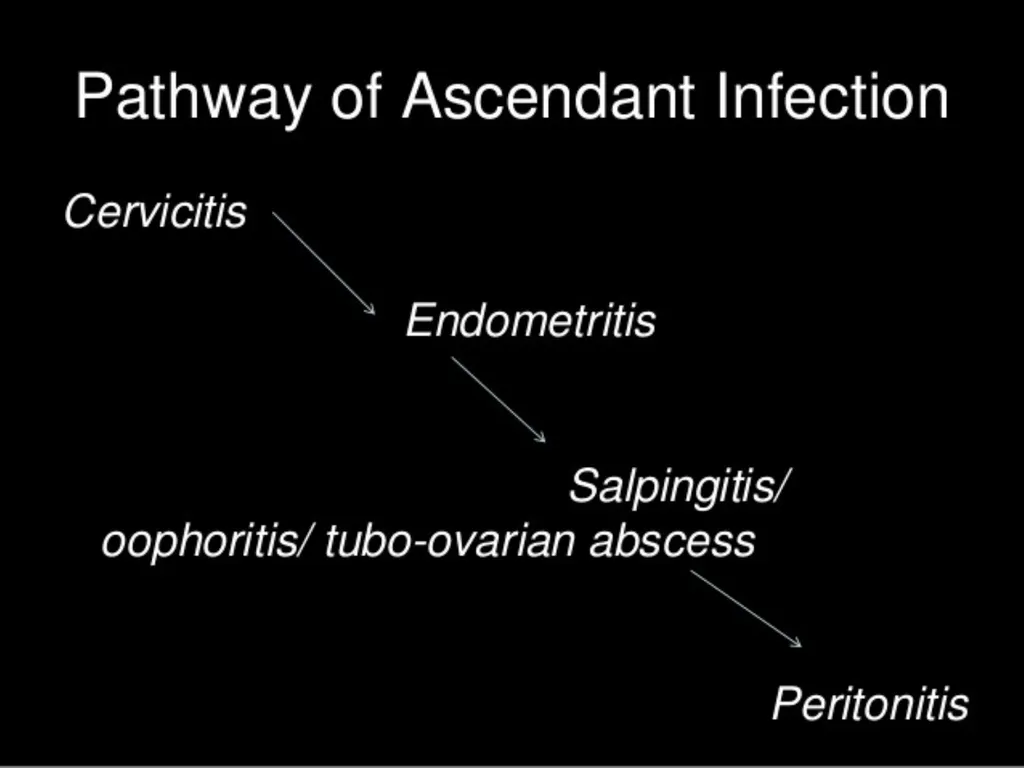
(PID) is an infection of the female reproductive organs. It most often occurs when sexually transmitted bacteria spread from the vagina to the uterus, fallopian tubes or ovaries Pelvic inflammatory disease (PID) is a clinical syndrome that results from the ascension of microorganisms from the cervix and vagina to the upper genital tract.<br>
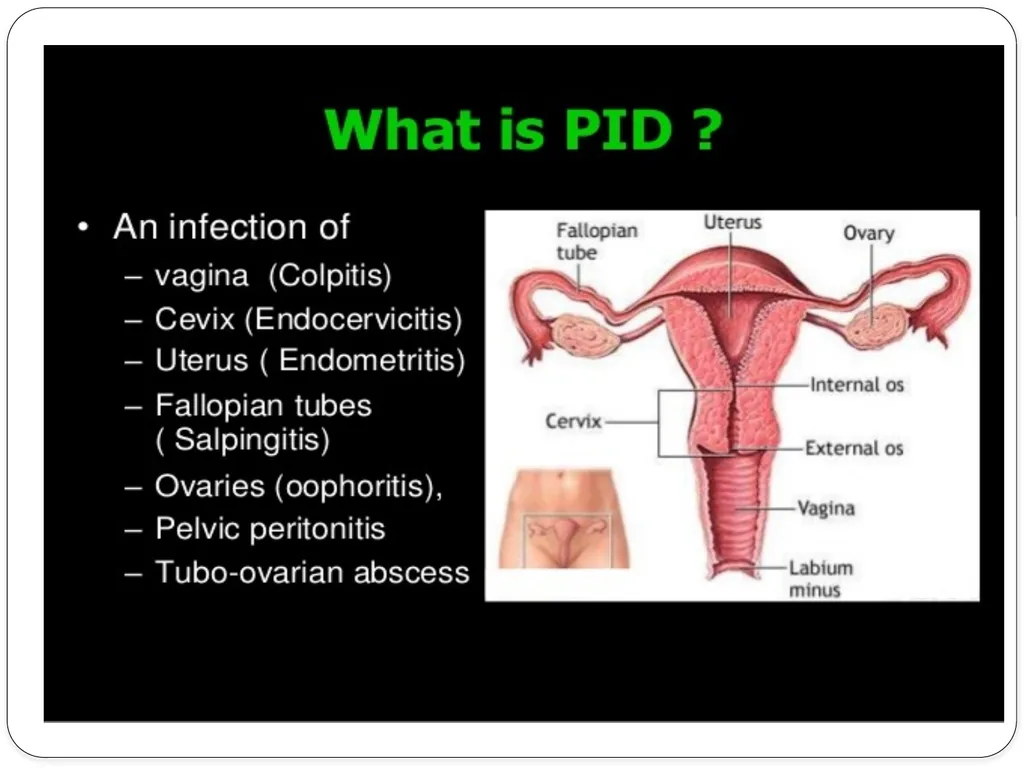
slide4. Vaginitis, also known as vulvovaginitis, is inflammation of the vagina and vulva
Symptoms
itching
burning
pain
 The three main causes are infections, specifically bacterial vaginosis, vaginal yeast infection, and trichomoniasis. Other causes include allergies to substances such as spermicides or soaps or as a result of low estrogen levels during breast-feeding or after menopause.<br>
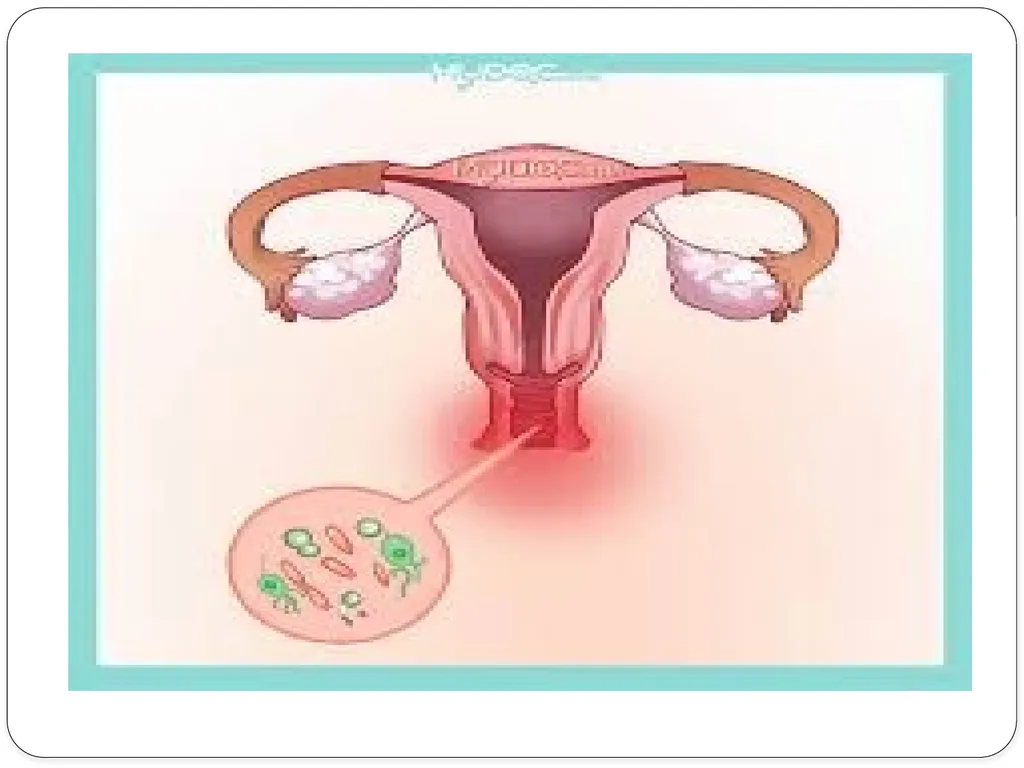
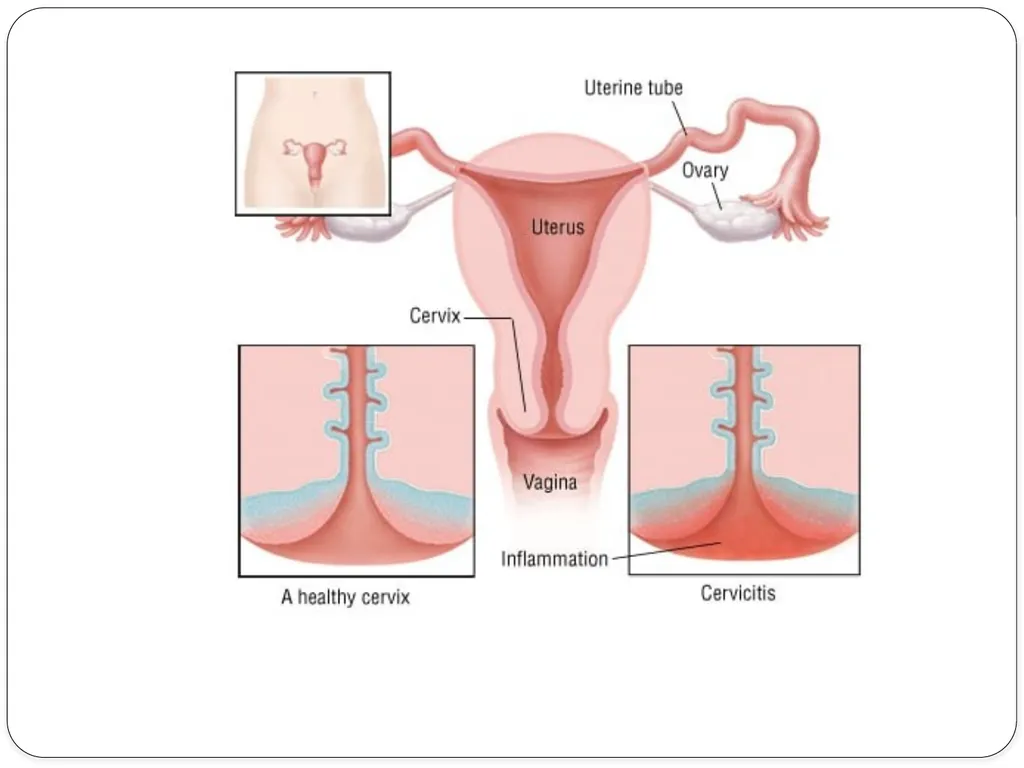
slide6. Cervicitis is inflammation of the uterine cervix
Symptoms
Abnormal vaginal bleeding after intercourse between periods
Unusual gray, white, or yellow vaginal discharge
Painful sexual intercourse
Pain in the vagina
Pressure or heaviness in the pelvis Cervicitis can be caused by any of a number of infections, of which the most common are chlamydia and gonorrhea<br>
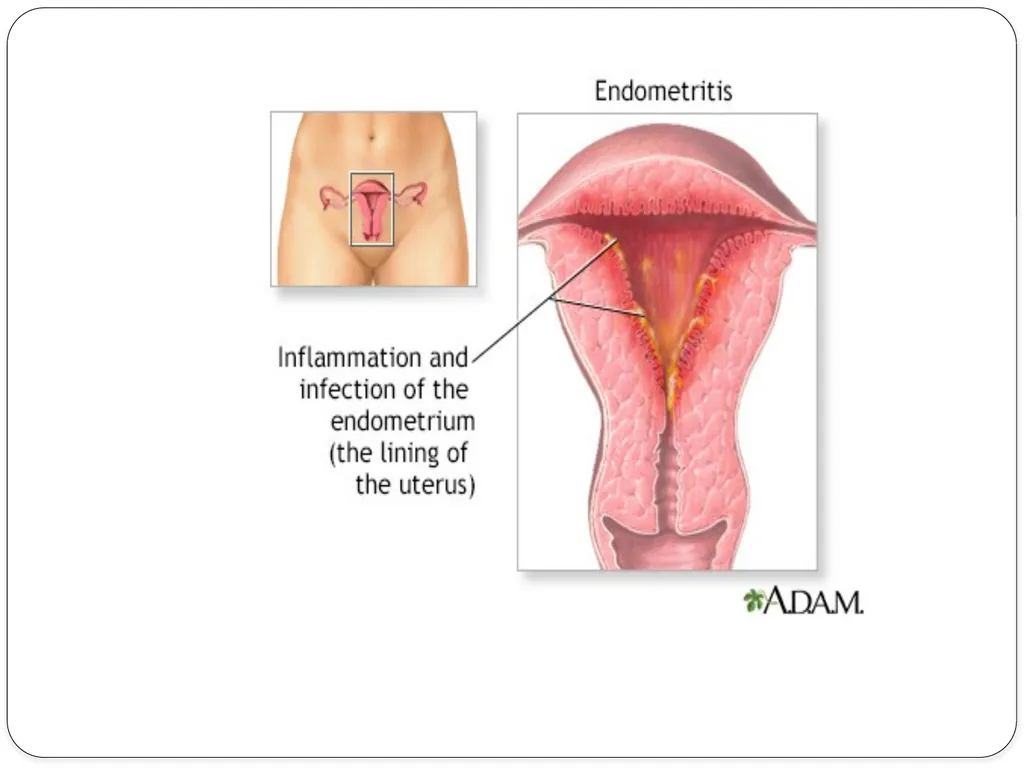
slide8. Endometritis is inflammation of the inner lining of the uterus (endometrium) Symptoms
 fever
lower abdominal pain
abnormal vaginal bleeding or discharge Risk factors for Endometritis following delivery include Caesarean section and prolonged rupture of membranes<br>
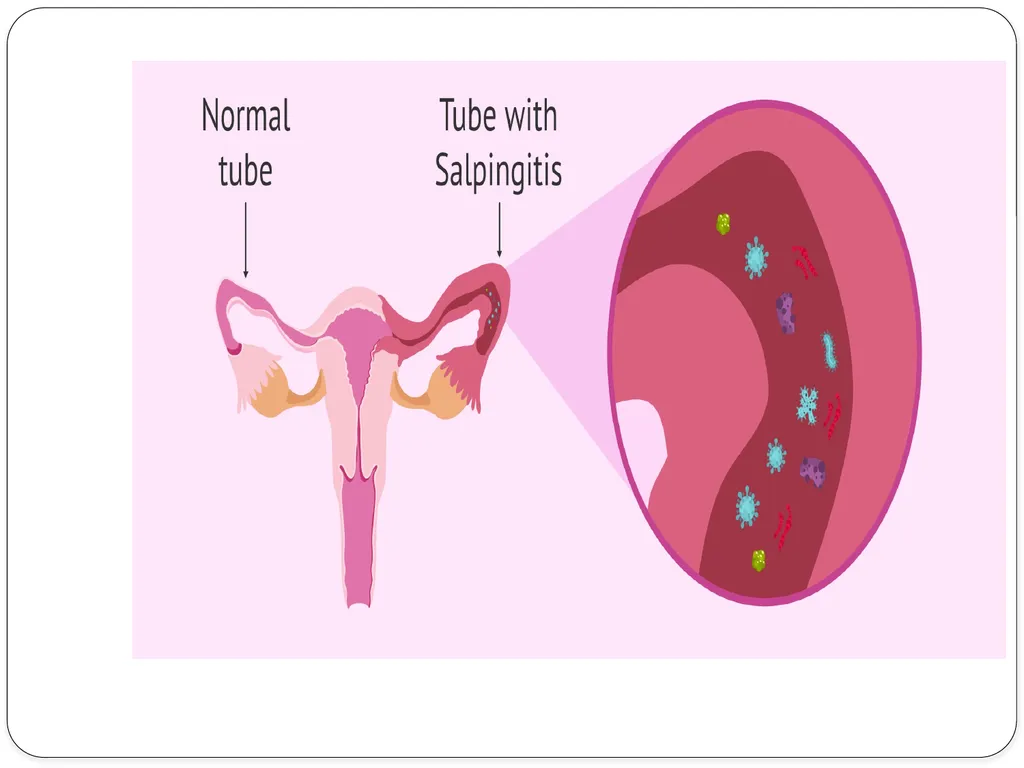
slide10. Salpingitis is an infection and inflammation in the Fallopian tubes (salpinges).
Symptoms
Abnormal smell and colour of vaginal discharge
Pain during ovulation
Pain during sexual intercourse
Abdominal pain
Lower back pain
Fever
Nausea
Vomiting
Bloating<br>
slide12. Symptoms
Abdominal pain
Pelvic pain
Vaginal discharge
Dyspareunia
Fever
Chills
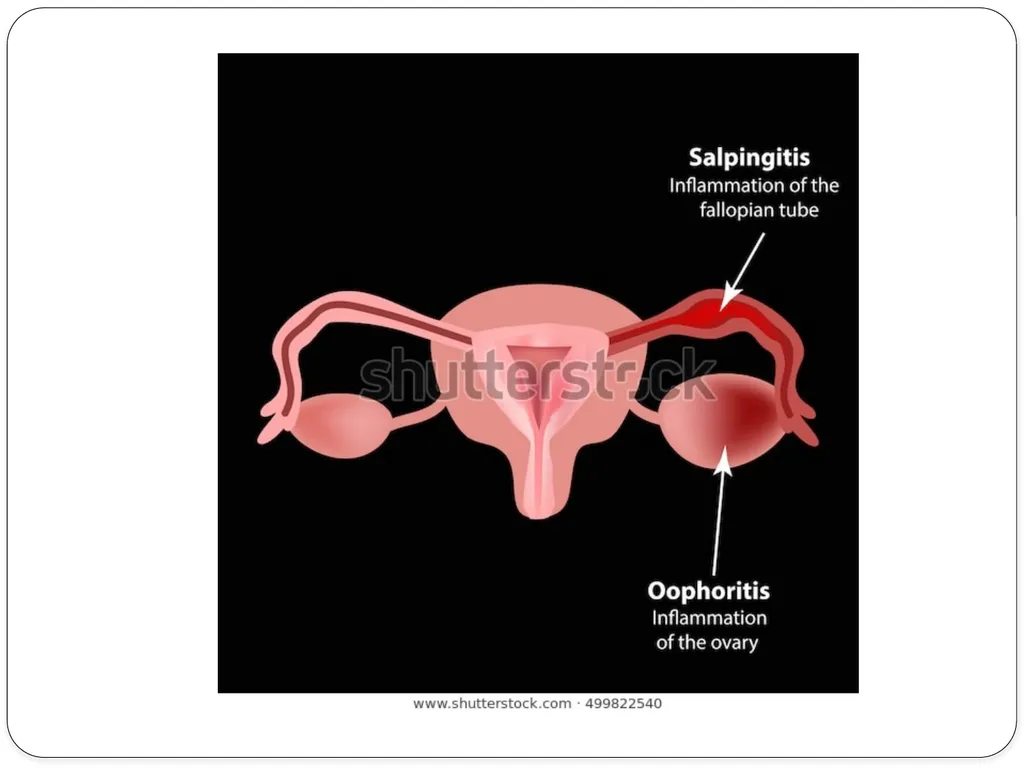
Nausea/vomiting Oophoritis is an inflammation of the ovaries.
It is often seen in combination with salpingitis (inflammation of the fallopian tubes).<br>
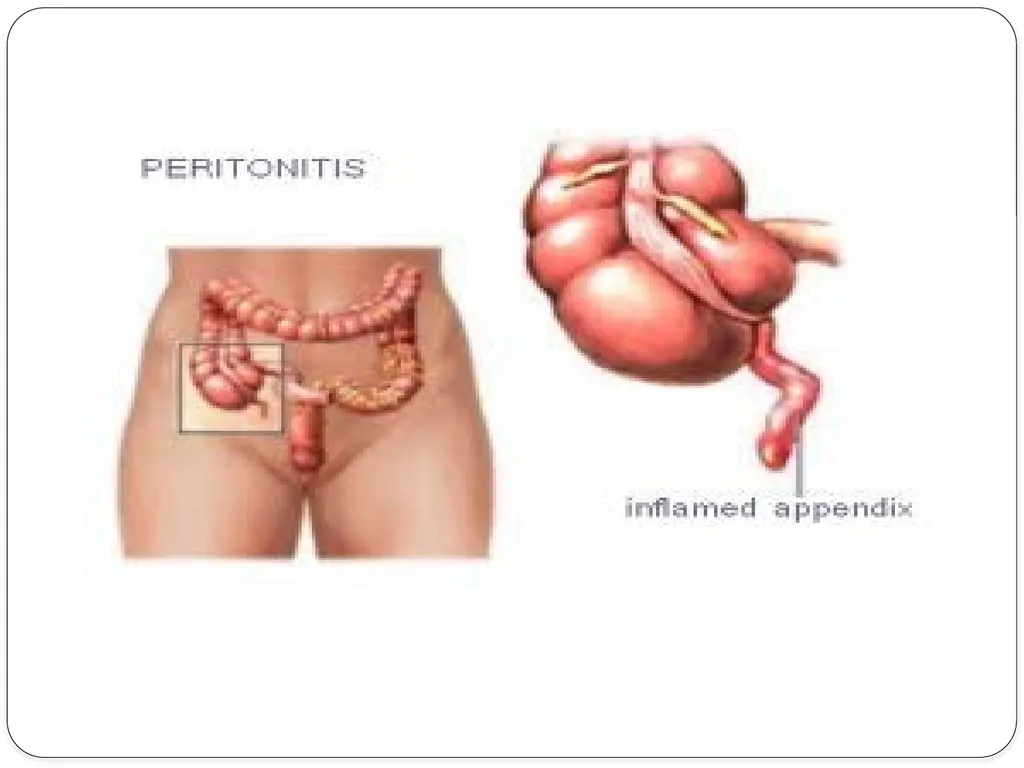
slide13. Peritonitis is inflammation of the peritoneum, the lining of the inner wall of the abdomen and cover of the abdominal organs Symptoms
Diffuse abdominal rigidity ("abdominal guarding") is often present, especially in generalized peritonitis
Fever
Development of ileus paralyticus (i.e., intestinal paralysis), which also causes nausea, vomiting and
bloating.
Reduced or no passage of abdominal gas and bowel sound<br>
slide18. Approximately one million women are diagnosed yearly
It is the most common serious STD complication
.
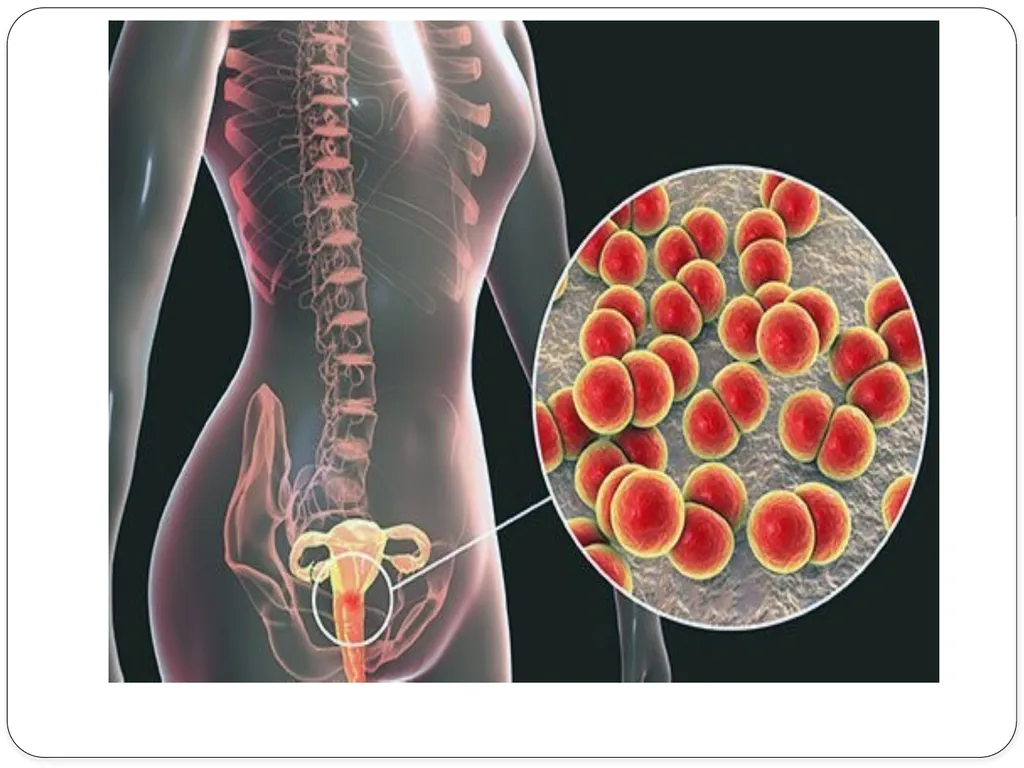
Acute PID is commonly caused by Chlamydia and Gonorrhea<br>
slide21. Types
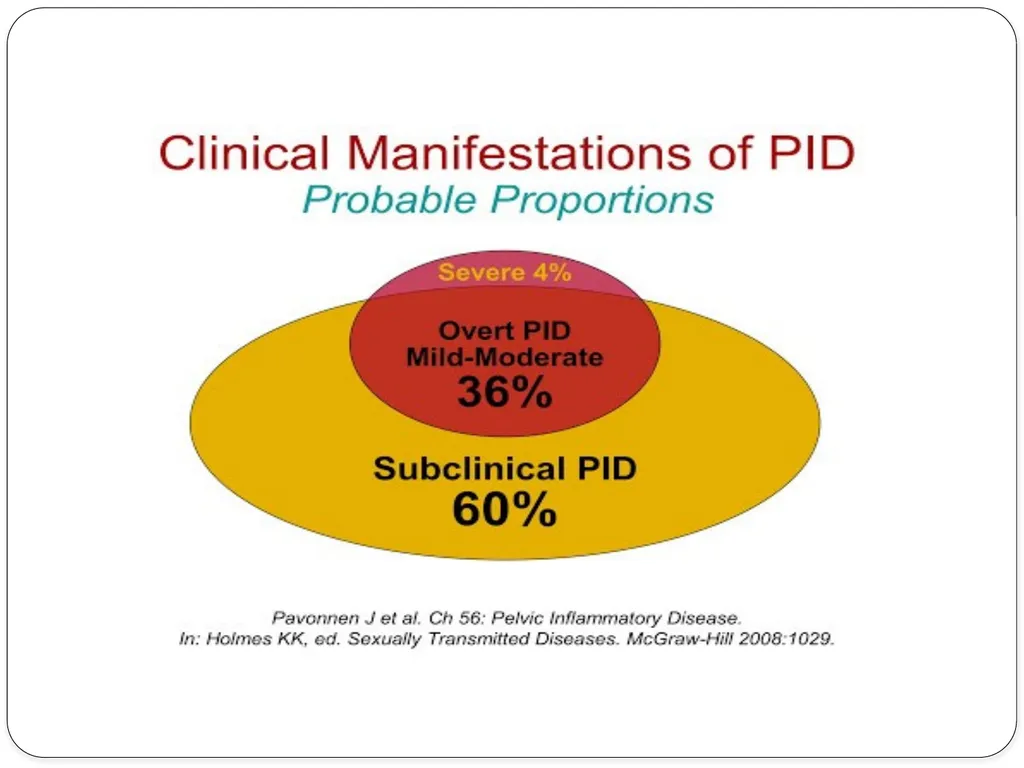
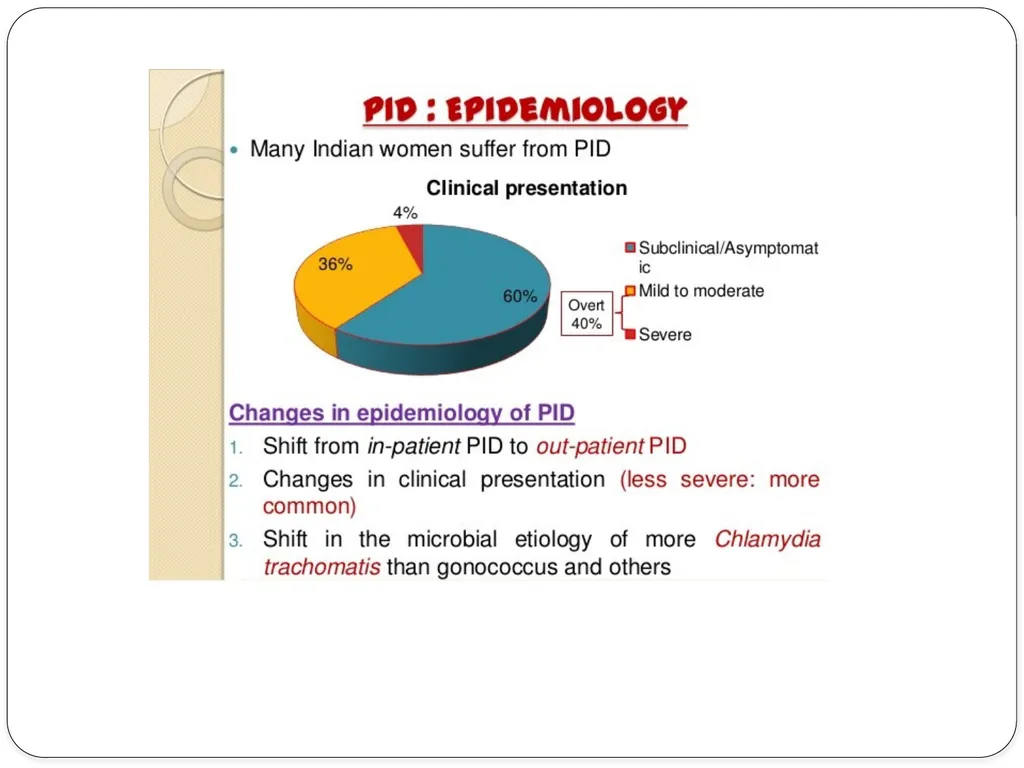
Subclinical disease (asymptomatic), which is thought to be present 60% of the time, is notable because it lacks symptoms. This makes diagnosis and treatment problematic. Women may experience dyspareunia, irregular bleeding, dysuria, or gastrointestinal symptoms, which they may not link to PID, and therefore, may not seek care.<br>
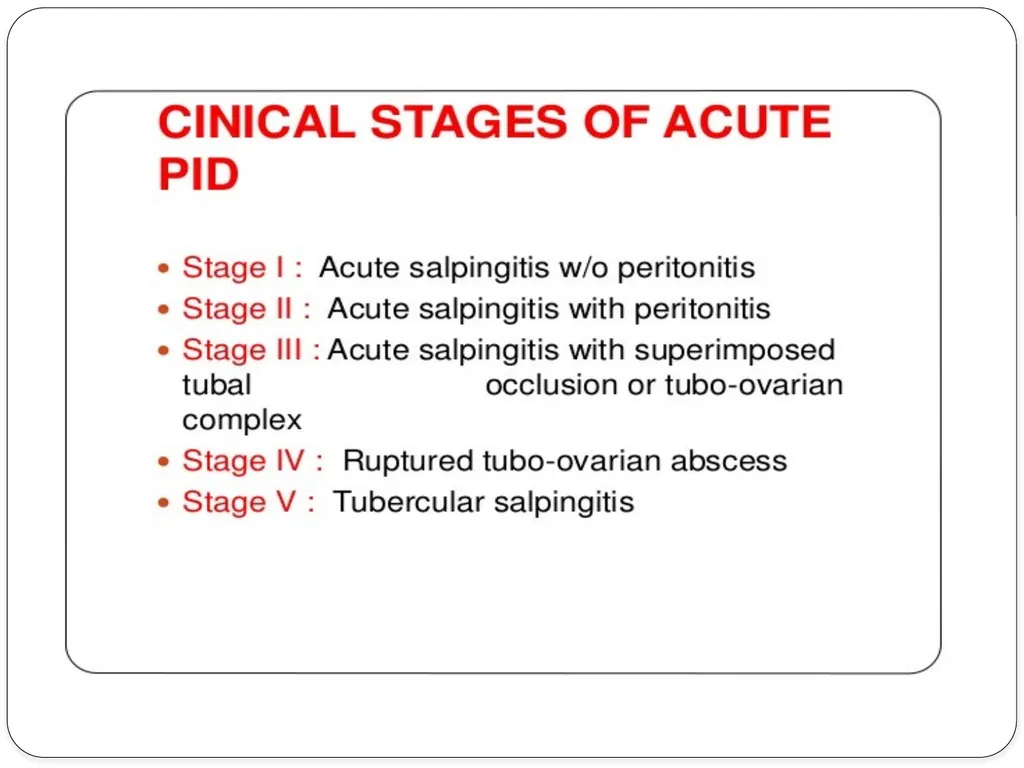
slide22. Acute PID is when there is sudden or severe inflammation of the uterus, fallopian tubes, ovaries and pelvic area due to infection. Sometimes the inflammation can persist for a long time; this is known as chronic pelvic inflammatory disease (see Are there any long-term effects?).<br>
slide24. Mild to moderate PID, women may complain of lower abdominal pain or pelvic pain, cramping, or dysuria. They may also exhibit signs such as intermittent or post-coital bleeding, vaginal discharge, or fever. Uterine tenderness or cervical motion pain or adnexal tenderness is most often present on pelvic exam in most cases of moderate PID.<br>
slide26. Severe PID, women appear very ill with fever, chills, purulent vaginal discharge, nausea, vomiting, and elevated white blood cell count (WBC). Other laboratory indicators, such as erythrocyte sedimentation rate (ESR) and C-reactive protein (CRP), may also be elevated.<br>
slide27. SYMPTOMS
Pain — ranging from mild to severe — in your lower abdomen and pelvis
Abnormal or heavy vaginal discharge that may have an unpleasant odor
Abnormal uterine bleeding, especially during or after intercourse, or between menstrual cycles
Pain during intercourse
Fever, sometimes with chills
Painful, frequent or difficult urination<br>
slide28. Pathophysiology
Pelvic inflammatory disease (PID) is an infection of the female reproductive organs. It usually occurs when sexually transmitted bacteria spread from the vagina to the uterus, fallopian tubes or ovaries. Many women who develop pelvic inflammatory disease either experience no signs or symptoms or don't seek treatment.<br>
slide30. CAUSES
Bacteria such as : gonorrhea or chlamydia infections are the most common.
These bacteria are usually acquired during unprotected sex.
Less commonly, during menstruation bacteria can enter the reproductive tract
and after childbirth, miscarriage or abortion.
Rarely, bacteria can also enter the reproductive tract during the insertion of an intrauterine device (IUD) — a form of long-term birth control.<br>
slide31. Risk factors
Being a sexually active woman younger than 25 years old
Having multiple sexual partners
Being in a sexual relationship with a person who has more than one sex partner
Having sex without a condom
Having a history of pelvic inflammatory disease or a sexually transmitted infection<br>
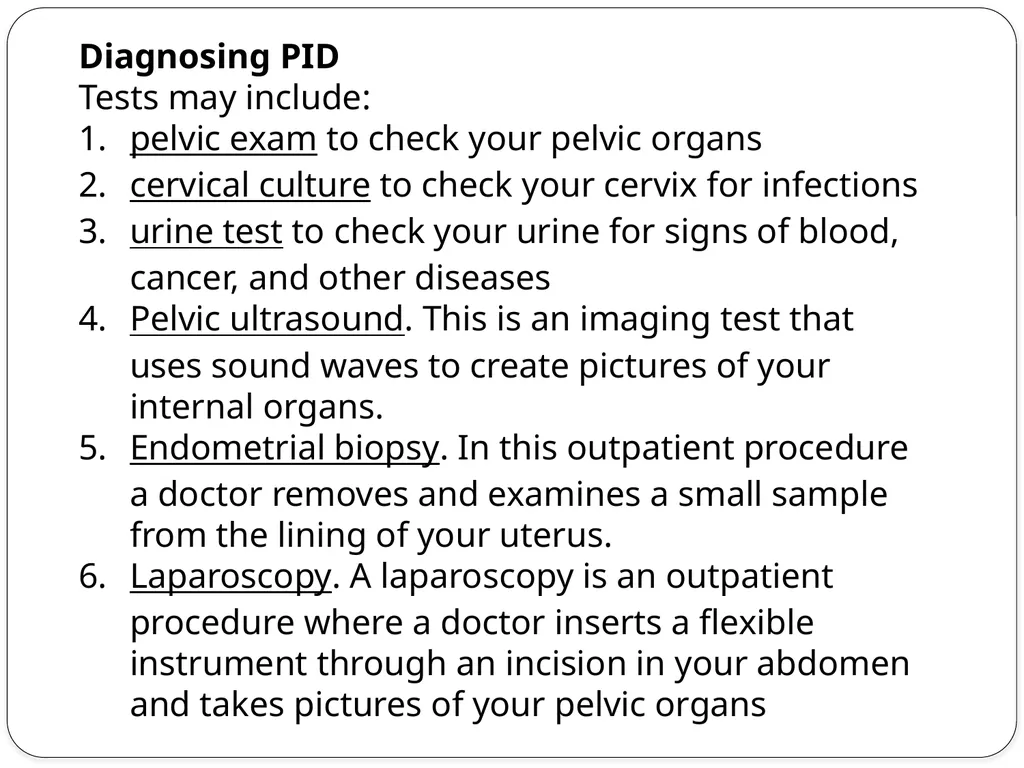
slide33. Diagnosing PID
Tests may include:
pelvic exam to check your pelvic organs
cervical culture to check your cervix for infections
urine test to check your urine for signs of blood, cancer, and other diseases
Pelvic ultrasound. This is an imaging test that uses sound waves to create pictures of your internal organs.
Endometrial biopsy. In this outpatient procedure a doctor removes and examines a small sample from the lining of your uterus.
Laparoscopy. A laparoscopy is an outpatient procedure where a doctor inserts a flexible instrument through an incision in your abdomen and takes pictures of your pelvic organs<br>
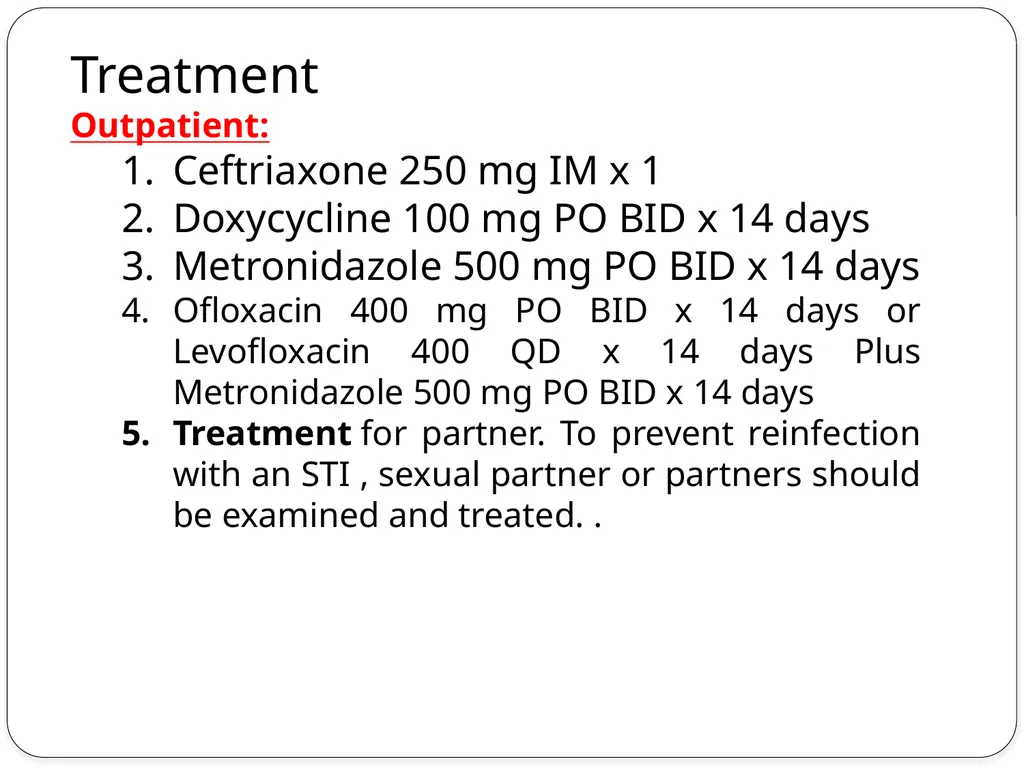
slide35. Treatment
Outpatient:
Ceftriaxone 250 mg IM x 1
Doxycycline 100 mg PO BID x 14 days
Metronidazole 500 mg PO BID x 14 days
Ofloxacin 400 mg PO BID x 14 days or Levofloxacin 400 QD x 14 days Plus Metronidazole 500 mg PO BID x 14 days
Treatment for partner. To prevent reinfection with an STI , sexual partner or partners should be examined and treated. .<br>
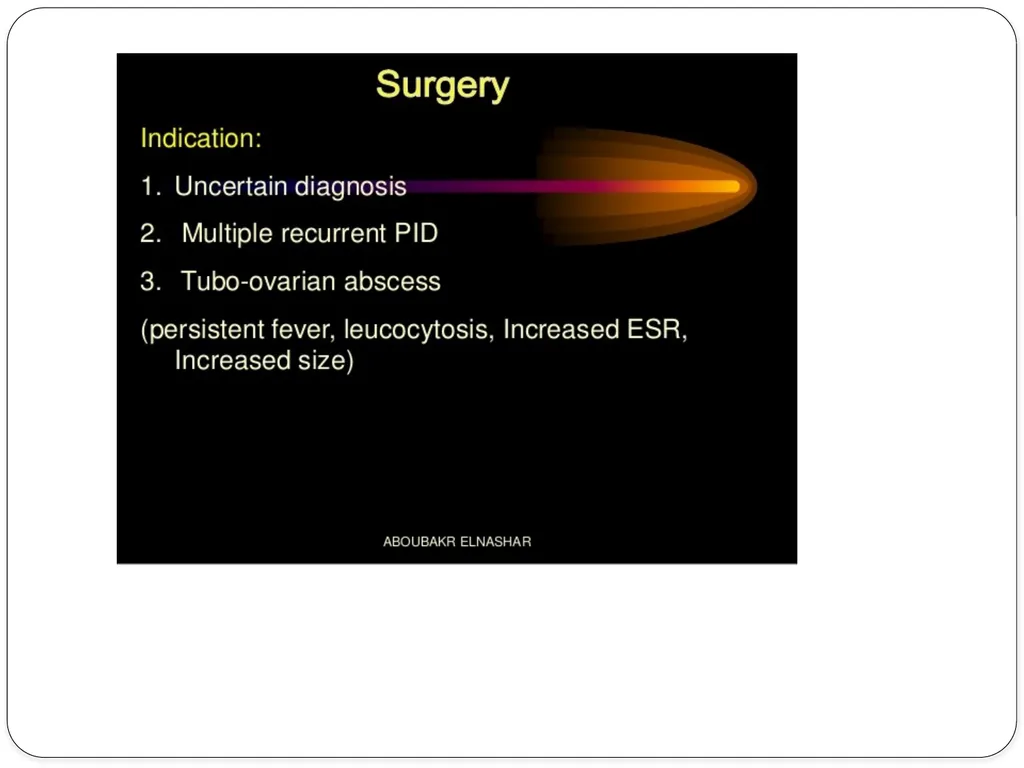
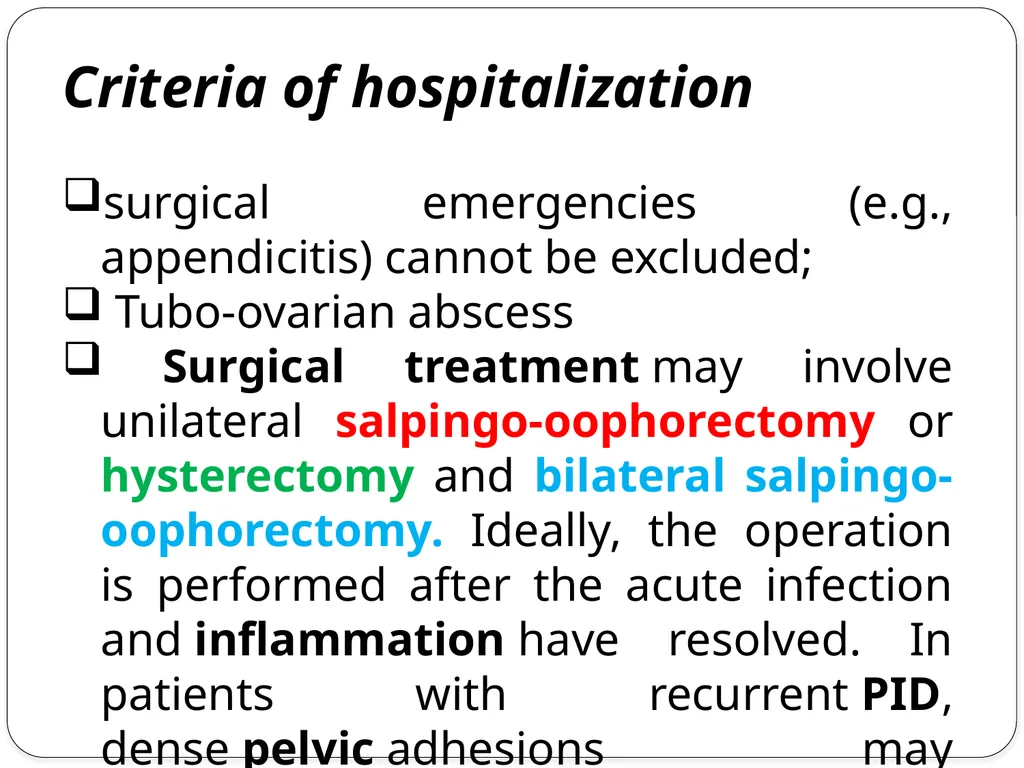
slide37. Criteria of hospitalization
surgical emergencies (e.g., appendicitis) cannot be excluded;
Tubo-ovarian abscess
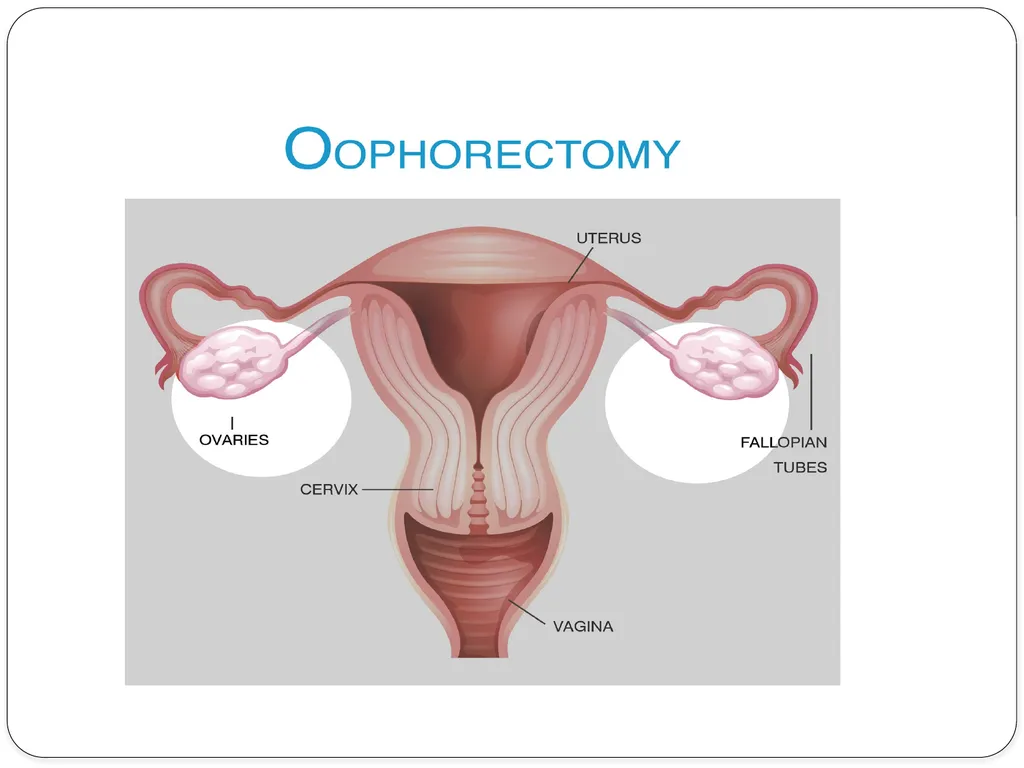
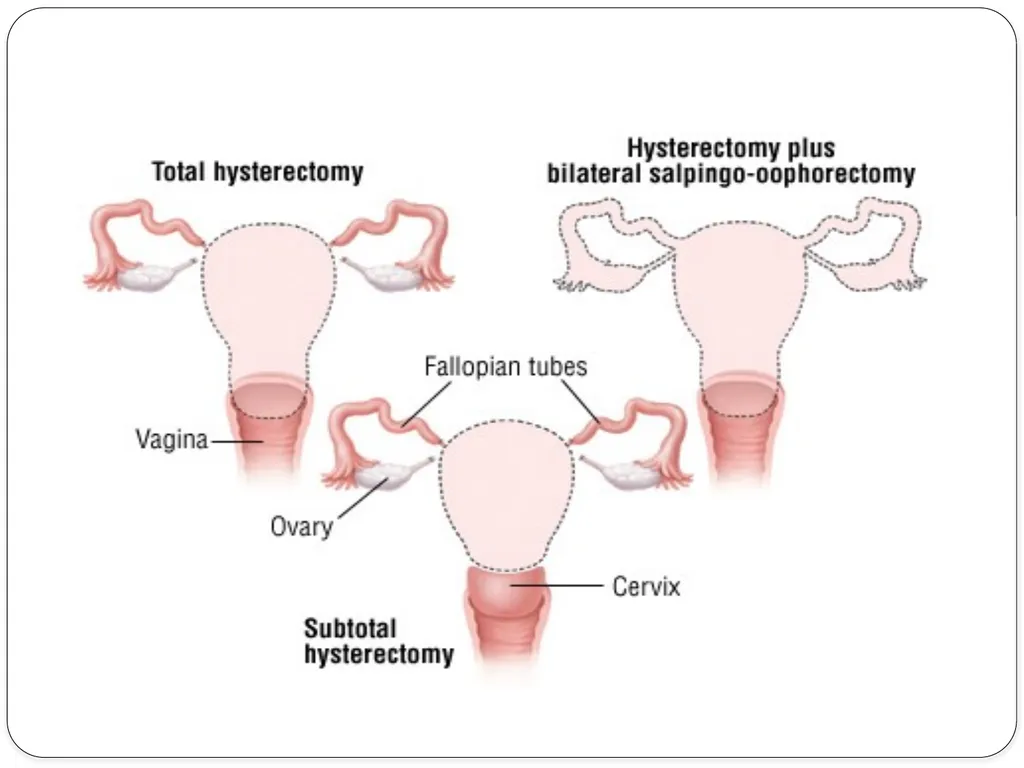
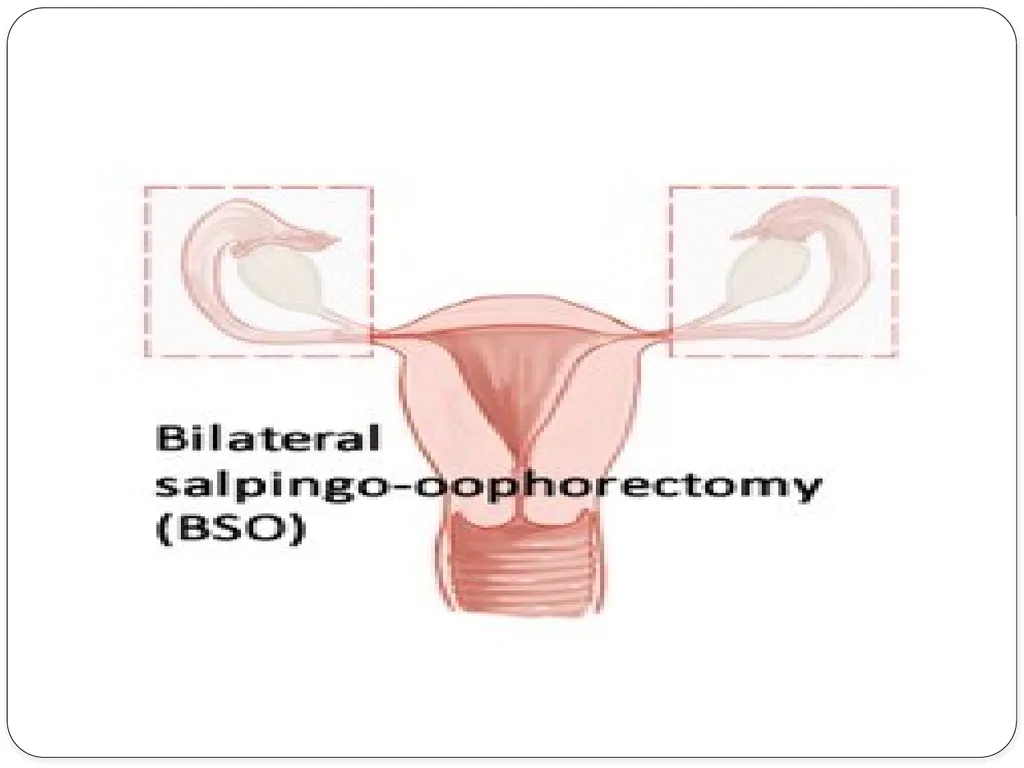
Surgical treatment may involve unilateral salpingo-oophorectomy or hysterectomy and bilateral salpingo-oophorectomy. Ideally, the operation is performed after the acute infection and inflammation have resolved. In patients with recurrent PID, dense pelvic adhesions may render surgery difficult.<br>
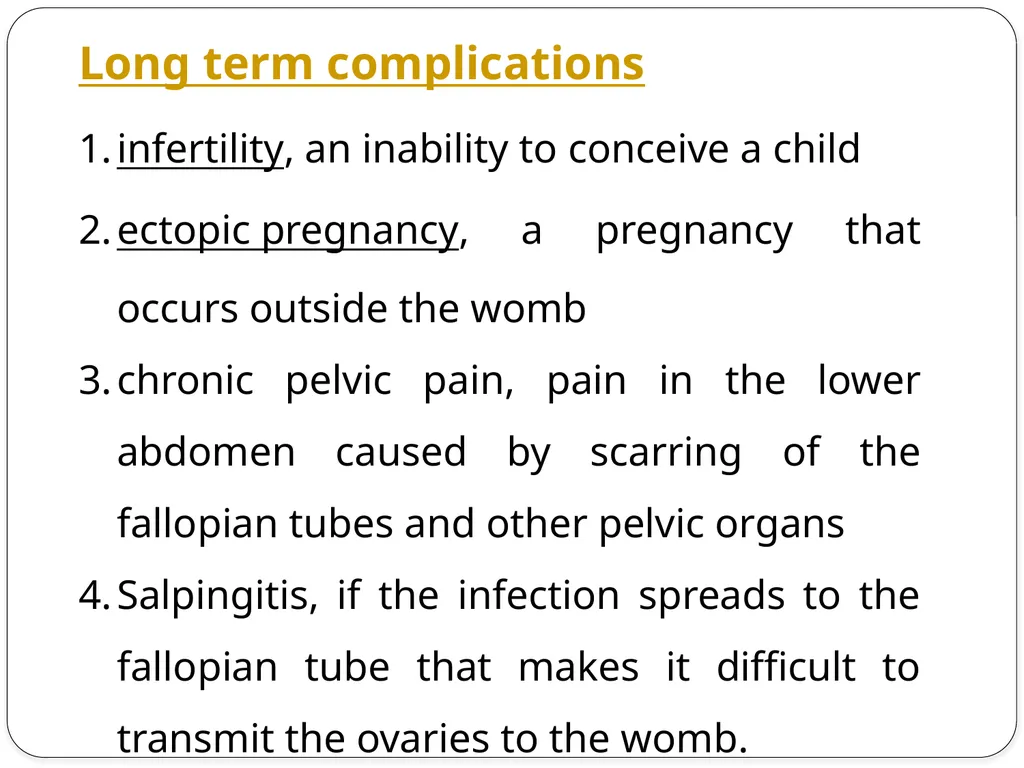
slide42. Long term complications
infertility, an inability to conceive a child
ectopic pregnancy, a pregnancy that occurs outside the womb
chronic pelvic pain, pain in the lower abdomen caused by scarring of the fallopian tubes and other pelvic organs
Salpingitis, if the infection spreads to the fallopian tube that makes it difficult to transmit the ovaries to the womb.<br>
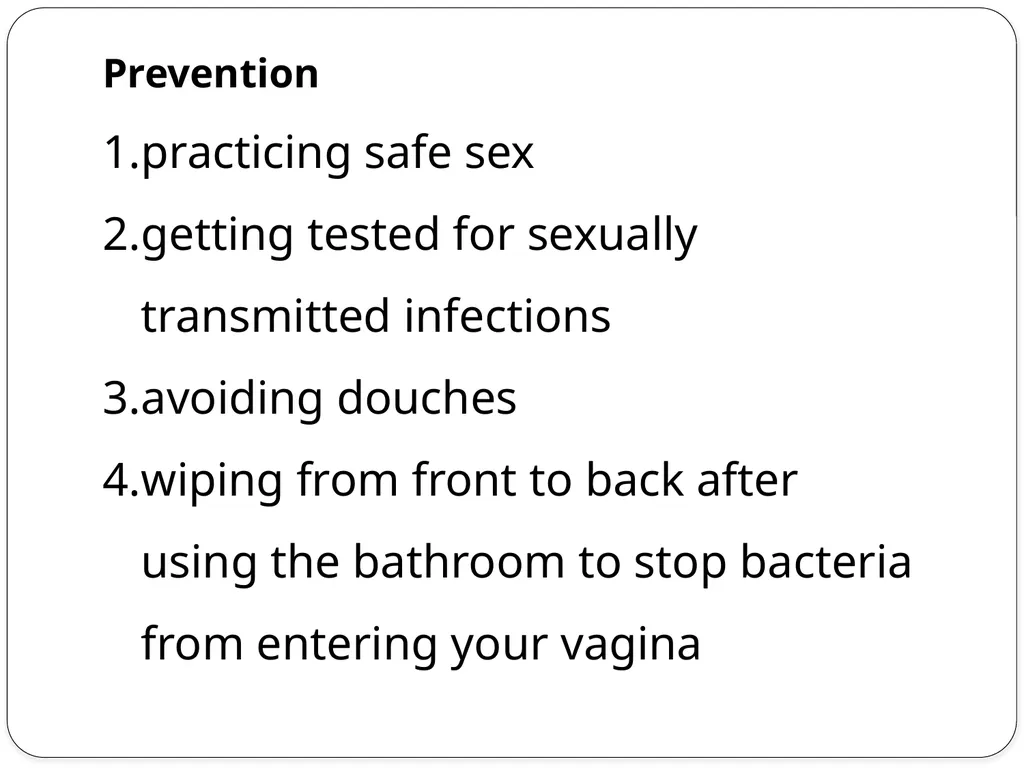
slide43. Prevention
practicing safe sex
getting tested for sexually transmitted infections
avoiding douches
wiping from front to back after using the bathroom to stop bacteria from entering your vagina<br>

prof. Dr. Rabea M. Ali<br>
slide2. Pelvic inflammatory disease
(PID) is an infection of the female reproductive organs. It most often occurs when sexually transmitted bacteria spread from the vagina to the uterus, fallopian tubes or ovaries Pelvic inflammatory disease (PID) is a clinical syndrome that results from the ascension of microorganisms from the cervix and vagina to the upper genital tract.<br>
slide4. Vaginitis, also known as vulvovaginitis, is inflammation of the vagina and vulva
Symptoms
itching
burning
pain
 The three main causes are infections, specifically bacterial vaginosis, vaginal yeast infection, and trichomoniasis. Other causes include allergies to substances such as spermicides or soaps or as a result of low estrogen levels during breast-feeding or after menopause.<br>
slide6. Cervicitis is inflammation of the uterine cervix
Symptoms
Abnormal vaginal bleeding after intercourse between periods
Unusual gray, white, or yellow vaginal discharge
Painful sexual intercourse
Pain in the vagina
Pressure or heaviness in the pelvis Cervicitis can be caused by any of a number of infections, of which the most common are chlamydia and gonorrhea<br>
slide8. Endometritis is inflammation of the inner lining of the uterus (endometrium) Symptoms
 fever
lower abdominal pain
abnormal vaginal bleeding or discharge Risk factors for Endometritis following delivery include Caesarean section and prolonged rupture of membranes<br>
slide10. Salpingitis is an infection and inflammation in the Fallopian tubes (salpinges).
Symptoms
Abnormal smell and colour of vaginal discharge
Pain during ovulation
Pain during sexual intercourse
Abdominal pain
Lower back pain
Fever
Nausea
Vomiting
Bloating<br>
slide12. Symptoms
Abdominal pain
Pelvic pain
Vaginal discharge
Dyspareunia
Fever
Chills
Nausea/vomiting Oophoritis is an inflammation of the ovaries.
It is often seen in combination with salpingitis (inflammation of the fallopian tubes).<br>
slide13. Peritonitis is inflammation of the peritoneum, the lining of the inner wall of the abdomen and cover of the abdominal organs Symptoms
Diffuse abdominal rigidity ("abdominal guarding") is often present, especially in generalized peritonitis
Fever
Development of ileus paralyticus (i.e., intestinal paralysis), which also causes nausea, vomiting and
bloating.
Reduced or no passage of abdominal gas and bowel sound<br>
slide18. Approximately one million women are diagnosed yearly
It is the most common serious STD complication
.
Acute PID is commonly caused by Chlamydia and Gonorrhea<br>
slide21. Types
Subclinical disease (asymptomatic), which is thought to be present 60% of the time, is notable because it lacks symptoms. This makes diagnosis and treatment problematic. Women may experience dyspareunia, irregular bleeding, dysuria, or gastrointestinal symptoms, which they may not link to PID, and therefore, may not seek care.<br>
slide22. Acute PID is when there is sudden or severe inflammation of the uterus, fallopian tubes, ovaries and pelvic area due to infection. Sometimes the inflammation can persist for a long time; this is known as chronic pelvic inflammatory disease (see Are there any long-term effects?).<br>
slide24. Mild to moderate PID, women may complain of lower abdominal pain or pelvic pain, cramping, or dysuria. They may also exhibit signs such as intermittent or post-coital bleeding, vaginal discharge, or fever. Uterine tenderness or cervical motion pain or adnexal tenderness is most often present on pelvic exam in most cases of moderate PID.<br>
slide26. Severe PID, women appear very ill with fever, chills, purulent vaginal discharge, nausea, vomiting, and elevated white blood cell count (WBC). Other laboratory indicators, such as erythrocyte sedimentation rate (ESR) and C-reactive protein (CRP), may also be elevated.<br>
slide27. SYMPTOMS
Pain — ranging from mild to severe — in your lower abdomen and pelvis
Abnormal or heavy vaginal discharge that may have an unpleasant odor
Abnormal uterine bleeding, especially during or after intercourse, or between menstrual cycles
Pain during intercourse
Fever, sometimes with chills
Painful, frequent or difficult urination<br>
slide28. Pathophysiology
Pelvic inflammatory disease (PID) is an infection of the female reproductive organs. It usually occurs when sexually transmitted bacteria spread from the vagina to the uterus, fallopian tubes or ovaries. Many women who develop pelvic inflammatory disease either experience no signs or symptoms or don't seek treatment.<br>
slide30. CAUSES
Bacteria such as : gonorrhea or chlamydia infections are the most common.
These bacteria are usually acquired during unprotected sex.
Less commonly, during menstruation bacteria can enter the reproductive tract
and after childbirth, miscarriage or abortion.
Rarely, bacteria can also enter the reproductive tract during the insertion of an intrauterine device (IUD) — a form of long-term birth control.<br>
slide31. Risk factors
Being a sexually active woman younger than 25 years old
Having multiple sexual partners
Being in a sexual relationship with a person who has more than one sex partner
Having sex without a condom
Having a history of pelvic inflammatory disease or a sexually transmitted infection<br>
slide33. Diagnosing PID
Tests may include:
pelvic exam to check your pelvic organs
cervical culture to check your cervix for infections
urine test to check your urine for signs of blood, cancer, and other diseases
Pelvic ultrasound. This is an imaging test that uses sound waves to create pictures of your internal organs.
Endometrial biopsy. In this outpatient procedure a doctor removes and examines a small sample from the lining of your uterus.
Laparoscopy. A laparoscopy is an outpatient procedure where a doctor inserts a flexible instrument through an incision in your abdomen and takes pictures of your pelvic organs<br>
slide35. Treatment
Outpatient:
Ceftriaxone 250 mg IM x 1
Doxycycline 100 mg PO BID x 14 days
Metronidazole 500 mg PO BID x 14 days
Ofloxacin 400 mg PO BID x 14 days or Levofloxacin 400 QD x 14 days Plus Metronidazole 500 mg PO BID x 14 days
Treatment for partner. To prevent reinfection with an STI , sexual partner or partners should be examined and treated. .<br>
slide37. Criteria of hospitalization
surgical emergencies (e.g., appendicitis) cannot be excluded;
Tubo-ovarian abscess
Surgical treatment may involve unilateral salpingo-oophorectomy or hysterectomy and bilateral salpingo-oophorectomy. Ideally, the operation is performed after the acute infection and inflammation have resolved. In patients with recurrent PID, dense pelvic adhesions may render surgery difficult.<br>
slide42. Long term complications
infertility, an inability to conceive a child
ectopic pregnancy, a pregnancy that occurs outside the womb
chronic pelvic pain, pain in the lower abdomen caused by scarring of the fallopian tubes and other pelvic organs
Salpingitis, if the infection spreads to the fallopian tube that makes it difficult to transmit the ovaries to the womb.<br>
slide43. Prevention
practicing safe sex
getting tested for sexually transmitted infections
avoiding douches
wiping from front to back after using the bathroom to stop bacteria from entering your vagina<br>