
Practical Guidance for Care Partners Ruben
MT
Published · 35 slides · 0 views

1 / 1





Description
Practical Guidance for Care Partners Ruben Pagkatipunan Jr., PT, DPT, OCS Department of Rehabilitation, Johns Hopkins Bayview Medical Center Baltimore, Maryland, USA Malin Regardt PhD, OT Karolinska University Hospital Stockholm, Sweden The
Related Topics
Share
Embed code
Download this presentation From Below
"Practical Guidance for Care Partners Ruben" is the property of its rightful owner. Permission is granted to download and print the materials on this website for personal, non-commercial use only, and to display it on your personal computer provided you do not modify the materials and that you retain all copyright notices contained in the materials. By downloading content from our website, you accept the terms of this agreement.
Presentation Transcript
01
Practical Guidance for Care Partners Ruben Pagkatipunan Jr., PT, DPT, OCS
Department of Rehabilitation, Johns Hopkins Bayview Medical Center
Baltimore, Maryland, USA
Malin Regardt PhD, OT
Karolinska University Hospital
Stockholm, Sweden<br>
Department of Rehabilitation, Johns Hopkins Bayview Medical Center
Baltimore, Maryland, USA
Malin Regardt PhD, OT
Karolinska University Hospital
Stockholm, Sweden<br>
02
The health information provided in this presentation is provided for general informational and educational purposes only, and is not a substitute for professional health advice. Consult your physicians, physical therapists, and occupational therapists regarding your individual needs with regards to mobility. We do not endorse or recommend any particular products mentioned in this presentation. We do not have any financial interest in any of the products or with any of the vendors. Disclaimer<br>
03
How to be a healthy caregiver
Proper body mechanics
Safe Transfer and Mobility Techniques
Mobility equipment Outline<br>
Proper body mechanics
Safe Transfer and Mobility Techniques
Mobility equipment Outline<br>
04
Be strong and stay fit
Eat well
Keep up your emotional energy
Take care of your back Be a Healthy Caregiver<br>
Eat well
Keep up your emotional energy
Take care of your back Be a Healthy Caregiver<br>
05
Have your own muscle strengthening program
Easy to do at home
Specific muscles (abdominals, gluteals, thigh, shoulder/upper arm)
Start with low-intensity, high-reps with gradual progression
Regularly
Don't forget to stretch!
Focus on the core muscle group Be strong<br>
Easy to do at home
Specific muscles (abdominals, gluteals, thigh, shoulder/upper arm)
Start with low-intensity, high-reps with gradual progression
Regularly
Don't forget to stretch!
Focus on the core muscle group Be strong<br>
06
Aerobic training program
Fun, enjoyable
How long? At least 30 minutes
Several times a week
How hard? Moderate
Use "Talk test“ to monitor
exercise intensity Stay fit<br>
Fun, enjoyable
How long? At least 30 minutes
Several times a week
How hard? Moderate
Use "Talk test“ to monitor
exercise intensity Stay fit<br>
07
Studies have shown caregivers are at increased risk of musculoskeletal symptoms and injury
Prevalence of LBP was significantly higher among caregivers (58%) compared with age- and BMI-matched controls (27.6%)
(Bardak, Erhan, & Gunduz, Journal of Rehabilitation Medicine, 2012)
Transfers, lifts, and patient repositioning are associated with musculoskeletal injury
(Daragh et al., Journal of Applied Gerontology, 2015)
Most common causes of back injury
Lifting a heavy object incorrectly
Twisting the spine while lifting
Sudden, jerky movements while lifting
Poor posture or body mechanics over time Physical Strain on Caregivers<br>
Prevalence of LBP was significantly higher among caregivers (58%) compared with age- and BMI-matched controls (27.6%)
(Bardak, Erhan, & Gunduz, Journal of Rehabilitation Medicine, 2012)
Transfers, lifts, and patient repositioning are associated with musculoskeletal injury
(Daragh et al., Journal of Applied Gerontology, 2015)
Most common causes of back injury
Lifting a heavy object incorrectly
Twisting the spine while lifting
Sudden, jerky movements while lifting
Poor posture or body mechanics over time Physical Strain on Caregivers<br>
08
Good body mechanics is the correct positioning of the body to maintain the natural spinal curves (neutral spine) during lifting, bending, moving and performing activities of daily living
Maintain neutral spine position
Why learn correct body mechanics?
Ensure safety of caregiver and patient
Reduce stress and strain to the muscles, joints, and soft tissues, preventing injury
Conserve energy Practice Good Body Mechanics<br>
Maintain neutral spine position
Why learn correct body mechanics?
Ensure safety of caregiver and patient
Reduce stress and strain to the muscles, joints, and soft tissues, preventing injury
Conserve energy Practice Good Body Mechanics<br>
09
Maintain a wide base of support
Keep good posture (neutral spine),
bend with knees, not with your back
Use the stronger leg muscles to do the lifting
Keep the load close to your body
Avoid twisting and turning
Clear the pathway
Plan the sequence of events
Can you manage by yourself?
Know your capabilities Principles of Good Lifting Technique<br>
Keep good posture (neutral spine),
bend with knees, not with your back
Use the stronger leg muscles to do the lifting
Keep the load close to your body
Avoid twisting and turning
Clear the pathway
Plan the sequence of events
Can you manage by yourself?
Know your capabilities Principles of Good Lifting Technique<br>
10
Safe Transfer and Mobility Techniques Disclaimer: The transfer/mobility techniques shown may need to be modified for
specific patient diagnoses Bed mobility
Transfers
Wheelchair repositioning
Getting up from the floor<br>
specific patient diagnoses Bed mobility
Transfers
Wheelchair repositioning
Getting up from the floor<br>
11
To get higher up in bed<br>
12
To turnaround in bed<br>
13
From lying to sitting<br>
14
From lying to sitting, with help<br>
15
Transfer techniques Before you transfer the person...
Prepare the environment
Get equipment ready
Plan the movement
Prepare the patient<br>
Prepare the environment
Get equipment ready
Plan the movement
Prepare the patient<br>
16
Stand pivot transfer
Squat pivot transfer
Sliding board transfer Transfer techniques<br>
Squat pivot transfer
Sliding board transfer Transfer techniques<br>
17
Stand Pivot Transfer<br>
18
Squat Pivot Transfer 1-person assist 2-person assist<br>
19
Sliding board Transfer<br>
20
Option 1: With the help of a person Repositioning a Person in the Chair and
Wheelchair<br>
21
Option 2: With help of one person Repositioning a Person in the Chair and
Wheelchair<br>
22
Option 3: With the help of two people Repositioning a Person in the Chair and
Wheelchair<br>
23
If the person is unconscious or injured, call 911 for emergency medical assistance
Only attempt to help the person if you feel that both of you are able to safely work together
If patient is not hurt and is able to move, you may assist with
getting up from the floor
Forward method using knees
Backward method using arms
Hip Hike Getting Up From the Floor<br>
Only attempt to help the person if you feel that both of you are able to safely work together
If patient is not hurt and is able to move, you may assist with
getting up from the floor
Forward method using knees
Backward method using arms
Hip Hike Getting Up From the Floor<br>
24
Forward Method Using Knees<br>
25
Forward method with caregiver assistance<br>
26
Backward method Using Arms<br>
27
Hip hike<br>
28
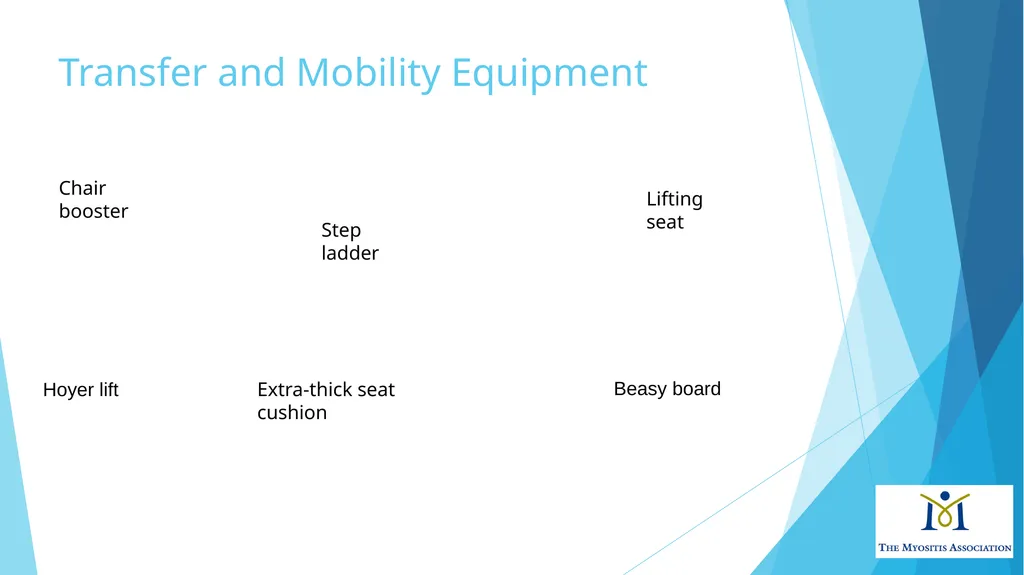
Transfer and Mobility Equipment Chair booster Lifting seat Step ladder Extra-thick seat cushion Beasy board Hoyer lift<br>
29
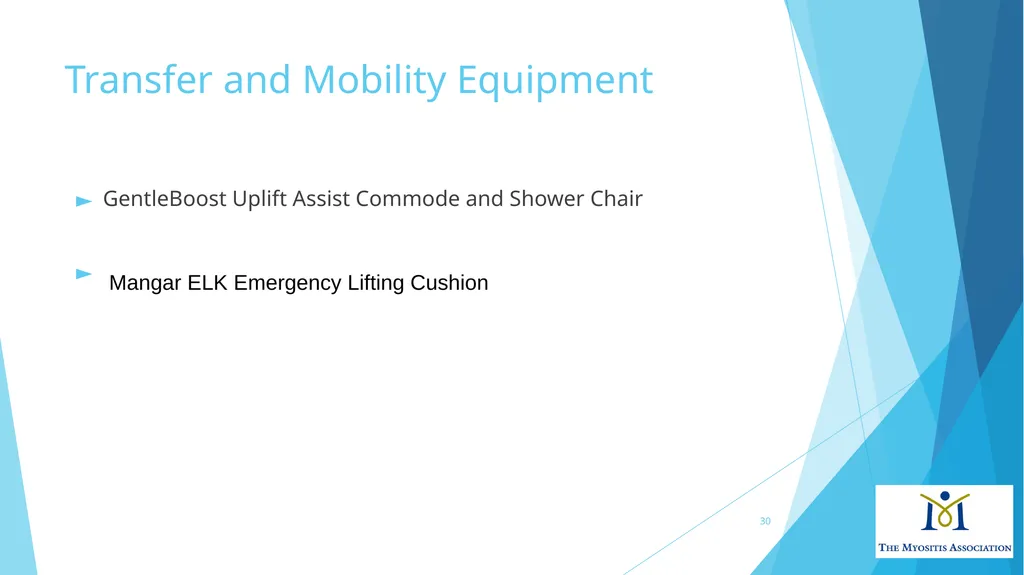
Transfer and Mobility Equipment 30 GentleBoost Uplift Assist Commode and Shower Chair Mangar ELK Emergency Lifting Cushion<br>
30
Transfer and Mobility Equipment Rifton TRAM<br>
31
Thank you! 32<br>
32
Bardak, A., Erhan, B., & Gündüz, B. (2012). Low back pain among caregivers of spinal cord injured patients. Journal of Rehabilitation Medicine, 44(10), 858-861. doi:10.2340/16501977-1043
Lockette, K. F. (2Lockette, K. F. (2011). A caregivers complete guide for safe mobility and independence in the home. Minneapolis, MN: Two Harbors Press.011). A caregivers complete guide for safe mobility and independence in the home
SolutionsBenefits. (n.d.). November 09 Monthly Safety Spotlight November 09 Safety Discussion Topics, horizontal format Get to Know Your Back Lifting Safety Checklist Maintaining. - ppt download. Retrieved from https://slideplayer.com/slide/4920136/ Reference<br>
Lockette, K. F. (2Lockette, K. F. (2011). A caregivers complete guide for safe mobility and independence in the home. Minneapolis, MN: Two Harbors Press.011). A caregivers complete guide for safe mobility and independence in the home
SolutionsBenefits. (n.d.). November 09 Monthly Safety Spotlight November 09 Safety Discussion Topics, horizontal format Get to Know Your Back Lifting Safety Checklist Maintaining. - ppt download. Retrieved from https://slideplayer.com/slide/4920136/ Reference<br>
33
Slide 6 (people exercising with elastic bands): https://thecaregiverspace.org/how-to-encourage-the-elderly-to-exercise/
Slide 6 (seniors exercising with a ball and a kettle ball): https://www.verywellfit.com/chair-exercises-for-seniors-4161267
Slide 6 (people on gym ball exercising with weights): https://www.aarp.org/auto/driver-safety/info-2013/exercise-for-safety.html
Slide 6(people doing plank): https://blog.cheapism.com/exercises-for-seniors/
Slide 7 (pool exercises for seniors): https://www.upliftingmobility.com/pool-exercises/
Slide 7 (people walking together): https://www.verywellhealth.com/the-benefits-of-walking-for-people-with-copd-914997
Slide 7 (people in aerobic class): https://www.tribuneindia.com/news/health/aerobic-exercise-may-ward-off-memory-decline-in-elderly/314148.html
Slide 7 (people in spinning class): https://www.freepik.com/premium-photo/people-working-out-spinning-class-while-gesturing-thumbs-up_1833569.htm
Slide 8 (risk of injury picture): http://www.springvillechiropractic.com/our-services/lower-back-pain
Slide 9 (picture of spine ligament and a person bending over): https://www.spineuniverse.com/wellness/ergonomics/body-mechanics-your-spine-tips-1-3
Slide 9 (picture of the spine): https://en.wikipedia.org/wiki/Neutral_spine
Slide 9 (person lifting box): https://myhealth.alberta.ca/Health/pages/conditions.aspx?hwid=hw206944
Slide 9 (person lifting neutral spine position and non-neutral spine): https://www.reddit.com/r/Fitness/comments/3ky5fg/my_road_to_elite_level_powerlifter_from_235lbs_to
Slide 10 (proper lifting techniques): https://www.braceability.com/blogs/articles/7-proper-heavy-lifting-techniques
Slide 10 ( transfer logo): https://safepatienthandling.us/manual-patient-transfers/
Slide 18 (stand pivot transfer): https://www.drugs.com/cg/how-to-transfer-a-person-safely-ambulatory-care.html
Slide 19: (squat pivot transfer 1-person assist and 2-person assist) https://www.mrswivel.com/patient-transfers/squat-pivot-transfer/
Slide 20 (sliding board transfer): http://www.spinalcordessentials.ca/handouts/lateral-transfer/
Slide 21-23 (wheelchair and chair repositioning): https://www.vardhandboken.se/arbetssatt-och-ansvar/arbetsteknik-och-forflyttningskunskap/oversikt/
Slide 25(getting up from floor using knees): https://www.stayonyourfeet.com.au/over60/what-if-i-do-fall/get-up-off-the-floor/
Slide 26(Helping Someone Up after a Fall): https://www.youtube.com/watch?v=10jR0zjl19Y
Slide 27 (a person getting from floor using ResQUp fall recovery aid): https://www.activeforever.com/resqup-floor-recovery-mobility-aid
Slide 27(getting up from floor using arms): https://www.stayonyourfeet.com.au/over60/what-if-i-do-fall/get-up-off-the-floor/
Slide 28(how to get up from the floor macgyver style, from youtube): https://www.youtube.com/watch?v=4ETgQD8QhZs Reference List for Images/Videos<br>
Slide 6 (seniors exercising with a ball and a kettle ball): https://www.verywellfit.com/chair-exercises-for-seniors-4161267
Slide 6 (people on gym ball exercising with weights): https://www.aarp.org/auto/driver-safety/info-2013/exercise-for-safety.html
Slide 6(people doing plank): https://blog.cheapism.com/exercises-for-seniors/
Slide 7 (pool exercises for seniors): https://www.upliftingmobility.com/pool-exercises/
Slide 7 (people walking together): https://www.verywellhealth.com/the-benefits-of-walking-for-people-with-copd-914997
Slide 7 (people in aerobic class): https://www.tribuneindia.com/news/health/aerobic-exercise-may-ward-off-memory-decline-in-elderly/314148.html
Slide 7 (people in spinning class): https://www.freepik.com/premium-photo/people-working-out-spinning-class-while-gesturing-thumbs-up_1833569.htm
Slide 8 (risk of injury picture): http://www.springvillechiropractic.com/our-services/lower-back-pain
Slide 9 (picture of spine ligament and a person bending over): https://www.spineuniverse.com/wellness/ergonomics/body-mechanics-your-spine-tips-1-3
Slide 9 (picture of the spine): https://en.wikipedia.org/wiki/Neutral_spine
Slide 9 (person lifting box): https://myhealth.alberta.ca/Health/pages/conditions.aspx?hwid=hw206944
Slide 9 (person lifting neutral spine position and non-neutral spine): https://www.reddit.com/r/Fitness/comments/3ky5fg/my_road_to_elite_level_powerlifter_from_235lbs_to
Slide 10 (proper lifting techniques): https://www.braceability.com/blogs/articles/7-proper-heavy-lifting-techniques
Slide 10 ( transfer logo): https://safepatienthandling.us/manual-patient-transfers/
Slide 18 (stand pivot transfer): https://www.drugs.com/cg/how-to-transfer-a-person-safely-ambulatory-care.html
Slide 19: (squat pivot transfer 1-person assist and 2-person assist) https://www.mrswivel.com/patient-transfers/squat-pivot-transfer/
Slide 20 (sliding board transfer): http://www.spinalcordessentials.ca/handouts/lateral-transfer/
Slide 21-23 (wheelchair and chair repositioning): https://www.vardhandboken.se/arbetssatt-och-ansvar/arbetsteknik-och-forflyttningskunskap/oversikt/
Slide 25(getting up from floor using knees): https://www.stayonyourfeet.com.au/over60/what-if-i-do-fall/get-up-off-the-floor/
Slide 26(Helping Someone Up after a Fall): https://www.youtube.com/watch?v=10jR0zjl19Y
Slide 27 (a person getting from floor using ResQUp fall recovery aid): https://www.activeforever.com/resqup-floor-recovery-mobility-aid
Slide 27(getting up from floor using arms): https://www.stayonyourfeet.com.au/over60/what-if-i-do-fall/get-up-off-the-floor/
Slide 28(how to get up from the floor macgyver style, from youtube): https://www.youtube.com/watch?v=4ETgQD8QhZs Reference List for Images/Videos<br>
34
Slide 29 (seat cushion): https://www.allegromedical.com/cushions-covers-backs-c544/deluxe-seat-lift-cushion-p555966.html?CS_003=9164468&CS_010=ff808181178387c301179dcff8be031a&gclid=Cj0KCQjwkK_qBRD8ARIsAOteukAzVou-wF6PGOs_AUp325xXLljdY3kmqPa1Uc8OUZb-0PDp_GoIZIEaAjC9EALw_wcB#1179-DCFF8F8
Slide 29 (hoyer lift): https://www.amicamedicalsupply.com/blog/top-5-hoyer-lifts-for-home-use/
Slide 29 (seat assist): https://www.medical-supplies-equipment-company.com/homehealth/product/lifting-cushion_14209.html
Slide 29 (beasy board): https://www.amazon.com/Beasy-Board-Transfer-System-BeasyTrans/dp/B01BL43XKW
Slide 29 (chair booster): https://www.target.com/p/kaboost-portable-chair-booster-natural/-/A-52783155/
Slide 30 (Mangar ELK Emergency Lifting Cushion) : https://www.lightningmobility.com.au/products/patient-handling/mangar-elk-floor-lift
Slide 30(GentleBoost Uplift Assist Commode and Shower Chair): https://www.amazon.com/GentleBoost-Self-Powered-Freestanding-Platinum-Healthcare/dp/B01LXM50T1
Slide 31(Rifton Tram picture): https://www.adaptivemall.com/riftontram.html?gclid=EAIaIQobChMI4fHLzMa94wIVDxgMCh0--A9EEAQYASABEgLDdfD_BwE
Slide 31(patient being transferred out of chair using rifton tram): https://www.rifton.com/adaptive-mobility-blog/blog-posts/2017/october/workers-compensation-patient-transfers-tram
Slide 31 (patient walking with rifton tram with healthcare professional): https://www.rifton.com/adaptive-mobility-blog/blog-posts/2014/september/stand-pivot-transfer-tram
Slide 31(patient being transferred out of w/c using Rifton TRAM):https://www.dailycareinc.com/shop/product/rifton-tram-lift-gait-trainer-sit-to-stand-lift-rental Reference List for Images/Videos<br>
Slide 29 (hoyer lift): https://www.amicamedicalsupply.com/blog/top-5-hoyer-lifts-for-home-use/
Slide 29 (seat assist): https://www.medical-supplies-equipment-company.com/homehealth/product/lifting-cushion_14209.html
Slide 29 (beasy board): https://www.amazon.com/Beasy-Board-Transfer-System-BeasyTrans/dp/B01BL43XKW
Slide 29 (chair booster): https://www.target.com/p/kaboost-portable-chair-booster-natural/-/A-52783155/
Slide 30 (Mangar ELK Emergency Lifting Cushion) : https://www.lightningmobility.com.au/products/patient-handling/mangar-elk-floor-lift
Slide 30(GentleBoost Uplift Assist Commode and Shower Chair): https://www.amazon.com/GentleBoost-Self-Powered-Freestanding-Platinum-Healthcare/dp/B01LXM50T1
Slide 31(Rifton Tram picture): https://www.adaptivemall.com/riftontram.html?gclid=EAIaIQobChMI4fHLzMa94wIVDxgMCh0--A9EEAQYASABEgLDdfD_BwE
Slide 31(patient being transferred out of chair using rifton tram): https://www.rifton.com/adaptive-mobility-blog/blog-posts/2017/october/workers-compensation-patient-transfers-tram
Slide 31 (patient walking with rifton tram with healthcare professional): https://www.rifton.com/adaptive-mobility-blog/blog-posts/2014/september/stand-pivot-transfer-tram
Slide 31(patient being transferred out of w/c using Rifton TRAM):https://www.dailycareinc.com/shop/product/rifton-tram-lift-gait-trainer-sit-to-stand-lift-rental Reference List for Images/Videos<br>