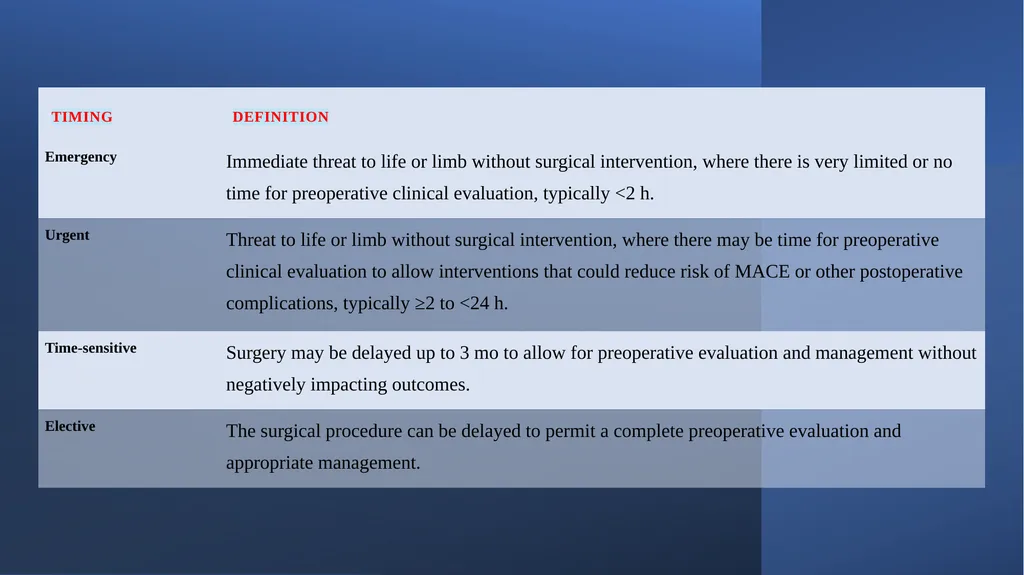
Preoperative cardiovascular risk assessment and perioperative management for noncardiac surgery Andrew C. Stiff, M.D. Cardiac Clearance Guidelines First perioperative management guidelines developed in 1996 4 total updates since that
"Preoperative cardiovascular risk assessment and" is the property of its rightful owner. Permission is granted to
download and print the materials on this website for personal, non-commercial use only, and to display it
on your personal computer provided you do not modify the materials and that you retain all copyright
notices contained in the materials. By downloading content from our website, you accept the terms of this
agreement.
Presentation Transcript
01
Preoperative cardiovascular risk assessment and perioperative management for noncardiac surgery Andrew C. Stiff, M.D.<br>
02
“Cardiac Clearance”<br>
03
Guidelines First perioperative management guidelines developed in 1996
4 total updates since that time, last being in 2014
Most recent update seeks to incorporate new data since 2014 and try to simplify perioperative management as well as cardiac risk
Most recent guidelines September 2024<br>
04
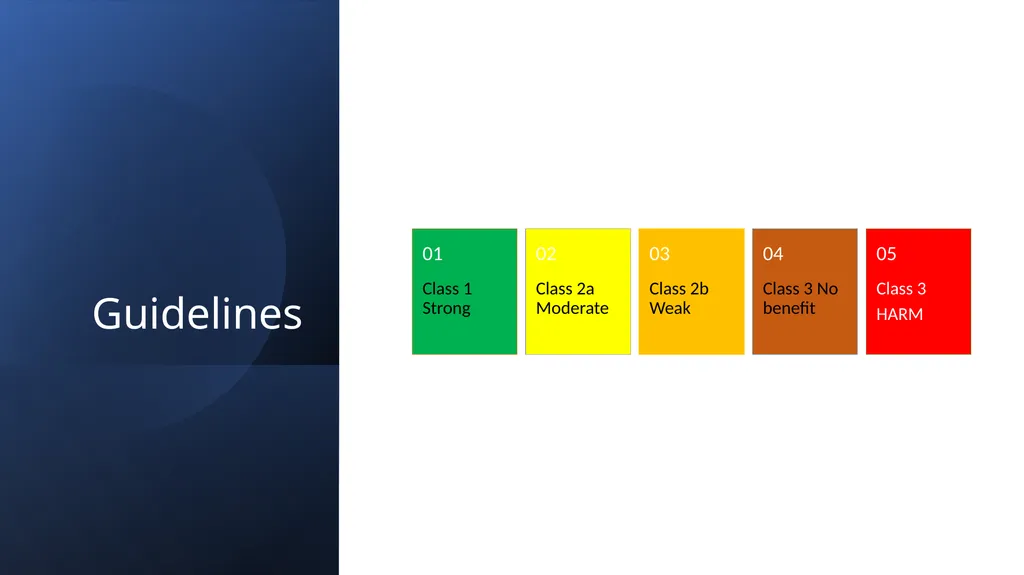
Guidelines<br>
05
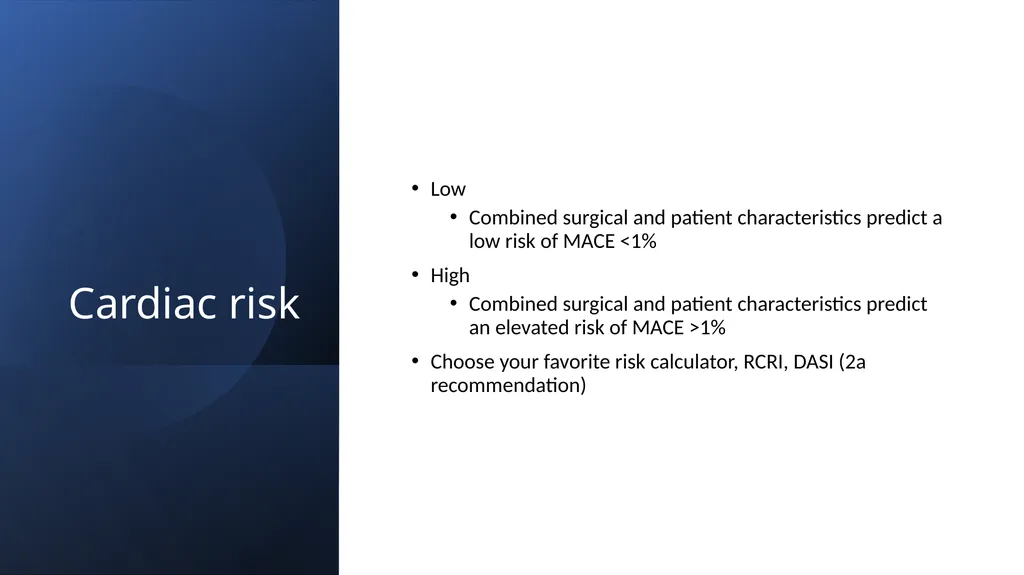
Cardiac risk Low
Combined surgical and patient characteristics predict a low risk of MACE <1%
High
Combined surgical and patient characteristics predict an elevated risk of MACE >1%
Choose your favorite risk calculator, RCRI, DASI (2a recommendation)<br>
06
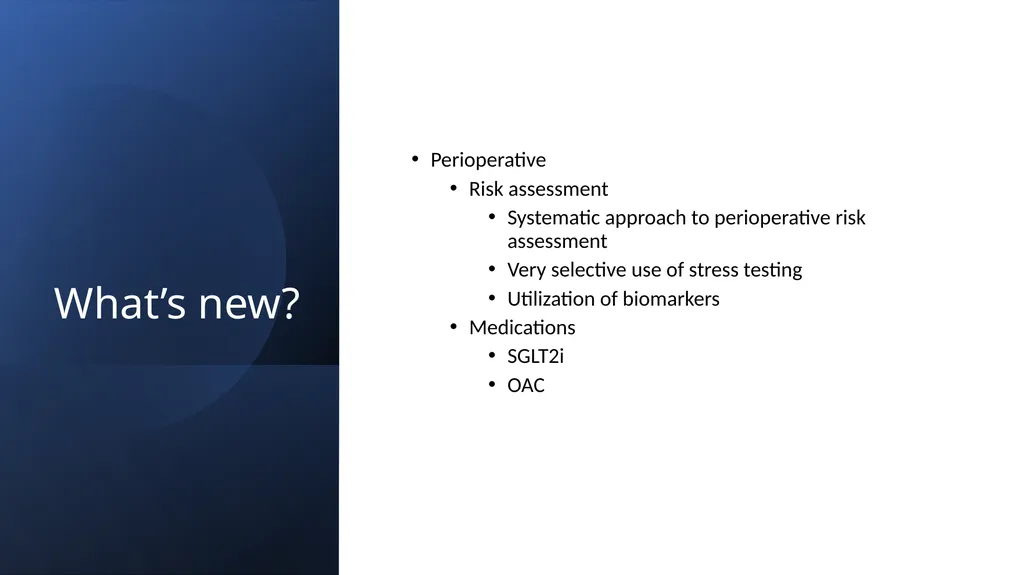
What’s new? Perioperative
Risk assessment
Systematic approach to perioperative risk assessment
Very selective use of stress testing
Utilization of biomarkers
Medications
SGLT2i
OAC<br>
07
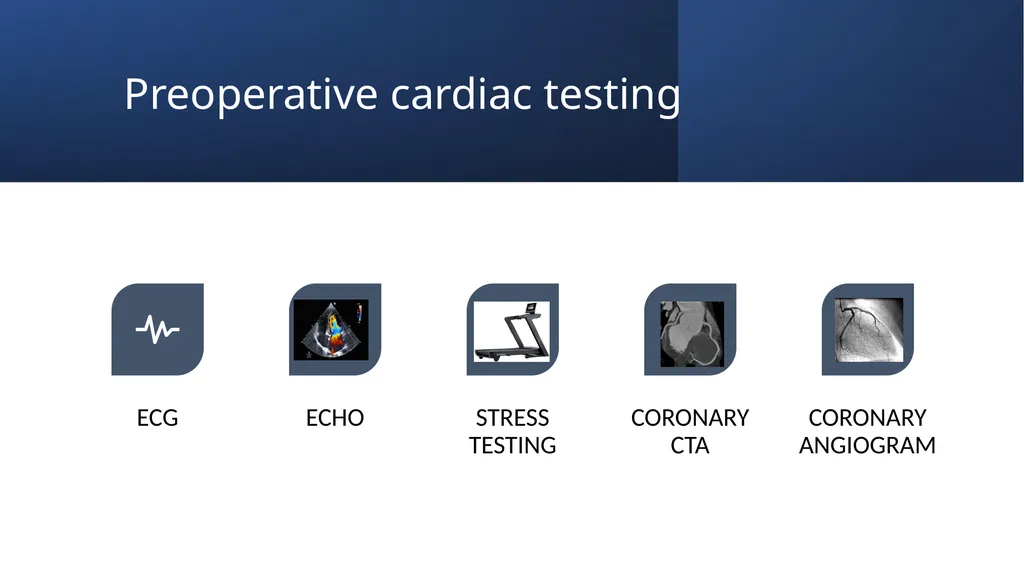
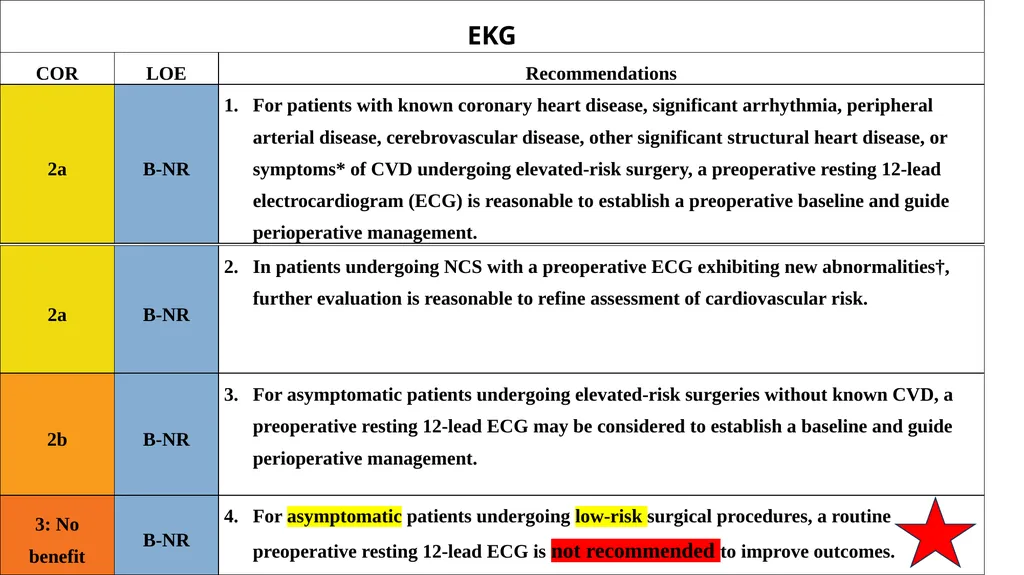
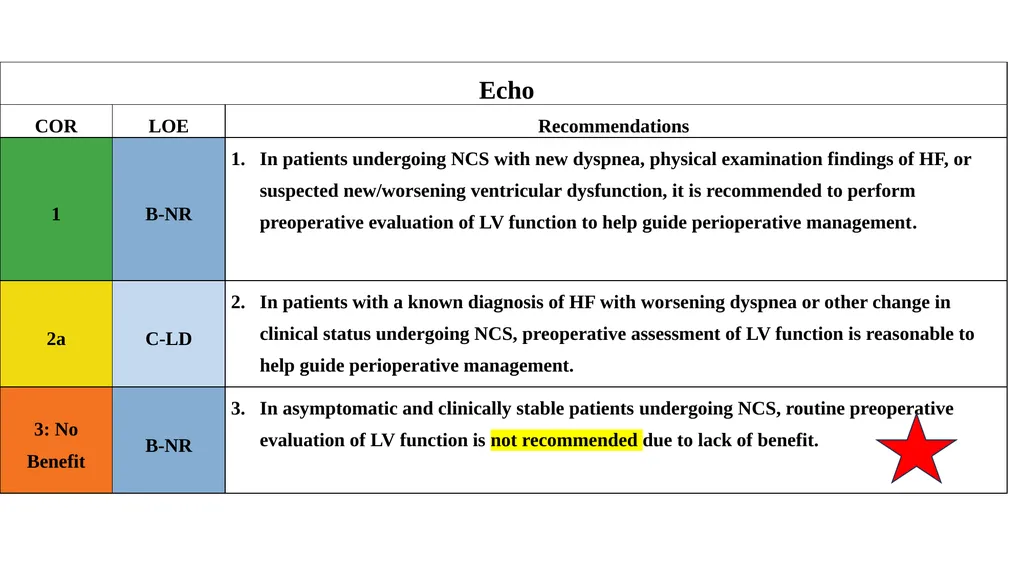
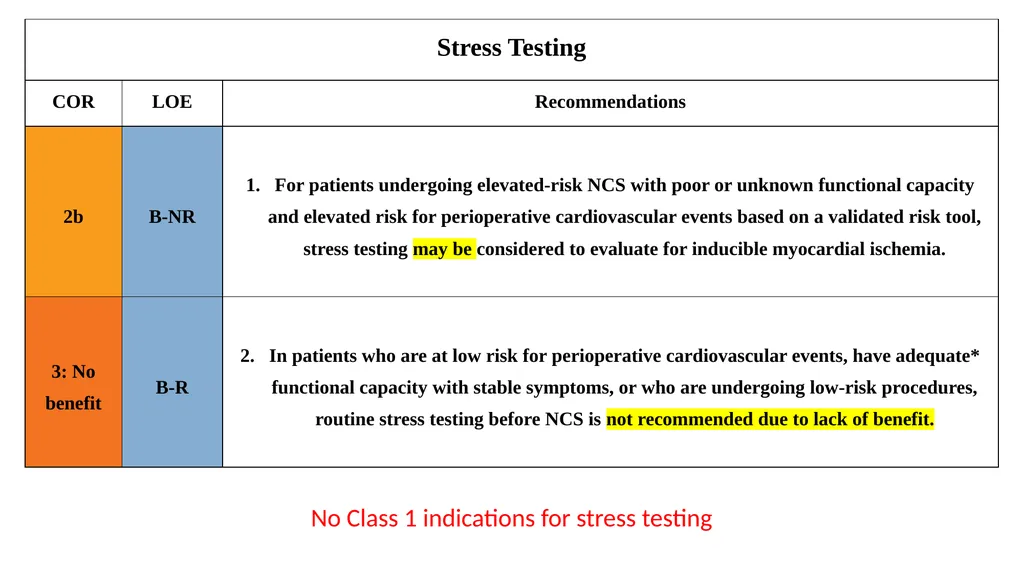
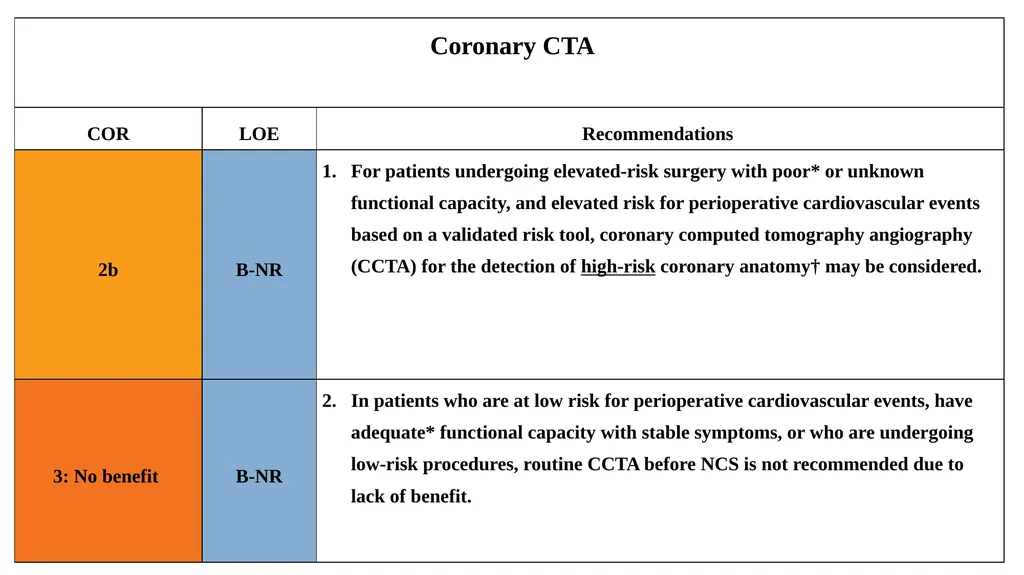
Preoperative cardiac testing<br>
08
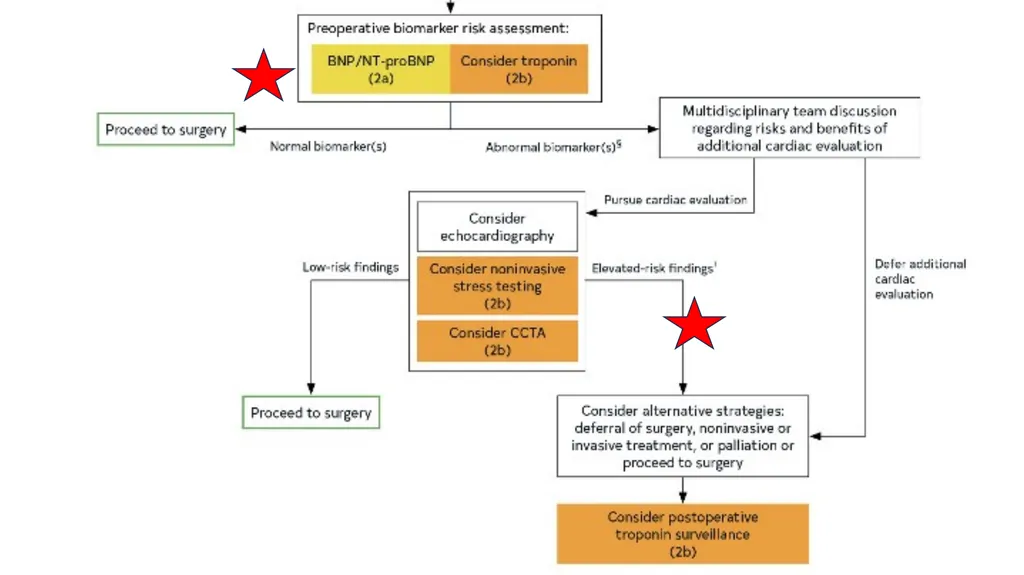
No Class 1 indications for stress testing<br>
09
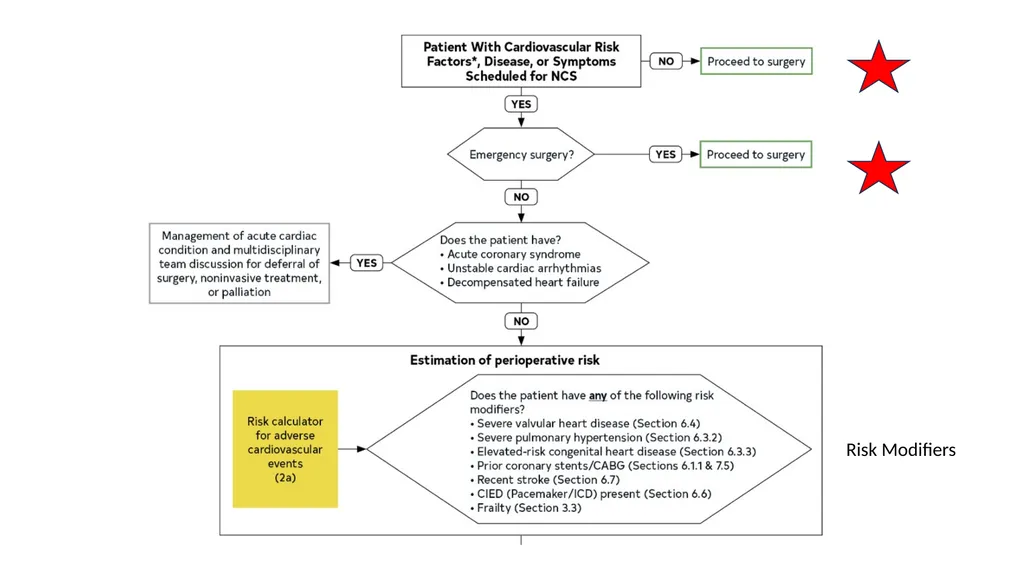
Risk Modifiers<br>
10
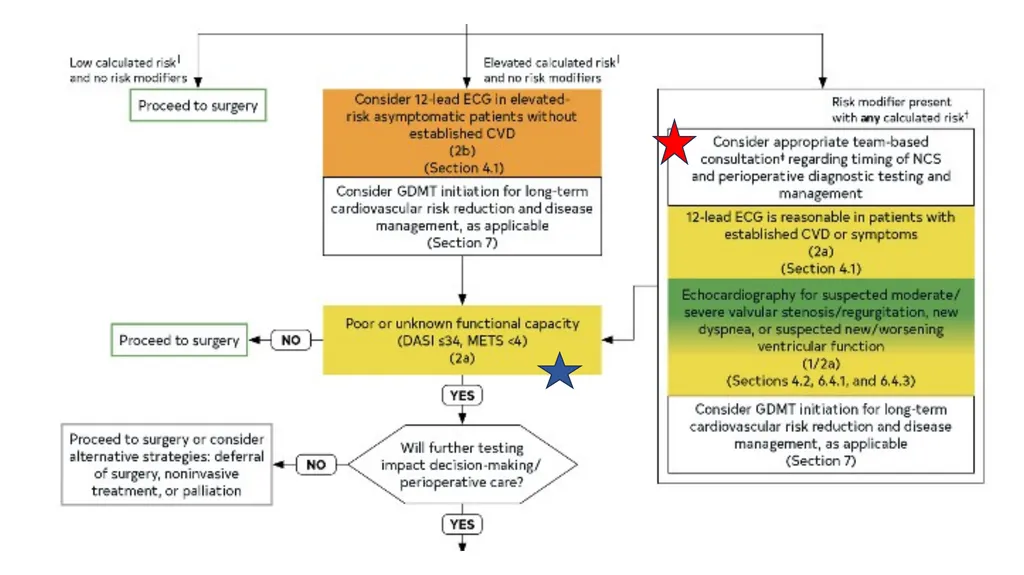
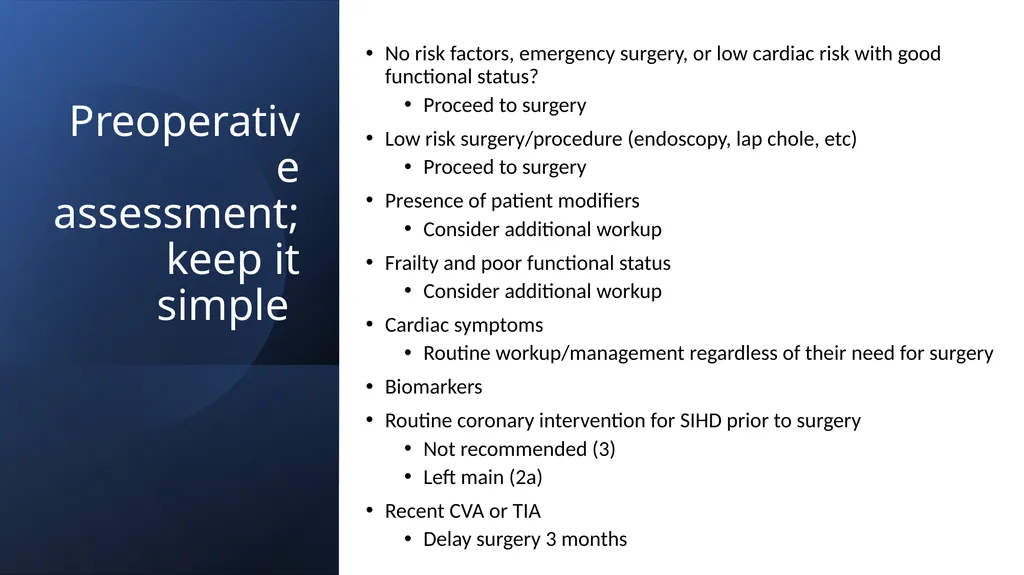
Preoperative assessment; keep it simple No risk factors, emergency surgery, or low cardiac risk with good functional status?
Proceed to surgery
Low risk surgery/procedure (endoscopy, lap chole, etc)
Proceed to surgery
Presence of patient modifiers
Consider additional workup
Frailty and poor functional status
Consider additional workup
Cardiac symptoms
Routine workup/management regardless of their need for surgery
Biomarkers
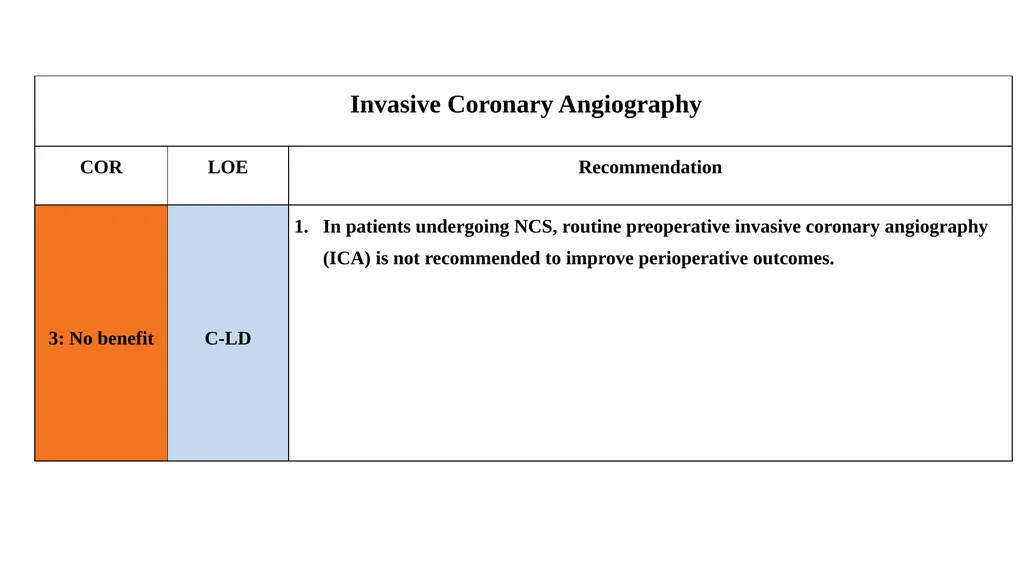
Routine coronary intervention for SIHD prior to surgery
Not recommended (3)
Left main (2a)
Recent CVA or TIA
Delay surgery 3 months<br>
11
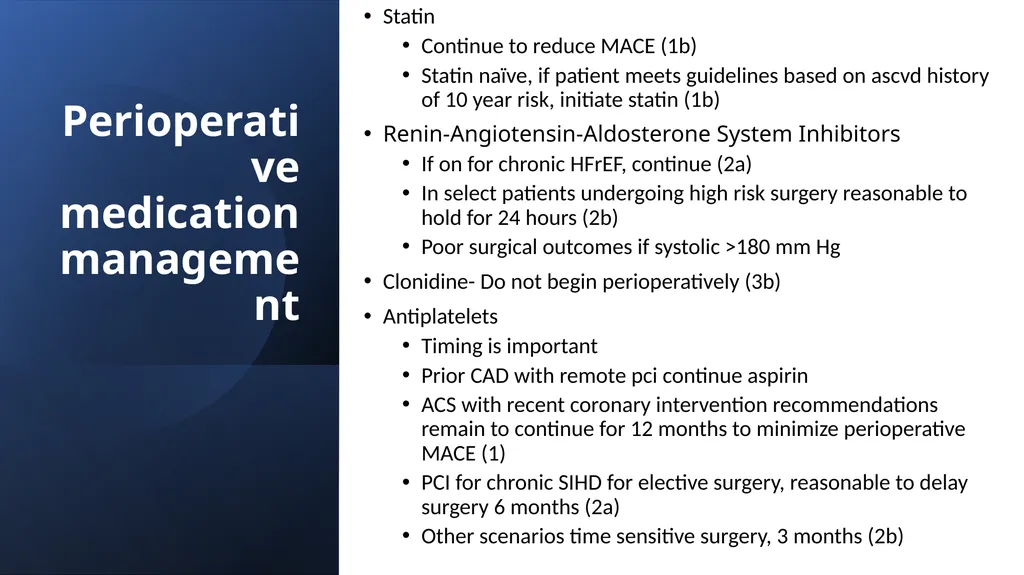
Perioperative medication management Statin
Continue to reduce MACE (1b)
Statin naïve, if patient meets guidelines based on ascvd history of 10 year risk, initiate statin (1b)
Renin-Angiotensin-Aldosterone System Inhibitors
If on for chronic HFrEF, continue (2a)
In select patients undergoing high risk surgery reasonable to hold for 24 hours (2b)
Poor surgical outcomes if systolic >180 mm Hg
Clonidine- Do not begin perioperatively (3b)
Antiplatelets
Timing is important
Prior CAD with remote pci continue aspirin
ACS with recent coronary intervention recommendations remain to continue for 12 months to minimize perioperative MACE (1)
PCI for chronic SIHD for elective surgery, reasonable to delay surgery 6 months (2a)
Other scenarios time sensitive surgery, 3 months (2b)<br>
12
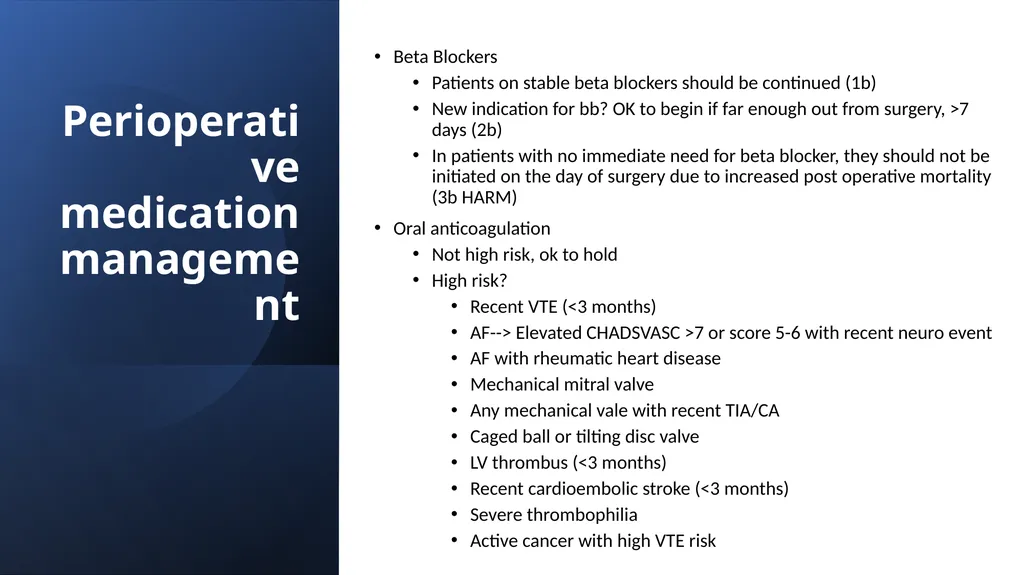
Perioperative medication management Beta Blockers
Patients on stable beta blockers should be continued (1b)
New indication for bb? OK to begin if far enough out from surgery, >7 days (2b)
In patients with no immediate need for beta blocker, they should not be initiated on the day of surgery due to increased post operative mortality (3b HARM)
Oral anticoagulation
Not high risk, ok to hold
High risk?
Recent VTE (<3 months)
AF--> Elevated CHADSVASC >7 or score 5-6 with recent neuro event
AF with rheumatic heart disease
Mechanical mitral valve
Any mechanical vale with recent TIA/CA
Caged ball or tilting disc valve
LV thrombus (<3 months)
Recent cardioembolic stroke (<3 months)
Severe thrombophilia
Active cancer with high VTE risk<br>
13
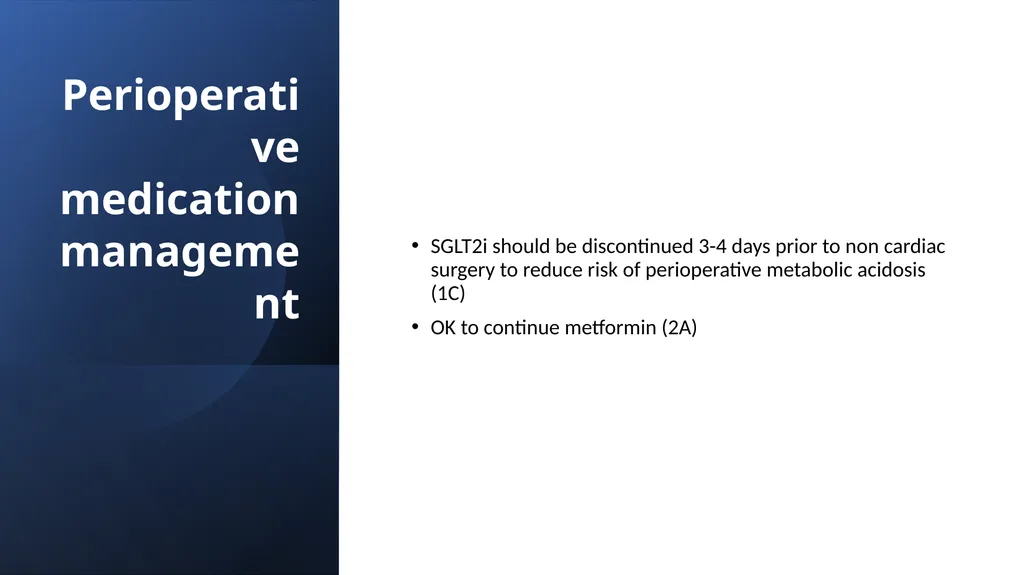
Perioperative medication management SGLT2i should be discontinued 3-4 days prior to non cardiac surgery to reduce risk of perioperative metabolic acidosis (1C)
OK to continue metformin (2A)<br>
14
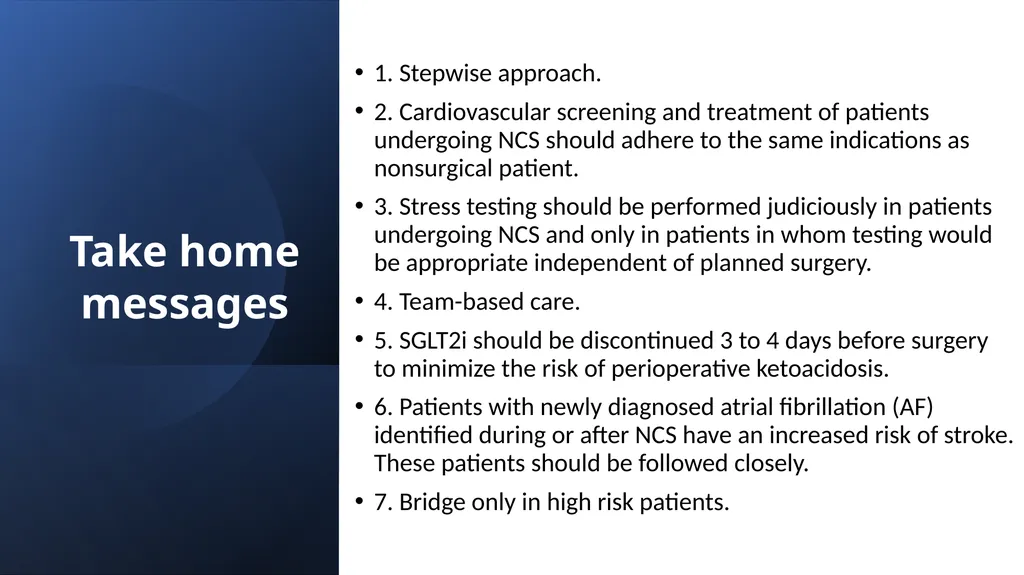
Take home messages 1. Stepwise approach.
2. Cardiovascular screening and treatment of patients undergoing NCS should adhere to the same indications as nonsurgical patient.
3. Stress testing should be performed judiciously in patients undergoing NCS and only in patients in whom testing would be appropriate independent of planned surgery.
4. Team-based care.
5. SGLT2i should be discontinued 3 to 4 days before surgery to minimize the risk of perioperative ketoacidosis.
6. Patients with newly diagnosed atrial fibrillation (AF) identified during or after NCS have an increased risk of stroke. These patients should be followed closely.
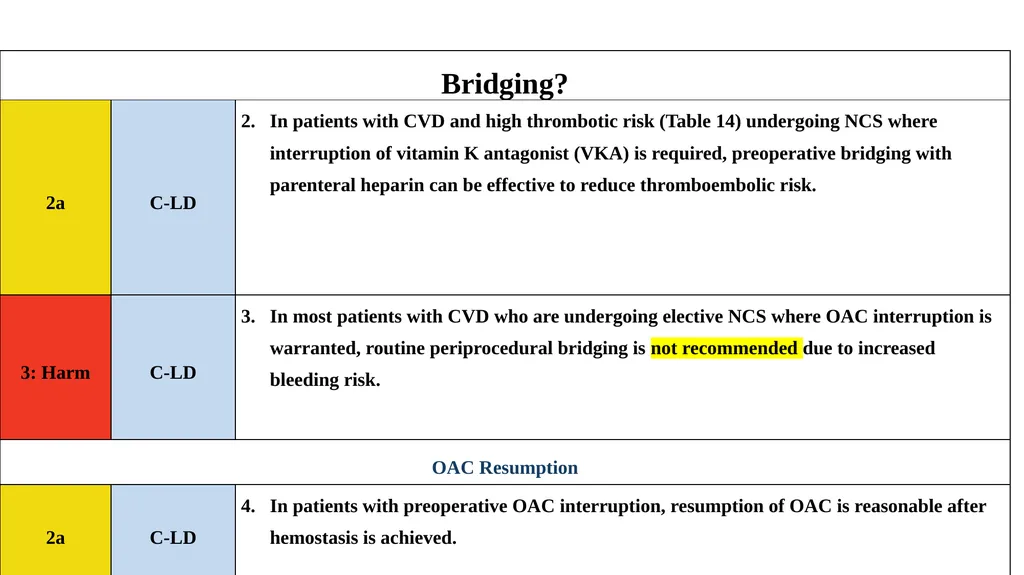
7. Bridge only in high risk patients.<br>
15
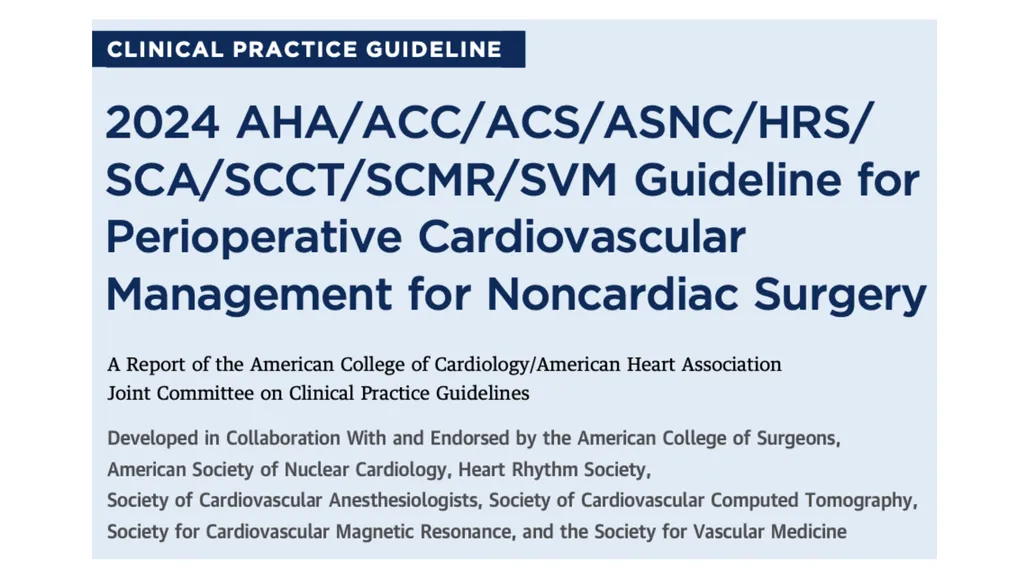
References Thompson et al. 2024 AHA/ACC/ACS/ASNC/HRS/SCA/SCCT/SCMR/SVM Guideline for Perioperative Cardiovascular Management for Noncardiac Surgery: A Report of the American College of Cardiology/American Heart Association Joint Committee on Clinical Practice Guidelines. JACC. 2024 Nov, 84 (19) 1869–1969.
UofL Dept. of Medicine Grand Rounds. University of Louisville Department of Medicine. Oct. 10, 2024.
AHA Science. 2024 Guideline for Perioperative Cardiovascular Management for Noncardiac Surgery. Sep. 24, 2024.
Bhave SD, et al. JACC. 2024; 10.1016/j.jacc.2024.08.018<br>
16
If questions feel free to call your friendly FHP cardiologist If questions feel free call your friendly FHP cardiologist!<br>