REWRITING MUSIC - When, Why and How MMEA
Description: REWRITING MUSIC - When, Why and How MMEA CONFERENCE October 22, 2016 Jeff Skogley Nancy McPherson When should you rewrite the music for your band? Important lines are missing Important harmonies are missing Lines are too difficult for
Related Topics
Download Presentation
"REWRITING MUSIC - When, Why and How MMEA" is the property of its rightful owner. Permission is granted to download and print the materials on this website for personal, non-commercial use only, and to display it on your personal computer provided you do not modify the materials and that you retain all copyright notices contained in the materials. By downloading content from our website, you accept the terms of this agreement.
Presentation Transcript
slide1. REWRITING MUSIC - When, Why and How MMEA CONFERENCE
October 22, 2016
Jeff Skogley & Nancy McPherson<br>
slide2. When should you rewrite the music for your band? Important lines are missing
Important harmonies are missing
Lines are too difficult for some sections
Lines are not challenging enough
Be cognizant of when it is appropriate
Festivals vs home concerts<br>
slide3. Why go to all that work? It will produce a more musical performance
Musicians and audience will be more satisfied with what they hear
Since you can’t make the music work as written, do what the composer might have done if presented with your instrumentation and musicians<br>
slide4. How do I rewrite the music? Don’t start from scratch, use the parts that already exist<br>
slide5. Instrument parts that can interchange Oboe / violin match pretty well
Flute / bells can sometimes interchange
Clarinet, trumpet, tenor sax, baritone TC, bass clarinet, can interchange depending on range
Alto / bari sax match up with octave difference in sound
Eb instruments can play bass clef parts if you add 3 sharps to the key
Bass clef instruments can play alto or bari sax parts if you add 3 flats to the key
Percussion parts can be played by another instrumentalist if their part is resting or doubled at the time<br>
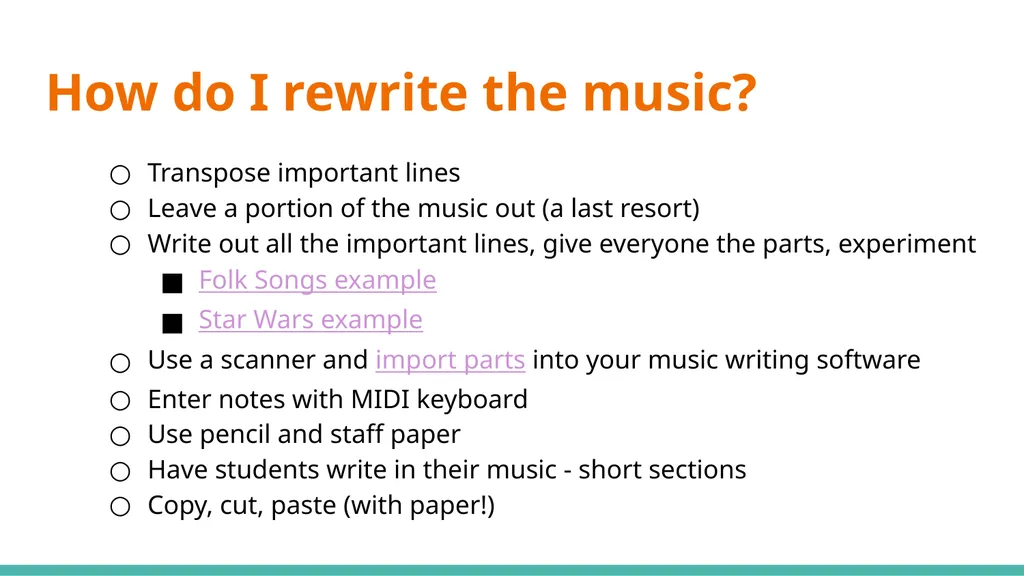
slide6. How do I rewrite the music? Transpose important lines
Leave a portion of the music out (a last resort)
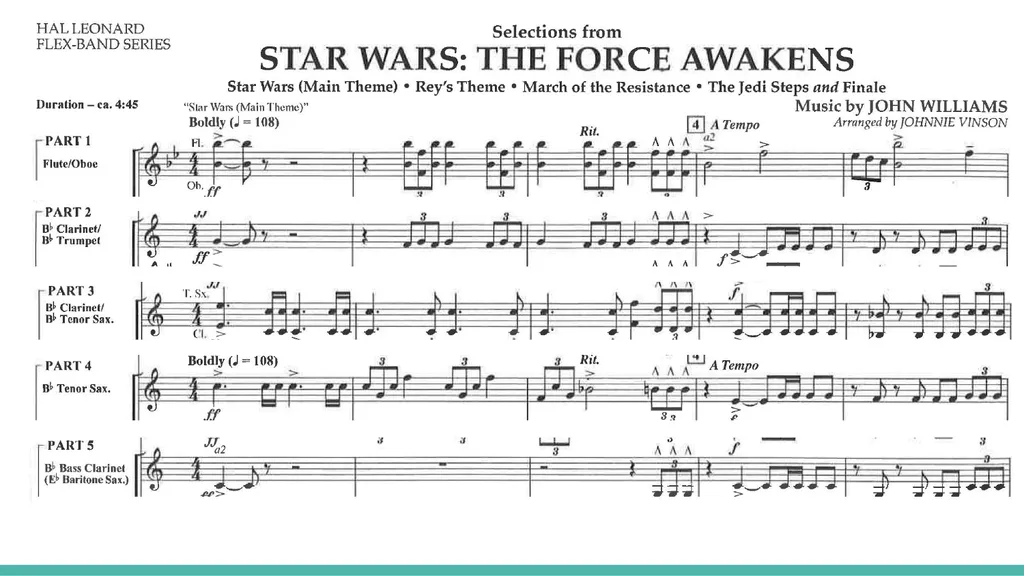
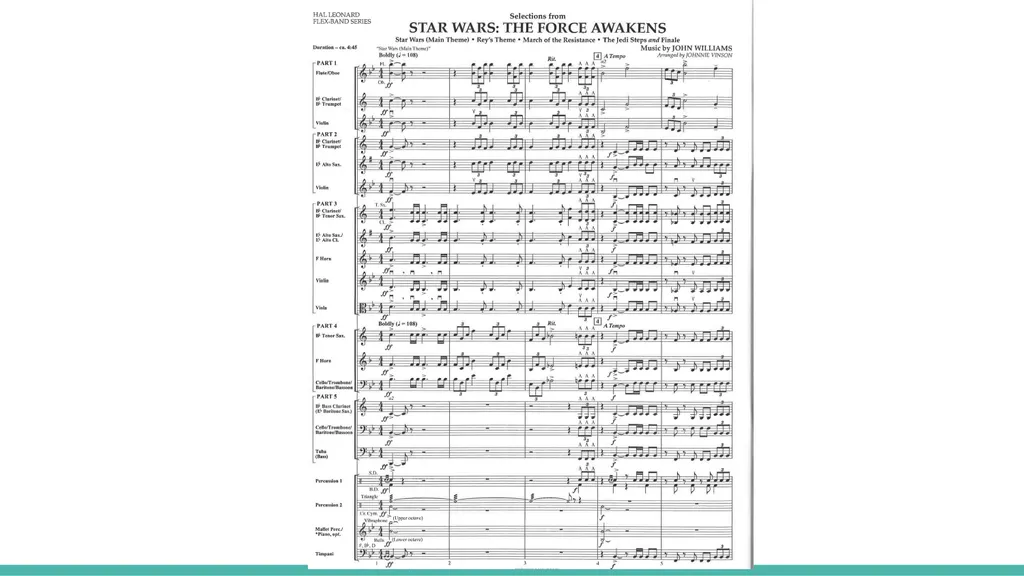
Write out all the important lines, give everyone the parts, experiment
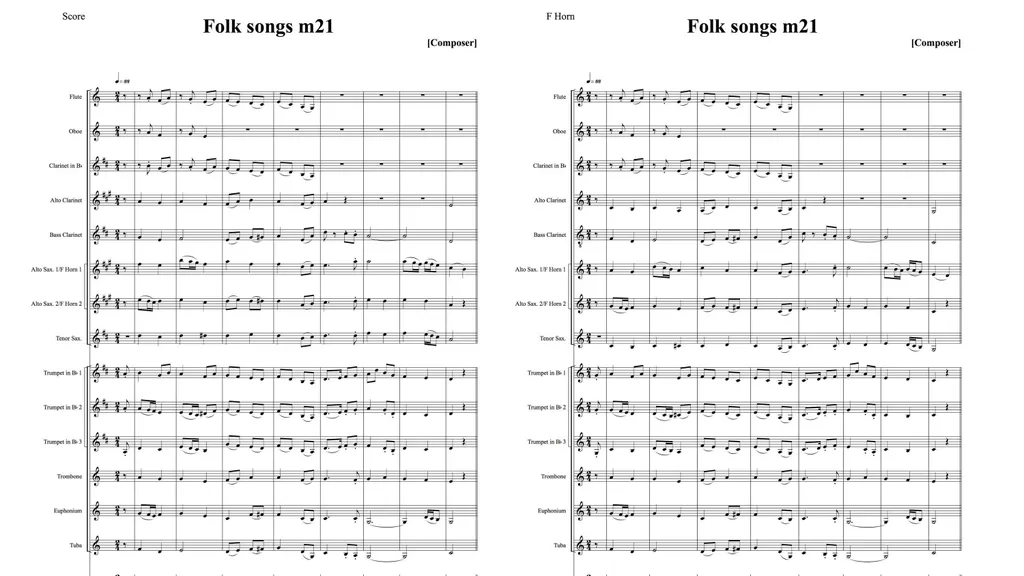
Folk Songs example
Star Wars example
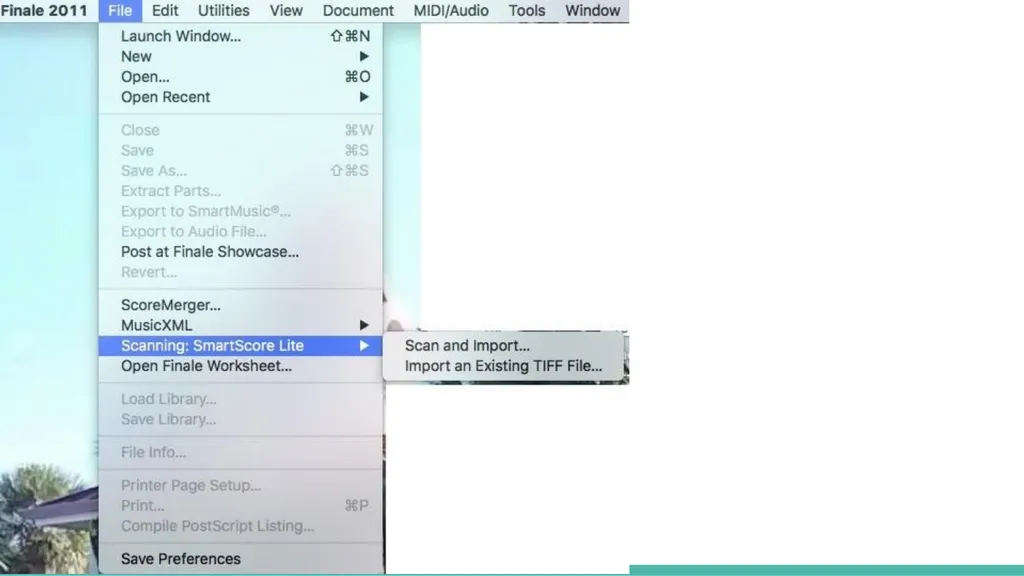
Use a scanner and import parts into your music writing software
Enter notes with MIDI keyboard
Use pencil and staff paper
Have students write in their music - short sections
Copy, cut, paste (with paper!)<br>
slide7. So, get busy and try some ideas! Work ahead of time so you have plenty of time for revisions
Have fun with it<br>
October 22, 2016
Jeff Skogley & Nancy McPherson<br>
slide2. When should you rewrite the music for your band? Important lines are missing
Important harmonies are missing
Lines are too difficult for some sections
Lines are not challenging enough
Be cognizant of when it is appropriate
Festivals vs home concerts<br>
slide3. Why go to all that work? It will produce a more musical performance
Musicians and audience will be more satisfied with what they hear
Since you can’t make the music work as written, do what the composer might have done if presented with your instrumentation and musicians<br>
slide4. How do I rewrite the music? Don’t start from scratch, use the parts that already exist<br>
slide5. Instrument parts that can interchange Oboe / violin match pretty well
Flute / bells can sometimes interchange
Clarinet, trumpet, tenor sax, baritone TC, bass clarinet, can interchange depending on range
Alto / bari sax match up with octave difference in sound
Eb instruments can play bass clef parts if you add 3 sharps to the key
Bass clef instruments can play alto or bari sax parts if you add 3 flats to the key
Percussion parts can be played by another instrumentalist if their part is resting or doubled at the time<br>
slide6. How do I rewrite the music? Transpose important lines
Leave a portion of the music out (a last resort)
Write out all the important lines, give everyone the parts, experiment
Folk Songs example
Star Wars example
Use a scanner and import parts into your music writing software
Enter notes with MIDI keyboard
Use pencil and staff paper
Have students write in their music - short sections
Copy, cut, paste (with paper!)<br>
slide7. So, get busy and try some ideas! Work ahead of time so you have plenty of time for revisions
Have fun with it<br>