
Richard Kozul-Wright Manufacturing Success:



Description: Richard Kozul-Wright Manufacturing Success: Structural transformation, industrial policy and the rise of the South Geneva, 15 April 2011 Structural transformation Economic development requires structural transformation new activities
Related Topics
Download Presentation
"Richard Kozul-Wright Manufacturing Success:" is the property of its rightful owner. Permission is granted to download and print the materials on this website for personal, non-commercial use only, and to display it on your personal computer provided you do not modify the materials and that you retain all copyright notices contained in the materials. By downloading content from our website, you accept the terms of this agreement.
Presentation Transcript
slide1. Richard Kozul-Wright Manufacturing Success:
Structural transformation, industrial policy and the rise of the South Geneva, 15 April 2011<br>
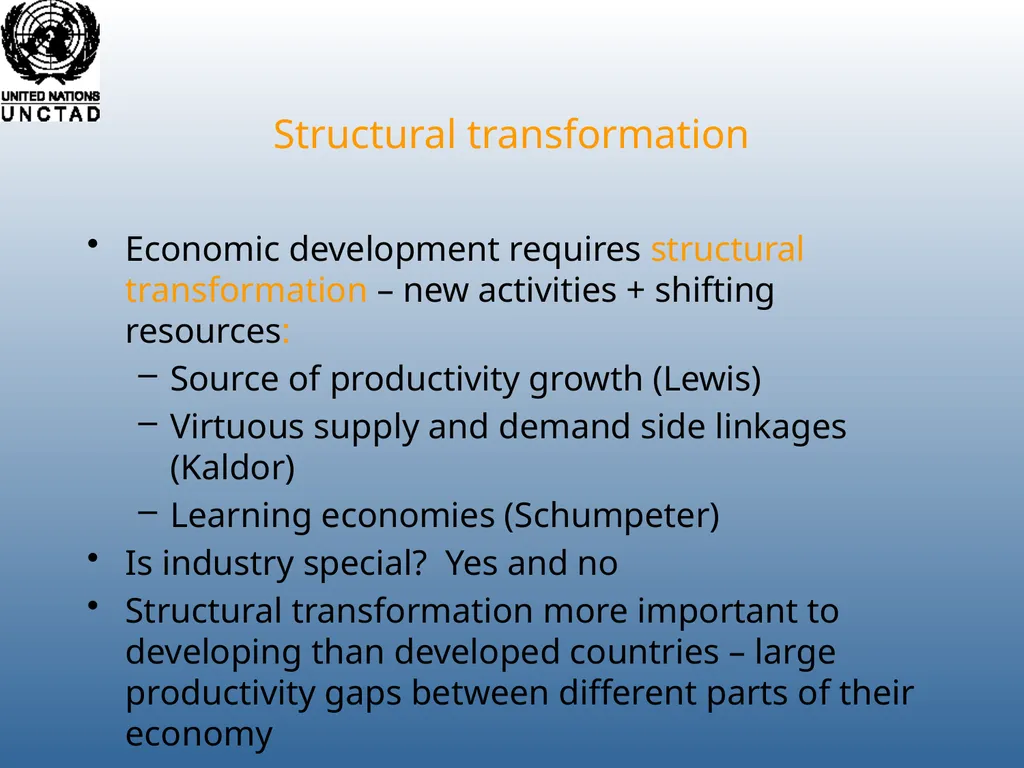
slide2. Structural transformation Economic development requires structural transformation – new activities + shifting resources:
Source of productivity growth (Lewis)
Virtuous supply and demand side linkages (Kaldor)
Learning economies (Schumpeter)
Is industry special? Yes and no
Structural transformation more important to developing than developed countries – large productivity gaps between different parts of their economy<br>
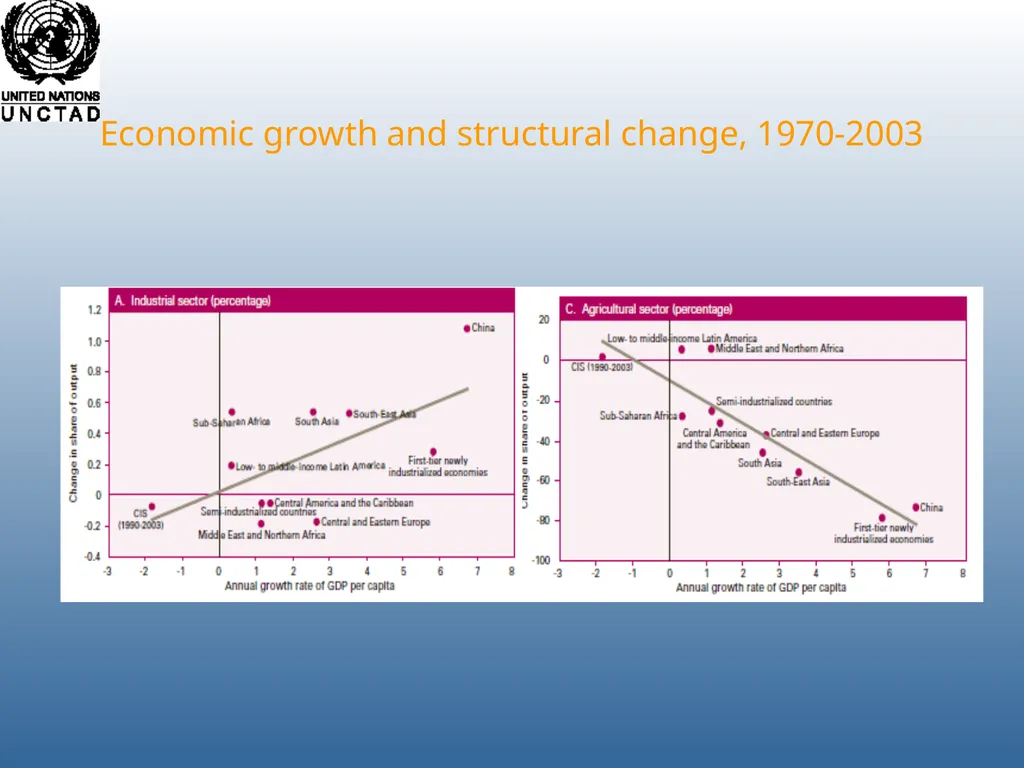
slide3. Economic growth and structural change, 1970-2003<br>
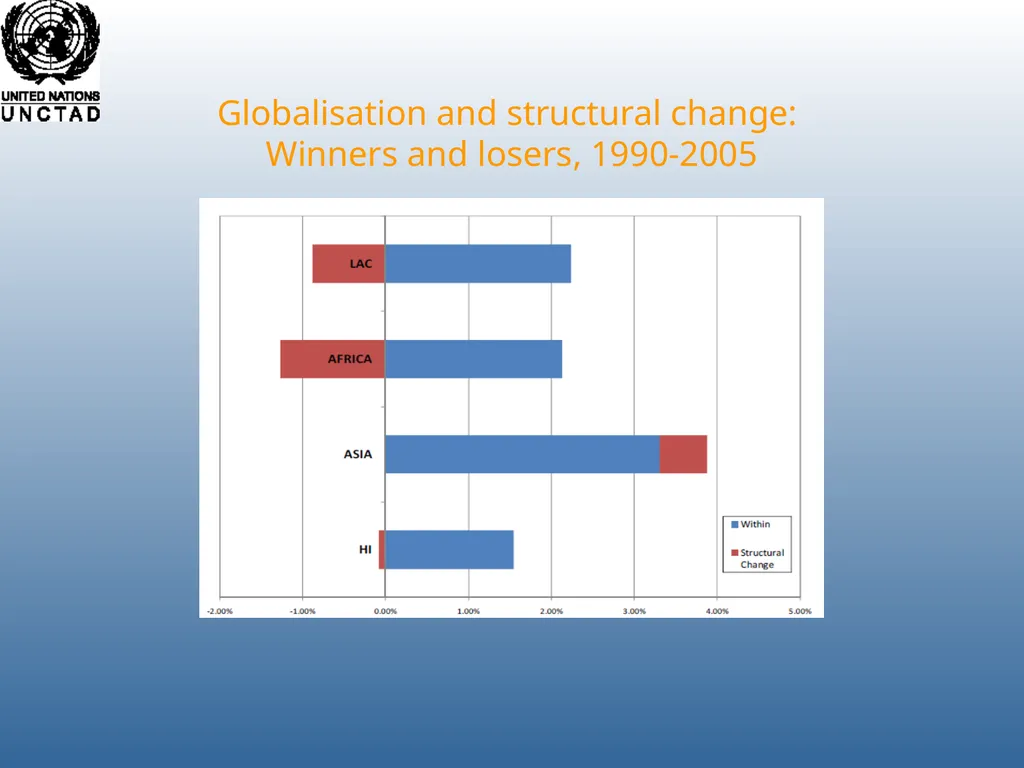
slide4. Globalisation and structural change: Winners and losers, 1990-2005<br>
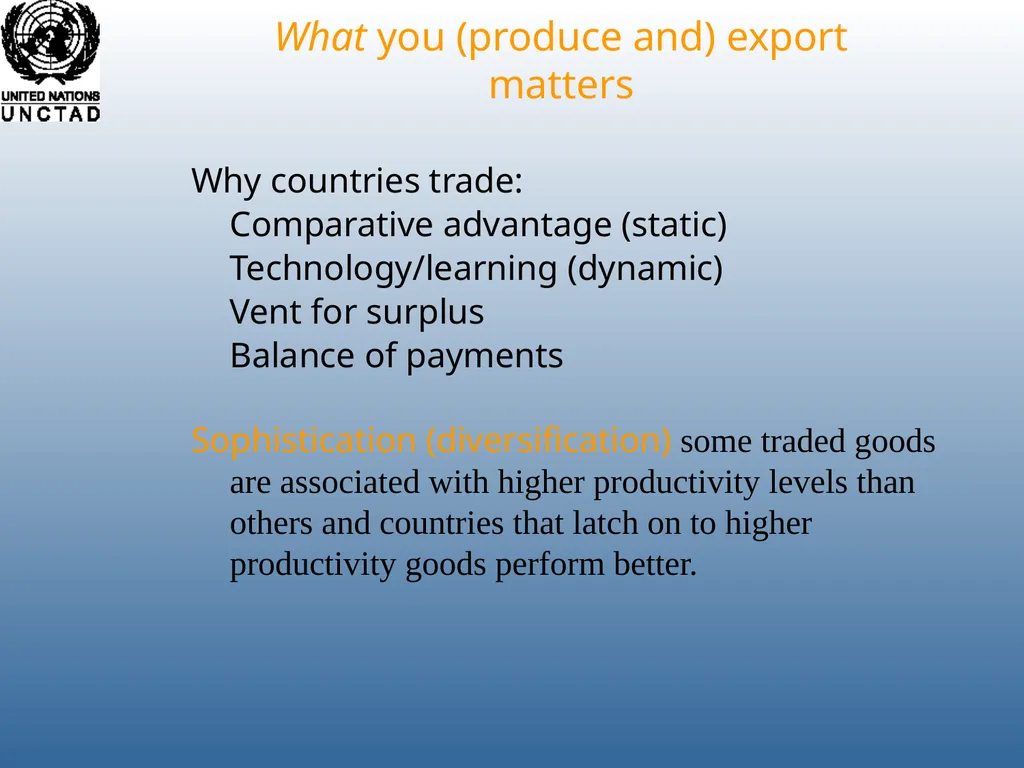
slide5. What you (produce and) export matters Why countries trade:
Comparative advantage (static)
Technology/learning (dynamic)
Vent for surplus
Balance of payments
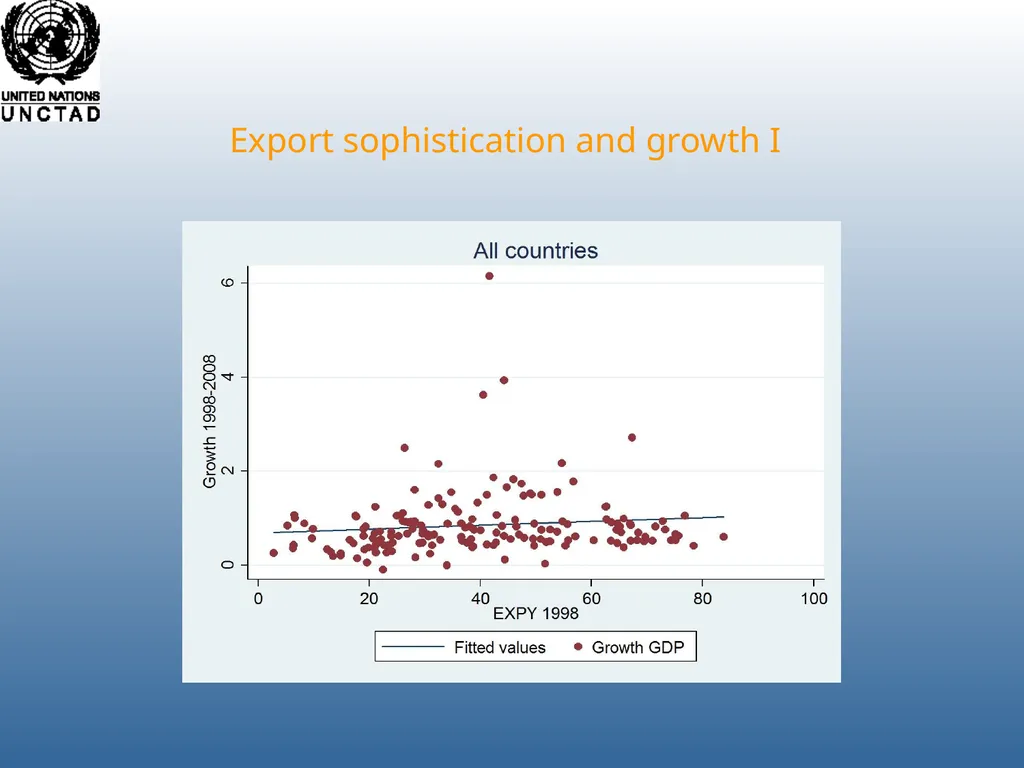
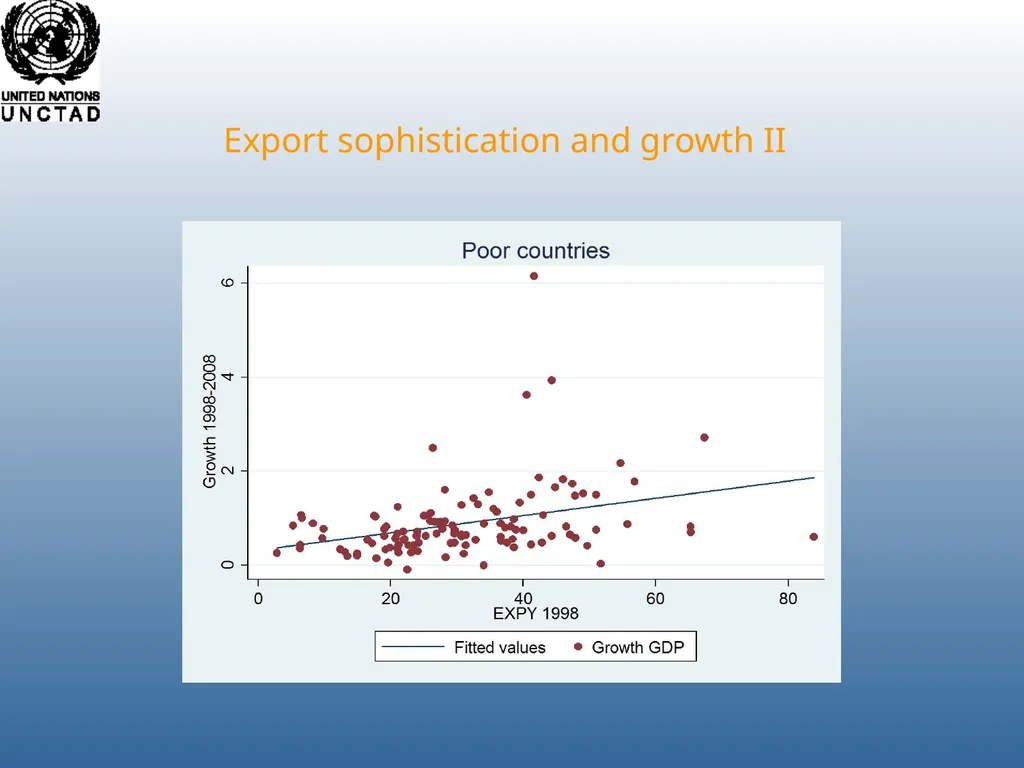
Sophistication (diversification) some traded goods are associated with higher productivity levels than others and countries that latch on to higher productivity goods perform better.<br>
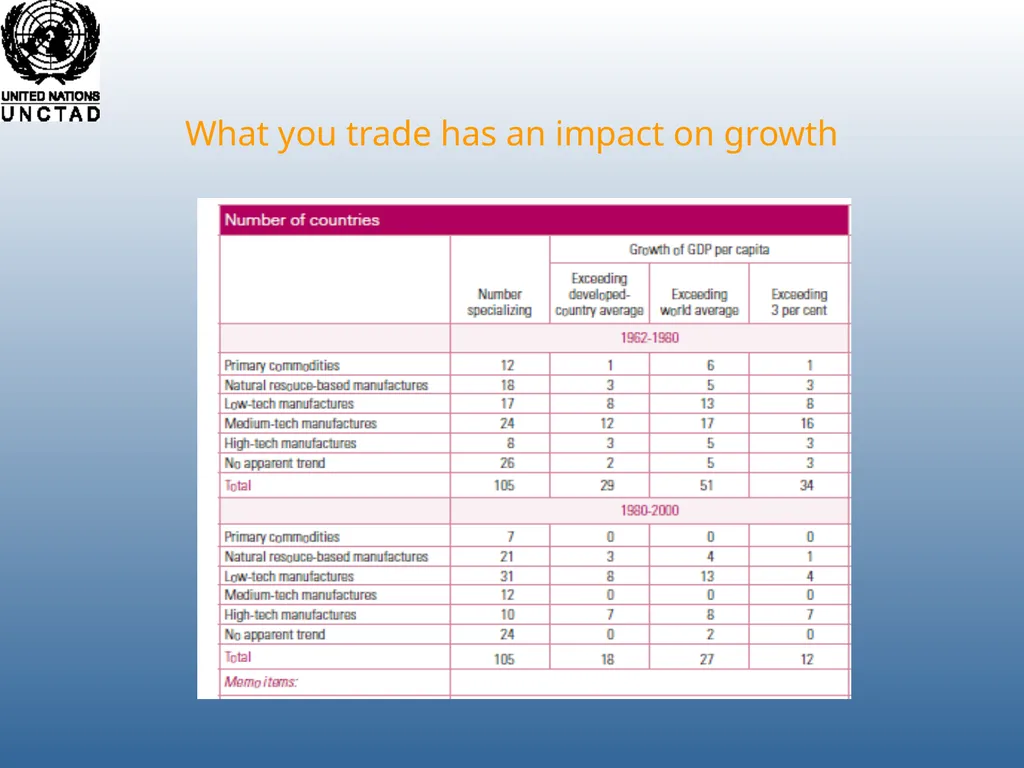
slide6. What you trade has an impact on growth<br>
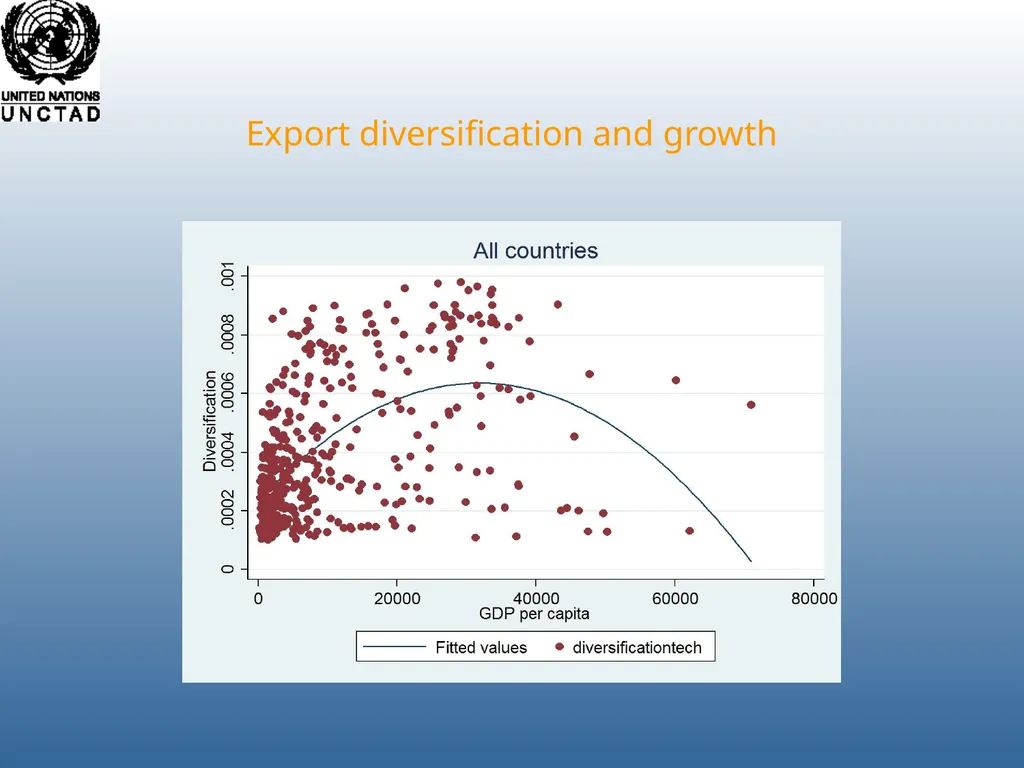
slide7. Export diversification and growth<br>
slide8. Export sophistication and growth I<br>
slide9. Export sophistication and growth II<br>
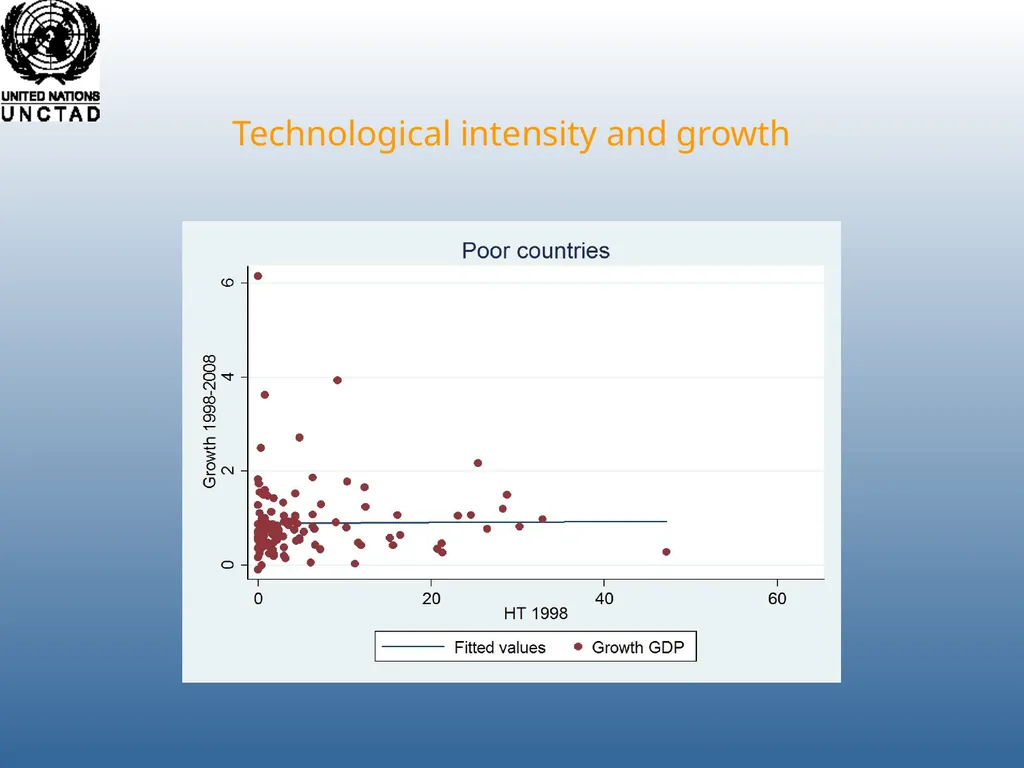
slide10. Technological intensity and growth<br>
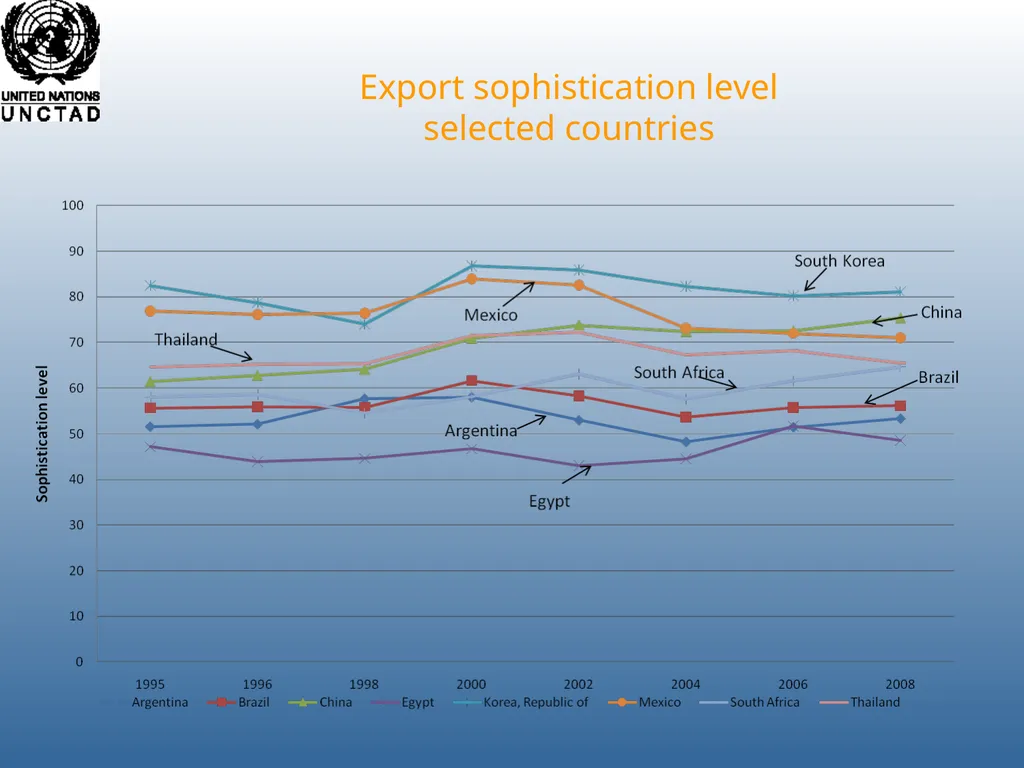
slide11. Export sophistication level selected countries<br>
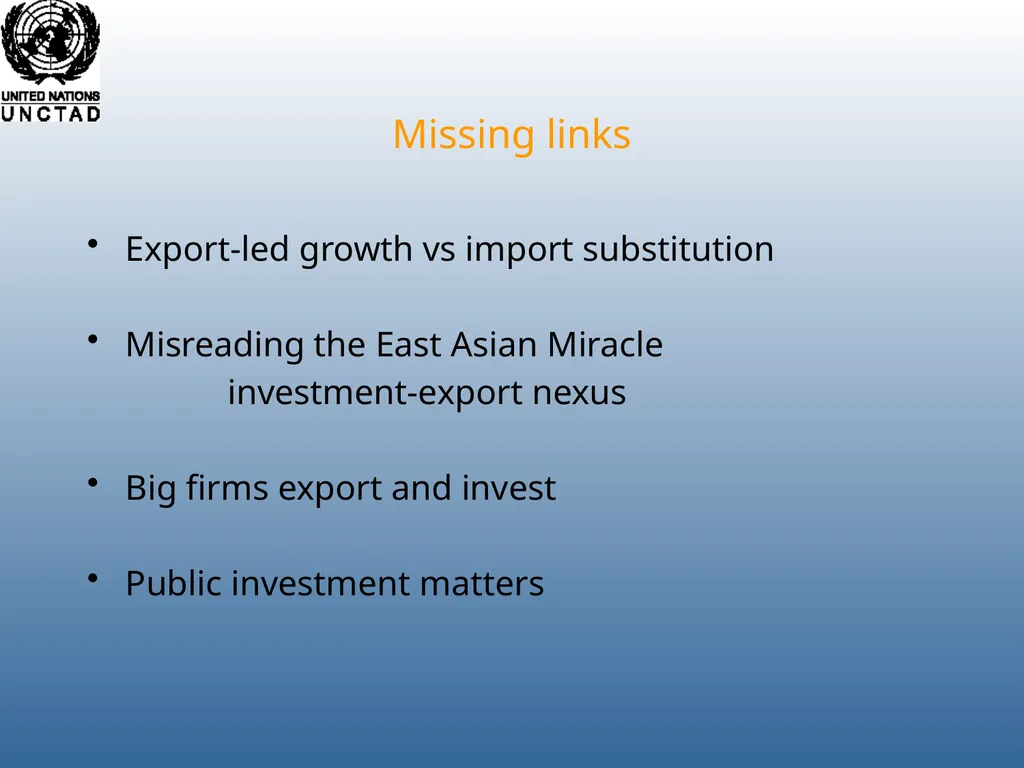
slide12. Missing links Export-led growth vs import substitution
Misreading the East Asian Miracle
investment-export nexus
Big firms export and invest
Public investment matters<br>
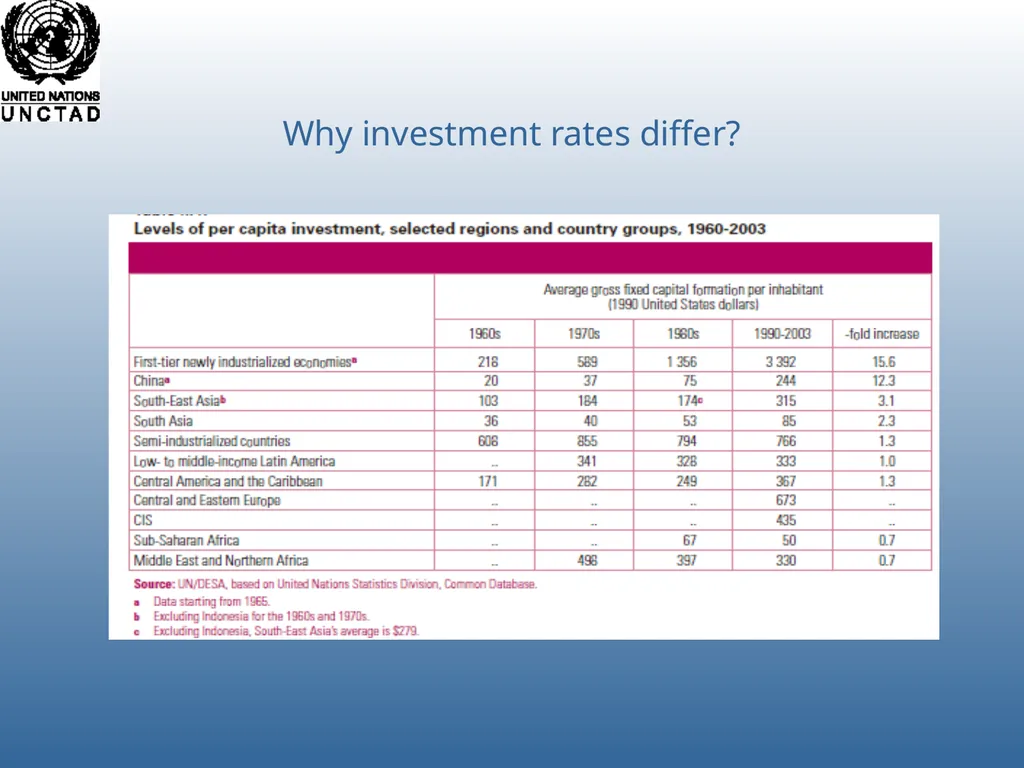
slide13. Why investment rates differ?<br>
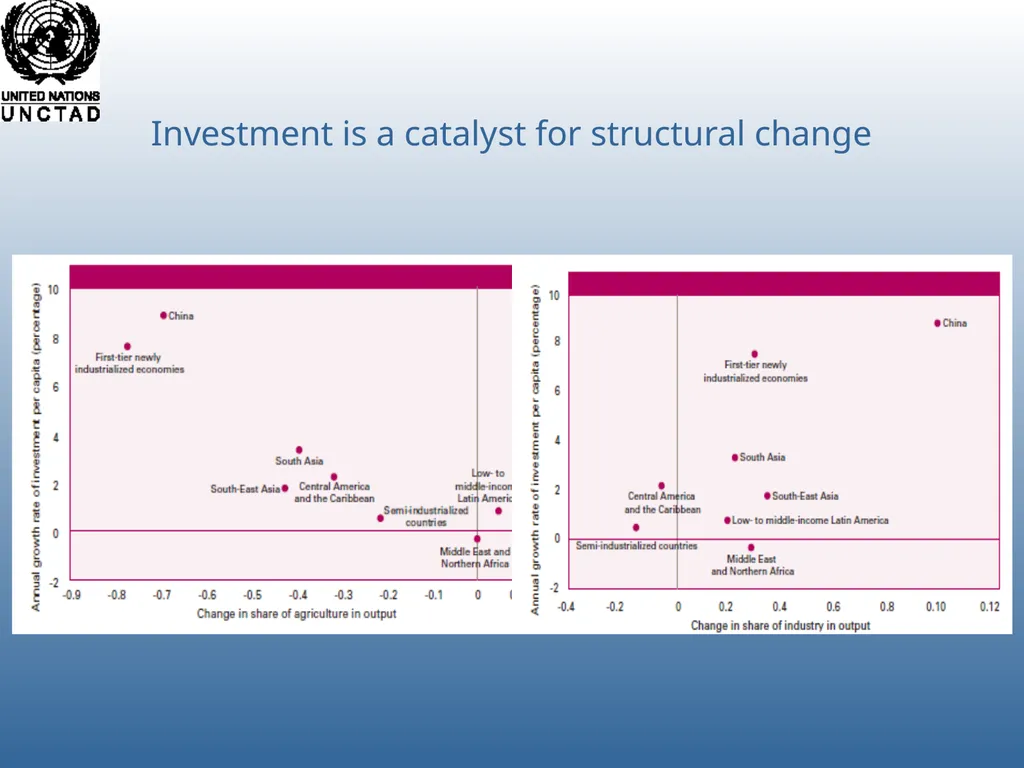
slide14. Investment is a catalyst for structural change<br>
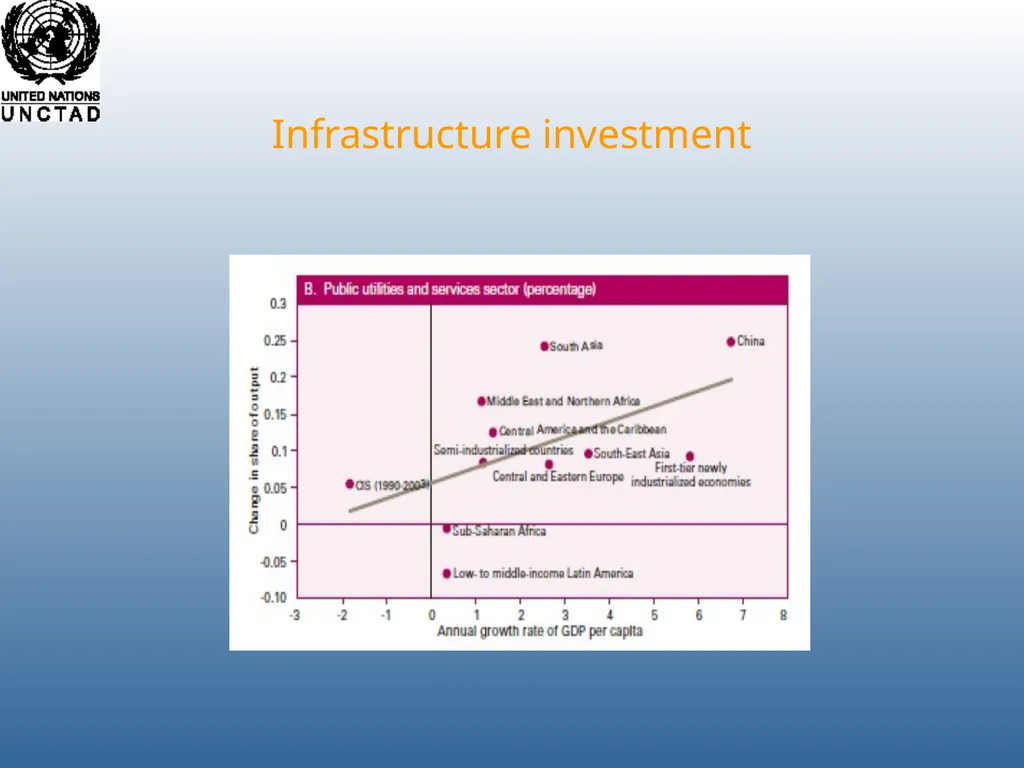
slide15. Infrastructure investment<br>
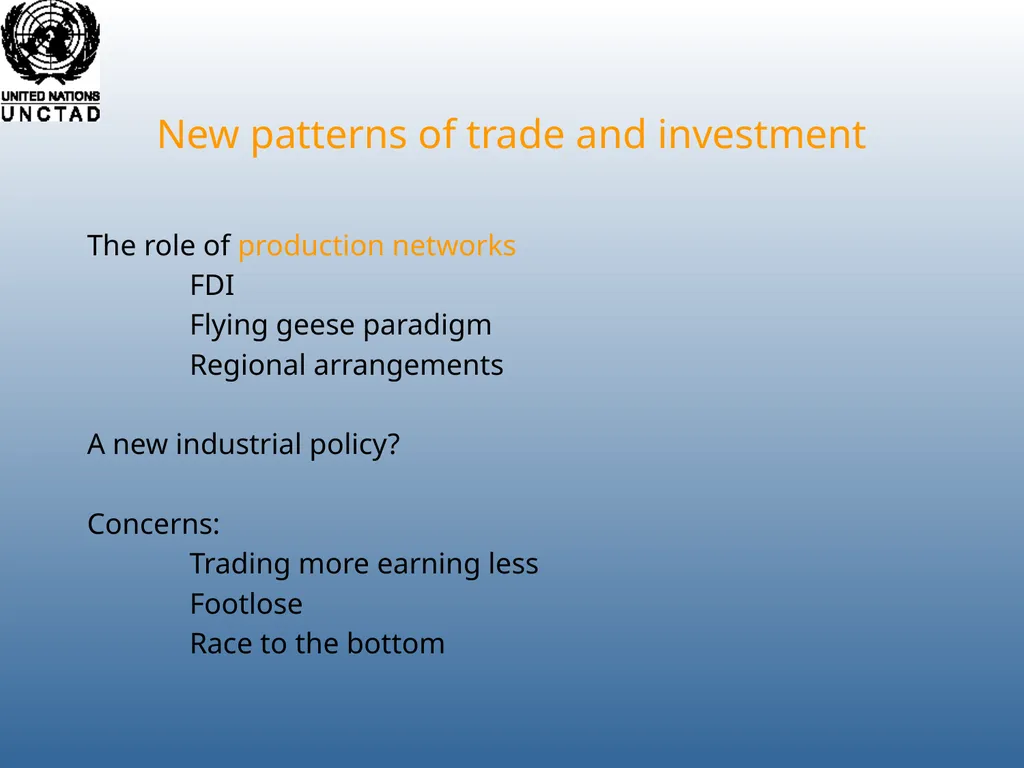
slide16. The role of production networks
FDI
Flying geese paradigm
Regional arrangements
A new industrial policy?
Concerns:
Trading more earning less
Footlose
Race to the bottom New patterns of trade and investment<br>
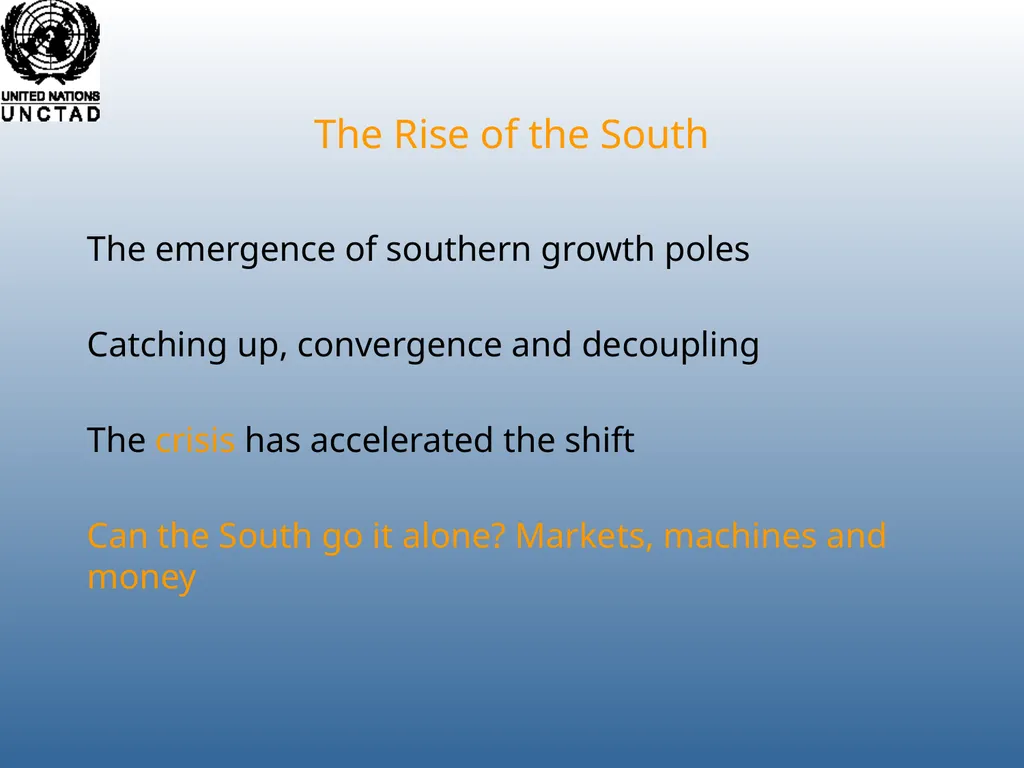
slide17. The Rise of the South The emergence of southern growth poles
Catching up, convergence and decoupling
The crisis has accelerated the shift
Can the South go it alone? Markets, machines and money<br>
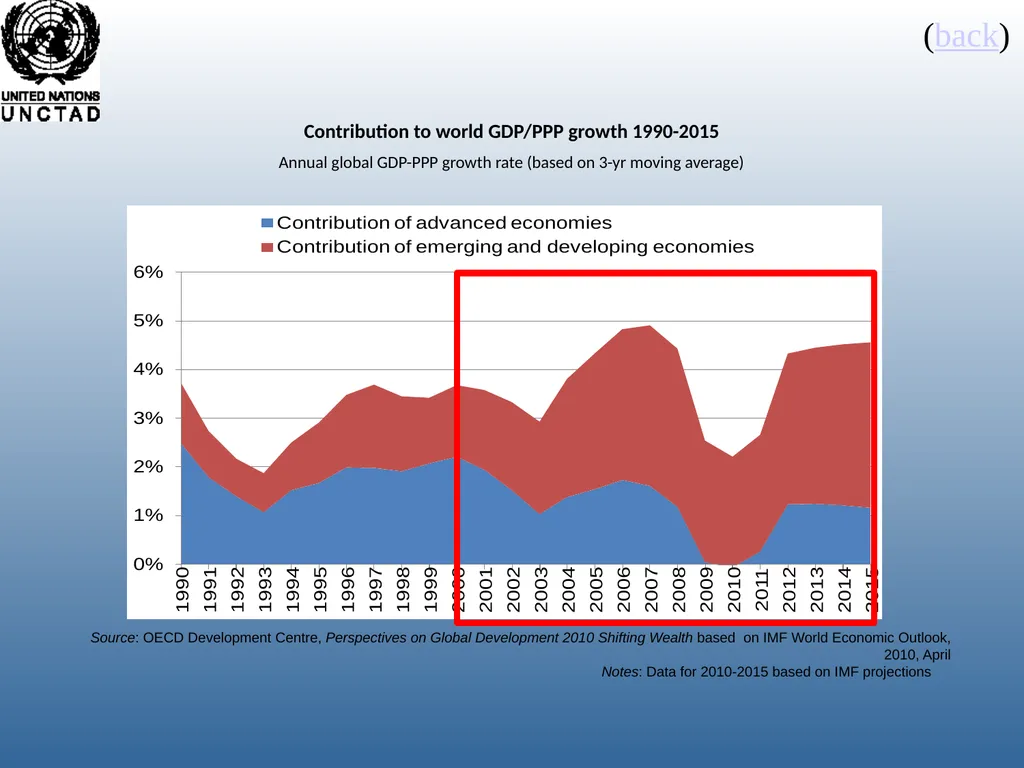
slide18. Contribution to world GDP/PPP growth 1990-2015
Annual global GDP-PPP growth rate (based on 3-yr moving average) Source: OECD Development Centre, Perspectives on Global Development 2010 Shifting Wealth based on IMF World Economic Outlook, 2010, April
Notes: Data for 2010-2015 based on IMF projections (back)<br>
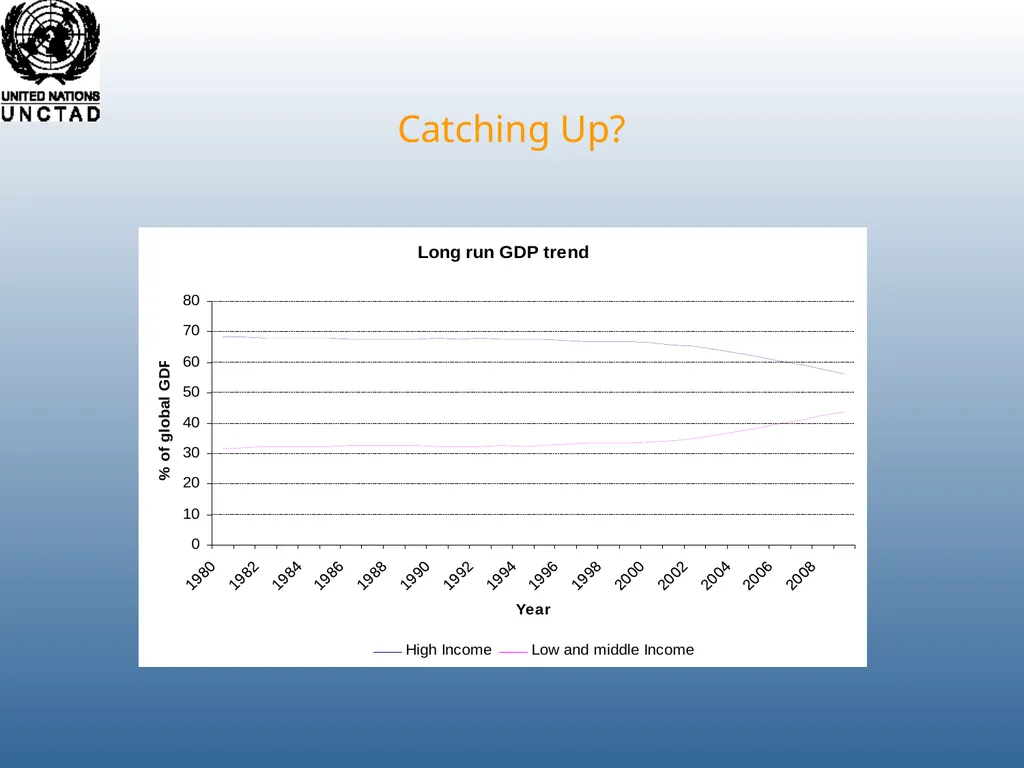
slide19. Catching Up?<br>
slide20. Weathering the crisis (growth rate of GDP, % change from a year earlier) (back)<br>
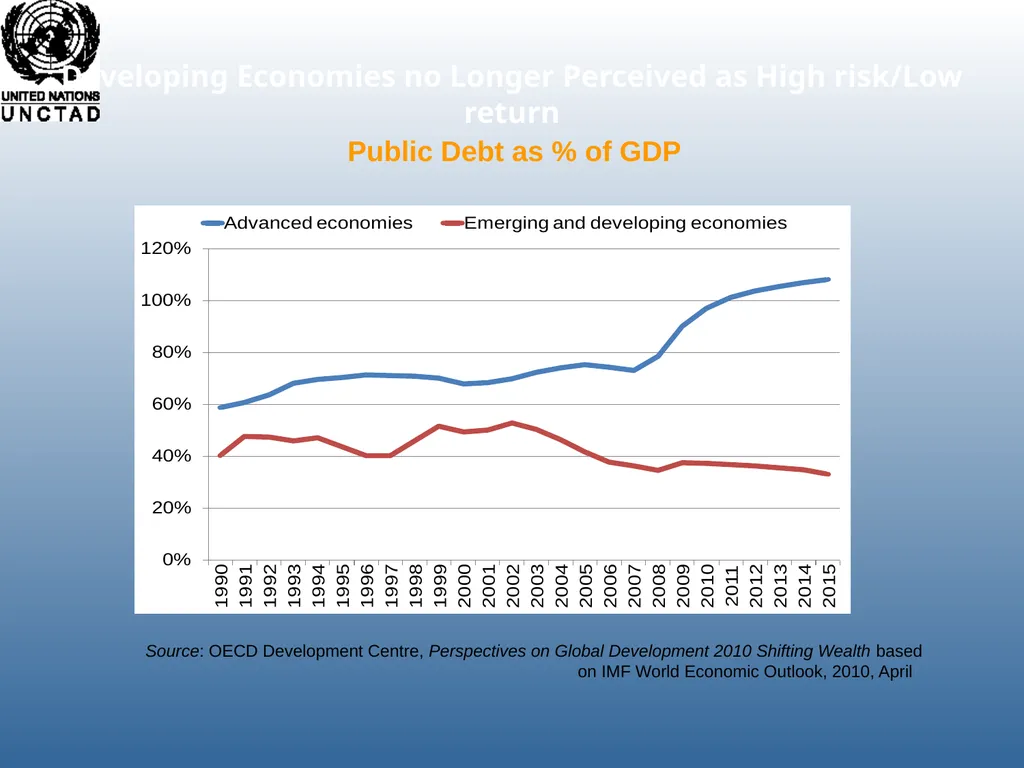
slide21. Developing Economies no Longer Perceived as High risk/Low return Source: OECD Development Centre, Perspectives on Global Development 2010 Shifting Wealth based on IMF World Economic Outlook, 2010, April Public Debt as % of GDP<br>
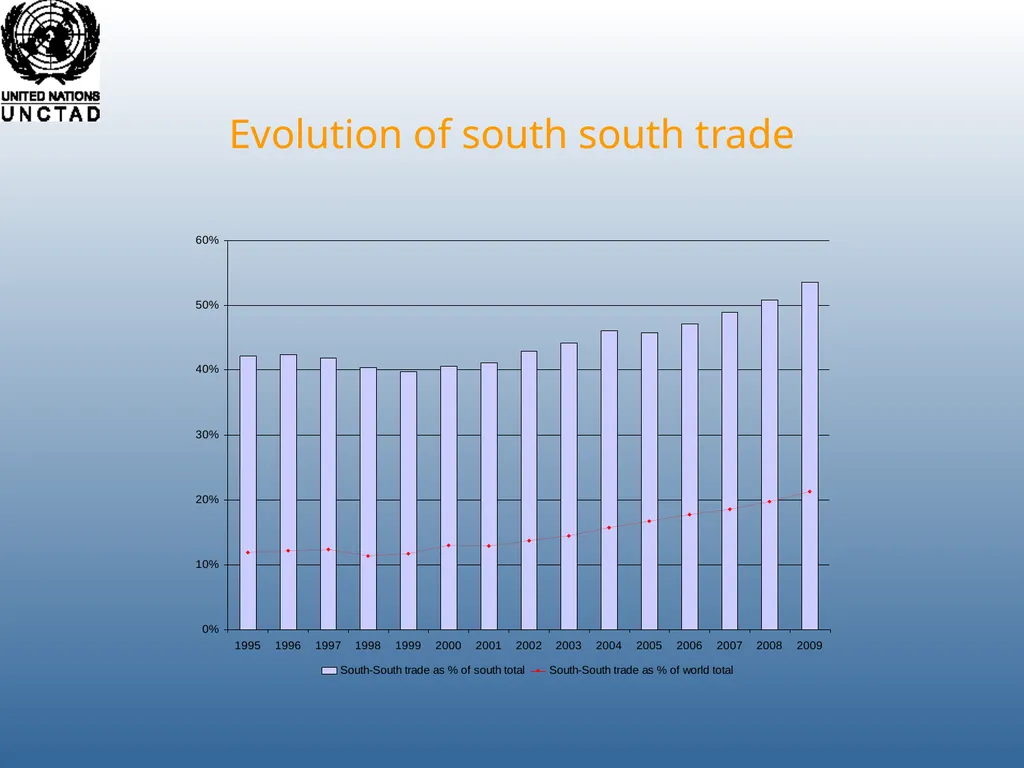
slide22. Evolution of south south trade<br>
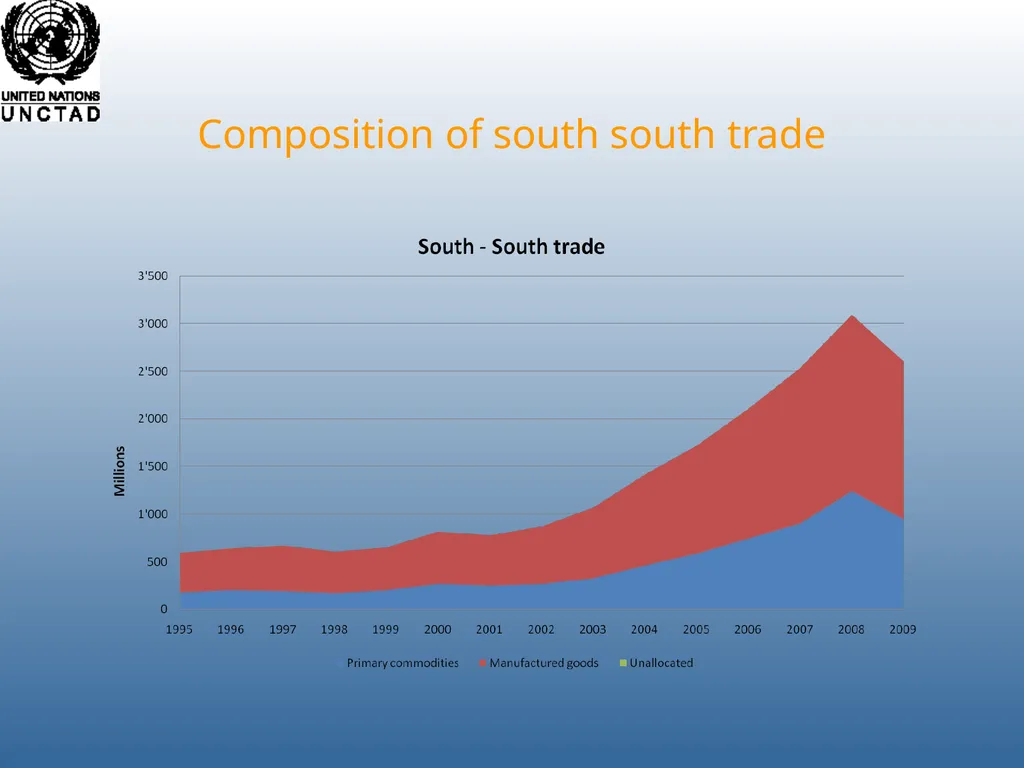
slide23. Composition of south south trade<br>
slide24. South-South trade by region in 2009 Source: ECIDC,UNCTAD based on UNCTADstat.<br>
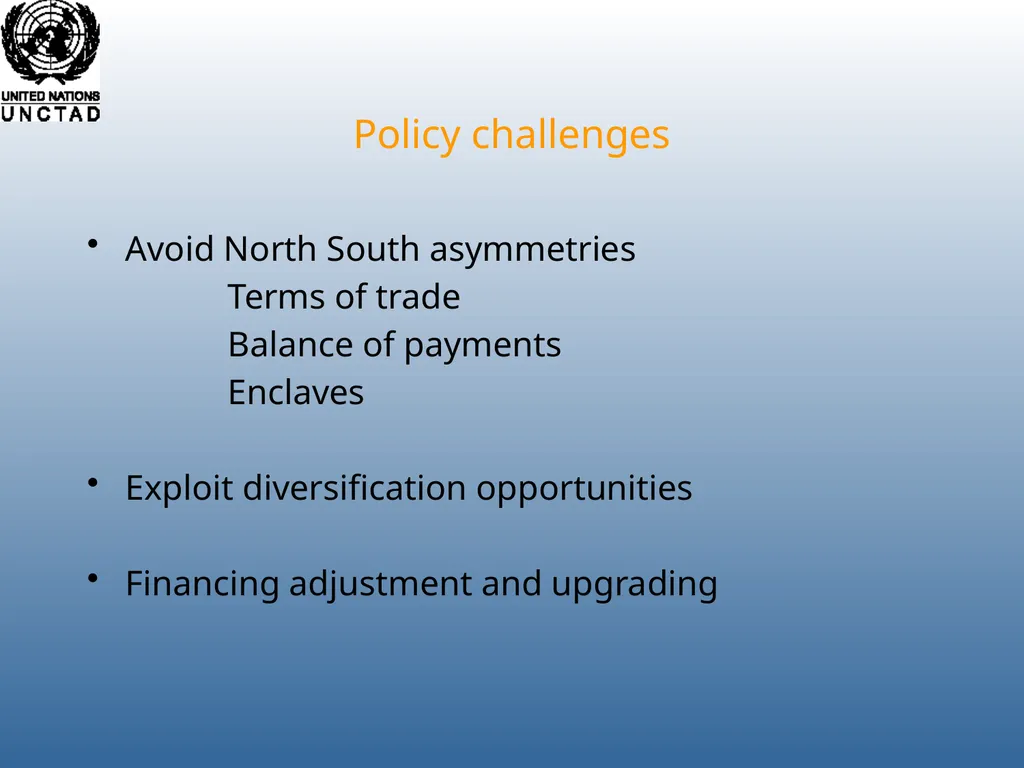
slide25. Policy challenges Avoid North South asymmetries
Terms of trade
Balance of payments
Enclaves
Exploit diversification opportunities
Financing adjustment and upgrading<br>
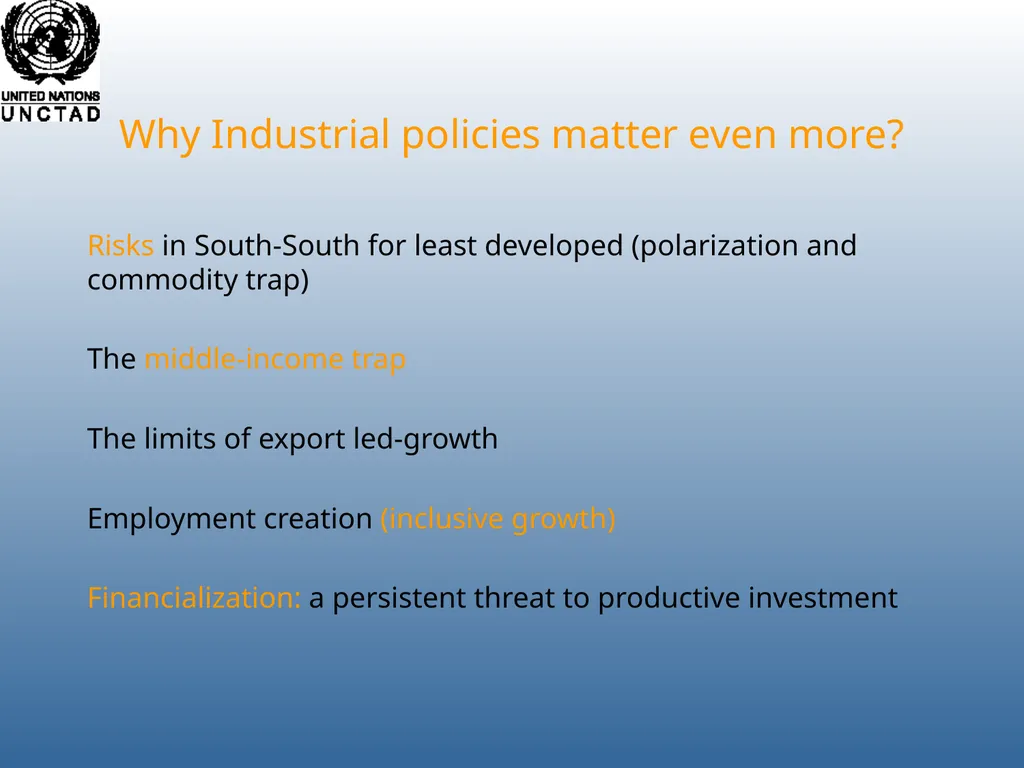
slide26. Why Industrial policies matter even more? Risks in South-South for least developed (polarization and commodity trap)
The middle-income trap
The limits of export led-growth
Employment creation (inclusive growth)
Financialization: a persistent threat to productive investment<br>
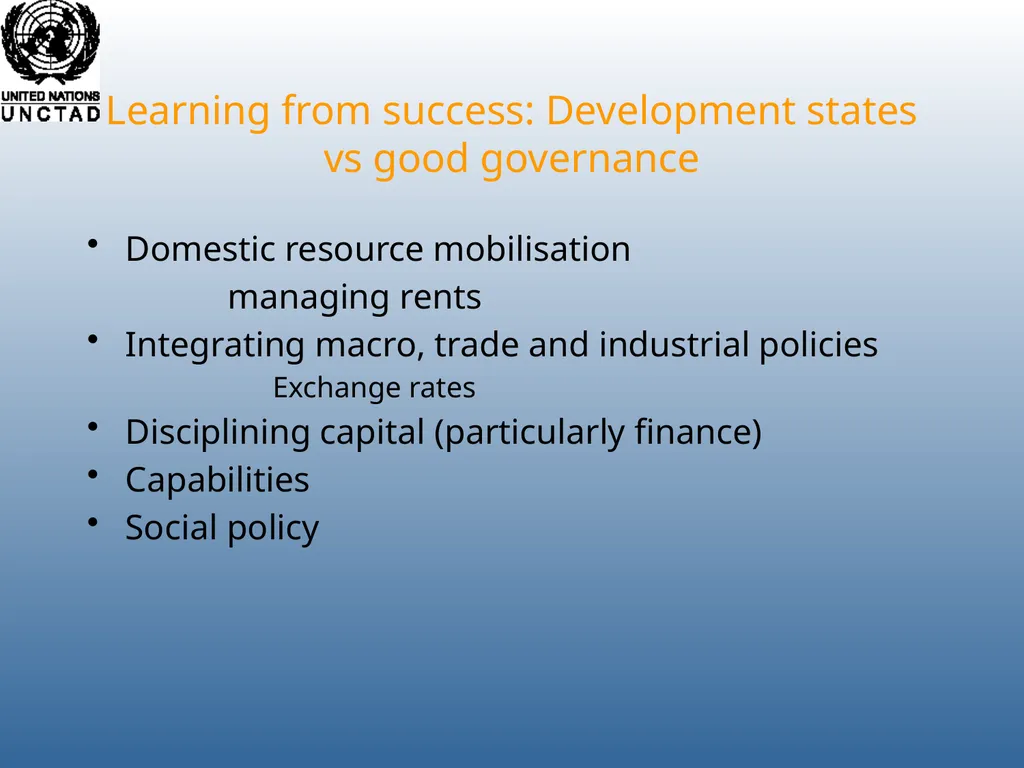
slide27. Learning from success: Development states vs good governance Domestic resource mobilisation
managing rents
Integrating macro, trade and industrial policies
Exchange rates
Disciplining capital (particularly finance)
Capabilities
Social policy<br>
slide28. Thank you!<br>
Structural transformation, industrial policy and the rise of the South Geneva, 15 April 2011<br>
slide2. Structural transformation Economic development requires structural transformation – new activities + shifting resources:
Source of productivity growth (Lewis)
Virtuous supply and demand side linkages (Kaldor)
Learning economies (Schumpeter)
Is industry special? Yes and no
Structural transformation more important to developing than developed countries – large productivity gaps between different parts of their economy<br>
slide3. Economic growth and structural change, 1970-2003<br>
slide4. Globalisation and structural change: Winners and losers, 1990-2005<br>
slide5. What you (produce and) export matters Why countries trade:
Comparative advantage (static)
Technology/learning (dynamic)
Vent for surplus
Balance of payments
Sophistication (diversification) some traded goods are associated with higher productivity levels than others and countries that latch on to higher productivity goods perform better.<br>
slide6. What you trade has an impact on growth<br>
slide7. Export diversification and growth<br>
slide8. Export sophistication and growth I<br>
slide9. Export sophistication and growth II<br>
slide10. Technological intensity and growth<br>
slide11. Export sophistication level selected countries<br>
slide12. Missing links Export-led growth vs import substitution
Misreading the East Asian Miracle
investment-export nexus
Big firms export and invest
Public investment matters<br>
slide13. Why investment rates differ?<br>
slide14. Investment is a catalyst for structural change<br>
slide15. Infrastructure investment<br>
slide16. The role of production networks
FDI
Flying geese paradigm
Regional arrangements
A new industrial policy?
Concerns:
Trading more earning less
Footlose
Race to the bottom New patterns of trade and investment<br>
slide17. The Rise of the South The emergence of southern growth poles
Catching up, convergence and decoupling
The crisis has accelerated the shift
Can the South go it alone? Markets, machines and money<br>
slide18. Contribution to world GDP/PPP growth 1990-2015
Annual global GDP-PPP growth rate (based on 3-yr moving average) Source: OECD Development Centre, Perspectives on Global Development 2010 Shifting Wealth based on IMF World Economic Outlook, 2010, April
Notes: Data for 2010-2015 based on IMF projections (back)<br>
slide19. Catching Up?<br>
slide20. Weathering the crisis (growth rate of GDP, % change from a year earlier) (back)<br>
slide21. Developing Economies no Longer Perceived as High risk/Low return Source: OECD Development Centre, Perspectives on Global Development 2010 Shifting Wealth based on IMF World Economic Outlook, 2010, April Public Debt as % of GDP<br>
slide22. Evolution of south south trade<br>
slide23. Composition of south south trade<br>
slide24. South-South trade by region in 2009 Source: ECIDC,UNCTAD based on UNCTADstat.<br>
slide25. Policy challenges Avoid North South asymmetries
Terms of trade
Balance of payments
Enclaves
Exploit diversification opportunities
Financing adjustment and upgrading<br>
slide26. Why Industrial policies matter even more? Risks in South-South for least developed (polarization and commodity trap)
The middle-income trap
The limits of export led-growth
Employment creation (inclusive growth)
Financialization: a persistent threat to productive investment<br>
slide27. Learning from success: Development states vs good governance Domestic resource mobilisation
managing rents
Integrating macro, trade and industrial policies
Exchange rates
Disciplining capital (particularly finance)
Capabilities
Social policy<br>
slide28. Thank you!<br>